




No CrossRef data available.
Article contents
Cost-effectiveness of fracture prevention treatments in the elderly
Published online by Cambridge University Press: 28 May 2004
Abstract
Objectives: The cost-effectiveness of fracture prevention treatments (vitamin D and calcium and hip protectors) in male and female populations older than seventy years of age in the United-Kingdom was investigated.
Methods: A Markov model was developed to follow up, over lifetime, a hypothetical cohort of males and females at high-risk and general risk of fracture. Patients could sustain hip, wrist, vertebral, and/or other fractures. Fracture rates were obtained from population surveys in the United Kingdom. Effectiveness and quality of life data were identified from the clinical literature. Costs were those incurred by the UK National Health Service, and were obtained from several published sources. Uncertainty was explored through probabilistic sensitivity analysis.
Results: In the general-risk female (male) population, the incremental cost per Quality Adjusted Life Year (QALY) was $11,722 ($47,426) for hip protectors. In the male high-risk population, the incremental cost per QALY was $17,017 for hip protectors. In the female high-risk population, hip protectors were cost-saving. Vitamin D and calcium alone was dominated by hip protectors in all four subgroups.
Conclusions: Current information available on interventions to prevent fractures in the elderly in the United Kingdom, suggests that, at the decision-maker's ceiling ratio of $20,000 per QALY, hip protectors are cost-effective in the general female population and high-risk male population, and cost-saving in the high-risk female population, despite the low compliance rate with the treatment.
Information
- Type
- GENERAL ESSAYS
- Information
- International Journal of Technology Assessment in Health Care , Volume 20 , Issue 2 , April 2004 , pp. 184 - 191
- Copyright
- © 2004 Cambridge University Press
In countries with aging populations, osteoporotic fragility fractures constitute a significant public health concern. Approximately 70,000 hip fractures will occur each year in the United Kingdom and 300,000 in the United States, with considerable loss of quality of life to the patients. The total cost of fractures has been estimated at $1.5 billion in the United Kingdom and at $13.8 billion in the United States. (17;38).
Several interventions, including hormone replacement therapy (HRT), bisphosphonates, vitamin D with or without calcium supplements, and hip protectors are available to reduce the risk of fracture. However, uncertainty remains as to their long-term effectiveness and cost-effectiveness. For example, the most recent evidence has advised against the prescription of HRT in older age groups, due to the lack of evidence and possible adverse effects of long-term use of HRT (40). Although bisphosphonates may be more effective in older women at higher risk of fracture, their high cost (at least twice that of a course of vitamin D and calcium in the United Kingdom) may preclude strategies aimed at primary prevention (35). Vitamin D and calcium daily supplements, alone or in combination with wearing hip protectors, constitute promising options because of their relatively low cost and possible effectiveness in reducing fractures with few side effects (44). Moreover, they may also be effective in men as well as women (15).
Decision makers, acting for example from the perspective of a national health service such as the NHS in the United Kingdom, have to choose between intervention strategies without necessarily having robust data on long-term effectiveness and cost-effectiveness immediately available to them. Moreover, even when available, clinical data may refer to narrowly defined populations and their generalizability to more broadly defined populations will remain uncertain. In the presence of such uncertainty, decision-analytic models constitute appropriate tools to inform decision making until more data become available, by explicitly combining available information in a formal framework. The validity of these models should be judged by the quality of the input data used (which should represent the best knowledge available at the time) and by the appropriateness of its representation of the clinical and biological theory surrounding the disease process. In general, these models cannot exhaustively combine “true” parameter estimates for all the inputs, because these estimates simply do not exist at the time the decision needs to be made. Inevitably, data will be lacking for several inputs, and in such cases assumptions and extrapolations cannot be avoided. The strength of such models lays in the explicitness of the inputs and assumptions made and in their consequent ability to inform decision making at a particular point in time (41). A review of the literature identified thirty-one models investigating the cost-effectiveness of interventions aimed at preventing fractures, eight of which included vitamin D and calcium or hip protectors (1;4;24;39;42;44;45;52).
The objective of this study was to model two cost-effectiveness scenarios for the prevention of osteoporotic fractures in men and women over seventy years of age in the United Kingdom: daily supplements of vitamin D and calcium (800 IU daily, D3, and 1 gram of elemental calcium) compared with hip protectors (worn daily) and to no treatment (scenario 1), and daily supplements of vitamin D and calcium combined with the use of hip protectors (worn daily) compared with no treatment (scenario 2). The dosages correspond to those used in current clinical trials taking place in the United Kingdom.
METHODOLOGY
Markov Model
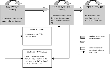
A Markov model was developed to evaluate the average lifetime costs and benefits per patient and is described in Figure 1 (3). Benefits were measured in Quality Adjusted Life Years (QALYs). A quality of life weight and an average cost were associated with three possible health states in which patients could find themselves (no event, hip fracture, and dead). Within the “no event” and “hip fracture” states, patients could also sustain Colles', vertebral, or other fractures. After each one-year cycle, patients moved between health states according to transition probabilities. The occurrence of a fracture was associated with a one-time cost of treating the fracture. Side effects from taking supplements and wearing hip protectors are extremely rare are and were not included in the model (25). Costs and benefits were discounted at 6%. All rates were transformed when necessary into annual probabilities using the appropriate formulae (34). A half cycle correction was made to account for the finding that events tend to occur in the middle of a cycle rather at the beginning of the cycle (7).

Markov model.
To our knowledge, there has been no previously published Markov model developed for the elderly population in the United Kingdom for the interventions considered. To validate the model, a framework for assessing the quality of the decision-analytic models was used (41). The internal validity of the model was assessed by using debugging techniques that involve extreme sensitivity analyses and by checking that the fracture rates reported by the model were consistent with the primary data input (30). External validity was assessed by checking that the results of the model were consistent with information contained in other relevant primary research studies. For example, lifetime and ten-year risk of fracture predicted by the model were compared with survey data.
Setting and Study Population
The setting was primary, secondary, and residential care in the United Kingdom. Hypothetical cohorts of 1,000 male or female patients were analyzed separately in the model. Patients were seventy years old at the initiation of follow-up. Four different cohorts were analyzed: males and females who had not previously incurred a fracture and were, therefore, at average age- and gender-specific risk of fracture (“general population”) and males and females at high-risk of fracture, constituted by patients who had previously incurred a fracture (“high-risk population”).
Input Parameters
Data populating the model were obtained through extensive literature search. United Kingdom-specific data were preferred when possible, as rates of fracture have been shown to vary considerably geographically, and it is possible that the effectiveness of nutritional supplements varies according to the diet of the population (21;44).
Fracture Rates
Age- and sex-specific fracture rates were obtained from published population surveys in the United Kingdom. The model required data by age (seventy to seventy-four, seventy-five to seventy-nine, eighty to eighty-four, and eighty-five+), sex, and fracture site (hip, vertebral, Colles', and other), so it was not possible to use a single study as a source for these parameters. However, the rates used were compared with other published results when possible to assess their validity.
Age- and sex-specific hip fracture rates were obtained from a study using Hospital Episode System (HES) data for 1993–1995 to identify all hip fracture episodes relating to individual patients older than sixty-five years of age and resident in Wessex (United Kingdom) (31). Annual incidence rates ranged from 0.002 to 0.012 for males and from 0.003 to 0.024 for females, depending on age. These are similar to incidence data reported in a study of 15,000 adults in Edinburgh (43).
Incidence data on vertebral fractures pose a particular challenge in that the majority of these fractures are underreported (28). A survey in Rochester (United States) suggested that 8% of patients with vertebral fractures came to medical attention (12). As the model only accounts for costs of vertebral fractures and not for quality of life, it was appropriate to use hospital admission rates rather than incidence rates (28). 1989/1990 female age-specific hospital admission rates from the Trent health authority (United Kingdom) were used for the model (27). In the absence of data for males, it was assumed that vertebral fracture rates for males were half that of females (28). Annual incidence rates ranged from 0.002 to 0.013 for females, depending on age. These values are comparable, albeit somewhat higher than those (graphically) reported in the Edinburgh study (43). In particular the incidence of vertebral fractures diminishes in females over 75 in that study.
Age- and sex-specific incidence rates for Colles' fracture from the 1989/1990 Trent region study were used in the model (28). Annual incidence rates ranged from 0.001 to 0.003 for males and from 0.005 to 0.006 for females, depending on age. Although these rates are broadly similar to those reported in the Edinburgh study for males, the rates for females were somewhat higher in the latter study (range, 0.007 to 0.01) (43).
Although hip, vertebral, and Colles' fractures account for the majority of osteoporotic fractures, other sites do sustain fractures and need to be included. For the purpose of this study, the all-age average annual fracture rate (0.006) at all sites excluding hip, vertebral, and Colles' from the Trent region study was used (18). As age-specific data was not reported, this figure probably underestimates the rate of other fractures in groups older than seventy years of age.
To account for the increased risk of subsequent fracture after a first fracture in the high-risk cohorts, an increased relative risk of fracture was applied to baseline fracture rates. The relative risks were obtained from a published meta-analysis (29). The relative risk of a hip, vertebral, Colles', and other fracture given a previous fracture were 2, 2, 1.9, and 1.9, respectively.
Mortality Rates
Excess mortality from hip fractures has been documented in several studies. Hip fractures are associated with an overall reduction in survival of 10–20% with the majority of deaths occurring within the first 6 months of the fracture (13;51). In the model, a rate of 15% was used. Gender-specific natural death rates were obtained from UK national statistics interim life tables (26).
Effectiveness of Interventions
Systematic reviews were identified for the effectiveness of vitamin D and calcium, and of hip protectors (25;37). The relative risk of hip fracture was 0.73 with vitamin D and calcium and 0.25 for hip pads. The relative risks for Colles' and vertebral fractures with vitamin D and calcium were proxied by the relative risk for other (non-hip) fractures, at a value of 0.87. For the combination of vitamin D and calcium and hip protectors, the relative risk of hip fracture was assumed to be that of hip protectors alone for patients compliant with them (because this was the most effective treatment). For noncompliant hip protector patients, the relative risk of hip fracture was assumed to be that of the vitamin D and calcium supplement for those compliant with it. The proportion of patients that fully comply with nutritional supplements was set at 85% and at 35% for hip protectors, according to the unblinded results of two ongoing clinical trials in the United Kingdom (Dr. Torgerson, personal communication, and Torgerson and Porthouse (46)). This finding is consistent with compliance rates for hip protectors reported in a systematic review of the literature, where compliance ranged between 20% and 92% (median, 56%) (49).
Costs
All costs were direct costs to the UK National Health Service (NHS). Direct costs included average utilization costs to the NHS, preventive treatment costs and fracture treatment costs. The price year was 2000. Costs were reflated to the 2000 price year using the Retail Price Index when necessary. Conversion from UK pounds to US dollars was done using an exchange rate of $1.4 to the UK pound.
In the model' health states, average annual costs to health service were included to reflect general health service use. These costs should be included in cost-effectiveness analysis where interventions extend the life of patients (32). To calculate these costs, the method proposed in Daly et al. (14) was followed. Specific costs were obtained from the department of health Web pages (16). Final annual costs ranged from $3,214 to $4,929 according to the age group.
The cost of supplements was obtained from the UK drug prescription index (35). An annual course of daily vitamin D and calcium supplements costs $97. It was estimated that patients would need two hip protectors (at a unit cost of $63) every two years, based on an ongoing trial in the United Kingdom (personal communication, Dr. Torgerson). It was assumed that all preventive treatments would be used during the remaining lifetime of the patients.
The cost of different fractures was obtained from a single study on the cost of treating fractures in the UK population (17). These costs included acute costs, social care costs, nonacute costs, and drug costs. The one-time costs of treating hip, vertebral, Colles', and other fractures were $19,350, $764, $746, and $2,135, respectively.
Quality of Life
Health state utilities were obtained from a systematic review of literature (5). The reference case set of values proposed in this study was adopted for the purposes of the model. Health state values for the general population obtained using EQ-5D were used as baseline values for nonfracture patients. These were as follows 0.747, 0.731, 0.699, and 0.676 for ages seventy to seventy-four, seventy-five to seventy-nine, eighty to eighty-five, and eighty-five+, respectively. To obtain the health state utility after the occurrence of a hip fracture, these baseline values were adjusted using a multiplier of 0.797, to account for the proportionate effect of a fracture on the health state utility in the first year. This multiplier was obtained from an empirical study conducted in the United Kingdom using the time trade-off method (6). In the absence of empirical data on the effect of hip fractures on health state utilities in subsequent years, the model assumed that fractures have the same relative degree of impact in subsequent years, following recommendations in Brazier et al. (5).
Analysis
Lifetime and ten-year risk of fractures were calculated by using the actuarial method to evaluate the consistency between the model results and other reports of fracture risk available in the literature (2). Average lifetime costs and benefits per patient and per intervention were obtained from the model and incremental cost-effectiveness ratios were calculated.
Traditional sensitivity analysis is unable to account for the simultaneous variations in input parameters within the model, and probabilistic sensitivity analysis has been suggested as an alternative way to analyze the uncertainty (19). Each input parameter is assigned an appropriate statistical distribution and a 95% confidence interval, representing a range of plausible values obtained from the literature (7;10). Lognormal distributions were used for cost and effectiveness inputs. Beta distributions were used for compliance, excess mortality from hip fractures, fracture rates, and health state utilities (a list of the parameters with the confidence intervals used is available from the author). A Monte-Carlo simulation is then run to obtain 10,000 iterations of the model. Cost-effectiveness acceptability curves show the probability that an intervention is cost-effective as a function of the decision-maker's ceiling cost-effectiveness ratio (this ceiling will vary according to the resources available for health care and is in general unknown to the analyst) (22;23;48).
RESULTS
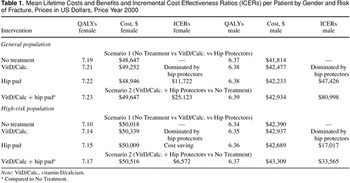
Lifetime risk of hip fracture at seventy years of age was 15.61% (5.44%) for females (males). Ten-year risk of hip fracture at age seventy was 4.29% (1.78%) for females (males). These estimates are comparable to published data for fractures in England and Wales, which found a lifetime risk at seventy years of age of 12.1% (3.3%) for females (males) and a ten-year risk at age seventy of 3.4% (1.4%) for females (males) (51). Average lifetime costs per female (male) patient ranged from $48,647 to $49,647 ($41,814 to $42,934) in the general population and from $50,009 to $50,339 ($42,390 to $43,309) in the high-risk population, depending on the intervention. Average lifetime QALYs per patient ranged from 7.19 to 7.23 (6.37 to 6.39) in the female (male) general population and from 7.10 to 7.17 (6.34 to 6.37) in the population at high risk (Table 1).

In scenario 1 (no treatment versus hip pads versus vitamin D and calcium), vitamin D and calcium is a dominated intervention in all four subgroups, that is, it is less effective and more costly than the next more-effective intervention and should, therefore, not be recommended (20). The incremental cost-effectiveness ratio of hip pads compared with no treatment for females (males) in the general population was $11,722 ($47,426) and $17,017 for males in the high-risk population. Hip pads were cost-saving in the female high-risk population.
In scenario 2 (no treatment versus hip pads + vitamin D and calcium), the incremental cost-effectiveness ratio was $25,123 ($80,998) for females (males) in the general population and $6,572 ($33,565) in the high-risk population (Table 1). Whether or not an intervention is deemed cost-effective ultimately depends on the decision-maker' ceiling cost-effectiveness ratio. For example, at cost-effectiveness ceiling ratios of $20,000/QALY and $30,000/QALY, in scenario 1, hip protectors are cost-effective for men at high-risk and for women at general risk and cost-saving for women at high-risk. For men at general risk, the intervention would not be considered cost-effective at an incremental cost of $47,426 per QALY. In scenario 2, by using the same ceiling ratios, the intervention (vitamin D and calcium + hip protectors) is cost-effective for women at high-risk, but not for either male population. For women at general risk, the intervention would be considered cost-effective at a ceiling ratio of $30,000/QALY but not at a ceiling ratio of $20,000/QALY.
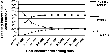
Cost-effectiveness acceptability curves represent the uncertainty surrounding the treatment decision and can be used to inform the decision whether to acquire further information through research to inform service provision in the future (23). For example, at a ceiling ratio of $20,000/QALY, in scenario 2, for women at general risk, the probability that vitamin D and calcium with hip pads is cost-effective is 51%, compared with 49% for no treatment (despite that no treatment is the optimal treatment at that ceiling ratio, for an explanation of this phenomenon, see Fenwick et al. [23]). At $30,000/QALY, the probabilities are 63% and 37%, respectively (Figure 2). This analysis of uncertainty can be used in the formal assessment of the value of undertaking further research (9). Figure 3 shows the cost-effectiveness acceptability curve for scenario 1 in the high-risk male population.

Cost-effectiveness acceptability curve for the female general population, scenario 2.

Cost-effectiveness acceptability curve for the male high-risk population, scenario 1.
DISCUSSION
The findings of this study suggest an important role for hip protectors, with or without vitamin D and calcium supplementation, in males and females over seventy years of age in the United Kingdom. By using a conservative value for the decision-maker' ceiling ratio of $20,000 per QALY, hip protectors alone are cost-effective in the general female population and high-risk male population and cost-saving in the high-risk female population, despite the low compliance rate with the treatment. Vitamin D and calcium with hip protectors, is cost-effective for female high-risk populations. By using a higher ceiling ratio of $30,000/QALY, vitamin D and calcium with hip protectors would also be cost-effective in the general risk female population over age seventy.
The use of models in cost-effectiveness analysis should not be considered as an alternative for further clinical and economic research. Rather models help inform current decisions when evidence on several parameters is lacking by combining the information that is currently available. Assumptions and choice of parameters are presented in a transparent and systematic manner, so they may be open for discussion and improvement as more data become available. The probabilistic sensitivity analysis reflects the uncertainty surrounding the treatment recommendation and can help determine the need for further research (9).
Two other studies have modeled the cost-effectiveness of vitamin D and calcium supplements in the UK population, although the comparators and several other elements were not the same as this model (44;45). These studies found vitamin D alone to be potentially more cost-effective than vitamin D and calcium, but acknowledged that the evidence of the effectiveness of vitamin D alone was still weak. Another study modeled the use of hip protectors in the elderly male and female population in the United States (42). The study concluded that hip protectors should be recommended for women sixty-five+ years old and for men older than eighty-five 85 years old. Finally, a study modeled the use of vitamin D and calcium in Swedish postmenopausal women (52). The study concluded that the intervention was cost-effective for women seventy years old and older, particularly for those at high-risk of fracture.
There are some limitations to the present study. Several simplifying assumptions were made in the construction of the model. First, it was assumed that patients did not suffer any loss of quality of life with fractures other than hip. In fact, there is some evidence that vertebral fractures may also lead to a permanent loss of quality of life, whereas Colles' and other fractures may have an impact in the first year after the fracture only. However, the empirical evidence on this issue is still scant (5).
Second, although the model accounts for the finding that the high-risk population has a higher average risk of fracture than the general population, the occurrence of a subsequent fracture was assumed to be independent of previous fractures. Again, this statement is a simplifying assumption, because subsequent fractures are more likely to occur if a fracture has already been sustained. These two assumptions will tend to underestimate the cost-effectiveness of preventive treatments.
Another limitation stems from the necessary extrapolation of data from one population to another. Whereas incidence parameters were age- and sex-specific and obtained from populations in the United Kingdom, several different surveys had to be used for the estimates by fracture site. It was assumed that these estimates could be generalized to the overall population in the United Kingdom. To validate this input data, comparisons with other surveys were made that did confirm that the range of data used was consistent. Furthermore, the model predicted lifetime risk and ten-year risks of hip fractures that were consistent with data from independent sources. Quality of life data was age specific, although not gender specific, so the model had to use averages rather than specific male and female data. Until more empirical data become available on quality of life of patients with hip fractures, this was a necessary assumption.
Several important assumptions were necessary for the effectiveness of treatments in the different subgroups analyzed. The relative risk of fracture with vitamin D and calcium was obtained from a meta-analysis, in which the population of the largest study included was composed of elderly females (mean age, eighty-four years) in residential care (8). Similarly, the studies included in the estimate of effectiveness for hip protectors, all consisted of elderly patients at high risk of fracture (37). Whether these are generalizable to healthier male and female populations living in the community and from age seventy is uncertain. However a recent study of vitamin D for males and females in the community showed a reduction in fracture incidence, so the assumption may not be unreasonable until further evidence becomes available (47).
The effectiveness of hip protectors was obtained from a Cochrane systematic review. However, two recent trials of hip protectors in elderly populations have been published since the Cochrane review was undertaken (33;50). One showed a 40% reduction in hip fractures with hip protectors, while the other showed no effect for the intervention. For the purpose of the model, however, the estimate from the Cochrane review was retained. From a decision-making perspective, the results of the model are interesting because they look at the additional cost per additional benefit. If the hip protector intervention is not effective, there is no decision-making issue. There are several ongoing trials of hip protectors, the results of which will help determine the effectiveness of the intervention when they become available.
Finally, the results of the model may not be applicable to non-UK settings, because the costs as well as several of the epidemiological parameters were UK-specific. Care should be taken in generalizing the results to other countries.
POLICY IMPLICATIONS
This study highlights an important role in the prevention of fractures, for treatments involving hip protectors with or without daily supplementation of vitamin D and calcium in males and females over seventy in the United Kingdom. This role is particularly important for those at high-risk of fracture.
From a policy perspective, recommending these preventive treatments to the target populations would have important economic and health consequences. According to 2001 census figures, there were 2.3 million males and 3.6 million females over seventy years of age living in the England and Wales. This represents 11.6% of the total population (36). Treatment costs alone for all females older than seventy in the first year would amount to $450 million for hip protectors and $350 million for daily supplements of vitamin D and calcium if these were financed by the NHS. However, results from the model suggest that the benefits from implementing such programs would be cost-effective in the long-run because of the improved health benefits that would result.
This study also has several implications for research policy. The uncertainty surrounding several of the input parameters used in the model makes them good candidates for further research. Because of the scarcity of funds available, priority setting in clinical research is just as important as it is in service provision (9). Recently, a framework has been proposed to define the economic value of gathering more information through research (11). This involves systematically exploring the uncertainty surrounding key parameters by using decision-analytic models such as the one described in this study. Further work will explore priorities for research in preventive treatments for fractures to make the most effective use of scarce research funds.
A fee was received from Eli Lilly to conduct the literature review of economic models of fracture prevention. The author was supported by a Medical Research Council (United Kingdom) PhD studentship for the development of the model. The author thanks Dr. David Torgerson, as well as an anonymous referee, for their suggestions and comments, and Cynthia Iglesias for coauthoring the literature review of economic models of fracture prevention.
References
Ankjaer-Jensen A
Johnell O.
1996
Prevention of osteoporosis: Cost-effectiveness of different pharmaceutical treatments.
Osteoporos Int.
6:
265–
275.Google Scholar
Barrett JA
Baron JA
Karagas MR
Beach ML.
1999
Fracture risk in the U.S. Medicare population.
J Clin Epidemiol.
52:
243–
249.Google Scholar
Beck JR,
Pauker SG.
1983
The Markov process in medical prognosis.
Med Decis Making.
3:
419–
458.Google Scholar
Bendich A,
Leader S,
Muhuri P.
1999
Supplemental calcium for the prevention of hip fracture: Potential health economic benefits.
Clin Ther.
21:
1058–
1072.Google Scholar
Brazier Je,
Green C,
Kanis JA.
2002
A systematic review of health state utility values for osteoporosis-related conditions.
Osteoporos Int.
13:
768–
776.Google Scholar
Brazier JE,
Kohler B,
Walters S.
2000
A prospective study of the health related quality of life impact of hip fractures.
Sheffield:
Scharr, University of Sheffield
Briggs AH.
2000
Handling uncertainty in cost-effectiveness models.
Pharmacoeconomics.
17:
479–
500.Google Scholar
Chapuy MC,
Arlot ME,
Duboeuf F, et al.
1992
Vitamin D3 and calcium to prevent hip fractures in the elderly women.
N Engl J Med.
327:
1637–
1642.Google Scholar
Claxton K.
1999
The Irrelevance Of Inference: A Decision-Making Approach To The Stochastic Evaluation Of Health Care Technologies.
J Health Econ.
18:
341–
364.Google Scholar
Claxton K,
Neumann PJ,
Araki SS.
2001
The value of information: An application to a policy model of Alzheimer's disease.
Int J Technol Assess Health Care.
17:
38–
55.Google Scholar
Claxton K,
Sculpher M,
Drummond M.
2002
A rational framework for decision making by the National Institute For Clinical Excellence (NICE).
Lancet.
360:
711–
715.Google Scholar
Cooper C.
1993
Epidemiology and public health impact of osteoporosis.
Baillieres Clin Rheumatol.
7:
459–
477.Google Scholar
Cooper C,
Atkinson EJ,
Jacobsen SJ, et al.
1993
Population-based study of survival after osteoporotic fractures.
Am J Epidemiol.
137:
1001–
1005.Google Scholar
Daly E,
Vessey MP,
Barlow D, et al.
1996
Hormone replacement therapy in a risk-benefit perspective.
Maturitas.
23:
247–
259.Google Scholar
Dawson-Hughes B,
Harris SS,
Krall EA,
Dallal GE.
1997
Effect of calcium and vitamin D supplementation on bone density in men and women 65 years of age or older.
N Engl J Med.
337:
670–
676.Google Scholar
Department of Health.
2003.
Departmental Report 2000–2001.
Available at: www.doh.gov.uk. Accessed May 10
Dolan P,
Torgerson DJ.
1998
The cost of treating osteoporotic fractures in the United Kingdom female population.
Osteoporos Int.
8:
611–
617.Google Scholar
Donaldson LJ,
Cook A,
Thomson RG.
1990
Incidence of fractures in a geographically defined population.
J Epidemiol Community Health.
44:
241–
245.Google Scholar
Doubilet P,
Begg CB,
Weinstein MC, et al.
1985
Probabilistic sensitivity analysis using Monte Carlo simulation.
Med Decis Making.
5:
157–
177.Google Scholar
Drummond MF,
Torrance GW,
Stoddart GL.
1995
Methods for the economic evaluation of health care programmes.
Oxford:
Oxford University Press
European Commission.
1998
Report on osteoporosis in the European Community-action for prevention.
Luxembourg:
Office for the Official Publications of European Communities
Felli JC,
Hazen GB.
1998
Sensitivity analysis and the expected value of perfect information.
Med Decis Making.
18:
95–
109.Google Scholar
Fenwick E,
Claxton K,
Sculpher M.
2001
Representing uncertainty: The role of cost-effectiveness acceptability curves.
Health Econ.
10:
779–
787.Google Scholar
Geelhoed E,
Harris A,
Prince R.
1994
Cost-effectiveness analysis of hormone replacement therapy and lifestyle intervention for hip fracture.
Aust J Public Health.
18:
153–
160.Google Scholar
Gillepsie WJ,
Avenell A,
Henry DA, et al.
2001
Vitamin D and vitamin D analogues for preventing fractures associated with involutional and post-menopausal osteoporosis (Cochrane Review).
Oxford:
The Cochrane Library
Government's Actuary Department.
2003.
Interim Life Tables 1997–1999.
Available at: www.gad.gov.uk. Accessed May 10
Kanis JA,
McCloskey EV.
1992;
Epidemiology of vertebral osteoporosis.
Bone.
13
(suppl 2):
S1–
S10.Google Scholar
Klotzbuecher CM,
Ross PD,
Landsman PB, et al.
2001
Patients with prior fractures have an increased risk of future fractures: A summary of the literature and statistical analysis.
J Bone Miner Res.
15:
727.Google Scholar
Krahn MD,
Naglie G,
Naimark D, et al.
1997
Primer on medical decision analysis. IV. Analyzing the model and interpreting the results.
Med Decis Making.
17:
142–
151.Google Scholar
McColl A,
Roderick P,
Cooper C.
1998
Hip fracture incidence and mortality in an English region: A study using routine National Health Service data.
J Public Health Med.
20:
196–
205.Google Scholar
Meltzer D.
1997
Accounting for future costs in medical cost-effectiveness analysis.
J Health Econ.
16:
33–
64.Google Scholar
Meyer G,
Warnke A,
Bender R,
Muhlhauser I.
2003
Effect on hip fractures of increased use of hip protectors in nursing homes: Cluster randomised controlled trial.
BMJ.
326:
76.Google Scholar
Miller DK,
Homan SM.
1994
Determining transition probabilities: Confusion and suggestions.
Med Decis Making.
14:
52–
58.Google Scholar
Monthly Index of Medical Specialities (MIMS).
2002
National Statistics.
Census
2001.
Available at: www.statistics.gov.uk/census2001. Accessed May 10, 2003.
Parker MJ,
Gillespie LD,
Gillespie WJ.
2001.
Hip protectors for preventing hip fractures in the elderly.
Oxford:
The Cochrane Library
Ray NF,
Chan JK,
Thamer M,
Melton LJI.
1997
Medical expenditures for the treatment of osteoporotic fractures in the United States in 1995: Report from the National Osteoporosis Foundation.
J Bone Miner Res.
12:
24–
35.Google Scholar
Rodriguez EC,
Fidalgo Garcia ML,
Rubio CS.
1999
[A cost-effectiveness analysis of alendronate compared to placebo in the prevention of hip fracture].
Aten Primaria.
24:
390–
396.Google Scholar
Rossouw JE,
Anderson GL,
Prentice RL, et al.
2002
Risks and benefits of estrogen plus progestin in healthy postmenopausal women: Principal results from the Women' Health Initiative randomized controlled trial.
JAMA.
288:
321–
333.Google Scholar
Sculpher M,
Fenwick E,
Claxton K.
2000
Assessing quality in decision analytic cost-effectiveness models. A suggested framework and example of application.
Pharmacoeconomics.
17:
461–
477.Google Scholar
Segui-Gomez M,
Keuffel E,
Frick KD.
2002
Cost and effectiveness of hip protectors among the elderly.
Int J Technol Assess Health Care.
18:
55–
66.Google Scholar
Singer BR,
McLauchlan GJ,
Robinson CM,
Christie J.
1998
Epidemiology of fractures in 15,000 adults: The influence of age and gender.
J Bone Joint Surg Br.
80:
243–
248.Google Scholar
Torgerson DJ,
Donaldson C,
Reid D.
1996
Using economics to prioritize research: A case study of randomized trials for the prevention of hip fractures due to osteoporosis.
J Health Serv Res Policy.
1:
141–
146.Google Scholar
Torgerson DJ,
Kanis JA.
1995
Cost-effectiveness of preventing hip fractures in the elderly population using vitamin D and calcium.
QJM.
88:
135–
139.Google Scholar
Torgerson DJ,
Porthouse J.
2003
Effectiveness of hip protectors. Results may not be generalisable to the community.
BMJ.
326:
930.Google Scholar
Trivedi DP,
Doll R,
Khaw KT.
2003
Effect of four monthly oral vitamin D3 (cholecalciferol) supplementation on fractures and mortality in men and women living in the community: Randomised double blind controlled trial.
BMJ.
326:
469.Google Scholar
Van Hout BA,
Al MJ,
Gordon GS,
Rutten FFH.
1994
Costs, effects and C/E ratios alongside a clinical trial.
Health Econ.
3:
309–
319.Google Scholar
van Schoor NM,
Deville WL,
Bouter LM,
Lips P.
2002
Acceptance and compliance with external hip protectors: A systematic review of the literature.
Osteoporos Int.
13:
917–
924.Google Scholar
van Schoor NM,
Smit JH,
Twisk JW, et al.
2003
Prevention of hip fractures by external hip protectors: A randomized controlled trial.
JAMA.
289:
1957–
1962.Google Scholar
van Staa TP,
Dennison EM,
Leufkens HG,
Cooper C.
2001
Epidemiology of fractures in England and Wales.
Bone.
29:
517–
522.Google Scholar
Willis MS.
2002
The health economics of calcium and vitamin D3 for the prevention of osteoporotic hip fractures in Sweden.
Int J Technol Assess Health Care.
18:
791–
807.Google Scholar
Markov model.
Mean Lifetime Costs and Benefits and Incremental Cost Effectiveness Ratios (ICERs) per Patient by Gender and Risk of Fracture, Prices in US Dollars, Price Year 2000

Cost-effectiveness acceptability curve for the female general population, scenario 2.
Cost-effectiveness acceptability curve for the male high-risk population, scenario 1.
 You have
Access
- 27
- Cited by