Disclaimer
The information contained within is not intended to diagnose or treat a canine patient. It is provided for educational purposes only. It is not intended to be a substitute for professional medical advice, diagnosis, or treatment. The authors are not responsible or liable for any advice, course of treatment, diagnosis, or service.
There are only a select number of states that have legalized the treatment of animals by non-veterinarians. In many instances, the provision of medical services by a non-veterinary professional may violate the Veterinary Practice Act of a state, or other legislation. States that allow limited prehospital treatment do not currently allow intubation, intravenous (IV) catheter placement, thoracocentesis, or trocharization. This report includes some treatment options that are not currently legal, but may become so in the future. Readers should review their state’s laws before providing medical care to a law enforcement K9 (LEK9) and should have the name and number for a contact veterinarian(s) in the area. A review of the legalities of first responders treating LEK9s covers these issues in depth.Reference Hanel, Palmer and Baker1 Real-time updates on changes in laws affecting Emergency Medical Services (EMS) LEK9 treatment can be found at www.workingdogHQ.com.
Injured, conscious LEK9s may pose a serious health risk to the personnel working around them. These LEK9s may exert bite forces up to 800psi and are trained to bite with all of their teeth until their handler commands a release.Reference Bodnar2 The risk of injury to human personnel can be significantly reduced by the correct placement of a basket muzzle. No attempt at naloxone administration, transport, or first aid should be rendered to a LEK9 until a basket muzzle is in place. Unconscious LEK9s administered naloxone may wake up in an aggressive state temporarily. The treatment of an overdosed LEK9 should not prevent a human from being treated with naloxone.
When approaching the scene of a suspected opioid overdosed LEK9, providers should wear personal protective equipment (PPE) to prevent contact with potent opioids. Mouth-to-snout ventilation should NOT be attempted in these situations to avoid human harm or death from residual substances in or around the nose and mouth.
Introduction
Recent legislation in several states has made it increasingly more likely that EMS personnel will be asked to treat an injured LEK9 patient, either at the scene of injury or while en route to a veterinary hospital.Reference Branwall 3 The ultimate goal of prehospital care is to deliver a viable patient to a hospital in an improved condition. Studies have demonstrated that EMS personnel possess the skills and the equipment that may also improve the condition of the patient by the time they arrive at the hospital.Reference Shüster and Shannon 4 Society should want no less of a standard of care for LEK9s. In order to provide such care, it is likely that an increasing number of veterinarians will need to train EMS personnel to treat LEK9s in the future.
Emergency Medical Service personnel are well-trained in all aspects of prehospital care, but few are trained to apply their knowledge to canine anatomy, physiology, and pathophysiology. However, given their advanced background in emergency care, in the authors’ experience, it is feasible to provide EMS personnel with basic training regarding canine emergencies, and thus help them apply their human medicine knowledge appropriately to a canine patient. It is clear from the literature that prehospital care saves lives,Reference Murad, Larsen and Husum 5 , Reference Meizoso, Valle and Allen 6 and together, veterinarians and first responders can save the life of a LEK9.
EMS Supplies for Canine Treatment
The following are considered essential supplies for LEK9 treatment:
1. Basket muzzle: cloth muzzles – or any muzzle that prevents the LEK9 from open-mouth breathing – are only used to facilitate getting a basket muzzle on the LEK9. Dogs release heat via panting, and if panting is prevented, hyperthermia may cause acute death.
2. Leash.
3. Designated canine oxygen facemask with seal.
4. Size 9 endotracheal tube.
5. Naloxone (intranasal [IN] or intramuscular [IM] delivery).
6. Tourniquet.
7. 18g or 20g IV catheter. And
8. 1L crystalloid fluid bag + macro drip fluid line.
The following items are non-essential, but may be beneficial:
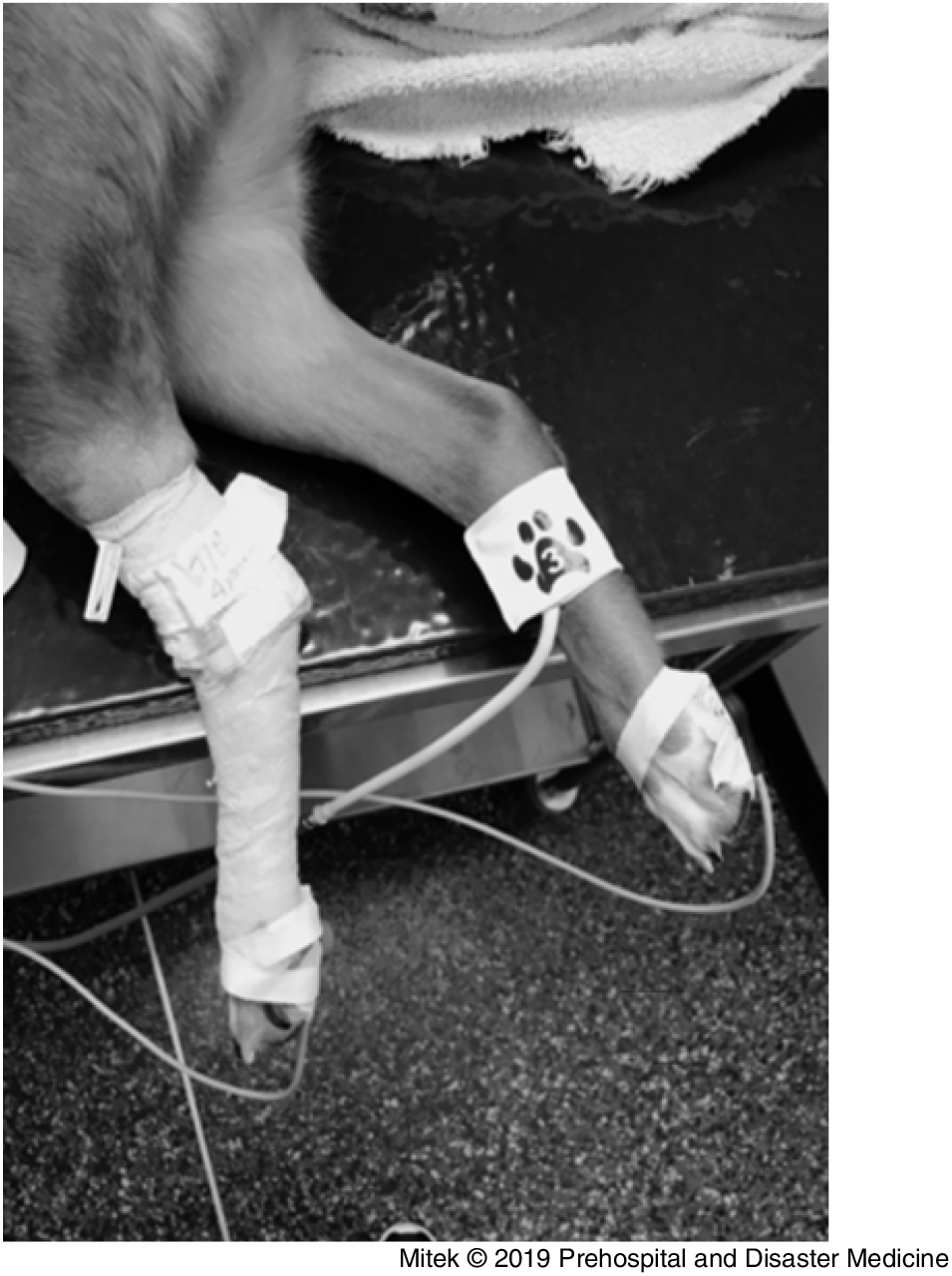
1. Pediatric Size 5 blood pressure cuff.
2. Kong (Kong Company; Golden, Colorado USA), tennis balls, rawhide, or chunk of fire hose. Many LEK9s receive positive reinforcement with various toys, and offering these may decrease their anxiety.
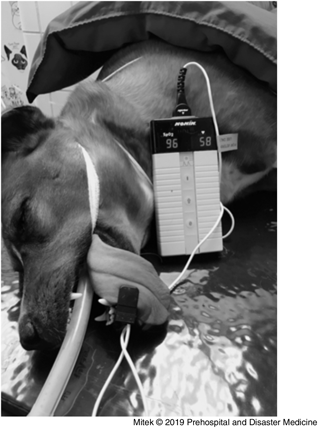
3. Pulse oximeter: a pulse oximeter designed for a human finger works well on the LEK9 tongue, the prepuce, vulva, or inguinal area.
4. Capnography or Capnometry. And
5. Electrocardiogram (EKG) + EKG adhesive pads.
Arrival On-Scene and Personnel Safety (Muzzling)
As in every prehospital setting, scene safety is paramount when initiating care for an injured LEK9. Please refer to the “At the Scene” section in the companion article (The Carle-Illinois (Urbana, Illinois USA) Transport Protocol for LEK9s: Guidelines for Emergency Medical Service Providers; Prehospital and Disaster Medicine: In Press, 2019) on transport for important information on standard procedures and restraint for LEK9s.
“Scoop & Run” or “Stay & Play?”
Numerous studies in human medicine have evaluated the competing philosophies of “Scoop & Run” and “Stay & Play.” In situations where transport times are short, Scoop & Run may provide better outcomes.Reference Smith and Conn 7 However, these philosophies and outcomes have not been evaluated in animals, to the authors’ knowledge.
Triage
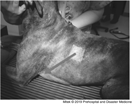
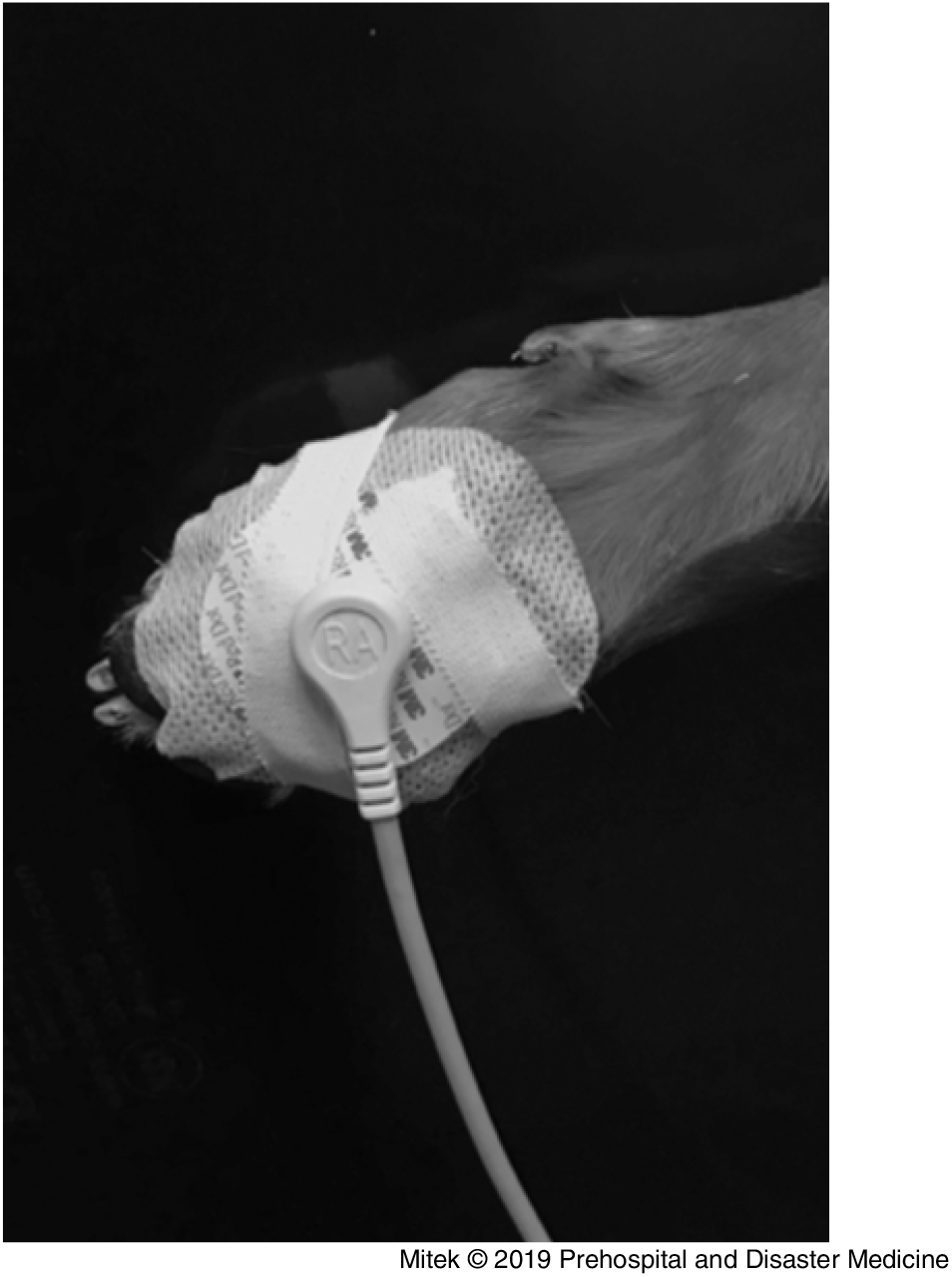
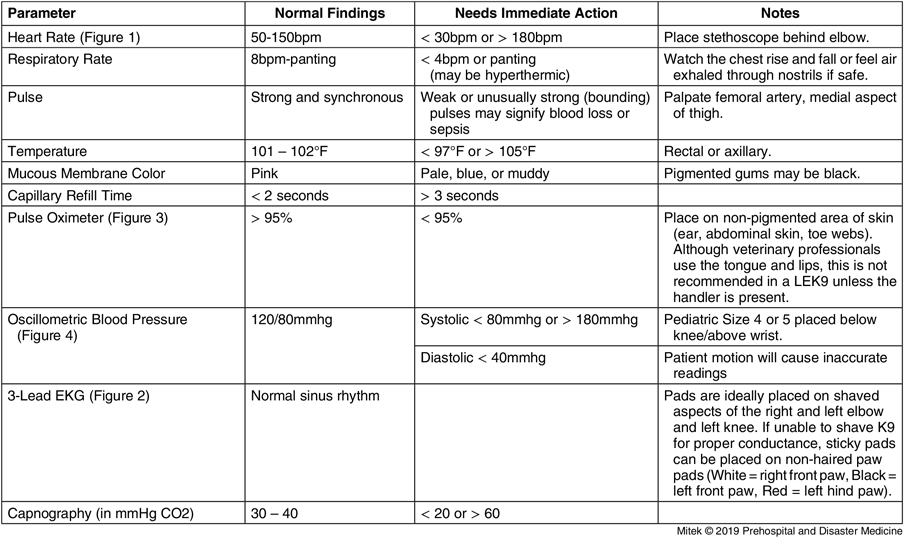
Vital signs in a human (respiratory rate, temperature, pulse, and blood pressure) are the same vital signs evaluated in a LEK9. It is feasible to teach EMS personnel how to evaluate these. Normal parameters are listed in Table 1. Monitoring equipment routinely found on an ambulance can also be used on a canine, when needed (Figures 1–4 and Table 1).
Location to Auscult the LEK9’s Heart.

EKG Pads Taped to Paw Pad.

Pulse Oximeter Attached to Tongue.

Blood Pressure Cuff Placed on LEK9 Limb.

Vital Signs and Monitoring Parameters

Abbreviation: LEK9, law enforcement canine.
Naloxone Administration for Opioid Overdose
The opioid epidemic continues to increase in the United States. 8 It has been documented that LEK9s are being exposed to fentanyl and potentially carfentanil-containing products in the line of duty. 9 This may present a serious health threat to these canine patients. At least four LEK9s have overdosed in recent years. 10 , Reference Koh 11
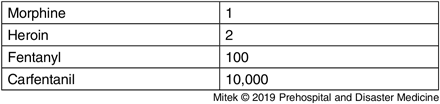
Humans and primates are comparatively sensitive to the respiratory depressant effects of opioids compared to other mammals, such as LEK9s. However, now that fentanyl and carfentanil are commonplace on the streets, it is likely that accidental inhalation of these compounds may begin to clinically impact LEK9s because the potencies of these compounds are much greater than morphine or heroinReference Armenian, Vo, Barr-Walker and Lynch 12 , Reference Kukanich and Clark 13 (Table 2).
Relative Potencies (as Compared to Morphine)Reference Armenian, Vo, Barr-Walker and Lynch 12 , Reference Kukanich and Clark 13

Treatment of Opioid Overdose
Most first responders are familiar with using naloxone (Narcan; Adapt Pharma, Inc.; Radnor, Pennsylvania USA) to treat an opioid overdose in a human. Treatment in a canine is very similar. First, it is important to remember that the canine may have residual drug powder on their nose, face, paws, or body. Responders should wear gloves when attempting to resuscitate these canine patients and should never attempt mouth-to-snout ventilation (the act of a human placing their lips on a dog’s snout to give them a breath, typically utilized during cardiopulmonary resuscitation/CPR).
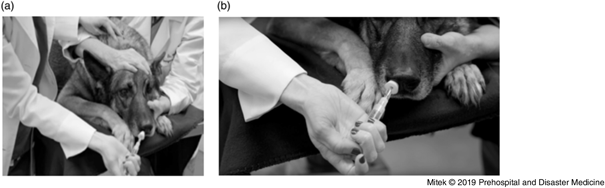
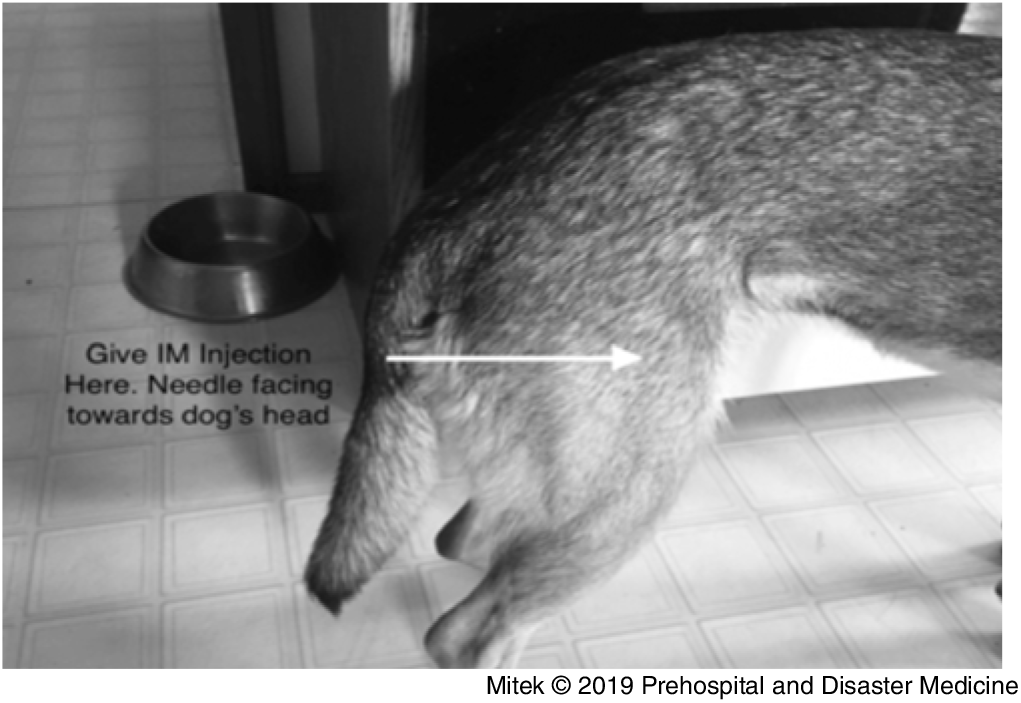
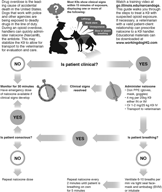
Naloxone can be administered intra-nasally (Figures 5a and 5b) or intramuscularly (Figure 6). To the authors’ knowledge, there are currently no published recommendations on the dose of IN naloxone to administer to a dog. However, unpublished research suggests that IN naloxone works well in dogs.Reference Palmer and Gautier 14 , Reference Otto 15 Extrapolating from human data and knowledge regarding the anatomy of a dog’s nasal mucosa, experts believe that administering naloxone IN would be beneficial. Intramuscular administration requires more technical expertise, and in the event that a first responder has not been trained in IM administration in a dog, the authors recommend they administer the naloxone IN (Table 3 shows dosing recommendations).Reference Palmer and Gautier 14
Intra-Nasal Naloxone Administration.

Location for Intra-Muscular Injection.

Naloxone Dosing (for a 25kg Working Dog)Reference Palmer and Gautier 14

Abbreviations: IM, intramuscular; IN, intranasal; IO, intraosseous; IV, intravascular.
If the canine patient does not respond to an initial dose, the dose can be repeated in two minutes (Figure 7). If the canine patient is not breathing, a tight-fitting oxygen mask is attached to the LEK9’s snout and connected to a bag valve mask or Ambubag (Ambu Inc.; Columbia, Maryland USA). Ventilations are delivered at approximately six to ten breaths per minute. Laryngeal Mask Airways (LMAs) may also be used in LEK9s; however, EMS may find it easier to obtain a complete seal of the airway with an endotracheal tube. For the average 25kg LEK9, a Size 3 LMA can be used.Reference Wiederstein and Moens 16
Naloxone Treatment Recommendations.

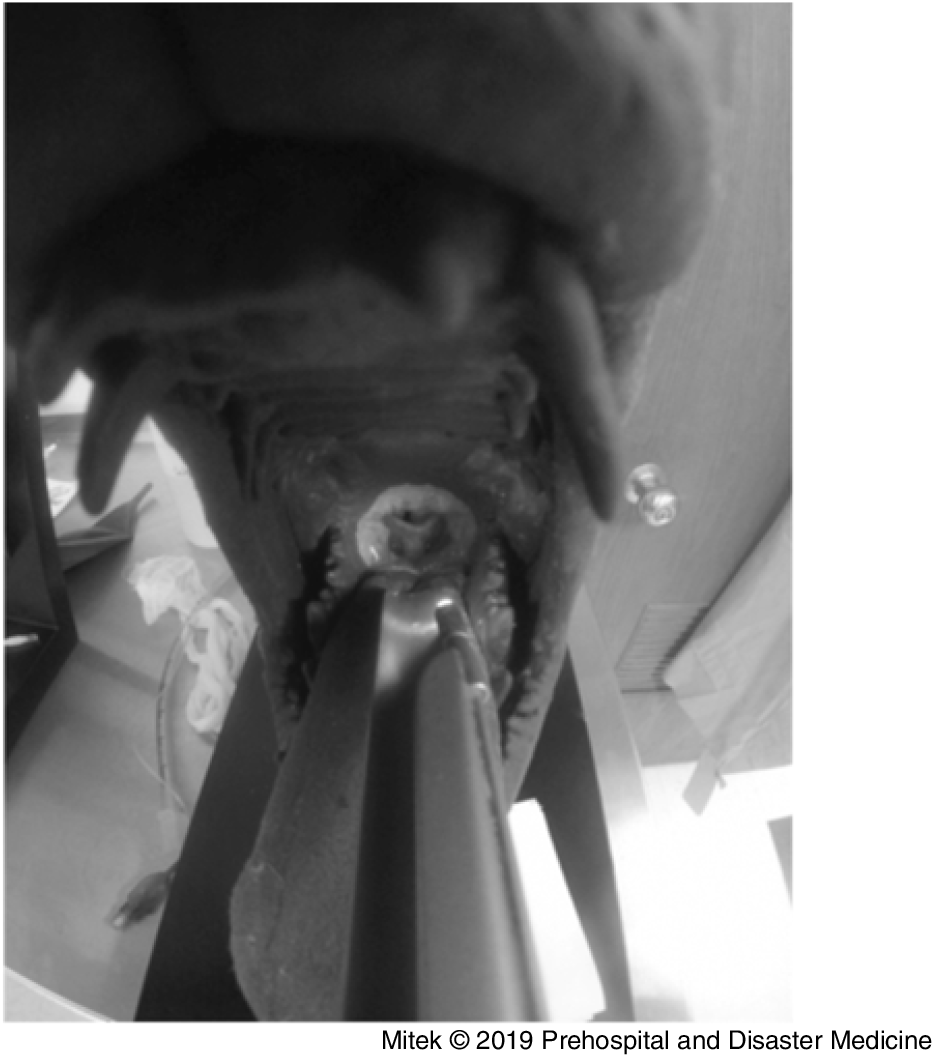
Many first responders are knowledgeable in how to intubate a human and provide artificial ventilation. Training on dog intubation is substantially easier than intubating a human (Figure 8). The average 25kg LEK9 would likely require a Size 9 endotracheal tube; however, smaller tubes more commonly found on an ambulance, such as a Size 7.5 or 8, could also be used.
LEK9 Intubation Model.

Special Note
After administration, naloxone may make a canine wake up in an aggressive manner. It is essential to place a basket muzzle on the canine patient before administering naloxone to prevent injury to personnel on recovery. All canines should be monitored for at least 30 minutes after completion of a drug search.
Oxygen Supplementation and Intubation
Oxygen supplementation is potentially life-saving and administration carries almost no risk to canine patients. It should be provided to any canine patient with a serious injury or respiratory difficulty where the law allows.
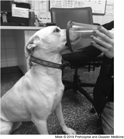
There are three potential options for increasing the canine patient’s fraction of inspired oxygen: flow-by, oxygen mask, and intubation. Flow-by oxygen can be administered by holding any type of oxygen-delivery device near the canine patient’s nose and mouth. This may be beneficial in conscious canine patients who do not tolerate a face mask. A face mask specifically designed for canine patients (Figure 9) can be used to create a tight-seal around a canine’s nose and mouth. This route of administration can increase the oxygen concentration upwards of 90% and the tight seal is essential for a dog that is hypo-ventilating or apneic to allow positive pressure ventilation. This method of ventilation (compared with endotracheal intubation) may force air into the stomach.
Oxygen Mask Administration.

In an unconscious canine patient, intubation is relatively easy (compared to a human). Intubation should NEVER be attempted in a conscious canine. A Miller or MacIntosh laryngoscope blade can be used to visualize the epiglottis and the arytenoids. A Size 9 endotracheal tube will easily fit most LEK9s (average weight 25kg). Canine patients should be positioned lying prone with an assistant opening the mouth. If a laryngoscope is not available, a flashlight or smartphone light can be used to visualize the canine patient’s airway. Endotracheal tubes can be secured to the canine patient with gauze or white tape tied around the patient’s nose.
If a canine patient appears to regain consciousness after intubation, evidenced by swallowing, chewing, or movement of the limbs, the endotracheal tube should be removed immediately. It is relatively easy for a canine to bite through the endotracheal tube, lodging a foreign body in their airway.
If available, a capnograph should be placed on any intubated canine to monitor ventilation. An end-tidal CO2 concentration between 30-40mmHg is the goal.
In canines who are spontaneously breathing, yet are unconscious, it is advised to put them in the “sniffing” position, a common position for human intubation. The canine can be placed in lateral recumbency with head and neck extended. This position helps prevent the canine patient from obstructing their airway. Most canines will breathe adequately through their nose when they are not hot or exerting themselves. The canine should never be prevented from open-mouth breathing (panting), as this is their primary mechanism of heat dissipation.
Intravenous Catheter Placement
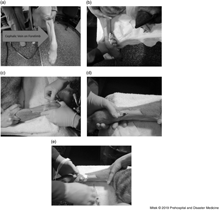
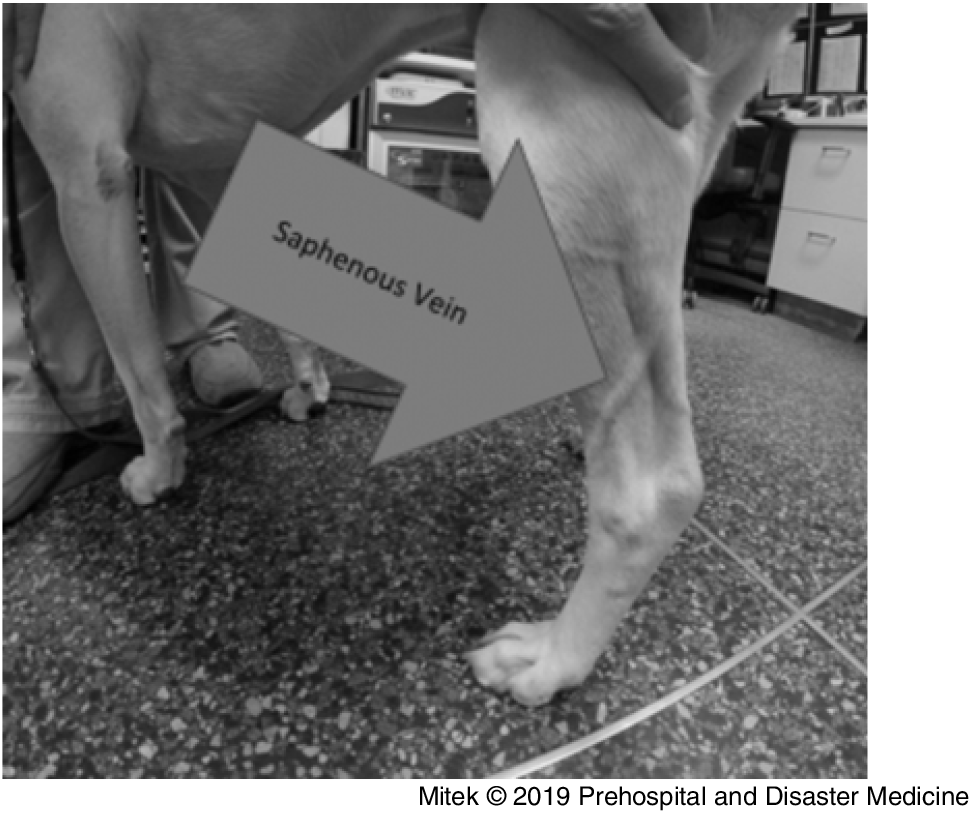
Two vessels are ideal for catheter placement in canine patients, the cephalic (front aspect of forelimb; Figure 10) and lateral saphenous (lateral aspect of hindlimb; Figure 11). Venipuncture can be facilitated by placing a tourniquet proximal to where the catheter will be inserted.
Cephalic Vein Intravenous Catheter Placement.

Lateral Saphenous Vein.

Clipping (eg, shaving) a small section of skin around the vessel will facilitate visualization of the vessel, placement of the catheter, and taping of the catheter to the skin. An 18g IV catheter will be appropriate for the average size LEK9 (25kg), though 20g can also be used if there is difficulty placing an 18g. Catheters are most easily secured by taping them to the leg (Figure 10e).
Fluid Therapy
An IV fluid bolus may prove life-saving to a hypovolemic canine in the field, although the rate and amount are controversial. In canine patients with significant known or active blood loss, a quarter shock bolus (20ml/kg) of a crystalloid solution may be administered. In the average 25kg LEK9, this is equivalent to approximately 500mL. The fluid bolus can be given as rapidly as possible. Repeated boluses can be administered, depending upon the canine patient’s vitals. A veterinarian should be contacted at the earliest possible indication of an injured LEK9. The consulting veterinarian can direct fluid therapy en route via phone.
Canine patients with significant blood loss, or continued active hemorrhage, would benefit from routing to a veterinary hospital with blood transfusion and operative capabilities. At time of publication, a smartphone application is being created for first responders to use to help identify the veterinary hospital that is closest to them. Updates will be available at www.workingdogHQ.com.
Fracture Stabilization
Bone fractures are a common field injury in LEK9s. If EMS personnel suspect a fractured bone, the canine has likely experienced significant trauma. Before evaluating the fracture, an assessment of the canine patient’s vital signs for more critical injuries (such as pneumothorax or internal hemorrhage) should be performed. If no other emergent injuries are identified, an attempt may be made to stabilize the fracture for transport. This prevents further injury and may provide some analgesia. A human splint or other material can be used to stabilize the fracture for transport.
Pneumothorax
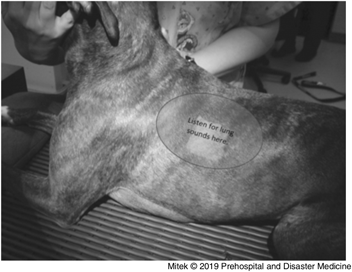
Development of a life-threatening pneumothorax is a common occurrence in humans experiencing blunt trauma; this is also true for LEK9s. Any LEK9 that has experienced blunt force trauma may develop a pneumothorax. This is a more complex procedure to teach EMS personnel without experience in canine anatomy. Auscultation for lung sounds on the dorsal aspect of the LEK9 (Figure 12) should precede any intervention. If lung sounds are not audible, the canine patient is in respiratory distress (excessive panting or short shallow breathing, respiratory rate >100bpm); if pulse oximetry is <95% and history is consistent with a possible pneumothorax (eg, blast injury or trauma to chest), a thoracocentesis may be considered if trained personnel are available.
Location of the Dorsal Lung Fields (Black Rectangle).

Supplies needed would be the following: 20-gauge needle, or catheter, or butterfly catheter; a three-way stopcock; and initially, a 3cc syringe, then a larger syringe (eg, 20cc or 35cc).
Directions
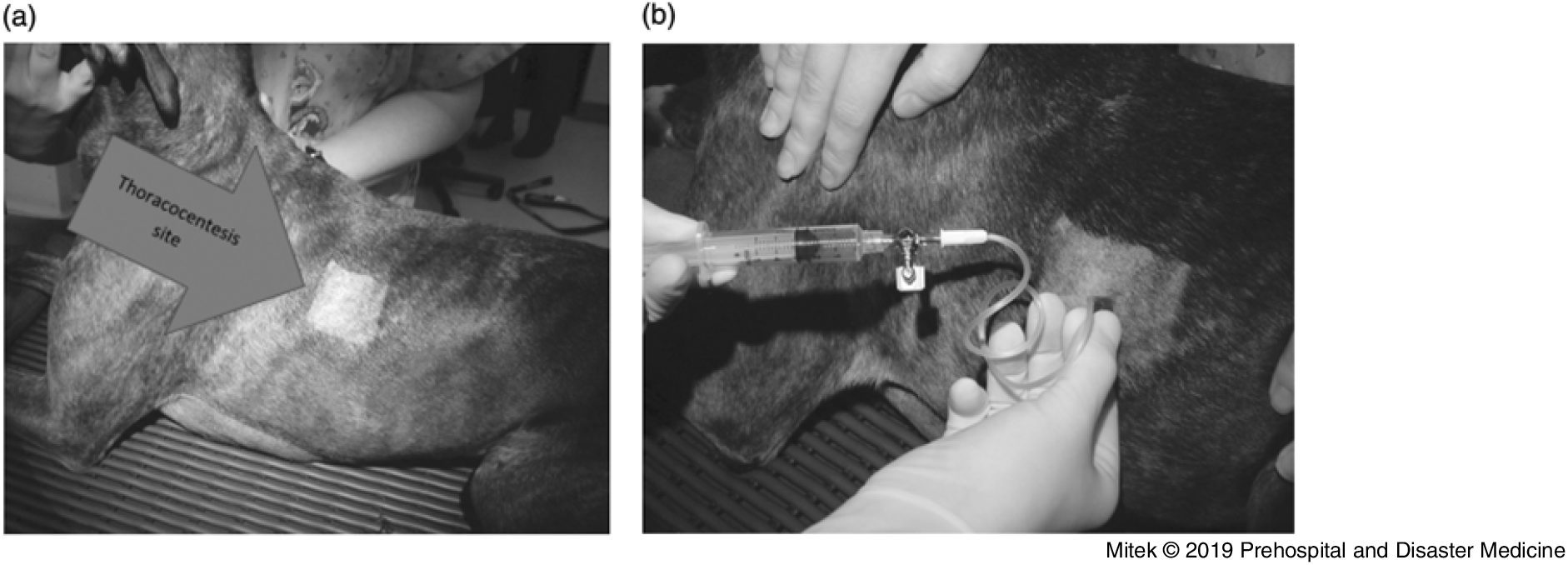
This is at minimum a two-person job. Ideally, one person restrains the LEK9, one operates the syringe and stopcock, and another holds the needle/catheter in place in the chest. The canine patient should be laying sternal with the top of their head facing up (eg, they are laying on their sternum, not their back and not laying to one side) or standing if they are more comfortable. If time allows and equipment is on-hand, a small area in the top one-third of the seventh through ninth ribs (canines have 13 ribs; Figure 13) should be shaved and scrubbed. The needle is inserted into the chest at the cranial edge of the rib to avoid the neurovascular bundle at the caudal edge. Once the needle is in the chest, the stopcock is turned to the on position and gentle negative pressure applied to the syringe plunger. If positive for air, aspiration is continued until the syringe is full, then the stopcock is turned to the off position and the syringe is emptied. At this point, a larger syringe can be substituted to facilitate more rapid emptying. If negative for air, the stopcock is turned to the off position and the needle removed from the chest. The canine can be repositioned and the procedure can be repeated inserting the needle into a different site.
LEK9s Chest Location for Thoracocentesis (Shaved Square) and Thoracocentesis Equipment.

Seizures
Seizures may develop secondary to a traumatic event (ie, head trauma), or they may be primary in origin (ie, epilepsy). For the purposes of this manuscript, seizure secondary to trauma is discussed, though treatment for both is the same in the field.
Ideally, the handler has been prescribed anti-seizure medication for any canine with a history of seizures. Depending on the legalities in each state, a veterinarian may or may not be able to prescribe anti-seizure medications via standing order to the EMS personnel in their county. If a standing order applies, canines in status epilepticus should be treated with IN, IM, or IV midazolam. Midazolam is a common benzodiazepine carried on an ambulance. New research suggests that IN midazolam may be beneficial in a seizing canine.Reference Charalambous, Bhatti and Van Ham 17 Intravenous administration of midazolam is also appropriate if an IV catheter is in place prior to seizure activity. Rectally administered midazolam is likely ineffectiveReference Schwartz, Muñana, Nettifee-Osborne, Messenger and Papich 18 (Table 4). Supplementary oxygen should be provided to the canine patient once seizure activity has stopped. Their head should never be positioned below their heart at any time.
Seizure Control

Abbreviation: LEK9, law enforcement canine.
Heat Stroke
According to the Officer Down Memorial Page, a website that attempts to track LEK9 deaths, one of the most common causes of LEK9 death is heat stroke. 19 This may occur after over-exertion in warm weather, or by being in a squad car when the air conditioning unit fails or the engine stalls out. Symptoms of heat stroke include: tachycardia, excessive panting, excessive tongue length, not retracting the tongue into the mouth (even during commands), and nausea; if left untreated, it will rapidly progress to shock, seizures, unconsciousness, multi-system organ failure, and death. Early recognition of symptoms is paramount to saving the canine. Body temperature, particularly in working dogs, is not an accurate measure of heatstroke. If a canine is in a hot car with no ventilation, heat stroke can ensue in as little as a few minutes.
Canines with heat stroke should be placed in a cool, shaded area, and hosed down with cool water immediately (rapid time to cooling is associated with a better prognosis). It’s important to make sure that residual water left in the hose is not initially used, as that can be hot and cause severe dermal burns. Fans can also be helpful, if available. If conscious, the canine can be offered cool water. If an IV catheter can be placed, particularly if transport to a veterinary emergency center is delayed, administration of room temperature or cooled crystalloid fluids (eg, 20mL/kg) may facilitate more rapid cooling. This can be repeated after assessment of vitals.
After initial cooling is attempted in the field, immediate transport to the nearest, appropriately equipped veterinary hospital will allow for IV fluid therapy and further monitoring for a minimum of 24 hours.
Sedation and Pain Management
Traumatic injuries can cause severe pain in working canines. Any condition that may be painful in a human should be considered painful in a LEK9. Severe pain may itself cause significant pathology, including tachy-arrhythmias, hyperventilation, and shock. Pain may also prevent first responders from providing life-saving treatment to a canine patient, due to aggression.
If providers cannot adequately treat a canine due to pain, telephonic consultation with a veterinarian should be sought for medication orders. This is, of course, dependent upon what drugs are available in the ambulance, and the medical status of the canine patient.
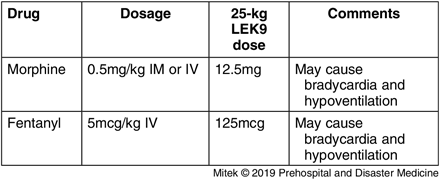
Ideally, veterinarians would prescribe standing orders for drugs (Table 5) for EMS providers in their county for canine care. The best option for analgesia would be a full mu agonist opioid (such as fentanyl or morphine). This can be given intravenously or intramuscularly.
Analgesic Agents

Abbreviations: IM, intramuscular; IV, intravascular; LEK9, law enforcement canine.
Medications outside of the opioid family may be beneficial, depending on the canine patient and situation. A veterinarian could prescribe ketamine, but should be contacted before administration since administering it as the sole sedative or analgesic is not recommended. It should also be noted that benzodiazepines (lorazepam and midazolam) often cause paradoxical excitement in dogs, and therefore are also not recommended as the sole sedative.
Smoke Inhalation
Smoke contains carbon monoxide, among other toxins. All dogs with smoke inhalation should have oxygen supplementation immediately while in transport to a veterinary facility for continued oxygen supplementation and monitoring. Dogs may appear normal or have increased respiratory rates. There may be loud respiratory noise (gurgling, snoring, whistles) on inhalation from swelling of the upper airway. They may have cherry red gums, and often have skin and/or eye burns (corneal ulcers). Swelling of the airway can progress for 24-72 hours.
Gastric Dilatation and Volvulus (GDV)
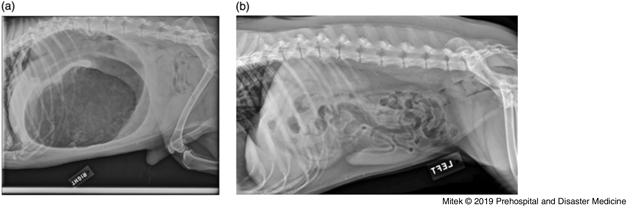
A GDV may also be referred to as a torsion or bloat and is most common in deep-chested dogs such as German Shepherds and Belgian Malinois. Clinical signs may include non-productive retching, pacing, and a bloated abdomen. In this condition, the stomach fills with gas and twists on itself, cutting off circulation, and preventing venous return to the heart (Figures 14a and 14b). As the stomach distends, it may also compress the diaphragm and lung fields, making ventilation difficult. A GDV is always a surgical emergency.
Radiograph of Gastric Dilatation Volvulus and Radiograph of Normal LEK9 Abdomen without Gastric Dilatation Volvulus.

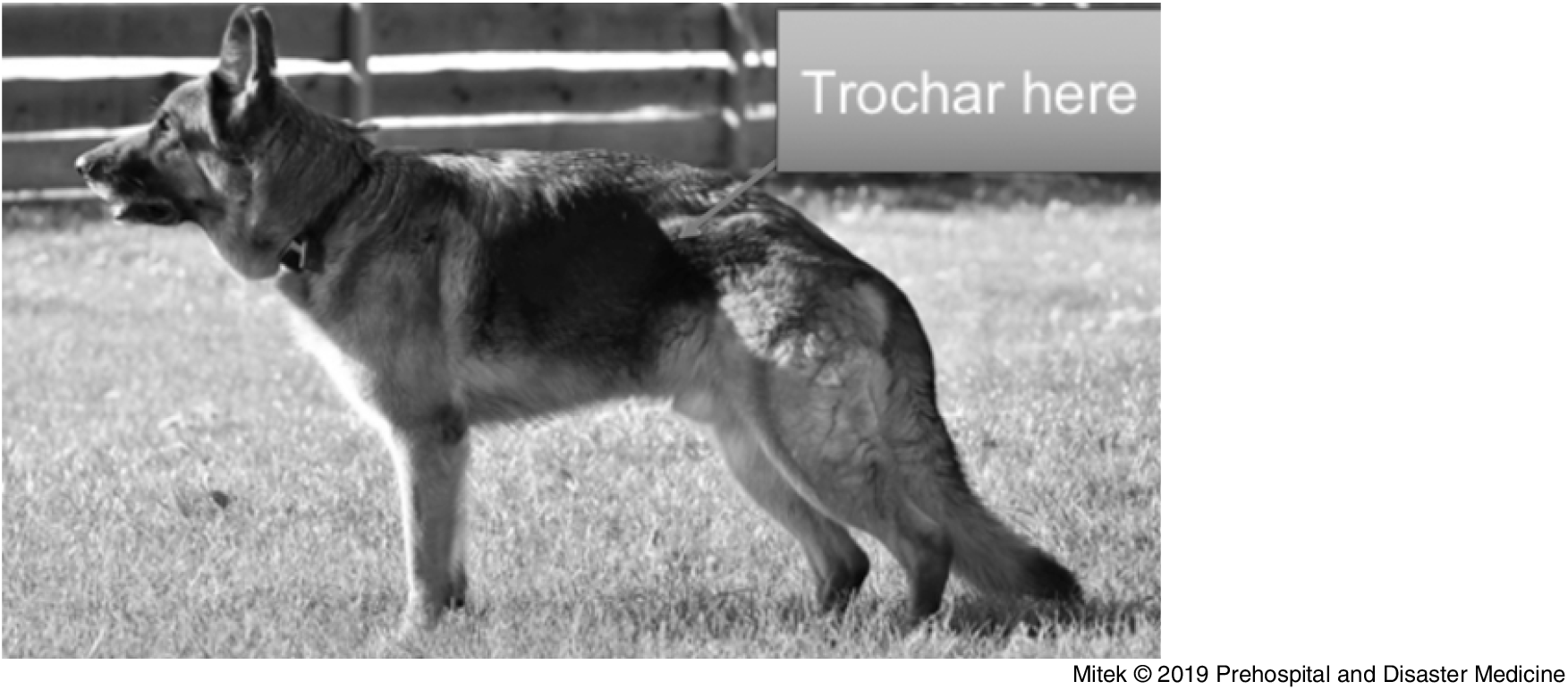
Decompressing the air in the stomach is essential to restore circulation, facilitate breathing, and to prevent the stomach tissue from dying while the dog is stabilized for surgery. Field trocarization may be performed on a canine when the law allows, the canine patient is facing imminent death, and the veterinary facility is far away. The most significant danger is hitting the spleen.
The procedure entails inserting a needle or catheter into the area of the abdomen that likely has stomach under it. This is the area that will “ping,” or sound tympanic, if you flick it with your finger. It may be on either side of the dog and should be located between the end of the ribs and the beginning of the pelvis. The area over the spleen will not ping; it will be more of a dull sound and should not be trocharized.
Steps for Trocharization in the Field (Figure 15)
The spot with the loudest ping, or the most distended area of the flank, is identified. If possible, the area is shaved and prepped (wiped with antibacterial cleanser).
Area to Trochar for Gastric Dilatation Volvulus.

The needle (18-20g) or catheter (16-18g) is carefully inserted into the gas-filled stomach. If using a catheter, the stylet is removed. A hissing sound should be audible as gas is released. When the hissing sound diminishes, gentle pressure is placed on the area to allow more gas to be released. The procedure continues until the hissing stops, then the needle or catheter are removed, and the LEK9 is transported to a veterinarian immediately.
Conclusion
This protocol may help train EMS providers to save the life of a LEK9 while being treated in the field and/or while being transported in an ambulance.
Acknowledgments
The authors would like to acknowledge the Carle EMS providers and the K9 handlers involved in the training; Drs. Cindy Otto, Christopher Byers, and Caroline Tonozzi; the ER technicians who helped with the images; and the wonderful LEK9s they had the privilege of working with.
Conflicts of interest
none