Polycystic ovary syndrome (PCOS) is an endocrine disorder affecting 5–20 % of women of reproductive age, presenting a diagnostic challenge due to its clinical heterogeneity(Reference Azziz, Carmina and Chen1,Reference Teede, Tay and Laven2) . The diagnosis of PCOS is based on the Rotterdam criteria, which require the presence of at least two of the following criteria: (a) oligo-anovulation or anovulation (irregular menstrual cycles or absence of menstruation); (b) clinical or biochemical signs of hyperandrogenism (hirsutism, elevated androgen hormone levels); and (c) presence of polycystic ovaries visible on ultrasound, with multiple small follicles (2–9 mm)(Reference Teede, Tay and Laven2). The main metabolic alteration associated with PCOS is insulin resistance (IR), which significantly affects muscle and adipose tissues, resulting in decreased insulin sensitivity, similar to the pattern in type 2 diabetes mellitus (T2DM). IR is present in about 75 % of women with PCOS, regardless of body fat percentage, and is often accompanied by hyperinsulinemia(Reference Rosenfield and Ehrmann3).
Women with PCOS face an increased risk of developing T2DM, hyperlipidaemia, CVD, obesity, sleep apnoea, non-alcoholic fatty liver disease and metabolic syndrome(Reference Rosenfield and Ehrmann3,Reference Barrea, Marzullo and Muscogiuri4) . Obesity, particularly abdominal fat, occurs in up to 50 % of PCOS cases and is linked to insulin resistance. This condition is characterised by hypoxia, elevated free fatty acids, macrophage infiltration and the release of pro-inflammatory cytokines, all exacerbating insulin resistance(Reference Barrea, Marzullo and Muscogiuri4,Reference Bednarska and Siejka5) . Insulin resistance also affects lipid and glucose metabolism, accumulating NEFA and activating metabolic pathways that impair insulin signalling, promoting glucose production in the liver and muscle(Reference Khan, Kim and Kim6). This process, along with hyperinsulinemia, stimulates theca cells in the ovaries, increasing androgen production, and further exacerbates insulin resistance and hyperglycaemia, creating a vicious cycle of inflammation and metabolic dysfunction(Reference Barrea, Marzullo and Muscogiuri4,Reference Armanini, Boscaro and Bordin7,Reference Atkinson, Griesel and King8) .
Because of compensatory hyperinsulinemia due to IR, there is overstimulation of tissues that are also sensitive to insulin, such as the ovaries, with insulin and luteinising hormone (LH) acting together on theca cells, increasing the production of androgen hormones(Reference Barrea, Marzullo and Muscogiuri4,Reference Atkinson, Griesel and King8,Reference Diamanti-Kandarakis and Dunaif9) . Hyperinsulinemia also increases the adrenal response to adrenocorticotropic hormone for steroid release. Moreover, IR decreases the synthesis of sex hormone-binding globulin (SHBG) in the liver, probably through receptor-specific hepatocytes(Reference Shorakae, Teede and de Courten10), resulting in increased plasma testosterone levels. The excess of androgens further exacerbates IR and hyperglycaemia, leading to reactive oxygen species (ROS) formation, oxidative stress and abdominal adiposity, thus creating a vicious cycle(Reference Rocha, Oliveira and Azevedo11,Reference Borowicz-Reutt, Krawczyk and Czernia12) .
Alterations in anthropometric markers such as weight, waist circumference (WC), BMI and lipid profile (elevated TAG and LDC-cholesterol and reduced HDL-cholesterol) are common in women with PCOS(Reference Borowicz-Reutt, Krawczyk and Czernia12,Reference Barrea, Verde and Camajani13) . Both hyperinsulinemia and hyperandrogenism act as promoters of low-grade inflammation, creating a bidirectional interaction that worsens the condition(Reference Atkinson, Griesel and King8). PCOS treatment aims to improve hormonal and metabolic levels, as well as prevent complications. The first-line treatment includes lifestyle changes, such as regular physical activity and personalised nutritional interventions, to control weight and improve metabolic health(Reference Shorakae, Teede and de Courten10,Reference Rocha, Oliveira and Azevedo11) .
A weight loss of 5–10 % can improve ovarian function, regulate menstrual cycles and reduce infertility by lowering insulin and free testosterone levels(Reference Shorakae, Teede and de Courten10,Reference Rocha, Oliveira and Azevedo11) . In this context, the very low-carbohydrate ketogenic diet (VLCKD) has been discussed as an alternative to Western diets, which are typically high in carbohydrates and ultra-processed foods(Reference Shorakae, Teede and de Courten10). The classical ketogenic diet is high in fats, with a low-carbohydrate intake (less than 50 g/d or less than 10 % of total daily energy intake) and an adequate protein intake (1–1·2 g per kg of body weight)(Reference Barrea, Verde and Camajani13). The goal is to induce ketosis, altering metabolic pathways to promote weight loss and improve other health parameters, such as glycemic control and lipid profiles(Reference Barrea, Verde and Camajani13).
Studies have shown that VLCKD can result in weight loss, improved insulin resistance, glycemic control, reduced TAG levels and modulation of inflammation and oxidative stress in various conditions(Reference Barrea, Verde and Camajani13–Reference McGaugh and Barthel15). A meta-analysis by Muscogiuri et al. (2021) demonstrated that VLCKD positively impacts abdominal fat levels, total cholesterol, LDL-cholesterol and glycated hemoglobin in obese patients(Reference O’Neill and Raggi16). Additionally, Choi et al. (2020) reported reductions in blood glucose, insulin and glycated hemoglobin levels, as well as improvements in lipid profiles and significant weight loss in T2DM patients(Reference Muscogiuri, El Ghoch and Colao17). These findings highlight the potential benefits of VLCKD in mitigating the risks of obesity and type 2 diabetes in women with PCOS. However, the specific effects of VLCKD on PCOS, particularly its role in regulating biochemical, hormonal and body composition parameters, need further clarification(Reference Muscogiuri, El Ghoch and Colao17).
Although lifestyle changes, including dietary interventions, are considered keystones of clinical management, there are still significant gaps regarding which dietary pattern promotes the greatest metabolic and reproductive benefits(Reference Muscogiuri, El Ghoch and Colao17,Reference Alyafei and Daley18) . In this context, a VLCKD has attracted interest due to its potential to improve insulin sensitivity, reduce visceral adiposity, modulate reproductive hormones and possibly restore ovulation(Reference Muscogiuri, El Ghoch and Colao17).
This study aims to update the scientific evidence regarding the effects of VLCKD on anthropometric, metabolic and hormonal outcomes in women with PCOS through a systematic review with meta-analysis of clinical trials. Considering the factors presented, VLCKD may be an effective strategy for preventing or delaying complications associated with PCOS. The relevance of this study lies in the need to synthesise and critically update the available evidence, considering that previous studies have presented small sample sizes, short follow-up periods and significant methodological heterogeneity. Furthermore, previous reviews have not evaluated metabolic, hormonal and reproductive outcomes in an integrated manner.
Method
The design of this study followed the recommendations of the Cochrane Manual for Systematic Reviews of Interventions(Reference Higgins, Thomas and Chandler19) and reported according to the Preferred Reporting Items for Systematic Reviews and Meta-Analyses (PRISMA) guidelines(Reference Page, McKenzie and Bossuyt20,Reference Rethlefsen, Kirtley and Waffenschmidt21) . The protocol was registered in the International Prospective Register of Systematic Reviews (PROSPERO) under the identification CRD42024558089.
Search strategy
The study’s research question was: ‘What are the effects of the VLCKD on anthropometric, hormonal and metabolic parameters in women with PCOS?’ Hence, the acronym ‘PICOS’ – participants, intervention, control, outcome and study design – was used to structure the search strategies, as follows: participants (adult women diagnosed with PCOS), intervention (VLCKD), control (conventional dietary pattern or comparator – before and after), outcome (anthropometric, metabolic and hormonal parameters) and study design (randomised clinical trials).
The literature review was conducted through searches in electronic databases: Cochrane Central Register of Controlled Trials (CENTRAL), Cumulative Index to Nursing and Allied Health Literature (CINAHL), Embase, Medical Literature Analysis and Retrieve System Online (MEDLINE) via PubMed, Scopus and Web of Science up to July 2025, aiming to identify randomised clinical trials reporting the effects of the VLCKD on anthropometric, metabolic and hormonal parameters in adult women with PCOS. The search utilised medical subject terms ‘Polycystic Ovary Syndrome’, ‘Diet, Ketogenic’, ‘Anthropometry’, ‘Metabolism’ and ‘Hormones’, along with their respective entry terms. The complete search strategies performed in all databases are presented in online Supplementary Material 1.
The search terms were also applied for grey literature in the Open Grey (http://www.opengrey.eu/search/) and Open Access Theses and Dissertations (https://oatd.org/) databases. Additionally, searches were conducted for clinical studies and protocols in the databases of the National Institutes of Health (www.clinicaltrials.gov), the Brazilian Registry of Clinical Trials (ReBEC) (www.ensaiosclinicos.gov.br) and Turning Research into Practice (www.tripdatabase.com). A manual search was also conducted in the reference lists of relevant reviews and the PCOS guideline references(Reference Teede, Tay and Laven2,Reference Khalid, Apparow and Mushaddik22) . All potentially eligible studies were included for review, irrespective of language and publication date.
Study selection and data extraction
This stage involved retrieving studies identified in the research from various databases and consolidating them into a single electronic library. Duplicate entries were removed using Endnote® software, the online version. After removing duplicates, two authors (FMVL and JAGT) independently reviewed the titles and abstracts of the remaining articles. Articles that did not meet the inclusion criteria were excluded at this stage. Subsequently, the same reviewers conducted a full-text analysis of the selected articles and extracted data using a standardised tool in Microsoft Excel® software, version 365. Any discrepancies were resolved by a third investigator (KBG), and the kappa coefficient was determined to assess the level of agreement between evaluators and in both stages – screening of titles and abstracts and selection of the full text, resulting in 0·88 and 0·93, respectively.
The data extracted from the included articles encompassed several aspects: the number of participants allocated to each group (VLCKD and comparator), the duration of follow-up in the trials, demographic characteristics of the study population and details of the intervention (such as percentages or quantities of macronutrients, supplements, water and fibre consumption, where applicable). Additionally, data on anthropometric, hormonal and metabolic parameters assessed at the beginning and end of the study follow-up, or as presented in the primary studies, were extracted.
Assessment of the risk of publication bias
The risk of bias assessment of the included studies was assessed independently by two reviewers (FMVL and JAGT), by the recommendations of the Cochrane Manual for Systematic Reviews of Interventions(Reference Higgins, Savović and Page23), and a third reviewer (KBG) resolved any disparity. The Cochrane Risk of Bias for crossover trials tool–Rob 2·0–beta version 9, hosted in Microsoft Excel software, was applied to assess the methodological quality of individual studies, being structured into six domains (D): (D1) bias resulting from the process of randomisation; (DS) bias arising from period and carryover effects; (D2) bias due to deviations from intended interventions; (D3) bias due to missing outcome data; (D4) bias in outcome measurement; and (D5) bias in reported outcome selection. The answer options for the questions are yes, probably yes, probably not, no and there is no information. In the end, grades – high, with considerations and low – were assigned to all domains, to each of the included studies, based on an algorithm of the tool(Reference Sterne, Savović and Page24).
Data synthesis and analysis
To assess changes in anthropometric, hormonal and metabolic parameters, the values obtained at the beginning and the end of each study were extracted and included in the meta-analysis, applying the inverse variance method(Reference Higgins, Li and Deeks25), and the R value of correlation between measurements within the same attributed study was 0·7(Reference Rosenthal26,Reference Fernández-Castilla, Said-Metwaly and Kreitchmann27) . The random effects model was applied when more than five primary studies were included in the evaluation, and the Hartung-Knapp approach was applied to improve the CI of the combined effect in random effects meta-analyses.
Otherwise, the evaluated random effect model was applied(Reference Tufanaru, Munn and Stephenson28). The results were presented as weighted mean difference (WMD) with a 95 % CI as a measure of effect, given the possible differences in the methods of measuring the markers between the included studies(Reference Deeks, Higgins and Altman29,Reference Page, Higgins and Sterne30) . Heterogeneity in the primary studies was assessed by the Cochran Q test, with a P-value ≤ 0·10 considered statistically significant, and the restricted maximum-likelihood estimator applied for tau2. The I 2 test was also performed to assess the magnitude of heterogeneity, which was considered high if I 2 ≥ 50·0, and the results were presented in relative values and CI. The heterogeneity of the outcomes assessed by the meta-analysis was further explored with sensitivity analysis, excluding each study serially. For this purpose, the meta-analysis was performed twice: the first time including all studies and the second including only those known to be eligible, within the evaluated factors(Reference Deeks, Higgins and Altman29).
Publication bias was assessed through funnel plot asymmetry for all outcomes, according to the recommendations of the Cochrane Manual for Systematic Reviews of Interventions(Reference Page, Higgins and Sterne30). Statistical analyses were performed using the RStudio® software version 2024.04.2.
Assessment of certainty of evidence
The Grading of Recommendations, Assessment, Development and Evaluation (GRADE) approach(Reference Balshem, Helfand and Schünemann31) provided the methods to assess the certainty of evidence for all outcomes evaluated. For this purpose, the data compiled in Review Manager® were imported into the guideline development tool (www.gradepro.org), and the evidence was classified as high, moderate, low or very low quality, according to certainty assessment criteria (risk of bias, inconsistency, indirect evidence and imprecision) and other considerations (publication bias and potential confounding factors). In the end, the certainty of the evidence was classified as high, moderate, low or very low certainty(Reference Schünemann, Higgins and Vist32).
Results
Qualitative analysis of the included studies
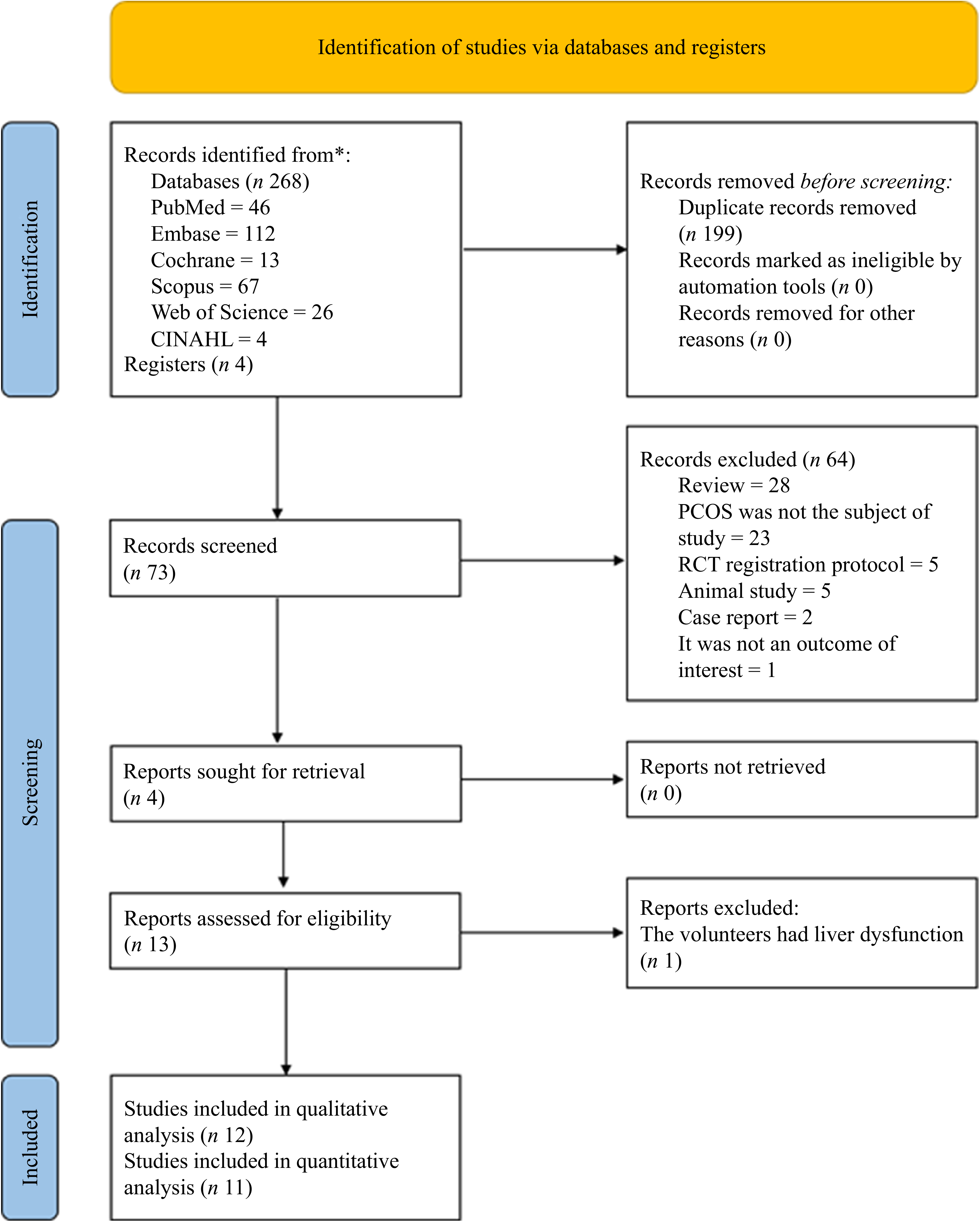
The search in electronic databases, grey literature and reference lists resulted in 272 records. After removing 199 duplicates, seventy-three unique titles and abstracts were analysed, and sixty-four records were excluded. Four reports were sought for retrieval, none reports were not retrieved and thirteen records were selected for the full-text reading stage. After a complete reading of the studies, one study(Reference Li, Bai and Jiang33) was excluded because its inclusion criteria comprised women with PCOS and liver dysfunction, which could have biased the assessment of the outcomes established in this systematic review. Thus, twelve primary studies(Reference Cincione, Graziadio and Marino34–Reference Meneghini, Bianco and Galanti45) were included in the qualitative analysis and eleven studies in the quantitative analysis(Reference Cincione, Graziadio and Marino34–Reference Yang, Bai and Jiang44) (Fig. 1). The study by Meneghini et al. (2023)(Reference Meneghini, Bianco and Galanti45) was not included in the quantitative analysis because the measurement of anthropometric, hormonal and metabolic outcomes, performed at the end of follow-up for the VLCKD and control groups, was not detailed. The authors of this study only reported a significant decrease in BMI (P < 0·0001), WC and homeostasis model assessment – insulin resistance (HOMA-IR) values (P < 0·001) in the VLCKD group(Reference Meneghini, Bianco and Galanti45).
Flow chart of the literature search and the study selection process according to the PRISMA guidelines.

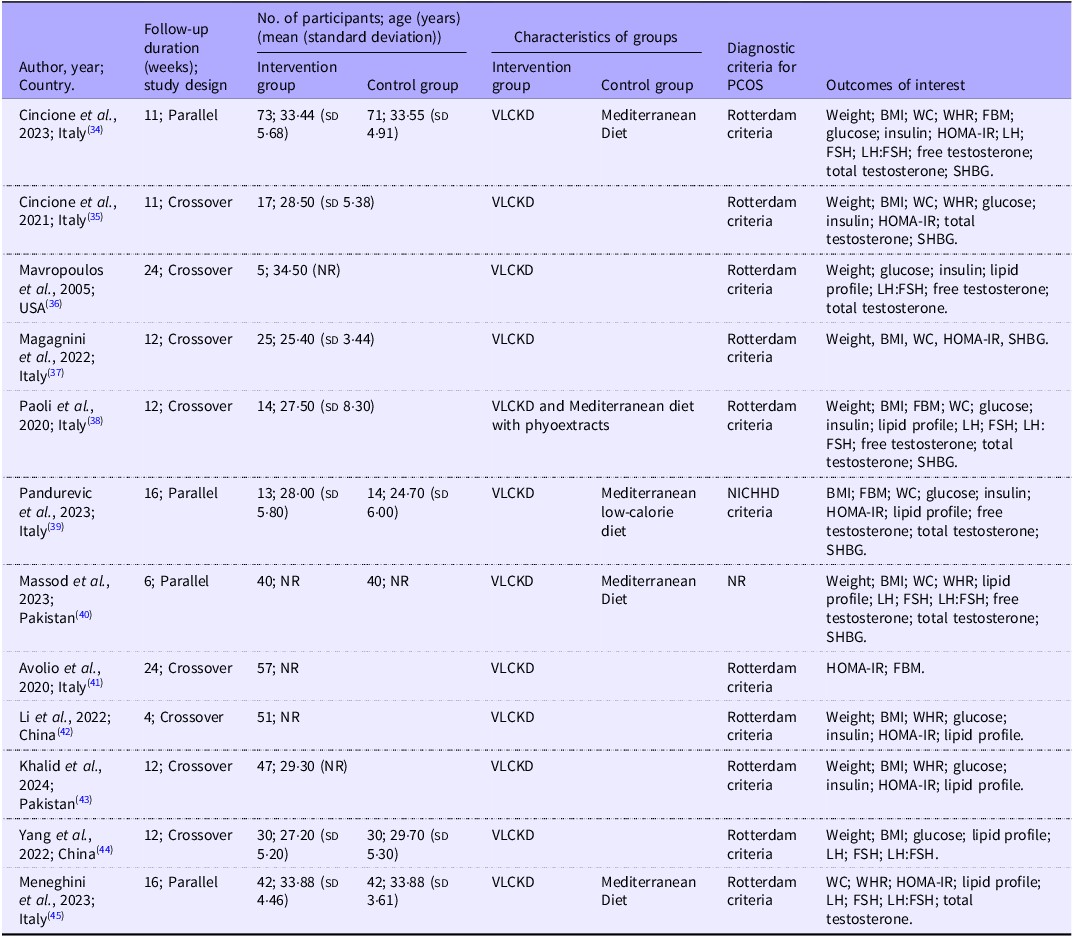
The characteristics of the studies and the allocated participants are presented in Table 1. The included studies were conducted with volunteers from different countries, most of them residing in Italy (n 7)(Reference Cincione, Graziadio and Marino34,Reference Cincione, Losavio and Ciolli35,Reference Magagnini, Condorelli and Cimino37–Reference Pandurevic, Mancini and Mitselman39,Reference Avolio, Ferraro and Mocciaro41,Reference Meneghini, Bianco and Galanti45) , followed by China (n 2)(Reference Masood, Noreen and Raza40,Reference Khalid, Jabeen and Farooq43) , Pakistan (n 2)(Reference Li, Bai and Jiang42,Reference Yang, Bai and Jiang44) and the USA (n 1)(Reference Mavropoulos, Yancy and Hepburn36), with recruitment performed in centres specialised in endocrinology. Of the twelve randomised clinical trials included, eight had a crossover design(Reference Cincione, Losavio and Ciolli35–Reference Paoli, Mancin and Giacona38,Reference Avolio, Ferraro and Mocciaro41–Reference Yang, Bai and Jiang44) , and four had a parallel design(Reference Cincione, Graziadio and Marino34,Reference Pandurevic, Mancini and Mitselman39,Reference Masood, Noreen and Raza40,Reference Meneghini, Bianco and Galanti45) with follow-up duration ranging from 4(Reference Li, Bai and Jiang42) to 24 weeks(Reference Mavropoulos, Yancy and Hepburn36,Reference Avolio, Ferraro and Mocciaro41) .
Descriptive characteristics of studies that investigated the effects of ketogenic diet on anthropometric, metabolic and hormonal parameters in women with polycystic ovary syndrome

VLCKD, very low-carbohydrate ketogenic diet; FBM, fat body mass; FSH, follicle-stimulating hormone; HOMA-IR, homeostasis model assessment – insulin resistance; LH, luteinising hormone; LH:FSH, LH and FSH ratio; NICHHD, National Institute of Child Health and Human Development; NR, not reported; SHBG, sex hormone-binding globulin; WC, waist circumference.
Regarding the format of the intervention proposed by the primary studies, six studies(Reference Cincione, Graziadio and Marino34,Reference Cincione, Losavio and Ciolli35,Reference Pandurevic, Mancini and Mitselman39,Reference Masood, Noreen and Raza40,Reference Yang, Bai and Jiang44,Reference Meneghini, Bianco and Galanti45) performed the VLCKD, consisting of energy consumption between 1300 and 1500 kJ/d, with 18–30 % of calories coming from protein sources, 45–50 % of fats and 5–20 % of carbohydrates. Another five studies(Reference Mavropoulos, Yancy and Hepburn36,Reference Magagnini, Condorelli and Cimino37,Reference Avolio, Ferraro and Mocciaro41–Reference Khalid, Jabeen and Farooq43) performed a very low-calorie VLCKD consisting of 750 and 800 kJ/d, with 35–40 % of calories coming from protein sources, 45–50 % from fat and 10–20 % from carbohydrates. One study(Reference Paoli, Mancin and Giacona38) included the Mediterranean VLCKD with polyextracts as an intervention, consisting of 20·3 g of carbohydrates per d, 132 g of fat per d and 100 g of proteins per d.
About the lipid profile of the intervention proposed by the included studies, only two(Reference Cincione, Losavio and Ciolli35,Reference Paoli, Mancin and Giacona38) reported it in a stratified manner. The study by Avolio et al. (2020) presented the lipid profile of the intervention composed of 25·54 g of saturated fats, 19·81 g of polyunsaturated fats and 57·03 g of monounsaturated fats(Reference Avolio, Ferraro and Mocciaro41). The study by Paoli et al. (2020) presented the lipid profile of the intervention as a percentage, relative to the total amount of lipids in the diet, being 38·8 % saturated fats, 9·7 % polyunsaturated fats and 50·9 % monounsaturated fats(Reference Paoli, Mancin and Giacona38). Two studies(Reference Cincione, Graziadio and Marino34,Reference Meneghini, Bianco and Galanti45) presented the values only for saturated fats, between 1·48 and 1·70 g per kilogram of weight per d. Two other studies(Reference Cincione, Losavio and Ciolli35,Reference Masood, Noreen and Raza40) reported that the daily lipid requirement was set at 30 g, with additional lipid quotas coming from meat, fish, dried nuts and oilseeds, mainly consuming 10 g of extra virgin olive oil during meals. The remaining studies did not report the lipid profile of the intervention in a stratified manner(Reference Mavropoulos, Yancy and Hepburn36,Reference Magagnini, Condorelli and Cimino37,Reference Pandurevic, Mancini and Mitselman39,Reference Li, Bai and Jiang42–Reference Yang, Bai and Jiang44) .
The studied population consisted of participants with a mean age ranging from 24·70(Reference Pandurevic, Mancini and Mitselman39) to 34·50 years(Reference Mavropoulos, Yancy and Hepburn36). The diagnosis of PCOS was based on the Rotterdam criteria in ten studies(Reference Cincione, Graziadio and Marino34–Reference Paoli, Mancin and Giacona38,Reference Avolio, Ferraro and Mocciaro41–Reference Meneghini, Bianco and Galanti45) , the National Institute of Child Health and Human Development criteria in one study(Reference Pandurevic, Mancini and Mitselman39) and one study(Reference Masood, Noreen and Raza40) did not report the criteria applied. The twelve primary studies included in the qualitative evaluation totalled 827 women with PCOS, of whom 414 were allocated to the intervention group and 413 to the placebo group (initial mean BMI of 31·95 (sd 1·88) kg/m2).
The results obtained before the statistical analysis carried out will be presented below, for each group of outcomes: (1) anthropometric (online Supplementary material 2, Table 1), (2) hormonal (online Supplementary material 2, Tables 2 and 3) and (3) metabolic (online Supplementary material 2, Table 4 and 5).
Body composition measurements and anthropometric indices
This section reports the findings from analyses of body composition outcomes and the indices derived from these measurements. Initially, results for body weight, WC and fat body mass were presented. This is followed by the presentation of findings for BMI and waist and hip circumference ratio (WHR).
Body composition measurements
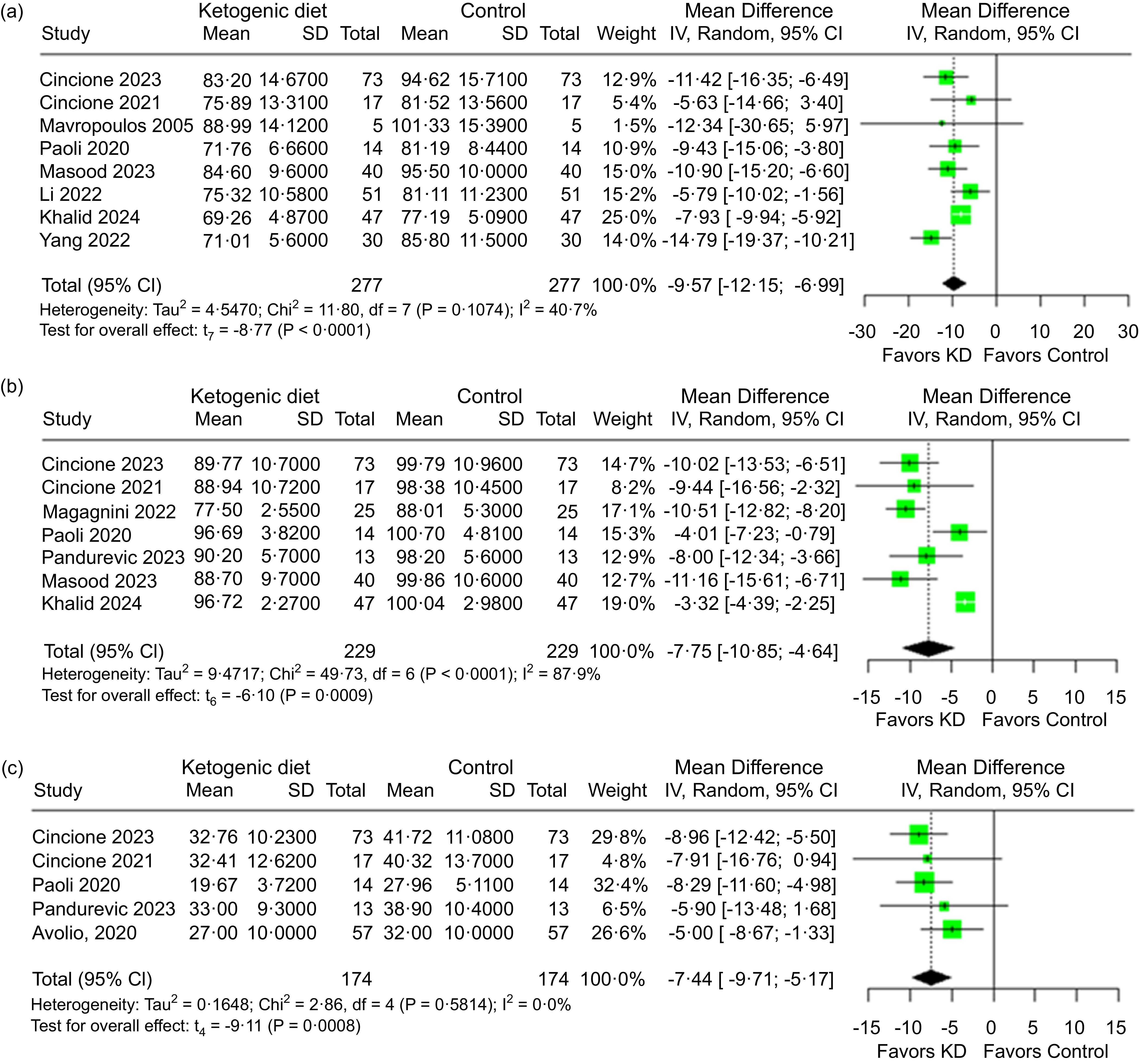
Eight studies(Reference Cincione, Graziadio and Marino34–Reference Mavropoulos, Yancy and Hepburn36,Reference Paoli, Mancin and Giacona38,Reference Masood, Noreen and Raza40,Reference Li, Bai and Jiang42–Reference Yang, Bai and Jiang44) evaluated weight values in women with PCOS under VLCKD intervention, compared with the moment before the intervention. A total of 277 patients were included (mean age: 30·07 (sd 3·12) years) with follow-up duration between 4(Reference Li, Bai and Jiang42) and 24 weeks(Reference Mavropoulos, Yancy and Hepburn36). There was evidence of a significant reduction in weight after VLCKD intervention in PCOS (WMD: –9·57 kg, 95 % CI (–12·15, –6·99), P < 0·0001; I 2 = 40·7% (0·0%, 73·8%) and P = 0·1074; Fig. 2(a)). Furthermore, no risk of publication bias was observed after visual assessment of the funnel plot (online Supplementary material 3, Fig. 1(a)).
Assessment of the mean values of body composition measurements outcomes before and after the intervention with the ketogenic diet in patients with PCOS. (a) Weight; (b) WC; (c) FBM. WC, waist circumference; FBM, fat body mass.

For the outcome WC, seven studies(Reference Cincione, Graziadio and Marino34,Reference Cincione, Losavio and Ciolli35,Reference Magagnini, Condorelli and Cimino37–Reference Masood, Noreen and Raza40,Reference Khalid, Jabeen and Farooq43) with 229 patients with PCOS were included (mean age: 28·68 (sd 2·66) years), followed for 6(Reference Masood, Noreen and Raza40) to 16(Reference Pandurevic, Mancini and Mitselman39) weeks. After the VLCKD intervention, a significant reduction in WC values was observed, compared with the values obtained at the beginning of the intervention with the VLCKD (WMD: −7·75 cm, 95 % CI (–10·85, −4·64), P < 0·0009; I 2 = 87·9% (77·5%, 93·5%) and P < 0·0001; Fig. 2(b)). Furthermore, no risk of publication bias was observed after visual assessment of the funnel plot (online Supplementary material 3, Fig. 1(b)).
Five studies(Reference Cincione, Graziadio and Marino34,Reference Cincione, Losavio and Ciolli35,Reference Paoli, Mancin and Giacona38,Reference Pandurevic, Mancini and Mitselman39,Reference Avolio, Ferraro and Mocciaro41) assessed the fat body mass outcome in 174 patients diagnosed with PCOS (mean age: 29·35 (sd 2·73)), who received the VLCKD intervention, during 11(Reference Cincione, Graziadio and Marino34,Reference Cincione, Losavio and Ciolli35) to 24(Reference Avolio, Ferraro and Mocciaro41) weeks. A significant reduction in fat body mass was evidenced after the intervention with VLCKD, compared with the moment before the intervention (WMD: −7·44 kg, 95 % CI (–9·71, −5·17), P = 0·0008; I 2 = 0·0% (0·0%, 79·2%) and P = 0·5814; Fig. 2(c)). For this outcome, after a visual assessment of the funnel plot, no risk of publication bias was observed (online Supplementary material 3, Fig. 1(c)).
Anthropometric indices
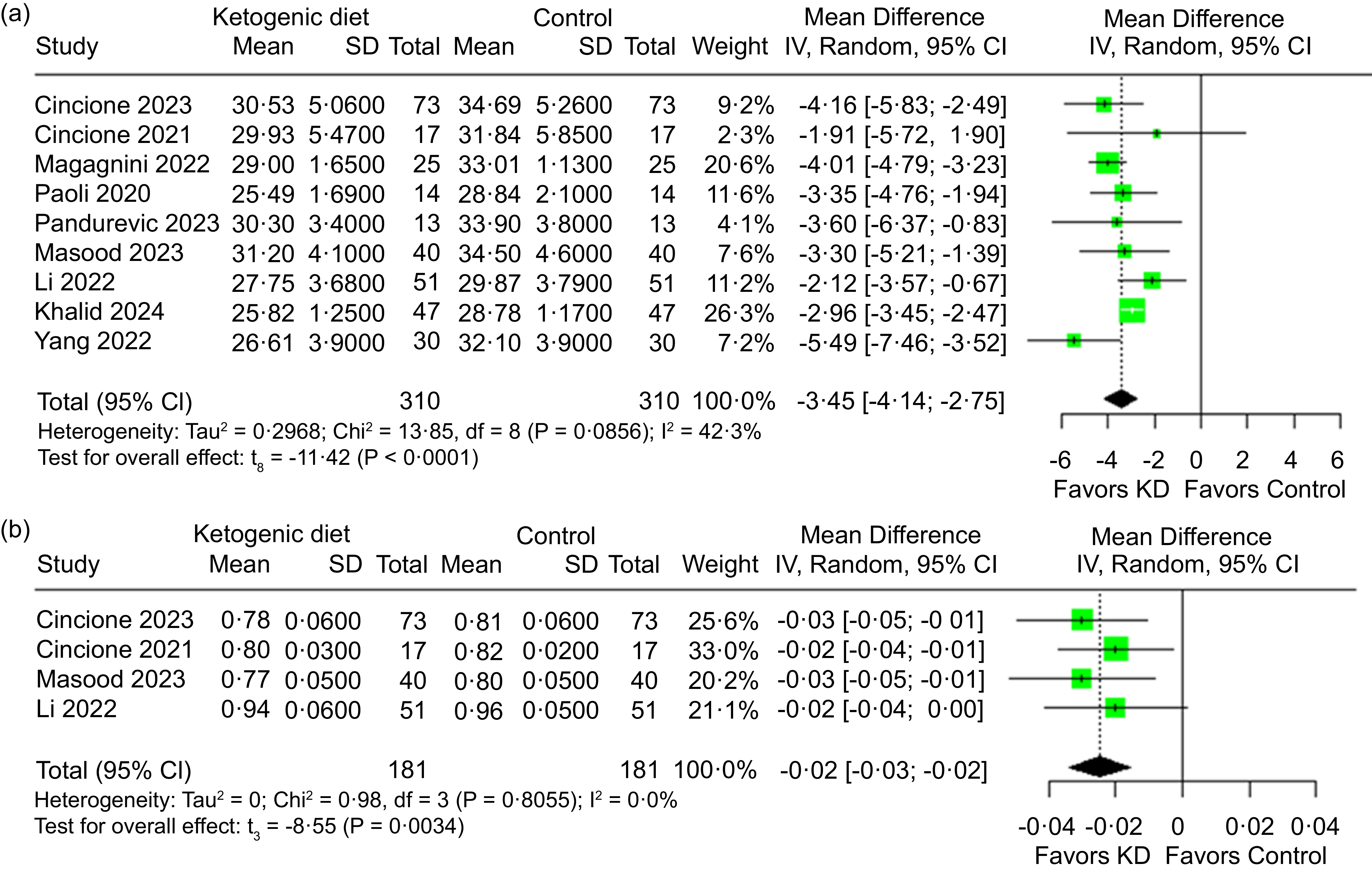
Regarding BMI, nine studies(Reference Cincione, Graziadio and Marino34,Reference Cincione, Losavio and Ciolli35,Reference Magagnini, Condorelli and Cimino37–Reference Masood, Noreen and Raza40,Reference Li, Bai and Jiang42–Reference Yang, Bai and Jiang44) evaluated the outcome in patients with PCOS, who received intervention with a VLCKD, before and after the evaluations. In total, 310 patients were included (mean age: 30·07 (sd 3·12) years), with a minimum study design time of 4(Reference Pandurevic, Mancini and Mitselman39) and a maximum of 24 weeks(Reference Mavropoulos, Yancy and Hepburn36). The results of the meta-analysis showed a significant reduction in BMI values after intervention with the VLCKD (WMD: –3·45 kg/m2, 95 % CI (–4·14, –2·75), P < 0·0001; I 2 = 42·3% (0·0%, 73·4%) and P = 0·08; Fig. 3(a)). After visual evaluation of the funnel plot, no publication bias was evident among the included studies (online Supplementary material 3, Fig. 2(a)).
Assessment of the mean values of anthropometric indices outcomes before and after the intervention with the ketogenic diet in patients with PCOS. (a) BMI; (b) WHR. WHR, waist and hip circumference ratio.

Four studies(Reference Cincione, Graziadio and Marino34,Reference Cincione, Losavio and Ciolli35,Reference Masood, Noreen and Raza40,Reference Li, Bai and Jiang42) were included in the WHR outcome, evaluating 181 patients with PCOS (mean age: 30·95 (sd 3·46) years), followed for 4 (42) to 11 (34,35) weeks. The intervention with the VLCKD resulted in a significant reduction in the WHR outcome (WMD: −0·02, 95 % CI (–0·03, −0·02), P < 0·0034; I 2 = 0·0% (0·0%, 84·7%) and P = 0·80; Fig. 3(b)). After visual assessment of the funnel plot, no risk of publication bias was observed (online Supplementary material 3, Fig. 2(b)).
Hormonal outcomes – hyperandrogenism markers and female sexual hormones
The presentation of the analysis referring to the hormonal outcomes assessed will be divided into two subgroups. The first will address hormonal levels related to the characteristic hyperandrogenism in patients with PCOS, including free and total testosterone and SHBG. The second will report the levels of female sex hormones frequently altered in women with PCOS, considering LH, follicle-stimulating hormone (FSH) and their ratio.
Hyperandrogenism markers
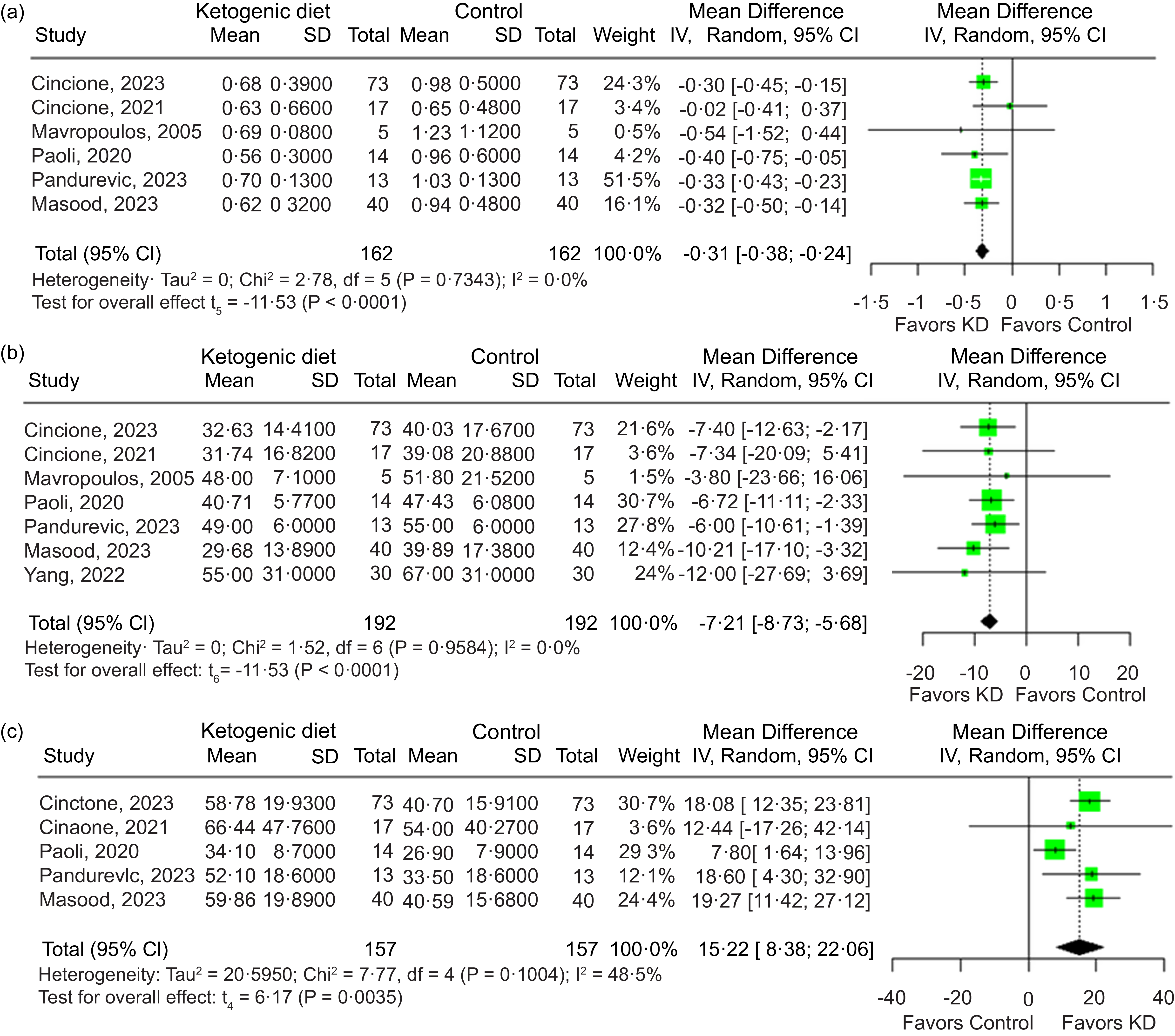
The markers of hyperandrogenism evaluated in the present study were free testosterone, total testosterone and SHBG. Regarding the free testosterone outcome, six primary studies(Reference Cincione, Graziadio and Marino34–Reference Mavropoulos, Yancy and Hepburn36,Reference Paoli, Mancin and Giacona38–Reference Masood, Noreen and Raza40) evaluated free testosterone levels, before and after intervention with the VLCKD, in a total of 122 patients diagnosed with PCOS (mean age: 30·38 (sd 3·30) years), with follow-up time varying from 6(Reference Masood, Noreen and Raza40) to 24(Reference Mavropoulos, Yancy and Hepburn36) weeks. Concerning the quantitative analysis, free testosterone levels showed a significant reduction, after the intervention with the VLCKD, compared with the initial moment of the PCOS intervention (WMD: −0·31 ng/dl, 95 % CI (–0·38, −0·24), P < 0·0001; I 2 = 0·0% (0·0%, 74·6%) and P = 0·7343 (Fig. 4(a)). For this outcome, after a visual assessment of the funnel plot, no risk of publication bias was observed (online Supplementary material 3, Fig. 3(a)).
Assessment of the mean values of hyperandrogenism markers outcomes before and after the intervention with the ketogenic diet in patients with PCOS. (a) Free testosterone; (b) total testosterone; (c) SHBG. SHBG, sex hormone-binding globulin.

As for the total testosterone outcome, seven(Reference Cincione, Graziadio and Marino34–Reference Mavropoulos, Yancy and Hepburn36,Reference Paoli, Mancin and Giacona38–Reference Masood, Noreen and Raza40,Reference Yang, Bai and Jiang44) studies measured the hormone in 192 women diagnosed with PCOS, before and after intervention with the VLCKD (average age: 29·85 (sd 1·96) years), with follow-up time varying from 6(Reference Masood, Noreen and Raza40) to 24(Reference Mavropoulos, Yancy and Hepburn36) weeks. Quantitative data demonstrated a significant reduction in total testosterone levels at the time after intervention with the VLCKD, compared with the beginning of the intervention (WMD: −7·21 ng/dl, 95 % CI (–8·73, −5·68), P < 0·0001; I 2 = 0·0% (0·0%, 70·8%) and P = 0·9584; Fig. 4(b)). For this outcome, after a visual assessment of the funnel plot, no risk of publication bias was observed (online Supplementary material 3, Fig. 3(b)).
In total, five(Reference Cincione, Graziadio and Marino34,Reference Cincione, Losavio and Ciolli35,Reference Paoli, Mancin and Giacona38–Reference Masood, Noreen and Raza40) primary studies evaluated SHBG levels in 157 women diagnosed with PCOS (mean age: 29·35 (sd 2·36) years) in studies with durations ranging from 6(Reference Masood, Noreen and Raza40) to 16(Reference Pandurevic, Mancini and Mitselman39) weeks. In the compiled data, a significant increase in SHBG levels was observed after the intervention with the VLCKD (WMD: 15·22 nmol/l, 95 % CI (8·38, 22·06), P < 0·0035; I 2 = 48·5% (0·0%, 81·8%) and P = 0·1004; Fig. 4(c)). For this outcome, after a visual assessment of the funnel plot, no risk of bias was observed (online Supplementary material 3, Fig. 3(c)).
Female sexual hormones
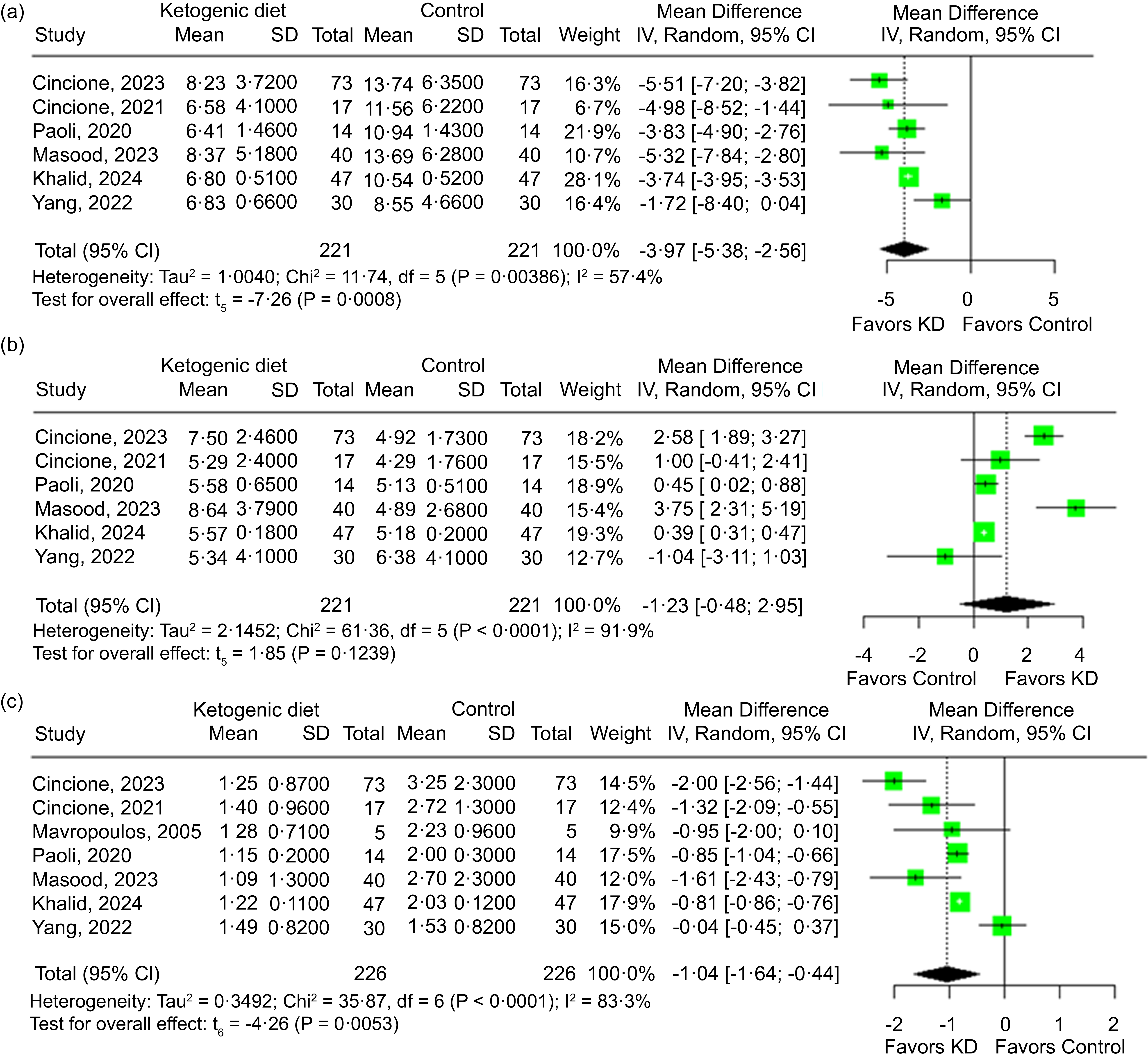
The female sex hormones evaluated in the present systematic review were LH, FSH and their ratio. Six primary studies(Reference Cincione, Graziadio and Marino34,Reference Cincione, Losavio and Ciolli35,Reference Paoli, Mancin and Giacona38,Reference Masood, Noreen and Raza40,Reference Khalid, Jabeen and Farooq43,Reference Yang, Bai and Jiang44) evaluated LH and FSH levels, before and after intervention with the VLCKD, in 221 women with PCOS (mean age: 29·18 (sd 2·50) years), lasting from 6(Reference Masood, Noreen and Raza40) to 12(Reference Khalid, Jabeen and Farooq43,Reference Yang, Bai and Jiang44) weeks. After quantitative analysis of LH levels, a significant reduction in hormone levels was evidenced in women with PCOS, after intervention with the VLCKD, when compared with the initial moment of the study (WMD: −3·97 U/L, 95 % CI (–5·38, −2·56), P = 0·0008; I 2 = 57·4% (0·0%, 82·8%) and P = 0·0386; Fig. 5(a)). For this outcome, after a visual assessment of the funnel plot, no risk of publication bias was observed (online Supplementary material 3, Fig. 4(a)).
Assessment of the mean values of female sexual hormones outcomes before and after the intervention with the ketogenic diet in patients with PCOS. (a) LH; (b) FSH; (c) LH/FSH. LH, luteinising hormone; FSH, follicle-stimulating hormone.

As for the FSH outcome, no significant difference was observed after the intervention with the VLCKD, compared with the initial moment of the study (WMD: 1·23 mUI/ml, 95 % CI (–0·48, 2·95), P = 0·12; I 2 = 91·9% (85·0%, 95·6%) and P < 0·0001; Fig. 5(b)). For this outcome, after a visual assessment of the funnel plot, no risk of publication bias was observed (online Supplementary material 3, Fig. 4(b)).
As for the ratio between LH and FSH, seven studies(Reference Cincione, Graziadio and Marino34–Reference Mavropoulos, Yancy and Hepburn36,Reference Paoli, Mancin and Giacona38,Reference Masood, Noreen and Raza40,Reference Khalid, Jabeen and Farooq43,Reference Yang, Bai and Jiang44) evaluated the outcome in 226 women diagnosed with PCOS (mean age: 30·07 (sd 3·12) years), for 6(Reference Masood, Noreen and Raza40) to 24(Reference Cincione, Graziadio and Marino34) weeks. After quantitative evaluation, a significant reduction in LH:FSH ratio values was evidenced in patients with PCOS, after intervention with the VLCKD (WMD: −1·04, 95 % CI (–1·64, −0·44), P = 0·0053; I 2 = 83·3% (67·0%, 91·5%) and P < 0·0001; Fig. 5(c)). For this outcome, after a visual assessment of the funnel plot, no risk of publication bias was observed (online Supplementary material 3, Fig. 4(c)).
Metabolic outcomes – glucose and lipid metabolism
Metabolic outcomes were divided into two subgroups. The first is markers of glucose metabolism and IR – fasting blood glucose, insulin and HOMA-IR. The second will report lipid markers, namely, total cholesterol, TAG, LDL-cholesterol and HDL-cholesterol. The results of the quantitative evaluation will be presented below.
Glucose metabolism
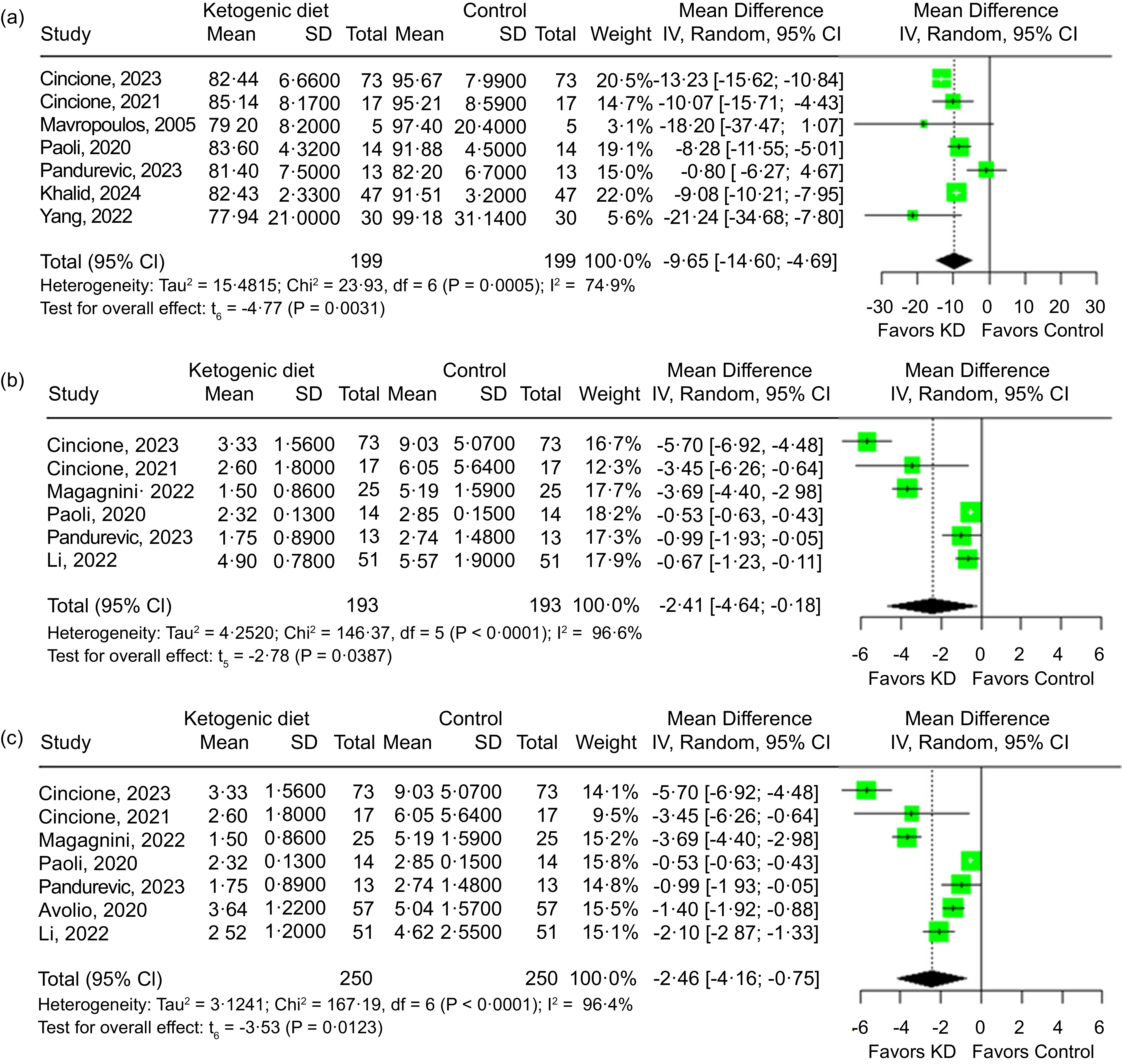
In total, seven(Reference Cincione, Graziadio and Marino34–Reference Mavropoulos, Yancy and Hepburn36,Reference Paoli, Mancin and Giacona38,Reference Pandurevic, Mancini and Mitselman39,Reference Khalid, Jabeen and Farooq43,Reference Yang, Bai and Jiang44) primary studies evaluated blood glucose levels before and after intervention with the VLCKD in 199 patients diagnosed with PCOS (mean age: 29·77 (sd 2·95) years), with follow-up time varying from 11(Reference Cincione, Graziadio and Marino34,Reference Cincione, Losavio and Ciolli35) to 24(Reference Mavropoulos, Yancy and Hepburn36) weeks. The quantitative assessment of values obtained from primary studies demonstrated a significant reduction in blood glucose levels in women with PCOS after intervention with the VLCKD (WMD: −9·65, 95 % CI (–14·60, −4·69), P = 0·0031; I 2 = 74·9% (46·8%, 88·2%) and P = 0·0005; Fig. 6(a)). For this outcome, after a visual assessment of the funnel plot, no risk of publication bias was observed (online Supplementary material 3, Fig. 5(a)).
Assessment of the mean values of glucose metabolism outcomes before and after the intervention with the ketogenic diet in patients with PCOS. (a) Fasting blood glucose; (b) insulin; (c) HOMA-IR. HOMA-IR, homeostasis model assessment – insulin resistance.

Six studies(Reference Cincione, Graziadio and Marino34,Reference Cincione, Losavio and Ciolli35,Reference Magagnini, Condorelli and Cimino37–Reference Pandurevic, Mancini and Mitselman39,Reference Li, Bai and Jiang42) evaluated insulin levels in 193 patients with PCOS (mean age: 28·56 (sd 2·95)), before and after intervention with the VLCKD, with follow-up of patients ranging from 4(Reference Li, Bai and Jiang42) to 16 weeks(Reference Pandurevic, Mancini and Mitselman39). A significant reduction in insulin levels was evidenced in patients with PCOS after intervention with the VLCKD (WMD: –2·41, 95 % CI (–4·64, –0·18), P = 0·0387; I 2 = 96·6% (94·5%, 97·9%) and P < 0·0001; Fig. 6(b)). For this outcome, after a visual assessment of the funnel plot, no risk of publication bias was observed (online Supplementary material 3, Fig. 5(b)).
Regarding HOMA-IR, seven studies(Reference Cincione, Graziadio and Marino34,Reference Cincione, Losavio and Ciolli35,Reference Magagnini, Condorelli and Cimino37–Reference Pandurevic, Mancini and Mitselman39,Reference Avolio, Ferraro and Mocciaro41,Reference Li, Bai and Jiang42) evaluated the outcome in 250 patients diagnosed with PCOS (mean age: 28·56 (sd 2·95) years), from 4(Reference Li, Bai and Jiang42) to 24(Reference Avolio, Ferraro and Mocciaro41) weeks. A reduction in the index values was evidenced, after intervention with the VLCKD (WMD: −2·46, 95 % CI (–4·16, −0·75), P = 0·0123; I 2 = 96·4% (94·5%, 97·7%) and P < 0·0001; Fig. 6(c)). For this outcome, after a visual assessment of the funnel plot, no risk of publication bias was observed (online Supplementary material 3, Fig. 5(c)).
Lipid metabolism
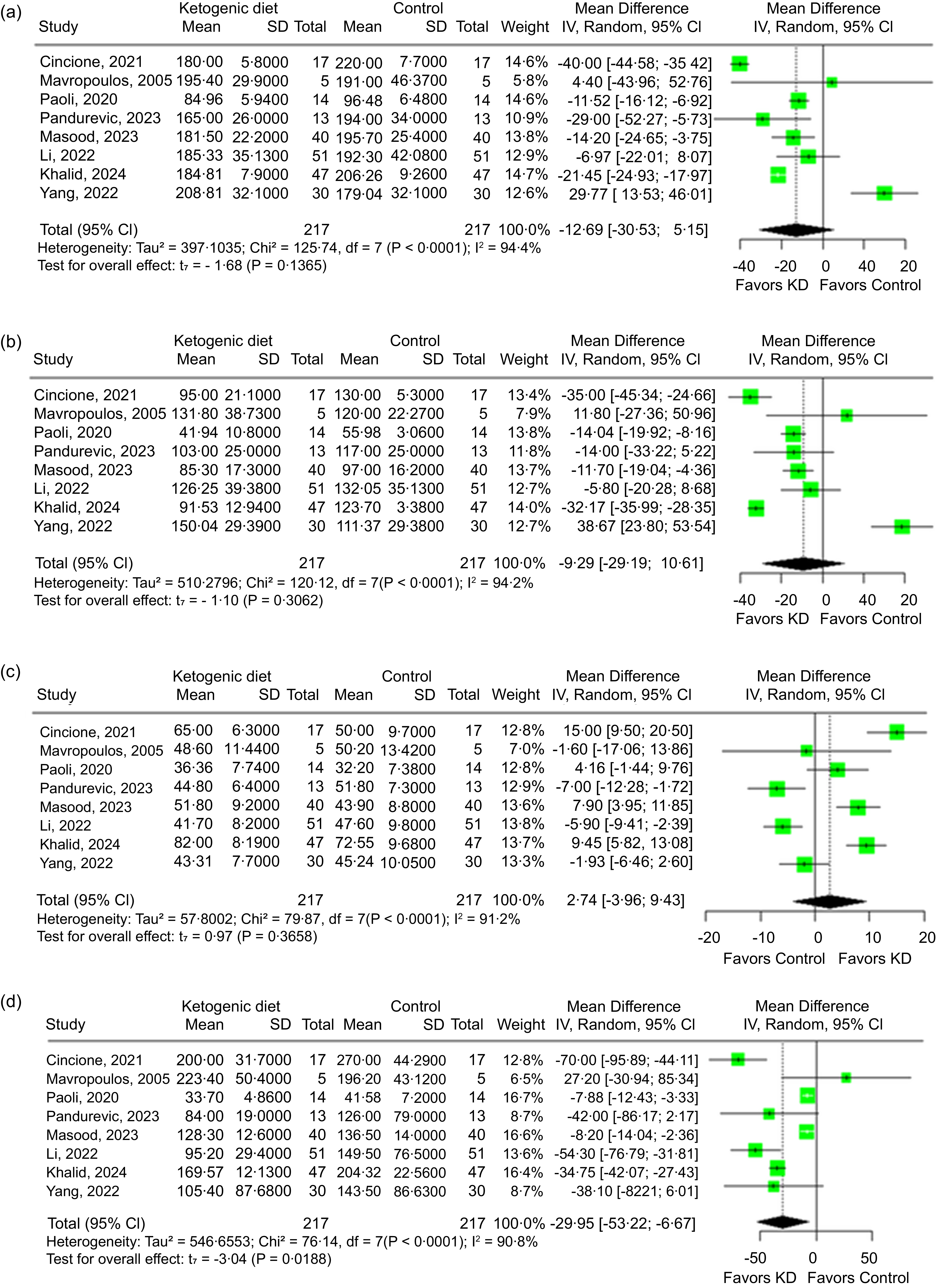
Eight primary studies(Reference Cincione, Losavio and Ciolli35,Reference Mavropoulos, Yancy and Hepburn36,Reference Paoli, Mancin and Giacona38–Reference Masood, Noreen and Raza40,Reference Li, Bai and Jiang42–Reference Yang, Bai and Jiang44) evaluated lipid metabolism outcomes (total cholesterol, TAG, LDL-cholesterol and HDL-cholesterol) in 217 women with PCOS (mean age: 29·17 (sd 2·72) years) who received the VLCKD intervention for 4(Reference Li, Bai and Jiang42) to 24(Reference Mavropoulos, Yancy and Hepburn36) months. Regarding the levels of total cholesterol, LDL-cholesterol and HDL-cholesterol, no significant reduction in the levels of the markers was observed after intervention with the VLCKD in patients with PCOS, when compared with the initial moment of the intervention: total cholesterol (WMD: –12·69 mg/dl, 95 % CI (–30·53, 5·15), P = 0·1365; I 2 = 94·4% (91·2%, 96·5%) and P < 0·0001; Fig. 7(a)), LDL-cholesterol (WMD: –9·29 mg/dl, 95 % CI (–29·19, 10·61), P = 0·3062; I 2 = 94·2% (90·7%, 96·4%) and P < 0·0001; Fig. 7(b)) and HDL-cholesterol (WMD: 2·74, 95 % CI (–3·96, 9·43), P = 0·3658; I 2 = 91·2% (85·1%, 94·8%) and P < 0·0001; Fig. 7(c)).
Assessment of the mean values of lipid metabolism outcomes before and after the intervention with the ketogenic diet in patients with PCOS. (a) total cholesterol; (b) LDL-cholesterol; (c) HDL-cholesterol; (d) TAG.

Regarding TAG levels, a significant reduction was observed in women with PCOS at the end of the intervention, when compared with the initial moment of the study (WMD: −29·95 mg/dl, 95 % CI (–53·22, −6·67), P = 0·0188; I 2 = 90·8% (84·3%, 94·6%) and P < 0·0001; Fig. 7(d)). For all outcomes, after a visual assessment of the funnel plots, there was no risk of publication bias among the included studies (online Supplementary material 3, Fig. 6(a)–(d)).
Sensitivity analysis
To explore the substantial heterogeneity between the studies included in the meta-analysis and to examine changes in the size of the combined effect, sensitivity analyses were performed, proceeding with the serial exclusion of each study from the analyses and for all evaluated outcomes(Reference Rethlefsen, Kirtley and Waffenschmidt46,Reference Page, Higgins and Sterne47) . For the BMI, WC, WHR, fat body mass, free testosterone, total testosterone, LH, FSH, LH:FSH, glucose, HOMA-IR, insulin, total cholesterol, TAG, LDL-cholesterol and HDL-cholesterol, no significant differences were found when heterogeneity was explored.
For the weight outcome, a significant reduction of the anthropometric marker was observed in women with PCOS, at the end of the intervention with VLCKD, when compared with the initial moment of the study, by excluding from the analysis the study by Yang et al. (2022)(Reference Magagnini, Condorelli and Cimino37) (WMD: −8·42 kg, 95 % CI (–10·14, −6·70), P < 0·0001; I 2 = 0% (0·0%, 70·8%) and P = 0·53) (online Supplementary material 4, Fig. 1). As for the SHBG outcome, a significant increase in hormone levels was observed in women with PCOS at the end of the intervention with VLCKD, when compared with the initial moment of the study, when we removed the study by Paoli et al. (2020)(Reference Pandurevic, Mancini and Mitselman39) (WMD: 18·37 nmol/l, 95 % CI (16·48, 20·26), P < 0·0001; I 2 = 0% (0·0%, 84·7%) and P = 0·97) (online Supplementary material 4, Fig. 2).
Assessment of the risk of bias
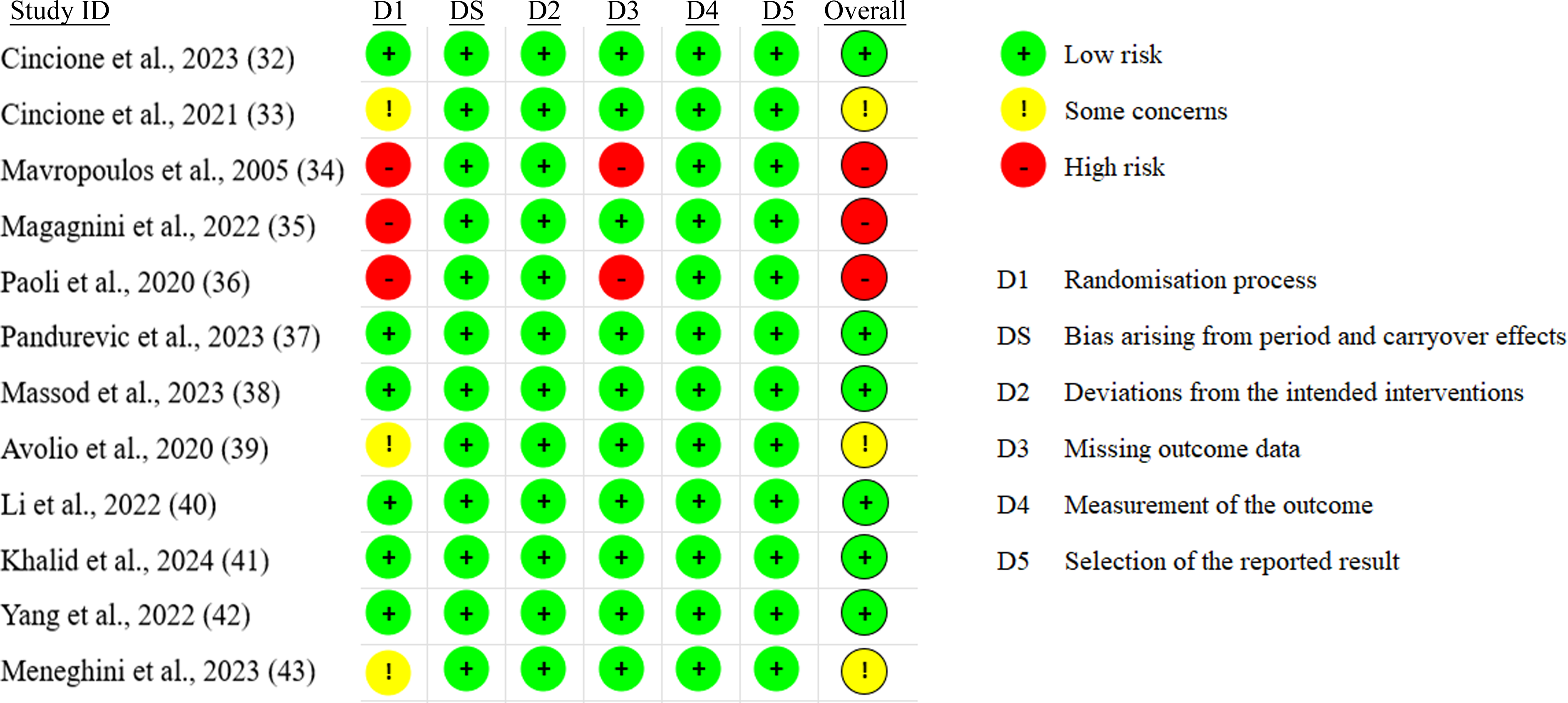
The assessment of the risk of bias in each included study is summarised in Fig. 8. In (D1), referring to the applied randomisation process, three studies(Reference Mavropoulos, Yancy and Hepburn36–Reference Paoli, Mancin and Giacona38) were considered to have a high risk of bias because they did not perform true randomisation, and another two studies(Reference Cincione, Losavio and Ciolli35,Reference Avolio, Ferraro and Mocciaro41) were evaluated with reservations, as it was not possible to define exactly the randomisation method performed. In (DS), which assessed the risk of bias arising from period and carryover effects, all the studies were classified as low risk(Reference Cincione, Graziadio and Marino34–Reference Meneghini, Bianco and Galanti45). In (D2), referring to the risk of bias due to deviations from the intended interventions, all included studies were classified as low risk for(Reference Cincione, Graziadio and Marino34–Reference Meneghini, Bianco and Galanti45). In (D3), referring to the risk of bias due to missing outcome data, two studies(Reference Mavropoulos, Yancy and Hepburn36,Reference Paoli, Mancin and Giacona38) were classified as high risk, associated with the unavailability of data obtained for at least 95 % of the volunteers included in the study. In the outcome measurement domain (D4), all twelve studies(Reference Cincione, Graziadio and Marino34–Reference Meneghini, Bianco and Galanti45) are considered to have a low risk of bias. For (D5), the risk of selecting the reported outcome was rated as low risk for all studies(Reference Cincione, Graziadio and Marino34–Reference Meneghini, Bianco and Galanti45).
Risk of bias assessment chart – Cochrane Collaboration.

In the overall assessment, six studies(Reference Cincione, Graziadio and Marino34,Reference Pandurevic, Mancini and Mitselman39,Reference Masood, Noreen and Raza40,Reference Li, Bai and Jiang42–Reference Yang, Bai and Jiang44) were considered at low risk of publication bias, three(Reference Cincione, Losavio and Ciolli35,Reference Avolio, Ferraro and Mocciaro41,Reference Meneghini, Bianco and Galanti45) had some concern and three studies(Reference Mavropoulos, Yancy and Hepburn36–Reference Paoli, Mancin and Giacona38) were evaluated with high risk of bias related to the randomisation process and the possible negative effects of imputation to the intervention.
Assessment of certainty of evidence
The GRADE(Reference Balshem, Helfand and Schünemann31) results are described in (online Supplementary material 5). The risk of bias was classified as non-serious for all requirements. The certainty of the body of evidence was classified as moderate for the eighteen outcomes presented.
Discussion
In the present study, we evaluated the effects of the VLCKD on anthropometric, hormonal and metabolic parameters in women with PCOS before and after the intervention. VLCKD was associated with significant changes in anthropometric measurements, hormonal levels, glucose metabolism markers and TAG levels; however, no significant changes were observed in HDL-cholesterol, LDL-cholesterol or total cholesterol levels. When compared with previous systematic reviews(Reference Eshaghhosseiny, Ahmadi and Izadi48–Reference Cannarella, Rubulotta and Leonardi51), our findings are broadly consistent, confirming significant improvements in weight, visceral adiposity and insulin resistance with VLCKD.
Previous meta-analyses have examined anthropometric, hormonal and metabolic outcomes in women with PCOS undergoing VLCKD interventions(Reference Khalid, Apparow and Mushaddik52–Reference Xing, Ren and Yang54). In a meta-analysis by Khalid et al. (2023), which included seven studies with a total of 170 PCOS patients, significant reductions in the LH:FSH ratio and free testosterone levels were observed, alongside an increase in SHBG(Reference Khalid, Apparow and Mushaddik52). Eshaghhosseiny et al. (2024) analysed ten studies involving 408 PCOS patients, reporting significant reductions in TAG, total cholesterol, LDL-cholesterol, glucose and HOMA-IR values. Additionally, hormonal markers showed significant decreases in LH and total testosterone, as well as an increase in FSH levels(Reference Eshaghhosseiny, Ahmadi and Izadi53). Finally, Xing et al. (2024) reviewed eleven studies with 426 PCOS patients, finding significant reductions in weight, BMI, WC and body fat mass(Reference Xing, Ren and Yang54).
These findings suggest that VLCKD may represent an alternative therapeutic strategy for women with PCOS. A 16-week randomised clinical trial demonstrated that VLCKD was more effective than a hypoenergetic MD in reducing body weight and visceral adiposity, while also improving key metabolic and endocrine markers, including IR, SHBG and free testosterone level parameters closely linked to hyperandrogenism and anovulation(Reference Pandurevic, Mancini and Mitselman39). These results align with meta-analytic evidence indicating consistent benefits in anthropometric outcomes and hormonal profiles, with VLCKD appearing to outperform less restrictive ketogenic regimens(Reference Cannarella, Rubulotta and Leonardi51,Reference Xing, Ren and Yang54) .
Importantly, improvements in reproductive hormones and higher pregnancy rates reported in some studies raise the possibility that VLCKD may restore ovulatory cycles and enhance fertility, adding a clinically meaningful dimension beyond weight loss(Reference Rossetti, Strinati and Caputi55). Interestingly, follow-up data suggest that the metabolic and hormonal benefits may persist even after carbohydrate reintroduction, supporting the hypothesis that nutritional ketosis may exert lasting effects on insulin signalling and androgen regulation(Reference Rossetti, Strinati and Caputi55). Taken together, these findings argue for the consideration of VLCKD as a short-term, professionally supervised intervention in PCOS management, particularly for patients with marked visceral obesity or insulin resistance. Nevertheless, careful patient selection, monitoring for adherence and tolerability and a structured transition to a maintenance diet are critical to maximising benefits and minimise potential risks(Reference Pandurevic, Mancini and Mitselman56).
The positive association between PCOS and excess weight is supported by epidemiological data, indicating that between 38 and 88 % of women with PCOS are overweight or obese(Reference Salari, Nankali and Ghanbari57,Reference Barber and Franks58) . Weight reduction in these patients is correlated with decreased IR, normalisation of androgen hormone levels, restoration of ovulatory function and increased fertility. Additionally, this weight loss has notable effects on specific metabolic parameters, including improvements in lipid profiles(Reference Teede, Joham and Paul59).
Currently, the VLCKD is employed as a therapeutic intervention for metabolic disorders such as obesity and T2DM(Reference Muscogiuri, El Ghoch and Colao17,Reference Choi, Jeon and Shin60,Reference Westman, Tondt and Maguire61) . A meta-analysis by Zhou et al. (2022), which included eight studies with a total of 611 participants diagnosed with T2DM, found that 331 participants followed ketogenic diets. The study revealed that individuals with T2DM who adhered to a VLCKD were more likely to achieve significant reductions in body weight and WC compared with those on other dietary approaches, such as hypoenergetic, low-glycemic index, low-fat, high-carbohydrate or moderate carbohydrate diets (45–50 % of total energy intake)(Reference Zhou, Wang and Liang62).
In a study involving 268 overweight and obese individuals divided into two groups (Mediterranean diet (MD) and VLCKD), both diets were effective in reducing body weight and fat mass; however, the MD led to greater reductions in WC and fat mass compared with VLCKD(Reference Di Rosa, Lattanzi and Spiezia63). The studies included in our review indicated that VLCKD effectively reduces body weight, BMI, WC and waist-to-hip ratio, suggesting that VLCKD is a beneficial intervention for overweight and obese women with PCOS.
The mechanisms by which a VLCKD induces weight loss and improves body composition remain complex(Reference Di Rosa, Lattanzi and Spiezia63). It is proposed that the primary mechanism involves reducing insulin levels through carbohydrate restriction, which leads to metabolic changes such as increased glycogenolysis, gluconeogenesis and lipolysis. Additionally, there is a rise in plasma ketone concentrations due to the enhanced degradation of specific fatty acids and increased activity of ketogenic enzymes. Once stored glucose is depleted, the body shifts to using fat as its primary energy source, resulting in weight loss(Reference Basolo, Magno and Santini64). It is important to emphasise that the metabolic state of ketosis induced by fasting or VLCKD should not be confused with pathological ketoacidosis. Furthermore, VLCKD has the potential to modulate hormones that regulate appetite, exerting appetite-suppressing effects by directly influencing ketone bodies(Reference Sumithran, Prendergast and Delbridge65,Reference Johnstone, Horgan and Murison66) .
During ketogenesis, there is an increase in insulin receptor sensitivity. As a result, the VLCKD not only provides essential nutrients but also helps maintain a negative energy balance. Additionally, it reduces fluctuations in insulin secretion, primarily due to decreased carbohydrate intake, thereby enhancing insulin sensitivity(Reference Yuan, Wang and Yang67). The studies included in our review indicate that VLCKD significantly improves glucose metabolism in women with PCOS as evidenced by reductions in insulin and fasting glucose levels, along with lower HOMA-IR values. Therefore, VLCKD may be considered a potential non-pharmacological treatment for glucose disturbances in this population.
Studies evaluating the lipid profiles of individuals with PCOS before and after VLCKD intervention have not reported significant improvements in total cholesterol, LDL-cholesterol or HDL-cholesterol levels, although TAG levels showed a reduction. Increased lipolysis leads to the generation of free fatty acids, which are converted into acetyl-CoA through beta-oxidation. This process provides an additional source of energy for various tissues(Reference Basolo, Magno and Santini64). Additionally, a study involving patients with T2DM reported decreases in TAG and increases in LDL-cholesterol levels following VLCKD intervention(Reference Rafiullah, Musambil and David68).
In PCOS, IR and the resulting compensatory hyperinsulinemia stimulate theca cells, leading to increased androgen release and reduced production of SHBG. This cascade contributes to hyperandrogenism and infertility in affected individuals(Reference Motta, Domingues and Soares Júnior69). Additionally, the inflammatory environment in the endometrium, induced by IR, may exacerbate endometrial dysfunction, infertility and pregnancy complications(Reference Palafox-Gómez, Ortiz and Madrazo70). Achieving a weight reduction of 5–10 % is recognised to provide benefits in lowering free testosterone levels. Elevated insulin levels, a primary factor in PCOS, inhibit the liver’s production of SHBG, which in turn raises free testosterone levels(Reference Paoli, Mancin and Giacona38). Improvements in the metabolic profile of PCOS patients, particularly noted by a decrease in IR, may be associated with reductions in free testosterone and increases in SHBG levels following VLCKD. This suggests a potential role for VLCKD in managing hyperandrogenism in women with PCOS(Reference Yuan, Wang and Yang67).
In addition to IR, PCOS is characterised by disruptions in the regulation of female sex hormone release. This is marked by elevated LH levels, which play a crucial role in androgen synthesis in theca cells, prompting the ovaries to preferentially produce androgens. This hormonal imbalance impairs follicular development and alters LH levels and the LH:FSH ratio, which are considered secondary effects of androgen excess. As a result, elevated oestrogen levels contribute to menstrual irregularities and infertility(Reference Motta, Domingues and Soares Júnior69,Reference Yarak, Bagatin and Hassun71) .
Conversely, the VLCKD mitigates the unregulated production of oestrogens in adipose tissue among individuals with high androgen levels, leading to improvements in menstrual abnormalities(Reference Palafox-Gómez, Ortiz and Madrazo70). Meneghini et al. (2023) suggest that VLCKD is a favourable option for initiating in vitro fertilisation, as it enhances anthropometric parameters, restores menstrual regularity and reduces the risk of ovarian hyperstimulation syndrome(Reference Meneghini, Bianco and Galanti45). In this review, studies indicate that VLCKD treatment in PCOS women leads to reductions in both LH levels and the LH:FSH ratio.
Although VLCKD is associated with significant benefits across various evaluated parameters, this systematic review highlights that adherence to the diet for less than 24 weeks is a notable limitation, compounded by its restrictive and low-calorie nature(Reference Batch, Lamsal and Adkins72). Additionally, many patients with PCOS experience symptoms related to depression and anxiety, which can lead to secondary issues such as eating disorders(Reference Burnatowska, Wikarek and Oboza73). According to AbuMweis et al. (2010), studies should be of sufficient duration to ensure biological efficacy while remaining short enough to enhance participant adherence and minimise dropout rates(Reference AbuMweis, Jew and Jones74). Monitoring adherence to the intervention – whether through food consumption tools such as FFQ and 24-h recalls or through telephone check-ins – is essential in clinical trials. Consequently, a more robust methodological approach, including a larger number of participants and an extended study duration, would ensure that the findings are more reproducible and reliable(Reference Welch, Antoine and Berta75).
While the positive aspects of VLCKD are evident, it is crucial to address issues related to adherence to the proposed dietary profile, as well as potential mild, moderate or severe adverse effects in both the short and long term. Mild adverse effects may include insomnia, diarrhoea and headaches. Additionally, high levels of medium-chain TAG can lead to gastrointestinal discomfort, resulting in diarrhoea, vomiting and abdominal cramps(Reference Kossoff, Zupec-Kania and Amark76). On the other hand, moderate adverse effects may include mineral and vitamin deficiencies, metabolic acidosis (due to inadequate insulin function), dyslipidemia and an increased risk of kidney stones and hypoproteinemia(Reference Gupta, Khandelwal and Kalra77). These adverse effects can stem from elevated ketone levels, which may disrupt redox balance and consequently increase the risk of morbidity and mortality, particularly in diabetic patients(Reference Kanikarla-Marie and Jain78).
The studies included in this review did not categorise patients based on PCOS phenotypes. Phenotype A, characterised by hyperandrogenism, ovulatory disorders and polycystic ovaries, is associated with higher androgen levels, greater IR and higher obesity rates compared with phenotypes B and C, which exhibit different glycemic metabolism complications than phenotype D(Reference Lizneva, Suturina and Walker79). Women with higher hyperandrogenism tend to have a poorer lipid profile, and phenotype A is linked to a greater risk of developing metabolic syndrome(Reference Farhadi-Azar, Behboudi-Gandevani and Rahmati80). Consequently, classifying PCOS phenotypes enables more personalised management approaches, considering variations in metabolic and hormonal markers, such as dietary adjustments and carbohydrate intake(Reference Yuan, Wang and Yang67). Evaluating interventions in PCOS by phenotype could enhance the benefits, as symptoms and manifestations vary across these classifications.
While there is no single definitive therapy for PCOS, numerous studies underscore the importance of macronutrient distribution in the diets of women with PCOS, particularly carbohydrates, due to their influence on insulin secretion. However, there remains a gap in the literature regarding systematic reviews that compare the VLCKD with other dietary approaches for women with PCOS. Meneghini et al. (2023) found that BMI decreased significantly in the VLCKD group compared with the MD group, accompanied by reductions in body circumference. Additionally, HOMA-IR index values showed a significant decrease in patients following VLCKD compared with those on the MD, and the incidence of ovarian hyperstimulation syndrome was lower among VLCKD patients(Reference Meneghini, Bianco and Galanti45).
A recent study indicated that the DASH diet had a significantly greater effect on reducing HOMA-IR and weight compared with a standard control diet in managing PCOS(Reference Juhász, Stubnya and Teutsch81). Hypoenergetic diets were associated with weight loss, leading to decreased fat mass while preserving lean mass. The MD proved effective in reducing BMI, but dietary interventions primarily aimed at changing macronutrient ratios – such as low-carbohydrate or low-fat diets – did not show statistically significant differences compared with other dietary interventions across any variable(Reference Juhász, Stubnya and Teutsch81).
Despite these encouraging findings, several limitations should be acknowledged. Most available studies investigating VLCKD in PCOS are small, short term and heterogeneous in terms of design, carbohydrate restriction levels and outcome measures, which limit the generalisability of results. Long-term safety data are scarce, particularly regarding micronutrient status, lipid profile alterations and adherence beyond the initial intervention period. In addition, the feasibility of implementing VLCKD in real-world settings may be challenged by dietary monotony, psychosocial factors and potential contraindications such as liver or kidney dysfunction. Future research should focus on larger, multicentre randomised trials with longer follow-up periods to clarify the sustainability of metabolic and reproductive improvements, explore mechanistic pathways linking nutritional ketosis to androgen regulation and compare VLCKD with other evidence-based dietary strategies for PCOS. Investigating individualised approaches, including integration with pharmacological therapy, behavioural support and gradual carbohydrate reintroduction, may further optimise outcomes and improve patient adherence in routine clinical practice.
Moreover, the various intervention formats and possible dietary interventions prior to the study may have influenced adherence to nutritional recommendations, potentially affecting the results. Additionally, ten of the twelve included articles had a follow-up time of less than 24 weeks and evaluated a relatively small number of patients. Furthermore, none of the studies employed intention-to-treat analysis, a statistical approach associated with more conservative results, and three studies had a high risk of publication bias(Reference Mavropoulos, Yancy and Hepburn36–Reference Pandurevic, Mancini and Mitselman39). Another crucial aspect to consider is the substantial heterogeneity observed when combining the results, a matter that was examined during the sensitivity analysis. Nevertheless, in meta-analyses involving numerous studies, the Cochran Q test may indicate significant statistical heterogeneity among studies, even if this heterogeneity lacks clinical significance(Reference Higgins, Thompson and Deeks82).
Potential sources of heterogeneity across studies should be carefully considered when interpreting the evidence(Reference Myung83). Variability in dietary protocols – including differences in the degree of carbohydrate restriction, total energy intake and macronutrient composition – can significantly influence the depth and duration of nutritional ketosis, thereby affecting metabolic and hormonal outcomes. Participant characteristics, such as baseline BMI, degree of insulin resistance, severity of hyperandrogenism and reproductive phenotype, may also modulate responsiveness to dietary interventions. Furthermore, study designs differ in terms of duration, sample size and use of concomitant treatments (e.g. metformin, oral contraceptives), which may confound observed effects. Adherence assessment methods are often inconsistent, with some relying on self-reported intake while others use objective biomarkers of ketosis, contributing to outcome variability. Finally, outcome definitions and measurement tools for key endpoints – such as ovulatory function, insulin sensitivity and androgen levels – are not standardised across trials, complicating direct comparisons and meta-analytic synthesis.
This systematic review and meta-analysis have several important strengths that enhance confidence in its conclusions. The comprehensive and preregistered systematic review protocol at the PROSPERO platform minimised publication bias and ensured inclusion of all relevant studies. Our comprehensive literature search encompassed six electronic databases (CENTRAL, CINAHL, Embase, MEDLINE, Scopus and Web of Science), along with a search for grey literature. Selection and data extraction from studies were conducted independently and in duplicate by two researchers, with any discrepancies resolved by a third reviewer. We prioritised studies focusing on the effects of VLCKD in women with PCOS, applying well-defined eligibility criteria.
Furthermore, methodological quality was rigorously assessed using standardised tools, and sensitivity analyses were performed to account for study quality and heterogeneity, strengthening the robustness of pooled estimates. The meta-analytic approach allowed for increased statistical power and precision compared with individual trials, providing more reliable estimates of the effects of VLCKD on anthropometric, metabolic and hormonal outcomes in PCOS. Furthermore, the certainty of evidence for each outcome was rated using the GRADE framework, providing a structured assessment of confidence in the pooled estimates. Moreover, heterogeneity was systematically quantified, and the consistency of results across diverse study settings and populations supports the external validity and generalisability of the findings. Collectively, these strengths provide a high level of evidence to support the therapeutic role of VLCKD in PCOS management.
In conclusion, our findings indicate that the VLCKD appears to provide significant benefits in managing body composition, reducing hyperandrogenism, balancing female sex hormone levels and enhancing glucose metabolism in women with PCOS. However, it is important to emphasise that further intervention studies comparing VLCKD with other dietary patterns, with a long-term follow-up, are needed to confirm the findings and their importance in clinical practice.
Acknowledgements
J.A.G.T. and K.B.G. are grateful to Conselho Nacional de Desenvolvimento Científico e Tecnológico – CNPq, and F.M.V.M. is grateful to Fundação Coordenação de Aperfeiçoamento de Pessoal de Nível Superior for the research fellowship.
CNPq
The authors’ contributions are as follows: J. A. G. T., F. M. V. M. and K. B. G. designed and performed the study; J. A. G. T. and F. M. V. M. analysed the data; J. A. G. T., F. M. V. M. and K. B. G. wrote and reviewed the paper. All the other authors critically reviewed and improved the manuscript.
The authors have no conflicts of interest to report.
Supplementary material
For supplementary material/s referred to in this article, please visit https://doi.org/10.1017/S0007114525105692.