Introduction
Microalgae are a primary source of a broad range of metabolites that are suitable for animal feed, such as protein, carbohydrate, fat, vitamins, minerals, and other organic compounds (Andrade et al., Reference ANDRADE, ANDRADE, DIAS, NASCIMENTO and MENDES2018); however, great variation in the nutritional contents was reported among different algal meal samples (Kang et al., Reference KANG, SALIM, AKTER, KIM, KIM, BANG, KIM, NA, HWANGBO, CHOI and SUH2013; An et al., Reference AN, KIM, JEON and LEE2016). It is well known that green algae (Chlorophyceae) are the most biotechnologically relevant microalgae that are traded commercially as nutritional feed additives for humans and animals (Andrade et al., Reference ANDRADE, ANDRADE, DIAS, NASCIMENTO and MENDES2018).
In the 1950s, the first investigation on the controlled cultivation of algal monocultures to explore their practical application began in the USA and was followed by studies in Israel, Japan, Germany and Czechoslovakia (Iwamoto, Reference IWAMOTO2004). Unicellular freshwater strains of CLV have typically been of interest to scientists due to their high contents of nutritionally valuable constituents, increased growth rate (Doucha, Reference DOUCHA1998), and resistance to adverse conditions (such as extreme temperatures, CO2 levels, pH values, light intensities, and nutrient concentrations). Furthermore, a CLV culture is able to increase the utilisation of solar energy during photosynthesis by up to eight times compared to other crops (Doucha and Lívanský, Reference DOUCHA and LÍVANSKÝ2014). The major constituent of dry algal biomass is protein, with a high total content, balanced contents of essential amino acids and a similar composition to animal proteins (Becker, Reference BECKER2004; Kotrbáček et al., Reference KOTRBÁČEK, DOUBEK and DOUCHA2015). Therefore, CLV biomass has been proposed as an additional source of protein for animal and human diets. However, initial feeding experiments with the objective of partially or completely replacing other protein sources in animal feed with CLV biomass failed, potentially due to the increased cost of algal production and the rigidity of the cellulosic algal cell wall, which decreased the digestibility of algae. Later work showed that digestibility was enhanced by mechanically disintegrating CLV cells using a bead mill (Doucha and Lívanský, Reference DOUCHA and LÍVANSKÝ2008), and production costs were decreased by using high-yield algal strains and suitable processing and culture techniques (Doucha and Lívanský, Reference DOUCHA and LÍVANSKÝ2014). In growing chicks, CLV could replace fish meal (up to 5%) and soybean meal (up to 10%) protein sources in diet formulations without adverse effects on weight gain or the feed conversion ratio. Consequently, CLV has emerged as a candidate for dietary supplementation, particularly for broiler chickens.
This paper reviews the current applications and limitations of the use of CLV in broiler diets. In particular, the impact of dietary CLV on broiler growth performance, blood constituents, antioxidant capacity, meat quality and gut microbiota is addressed
Nutritional value of CLV
CLV species, which are unicellular green microalgae, contain high contents of protein with excellent ratios of the essential amino acids and bioactive compounds, such as CLV growth factor (CGF), for use in human diets and animal feed (Kotrbáček et al., Reference KOTRBÁČEK, DOUBEK and DOUCHA2015; An et al., Reference AN, KIM, JEON and LEE2016). CLV biomass contains several micronutrients, such as polyunsaturated fatty acids (PUFAs), polysaccharides, volatile and phenolic compounds, vitamins, sterols and natural pigments (Pugh et al., Reference PUGH, ROSS, ELSOHLY, ELSOHLY and PASCO2001; Andrade et al., Reference ANDRADE, ANDRADE, DIAS, NASCIMENTO and MENDES2018), and is a rich source of carotenoids and fatty acids, particularly c-linolenic acid (CLA), which are all associated with nutrition and health benefits (Kang et al., Reference KANG, SALIM, AKTER, KIM, KIM, BANG, KIM, NA, HWANGBO, CHOI and SUH2013). Many physiological and biochemical processes in animal tissues are affected by the components found in microalgae CLV, such as enhancing the immune response and improving the growth rate of animals. Previous investigations involving biochemical analyses revealed that CLV does not contain any anti-nutritional factors. The nutritional value of CLV has been the subject of several reviews (Kang et al., Reference KANG, SALIM, AKTER, KIM, KIM, BANG, KIM, NA, HWANGBO, CHOI and SUH2013; Kang and Kim Reference KANG and KIM2016), and its composition can vary slightly according to its production system, and such variations have been the focus of several investigations.
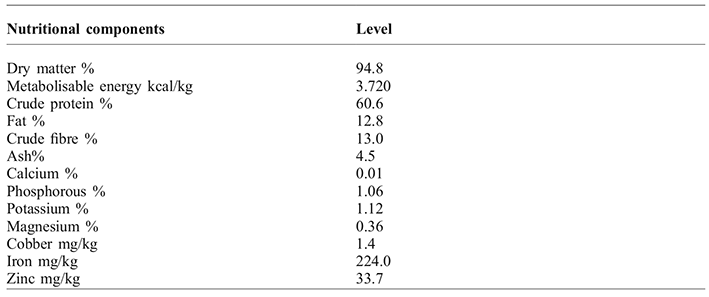
CLV has a distinct algal odour, which may negatively affect its palatability and intake, however, fermentation of CLV with baker's yeast and lactic acid bacteria can improve its flavour and increase the absorbability of its active ingredients. Keijiro (Reference KEIJIRO2011) reported the superiority of dietary fermented CLV over non-fermented CLV in terms of improved protein digestibility and the remarkable effect of fermentation on the oral intake of β-glucan and γ-aminobutyric acid from CLV in rats. CLV is a beneficial feed additive that can positively affect growth performance, immune characteristics, antioxidant activity and tissue regeneration (Andrade et al., Reference ANDRADE, ANDRADE, DIAS, NASCIMENTO and MENDES2018). Table 1 shows the chemical and nutritional characteristics of Chlorella spp..
Chlorella chemical and nutritional composition (Kang et al., Reference KANG, SALIM, AKTER, KIM, KIM, BANG, KIM, NA, HWANGBO, CHOI and SUH2013).

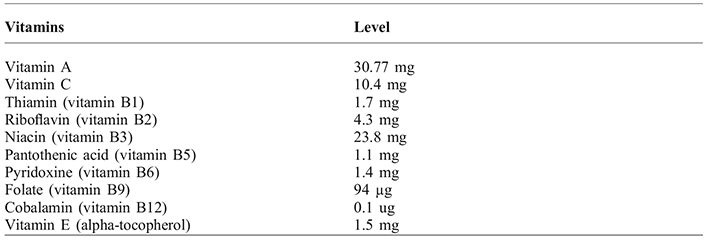
Table 2 details the levels of vitamins typically found in Chlorella spp. that are relevant in animal nutrition.
Vitamin concentrations in Chlorella microalgae per 100g of dry cells (Andrade et al., Reference ANDRADE, ANDRADE, DIAS, NASCIMENTO and MENDES2018).

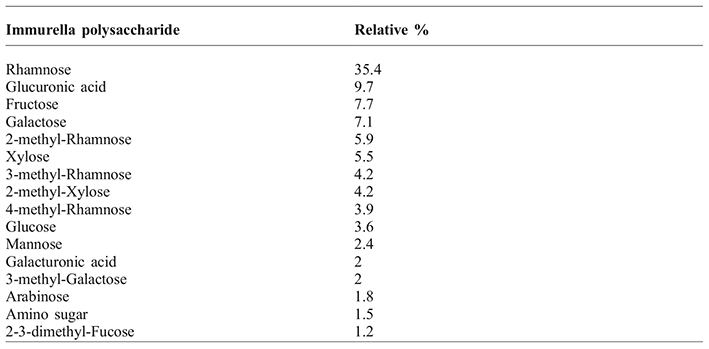
The levels of polysaccharides in Chlorella spp. that are relevant to animal nutrition, immunity (e.g. mannose) and for feed supplementation are shown in Table 3.
Composition of polysaccharides from Chlorella pyrenoidosa (immurella) (Pugh et al., Reference PUGH, ROSS, ELSOHLY, ELSOHLY and PASCO2001).

Effects of CLV supplementation on the growth performance of broilers
Research concerning the supplementation of microalgae in food-producing animal diets could represent a new way forward of human health improvement through better nutrition. The primary aim of the cultivation of microalgae is to obtain their beneficial fatty acid profile and high concentration of omega-3 (n-3) PUFAs, including docosahexaenoic acid (DHA), γ-linoleic acid, arachidonic acid, and eicosapentaenoic acid (EPA) (Andrade et al., Reference ANDRADE, ANDRADE, DIAS, NASCIMENTO and MENDES2018). The enriched content of these omega-3 fatty acids in various microalgal species is considered a considerable natural resource that has not yet been exploited.
Body weight and daily gain
An early study with chickens (Combs, Reference COMBS1952) concluded that dried CLV could be a rich source of certain nutrients, such as riboflavin, carotene, and vitamin B12. It was used at levels of 10% of the diet, and that data showed that its addition enhanced performance in birds compared to a control fed group. Grau and Klein (Reference GRAU and KLEIN1957) demonstrated that CLV biomass grown in sewage was a rich source of protein and xanthophyll pigments, and levels up to 20% in the diet were well tolerated by chicks. Similarly, Lipstein and Hurwitz (Reference LIPSTEIN and HURWITZ1981) found that supplementation of CLV at 5-10% in broiler diets was a suitable protein supplement, which had no detrimental effect on growth performance.
Kang et al. (Reference KANG, SALIM, AKTER, KIM, KIM, BANG, KIM, NA, HWANGBO, CHOI and SUH2013) concluded that the addition of various CLV-based supplements, such as 1% dried CLV powder (DCLP), 1% fresh liquid CLV (FLC) or 1% CLV growth factor (CGF), to broiler chick diets improved their weight gain significantly (1.603 g, 1.647 g, and 1.608 g, respectively) compared to the weight gain of control birds (1.549 g). Similarly, An et al. (Reference AN, KIM, JEON and LEE2016) found that chick diets containing 0.5% and 0.15% DCLP significantly increased the final chick body weight (1619 g) compared to that of the control group (1562 g). Additionally, these same authors concluded that dietary DCLP, but not CGF, improved the growth performance parameters of broilers.
In contrast to previous reports, Kotrbáček et al. (Reference KOTRBÁČEK, DOUBEK and DOUCHA2015) concluded that dietary supplementation with 0.5% CLV biomass had no impact on the final body weight of broiler chicks. In rabbits (Peiretti and Meineri Reference PEIRETTI and MEINERI2008) and mice (Takekoshi, et al., 2005), the addition of different levels of microalgae (5%, 10% and 15% Spirulina platensis or 10% Chlorella pyrenoidosa, respectively) in the diet did not affect weight gain or final body weight. Additionally, an investigation carried out by Kotrbáček et al. (Reference KOTRBÁČEK, HALOUZKA, JURAJDA, KNOTKOVÁ and FILKA1994) on broilers showed that the live weight was not affected by the addition of 0.5% CLV or a mixture of 0.9% dried cow colostrum with 0.9% dried brewer's yeast and 0.2% CLV algae in the diet.
Kang et al. (Reference KANG, SALIM, AKTER, KIM, KIM, BANG, KIM, NA, HWANGBO, CHOI and SUH2013) compared the antibiotic growth promoter (AGP) virginiamycin (1%) and CLV-based supplements, including DCLP, CGF, and FLC (1%), in broiler chickens. The weight gain of each bird was similarly and significantly enhanced when the birds were supplemented with AGP (1.616 g) and CLV compounds (1.603 g, 1.608 g, and 1,647 g, respectively) compared to that of control birds (1.549 g), indicating that dietary supplementation with CLV biomass was a viable alternative to dietary AGP administration to ensure normal growth performance of broiler chicks (Kang et al., Reference KANG, SALIM, AKTER, KIM, KIM, BANG, KIM, NA, HWANGBO, CHOI and SUH2013). CLV supplementation improved crude fibre digestibility, which could contribute to increased body weight and reduce the total feed cost (Li et al., Reference LI, JIANG and CHEN2002).
Choi et al. (Reference CHOI, JUNG, KIM, KIM, OH, LEE and BYUN2017) supplemented 375 one-day-old Ross 308 broilers (male and female) with CLV and different concentrations of E. coli-fermented liquor (EFL). Their results revealed that chicks treated with CLV had 2.7% increased body weight gain (BWG) compared to the control chicks.
Feed consumption and conversion ratio
Several dietary CLV-based supplements, including DCLP, FLC or CGF, reportedly had no impact on feed intake and FCR in broiler chickens (Kang et al., Reference KANG, SALIM, AKTER, KIM, KIM, BANG, KIM, NA, HWANGBO, CHOI and SUH2013). An et al. (Reference AN, KIM, JEON and LEE2016) found that the growth performance of boiler chickens was enhanced by using 0.15 or 0.5% DCLP in the diet of birds. However, feed efficiency in rabbits (Peiretti and Meineri, Reference PEIRETTI and MEINERI2008) and mice (Takekoshi, et al., 2005) did not change with dietary supplementation of 5, 10 and 15% S. platensis or 10% C. pyrenoidosa, respectively.
The level and quality of protein in CLV may enhance the weight gain of broiler chickens, with a subsequent increase in growth (Kang et al., Reference KANG, SALIM, AKTER, KIM, KIM, BANG, KIM, NA, HWANGBO, CHOI and SUH2013); e.g., with dietary supplementation at 1%. CLV was found to be a source essential amino acids, fatty acids and antioxidant factors and could play a vital role in enhancing other aspects of animal growth and welfare. On the other hand, reduced palatability due to addition of microalgae might lead to a reduction in feed intake and average daily gain (ADG) with a subsequently longer fattening period. Choi et al. (Reference CHOI, JUNG, KIM, KIM, OH, LEE and BYUN2017) treated 375 one-day-old Ross 308 broilers (of both sexes) with CLV and graded concentrations of EFL and concluded that chicks treated with CLV showed an improved FCR, which decreased by 4.32 and 2.76% compared to the FCR of control chicks.
Meat quality
CLV may improve the quality of meat due to its high DHA content, which can lead to increased proportions of n-3 LCPUFAs in meat, which is important in human nutrition. In a study by An et al. (Reference AN, KIM, JEON and LEE2016), it was concluded that dietary supplementation with CLV biomass (0.05, 0.5, and 0.15% DCLP or 0.05 and 0.15% CGF) had no effect on the relative yields of breast and leg muscle, or relative organ weights of the spleen, liver, abdominal fat, and bursa of Fabricius. There was no significant impact of dietary supplementation with CLV on the physico-chemical properties of meat, including colour, cooking loss, and pH of leg and breast muscles; however, the cooking losses of leg meat numerically decreased (P=0.063) from 35.5% in control birds to 31.8% in birds supplemented with 0.05% DCLP. Conversely, An et al. (Reference AN, KIM, JEON and LEE2016) concluded that meat colour was enhanced by fermented CLV (Oh et al., Reference OH, ZHENG, KWON, CHOO, LEE, KANG and AN2015), which may be attributed to the better transfer of the active carotenoids contained in CLV than those from other sources. Dlouha et al. (Reference DLOUHA, SEVCIKOVA, DOKOUPILOVA, ZITA, HEINDL and SKRIVAN2008) studied the combination of CLV microalgae with 0.3 mg/kg selenium in a broiler diet and found this tended to decrease the concentration of antioxidants (measured as TBARS) from 1.21 mg/kg to 0.81 mg/kg after five days of storage which enhanced the oxidative stability of chicken meat during storage. The lack of effect of DCLP and CGF supplementation on meat colour was not related to the level of supplementation, feeding duration or strain of chicken used. Therefore, an obvious explanation is not readily available, as there are no quantitative studies available on carotenoid contents in meat samples. However, broilers fed Se-enriched CLV showed significant deposition of this mineral in addition to vitamin E in meat, resulting in improved meat quality (Ševčíková et al., Reference ŠEVČÍKOVÁ, SKŘIVAN, DLOUHÁ and KOUCKÝ2006; Skřivan et al., Reference AN, RIM, LEE, SEO and HONG2008)
Choi et al. (Reference CHOI, JUNG, KIM, KIM, OH, LEE and BYUN2017) supplemented 375 one-day-old Ross 308 broilers (male and female) with CLV and different graded concentrations of EFL and concluded that chicks treated with CLV showed significantly less drip loss during storage (2.26%) in breast meat compared to control chicks. The breast weight in CLV-treated chicks was significantly greater (20.1%) than that in control chicks (19.1%). However, no significant difference was found among the treatments in terms of the pH, water-holding capacity or meat colour compared to those of control chicks. It has previously been suggested that increasing dietary lysine decreases drip loss in broiler breast meat (Berri et al., Reference BERRI, BESNARD and RELANDEAU2008). Therefore, it can be hypothesised that the relationship between the drip loss and broiler breast meat was likely due to the marked increased content of lysine from CLV proteins (Baltazar et al., Reference BALTAZAR, DINIS-OLIVEIRA, MARTINS, BASTOS MDE, DUARTE, GUILHERMINO and CARVALHO2014). Generally, it has been suggested that prebiotics play critical role in modulation of gut environment via increasing the beneficial microorganisms and prevent the intestinal proliferation of pathogens (Cho and Kim, Reference CHO and KIM2014; Kotrbáček et al., Reference KOTRBÁČEK, DOUBEK and DOUCHA2015; Wang et al., Reference WANG, ZHANG, YAN and KIM2016).
Blood characteristics
Blood cells, biochemical indices and enzymes can be affected by dietary supplementation with CLV-based compounds in broilers. Kang et al. (Reference KANG, SALIM, AKTER, KIM, KIM, BANG, KIM, NA, HWANGBO, CHOI and SUH2013) observed significantly (P<0.05) elevated white blood cell counts in broilers fed a diet containing 1% FLC (31.65 x 10³/µl) compared with those fed 1% DCLP (23.81 x 10³/µl). Similarly, the number of lymphocytes was significantly increased (P<0.05) in broilers fed a diet containing 1% FLC (17.93 x 10³/µl) compared with those fed diets containing 1% AGP and 1% DCLP (14.38 x 10³/µl and 13.50 x 10³/µl, respectively). However, supplemental AGP and CLV had no impact on other leucocyte blood parameters of broiler chickens. In contrast, An et al. (Reference AN, RIM, JEONG, HONG, UM and KIM2010) found significantly elevated serum contents of total protein, albumin, glucose, and γ-interferon after inclusion of a hot water extract of CLV in the diet of mice (at 0.1 g/kg and 0.15 g/kg), and reported that this extract may improve the immune response of the treated animals. Similarly, Kotrbácek et al. (1994) reported that the development of lymphatic tissue and enhancement of phagocytic activity were achieved in broiler chickens by dietary supplementation with 0.5% fresh water CLV biomass. In another experiment conducted by Kang et al. (Reference KANG, SALIM, AKTER, KIM, KIM, BANG, KIM, NA, HWANGBO, CHOI and SUH2013), the researchers found a significant increase in the number of lymphocytes in broilers fed FLC (17.93) compared with birds supplemented with DCLP (13.5) and suggested that this increase may be attributed to the nutritional value and processing technique of CLV. On the other hand, the lowest level of total lipids in serum (252 mg/dl) was obtained in chicks fed a diet containing 0.5% DCLP compared to the total lipids in control birds (310.4 mg/dl). No significant effect was reported on other blood parameters, such as total protein, albumin, total and high-density lipoprotein (HDL) cholesterol or triacylglycerol. In a similar manner, Kotrbáček et al. (Reference KOTRBÁČEK, SKRIVAN, KOPECKY, PENKAVA, HUDEČKOVÁ, UHRÍKOVÁ and DOUBEK2013) concluded that the dietary inclusion of DCLP in a laying hen diet (at 1 and 2%) did not affect the values of cholesterol or triacylglycerol in plasma. Conversely, a hypocholesterolemic effect of CLV microalgae was reported in ovariectomised rats (Hidaka et al., Reference HIDAKA, OKAMOTO and ARITA2004) and in humans suffering mild hypercholesterolemia (Ryu et al., Reference RYU, LIM, PARK, KIM, KIM, KWON and KWON2014). Serum alanine aminotransferase (ALT) and aspartate aminotransferase (AST) (two indicators of liver function) were decreased by supplementation with CLV microalgae (Diaz et al., Reference DIAZ, ROLDÁN and CORTÉS2003).
Kotrbáček et al. (Reference KOTRBÁČEK, HALOUZKA, JURAJDA, KNOTKOVÁ and FILKA1994) reported a significant increase in the phagocytic activity of broiler chicken leukocytes when supplemented with disintegrated CLV-enriched diet (0.5%). Choi et al. (Reference CHOI, JUNG, KIM, KIM, OH, LEE and BYUN2017) treated 375 one-day-old Ross 308 broilers (both sexes) with CLV and different concentrations of EFL. Chicks treated with CLV showed a significant (P<0.01) increase in total blood cholesterol (13.5%). However, the LDL content was significantly (P<0.05) lower in CLV-treated broilers (by 19%) than in untreated control chicks. Moreover, compared with the levels in non-supplemented broiler chicks, CLV-fed chicks showed significant (P<0.01) increases in their blood urea nitrogen (BUN), creatinine, and IgA concentrations by 28.1%, 23.1%, and 29.7%, respectively, and a significant (P<0.01) decrease in ALT concentration by 23.2%. A previous study found that dietary CLV supplementation significantly increased the IgA concentration in the breast milk of pregnant women (Nakano et al., Reference NAKANO, TAKEKOSHI and NAKANO2007). Additionally, previous reports have shown that great enhancement in IgA production in mesenteric lymphocytes could occur in relation to dietary fibre (Yamada et al., Reference YAMADA, TOKUNAGA, IKEDA, OHKURA, KAKU-OHKURA, MAMIYA, LIM and TACHIBANA2003). Therefore, it is may be hypothesised that the reason for the increased IgA concentration in the plasma of the broiler chickens was due to increased production of B cells which stimulated immunoglobulin production in the gut-associated lymphoid tissue (Pugh et al., Reference PUGH, ROSS, ELSOHLY, ELSOHLY and PASCO2001; Kang et al., Reference KANG, SALIM, AKTER, KIM, KIM, BANG, KIM, NA, HWANGBO, CHOI and SUH2013).
Immune response
CLV has been reported as an efficient resource to promote chicken immunity and enhance the health and welfare of animals. For instance, the plasma IgG content was elevated by 69.1% and 68.8% (3814 µg/ml and 3827 µg/ml, respectively) compared to control chicks (2634 µg/ml) by incorporating 0.05% and 0.5% DCLP, respectively, into chick rations (An et al., Reference AN, KIM, JEON and LEE2016). Furthermore, chicks fed a diet containing 0.05% or 0.15% DCLP or 0.15% CGF showed significantly increased plasma IgM concentrations (480 µg/ml, 501 µg/ml, and 472 µg/ml) compared to that in control chicks (155 µg/ml), giving increases of 32.3%, 30.9%, and 30.3%, respectively. These results are largely attributable to high contents of antioxidants and omega-3 PUFAs in CLV that modulate host immune responses (Kang et al., Reference KANG, SALIM, AKTER, KIM, KIM, BANG, KIM, NA, HWANGBO, CHOI and SUH2013; An et al., Reference AN, KIM, JEON and LEE2016). Dietary CLV (such as C. pyrenoidosa powder) can promote the production of IgM and IgG by mesenteric or splenic lymphocytes in rats (Kanouchi et al., Reference KANOUCHI, OKABE, DOI, YAMADA, TACHIBANA and YAMADA2001). Collectively, DCLP and CGF have been shown to improve immune response in rodents through their ability to increase production of cytokines such as IL-2 and IL-4 (An et al., Reference AN, RIM, LEE, SEO and HONG2008) and promote phagocytic activity in chicks (Kotrbáček et al., Reference KOTRBÁČEK, HALOUZKA, JURAJDA, KNOTKOVÁ and FILKA1994).
Several types of unicellular microalgae, especially CLV and Spirulina species, are excellent sources of immunoregulatory polysaccharides, such as β-glucan, β carotene, and vitamin B12, that play a pivotal role in inflammatory and immune responses in animals and humans (Mason, Reference MASON2001). Moreover, CLV can promote the activity of macrophages and immune cells to increase its production of γ-interferon protein, which has the ability to protect the body against infections. Therefore, CLV can stimulate the ability of the immune system to fight against pathogens and foreign proteins. In human studies, Nakano et al. (Reference NAKANO, TAKEKOSHI and NAKANO2007) investigated the effect of dietary supplementation with CLV tablets for pregnant women and reported a significant elevation in the concentration of IgA in breast milk, which subsequently can downregulate the infection risk in nursing infants. According to previous studies, this increase in the concentration of IgA may be attributed to the enhancement of immunoglobulin production in mesenteric lymphocytes by vegetable proteins and dietary fibre from plant sources (Yamada et al., Reference YAMADA, TOKUNAGA, IKEDA, OHKURA, KAKU-OHKURA, MAMIYA, LIM and TACHIBANA2003). From this, it was suggested that the increased contents of peptides and fibre in CLV could increase the concentration of plasma IgA, IgM, and IgG and promote the production of B cells in the gut-associated lymphoid tissue in broiler chicks. Additionally, the polysaccharide immurella, a constituent in CLV cells, plays an important role in promoting the immune status of broilers fed diets containing CLV (Pugh et al., Reference PUGH, ROSS, ELSOHLY, ELSOHLY and PASCO2001). Another experiment carried out recently by Kang et al. (Reference KANG, SALIM, AKTER, KIM, KIM, BANG, KIM, NA, HWANGBO, CHOI and SUH2013) studied the effect of various forms of CLV (1% DCLP; CFG and FLC) on the immune response of broiler chicks. These authors concluded that the concentration of plasma IgA was significantly increased (291.37 μg/ml, 292.48 μg/ml, and 291.95 μg/ml respectively) after supplementation with CLV compared with that in the AGP group (274.92 μg/ml). Figure 1 shows how CLV may influence immunity in animals.
Summary of the possible explanations for the improvements in immune responses and growth performance due to CLV supplementation.

Intestinal microflora
Recently, Andrade et al. (Reference ANDRADE, ANDRADE, DIAS, NASCIMENTO and MENDES2018) compared phenolic compounds that are biologically synthesised by CLV microalgae, and reported that this source is rich in phloroglucinol and apigenin. Phloroglucinol is used in the treatment of gastrointestinal disorders and can induce autophagy in leukaemia cells, which is relevant to animal health. Both phloroglucinol and apigenin can promote the microbial population in the intestine. In addition, CLV contains high amounts of fibrous wall components and chlorophyll, which can increase the concentration of lactic acid bacteria in the gastrointestinal tract of broiler chicks.
Several products and by-products from CLV act as natural and beneficial antimicrobial compounds because of their potential antiviral, antibacterial, and antifungal activities, which are dependent on the concentrations of nutrients in the microalgal biomass, technological processing and production technique. It is well documented that the presence of useful bacteria in the intestinal tract in significantly increased numbers can aid in the digestion and absorbance of food nutrients. Janczyk et al. (Reference JANCZYK, HALLE and SOUFFRANT2009) reported the ability of CLV (spray-dried or bullet-milled and spray-dried) to increase the diversity of Lactobacilli spp. in the crop and caeca of laying hens (9.2 ± 1.77, 9.9 ± 1.88 CFU/g) compared to control birds (8.7 ± 1.22 CFU/g) which strongly affected the population of caecal microorganisms. Likewise, Kang et al. (Reference KANG, SALIM, AKTER, KIM, KIM, BANG, KIM, NA, HWANGBO, CHOI and SUH2013) concluded that the intestinal populations of Lactobacilli spp. were significantly increased (8.99 log10 CFU/g) by dietary supplementation with CLV (1.0% FLC) compared with that in the control (8.51 log10 CFU/g), with a subsequent increase in the general immune response and health status of broiler chicks, but this supplementation did not affect the caecal populations of E. coli or Salmonella spp. in broiler chicks.
Naturally, FLC (without any processing) provides several nutrients with high nutritional value, such as fibre, chlorophylls, vitamins, minerals, and chlorellin. Chlorellin can enhance the health and productivity of broiler chicks by fighting pathogenic organisms, without any deleterious effects on useful intestinal microflora (Jensen et al., Reference JENSEN, GINSBERG and DRAPEAU2001). Likewise, a trial carried out on laying hens yielded similar findings (Janczyk et al., Reference JANCZYK, HALLE and SOUFFRANT2009).
Choi et al. (Reference CHOI, JUNG, KIM, KIM, OH, LEE and BYUN2017) suggested that supplementation of diets for 375 male and female one-day-old Ross 308 broilers with CLV or different concentrations of EFL could resulted in a numeric difference in their excreta microflora composition involving Lactobacillus spp. and E. coli compared to the flora of untreated chicks. In addition, the amount of faecal ammonia generated by CLV-treated chicks was significantly (P<0.05) lower by 7.1% than that generated by control chicks. Additionally, treatment with CLV could led to significantly (P<0.05) higher energy digestibility (1.3%) than that observed in non-treated chicks. The dry matter digestibility and nitrogen digestibility showed no significant differences (P>0.05) between the treated and control groups. Other data indicated a positive effect of CLV feeding in poultry that resulted in increased Lactobacilli spp. abundance and diversity in the crop and caeca (Janczyk et al., Reference JANCZYK, HALLE and SOUFFRANT2009; Zheng et al., Reference ZHENG, OH, JEON, MOON, KWON, LIM, AN and KANG2012). Figure 2 shows how CLV may influence microbial populations, and how this can be related to meat quality in chickens.
Summary of the possible explanations for the improvements in intestinal microfloral diversity and meat quality due to CLV supplementation.

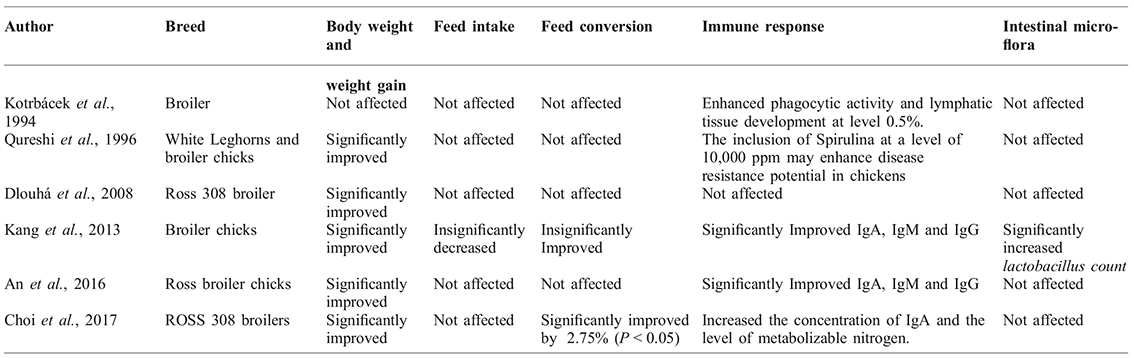
A summary of the responses in terms of growth performance, immune responses and the impact on intestinal microflora in broilers is shown in Table 4.
Effect of dietary chlorella microalgae supplementation on body weight and gain, feed intake, feed conversion ratio, immune response, and intestinal microflora in broilers.

Conclusions
The unicellular microalgae in the genus Chlorella and their products and by-products are promising candidates for replacing traditional, high protein feed crops, such as soybean, which, in turn, can alleviate the current competition with the human food supply and increase agricultural sustainability. From an environmental perspective, CLV can benefit environmental protection and natural resource management, specifically water and land conservation, as the crop-growing areas needed will be reduced, lowering water needs as well. CLV is a promising feed resource in that can meet the needs of future poultry production. The addition of CLV to the diets of animals enhances their overall health and immune status, the productivity, and the quality and stability of the resulting animal products. However, some contradictory findings cast doubt on the usefulness of CLV in broiler diets. In the future, further investigations into CLV biomass, its active ingredients, and the related biological pathways are needed to confirm possible applications in sustainable animal production.
Conflict of interest
All authors declare that they have no conflict of interest.