Introduction
Fritillaria genus is classified within the family Liliaceae, subfamily Lilioideae and tribe Lilieae (Peruzzi et al., Reference Peruzzi, Leitch and Caparelli2009). As bulbous perennial plants are distributed across various temperate regions of the Northern Hemisphere, adapting to a wide environmental diversity from Mediterranean climates to mountainous regions of Northern Japan and Alaska. Imperalin, derived from Fritillaria species, is a toxic alkaloid known as a cardiac poison (Advay et al., Reference Advay, Tekşen and Maroofi2015, Reference Advay, Rix and Tekşen2022; Eker and Tekşen, Reference Eker and Tekşen2023). Despite the prevalence of species within this genus, comprehensive literature on their reproductive biology (Ma et al., Reference Ma, Ma, Li, Tao, Gan and Yan2021) and seed characteristics is limited, with available data encompassing only a few Fritillaria species. Fritillaria seeds exhibit dormancy, requiring breaking of this dormancy involving morphological and anatomical changes (Luo et al., Reference Luo, Gao, Liu, Wang and Wang2023). Moreover, studies on seeds are scarce, necessitating further research into their biology and properties (Kiani et al., Reference Kiani, Mohammadi, Babaei, Sefidkon, Naghavi, Ranjbar, Razavi, Saeidi, Jafari, Asgari and Potter2017). Seeds demonstrate resistance to freezing stress through gene expression, osmotic adjustment and antioxidants (Hajihashemi et al., Reference Hajihashemi, Brestic, Landi and Skalicky2020). Ecologically, seeds are typically dispersed by wind and water in floodplain areas (Tatarenko et al., Reference Tatarenko, Walker and Dyson2022). Fritillaria imperialis has been identified as a bird-visited flower, suggesting potential for pollen dispersal by birds (da Silva et al., Reference da Silva, Ramos, Olesen, Traveset and Heleno2014). These findings highlight various ecological interactions and adaptations of seeds.
Fritillaria L. genus belongs to the family Liliaceae and comprises approximately 162 geophytic taxa distributed worldwide (POWO, 2024). This genus is also highly diverse in Türkiye, where there are 53 species, with 29 of them being endemic (Duman and Tekşen, Reference Duman and Tekşen2024). Fritillaria species have been a source of various pharmaceutical compounds used in traditional Chinese medicine for millennia. Increased interest in Fritillaria species has led to the discovery of steroidal alkaloids, saponins, terpenoids, glycosides and many other compounds across different species (Borjigin et al., Reference Borjigin, Wei, Jiang, Li and Yang2023; Qi et al., Reference Qi, Zhang, Zhao, Sun, Bai, Wang and Sun2023). These discoveries have expanded research on the chemical structure, molecular phylogeny and pharmacology of Fritillaria species. Studies investigating the pharmacological effects of Fritillaria species review the relationships between plant phytochemistry, chemotaxonomy, molecular biology, phylogeny and drug efficacy. Inconsistencies between chemotaxonomy and molecular phylogeny have been highlighted and debated in such studies. To ensure sustainable use of Fritillaria medicinal resources and discover new compounds with potential clinical benefits, further research is needed on more species. In future pharmaceutical research on the bioactive compounds of the Fritillaria genus, system biology and innovative technologies will play a crucial role (Wang et al., Reference Wang, Wang, Wang, Wang, Zhang and Tu2023).
Micromorphometric analyses of Fritillaria seeds represent a significant method for the identification, classification and determination of phylogenetic relationships among species within this plant genus. Micromorphometric analyses involve the microscopic examination and measurement of various morphological features of seed surfaces. These analyses investigate characteristics such as seed surface structure, shape, size, surface roughness and cellular patterns, elucidating differences among species (Samaropoulou et al., Reference Samaropoulou, Bareka, Bouranis and Kamari2019). Micromorphometric analyses of seeds are typically conducted using various microscopic imaging techniques, allowing detailed visualization of fine details on the seed surface at high resolution. The data obtained from these analyses help understand how seeds differentiate among species and how these differences can be utilized in taxonomic classification. When combined with chemotaxonomic and molecular phylogenetic data of Fritillaria species, micromorphometric analyses contribute to more accurate classification of the plant and better understanding of evolutionary relationships among species. Furthermore, these analyses provide important insights for the conservation and sustainable use of natural habitats of seeds (Aslay et al., Reference Aslay, Yıldız, Kaya and Bita-Nicolae2023).
Micromorphometric analyses of Fritillaria seeds are a valuable tool for both botanists and pharmaceutical researchers. They provide valuable data for understanding the biological diversity of Fritillaria species, identifying new species, and contributing to the discovery of potential pharmaceutical compounds. Despite being a subject of research for many years, questions remain open regarding the classification and phylogeny of the Fritillaria genus. Various intermediate forms have been observed, which have been attributed to hybridization, polyploidy and chromosomal rearrangements (Samaropoulou et al., Reference Samaropoulou, Bareka and Kamari2020). While some species are considered synonymous, a comprehensive taxonomic revision of this genus is still lacking. Studies focusing on the morphology and taxonomic value of seeds are fewer, although seeds are often examined to provide germination protocols. All seeds from Iran have been studied morphologically, although it has been pointed out that the fruits have taxonomic significance at the subgeneric level (Kiani et al., Reference Kiani, Mohammadi, Babaei, Sefidkon, Naghavi, Ranjbar, Razavi, Saeidi, Jafari, Asgari and Potter2017). Differences have been observed in the shape of the seeds and the size of the testa cells among species, but these are considered taxonomically insignificant. Information about some species from Italy has also been provided. Generally, the features examined are the shape, size, weight and thickness of the seeds. In addition, seeds of many taxa distributed in Greece have been photographed (Samaropoulou et al., Reference Samaropoulou, Bareka and Kamari2020). The aim of this study is to evaluate in detail the seed morphometrics of some Fritillaria species distributed in Turkey and to determine how these morphological characteristics can be used in their identification and taxonomic classification. The factors influencing the selection of these species were primarily accessibility and their significance in terms of representation. In this study, species of Fritillaria that are accessible and hold importance for research and representation, particularly across different regions, were selected as the focus of investigation. Although these taxa are morphologically different, studying them together helps us better understand the diversity within the Fritillaria genus. This approach allows us to examine both unique and shared traits that may have developed in response to different environmental conditions. Including taxa that are morphologically distant expands our view of the structural and functional traits within Fritillaria, providing valuable insights into the genus's characteristics and overall diversity.
It also aims to determine whether seed morphology is compatible with current classification systems and how effective it is in elucidating evolutionary relationships among species. In addition, by examining the chemical components of the seeds of some Fritillaria species in Türkiye with gas chromatography-mass spectrometry (GC-MS), this study aims to reveal their pharmacological potential and chemical differences among species. It should be emphasized that the GC-MS results have chemotaxonomic significance in the classification of Fritillaria species. These chemical analyses contribute to a better understanding of differences among species and enable accurate taxonomic classification.
In conclusion, the morphological and chemotaxonomic characteristics of the Fritillaria genus provide important information for the identification and classification of these plant species. Particularly, micromorphometric analyses of seeds and examination of chemical components provide valuable data for both botanists and pharmaceutical researchers. These analyses contribute to our understanding of the biological diversity of Fritillaria species, facilitate the identification of new species, and contribute to the discovery of potential pharmaceutical compounds.
Materials and method
Collecting Fritillaria genus seeds and assessment on seed micromorphometric
The first field studies including species identification were carried out during the 2023 and 2024 vegetation periods and herbarium materials were collected (Fig. 1). The collected plant samples were identified taxonomically by the fifth author. The seeds of Fritillaria species were collected when the capsules matured in the same years. Fritillaria pontica Wahlenb. were collected in 2024 from Samsun in the Central Black Sea region (OMUB-9037). Fritillaria alfredae Post subsp. glaucoviridis (Turrill) Rix (OMUB-9038) were collected in 2023 from Kahramanmaraş and Fritillaria imperialis L. (VANF-16277) were collected in 2024 from Van. Fritillaria pinardii Boiss. (AKDE-7007) and Fritillaria kittaniae Sorger (AKDE-7266) were collected in 2023 from Antalya. Upon collection the seeds were removed from the capsules and left to naturally dry between cellulose material (or paper) for a period to lose their moisture. Subsequently, they were stored in brown bottles at +4°C in the laboratory.
(A, B) Fritillaria alfredae subsp. glaucoviridis, (C, D) Fritillaria imperialis, (E, F) Fritillaria kittaniae, (G, H) Fritillaria pinardii, (I, J) Fritillaria pontica. (A, C, E, G, I) Habit. (B, D, F, H, J) Detail of the flowers (photo credits: (A) Y. Özdener Kömpe, (B) A. Özdemir, (C, D) S. İşler, (E, F, G, H) İ. Gökhan Deniz, (I, J) İ. Sırrı Yüzbaşıoğlu).

In this study, a total of 30 samples were used to examine the seed characteristics of specific plant species. The seeds used in the study were selected from mature specimens that best represented the characteristics of the species. Measurements of total length, total width, embryo length, embryo width, left wing coverage width of the seed, right wing coverage width of the seed and distance between crossing points were carried out for each seed sample.
GC-MS analysis of seeds
For GC-MS analysis, approximately 1 g of seeds, containing between 20 and 100 seeds depending on seed size and weight, was used to ensure a representative sampling of phytochemicals within the Fritillaria genus. For extraction, 20 ml of 100% methanol was added for extraction through the maceration method at 30°C for 24 h following Aytar et al.'s (Reference Aytar, Harzli and Kömpe2023) method. Afterward, the samples were centrifuged at 3500 rpm for 10 min, and the supernatant was used for GC-MS analysis. GC-MS analysis was conducted with modifications to Aytar et al. (Reference Aytar, Harzli and Kömpe2023). Fritillaria samples extracted with methanol were diluted 100 times and placed in 1.5 ml vials. The GC-MS analysis was performed using a SHIMADZU GCMS-QP2010 Mass Spectrometry system with an AOC-5000 Auto Injector. A Rxi-5MS column (30 m × 0.25 mm × 0.25 μm) was utilized, and the scanning range was set between 30 and 450 Da. The analysis conditions were as follows: an electron ionization system, 70 eV ionization energy, a constant flow rate of 1 ml/min of helium gas, a 1.5 μl injection volume (at a 10:1 split ratio), a 250°C injector temperature, an 8 min hold at 70°C initial oven temperature, followed by an increase at a rate of 3°C/min to 160°C and held for 8 min at this temperature. Subsequently, the oven temperature was increased at a rate of 10°C/min to 250°C and held for 5 min at this temperature. The solvent delay ranged from 0 to 2 min, and the total GC/MS run time was 56.67 min (Aytar et al., Reference Aytar, Harzli and Kömpe2023). NIST Standard Reference Database was used for the analysis.
Statistical analysis
To compare the measured characteristics of seeds, analysis of variance (ANOVA) test was used assuming normal distribution of data and similar variance among different samples. Subsequently, Duncan's test was employed to determine the variation of each trait among different species. All statistical analyses were conducted using IBM SPSS software (version 21). Principal component analysis (PCA) was used as a data analysis method to compare the sizes of seeds and GC-MS results for differences or similarities among species. This analysis helped reduce the complexity of the dataset and aided in understanding the main variations graphically in the changes among different species of seeds. Duncan's test helped identify which groups were different from each other in cases where ANOVA results showed significant differences. This allowed us to better reflect the differences depending on characteristics among different seed types and to determine which groups exhibited changes.
Results
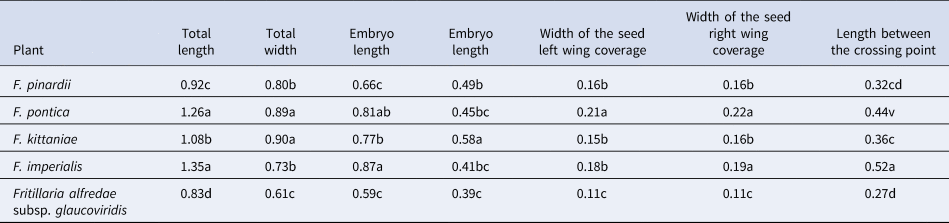
The measured morphological characteristics of Fritillaria seeds are presented in Table 1 and Fig. 2. When evaluated using ANOVA analysis in SPSS version 21, significant differences among species were observed for all morphological characters.
Comparison of Fritillaria species based on seed morphological characteristics

Fritillaria taxa included in the study: (A) F. pontica, (B) F.pinardii, (B) F.kittaniae, (D) F. alfredae subsp. glaucoviridis, (E) F. imperialis.

This study presents various morphological measurements of different species belonging to the genus Fritillaria. The table includes attributes such as the total length, total width, embryo length, embryo width, the left-wing coverage width of the seed, the right-wing coverage width of the seed and the distance between the crossing points for each plant. These data are valuable for understanding the differences and similarities in the seed and embryo morphology among various species. Fritillaria pinardii is one of the shortest species in terms of total length (0.92 cm), but it falls in the middle range in terms of total width (0.80 cm). The embryo length (0.66 cm) and width (0.49 cm) are also average. The left- and right-wing coverage widths of the seed (both 0.16 cm) are similarly average. The distance between the crossing points is 0.32 cm, which is relatively lower compared to some other species. Fritillaria pontica is among the longest species in terms of total length (1.26 cm) and has the greatest total width (0.89 cm). It ranks high in terms of embryo length (0.81 cm), while the embryo width (0.45 cm) is average. The left-wing coverage width of the seed (0.21 cm) and the right-wing coverage width (0.22 cm) are the widest among the species compared. The distance between the crossing points is 0.44 cm. Fritillaria kittaniae ranks high in total length (1.08 cm) and is one of the widest species in terms of total width (0.90 cm). It also ranks high in terms of embryo length (0.77 cm) and width (0.58 cm). The left- and right-wing coverage widths of the seed (both 0.15 cm) are average. The distance between the crossing points is given as 0.36 cm. Fritillaria imperialis is the longest species in terms of total length (1.35 cm), but it has a narrower total width (0.73 cm). It has the largest embryo length (0.87 cm) among the species, while the embryo width is 0.41 cm. The left-wing coverage width of the seed (0.18 cm) and the right-wing coverage width (0.19 cm) are average. The distance between the crossing points is the highest at 0.52 cm. Fritillaria alfredae subsp. glaucoviridis is the smallest species in terms of both total length (0.83 cm) and width (0.61 cm). Its embryo length (0.59 cm) and width (0.39 cm) are also smaller compared to the other species. The left- and right-wing coverage widths of the seed (both 0.11 cm) are among the narrowest, and the distance between the crossing points is the lowest at 0.27 cm.
These data provide a detailed comparison of the morphological characteristics of each plant, helping to understand the differences among species. Different plants have developed distinct morphological traits based on environmental conditions and genetic factors. These traits offer important insights into the ecological adaptations and life strategies of the plants.
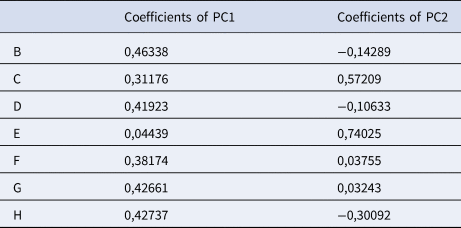
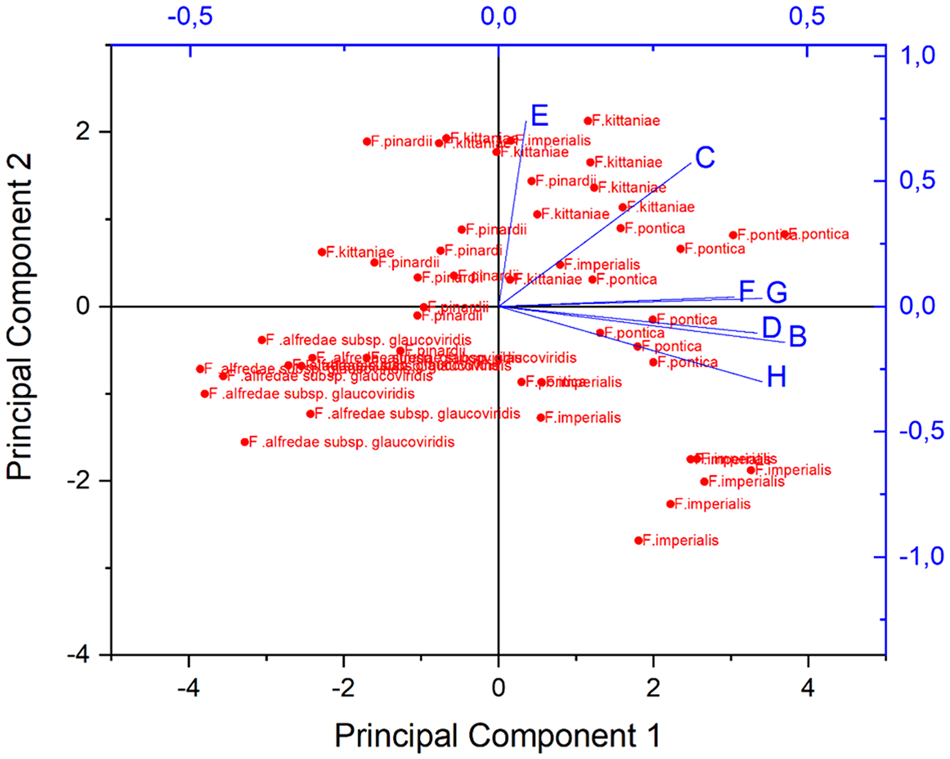
Principal component 1 (PC1) alone accounts for 58.38% of the total variance, while PC2 accounts for 21.65%. Therefore, when interpreting the PCA plot, PC1 and PC2, which represent the highest variance, were used. Ward's method, suitable for such datasets, was employed for the clustering analysis, coordinated with PCA analysis, revealing that F. imperialis and F. alfredae subsp. glaucoviridis exhibit similar seed characteristics. Additionally, F. pinardii, F. pontica and F. kittaniae were found to cluster together due to their similar seed morphological measurements. In the PCA plot, the most influential vectors were identified as the seed length vector on the PC1 plane, and the embryo width vector (E) on the PC2 plane. Furthermore, the contribution rates of variables to the model were presented in Table 2 and Fig. 3 based on PCA ordination analysis.
Contribution rates of variables in the PCA ordination analysis

PCA ordination analysis results of seed micromorphological measurements: (B) seed length, (C) seed width, (D) embryo length, (E) embryo width, (F) left wing width, (G) right wing width, (H) crossing points distance.

In comparing these five Fritillaria species, we observed various morphological differences. Fritillaria imperialis has been identified as having the longest seed length, whereas F. alfredae subsp. glaucoviridis has the shortest. In terms of seed width, F. kittaniae exhibits the widest seed, while F. alfredae subsp. glaucoviridis has the narrowest. Regarding embryo length, F. imperialis has the longest embryo, whereas F. alfredae subsp. glaucoviridis has the shortest. Measurements of embryo width reveal that F. kittaniae has the widest embryo, while F. alfredae subsp. glaucoviridis has the narrowest. These findings underscore the diversity within Fritillaria species and emphasize the importance of comprehensive research to fully understand seed dormancy mechanisms, germination requirements and their ecological significance. Understanding the seed characteristics and chemical compositions of the studied species is crucial for investigating germination. This information helps identify chemicals that might induce dormancy and physical traits that could affect germination success. Moreover, exploring the size and composition features that are significant for seed dispersal is vital for recognizing the ecological and physiological roles of these species. These insights contribute to a broader perspective on plant taxonomy and their evolutionary adaptations.
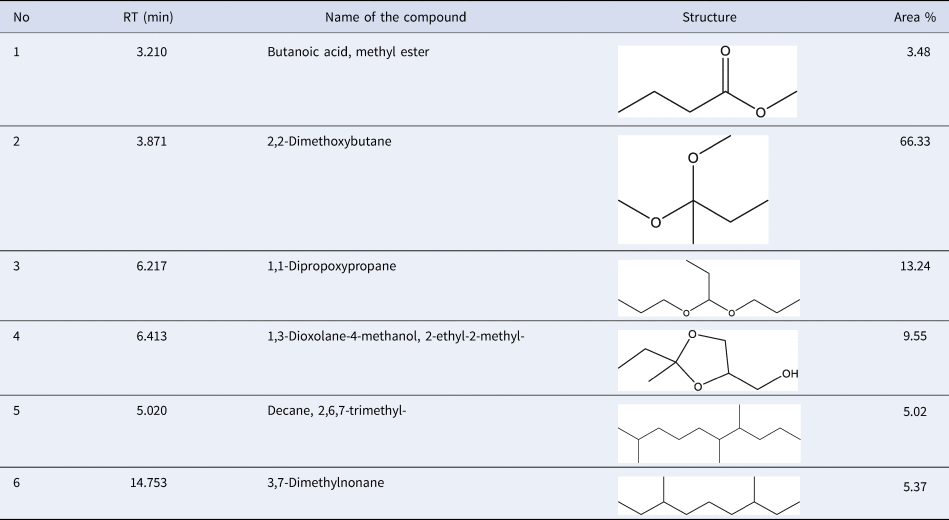
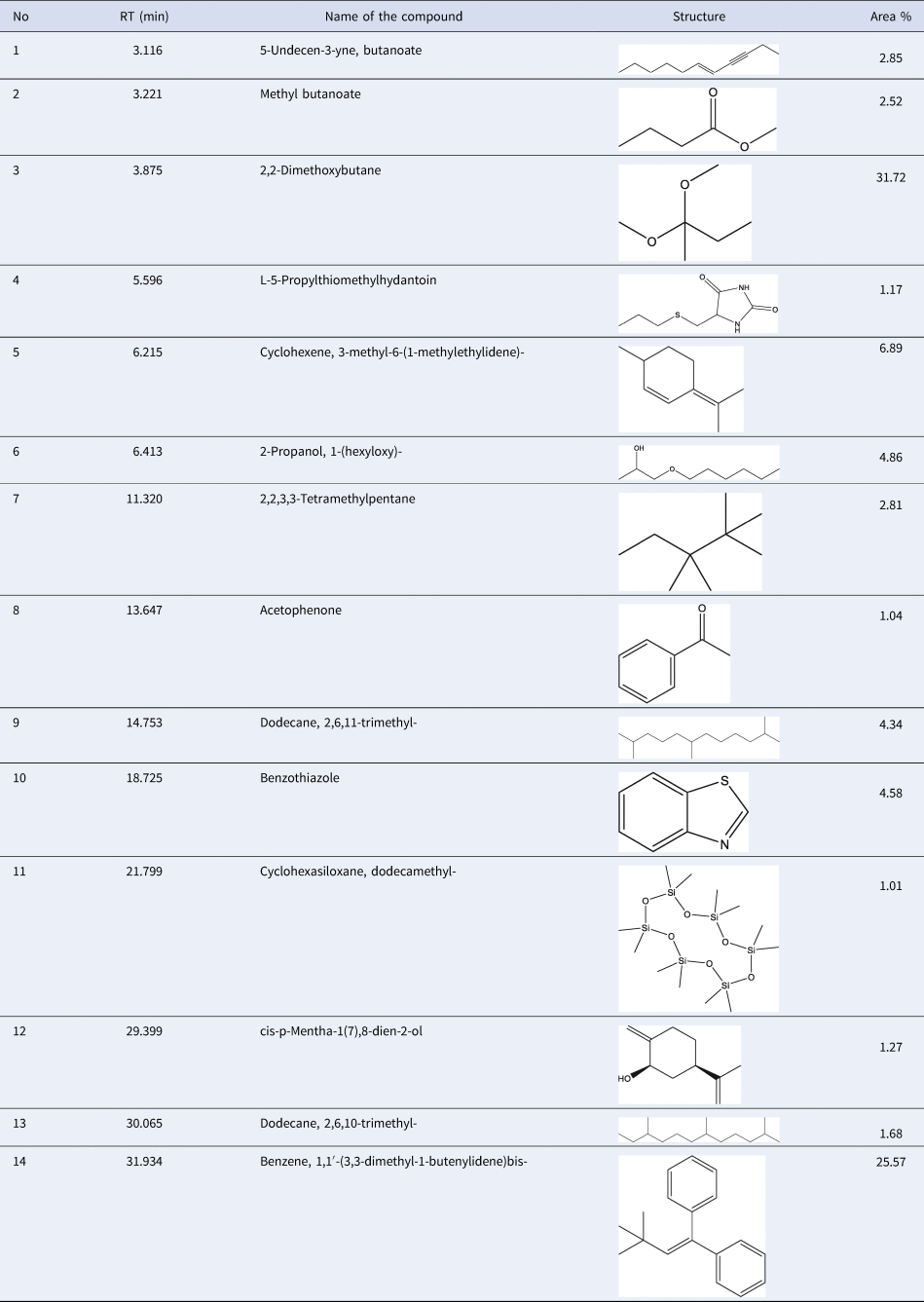
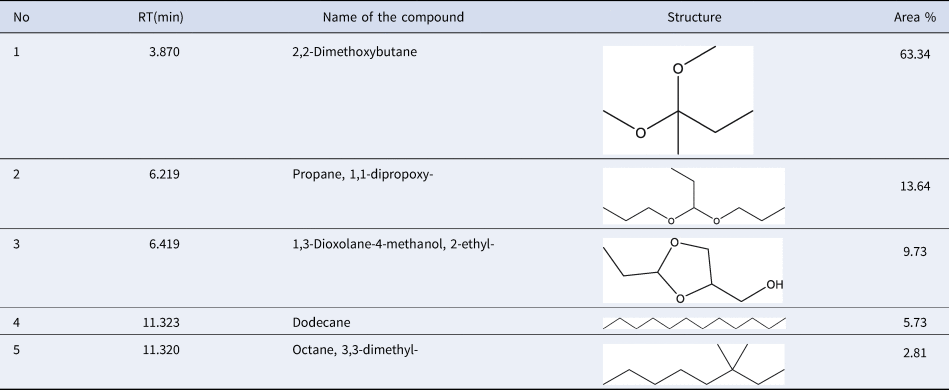
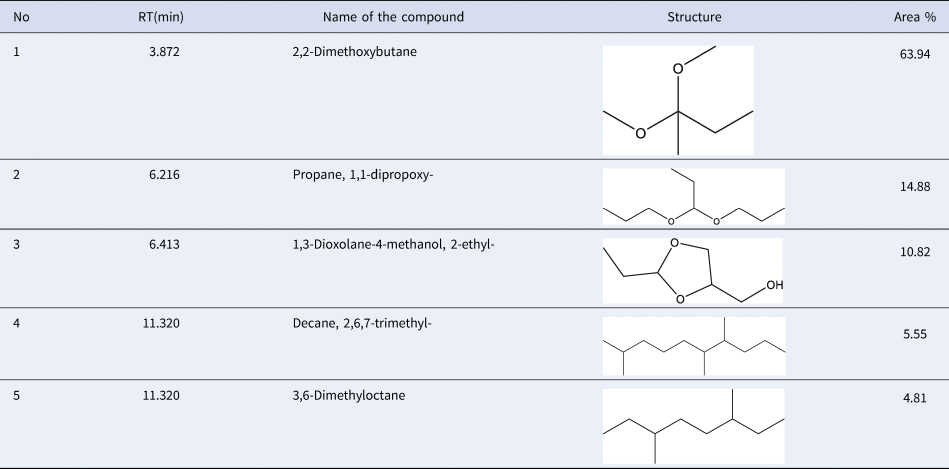
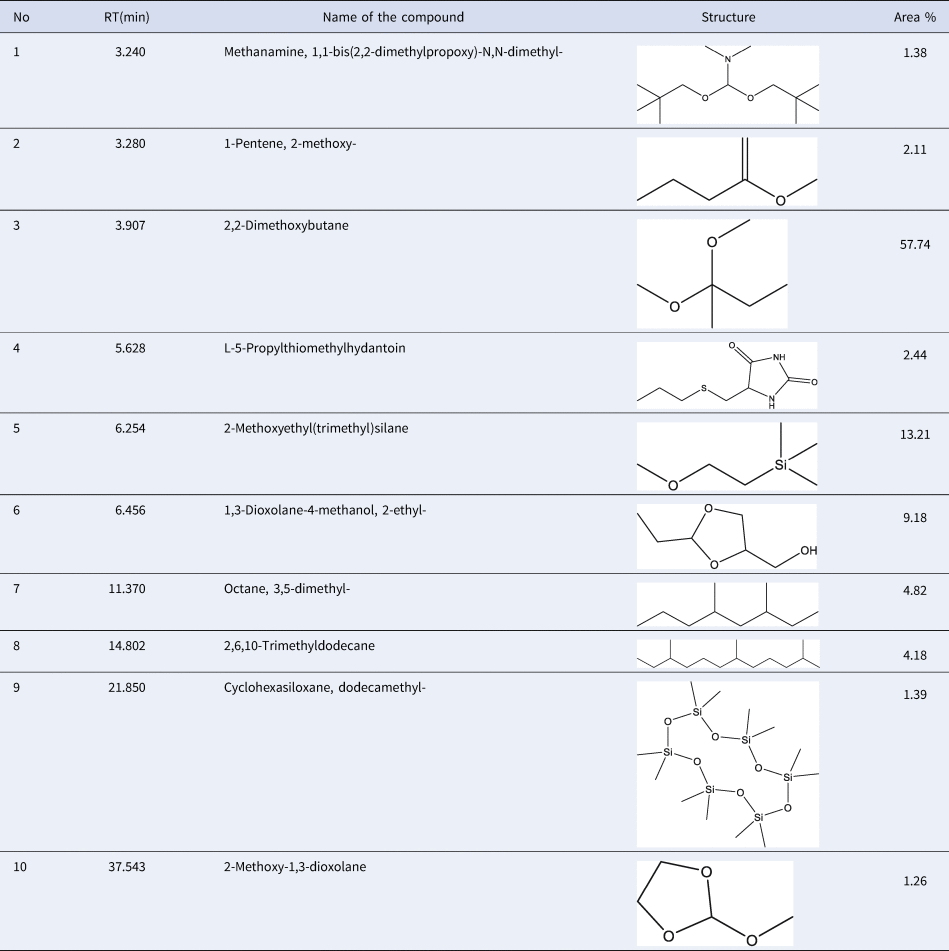
According to the GC-MS analysis results, PCA analysis of seed samples was conducted, revealing that in F. pontica seed samples, butanoic acid in its methyl ester form was analysed and found to be present at a rate of 3.48%. The compound with the highest percentage identified was 2,2-dimethoxybutane at 66.33%. Additionally, 1,1-dipropoxypropane covering 13.24% and 1,3-dioxolane-4-methanol, 2-ethyl-2-methyl occupying 9.55% were detected. Compounds such as decane, 2,6,7-trimethyl at 5.02% and 3,7-dimethylnonane at 5.37% were found at lower percentages (Table 3). In F. kittaniae, the highest percentage compound identified was 2,2-dimethoxybutane at 31.72%. Other significant compounds included benzene, 1,1′-(3,3-dimethyl-1-butenylidene) bis- at 25.57%, cyclohexene, 3-methyl-6-(1-methylethylidene)- at 6.89% and 2-propanol, 1-(hexyloxy)- at 4.86%. Compounds like benzothiazole at 4.58%, dodecane, 2,6,11-trimethyl- at 4.34% and 5-Undecen-3-yne (E)- at 2.85% were also identified (Table 4). In F. imperlianis, the highest percentage compound was 2,2-dimethoxybutane at 63.34%. Other notable compounds included propane, 1,1-dipropoxy- at 13.64%, 1,3-dioxolane-4-methanol, 2-ethyl- at 9.73%, dodecane at 5.73% and octane, 3,3-dimethyl- at 2.81% (Table 5). In F. pinardii, the highest percentage compound was 2,2-dimethoxybutane at 63.94%, followed by propane, 1,1-dipropoxy- at 14.88% and 1,3-dioxolane-4-methanol, 2-ethyl- at 10.82%. Decane, 2,6,7-trimethyl- at 5.55% and 3,6-dimethyloctane at 4.81% were also prominent (Table 6). Lastly, in F. alfredae subsp. glaucoviridis, the highest percentage compound identified was 2,2-dimethoxybutane at 57.74%, followed by 2-methoxyethyl(trimethyl)silane at 13.21% and 1,3-dioxolane-4-methanol, 2-ethyl- at 9.18%. Compounds such as octane, 3,5-dimethyl- at 4.82% and 2,6,10-trimethyldodecane at 4.18% were also notable. Other significant compounds included L-5-propylthiomethylhydantoin at 2.44%, 1-pentene, 2-methoxy- at 2.11%, methanamine, 1,1-bis(2,2-dimethylpropoxy)-N, N-dimethyl- at 1.38%, cyclohexasiloxane, dodecamethyl- at 1.39% and 2-methoxy-1,3-dioxolane at 1.26% (Table 7).
GC-MS analysis results of F. pontica seeds

GC-MS analysis results of F. kittaniae seeds

GC-MS analysis results of F. imperialis seeds

GC-MS analysis results of F. pinardii seeds

GC-MS analysis results of F. alfredae subsp. glaucoviridis seeds

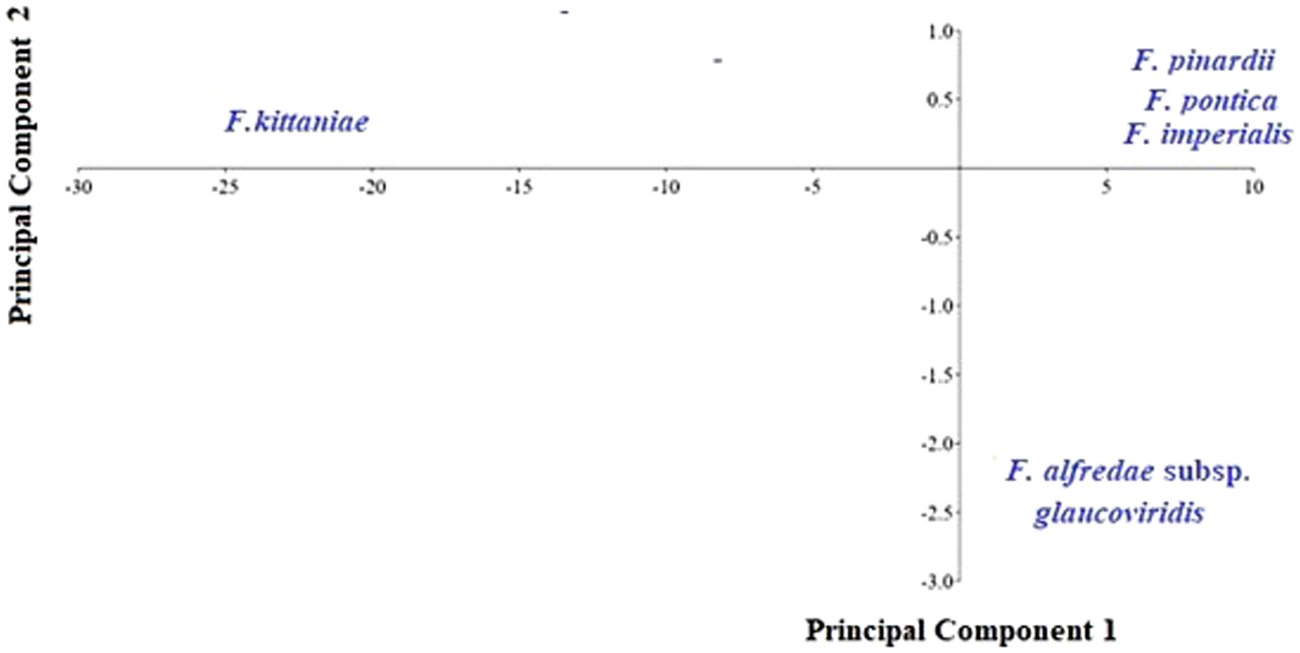
In Fig. 4, PCA was applied to interpret the GC-MS analysis results, where PC1 alone accounted for 99.1% of the total variance, and PC2 accounted for 0.68%. Therefore, PCA interpretation utilized PC1 and PC2, representing the two axes with the highest variance. Ward's method was employed for clustering analysis, which is suitable for such datasets. Coordinated interpretation with PCA analyses revealed that F. kittaniae and F. alfredae subsp. glaucoviridis species exhibit similar seed GC-MS analysis results. Additionally, F. pinardii, F. pontica and F. imperialis species were grouped together due to their closer proximity in seed GC-MS measurements. In the PCA plot, significant vectors in the grouping obtained on the PC1 plane included chemical compounds such as 2,2-dimethoxybutane, L-5-propylthiomethylhydantoin and cyclohexasiloxane, dodecamethyl. On the other hand, vectors for chemical substances including 2,2-dimethoxybutane, 1,3-dioxolane-4-methanol, 2-ethyl-2-methyl-, decane, 2,6,7-trimethyl- and benzothiazole were noted on the PC2 plane. Consequently, these identified groupings highlight the chemical substances with the most significant positive contributions as predominant factors influencing the spatial placement of the grouped species within the PCA matrix.
PCA plot of GC-MS analysis results.

Discussion
The morphometric analysis of seeds and GC-MS chemotaxonomic evaluation are crucial methodologies for elucidating the intricate diversity and taxonomic relationships within Fritillaria species. While seed characteristics provide foundational insights, this study underscores the necessity of integrating multiple parameters to achieve robust taxonomic differentiation. Statistical tools such as PCA have proven instrumental in distinguishing and classifying Fritillaria species based on comprehensive datasets comprising morphological and chemical characteristics.
Morphometric analysis of Fritillaria seeds is considered a significant tool for understanding the natural diversity of these plants and for use in taxonomic studies. However, it is recognized that seed characteristics alone may not suffice for taxonomic differentiation, highlighting the necessity of evaluating multiple parameters together. Statistical methods like PCA are particularly effective tools used to distinguish and classify different Fritillaria species.
Furthermore, GC-MS analysis is employed for chemotaxonomic evaluation of Fritillaria species. This analytical method plays a crucial role in understanding taxonomic relationships by examining the chemical compositions of plants. GC-MS analyses reveal bioclimatic profiles, aiding in the identification of chemical similarities and differences between species. Such information provides valuable insights into plant adaptations to their natural environments, environmental interactions and potential medicinal or industrial uses. Our findings align with previous studies in evaluating F. pinardii, F. pontica, F. kittaniae, F. imperialis and F. alfredae subsp. glaucoviridis species (Samaropoulou et al., Reference Samaropoulou, Bareka, Bouranis and Kamari2019; Eker and Tekşen, Reference Eker and Tekşen2023).
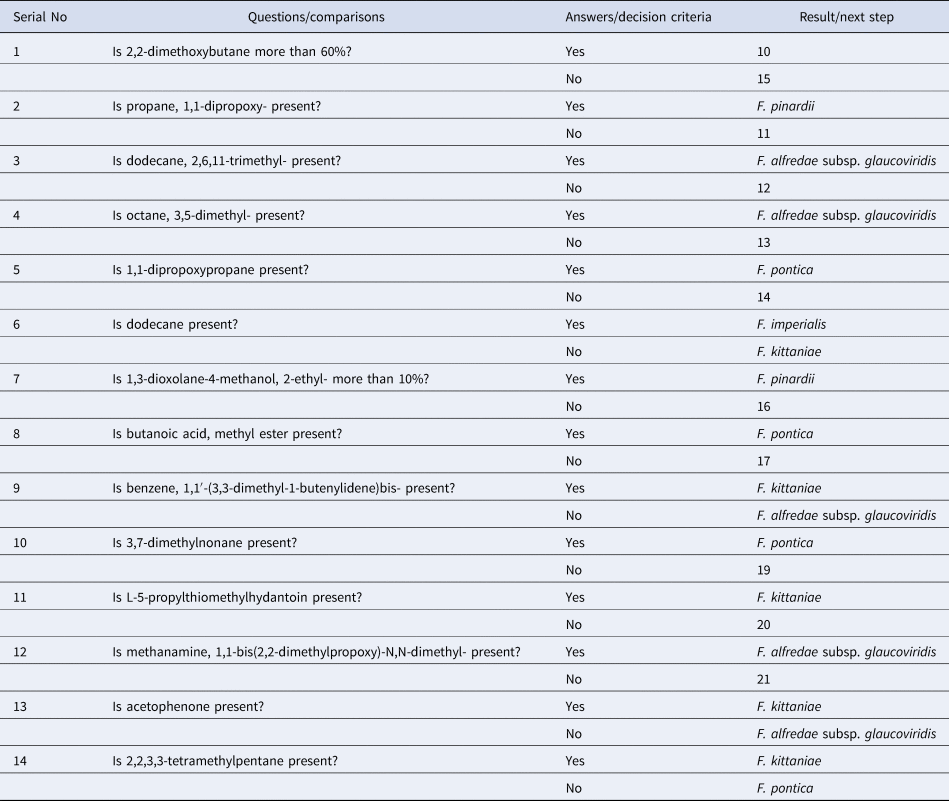
Plants belonging to the genus Fritillaria are known as bulbous, flowering plants that typically grow in wild environments. They are renowned for their elegant and showy flowers. Fritillaria species are widespread across different climates and habitats worldwide, valued by botanists for both scientific study and ornamental purposes. We present a systematic dichotomous key used to define Fritillaria species by integrating chemical compounds, aiming to provide a comprehensive classification method for the taxonomy of the Fritillaria genus. At each step, specific traits of seeds or plants are emphasized to distinguish between species. Table 8 demonstrates that by supporting traditional morphological descriptions with chemical data, the key offers a more comprehensive perspective. The use of this key assists botanists in accurately defining species and understanding the biological diversity of plant species. Therefore, this study holds significance as the first to integrate morphological and chemical characteristics for the accurate classification of Fritillaria species. This table provides decision criteria based on the presence or absence of specific chemical compounds, allowing for the identification of Fritillaria species where morphological features may not be sufficiently distinguishing. Each question directs towards a particular chemical result, aiding in the differentiation among the species.
Guide to identifying Fritillaria seeds using chemical and morphological dichotomous keys

This study aims to create a key for distinguishing Fritillaria species based on morphological measurements and chemical analyses. Morphological measurements encompass characteristics such as total length, width, embryo size and seed wing coverage, revealing significant differences among species. For instance, F. imperialis tends to have greater length compared to other species, whereas F. alfredae subsp. glaucoviridis exhibits smaller dimensions. Chemical analyses conducted via GC-MS identified varying levels of specific compounds like 2,2-dimethoxybutane and L-5-propylthiomethylhydantoin among the species. These chemical profiles have aided in understanding and distinguishing the biochemical characteristics of the species. The key table provides decision criteria based on whether certain chemical compounds exceed specific percentage thresholds, facilitating accurate species identification. In conclusion, this study demonstrates that the integration of morphological and chemical measurements into a key is a robust tool for distinguishing and classifying Fritillaria species. Such detailed analyses contribute significantly to fields such as plant taxonomy, ecological adaptations and potential medical applications.
Conclusion
This study has comprehensively examined the morphological characteristics and chemical compositions of various Fritillaria species, highlighting significant differences and similarities among them. Morphological measurements such as seed length, width, embryo size and seed wing coverage were evaluated, revealing distinct traits specific to each species. For instance, F. imperialis was identified as having the longest seeds, whereas F. alfredae subsp. glaucoviridis exhibited the smallest dimensions in multiple categories. Furthermore, chemical analyses using GC-MS provided insights into the biochemical profiles of the seeds, identifying specific compounds present in varying concentrations across different species. For example, compounds such as 2,2-dimethoxybutane and L-5-propylthiomethylhydantoin were prominent in certain species but varied in abundance among others. The integration of both morphological and chemical data facilitated the development of a systematic dichotomous key for distinguishing Fritillaria species. This key enhances traditional morphological classification methods by incorporating chemical characteristics, thereby improving the accuracy and reliability of species identification. Overall, the study underscores the importance of combining multiple analytical approaches to better understand the natural diversity and ecological adaptations of Fritillaria species. It also highlights the potential applications of such research in fields ranging from plant taxonomy to ecological studies and even medical research. The findings provide a robust framework for future studies aimed at further exploring the evolutionary and ecological significance of these plant species.
Competing interests
The authors have no relevant financial or nonfinancial interests to disclose.
Data availability statement
The data that support the findings of this study are available from the corresponding author upon reasonable request.