

Chapter 1 Epidemiology of the psychiatric comorbidities of headache
The Neuropsychiatry of Headache, ed. Mark W. Green and Philip R. Muskin. Published by Cambridge University Press. © Cambridge University Press 2013.
“Comorbidity” refers to the occurrence of two conditions in the same individual at a frequency greater than would be expected by chance. [Reference Feinstein1] Migraine is comorbid with a number of medical, neurologic, and psychiatric disorders. Examples of medical comorbidities include asthma, [Reference Aamodt, Stovner, Langhammer, Hagen and Zwart2] coronary heart disease, [Reference Cook, Bensenor and Lotufo3] and chronic pain disorders. [Reference El Metwally, Salminen, Auvinen, Kautiainen and Mikkelsson4–Reference Von Korff, Crane and Lane7] Neurologic comorbidities include stroke and epilepsy, [Reference Ottman and Lipton8] and psychiatric comorbidities include anxiety, depression, panic disorder, and bipolar disorder. [Reference Breslau and Davis9,Reference Lanteri-Minet, Radat, Chautard and Lucas10,]
Comorbidities are best studied in representative samples because the prevalence of disease and the association among disorders is sometimes altered in clinic-based samples. This phenomenon, known as Berkson bias, can lead to under-estimates or over-estimates of the rates of co-occurrence for various disorders. Berkson bias arises when patterns of symptoms influence patterns of care seeking for a range of medical disorders. For example, someone with migraine and depression may be more likely to seek medical care with complaints of head pain and sadness than someone who experiences only one of these disorders. Clinic-based studies of comorbidities are useful for generating hypotheses about comorbidities and for characterizing patient groups. They cannot be relied upon to determine if two conditions are actually occurring together with frequency greater than chance.
Both clinic and population studies suggest that migraine is comorbid with a number of psychiatric disorders including depression, [Reference Zwart, Dyb and Hagen11,Reference Ashina, Buse and Manack12] anxiety [Reference Zwart, Dyb and Hagen11,Reference Juang, Wang, Fuh, Lu and Su13,Reference Ashina, Buse and Maizels14] posttraumatic stress disorder, [Reference Peterlin, Tietjen, Meng, Lidicker and Bigal15] chronic pain, [Reference Hagen, Einarsen, Zwart, Svebak and Bovim6] fibromyalgia, [Reference Peres, Young, Kaup, Zukerman and Silberstein16] and other medical disorders such as asthma. [Reference Aamodt, Stovner, Langhammer, Hagen and Zwart2] In addition, rates of a number of comorbid conditions increase with the frequency of migraine attacks, and are higher for episodic migraine (EM) than for chronic migraine (CM). In the American Prevalence and Prevention (AMPP) study, persons with CM (n = 655) are about twice as likely than persons with EM (11,249) to have depression, anxiety, and various chronic pain disorders. [Reference Aamodt, Stovner, Langhammer, Hagen and Zwart2] Respiratory disorders including asthma, bronchitis, and COPD, and cardiac risk factors including hypertension, diabetes, high cholesterol, and obesity are significantly more likely to be reported by those with CM.
The broad range of comorbidities associated with headache, and the increasing risk of comorbidity with headache frequency, have important implications for healthcare professionals. Research indicates comorbidities negatively impact headache-related disability and health-related quality-of-life, further justifying an enhanced understanding of co-existing conditions to inform clinical practice.
This chapter focuses on the psychiatric comorbidities of migraine and other headache disorders. The nature of epidemiologic research, the importance in differentiating between population and clinic-based studies, the clinical relevance of comorbidity, and the potential mechanisms that link migraine to its psychiatric comorbidities are discussed. Several key studies are examined as to what they reveal about psychiatric comorbidities and headache disorders.
Epidemiology
Epidemiology is the study of the distribution and determinants of health-related states or events in human populations and its application to the prevention and control of health problems. [17,Reference Gerstman18] Broadly, epidemiologists focus on populations and the collective health of a community, whereas clinicians focus on the health of individual patients assessed one at a time. The population focus makes it easier to study risk factors and protective factors for illness. The developmental perspective includes understanding the natural history of a condition within a population, over time, as well as over the lifespan of an individual. The developmental perspective takes into account the rate of onset or incidence of a condition and the average duration of a condition as well as its natural progression.
Epidemiology not only involves the study of the distribution of health-related states or events in human populations; epidemiologists also provide data for directing public health action. [Reference Gordis19] Results of epidemiologic studies can provide public health officials with information about who is at greatest risk for disease, where the disease is most common, when the disease occurs most frequently, and what public health programs might be most effective. This information can then lead to more efficient resource allocation and programs designed to educate, prevent, and control disease spread. The results of epidemiologic studies provide a wealth of information that goes beyond the individual patient at a particular point in time to provide a more comprehensive understanding of disease processes.
Epidemiologists use a variety of study designs to identify the distribution, determinants, and natural history of disorders in populations. Cross-sectional studies are often performed to document disease prevalence, or the number of people afflicted with a given disease at a single point in time. [Reference Merrill20] Although these studies provide insight into communities at risk, they do not illuminate etiology. Cross-sectional studies are useful for documenting comorbidity, but leave many questions unanswered. Case-controlled studies identify persons with the disorder (cases) and persons without (controls) and attempt to elucidate exposures that precede the onset of the disease. These exposures can include environmental or genetic factors or the occurrence of a comorbid disorder. This study design is particularly useful in studying rare diseases and serves as a good first step in trying to identify a cause/effect relationship. If the identified cases have headaches, the case control design can determine if a comorbid condition is associated with an increased rate of migraine onset but not the converse. The principal limitation of the case control design is recall bias.
Prospective or cohort studies measure host and environmental factors at a time zero and then follow subjects over time to elucidate factors which predict onset of disease. Temporal relationships can be established and confounders can be more easily controlled. However, prospective studies are more costly and, due to a long follow-up period, more sensitive to subject attrition. [Reference Gerstman18] If the cohort includes persons with and without migraine, the rate of disease onset in persons with migraine can be determined. To establish a bidirectional relationship, both persons with migraine and the comorbidity need to be sampled in order to determine the rate of onset of each disorder in those who have the other disorder.
Once a relationship is demonstrated, experimental research (i.e., randomized clinical and preventative trials) may be useful. For the study of comorbidity itself, randomized trials are not possible. One can assess the influence of the comorbidity on prognosis and determine if treating migraine improves the outcomes for the comorbid disorder, and if treating the comorbid disorder improves migraine outcomes. The experimental design allows investigators to measure the effect of a manipulated independent variable on outcome measures. For study accuracy, attention must be paid to standardization, replicability, and control. [Reference Rothman and Greenland21] Most clinical trials have a control group, which does not receive the experimental treatment, randomization in which the subjects are assigned to control or treatment group without bias, and blinding of the examiners to the status of each participant as experimental or control subject.
Methodological issues may limit studies. It is imperative, when investigating a possible diagnostic relationship, that consistent diagnostic criteria be established and utilized reliably. Unfortunately, a great portion of the studies done to investigate migraine comorbidities were performed prior to the establishment of the International Headache Society Criteria, which limits their validity. Studies must be adequately powered and bias must be limited. The ideal study for investigating a potential comorbid relationship is a bidirectional, population-based study of incidence, where a population that has only migraine is followed over time to assess whether or not they develop a second diagnosis. Concurrently, a sample with a diagnosis of interest is followed over time to see if they develop migraine.
Psychiatric comorbidities in headache
Several large-scale population-based studies have confirmed clinicians’ longstanding suspicions: depressive and anxiety disorders are more prevalent in patients with headache. [Reference Merinkangas, Angst and Isler22] Thus far, clear associations have been established between migraine and Major Depression, anxiety disorders, posttraumatic stress disorder (PTSD), substance abuse, bipolar disorder, suicide attempts, and childhood maltreatment and abuse. [23] Much research involving migraine and mood disorders, including numerous prospective, large-scale, population-based studies, have focused on depression. Population-based studies examining the prevalence of depression in migraine patients report ranges from 3.8% to 57.0% compared with the general population lifetimes’, rates of 16%. [Reference Juang, Wang, Fuh, Lu and Su13, Reference Marazziti, Toni and Pedri24–Reference Oedegaard, Neckelmann and Mykleton27]
Additionally, anxiety disorders have been found to be significantly associated with migraine in both clinical and community-based studies. When anxiety disorders are further broken down into Generalized Anxiety Disorder and Panic Disorder, both conditions are found independently to have a higher prevalence in patients that suffer from migraines. A population-based study done by Breslau et al. in 1991 finds that anxiety disorder is almost twice as likely to be diagnosed in migraineurs than in the general population (> 50% vs. 27% of the general population). [Reference Merinkangas, Angst and Isler22] A three-fold increase in migraine prevalence in patients with bipolar spectrum disorders has been demonstrated. [Reference Merinkangas, Merinkangas and Angst28]
Tension-type headache frequently is complicated by comorbid psychiatric conditions as well. Rates of depression and anxiety disorders are significantly higher in this group than in the general population. [Reference Heckman and Holroyd29] Other comorbid conditions may include personality disorders and bipolar disorder. However, the rates of these disorders among tension headache patients have not been as well studied. [Reference Williams, Raczynski, Domino and Davig30]
Chronic daily headache, defined as headache experienced 15 or more days a month, [Reference Silberstein, Lipton and Dodick31] has been associated with higher levels of anxiety and depressive disorders as well. [Reference Verri, Cechini, Galli, Granella, Sandrini and Nappi26] A clinic-based study performed by Juang et al. demonstrates that major depression and panic disorders are highly prevalent in patients with tension-type headache and migraine and that these associations are greater when the headaches are transformed to chronic. [Reference Juang, Wang, Fuh, Lu and Su13,Reference Penacoba, Fernandez-de-las-Penas, Gonzalez-Gutierrez, Miangolarra-Page and Pareja32]
Patients with migraine and tension-type headache exhibit psychiatric illnesses at a disproportionately higher rate than individuals with no history of recurrent headache. [Reference Lipchik and Penzien33,Reference Lake, Rains, Penzien and Lipchik34] These comorbid relationships have been identified in epidemiological research as well as in clinical studies of treatment-seeking patients. [Reference Puca, Genco and Prudenzano35] Other chapters of this book will outline further distinct psychiatric diagnoses and their relationship to the varying headache types in further detail.
Understanding the mechanisms of comorbidity
Several theories explain why two conditions appear to be associated. [Reference Lipton and Silberstein36] Sometimes, the association may be a consequence of methodologic artifact such as Berkson bias as discussed above. If symptom features overlap, diagnostic confusion may lead to spurious associations. Sometimes there may be a unidirectional causal link, implying that the presence of one condition predisposes to another. [Reference Merikangas and Stevens37] Shared environmental or genetic risk factors may account for the comorbidity. An underlying brain state may arise as a consequence of genetic or environmental factors and predisposes to the comorbid disorders. [Reference Lipton and Silberstein36] (See Fig. 1.1.) For example, migraine and epilepsy have been found to be comorbid and both conditions can involve a transient altered level of consciousness. Additionally, transient ischemic attacks and migraine with aura both involve reversible focal neurologic deficits and these conditions have also been found to be comorbid.
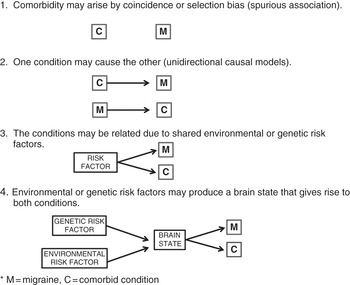
Fig. 1.1. Potential sources of comorbidity.
Unidirectional causal models suggest that an index disease increases the risk of the comorbid disorder. The relationship between disorders, such as migraine and depression, may be unidirectional or bidirectional. As noted above, for migraine and depression, the association is bidirectional. Breslau and colleagues [Reference Breslau, Davis, Schultz and Peterson38] assess the headache and depression status of 1007 young adults via interview using 1988 International Headache Society (IHS) criteria and NIMHS-DIS, respectively. Three and a half years later, 979 participants are re-interviewed. Persons with migraine (vs. those without) stand a greater risk for major depression (relative risk [RR], 3.2; 95% CI, 2.3–4.6). In addition, persons with major depression (vs. those without) stand a greater risk for migraine (RR, 3.1; (95% CI, 2.0–5.0). [Reference Breslau, Davis, Schultz and Peterson38]
Breslau and colleagues [Reference Breslau, Lipton, Stewart, Schultz and Welch39] investigate the incidence of new-onset migraine as a function of baseline depression (and vice versa) during a 2-year follow-up period. At baseline, subjects are screened for depression and migraine and fall into one of the following headache groups: Migraine (n = 496), Severe headache (n = 151), or No history of severe headache (n = 539). The lifetime prevalence of depression at baseline is 42.1%, 35.8%, and 16.0% for the Migraine group, Severe headache group, and No history of severe headache group, respectively. In addition, analyses show that the incidence of new-onset depression is 10.5%, 5.1%, and 2.0% in the Migraine, Severe headache, and No history of severe headache groups, respectively. Further supporting the bidirectional causal model of comorbidity, the incidence of new-onset migraine is 9.3% in control subjects with a history of depression and 2.9% in controls without. No significant associations are found in either direction between other types of severe headache and major depression.
Shared environmental or genetic risk factors represent another possible explanation for the phenomenon of comorbidity. Merikangas and colleagues find a greater incidence of migraine in the relatives of probands with migraine (21%) vs. the relatives of persons without migraine (10%). In parallel, investigators find a greater incidence of depression in relatives of probands with depression (22%) vs. the relatives of persons without depression (10%). Given that little cross-transmission of migraine and depression between probands and relatives is found, these comorbidities may be due to non-genetic factors that aggregate within families. Therefore, investigators suggest that depression might be a pathological condition resulting from migraine or the diathesis, which results in both depression and migraine. [Reference Merikangas, Risch, Merikangas, Weissman and Kidd40]
In a separate longitudinal study, Merikangas and colleagues demonstrate a familial association between migraine and affective/anxiety disorders, although the rates of anxiety and depression are elevated only in conjunction with migraine (OR, 2.3; 95% CI, 1.29–4.0), indicating a syndromic relationship between migraine and affective/anxiety disorders. [Reference Merinkangas, Merinkangas and Angst28] Environmental and genetic risk factors may produce a latent brain state that precipitates co-existing conditions; that is, conditions share a pathophysiologic mechanism. For example, cortical excitability is seen in both migraine and epilepsy. Regarding migraine and mood disorders specifically, Burstein et al. propose that several brain areas, including the hypothalamic, limbic, and cortical regions, are activated during migraine. [Reference Burstein and Jakubowski41] Pain signals are conveyed through trigeminovascular projections to areas of the brain that are competent to produce migraine symptoms as well as depression. Consistent with this hypothesis, some researchers speculate that serotonergic and dopaminergic dysfunction underlies the comorbidity of depression and migraine. [Reference Barbanti, Fabbrini and Ricci42,Reference Ferrari and Saxena43,Reference Hamel44] Because altered levels of serotonin are often observed during migraine attacks, migraines are frequently treated with selective serotonin agonists (i.e., triptans). Experimental evidence suggests that persons with anxiety and persons with migraine have a polymorphism in the 5-HT transporter gene. [Reference Smitherman, Penzien and Maizels45] The established relationship between depression/anxiety and serotonergic dysfunction warrants speculation that the source of migraine and mood/anxiety disorder comorbidity is aberrant serotonin signaling. Moreover, migraine is often accompanied by dopaminergic symptoms such as nausea and vomiting. Experimental data reveal higher levels of dopamine receptors on peripheral lymphocytes of persons with migraine relative to controls, indicating a hypodopaminergic state in migraineurs. The link between dopamine deficiency and depression is equally well established. Thus, reduced dopamine levels may contribute to the comorbidity of depression and migraine.
Both migraine and depression may be mediated by the cascade of neuronal events associated with central sensitization and its clinical marker, allodynia. [Reference Finocchi, Villani and Casucci46] Cutaneous allodynia (CA) is indicative of central sensitization, a state in which abnormally excited neurons cause a reduced pain threshold and hypersensitivity to noxious and innocuous stimuli alike. Lending additional support to the latent brain state model of comorbidity is the discovery that migraineurs with major depression (vs. those without depression) experience worse cutaneous allodynia (CA). Bigal and colleagues analyze data from 16 573 study participants with “severe headache” who completed the Allodynia Symptom Checklist (ASC-12) and the PHQ-9 for depression. The incidence of CA (as determined by ASC score ≥ 3) is 68.3% in persons with CM, compared with 63.2% in persons with EM (P< 0.01). Severe CA, (ASC score ≥ 9), was highest among persons with CM (28.5%) compared to those with EM (20.4%). In all persons with headache, regardless of type, the CA severity is highest among respondents who are depressed, with CM respondents having the highest ASC-12 sum scores. In adjusted analyses, depression has an incremental influence on the prevalence of CA. Compared to persons with no depression, persons with mild depression have a prevalence ratio (PR) of 1.22 (95% CI, 1.10–1.35). Persons with moderate depression and moderately severe depression are also more likely to have CA compared to those without depression (PR, 1.4; 95% CI, 1.23–1.58 and PR, 1.51; 95% CI, 1.34–1.96, respectively). The PR for CA is highest in those with severe depression (PR, 1.62; 95% CI, 1.34–1.96). [Reference Bigal, Ashina, Burstein, Reed, Buse and Serrano47]
The psychiatric comorbidities of headache are clinically important
Understanding the psychiatric comorbidities of headache is important for many reasons. [Reference Lipton and Silberstein36,Reference Scher, Bigal and Lipton48] These comorbidities, particularly depression and anxiety, are extremely common in persons with migraine and have implications for diagnosis, treatment and our understanding of disease mechanisms. When conditions are comorbid, the usual principle of diagnostic parsimony (find a single unifying diagnosis that accounts for the patient’s signs and symptoms) does not apply. Once a diagnosis of migraine has been established, it becomes more likely that psychiatric comorbidities are present, warranting a heightened index of suspicion.
The existence of comorbidities also has implications for treatment, creating opportunities and imposing limitations. Treatment choices should be informed by comorbid conditions. For example, treatment with a tricyclic antidepressant may benefit both disorders in a patient with migraine and depression, though undertreatment of depression is possible. Conversely, a known comorbid condition may impose therapeutic limitations. For example, depression is viewed as a relative contraindication for the use of beta-blockers in migraine.
Efforts to understand these relationships are informed by the directionality of association. In 1994, Breslau and colleagues demonstrate that there is a bidirectional relationship between depression and migraine, with each condition increasing the incidence of the other. [Reference Breslau, Davis, Schultz and Peterson38] These bidirectional relationships challenge simple unidirectional causal models. For example, migraine is unlikely to be just a somatic manifestation of depression because migraine onset may precede depression onset. Conversely, depression is unlikely to be a consequence of recurrent episodes of unpredictable pain, a form of learned helplessness, because depression may precede migraine onset. The complexity is illustrated by a small, open-label pilot study showing that a treatment that reduces headache frequency without acting on the central nervous system (onabotulinum toxin A), also relieved depressive and anxious symptomology. [Reference Boudreau, Grosberg, McAllister, Sheftell, Lipton and Buse49] These findings further emphasize the need to recognize an underlying psychiatric condition prior to developing a treatment plan. Once comorbidity and its directionality are established, further investigations can clarify the shared pathophysiology of the disorders.
Comorbidities may also influence the clinical course and prognosis of migraine, potentially leading to increased migraine-related disability and impact, diminished health-related quality of life, and poor treatment outcomes. Psychiatric comorbidities can influence the frequency and severity of migraine, and impact disease prognosis, treatment, and clinical outcomes. [Reference Heckman, Holroyd and Himawan50,Reference Holroyd, Drew, Cottrell, Romanek and Heh51] Some psychiatric comorbidities, including depression and anxiety, have been associated with increasing migraine attack frequency, or progression from episodic to chronic migraine. [Reference Ashina, Buse and Manack12,Reference Ashina, Buse and Maizels14] Migraine can be conceptualized as a chronic disorder with episodic manifestations. [Reference Haut, Bigal and Lipton52] The clinical course is variable. Patients with migraine may remit spontaneously for unknown reasons, they may continue to have intermittent attacks for many decades, or they may develop a clinically progressive disorder characterized by attacks of increasing frequency at times leading to headaches on more days than not. Episodic migraine (EM) is defined as meeting ICHD-2 criteria for migraine with an average of 14 or fewer headache days per month. Chronic migraine (CM) is defined as headache on 15 or more days per month for at least 3 months. The process of developing CM from EM, sometimes termed “transformation” or “progression,” occurs in approximately 2.5% of persons with EM annually. [Reference Lipton53] Transformation is associated with various modifiable (e.g., medication overuse, BMI) and unmodifiable (e.g., traumatic brain injury) risk factors. Depression and anxiety may be modifiable risk factors for migraine progression. [Reference Ashina, Buse and Manack12,Reference Ashina, Buse and Maizels14] Chronic migraine is associated with more substantial disability than episodic migraine in multiple ways. [Reference Buse, Manack, Serrano, Turkel and Lipton54] Additionally, psychiatric conditions often affect the coping mechanisms of migraine patients, thereby increasing headache-related disability, reducing quality of life, and often making them more difficult to treat. [Reference Lipton, Hamelsky, Kolodner, Steiner and Stewart55] Jette et al. demonstrates in a population-based study that migraine in association with various mental health disorders results in poorer health-related outcomes compared with migraine or with a psychiatric condition alone. [Reference Jette, Patten, Williams, Becker and Wiebe56]
The occurrence of comorbidities may provide clues to mechanisms underlying disease based on environmental or genetic risk factors common to migraine and its coexisting conditions. Further investigations may clarify these mechanisms. For example, it is likely that the co-occurrence of depression and anxiety with migraine may reflect neurochemical alterations common to these disorders.
Conclusion
Headaches are comorbid with many psychiatric disorders including depression and anxiety. Rates of psychiatric comorbidity are even higher among persons with more frequent headache (i.e., CM). Although this elevated rate is confirmed in both population and clinic studies, it remains important to discriminate between these samples as they differ in significant ways. In addition, evidence indicates that co-existing conditions are associated with worse treatment outcomes, increased headache-related disability, and reduced health-related-quality-of-life, further underscoring the need to study and understand comorbidity.
The diagnosis, prognosis, and treatment of migraine are confounded by comorbid psychiatric disorders. The high rates of psychiatric comorbidity with migraine highlights the importance for healthcare professionals (HCPs) to maintain diagnostic vigilance and provide appropriate treatment or referrals when necessary. When comorbid psychiatric disorders are present, it is important to take all disorders into account in formulating a treatment plan and remain mindful of the negative impact that psychiatric disorders can place on treatment outcomes, adherence, and general quality of life. [Reference Silberstein, Dodick and Freitag57–Reference Buse, Rupnow and Lipton59] Buse, Andrasik, and Sollars [Reference Buse, Andrasik, Sollars, Andrasik, Goodie and Peterson60] and Maizels, Smitherman, and Penzien [Reference Maizels, Smitherman and Penzien61] review and provide suggestions in screening for psychiatric comorbidity among persons with headache.
Many theories exist to explain the associations. These include models of causal link, shared environmental and genetic factors, and latent brain state. Nonetheless, many questions remain unanswered. Additional research is needed to increase our understanding of these relationships and subsequently, to enhance our knowledge of the pathophysiology, directionality, and treatment of both headaches as well as their comorbid psychiatric conditions.