

Background
Across conflict- and crisis-affected settings, child and adolescent mental health (CAMH) often attracts social and political attention, even if only temporarily.Footnote 1 Armed conflict, forced displacement, natural disasters and epidemics make children’s physical and mental health needs highly visible across families, schools and communities, but visibility alone does not guarantee that CAMH will be prioritized and embedded within national agendas and public systems. Child and adolescent mental health and psychosocial support (MHPSS) encompasses the full continuum of programmatic and policy interventions that promote mental health and psychosocial well-being, prevent the development of mental health conditions, protect human rights, and ensure high-quality and timely care and treatment of children, adolescents and their caregivers affected by mental health conditions.Footnote 2 While CAMH research has increasingly documented the scale of MHPSS needs and the effectiveness of specific interventions, there is limited research on how, and to what extent, CAMH becomes a priority, especially in crisis-affected political economies.Footnote 3
This paper explores the political economies shaping CAMH responses in four crisis-affected countries: Colombia, Haiti, Lebanon and Syria. All four countries have experienced recurrent crises and political instability, major ecological, economic and epidemiologic shocks, and sustained humanitarian engagement along with well-documented CAMH needs.Footnote 4 Yet, they diverge in terms of the extent to which CAMH has been articulated as a policy priority by State and non-State actors, and in how crisis-driven attention has been organized to finance and deliver MHPSS interventions. By comparing these cases, the study holds crisis exposure broadly constant while exploring how differences in authority, financing and actor power shape political attention to CAMH, and how that attention translates into action over time.
Political priority is understood here as the presence of national political leaders who express concern for CAMH, enact or endorse policies and strategies to address the issue, and allocate and release public budgets commensurate with the magnitude of the problem.Footnote 5 The analysis explores priority by examining agenda-setting, herein referred to as the factors that shape whether and how CAMH attracts sustained attention and legitimacy among influential policy-makers; and implementation and institutionalization, referring to the factors that shape whether CAMH services are actually delivered and embedded in public policies and systems.Footnote 6 Notably, institutionalization is defined not by comprehensive coverage or full public financing but by the presence of a core set of system features, including a recognized institutional anchor, shared service models and standards, identifiable financing pathways (even if external or partial), defined workforce roles and supervision structures, and functioning referral mechanisms across the continuum of care.Footnote 7 Further, socio-political conditions, including regime type and State capacity, conflict dynamics and humanitarian governance, and socio-cultural norms, are identified as contextual factors that shape how these processes intersect and evolve. Where these conditions align, the likelihood that CAMH will move beyond episodic crisis response and become embedded within more resilient public systems and service delivery platforms is higher. Where they do not, CAMH remains vulnerable to political turnover and shifting donor priorities.
This persistent gap between CAMH visibility and institutionalization reflects a central political economy tension rooted in humanitarian–State governance dynamics in crisis settings, and the distribution of actor power within those dynamics.Footnote 8 Visibility, whether in the form of programmatic activity, data generation or advocacy, is a necessary but insufficient condition for institutionalization.Footnote 9 Institutionalization requires governance commitments, legal and policy frameworks, financial resources, workforce development, integration into national systems, and accountability for CAMH outcomes. International response is not simply a neutral effort to fill capacity gaps; rather, it operates as a governance regime with its own incentives, accountability structures and time horizons.Footnote 10 Particularly in contexts where humanitarian actors function as de facto service providers and policy influencers, increased visibility on CAMH can persist for years without translating into durable institutional integration. Short funding cycles, output-oriented reporting, and pressure for rapid scale often privilege interventions that can be delivered, measured and scaled without resolving underlying questions about authority, ownership or long-term financing and capacity-building. These constraints, however, are not uniform across settings, nor are they insurmountable. In several contexts, different constellations of actors, institutions and resources have enabled partial institutionalization of CAMH despite dominant humanitarian governance logics.
By drawing on public policy and political science scholarship and examining the political economy shaping CAMH responses in Colombia, Haiti, Lebanon and Syria, this paper explores the social, political, institutional and relational factors that shaped whether and how CAMH emerged and became institutionalized as a political priority. In doing so, it traces the recurring constraints, trade-offs and points of leverage that policy-makers and programme actors encountered while attempting to generate and sustain attention and action on CAMH across these settings.
Methods
The study employed a qualitative comparative case study design to examine political priority and the factors shaping agenda-setting, implementation and institutionalization of CAMH responses in Colombia, Haiti, Lebanon and Syria.
The analysis draws on three strands of public policy and political science scholarship. First, agenda-setting is examined through the multiple streams theory, which conceptualizes crises as policy windows through which policy entrepreneurs couple problems, solutions and political opportunities to elevate a policy issue.Footnote 11 Second, political priority for health scholarship is used to assess how actor power, ideas, issue characteristics and governance arrangements shape sustained political attention.Footnote 12 Third, implementation and institutionalization are examined through applied political economy and implementation literature, focusing on whether authority, responsibilities and resources become embedded in durable systems.Footnote 13
Ninety-three semi-structured key informant interviews (between seventeen and thirty-one interviews per country) were conducted between 2025 and 2026, complemented by a targeted document review of national policies and strategies, donor and coordination documents, programmatic reports, and relevant peer-reviewed and grey literature. The key informant interviews were conducted with actors within government, United Nations (UN) agencies, international and national non-governmental organizations, donors, professional associations, academic institutions and other civil society actors (see Table 1).
Semi-structured interview guides were designed to ensure comparability across cases while allowing contextual adaptation. Interviews examined how CAMH was framed and prioritized, how policies and programmes evolved, financing arrangements and incentives, institutional roles and coordination, actor power, and workforce and implementation capacity. Most interviews lasted 60–90 minutes and were conducted in English, Arabic, Spanish or French, remotely or in person where feasible.
Affiliations of key informants

Table 1 Long description
Counts of key informants are grouped by affiliation category, totaling 93 people. UN agencies form the largest group with 26 informants, closely followed by local NGOs with 25. Government officials account for 19, and international NGOs contribute 13. Smaller groups include academic institutions with 5, professional associations with 3, and other civil society actors with 2. Overall, participation is concentrated in UN agencies and NGOs, with relatively limited representation from professional associations and other civil society actors.
Data collection was conducted by a core team of UN Children’s Fund (UNICEF) headquarters staff and external consultants operating independently of country offices. To mitigate potential bias and to preserve confidentiality, all interview transcripts were de-identified, and access was limited to the data collection team. Informants were identified through purposive and snowball sampling, including UNICEF staff given their central roles in CAMH coordination, financing and technical support across all four contexts. Interview data were triangulated across informants and validated against document review.
A theory-informed inductive-deductive approach was used for data analysis. A coding framework was developed drawing on key literature and interview guides, and was applied consistently across cases, while allowing space for context-specific themes to emerge. A subset of interviews was double-coded and iteratively discussed to ensure coding reliability. Thematic saturation was assessed within each case when additional interviews no longer yielded substantively new insights across core domains. Consistent with applied political economy approaches, practitioner insights informed interpretation, and preliminary findings were discussed within the broader research team to test plausibility while maintaining analytic independence.
The study received ethics review from the Johns Hopkins University Bloomberg School of Public Health, and was determined to be exempt from full review (#00033871).
Results
Across Colombia, Lebanon, Syria and Haiti, CAMH entered national agendas unevenly, primarily through crisis-driven policy windows that increased visibility but varied in whether, and to what extent, they translated attention into sustained political investment and action. Moreover, institutionalization, when it occurred, was often partial. Rather than binary assessments of whether priority is present or absent, these cases are better understood as lying along a continuum that reflects different configurations of socio-political conditions, norm promotion and issue construction, crisis dynamics, technical solutions and actor power, as well as variations in authority, financing and workforce capacity. Together, these factors shaped how far CAMH emerged and evolved as a tractable policy concern amid recurrent conflict and crises.
In Colombia and Lebanon, CAMH achieved incremental agenda presence over time, while following distinct implementation and institutionalization pathways. In Colombia, CAMH attained comparatively high political priority, expressed through sustained rights-based policy and legislative frameworks, explicit recognition by select policy-makers and elected officials of CAMH as a State obligation, and the progressive establishment of regulatory and State financing mechanisms. However, this priority has fluctuated over time, and implementation and institutionalization have been partial and uneven, especially at the subnational level. In Lebanon, CAMH entered the policy agenda amidst repeated crises, and notably the 2011 Syrian refugee influx, which opened a policy window leveraged by policy entrepreneurs to trigger institutional reform and technocratic stewardship anchored in the National Mental Health Programme (NMHP) within the Ministry of Public Health. This technocratic arrangement helped sustain political and technical attention despite ongoing instability. However, institutionalization has remained incomplete and continues to evolve; while Lebanon benefits from strong professional capacity, it continues to contend with heavy reliance on external funding and shifting donor priorities amidst escalating crises, a largely non-State service delivery system, limited retention and integration of the workforce within public systems, and gaps in referral mechanisms across sectors and regions.
Further along the continuum, in Syria and Haiti, CAMH has achieved selective visibility and programme expansion at the intersection of humanitarian–State governance dynamics, despite limited State financing, workforce capacity and institutional anchoring. In Syria, CAMH was historically a low political priority and developed largely through humanitarian interventions linked to earlier regional crises and, most notably, the conflict that began in 2011. Standardized tools and coordination mechanisms emerged to manage these responses and were selectively endorsed by State authorities, although without full integration into State financing or service delivery. Following the change of government in late 2024, informants describe early signs of renewed interministerial engagement and growing interest in CAMH, along with efforts to integrate mental health into national strategies and revive coordination platforms. While this moment constitutes a significant policy window for institutionalizing CAMH, these signals have not yet translated into consolidated institutional authority, sustained financing and implementation capacity. In Haiti, by contrast, CAMH has repeatedly gained attention after disasters and periods of insecurity but has struggled to maintain priority over time. Responses remain largely driven by episodic donor priorities and the efforts of non-State actors, with limited State authority over coordination, financing, workforce regulation and referral systems.
The case analyses explore how these distinct political economies of CAMH evolved in practice across each setting, examining the socio-political, institutional and actor-level dynamics through which CAMH was framed, prioritized and institutionalized (see Figure 1).
Tracing the factors shaping agenda-setting and institutionalization across Colombia, Lebanon, Syria and Haiti.

Colombia: Rights-based legal scaffolding amidst fragmented delivery systems
In Colombia, CAMH emerged most strongly in response to conflict and its social consequences. Over time, conflict and repeated crises enabled rights-based legal and policy expansion and the development, adaptation and implementation of contextually relevant CAMH interventions. Together, these dynamics have produced meaningful achievements, including the development of a National Mental Health Policy with an explicit life-course approach, a Mental Health Law that extends across sectors, and institutionalized State obligations for MHPSS in the context of rehabilitation for victims of armed conflict, including children and adolescents. As one informant reflected, “Today there is a policy with a differential approach that includes children, whereas before approaches were generalized and children were invisible. … Before it was assumed that because children did not speak, there were no MHPSS impacts on them.” This normative shift from invisibility to differentiated recognition is itself a hard-won gain. Yet, despite these advances, institutionalization has been partial so far. Although laws clearly define CAMH as a State responsibility, these commitments have not been consistently translated into public service delivery systems, especially at the subnational level. Implementation has been constrained by fragmented authority across sectors, decentralized and market-mediated arrangements and uneven territorial integration.Footnote 14 Decades of internal violence marked by displacement, forced recruitment, family separation and chronic insecurity have rendered CAMH politically salient as a matter of rights, protection and State responsibility, while simultaneously constraining State capacity, especially in conflict-affected peripheries.
Historically, mental health in Colombia was stigmatized and framed through adult-centric or biomedical lenses.Footnote 15 At the same time, in many Indigenous and Afro-Colombian communities, distress was understood relationally and spiritually, often described as desarmonía espiritual (spiritual disharmony) rather than individual pathology.Footnote 16 Informants emphasized that culturally embedded practices, including collective rituals, music and dance, functioned as locally legitimate MHPSS responses. As one practitioner explained while discussing culturally rooted, decolonial and collective approaches to mental health, “We dance chirimía, and that is how we manage grief.”
Within this context, transnational norm promotion, including through frameworks like the Declaration of Caracas, articulated a rights-based, community-oriented vision for mental health care that complemented domestic rightsFootnote 17 discourses and legitimized CAMH within Colombia’s expanding legal framework.Footnote 18 Evidence also functioned as an enabling lever. National data, including the 2015 National Mental Health Survey, and rising concern over adolescent suicide were mobilized to build political attention on CAMH, though informants emphasized that such attention remained reactive.Footnote 19 A UN actor noted, “When there is a suicide, suddenly everyone is talking about mental health, but when another crisis appears, it disappears again.”
The 2016 Peace Agreement was a critical juncture for CAMH, following which the Victims and Land Restitution Law and the Programme for Comprehensive Psychosocial Care and Health for Victims (Programa de Atención Psicosocial y Salud Integral a Víctimas, PAPSIVI) institutionalized the State’s obligation to provide psychosocial rehabilitation to victims of armed conflict, including children and adolescents.Footnote 20 Civil society coalitions, victims’ organizations, youth movements, professional bodies and technical actors reinforced this framing by linking CAMH to transitional justice, constitutional rights, dignity and State responsibility.
Subsequent shocks repeatedly opened policy windows for agenda-setting. Large-scale migration from Venezuela, climate-related disasters and the COVID-19 pandemic elevated CAMH on the political agenda. Moreover, although adolescence was initially understood within frames of risk or deviance, over time, informants described that these norms shifted unevenly and reopened the space for CAMH by recognizing children and adolescents as social and political agents “heard with their own voice”. Youth mobilization during the 2021 Paro Nacional protests further reframed adolescent distress as an issue of participation and social justice. Informants described these moments as having “made the mental health problem come out of the closet.” Public framing initiatives such as Hablar lo Cura (“Talking Heals”), led by the Colombian Institute of Family Welfare (Instituto Colombiano de Bienestar Familiar, ICBF), and UNICEF’s Abraza tu Mente (“Hug Your Mind”) campaign built on these openings by normalizing discussions of youth mental health. Over time, this led to stronger framing around mental health as a social and political issue that required attention. As one academic and mental health practitioner noted, “The banner of working on MHPSS with boys, girls and adolescents has been catching on in all spheres, not only the public sphere, but also the private sphere, and even the general public in Colombia.”
Dense policy communities and political entrepreneurship were central to sustaining CAMH agenda traction. A small number of legislators and senior officials with personal or professional interest in mental health advanced CAMH policies by framing it around protection, well-being and suicide prevention, securing cross-party support. These champions often worked “shoulder to shoulder” with technical brokers to translate CAMH needs into legislative language, including civil society coalitions such as Niñez Ya (“Childhood Now”), professional bodies like the Colegio Colombiano de Psicólogos, universities, UN agencies (particularly UNICEF and the Pan American Health Organization (PAHO)), and international and local non-governmental organizations (NGOs), which together provided the political pressure, epistemic authority, financing and implementation capacity to advance on CAMH.
Nonetheless, informants noted persistent conceptual divides within the CAMH policy community, particularly with regard to international framing and definitions of MHPSSFootnote 21 and State distinctions between clinical mental health and psychosocial reparation. As such, CAMH progressed most effectively when it could be translated into viable policy and programme options. Mobile psychosocial teams under PAPSIVI, school- and community-based socio-emotional programmes like the Helping Adolescents Thrive initiative, and task-shifting approaches aligned with the World Health Organization (WHO) Mental Health Gap Action Programme (mhGAP) were described by informants as making CAMH politically and operationally feasible. Some informants reflected that such tools reduced coordination costs by providing a shared operational language that “unites everyone” and could be integrated across multisectoral platforms.
Moreover, while there was ministerial engagement on CAMH across sectors, custodianship for CAMH was fragmented across ministries, sectors and territories. At the interministerial level, the Ministry of Health retained technical leadership, the ICBF held a strong mandate over child protection and psychosocial support (PSS), and the Ministry of National Education governed school environments but operated largely outside care pathways. While multisectorality was formally reinforced through legislation and National Council for Economic and Social Policy (Consejo Nacional de Política Económica y Social, CONPES) instruments, including the Victims Law, the Mental Health Law and the Statutory Health Law, informants consistently described the resulting governance architecture as “strong on paper but weak in execution”.
Decentralization also amplified territorial variation, especially in conflict-affected regions such as Chocó, Catatumbo and Arauca, where insecurity and limited institutional reach constrained routine service delivery and prompted NGOs and UN actors to absorb greater operational functions. While these arrangements expanded reach, they also reinforced parallel delivery systems that proved difficult to integrate into routine State provision. Moreover, political turnover exacerbated fragility. On two separate occasions, informants noted the efforts of a governor in Valle del Cauca to drive investment in school-based socio-emotional programmes. At the same time, informants emphasized the fragility of these gains under leadership turnover.
More broadly, donor financing enabled innovation and expanded reach but also introduced short time horizons and project-based delivery. Although legislation created budgetary hooks, implementation also depended on subnational resources, capacity, and political will. Additionally, because CAMH specialists remained scarce outside major cities, task-shifting emerged as a critical delivery modality. Workforce capacity-building was strongly tied to humanitarian financing and reporting logics. As one practitioner remarked, “Donors want me to measure impact fifteen days after I left training”, critiquing an ongoing “workshop-itis” trend. Moreover, referral pathways to specialized care were frequently described as a “broken telephone”, with escalation routes existing largely “on paper only”.
Recent reforms, including CONPES 3992, the 2024–33 National Mental Health Policy and 2025 updates to the Mental Health Law, seek to consolidate gains by mandating territorial models of care, socio-emotional education, and expanded State or hybrid financing mechanisms, for example through State-donor matched or combined financing. However, these coincide with a contraction of international cooperation as donors shift priorities to other global crises. The central challenge is no longer whether CAMH belongs on the national policy agenda or not, but rather how Colombia can translate legal authority into coordinated, equitable and routine care across a decentralized, market-mediated and conflict-shaped governance landscape.
Lebanon: Technocratic stewardship amidst chronic State fragility
In Lebanon, a small network of policy entrepreneurs and technical specialists located within and adjacent to the government sustained political attention on MHPSS despite chronic crisis and State fragility. CAMH services have expanded within this broader MHPSS infrastructure, but at a slower pace and with less strategic prioritization as a policy issue with distinct needs. These policy entrepreneurs translated politically sensitive needs into feasible policy and programme solutions. They coupled crisis-related attention and humanitarian resources into a technocratically mediated pathway for CAMH institutionalization, one that is resilient yet structurally fragile. Institutionalization partially emerged and has been advanced through the establishment of the NMHP as a clear institutional anchor, continued workforce capacity strengthening, and the development of shared service models, standards and training frameworks. At the same time, it remains constrained by heavy reliance on donor-funded implementation, limited workforce absorption beyond project cycles, and weak referral and supervision systems. Moreover, these dynamics unfolded within a consociational political system marked by confessional power-sharing, a largely privatized and NGO-dominated service landscape and a political culture in which crisis response operates as a dominant mode of governance.
Historically, mental health was deeply stigmatized and treated as a private family matter, limiting political legibility, particularly for children and adolescents.Footnote 22 Successive shocks, including the Civil War, the 2006 war and recurrent regional conflicts, seeded early psychosocial practices through NGOs, academic institutions, professional bodies and humanitarian actors. These efforts introduced technical capacity and legitimacy and created openings for CAMH on the policy agenda, but did not consolidate into durable State systems.Footnote 23
The Syrian refugee crisis constituted a critical policy window for institutional reform. An assessment led by the Office of the UN High Commissioner for Refugees (UNHCR) in 2013, which exposed coordination failures in the refugee response, was widely recalled as the “trigger” that shifted attention away from ad hoc humanitarian service delivery and towards systems strengthening.Footnote 24 Amid prolonged parliamentary paralysis, senior bureaucrats within the Ministry of Public Health and international partners established the NMHP in 2014 through administrative decisions rather than legislation.Footnote 25 Created as a donor-funded programme (initially supported by UNICEF, WHO and the International Medical Corps) rather than a ministry department, the NMHP enabled rapid institutional anchoring outside formal legislative pathways. Through ministerial circulars, the NMHP was designated as the national coordination authority for MHPSS. It exercised influence by setting standards, providing training, developing or adapting interventions and convening stakeholders, and developed Lebanon’s first National Mental Health Strategy.Footnote 26 Simultaneously, operational authority remained dispersed across the Ministries of Public Health, Education, and Social Affairs, with interministerial coordination perceived as helpful at the technical level but unreliable as formal mechanisms such as the Higher Council for Childhood were often described by informants as “inconsistent” or “inactive”.
Coordination thus emerged as a primary governance mechanism. The NMHP chaired the multisectoral National MHPSS Coordinating Group with UNICEF and WHO, alongside a parallel PSS Committee led by UNICEF under the Child Protection in Emergencies Working Group, focused on preventive and community-based programming for children. Though international guidance advises a single coordination body, the parallel structures were retained in Lebanon, with some viewing this as a “pragmatic division of labour” that enabled specialization across sectors, and others seeing it as evidence of “unresolved struggles over leadership” alongside contested views of the role of PSS within the MHPSS ecosystem.Footnote 27 Cross-representation mitigated siloing to some degree, but as one INGO informant noted, “There is nothing binding actors. … It depends on commitment, interest and available capacity.”
Since 2019, overlapping collective shocks sustained attention and softened stigma. The widespread use of terms like daghet nafsi (systemic, chronic distress) reframed suffering as the product of external pressure rather than individual weakness.Footnote 28 Informants described how crises “flipped the script on Lebanon’s resilience narrative”, revealing “a huge need for support”. As one youth adviser reflected, “We faced COVID, the port explosion, the war, and a series of ongoing crises... even though the Civil War ended decades ago, we still live with its effects.”
Furthermore, growing attention on CAMH following successive emergencies drove the development and adaptation of national strategies, action plans, and interventions grounded in local operational realities. CAMH services thus expanded across a deliberately layered continuum of care coordinated primarily by the NMHP, UNICEF, WHO and NGOs.
Promotive and preventive interventions were largely implemented by international and national NGOs through child-friendly spaces, social development centres and Makani multi-service community hubs, supported by ministries and UN agencies, and often in partnership with existing coordination platforms led by UNICEF, WHO and the NMHP. For instance, UNICEF, in partnership with the PSS Committee, and through NGOs, trained non-specialist facilitators to deliver standardized and evidence-informed PSS programmes adapted to local contexts, across multiple delivery platforms. These interventions were complemented by parallel caregiver-focused programmes aimed at strengthening parenting practices and family-level protective factors. Additionally, targeted MHPSS interventions were developed or adapted to respond to specific vulnerabilities such as child labour, child marriage and violent discipline, and to support children’s and caregivers’ psychosocial well-being. Scale-up of brief, low-intensity psychological interventions such as EASE and PM+ was primarily led and technically anchored by WHO and the NMHP, with additional support from partners including the UNHCR. Delivery occurred across community-based and health service platforms, using a mix of trained specialized facilitators and mental health professionals. School counsellors were additionally engaged in early identification, referral and follow-up, though implementation capacity varied across school shifts, particularly between Lebanese and refugee cohorts. However, specialized MHPSS services for children with identified needs remained far more limited. UN agencies and INGOs expanded mhGAP-based training for primary health-care providers and piloted referral pathways linking schools to facilities. Crisis mechanisms such as the Embrace suicide prevention lifeline offered additional touchpoints. Despite these efforts, access to specialized services remained uneven and nascent, reflecting acute scarcity of child mental health specialists and inconsistent service integration across and between sectors and services. Referral systems linking community-based programmes, schools, primary health-care facilities, and social development centres to specialized facilities remain a critical gap, preventing stepwise care progression for children with intensive needs. While there are ongoing pilot projects and efforts to address these needs, strengthening these pathways and embedding existing services into national systems to create a functional continuum of care for children and adolescents remains a critical need.
Neverthless, this expansion of services was driven by a dense and diverse actor ecosystem which included many of the actors noted above, including policy-makers and technical actors within ministries, UN agencies, professional associations (specifically the Social Workers’ Syndicate and the Order of Psychologists), NGOs, universities and service user associations. Several informants highlighted the sheer scale of the “workforce between local and international NGOs”, which often required coordination and support facilitated through engagement with coordination platforms like the MHPSS Technical Working Group or the PSS Committee. As one UN official observed, “in some emergencies, we had as many as twenty-five actors” working on MHPSS. Within this ecosystem, several informants pointed to a smaller number of technical specialists and policy entrepreneurs across the NMHP, UNICEF, WHO, select ministerial bureaucrats and professional syndicates who represented a unique “centre of gravity”, driving the agenda by translating diffuse and politically sensitive needs into feasible policy and programme solutions. These actors built the socio-political and economic case for MHPSS investment in language that resonated with donors and policy-makers, sustaining attention on MHPSS and CAMH despite chronic crisis and fragility. Academic institutions too played a distinctive role, functioning as hubs for generating evidence that could be utilized for policy advocacy, adapting and validating global interventions to local contexts, developing and strengthening workforce capacity, and strengthening the actor ecosystem to retain attention on CAMH.
However, institutionalization has thus far remained constrained by financing and workforce dynamics. International donors and UN agencies supply the majority of resources, with limited direct government spending. This has led to a reliance on short-term humanitarian logics, which coupled with frequent funding contracts have triggered abrupt closures of clinics and services, disrupted care relationships, and staff lay-offs. These funding interruptions disrupt continuity of care and referral systems, especially when services close as short-term funding cycles end. Humanitarian financing dynamics have additionally reinforced parallel systems of care, often subsidizing services for refugees while Lebanese host communities have faced high out-of-pocket costs in a largely privatized system. This financing volatility also extends to governance capacity. The NMHP lacks a permanent budget line and continues to operate as a donor-funded programme, which makes it vulnerable to the same funding cycles as the organizations it coordinated. However, several informants noted that the NMHP’s technical credibility and its strategic use of flexible, un-earmarked funding has thus far helped it to mediate these pressures and maintain core coordination and system functions, although this credibility cannot be a long-term substitute for institutional anchoring.
Workforce constraints further limited consolidation. Although Lebanese universities produce a strong pipeline of trained professionals (including CAMH specialists), economic collapse, brain drain and humanitarian contracting have hollowed public sector capacity and retention. As one syndicate leader summarized, “We have the expertise, what we don’t have is the system to absorb it.” In the absence of civil service expansion, professional regulation partially substituted for State authority, with bodies such as the Order of Psychologists and the Social Workers’ Syndicate defining credentialing standards and ethical practice, which one INGO informant linked to “increasing the level of trust” in workforce quality. At the same time, licensing restrictions limiting clinical practice to Lebanese citizens capped workforce capacity despite available expertise.
Despite these constraints, CAMH has continued to advance, including through the updated National Mental Health Strategy (2024–30) and ongoing efforts to articulate a dedicated CAMH sub-strategy. The central challenge now is whether and how this technically coherent coordination-centred governance infrastructure can be translated into durable public arrangements that can sustain and scale CAMH beyond crisis-driven cycles.
Syria: Emerging standardization amidst fragmented humanitarian–State governance dynamics
Historically, CAMH was a marginal policy priority in Syria and was not institutionalized within durable State structures despite prolonged conflict, displacement and repeated ecological and epidemiologic shocks that intensified children’s psychosocial distress. Agenda-setting and implementation were driven primarily by humanitarian incentives, which happened to align with two other forces: the State’s interest in maintaining bureaucratic oversight of aid activities, and the professional or personal commitment of a small number of technical champions within different government and non-State entities. Together, these factors created conditions in which MHPSS coordination mechanisms emerged and CAMH technical standards developed, expanding services without generating institutional custodianship, sustainable financing, sustained workforce capacity and integration into public systems, or functioning referral systems. Following the December 2024 political transition, early signals suggest renewed interest in CAMH institutionalization, though these remain emergent.
Early CAMH-related activity emerged in the early 2000s as UN agencies, international and local NGOs and the Syrian Arab Red Crescent introduced community-based MHPSS models, basic coordination practices and an initial cadre of trained practitioners in response to an influx of Iraqi and Lebanese refugees. These efforts expanded technical reach but did not consolidate into public systems.Footnote 29
Distress was commonly interpreted through moral, spiritual or social lenses, including beliefs in ‘ayn (the evil eye), jinn (spirit possession) or divine testing, with help-seeking often routed through family or religious figures.Footnote 30 As a result, non-pathologizing community-based PSS was more socially acceptable than formal psychological and psychiatric care, shaping the early entry points through which MHPSS services could reach families.
The civilian uprisings of 2011 and subsequent escalation of conflict fundamentally altered this landscape. Mass displacement, school disruption, exposure to violence and prolonged insecurity generated unprecedented levels of MHPSS needs among children and their families.Footnote 31 Health, education and social service infrastructure was destroyed, and territorial fragmentation, sanctions and workforce brain drain weakened State capacity.Footnote 32 At the same time, humanitarian actors proliferated and increasingly substituted for public systems, delivering CAMH through parallel arrangements rather than national systems.
Agenda traction for CAMH emerged unevenly. Externally, it was driven by refugee-related humanitarian reports and research in neighbouring countries.Footnote 33 Internally, actors adopted politically neutral framings, positioning CAMH as psychosocial or medical care delivered through schools, clinics and community spaces. Layered MHPSS models, task-shifting and mhGAP-aligned guidance circulated widely. By the mid-2010s, however, rapid humanitarian expansion had produced a crowded ecosystem of actors, manuals and programmes, and recreational activities and other short-term interventions often mislabelled as MHPSS. This situation was widely described as a “chaos of manuals” that undermined quality and oversight.
A first decisive shift occurred with the establishment of the WHO-led MHPSS Technical Working Group around 2014, which sought to harmonize practice in a context where actors operated without shared standards or coordination mechanisms. A second shift began around 2017 and accelerated between 2019 and 2023 with the development of the Sawa (“Together”) and Sanadi (“My Rock”) MHPSS programmes for children and caregivers by UNICEF, the Ministry of Social Affairs and Labour, the Syrian Commission for Family Affairs and Population (SCFAP), and national partners. These programmes responded to widespread dissatisfaction with unstructured activities mislabelled as MHPSS, wherein, as one UN informant noted, actors “gave children a balloon or football and called it an MHPSS intervention”. Drawing on an extensive mapping of global, regional and local tools and interventions, and developed through a multi-stakeholder iterative and consultative process, these programmes aimed to “harmonize a fragmented field” by defining minimum requirements for content, duration, training, supervision and outcome measurement. Crucially, this standardization effort was driven by government requests to establish bureaucratic oversight over the content and quality of the growing number of MHPSS programmes multiplying in the early 2010s. Endorsement through the Ministry of Social Affairs and Labour and the Council of Ministers transformed Sawa and Sanadi into quasi-regulatory instruments, conditioning programme approval on adherence to this State-endorsed curricula. Thus, CAMH became a technical domain on the policy agenda despite the absence of formal legislation. Several informants working in NGOs implementing these programmes also described how structured session sequences and routine outcome measurement “changed the game”, shifting the focus from simply counting beneficiaries to ensuring and assessing programme quality and effectiveness.
Policy communities and political entrepreneurs were central to sustaining this agenda traction. A small technical core within UNICEF, WHO and key NGOs functioned as a “triangle of influence” alongside counterparts in the Ministries of Health, Education, and Social Affairs and entities such as SCFAP. Together, these actors combined financing, technical expertise, institutional mandates and operational credibility to push forward coordination mechanisms, standardized manuals and service delivery models as part of humanitarian responses. In one such example, UN staff reported deliberately cultivating technical allies within ministries in order to co-develop programmes like Sawa and Sanadi iteratively and thereby foster buy-in and shared ownership. As a UNICEF official explained, “We identified people within the technical team who were interested, trained them in the curricula, and they themselves became allies who kept pushing for implementation.”
Successive crises including the COVID-19 pandemic, the 2023 earthquakes and escalating armed conflict repeatedly reopened political space for CAMH. Distress was increasingly articulated through idioms of pressure and exhaustion, such as Ta‘ban or Nafsiyti ta‘baneh (“My psyche is tired”), framing suffering as the result of overwhelming external conditions rather than individual pathology. This reduced stigma and created culturally and politically acceptable entry points for CAMH aligned with humanitarian logics of vulnerability.
Implementation expanded rapidly, but institutionalization remained nascent. Standardized tools developed by UN agencies, often in collaboration with relevant ministries, enabled large-scale task-shifting by translating psychosocial support needs into bounded, replicable interventions deliverable across schools, camps and community settings. At the same time, these gains were not matched by consolidated public authority and integration into national service delivery systems. No single ministry assumed stewardship over CAMH, and responsibility remained dispersed across relevant ministries, with coordination mediated primarily through humanitarian platforms. An Interministerial Mental Health Council was established in 2012 but was widely described as dormant, despite attempts to reactivate it following the 2023 earthquake.
Financing structures reinforced these limits. CAMH remained overwhelmingly project-based and externally funded, embedded in a humanitarian political economy that rewarded reach over depth and quality, a dynamic deepened by the heavy sanctions that constrained State resources and reinforced aid dependency. Donor logics rewarded rapid, visible reach rather than sustained, resource-intensive care for children with complex trauma, producing what informants described as a persistent “numbers game”. As one noted, “If you spend $100,000 and reach 100 people instead of 1,000, that’s seen as a failure.”
Workforce development followed a paradoxical pattern in which large-scale training substituted for a functioning service delivery system. Specialized expertise remained extremely limited, especially in rural and peripheral areas, while “scattered islands of care” existed in donor-prioritized and central hubs like Damascus. Task-shifting, yet again, emerged as a key strategy. Amid economic collapse and public sector salary erosion, training became both the primary vehicle for professionalization and a fragile livelihood strategy. Informants noted that organizations trained teachers, social workers and other professionals to deliver psychosocial interventions in governorates with no psychology departments, enabling reach under acute scarcity but blurring professional boundaries and raising quality concerns in the absence of funded clinical supervision. At the same time, informants across government, local and international NGOs, and UN agencies described a “training marketplace” in which donor funding supported workshops and per diems but rarely sustained posts, supervision or service delivery, generating repeated cycles of skill acquisition without durable institutional embedding. Moreover, several informants across NGOs also noted that perceptions of “favouritism” and unequal access to training opportunities “weakened confidence” in these capacity-building processes, even as human capital investments remained essential. As a result, technical knowledge was continually generated but weakly institutionalized, while brain drain to NGOs, private practice or migration eroded institutional memory.
Several informants noted that the political transition following December 2024 opened a new policy window for CAMH in Syria. Renewed humanitarian mobilization has coincided with what informants described as a growing articulation of CAMH as relevant to “State legitimacy”, “reintegration” and “social cohesion”. Informants described efforts by institutional actors across the Ministries of Health, Education, and Social Affairs to identify CAMH as a “top priority”, assert institutional leadership, reactivate interministerial coordination bodies and embed mental health within national frameworks such as the 2025 National Health Strategy. A technical official within one of the relevant ministries reflected: “Previously, organizations were the ones that brought programmes and said, ‘These are the priorities’. Today, the ministry says, ‘These are our priorities; which organizations want to support?’” These signals remained early and emergent at the time of data collection, and their translation into sustained institutional change had yet to be seen.
At the same time, several informants described a “recovery paradox” whereby the perception of post-conflict transition triggered funding contractions just as needs expanded due to economic collapse, population returns and the reopening of previously inaccessible areas. Whether this policy window translates into genuine institutionalization for CAMH will depend on the State’s ability to consolidate what already exists (such as standardized manuals, trained professionals and coordination practices) into routine system functions, while building what is still missing (such as a recognized institutional custodian, national policy frameworks and strategies, routine referral and supervision arrangements, and basic workforce regulation).
Haiti: Humanitarian substitution amidst recurrent political rupture
In Haiti, CAMH has not yet emerged as a sustained policy priority and remains weakly institutionalized across successive political cycles. Recurrent crises repeatedly opened policy windows for CAMH, while socio-culturally congruent ways of understanding and addressing mental health and manifestations of distress facilitated the expansion of psychosocial responses. However, unlike contexts where technical stewardship, standard-setting or protected mandates have accumulated despite political instability, these did not coalesce into sustained institutional attention or authority in Haiti. Implementation has delivered results in specific project-based cases through humanitarian and faith-based platforms, but has rarely generated sustainable public capacity.Footnote 34
Socio-cultural norms shaped both the legitimacy of CAMH and preferred pathways of care. Psychological distress has often been interpreted through spiritual, moral or relational frameworks in Haiti, including concepts such as maladi lwa (illness caused by spirits).Footnote 35 Several practitioners noted that families frequently defaulted to spiritual or religious explanations for mental distress, with one psychologist explaining that “it is easier to consult a voodoo priest or seek out a pastor for prayer” than to consult a psychologist. These norms did not preclude MHPSS, but rather, they reinforced community-based, non-medicalized entry points for addressing mental health among children and adolescents.
The January 2010 earthquake acted as a critical policy window for MHPSS. It dramatically elevated the visibility of children’s psychosocial distress and triggered one of the largest humanitarian MHPSS mobilizations.Footnote 36 Within the Ministry of Public Health and Population (Ministère de la Santé Publique et de la Population, MSPP), a national mental health authority was appointed to coordinate activities, with support from WHO and PAHO. The UN Cluster approach was activated to organize MHPSS responses by NGOs, in collaboration with the Haitian government. Within this context, international agencies and NGOs rapidly introduced child-friendly spaces, school-linked psychosocial activities, parenting programmes, and trauma-informed interventions. Children’s suffering became politically legible as an emergency concern, and practically tractable as task-shifted PSS, group interventions and stepped-care approaches offered scalable solutions despite the near-absence of specialists. The Zanmi Lasante/Partners in Health “5×5 model” became a particularly influential reference point, demonstrating that non-specialist providers, supported by supervision and clear clinical pathways, could deliver care for severe mental health conditions.Footnote 37 While not CAMH-specific, the model provided proof of concept that mental health services could be delivered at scale in Haiti and shaped donor and implementer expectations.
Subsequent shocks repeatedly reset the policy environment. Hurricane Matthew in 2016, the COVID-19 pandemic, the 2021 earthquake and escalating gang violence reactivated emergency coordination mechanisms but reinforced crisis response over systems strengthening.Footnote 38 Children and adolescents experienced sustained exposure to violence, school disruption, displacement, and recruitment pressures, intensifying psychosocial risks while embedding CAMH within a protracted emergency framework.
Within this context, Haiti’s CAMH policy community was often described by informants as thin, fragmented and largely external to the State. Formal mandates relevant to CAMH existed within institutions such as the MSPP and the Institute for Social Welfare and Research, but informants consistently described these entities as advancing efforts amidst severe resource constraints. In practice, non-State actors including UN agencies and international and local NGOs often worked alongside or in parallel with State entities to perform core governance functions such as financing and delivering services and coordinating responses. Policy commitments were widely seen as positive and “beautiful on paper” but unsupported by protected budgets or administrative follow-through, largely reliant on external funding and vulnerable to donor priorities. As one informant put it, “No donor, no project, and no project, no services.” Beyond international actors, agenda momentum relied on a small, fragile core of Haitian clinicians and civil society organizations operating largely outside government. Bodies such as the Haitian Association of Psychology (Association Haitienne de Psychologie, AHPsy) and individual professionals sustained visibility through advocacy, media engagement and emergency response, while technical actors like Zanmi Lasante generated proof-of-concept models and expanded care in specific areas. Humanitarian and faith-based organizations delivered most CAMH-relevant services, typically embedding MHPSS within education, protection or community programmes. While these interventions expanded reach and visibility, they varied widely in quality, duration and intensity, and rarely linked into sustained care pathways. As one Haitian NGO lead observed, “There is a start date and an end date, and once projects end, there is no continuity.” This already limited policy community was further tested by chronic emigration of skilled professionals, preventing the accumulation of institutional memory. Informants also described persistent conceptual fragmentation and siloed sectoral engagement, pointing to the absence of a “shared definition of CAMH” or any unifying platform across sectors.
Access to care has been further constrained by territorial fragmentation and insecurity, as the growing presence of armed groups limits mobility, disrupts referral pathways, restricts access to hospitals and community services, and renders existing care options uneven or unreachable for many children and their families.Footnote 39 Moreover, UN assessments over the past few years have indicated that children comprise 30–50% of the membership of some armed groups, driven by displacement, school closures, family separation and the erosion of livelihoods.Footnote 40 Against this backdrop, several informants suggested that a policy window for CAMH may currently be open in Haiti, although this window remains fragile. The Ministry of National Education and Vocational Training, for instance, has been promoting curriculum-linked psychosocial initiatives and, in 2023, launched a psychological support service for the education community in partnership with AHPsy. Similarly, protection-linked pathways were strengthened through Haiti’s inclusion on the Children and Armed Conflict agenda and the adoption of the Prevention and Rehabilitation Programme against Children and Youth Recruitment framework with UNICEF in 2025, incorporating MHPSS components for prevention, rehabilitation and reintegration. While these openings suggest multisectoral entry points to move CAMH from visibility to institutionalization, awareness and uptake varied widely by region and actor, a reflection of fragmented governance and information asymmetries that will need to be contended with in order to sustain action.
Workforce capacity reflected similar fragilities. Haiti faced acute shortages of psychiatrists, psychologists and specialized CAMH providers, compounded by emigration and insecure employment. Task-shifting enabled scale but was rarely supported by sustained supervision, career pathways or public-sector absorption. As a result, mhGAP trainings and other capacity-building efforts often functioned as isolated interventions rather than components of a nationally integrated multisectoral service delivery system.
A plausible path forward is to consolidate and protect the sectoral efforts that already exist to support CAMH across different platforms. Education- and protection-sector entry points offer potential anchors through which CAMH functions could be standardized, resourced and sustained across shocks. Whether these entry points can evolve into sustainable systems will depend on three things: a recognized institutional anchor to coordinate and hold the agenda; financing that invests in system functions alongside immediate humanitarian response logics and service delivery; and workforce development and strong referral pathways built to survive Haiti’s socio-cultural, political and contextual operational realities.
Discussion
Across Colombia, Haiti, Lebanon and Syria, CAMH varied in the extent to which it emerged as a policy concern, translated into policy commitments and became anchored in national institutions, service provision systems and financing arrangements. Ten interrelated factors emerged as particularly consequential, spanning the broader socio-political context, agenda-setting processes and the mechanisms governing implementation and institutionalization (Figure 2). These factors did not operate independently, nor did they exert uniform influence across stages of the policy process. Some were sufficient to elevate CAMH onto political agendas, while a smaller subset of factors proved critical for converting episodic attention into (even partial) institutionalization beyond humanitarian response.
Factors influencing CAMH agenda-setting, implementation and institutionalization in Colombia, Haiti, Lebanon and Syria.

Figure 2 Long description
The infographic is divided into three sections: Context, Agenda-setting and Institutionalization, each detailing factors influencing CAHM. Context: 1. Regime type and state capacity: Regime type, governance and state capacity determine CAHM authority and implementation. 2. Conflict dynamics and humanitarian governance: Conflict, displacement and humanitarian governance impact CAHM. 3. Sociocultural norms around health and childhood: Norms, rights, socialization and expectations shape CAHM. Agenda-setting: 1. Crises and shocks as policy windows: Disruptive events open spaces for CAHM agenda placement. 2. Norm promotion and issue attention: Advocacy and media attention influence CAHM agenda. 3. Veto players and bureaucratic politics: Veto actors and bureaucratic politics impact CAHM agenda. 4. Policy communities and technical entrepreneurship: Actor network density and brokerage capacity within decision arenas. Institutionalization: 1. Institutional authority and custodianship: Recognized national stewardship for CAHM implementation. 2. Financing arrangements and donor partnerships: Public, domestic and donor financing arrangements impact CAHM. 3. Workforce and implementation capacity: CAHM workforce availability, training and monitoring influence quality.
The socio-political context shaping CAMH responses
Context refers to the socio-political conditions that shape whether CAMH becomes visible as a public problem and whether political attention can be translated into sustained action. Across the four countries, CAMH trajectories were consistently shaped by the interaction of regime type and State capacity, conflict dynamics and humanitarian governance, and socio-cultural norms shaping the legitimacy of mental health.
Regime type and State capacity shaped the governance arrangements through which CAMH could be pursued. Where governments had authority and capacity, whether through legal mandates or technocratic stewardship, CAMH could be embedded within State-linked institutions as an early move towards institutionalization, even if implementation was initially uneven. Where State capacity was constrained, CAMH commitments often remained symbolic or project-based, and humanitarian logics predominantly shaped programme design and sustainability pathways. These differences determined whether CAMH entered political agendas, what forms of MHPSS were politically acceptable, and crucially, whether commitments could survive beyond individual crises.
Conflict dynamics and humanitarian governance shaped who could deliver CAMH services and on what terms. Security conditions, humanitarian access routes and local power dynamics determined whether services could reach children, producing uneven “geographies of care” in which State and non-State forces functioned as de facto veto players. Under these conditions, national policies often remained contested, and effective authority clustered around actors able to operate within multi-actor fragmented ecosystems, irrespective of formal mandates.Footnote 41
Conflict-related distress and acute shocks heightened visibility of children’s psychological suffering in all four contexts, signalled legitimacy for this issue, strengthened the case to intervene, and unlocked financial and human resources. At the same time, these conflict-related dynamics also prioritized actors and agendas that came with resources, political power, and implementation capacity, often reshaping the CAMH ecosystem in some contexts. Within this fragmented landscape, humanitarian funding structures often emphasized rapid scale and visible reach. This expanded delivery of MHPSS interventions across community-based platforms, schools and learning centers, and health facilities to varying extents. At the same time, these humanitarian logics often risked core system strengthening functions including supervision, referral pathways, workforce retention, and specialist service delivery systems remaining under-resourced. Humanitarian governance thus became a central organizing force across all four countries, particularly during acute crises. While this enabled rapid expansion of MHPSS where State systems were absent or overwhelmed, it also introduced structural constraints rooted in the political economy of humanitarianism. Humanitarian funding structures in these conflict contexts often emphasized rapid scale and visible reach. This expanded delivery of MHPSS interventions, especially across community-based platforms, schools and learning centres, and health facilities to varying extents. At the same time, these humanitarian logics often risked core system strengthening functions such as supervision, referral pathways, workforce retention and specialist service delivery systems remaining under-resourced.
Crucially, informants consistently described how this competitive marketplace generated a secondary mechanism of institutional erosion: an internal talent drain. The influx of international funding created a dual labour market in which INGOs and UN agencies could offer salaries significantly higher than public institutions, which one interviewee characterized as effectively “cannibalizing” the State’s human resources. In Lebanon, an informant described losing staff from State entities to INGOs that offered better salaries and incentives, whereas in Syria, an INGO informant noted: “If salaries were better, services and quality would improve, and staff would stay. We train people, invest in them, and then they leave for slightly better pay elsewhere. … This is a major and fundamental issue.” In Haiti, the same dynamic played out through project cycles rather than salary competition alone, with one informant saying: “We end up recruiting people, training them, and then they leave when the project ends, and then we recruit new people and train them again.” Several informants described how this constant turnover made it very hard to build lasting capacity. Across contexts, these arrangements generated durable path dependencies, stripping national institutions of their most capable staff precisely when they were most needed, and producing cycles of recruitment, training and attrition that eroded institutional memory over time. While humanitarian substitution prevented system collapse and expanded access, informants emphasized that it had also entrenched what one informant described as a “shadow State” of donor-driven priorities, alongside a fragmented authority structure and a crowded landscape of MHPSS tools and frameworks. Informants often described these dynamics as complicating efforts to consolidate institutions as conflicts evolved or shifted toward transition.
This intersection of regime type, State capacity, conflict dynamics and humanitarian governance produced distinct but patterned trajectories. In Colombia, relatively strong legal authority allowed CAMH to be anchored through enforceable mandates, while humanitarian engagement functioned to complement, support and translate policy attention into operational tools, guidance and services at the national level, and to provide operational scaffolding where the State could not reach, especially in conflict-affected peripheries. In Syria, historically, centralized authority combined with protracted conflict created a distinct humanitarian–State governance ecosystem in which CAMH emerged at the intersection of State oversight and humanitarian operations. Following the change in government in 2024, several informants noted that this ecosystem seems to be evolving, though much remains to be seen. In Haiti, fragile governing capacity and chronic insecurity created a hard ceiling for CAMH, with external actors often performing core governance functions alongside, or mostly in parallel with, the State. Lebanon followed a hybrid trajectory in which humanitarian expansion, especially initially, concentrated resources and agenda-setting power among international actors; however, a confluence of factors, as discussed below, enabled the development of a technocratic coordination anchor within the State that partially mitigated fragmentation without fully displacing humanitarian- and donor-driven priorities and dynamics.
Socio-cultural norms, including idioms of distress, relational expectations and socially recognizable frames, further shaped the legitimacy of CAMH responses. These functioned as informal rules that structured help-seeking pathways, professional authority (i.e., who is seen as a legitimate helper) and the social risks attached to naming mental health as a policy problem, thereby shaping what kinds of CAMH interventions could be publicly endorsed and normalized.
Across contexts, distress was commonly interpreted through spiritual, relational or somatic idioms, while psychiatric labelling carried significant social risk. This often meant that health and community workers trained in biomedical or psychological frameworks encountered families who did not recognize, or did not use, the same categories. Addressing this dissonance – for instance, by aligning mental health with socially recognizable, and sometimes politically neutral, frames – enabled access. Where it was left unaddressed, it shaped not just whether families sought care, but also through which platforms and from whom.
Moreover, these norms were not fixed cultural traits; they were continually reshaped by conflict, political violence and social fragmentation. Crisis conditions widened social acknowledgement of MHPSS needs without eliminating stigma, normalizing distress, as informants noted, as a “normal reaction to abnormal situations”. The visibility of psychosomatic symptoms such as bedwetting, headaches and gastrointestinal symptoms, as well as reported cases of suicide-related deaths or attempts, was identified across contexts as particularly influential in breaking the culture of silence around mental health. Children’s suffering carried strong moral legitimacy, while adolescents’ distress, particularly among boys, was more often framed through lenses of risk or deviance, narrowing sympathy and political support.
Finally, norms shaped professional authority in ways that intersected with task-sharing arrangements. In some contexts, traditional healers, religious figures or teachers held de facto authority that formal CAMH systems needed to navigate and complement, rather than replace. Where standardized psychological or psychiatric models failed to accommodate these plural understandings of well-being, uptake was constrained both by the structural barriers to accessing MHPSS and by the perceived legitimacy (or lack thereof) of the intervention itself.
Agenda-setting and how CAMH entered the political discourse
Agenda-setting refers to the processes through which CAMH gained visibility, legitimacy and priority within political discourse. Across contexts, CAMH did not enter political agendas through linear diffusion of global norms or evidence alone. Instead, agenda entry emerged through contested, context-specific processes at the intersection of crises, problem framing, institutional incentives and actor capacity. Crucially, the same dynamics that elevated CAMH onto political agendas often constrained the forms of action that followed.
Crises and shocks, including armed conflict, displacement, disasters, epidemics and political transitions, heightened the visibility of children’s distress and lowered resistance to acknowledging mental health as a public concern. At the same time, these crises typically opened short-lived policy and governance windows whose effects depended on how they were leveraged. Across all four contexts, the presence or absence of policy entrepreneurs and technically skilled institutional actors emerged as a consistent determinant of whether and how CAMH gained political traction. When such actors were present and well positioned, they translated crisis visibility into concrete proposals that governments could own and act on, and crises were more likely to function as ladders, enabling CAMH to enter political discourse and institutional spaces. When their capacity was limited, fragmented or absent, and/or their enabling environment more constrained (whether in terms of political will or access to resources and tangible solutions), crises functioned as ceilings, compressing time horizons and subordinating mental health to immediate survival, security or fiscal pressures.
The country cases illustrate both dynamics. In Lebanon, successive shocks shifted mental health from a private matter to a shared social reality, and when the Syrian refugee crisis exposed serious coordination failures in the system, skilled actors moved quickly to establish the NMHP and build coordination platforms around it. In Haiti, the 2010 earthquake broke through long-standing political neglect and triggered significant humanitarian mobilization, yet subsequent cycles of insecurity and political paralysis repeatedly narrowed the pathway forward, converting visibility into episodic attention that rose and fell with each new crisis without ever consolidating into sustained systems investment. Similar patterns appeared in Colombia and Syria, where recurring crises opened windows for CAMH but institutionalization remained partial.
Thus, norm promotion and issue construction played a key role in shaping how CAMH entered national agendas amidst crises. Norm promotion refers to the processes through which global and regional frameworks shape how issues are defined, governed and acted upon at the national level, and issue construction refers to the socio-political processes through which a problem is made legible, governable and actionable within a specific context.Footnote 42 Across contexts, MHPSS norms did not “land” as ideas alone. They took effect through the aid delivery machinery, which formatted how MHPSS was designed, funded, implemented and evaluated, producing systematic distortions in practice. Global and regional frameworks were selectively mobilized, adapted or muted to fit political incentives, sectoral boundaries, and sensitivities around authority, stigma and structure. These dynamics generated broad recognition that CAMH required attention, even when they did not resolve tensions around how the issue should be defined or governed.
Some informants pointed to how global frameworks and tools like the Inter-Agency Standing Committee’s (IASC) 2007 Guidelines on Mental Health and Psychosocial Support in Emergency Settings functioned as a reference point that shaped how CAMH was framed, coordinated and resourced at the national level.Footnote 43 However, rather than reconciling ideological divides between biomedical and community-based approaches, the guidelines “managed” them through the composite category of MHPSS alongside a tiered intervention pyramid, enabling a degree of unification and coordination without requiring agreement on a single model of distress or care. As these norms spread across countries into national policy and practice, they carried forward unresolved tensions over what constituted legitimate intervention and who was authorized to lead. They also reshaped who had influence over how CAMH was defined, tending to privilege specific types of interventions and indicators over others, sometimes co-existing and other times contesting with locally embedded explanations and everyday practices, though unevenly. In doing so, they shaped not only coordination but also the ways in which CAMH was understood and enacted in policy and programming.
Over the past decade, particularly since COVID-19, global leadership and ministerial forums elevated CAMH into executive and interministerial spaces, strengthening the legitimacy of multisectoral policy action.Footnote 44 Mental health evolved as a policy concern at the intersection of multiple converging pressures, including mid- and post-pandemic disruption and public anxiety, rising concern about youth self-harm and learning loss, escalating displacement and protracted crises, and a wider governance turn toward “human capital”, productivity and social cohesion narratives that made mental health a cross-sector investment claim rather than a niche clinical agenda. At the same time, the very features that made CAMH easier to elevate, such as its moral salience and the visibility of mental health distress among children and adolescents, also made it vulnerable to a narrowing of problem definition. Distress became easier to name, fund and act upon as an individualized “mental health” issue than to confront through its socio-structural determinants (violence, insecurity, poverty, exclusion, school collapse, constrained rights and protection). In practice, this often privileged interventions that were administratively tractable and could restore short-term functioning, while leaving upstream determinants less confronted and resourced.
National actors drew on these transnational norms in distinct ways. In Colombia, civil society coalitions, victims’ organizations, professional bodies and youth movements advanced CAMH through a rights- and reparations-based framing linked to the peace process, recasting children’s distress as a matter of justice and State obligation. Regional norm processes like the Declaration of Caracas were often noted as influential in shaping these shifts. In Lebanon, norm promotion relied more on epistemic authority and mainstreaming, with policy entrepreneurs playing a key role in translating transnational and domestic norms to mainstream mental health as a multisectoral priority. In Syria, action was enabled by two parallel dynamics. First, external advocacy and humanitarian documentation of refugee mental health needs, and second, a cautious domestic framing of CAMH as politically neutral psychosocial or medical care delivered through clinics, schools and communities. Following the post-2024 transition, CAMH has increasingly been reframed by emerging authorities and international actors as relevant to State legitimacy, reintegration and social cohesion. In Haiti, CAMH was more often constructed through child protection and security logics amid weak State systems and limited data infrastructure. This framing enabled episodic programming during crises but sometimes constrained broader institutionalization.
Across contexts, these framing strategies expanded coalitions but foregrounded persistent tensions. Despite IASC guidance, informants described enduring divides between “mental health” and “psychosocial support” which manifested not only as conceptual disagreement but as struggles over jurisdiction, budgets and professional authority. Mental health was repeatedly framed as cross-cutting, increasing visibility but diluting custodianship and accountabilities; for instance, while having political brokers and institutional anchors such as the NMHP in Lebanon partially mediated this fragmentation, parallel coordination platforms continued to generate ambiguity over authority and coherence.
Across cases, evidence functioned as a strategic resource for agenda-setting and institutionalization. Epidemiological data, needs assessments and service-use results were selectively deployed to frame CAMH as a critical problem that was difficult to dismiss, and to justify particular forms of intervention, even when disagreements persisted over scope or custodianship. In Lebanon, practitioners noted that they used empirical data from the national suicide lifeline to prove that youth needed dedicated services. Similarly, the 2024 Global School Health Survey (GSHS) revealed “very alarming” trends in suicide ideation, anxiety and substance use among adolescents (ages 12–17) in Lebanon, and technical specialists and policy entrepreneurs explicitly leveraged this data, with one government official stating: “The results of this GSHS are yet another trigger for us to really work on devising a plan or policy, maybe a roadmap to really consider the adolescent’s mental health.” Similar themes emerged from Colombia, where national situational analyses on suicidal behaviours were used to amplify attention on youth mental health, and in Syria, where evidence generation tied to national scalable CAMH programmes helped generate significant data that technical specialists could use for programme and policy advocacy.
Viable programme and policy solutions thus played a critical role in making CAMH a tractable policy concern that governments, often alongside non-State actors, could address. Manuals, protocols and intervention packages made CAMH governable by translating diffuse CAMH needs into concrete activities that could be funded, endorsed, planned, staffed, monitored and audited. Informants across contexts emphasized that efforts to standardize manuals often emerged as a corrective reaction to duplicative or divergent tools, definitions and practices with limited oversight and quality consistency. In each context, these efforts produced, albeit to varying extents, shared models and service platforms that governments could endorse, resource and sustain beyond individual projects.
Piloting and evidence generation further reduced political and administrative uncertainty by signalling feasibility. Across most contexts, pilot interventions demonstrated that CAMH could be delivered through existing platforms without creating new institutional structures, or in administratively and politically aligned ways, reducing the perceived costs and risks of government endorsement. In Colombia, global tools such as Helping Adolescents Thrive, EASE, and I Support My Friends were repeatedly described as “ready-made” options that could be integrated across health, education and protection systems. In Lebanon, feasibility was demonstrated through diverse pilots led by universities, NGOs and UN agencies, often in collaboration with the NMHP and relevant ministries, which reduced costs and bypassed stigma associated with CAMH. The suicide prevention helpline launched by Embrace functioned similarly. Comparable arrangements were observed in Haiti, where the Haitian Psychological Association operated a donor-supported emergency hotline. Task-sharing and stepped-care models such as mhGAP, PM+, and community- and school-based counsellor cadres trained via standardized manuals and models reinforced this dynamic by positioning non-specialist cadres as legitimate implementers under conditions of specialist scarcity.
Finally, political risk was often actively absorbed by non-State actors, further enabling prioritization. Across contexts, UN agencies, professional bodies and NGOs supplied technical expertise, staffing capacity and policy development support that lowered the transaction costs of action for governments. In Colombia, the Colegio Colombiano de Psicólogos worked closely with legislators to translate political intent into draft legal language, standards and implementation pathways. In Lebanon, UNICEF financed and staffed the development of a CAMH sub-strategy with WHO and the NMHP, temporarily substituting for constrained State capacity. Additionally, the NMHP, WHO and partners developed costing analyses and investment cases for MHPSS, establishing the “economic rationale for investing in mental health”.Footnote 45
Critically, this required the presence of cohesive policy communities and skilled policy brokers. Policy entrepreneurs operating across institutional boundaries or technically skilled officials embedded within State structures such as national mental health programmes, ministries, or interministerial bodies play a distinct but complementary role, actively coupling problems, solutions and political opportunities as windows open. Cohesive, well-coordinated policy communities sustained problem definition, preserved institutional memory and developed viable policy solutions amidst political fragility, especially in Lebanon and Colombia. When fragmented or externally mediated, CAMH remained episodic, project-bound and vulnerable to turnover and donor cycles. These communities were not monolithic, and long-standing conceptual and professional tensions, particularly between clinical mental health and PSS paradigms, persisted across all cases. As noted earlier, these tensions are not simply semantic disagreements but operational and political struggles over who leads, implements, governs and advances what type of CAMH interventions. Where actors negotiated a minimal set of shared rules (such as definitions, referral thresholds or an agreed first-line package), coordination improved despite the lack of total consensus. However, this required sustained political work to broker authority, clarify roles and coordinate efforts, rather than epistemic agreement on models of distress or care. Notably, several informants distinguished between a broader CAMH ecosystem and a smaller technical core holding disproportionate agenda-setting and convening power, especially in Syria, Lebanon and Colombia. These actors functioned as policy entrepreneurs, coupling problems, solutions and political opportunities as windows opened, often drawing influence less from formal authority than from technical legitimacy, relational capital and access to resources.
By contrast, in Haiti, informants reflected a comparatively thin policy community. Although State institutions, UN agencies, INGOs and civil society engaged on CAMH-related issues, they rarely operated within a cohesive, well-defined policy community. High turnover, insecurity, and project-based financing undermined coalition-building and institutional memory, narrowing policy entrepreneurship to operational, sector-specific work.
Factors shaping implementation and institutionalization of CAMH beyond humanitarian response
Across the four countries, institutionalization thus depended on whether emerging policy attention could be translated into authority, financing and workforce capacity over time. Where these elements remained fragmented or substituted, implementation tended to be episodic, partial and fragile, even when policies, guidelines and technical tools existed.
Institutional authority and custodianship emerged as a key determinant of whether CAMH could function as a routine public responsibility rather than a humanitarian project. This refers to whether a State entity could claim and actively exercise ownership over CAMH by convening actors, setting standards and maintaining coherence across political transitions. This anchoring did not require comprehensive legislation or stable public financing to matter. Where authority could be asserted, whether through legal mandates, administrative circulars or technocratic stewardship, CAMH governance remained legible even when implementation was uneven. Where custodianship was absent, symbolic or substituted, CAMH initiatives were more likely to be reset by insecurity, leadership turnover and donor cycles. In Lebanon, technocratic stewardship provided a centre of gravity that convened actors, set standards and preserved institutional memory under conditions of fiscal collapse. In Colombia, authority was legally anchored but institutionally dispersed across sectors and levels of government, leaving implementation contingent on subnational capacity and political will and vulnerable to turnover. In Syria, authority has remained dispersed across ministries and is exercised primarily through administrative approval and oversight of humanitarian activity rather than through unified financing or delivery systems. Following the 2023 earthquake and the 2024 political transition, informants described early efforts to reassert institutional and interministerial leadership and review mandates, although custodianship is still being formed. In Haiti, formal mandates have existed across entities but effective national custodianship has so far been operationally lacking, with core governance functions often assumed by humanitarian actors working alongside or in parallel with State actors.
Financing arrangements and donor political economy shaped institutionalization by determining how resources reached CAMH, who controlled priorities and time horizons, and on what terms actors could operate. Across all four contexts, donor funding was indispensable in enabling CAMH to exist at scale, financing the development and implementation of manuals, pilots, projects and workforce capacity that States could not otherwise invest in. In Haiti and much of Syria, informants often emphasized that without humanitarian funding, CAMH services may “not have existed”. In Lebanon, donor financing sustained the NMHP itself, although the technical legitimacy and leadership of the NMHP mediated donor-driven priorities to some extent. At the same time, across contexts, the modalities through which financing flowed structured incentives and time horizons in ways that tested sustainability. Project-based funding favoured interventions that were fast to deploy, scalable and easily reported, while supervision, referral continuity, complex case management and workforce retention were treated as overhead. Informants across contexts described recurrent start-stop dynamics that disrupted services and eroded institutional memory, even where technical stewardship was relatively strong.
External financing, spanning humanitarian aid, development assistance and refugee-targeted funding streams from bilateral and multilateral donors, also functioned as a mechanism of governance, shaping who could act and on what terms. Under conditions of fiscal collapse, notably in Syria, Lebanon and Haiti, external funding operated as a pull factor for State engagement. Donor-defined activities and priorities often generated parallel systems of care, producing fragmented coverage and inequities. In Lebanon, refugee-targeted financing, especially in the wake of the Syrian refugee influx, created visible disparities and political tension among host communities, while higher NGO and INGO salaries accelerated the movement of skilled professionals out of public services. In Haiti, the absence of an operational public budget meant that donors directly financed and delivered services through NGOs, reinforcing repeated cycles of recruitment, training and attrition that prevented durable capacity strengthening.
Colombia represented a partial exception. National legislation and CONPES instruments have increasingly created formal budgetary hooks for CAMH within public planning frameworks, making donor financing complementary rather than substitutive at the centre. However, decentralization and uneven territorial capacity have meant that in peripheral and conflict-affected regions, donor funding continues to complement or substitute for State provision.
Workforce and implementation capacity ultimately set the ceiling on institutionalization across all four countries, but again in context-specific ways. Specialists in child and adolescent mental health were extremely scarce and were concentrated in the capital cities of Beirut, Damascus, Bogotá and Port-au-Prince, leaving rural, peripheral and conflict-affected areas largely excluded. What distinguished these four contexts from each other was the degree to which conflict and humanitarian governance dynamics actively deepened and reproduced that scarcity through specific mechanisms.
First, insecurity and displacement directly constrained workforce deployment and retention. This scarcity was most acute in Haiti and Syria, where entire regions reportedly lacked a single CAMH specialist, while Lebanon and Colombia had stronger training capacity but continued to lose specialists to brain drain, private practice or NGO employment. In one instance, an informant in Syria mentioned that the scarcity was so acute that NGOs trained engineers to deliver structured psychosocial interventions in the absence of any psychology-trained workforce. In Haiti, informants noted that an already severe baseline shortage was critically exacerbated by the US humanitarian parole programme, which triggered a rapid exodus of medical professionals and left hospitals nearly empty. In Lebanon, the economic collapse reportedly accelerated the emigration of senior clinicians and supervisors, reducing the capacity for supervision and professional development.
Second, across contexts, insecurity, low remuneration, delayed payments and short-term contracts produced high turnover, further eroding supervision capacity and institutional memory. Donor-funded projects and trainings became central features of the labour market and, in some settings, were among the few predictable sources of income. Across contexts, informants noted that these trainings rarely translated into sustained service provision because funded posts, career pathways and supervision budgets did not exist to absorb trained individuals, reinforcing a cycle in which capacity was repeatedly built and then lost.
Third, humanitarian logics shaped what kind of workforce development was prioritized. Donors rewarded rapid, visible scale measured in beneficiary numbers over sustained clinical capacity, creating incentive structures that favoured short-term, low-intensity PSS while marginalizing complex case management, supervision and referral continuity. Across all four contexts, this resulted in a workforce whose distribution, retention and institutional embedding were structurally undermined, creating what was described as a “pyramid with no top”. Within this constrained landscape, task-shifting emerged as the dominant delivery model in all four countries. The case for task-shifting in mental health has been extensively documented, with studies from sub-Saharan Africa, South Asia and Latin America demonstrating that non-specialist cadres can deliver structured psychological interventions with adequate fidelity and effect when supported by clear protocols and supervision.Footnote 46 Notably, while task-sharing implies a designed redistribution of functions with clear scopes, supervision and escalation, many informants noted that chronic scarcity and project-based service delivery often collapses that design intent, so task-sharing becomes task-shifting in practice, with non-specialists absorbing expanded responsibilities without stable supervision, funded roles or functioning referral pathways. This was visible across contexts, with non-specialist cadres delivering most first-line CAMH support through schools, primary health care and protection platforms, often guided by mhGAP and nationally endorsed manuals that provided a shared technical frame under conditions of extreme scarcity. Critically, however, to make these global frameworks and tools operational across these settings, technical actors often developed locally specific tools, training methodologies and cultural adaptations that are worth highlighting for practitioners working in comparable contexts. In Lebanon, the NMHP contextualized mhGAP-oriented modules into national packages of care aligned with available human resources and endorsed by professional bodies, helping to legitimize uptake across primary health-care facilities; practitioners also used community cognitive interviewing to adapt digital interventions such as the Step-by-Step programme, ensuring cultural resonance before rollout. In Syria, WHO used mhGAP as the primary standardization tool to integrate mental health into primary health-care facilities across multiple governorates, promoting a shared technical baseline in an otherwise fragmented humanitarian landscape. Previously, actors also piloted a cascade training approach in which a small group of master trainers trained front-line workers on MHPSS responses, supported by a customized bilingual handbook that unified training methodology and made international guidelines compatible with the Syrian context, improving coherence across territories and ministries.Footnote 47 Additionally, in Haiti, practitioners found that when mental health duties were simply added to the existing workloads of polyvalent community health workers, it was experienced as “too burdensome”, forcing programmes to pivot to creating dedicated, mental-health-specific community health worker roles.Footnote 48 Where generic screening tools were inadequate for capturing local expressions of distress, practitioners developed the Zanmi Lasante Depression Symptom Inventory, a locally validated screening and symptom-tracking tool tailored to Haitian cultural idioms that was embedded directly into community health worker workflows, demonstrating that sustainable task-shifting in crisis settings may require investment in locally developed measurement infrastructure, not only in intervention delivery.
Despite these adaptations, practitioners in Lebanon, Syria and Haiti emphasized the limited applicability of general population frameworks like mhGAP to CAMH. National training packages were widely described as adult-centric, often reducing CAMH to minimal content and leaving services insufficiently designed around children’s unique developmental and psychosocial needs. As a result, child-specific interventions such as HAT, EASE or Bloom were often introduced as supplementary layers. At the same time, insufficient guidance on scopes of practice and role boundaries, especially within protection and education systems, generated persistent ambiguity among many informants. Social workers, child protection staff and non-specialist providers especially reported uncertainty over when and how to intervene in cases involving severe CAMH needs, navigating complex clinical presentations with unclear limits on their authority. Similar concerns were expressed in Colombia, where uptake of mhGAP among primary care providers was described by some informants as uneven and incentives to assume additional mental health responsibilities as limited.
Across contexts, these conceptual and operational limits were compounded by weak supervision and fragile referral systems. Training frequently did not translate into sustained service provision because funded posts were absent, supervision was inconsistent and escalation pathways were poorly defined. As a result, systems became increasingly effective at identifying distress while remaining unable to manage complexity over time.
Implementation capacity was therefore clustered around specific anchors and delivery platforms, producing pockets of effectiveness rather than system-wide coverage. In Lebanon, multilayered capacity developed across the continuum of care but remained spatially concentrated, reinforced gaps in specialized services, and lacked strong referral mechanisms across sectors. In Colombia, mobile psychosocial teams under PAPSIVI temporarily overcame geographic exclusion by taking services to areas where professionals were unwilling or unable to settle. In Haiti, the Zanmi Lasante 5x5 model demonstrated that structured task-shifting paired with clear clinical pathways and specialist supervision could deliver care for severe conditions despite the near-total absence of psychiatrists. In Syria, standardized manuals enabled thousands of non-specialists across fragmented territories to deliver bounded interventions with some consistency. Yet across all four countries, these arrangements remained heavily dependent on external financing and coordination.
Despite these constraints, limited but meaningful efforts at workforce institutionalization emerged, most consistently in schools and learning spaces. Lebanon’s school counselling cadre, Syria’s school counsellors and Colombia’s psico-orientador (psychological counsellor) role provided entry points for identifying psychosocial distress and normalizing help-seeking, embedding a named, recurring mental health related function within State systems. Haiti historically lacked a comparable civil service role, relying almost entirely on task-shifting to teachers and child protection committees, with only recent pilot efforts to place psychologists in selected schools. The extent to which these positions have been resourced and integrated into national systems, linked with referral systems and equipped for continuity of care has varied considerably. Informants in Syria, Lebanon and Haiti described increasing ministerial efforts to move toward clearer role definition and standardization of school-based mental health roles, competency frameworks and linkages between education and health systems, often led by the Ministries of Education in partnership with other ministries and non-State partners. While these efforts are still taking shape, several informants reflected that progress on this front reflected a shared recognition that “without something fixed in the system, everything stays temporary”.
So what does this all mean? Strategic considerations for key actors
The findings presented in this paper carry implications that can extend beyond the four case studies. Across contexts, the conditions that enabled CAMH to gain and sustain political traction were not simply shaped by technical solutions, but were actively produced by the politics of health governance and by different actors making deliberate choices under constrained conditions. The following section is not intended to consolidate prescriptive recommendations – given the considerable variation in governance contexts, State capacity, conflict dynamics and humanitarian operating environments, no single playbook applies. Instead, these considerations, grounded in the patterns that recurred across the four settings studied here, are offered as entry points for different actor communities to contextualize and build on in their own settings.
For policy-makers, government actors and national technical champions
Across all four contexts, formal policy commitments, including legislation, strategies and plans, were foundational to institutionalization where State capacity permitted, providing the legal and policy umbrella that established accountability, mandated cross-sectoral action and signalled State ownership of CAMH as a public responsibility. Where State capacity exists or is being rebuilt, this kind of legal and policy scaffolding can transform political attention into something more durable. In humanitarian and fragile contexts where comprehensive legislation is not immediately feasible, the available entry points may look different. Administrative circulars, interministerial endorsements and coordination mandates can establish a degree of formal authority and accountability without requiring full legislative processes. Across cases, actors who strategically manoeuvred within the political structures and complexities of their institutions and environments in order to advocate for and establish minimum systems-level functions for CAMH were more successful in moving beyond entirely project-based life cycles.
At the same time, formal commitments alone were rarely sufficient. What determined whether policy translated into practice was the presence of a named technical and institutional anchor within or closely adjacent to the State, with the legitimacy, relational capital and political access to convene actors, hold the agenda across political transitions and negotiate shared rules and standards across multi-actor ecosystems. These national policy entrepreneurs and institutional actors, whether embedded in a national mental health programme, a ministry or a professional body, played a key role in linking formal policy commitments and implementation pathways and processes, providing formal authority, relational capital, technical credibility and the ability to keep translating CAMH needs into options that governments could realistically act on. For government actors and their partners, this means treating both policy infrastructure and institutional anchors as complementary investments, developing formal frameworks while simultaneously identifying, resourcing and equipping the policy entrepreneurs and technical teams that can operationalize them. It also means creating the conditions for these actors to be effective and ensuring funded, stable posts rather than project-based roles; resourcing policy commitments with specific budget lines and earmarked funds (even if through external or hybrid financing mechanisms at the outset); interministerial coordination mechanisms that give technical actors cross-sectoral reach; and deliberate planning to ensure that institutional custodianship can survive individual champions.
This points to four practical priorities applicable across governance contexts. First, States and relevant actors should invest in the building blocks of effective institutionalization at whatever level is achievable, from comprehensive policy and strategy development where State capacity exists to administrative anchoring and coordination mandates where it does not. Second, CAMH should be embedded as a multisectoral priority with clear accountability, however that accountability is structured, since diffuse ownership without assigned responsibility consistently produced fragmentation across all four cases regardless of governance context. This can entail clear memoranda of understanding, standard operating procedures, and clear monitoring and results frameworks between ministries, UN agencies and different stakeholders to hold actors accountable to their commitments. Furthermore, it requires an intentional cultural shift within the CAMH ecosystem to think beyond sector-specific services and towards a coordinated social-ecological approach where multiple sectors have an accountability not just to provide MHPSS but also to build a holistic system that works cohesively across the different entry points that children access. Third, stakeholders should invest in institutional custodianship as a sustained governance function, ensuring that the people and teams doing CAMH work have the resources, capacity, and relational and political conditions needed to be effective. Fourth, across the four contexts, CAMH gained greater traction where it was linked to trusted local structures and everyday platforms that people already used, such as schools, community networks, family support systems, faith-linked actors and culturally legible forms of care, rather than introduced only as an external programme or a ministry-led mandate. For policy-makers and national actors, this means treating local legitimacy and shared ownership as part of systems-building itself, as a condition for making CAMH usable, trusted and more likely to endure.
For implementing actors
In all four studied contexts, the conditions that make implementation meaningful (e.g., funded posts, functioning supervision, clear role boundaries, referral pathways) consistently competed with the humanitarian imperatives that reward a narrower focus on deploying interventions and counting beneficiaries. Across each context, examples emerged of workforce training occurring in the absence of funded posts, supervisors or referral pathways, producing cycles of capacity-building and attrition. Addressing this requires implementing actors to be explicit about the difference between programme activity and systems strengthening, and to make that distinction visible to the partners and funders they work with.
Acting on that distinction, even partially, requires deliberate attention to the sequencing and structure of implementation. In contexts where funded posts and functioning referral systems may not exist, exploring a minimum support structure that can be built alongside training is critical. Pairing training with peer support and group supervision where individual supervision is not feasible, mapping referral options that exist or can be temporarily established, and designing training with explicit follow-up built in are all examples of steps that can reduce the gap between training and sustained service provision. A consistent challenge across the four cases was non-specialists encountering children in acute distress with no clear sense of when their role ended, who to contact, or whether anything would happen if they did contact someone. Addressing this concretely, through written scope of work agreements developed with government counterparts and professional bodies, clear escalation steps, and named referral contacts that are regularly updated as staff change, can establish at minimum a shared framework for accountability when complex cases arise.
This points to a broader question about where implementing actors position themselves in relation to national governance structures. Across the four cases, implementing actors who aligned their work with national standards, governmental endorsement processes and existing coordination platforms such as MHPSS working groups or interministerial bodies were better positioned to contribute to coherence rather than fragmentation – but this kind of alignment requires that coordination be treated as a core staff function rather than an add-on. Concretely, this can mean including participation in national coordination platforms in staff terms of reference, building in internal expectations that staff not only attend coordination spaces but actively contribute to them and bring what they learn back into programme design, and ensuring that knowledge gained through coordination (e.g., about what other actors are doing, where gaps exist and what government counterparts are prioritizing) is shared across teams rather than staying with whoever happened to attend the meeting. In settings where coordination structures are nascent or have been disrupted, implementing actors may be among the few positioned to help re-establish them rather than simply waiting for them to materialize.
Sustaining this kind of engagement across time is made considerably harder by the workforce dynamics that cut across all four contexts, where staff turnover was among the most persistent constraints on implementation quality and institutional memory. These structural drivers cannot be resolved by individual implementing organizations alone, but the cases studied here suggest that several things can be done to reduce the damage. Longer-term staffing arrangements where financing allows, peer support and supervision structures that give front-line workers somewhere to go when they encounter cases beyond their capacity, and genuine attention to the working conditions of national staff can all slow the rate of attrition. Additionally, it is important to build in processes to nurture institutional knowledge, for example on the adaptations made to global tools, on which referral pathways actually function in a given area and on the relationships built with government counterparts over years of coordination.
Running through all of these considerations is the question of who CAMH programmes are built with. Across the four cases, interventions that were developed in genuine partnership with State actors and communities, rather than designed externally and delivered through parallel systems, were more likely to take root and sustain across time. This meant investing in the front-end political and relational work of co-design even if it slowed delivery, substantially adapting global tools to local realities rather than treating fidelity to the original as the goal, and approaching government endorsement and buy-in as a signal of shared ownership that can sustain programmes beyond project cycles. Implementing actors should budget explicitly for this adaptation work, and should document and share adaptations systematically so that the investment is not lost when projects end.
Finally, implementing actors are often best positioned to make the structural argument that scaling identification of distress without investing in the specialist supervision, complex case management and referral continuity needed to manage what gets identified does not build a system. Making this argument clearly, consistently and with evidence, including being willing to refuse programming that cannot meet minimum implementation standards, is an important contribution that implementing actors can make to the long-term project of CAMH institutionalization in crisis settings.
For donors and funders
The findings point to a fundamental tension at the heart of humanitarian and development investment in CAMH – one that most funders working in these settings will recognize. Current financing architectures, built around competitive grants, earmarking, performance pressures and project-based delivery, tend to reward what is visible and measurable in the short term, such as beneficiary numbers, training counts and service outputs. These incentives are understandable given accountability pressures, but they can work against the very sustainability that funders seek, privileging reach over continuity and outputs over the system functions that make gains durable.
The evidence from the four studied contexts suggests that a shift in financing approach could make a meaningful difference, not by abandoning accountability but by expanding what gets measured and funded. System functions that rarely appear in project budgets but prove critical to institutionalization include policy and strategy development, interministerial coordination, clinical supervision, referral continuity, workforce retention, and investment in programme learning and evidence. Financing that explicitly supports these functions, alongside service delivery, is more likely to generate lasting results. Longer funding cycles, flexible financing that can cover recurrent costs, direct investment in national technical actors and institutions, and greater attention to how competitive arrangements shape behaviour across the field would all help address the structural incentives that currently work against sustainability.
Conflict dynamics and salary differentials between international organizations and public institutions also contributed to the movement of skilled professionals out of national institutions and into NGO and UN roles. Donors and funders should also examine how financing modalities, including salary scales, funding duration and implementing partner arrangements, shape the national workforce landscape. Financing design that actively considers these workforce dynamics is more likely to strengthen, rather than inadvertently weaken, national capacity and institutional ownership.
For academics and researchers
Evidence functioned as a strategic resource across all four contexts, not as a neutral input but as something actively curated, translated and mobilized by policy entrepreneurs to make CAMH legible and actionable to decision-makers. Beyond capturing reach and immediate outcomes, the field needs investment in evidence that can support the kind of systems and policy learning that practitioners and advocates can use to generate and sustain priority on CAMH. This includes research that speaks to the political and institutional conditions under which CAMH gains traction, that documents what enabling prioritization looks like in practice, and that can be translated into arguments which resonate with the range of actors whose decisions shape CAMH trajectories.
Additionally, the adaptation literature in CAMH remains under-developed relative to the scale of adaptation practice. The locally developed tools, training methodologies and cultural modifications documented across the four studied contexts represent significant practical knowledge, and there is a strong case for investment in implementation research that documents adaptation processes in crisis settings, producing cumulative knowledge that implementing actors can draw on rather than reinventing from scratch with each new project cycle. Similarly, the distinction between task-sharing as designed and task-shifting as practised, and the conditions under which one collapses into the other, deserves more systematic empirical attention in conflict-affected settings. Existing task-shifting evidence largely comes from more stable low- and middle-income country contexts, and the specific mechanisms through which crisis conditions degrade implementation fidelity and supervision capacity are not yet well understood.
Finally, academics and research partners working with governments and UN agencies have a distinctive role to play as policy brokers themselves, generating and translating evidence in ways that support national technical actors, strengthen the case for sustained investment and contribute to the cohesiveness of CAMH policy communities. Collaboration and coordination between research and practice actors is key to bridging the current knowledge-to-practice gap that persists across public health more broadly, and CAMH specifically.
Strengths and limitations of the study
This study has several notable strengths. The breadth and depth of primary data, drawing on ninety-three key informant interviews across four countries alongside systematic document review, provides a rich empirical foundation for cross-national comparison. The deliberate inclusion of four contextually distinct settings spanning different regime types, conflict trajectories, governance arrangements and humanitarian environments strengthens the analytical rigour of the findings, allowing patterns to be identified across cases while preserving attention to context-specific variation. The combination of virtual and in-person interviews, conducted in multiple languages, enabled access to informants across diverse geographic and institutional locations, including in settings where in-person research access is constrained by insecurity. The use of a consistent analytical framework across all four countries further strengthens comparability, allowing findings to speak to broader questions of CAMH institutionalization beyond any single context.
At the same time, several limitations should be acknowledged. The informant sample, while deliberately diverse across sectors, institutional levels and countries, was shaped by the practical constraints of access and willingness to participate. Informants were predominantly drawn from institutional actors within government, UN agencies, NGOs and academia, while community and grassroots voices, including those of children, families, and front-line workers in the most marginalized or insecure areas, are less fully represented. This introduces a risk of information bias toward the perspectives of actors with the greatest institutional visibility and access, who may have their own unique vantage points and incentives for different responses. Additionally, while the cross-national comparative design is a strength, it also introduces interpretive challenges. Differences in how interviews were conducted across countries, including variation in language, cultural context, interviewer positionality and translation processes, may have introduced inconsistencies in how questions were understood and answered, despite efforts to standardize the approach. Finally, the institutional positionality and reflexivity of the research team within and adjacent to UNICEF and academic institutions that are themselves shaping CAMH governance in some of the study countries represents both a strength and a limitation. Institutional proximity facilitated access to informants and documents that might otherwise have been difficult to obtain and enabled contextual knowledge that deepened interpretation, but at the same time, it may have shaped which questions were asked, which framings felt natural, and how informants positioned themselves in interviews. Readers should interpret findings with awareness that institutional proximity may have shaped both access and framing, even as the team actively worked to maintain analytic independence.
Conclusion
This paper has examined how CAMH entered political agendas and whether that attention translated into institutionalization in Colombia, Haiti, Lebanon and Syria. Across the four cases, the central lesson is not simply that the movement of CAMH from neglect to visibility to institutionalization is complex and context-dependent, but that it is shaped by the degree to which certain political and programmatic trade-offs are sufficiently addressed. Crisis-driven visibility, humanitarian scale-up and widespread task-shifting consistently expanded access to low-intensity support, yet rarely translated into durable systems when custodianship remained diffuse, financing short-term, and referral and supervision pathways under-developed. Mainstreaming mental health as a multisectoral priority increased political legitimacy and interministerial engagement, but in the absence of a recognized national steward with authority over standards and coordination, it often diluted responsibility rather than consolidating it. Similarly, repeated investments in training and pilots signalled action while masking the absence of workforce absorption, career pathways, and escalation capacity for children with complex needs. These patterns suggest that the extent to which CAMH is established as a political priority is shaped not simply by the presence of evidence, technical solutions or moral salience, but by prevailing humanitarian and development incentives that reward reach over continuity and engagement over authority. Where progress proved more durable, policy-makers and technical actors deliberately framed CAMH in socio-politically congruent ways, anchored CAMH within existing institutions and delivery platforms, and leveraged context-specific pathways such as legal mandates, custodianship, standardization and negotiated rules of engagement that enabled consolidation. In the absence of such efforts, CAMH was more likely to be visible yet provisional, mobilized in moments of crisis but unable to settle into the dynamic, multi-actor systems and structures that exist in conflict-affected political economies.
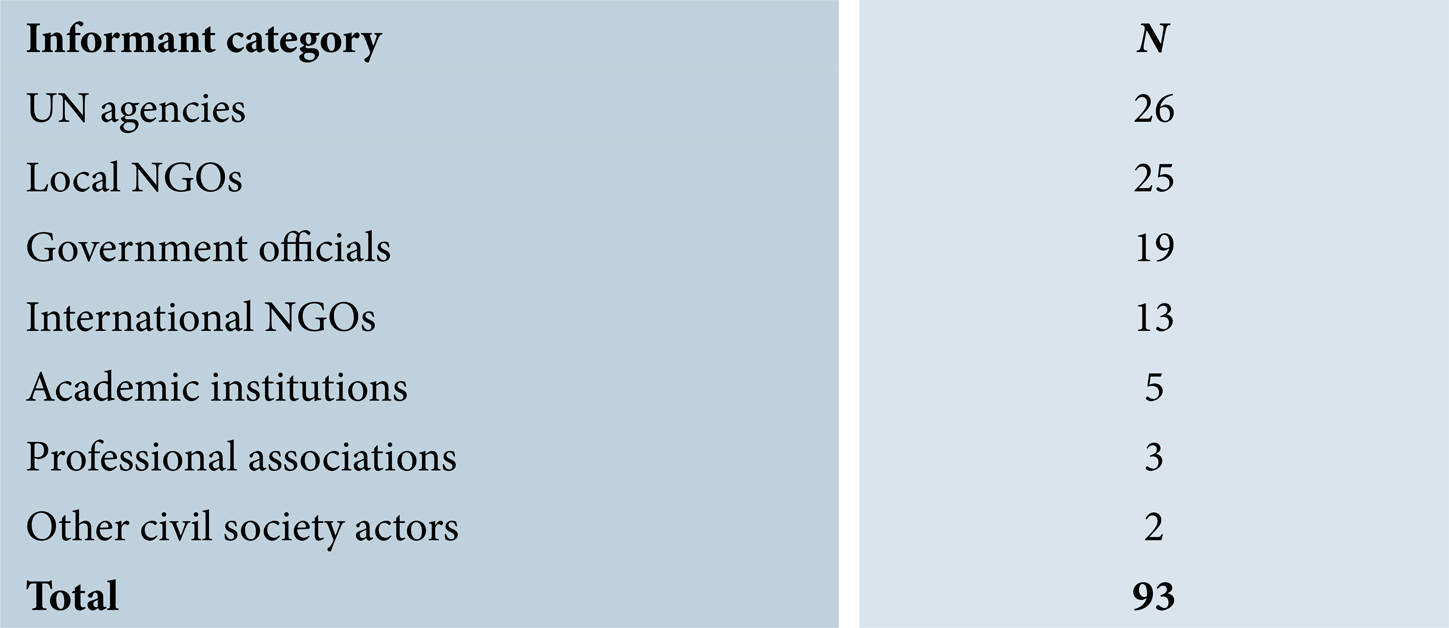


 Open access

