I. INTRODUCTION
Silk is usually associated with fibers from the larval cocoons of the silkworm Bombyx mori, which are used in a range of applications from clothing to medical sutures. Spider silks, however, have been recently rising in prominence. Unlike silkworm silk, spider silk has been evolutionally driven for mechanical performance in webs and is the toughest biological material known. Reference Shear, Palmer, Coddington and Bonamo1,Reference Gosline, Guerette, Ortlepp and Savage2 The combination of impressive mechanical performance, green chemistry, biodegradability, and ambient processing conditions Reference Vollrath and Knight3,Reference Rising4 makes spider silk a highly desirable material for applications ranging from biomaterials to high-performance industrial fibers. Despite its clear potential, it is extremely difficult to obtain silk from spiders, Reference Slotta, Mougin, Römer and Leimer5 and substantial research effort has been spent to produce spider-like silk at commercial scales by using biomimetic approaches. While we have not yet matched the properties of spider silk using scalable techniques, advances in our understanding of the structure and natural spinning of native silks, and improvements in protein expression, are driving the field closer to its goals. Reference Humenik, Smith and Scheibel6–Reference Tokareva, Michalczechen-Lacerda, Rech and Kaplan9
II. PROPERTIES OF SPIDER SILK
Spider silks possess a range of qualities that are rarely found simultaneously in one material. Toughness, extensibility, and strength are only a few of the desirable traits that make spider silk of so much interest as a potential commercial product. Silk is biodegradable and, unlike synthetic high-performance fibers such as Kevlar, it is extremely lightweight. Reference Widhe, Johansson, Hedhammar and Rising10–Reference Tarakanova and Buehler12 The mechanical performance of spider silk is retained over a large temperature range (−66 to 100 °C), exhibiting particularly interesting behavior at low temperatures. At the temperature of liquid nitrogen (−196 °C), silk has been shown to increase its strength by 64% relative to its strength at room temperature. Reference Yang, Chen, Shao, Zhou, Porter, Knight and Vollrath13,Reference Pogozelski, Becker, See and Kieffer14 A further advantage lies in its processing conditions and requirements. Whereas the production of Kevlar and other such synthetics comes at a high monetary and environmental cost, spiders spin recyclable fibers on demand, under ambient conditions using water as a solvent, at the energetic cost of an insect dinner. Reference Rising4,Reference Vollrath and Porter15
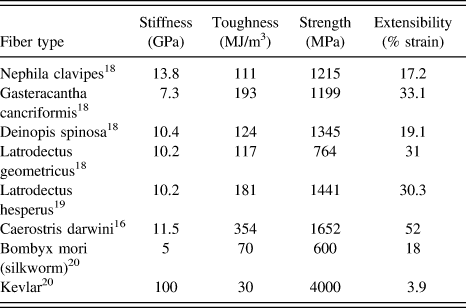
The most studied and best understood spider silks are the major ampullate silks from the Nephilidae family of orb weavers. These are considered to be the benchmark for synthetic silks in terms of structure and mechanical properties. Reference Vollrath and Knight3 In 2010, however, researchers described the toughest silk to date, from the Malagasy orb-weaver, Caerostris darwini (Darwin's bark spider). Reference Agnarsson, Kuntner and Blackledge16 At approximately 2 cm in length, Caerostris darwini is not an especially large spider, yet it is able to build webs across rivers. Reference Gregorič, Agnarsson, Blackledge and Kuntner17 In one observed case, the bridge line was 25 m across a lake, with capture areas up to 2.7 m2. Reference Gregorič, Agnarsson, Blackledge and Kuntner17 Agnarsson et al. Reference Agnarsson, Kuntner and Blackledge16 reported the forcibly pulled major ampullate (Ma) Caerostris darwini silk fibers to be twice as tough as silks from other species, and 10 times tougher than Kevlar (see Table I).
Comparison of typical mechanical properties of dragline silks from orb-weaving spiders with Kevlar and silkworm silk.

Similar to many biological materials, Reference Munch, Launey, Alsem, Saiz, Tomsia and Ritchie21 the outstanding performance of spider silks is the result of interactions between material building blocks over a range of hierarchical levels. Reference Brown, Harnagea, Gill, Price, Traversa, Licoccia and Rosei22–Reference Sponner, Vater, Monajembashi, Unger, Grosse and Weisshart24 Extreme Poisson's ratios (1.29 and −0.48 for axial and radial deformation of N. clavipes silk) recently reported for major ampullate silks Reference Koski, Akhenblit, McKiernan and Yarger25 reinforce the notion that spider silk should be viewed as a complex hierarchical structure rather than a continuum material.
The main functional characteristics of spider silk originate from interactions within and between two proteins: the highly ordered, hydrophobic Spidroin I (Sp1) and the less-ordered, hydrophilic Spidroin II (Sp2). Reference Xu and Lewis26,Reference Heim, Romer and Scheibel27 A range of order exists in the material, Reference Simmons, Michal and Jelinski28,Reference Bonev, Grieve, Herberstein, Kishore, Watts and Separovic29 predominantly in β-sheet, helical, and pseudoamorphous chain configurations Reference van Beek, Hess, Vollrath and Meier30 to form a complex, glassy polymer. The combination of these proteins can be simplified into ∼40% ordered domains (two hydrogen bonds per amide group), ∼15% permanently disordered domains (one hydrogen bond per amide group), and ∼45% intrinsically disordered domains which can potentially become ordered. Reference Vollrath and Porter31 The proline in MaSp2 is the best candidate for reversible disorder. It acts to disrupt secondary structure, twisting away from an ordered conformation, affecting the balance between entropic elasticity and bond-energy driven mechanisms of deformation and providing an important contribution to material properties at high humidity. Reference Liu, Sponner, Porter and Vollrath32–Reference Savage and Gosline34 The reversible disorder from the presence of proline has been linked with sacrificial bonding mechanisms and high toughness in the inner core of the native silk fiber. Reference Brown, MacLeod, Amenitsch, Cacho-Nerin, Gill, Price, Traversa, Licoccia and Rosei35 Through the manipulation of order, by modulating composition, environment or load history, Reference Savage and Gosline33,Reference Brown, MacLeod, Amenitsch, Cacho-Nerin, Gill, Price, Traversa, Licoccia and Rosei35,Reference Guan, Porter and Vollrath36 mechanical properties can therefore be tuned within a large performance envelope Reference Porter, Vollrath and Shao37 to target applications requiring specialized mechanical characteristics. Recent experimental work Reference Mortimer, Gordon, Holland, Siviour, Vollrath and Windmill38 examining the propagation of acoustic waves in spider silk reveals that it can be tuned to support the largest range of longitudinal wave speeds of any material tested to date, extending possible uses to stimuli-responsive smart materials.
Beyond, but relating to an order-based view of mechanics, the high toughness of spider silk results from cooperation between structures and effective “self-healing” mechanisms over a range of length scales during deformation. At the molecular level, simulations have revealed the importance of β-sheet dimensions and confinement to produce tough as well as strong crystals: β-strands with four or fewer hydrogen bonds are predominantly loaded in uniform shear, allowing cooperative rupture of bonds that can reform at adjacent sites to create a stick-slip mechanism. Reference Keten and Buehler23,Reference Keten and Buehler39–Reference Qin and Buehler42 Protein mechanics are further modulated by the selective binding of water to proteins, which provides a mechanism for energy dissipation, restructuring, and self-repair. Reference Brown, MacLeod, Amenitsch, Cacho-Nerin, Gill, Price, Traversa, Licoccia and Rosei35 The pseudoamorphous domains, particularly in Spidroin I, have been shown to restructure into β-sheets under applied loading, further acting to maintain the number of hydrogen bonds and provide energy dissipation over large deformations prior to the irreversible rupture of covalent bonds. Reference Keten and Buehler43 Combined molecular dynamics and finite element modeling at this level have allowed the decoupling of crystalline and pseudoamorphous domains to reveal viscous and friction effects that control bulk viscoelasticity. Reference Patil, Markert and Gräter44
Fibril-level morphology provides further performance enhancements. Confinement in thin fibrils (∅20–80 nm) forces homogeneous deformation and cooperation between β-sheets to maximize resistance to failure. Reference Giesa, Arslan, Pugno and Buehler45 The globular rather than cylindrical morphology of fibrils enhances stress sharing between fibrils and provides a stick-slip mechanism to provide local stress relief and energy dissipation to homogenize stress over the fiber, and resist the formation of fracture clusters. Reference Brown, Harnagea, Gill, Price, Traversa, Licoccia and Rosei22,Reference Cranford46
Recent mechanical models, e.g., Ref. Reference Xu, Gong, Yang and Liu47, have built on these discoveries, attempting to combine the effects of different hierarchical mechanisms to examine their interactions and contributions to the bulk mechanical behavior of the spider silk fiber. Although these hierarchical models require further development to encompass the sophistication of many of the toughening mechanisms, they have provided insight into species differences and the effects spinning conditions on mechanics. Such models (including coarse-graining approaches Reference Giesa, Arslan, Pugno and Buehler45 ) are likely to play an important role in synthetic material design, complementing molecular dynamics approaches. Reference Krishnaji, Bratzel, Kinahan, Kluge, Staii, Wong, Buehler and Kaplan48 The improved understanding of structure–function relationships over the last five years is likely to allow more rational and quantitative design to produce tunable, high-performance synthetic silks. Reference Tokareva, Jacobsen, Buehler, Wong and Kaplan8,Reference Wong, McDonald, Taylor-Pinney, Spivak, Kaplan and Buehler49
III. NATURAL SPIDER SILK PRODUCTION
Spider silks are produced in vivo through a combination of chemistry to produce a liquid crystalline “aquamelt” spinning dope Reference Holland, Vollrath, Ryan and Mykhaylyk50 and a series of predominantly mechanical steps to induce restructuring, alignment, and phase separation processes during spinning. Reference Vollrath and Knight3 Successful synthesis of a spider-like silk will require both the dope material and spinning mechanics to be reproduced. Reference Vollrath, Porter and Holland51
A. Genes and proteins
Despite maintained interest in spider silk proteins, particularly the major ampullate spidroins (MaSp1 and MaSp2), the full-length sequences of the genes encoding them have only recently become available. Sequence determination has been hampered by the sheer enormity of the proteins, which have estimated size ranges of 200–350 kDa, Reference Heidebrecht and Scheibel52 with large interspecies size variations due to their repetitive sequence motifs. Reference Ayoub, Garb, Kuelbs and Hayashi53,Reference Chinali, Vater, Rudakoff, Sponner, Unger, Grosse, Guehrs and Weisshart54 The large number of short repeat regions encompassed within the proteins and their genes represents a formidable challenge for sequencing, precluding standard polymerase chain reaction (PCR) and primer walking strategies, Reference Ayoub, Garb, Tinghitella, Collin and Hayashi55 and hampering bioinformatics contig assembly.
Sequencing of a genomic library of the black widow spider, Latrodectus hesperus (Theridiidae), revealed that the MaSp1 gene is composed of a single exon with 9390 bp encoding 3129 amino acids. Similarly, MaSp2 contained an 11,340 bp exon encoding 3779 amino acids. Reference Ayoub, Garb, Tinghitella, Collin and Hayashi55 Analysis of the wasp spider Argiope bruennichi Reference Zhang, Zhao, Sima, Lu, Xiang and Nakagaki56 confirmed that the sizes of MaSp1 and MaSp2 expressed mRNA are ∼9 and ∼10 kb, respectively. However, the recent publication of the full genome for the African social velvet spider, Stegodyphus mimosarum, reported 10 copies of the major ampullate spidroin genes, with heterogeneous repeats, exon–intron structures, and gene product sizes significantly less than 9–10 kb. Reference Sanggaard, Bechsgaard, Fang, Duan, Dyrlund, Gupta, Jiang, Cheng, Fan, Feng, Han, Huang, Wu, Liao, Settepani, Thogersen, Vanthournout, Wang, Zhu, Funch, Enghild, Schauser, Andersen, Villesen, Schierup, Bilde and Wang57 The detection of additional heterogeneity using next-generation deep sequencing is not surprising. The earlier studies relied on bacterial clone libraries, which may not contain every gene copy. However, the lack of consistency in detecting a single exon 9–10 kb gene product is unexpected and is likely to reveal new insights about the heterogeneity of spider evolution.
The highly ordered MaSp1 protein consists of polyalanine (poly-A) and GGX motif repeats and the less-ordered MaSp2 consists of poly-A and GPGXX motif repeats (where P is proline and X is any amino acid). The crystalline regions of spider silk consist of 90% alanine, whereas glycine accounts for 70% of the residues in the disordered regions. Reference Simmons, Michal and Jelinski28 Together, these repetitive regions and their distributions are largely responsible for mechanical performance as described above. Interestingly, the repetitive region of MaSp1 and MaSp2 proteins varies considerably between and within species, while the N- and C-terminal regions are highly conserved. Reference Tai, Hwang and Tso58
The high conservation of the nonrepeat regions among all spider species Reference Tai, Hwang and Tso58,Reference Beckwitt and Arcidiacono59 indicates that, while not directly responsible for material properties, they are likely to be of high importance for synthesis. The charge distribution of the N-terminal domain provides a module that allows the intrinsic pH gradient of spider silk glands to regulate silk formation. Reference Askarieh, Hedhammar, Nordling, Saenz, Casals, Rising, Johansson and Knight60 Salt concentration also affects the structure and stability of the N-terminal domain, providing a further mechanism to prevent premature fiber formation during storage. Reference Gronau, Qin and Buehler61 The structural state of the C-terminal domain is essential for controlled switching between the storage and assembly forms of silk proteins. Reference Hagn, Eisoldt, Hardy, Vendrely, Coles, Scheibel and Kessler62 This domain is indifferent to pH, Reference Askarieh, Hedhammar, Nordling, Saenz, Casals, Rising, Johansson and Knight60 and has a role in the alignment of secondary structural features formed by the repetitive regions of spider silk proteins, and affects silk formation by ordering the assembly of repetitive segments into fibers. Reference Hagn, Eisoldt, Hardy, Vendrely, Coles, Scheibel and Kessler62 These domains, and the environment that modulates them, are critical to synthesis and could be key to overcoming solubility problems in synthetic silk production.
Several groups have begun studying the greater environment of constituents involved in silk production within the gland, and the final entities embedded in the silk. For instance, proteomic analysis has identified more than 100 other proteins present in the silk, which may provide further insight into the material and its processing. Reference Sanggaard, Bechsgaard, Fang, Duan, Dyrlund, Gupta, Jiang, Cheng, Fan, Feng, Han, Huang, Wu, Liao, Settepani, Thogersen, Vanthournout, Wang, Zhu, Funch, Enghild, Schauser, Andersen, Villesen, Schierup, Bilde and Wang57 Additionally, the analysis of RNA transcripts within silk glands has indicated a host of potential proteins that may be involved in silk biogenesis. Reference Prosdocimi, Bittencourt, da Silva, Kirst, Motta and Rech63,Reference Clarke, Garb, Hayashi, Haney, Lancaster, Corbett and Ayoub64 In particular, Clarke et al. elegantly determined 647 silk-gland specific transcripts for Latrodectus hesperus (western black widow) by removing transcripts also found in other spider tissues (venom and cephalothorax). Transcripts can be broadly categorized according to function and ranked according to the number of transcripts associated with that category. Emerging major categories include translation and biogenesis, post-translational modifications, signal transduction, protein degradation, inhibition of protein degradation, and oxidation–reduction (among many others). Reference Prosdocimi, Bittencourt, da Silva, Kirst, Motta and Rech63,Reference Clarke, Garb, Hayashi, Haney, Lancaster, Corbett and Ayoub64 Additionally, a large number of transcripts remain unassigned. Reference Prosdocimi, Bittencourt, da Silva, Kirst, Motta and Rech63,Reference Clarke, Garb, Hayashi, Haney, Lancaster, Corbett and Ayoub64 At present, all transcriptome generation has been performed on mixtures of silk glands, giving a broad overview of “silkomics” rather than specific insights into the molecular constituents of individual glands. Further deep-sequencing, transcriptome, and proteomic studies for additional spider families and individual glands will help reveal the true nature and number of MaSp genes, gene transcripts, and proteins involved in natural spider silk production and may provide interesting insights that can be used to improve synthesis.
B. Spinning process
Spider silk is produced by silk glands housed within the abdomen. Depending upon the species, a spider may have up to seven different types of silk glands, many of which appear at least in duplicate, such as the major ampullate, minor ampullate, and flagelliform glands. Reference Foelix65 There are six tubuliform glands (also known as cylindriform or cylindrical glands) and many small aciniform glands that produce the silk used by female spiders to wrap and protect their eggs. The four aggregate glands produce an aqueous glue-like protein for coating prey-capture silk strands within the web. Reference Foelix65,Reference Lefèvre, Boudreault, Cloutier and Pézolet66
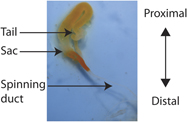
The major ampullate gland anatomy can be divided into three main sections: the tail, the sac, and the processing duct (Fig. 1). In the tail and proximal sac, the main silk proteins (Sp1 and Sp2) are secreted from tall columnar epithelial cells, forming spherical droplets, which are stored as a liquid crystalline dope, in the ampoule-like sac section. Reference Knight and Vollrath67 Within the sac, the conformation of the highly concentrated spidroins has been described as “molten globular”, very different to that observed in the processed fiber, Reference Hijirida, Do, Michal, Wong, Zax and Jelinski68 which is likely to aid flow and storage. Cells lining the distal sac are thought to secrete coat proteins, most likely glycoproteins, to modulate water interactions Reference Vollrath and Knight3 necessary for efficient spinning. Reference Holland, Vollrath, Ryan and Mykhaylyk50
The major ampullate gland. A silk gland dissected from a golden orb-weaving spider approximately 20 mm in body length showing the three anatomical regions.

During spinning, the liquid crystalline silk flows into the duct, which is responsible for the intense processing and ordering of proteins to transform the silk dope into the fibers that we recognize as spider silk. The major ampullate duct is folded three times in a gradually tapering structure, making it five times longer than would be necessary to simply attach the sac to the spinneret. The underlying mechanisms of restructuring and assembly within the duct are still being investigated, Reference Hijirida, Do, Michal, Wong, Zax and Jelinski68–Reference Vollrath, Hawkins, Porter, Holland and Boulet-Audet71 however, the processing of silk proteins is known to include a decrease in pH, ion exchange, dehydration, elongation, and alignment. Reference Hardy, Römer and Scheibel72–Reference Leclerc, Lefèvre, Gauthier, Gagné and Auger74 Vollrath and Knight Reference Vollrath and Knight3 suggest that the low, constant stresses in the long, hyperbolic duct, and the resultant formation of complex alignment patterns of molecules, suppresses the formation of defects during flow and restructuring in the early phases of spinning. Also critical is the internal drawdown within the third limb of the duct, Reference Vollrath and Knight3,Reference Vollrath and Knight73 at which point the proteins aggregate, align, and crystallize, with high stresses and increased acidity inducing phase separation to solidify the fiber.
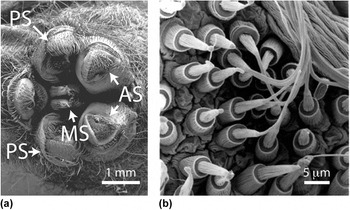
The duct attaches to one of three pairs of spinnerets, which can be seen on the ventral side of the abdomen, distal to the cephalothorax (Fig. 2). Here, a second drawdown occurs to form the final fiber. The spider has neuromuscular control over the width of individual spigots and therefore has control over the width of individual silk strands and the friction applied during the final spinning step. Reference Kovoor and Munoz-Cuevas75,Reference Garrido, Elices, Viney and Pérez-Rigueiro76
Spinnerets and spigots of an orb-weaving spider. Electron microscopy of the (a) anterior lateral (AS), posterior median (MS), and posterior lateral (PS) spinnerets (photo by Sue Lindsay © Australian Museum) and (b) individual spigots on the surface of the spinneret (Photo by © Tina M. Weatherby).

IV. SYNTHETIC SPIDER SILKS
Unlike silkworm silk, various challenges preclude spider silk from easily being harvested. Spiders cannot be kept in close proximity to each other due to their territorial and cannibalistic behavior and cannot therefore be effectively farmed. Harvesting natural silk would also be economically prohibitive due to difficulties in collecting the spun material. This was illustrated by the recent production of a single spider silk cape, Reference Griffith77 made from silk collected from the golden orb weaving spider Nephila madagascariensis. With each spider producing 40 m of silk, which was forcibly reeled, it took more than 100 people approximately three years to complete and approximately 1.2 million spiders to produce. For any commercial application, it is therefore critical to produce the material synthetically.
A. Making synthetic silk
Heterologous silk protein studies have been conducted using a range of organisms including bacteria, Reference Teulé, Cooper, Furin, Bittencourt, Rech, Brooks and Lewis78 tobacco plants, Reference Menassa, Zhu, Karatzas, Lazaris, Richman and Brandle79 yeast, Reference Fahnestock and Bedzyk80 silkworms, Reference Teulé, Miao, Sohn, Kim, Hull, Fraser, Lewis and Jarvis81 goats, Reference Steinkraus, Rothfuss, Jones, Dissen, Shefferly and Lewis82 and mammalian cells Reference Lazaris, Arcidiacono, Huang, Zhou, Duguay, Chretien, Welsh, Soares and Karatzas83 (for an in-depth review, see Refs. Reference Tokareva, Michalczechen-Lacerda, Rech and Kaplan9 and Reference Heidebrecht and Scheibel52). The field has advanced substantially in recent years, Reference Tokareva, Michalczechen-Lacerda, Rech and Kaplan9 yet the success of synthetic silk development has been highly variable with no study demonstrating a synthetic fiber that reaches the property and processing benchmarks set by natural spider silks. This could be due to a range of factors including but not confined to limitations on the size of the gene inserted into the organism, limitations on the expression system of the recombinant organism, and a limited understanding of, and ability to replicate, the spider's natural spinning process. Reference Vollrath and Knight3
In addition to the lack of gene sequence availability, synthetic expression of any protein of 200–350 kDa presents several technical challenges. Recombinant expression of large proteins traditionally bestows a productivity cost, such as longer production times and reduced yields, both of which are undesirable for commercial-scale manufacturing. Thus, most researchers have focused on expression of gene portions, particularly the characteristic repeat regions. Reference Menassa, Zhu, Karatzas, Lazaris, Richman and Brandle79,Reference Lazaris, Arcidiacono, Huang, Zhou, Duguay, Chretien, Welsh, Soares and Karatzas83,Reference Leclerc, Lefèvre, Pottier, Morency, Lapointe-Verreault, Gagné and Auger84 The effect of the N- and C-terminal conserved portions of the proteins in terms of synthetic silk properties has only been partially investigated.
B. Silk gene expression
Some degree of success has been achieved in all of the above-mentioned organisms, but differences in codon usage have caused inefficient translations, requiring synthetic codon-optimized constructs to be developed. Additionally, since the genes are guanine and cytosine-rich, depletion of the tRNA pools often occurs before obtaining adequate protein yields. Reference Heidebrecht and Scheibel52 High molecular weight expression, matching that of native silks, appears critical in obtaining high strength synthetic silk. This was demonstrated by Xia et al. Reference Xia, Qian, Ki, Park, Kaplan and Lee85 who produced a range of molecular weight silks in Escherichia coli (E. coli) and found a clear dependence of mechanical properties on molecular weight (see later). Reference Xia, Qian, Ki, Park, Kaplan and Lee85 Interestingly, bacteria with enriched tRNA populations express MaSp proteins with high efficiency, resulting in a reasonable yield for proteins up to native size (285 kDa). Reference Xia, Qian, Ki, Park, Kaplan and Lee85
E. coli has been the system of choice for recombinant production of spider silk dope, however, low protein yields and poor solubility are hallmarks of E. coli expression. Reference Fahnestock, Yao and Bedzyk86 Additionally, unwanted recombination events can lead to shortening of the repetitive genes. Reference Heidebrecht and Scheibel52 One method to improve protein yield and purity is to secrete the protein into the extracellular media, which bypasses the intrinsic production limit of the total amount of protein that can accumulate within a cell. With Gram-negative organisms, such as E. coli, secretion requires crossing of the inner and outer cell membrane, which is a difficult process. Expression in a Gram-positive organism, Salmonella typhimurium (SPI-1 T3SS), has been attempted, where secretion is aided by needle-like structures that cross the membranes. Reference Widmaier, Tullman‐Ercek, Mirsky, Hill, Govindarajan, Minshull and Voigt87,Reference Widmaier and Voigt88 However, the degree of secretion was dependent on the length of the recombinant silk protein Reference Widmaier, Tullman‐Ercek, Mirsky, Hill, Govindarajan, Minshull and Voigt87,Reference Widmaier and Voigt88 and thus is not likely to be suitable for native size protein expression. Secretion is more likely to be successful using yeast or baculovirus expression systems, which have previously been demonstrated to process high molecular weight proteins. Reference Heidebrecht and Scheibel52,Reference Goncalves, Pedro, Maia, Sousa, Queiroz and Passarinha89 Both baculovirus and yeast have been used to express silk constructs, but none have yielded similar strengths to that reported for E. coli above. In each of these systems, however, only smaller constructs were analyzed.
Other hosts such as plants Reference Hauptmann, Weichert, Rakhimova and Conrad90 and mammalian cells Reference Lazaris, Arcidiacono, Huang, Zhou, Duguay, Chretien, Welsh, Soares and Karatzas83,Reference Grip, Rising, Nimmervoll, Storckenfeldt, Mcqueen-Mason, Pouchkina-Stantcheva, Vollrath, Engström and Fernandez-Arias91 have also been demonstrated with silk constructs, yet these methods are also plagued with low expression levels and limitations in molecular weight. Reference Heidebrecht and Scheibel52 Recent work using transgenic expression of ELPylated spider silk proteins in tobacco, however, appears to have overcome the problem of low molecular weight expression. Reference Weichert, Hauptmann, Menzel, Schallau, Gunkel, Hertel, Pietzsch, Spohn and Conrad92 After purifying the fusion proteins by inverse transition cycling and crosslinking with transglutaminase, high molecular weight protein films could be produced.
Reports on transgenic animals such as mice Reference Xu, Fan, Yu, Huang, Zhao, Lian, Dai, Wang, Liu, Fei and Li93 or goats Reference Elices, Guinea, Plaza, Karatzas, Riekel, Agulló-Rueda, Daza and Pérez-Rigueiro94 to produce silk offer an intriguing future for silk farming. The production of transgenic animals is an extremely complex and time-consuming process, and hence this system would not be useful for general expression studies to probe structure–function relationships. However, for final-product manufacture, they may offer advantages since high molecular weight proteins can be obtained with high protein yield, if the separation of silk from milk caseins can be industrially performed. Reference Heidebrecht and Scheibel52 While these methods have been reported for silk production, the resulting materials have not replicated the properties of natural spider silks. Beyond mammalian expression, the use of transgenic silk worms Reference Teulé, Miao, Sohn, Kim, Hull, Fraser, Lewis and Jarvis81,Reference Zhang, Hu, Miao, Zhao, Zhao, Wu, Liang, Miikura, Shiomi, Kajiura and Nakagaki95 is particularly interesting and would enable direct spinning of high molecular weight fibers (see below).
C. Biomimetic spinning strategies
Despite the very strong progress in protein expression to create a potentially viable spinning dope, little progress has been reported in the physical reproduction of the natural spinning process. For applications such as coatings, optics, non load-bearing scaffolds, wound dressing, and drug delivery systems, current spinning and deposition technology produces useful materials. Reference Schacht and Scheibel96,Reference Domachuk, Tsioris, Omenetto and Kaplan97 The quest to recreate the spinning conditions that would allow us to match, or even exceed, the properties of native spider silks remains in its infancy and is largely in the domain of intellectual property rather than the scientific literature. Reference Daniel and Thomas98,Reference Knight and Pinnock99
A promising approach to fiber synthesis is emerging from the field of microfluidics, Reference Kinahan, Filippidi, Köster, Hu, Evans, Pfohl, Kaplan and Wong100 which provides a tunable fabrication process that allows for customizable fiber formation. Recently, microfluidic strategies have been used to explore biomimetic spinning on microchips. Simplifying the geometry of a silkworm spinning duct to an exponential function, researchers produced artificial silks tougher than degummed silk using a dry spinning method. Reference Luo, Zhang, Peng, Sun, Zhang, Shao and Hu101 Mimicry of the more extended, hyperbolic-to-linear Reference Davies, Knight and Vollrath102 geometry of the spider spinning duct has not yet been attempted, but is likely to provide further advances in performance. Microfluidic devices have also been created to allow the laminar flow of a mobile phase in parallel with the spidroin solution. Reference Renberg, Andersson-Svahn and Hedhammar103 When a water-insoluble liquid, such as oil, is chosen as a mobile phase, the spidroin self-assembly takes place at the created interface, which moves with the flow. The amphiphilic spidroins accumulate at the interface, imitating water removal from the formed fiber. Although this work is preliminary in nature, these advances also provide a platform to explore the spinning process, allowing further understanding and optimization. Krishnaji et al., Reference Krishnaji, Bratzel, Kinahan, Kluge, Staii, Wong, Buehler and Kaplan48 for example, have used a range of experimental and computational approaches to understand the relationship between structure and function in recombinant silk-like block copolymers that were spun with a tunable microfluidic approach, Reference Kinahan, Filippidi, Köster, Hu, Evans, Pfohl, Kaplan and Wong100 yet did not report the effects of spinning conditions. A combined investigation of processing, design, structure, and function will substantially advance the field.
Focusing on the extrusion of the silk protein solution will be key for the next generation of engineered fibers, as it could be that the properties of the end product are more sensitive to the processing and extrusion of the dope solution compared to the protein sequence. Insensitivity of mechanical properties to protein sequence has previously been observed in bioinspired silks. Reference Elices, Guinea, Plaza, Karatzas, Riekel, Agulló-Rueda, Daza and Pérez-Rigueiro94 Innovations will require a better understanding of in vivo dope synthesis, rheology, Reference Holland, Terry, Porter and Vollrath104,Reference Chen, Knight and Vollrath105 and chemistry Reference Vollrath, Knight and Hu106 to optimize hierarchical structuring of the fibers.
D. Overcoming the mechanical performance deficit
A variety of approaches to optimize mechanical performance of synthetic silks are being explored. One challenge lies in both defining and synthesizing a “true” synthetic spider silk, as opposed to a generic silk-like material or simply a protein-based polymer, since all three classes of materials can have important structural (and functional) similarities. Reference Heim, Romer and Scheibel27 The distinction is the subject of quite some philosophical scrutiny. Reference Vollrath, Porter and Holland51 Here we discuss primarily biosynthetic recombinant spider silks, which are produced by suitable hosts and then purified and processed into fibers via extrusion of a dope solution, Reference Teulé, Cooper, Furin, Bittencourt, Rech, Brooks and Lewis78 and regenerated natural silks, in which natural silk proteins are extracted, chemically treated, and extruded. Reference Hardy, Römer and Scheibel72
Fibers formed from regenerated natural silks have generally exhibited mechanical performance that compares unfavorably with natural spider silk, regardless of whether the regenerated silk was formed from aqueous solution Reference Shao, Vollrath, Yang and Thøgersen107 or from organic solvents. Reference Seidel, Liivak, Calve, Adaska, Ji, Yang, Grubb, Zax and Jelinski108 Similar performance has been reported for recombinant silk. Producing silk from mammalian cells, Lazaris et al. Reference Lazaris, Arcidiacono, Huang, Zhou, Duguay, Chretien, Welsh, Soares and Karatzas83 detailed the complexity and subtlety of the extrusion process and described the dependence of the fiber diameter, the birefringence (an indicator of crystal ordering within the fiber), and the silks' mechanical properties on processing parameters. Sensitivity to processing has also been noted in regenerated natural spider silk proteins, Reference Seidel, Liivak, Calve, Adaska, Ji, Yang, Grubb, Zax and Jelinski108 though clear guidelines and mechanical optimization strategies have not been reported.
Molecular weight appears to be strongly linked to mechanical properties: the best mechanical performance has been observed in silks expressed with large proteins. The previously discussed innovations in metabolic engineering of E. coli have allowed for the expression of spider silk proteins with controlled molecular weight from ∼55 to ∼285 kDa; the upper value is in the range of natural spider silk proteins. Reference Xia, Qian, Ki, Park, Kaplan and Lee85 The highest molecular weight silks from this study exhibited breaking strain and tenacity comparable to natural N. clavipes dragline silk, and a Young's modulus that exceeded that of the natural product (21 ± 4 GPa compared to 11–14 GPa, respectively).
Currently, the most promising method for synthesizing silk fibers with high molecular weight proteins is to use a host that is inherently capable of secreting large proteins, such as B. mori. Reference Inoue, Tanaka, Arisaka, Kimura, Ohtomo and Mizuno109 The early results in this area are encouraging: hybrid recombinant silks incorporating spider silk sequences produced by B. mori could be expressed with reasonable yields. Reference Teulé, Miao, Sohn, Kim, Hull, Fraser, Lewis and Jarvis81 Fibers were found to be as tough as dragline spider silk, but exhibited a strength intermediate between B. mori and dragline spider silk. Reference Teulé, Miao, Sohn, Kim, Hull, Fraser, Lewis and Jarvis81 B. mori, as a silk spinning insect, is therefore an ideal test bed to optimize sequences for commercial applications and to delineate the roles of protein sequence and processing in the properties of synthetic fibers to allow quantitative comparisons between research groups. The very different flow characteristics of spider and silkworm silk production, Reference Breslauer, Lee and Muller110 however, suggest that this approach may be limited with respect to creating fully biomimetic spider silks.
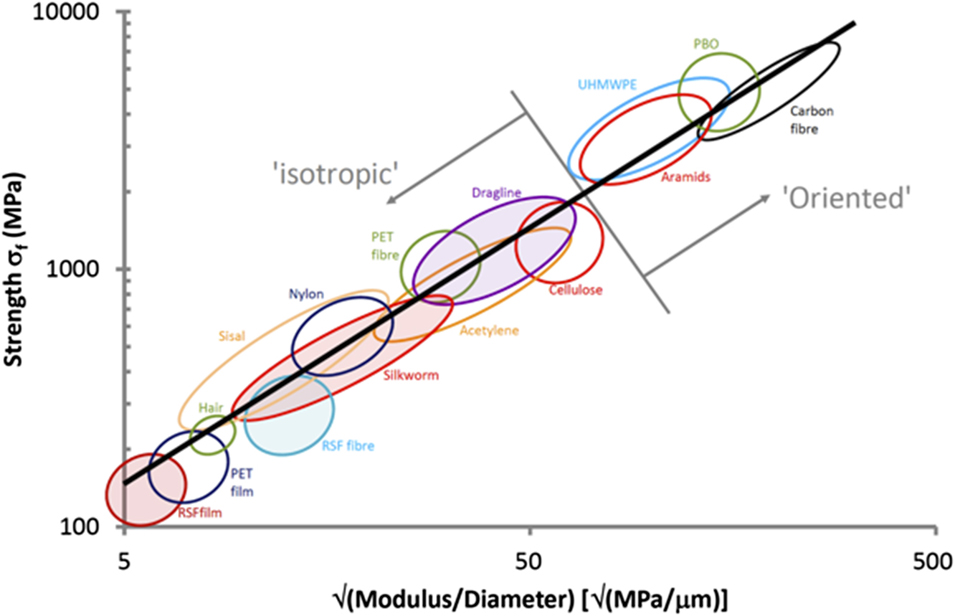
A recent paper by Porter et al. suggests that some of the material properties of spider silk may simply be inherent to its small fiber diameter (<5 μm). Reference Porter, Guan and Vollrath111 In this work, a meta-analysis was used to generate a universal curve for polymer fiber strength, showing that in a Griffth-like analysis, Reference Griffith77 a variety of polymer materials show similar fracture strength behavior that depends on fiber diameter (Fig. 3). Reference Porter, Guan and Vollrath111 Diameter-dependence of mechanical properties had previously been demonstrated for fibers formed from another protein-based material, the recombinant Drosophila melanogaster transcription factor Ultrabithorax, Reference Huang, Lu, Majithia, Shah, Meissner, Matthews, Bondos and Lou112 as well as for other materials like glass, Reference Griffith77 polyethylene, Reference Smook, Hamersma and Pennings113,Reference Amornsakchai, Cansfield, Jawad, Pollard and Ward114 polydiacetylene, Reference Wagner115 and other polymers Reference Wagner116 and composites. Reference Chae, Choi, Minus and Kumar117–Reference Young, Blighe, Vilatela, Windle, Kinloch, Deng, Young and Coleman119 Simulations using a coarse-grained mesoscopic computational model for spider silk fibers revealed similar behavior, showing that failure stresses and strains increased with decreasing fiber diameter, finally reaching the limit of a defect-free fiber at a diameter of 50 ± 30 nm. Reference Giesa, Arslan, Pugno and Buehler45 Porter et al. note that toughness is dependent on the internal structure of spider silk, in particular its hydrogen bonds, which are critical for its high cohesive energy density. Reference Porter, Guan and Vollrath111 Thus we arrive at a recipe of sorts for engineered silks: minimize diameter while increasing the availability of structural interactions in the dope for optimized strength and toughness. This work also draws attention to the importance of carefully reporting all physical data, especially fiber diameter, for fibers subjected to mechanical testing.
Curve showing that the generalized fracture strength behavior of polymer fiber materials depends on the fiber diameter. A partial derivation of the relationship and references for the plotted values can be found in Ref. Reference Porter, Guan and Vollrath111. Figure is reproduced with permission from Wiley. Reference Porter, Guan and Vollrath111

V. APPLICATIONS AND POTENTIAL OF SYNTHETIC SPIDER-LIKE SILKS
Natural silk fibers have long been used in medical applications, in particular as sutures, Reference Mackenzie120 exploiting their strength as well as their short-term biocompatibility. Several studies have examined the biocompatibility of spider silk and found it either does not provoke an immune response, or will only elicit a very minor immune response. Reference Gellynck, Verdonk, Forsyth, Almqvist, Van Nimmen, Gheysens, Mertens, Van Langenhove, Kiekens and Verbruggen121,Reference Vollrath122 Inflammatory reactions to natural silks in medical studies have been associated with the presence of the glue-like protein sericin on the sheath of the fibers and are greatly reduced in fibers where the sericin has been stripped. Reference Altman, Diaz, Jakuba, Calabro, Horan, Chen, Lu, Richmond and Kaplan123 Processed silks avoid the sericin problem and have been demonstrated to be biocompatible both in vivo and in vitro, Reference Meinel, Hofmann, Karageorgiou, Kirker-Head, McCool, Gronowicz, Zichner, Langer, Vunjak-Novakovic and Kaplan124 although some outstanding questions remain about their long-term biocompatibility, especially during breakdown of the polymers.
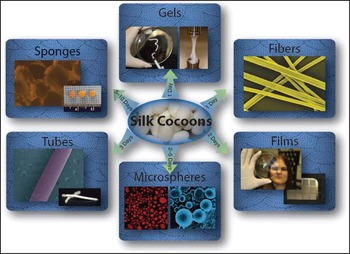
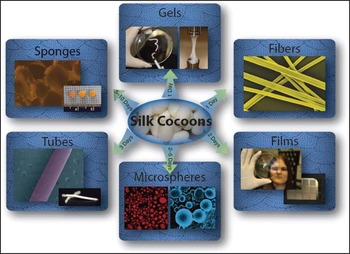
Engineered silks, through their diversity of shape and structures, have found employment in a wide range of applications that extend well beyond suturing. Much of this work has been done using silk proteins obtained from B. mori (silkworms) rather than from spiders, for pragmatic reasons related to the ease of producing large quantities of the silk. We expect the same applications to be available to spider-like silks. B. mori silk-derived protein (fibroin) has been incorporated into a range of composite materials, including polymer/silk composites and inorganic/silk composites that exhibit a variety of useful properties. Reference Hardy and Scheibel125 Regenerated fibroin has been used in a wealth of applications due to its ease of processing into a variety of shapes (Fig. 4), Reference Rockwood, Preda, Yücel, Wang, Lovett and Kaplan126 meeting with particular success as biomaterial scaffoldings, Reference Jin, Chen, Karageorgiou, Altman and Kaplan127,Reference Nazarov, Jin and Kaplan128 and as a carrier for targeted drug delivery, Reference Hofmann, Wong Po Foo, Rossetti, Textor, Vunjak-Novakovic, Kaplan, Merkle and Meinel129 where biodegradation in vivo is a required trait for the delivery microcapsules. Silk proteins have also been investigated as antimicrobial peptide carriers with a view for the development of a controlled-release drug delivery system. Reference Hermanson, Huemmerich, Scheibel and Bausch130,Reference Gomes, Leonor, Mano, Reis and Kaplan131
Time for processing extracted silk fibroin solution into various structural motifs. Figure reproduced with permission from Nature Publishing Group. Reference Rockwood, Preda, Yücel, Wang, Lovett and Kaplan126
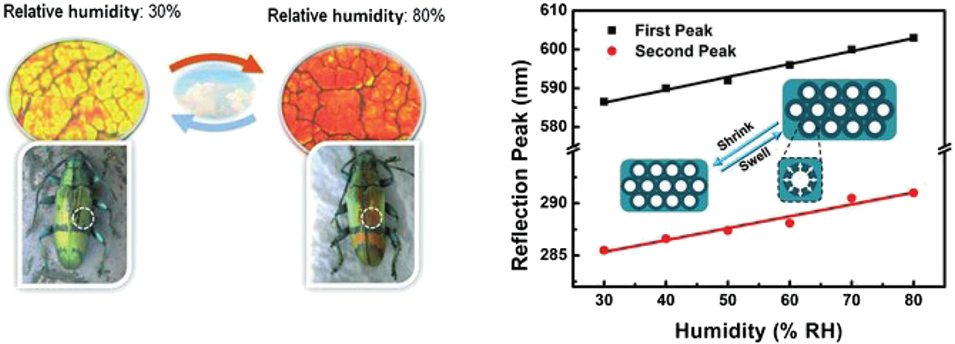
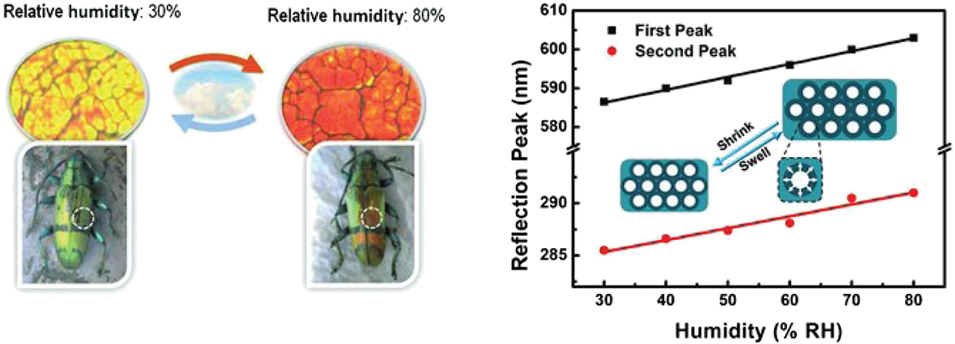
Silk fibroin has also formed the basis for a number of forward-thinking applications in sensing. A proof-of-principle demonstration showed that fibroin can form the foundation for implantable electronics, creating the type of biotic/abiotic interface necessary for long-term, active medical devices and sensors. Reference Kim, Viventi, Amsden, Xiao, Vigeland, Kim, Blanco, Panilaitis, Frechette and Contreras132 Fibroin has also been used in a number of optical applications, which we briefly describe here. When formed into photonic crystals with an inverse opal structure, fibroin films take on an optical property known as structural color; this same phenomenon is the origin of the brilliant reflected coloration, for example, of some insects and beetles. Reference Kim, Viventi, Amsden, Xiao, Vigeland, Kim, Blanco, Panilaitis, Frechette and Contreras132 The structural color of the inverse opals is measurable even when the films are implanted below 5 mm of biological tissue, making these films excellent candidates for implantable sensing applications. Reference Kim, Mitropoulos, Spitzberg, Tao, Kaplan and Omenetto133,Reference MacLeod and Rosei134 Furthermore, when the inverse opals are doped with gold nanoparticles, the optical properties of the film enhance laser-induced heating of the nanoparticles, demonstrating their potential for targeted laser-heating therapy. Fibroin inverse opals can be used as optical humidity sensors, as the humidity-induced structural changes of the protein structure translates to a change in the optical properties of the photonic crystal (Fig. 5). Reference Diao, Liu, Toh, Shi and Zi135 Photonic properties can also be engineered into fibroin films by patterning them as gratings, Reference Lawrence, Cronin-Golomb, Georgakoudi, Kaplan and Omenetto136 which then exhibit a specific spectral response that can be modified by submerging them in fluid, Reference Amsden, Perry, Boriskina, Gopinath, Kaplan, Dal Negro and Omenetto137 or, in the case of functionalized gratings, by exposing to targeted gases. Reference Amsden, Domachuk, Gopinath, White, Negro, Kaplan and Omenetto138
Biomimetic structural color as a humidity sensor. Similar to certain beetles (left), fibroin inverse opals exhibit humidity-dependent optical properties (right). Figure reproduced with permission from Wiley. Reference Diao, Liu, Toh, Shi and Zi135
VI. CONCLUSIONS AND OUTLOOK
The development of new materials enables expansion of creativity by designers, engineers, architects, and scientists. The interest in spider silk goes far beyond its strength and toughness as rarely does a single fiber possess so many intriguing and diverse qualities. The remarkable results generated in recent years demonstrated just how relevant this ancient material can be to modern materials science. Spider silk expression studies have made major advances: the successful expression of native-size proteins in synthetic constructs has vastly improved the performance of final materials. There remains room for improvement in expression systems to readily express the protein for purification, with suitable conformation and at a sufficiently high concentration for efficient spinning, yet it appears that spinning technology is a major and under-explored obstacle to synthesizing a truly biomimetic material.
In addition to advances in synthesis, the route to controlling and fully emulating the structure and function of biological spider silks will require further improvements in our fundamental understanding of the material. As structure–function relationships are established, new areas of potential application can be explored. One example is the conflicting recent works suggesting that N. clavipes dragline silk may Reference Huang, Liu and Wang139 or may not Reference Fuente, Mendioroz and Salazar140 possess a remarkably high thermal conductivity, on par with copper. Atomistic simulations suggest that, in particular, the β-sheets have an unexpectedly high thermal conductivity related to their inter-strand hydrogen bonding. Reference Zhang, Chen, Ban and Liu141 Fully understanding, and emulating, these attributes remains an ongoing pursuit, as research continues to reveal the novel, potentially useful, properties of natural silks beyond their well-known mechanical performance. Reference Tulachan, Meena, Rai, Mallick, Kusurkar, Teotia, Sethy, Bhargava, Bhattacharya, Kumar, Sharma, Sinha, Singh and Das142
In the quest of a spider-like silk fiber, it is important to note that reproducing the precise mechanical properties of native spider silk may not necessarily be useful. First, spider silk has evolved as a single-use material, which is perhaps its greatest weakness as a commercial fiber. Reference Brown, Rosei, Traversa and Licoccia143 Used as a load bearing material, spider silk would be expected to withstand months to years of repeated stresses. It would therefore need to operate in its elastic region (below 2% strain), where its high strength and toughness cannot manifest. Although some post-yield deformation can be recovered by immersion in water for up to 30 min, Reference Brown, MacLeod, Amenitsch, Cacho-Nerin, Gill, Price, Traversa, Licoccia and Rosei35 which may be useful under extreme, intermittent conditions, the post-yield characteristics are of little value in normal function. Second, the structural interactions with water that provide spider silk with its unique properties under ambient conditions will shrink and weaken a wet fiber. This phenomenon, known as supercontraction, Reference Work144,Reference Liu, Shao and Vollrath145 acts to maintain web tension in natural silks and can be harnessed as an attribute in some applications. Reference Diao, Liu, Toh, Shi and Zi135 The severely degraded mechanical properties of a wet fiber, however, may further limit applications in biomedicine and other potentially humid environments. By tuning structure to suit the physical and environmental demands of an application, it is likely that for real-world applications, synthetic silks will out-perform their natural counterparts even without matching the benchmark set by their stress–strain characteristics in the laboratory. In the authors' opinion, the requirements of an application, rather than the reproduction of an idealized laboratory-based test, should be the benchmark and main aim of spider-like silk synthesis.
Spider silks possess a veritable cornucopia of useful properties, which provide opportunities for application-targeted engineered materials while at the same time exhibiting a rich phenomenology. The outlook for these tailored engineered biomaterials is very good: recent progress shows that in general, selected aspects of spider silk can be mimicked with a reasonable amount of success, and that engineered silks can respond admirably to the materials demands of specific applications.
ACKNOWLEDGMENTS
This work was supported by Arthritis Research UK (C.P.B), the University of the Sunshine Coast, Australia (C.P.B. and J.M.), and the Natural Sciences and Engineering Research Council of Canada (F.R.). C.P.B. is grateful to Arthritis Research UK for salary support. F.R. is grateful to the Canada Research Chairs program for partial salary support, thanks the Alexander von Humboldt Foundation for a F.W. Bessel Award, and acknowledges NSERC for an EWR Steacie Memorial Fellowship.