INTRODUCTION
Dr Ann Bishop, first President of the British Society for Parasitology, told me how her pride on being appointed a Research Fellow at Girton College, Cambridge, was punctured somewhat when a senior arts Fellow, over dinner, asked her what was her subject of study. When she confessed that it was “Parasitology,” the elderly lady's rejoinder was “Oh, my dear, that is not a very nice subject!”
A similar response must have been encountered by many budding parasitologists on disclosing their allegiance. The thoughts that underlie such a reaction may vary. The most obvious reason for distaste among non-biologists lies in the dictionary definition of a parasite as ‘a person who habitually takes advantage of the generosity of others without making any useful return.’ Metaphorically, parasites are scroungers and therefore morally despicable and perhaps, by inference, so are those who study them!
Some professional biologists, however, have found parasites distasteful. Even Charles Darwin (Reference Darwin1859) found them a puzzle as they appeared to contradict God's supposed benevolent design. He thought it “derogatory that the Creator of countless systems of worlds should have created each of the myriads of creeping parasites.” His ardent followers were equally non-plussed to explain parasite existence, in evolutionary terms. In this centenary retrospect over parasitology, I argue that it was, for long, inability to fit the parasitic life-style into the Darwinian picture of evolution that left the subject out on a limb until the second half of the century.
I became more acutely aware of the image of parasitology and parasitologists among biologists when, in mid-century, I decided to embark on a career in the subject myself, so what follows is in large measure a personal experience.
ARE PARASITES EVOLUTIONARY DEGENERATES?
“If one judges the adapted forms of the parasites according to the amounts of retrogressed information, one finds a loss of information that coincides with and completely confirms the low estimation we have of them and how we feel about them.”
Konrad Lorenz, Nobel Laureate 1973Though advertising himself as a staunch Darwinian, the eminent zoologist Sir E. Ray Lankester (1880), found a dire moral warning for mankind in the evolution of parasites. “Let the parasitic life once be secured and away go legs, jaws, eyes, and ears,' he wrote, “just as an active healthy man sometimes degenerates when he becomes suddenly possessed of a fortune; or as Rome degenerated when possessed of the riches of the ancient world,” Lankester's supreme example of such degeneration was the aberrant barnacle Sacculina carcini that starts life as a typical nauplius larva which later invades a crab. Once inside its host, Sacculina discards segmentation, legs, tail, and mouth to become a mere sac absorbing nutrients from its host through an extensive system of rootlets which spread throughout the crab's body to absorb food simply to allow the production of eggs which, on hatching, will start the life cycle again. Extrapolating to the history of civilization, Lankester fretted “Possibly we are all drifting, tending to the condition of intellectual Barnacles.” He thought Victorian Europeans were pale imitations of the glorious ancient Greeks.
Lankester's metaphor amazingly survived well into the 20th century, even into its second half. Thus, the eminent helminthologist Horace Stunkard (Reference Stunkard1955) persuaded the journal Science to publish sentiments echoing those of Lankester under the title of “Freedom, bondage, and the Welfare State.” The contempt for parasites shown by Konrad Lorenz (Reference Lorenz1973) (quoted above) again follows Lankester's belief that parasites have committed an evolutionary sin by shedding their predecessors' accomplishments. Non-parasitic organisms were believed to strive ever upwards, leading to higher complexity, and so conform to the rule of “progress” implied by Darwin (Reference Darwin1871) in The Descent of Man. The concept of progress (unceasing improvement) in evolution, however, is now widely regarded as a profound philosophical mistake, as elegantly argued by Ruse (Reference Ruse2003). It is the concept of progress that is out of place in the concept of Natural Selection, not the parasites.
Jumping forward to our present century, how appalled Lorenz would have been by recent demonstrations of extreme genome reduction and compaction in parasites. Champions in this respect are the obligately parasitic Microsporidia. Once regarded as primitive anaerobic protozoa, they are now known from phylogenetic studies to be immensely modified fungi, and appear to retain only those genes required for minimal eukaryotic organization and reproduction (reviewed by Vivares and Méténier, Reference Vivares and Méténier2000). The science journalist Carl Zimmer (Reference Zimmer2001), to whom I am indebted for his witty demolition of Lankester's degeneration obsession as related above, has remarked quite justifiably “The genomes of parasites are not the dustbins of history but the jewels of evolution.”
ARE PARASITES A TURN-OFF?
Antagonism to parasitology among biologists appears to have multiple origins. As a student of zoology at University College London (UCL) in the early 1950s I was drawn to parasitology – especially by the excellent Wellcome Museum of Tropical Medicine next door. My fellow students had no sympathy for my addiction. They were put off parasitology, they said, by all those complicated life cycles that they found impossible to remember. I could only answer that these life cycles would be easier to remember if we understood the adaptive significance of the changes taking place during the life cycle in terms of survival value to the parasite: it was the parasite's ability to survive harsh changes of environment, and how it did it that, that intrigued me. But a more serious criticism of parasitology emerged when I came to discuss my future with my final year tutor, Professor P. B. Medawar, a latter-day successor to Lankester in the Chair of Zoology at UCL.
MEDAWAR'S CRITICISMS OF PARASITOLOGY AS CAREER AND DISCIPLINE
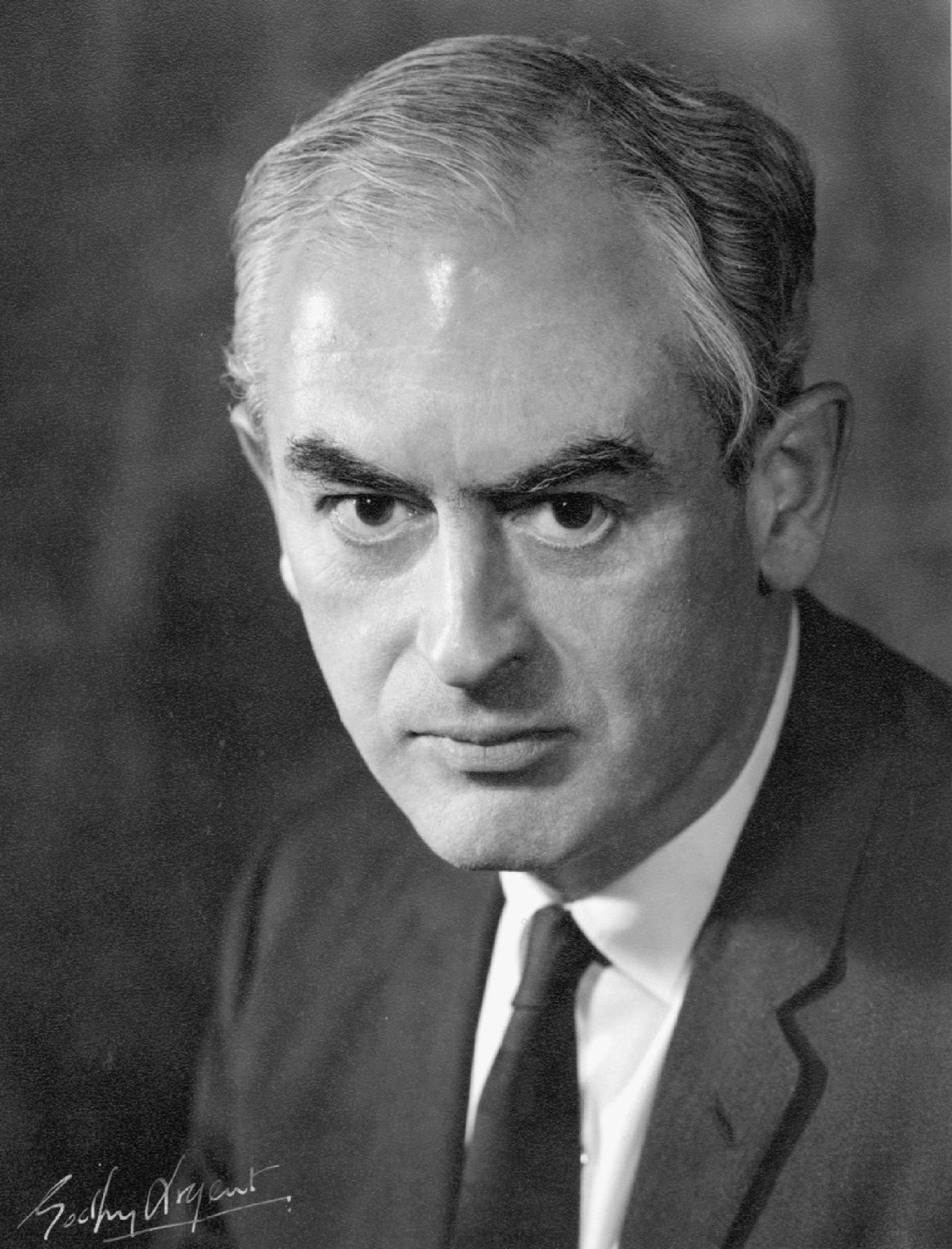
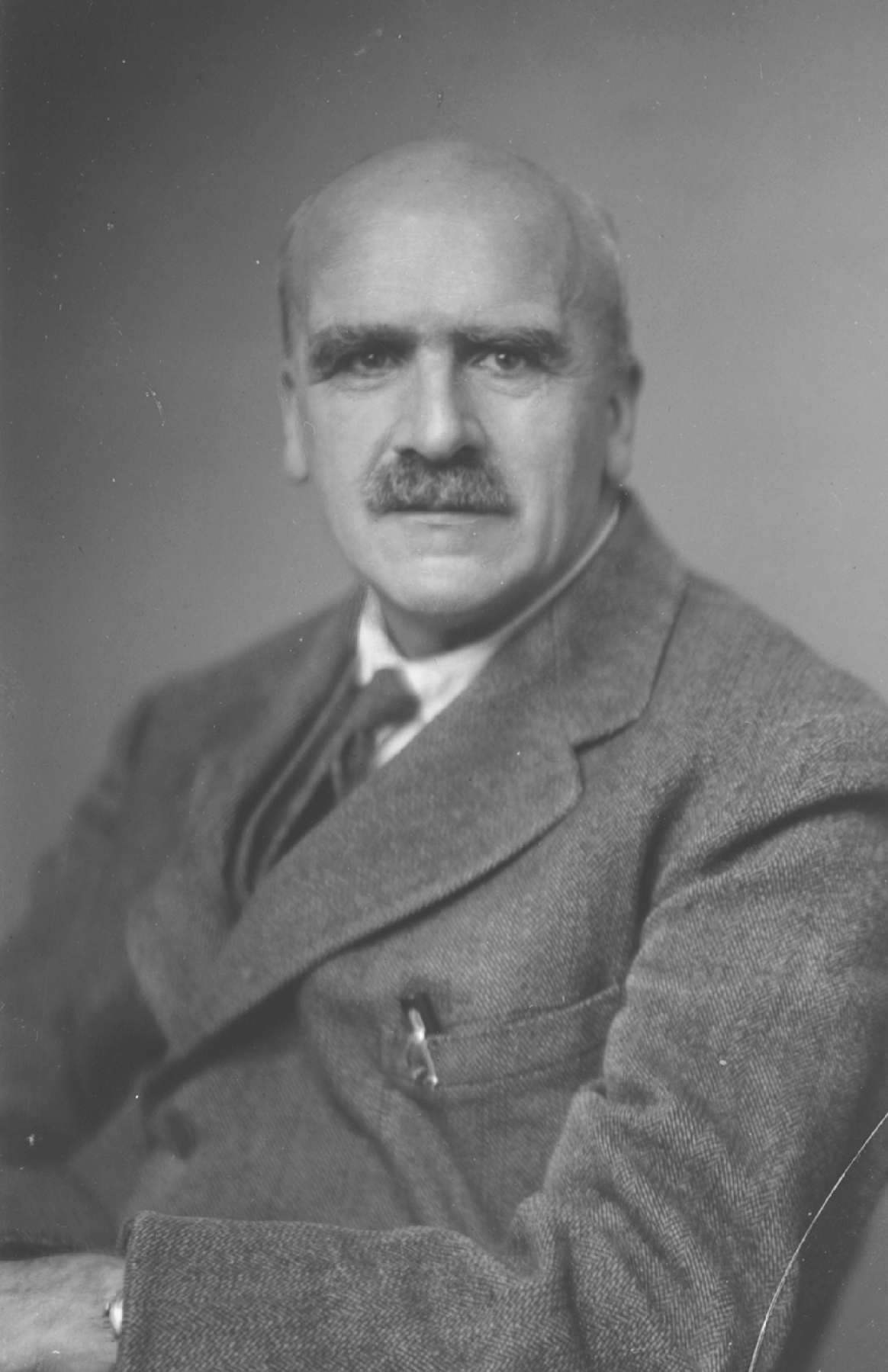
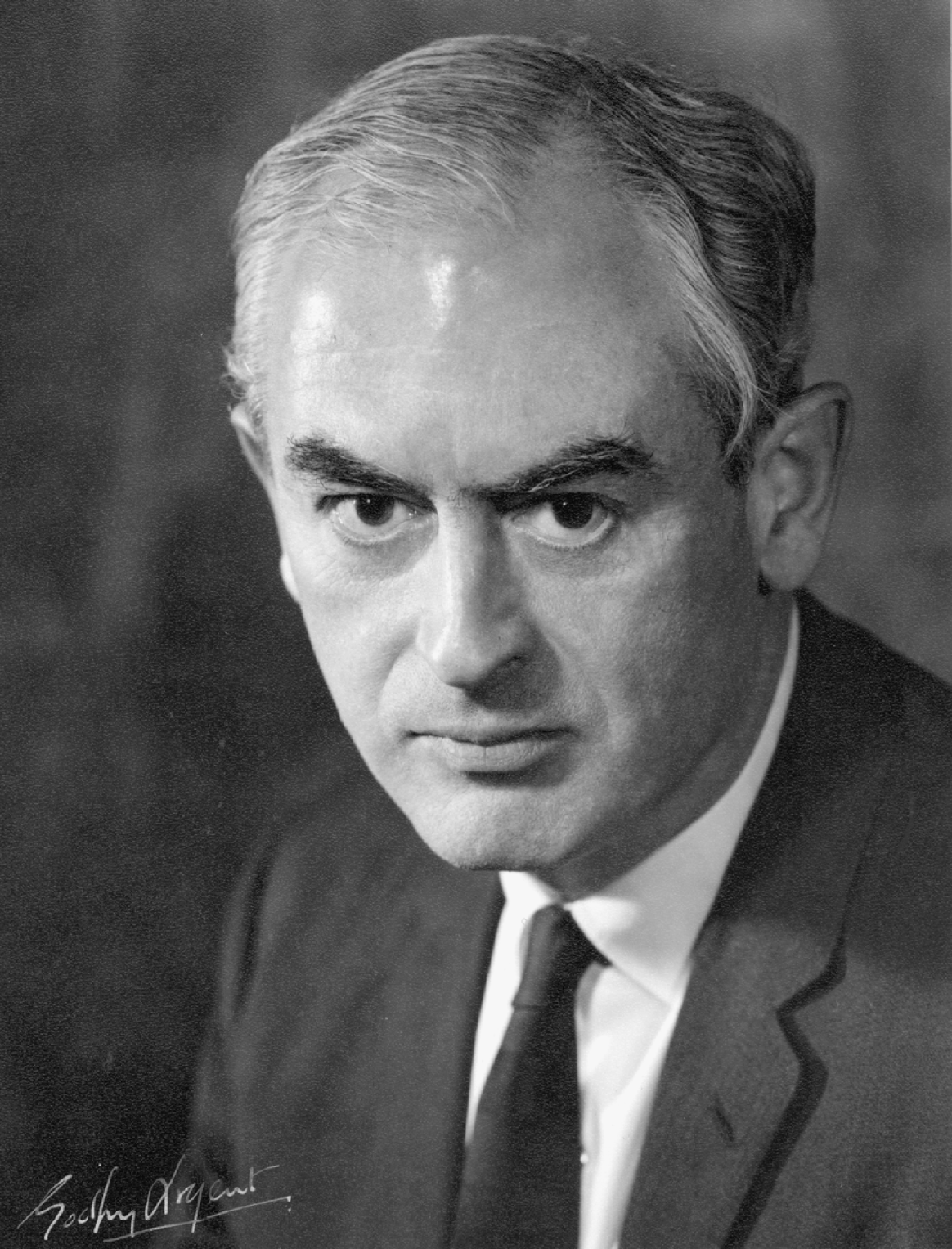
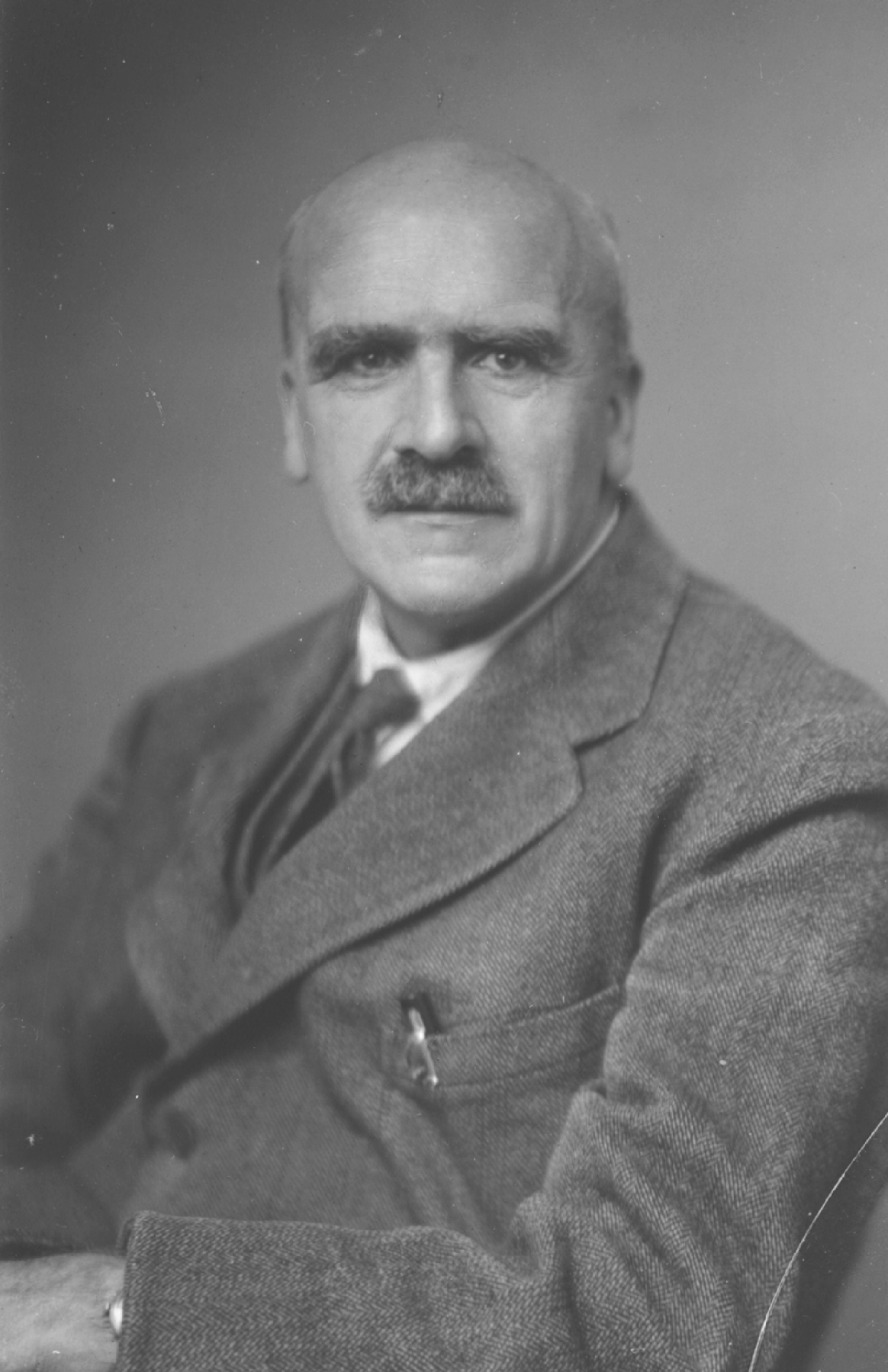
I considered myself lucky at UCL to be taught by two of the most distinguished biologists of the 20th century, Sir Peter Medawar (Fig. 1), who was awarded the Nobel Prize for Physiology or Medicine for his work on skin grafting, and J. B. S. Haldane (Fig. 2), the evolutionary geneticist. Two more different academics it is impossible to imagine! Medawar's lectures were perfect: entertaining, engrossing and resulting in good notes. Haldane's lectures were chaos: a lecture on the biochemistry of human genetics included diversions into Greek mythology, St Thomas Aquinas, the nonsense verse of Lear and Carroll, and the antics of St Pancras Borough Council! But all these diversions gave me much to think about for the rest of my life! I shall return to Haldane later.
Sir Peter Medawar. Highly critical of parasitologists and parasitology as a discipline. (Photograph by courtesy of The Royal Society.)
J. B. S. Haldane: who inspired new thinking: parasites play an important part in Darwinian natural selection and promote evolutionary novelty and speciation. (Photograph by courtesy of The Royal Society.)
Medawar had preached to his students that trained zoologists could contribute much to medical science. I was surprised, therefore, when he showed little enthusiasm for my intended career in parasitology. He was, indeed, rather critical of parasitologists and of parasitology as a discipline. Parasitologists, immured in the Schools of Tropical Medicine, he believed, had clung to their turn-of-the century successes as witnessed by the first Nobel Prizes awarded to Ross, Laveran, Ehrlich and Metchnikov and had stayed in a groove ever since. They had remained insular and “impenetrably deaf” to developments in the fundamental biological sciences – genetics, cell and development biology, and evolution, – moreover they had contributed little to these sciences. This harsh judgment, rather than putting me off, convinced me that there was obviously much that needed doing! But were these criticisms of parasitology justified – or was Medawar just winding me up to make me defend my plans? Either way, he certainly made me think!
From the point of view of tropical medicine, it had seemed to me that the Edwardian successes thoroughly deserved following up. As demonstrated by the papers in Parasitology in the first half of the century, what we would now approvingly call the ‘biodiversity of parasites’ was immense, indeed parasitism may be the most popular life-style on earth (Dobson et al. Reference Dobson, Lafferty, Kuris, Hechinger and Jetz2008)! The elucidation of parasite life cycles had led to control of transmission of the diseases caused by parasites in man and his domesticated animals, especially in the tropics. Surely this, too, was a worthwhile mission! Research in parasitology at the beginning of the 20th century was basically humanitarian, driven initially by the needs of the European governments to free their colonies of parasitic diseases and in the 20th century of protecting their troops against these diseases in two world wars. The question “Was parasitology in a rut?” I shall return to this later.
HALDANE'S PROPHECIES ABOUT THE ROLE OF PARASITES IN NATURAL SELECTION
As a parting shot, Medawar recommended that I read a 1949 speculative review on the role of infectious disease in Natural Selection by his colleague of just a few doors away down the corridor, J. B. S. Haldane. The paper (Haldane, Reference Haldane1949) was a contribution to a symposium on Ecological and Genetic Factors in Speciation among Animals, held in Milan. Fifty years later, Nobel Laureate Joshua Lederberg (Reference Lederberg1999) referred to the paper as “inspiring new thinking” on the part played by parasites (Haldane quoted viruses, bacteria, protozoa, fungi and metazoan parasites) in promoting evolutionary novelty and speciation. Mutations of host genes to which parasites were adapted would result in selection of mutations that enabled parasites to survive, thus playing an important role in Darwinian Natural Selection.
Haldane also made the point that disease may be important in competition with other organisms in the same niche, citing how the native artiodactyls of Africa can live with trypanosomiasis, whereas competing introduced cattle cannot, and that sudden extinctions, for example that of the litopterns and notoungulates following the invasion of South America by ungulate invaders from North America, after fusion of the continents. Although abundant information on fossil parasites has long been available (see e.g. Conway-Morris, Reference Conway-Morris1981) we have no clear palaeontological evidence that panzootic infections can result in extinction. Although Poinar and Poinar (Reference Poinar and Poinar2008) have shown the abundance of blood parasites and their insect vectors among the dinosaurs, the case for a part played by parasites in dinosaur extinction is tenuous. Having said that, we watch with profound concern the rapid extermination of the world's amphibian species by the rampant chytrid fungus Batrachochytrium dendrobatidis (Stuart et al. Reference Stuart, Chanson, Cox, Young, Rodrigues, Fischman and Waller2004), driven by global warming.
One of Haldane's most important speculations was that the established polymorphisms of blood group factors were driven as adaptations to still unidentified infectious disease agents. Another was that mutations that resulted in abnormality of the protein part of the haemoglobin molecule (so that red cells cannot function normally, leading to anaemia) may be lethal in the homozygous state, but in the heterozygote stage may afford protection against malaria, and here Haldane had in mind the thalassaemia gene. In the closing lines of his paper, Haldane admitted that following up his lines of thought could demand much experimental or field work evidence.
Although Allison (Reference Allison1954), unaware of Haldane's paper, produced evidence that the sickle cell heterozygotes have protection against Plasmodium falciparum – the first evidence that natural selection operates in humans, support for Haldane's thalassaemia hypothesis, however, was not forthcoming until the 1980s (Hill et al. Reference Hill, Flint, Weatherall and Clegg1987). In more recent years, Haldane's unidentified infectious disease agent driving the established ABO antigens of human erythrocytes has been brilliantly identified as Plasmodium falciparum (reviewed by Cserti and Dzik, Reference Cserti and Dzik2007). The pathogenicity of this species is effected through cytoadherence of infected erythrocytes to capillary vessel walls; ABO antigens mediate cytoadherence and infected red cell adherence is much reduced among group O individuals.
What amazed me (and Lederberg!) was the long indifference of evolutionary biologists to Haldane's ideas. Dobzansky, who was present at the Milan meeting did not mention Haldane's paper in the 1951 edition of Genetics and the Origin of Species, and Haldane's foremost apostle, J. Maynard Smith, never alluded to it either in the several editions of his book The Theory of Evolution (1958, or in his lectures to us, supposedly on “parasitology.” But then Haldane himself never mentioned them in his lectures – where I thought they might be a more relevant topic than St Thomas Aquinas! I took this as another ‘thumbs down’ for parasitology. Forty years after Haldane, Keymer and Read (Reference Keymer and Read1990) lamented the indifference of evolutionary biologists to parasitism until the 1970s and the slowness in development of Haldane's ideas. Medawar had accused parasitologists of indifference to evolution.
DOES PARASITOLOGY OFFER SOMETHING TO BE CLEVER ABOUT?
Medawar rejoiced in aphorisms and one of his favourites was “There is no point in being clever if you have nothing to be clever about.” Did parasitology offer things to be clever about – or, more to the point, did I harbour such things myself?
While I was still an undergraduate, Watson and Crick (Reference Watson and Crick1953) published their model for the structure of DNA. That was undoubtedly something to be clever about! As DNA is only found in the chromosomes in the nucleus and genes are located in chromosomes so it all made sense. But just before my final discussion with Medawar on my career, Haldane had invited T. M. Sonneborn, the American protozoologist and pioneer of ciliate genetics to give a series of lectures at UCL on the role of the cytoplasm in inheritance and the presence of cytoplasmic DNA-containing structures associated with it (Sonneborn, Reference Sonneborn1950). Medawar was impressed. He suggested I change from parasitology to protozoology. The UK Agricultural Research Council, of which he was a member, was very concerned about the dwindling population of protozoologists in the UK and he suggested that I should become one of these rarities. I could not resist the challenge. I would become a protozoologist – who studies parasitic protozoa.
I had a fair idea of what I wanted to do. I had been captivated by trypanosomes – first seen alive by me in Ben Dawes' parasitology course at Kings College. When everyone was shouting “DNA is found only in the nucleus” I wanted to say – no! it occurs also in a large cytoplasmic organelle called the kinetoplast at the base of the flagellum in trypanosomes (Bresslau and Scremin, Reference Bresslau and Scremin1924). It undergoes division before the nucleus, in binary fission, and it changes its position during the life cycle. What is it there for, and why does it move up and down the body of the trypanosome during the course of its life cycle? An equally interesting problem, mentioned in passing in Geoffrey Beale's recently published monograph (Beale, Reference Beale1954), was that trypanosomes can undergo antigenic variation, similar to Beale's Paramecium aurelia, but with the added interest that such variation serves to outwit the host's immune response in trypanosome infections. I wanted to work on both. The significance of the kinetoplast and the nature of antigenic variation both seemed to me to be potentially things to be clever about!
Unfortunately, the shortage of protozoologists noted by the ARC meant a shortage of potential postgraduate supervisors. The ARC gave me a postgraduate studentship to be taken up at the fledgling University of Exeter, but I was obliged to work on facultative parasitism of soil insects by soil amoebae under the supervision of Dr R. S. J. Hawes. I would have to shelve my interest in trypanosomes. The amoeba project was not a success. Hawes' absences through illness left me completely isolated much of the time and it was a relief when he arranged for me to be seconded temporarily to Professor Michael Swann's dynamic cell biology-based department in Edinburgh University, where there were lots of research students discussing exciting ideas. For the first time I saw breathtaking micrographs of the ultrastructure of amoebae taken on the transmission electron microscope. This was a new world – and I wanted to enter it at the first opportunity. But I had to return to Exeter and start thinking about publication if I wanted a get a job.
PUBLICATION IN PARASITOLOGY
While lost among the soil insect amoebae, I had discovered a trypanosomatid (Herpetomonas ludwigi) whose developmental cycle in the gut of tipulid larvae I believed I had worked out. Hawes recommended that I write it up for submission to Parasitology. It had to be Parasitology! It was the only journal on the subject available in the fledgling University's library and Hawes had a reverence for its editorial board, their standards and the quality of the writers who published in it. Foremost among these had been the formidable Clifford Dobell, who published 34 papers in Parasitology, mainly in a series on “The intestinal protozoa of monkeys and man.” Dobell told the Editor that “no paper he read could satisfy him” and he “always had an urge to rewrite it completely.” He died in 1949 but his revered protégé, Cecil Hoare, was the authority on trypanosomatids and like his mentor was one of Parasitology's most critical reviewers. He summoned me to his office at the Wellcome Laboratories to discuss my paper. He went through every sentence – and rewrote it for me. “Be more didactic,” he said, “tell a good story and leave no room for doubt in the mind of the reader.” I must have learned something from all this, as my next two publications (on amoebae) – a letter to Nature and a sizeable paper in Experimental Cell Research – were accepted without changing a word!
Before my Parasitology paper appeared in print (Vickerman, Reference Vickerman1960), – with no Ph.D. and no publications to my name as yet, I was astounded when I received a letter from Medawar inviting me back to UCL as a lecturer! So had he been disingenuous in his criticisms of parasitologists? I thought it worthwhile to reconsider them before I took up the post. Over the years that followed, I became more convinced that there was a certain amount of truth in what he had said, and it certainly affected my future attitude to publication.
ANSWERS TO CRITICISM OF INSULARITY
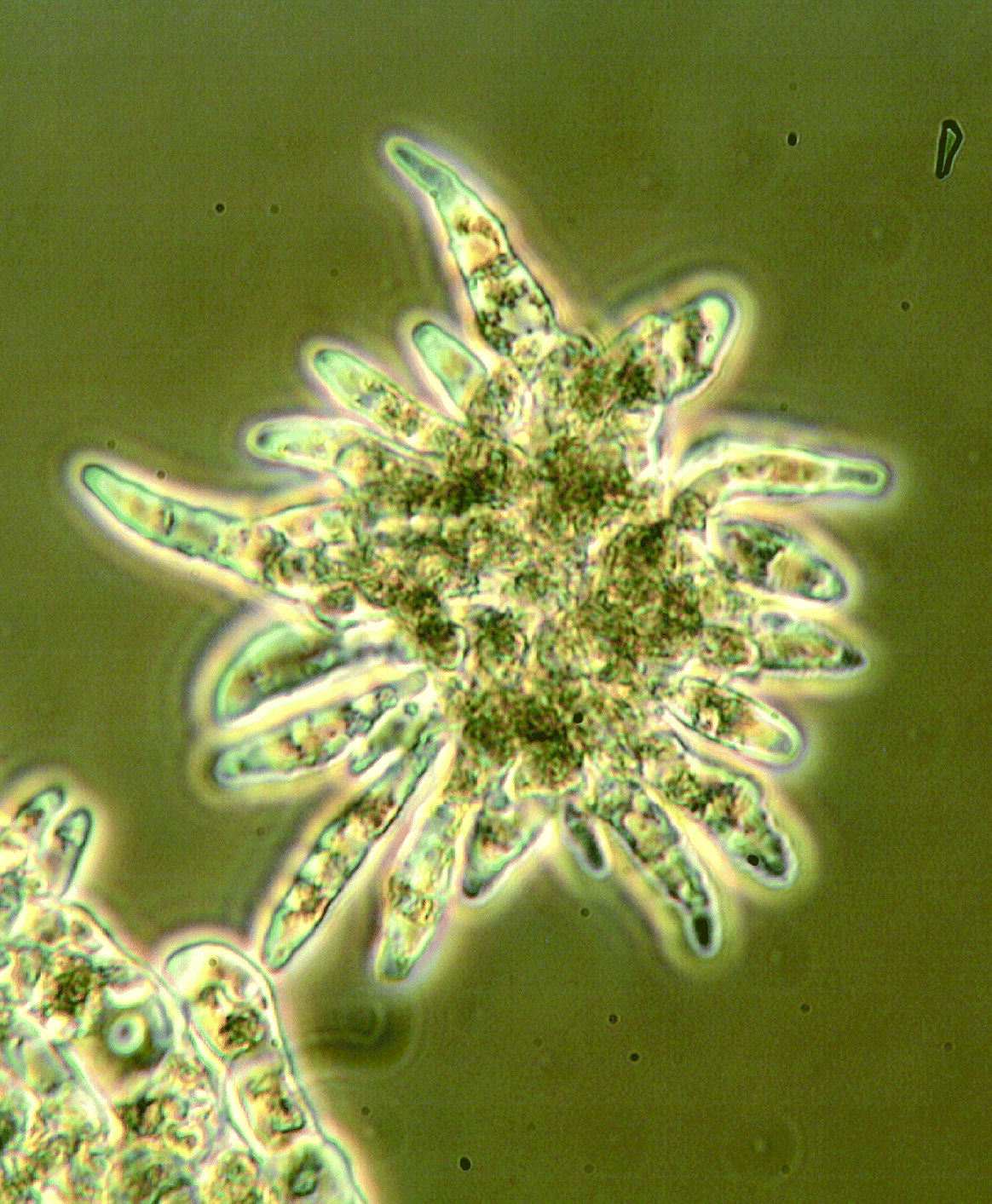
Had parasitology been an insular subject as Medawar implied? Well – not entirely. The microbial theory of infectious disease was advanced in the 19th century by bacteriologists. Bacteria were easier to work with than parasitic protozoa and helminths. The difficulties of cultivating such parasites in vitro and fulfilling Koch's postulates to demonstrate their link to disease have served to divorce parasitology from mainstream microbiology for the greater part of the 20th century and to maintain it as a separate academic discipline (Vickerman, Reference Vickerman1994). Aiding and abetting this separation has been the complexity of parasite life cycles; bacteria do not show the marked differentiation processes that occur in eukaryotic parasites. Success in parasite cultivation has usually been limited to one phase in the life cycle and this may not be the form which initiates infection of the experimental host. Even if the cycle of development can be replicated in vitro, recognition of the route of entry of the parasite into its host may pose further problems (Fig. 3). As a result, the relation of parasite to disease often became controversial. Thus candidates for causative agents of sleeping sickness in East Africa included the filarial nematode Mansonella perstans, a streptococcus and, only latterly, a trypanosome (Boyd, Reference Boyd1973).
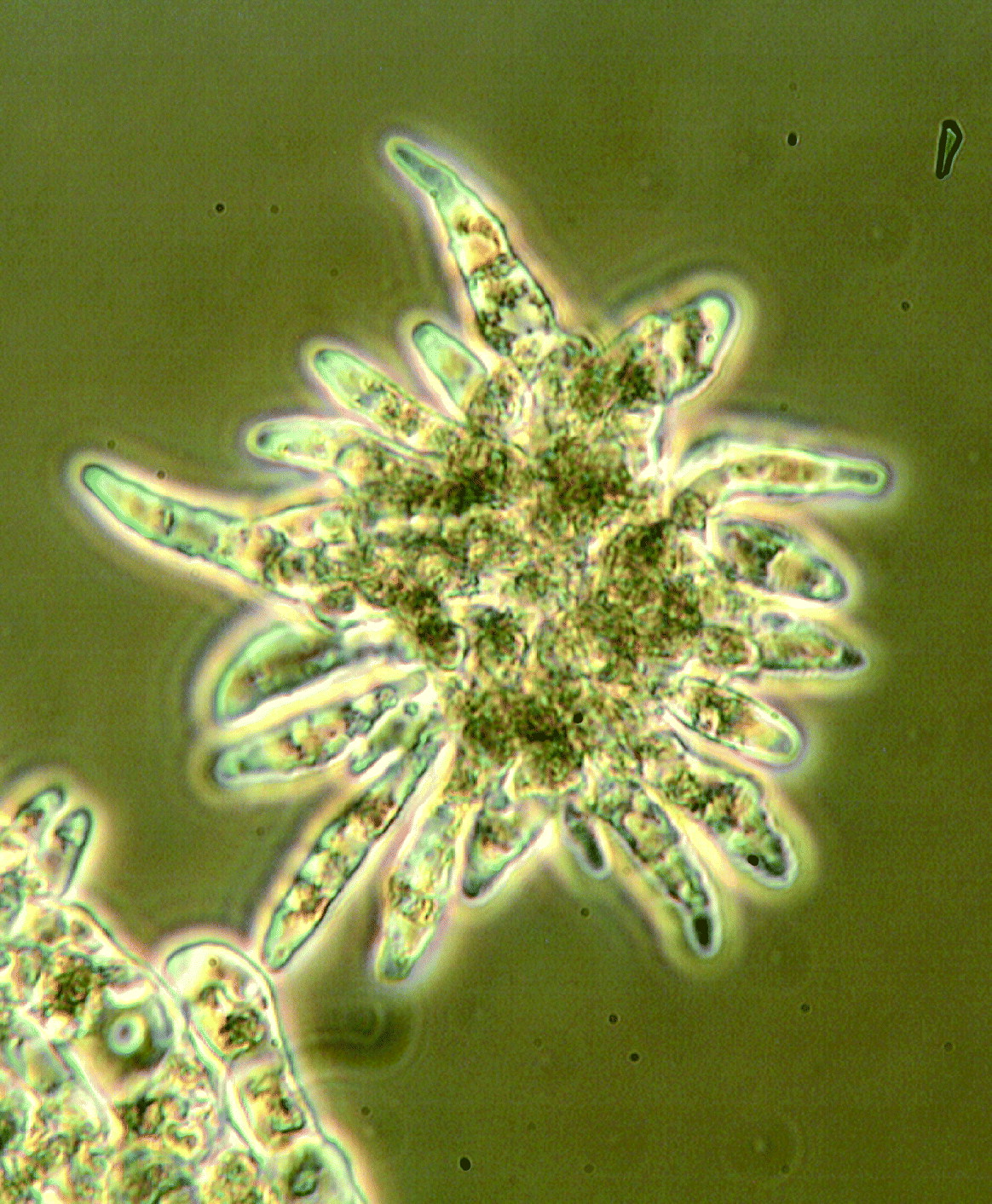
The parasitic dinoflagellate Hematodinium was found by the writer to be associated with high parasitaemias and heavy mortalities of the Norway lobster (Nehrops norvegicus) in Scottish waters. Although the parasite was found to be readily cultured in vitro and can undergo an elaborate developmental cycle in culture (Appleton and Vickerman, Reference Appleton and Vickerman1998), fulfilment of Koch's postulates to demonstrate a relationship between parasite and disease has not hitherto been achieved. Micrograph shows rapidly multiplying filamentous stage of the parasite in vitro (Micrograph N. Beevers).
Recognition of the complexity of parasite life cycles was for long dependent on microscopy and especially staining techniques developed for microscopy. Parasitology therefore became for long a morphological discipline.
THE LACK OF IDEAS OUTFLOW FROM PARASITOLOGY
The accusation that parasitologists, have not drawn on their studies to formulate questions of wider significance in biology would have been refuted by David Keilin (1887–1963) who came to Cambridge from Paris in 1915 as an expert on parasitic Diptera. He remained there for the rest of his working life, becoming second Director of the Molteno Institute and, for decades, Editor of Parasitology.
Keilin's most seminal discovery began with his studies on larvae of the horse bot fly, Gasterophilus intestinalis, attached in the equine stomach mucosa. He found that the larvae synthesize haemoglobin in the tracheal cells and this allows them to store oxygen as oxyhaemoglobin enabling the parasite to make efficient use of the intermittent contact with air bubbles. The adult bot fly muscle, however, showed by spectroscopy no sign of absorption bands of either oxyhaemoglobin or haemoglobin, but instead the thoracic muscles of the fly exhibited a spectrum composed of 4 entirely different absorption bands. Keilin went on to show that the thoracic muscles of other insects, none of which harbour haemoglobin in the larval phase, all exhibited the peculiar 4-banded spectrum, and what is more, the same spectrum could be demonstrated in various other animal tissues, in some plants and in Baker's yeast. The 4 bands were much stronger in active insect muscle and disappeared when a yeast suspension was shaken in air but reappeared if the suspension was left standing undisturbed. These spectral changes were recognized by Keilin as being the outcome of reversible oxidation of an intracellular component to which he gave the name cytochrome (Keilin, Reference Keilin1925).
Keilin's discovery of the cytochromes marked the beginning of studies of the respiratory or electron transport chain (Slater, Reference Slater2003) in all aerobic organisms. Ironically, Slater pointed out, the unique part that the old Zeiss microspectroscope had played in Keilin's discovery of the cytochromes, owing to its suitability for spectroscopic examination of tissues directly and its ability to detect the spectral changes associated with biological oxidoreductions. Attempts to repeat Keilin's observations with today's commercial spectrophotometers would be unsuccessful. Despite the broadening of his interests, Keilin remained Director of the Molteno Institute and Editor of Parasitology until just before his death in 1963.
WAS PARASITOLOGY IN A RUT?
Progress in scientific research depends not only on original ideas, but also on availability of techniques, equipment and funding, and on improvements in communication between scientists. The great explosion of interest in parasitology outside of morphology in the second half of the 20th century contrasts strongly with the slowness of advance in our understanding of host-parasite interaction and of parasite metabolism, subjects that demanded their own journals from the 1950s onwards. Taliaferro's The Immunology of Parasitic Infections I (1929) and von Brand's Chemical Physiology of Endoparasitic Animals (1952) were quite unique in their day. But even morphology seemed stagnant in some areas – notably in the study of blood parasites.
In 1891, D. L. Romanowsky, a Russian army pathologist discovered by accident a dye mixture (polychromed methylene blue and eosin) that would stain the nucleus of malaria parasites red in contrast to pale blue cytoplasm. Romanowsky staining of dried blood smears quickly became the technique par excellence for students of blood parasites with modifications by Leishman, Giemsa and Wright. For some practitioners it was the only technique that they needed throughout a career spanning half a century. With it, parasitologists were able to distinguish not only vast numbers of different species but also different stages in the life cycle of a single species. Unfortunately, many parasitologists came to regard the Romanowsky techniques not merely as diagnostic but as revealing cytological reality, despite the barbaric treatment meted out to the specimen. Minchin's (Reference Minchin1912) warning bells on their fixation shortcomings were ignored, delaying our understanding of trypanosomes and other blood parasites as interesting cells. On returning to UCL I wanted to remedy this situation.
A NEW DAWN OF OPPORTUNITY
As previously explained, I wanted to find the significance of that unusual DNA-containing organelle the kinetoplast of trypanosomes in relation to the developmental cycle of the parasite as it alternates hosts between mammal and insect vector. I also wanted to find the nature of evasion of the mammalian host's immune response to the parasite as revealed much earlier in the century by the work of Ross and Thomson (Reference Ross and Thomson1911). I wanted to work with fresh laboratory isolates of Trypanosoma brucei rather than available old ‘domesticated’ strains kept going in mice for 30 years or more. I was delighted to find in the late 1950s, that a new dawn of opportunity was breaking for the very projects I had in mind. Polge and Soltys (Reference Polge and Soltys1957) in Cambridge had devised a cryopreservation technique for storage of trypanosome isolates, with all their character preserved, thus eliminating the need to passage the trypanosomes through mice every 2 days. Electron microscopes were becoming more available with the rebirth of descriptive cytology, and I was immensely grateful to J. Z. Young, the Professor of Anatomy at UCL, for letting me loose in his sumptuous EM suite and for never charging me a penny for it. And Dr W. H. R. Lumsden, newly appointed Director of the East African Trypanosomiasis Research Organisation (EATRO) decided that drug resistance and control of the tsetse fly were not the only deserving problems in trypanosomiasis – the time had come for renewed interest in the host's immune response and the nature of antigenic variation in trypanosomes. In 1960 the Colonial Office; gave me the funds to begin work on this topic in EATRO and bring back to London recent cryopreserved trypanosome isolates, some of which are still in use in Europe and elsewhere.
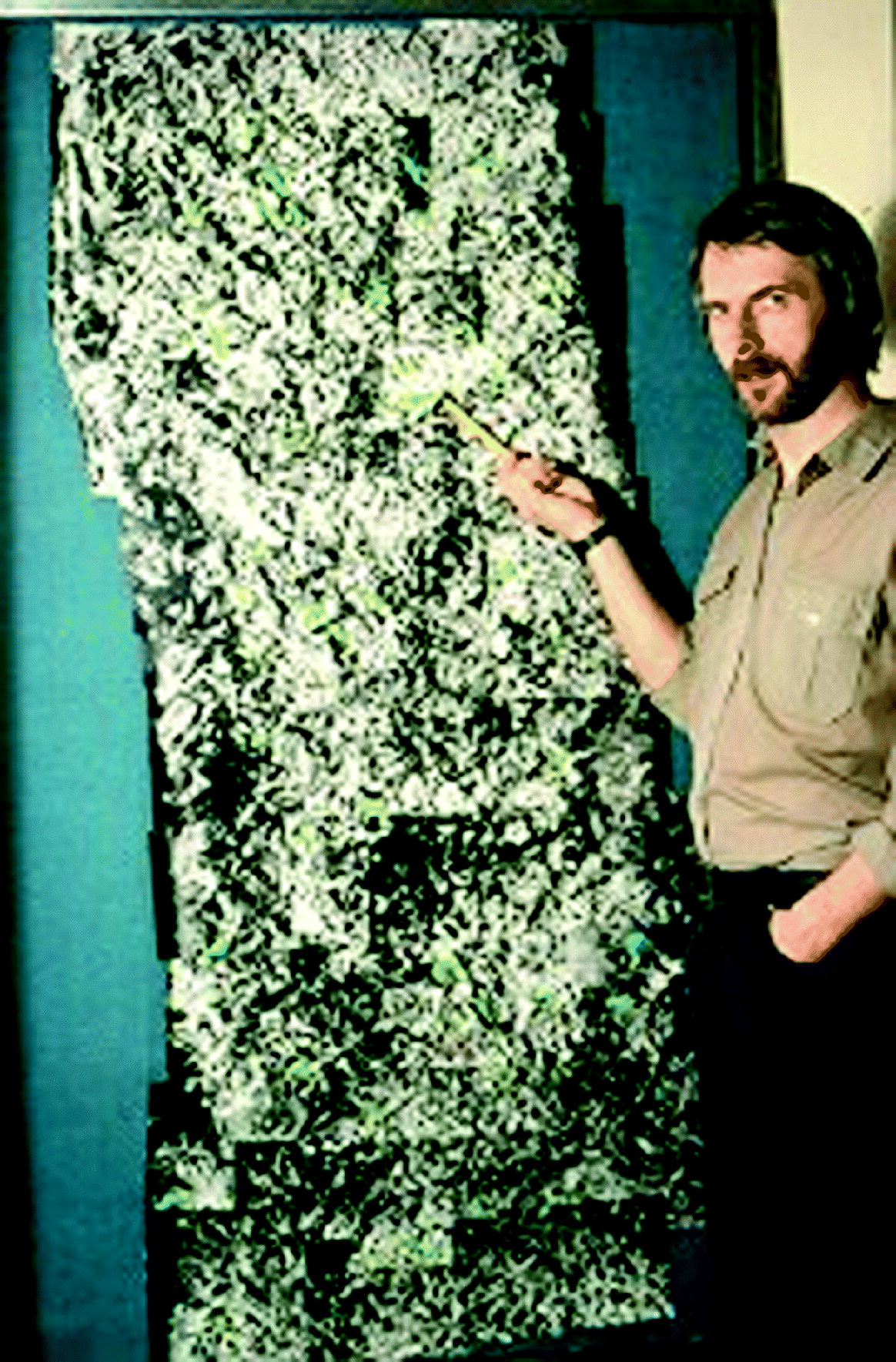
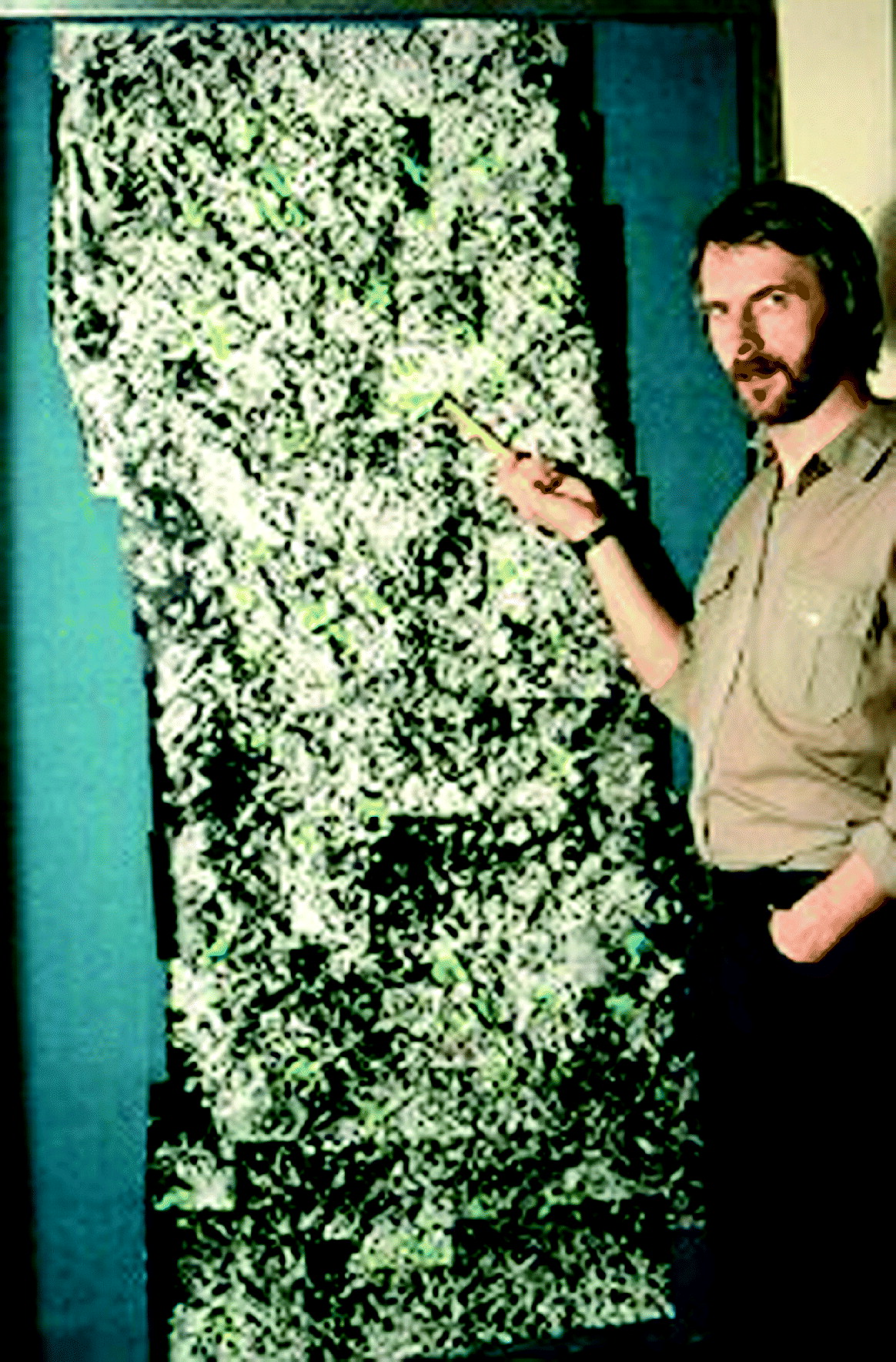
I discerned 3 areas of interest in the life cycle of Trypanosoma brucei. First, the cyclical activation and repression of the mitochondrion in relation to its changes in mitochondrial ultrastructure and utilization of available respiratory substrates; second, changes in surface structure in relation to antigenic variation in the mammal and freedom from antibody attack in the vector; third the unique role of the trypanosome flagellum in relation to attachment to host surfaces and differentiation of the mammal-infective metacyclic stage (Fig. 4) (summarized in Vickerman, Reference Vickerman1985, Reference Vickerman, Hide, Mottram, Coombs and Holmes1997). Where to publish this work posed something of dilemma.
Attachment of Trypanosoma brucei to the tsestse fly's salivary gland epithelium. The gland has been split along its length to reveal, by scanning electron microscopy, the crowded attached parasites covering the entire host epithelium. Dr L. Tetley points to a nascent metacyclic trypanosome expressing one of the variable antigen types (VATS) labelled by a VAT-specific antibody-gold particle conjugate (Tetley et al. Reference Tetley, Turner, Barry, Crowe and Vickerman1987). Previous attached developmental stages (epimastigote, pre-metacyclic) do not express the variant surface glycoprotein coat.
If parasitologists are thought of as insular by other biologists, can this be because they publish their work only in parasitological journals? If so, I decided, they should spread their publications over a spectrum of journals reflecting different interests and, accordingly, attempted to do so. This accounts for my relatively few publications in Parasitology, though I have always regarded it as gilt-edged among parasitological journals. My colleagues at UCL pressed me to publish in Nature, as it had the widest readership (though one colleague commented disconcertingly “Oh, I don't read Nature, I only write to it”).
I have always been of the opinion that parasites can provide novel systems for molecular biologists to work on I and have been personally gratified to see the immigration into parasitology of distinguished biochemists, molecular biologists and geneticists. Interest in trypanosomes and parasitology generally snowballed in the last 20 years of the century, as did many of its branches. But what does the future hold for parasitology?
THE FUTURE OF PARASITOLOGY
The second half of the 20th century saw a replacement of the traditional ‘vertical’ biological sciences (Botany, Zoology, Microbiology) by ‘horizontal divisions – molecular, cell, organismal and ecosystem, and a tendency for former university departments to centre around agglomerations of research interests, sometimes displaying a rather strange mixture of topics. Simpson (Reference Simpson2006) has welcomed the “death of the ”-ologies, because the boundaries between them are clearly breaking down. So, will parasitology be one such victim, I wonder?