Introduction
Crop yield and resource use efficiency depend on successful plant establishment in the field. Furthermore, a compacted topsoil layer decreases plant density (Reis et al., Reference Reis, Pereira, Silva and Meireles2011). Consequently, sweet corn growers may primarily fail to have satisfactory crop performance. To resolve this problem, the initial irrigation is usually performed immediately after sowing, followed by several additional irrigations with 2–3 day intervals. Increased water consumption is the disadvantage of the initial frequent irrigation. In other view, initial frequent irrigation increases weed growth.
Weeds compete for water, decrease water availability and contribute to crop water stress (Zimdahl, Reference Zimdahl2018). Thus, sustainable strategies for weed management are essential during the early stages of crop growth. Researchers suggest the wet planting method for resolving this problem through decreasing soil compaction in the seedbed. This method is common in several regions worldwide, even in plants with high water requirements for germination, such as beans (Phaseolus vulgaris L.) (Ghanbari et al., Reference Ghanbari, Hasani, Dori and Taheri2020). The pre-planting irrigation method effectively decreases the weed density (Hemmati et al., Reference Hemmati, Vazan and Oveisi2011). Furthermore, when irrigation volume is limited, pre-planting irrigation may be most cost-effective (Kisekka et al., Reference Kisekka, Aguilar, Rogers, Holman, O'Brien and Klocke2017).
Mulching plays an important role in reducing weed population. As stated by Olabode and Sangodele (Reference Olabode and Sangodele2015), the highest weed population (21.9 plants/m2) was recorded in unmulched plots, whereas the lowest weed population was in white plastic mulch. Among various mulches, wheat residue mulching is a good option because of its low cost, availability and environmental compatibility. The appropriate wheat residue mulching rate is an essential factor that influences the effectiveness of mulching for weed control. It is reported that weed suppression in corn and soybean (Glycine max L.) was positively correlated with the biomass of plant residues (Pittman et al., Reference Pittman, Barney and Flessner2020). Uwah and Iwo (Reference Uwah and Iwo2011) reported the highest weed infestation in corn (Zea mays L.) in unmulched plots, whereas the lowest weed infestation was found with 8 t/ha mulch. In another study, the minimum weed dry biomass in rice (Oryza sativa L.) was achieved with 10 t/ha surface residues (Ranaivoson et al., Reference Ranaivoson, Naudin, Ripoche, Rabeharisoa and Corbeels2018). Similarly, sorghum (Sorghum bicolor L.) mulch (6 t/ha) in wheat fields decreased weeds density by 58% as compared with the unmulched treatments (Loura et al., Reference Loura, Florentine and Chauhan2020).
Soil mulching affects weeds and decreases soil moisture depletion compared with bare soil. Lower water loss leads to more available water to plants (Stelli et al., Reference Stelli, Hoy, Hendrick and Taylor2018). Water conservation and yield in spring corn were the highest with application of 9000 kg/ha residue mulch (Cai et al., Reference Cai, Zhang, Huang, Huang, Yang, Zhao, Zhang and Jia2015). Increased soil water content was also found to increase water productivity. Researchers suggest mulching can decrease the harmful effects of water deficiency by improving weed control (Shen et al., Reference Shen, Zhao, Han, Zhou and Li2012; Rannu et al., Reference Rannu, Ahmed, Siddiky, Ali, Ibn Murad and Sarkar2018); nevertheless, mulch type and thickness exert varying effects on weed control, yield and water productivity.
The literature review shows that application of mulches has been addressed in some crop production. However, no study has been conducted in which advantages of both planting methods and mulching on weed management and sweet corn production have been reviewed. Our results can help to guide growers better. Thus, the objectives of our study were (i) to introduce an appropriate seedbed preparation method for better seedling establishment and (ii) to determine the best mulch treatment and seedbed preparation method for better control of weeds to ultimately increase grain yield and water productivity of sweet corn.
Materials and methods
Field site description
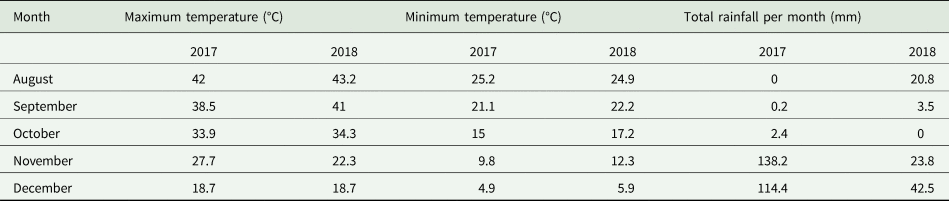
This experiment was conducted in 2017 and 2018 in Mamassani, Fars Province, a subtropical region in southwestern part of Iran (51°32′N, 31°13′E and 900 m above sea level). The seasonal pattern of climatic conditions during the growing season is shown in Table 1. The soil samples were taken from a depth of 0–30 cm before planting and analysed for physical and chemical properties and are shown in Table 2.
Average monthly weather data during experimental years

Soil physical and chemical properties

EC, electrical conductivity; OC, organic carbon; N, nitrogen; P, phosphorus; K, potassium
Field experiment design, crop management, and measurements
The experiment was conducted as a split plot arranged on a randomized complete blocks design with four replications. Seedbed preparation methods were assigned in mainplots and the wheat residue mulching rates were applied in subplots. The three methods of seedbed preparation included pre-planting irrigation before ridge-furrow preparation (P1), pre-planting irrigation after ridge-furrow preparation (P2) and irrigation after planting (P3). Wheat residue was placed at 0 (M1 as control), 250 (M2), 500 (M3) and 750 g/m2 (M4). It should be noted that crop residues were obtained from wheat straw. Sweet corn was planted after wheat, but there was no straw in the field at the time. In fact, straw was collected after the wheat harvest in spring. After seedbed preparing, collected residues from the previous crop were spread all over the seedbed surface.
Seeds were planted on the ridges after tillage and soil preparation in furrows and ridges. The ridges were 15–20 cm high, row spacing was 75 cm, in-row plant spacing was 26 cm and plant density was 51 000/ha. The plowing depth was also 25 cm. Planting was immediately followed by mulching. Sweet corn seeds (Obsession hybrid, a super-type hybrid, Seminis Company, USA) were manually sown at a 4–5 cm depth of ridges. Two seeds were sown in each hole to ensure the uniformity of plant density. Seedlings were thinned at the three-leaf stage to achieve 51 000/ha.
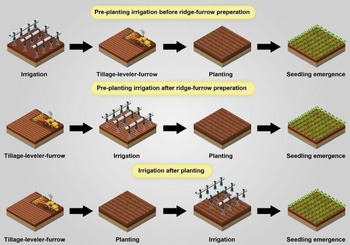
In the after-planting irrigation method (P3), irrigation was performed three times during seed establishment according to normal irrigation in the region. The first irrigation occurred in dry soil just after sowing. To help the sprouted seeds break the soil, light irrigations were performed again by the drip system 3 days after sowing, which was repeated 3 days later. In the pre-planting irrigation methods (P1 and P2), the soil was irrigated 4 days before planting. Then, pre-planting treatments were not irrigated until seedling establishment was completed. Initial irrigation was performed after ridge-furrow preparation for P2 treatment, whereas it was irrigated before ridge-furrow preparation for P1 treatment. The preparation stages of planting treatment are shown in Fig. 1.
Colour online. Stages of seedbed preparation.

After the seedling establishment (12 days after planting), irrigation was similar for all the treatments during the growing season. No effective precipitation occurred during the growing season of sweet corn, and the volume of irrigation water used in both years was similar. The volume of irrigation water in the P3 treatment was 900 m3/ha, whereas 400 m3/ha was applied in the P1 and P2 treatments separately during germination and crop establishment stages. The total amounts of consumed water for the P1, P2 and P3 treatments were 9400, 9400 and 9900 m3/ha, respectively.
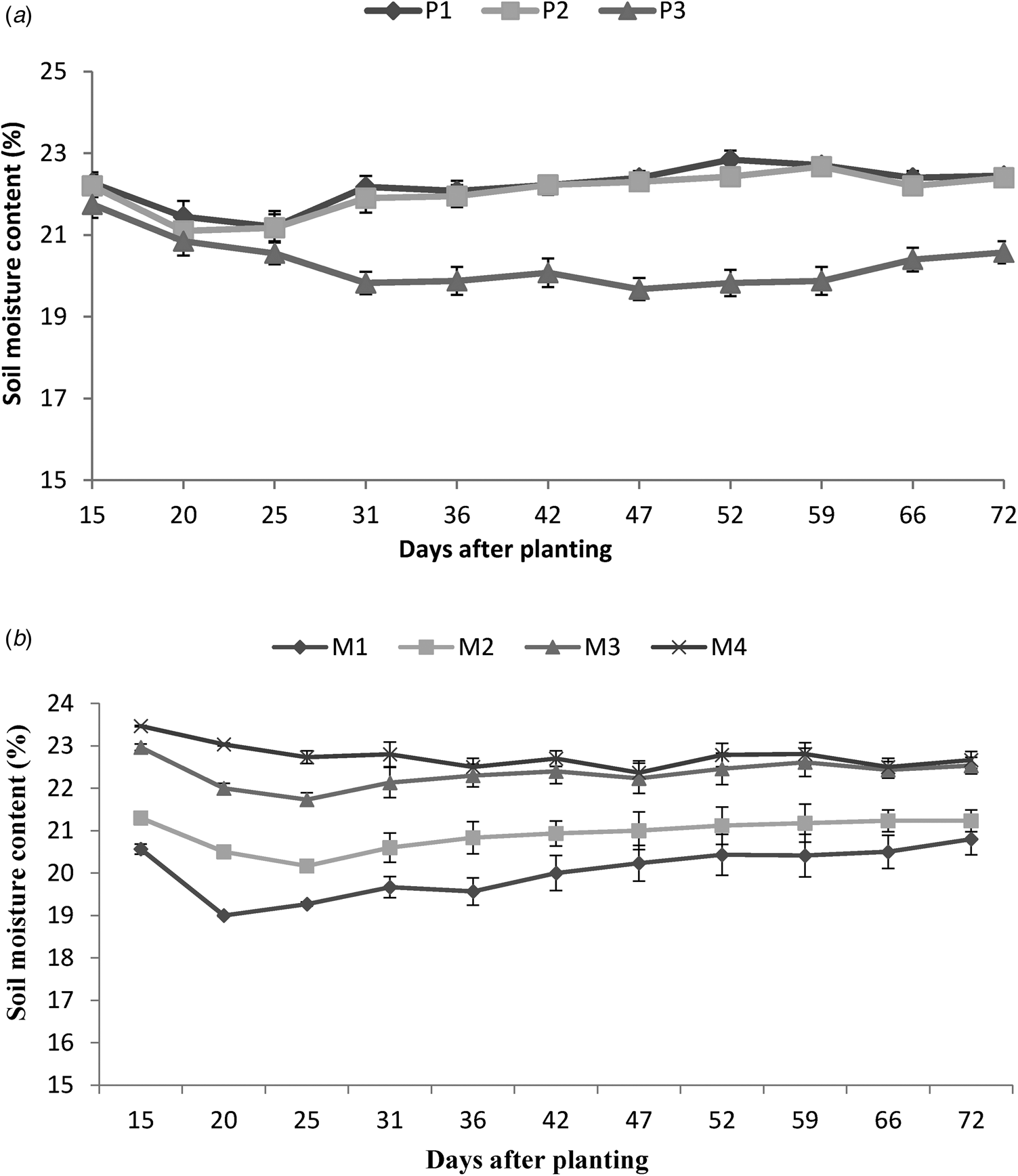
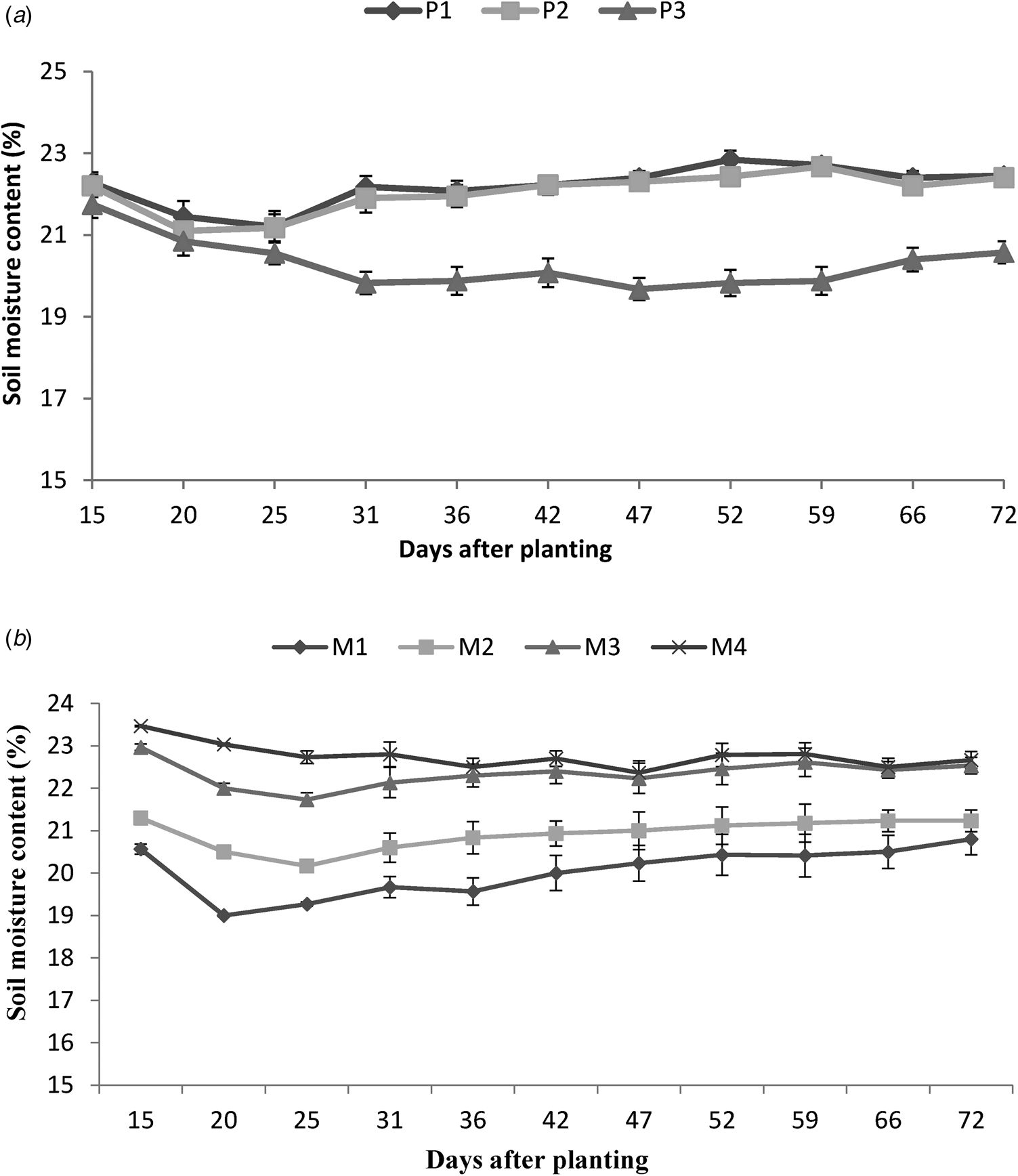
To measure soil moisture depletion during the growing season, soil samples were taken from the depth of root development in the experimental plots 24 h before irrigation. The samples were weighed and dried in an oven at 105°C for 24 h. The soil water content for different methods of seedbed preparation and mulching rates are shown in Figs 2(a) and (b).
Soil moisture content before each irrigation for methods of seedbed preparation (a) and wheat residues rates (b). P1, pre-planting irrigation before furrow-ridge preparation; P2, pre-planting irrigation after furrow-ridge preparation; P3, irrigation after planting; M1, no wheat residues; M2, 250 g/m2 wheat residues; M3, 500 g/m2 wheat residues; M4, 750 g/m2 wheat residues.
N, P and K were applied in the forms of urea (230 kg/ha urea), triple superphosphate (40 kg/ha) and potassium sulphate (115 kg/ha), respectively. Phosphorus and potassium fertilizers were applied at the sowing time. Urea fertilizer was applied in three equal splits: at sowing (76 kg/ha), at the six-to-seven-leaf stage (76 kg/ha) and finally at the tasseling stage (76 kg/ha).
The emerged seedlings were counted every day until 12 days after planting. Seedling emergence was defined as the time when the crop was visible on the soil surface. The seedling emergence rate, mean emergence time and seedling emergence percentage were calculated as follows:


where R is seedling emergence rate, MET is mean seedling emergence time, n is the number of emerged seeds during d days and d is the number of days. Emergence percentage was obtained by dividing number of emerged seedlings by total number of seeds sown, multiplied by 100 (Soltani et al., Reference Soltani, Robertson, Torabi, Yousefi-Daz and Sarparast2006).
Weed biomass and density were evaluated at the harvest stage. Weeds were not controlled throughout the growing season in any of the experimental plots. They were manually removed from the area of 2 m2 and brought to the laboratory. Then, dry weed biomass was determined after oven drying at 70 °C for 72 h. In this experiment, the most dominant weed species were Sorghum halepense L. (Johnsongrass) and Chenopodium album L. (common lambsquarters). Other weed species were Portulaca oleracea L. (purslane), Cyperus rotundus L. (Cyperaceae) and Echinochloa crus-galli P. Beauv. var. oryzicola Ohwi (barnyard grass). Johnsongrass was present because of seed germination.
At the tasseling stage, before starting irrigation, fully expanded young fresh leaves were removed at 2 p.m. The samples were used to measure leaf proline content and soluble carbohydrates. Leaf proline content was determined following Bates et al. (Reference Bates, Waldren and Teare1973). Leaf samples (0.5 g) were homogenized in a 10 ml of sulfosalicylic acid (3%) solution, and leaf proline content was measured at 625 nm using a spectrophotometer (Perkinelmer Company, USA) and expressed as μmol/mg fresh leaf. Soluble carbohydrates were extracted using the method developed by Irigoyen et al. (Reference Irigoyen, Einerich and Sánchez-Díaz1992), and carbohydrates content in this extract was read at 625 nm using a spectrophotometer (model Vis 2100) and expressed as mg/g fresh leaf.
In the ripening stage, the four inner rows were harvested and marketable ear yield and canned yield for each plot were recorded. Water productivity was computed as the ratio of canned grain yield to the supplied water as follows (Zhou et al., Reference Zhou, Chen and Ouyang2011):

where WP is water productivity, Y is canned yield (kg) and Wi is supplied water (m3).
An analysis of variance (ANOVA) was run for all data using SAS version 9.1 software (SAS Institute, Cary, NC, USA). The Bartlett test and the data normality test were conducted before statistical analysis. The means were compared using the LSD test in all significant interactions.
Results
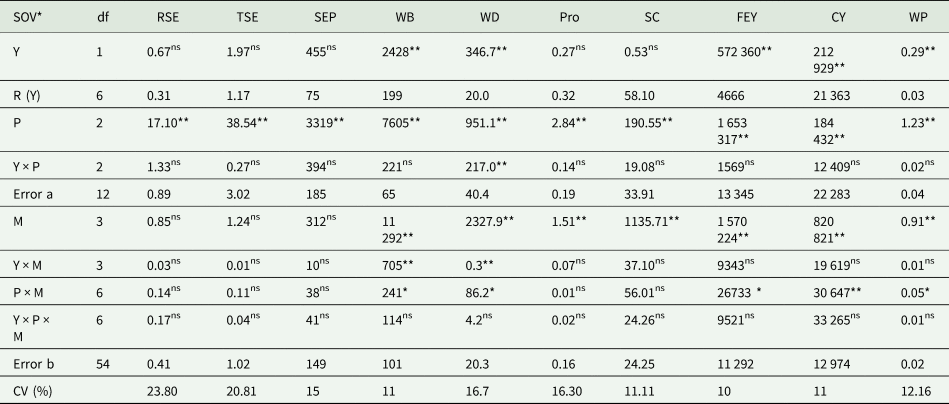
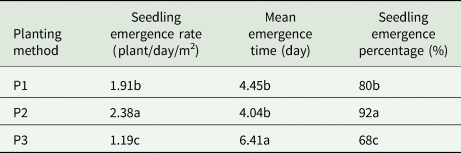
The ANOVA showed a significant effect of the seedbed preparation methods on seedling emergence rate, time and seedling emergence percentage traits (Table 3). Seedling emergence percentage and rates were significantly higher when the plots were irrigated at pre-planting after ridge-furrow preparation than other treatments (Table 4).
Analysis of variance of the effect of seedbed preparation methods and wheat residues rates on the sweet corn traits for 2 years
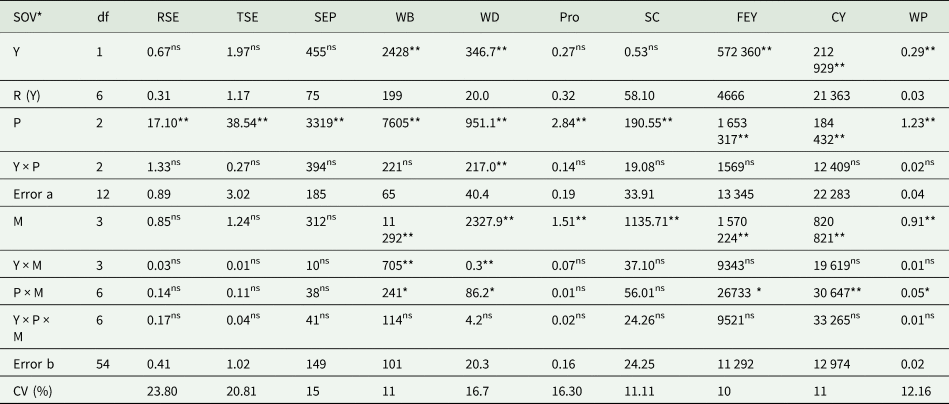
ns, * and **, non-significant and significant at 5 and 1% probability levels, respectively; SOV*, sources of variations; df, degree of freedom; RSE, rate of seedling emergence; TSE, time of seedling emergence; SEP, seedling emergence percentage; WB, weed biomass; WD, weed density; Pro, proline; SC, soluble carbohydrates; FEY, fresh ear yield; CY, canned yield; WP, water productivity; Y, year; R, replication; P, seedbed preparation methods; M, wheat residues mulching rates.
Seedling emergence rate, time and percentage as affected by methods of seedbed preparation for 2 years
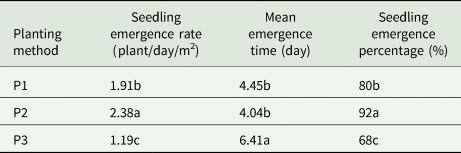
The means with similar letters in each section, according to LSD test, are not significantly different at P<0.05. P1, pre-planting irrigation before furrow-ridge preparation; P2, pre-planting irrigation after furrow-ridge preparation; P3, irrigation after planting
However, crop emergence time was significantly higher when it was irrigated after planting than pre-planting after and before ridge-furrow preparation (Table 4). Crop residues application did not affect seedling establishment traits.
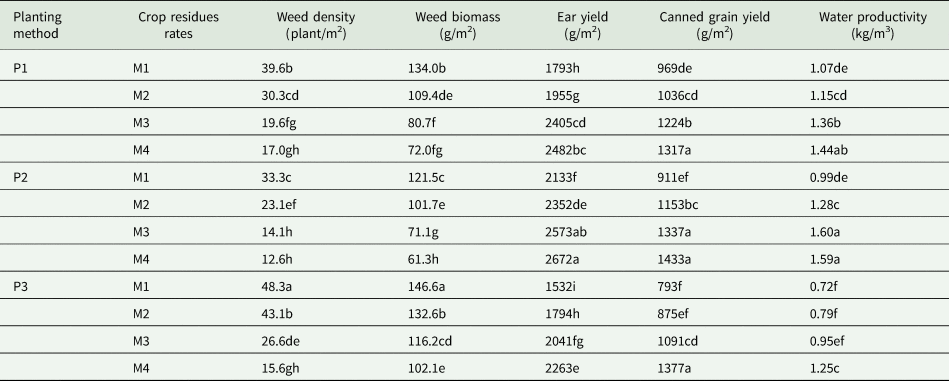
Seedbed preparation methods and wheat residue mulching rates had a significant effect on weed biomass and density (Table 3). Pre-planting irrigation after ridge-furrow preparation with 750 g/m2 wheat residue treatment decreased weed biomass and weed density more effectively than other treatments (Table 5).
Weed density, biomass, ear yield, canned grain yield and water productivity as affected by methods of seedbed preparation for 2 years

The means with similar letters in each section, according to LSD test, are not significantly different at P<0.05. P1, pre-planting irrigation before furrow-ridge preparation; P2, pre-planting irrigation after furrow-ridge preparation; P3, irrigation after planting; M1, no wheat residue; M2, 250 g/m2 wheat residue; M3, 500 g/m2 wheat residue; M4, 750 g/m2 wheat residue.
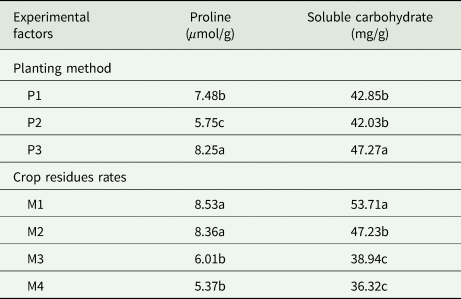
The results showed that seedbed preparation methods and wheat residue mulching rates had a significant effect on proline and soluble carbohydrate contents (Table 3). Among seedbed preparation methods, irrigation after planting had the highest effects on proline and soluble carbohydrate contents compared with the pre-planting irrigation treatments (Table 6). Increasing wheat residue rates decreased the trend of proline and soluble carbohydrate contents. The highest and the lowest carbohydrate contents were obtained from 0 and 750 g/m2 wheat residue, respectively (Table 6).
Effect of methods of seedbed preparation and mulching rates on proline and soluble carbohydrate contents of sweet corn leaf for 2 years

The means with similar letters in each section, according to LSD test, are not significantly different at P<0.05. P1, pre-planting irrigation before furrow-ridge preparation; P2, pre-planting irrigation after furrow-ridge preparation; P3, irrigation after planting; M1, no wheat residue; M2, 250 g/m2 wheat residue; M3, 500 g/m2 wheat residue; M4, 750 g/m2 wheat residue.
Fresh ear and canned grain yield, which are the marketable yields of sweet corn, were significantly affected by the combinations of seedbed preparation methods and wheat residue rates (Table 3). The highest fresh ear and canned grain yield were obtained when crop was irrigated and planted after ridge-furrow preparation and 750 g/m2 of wheat residues was applied (Table 5).
There was a significant interaction between seedbed preparation methods and wheat residues application for water productivity (Table 3). The highest water productivity was obtained when wheat residues (particularly 750 g/m2) were applied and land was prepared with pre planting irrigation after ridge-furrow (Table 5).
Discussion
The lowest seedling emergence rate occurred when sweet corn was irrigated after planting. Seedbed moisture content of this treatment was further compared with the pre-planting irrigation treatments during the germination period. These findings demonstrated that seedbed moisture was not a limiting factor for a good crop establishment, whereas other properties of seedbed affected crop establishment. Soil resistance and compaction increased with increasing successive irrigations (Hamza and Anderson, Reference Hamza and Anderson2003). When the crop was irrigated after planting, initial frequent irrigations may have contributed to soil compaction near the seed. Topsoil compaction decreases oxygen availability for seed germination (Li et al., Reference Li, Yang, Zhang and Wang2010; Weisskopf et al., Reference Weisskopf, Reiser, Rek and Oberholzer2010). Hence, soil compaction promotes late and a lower germination rate (Nawaz et al., Reference Nawaz, Bourrie and Trolard2013). Finch-Savage and Bassel (Reference Finch-Savage and Bassel2016) also claimed that seedling emergence was negatively affected by seedbed compaction. However, reduced initial irrigations decreased soil compaction during the germination stage when the crop was irrigated after pre-planting. Pre-planting irrigation enhanced crop establishment as expected compared with when the crop was irrigated after planting. Pre-planting irrigation after ridge-furrow preparation was the most fitting planting method for crop establishment, because seeds were compressed and covered with soil to form a suitable seedbed.
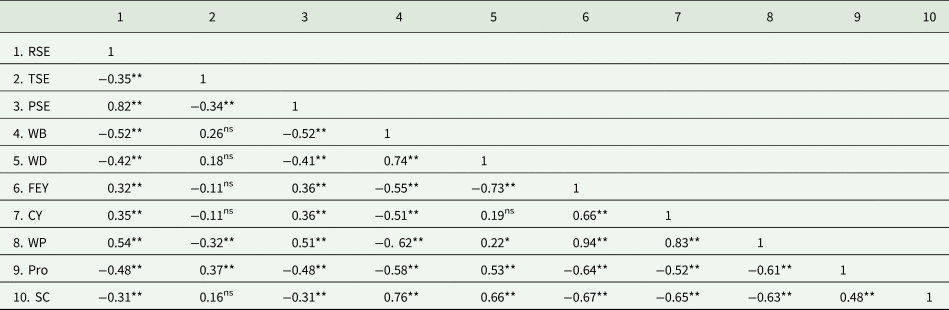
Weed biomass and density of the pre-planting irrigation after ridge-furrow preparation with 750 g/m2 wheat residue was significantly lower than the other treatments. Increasing crop residue rate lowered weed biomass and density. Research suggests light can significantly promote germination in many weed species (Ahmed et al., Reference Ahmed, Opeña and Chauhan2015). Light restrictive practices such as mulching can help most effectively manage weeds (Ahmed et al., Reference Ahmed, Opeña and Chauhan2015). In contrast, cover crop residue can significantly contribute to repressing smaller-seeded weeds (e.g., common lambsquarters) given their inadequate carbohydrate reserve for growing under mulched conditions (Pittman et al., Reference Pittman, Barney and Flessner2020). The present study mainly investigated photoblastic weeds such as Johnsongrass and common lambsquarters. Residue mulching prevented weed germination by obstructing the light reaching the weed seeds. Decreasing the weed density lowered the weed biomass. There was a significant positive correlation between the weed density and the weed biomass (r = 0.74**) (Table 4). Wheat residue mulching therefore effectively reduced weed biomass by decreasing weed density. Wayayoka et al. (Reference Wayayok, Soom, Abdan and Mohammed2014) reported the highest weed biomass (16.17 g/m2) with no mulch treatments and mulch at the lowest weed biomass (0.26 g/m2). Similarly, Ngwira et al. (Reference Ngwira, Aune and Thierfelder2014) found rice residue (2.5 t/ha) decreased weed density.
Pre-planting irrigation after ridge-furrow preparation decreased weed density and biomass and better crop establishment. A significant negative correlation was found between crop seedling emergence rate and weed biomass (r = − 0.52**) (Table 7). Rapid soil surface drying in these treatments led to a more significant reduction in weed emergence compared with irrigation after planting method. It has also been reported that even early light irrigation can increase emerging weeds, and the wetted surface increase by increasing the volume of applied water (Bajpai and Kaushal, Reference Bajpai and Kaushal2020). Hence, frequent primary irrigations when the crop was irrigated after planting increased emerged weeds compared with pre-planting irrigation treatments because of horizontal elongation of the wetting pattern in the planting row. Thus, changing the planting method by improving seedling establishment was an influential factor in decreasing weeds. However, the planting method must be combined with wheat residue mulching to achieve an acceptable weed control.
Pearson's correlation coefficients between traits of sweet corn for 2 years
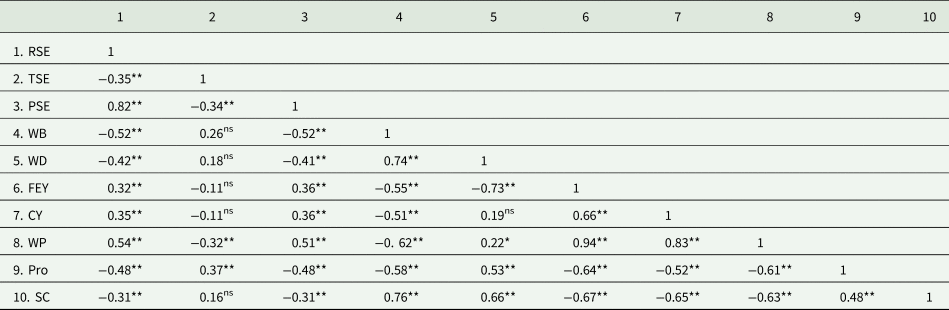
ns, * and **, respectively, non-significant and significant at 5 and 1% probability level of error.
RSE, rate of seedling emergence; TSE, time of seedling emergence; PSE, per cent of seedling emergence; WB, weeds biomass; WD, weed density; FEY, fresh ear yield; CY, canned yield; WP, water productivity; Pro, proline; SC, soluble carbohydrate.
Proline and leaf soluble carbohydrate contents were higher when the crop was irrigated after planting than pre-planting irrigation. Non-toxic compounds, including proline and carbohydrates, accumulated in plants can protect cells from damage by lowering the water content of cells (Krasensky and Jonak, Reference Krasensky and Jonak2012; Lipiec et al., Reference Lipiec, Doussan, Nosalewicz and Kondracka2013). Increased weed biomass followed by increased soil moisture depletion affected proline and soluble carbohydrate contents in irrigation after planting treatment. Correlations between weed biomass with proline (r = 0.58**) and soluble carbohydrates were significant and positive (r = 0.76**) (Table 4). Sinay and Karuwal (Reference Sinay and Karuwal2014) reported the highest contents of proline and soluble carbohydrates in chickpea (Cicer arietinum L.) in water-deficit treatment with a 12-day irrigation interval.
Mulching reduced the soil moisture depletion and the proline and soluble carbohydrate contents by decreasing weed biomass. Kumar and Lal (Reference Kumar and Lal2012) also argued that aluminium reflective mulch prevents the growth of weeds in squash (Cucurbita pepo L.) and thus helps retain soil moisture. Furthermore, different types of mulch such as rice residue, husk and grasses decreased the water loss caused by weeds (Abouziena et al., Reference Abouziena, El-Saeid and Amin2014).
The highest fresh ear and canned grain yield were obtained when the crop was irrigated after ridge-furrow preparation and application with 750 g/m2 of wheat residues which can be explained by the positive effects of mulching on weed management. As discussed earlier, the proline and soluble carbohydrate contents increased with increased soil moisture depletion by the weeds. There were significant negative correlations between weeds biomass and canned grain yield (r = −0.51**). Pittman et al. (Reference Pittman, Barney and Flessner2020) reported that weed-free treatments increased corn yield compared to weedy ones. Similarly, Armengot et al. (Reference Armengot, José-María, Chamorro and Sans2013) found weed treatment decreased wheat yield by 11.4% compared to weed-free treatments. Silk emergence is sensitive to weed interference in a way that weeds postponed primary growth and development in corn, which negatively affects grain performance (Williams et al., Reference Williams, Heiniger, Everman and Jordan2014). Sweet corn yield increased with weed suppression method (Table 5), and crop residues application. Mulching also increased soil moisture (Fig. 1(b)) by lowering the weed biomass. Crop residues therefore decreased weeds, and improved soil moisture (Table 7), which increased fresh ear and canned yield.
Since there was no significant difference between 750 and 500 g/m2 wheat residue on fresh ear and canned yield when the crop was irrigated before planting after ridge-furrow preparation, the pre-planting irrigation after ridge-furrow preparation with 500 g/m2 wheat residue rate appears to be more economical and environmentally sustainable. Reportedly, rapid crop establishment supplies a competitive benefit to crop (Scavo and Mauromicale, Reference Scavo and Mauromicale2020). Improved seedling establishment in the pre-planting irrigation after ridge-furrow preparation treatment led to a better control of weeds; these treatments did not require crop residues application.
Application of wheat residues (especially 750 g/m2) and the pre-planting irrigation after ridge-furrow preparation improved water productivity. Water productivity increased with increasing wheat residues rates (particularly 750 g/m2), because of its effect on reducing weeds. Weeds consume the same amount of water as crop plants use and further weed growth leads to higher water consumption and more water loss (Zimdahl, Reference Zimdahl2018). Weed density was directly related to the depletion of soil moisture and had a significant adverse effect on water productivity (Dalley et al., Reference Dalley, Bernards and Kells2006). When 750 g/m2 of wheat residue was applied, weed biomass decreased accompanied by decrease in slope of moisture depletion in 0–30 cm of soil depth (Fig. 1(b)) where most sweet corn roots are concentrated. Hence, crop residues reduce weed infestation, which lead to improved water productivity. Kumar and Lal (Reference Kumar and Lal2012) claimed that applying white or aluminium reflective mulch helped preventing weed growth and soil water loss in squash during dry years. Similarly, Wang et al. (Reference Wang, Wu, Dai, Zhang, Feng, Zhao, Wu, Jin, Cai and Oenema2012) showed that residue mulching increased grain yield of corn, which leads to higher water productivity.
Pre-planting irrigation improved germination and plant stand establishment and weed growth was low and consequently soil moisture depletion was lower compared to irrigation after planting (Fig. 1(a)). Indeed, water productivity was higher when the crop was irrigated and planted after ridge-furrow preparation and application with 750 g/m2 of wheat residues.
Conclusion
Pre-planting irrigation of sweet corn with wheat residue (500–700 g/m2) improved grain yield and water productivity. There was a significant increase in the crop yield caused by crop residues application and appropriate seedbed preparation methods which improved seedling establishment and weed control. Given the positive effects of these factors on seedling establishment, weed control, water productivity and grain yield, they appear to be more economical and environmentally sustainable.
Author Contributions
N. Niknam contributed to conceptualization, investigation, resources, writing – original draft. H. Farajee contributed to validation, investigation, resources, writing – review and editing, supervision, project administration. M. Movahhedi Dehnavi contributed to validation, investigation, resources, writing – review and editing, supervision, project administration. A. Yadavi contributed to validation, investigation, writing – review and editing, supervision, project administration.
Financial support
This research received no specific grant from any funding agency, commercial or not-for-profit sectors.
Conflict of interest
None.
Ethical standards
Not applicable.