Introduction
Chronic neuroangiostrongyliasis (NAS) is best defined as the signs and symptoms of disease following acute infection, persisting beyond 6–12 months post-onset. It is characterized by remission or reduced severity of acute symptoms but is often associated with prolonged chronic impairments.
Available literature has predominantly focused on acute clinical aspects surrounding diagnosis and treatment. In contrast, this is the first report exploring long-term residual symptoms. The study group was recruited from a cohort of persons who were infected and diagnosed with NAS in Hawaii between 2009 and 2017. The case series demonstrates that many persons have sustained residual symptoms including troubling sensory paresthesia, muscle pains and sleep disturbances that result in social and economic problems, and psychological difficulties for many years. Paresthesia as used here also labelled as allodynia or hyperesthesia, are abnormal spontaneous sensations of skin, experienced as ‘burning, pricking, pins and needles’ elicited from stimuli that usually do not cause pain.
Cowie (Reference Cowie2017) has outlined the reported history of angiostrongyliasis, and specifically in Hawaii. The first recognized cases of human NAS in Hawaii occurred in 1959 (Horio and Alicata, Reference Horio and Alicata1961). Subsequently, 19 cases (including the two in 1959) were reported from 1959 to 1965 by Rosen et al. (Reference Rosen, Loison, Laigret and Wallace1967) and a single case, probably in 1975 or 1976 by Kuberski et al. (Reference Kuberski, Bart, Briley and Rosen1979). Kuberski and Wallace (Reference Kuberski and Wallace1979) combined these and other records for a total of 34 cases of eosinophilic meningitis (in most cases only presumed to have been caused by Angiostrongylus cantonensis (A. cantonensis) infection) between 1959 and 1976. No records were then available until 2001, with 19 cases recorded from 2001 to 2004 and a five-person outbreak on Hawaii Island between November 2004 and January 2005. In response Hochberg et al. (Reference Hochberg, Park, Blackburn, Sejvar, Gaynor, Chung, Leniek, Herwaldt and Effler2007) conducted a retrospective review of cerebrospinal fluid (CSF) samples from hospital-based labs in Hawaii and reported that during the 4-year study period (January 2001–February 2005) 83 instances of eosinophilic meningitis were recovered. On medical record review, 24 of 83 were found to be consistent with NAS.
Hochberg et al. (Reference Hochberg, Blackburn, Park, Sejvar, Effler and Herwaldt2011) conducted a related symptom-study case review. Using the interval January 2003 to April 2005 the records of 18 persons from the original 24 patients were reviewed for symptoms. From March to June 2005, two study personnel conducted in-depth telephone interviews of these 18 case-patients to assess clinical manifestations and long-term outcomes. This sampling permitted inclusion of patients up to 30 months post-disease onset. Hochberg et al. (Reference Hochberg, Blackburn, Park, Sejvar, Effler and Herwaldt2011) reported 94% experienced headache, 82% complained of arthralgia – myalgia and 65% complained of sensory symptoms (paresthesia, hyperesthesia and/or numbness). In their discussion the authors wrote that symptoms could be protracted, noting that headaches were reported to recur intermittently over 10 months, that paresthesia, hyperesthesia and numbness persisted for months and that symptoms could be protracted, with only a minority of patients reporting a complete recovery months later. In 2019, the Hawaii Department of Health (Johnston et al., Reference Johnston, Dixon, Elm, Calimlim, Sciulli and Park2019) reported a 10-year case review (2007–2017) of 82 polymerase chain reaction (PCR)-confirmed patients, describing their acute symptom presentations and epidemiological findings. Long-term findings of chronic outcomes were not studied.
Materials and methods
Participants were recruited from residents of Hawaii Island and Maui who had a diagnosis of NAS between 2009 and 2017, and included members of a local Hawaii Island support group (‘Rat Lungworm Support Group’) from the town of Hilo, plus additional patients from Maui who had been cared for by the author.
An introductory email was sent explaining the author's clinical background and interest in studying long-term consequences following acute illness. A description of the survey format, intended use and confidentiality was included along with a request for a reply email confirming interest in participation in the study.
Ten persons expressed interest in participating in the study and were provided with an email questionnaire for completion. All ten recruits completed the survey over the following 7 days.
The questionnaire consisted of two components. Part 1 asked (a) for details of demographic background, age, gender and status of diagnosis (confirmation by CSF real-time qPCR), and (b) 19 yes/no questions addressing current signs and symptoms. Part 2 requested a current subjective health description following two prompts: (a) ‘Describe your illness and provide as much detail as possible on current symptoms that you attribute to the illness’ and (b) ‘Provide any additional comments you wish to make.’
Responses were reviewed for symptoms that began in association with acute NAS. The format provided for follow-up emails discussing aspects of the illness and provided a mechanism for retrieval of additional information. For example, one enrolee was able to provide detailed neurology consultation notes that began with the acute illness and is the first case from the state of Hawaii documenting findings of long-term neurologic consultation.
Results
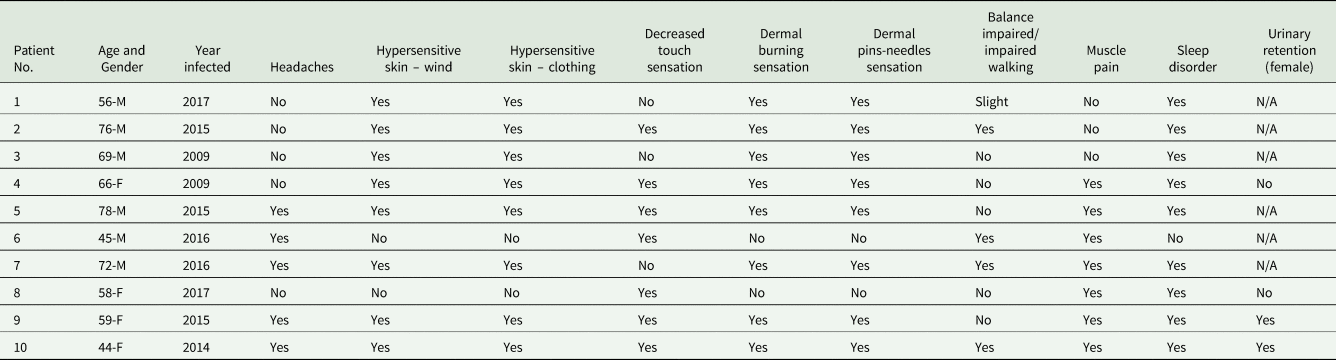
The ten participants ranged in age from 45 to 78 and were not new arrivals to Hawaii, having been residents for 8–47 years (median 23 years) (Table 1). Seven of the ten reported gardening or farming. Six reported a positive diagnosis on NAS by qPCR of CSF using primers specific to A. cantonensis, those of Qvarnstrom et al. (Reference Qvarnstrom, Aramburu da Sliva, Teem, Hollingsworth, Bishop, Graeff-Teixeira and da Silva2010). One was diagnosed based on the recovery of an A. cantonensis larva from the eye (ocular angiostrongyliasis), one by a positive A. cantonensis enzyme-linked immunosorbent assay result and clinically consistent with an acute presentation, one based on CSF eosinophilia with PCR not available at the time of diagnosis but clinically consistent with NAS, and one who refused a lumbar puncture but was clinically consistent with acute NAS presentation (Table 1). Diagnosis ranged from 3 to 10 years prior to participation in the survey (Table 1).
Chronic symptoms at the time of questionnaire, December 2019

Respondents were asked to respond based on symptoms they associated with lasting sequelae of acute infection. Dermal paresthesia symptoms were a common complaint; 6 of 10 reported hypersensitivity to breezes and the touch of clothing, associated sensations described as ‘pins and needles’ and ‘burning’ were reported by 5 of 10. Areas of decreased dermal sensation described as ‘numbness’ were noted in 6 of 10. Diverse muscular pains were reported by 6 of 10, and frequent episodic, but not daily headaches were noted in 5 of 10. Imbalance with difficulty walking was described by 4 of 10. Urinary retention was noted in 2 of 4 females suggesting residual sacral plexus neuropathies. Two males also reported urinary retention symptoms, but their complaints could not be differentiated from voiding changes secondary to prostate enlargement. Emotional components expressed as having onset with acute illness, or exacerbation as a consequence of angiostrongyliasis, included anxiety-depression and insomnia; they were the most frequent complaint in 8 of 10 (Table 1).
The following direct patient accounts, offered in response to the questions in Part 2 of the study, best illustrate components of chronic disability. Skin paresthesia is characterized as burning or stinging and elicited by light touch from clothing, or even breezes from a fan. For many it affects the choice of clothing (short sleeves) and is an irritant that is chronic and poorly relieved with medications; it is a common source of sleep disruption. Some resort to ice massages over sensitive areas.
Patient 1. My ongoing symptoms involve burning, itching and extreme sensitivity to touch. I also suffered mental/emotional problems including depression, anxiety and insomnia. Upper body: left arm and hand (skin) with bee sting feeling, upper back: right-side (skin) itching, lower body and buttocks (both sides: especially left) burning sensation. Muscle weakness in legs (especially left leg). On-going depression and anxiety. Health Providers: General Practitioner, Neurologist UCLA, Infectious Disease Specialist UCLA, Acupuncturist Chinese Medicine, Oahu Queens Neuroscience Centre consult, Psychiatrist
Patient 2. It is a very discouraging disease when it seems like no cure or healing takes place over time; chronic pain left arm, near elbow down into left hand and the back of the right hand; poor balance which has not improved. Easily toppled with any turning around, frequent falls, no longer can golf, swing brings me down.
Patient 3. The touch of clothing is hypersensitive and there is pain down the right leg to knee. Right calf with a burning sensation, touch of clothing irritates both legs. Pain interrupts sleep.
Patient 4. I have constant neck pain, and also right side, and down the right leg to below my thigh. Gradually over 6 months or so the symptoms began to diminish, the worst over in about a month, but then I realized that this was here to stay. It is my neck pain that is the worst. I take two Vicodin a day. Fortunately, I have a doctor that understands rat lungworm to a certain extent. The support group only popped up 2 years ago or else I probably would have tried alternative treatments but really, I was alone in a vacuum.
Patient 5. Almost 5 years I have had pain – Right side head and neck constant, also pain lower right side, and right leg numb. Many different paraesthesia effects – along with the head pain came a skin irritation on my upper back, kind of like shingles, feels like a bad sunburn and itches, a creepy kind of pain that makes it hard to put on or to wear a shirt. Also, have insomnia. I was in bed for 4 months except for a few doctor visits. I was blessed that I had a caretaker, my wife cared for me throughout, even until the present. The doctors and health professionals in our survivor group really know little about the neurological effects and how to heal them. Neurologists most of all, the best they have offered is pain medication, prednisone, gabapentin and lyrica (all with bad side effects).
Patient 6. My family just acts like I am a hypochondriac, or it is my fault that I am ill or something. I stopped talking about it. They rarely ask me how I am feeling but if they happen to ask, and I tell them, they do not want to hear it. After 3 years I still cannot drive. I have what appears to be micro seizures, but I am not sure. I am going to see a neurologist specializing in seizures. I seem to always be flickering in and out of consciousness at a fast rate. I think that is why my eyesight is so messed up and I cannot drive. I have really bad vertigo and also have double vision. I cannot urinate properly (retention), and my legs, feet and arms are numb. My hips, lower back, and legs are very painful. Its either numbness or pain, now mostly pain.
Patient 7. Eye surgery March 2016, removed a worm, now cannot see from the left eye (ocular angiostrongyliasis with larval extraction). The worm went through the left side of the brain, to my left eye.
Patient 8. Out of work 3 months, continue with decreased sensation in lower legs.
Suffered from PTSD the first year, was scared to death to eat anything green, afraid of reinfection, terrifying. I am kind of getting better more confident now.
Patient 9. Have had persistent difficulty with emptying the bladder and was hospitalized for sepsis and septic shock 1.5 years after RLW diagnosis and found to have an abscess in the kidney. Had surgery to have ureter stent put in. I have not fallen in the last 2 years; I fell frequently for the first 2 years. It would just happen. Now I can compensate if I get off balance. Even though I was well insured, we had copays and out of pocket costs for uncovered alternative treatments I tried. Ended up selling our house and land. My husband was very supportive and wonderful to me throughout. He was basically my caregiver during this time. If he had not been retired and had a full-time job it would have been much more difficult. I was confused and I did not drive for 6 months. We moved so I could seek speciality care more easily. The problem was, it was difficult to get anyone to acknowledge that I had actually had this uncommon disease, and little was understood about long term effects as well.
Patient 10. This disease has left me in a deep state of grief for all that I have lost and how I have suffered. Eyes have light sensitivity, and I usually have to wear sunglasses even inside if the lights are too bright. I became very sensitive to bright lights and loud situations. Emotional issues-depression, waves of grief, intense anxiety, panic attacks, coping with my loss of independence. Sleeping issues with pain and insomnia, I wake up feeling exhausted. I wake up repeatedly through the night having to urinate from neurogenic bladder and incontinence. I have been advocating for myself these past 5 years and searching the literature asking doctors why I am still sick when it is written that this disease is self-resolving. I hate that expression; it is so untrue.
Attempted therapeutics
In response to the questions in Part 2 of the study, the following wide diversity of medications were reported by the participants as having been used in attempts to achieve relief of chronic NAS symptoms: gabapentin, lorazepam, sertraline, bupropion, naltrexone, duloxetine, pregabalin, nortriptyline, hydromorphone, oxycodone, hydrocodone, naproxen, tramadol, hydroxyzine, medical marijuana, cannabis edibles, lidocaine patches, capsaicin cream, prednisone, atenolol, Chinese medicines, acupuncture. This extensive list highlights that there is no one truly effective therapeutic agent.
Discussion
Since the earliest reports of human A. cantonensis infections, commentators reference exceptional ‘rare’ severe cases, but almost universally conclude that most patients with NAS have a self-limited course and recover completely (Rosen, Reference Rosen, Loison, Laigret and Wallace1967; Kuberski and Wallace, Reference Kuberski and Wallace1979; Tseng et al., Reference Tseng, Tsai, Cheng, Lee, Wann, Wang, Chen, Wu and Chen2011; Cowie, Reference Cowie2017). However, anecdotal reports from Hawaii suggest full recovery frequently does not occur. The one available case study (Hochberg et al., Reference Hochberg, Blackburn, Park, Sejvar, Effler and Herwaldt2011) concluded that symptoms can be protracted with only a minority of patients reporting complete recovery even months later. The present study further advances the findings of chronic sequelae as a frequent disease component in cases occurring in Hawaii.
The present study found that the paresthesia (or hyperesthesia), numbness and diffuse muscular pains may persist for years, and are frequently associated with distressing sleep disturbances. The paresthesia closely resembles that described with post-herpetic neuralgia (PHN, shingles, zoster). Both diseases have similar therapeutic regimens, each with limited results as reflected in the extensive list of attempted therapeutics cited in the attempted therapeutic section above.
The pathology is consistent with nerve root damage secondary to the effects of large numbers of migrating and dead worms and the associated immuno-inflammatory responses. An extensive review of the pathophysiology (Barratt, et al., Reference Barratt, Chan, Sandaradura, Malik, Spielman, Lee, Marriott, Harkness, Ellis and Stark2016) referenced reports of third-stage larvae covering meninges and nerve roots (Chen et al., Reference Chen, Li and Lun2005); granuloma formation, infiltration by eosinophils and occasionally Charcot–Leyden crystals around dead worms (Wang et al., Reference Wang, Lai, Zhu, Chen and Lun2008; Martins et al., Reference Martins, Tanowitz and Kazacos2015); and physical tracks and microcavities due to the burrowing movement of larvae observed in the brain and spinal cord (Morton et al., Reference Morton, Britton, Palasanthiran, Bye, Sugo, Kesson, Ardern-Holmes and Snelling2013; Murphy and Johnson, Reference Murphy and Johnson2013).
An autopsy review of five severe cases in Australia (Prociv and Turner, Reference Prociv and Turner2018) reported finding hundreds of worms in subdural and subarachnoid spaces predominantly in lumbar and cauda equina regions. The internal vertebral venous plexi of lumbar and lower thoracic regions were congested, and worms were densely packed in sections of the lumbar spinal cord and cauda equina, and within nerve roots, with surrounding inflammatory response.
Considering their similar presentations, studies of PHN may offer additional clues for understanding neurologic features of NAS. In PHN fibrosis has been noted in the dorsal root ganglion, nerve roots and peripheral nerves. In an autopsy study (Watson, et al., Reference Watson, Deck, Morshead, Van der Kooy and Evans1988) reported findings on a 67-year-old male who had experienced severe PHN over the right T7–8 dermatomes during the last 5 years of life. The dorsal horn of the thoracic spinal cord of the affected side was atrophic from T4 to T8, with fibrosis of the T8 ganglion, cell loss and only nerve root involvement. Markers of unmyelinated afferents (substance P), substantia gelatinosa neurons (opiate receptors), glial cells (glial fibrillary acidic protein) and descending spinal projections (dopamine-beta-hydroxylase and serotonin) were not different at affected vs non-affected spinal cord levels. The authors suggested the pain of PHN may result from the uninhibited activity of unmyelinated primary afferents as a result of the loss of myelinated afferent fibres and the possible presence of hypersensitive neurons in the dorsal horn. In a later autopsy study (Watson, et al., Reference Watson, Deck, Morshead, Van der Kooy and Evans1991) the same authors reported on 5 cases of PHN; 3 with severe persistent pain had dorsal horn atrophy and cell, axon and myelin loss with fibrosis in the sensory ganglion.
Several persons noted balance deficits limiting activities, sometimes associated with falls. It is uncertain whether chronic gait and balance impairments result from central nervous system damage or from peripheral neuropathies. Emotional depression was frequent and economic problems resulting from prolonged work absence and disabilities were common. Several persons noted prolonged caregiver dependency. In conjunction with acute infection two females experienced onset of urinary retention presumably from sacral plexus nerve damage; one had subsequent ascending urinary tract infections ultimately resulting in renal abscess and sepsis. This illustrates potential for delayed effects of infection resulting from lumbar and sacral cord damage (Hsu et al., Reference Hsu, Chuang, Chen and Huang2009). Angiostrongyliasis also affects persons with pre-existing conditions which further complicates assessment and management. As an example, one patient had a history of type 2 diabetes mellitus, a history of pre-existing mitral valve replacement associated with the prior embolic cerebral vascular accident (embolic stroke) and was on anticoagulation medications; his evaluations, choice of medications and therapeutic plans were all complicated by underlying medical conditions. Patients universally expressed frustration at the lack of health care recognition for both acute and chronic components of the illness and how this contributed to a sense of therapeutic inadequacy bordering on feelings of health care provider indifference.
During the interval 2014–2017 the State of Hawaii, Hawaii Department of Health (2019) recorded 38 confirmed cases. Although the present study was able to include only 7 of these 38 cases, they represent chronic disabilities in a minimum 18% (7 of 38) of the reported cases. Additional anecdotal cases with similar chronic characteristics have been reported in patient support groups (Hilo Rat lung worm support group) from the state of Hawaii but have not been included because of inability to access the medical records to confirm a preceding acute neuroangiostronglus diagnosis. What are the causes of the increased frequency of chronic sequelae observed in Hawaii?
Multiple mollusc and human factors may contribute to the risk and intensity of human infection. Species vary in parasite load, infection prevalence, geographic distribution and frequency of interactions with human activities (Wallace and Rosen, Reference Wallace and Rosen1969; Kim et al., Reference Kim, Hayes, Yeung and Cowie2014; Medeiros et al., Reference Medeiros, Rollins, Echaluse and Cowie2020).
Infection dynamics may offer clues. In Southeast Asia (Lim and Mak, Reference Lim, Mak, Croll and Cross1983) and southern China (Lv et al., Reference Lv, Zhang, Steinmann and Zhou2008) most infections appear to be associated with an intentional ingestion of aquatic snails as a food source eaten raw or after partial cooking. Sauces used to marinate raw snails (Eamsobhana et al., Reference Eamsobhana, Yoolek and Yong2010) and heat in cooking (Alicata, Reference Alicata1967) may kill and reduce the numbers of viable L3 larvae before consumption. In Hawaii, most infections are presumed to result from inadvertent consumption of a mollusc in an ingested food, such as produce, especially leafy greens, or juice (e.g. a vegetable ‘smoothie’, cf. Tseng et al., Reference Tseng, Tsai, Cheng, Lee, Wann, Wang, Chen, Wu and Chen2011), or more commonly, with no recollection of a suspect meal. None of the participants in the reported study could recall intended snail ingestion but seven of the ten reported being home gardeners and eating their homegrown foods.
Parasite-infecting dose is proposed as an important contributor to the observed severity of the acute infection and chronic sequelae. Numerous NAS investigators have commented on the presumed but seemingly logical importance of infection dose (number of L3 consumed) relative to both infection risk and disease severity (Tesana et al., Reference Tesana, Srisawangwong, Sithithaworn, Laha and Andrews2009; Tseng et al., Reference Tseng, Tsai, Cheng, Lee, Wann, Wang, Chen, Wu and Chen2011; Cowie, Reference Cowie2013; Murphy and Johnson, Reference Murphy and Johnson2013; Kim et al., Reference Kim, Hayes, Yeung and Cowie2014; Barratt et al., Reference Barratt, Chan, Sandaradura, Malik, Spielman, Lee, Marriott, Harkness, Ellis and Stark2016; Prociv and Turner, Reference Prociv and Turner2018). It seems likely that the level of acute disease severity and concomitant neurological damage would be correlated with the degree of persistence of chronic symptoms.
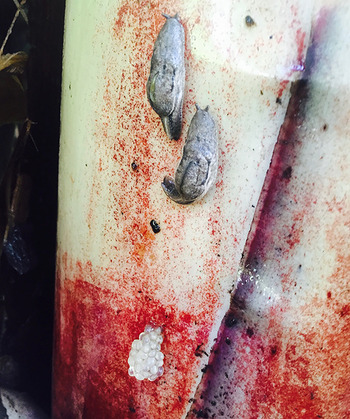
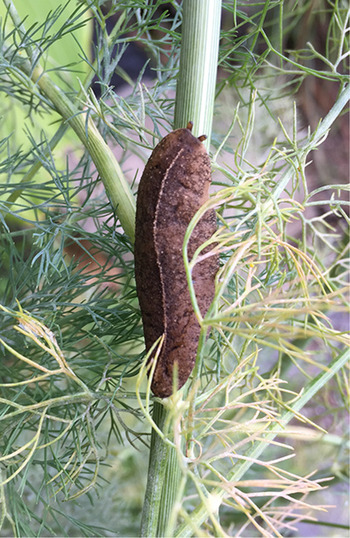
Many gastropod species can act as intermediate hosts. Multiple comparisons of intermediate mollusc hosts have shown species-specific differences in parasite density/load and infection prevalence (e.g. Lv et al., Reference Lv, Zhang, Steinmann and Zhou2008; Kim et al., Reference Kim, Hayes, Yeung and Cowie2014, Reference Kim, Wong, Curry, Yeung, Hayes and Cowie2019; Barratt et al., Reference Barratt, Chan, Sandaradura, Malik, Spielman, Lee, Marriott, Harkness, Ellis and Stark2016; Medeiros et al., Reference Medeiros, Rollins, Echaluse and Cowie2020). In general, aquatic gastropods are found to have relatively lower parasite loads than terrestrial gastropods because of less frequent encounters with rats and rat feces (Lv et al., Reference Lv, Zhang, Steinmann and Zhou2008; Kim et al., Reference Kim, Hayes, Yeung and Cowie2014). The most common intermediate hosts of A. cantonensis in southern China and Southeast Asia are reported to be from aquatic Pomacea and Pila species (Punyagupta et al., Reference Punyagupta, Bunnag, Juttijudata and Rosen1970; Lv et al., Reference Lv, Zhang, Steinmann and Zhou2008; Tesana et al., Reference Tesana, Srisawangwong, Sithithaworn, Laha and Andrews2009; Eamsobhana et al., Reference Eamsobhana, Yoolek and Yong2010; Barratt et al., Reference Barratt, Chan, Sandaradura, Malik, Spielman, Lee, Marriott, Harkness, Ellis and Stark2016), although there have been cases in southern China and Taiwan associated with the giant African snail, Lissachatina fulica, as well as Pomacea canaliculata (Lv et al., Reference Lv, Zhang, Steinmann and Zhou2008; Tseng et al., Reference Tseng, Tsai, Cheng, Lee, Wann, Wang, Chen, Wu and Chen2011). Pomacea canaliculata is commonly incriminated not necessarily because of high infection prevalence, but because of its popularity as a food source. In Hawaii, recent surveys (Kim et al., Reference Kim, Hayes, Yeung and Cowie2014; Reference Kim, Wong, Curry, Yeung, Hayes and Cowie2019; Cowie et al., Reference Cowie, Rollins, Medeiros and Christensen2019; Medeiros et al., Reference Medeiros, Rollins, Echaluse and Cowie2020) have found 16 terrestrial species that are carriers of A. cantonensis. Although any of the 16 is capable of transmission, the ‘semi-slug’ Parmarion martensi (Fig. 1) is frequently implicated in transmission to humans and has been incriminated as a major contributor to outbreaks of severe disease in Hawaii; it is a species characterized by both high infection prevalence and high parasite loads and has behavioural characteristics that may enhance human contact (Hollingsworth et al., Reference Hollingsworth, Kaneta, Sullivan, Bishop, Qvarnstrom, da Silva and Robinson2007; Howe and Jarvi, Reference Howe and Jarvi2017). In the surveys noted above Parmarion martensi had the highest prevalence of infection with 64–78% of the specimens testing positive for A. cantonensis. It is a species that is mainly ground-dwelling; however, it will readily climb and is often found in trash cans and compost piles, where contact with rats and rat feces is probably a common occurrence (Kim et al., Reference Kim, Hayes, Yeung and Cowie2014). Laevicaulis alte had an infection prevalence of 30–38% and Lissachatina fulica 11–28% (Kim et al., Reference Kim, Hayes, Yeung and Cowie2014; Medeiros et al., Reference Medeiros, Rollins, Echaluse and Cowie2020), but both species are large, and their size makes them less likely to be accidentally consumed. Veronicella cubensis (Fig. 2), also large, is frequently found in home gardens and on produce but exhibited a prevalence of only 3–4% and may therefore pose a less important risk for transmission.
Adult pair Parmarion martensi Simroth, 1893. (Gastropoda: Ariophantidae), on banana stalk. Note egg clutch inferior on stalk.

Veronicella cubensis.

To summarize, mollusc surveys have found parasite prevalence and load in some terrestrial molluscs in Hawaii to be higher than what is commonly observed in aquatic species in Southeast Asia and southern China (Punyagupta et al., Reference Punyagupta, Bunnag, Juttijudata and Rosen1970; Lv et al., Reference Lv, Zhang, Liu, Hu, Yang, Steinmann, Chen, Wang, Utzinger and Zhou2009; Tesana et al., Reference Tesana, Srisawangwong, Sithithaworn, Laha and Andrews2009; Tseng et al., Reference Tseng, Tsai, Cheng, Lee, Wann, Wang, Chen, Wu and Chen2011; Barratt et al., Reference Barratt, Chan, Sandaradura, Malik, Spielman, Lee, Marriott, Harkness, Ellis and Stark2016). This suggests there is a higher risk of ingesting a large number of viable L3 larvae during acute disease in Hawaii and corresponds with the reported intensity and duration of cases in the present study. The severity of damage sustained in acute infection is hypothesized to contribute to the neurologic sequelae characteristic of chronic NAS. Considering the numerous mollusc species worldwide that are permissive for A. cantonensis (Kim et al., Reference Kim, Hayes, Yeung and Cowie2014), clinicians and researchers are urged to consider chronic NAS as an emerging phenomenon elsewhere.
In conclusion, the data are consistent with the findings of Hochberg et al. (Reference Hochberg, Blackburn, Park, Sejvar, Effler and Herwaldt2011) and together strengthen the recognition of chronic symptoms affecting a significant number of persons contracting NAS in Hawaii. This study also demonstrates that NAS is frequently life-changing because of the multiple, chronic, neurologic sequelae that limit activities of daily living. Health care practitioners need to recognize the chronic components of NAS and attempt to provide effective intervention. The study also suggests the chronic aspect of the disease needs further investigation in Hawaii, and possibly Southeast Asia, southern China and wherever there is a high prevalence of human infection. Intermediate mollusc host species bearing high parasite loads and having behaviours favouring human contacts may be associated with acute disease severity and the subsequent development of chronic sequelae. Locations, where terrestrial mollusc species exist in frequent and prolonged contact with rats, will promote the development of snail and slug populations characterized by high parasite loads. This increases the risk for more severe human infections and chronic disease and has health implications as more geographic regions with terrestrial species emerge.
The current study demonstrates the need for a more comprehensive case review of all PCR-confirmed individuals identified in the Hawaii Department of Health Angiostrongyliasis database from 2007 to the present. Public HDOH records indicate at least 77 persons listed as Hawaii residents who could be recruited for an outcome case review. This would greatly advance our understanding of NAS as it presents in areas endemic with terrestrial molluscs and further evaluates the spectrum of this disease.
Acknowledgements
The author is very grateful for the continuous suggestions, valuable comments and support of Dr Robert Cowie. Also, thanks for final editing and submission guideline reviews by Heidi Lea and support from the Rat Lungworm East Maui Taskforce and funding support from Hawaii Farmers Union Foundation.
Financial support
This research received no specific grant from any funding agency, commercial or not-for-profit sectors. The Rat Lungworm East Maui Taskforce contracted administrative support with Heidi Lea for final editing and submission guideline review; funded by a grant for rat lungworm control and education efforts in East Maui by Hawaii Farmers Union Foundation (Grant #17ADVC-86310).
Conflicts of interest
None.
Ethical standards
Not applicable.