




No CrossRef data available.
Article contents
Toltrazuril treatment to control diaplacental Neospora caninum transmission in experimentally infected pregnant mice
Published online by Cambridge University Press: 13 December 2004
Abstract
We addressed the question whether diaplacental transmission of Neospora caninum can be controlled by metaphylactic chemotherapy using toltrazuril or enrofloxacin. Female C57/BL6 mice, infected on day 10 of pregnancy, were medicated for 6 consecutive days p.i. with 52·5 mg toltrazuril or – as an out-group control medication – 16·7 mg enrofloxacin per kg body weight per day. Other control groups received either infection but no medication or vice versa. Toltrazuril treatment significantly reduced pre- and perinatal losses (10 deliveries of healthy newborns, versus 1 abortion and 4 failures) when compared to control-enrofloxacin (2 deliveries, versus 1 abortion, 7 failures and 2 pre-parturient deaths of dams) and non-treated animals (3 deliveries, versus 6 abortions, 8 failures and 4 pre-parturient deaths). Simultaneously, PCR-based parasite detection in the brain of mothers, histopathological findings as well as clinical fatality were significantly less frequent in toltrazuril-treated dams. The overall toltrazuril treatment efficacy was determined as 87%, that of enrofloxacin-treatment as 17%. The progenies of toltrazuril-treated dams also exhibited a very low rate of PCR-positivity in their brain (3 out of 39), whereas untreated dams delivered litters with mostly PCR-positive brains (12 out of 14) and a relatively high death rate post-partum (5 out of 19 newborns died). Mice subjected to a second mating delivered newborns all negative by N. caninum-PCR, indicating that diaplacental tachyzoite passage does not occur in a later, repeated pregnancy. Overall, our experiments showed that toltrazuril-treatment of an acute N. caninum-infection – induced during pregnancy – results in a clear reduction of fetal losses and a marked reduction of diaplacental passage of the parasite to the fetal brain, whereas enrofloxacin, as an out-group control substance, failed to show the same effect.
Information
- Type
- Research Article
- Information
- Copyright
- © 2004 Cambridge University Press
INTRODUCTION
The main problems associated with Neospora caninum infections in veterinary medicine are abortion and perinatal death in cattle and a severe neuromuscular disease in dogs (Dubey, 2003). Vertical transmission is the most important way to maintain the infection in a bovine herd (Anderson et al. 1997; Schares et al. 1998; Davison, Otter & Trees, 1999) and may occur several times in one particular cow.
The need for the development of effective pro- or metaphylactic measures against bovine neosporosis has been widely addressed and discussed (Liddell et al. 1999; Gottstein et al. 2001; Greif, Harder & Haberkorn, 2001; Innes et al. 2002; Kritzner et al. 2002). Thus, effective vaccines to protect cattle from abortion upon vertical parasite transmission are currently not available (Andrianarivo et al. 2000; Innes et al. 2002), although vaccination trials in the mouse model appeared promising (Nishikawa et al. 2001). With regard to chemotherapeutical approaches, quite a wide range of compounds has been tested against N. caninum. Some pharmacologically active drugs are known to kill the parasite on cell culture-based assays (Lindsay et al. 1994; Dubey, 2003). Recently, artemisinin and depudecin were also found to have an anti-parasitic activity against N. caninum in vitro (Kim et al. 2002; Kwon et al. 2003). In the mouse model (Lindsay et al. 1995), oral drug treatment with sulfadiazine and amprolium was ineffective (Lindsay & Dubey, 1990). In contrast, we could show that toltrazuril and ponazuril (triazinone derivatives; Greif, 2000) exhibit a good efficacy against neosporosis in experimentally infected immunocompetent mice and calves (Gottstein et al. 2001; Kritzner et al. 2002). Furthermore, we showed that toltrazuril appears to require a supportive cell-mediated immune response to achieve its full efficacy in mice (Ammann et al. 2004). Various types of immunological deficiencies have been addressed to assess the importance of specific components of the immune system to control the infection. Interferon-γ knockout mice developed acute and lethal neosporosis within two weeks (Baszler et al. 1999; Ritter et al. 2002). Nude mice are very susceptible to N. caninum and develop acute neosporosis (Yamage, Fletchner & Gottstein, 1996; Shibahara et al. 1999). B-cell deficient C57BL/6 (μMT) mice are highly susceptible to neosporosis (Eperon et al. 1999). The role of immunity in parasite recrudescence during pregnancy may be crucial for the occurrence of foetal infection, especially in bovines. Thus the outcome of neosporosis during bovine gestation – with an altered host immune response – appears dependent on the time of infection, among other features (Innes et al. 2000). In mice, the Th2 cytokine bias observed in pregnant animals (Athanassakis & Iconomidou, 1996) may favour the potential of N. caninum to become activated. Thus, Long & Baszler (2000) demonstrated in N. caninum-infected mice that IL-4 neutralization before pregnancy, concomitant with the inoculation of an avirulent strain of N. caninum, decreased congenital transmission after a challenge during pregnancy. Rettigner et al. (2004) studied the immune response in mice chronically infected with N. caninum during successive pregnancies and in mice acutely infected during an ongoing pregnancy. Vertical transmission was demonstrated in chronically infected mice after the first pregnancy but the rate of foetal infection fell after further pregnancies.
The availability of toltrazuril prompted a more detailed investigation, aimed to find out if a metaphylactic application during pregnancy and a concurrent acute N. caninum infection can affect the course of infection in the dam and the diaplacental transmission of the parasite to and dissemination within the offspring. In parallel, we investigated another antimicrobial compound (enrofloxacin) as an out-group control on one hand, but also to assess any potential anti-protozoal effect against N. caninum.
MATERIALS AND METHODS
Experimental design: animals, infection and treatment
Eight- to twelve-week-old female C57BL/6 mice, as well as 8 corresponding male animals, were purchased from Harlan Ltd (Horst, The Netherlands). Special food mix for breeding mice and water were provided ad libitum. For mating, the female mice were housed together with males for 1–2 successive nights (3–4 females and 1 male per cage) and inspected twice daily for the presence of a vaginal plug, which indicated a successful mating process. Experimental infections were initiated 10 days upon detection of a vaginal plug. For the treatment, 2 compounds were separately assessed: toltrazuril (Baycox®), a symmetrical triazinone derivative well known for its activity against coccidian parasites, and enrofloxacin (Baytril®) as a standard large spectrum fluoroquinolone antibiotic. (i) A group of 15 mice was used for mating and subsequent infection plus simultaneous toltrazuril medication (A). (ii) A group of 12 mice was used for mating and subsequent infection plus simultaneous enrofloxacin medication (out-group treatment control, B). (iii) A group of 21 mice was used for mating and subsequent infection without any medication (no treatment infection control, C). (iv) A negative control group of 5 mice was used for mating and subsequent toltrazuril-treatment, but without N. caninum infection, to assess a potential effect of medication on the course and outcome of pregnancy (D). (v) A group of 6 mice was used for mating and subsequent infection plus simultaneous toltrazuril medication (E).
All 6 female animals showed the presence of a vaginal plug following the first mating, but pregnancy was excluded by the absence of delivery of offspring. As these mice were used for a subsequent mating, we could technically not determine if the mice had not become pregnant or had aborted after the first mating process. Another group of 6 mice was used for mating and subsequent infection but without medication (F). All 6 female animals showed the presence of a vaginal plug following the first mating, but pregnancy was not confirmed by the absence of delivery of offspring. The animals of group E and F were mated 1 month later, received no additional infection or medication, and delivered their offspring after the (assumed) second pregnancy.
The inconsistency in the number of mice in the above listed groups is due to the elimination of those mice that had not shown the presence of a vaginal plug following repeated mating with males.
The numbers of dams that had a litter or that failed to have a litter are shown in Table 1. Finding an enlarged uterus at necropsy was interpreted as abortion, normal uteri indicated either failure of conception or early resorption of the progeny. An overview on the number of litter-mates delivered by the respective dams is provided in Table 2.


For experimental infection, mice were inoculated intraperitoneally (i.p.) each with 2×10⁶ Nc-1 tachyzoites, suspended in 200 μl of PBS. Infections were carried out as reported earlier (Gottstein et al. 2001; Ammann et al. 2004). The production of N. caninum trophozoites used for infection is described below.
Chemotherapy with toltrazuril against murine neosporosis was basically applied in the drinking water as described previously (Gottstein et al. 2001; Ammann et al. 2004). For the present experiments, toltrazuril was applied at a concentration of 31·5 mg toltrazuril per 100 ml of water (the average daily water consumption was 5 ml for a 30 g pregnant mouse). This resulted in an average daily uptake of 52·5 mg toltrazuril per kg body weight. For the out-group control, enrofloxacin was given in the drinking water at a concentration of 10 mg enrofloxacin per 100 ml of water. This resulted in an average daily uptake of 16·7 mg enrofloxacin per kg body weight. Both medications were started at the time of infection and were maintained for 6 consecutive days.
Tracking efficacy predominantly relied on (i) PCR-based detection of parasite-DNA in the brain and (ii) demonstration of parasite-induced brain lesions – as detected by histopathology and immunohistochemistry.
Adult and newborn mice were sacrificed by CO2-euthanasia. Blood was taken by cardiac puncture for serum isolation from adult mice. From the newborn mice, some droplets of blood were directly collected from the opened Arteria carotis communis. For all animals, 1 brain hemisphere was aseptically removed and natively stored at −20 °C for subsequent PCR analysis. The other brain hemisphere was fixed in PBS-buffered 4% paraformaldehyde, and sections from paraffin-embedded material were used for haematoxylin-eosin staining, or for immunohistochemistry.
Parasites
N. caninum tachyzoites of the Nc-1 isolate (Dubey et al. 1988) were maintained in Vero cells. The Vero cells were cultivated in RPMI-1640 medium (Gibco-BRL) supplemented with 7% foetal calf serum (FCS), 2 mM glutamine, 50 units of penicillin/ml, and 50 μg of streptomycin/ml at 37 °C with 5% CO2 in tissue-culture flasks. The tachyzoites were harvested from the infected Vero cells by trypsination followed by repeated passage through a 25-gauge needle. Host cell debris was removed from the parasites by separation on Sephadex-G25 columns as described previously (Hemphill, Gottstein & Kaufmann, 1996). The tachyzoites were counted with a Neubauer chamber and diluted in PBS until 200 μl contained the above-mentioned number of parasites required for infection of mice.
DNA-isolation and PCR
DNA was extracted from each sample using the DNeasy™ kit (Quiagen, Basel, Switzerland) according to the manufacturer's recommendations. Tissues were digested overnight, and DNA eluted followed by denaturation at 95 °C. PCR was done as previously described (Müller et al. 1996) with N. caninum-specific primers Np21plus (5′CCCAGTGCGTCCAATCCTGTAAC3′) and Np6plus (5′CTCGCCAGTCAACCTACGTCTTCT3′).
Serology
Sera from dams and litters were analysed for the presence of antibodies against Nc-1 antigen by enzyme-linked-immunosorbent-assay (ELISA) using the same somatic antigen (SA-antigen) as previously described (Gottstein et al. 2001; Ammann et al. 2004). An alkaline phosphatase-conjugated goat anti-mouse IgG(Fc) was used as second antibody. Absorbances were read at 405 nm (reference filter 630 nm) using a Dynatech MR 7000 ELISA reader and the corresponding Dynatech Biocalc software (Dynatech, Embrach, Switzerland). Three standard deviations were added to the mean of 10 negative mouse controls (no infection, no treatment), and the value obtained served as the cut-off to discriminate between negative and positive reactions.
Histopathology and immunohistochemistry
Brain tissue samples were fixed in 4% neutrally buffered paraformaldehyde and embedded in paraffin. Haematoxylin and eosin (H&E)-stained sections of various sites (cerebellum, pons, hipocampus, thalamus, and basal ganglia) were histopathologically assessed by light microscopy (LM) in adult mice. For newborn mice, the selection of sites occurred randomly. Lesions consisted from a few foci of inflammatory cells and small perivascular cuffs up to moderate to severe inflammation and multiple necrotic zones. Final assessment as shown in Tables 1 and 2 discriminated between histopathological findings at the level of ‘present’, or ‘not present’.
For immunohistochemistry, paraffin sections of brain tissue were deparaffinized in xylene and rehydrated in graded methanol (100%, 90%, 70%, 50%, 30%) for 5 min in each concentration. The rehydration was followed by a washing step with distilled water and incubation in PBS. The tissues were pre-digested with 0·1% pronase (protease type XXVIII, Nagarse, Sigma) in Tris–HCl buffer 0·05 M for 5 min at 37 °C. Blocking was done with PBS containing 1·5% BSA (bovine serum albumin) and 50 mM glycine (blocking buffer) for 2 h at room temperature in a humid chamber. The sections were washed 3 times in PBS, each wash for 5 min. A polyclonal rabbit-anti-N. caninum antibody (Gottstein et al. 2001) was applied as primary antibody at a dilution of 1[ratio ]250 in a blocking buffer (PBS with 1·5% BSA) for 1.5 h at room temperature in a humid chamber. After 3 washings in PBS of 5 min each, goat anti-rabbit FITC (Sigma) was applied as second antibody at a dilution of 1[ratio ]100 in blocking buffer (PBS with 1·5% BSA) for 30 min. The slides were washed again 3 times in PBS for 5 min. The samples were incubated in the fluorescent dye Hoechst 33258 (1[ratio ]300 in PBS) for 2 min, rinsed again in PBS and mounted in Fluoroprep (BioMerieux, Geneva, Switzerland). The slides were analysed on a Leitz Laborlux S fluorescence microscope.
Sections stained with H&E were analysed by LM (per mouse and brain) alternating to adjacent sections used for immunohistochemistry.
Statistical methods
Comparisons of serological data were performed by the Student's t-test using the Microsoft Excel (MicrosoftOffice98) software. All other data were compared with the Fisher's exact test on NCSS (Kaysville, Utah, USA). Significance was at a P-value <0·05 unless otherwise stated.
RESULTS
Outcome of pregnancies
In toltrazuril-medicated mice that had been mated with a male mouse (shown upon the presence of a vaginal plug) and subsequently N. caninum-infected 10 days later, the failure rate to deliver healthy litters was significantly lower (group A: 1 miscarriage and 4 pregnancy failures out of 15 mice) than found in enrofloxacin-control-treated (group B: 1 miscarriage and 9 pregnancy failures out of 12 animals) (P<0·05) or non-treated, control-infected (group C: 6 miscarriages and 12 pregnancy failures out of 21 animals) mice (P<0·01) (Table 1). Furthermore, whereas in toltrazuril-treated dams no clinical signs became apparent during the whole course of experiments for the whole group, 2 out of 12 animals of group B and 4 out of 21 animals of group C either died prematurely or had to be euthanized due to the occurrence of severe symptoms (including shivering, a bent back, neurological symptoms and lethargy). The average number of offspring animals per full-term pregnancy was not significantly different between all groups A, B, C and D, although perinatal death occurred only in groups B and C. All 5 uninfected but toltrazuril-treated controls were successful in their pregnancy and did not exhibit any specific clinical or other problems.
An additional group of mice, which had been mated, subsequently N. caninum infected and either treated with toltrazuril (group E) or left untreated (group F), was – as the first mating remained unsuccessful – subjected to a second mating (Table 2). This second mating was immediately initiated after having notified the lack of delivering offspring at the expected time-point. Both groups delivered similar size litters matching also those of groups A, B, C and D. For this part of the study we did not include those mice that failed to become pregnant in the second mating. Furthermore, none of these dams exhibited enlarged uteri (indicating abortion) following necropsy.
DNA detection by PCR
Toltrazuril-treatment of N. caninum-infected pregnant mice significantly reduced the N. caninum-DNA detectability by PCR in the brain of adult animals when compared to both group B (P<0·05) and group C (P<0·005). Based on this approach, treatment efficacy was determined to be 87% for toltrazuril. Enrofloxacin-treatment appeared to exhibit at least a partial effect, in that an efficacy of 25% was observed. In non-treated dams, parasite DNA was detected in all the brains, with the exception of 2 out of 4 mice that had died prematurely upon infection (see Table 1).
When compared to group C, toltrazuril treatment also significantly reduced (P<0·001) diaplacental N. caninum infection as shown by a low rate of DNA-detectability in newborns by PCR (Table 2), as compared to newborns from non-treated dams, where 12 out of 14 animals were PCR-positive. Enrofloxacin-treatment seemed also to reduce slightly the diaplacental transmission rate, and the differences were significant when plotted against the no-treatment group (P<0·05), while group A and group B were not different (P=0·09).
In newborns delivered after the second pregnancy trial (groups E and F), parasite DNA remained undetectable by PCR in all of the offspring, irrespective of a previous treatment or not.
Histopathology and immunohistochemistry
Three H&E-stained coronary sections – taken at 3 different levels from each mouse brain (from all groups) – were analysed by LM. Pathological findings were recorded as listed in Table 1 for adult dams and in Table 2 for respective newborns. For the toltrazuril-treated adult mice, only 1 animal had inflammatory lesions, whereas 16 out of 21 non-treated mice exhibited the presence of lesions ranging from minor inflammatory infiltrates to more severe necrosis. The differences between group A and group C were statistically significant (P<0·001). In the enrofloxacin-treated group, although pathological and immunohistochemical findings were less pronounced, the differences were statistically not significant when compared to both the non-treated group C (P=0·067) and the toltrazuril-treated group A (P=0·06). Histological findings were significantly less frequently found in newborns from toltrazuril-treated dams when compared to group C (P<0·005), whereas the enrofloxacin-treatment did not result in significant differences when compared to both groups A and C.
Immunohistochemically, parasites were (relatively rarely) detected in 1 out of 15 toltrazuril-treated (group A) and 3 out of 12 enrofloxacin-treated (group B) dams, whereas 12 out of 21 non-treated mothers (group C) exhibited some immunofluorescence staining of N. caninum trophozoites. Differences between group A and C were significant (P<0·005), all others were not. Using immunohistochemistry, N. caninum could not be detected in any of the newborn brains.
All uninfected controls were free from parasites by both histopathology and immunohistochemistry.
Serology
All dams, independent of any treatment status, became seropositive upon N. caninum infection as shown by a N. caninum-ELISA (Table 1). Newborn mice delivered by non-treated (group C) or enrofloxacin-treated (group B) dams were all seropositive at necropsy. Conversely, only 19 out of 30 newborns from toltrazuril-treated dams were seropositive at necropsy. The differences between group A, when compared to groups B and C, were significant (P<0·005).
DISCUSSION
N. caninum typically causes asymptomatic infections in adult cattle and is associated with economic losses due to abortion, decreased reproductive performance, reduced milk production and premature culling (Dubey, 2003). The parasite is vertically transmitted from an infected dam to her fetus. This event can occur in multiple pregnancies and through multiple generations of the bovine host. Prevention of vertical transmission could be crucial for limiting economic losses in cattle caused by neosporosis. Therefore, we investigated the possibility of preventing congenital neosporosis by chemotherapeutic intervention. In previous work (Gottstein et al. 2001), we have shown that toltrazuril can be effective against experimental neosporosis in the murine model, and that an efficient metaphylaxis requires at least a T-cell-mediated immunological support (Ammann et al. 2004). This may be explained by a rather parasitostatic than parasitocidal effect of the compound. Toltrazuril is known to inhibit the transfer of electrons along the mitochondrial respiratory chain. However, this is unlikely to be its only specific mode of action (Harder & Haberkorn, 1989). Various types of immunological deficiencies had been addressed to assess the importance of specific components of the immune system to control the infection. Interferon-γ knockout mice developed acute and lethal neosporosis within 2 weeks (Baszler et al. 1999; Ritter et al. 2002). Nude mice are very susceptible to N. caninum and develop acute neosporosis (Yamage et al. 1996; Shibahara et al. 1999). B-cell deficient C57BL/6 (μMT) mice have been proven to be highly susceptible to neosporosis as well (Eperon et al. 1999). The role of immunity to control, or to permit, parasite recrudescence during pregnancy may be crucial for the occurrence of fetal infection especially in bovines. Thus the outcome of neosporosis during bovine gestation – with an altered immune response – appears dependent on the time of infection, among other features (Innes et al. 2000). In mice, the Th2 cytokine bias observed in pregnant animals (Athanassakis & Iconomidou, 1996) may favour the activation capacity of N. caninum. Thus, Long & Baszler (2000) demonstrated in N. caninum infected mice that IL-4 neutralization before pregnancy – concomitant with the inoculation of an avirulent strain of N. caninum – decreased congenital transmission after a challenge during pregnancy. Rettigner et al. (2004) studied the immune response in mice chronically infected with N. caninum during successive pregnancies and in mice acutely infected during an ongoing pregnancy. Vertical transmission was demonstrated in chronically infected mice after the first pregnancy but the rate of fetal infection fell after further pregnancies.
In the present study, we have shown that toltrazuril can contribute to the control of congenital neosporosis in mouse dams. As a first finding, toltrazuril-treatment significantly reduced pre- and perinatal losses due to experimental N. caninum-infection when compared to enrofloxacin or non-treated dams in their first gestation. Furthermore, the mothers themselves appeared to be protected from potential clinical consequences of the infection, as all dams remained clinically healthy throughout the experimental period, while a few dams died of the infection in the non-treated as well as in the enrofloxacin-treated group. Therefore, the question arises as to whether pregnant mice are basically more susceptible to disease than non-pregnant animals. In previous experiments, symptomatic disease in immunocompetent, non-pregnant mice almost exclusively resulted from much higher infection doses as used in the present experiments (Gottstein et al. 2001), whereas reduced immunocompetence markedly increased susceptibility to disease (Yamage et al. 1996; Eperon et al. 1999; Ammann et al. 2004).
Conversely, toltrazuril-treatment had no effect on a repeated later pregnancy in mice subjected to the same initial infection and treatment protocol. As discussed above (Rettigner et al. 2004), vertical transmission efficiency is markedly reduced under a chronic infection status and increasing number of pregnancies. We obtained similar results, as offsprings born from even non-treated (but chronically infected) had no detectable parasite DNA in their brain, although these offspring animals had become seropositive. However, seropositivity may have been acquired diaplacentally through antibody transfer by seropositive dam during fetal development. Our respective findings are also in agreement with those of Cole et al. (1995) who observed, in mice inoculated during their first pregnancy, a transmission rate reduced to 25% after a second gestation and an absence of transfer after a third or a fourth gestation.
Besides reducing abortion and infertility rates in pregnant mice, toltrazuril-treatment also affected directly the infection course in the fetuses, best demonstrated by the lack of postnatal death in offspring of toltrazuril-treated mothers versus post-natal death of some of the newborns of non-treated or enrofloxacin-treated mothers. Furthermore, N. caninum-DNA-detection as well as histopathologically detected abnormalities in the brain were very rare in toltrazuril-treated newborns. Conversely, most of the non-treated newborns were PCR-positive in their brain and half of them presented cerebral histopathological features at necropsy. Interestingly, enrofloxacin seemed to exert a partial effect on the parasite transmission efficiency. There was a reduction of both PCR-detectability and lesion formation in the newborns, although it was not statistically significant. Offspring obtained from repeated later pregnancies (groups E and F) were, however, not affected by parasite transmission. Although infected dams may remain carriers of the parasite, they seem not to act as sources of infection for the fetus in later pregnancies, conversely to the situation found in naturally infected cattle.
Serologically, all infected dams became seropositive within the expected time-period. Interestingly, all newborns from the non-treated and from the enrofloxacin-treated groups were seropositive at necropsy, whereas half of the newborns from toltrazuril-treated mothers had no detectable antibodies at necropsy. This may be due to a low antibody concentration in the toltrazuril-treated dams, as already reported earlier in toltrazuril-treated non-pregnant mice (Gottstein et al. 2001). This hypothesis is born out by the fact that all dams were seropositive and that in mice there is a transplacental antibody transfer from the dam to the fetuses. As serology was not a crucial aspect of the present study, we did not carry out further efforts to elucidate quantitatively the antibody profiles in the different mouse groups. Similarly, offspring obtained from repeated later pregnancies (groups E and F) were not all seropositive. Here again we may postulate that the antibody concentration had dropped by this time after infection in the dams, resulting in low antibody concentrations transferred to the fetuses.
Whereas the present study confirmed the efficacy of toltrazuril against N. caninum, enrofloxacin failed to show the same effect. Enrofloxacin had been selected as an out-group control substance for the present study, as only scarce information on a putative activity against protozoan parasites has been published so far (Romatowski, 2000; Sreter, Szell & Varga, 2002).
Overall results of our experiments have shown that toltrazuril-treatment of an acute N. caninum-infection during pregnancy leads to a clear reduction of fetal losses and a marked reduction of transplacental transmission of the parasite to the fetus or fetal brain, respectively, as shown by N. caninum-PCR and histopathological/immunohistochemical analyses.
Bayer Animal Health has supported the work, and many thanks are addressed to Dr Gisela Greif for all the necessary logistic and scientific credits, including the provision with toltrazuril and enrofloxacin in its water-soluble formulation. G. R. Razmi was supported by a financial contribution of the Hans-Sigrist-Foundation of the University of Bern. We are thankful to Mrs S. Marty for her assistance in taking care of laboratory animals. Many thanks also to A. Naguleswaran for the N. caninum tachyzoite cultivation and A. Hemphill for fruitful discussions.
References
REFERENCES
AMMANN, P.,
WALDVOGEL, A.,
BREYER, I.,
ESPOSITO, M.,
MÜLLER, N. &
GOTTSTEIN, B. (
2004).
The role of B- and T-cell-immunity in toltrazuril-treated C57BL/6 WT, μMT and nude mice experimentally infected with Neospora caninum.
Parasitology Research
93,
178–187.Google Scholar
ANDERSON, M. L.,
REYNOLDS, J. P.,
ROWE, J. D.,
SVERLOW, K. W.,
PACKHAM, A. E.,
BARR, B. C. &
CONRAD, P. A. (
1997).
Evidence of vertical transmission of Neospora sp. infection in dairy cattle.
Journal of the American Veterinary Medical Association
210,
1169–1172.Google Scholar
ANDRIANARIVO, A. G.,
ROWE, J. D.,
BARR, B. C.,
ANDERSON, M. L.,
PACKHAM, A. E.,
SVERLOW, K. W.,
CHOROMANSKI, L.,
LOUI, C.,
GRACE, A. &
CONRAD, P. A. (
2000).
A POLYGEN™-adjuvanted killed Neospora caninum tachyzoite preparation failed to prevent foetal infection in pregnant cattle following i.v./i.m. experimental tachyzoite challenge.
International Journal for Parasitology
30,
985–990.Google Scholar
ATHANASSAKIS, I. &
ICONOMIDOU, B. (
1996).
Cytokine production in the serum and spleen of mice from day 6 to 14 of gestation: cytokines/placenta/spleen/serum.
Developmental Immunology
4,
247–255.Google Scholar
BASZLER, T. V.,
LONG, M. T.,
McELWAIN, T. F. &
MATHISON, B. A. (
1999).
Interferon-gamma and interleukin-12 mediate protection to acute Neospora caninum infection in BALB/c mice.
International Journal for Parasitology
29,
1635–1646.CrossRefGoogle Scholar
COLE, H. A.,
LINDSAY, D. S.,
BLAGBURN, B. L. &
DUBEY, J. P. (
1995).
Vertical transmission of Neospora caninum in mice.
Journal of Parasitology
81,
730–732.CrossRefGoogle Scholar
DAVISON, H. C.,
OTTER, A. &
TREES, A. J. (
1999).
Estimation of vertical and horizontal transmission parameters of Neospora caninum infections in dairy cattle.
International Journal for Parasitology
29,
1683–1689.CrossRefGoogle Scholar
DUBEY, J. P.,
HATTEL, A. L.,
LINDSAY, D. S. &
TOPPER, M. J. (
1988).
Neonatal Neospora caninum infection in dogs: isolation of the causative agent and experimental transmission.
Journal of the American Veterinary Medical Association
193,
1259–1263.Google Scholar
DUBEY, J. P. (
2003).
Review of Neospora caninum and neosporosis in animals.
The Korean Journal of Parasitology
41,
1–16.CrossRefGoogle Scholar
EPERON, S.,
BRÖNNIMANN, K.,
HEMPHILL, A. &
GOTTSTEIN, B. (
1999).
Susceptibility of B-cell deficient C57BL/6 (μMT) mice to Neospora caninum infection.
Parasite Immunology
21,
225–236.CrossRefGoogle Scholar
GOTTSTEIN, B.,
EPERON, S.,
DAI, W. J.,
CANNAS, A.,
HEMPHILL, A. &
GREIF, G. (
2001).
Efficacy of toltrazuril and ponazuril against experimental Neospora caninum infection in mice.
Parasitology Research
87,
43–48.CrossRefGoogle Scholar
GREIF, G. (
2000).
Immunity to coccidiosis after treatment with toltrazuril.
Parasitology Research
86,
787–790.CrossRefGoogle Scholar
GREIF, G.,
HARDER, A. &
HABERKORN, A. (
2001).
Chemotherapeutic approaches to protozoa: Coccidiae – current level of knowledge and outlook.
Parasitology Research
87,
973–975.Google Scholar
HARDER, H. &
HABERKORN, A. (
1989).
Possible mode of action of toltrazuril: studies on two Eimeria species and Ascaris suum enzymes.
Parasitology Research
76,
8–12.CrossRefGoogle Scholar
HEMPHILL, A.,
GOTTSTEIN, B. &
KAUFMANN, H. (
1996).
Adhesion and invasion of bovine endothelial cells by Neospora caninum.
Parasitology
112,
183–197.CrossRefGoogle Scholar
INNES, E. A.,
ANDRIANARIVO, A. G.,
BJORKMAN, C.,
WILLIAMS, D. J. &
CONRAD, P. A. (
2002).
Immune responses to Neospora caninum and prospects for vaccination.
Trends in Parasitology
18,
497–504.CrossRefGoogle Scholar
INNES, E. A.,
BUXTON, D.,
EPERON, S. &
GOTTSTEIN, B. (
2000).
Immunology of Neospora caninum infection in cattle and mice.
International Journal for Parasitology
30,
896–900.Google Scholar
KIM, J. T.,
PARK, J. Y.,
SEO, H. S.,
OH, H. G.,
NOH, J. W.,
KIM, J. H.,
KIM, D. Y. &
YOUN, H. J. (
2002).
In vitro antiprotozoal effects of artemisinin on Neospora caninum.
Veterinary Parasitology
103,
53–63.CrossRefGoogle Scholar
KRITZNER, S.,
SAGER, H.,
BLUM, J.,
KREBBER, R.,
GREIF, G. &
GOTTSTEIN, B. (
2002).
An explorative study to assess the efficacy of Toltrazuril-sulfone (Ponazuril) in calves experimentally infected with Neospora caninum.
Annals of Clinical Microbiology and Antimicrobials
1,
4.CrossRefGoogle Scholar
KWON, H. J.,
KIM, J. H.,
KIM, M.,
LEE, J. K.,
HWANG, W. S. &
KIM, D. Y. (
2003).
Anti-parasitic activity of depudecin on Neospora caninum via the inhibition of histone deacetylase.
Veterinary Parasitology
112,
269–276.CrossRefGoogle Scholar
LIDDELL, S.,
JENKINS, M. C.,
COLLICA, C. M. &
DUBEY, J. P. (
1999).
Prevention of vertical transfer of Neospora caninum in BALB/c mice by vaccination.
Journal of Parasitology
85,
1072–1075.CrossRefGoogle Scholar
LINDSAY, D. S. &
DUBEY, J. P. (
1990).
Effects of sulfadiazine and amprolium on Neospora caninum (Protozoa: Apicomplexa) infections in mice.
Journal of Parasitology
7,
177–179.CrossRefGoogle Scholar
LINDSAY, D. S.,
RIPPEY, N. S.,
COLE, R. A.,
PARSONS, L. C.,
DUBEY, J. P.,
TIDWELL, R. R. &
BLAGBURN, B. L. (
1994).
Examination of the activities of 43 chemotherapeutic agents against Neospora caninum tachyzoites in cultured cells.
American Journal of Veterinary Research
55,
976–981.Google Scholar
LINDSAY, D. S.,
LENZ, S. D.,
COLE, R. A.,
DUBEY, J. P. &
BLAGBURN, B. L. (
1995).
Mouse model for central nervous system Neospora caninum infections.
Journal of Parasitology
81,
313–315.CrossRefGoogle Scholar
LONG, M. T. &
BASZLER, T. V. (
2000).
Neutralization of maternal IL-4 modulates congenital protozoal transmission: comparison of innate versus acquired immune responses.
Journal of Immunology
164,
4768–4774.CrossRefGoogle Scholar
MÜLLER, N.,
ZIMMERMANN, V.,
HENTRICH, B. &
GOTTSTEIN, B. (
1996).
Diagnosis of Neospora caninum and Toxoplasma gondii infection by PCR and DNA hybridization immunoassay.
Journal of Clinical Microbiology
34,
2850–2852.Google Scholar
NISHIKAWA, Y.,
INOUE, N.,
XUAN, X.,
NAGASAWA, H.,
IGARASHI, I.,
FUJISAKI, K.,
OTSUKA, H. &
MIKAMI, T. (
2001).
Protective efficacy of vaccination by recombinant vaccinia virus against Neospora caninum infection.
Vaccine
19,
1381–1390.CrossRefGoogle Scholar
RETTIGNER, C.,
DE MEERSCHMAN, F.,
FOCANT, C.,
VANDERPLASSCHEN, A. &
LOSSON, B. (
2004).
The vertical transmission following the reactivation of a Neospora caninum chronic infection does not seem to be due to an alteration of the systemic immune response in pregnant CBA/Ca mice.
Parasitology
128,
149–160.CrossRefGoogle Scholar
RITTER, D. M.,
KERLIN, R.,
SIBERT, G. &
BRAKE, D. (
2002).
Immune factors influencing the course of infection with Neospora caninum in the murine host.
Journal of Parasitology
88,
271–280.CrossRefGoogle Scholar
ROMATOWSKI, J. (
2000).
Pentatrichomonas hominis infection in four kittens.
Journal of the American Veterinary Medical Association
216,
1270–1272.CrossRefGoogle Scholar
SCHARES, G.,
PETERS, M.,
WURM, R.,
BÄRWALD, A. &
CONRATHS, F. J. (
1998).
The efficiency of vertical transmission of Neospora caninum in dairy cattle analysed by serological techniques.
Veterinary Parasitology
80,
87–98.CrossRefGoogle Scholar
SHIBAHARA, T.,
KOKUHO, T.,
ETO, M.,
HARITANI, M.,
HAMAOKA, T.,
SHIMURA, K.,
NAKAMURA, K.,
YOKOMIZO, Y. &
YAMANE, I. (
1999).
Pathological and immunological findings of athymic nude and congenic wild type BALB/c mice experimentally infected with Neospora caninum.
Veterinary Pathology
36,
321–327.CrossRefGoogle Scholar
SRETER, T.,
SZELL, Z. &
VARGA, I. (
2002).
Anticryptosporidial prophylactic efficacy of enrofloxacin and paromomycin in chickens.
Journal of Parasitology
88,
209–211.CrossRefGoogle Scholar
YAMAGE, M.,
FLECHTNER, O. &
GOTTSTEIN, B. (
1996).
Neospora caninum: specific oligonucleotide primers for the detection of brain “cyst” DNA of experimentally infected nude mice by the polymerase chain reaction (PCR).
Journal of Parasitology
82,
272–279.CrossRefGoogle Scholar
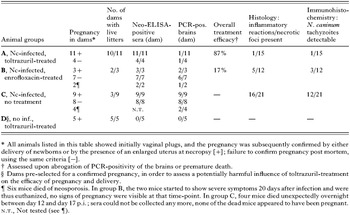
Table 1. Assessment of treatment with toltrazuril or enrofloxacin on (a) the Neospora caninum-infection outcome in mated females and their off-spring, and (b) the comparative pregnancy and birth performance upon infection, treatment and control
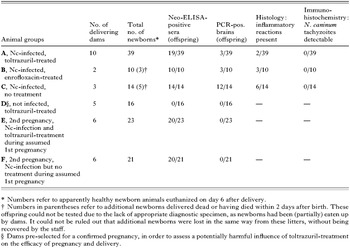
Table 2. Assessment of treatment with toltrazuril or enrofloxacin on (a) the Neospora caninum-infection outcome in newborns delivered by experimentally infected dams 6 days after delivery
 You have
Access
- 34
- Cited by