





Introduction
The Moon is considered a stepping stone for deeper space exploration. Lunar exploration dates back to 1609, when Galileo Galilei made the first telescopic observation of the Moon (Molesini and Greco, Reference Molesini, Greco and Consortini1996). Since then, there have been many important milestones. In 1969, Apollo 11 became the first manned mission to land astronauts on the Lunar surface. This mission brought back 21.6 kg of Lunar soil. These samples have provided invaluable insights into the Moon’s composition and geological history, helping scientists understand more about the early solar system and planetary formation. Following this, NASA’s Apollo programme continued with six successful manned landings until the programme concluded in 1972, summing 382 kg of Moon regolith brought to Earth (NASA Science, 2017).
In 2013, China’s Chang’e 3 mission successfully landed the Yutu rover on the Moon, marking the first soft landing since 1976. Continuing China’s Lunar missions, the Chang’e-6 Lunar lander touched down on the far side of the Moon on June 1, 2024 (McCarthy, Reference McCarthy2024). This mission is particularly significant as it marks the first time a spacecraft has retrieved samples from the far side of the Moon, the lander collected 1.9 kg of Lunar rock and soil (Li et al., Reference Li, Hu, Yang, Liu, Zhou, Ren, Liu, Liu, Zeng, Zuo, Zhang, Zhang, Yang, Wang, Deng, Gao, Su, Wen and Ouyang2024). That represents a long-term commitment to Lunar exploration. While NASA is returning to the Moon with the Artemis mission in 2026 (Low and Kraft, Reference Low and Kraft2026), China aims to land astronauts on the Moon by 2030 and establish a research base at its south pole, where ice is believed to be present (Xin, Reference Xin2024). Advances in understanding the Moon’s geology and composition reflect the growing interest in its scientific value and the establishment of a research centre on the Lunar surface (Zeng et al., Reference Zeng, Liu, Chen, Zhou, Ren, Zhang, Yan, Chen, Wang, Deng, Hu, Liu, Zuo, Head and Li2023).
Future human infrastructure on the Moon is now a plan and soon a reality. The Moon’s regolith will serve as a source of water, energy, construction materials, and a possible agricultural substrate for cultivation as part of the In Situ Resource Utilization (ISRU) strategy (Starr and Muscatello, Reference Starr and Muscatello2020). The prospect of establishing a permanent human settlement on the Moon is increasingly plausible, with several nations and private entities gearing up for this ambitious journey (Wu, Reference Wu2023). The main challenge for a permanent extraterrestrial human settlement now lies in the energy supply. Once this challenge is overcome, powering the controlled environments needed for plant growth will be possible, paving the way for medium- and long-term scientific experimentation on the Moon (Fox-Powell et al., Reference Fox-Powell, Hallsworth, Cousins and Cockell2016). The second challenge lies in ensuring food availability and safety, a critical concern for prolonged space habitation. While transporting food is a viable option, the long-term need for sustained, locally sourced food production on the Moon is an important consideration. As a solution, a bioregenerative life-support system for space focuses on utilizing plants and other photosynthetic organisms to provide essential biological services (Salisbury, Reference Salisbury1991). These services include food production and capturing volatile compounds from the air, cycling oxygen and nutrients, recycling water, and scrubbing carbon dioxide. Such systems are necessary for maintaining a sustainable, self-sufficient environment in extraplanetary habitats, ensuring the well-being of astronauts on long-duration missions (Johnson et al., Reference Johnson, Boles, Spencer, Poulet, Romeyn, Bunchek, Fritsche, Massa, O.’Rourke and Wheeler2021).
A multifaceted system is required for life outside Earth to be possible, as Stenzel et al. (Reference Stenzel, Weiss and Rohr2017) propose. Their study presents a holistic view of the material flow in a Lunar village, where every process is connected, and there is no surplus. In that future village, structures must be built to protect against cosmic and solar radiation, which can be achieved by constructing underground habitats and using materials like regolith for shielding (Kaplicky et al., Reference Kaplicky, Nixon and Wernick1992). Insulated habitats with advanced heating and cooling systems are essential to maintaining stable temperatures, as temperatures on the Moon can vary from 127 °C at the equator during the day to −173 °C at night (NASA Science, 2025).
A system to generate breathable air by converting carbon dioxide into oxygen, whether through plants or chemical processes, is crucial. As well as efficient water recycling systems to reclaim water from waste and condensation (Starr and Muscatello, Reference Starr and Muscatello2020). Reliable supply chains for essential goods and materials from Earth will be necessary until local production is viable. ISRU agriculture in a controlled environment can be used to grow food, while systems that support mental health are significant for the well-being of future colonists, such as a virtual environment to simulate Earth-like settings and a greenhouse where contact with plants has been shown to relieve stress (Yin et al., Reference Yin, Yuan, Arfaei, Catalano, Allen and Spengler2019). Renewable energy sources like solar panels and possibly nuclear reactors will be needed to provide a stable energy supply (Liu et al., Reference Liu, Shen, Lv, Zhang, Wang, Gu, Zhang, Wang, Chen, Quan and Yao2023).
Whether plants should be grown on the Moon remains a scientific dilemma, as challenges such as cultivation techniques, microgravity, and soil toxicity are still under study. Nonetheless, successful Lunar plant growth holds great potential for supporting long-term human presence by providing food, oxygen, and nutrient recycling. Various methods for growing crops on extraterrestrial surfaces are under consideration to tackle this challenge. Hydroponics, the cultivation of plants on inert materials (like perlite) using a nutrient solution, is a well-explored option with promising potential, especially given the presence of water as ice on the far side of the Moon (Li et al., Reference Li, Lucey, Milliken, Hayne, Fisher, Williams, Hurley and Elphic2018). Another possibility is aeroponics (Maggi and Pallud, Reference Maggi and Pallud2010), which requires only a nutrient solution and eliminates the need for additional soil-like material, yet it requires a larger initial water volume and highly precise techniques and equipment. A third approach involves utilizing the Moon’s regolith for crop cultivation, requiring the transportation of fewer seeds and less fertilizer by leveraging what is chemically available in the regolith. Naturally, each of these options needs fundamental equipment, including lamps, racks, solar panels, and habitable structures for sustained human presence (Maiwald et al., Reference Maiwald, Vrakking, Zabel, Schubert, Waclavicek, Dorn, Fiore, Imhof, Rousek, Rossetti and Zeidler2020), regardless of the chosen agricultural method.
Overcoming these challenges in a completely closed environment requires a significant shift in the human mindset. We must transition from a planet of abundance to the outside, where nothing can go to waste. Every nutrient, gas, and drop of water must be recycled and reused, emphasizing the importance of sustainability and resourcefulness in extraterrestrial habitats.
Lunar regolith and simulants
Soil specifically refers to the upper layer of the Earth’s surface, which is composed of organic matter, minerals, water, air, and living organisms (Science Societies, n.d.). Unlike regolith, soil has a more intricate structure and contains organic components that promote plant growth and microbial activity (Adhikari and Hartemink, Reference Adhikari and Hartemink2015). On the Moon, regolith is primarily composed of fine dust particles, commonly called Lunar soil. This soil is the result of billions of years of meteorite impacts and volcanic activity (McKay and Ming, Reference Mckay and Ming1990), formed by mechanical weathering processes, comminution, and interaction with solar wind and other energetic particles (King, Reference King1977), and does not contain organic matter because it is not formed by biological or chemical processes. As a result, it lacks the soil fertility required to sustain life, making it unsuitable as a natural medium for plant growth.
Foundational studies of the 1980s (McKay and Ming, Reference McKay and Ming1989; Papike et al., Reference Papike, Simon and Laul1982) remain highly relevant today, as they established the first detailed understanding of the composition and formation of Lunar regolith. Regolith is largely local in origin, shaped by rock fragmentation and agglutinate production, with minor contributions from exotic materials. Agglutinates are a major component of lunar regolith, formed by micrometeorite impacts that generate high temperatures that melt and fuse fine soil particles into composite grains. Their abundance increases with soil maturity, making them an indicator of how long a soil has been exposed to those impacts.
McKay and Ming (Reference McKay and Ming1989) employed analytical techniques to conduct precise mineral chemistry studies, thereby recognizing the chemical and petrological distinctions between the two primary geological units: Lunar maria and highlands, which represent distinct regions of the Moon. The maria, appearing as dark, smooth plains, were formed by ancient volcanic activity, where lava filled topographical lows, including impact basins, and then solidified into iron and titanium-rich basalt. The highlands are bright, rugged, and heavily cratered, representing the Moon’s original crust. Composed mainly of aluminium-rich anorthosite, the highlands were shaped by intense meteorite bombardment during the Moon’s early history. The feldspathic highlands contrast with the darker, smoother plains of the Lunar maria (Sun et al., Reference Sun, Zhang, Li, Zou, Wang and Chen2022). More recently, Chang’e missions have provided new samples from previously unexplored regions, particularly young mare basalts in Oceanus Procellarum (Hu et al., Reference Hu, He, Ji, Lin, Hui, Anand, Tartèse, Yan, Hao, Li, Gu, Guo, He and Ouyang2021). The study revealed compositional variations not covered by Apollo missions, such as lower titanium contents, distinct rare earth element patterns, and refined age constraints that extend the duration of Lunar volcanism by nearly a billion years.
Regolith is the soil or surface material of not just the Moon but also Mars and asteroids. Regolith is a broader term encompassing any loose, fragmented material found on celestial bodies (New World Encyclopedia, 2022). It can consist of dust, sand, gravel, and rocks, and its composition varies depending on the location and geological history of the celestial body (Catling and Leovy, Reference Catling, Leovy, McFadden, Weissman and Johnson2007).
Lunar regolith is composed primarily of silicate minerals, including plagioclase feldspar, pyroxene, olivine, and ilmenite, that contain iron (Fe), titanium (Ti), aluminium (Al), calcium (Ca), and magnesium (Mg) (McKay and Ming, Reference McKay and Ming1989; McKay and Ming, Reference Mckay and Ming1990). It also contains small quantities of potassium (K), phosphorus (P), and sulphur (S). However, Lunar regolith lacks organic matter and has limited availability of essential plant nutrients in readily bioavailable forms. While iron and magnesium are present, they are often locked in mineral structures and require weathering or processing to become accessible for plant uptake. Similarly, phosphorus and potassium, critical for plant growth, are present in low concentrations and require supplementation through fertilizers or soil amendments. The absence of nitrogen (N) in Lunar regolith is a significant limitation, as it is essential for the synthesis of plant proteins and chlorophyll. To fully support plant growth, Lunar regolith would need to be enriched with organic matter, nutrients, and microbial activity to transform minerals into bioavailable forms (Ming and Henninger, Reference Ming and Henninger1994; Wamelink et al., Reference Wamelink, Frissel, Krijnen, Verwoert and Goedhart2014).
Ming and Henninger (Reference Ming and Henninger1994) published an overview of the Lunar regolith, focusing on its characteristics for plant growth. Ming and Henninger noted that the Lunar regolith is poorly sorted and lacks the soil structure typical of terrestrial soils. Regardless, the authors suggested that Lunar regolith could serve as a substrate for plant growth and microbial populations. They emphasized that, while the soil is a non-renewable resource, once cultivated and amended, Lunar regolith could be transformed into a productive growing medium, offering a foundation for sustainable agriculture on the Moon.
In research, regolith simulants are often used because actual extraterrestrial materials are scarce (Long-Fox and Britt, Reference Long-Fox and Britt2023). Most commercial regolith simulants are produced by closely replicating the specific physicochemical properties of extraterrestrial surfaces. While these simulants have been developed to address specific application fields – such as construction, drilling, or equipment testing – and their chemical interactions have been assessed to mitigate potential risks (Rickman et al., Reference Rickman, Edmunson and McLemore2012), their agricultural properties, including suitability for plant growth, have not been extensively studied. This line of research holds strong potential to reveal plant–regolith interactions and inform future strategies for extraterrestrial crop cultivation.
Lunar simulants are typically made from terrestrial rocks, minerals, or industrial byproducts; however, these base materials naturally lack the trace elements found in actual Lunar soil. Trace elements are minor components of Lunar regolith (McKay and Ming, Reference McKay and Ming1989) added to simulants to replicate the geochemical and mineralogical properties of actual Lunar regolith (McKay et al., Reference McKay, Carter, Boles, Allen and Allton1994). To accurately replicate the composition of Lunar regolith, trace elements are intentionally added in controlled amounts (Meurisse et al., Reference Meurisse, Makaya, Willsch and Sperl2018). Rare Earth Elements are incorporated into simulants as oxides or salts to mimic the Potassium, REE, Phosphorus components, while uranium (U) and thorium (Th) are added in trace amounts to match the composition of Apollo samples.
Elements such as cadmium (Cd), uranium, cobalt (Co), nickel (Ni), thorium, and strontium (Sr) are added to simulants in small quantities to match the composition of Lunar soil. The general presence of trace elements in Lunar simulants is well documented (Bruhaug, Reference Bruhaug2021; Sibille et al., Reference Sibille, Carpenter, Schlagheck and French2006), yet the exact concentrations and specific elements included may vary depending on the simulant’s intended purpose or availability of source materials (Sanders and Larson, Reference Sanders and Larson2012). The JSC-1A simulant, designed to mimic Lunar mare regolith, incorporates trace elements like chromium and nickel to align with Apollo sample analyses (McKay and Ming, Reference Mckay and Ming1990; McKay et al., Reference McKay, Carter, Boles, Allen and Allton1994). The inclusion of trace elements is particularly important for testing ISRU applications (Bruhaug, Reference Bruhaug2021), where REE, uranium, thorium, and cadmium components of Lunar regolith (Terada et al., Reference Terada, Sasaki, Anand, Joy and Sano2007) are of high interest for resource extraction (Wieczorek and Phillips, Reference Wieczorek and Phillips2000).
The University of Central Florida has developed two Lunar regolith simulants, LHS-1 and LMS-1 (Isachenkov et al., Reference Isachenkov, Chugunov, Landsman, Akhatov, Metke, Tikhonov and Shishkovsky2022), to mimic the primary types of Lunar soil: the highlands and the Lunar mare, respectively. LMS-1 is characterized by its low-titanium basaltic composition and high glass content. At the same time, the Lunar Highlands Simulant (LHS-1) is designed to replicate the regolith found in the highlands, which are bright, rugged, and heavily cratered regions of the Moon’s surface (Rickman et al., Reference Rickman, Edmunson and McLemore2012). The highlands are composed of lighter-coloured rocks, such as anorthosite, which is rich in aluminium and calcium minerals.
Long-Fox and Britt (Reference Long-Fox and Britt2023) conducted a comprehensive review of simulant production methods, equipment, and materials used by the Exolith Lab. They emphasized the importance of characterization methods, such as quantitative analysis of mineralogical and bulk compositions (Table 1) and particle size distribution. The authors noted that Exolith Lab employs percussive crushing techniques to achieve realistic grain shapes, a critical factor in replicating regolith properties. Simulant fidelity heavily impacts research results: the closer the simulant replicates the regolith properties, the more reliable and meaningful the experimental tests using it become. Moreover, particle size and distribution were identified as the most crucial properties of regolith simulants, as they significantly influence physical behaviour (McKay et al., Reference McKay, Carter, Boles, Allen and Allton1994; Sibille et al., Reference Sibille, Carpenter, Schlagheck and French2006).
Mineralogical composition of Lunar regolith for mare and highlands, observing availability for plants. Element composition adapted from: Long-Fox and Britt (Reference Long-Fox and Britt2023); McKay and Ming (Reference McKay and Ming1989); Papike et al. (Reference Papike, Simon and Laul1982)

Table 1. Long description
The table compares the mineralogical and bulk chemical compositions of lunar regolith in mare and highlands regions, detailing their average concentrations and plant availability. It consists of 18 rows and 6 columns. The columns are labeled Mineralogy, Mare wt percent, Highlands wt percent, Bulk chemistry, Average concentration wt percent, Macro or micronutrient, and Plant-availability. The mineralogy section includes Anorthosite, Glass-rich basalt, Pyroxenite, Olivine, and Ilmenite. The bulk chemistry section includes SiO2, Al2O3, CaO, FeO and Fe2O3, MgO, TiO2, MnO, Na2O, K2O, P2O5, and Cr2O3. The trace element section includes S, Ni, Zn, Cu, Cl, Th, and Cd. Each row provides the weight percent for mare and highlands, the average concentration, whether the element is a macro or micronutrient, and its plant availability. Notable trends include higher concentrations of Anorthosite in the highlands and higher concentrations of Glass-rich basalt and Pyroxenite in the mare. The table also highlights the plant availability of various elements, with some being potentially available, limited in availability, or not nutrients.
The general mineralogy of the Moon regolith is presented in Table 1. It is dominated by silicate minerals: Anorthosite-plagioclase feldspar (sodium-calcium aluminosilicate), pyroxene (iron-magnesium-calcium silicates), and olivine (magnesium-iron silicate), with significant variations between mare and highlands.
Table 1 summarizes the representative abundances of major, minor, and trace elements in Lunar regolith and evaluates their relevance for plant growth. Macronutrients calcium, magnesium, potassium, phosphorus, and sulphur are present but largely bound within mineral matrices like feldspars or pyroxenes, which limits their immediate availability to plants. Micronutrients, including iron, manganese, nickel, zinc, copper, and chlorine, are also detected, though typically at low levels and also in mineral forms that limit bioavailability without chemical or biological processing. Essential elements such as nitrogen, molybdenum, and boron are absent, making external supplementation mandatory for any plant-based life-support system. Non-essential or potentially toxic elements like aluminium, chromium, thorium, and cadmium are also present in varying amounts, underscoring the challenges of using unprocessed regolith as a growth medium.
In a previous trial, soil pH and macroelements content were measured in regolith simulants using standard laboratory methods (Lima Dias et al., Reference Lima Dias, Barkó, Oszlányi and Kristóf2024), as shown in Table 2. Soil pH is a critical factor influencing nutrient availability; soils with slightly acidic to neutral pH (6.0–7.0) are often regarded as ideal for nutrient uptake. However, the regolith simulants LHS-1 and LMS-1 presented pH values of 8, placing them in the alkaline range. This high pH can limit the availability of certain nutrients, particularly phosphorus, which tends to form insoluble compounds in alkaline conditions. Additionally, the study found that nutrients were minimally available in the regolith simulants, highlighting the need for nutrient supplementation to support plant growth. The concentration of macronutrients measured in the simulant is inherently lower than in Earth’s soils.
pH and nutrient content of Lunar simulants in comparison to peat soil (adapted from Lima Dias et al., Reference Lima Dias, Barkó, Oszlányi and Kristóf2024)

Table 2. Long description
A table comparing nutrient content and pH levels of lunar simulants and organic peat soil. The table has four rows and four columns. The columns are labeled ‘Simulant’, ‘Nitrogen (N)’, ‘Phosphorus (P)’, ‘Potassium (K)’, and ‘pH’. The rows are labeled ‘LHS-1’, ‘LMS-1’, and ‘Organic peat soil’. Row 1: LHS-1, Nitrogen (N) 6.5, Phosphorus (P) 165.4, Potassium (K) 214.8, pH 8. Row 2: LMS-1, Nitrogen (N) 17.0, Phosphorus (P) 261.7, Potassium (K) 195.4, pH 8. Row 3: Organic peat soil, Nitrogen (N) 3000, Phosphorus (P) 1000, Potassium (K) 1000, pH 6.5.
Elements essential for plant nutrition, such as phosphorus and potassium, are present in Lunar regolith, but they are not readily available for plant uptake. On Earth, organic materials and microorganisms play a critical role in breaking down minerals and converting nutrients into bioavailable forms, facilitating plant absorption. In contrast, the absence of organic components in regolith creates a chemically inert environment, limiting nutrient availability (Carrier et al., 1991). Therefore, it is expected that simulants will not present high concentrations of readily available macronutrients.
In summary, while the Lunar regolith contains essential nutrients, its chemical composition, lack of organic matter, and possible alkaline pH limit its suitability for plant growth. Addressing these challenges through soil amendments, pH adjustment, and nutrient enrichment will be crucial for developing sustainable agricultural systems on the Moon.
Research significance
Researching the Moon and extraplanetary regolith is essential for future space missions due to their valuable resources, such as oxygen, hydrogen, and metals (McKay and Ming, Reference Mckay and Ming1990). By understanding the composition and properties of those soils, researchers can develop techniques to extract and utilize these resources for life support, plant cultivation, fuel production, and construction (Cheng et al., Reference Cheng, Gao, Shi, Xiao, Ding, Zhou and Zhou2024). This will enable sustainable, long-duration missions by reducing the need to transport resources from Earth. However, using Lunar regolith as a substrate for plant growth presents challenges that need to be addressed, including fine particle size distribution, lack of structure (Ming and Henninger, Reference Ming and Henninger1994), high density, insufficient water-holding capacity, and the absence of organic matter and nutrients (Yao et al., Reference Yao, Wang, Zhu, Tu, Zhou, Liu, Sun, Tao, Wang, Yu, Gao, Cao, Wang, Li, Yao, Xiong, Yang, Wang and Zou2022).
In their literature review, Ding et al. (Reference Ding, Xu, Tan, Zhang, Xiong, Mei, Li and Xie2024) highlighted the neglect of studies using Lunar regolith for planting. They emphasized the need to improve planting techniques and evaluate viable plants to advance the use of extraplanetary regolith as a resource for food production.
There are two key challenges in the literature for space research that impair food production in space: firstly, production capacity in terms of required input per output, as the quantity of input resources is exceptionally high for the needed quantity of food, as highlighted by Nguyen et al. (Reference Nguyen, Knowling, Tran, Burgess, Fisk, Watt, Escribà-Gelonch, This, Culton and Hessel2022). The energy requirement for cultivating plant-based food on a spaceship has been estimated to exceed 1100 kWh per day per crew member (IuA et al., Reference IuA, Erokhin, Krivobok, Smolianina, Baranov, Shanturin and Sivenkov2007), varying with the plant species selected (NASA Science, 2022; Salisbury, Reference Salisbury1991). In comparison, it is 36 times the consumption of a household. Secondly, safety for consumption requires determining whether crops grown in space with space materials are safe to consume (Douglas et al., Reference Douglas, Zwart and Smith2020; Monje et al., Reference Monje, Stutte, Goins, Porterfield and Bingham2003).
Therefore, developing methods to grow plants in regolith enables researchers to advance plant growth trials within bioregenerative life-support systems that integrate in situ resource utilization. Furthermore, it allows analysis of how plants uptake nutrients and other chemicals from regolith, as well as the potential bioremediation of the substrate through several cultivation cycles.
Agrotechnical potential
Plants require a set of fundamental elements to survive and thrive, including light, water, air, nutrients, and an appropriate temperature range. Light and carbon dioxide (CO2) are essential for photosynthesis, the process by which plants convert light energy into chemical energy (Taiz et al., Reference Taiz, Møller, Murphy and Zeiger2023). Water plays multiple roles, acting as a medium for nutrient transport and maintaining cell turgor while also participating directly in photosynthetic reactions. Air provides CO2 for photosynthesis and oxygen for respiration, enabling energy production. Nutrients, both macronutrients (nitrogen, phosphorus, potassium) and micronutrients (calcium, magnesium, sulphur, boron, chlorine, copper, iron, manganese, molybdenum, zinc, and nickel), are critical for enzymatic functions, structural development, and metabolic processes. Temperature regulates enzymatic activity and metabolic rates, with deviations from optimal ranges potentially disrupting growth and development. Together, these factors create the conditions necessary for plants to complete their life cycles, from germination to reproduction (Marschner and Marschner, Reference Marschner and Marschner2012).
On Earth, plants naturally access all conditions and essential elements required for growth. Earth’s gravity guides plant growth and nutrient distribution. In contrast, cultivating plants in space or on the Moon requires providing CO2 and oxygen within enclosed habitats, while microgravity or low gravity disrupts root orientation and nutrient uptake. Despite these challenges, controlled environment agriculture and life support systems, such as those tested on the International Space Station (ISS), demonstrate that plant growth in space is possible with technological advancements (Paul et al., Reference Paul, Wheeler, Levine and Ferl2013; Wheeler, Reference Wheeler2017). These techniques rely on precise environmental control, resource recycling, and innovative growing systems to replicate Earth-like conditions.
In a hypothetical mission in which seeds were taken to the Moon, planted on its surface, and given some water, they would germinate (Ming and Henninger, Reference Ming and Henninger1994; Paul et al., Reference Paul, Elardo and Ferl2022), but they would not survive or develop. Harsh environmental conditions, lack of an atmosphere, extreme temperatures, radiation, and challenging light conditions (the Moon experiences long periods of 14 days of daylight and 14 days of darkness (Allison, Reference Allison2015) would impair plant growth. Moreover, plants cannot remain healthy or grow under nutrient deficiency and limited water availability, as Moon regolith lacks fertility and the subsurface layers of Lunar soil have no known groundwater.
Therefore, several adjustments are necessary to ensure seed germination, survival, and development on the Moon. Primarily, a controlled environment, such as a pressurized greenhouse or habitat, is essential to protect plants from extreme temperatures and radiation; this habitat must be shielded from harmful cosmic rays. Nutrient-rich solutions or fertilizer systems should be used to compensate for the lack of organic matter in the Lunar regolith. Water management systems are crucial, utilizing either transported water or extracted Lunar ice. Artificial lighting would provide consistent light cycles, mimicking Earth’s day-night rhythm to support photosynthesis. Lunar regolith can be considered structureless soil because it lacks the aggregation into peds typical of soil formed by biological processes. Soil structure determines pore size, distribution, and connectivity, thereby controlling aeration, mechanical resistance, and surface stability. Hence, adding physical soil amendments to regolith advances plant growth by increasing pore space, enabling greater root penetration and expansion. With these adjustments, a viable environment for plant growth on the Moon could be created. Those are the basics for plants growing on Earth and should be a baseline for cultivation in space.
Yet, with the adjustments described, the plants will still be subjected to low gravity on the Moon. Microgravity, observed on the ISS, has proven to significantly affect plant growth and development (Massa et al., Reference Massa, Fritsche and Wheeler2022). Plants grown in microgravity environments, such as on the ISS, exhibit altered root and shoot growth patterns, changes in gene expression, and disruptions in cellular processes like auxin distribution and gravitropism, where the orientation of growth is changed in response to gravity (Hoson, Reference Hoson2014; Paul et al., Reference Paul, Wheeler, Levine and Ferl2013). In this case, roots may grow more disorganized, and plants struggle to establish proper structural support due to the lack of gravitational cues. These effects pose challenges for Lunar agriculture, even if an ideal environment is constructed with controlled temperature, radiation shielding, nutrient delivery, water management, and artificial lighting.
Overall, this literature review consolidates knowledge of plant cultivation in regolith, assesses its agricultural potential, and outlines methodologies to enable trials using Lunar regolith as a substrate for plant growth. By doing so, it seeks to guide future research on regolith-based agriculture and regolith purification using plants, ultimately contributing to the development of long-term Lunar habitats.
Literature review methodology
The studies in this literature review were selected by the PRISMA (Preferred Reporting Items for Systematic Reviews and Meta-Analyses) guidelines (Page et al., Reference Page, McKenzie, Bossuyt, Boutron, Hoffmann, Mulrow, Shamseer, Tetzlaff, Akl, Brennan, Chou, Glanville, Grimshaw, Hróbjartsson, Lalu, Li, Loder, Mayo-Wilson, McDonald, McGuinness, Stewart, Thomas, Tricco, Welch, Whiting and Moher2021). Searches were performed in Scopus, Google Scholar, and Mendeley using combinations of the keywords: ‘Lunar regolith’, or ‘Moon soil’, or ‘Lunar simulant’, and ‘plant growth’, or ‘agriculture’, and ‘nutrient’ or ‘growth medium’. Boolean operators were applied to capture variations of relevant terms. The initial search yielded a total of 4079 records. After removing 560 duplicates, 3519 studies remained for screening. A keyword-based filtering process was then applied based on all tagged keywords, narrowing the pool to 1033 articles that included terms directly relevant to the research scope. The second keyword filtering analysed titles and abstracts, where 544 records were excluded as unrelated. A total of 489 related studies were included in the next phase. At this stage, titles and abstracts were evaluated according to predefined inclusion and exclusion criteria; they must contain ‘regolith’ and ‘plant growth’ to be considered. Studies were retained if they investigated Lunar regolith or Lunar simulants in relation to plant growth, agriculture, nutrient cycling, or soil fertility, and excluded if they addressed regolith solely in other applications such as design, construction, mining, radiation shielding, or other non-agricultural applications. Publications without experimental or agronomic relevance, as well as non-peer-reviewed sources, were also excluded. Following this screening process, 182 articles met the criteria and were selected for full-text assessment.
The full texts of 182 articles were assessed for eligibility, of which 53 were excluded because they did not meet the inclusion criteria of experimental studies involving plants. Ultimately, 129 experimental studies focusing on plant growth in Lunar regolith or simulants were included for qualitative synthesis. From those, a PRISMA flow diagram (Figure 1) illustrates the identification, screening, eligibility, and inclusion stages. Titles and abstracts were screened by co-occurrence counting using VOSviewer (Van Eck and Waltman, Reference Van Eck, Waltman, Ding, Rousseau and Wolfram2014), and the keyword network is shown in Figure 2.
Prisma flow chart followed in this research.

Keyword co-occurrence clusters.

Figure 2. Long description
A diagram of keyword co-occurrence clusters related to lunar surface analysis and in-situ resource utilization. The diagram features interconnected nodes representing various keywords and concepts. Central nodes include ‘lunar surface analysis,’ ‘lunar regolith,’ and ‘in-situ resource utilizations.’ Surrounding these central nodes are related terms such as ‘regolith,’ ‘solar wind,’ ‘nasa,’ ‘rockets,’ ‘space research,’ ‘space exploration,’ ‘oxygen production,’ ‘food production,’ ‘lunar landing,’ ‘solar energy,’ ‘orbits,’ ‘robotics,’ ‘testing,’ ‘equipment,’ ‘radiation shielding,’ ‘sintering,’ ‘temperature,’ ‘oxygen,’ ‘soils,’ ‘cultivation,’ ‘silicate,’ ‘hydrogen,’ ‘iron,’ ‘condensate,’ ‘metallic iron,’ ‘loss,’ ‘weathering,’ ‘ionizing radiation,’ ‘ion implantation,’ ‘extraction systems,’ ‘electrodes,’ ‘helium,’ ‘extraction,’ ‘thermal conductivity,’ ‘article,’ ‘astronomy,’ ‘chemistry,’ ‘crop,’ ‘soil,’ ‘biology,’ ‘plant growth,’ ‘space flight,’ ‘astrobiology,’ ‘exobiology,’ and ‘aluminum production.’ The nodes are connected by lines indicating the relationships and co-occurrences between these keywords. The diagram visually represents the interconnectedness of various concepts related to lunar exploration and resource utilization.
The keyword co-occurrence analysis in VOSviewer generated a network visualization that revealed seven distinct thematic clusters in the literature (Figure 2). The central terms ‘Lunar regolith’ and ‘regolith’ formed the largest nodes, confirming their core role in the dataset. The clusters highlight the multidisciplinary research involving Lunar regolith and its potential for agricultural use.
The keywords were divided into 7 clusters, where cluster 1, green: regolith properties and soil processes, centres on Lunar regolith, regolith, Lunar soil, hydrogen, iron, and weathering. It represents studies focused on the physical and chemical properties of regolith. Cluster 2, red: biology and agriculture, presents terms such as plant growth, cultivation, soils, biology, crops, and astrobiology, linking regolith to biological and agricultural experiments. This cluster directly addresses the core research question of regolith’s agricultural potential. Cluster 3, yellow, focuses on studies of in situ resource utilization, with keywords like ISRU, oxygen production, space exploration, aluminium production, and food production reflecting research into life support systems and resource extraction. These studies frame regolith not only as a growth medium but also as a resource for oxygen and structural materials, which indirectly supports agriculture in space missions.
From clusters 4 to 7, topics are divided into engineering, space operations, missions, and food production, respectively. Together, these clusters demonstrate that while plant growth and cultivation form a key research stream (Cluster 2), they are strongly interconnected with studies on regolith chemistry, ISRU technologies, and mission engineering. This indicates that the agricultural potential of Lunar regolith is not studied in isolation but rather as part of an integrated framework of sustainability, life support, and resource utilization for space exploration.
From the initial 4079 records identified across Scopus, Google Scholar, and Mendeley, 129 studies were ultimately examined after duplicate removal, keyword screening, and full-text eligibility assessment. This progression demonstrates that although Lunar regolith is widely studied in contexts such as ISRU, engineering applications, and planetary geology, the number of studies directly investigating its agricultural potential remains limited. Of 129 studies, 18 are literature reviews and theoretical assessments, 30 focus on ISRU models, 5 study microgravity, 47 focus on soil properties and regolith characterization, and 29 are plant growth experiments and met the final criteria. From those, 23 are empirical studies included in Table 3, and 6 trials have primarily focused on bacteria, fungi, and algae as representative biological forms.
Description of experiments using different types of regolith for plant growth

Table 3. Long description
A table with 23 rows and 10 columns summarizing empirical studies on plant growth using different types of regolith. Column headers include Study, Plant species, Regolith type, Growth medium, Growth conditions, Growth metrics, Results, DOI, and Notes. Row labels are not explicitly mentioned. The table details various studies, their plant species, regolith types, growth conditions, and results. Notable trends include the use of Lunar and Martian regolith in various growth experiments, with different plant species and growth metrics.
N.S.: not specified. DAP: Days after planting.
The experimental studies selected are summarized in Table 3, with data systematically extracted to capture study design, regolith type, plant species, experimental conditions, outcomes, and reported challenges. Findings from the included studies were synthesized narratively throughout this review. Despite the abundance of studies citing Lunar regolith, only 23 publications were found to directly address its agricultural potential through plant-related experiments, underscoring the limited but growing research focus in this area.
Discussion
Plant cultivation studies
Traditionally, space missions have relied on storing and resupplying packaged, stabilized foods to meet dietary needs. However, as mission durations and distances increase, this approach becomes more economically challenging. Johnson et al. (Reference Johnson, Boles, Spencer, Poulet, Romeyn, Bunchek, Fritsche, Massa, O.’Rourke and Wheeler2021) proposed an alternative based on NASA’s research: cultivating crops under higher light intensities, supplemented by insects for biomass degradation and additional protein. The method could meet dietary calorie requirements in 35–40 m2 per person, highlighting the potential of bioregenerative life-support systems. Their review and model proposal examined the selection of plant species for space agriculture, emphasizing crops with high nutritional value, rapid growth rates, and adaptability to controlled environments, integrating plant-based systems with life support systems, such as the Advanced Life Support programme, to create closed-loop ecosystems. Johnson et al. (Reference Johnson, Boles, Spencer, Poulet, Romeyn, Bunchek, Fritsche, Massa, O.’Rourke and Wheeler2021) conclude that supplemental food production with plants is a viable and essential component of future space exploration. However, further research is needed to optimize plant growth in extreme environments, improve resource efficiency, and ensure crew members’ psychological well-being. Despite progress, in situ exploration for growing plants in space is yet to be accomplished.
With the return of samples from the Apollo missions, Walkinshaw et al. (Reference Walkinshaw, Sweet, Venketeswaran and Horne1970) investigated the effects of Lunar material collected during the Apollo 11 and 12 missions on plant growth and development. The primary objective was to assess whether the Lunar regolith harboured any pathogens or substances that could harm terrestrial plant life, as part of the quarantine efforts to ensure planetary protection. The authors used the Lunar Apollo regolith for cultures of algae cells, germinating spores, actively growing seedlings, and tissue cultures on solid media. The researchers exposed various plant species, including onion, cabbage, lettuce, and tomato to Lunar soil samples under controlled conditions. The plants were monitored for germination rates, growth patterns, and any signs of toxicity or disease. Results indicated that the Lunar material did not inhibit seed germination or plant growth for up to several days, and no pathogenic effects were observed. The study concluded that the Lunar regolith from the Apollo 11 and 12 missions posed no immediate threat to terrestrial plant life.
Following the pioneer quarantine study, Walkinshaw and Johnson (Reference Walkinshaw and Johnson1971) examined the effects of Apollo 14 Lunar surface fines regolith on the growth and development of vegetable seedlings. Their aim was to determine whether Lunar material had any adverse or beneficial effects on terrestrial plant life as part of ongoing efforts to assess the biological compatibility of Lunar regolith. The researchers conducted experiments using cabbage, brussels sprouts, broccoli, carrot, lettuce, and radish seeds, planting directly into Apollo 14 Lunar regolith fines. The seedlings were monitored for germination rates, growth performance, and morphological changes. Results indicated that Lunar fines did not inhibit seed germination or growth up to the seedling phenophase. Radish seedlings were collected 14 days after planting (DAP), followed by cabbage at 17 DAP, lettuce at 18 DAP, brussels sprouts at 19 DAP, and carrots at 21 DAP. After that, the authors applied optical emission spectroscopy and atomic absorption spectrophotometry to determine the concentrations of major and minor elements, finding significant differences in Al, Fe, and Ti. Yet Lunar cultivations had no significantly higher concentrations than terrestrial ones. The results indicated the plants could extract elements from Lunar materials that are insoluble in water, and the absence of soluble nutrition sources for some elements may have increased their uptake by the plants.
Furthermore, Walkinshaw et al. (Reference Walkinshaw, Venketeswaran, Baur, Hall, Croley, Weete, Scholes and Halliwell1973) examined the effects of Lunar regolith from Apollo missions 11, 12, 13, 14, and 15 on plant cell cultures, including tobacco and slash pine. The experiment compared three treatments: Lunar regolith from Apollo missions, sterile terrestrial-basalt rock/soil, and a control plant culture with no added material. The researchers analysed cytoplasmic activity, dry weight, acid phosphatase levels, and cell respiration rates, observing some variation across treatments, as Lunar regolith reduced cytoplasmic activity. However, the study concluded that Lunar regolith did not cause disease or harmful effects in the plant tissue cultures. These findings provided early evidence that Lunar material, despite its distinct chemical and physical properties, does not inherently threaten plant life.
In a NASA project from 1989, conducted when the ISS was still in the planning stages, Wolverton et al. (Reference Wolverton, Johnson and Bounds1989) emphasized the need to integrate nature’s life support systems into closed environments, whether on Earth or in space. Their study focused on using plants to mitigate air pollution in enclosed habitats, proposing a prototype that combined plants with a carbon filter to remove pathogenic viruses, bacteria, and volatile organic compounds from the air. The researchers tested the ability of various plants to absorb harmful chemicals, including benzene, trichloroethylene, and formaldehyde, which are common indoor air pollutants. The experimental setup involved sealing individual plants in chambers, injecting one of the three chemicals into each chamber, and collecting air samples at three intervals: immediately after injection, after 6 h, and after 24 h. The study identified several highly effective plants for air purification by analysing the reduction in chemical concentrations. Marginata (Dracaena marginata) and Peace Lily (Spathiphyllum wallisii) were particularly effective at removing trichloroethylene, while Gerbera Daisy (Gerbera jamesonii) and Ivy (Hedera helix) excelled at removing benzene. Bamboo Palm (Chamaedorea seifrizii) was the most effective at removing formaldehyde. These findings demonstrated the potential of plants to serve as natural air purifiers in closed environments, offering a solution for maintaining air quality in space habitats and other sealed systems (Wolverton et al. Reference Wolverton, Johnson and Bounds1989).
From that report, NASA has identified plants that can bind volatile organic compounds in the air for enclosed environments, thereby optimizing human presence in confined spaces. In that context, indicator plants are species that reflect the environmental conditions of a specific area (Diekmann, Reference Diekmann2003) and provide an ecological service (Encyclopaedia Britannica, 2019). On Earth, those species occur naturally, thus, introducing them to extraplanetary regolith can serve as test organisms to assess environmental conditions. The survival and growth of indicator plants provide insights into the suitability of the environment for supporting other species.
For astrobiology studies, criteria should be considered when selecting plants to cultivate, considering space environment factors to some degree. Preferably, the plants should be edible to assess their potential as food sources. Secondly, plants can produce oxygen and bind volatile compounds, with resilience to extreme conditions, particularly cold environments, and adaptability to different soil types. Those will make the most suitable candidates. The literature reports that a wide range of plant species have been tested, as summarized in Table 3. Among these, lettuce, radish, mustard, and cress stand out as examples of cultivation in regolith-based agriculture.
Aglan et al. (Reference Aglan, Mortley, Trotman and Hill1998) investigated the feasibility of growing sweet potato plants in a Lunar simulant medium, with an average particle size of about 3 mm, using a microporous tube nutrient delivery system designed for NASA’s Advanced Life Support Program. The system, which circulated nutrient solution under negative pressure to prevent free water accumulation, functioned reliably throughout a 120-day growth cycle and effectively assisted plant development. Three sweet potato genotypes tested all produced storage roots, while foliage biomass was lower than in field or hydroponic conditions, harvest index values indicated efficient allocation to storage root production. The study demonstrated that Lunar simulant could support sweet potato cultivation when combined with controlled nutrient delivery, achieving reasonable storage root yields and indicating potential for extraterrestrial crop production.
The study by Konings-Dudin et al. (Reference Konings-Dudin, Butcher, Castor-Macías, Kohanloo and Garcia2014) investigated the potential of using endomycorrhizal fungi to enhance seed germination and early growth of prickly pear cactus (Opuntia ficus-indica) in the JSC-1A Lunar regolith simulant. The seeds were inoculated with endomycorrhizal fungi, a symbiotic organism known to improve nutrient uptake and stress tolerance in plants. A control group of seeds was grown without fungal inoculation for comparison. Both inoculated and non-treated seeds were planted in the Lunar regolith simulant under controlled environmental conditions. Their study consisted of three experiments with untreated simulant and autoclaved for sterilization. Firstly, sterilized simulant was used with seeds inoculated with a mycorrhizal fungus. Secondly, untreated JSC-1A was seeded with other soil fungi common in the roots of plants under stress; thirdly, surface sterilized seeds were used. Untreated JSC-1A simulant resulted in 55 % germination, while sterilized JSC-1A did not germinate at all, and from that, when five colonies of fungus were added, germination improved up to 47 %. Therefore, seeds inoculated with fungi exhibited significantly higher germination rates compared to the non-inoculated control group.
Following the pathway of Moon’s exploration, space agencies have also sent unmanned missions to Mars. The USA Missions Vikings 1 and 2 (1976) were landers that collected data about Mars. The landers provided detailed colour panoramic views of the Martian terrain. The Mars Pathfinder mission delivered a stationary lander and a surface rover named Sojourner to explore the nearby area on the Red Planet on July 4, 1997 (Kovo, Reference Kovo2004). Those missions were pioneers in acquiring data for the development of Mars regolith simulants like JSC Mars-1, spectral simulants that replicate the visible near-infrared reflectance properties of dust-covered terrains on Mars, allowing for cultivation experiments to be conducted on Mars simulants designed from Earth.
Gilrain et al. (Reference Gilrain, Hogan, Cowan, Finstein and Logendra1999) proposed a schematic for composting human faeces, leftovers, and waste to reintroduce them into plant production in a Martian environment, thereby preventing nutrient loss from inedible biomass and human metabolic waste. Thus, the authors used leaf compost added to Mars regolith simulant (JSC Mars-1) to investigate the feasibility of growing Swiss chard (Beta vulgaris) in different proportions under greenhouse conditions. Swiss chard seeds were sown in these mixtures, then growth parameters, germination rates, biomass production, and leaf area were measured and compared across the different substrate compositions. The results demonstrated that Swiss chard could grow successfully in mixtures containing Mars regolith simulant, particularly when supplemented with Hogland fertilization. However, plants demonstrated negligible growth in pure regolith simulant, highlighting the limitations of unmodified Martian regolith as a growth medium.
Wamelink et al. (Reference Wamelink, Frissel, Krijnen, Verwoert and Goedhart2014) investigated the germination of several crops on Mars (JSC Mars-1) and Moon (JSC-1A) simulants, using poor nutrient soil as a control. They found that common vetch, a nitrogen-fixing legume, failed to germinate in Moon soil, whereas other plant species showed varying germination rates across treatments. The Martian soil simulant had the highest germination percentage, whereas the Moon soil simulant had the lowest. The authors noted that plants were cultivated without fertilization for 50 days of the trial (Wamelink et al., Reference Wamelink, Frissel, Krijnen, Verwoert and Goedhart2014). Yet, the percentage of plants forming leaves was significantly lower than the germination percentage, with developmental halts and plant mortality, but without significant differences from poor nutrient Earth soil and Mars simulant.
Then, Wamelink et al. (Reference Wamelink, Frissel and Krijnen2019) experimented using Moon JSC-1A and JSC Mars-1 simulants, adding freshly mown grass to the simulants and organic Earth soil as a control to cultivate 10 crops: tomato, rye, garden cress, leek, quinoa, pea, radish, spinach, arugula, and chives. To enhance the regolith simulant, they incorporated organic matter into the simulants using 267 g of fresh weight grass per tray. In the Mars simulant, 9 of 10 crops successfully grew, with biomass production comparable to that of the control. For the Moon simulant, the results showed successful harvests of radishes and radish seeds, cress and cress seeds, rye seeds, and peas when mixed with organic matter. Quinoa exhibited robust growth and flower formation but did not produce seeds. The total aboveground biomass was highest for the control and lowest for the Moon soil simulant, indicating that the Moon simulant slowed plant growth. This finding aligns with Walkinshaw et al. (Reference Walkinshaw, Venketeswaran, Baur, Hall, Croley, Weete, Scholes and Halliwell1973), who observed that Lunar material affects plant cell tissues, causing a delay in cytoplasm ageing, which is directly related to plant growth rates.
Eichler et al. (Reference Eichler, Hadland, Pickett, Masaitis, Handy, Perez, Batcheldor, Wheeler and Palmer2020) conducted an experiment using three Mars regolith simulants: JSC Mars-1, Mars Mojave Simulant MMS-1, and the Mars Global Simulant MGS-1. Their methodology consisted of verifying the characteristics of the selected regolith, constructing a chamber for short-term plant growth under controlled conditions, and then conducting a germination trial in the regolith under several adjustments, with the primary goal of enabling plants to grow on the Martian regolith. The regolith was treated for perchlorate, sieved to separate particle sizes, adjusted for pH, and had nutrients added. The authors found that seeds germinated in JSC Mars-1 and MMS-1 but not in MSG-1. MGS-1 reveals two modifiable regolith features that could enhance plant survival: particle size and pH (MGS-1: pH > 9.0). All three Martian regolith simulants exhibit hygroscopic properties, but especially MGS-1, leading to aggregation upon watering, prompting the hypothesis that it might impede root function, thus explaining the rapid demise of plants on this substrate. Seeds were then germinated in rockwool and transferred to MGS-1, yet they all perished within 5 days. MGS-1 could not support seed germination regardless of particle size after sieving and subsequent germination tests. Given the elevated pH, which may render nutrients inaccessible to plants, the authors explored interventions. Treatment with sulphuric acid adjusted the MGS-1 pH to approximately 7.2, enhancing seedling viability by an additional week, although plants on MGS-1 ultimately succumbed (Eichler et al., Reference Eichler, Hadland, Pickett, Masaitis, Handy, Perez, Batcheldor, Wheeler and Palmer2020). While these preliminary findings suggest the potential for Mars regolith to support plant growth with additional remediation, the authors also considered the prospect of an undetected toxicant in the simulant causing plant mortality. Runoff from watering growth chambers containing MGS-1 was collected and applied directly to cress seeds to test this hypothesis. The addition of runoff showed no significant impact on germination compared to direct nutrient solution application. Eichler et al. (Reference Eichler, Hadland, Pickett, Masaitis, Handy, Perez, Batcheldor, Wheeler and Palmer2020) results counterpose those of Wamelink et al. (Reference Wamelink, Frissel, Krijnen, Verwoert and Goedhart2014), who grew rye, mustard, and cress for up to 50 days without additional nutrients.
Similarly, Oze et al. (Reference Oze, Beisel, Dabsys, Dall, North, Scott, Lopez, Holmes and Fendorf2021) examined the impact of perchlorates on plant growth in a non-commercial Mars simulant synthesized from New Zealand basalts to replicate the Gusev Crater conditions. Magnesium perchlorate (0–1 % by weight) was added to both the simulant and to a potting soil control while growing two crops: grain amaranth (Amaranthus cruentus) and common bean (Phaseolus vulgaris). With beans inoculated with Rhizobium bacteria. Results showed that beans germinated in the regolith simulant only in the absence of perchlorate, while amaranth failed to germinate under all treatments. In potting soil, both species germinated across all concentrations, though biomass and leaf area declined as perchlorate increased. Flow-through experiments revealed that perchlorate was not easily removed despite its high solubility, and its presence enhanced metal leaching from the simulant, likely through salt or oxidative effects rather than pH shifts. Perchlorate poses as a major barrier to Martian agriculture, demonstrating its toxicity to crops and its destabilizing influence on soil chemistry.
Monarcha Reference Monarcha(2020) evaluated fertilization strategies for peas (Pisum sativum L.) grown in MMS, a Martian simulant characterized by higher alkalinity than Elverum sand, used as a nutrient-poor terrestrial control. Across different nutrient treatments, including synthetic NPK, Rhizobium bacteria inoculation with and without potassium, and sewage sludge, plants cultivated in MMS consistently showed slower growth, lower biomass, and reduced pod yields compared to those grown in Elverum sand. The study identified severe boron toxicity as a key limiting factor in MMS, with tissue concentrations well above toxicity thresholds, resulting in chlorosis, necrosis, and biomass reduction. Although peas could germinate and grow in MMS, their productivity was severely hampered by boron toxicity and alkaline conditions. However, organic sewage amendments partially mitigated these stresses, but further refinement is needed to make MMS a feasible substrate for plant growth.
Rainwater and Mukherjee (Reference Rainwater and Mukherjee2021) researched the potential for legume-rhizobia symbiosis in Mars simulants MMS-1 and MMS-2. The study used barrel clover (Medicago truncatula) as the legume host plant for bacteria Sinorhizobium meliloti and Sinorhizobium medicae as symbiotic partners. Different particle sizes of MMS-1 simulant were used in grades of coarse, fine, unsorted, and superfine, simulant MMS-2 superfine, and sand as a control. Results showed that root nodules developed on M. truncatula roots across all Mars soil simulants, with nifH gene expression indicating nitrogen fixation. While total plant mass was higher in MMS-2 superfine soil compared to MMS-1 variants, lateral root numbers were reduced in all simulants compared to sand. The study concluded that Mars simulants can support legume-rhizobia symbiosis, with MMS-2 superfine being the most promising for future research. The study suggests that the chemical composition of the simulants is more critical than their particle size for biomass production.
Using a regolith simulant from CI carbonaceous asteroid, authors Russell et al. (Reference Fieber-Beyer Sherry and Yurkonis Kathryn2022) tested its ability to support plant growth of lettuce (Lactuca sativa), radishes (Raphanus sativus), and peppers (Capsicum annuum). The treatments consisted of mixing the simulant with peat moss Earth soil from 100 % asteroid simulant to 100 % peat moss, as a control. Species germination decreased as the simulant in the mixture increased but differed between plants. Radish had the highest average germination rate. There was no germination in the 100 % simulant treatment. The authors measured pH, nutrients, and cation exchange capacity (CEC) in the mixtures: peat moss soil had a pH of 4.1, with a gradual increase in pH toward CI asteroid simulant up to 8.1. For nutrition and CEC, they decreased with increasing simulant. The authors concluded that the simulant ultimately prevented plant growth due to compaction and impairment of the growing roots.
Paul et al. (Reference Paul, Elardo and Ferl2022) demonstrated that plants could germinate and grow in four different types of Lunar regolith, indicating that Lunar regolith can serve as a primary substrate. The authors investigated the potential for using Lunar regolith for plant growth by sowing seeds of Thale cress (Arabidopsis thaliana) in regolith samples from Apollo missions 11, 12, and 17 as treatments, and in Lunar simulant JSC-1A as a control. The regolith samples were sieved to a particle size smaller than 1 mm. The regolith was moistened with a nutrient solution at pH 5.7 and irrigated using a subsurface method. The plants were grown for 20 days, then the aerial portions were harvested for RNA extraction and transcriptome analysis. Germination occurred readily in all samples; however, the study also found that Lunar regolith is not an ideal substrate for plant growth, as plants struggled to establish themselves and progress through various growth phases. Root growth was stunted, and aerial growth and development were slower in Lunar regolith compared to the JSC-1A simulant. Transcriptome analyses revealed that all Lunar samples significantly induced Differentially Expressed Genes indicative of a strong response associated with salt, metal, and reactive oxygen species stresses. The authors concluded that Lunar regolith can support plant growth but is not a benign substrate, causing significant stress on plants, and that more mature regolith (Apollo 11) provided a poorer substrate for plant growth compared to less mature regolith (Apollo 17).
Wamelink et al. (Reference Wamelink, Schug, Frissel and Lubbers2022) investigated the growth of rucola (Eruca sativa) in Mars soil simulant JSC-1A mixed with organic matter, pig slurry, and earthworms (Lumbricus terrestris) to evaluate the potential of using organic waste and soil fauna to improve fertility and structure. Earthworms were introduced into some of the treatments to assess their impact on soil structure and nutrient cycling. Rucola seeds were sown in the simulants with and without the pig slurry treatment under controlled environmental conditions. Rucola grown solely in Mars simulant showed poor growth, with low germination rates and stunted development. The addition of pig slurry significantly improved plant growth, with increased biomass and healthier plants. Earthworms could survive on Mars regolith, but the authors reported that during the 75-day experiment, they escaped the pots and were not added back. The combination of pig slurry and earthworms yielded the best growth performance, demonstrating the potential of organic amendments and soil fauna to enhance the fertility of Martian regolith. While pig slurry can play the role of human faeces, it is challenging to imagine a setup on Mars that would allow earthworms to be employed, yet those were interesting results from a Mars simulant in contact with Earth fauna.
The study by Berni et al. (Reference Berni, Leclercq, Roux, Hausman, Renaut and Guerriero2022) investigated the growth and molecular responses of Italian ryegrass (Lolium multiflorum) on the Martian regolith simulant MMS-1 compared to terrestrial soil. Italian ryegrass seeds were grown in both substrates under controlled conditions for 2 weeks, and molecular analyses were conducted to assess gene expression, protein levels, and metabolic pathways. Results showed that plants grown in the Martian simulant exhibited reduced germination and slower growth due to nutrient deficiencies and alkaline pH. Molecular analysis revealed the upregulation of stress-related genes, indicating the plant’s adaptive response to harsh conditions. The study concluded that while Italian ryegrass demonstrated molecular adaptability to Martian regolith, the simulant’s poor nutrient content and alkaline pH limited growth, highlighting the need for soil amendments and nutrient supplementation for sustainable agriculture on Mars simulant.
The studies by Caporale et al. (Reference Caporale, Amato, Duri, Bochicchio, De Pascale, Di Rauso Simeone, Palladino, Pannico, Rao, Rouphael and Adamo2022) and Duri et al. (Reference Duri, Pannico, Petropoulos, Caporale, Adamo, Graziani, Ritieni, De Pascale and Rouphael2022) both explored the use of monogastric manure amendments to enhance the fertility of Martian (MMS-1) and Lunar (LHS-1) regolith simulants for lettuce cultivation. Both experiments demonstrated that MMS-1 was more suitable for supporting lettuce growth than LHS-1. For both experiments, the best balance of yield, plant physiology, and nutrient availability was at 70:30 simulant-to-manure ratio. Caporale et al. (Reference Caporale, Amato, Duri, Bochicchio, De Pascale, Di Rauso Simeone, Palladino, Pannico, Rao, Rouphael and Adamo2022) emphasized improvements in plant growth, photosynthetic efficiency, root development, microbial activity, and nutrient uptake achieved with moderate manure amendments, while also noting that high manure rates above 50 % led to sodium accumulation and salt stress. In parallel, Duri et al. (Reference Duri, Pannico, Petropoulos, Caporale, Adamo, Graziani, Ritieni, De Pascale and Rouphael2022) highlighted how manure amendments influenced lettuce nutritional quality, showing that while carotenoid levels increased with higher manure additions, phenolic content and antioxidant activity decreased, reflecting trade-offs between yield and nutritional traits under stress. Building on their work with lettuce, Caporale et al. (Reference Caporale, Paradiso, Liuzzi, Palladino, Amitrano, Arena, Arouna, Verrillo, Cozzolino, De Pascale and Adamo2023) assessed the adaptability of potato (Solanum tuberosum cv. Colomba) to different substrates, including MMS-1 alone and in mixtures with compost, sand, or terrestrial soils. Results confirmed that MMS-1 by itself was unsuitable for sustaining plant growth, producing poor biomass, limited leaf area, and low tuber yields. However, adding 30% compost by volume to the simulant improved soil fertility and water-holding capacity, thereby enhancing physiological performance, leaf expansion, and dry matter accumulation.
Studies have advanced the understanding of how extraterrestrial regolith simulants can be transformed into viable agricultural substrates through targeted amendments. Jirasirichot et al. (Reference Jirasirichot, Tulyananda, Datmanee, Kraikaew, Surattaseranee, Chancharoen and Chuaboon2023) evaluated the Thailand Lunar simulant TLS-01, which was initially unsuitable for cultivation due to its poor water retention and unfavourable physical structure despite containing macronutrients such as P and K. Sunflower (Helianthus annuus) growth in unamended TLS-01 showed reduced germination and weak development compared to commercial substrates. However, amending the simulant with coconut coir and humic substances substantially improved plant performance, raising germination rates to 85% and producing growth comparable to control soil.
Thorsen et al. (Reference Thorsen, Petollari, Debrezion, Thabit-Yousef and Eeds2023) tested the feasibility of crop cultivation in modified Lunar highlands simulant (LHS-1) supplemented with organic and mineral additives to mimic loamy earth soils. Using a regolith-to-additive ratio of 52:48, four crops, buckwheat, wheat, peas, and tomatoes, were cultivated and compared to fertile soil controls. While buckwheat grown in LHS-1 demonstrated superior biomass and leaf development, the other crops performed comparably between treatments. Additional experiments by Thorsen et al. (Reference Thorsen, Petollari, Debrezion, Thabit-Yousef and Eeds2023) revealed that compacting additives into pellets to reduce their volume maintained effectiveness, and lower additive ratios of 90:10 and 80:20 supported robust growth, reducing the logistical burden of transporting large amendment volumes to space missions, a prime goal in mission planning.
Examining the potential of human urine-derived struvite as a recycled fertilizer, Wamelink and Pouwels (Reference Wamelink and Pouwels2024) used 750 g of Martian (MMS) and Lunar (JSC1-1A) simulants mixed with 250 g of potting soil to cultivate green beans (Phaseolus vulgaris). Struvite supplementation significantly enhanced plant height, leaf greenness, and bean yield across all substrates. Notably, Lunar regolith simulant with struvite produced growth comparable to that in Earth potting soil, while the Mars simulant, although less productive, still outperformed unfertilized controls. Beyond improving nutrient availability, struvite lowered the naturally high pH of simulants into the optimal range for crop growth. Even without fertilizer, Lunar simulant supported a higher yield than unfertilized Earth or Mars soils, but struvite consistently delivered superior outcomes. These results underscore the potential of struvite as a circular nutrient resource for space farming, though further work is needed to optimize application rates and maximize resource efficiency in closed life-support systems.
Duri et al. (Reference Duri, Romano, Adamo, Rouphael, Pannico, Ventorino, Pepe, De Pascale and Caporale2025) investigated the combined use of plant growth promoting bacteria (PGPB) and green compost to improve lettuce cultivation on Lunar (LHS-1) and Martian (MMS-1) regolith simulants. The simulants were used in pure form and mixed with compost at an 80:20 volume ratio of simulant to compost. Compost amendment alone markedly increased lettuce biomass by enhancing nutrient availability and soil fertility, while PGPB inoculation further boosted leaf biomass, area, and nutrient content by roughly one-third. Microbial analyses revealed higher bacterial diversity and functional gene abundance in amended substrates, confirming improvements in nitrogen fixation and phosphorus solubilization. MMS-1 consistently supported better plant growth than LHS-1, but both substrates benefited from compost and microbial inoculation, which also alleviated stress indicators such as chlorophyll fluorescence decline.
On the other hand, Coker et al. (Reference Coker, Denvir, Robertson, Shackelford, Li, Lin, Watters, Sparks, Smith and Howe2025) explored aeroponic technology to accelerate the weathering of a Martian regolith simulant (MMS-2) and sand, aiming to both extract plant-essential nutrients and enhance substrate fertility. Wheat (Triticum aestivum) grown in a closed-loop aeroponic system with MMS-2 filters demonstrated productive growth, as the simulant absorbed phosphorus and potassium while releasing calcium, sulphur, iron, and aluminium into the nutrient solution. When augmented with aeroponic biowaste and plant residues, MMS-2 showed improved chemical properties, including higher extractable nutrients, a lower pH, and greater CEC, ultimately supporting healthy wheat growth. In contrast, unmodified MMS-2 could not sustain plants beyond 10 days, underscoring the necessity of biogenic amendments.
These recent experiments illustrate a shift towards biologically driven and resource-efficient strategies for regolith-based agriculture. By combining microbial inoculation, organic recycling, and innovative systems, researchers are moving closer to developing sustainable cultivation methods that reduce Earth-based inputs and enable long-term food production on the Moon and Mars.
Pure simulants such as JSC-1A, LHS-1, MMS-1, and MMS-2 have been tested, with few successful cultivation cases (Caporale et al., Reference Caporale, Paradiso, Liuzzi, Palladino, Amitrano, Arena, Arouna, Verrillo, Cozzolino, De Pascale and Adamo2023; Eichler et al., Reference Eichler, Hadland, Pickett, Masaitis, Handy, Perez, Batcheldor, Wheeler and Palmer2020; Gilrain et al., Reference Gilrain, Hogan, Cowan, Finstein and Logendra1999; Russell et al., 2022), indicating that plants grown in pure regolith often exhibit stunted growth, nutrient deficiencies, and low germination rates. These limitations stem from the regolith’s low nutrient content, alkaline pH, and lack of organic matter, which reduce nutrient availability. Additionally, lack of structure, aggregation, and poor aeration further complicate its use as a growth medium.
Despite these challenges, the research demonstrates promising strategies to enhance the agricultural viability of regolith. One key approach is the use of soil amendments, such as compost, organic matter, or peat moss, as in studies by Gilrain et al. (Reference Gilrain, Hogan, Cowan, Finstein and Logendra1999) and Wamelink et al. (Reference Wamelink, Schug, Frissel and Lubbers2022), which showed that organic amendments like pig slurry can transform regolith into a viable plant growth medium. On the other hand, studies now focus on possible materials for extraplanetary exploration, as examples of struvite by Wamelink and Pouwels (Reference Wamelink and Pouwels2024) and pellets by Thorsen et al. (Reference Thorsen, Petollari, Debrezion, Thabit-Yousef and Eeds2023), with promising results. Molecular studies, such as those conducted by Berni et al. (Reference Berni, Leclercq, Roux, Hausman, Renaut and Guerriero2022), revealed that plants exhibit adaptive responses to regolith-induced stress, upregulating genes involved in nutrient transport and antioxidant production. However, these molecular adaptations alone are insufficient to overcome the limitations without additional support from soil amendments and fertilization. Another strategy explored in trials was the incorporation of beneficial microorganisms, such as endomycorrhizal fungi, which enhanced nutrient uptake and stress tolerance in plants. Konings-Dudin et al. (Reference Konings-Dudin, Butcher, Castor-Macías, Kohanloo and Garcia2014) showed that symbiotic fungi can improve germination and early growth in Lunar regolith simulants. Additionally, adjusting the pH of regolith to a more neutral range has been shown to improve nutrient solubility and uptake, addressing one of the major limitations of alkaline regolith.
Yet, introducing organisms and any form of life into extraplanetary environments should be done with extra care. Humanity has not yet been to Mars, and it remains unknown whether a Martian-adapted form of life ever existed or still persists (Kovo, Reference Kovo2004). Evidence indicates that liquid water once flowed on the Martian surface, raising the possibility that living organisms might have existed there (Grotzinger et al., Reference Grotzinger, Sumner, Kah, Stack, Gupta, Edgar, Rubin, Lewis, Schieber, Mangold, Milliken, Conrad, DesMarais, Farmer, Siebach, Calef, Hurowitz, McLennan, Ming and Moores2013). If remnants of that life survive in dormant or hidden forms, they could potentially be disrupted by the introduction of terrestrial organisms.
Looking ahead, future research should focus on developing sustainable agricultural systems for extraterrestrial environments. This includes exploring ISRU to produce organic fertilizers and soil conditioners from waste materials or local resources, as well as investigating the long-term effects of regolith-based agriculture on plant health, nutrient cycling, and ecosystem stability.
Future perspectives
Salisbury (Reference Salisbury1999) has illustrated that a resupply mission can only last a limited number of years. There is an economic barrier to launching heavy payloads into space. In a long-term mission, water and food represent a heavy load to resupply. At the same time, the cost of carrying a structure to build a space station on the Moon is also high. Salisbury (Reference Salisbury1999) published that the components of a bioregenerative life support system in space must include a biomass production unit, a food preparation area, a waste recycling system, and a control system. To build those units, different types of structures are proposed in the literature (Kalapodis et al., Reference Kalapodis, Kampas and Ktenidou2020); inflatable structures are a feasible type due to their ability to occupy minimal space during transportation, their effectiveness in withstanding high internal pressures, and their ease of deployment, making them a possibility for Lunar construction. The potential of 3D-printed structures using ISRU frameworks is noteworthy, leveraging local materials such as Lunar regolith (Liu et al., Reference Liu, Li, Sun, Guo, Harvey, Tang, Lu and Jia2021). This approach can significantly reduce the cost and logistical challenges of transporting construction materials from Earth.
During structure installation, the missions will have to rely on resupply, which also provides an opportunity for organic matter accumulation rather than jettisoning waste into space. For that reason, liveable structures in space will likely include a biodigester that employs bacteria to compost waste and excrement, cycling nutrients, and generating biogas and fertilizers.
Establishing sustainable plant cultivation in space requires a methodology that prioritizes minimal mass transport, energy efficiency, and reliance on ISRU while avoiding heavy materials and microorganisms, at least initially. Table 3 summarizes the methodologies used by authors who have cultivated in regolith and its simulants. Based on the findings, it is possible to identify commonalities in the methodology for regolith-based agricultural research, as it is clear that regolith can support plant life with appropriate adjustments.
The successful experiments show that regolith simulants alone are generally unsuitable for sustaining long-term plant growth, but their limitations can be effectively overcome through targeted amendments and innovative cultivation strategies. Studies such as Caporale et al. (Reference Caporale, Amato, Duri, Bochicchio, De Pascale, Di Rauso Simeone, Palladino, Pannico, Rao, Rouphael and Adamo2022, Reference Caporale, Paradiso, Liuzzi, Palladino, Amitrano, Arena, Arouna, Verrillo, Cozzolino, De Pascale and Adamo2023), Thorsen et al. (Reference Thorsen, Petollari, Debrezion, Thabit-Yousef and Eeds2023)); Wamelink and Pouwels (Reference Wamelink and Pouwels2024); and Duri et al. (Reference Duri, Pannico, Petropoulos, Caporale, Adamo, Graziani, Ritieni, De Pascale and Rouphael2022, Reference Duri, Romano, Adamo, Rouphael, Pannico, Ventorino, Pepe, De Pascale and Caporale2025) demonstrate that organic amendments substantially improve soil structure, water retention, and nutrient bioavailability, with optimal outcomes at moderate amendment levels (up to 30% by volume). Fertilizers derived from recycled resources, such as struvite (Wamelink and Pouwels, Reference Wamelink and Pouwels2024), address nitrogen and phosphorus deficiencies while simultaneously correcting high regolith pH. Complementary to these approaches, aeroponic systems (Coker et al., Reference Coker, Denvir, Robertson, Shackelford, Li, Lin, Watters, Sparks, Smith and Howe2025) provide a dual benefit: enabling productive crop growth while weathering regolith and enriching it with biowaste residues, thus accelerating the creation of arable substrates. Across species, lettuce, mustard, and wheat emerge as robust candidates, consistently showing good biomass accumulation under amended conditions. The state-of-the-art methodology for cultivating in regolith simulants involves (i) amending regolith with 30% organic matter; (ii) integrating microbial inoculants to stimulate nutrient cycling; (iii) supplementing with fertilizers to cover NPK demands; and (iv) coupling cultivation with closed-loop systems to recycle water and biowaste.
To reduce the need to transport heavy organic amendments, researchers should prioritize testing minimalist, high-efficiency nutrient delivery systems. Lightweight structural amendments, such as vermiculite, expanded clay pellets, or perlite, can be incorporated to improve regolith texture and provide structure for water retention without adding significant mass. In this setup, nutrient-poor regolith functions as a mixed substrate for root anchorage and mineral recycling, while concentrated fertilizers or premixed nutrient formulations, delivered as pellets or via irrigation, can provide the essential macro- and micronutrients required for plant growth. The selected plants must maximize biomass production within a short agricultural cycle, have a high yield-to-mass ratio, and be adaptable to controlled environments. Ideal candidates based on previous studies will include lettuce, radish, mustard, cress, quinoa, and peas. Therefore, a hybrid system combining regolith-based cultivation and soilless methods should be studied as a possibility for future space settlements:
-
– Modular Hydroponics or Aeroponics: Reserve these systems for high-value crops like microgreens and herbs, where nutrients and water delivery are fully controlled.
-
– Regolith Substrate Beds: For root crops, legumes, and leafy greens, planted in mixed particle sizes, amended with 20–30% by volume, and drip-fed synthetic nutrients and water.
Research to date has demonstrated several important gaps remain in understanding how to reliably cultivate crops in extraterrestrial regolith. Scientifically, there is still a lack of detailed knowledge on how essential elements are released, adsorbed, and transformed over time in regolith-plant systems. Toxicants such as perchlorate and soluble aluminium remain poorly characterized in terms of crop-specific response thresholds, edible safety, and potential accumulation in harvested biomass. Furthermore, long-duration studies to understand regolith structure across multiple crop cycles are necessary, as are studies that incorporate partial gravity and radiation effects to evaluate the combined effects on plant growth. Water management in regolith-based agriculture also remains underexplored, particularly the interaction between irrigation solutions, pH drift, and salt buildup.
From an agronomic perspective, the lifespan of organic amendments such as compost, sewage sludge, and humic substances across repeated cropping cycles is unclear, and the optimal refresh rates have yet to be established. Differences between Lunar and Martian simulants hinder comparability, and few standardized protocols are used across studies. Seed production remains difficult, as many experiments have reported successful vegetative growth but limited flowering and maturing crop phenophases. Equally important, how roots, microbes, and organic matter interact to restructure pore spaces and influence hydrology in regolith substrates over time is still to be quantified.
Engineering and operational gaps are also evident. Few studies report complete mass, water, and energy balances, making it difficult to evaluate sustainability. Transport-optimized amendments, such as pelletized nutrients, dried microbial inoculants, or lightweight structural enhancers, have not yet been tested at scale. Finally, the productivity of biodigesters and composters relative to crop nutrient demand remains largely untested under realistic life-support conditions, leaving a mismatch between waste generation and fertilizer availability. Bridging the gaps, applying long-duration trials, determining contaminant thresholds, and establishing standardized metrics within a complete system mass balance will be critical to moving from promising laboratory trials toward deployable, closed-loop agricultural systems for the Moon and Mars. By combining regolith, lightweight amendments, and precision agriculture, early colonies will achieve reliable food production with minimal Earth dependence. Over time, phased integration of ISRU and microbial systems will transition the space colony toward complete self-sufficiency.
Conclusion
Using Lunar soil and various planetary regolith simulants as substrates for plant cultivation underscores both the challenges and opportunities in space agriculture. Studies consistently reveal that unmodified regolith lacks nutrient availability, exhibits poor water retention, and results in low germination and plant stress. To overcome these barriers, researchers have demonstrated the use of different soil amendments and structural additives. For future space human colonies, hybrid cultivation systems combining regolith-based cultivation with hydroponics or aeroponics emerge as a pragmatic solution, balancing ISRU with precision nutrient delivery. Experiments highlight the viability of fast-growing, nutrient-dense crops like lettuce, radish, and mustard, which maximize biomass production and caloric efficiency while minimizing resource inputs. Looking ahead, initial efforts should focus on sterile, lightweight systems employing pre-treated seeds, synthetic nutrients, and controlled environments. Over time, integrating ISRU, such as extracting water from Lunar ice or synthesizing fertilizers from generated waste, will reduce Earth’s dependence. Subsequent phases can cautiously introduce microbial symbionts to enhance nutrient cycling and soil health. By marrying minimalist initial strategies with incremental advancements in biological and technical systems, humanity can transition from resource-dependent cultivation to self-sustaining extraterrestrial agriculture, ensuring food security for future colonies on the Moon, Mars, and beyond.
Acknowledgements
This report was possible thanks to the support of the European Space Agency (ESA), through allowing access to materials. Thanks to the Stipendium Hungaricum Program for supporting the Mechanical Engineering Ph.D. research at the Institute of Technology of the MATE University.
Author contributions
Jessica Ellen Lima Dias: Writing, original draft preparation. Reka Oszlányi: Conceptualization. György Barkó: Conceptualization, reviewing and editing.
Funding statement
This research did not receive any specific grant from funding agencies in the public, commercial, or non-profit sectors.
Competing interests
Authors declare no competing interests. Author 1: Jessica Dias is a Ph.D. Candidate at MATE University. Author 2: Reka Oszlányi is a Researcher at MATE University. Author 3: György Barko is a Professor at MATE University and has a research agreement with ESA.
Ethical standards
The authors declare no ethical violations. The study does not involve human or animal subjects, and no confidential or sensitive data was misused.
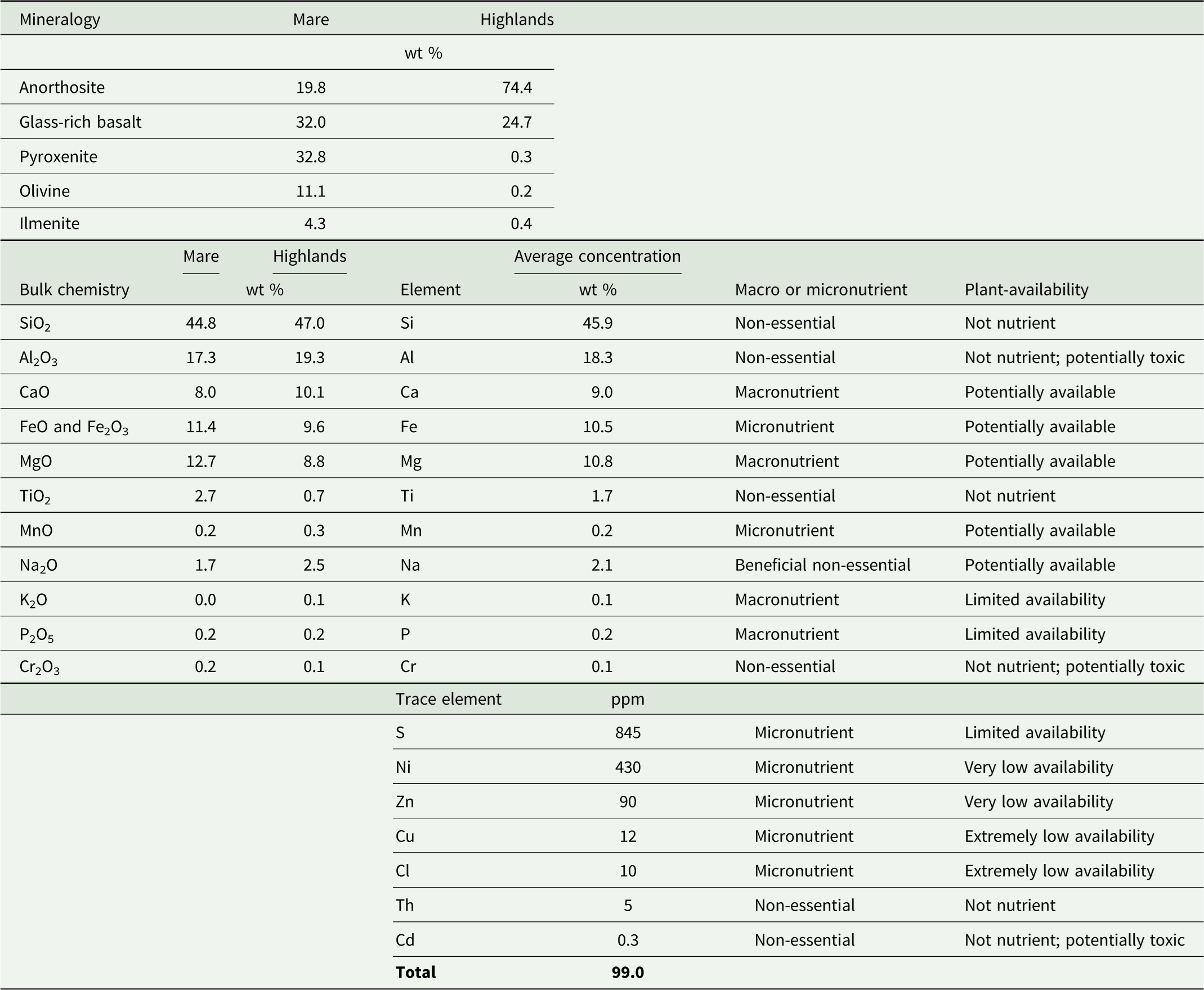
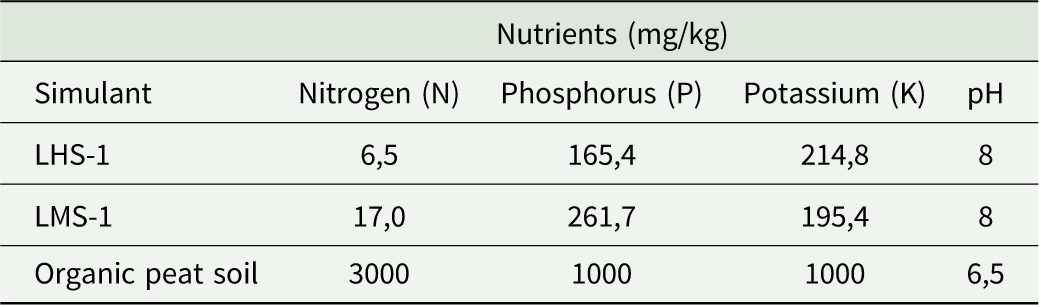
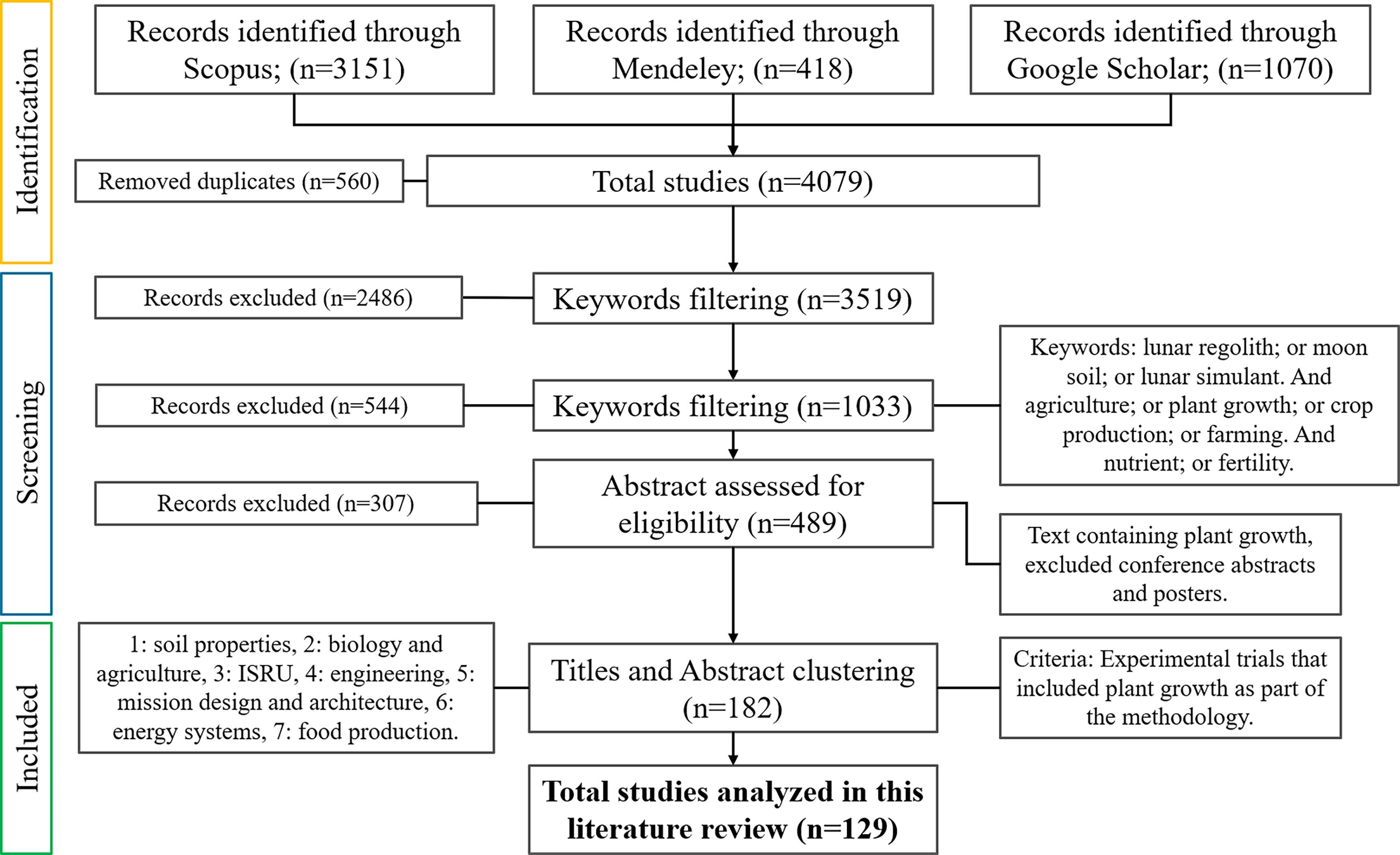
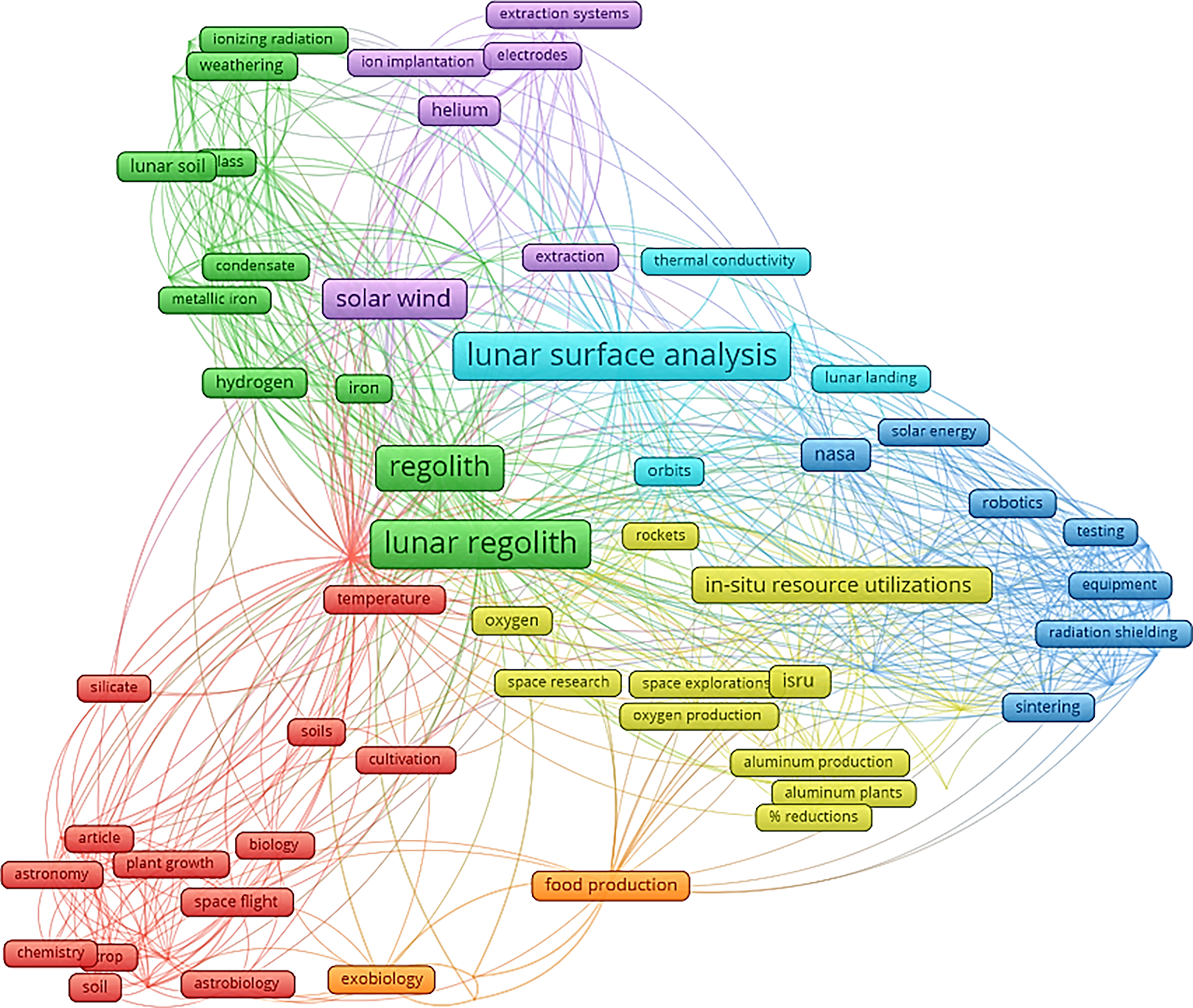
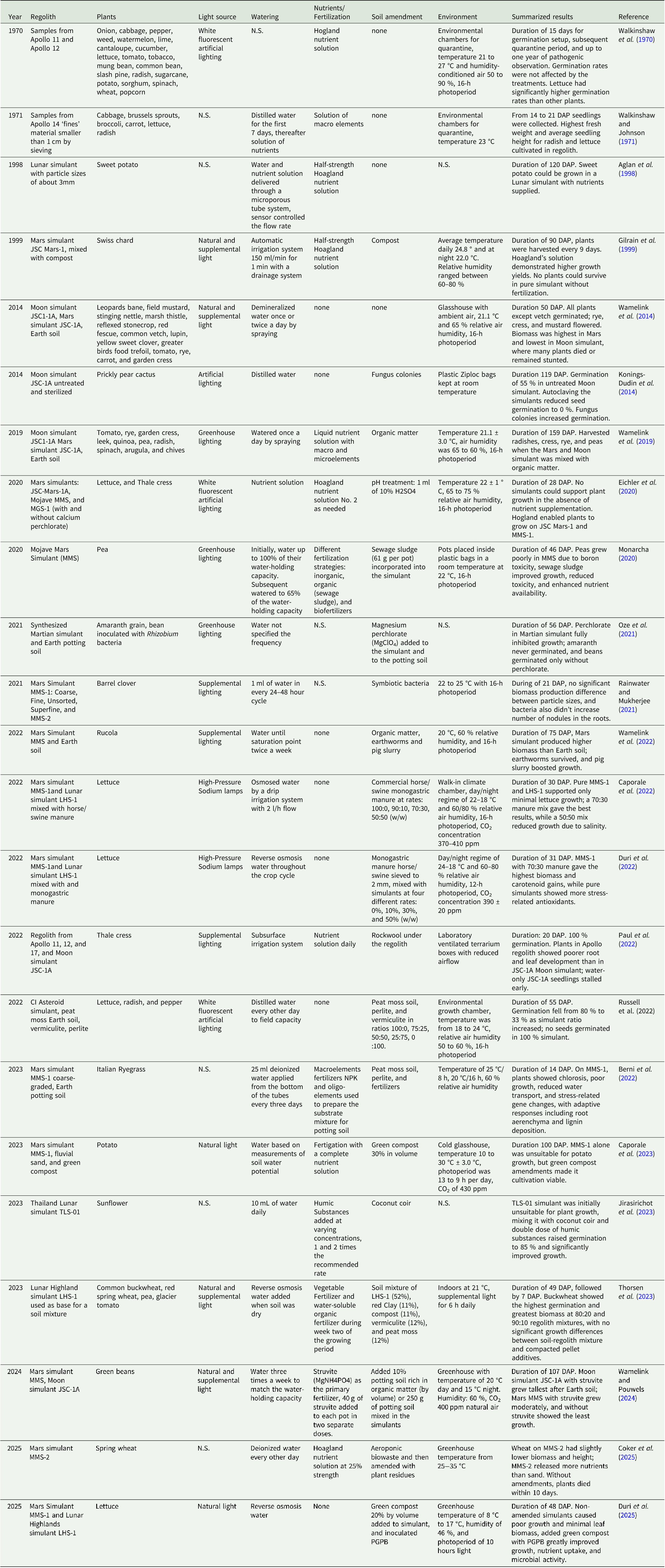

 Open access

