


The dawn of the twenty-first century exposes two dramatically different regional circumstances in East Asia and the Middle East. Despite a background of deadly wars (Korea 1950s, Vietnam 1960s), enduring resentment over aggression and colonial domination (mainly by Japan), and persistent historical, ethnic, religious, and territorial cleavages, there have been no major wars in East Asia for several decades. Indochina has been at peace for two and a half decades, maritime Southeast Asia for four, and Northeast Asia for five. Existing disputes have been restrained as never before in recent history, and major powers have normalized diplomatic relations despite continued tensions, mainly over Taiwan and the Korean peninsula. Military modernization has not undermined macroeconomic and regional stability. Military expenditures relative to GNP have declined from 2.6% (1985) to 1.8% (2001), lower than world averages of 5.4% (1985) and 2.5% (2001), with parallel declines—in most states—in military expenditures relative to central government expenditures. Extra regional trade and investment expanded dramatically, intra-Asian exports grew from 30% (1970) to 55% (2004), and incipient and informal—but inclusive—regional institutions (APEC, ASEAN Regional Forum) have emerged. This sustained absence of war and deepening of cooperation help envision a “Pax Asiatica” in the East Asian region.1
Regional definitions are always contested, but I settle for operational boundaries engulfing Southeast and Northeast Asia for Pax Asiatica. The inclusion of Southeast Asia only—where peace appears far more stable—would have made it easier to corroborate the main argument. Adding Northeast Asia posits a tougher—and hence perhaps even more persuasive—test. The stipulated World Bank regional definitions include comparable numbers of states for both regions (Appendix A). The Middle East and North Africa (MENA) includes 19 states (excluding Djibouti and Malta but adding Turkey) as does East Asia (excluding East Timor and smaller island-states). For military expenditures/GNP, see ACDA http://dosfan.lib.uic.edu/acda; and for trade, see Pempel 2005 and the World Bank's World Development Indicators.
In sharp contrast, the Middle East has hardly been peaceful. The highly conflictive 1940s to 1950s were superseded by more interstate wars, militarized interventions and mobilizations, invasions, shows of force, border clashes, and covert (violent) cross-border subversion involving Egypt–Yemen/Saudi Arabia (1962–1967), Syria–Jordan (1970), North–South Yemen (1972), Arab states–Israel (1967, 1973), Libya/Algeria–Morocco (1970s), Libya–Chad (1973–1987), Morocco–Polisario (1975–2000), Syria–Lebanon (1980s–2005), Iran–Iraq (1980–1988), Israel–Lebanon (1980s–1990s, 2006), and Iraq–Kuwait/Saudi Arabia (1990–1991), among others.2
Appendix B lists militarized conflicts since 1965, subsuming many militarized interstate disputes and militarized crises, but excluding minor incidents (Ghosn, Palmer, and Bremer 2004; Wilkenfeld and Brecher, International Crisis Behavior database).
Although turmoil characterized both regions in the two decades following World War II, since 1965 the incidence of interstate wars and militarized conflicts was nearly five times higher in the Middle East. There were five major Middle East wars with at least 10,000 casualties since 1965, but only two in East Asia. Excluding U.S. military participation, four major wars were waged between/among local actors in the Middle East as opposed to only one in East Asia. Moving from regional to state-level measures, involvement in militarized conflict becomes even more striking. Disaggregating regions into component states reveals that five East Asian states (of 19) accounted for most militarized conflicts, whereas every single Middle East state (of 19) was involved in them. Beyond the indicators included in Appendix B, many assassination attempts on neighboring leaders in the Middle East contrast with their virtual absence in East Asia. Since 1973, ballistic missiles have been used in battle 10 times, with Middle East states accounting for eight instances; East Asia, for none (Karp 1995, 45). Egypt, Iraq, Iran, Libya, and arguably Iran used chemical weapons in inter-state war; no East Asian states are known to have done so in East Asia since World War II. Cross-border efforts to undermine neighboring regimes have been legion in the Middle East but rare in East Asia. All these indicators reflect the actual—rather than potential—higher incidence and severity of Middle East interstate conflicts.
Why is this contrast puzzling, and why does it deserve attention? First, these differences are perplexing considering that both regions shared common initial conditions in the 1950s to early 1960s: colonialism as formative experiences, comparable state-building challenges, economic crises, low per-capita GNPs, heavy-handed authoritarianism, low intra- and extra-regional economic interdependence, and weak or nonexisting regional institutions capable of organizing cooperation. Indeed, these initial cross-regional similarities invoke Mill's method of difference where, despite many common features, some crucial explanatory variables account for differential outcomes. Second, despite enormous intraregional diversity, states in both regions emphasized family, literacy, and community. If these cultural variables explain East Asia's rapid development, as some argued, they would have had comparable effects in the Middle East. Instead, East Asia's economic transformation entailed changes in the content of education and the inclusion of women that have dramatically eroded educational gender gaps. Third, whereas intraregional diversity arguably heightens barriers to cooperation, a far more internally diverse East Asia—regarding language, ethnicity, religion, development levels, and regime type—generated more cooperation. Much of the Middle East shares Arabic language and culture and an overwhelmingly Islamic character, despite ethnic, tribal, and communal diversity. Fourth, as I discuss below both regions faced comparable international opportunities and constraints during the Cold War regarding economic and security choices. Given these four considerations the dearth of systematic comparisons across these two regions is baffling, and perhaps explained by a tendency toward “exceptionalism” in respective regional scholarships.
I begin with an overview of conceptual alternatives explaining differential levels of interstate conflict, distilled from hitherto disconnected literatures addressing Pax Asiatica and Bella Levantina, respectively. For neorealism, anarchy and self-help lead only to tenuous or contingent cooperation, blurring cross-regional differences. Neither can regional institutions explain the emergence of East Asian cooperation or the permanence of Middle East war. “Asian values” accounts and their Middle East counterparts suffer from woolly definitions, underspecified theory and causal effects, inability to explain change, and presumed regional uniqueness. Domestic-politics explanations are puzzlingly rare or underspecified as a systematic framework for comparing these divergent regional trajectories. I undertake the challenge of developing such framework by tracing contrasting interstate relations to distinctive domestic models of political survival. Leaders in most East Asian states pivoted their political control on economic performance and integration into the global economy whereas most Middle East leaders relied on inward-looking self-sufficiency, state and military entrepreneurship, and nationalism. This core argument compels both backward exploration of antecedent—permissive and catalytic—conditions explaining divergent models of political survival, and forward examination of these models' consequences for regional conflict. Whereas many states within each region shared a common model, I explore some anomalies and aborted efforts to adopt alternative models within each region. Both models relied on authoritarianism, state institutions, and the military as key allies for securing political control but differed in the nature of that reliance, with diverging consequences for interstate relations. Observations for these disparate outcomes span the regional and state levels of analysis, different decisions by the same state over time (under different leaders), and different historical periods. Variance across and within regions and states, and across time, provide many observable implications of the core argument (George and Bennett 2005; King, Keohane, and Verba 1994). I end with conceptual and methodological conclusions.
FOUR CANDIDATE EXPLANATIONS
Neorealist accounts challenge the very premise of a Pax Asiatica. The universal logic of power distribution reigns over all regions, leaving none immune from cyclical war predicaments. By this logic, the presumed Pax Asiatica is merely a hiatus in war-making (Friedberg 1993/94). Robust, bipolar, and symmetric distribution of nuclear weapons—had it existed—might have explained a lull, but, in the absence of such conditions, they can hardly explain the absence of war. Indeed changes in power distribution—China's rise, Japan's normalization, North Korea's nuclearization—should have made war more likely. That has not happened yet. Furthermore, fluctuations between U.S. hegemonic assertion and defection have not altered East Asia's peaceful progression. One crucial difficulty with power-based explanations is stipulating whether East Asia has been multipolar, bipolar, or under U.S. hegemony. The Middle East has been more straightforwardly enmeshed in self-help, with no hegemon capable of enforcing a Pax Levantina, and multiple poles of power—external and internal—fueling security dilemmas. Iraq, Libya, Israel, Egypt under Nasser, and Iran arguably sought nuclear weapons with attending asymmetric and destabilizing results. However, in the final neorealist analysis, the same asymmetries exist in multipolar East Asia, with several declared nuclear powers. Different levels of conflict obtained despite both regions' multipolarity, undermining polarity as an important explanatory category.3
For a more elaborate discussion of the doubtful utility of international power distribution for understanding differences between the two regions, see Solingen 2007.
Other neorealist variants trace East Asia's stability (not “peace”) to bilateral U.S. commitments; yet these mysteriously had different effects in the Middle East. Furthermore, bilateral alliances may partially explain Pax Asiatica but compete with alternative accounts irreducible to U.S. fiat (discussed below). Nor can the vast majority of militarized Middle East conflicts be traced to Soviet or U.S. initiatives. Although the two may have supported different sides, most incidents began as regional actors' schemes often contrary to superpowers' best interests, from Iraq's major wars, to Qaddafi's initiatives and the October 1973 Yom Kippur War. Nor did the U.S. presence in East Asia prevent major wars (Korea, Vietnam, Sino-Vietnamese) or North Korean military incursions. All these points question exclusive attention to polarity or hegemony in explaining disparate interstate conflict levels across regions. Furthermore, neorealist perspectives differ over whether the Middle East has indeed been more prone than East Asia to interstate conflict. Above all, a neorealist account cannot argue both that (1) levels of conflict have been comparable across the two regions, and (2) the United States accounts for lower levels of conflict in East Asia. Only one statement can be true. Finally, hypotheses based on geopolitical considerations could point to land borders as intensifying Middle East conflict, whereas waterways presumably kept East Asian adversaries at bay. Waterways, however, did not preclude wars in earlier periods even at lower levels of maritime warfare technology, and land borders are not inevitable precursors of war, as evident in South America.
Neoliberal-institutionalist approaches would trace differential interstate conflict levels to regional institutions presumed to reduce transaction costs and enhance cooperation. However, Pax Asiatica preceded legalized institutions envisioned by functionalist frameworks, which emerged after the remarkable expansion of markets, investment, and cooperation, and were minimalist, informal, and consensus based. Furthermore, the Arab League's emergence in 1945 as the very first regional institution worldwide did not preclude extensive Middle East conflict. Thus, comparable initial conditions—very low regional economic interdependence and weak or inexistent regional institutions—led to different levels of interstate conflict. Regional institutions were neither necessary for the emergence of cooperation in East Asia nor sufficient to prevent conflict in the Middle East.4
On the role of regional institutions in East Asia and the Middle East, see Solingen 2008 and Barnett and Solingen 2007 forthcoming.
Cultural interpretations are also beset by difficulties. First, both hegemonic religious identities—Islam and Confucianism (in Northeast Asia)—emphasized family, literacy, and community but they coexisted with different levels of interstate conflict across regions. Indeed the same cultural construct could not explain both an earlier period of militarized conflict in East Asia and a subsequent Pax Asiatica. The ancient “Oriental wisdom's” penchant for consensus, harmony, unity, and community did not produce Pax Asiatica in earlier times. Second, historical memories and animosities remain alive in both regions yet found different mechanisms of expression or sublimation. Memories of Japan's World War II cruelty or repeated aggressions against Vietnam by successive powers did not preclude extensive economic, political, and diplomatic rapprochements. Third, better Middle East endowments in common culture and language have not yielded more cooperation. Indeed, some (Barnett 1998) link common culture to conflicts over the normative content of Arabism. Conversely, extremely diverse East Asian cultures have not precluded cooperation. Fourth, some norms labeled “Asian values” and the “ASEAN way” are not too different from those characteristic of the Arab League, including informality, incrementalism, building on personal and political relations, saving face, emphasizing process over substance, constructive ambiguity, and relegating divisive issues to future resolution once they achieve ripeness or become irrelevant (Almonte 1997–1998). Fifth, even if shared norms do exist in East Asia—a contentious premise—they failed to have similar (cooperative) effects before the region's economic transformation.
Finally, domestic political explanations can explain Pax Asiatica versus Bella Levantina but studies advancing this comparison are uncommon if not virtually inexistent. One approach, “democratic-peace” theory, is inapplicable because Pax Asiatica preceded a growing cluster of democratic states, and indeed still operates in a region hosting major and smaller nondemocracies. Neither can “democratic-peace” theory explain Bella Levantina; joint democratic dyads/clusters—largely absent in the Middle East—are sufficient but not necessary for war avoidance. Nor has ephemeral cooperation during the Oslo process involved democratic dyads. Middle East conflicts are often explained by the predominance of autocracies (except for Israel within 1967 borders, and Turkey more recently) but a fairly autocratic cluster spearheaded more peaceful conditions in East Asia. Another approach builds on Rosecrance's (1986, 1999) seminal notion of “trading states.” Without engaging in explicit process-tracing comparisons between these two regions, Rosecrance indirectly led the way in contrasting Middle East atavisms with growing East Asia cooperation. Forcing attention to markets and trading states—though a critical analytical move—also required explaining how such states came about. Who reads international incentives and constraints differently and why, and how does this reading affect the evolution of trading or territorially oriented war-prone states? Solingen (1998) traced the texture of regional relations to “grand strategies” of competing domestic ruling coalitions, suggesting that internationalizing coalitions favoring global economic and political access create conditions for regional cooperation, whereas their counterparts lead to reverse results. However, neither work focused on dedicated, systematic comparisons between these two regions nor probed into the more remote sources of ruling coalitions, trading states, and interstate conflict.
Although building on some of these insights this article goes beyond them, proposing that distinctive domestic models of political survival were critical drivers explaining variation in interstate relations.5
“Political survival” involves efforts by political leaders to gain or remain in power in the face of domestic challenges and external threats (Bueno de Mesquita, Smith, and Siverson 2003).

Causal Sequence
MODELS AND CHOICES: PERMISSIVE AND CATALYTIC CONDITIONS
No effective understanding of cross-regional differences is possible without identifying the respective models of survival and the political-economy on which they rested. Institutional innovations, as North (1981, 32) noted, often come from rulers who seek to maintain or legitimize their hold on power. Rulers in East Asia pivoted their political survival on economic performance, export-led growth, and integration in the global political economy. These required vigorous embrace of export-led models capable of both satisfying domestic constituencies mobilized for this effort and yielding resources to compensate those disadvantaged by this policy (Campos and Root 1996). East Asian models emphasized macroeconomic stability; controlled budgets and external debt; and high rates of savings, investments, and literacy (particularly technical education; Noland and Pack 2005). By contrast Middle East rulers perfected inward-looking models of survival emphasizing statism and self-sufficiency (AHDR 2002, 4). Rents from expropriations and closure enabled populist patronage initially, but, with their exhaustion, nationalism and military prowess became core instruments of political survival. As a product of competing models, average per-capita growth rates in 2000 constant prices for 1950 to 2004 surpassed 3% in 11 of 18 East Asian states but only in 3 of 18 Middle Eastern states (Lebanon, Tunisia, UAE) despite extensive oil endowments throughout much of the Middle East (Appendix A). Indeed long-run trends in the Middle East suggest economic decline since the 1960s for both oil and non-oil producers (Sala-i-Martin and Artadi 2003, 22–23). Considering population growth (1975–1998), real GDP was stagnant in the Middle East but rose nearly 6% in East Asia (AHDR, 86–88). Poverty rates did not decline much in the Middle East, in contrast to East Asia. Trade openness (total trade relative to GDP, constant prices) increased dramatically in nearly all East Asian states, but decreased significantly or remained the same in several Middle East states, particularly in the 1960s (Hakimian 2001, 89–90; Penn World Table 2006). Non-oil exports declined or stagnated in at least 10 Middle East states but rose in most East Asian ones (Appendix A; World Development of Indicators).
Were these trajectories preordained? Why were leaders willing and able to adopt one model over others despite common colonialist legacies, state-building challenges, economic crises, and low per-capita GNP in the 1950s? The so-called Confucian construct presumed to underpin the “Asian miracle”— authoritarianism, family-based entrepreneurship, commitment to education, and community over individualism—had many comparable referents in the Middle East yet led to different models of political survival. Five circumstances influenced the fateful choices and respective viability of models of survival in each case (Fig. 1). Two permissive conditions enabled particular models in each context: (1) international power, market, and institutional considerations; and (2) the political-economy implications of natural resource availability. Three more immediate, catalytic conditions reinforced, magnified, and in some cases stemmed from those permissive conditions: (1) responses to economic crises, (2) the nature and strength of available domestic political partners, and (3) the influence of modal regional patterns of models of political survival.
Distilling a core argument from these five circumstances provides a point of departure for identifying the sources of respective models. Differences in oil resources and land reform led to distinctive options following the exhaustion of import-substitution, and to different political coalitions of state and private interests. Abundant natural resources hindered the prospects for competitive manufacturing, enhanced patronage resources for beneficiaries of import-substitution, and eroded private sector wherewithal in the Middle East. Natural resource scarcity and effective land reform weakened opponents, and favored proponents, of labor-intensive manufacturing and private entrepreneurship in East Asia. Once in place, each model reinforced the coalitional networks between state and private actors that benefited from each path. The regional context strengthened these respective models, through hegemonic coercion (for instance Nasserism and Ba'athism in the Middle East), diffusion (second-order “Dutch disease” effects in the Middle East, “flying geese” in East Asia), and emulation (Japan in East Asia).6
The emulation of Japan's growth model by others in the region may be interpreted as an instrument for enhancing—through economic strength—the state's external security and internal efficiency, as well as the political resources and survival of ruling coalitions. Because the three are largely synergistic, it is difficult to identify which impulse was stronger, an issue that can be ultimately settled through further empirical research.
Some East Asian states retained selective import-substitution and although clearly not laissez-faire, most were market-friendly and emphasized performance in international markets as the yardstick for success (Haggard 2004; McIntyre and Naughton 2005; Noland and Pack 2005). The contrast with Middle East patterns is clear (Hakimian 2001). The cross-regional comparison is applicable to both Southeast Asia and Northeast Asia in a general sense, despite differences between the two (Doner, Ritchie and Slater 2005, Mackie 1988). Space constraints preclude more extensive treatment of different cases in Southeast Asia although Appendix A highlights some of those differences (see also Solingen 2004). Furthermore, the Middle East-Southeast Asian comparison is in many ways an easier test of the argument posited here than the Middle East-Northeast Asian one. Because the latter constitutes a harder test, it is also a potentially more fruitful one. Neither model characterizes the universe of cases in each region but each captures ideal-types, which are heuristic devices in the imputation of causality, conceptual constructs rather than historical or “true” realities applicable to all cases equally or indeed to any particular case wholesale (Eckstein 1985; Ruggie 1998, 31–32; Weber 1949, 93).
Permissive Conditions
International Power, Institutions, and Markets.
Can international circumstances explain why East Asia leaders embraced export-led models in the 1960s (Taiwan, South Korea, Singapore) and 1970s (Malaysia, Thailand, Philippines, Indonesia) and why Middle East ones retained overwhelmingly inward-looking ones? During the 1960s investment capital was plentiful, Eurodollars easy to borrow, interest rates and trade barriers against manufactures from industrializing states relatively low, and labor-intensive competitors fewer (Chan 1990; Koo, 1987, 169). Trade grew faster in the 1960s to 1970s than would be the case subsequently. Market-based incentives for export-led growth were thus strong. International institutions and donors promoted state intervention but not suppression of private capital. Hence, intervention took different forms throughout the industrializing world, from regulating and promoting private markets to virtually eradicating them. Only in the 1980s the IMF and World Bank provided stronger signals to restructure economies, minimize state intervention and tariffs, and promote exports. But even then international institutional effects were far from determinative; their guidelines were a constant against which industrializing states responded variably. The ability to impose reform through conditionality agreements was limited and mediated by the strength of prior domestic commitments to reform (Al-Sayyid 2001, 168–69,171; Haggard and Kaufman 1995; Kahler 1989). Thus, both regions faced comparable international market and institutional incentives and constraints. Both models were feasible, and many states—emboldened by the New International Economic Order favoring authoritative mechanisms and state entrepreneurship—opted for import-substitution. But others did not, including many in East Asia and subsequently Turkey, Costa Rica, and Chile among others (Krasner 1985; Rothstein 1988).
Were Cold War structures more constraining, discouraging states under U.S. or Soviet influence from embracing rival models? Each superpower's purpose was certainly in that direction. Furthermore, U.S. alliances exposed East Asia's partners to significant threats from Cold War dynamics, but that was also true for Middle East partners (Saudi Arabia, Jordan, the Gulf sheikhdoms, and Lebanon). Indeed strategic rents (aid, loans, transit fees) in the Middle East did not evaporate even after the Cold War as they did in East Asia. Additional observations question the tendency to reduce models of survival to U.S. imposition. First, not all U.S. allies embraced export-led models. Far from it: most did not, even in Latin America until the 1990s, presumably under tightest U.S. control. Second, even under U.S. occupation Rhee Syngman ignored U.S. conditioning of assistance to South Korea on macroeconomic reform, privatization, realistic exchange-rates, ceilings on armed forces, and anti-inflationary stabilization. Third, Park Chung-Hee rejected U.S. pressures too (1961–1963) and returned to industrial “deepening” (1970s) despite U.S. and World Bank opposition. Fourth, Chiang Kai-shek embraced import-substitution in the Kuomintang's (KMT) early years in Taiwan, superseding it only in the 1950s with a new model of survival geared to avoid mistakes perceived to have led to Nationalist defeat in 1949. Many have underestimated the KMT's young technocrats' commitment to this model while overestimating the effects of U.S. coercion (Jacoby 1966, 132; Nordhaugh 1998, 142). Fifth, the United States provided a market for some agricultural and industrial goods during the Vietnam war and considerable foreign aid to Korea and Taiwan (Stubbs 1999), albeit much less to other East Asia states. Had U.S. aid constituted the main causal determinant of export-led models, Vietnam and the Philippines—as the largest per-capita recipients—would have provided strong instances of shifts in that direction, but they did not. Finally, the United States applied similar pressures to encourage export-led growth on Middle East states, recurrently but with mixed success. The differential (and dynamic) domestic receptivity to U.S. incentives and aid is often understated. Five Middle East states received over $8 billion in cumulative total aid (Israel, Egypt, Jordan, Turkey, and Iraq) but only two in East Asia (Vietnam and South Korea). For the same period (1956–2005) Sudan's $4.4 surpassed Taiwan's at $4 billion (Appendix A). Notably, Egypt received more foreign economic aid than Israel between 1956 and 1965, $760 million as opposed to $525 million.
Following 1950s radical nationalist revolutions, Middle East leaders sought Soviet arms and economic aid which reinforced these revolutions' orientation toward state capitalism, import-substitution, heavy industrialization, and bartering agricultural exports for weapons (Waterbury 1983, 391–404). Soviet terms of economic and military aid were generally far more favorable than Western offers. U.S. grain shipments fed substantial segments of Egypt's urban population until the mid 1960s but the United States remained suspicious of Nasser's domestic programs, Soviet courting, and armed intervention in Yemen. Remarkably the value of U.S. economic aid was higher than Soviet aid, and Nasser cleverly played off both superpowers against each other to extract concessions while advertising his independence from the West. However, when the World Bank refused to finance the Aswan Dam, Nasser nationalized Suez and foreign firms (Al-Sayyid 2001, 171). Egypt's agricultural exports shifted to Eastern European markets without altering Egypt's overall reliance on raw materials exports. South Korea's Park was no less sensitive to dependence on U.S. aid than his Middle East counterparts but created alternative sources of foreign exchange through exports, foreign direct investment (FDI), and normalization with Japan (Haggard 1990). Domestic receptivity to U.S. incentives was much higher in East Asia than the Middle East due to respective models of survival. Thus, Middle East states were not coerced into inward-looking models by Soviet hegemony. Rather, inward-looking praetorian revolutions propelled leaders toward policies attuned to Soviet models (Heikal 1978). As Halliday (2005, 286) suggested, “if this was a master-client relationship, it was not clear which one was the master.” Nasser's Free Officers adopted import-substitution “in the name of national independence and economic sovereignty,” platforms responsive to militant political forces on left and right (the military, import-substituting and petite-bourgeois interests, civil servants, rural notables, peasants), some of which had helped triggered the 1952 military revolution (Binder 1988, 339; Waterbury 1983, 9). Domestic and external vectors pushed in the same direction, toward export-led growth in East Asia and inward-looking models in the Middle East (Cooper 1994; Cumings 1984; Evans 1995, 245; Haggard et al. 1994; Haggard and Moon 1993). Both regions faced roughly comparable international market and institutional opportunities and constraints, and neither superpower could impose models in the absence of domestic receptivity. Reducing choices to superpower designs is thus fraught with difficulties; only a proper understanding of domestic backdrops can help explain choices of models of political survival.
Natural Resource Endowments.
Natural Resource Endowments provided a second set of permissive conditions. In oil-abundant Middle East economies, high wages, high imports, high inflation, and overvalued currencies constituted structural barriers favoring nontradable goods and investments in consumption and infrastructure. Agriculture and manufacturing were thus subsidized and protected (Owen and Pamuk 1998). In classical “Dutch disease” fashion, resource abundance sometimes reduced economic growth, eliminating export competitiveness in other goods (Chan 1982; Krugman 1987). “Rentier states” used abundant oil revenues to coopt populations without taxing them, turning many into rent-seekers dependent on state subsidies in exchange for political acquiescence. This model had detrimental effects for democratic institutions. The expansion of omnipotent states with uncompetitive industries, suppressed labor, and undemocratic structures fueled by oil windfalls is at the heart of the “oil curse.” Beblawi and Luciani (1987, 16) found that rentierism afflicted most Arab states despite different endowments, including Jordan, Yemen, Lebanon, Syria, Egypt, and Sudan as recipients of aid or remittances from oil states. I refer to these as “second-order” effects of “Dutch disease” on non-oil producers. Only Morocco, Tunisia, Turkey, and Lebanon (until recently) derived little or no rents from oil. Structural differences in oil resources across the two regions affected the proximate context within which leaders formulated their models of survival. I turn to that proximate context now.
Catalytic Conditions
Responses to Economic Crises.
Crises of import-substitution afflicted Middle East and East Asia states alike. Chiang Kai-shek's import-substitution led to an expansion of private firms but the crisis became evident by the mid-1950s, with saturated markets, sluggish growth and investment, and balance-of-payments difficulties (Chan and Clark 1992; Haggard 1990). Although some KMT officials favored state entrepreneurship and deepening of import-substitution to stem the crisis, an export-oriented model emphasizing small-medium private enterprise was in place by 1960. The foreign-exchange crisis helped younger KMT technocrats empowered by Chiang Kai-shek push for tight fiscal and monetary policy, high real interest rates, stable foreign-exchange rates, export promotion and fewer import restrictions. South Korea's Park had promoted import licenses, high tariffs, and multiple exchange rates in 1961 but responded to severe inflationary and balance-of-payments crises in 1963 with the inception of a new model. Throughout most of East Asia—in the absence of oil resources—the exhaustion of import-substitution provided few options. Stagnation, slow growth, and unevenly distributed benefits from growth increased poverty, left intractable problems of nation-building unresolved and contributed to foreign aid fatigue (Rothstein 1977, 1988). Elsewhere (Latin America, South Asia, the Middle East) leaders were slow in recognizing the end of the brief “easy” period of expansion under import-substitution, and continued to spend heavily leading to inflation, balance-of-payments crises and further economic decline (Hirschman 1968). Natural resources, where available, provided both cushions against weak performance in other sectors and patronage resources for beneficiaries of import substitution. Not so in East Asia, where choices were constrained, with balance-of-payments deficits and accelerating inflation forcing different responses (Chan 1990). Park (1979, 72) could read his regime's survival script on the wall: “For a country like Korea, un-endowed by nature and saddled with minuscule markets, only an external-oriented development strategy, making full use of the abundant human resources but aimed at exports, appeared relevant.” Park thus popularized his strategy with the motto “Nation Building through Exports” and “Think Export First!” (Ogle 1990, 40). Singapore's Lee Kwan-Yew and other East Asia leaders echoed similar calculations.
Because oil endowments offered broader options for Middle East leaders weathering crises of import-substitution (1950s–1960s), their responses “deepened” statist inward-looking models instead of replacing them. Acute balance-of-payments and financial crises forced King Saud to yield power to Faisal who expanded the size and nature of state intervention through state enterprises in oil and subsidiary industries, leaving local industry and agriculture behind protective barriers. In Egypt paltry exports did not resolve balance-of-payment crises resulting from exhausted windfalls from Nasser's nationalizations, capital goods imports, military adventurism in Yemen, and permanent war preparations against Israel (Barnett 1992). Throughout most Arab states, subsequent crises rarely led to reversals of the model that had entrenched its beneficiaries ever more deeply against reform (Wilson 2002). This point leads directly into the second set of catalytic conditions shaping responses to crises and the adoption of different models of political survival.
Available Political Partners.
Adopting or maintaining a given model, or shifting from one model to another, alienates some constituencies and attracts others. The relative strength of groups endorsing or opposing models at critical junctures are thus decisive factors influencing such decisions (Chan 1990). East Asian leaders could promote private capital oriented to the global economy because potential opponents of that model were weakened. World War II decimated agrarian elites and undercapitalized and disorganized industrial groups (Evans 1995, 245; Stubbs 1999). Taiwan's brief import-substitution prevented encroachment by beneficiaries, facilitating export promotion and unified exchange-rates in the absence of strong agrarian or import-substituting opposition (Chan 1988; Cheng 1990, 154; Gereffi 1990). An evolving and transparent KMT consensus could disable the opposition and decrease domestic and international uncertainty about its new program (Jones and Sakong 1980; Ogle 1990, 33–34). The military, initially threatened by the new model on grounds of economic sufficiency and war preparedness, was completely subordinated to the KMT, whose overriding concern with macroeconomic stability curtailed rabid militarism and channeled it into “an evermore absorbing interest in economic growth” (Amsden 1985; Cheng, 155). Rhee Syngman's unimpressive import-substitution in South Korea created nascent capitalists weakened by stagnation and uncertainty. Park's 1964 shift to export-led growth faced powerless import-substituting interests pliable to his new agenda (Haggard 1990). Groups coopted by Park reaped favorable results, reinforcing support for the model. Repression of weak labor movements facilitated steadfast implementation and macroeconomic stability. Because it was common to both models, labor repression lacks significant explanatory content for our purposes. Nasser hanged workers following the first strike after the revolution, his indirect taxation burdened the masses more than the upper classes, and a highly paid and corrupt state bourgeoisie implemented his model (Barnett 1992, 98; Hinnebusch 2001, 123; Migdal 1988). Nonetheless labor mobilized under longer and deeper import-substitution in many Middle East states might have arguably opposed alternate models more forcefully. Luciani (2007) finds Arab middle classes—largely public sector employees (“the scribes”)—to have been the strongest opponents of open economies. Because liberalization would have affected them adversely, they adopted a strong populist-nationalist discourse. Borrowing from Binder (1978), Luciani defines “the scribes” as the “second stratum,” co-opted and mobilized to support the reigning model; without them, regimes could not effectively govern. Small and medium enterprises remained notoriously minute, with very limited economic or political influence, and so intertwined with the state that many state bureaucrats had their own small business (Luciani).
Regarding the rural sector, the U.S. military occupation ended large landholders in Japan, and land reform following decolonization from Japan eliminated large landholders as a powerful class in Korea and Taiwan (Haggard 1990; Woo-Cumings 1998). The KMT's subsequent reforms (1950s), designed to coopt peasants, stimulated agricultural production and undermined indigenous (Taiwanese) landlords, steering them toward manufacturing (Chan and Clark 1992; Cumings 1984). North Korea's invasion of the South reduced the economic base of landowners pushing them to urban activities, whereas landed aristocracies from Iraq to Egypt lingered. Nasser's land reform aimed at empowering poor and landless peasants but benefited middle and rich ones, achieving limited redistribution and failing to eliminate landed wealth politically (Binder 1978; Migdal 1988). State monopolies controlled all agricultural inputs and marketing of major crops at fixed prices. State accommodation with rural strongmen enabled resource transfers from rural to urban, a pattern common throughout the Middle East (Owen and Pamuk 1999). By 1960 inequality in land distribution was much higher in Egypt than in South Korea, with Gini coefficients of 0.67 versus 0.39 (Rivlin 2001, 24). Nasser's reforms excluded nearly all landless wage earners whereas South Korea's landless peasants were eliminated by the 1940s. Land reform after Iraq's 1958 revolution failed to attain economic objectives. Only in oil-poor Jordan, Morocco, and Tunisia were market- and export-oriented capitalist farmers stronger and politically more influential (Waterbury 1989). In sum, whereas East Asia's leaders sought rural support through effective land reform, investment in agriculture and rural infrastructure, the Middle East countryside—particularly in revolutionary states—was forced to support and subsidize narrow urban coalitions (Campos and Root 1996, 3–6; Noland and Pack 2005). Hence, rural interests placed no political barriers to East Asia's export-led models and land reform helped level income distribution (Chan 1990; Haggard 1990; Wade 1990). Middle East regimes diffused threats of peasant insurgency through state monopolies; East Asia's through effective land reform and export-led growth.
Regional Effects.
Small internal markets reinforced export-led models in East Asia but less so in the Middle East due to first- and second-order effects of “Dutch disease” but also to three regional factors:
- (1) Portraying Jordan as an enemy of Arabism and decrying King Abdullah's association with Western powers, Egypt recommended Jordan's expulsion from the Arab League. Abdullah was assassinated in 1951. Nasser threatened and subverted liberalizing efforts by small, resource-poor Jordan and Lebanon among others. On learning of the proposed “Baghdad Pact” between Western powers and Iraq, Nasser mobilized nationalism throughout the Middle East, leading to young King Hussein's imprisonment in Amman. In 1960 Nasser declared that the UAR would not rest until it destroyed Hussein, adding that all Arabs wanted to poison him. Riots, unstable governments, and near civil war compelled King Hussein to yield to emboldened Nasserism writ-large throughout the region. Syria's and Iraq's Ba'ath often threatened Jordan as a monarchical vestige inimical to their own revolutions. Jordan's Premier Wasfi al-Tall's economic reform efforts (1960s) to contract the state bureaucracy and military expenditures were also suppressed via subversion by neighbors. Tall was assassinated in Cairo, thwarting once again King Hussein's preferred model. Lebanon's export-orientation steered mainly by dominant Christian (Maronite) elites also faced Nasserite and Syrian challenges. Lebanon's foreign trade to GDP ratio was much higher than Egypt's or Syria's. By the 1970s, internal defiance by radical Palestinian groups, intercommunal strife, and Israel's interventions facilitated Syria's occupation, lasting nearly 30 years. Lebanon's 1990s efforts to reconstitute an export model were undertaken under Syria's oversight and limitations. Reported Syrian involvement in the assassination of Rafiq Hariri, the architect of Lebanon's economic revival, reflected the continuity of old cross-border subversion patterns. Morocco was less subject to Nasserite diktats than Jordan and Lebanon, which were more proximate to competing hegemons.
- (2) Regional diffusion of “Dutch disease” from oil-rich to oil-poor states—second-order rentier effects—reinforced inward-looking models pivoted on state entrepreneurship. Petrodollar transfers strengthened protectionism, industrial, and exchange-rate distortions among recipients while weakening political incentives to introduce alternative models. By the mid-1970s oil transfers steered Jordan in inward-looking directions. A decade later 60% of the labor force was employed by the state. After the 1991 Gulf War, dissipation of Gulf oil transfers and containment of inward-looking, statist, rentier and hegemonic Iraq, revived alternative options. Regional influences in East Asia were the mirror image of those operating in the Middle East. Progressive diffusion of export-oriented models—beginning with Japan—predisposed successive East Asian regimes to embrace analogous models adapted to local circumstances by Taiwan, South Korea, Hong-Kong, Singapore, Malaysia, Thailand, China, Indonesia, and Vietnam. This diffusion was famously captured by the “flying geese” analogy led by Japanese capital and technology through FDI and bank loans, and succeeding “tigers” and “dragons” (MacIntyre and Naughton 2005). Cooperative regional institutions like APEC reinforced the model informally, taming or coopting protectionist forces while accommodating newcomers (Ravenhill 2000). APEC advocated “open regionalism” compatible with global trading rules and inclusive membership while ASEAN encouraged mutual support for domestic and regional stability to attract FDI and secure access to export markets. Economic growth and common resilience (ketahanan) was the foundation of this model. No comparable “open regionalism” emerged from Middle East models.
- (3) A third regional effect related to defeat in war and severe external threats which could potentially fuel crises and catalyze departures in models of political survival. Leaders from South Korea to Taiwan to major Arab states endured war experiences in the late 1940s to early 1950s. In the wars' immediate aftermath import-substitution ensued in both cases, although East Asian leaders later introduced export-led growth. Beyond the cited political-economy and resource-related conditions explaining that shift, leaders also learned different lessons from defeat in war. The KMT associated its 1949 defeat by mainland Communists with its own record of hyperinflation, hyperinequality, and hypercorruption. Hence the KMT's new model of survival in Taiwan was pivoted on price stability, egalitarian income distribution, and decentralized (small-medium) private entrepreneurship. In South Korea, Park's lessons from North Korea's 1950 overrun led him to reject the coalition of absentee landlords and corrupt import-substituting industrialists backing Rhee's model. The KMT's complete ejection from the mainland and South Korea's nearly complete invasion by the North were arguably far more devastating territorially than the Arab states' 1948 defeat, which could partly explain the need for more robust states in the East Asian cases. By contrast, the 1948 war initiated by Arab states after rejecting UN partition of Palestine, did not result in their nearly complete territorial defeat as with Taiwan and South Korea. However, the Nakba (cataclysm) dealt a severe blow to Palestinian and pan-Arab aspirations, coloring the models of survival which emerged in the 1950s. Despite its depiction as a “victory,” the loss of 1% of Israel's population in a war fought under an arms boycott also left a legacy of inward-looking self-reliance among first-generation Israeli leaders. Sadat portrayed the 1973 October/Yom Kippur War as an Egyptian victory, which enabled him to launch infitah (economic opening) in 1974, reversing Nasser's model. In sum, all leaders defined victory and defeat in self-serving ways. Defeat in war was common to states across both regions and not necessarily a precursor of inward-looking models or perennial conflict. Leaders manipulated external debacles in ways that reinforced domestic conditions driving toward one model or another. Finally, threats of peasant-based Communist revolutions emanating from neighboring states (mainly China) are sometimes invoked to explain East Asian leaders' economic choices (Amsden 1989). Rural reform and broad economic growth would deflate such threats and help leaders survive in power. Similar revolutionary pressures (enhanced by Soviet encroachment in some cases), however, did not lead to similar choices in the Middle East.
Figure 2 disaggregates the causal sequence outlined in Figure 1, focusing on permissive and catalytic conditions leading to alternative models of political survival. Two main propositions sum up these conditions. Early and effective land reform, relatively brief import-substitution, and natural resource scarcity weakened domestic political opposition to export-led growth in East Asia. Regional effects reinforced export-led strategies. By contrast, late, inefficient or nonexistent land reform, longer exposure to import-substitution underpinned by extensive statist and military entrepreneurship, and abundant oil resources empowered opponents of export-led growth throughout much of the Middle East. Regional effects reinforced inward-looking models. Put differently, in the Middle East stronger beneficiaries of relative closure, import-substitution, and natural resource monopolies—mostly within the state itself—constituted powerful barriers against shifts into alternative models.7
Major beneficiaries of import-substitution included middle- and upper income consumers, organized labor in state and protected industries, and the state's managerial class (Richards and Waterbury 1990, 37,223–24).

Permissive and Catalytic Conditions
PATH DEPENDENCY, ANOMALIES, AND ABORTED SHIFTS IN DMPS
The relative incidence of particular models in each region cast its shadow on domestic decisions favoring one model over another, through emulation, socialization, and/or coercive external interventions. The political and economic successes of East Asia's model reinforced their progressive diffusion to most states in the region. Conversely, entrenched inward-looking Middle Eastern models reinforced domestic barriers against alternative models that would have entailed appeals to different sources of legitimacy—and new relations with international markets and institutions—hardly countenanced by 1950s to 1960s-style pan-Arabist politics. Some trace this profound suspicion of external influences to colonial domination and exploitation but these did not preclude East Asia's transformation, including China's (a victim of unequal colonial arrangements) and Vietnam's (a victim of even more recent colonial brutality by Japan, China, France, and the Unitd States). Clearly, political forces unleashed by Nasserism and rentier economies constituted formidable barriers to change. Beblawi and Luciani (1987, 16) trace reluctance to change to “a perception of a lack of any politically accepted alternative, or sheer shortsightedness.” Chatelus (1987, 111) emphasized overwhelming incentives by dominant groups to retain rents and disincentives to shift to productive activities. Path-dependent politics, lasting legacies including reproduction of political forces invested in extant institutional arrangements, and self-perpetuating mechanisms of exclusion go far in explaining stasis. Path-dependency entails self-reinforcing feedback loops or “increasing returns” whereby actors reinforce the model's logic, alternatives are dismissed, and institutions magnify existing patterns of power distribution (Krasner 1999, 61–62; Pierson 2000; Thelen 1999). Thus, temporal sequences in the intersection of domestic and international politics have long-term effects that are harder—but not impossible—to reverse. Furthermore, regional agglomeration of models creates “neighborhood effects” or network externalities, infusing new life into prevailing models.
One might argue that rejecting export-led growth in the 1960s was not unusual, and that East Asia was the anomaly. Although this may be the case, most Middle East leaders declined subsequent opportunities including the 1980s crises and the 1990s widespread transformation of planned into market-oriented economies (Halliday 2005, 264; Owen and Pamuk 1998). Capital flows in the 1990s “became almost indiscriminate torrents in search of emerging markets,” with FDI to developing countries growing from about $20 billion (1990) to $170 (1998) (Henry and Springborg 2001, 44–5). Extraordinary world trade expansion offered unprecedented incentives often met with lethargic reform in the Middle East, whose share of FDI to developing countries (excluding Turkey) declined from 11.6% (1990) to 2.1% (1994–1996) and 1% (2001) (AHDR 2002, 87; Hakimian 2001, 89). Political instability, bad governance, and inadequate educational levels thwarted FDI inflows while $1.5-$4 trillion was invested overseas (Halliday, 295). Capital flight from rentier states sharply contrasted with Japan's FDI investments throughout East Asia. Although declining oil windfalls since the early-1980s denied Middle East leaders resources erstwhile available to avoid adjustment, path-dependent legacies burdened change. Despite unique natural resources, the Middle East remains least integrated into global trade and finance after sub-Saharan Africa.
Yet some Middle East leaders slowly began embracing alternative models, suggesting that “critical junctures” and learning can provide mechanisms for change even in processes heavily burdened with path-dependency. Sadat used crisis to introduce infitah facing incalculable political risks, struggling to reverse Nasserism and stressing growth, foreign investment, exports, military conversion, and new relations with international markets and institutions. Sadat's assassination and the political landscape he inherited continued to trump Egypt's transition. Nonoil producers with fewer choices (Morocco, Tunisia, Turkey) began promoting private sectors in the 1980s and signing bilateral investment treaties to promote and protect foreign investments. By 1996 four Middle East states (Morocco, Tunisia, Turkey and Egypt) had signed at least 11 such treaties, half of the eight East Asian states that had done so 〈http://www.worldbank.org〉. Monarchies had experienced less intense and protracted colonial influences than praetorian states like Egypt, Syria, and Iraq, which mobilized revolutionary, nationalist-populist zeal and swept competitive private capital more forcefully, creating higher barriers to reform beyond those imposed by rentierism (Henry and Springborg 2001). By 2000 Jordan, Morocco, Tunisia, Turkey, Egypt, and five gulf kingdoms had joined the WTO, but not Syria, Iraq, Saudi Arabia, Algeria, Yemen, and Syrian-controlled Lebanon. Even WTO members retained high tariff barriers and state enterprises.
Although Turkey and Israel had embraced import-substitution for many years, they were neither subject to pan-Arab pressures to retain the model nor influenced by second-order effects of “Dutch disease.” Israel's departure from import-substitution and statism began only in the late 1960s, and not without difficulty given strong protectionist constituencies represented by the powerful labor-union Histadrut (concentrating about 90% of the eligible labor force), the inward-looking Manufacturers Association and the Ministry of Commerce and Industry (Kahane 1992). Isolated in its region, and with neither oil nor a large internal market, free-trade-areas with Europe and the United States became ever more vital to the political-economy strategy of Israeli leaders. The crisis of the mid-1980s forced more decisive reforms. According to Owen (2001, 236) Israel was one among few Middle East states to reduce government consumption significantly—from 39 percent of GDP (1970s) to 27 (1990s)—largely due to reduced military expenditures. Following decades of public sector expansion and import-substitution, and high inflation, mounting external debt, and political violence in the 1970s, Turkey's military brutally altered the relative strength of societal forces in the early 1980s, enabling civilian Premier Turgut Özal to consolidate support for a new model based on export-led growth (Waterbury 1983). The European market was a prime incentive (as was the absence of oil) and Turkey could count on a more robust business class fostered under Kemal Atatürk. Government consumption shares of GDP were much lower than in most other Middle East states (UN National Accounts 1982–2004).
An anomaly amidst rentier states, Dubai's more limited oil endowments led the ruling family to early diversification away from oil in the 1970s. Crown-prince Sheikh Mohammed bin-Rashid al-Maktoum and his three businessmen-advisors emulated Singapore and Hong-Kong, turning Dubai into a regional trade hub; financial, shipping, and media center; and tourist destination with an open stock exchange and outward-oriented appeal to foreign companies (800 from the United States alone by 2006). Dubai developed 13 free-trade zones, welcomed 5 million annual tourists, and reduced oil dependence to 6% of state income; yet nearly 85% of its population is foreign-born, largely unskilled, sometimes indentured, and denied citizenship (Dore 2006; Fattah 2006). Qatar, Bahrain, and Kuwait have attempted to follow Dubai's path. Even Saudi Arabia, with 90% of government revenue derived from oil, recently joined the WTO and begun diversifying and privatizing its economy while relaxing foreign ownership rules.
These experiences weaken deterministic views that domestic configurations pose insuperable barriers to introducing alternative models. Differences in oil endowments and private-firm incentives to endorse openness shape different contexts and opportunities for different leaders. Sadat forged new opportunities and advanced them in a fairly constraining context that outlived him. Ozal leaned on his allies in key state agencies and Korean-style private conglomerates to launch an export-drive, largely supported by a population wary of the 1970s political violence and economic disarray (Waterbury 1983, 150). Sheikh al-Maktoum used oil endowments to replicate Singapore in Dubai. Ironically, East Asia's competitiveness stemming from earlier decisions compounds the difficulties Middle East leaders confront today (Noland and Pack 2005). Amsden's (2001, 286) reformulation of Gerschenkron's theory has potentially ominous implications for nationalist models: “the later a country industrializes in chronological history, the greater the probability that its major manufacturing firms will be foreign-owned.” Though such prospects have not deterred Eastern European states or East Asia's newcomers as Vietnam, they are far more politically menacing for Middle East leaders struggling to transcend inward-looking models of political survival. As Binder (1988, 83) noted about the Middle East, “no other cultural region is so deeply anxious about the threat of cultural penetration and westernization.” Yet the cases in this section suggest that difficulties are not insurmountable. As Waterbury's (261) study of the transformation of state power in Egypt and Turkey suggest, “economic and class structures … acted as retardants to processes of change but did not determine or cause them … Rather, narrowly based political leadership, assisted by insulated change teams, drove forward both the import-substitution strategy and the subsequent introduction of market-conforming policies.”
MODELS OF POLITICAL SURVIVAL: IMPLICATIONS FOR STATES, THE MILITARY, AND AUTHORITARIAN INSTITUTIONS
The two competing models shared three important features. First, both relied on state institutions as key allies in securing political control, although differences in the nature of that reliance would have diverging effects on the respective evolution of states. Second, both models relied on authoritarianism but each would foreshadow differential paths regarding democratization. Third, although military institutions played important roles in both models, the military itself endured different transformations under each model's political-economy. Figure 3 summarizes the implications of alternative models for evolving institutions—states, the military, and authoritarianism—in each case.

Domestic Institutions and Regional Effects
States
Although states played central roles in both models, the extent to which states replaced or enhanced private capital differed significantly. East Asian leaders mandated state institutions to provide lending, subsidies, and other incentives to private firms that met performance goals. Although certainly not laisse-faire, the model's dependence on export-led growth steered state intervention toward ensuring macroeconomic stability, new markets, investment in growth areas, and stable political-economic environments for foreign investment (Noland and Pack 2005). Japan's model—with its “minimalist state” in overall size despite extensive intervention in the economy—was significantly different from subsequent applications in Taiwan, Hong-Kong, South Korea, Singapore, Malaysia, Thailand, China, Indonesia, and Vietnam (Okimoto 1989; Pempel 1998). The KMT exposed “greenhouse capitalists” to the rigors of the market, phasing out protection, enforcing export quotas, and limiting state entrepreneurship (Evans 1995, 57). The private sector's share of industrial production reached 80% by the early-1970s (Chan and Clark 1992). Extensive consultations between businesses and government were common in most East Asian cases, although leaders enjoyed significant autonomy from private firms in the initial phases (Haggard 1990, 2004; MacIntyre 1994). Subsequently, as Stiglitz (1996) notes, firms—not states—made most decisions about resource allocation. States were not heavy-handed, supporting export-oriented industries without micromanaging them, providing credit and promoting technical skills transferable across industries, selecting initial industries and subsidizing declining ones but not thwarting private enterprise. East Asian states were active lenders and regulators but dramatically less active entrepreneurs than Middle East states.
Massive nationalizations of oil, banking, industry, and the Suez Canal accompanied import-substitution in the Middle East. Proceeds channeled to states as monopoly rents enabled leaders to introduce expansive yet unsustainable populist programs. Redistribution dissipated within a decade after Egypt's revolution (Waterbury 1983, 8). Import-substitution, with its compelling logic and inherent weaknesses (Hirschman 1968), also involved income transfers from agriculture to infant industries under state sponsorship. State expansion and forceful suppression of private firms eliminated economic and political competitors to the state (Anderson 1987; Binder 1988). Referring to rentier states, Halliday (2005, 278) argued that “there was, in effect, no such thing as a private sector in these societies.” States—not exposure to the global economy—sapped private capital of economic and political strength, albeit to a lesser extent in Jordan, Morocco, Lebanon, and Turkey than in Egypt, Syria, and Iraq. The former had the lowest percentages of public employment, whereas rentier and import-substituting states had the highest. Many states adopted import-substitution in the 1950s to 1960s, but few embraced as comprehensive statist controls, entrepreneurship, and large bureaucracies as the Middle East did (Waterbury 1990). The Egyptian state owned most modern sectors of the economy under Nasser, contributing 90% of value-added by plants employing 10 or more workers (Owen and Pamuk 1999), accounting for 91% of gross fixed investment, and consuming nearly 50% of GNP. Syria and Iraq, emulating Nasserism, reached comparable levels of statization. State enterprises accounted for 48% and 57% of economic activity in Sudan and Algeria (1980s). Most Middle East states displaced private firms, but praetorian regimes in Egypt, Iraq, Syria, Algeria, Sudan, Yemen, and Libya decimated private capital more thoroughly than the monarchies or Lebanon (Henry and Springborg 2001). The oil bonanza (1970s) strengthened state sectors throughout the region even further.
East Asian leaders vigilantly steered states into macroeconomic stability and proper conditions for sustained export-led growth. States thus developed into relatively supple, agile mechanisms connecting the domestic and global economies. Middle East leaders crafted states bound to deplete and ossify, presiding over current account and budget deficits, inflation, scarce foreign exchange, and ultimately, too weak to exert control over society except through force. East Asia approximated ideal-typical developmental states, whereas the Middle East epitomized predatory states. “Developmental” states were handmaidens of industrial transformation whereas “predatory states” undercut development even in the narrow sense of capital accumulation (Doner, Ritchie and Slafer 2005; Kohli 2004; Evans 1995, 12). The former relied on Weberian-style meritocratic bureaucracies effectively extracting resources from society, which were largely absent in the latter due to rentierism. Both types could tolerate cronyism and corruption but only the former delivered collective goods from resources extracted from society. Southeast Asian states circa 1950s were at comparable or lower developmental levels than most Middle East states. Yet export-led models drove government consumption in Southeast Asian states to 10%–11% of GDP (early 1970s) in contrast to thrice as high for Middle East states (1970s–1980s).8
For data on individual countries, see World Development Reports 1991–1997.
Military Institutions
Military institutions played important roles as repressive mechanisms of political control in both cases and military expenditures were overall high during the Cold War. Yet each model bore different implications for both the relative size and the short- and longer term viability of expansive military–industrial complexes which—though ubiquitous—vary widely in size and in the extent to which they replace private enterprise. These complexes entailed far more than armament production in the Middle East. Sprawling networks of military-controlled state enterprises engaged in activities well beyond military purpose or natural resource exploitation, replacing private firms, creating captive import-substituting sectors, supplying inputs to military-controlled and civilian enterprises, and maintaining high tariffs and protection (Waterbury 1993). North Korea and Burma resembled this model. By contrast, export-led growth required stable macroeconomic policies, predictable environments, and minimizing inflationary military allocations that could endanger the model's core objectives. Military expenditures relative to GNP and in particular to central government expenditures, provide measures of sensitivity to such concerns (Appendix A). Military expenditures/GNP in Southeast Asia (excluding Indochina) reached 5% average (1970s) during the Cold War but export-led models reduced them to 2.8% (1990).9
See Appendix B. Indonesia's military expenditures/GNP plummeted from 5.4% (under Sukarno) to 1.2% under Suharto, and Vietnam's from 19% during import-substitution to 3% with export-led growth. For military expenditures/GNP rankings worldwide, see World Factbook 2006.
The Middle East exhibited the highest levels of military expenditures relative to GDP and government expenditures in the industrializing world, and the largest size militaries relative to population (ACDA; Bill and Springborg 2000, 171–72; Richards and Waterbury 1990, 354, 362). Average military expenditures relative to GNP reached 15% to 25% (1970s–1980s), several times the industrializing world's mean (5%), and much higher than any state in East Asia except North Korea. Egypt's averaged 18% (1970s), Iraq's 44% (1980s), and Syria's 17.5% (1980s) of GDP and reached over 32% of budgets on average for Iraq and Syria and over 21% for Egypt (1960s–1980s). Israel's military expenditures/GDP averaged 20% (1960s–1970s) declining to 9% under the Labor-Meretz new model, and nearly halved from 40% to 22% of budgets for the same period. Jordan's military expenditures/GNP halved from 16% average (1960s–1970s) to 8% (1990s) with economic reform. Iran's averaged 8% under the Shah. Lower ratios under the Islamic Republic underestimate bonyad (state foundations) expenditures and Revolutionary Guards contributions beyond budgetary control (SIPRI Yearbooks 1986–99). Notably, the few Middle East states with lower military expenditures also pursued export-led models, including Morocco (averaging 4% of GNP, 16% of budgets) and Tunisia (below 2% and 7%, respectively). Mubarak reduced military expenditures/GNP from historical highs of 18% (1970s) to 3% (1990s), and from 34% to 9% of budgets. Middle East states still account for six of the highest eight military expenditures/GNP spenders worldwide, with average military expenditures/GNP twice those of East Asia (Halliday 2005, 337). North Korea's military expenditures/GNP approached Middle East levels—25% (1985–1994)—despite its world's bottom credit standing. The military–industrial complex remains Kim Jong-Il's most important partner in a model that provides the starkest anomaly in East Asia.
In sum, both models relied on the military for political control but their partnerships underwrote fundamentally different political-economies. Export-led growth stymied demands for expansive military–industrial complexes or, at the very least, enabled compensatory transfers to the military. Backed by a “sword-won” coalition of military and civilian technocrats and industrialists, Park suppressed military segments demanding a large-scale import-substituting complex that might jeopardize export-led growth (Cheng 1990, 158–9). Park (1971, 107) relied on technical and economic experts able to scrutinize “the arbitrariness and rashness of the military officers.” The model's success yielded more resources for military modernization without risking mainstay economic objectives or imposing Draconian guns-versus-butter tradeoffs. The military thus joined other beneficiaries of dramatic growth, purged antagonistic elements, and supported private enterprise as the engine of export-led growth (Amsden 1989, 48–52; Cumings 1984, 26). Ministries of finance “review(ed) defense budgets with a much more skeptical eye than has probably ever been true in the Middle East” (Calder 1996, 2), where vast complexes replaced private capital as part of states' evisceration of political-economic competitors. Import-substitution facilitated these complexes' expansion into many realms of economic life. Leaders endowed military-security apparatuses with gargantuan budgets and perks as key pillars of mukhabarat (intelligence) states. Massive armies consumed vast resources, 15 soldiers per 1,000 people—as opposed to 5 in East Asia—and attracted nearly 15% of GNP and 37% of budget averages—as opposed to 2% and 11% in East Asia, respectively (ACDA 1984–1994). As chief guarantors of this model, Middle East militaries were most resolute opponents of change.10
On the relationship between the armed forces, state-controlled economies, and import-substitution in the Arab world, see Picard 1990.
Authoritarian Institutions
Finally, although both models relied on authoritarian institutions, the implications of each for the role of the military and private entrepreneurship differed, and with them the implications for authoritarianism. East Asia's export-led models were not designed to advance but to curb democracy, fueling unsound theories that authoritarianism was better at implementing painful reforms through repression.11
Authoritarian advantage theories looked at economic success cases only. However, as Przeworski et al. (1996) argue, one must compare average rather than best practices. Many authoritarians tried, but few succeeded.
By contrast, Middle East models created two built-in barriers to democratic development. First, by undermining independent private sectors they deprived democratic movements from key potential allies; weakened civil societies could not rely on capitalists' demands for political reform. Furthermore, Binder's (1988, 343) statement that “the rhetoric of political liberalism in Egypt does not include capitalism” applied more broadly. Consequently, efforts by Middle East leaders to adopt export-led models, as Sadat's infitah, had to contend with well-entrenched protectionist private interests resistant to overturn partnerships with military and state enterprises, particularly strong in Syria and Iraq. Second, import-substitution involved a far more fatal embrace with the military, endowing the latter with vast economic fiefdoms and resources beyond those derived from state budgets. Repressive militaries thus remained staunch guardians of the authoritarian status-quo (Bellin 2004). Unsurprisingly, the only modest steps toward democratization materialized where both protected entrepreneurs and military complexes were weakest (Jordan, Morocco, Lebanon, and recently some Gulf states). These cases provide some support for “democratic efficiency” theories asserting that authoritarian leaders are better-off democratizing—even if at slow rates—as they reform economic models of political control (Maravall 1994; Remmer 1989).
In sum, models of political survival adopted by most Middle East leaders decades ago had distinct implications for the nature and evolution of states, military, and authoritarian institutions. They also magnified other barriers to transformation, creating much lower employment, literacy (particularly female), and educational levels in most MENA states than in East Asian ones (AHDR 2002, 25).
MODELS OF POLITICAL SURVIVAL: IMPLICATIONS FOR REGIONAL CONFLICT
The intended and unintended consequences of political survival models for states, military, and authoritarian institutions had, in turn, important implications for regional conflict, summarized in Figure 3. First, recapitulating, Middle East states became instruments of import-substitution intended to achieve rapid industrialization, robust entrepreneurial states, and decreased reliance on international markets. Yet import-substitution unintendedly also depleted states' resources and ossified the political machinery that controlled them. Leaders of drained and entropic states were unable to deliver resources and services to constituencies previously mobilized through revolutionary or nationalist fervor. External conflict and nationalism became effective substitutes for maintaining political support and deflecting opposition. As Dodge (2002, 177) argued, Middle East states were “certainly ‘fierce’ states, but not necessarily strong ones.” They could deploy violence at home and abroad but lacked institutional power and legitimacy domestically and regionally. This fragility, hidden behind pan-Arab rhetoric, fueled mutual assaults on sovereignty. Acting in the name of state sovereignty (wataniya), argued Barnett (1998), was bad form and bad politics. Colonialism was blamed not for incorrect border demarcation but for conceiving of borders at all (Gause 1992). Yet unsuccessful drives for unity as means to counter perceived external threats (the West, Israel) paradoxically weakened the Arab state-system, and struggles for pan-Arab leadership unintendedly increased opportunities for conflict (Kerr 1971). States exhausted by import-substitution and militarization were not the highest locus of political identification and legitimacy (Ibrahim 1995). Hence, violations of state sovereignty were more frequent, from militarized border conflicts and intervention in neighbor's domestic affairs to calls for political unification that undermined existing state boundaries, to violent efforts at ideological homogenization.
Second, entropic states could only engage in beggar-thy-neighbor economic exchanges compatible with import-substitution, severely restricting regional economic exchange (Halliday 2005, 280). Efforts at common markets and integrative schemes among Egypt, Syria, Iraq, Libya, Algeria, Sudan, and Tunisia remained largely declaratory. Regional economic barriers remained among the highest worldwide, with inter-Arab trade never rising above 7% to 10% of total trade since the 1950s. Dodge and Higgott (2002, 24–5) connect this lack of regional economic integration to the historical fragility of state sovereignty due to leaders' calls for supra-national schemes. Regional cooperation, their study suggests, “foundered on the fears of each state for its national sovereignty,” a legacy that offers “a partial explanation as to why war continues to be so prevalent in the region.” Finally, they surmise, the Arab-Israeli conflict itself “is rooted in the lack of acceptance both of the norm of sovereign non-interference, and of borders themselves across the region. Territorial disputes between Israel and its neighbors, and also between states in the Arabian Peninsula and on either side of the Gulf, all point to the continuous prominence of territory and military force in the region.” Noble (1991, 75) summarizes the texture of regional relations: “Arab governments relied primarily on unconventional coercive techniques,” including “strong attacks on the leadership of other states, propaganda campaigns to mobilize opposition, and intense subversive pressures, including cross-frontier alliances with dissatisfied individuals and groups. The aim was to destabilize and ultimately overthrow opposing governments.” Many among the 46 cases of militarized conflict (Appendix B) fit well within this compelling analysis.
A third vector fueling external conflict involved military-industrial complexes that remained strongly wedded to import-substitution and state entrepreneurship, replacing private capital as economic and political competitors. Inward-looking private sectors protected their partnerships with those complexes, without which their own viability was at stake. This strong convergence among state, private, and military institutional interests around import-substitution perpetuated sprawling and inefficient industrial complexes. Import-substitution also facilitated these complexes' expansion under the aura of nationalism and pan-Arab symbols (Bill and Springborg 2000). Leaders used pan-Arabism (qawmiyya or raison de la nation) and state nationalism (wataniyya or raison d'ètat) as convenient tools for camouflaging minority control of military and state institutions, as with Syria's Alawi, Saudi Arabia's Sudairi, Jordan's Hashemite, and Iraq's Tikriti minorities. Strong partnerships across import-substituting military, state, and private industrial complexes unsurprisingly led to higher military expenditures—relative to both GNP and government expenditures—in the Middle East than in all other regions, both during and after the Cold War, leading to recurrent arms races. Arms races are estimated to lead to war within five years (Sample 1997) and to efforts to display military capabilities at border incidents. Furthermore, Glaser (2000) argues that when domestic interests rather than external threats lead states to build up military resources, ensuing arms races are more likely to lead to war.
A fourth vector emphasizes external conflict as enhancing the military's raison d'être and its prerogatives to gargantuan resources, trumping alternative socioeconomic objectives. Nasser prompted war on Yemen amidst severe economic crisis to justify a 30% increase in military budgets (1963–1965). Oil-rich monarchies were chief targets of Nasser's internal and external revolutionary order; Yemen—he and his military advisors thought—provided an opportunity for weakening internal and external competitors. Sadat justified gargantuan military budgets in the early 1970s on war preparations against Israel. The October 1973 war enhanced Sadat's legitimacy at home, enabling him to introduce a new model to replace Nasserism. Saddam Hussein pointed to external threats to develop the Arab world's largest military–industrial machine, putting it to work against Iran and Kuwait with the expectation that these wars would enhance his domestic survival while expanding control over the Arabian Peninsula. Hafiz el-Asad protected military expenditures while threatening Jordan militarily (1970, 1980), attacking Israel (1973), and occupping Lebanon for nearly 30 years. Praetorian states (Egypt, Iraq, Syria, Algeria, Libya, Sudan) decimated private capital, built more massive military complexes, and were far more involved in instigating militarized threats than were Arab monarchies. Libya and Egypt were involved—mostly proactively—in at least 10 militarized conflicts of the 46 in Appendix A; Iraq and Syria in 7, including protracted ones. Jordan, Morocco, Kuwait, and smaller Gulf sheikhdoms were involved—mostly reactively—in 1 to 3 of those conflicts, Saudi Arabia in 5.
The military as guarantor of leaders' political survival and of authoritarian mukhabarat states was a related, final vector contributing to Middle East propensity to externalizing conflict. Tripp (2001, 225) notes that “national security” states protected primarily domestic regimes but were portrayed as responses to external threats, leading to both internal and external conflict. As Halliday (2005, 291) argued, “in terms of the historical sociology of Charles Tilly … Middle Eastern states are in essence … based on the use and threat of force.” This brand of authoritarianism reinforced reliance on externalization of conflict as a tool to stifle domestic dissent. With the rapid exhaustion of patronage assets due to entrenched import-substitution, authoritarian leaders emphasized military prowess and nationalist myths as instruments of political survival. The same mechanisms—delegitimized mukhabarat authoritarian states with mammoth military-industrial complexes—afflicted both inter-Arab and Arab-Israeli relations. Yet, from a pan-Arab viewpoint, Israel provided a far more legitimate target and its own military-industrial complex, prowess and excesses was skillfully used by neighboring leaders to continue investing in their own military complexes.12
This is different from arguing that Arab military–industrial complexes were mere by-products of this factor, as is clear from the analysis of permissive and catalytic conditions shaping typical models of survival reviewed earlier. Even the AHDR (2002, 2) states that Israel “provides both a cause and an excuse for distorting the development agenda,” serving “to solidify the public against an outside aggressor.”
“Saudi Arabia: Gulf Official Says GCC States Sense Gravity of Iran Nuclear Armament,” MENA January 3, 2005; Khaleej Times Online, May 23, 2006.
Quite different states, military, and authoritarian institutions developed in East Asia, with different implications for interstate relations. Leaders advancing export-led models granted primacy to macroeconomic stability and predictability, which were considered more likely to attract foreign investment. Domestic instability and regional tensions kept investments away from East Asia (1950s) until the growth of local entrepreneurial expertise and relatively skilled labor forces enhanced their appeal to foreign investors (Chan 1990). Export-led growth also mandated stable regional environments unburdened with unproductive and expansive military budgets that added to deficits, high costs of capital, depleted foreign exchange, and stymied foreign investment.14
Stabilization aims at restoring macroeconomic balance through short-term measures to reduce inflation, balance-of-payments and government deficits (Przeworski 1991, 144). This involves reducing aggregate demand through fiscal and monetary measures often accompanied by devaluation (Nelson 1990, 3–4), forcing restraint in military expenditures. Such expenditures also deprive the most dynamic export sectors of important resources and skills. Declines in export performance can lead to weaker currencies, structural unemployment, chronic trade deficits, and unattractiveness to international investments (Adams 1992; Chan 1992).
The maturation of East Asia's model led—in the longer run—to militaries weakened as political institutions and industrial complexes, and coopted into export-led growth, regional cooperation and stability. Internationalizing policies strengthened private sectors, middle classes, and labor associated with export-led growth. Invigorated civil societies demanded greater transparency and accountability, pushing the military further away from politics. In a positive feedback loop, more professionalized militaries extended support for policies underwriting export-led growth. Externalizing conflict would have endangered core objectives of export-led models and their supportive constituencies within developmental states, private sectors, and the military.15
The links between military expenditures, foreign investments, and conditions for export-led growth in the Middle East are evident in Riad Al-Khouri's analysis (1994, 110–11, 115): “Jordan's economic hopes are riding on the peace process … A resolution of the conflict with Israel would also allow reduction of the country's defense budget (which accounts for more than 30% of government spending) … Against the background of the lingering Arab-Israeli conflict, it remains almost impossible to attract [foreign] investors. But if the peace process flourishes … Jordan will assume its rightful economic role.”
In sum, as Figure 3 suggests, in an effort to divert attention from failed domestic models, economically depleted, entropic, crisis-prone, and de-legitimized Middle East regimes with large military-industrial complexes were prone to: (1) emphasize nationalism and military prowess, (2) externalize conflict, (3) exacerbate arms races, (4) wield transnational allegiances and regional assertion, and (5) undermine the regional state-system. Each of these vectors individually enhanced the prospects for war and militarized incidents. Collectively they made them even more likely. War itself might not have been these regimes' preference, but mobilizations, overt subversions, and cross-border invasions were certainly intended, though not always controllable. Logics (1) through (5) created a structural tendency toward militarized conflict that willy-nilly slid into militarized incidents even when these may not have been the preferred outcome. By contrast, East Asia's developmental states required: (1) contained military–industrial complexes and limited military competition; (2) regional stability; (3) domestic stability, predictability, and foreign investments; (4) minimizing arms races that might affect (1) through (3). Each of these requirements individually diminished the prospects for war and militarized conflict. Collectively they made them even less likely.
CONCLUSIONS
Different models of political survival among East Asia and Middle East leaders, APEC and the ASEAN shifts in models of political survival and their implications for states, military, and authoritarian institutions, had intended, unintended, and unforeseen effects for external conflict. Significant synergies existed among state forms, military institutions, and authoritarianism, and among these three and proclivities toward external conflict. Domestically fragile regimes with low legitimacy—a legacy of enduring import-substitution and rentierism—led to a fragile Middle East state-system and continued violations of sovereignty masked by pan-Arab or pan-Islamic rhetoric. By contrast, more robust East Asian states—underpinned by export-led models—led to stronger adherence to state sovereignty and lower incidence of militarized sovereignty violations. Sprawling military-industrial complexes helped block alternative models in the Middle East for decades, magnifying arms races, opportunities, and incentives to exercise militarized options. By contrast, export-led models restrained military burdens on state finances and politics, providing the military with incentives to professionalize and acquire stakes in regional stability. Inward-looking Middle East authoritarianism created higher barriers to democratization and compounded leaders' incentives to offset low legitimacy by externalizing conflict. Export-oriented models in East Asia improved conditions for democratization and incentives for external cooperation and stability, pivotal ingredients for economic growth, foreign investment, and electoral viability. Middle East models exacerbated and prolonged the incidence of clashes, militarization, and conflict-inducing challenges to sovereignty. East Asian models alleviated tensions, tamed militarization, and enhanced cooperation and mutual respect for sovereignty. These differences also spilled over into the nature of regional institutions which, while lowly legalized in both cases, were more attuned to “open regionalism” in East Asia (at least for APEC and the ASEAN Regional Forum) than in the Middle East, where the Arab League maintained rigid, identity-based criteria for membership since 1945 (Solingen 2008).
These contrasts are particularly puzzling because states across both regions shared relatively similar initial domestic conditions in the 1950s to the early 1960s, including ethnic diversity, state-building challenges, and involvement in militarized conflicts. The Korean and Indochinese wars, Sukarno's military konfrontasi campaign against Malaysia, and the latter's expulsion of Singapore, among others, reveal a higher incidence of such conflicts in East Asia in earlier times. This points to within-region variation in the dependent variable and dismiss essentialist penchants for war or peace in any region. Shifts away from such conflicts in East Asia, which correspond with shifts in models of political survival, point to over-time variation. Most states in each region conformed to a general pattern but there were also anomalies. All these features, including comparable initial conditions, render the Middle East and East Asia particularly useful empirical domains for understanding evolution away from wars, militarized conflict and interventions. Latin America presents quite different conditions, less relevant to the tight comparison afforded by the other two regions, particularly because scarce wars for over a century preceded the onset of relevant political-economy variables in Latin America, and hence there has been little variation in the dependent variable. Inward-looking models of political survival are certainly not the only precursors of war and militarized conflict, as a rich literature in international relations suggests, but one that has been largely neglected, particularly in macro-comparisons across regions.
This retrospective account identifies different models of political survival as key sources of Pax Asiatica and Bella Levantina. The analysis could be reasonably persuasive in explaining the past yet less applicable in the future. For instance, the beneficial economic and political circumstances of the 1960s that enabled East Asia's experience may not be replicable for the Middle East 50 years later (Noland and Pack 2005). Nonetheless, one can rely on the broad argument to estimate future probabilities. The inception of export-led models in the Middle East would be expected to enhance the prospects of Pax Levantina, whereas the inception of inward-looking models in East Asia—though improbable in the near future barring a major economic shock—should increase the likelihood of Bella Asiatica. Both circumstances would provide confirming evidence of domestic models as important drivers of external behavior, as would the continuation of current patterns of a more peaceful East Asia and more conflict-prone Middle East. However, were internationalizing models in East Asia be visited by high incidence and severity in cross-border militarized conflict, our confidence would be undermined. Leaders advancing internationalization in the Middle East have similar incentives as those observed in East Asia. Were a far more widespread and serious deepening of internationalizing models throughout the entire region be accompanied by high levels of militarized conflict, or, conversely, were hardened inward-looking models to fashion a Middle East peace comparable to East Asia's, the utility of the argument would also be questioned.
This effort to understand contrasting evolutions in the two regions builds on some of Tilly's (1984) strategies for comparative research, evident in this article's different sections. First, a “variation-finding” strategy calls for locating common permissive and causal conditions leading to different outcomes across regions. This analytical path helps transcend strong academic traditions of regional exceptionalism. Second, an “encompassing comparative strategy” seems unavoidable to control for world-systemic effects or enabling conditions residing in global historical circumstances or “world-time.” Finally, within-region variation and anomalies place limits on “universalizing comparisons” that assume the same internal causal sequence recurs in all regions. History and path-dependency provide enough warnings against temptations to over-emphasize invariant common properties across all regions. Path-dependence illuminates the role of critical junctures, why specific patterns of timing and sequence matter, and why a wide range of outcomes can evolve from similar initial conditions (Thelen 1999). “Increasing returns” (self-reinforcing or positive feedback processes) point to one form of path-dependence where preceding steps in one direction induce social actors to move in the same direction and not others (Pierson 2000). This results in institutions that magnify patterns of power distribution and heighten the costs of switching to alternative models because of large fixed costs, learning, coordination effects, and adaptive expectations (betting on the right horse). Under such conditions the short time-horizon of rulers militates against change, but does not render it impossible. Small but significant steps in that direction are increasingly evident from Morocco to Jordan, Tunisia, and some Gulf states.
The presence of those Middle East outliers, and anomalies in East Asia such as North Korea and Burma, provide further support for the relationship between models of political survival and external conflict. Outliers strove to adopt alternative models to those prevailing in their region and exhibited dissimilar conflict behavior. Notably Middle East outliers included mostly monarchies—rentier and non-rentier—which experienced less intense and protracted colonial influence than praetorian states. Outliers in each region also question the scope of micro-phenomenological theories emphasizing local cultural origins and regional uniqueness. Above all, the incidence of outliers counters deterministic views about inevitable outcomes in any region. Contrasts between Southeast Asian and Middle East states also highlight wide variation among Moslem countries. The former, once labeled the “Balkans of the East” (under Sukarno's model), were subsequently able to transform rentier political economies, reinforce a more flexible and “modern” Islam, and spearhead cooperative regional institutions. Future research may probe further the generalizability of East Asia's model as harbinger of peace. As argued, the favorable global and regional circumstances, political and economic, that lubricated the inception of East Asia's model should not be taken for granted. Such models have been cycled elsewhere in different temporal and spatial circumstances and with different degrees of success, with major upheavals sometimes forcing their retrenchment. Indeed, some predicted that the 1997 Asian crisis would have such effect, and although it did not, such potential should not be discounted. The relationship between domestic models of political survival and external conflict could arguably hold only up to a certain point. A key quandary in East Asia is whether the archetypical model is robust enough—particularly in China—to reproduce the low levels of militarized conflict that led to Pax Asiatica in recent decades. A key quandary in the Middle East is whether U.S. intervention in Iraq has made the region's archetypical model less robust or whether, instead, it is likely to reproduce Bella Levantina.


I thank the Social Science Research Council (S.S.R.C.) S.S.R.C./MacArthur Foundation for a Fellowship on International Peace and Security that spearheaded this comparative project. I would also like to acknowledge support from an S.S.R.C. Abe Fellowship and helpful suggestions from the editor; three anonymous reviewers; Leonard Binder; Miles Kahler; Steph Haggard; Giacomo Luciani; T. J. Pempel; John Ravenhill; Maurice Schiff; Beth Yarbrough; participants at a Dartmouth seminar sponsored by the Dickey Center for International Understanding; and Wilfred Wan, Maryam Komaie, John Altick; and Phil Potter, for their research assistance.
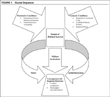
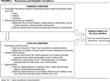
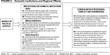




Comments
No Comments have been published for this article.