At the eighth International Congress of Hygiene in Budapest in early September 1894, Emile Roux described the successful results of experiments using the diphtheria-antitoxin serum that had been developed at the Pasteur Institute. Likewise in September of 1894, Emil Behring presented his results to the Society of German Natural Scientists and Physicians in Vienna. The two approaches differed neither in principle, nor in their procedure. The race to develop a diphtheria serum had come to a very similar conclusion, but had evolved out of two very different experimental systems. After Behring published his observations on the favorable therapeutic effects of blood serum drawn from immunized guinea pigs in early 1890 (Behring and Kitasato Reference Behring and Kitasato1890), the research group working around Émile Roux reoriented its research. Up until that time, the group working at the Institute Pasteur had pursued the development of an active inoculation and had experimented with attenuated cultures of the diphtheria agent (Mendelsohn Reference Mendelsohn1996, chap. 5), stressing the importance of environmental factors and the Pasteurian concept of terrain. Adopting the experimental system used in Berlin, French researchers quickly achieved success and developed a stable system of equestrian serum production. In early 1894 the Hôpital des Enfants Malades could begin the first large clinical trials, so that the French research group actually moved ahead of their German counterparts (Weindling Reference Weindling and Morange1991). When both the German and French press finally hailed their national heroes in the fall of 1894, the different experimental cultures had been largely transformed into a – for the most part – common production process (see Jonathan Simon's contribution in this issue). There was hardly any difference between the measures of standardization used to stabilize and close the experimental system, and those used to scale up to industrial production levels. Efforts at industrial exploitation appeared, therefore, to have largely blurred the distinction between French microbiology and German bacteriology (Mendelsohn Reference Mendelsohn1996). The production processes in Garches and Hoechst were virtually identical. Likewise, differences in testing procedures were minor: the weight of the guinea pigs varied slightly because French researchers were in principle sceptical of tests on living animals (see Ulrike Klöppel's contribution in this issue). And like the German serum, the French serum was also able to rescue a sick child from the dangers of diphtheria quickly and reliably. Indeed, the “natural logic” of immunization and the industrial drive for uniformity appear to have eliminated every variation between the once distinct experimental cultures.
Yet if one considers not just the therapeutic effectiveness of the diphtheria antitoxin serum, but also what was done with the new therapy, it quickly emerges that, in spite of the serums' apparent similarities, two very different products were introduced on different sides of the river Rhine. In the German empire, the industrial component of the serum was not limited to the production process; in many ways, diphtheria antitoxin serum was labeled as a pharmaceutical specialty: First, diphtheria antitoxin serum could be purchased on the open market, even though dispensation was channeled through pharmacies. Second, multiple producers developed their own brand identities and competed openly for market share. Third, diphtheria antitoxin serum became a kind of prototype for modern medicines, its procedural controls, production documentation, use of serial numbers, and continuous batch-testing anticipating essential elements of modern drug laws. In effect, diphtheria antitoxin serum became the model for a new kind of drug oversight.
In the French case, however, diphtheria antitoxin serum was established as a service of the public health system: First, the serum was not distributed through pre-existing channels for marketing drugs, but instead through an institution created especially for this purpose, the Service antidiphtérique. Second, the production of diphtheria antitoxin serum was, for the most part, immune from market forces and financed through annual contributions from various communities and regions. Third, the state's role was reduced to formal certification of the producer. Scientists were more or less given responsibility for overseeing the new therapy. In short: if the German diphtheria antitoxin serum was a prototypical product of the pharmaceutical industry based on the rules of a capitalist market economy, then the French counterpart embodied the bounty of humanitarian and scientific accomplishments that were institutionalized and expanded upon as part of the civic public health service.
This article demonstrates that this distinction was chiefly the result of bringing diphtheria antitoxin serum to the medical marketplace as a pharmaceutical product. In that process, as I will argue first, the institutional anchorage of the serum production was crucial. Second, public and state oversight of the drugs played an important role, given that the status of medications was regulated by legal statute. Third, the marketing and distribution of approved medicines – that is to say, the path and mode of their supply – was of considerable importance because they configured the institutional, professional, and day-to-day contact with diphtheria antitoxin serum. Of course, in practice these three aspects cannot be clearly differentiated from one another. Rather, the regulation of medications was inextricably linked with their production sites and, in turn, their distribution was affected by important structural aspects of public health systems. Hence, in this article I will subsume all three aspects under the term administrative stabilization, while recognizing that they each represented different administrative procedures that drew on the same material in shaping different objects.
If the reasoning behind the decision-making process and administrative framework clearly differed in France and Germany, it was in part because of the historical drama that pressured medical officials to resort to existing models. But as the first section of this article shows, those models were not based on past experience with vaccines, but rather with regulations governing medicines. Therefore, the first question to be answered is why medical officials believed it was necessary to intervene in this way. In the second part of this article I will examine the temporal dynamics of events in order to illustrate the pressures that politicians and bureaucrats faced. In the third section I will compare the regulative schemes that were developed and adopted by bureaucrats in France and Germany. And finally, I will show that the form and qualities attributed to diphtheria antitoxin serum in the marketplace depended in crucial ways upon the choreography and implementation of these stabilizing schemes.
1. Establishing Precedence: The Diphtheria Antitoxin Serum
After scientists announced their findings on diphtheria antitoxin serum in the fall of 1894, medical officials began a hectic race to deal with the consequences of the new discovery. In Germany, officials from state medical agencies and the Prussian Institute of Infectious Diseases met on 24 October to discuss how to implement the procedure. By February of 1895 and after only a few meetings, they established a legal framework that took effect on 1 April of the same year. The response in France was equally swift: By mid-October a delegation from the Académie de Médecine had visited the laboratories in the Rue Dutot on behalf of the ministry of the interior and, after brief consultations within the French government, recommended complete liberalization of the production, marketing, and sale of the serum (Ministère de l'Interiéur 1896, 4). Parliament reacted equally swiftly, deliberating draft legislation in its session on 26 November 1894 before voting it into law after long discussions on 25 April 1895.
The haste with which state medical officials on both sides of the Rhine set about implementing regulations and laws governing the new vaccination method is surprising. Diphtheria antitoxin serum was certainly not the first substance derived from animals to be used to fight infectious diseases. On the contrary, by this time there existed more than a century of experience inoculating for cow-pox. By the end of the eighteenth century, Jenner's method of vaccination had been developed into a stable technique that was introduced into many medical codes in western and central Europe, thereby attaining a secure place within the traditional regimes of public health services (Dixon Reference Dixon1962; Huerkamp Reference Huerkamp1985). Vaccination also provided the backdrop for Pasteur's astonishing success. He himself emphasized that his sensational vaccination against anthrax in 1881 was an artificial vaccine that differed from Jenner's serum (Geison Reference Geison1995, 172). Hence, the method developed by Emil Behring and others in the early 1890s (i.e. vaccination using substances derived from animal fluids) was not a fundamentally new procedure, even though it was based on a new model of transmission of an antitoxic or “antifermentative” principle (Behring Reference Behring1890).
Consequently, other explanations are required to explain the pressing need that medical officials saw for new regulations. Some of those explanations have been explored in other chapters of this issue on the discovery and production of diphtheria antitoxin serum: First, diphtheria antitoxin serum was an artificial product. Although it might be considered a “natural substance” derived from the blood of specially treated animals, it was nevertheless an especially fragile object. As an experimental object (see Ulrike Klöppel's paper in this issue) it had been just as difficult to stabilize as the procedure by which it was transformed into an industrial object (see Jonathan Simon's paper in this issue). Thus, unlike traditional vaccinations that essentially mimicked nature, diphtheria antitoxin serum was a child of the laboratory. The skills and tacit knowledge needed to produce it situated it closer to new, industrially produced medicines. Yet if one describes diphtheria antitoxin serum as an artificial product, then it defies classification within the framework of new vaccines. Although causing much panic as it spread, rabies was an uncommon illness; and vaccinations against it, although they too generated much concern, remained very rare, limited to a few dozen cases. On the other hand, anthrax and chicken-pox were veterinary problems that lay outside the scope of public health-care administration. Diphtheria however, was another case entirely. Second, at the end of the nineteenth century, diphtheria was one of the most widespread infectious diseases. Diphtheria and croup were ranked as the fifth most common causes of death. Together they comprised a large portion of infant (7 per 1,000) and child (2.5 per 1,000) mortality, and eighty per cent of all diphtheria patients were under ten years of age.Footnote 1 Although rabies vaccines were prototypes for a new kind of vaccination, their status remained exceptional and marginal; with the introduction of diphtheria antitoxin serum, however, the prospect of an artificially produced vaccine being adopted into the regulatory regime emerged. Early clinical trials had already raised hopes of widespread application (Behring Reference Behring1893). This implied, third, a wholly different order of magnitude of dispensation. Whereas it was certainly possible to travel to Pasteur in Paris after being bitten by a rabid dog, the dissemination of diphtheria antitoxin serum via hospitals and practicing physicians involved large-scale planning and organization that was beyond the means of a single, centralized dispensary. And to ensure the safe handling of the vaccine, one could not rely on local oversight and control. In addition, as we shall see, serum production in both the German Empire and France was never concentrated in one place.
But it seems to me that a fourth reason was ultimately most decisive: diphtheria antitoxin serum claimed to have therapeutic effects. In this regard it differed categorically from existing forms of vaccination that offered only prophylactic protection.Footnote 2 Even Pasteur's fabulous treatment of rabies had not deviated from the template of vaccination, because it worked only in the interval between the infection and actual outbreak of the fatal disease. By contrast, all the protagonists of diphtheria antitoxin serum insisted that it was a therapeutic treatment. And that had important consequences: in strictly formal terms, as a remedy diphtheria antitoxin serum belonged in the class of internal therapeutica, i.e. medications. Whereas according to the logic of administrative rationality it would have required further justification for a prophylactic vaccination to be subjected to official oversight, in the case of medications such oversight was long-established practice. Conversely and by the same logic, exceptional justification would have been necessary for diphtheria antitoxin serum not to be subjected to official oversight.
The traditional public health system did not regulate vaccinations, but it did provide several mechanisms to ensure that medications were safe. These mechanisms were all more or less organized around pharmacies. On the one hand, pharmacists were required to fill doctors' prescriptions with due care; and for that, early modern medical law had granted them extensive privileges. On the other hand, all production and sale outside of pharmacies was prohibited. This was especially true for so-called secret remedies. The methods used in their production lay outside the public domain of the materia medica. In addition, medical officials used pharmacopoeia to stipulate which kinds of medicine pharmacists were required to have in stock and how they were to be made and stored. The corporate privileges of pharmacists were never seriously challenged by industrialization. On the contrary, the role of pharmacists as key elements in the regulation of medications was strengthened as one can see by the changes in the pharmacopoeia in the nineteenth century (Hickel Reference Hickel1973).
As part of these developments, pharmacists became increasingly responsible for the quality control of medications. The Prussian Arzneibuch set down extensive guidelines for chemical analysis and testing. Even the emergence of factory-made medicines did not fundamentally alter these principles of state medical regulation. Whereas pharmacists' monopoly over the production process was gradually rolled back, they were increasingly responsible for ensuring the quality and purity of factory made ingredients and even medicines. In principle, therefore, pharmacists were required to subject the batches of manufactured ingredients received from Hoechst, Bayer, or other manufacturers to chemical analysis before selling them. The great importance given to regulating the drugs market is evidenced by the fact that the imperial decree on the “marketing of drugs” was among the very first decrees issued by the imperial government after unification in 1871 (later revisions appeared in 1875, 1890, and 1901). They regulated the responsibilities of pharmacists, listing in two special appendixes all formulas (Appendix A) as well as all drugs and chemical substances (Appendix B) that pharmacists were permitted to market and sell (Ernst Reference Ernst1975). These included medicines that had been industrially or proto-industrially produced and that were marketed through pharmacies. Dispensing “powerful drugs” was subjected to further regulations in Prussia in 1878 – and in the Empire after 1891 – that drew up lists of all prescription drugs und formulas.Footnote 3 With that, the definition of what counted as a medicine depended essentially upon whether it appeared on the list drawn up according to an Imperial decree; and once classed as a prescription drug, the therapeutic character of the formula was irrevocably fixed.
In fact, it was the status of the medicine that caused formal problems for medical officials in Germany. In its very first deliberations, the Imperial Health Office recognized that because carbolic acid had been added as a supplement, diphtheria antitoxin serum might well be classed as a “compound” according to Appendix A, thus prohibiting its sale outside pharmacies. However once industry succeeded in marketing the serum without using preservatives, this problem vanished. Nor did this ruling cover the case of diphtheria antitoxin serum being used to immunize patients, i.e. its prophylactic application to the relatives of sick patients. Ministry of Interior officials therefore suggested that diphtheria antitoxin serum be classed as a “powerful drug” that required a physician's prescription.Footnote 4 But these formal rules circumvented the question of how new cures could be integrated into the traditional system regulating the production and sale of medicines. Given the delicate procedures that were required to evaluate the medicine (see Axel Hüntelmann's paper in this issue), strategies that had been developed to test other industrially produced medicines seemed impractical, because one would have had to burden pharmacists with the responsibility of chemically analyzing compounds and their purity.
But Prussian medical officials had yet another method for ensuring drug safety that dated back to the early nineteenth century: licensing as a secret remedy (Hess Reference Hess, Gaudillière and Hess2007). More or less industrially or proto-industrially produced medicines were included among the secret remedies, although unlike the factory-made medicines their formulas and compounds were known only to their producers. Upon certification, secret remedies too were permitted to be sold only in pharmacies, although because their recipes were unknown, the pharmacist did not test their quality. Instead, Prussian officials made the license to sell secret remedies contingent upon evidence that the remedy was therapeutically new, harmless, and effective. This evidence was provided not by third party experts, but by official state experts that tested both the composition and the clinical usefulness of the formula. As we shall see, this model of testing secret remedies served as a template for the procedure developed by German medical officials to test diphtheria antitoxin serum.
Diphtheria antitoxin serum also encountered a legal loop-hole in France. Unlike Germany, the French state observed a laissez-faire policy when it came to marketing drugs. The revolutionary law of 21 Germinal in year 11 (11 April 1803) remained in force into the 1940s. It both confirmed pharmacists' privilege as the sole producer and distributor of medicines and forbade any marketing and selling of secret remedies – a proscription that in spite of the growth in the industrial production of medications (spécialités) remained in force, at least formally, well into the twentieth century (Chauveau Reference Chauveau2006). Additional provisions governed the evaluation of new medications by scholarly societies (Kibleur Reference Kibleur and Faure1999), so that control and oversight lay in large part in the hands of professional organizations. According to a decree of 20 December 1820, upon its reestablishment the Académie de Médecine assumed sole responsibility for the certification of new therapies. A further decree of 3 May 1850 abolished even the strictly formal confirmation of the certification by the Ministry of the Interior. Although the physicians' organization was a corporate institution funded by the French state, in regulating specialties it retained a high degree of autonomy (Weisz Reference Weisz1995): it laid down the procedural rules, determined the criteria for passing judgment, stipulated the standards to be applied to scientific and practical testing and finally, in the event of a favorable decision by the general assembly, published the formula of the new medicine in the Bulletin de l'Académie (Ramsey Reference Ramsey, Berge and Feingold1994a). In general, publication of the formula was tantamount to formal recognition since the codex, i.e. the French equivalent to the German Arzneibuch, was rarely revised. It was not until an order of 13 July 1926 that a distinction was made between secret remedies and factory-made medicines. According to that order, the latter was required to carry a label stating the active ingredient and dosage. The law of 11 September 1941 finally gave industrially produced medications well-defined legal status.Footnote 5
In other words, French law made no distinction between secret remedies and industrially produced medication. Neither were covered by code. The same was also true for diphtheria antitoxin serum to the extent that it was considered a medicine. The corporation of French doctors, by its inspection of the production sites and its vote of the Séance on 15 October 1894, overwhelmingly sanctioned the new therapy (Straus Reference Straus1984). And this professional sanction persisted in spite of the fact that diphtheria antitoxin serum mirrored illegal secret remedies in so far as it could be manufactured outside the framework of traditional modes of production in pharmacies. It is therefore by no means a paradox that the case of diphtheria antitoxin serum forced French legislators to consider state licensing and testing of medicines for the first time (Chauveau Reference Chauveau2004). But officials were left with little time for such deliberations.
2. Bottling the Genie
Roux's lecture on the new therapy at the Hygiene conference in Budapest gave rise to unprecedented press coverage in France. Newspapers reported on events almost daily. A mere day after Roux had spoken, the newspaper Figaro trumpeted another victory by the Pasteur Institute in the “war against croup.” Figaro's man in Budapest was Gaston Calmette (1858–1914), brother of the Pasteurian Albert Calmette (1863–1933). Gaston would himself later become director of the renowned French daily. Calmette set the stage on which Roux's discovery would play itself out: as an “oeuvre française, exclusivement française” in the service of science and humanity (Calmette Reference Calmette1894a). A week later, Figaro published another article on rates of cure in the pediatric hospital in Paris (Anonymous 1894a). Finally, on September 20, Gaston Calmette launched a fundraiser designed to secure financial backing for the new therapy: between five and six million Francs were needed to found a hospital dedicated to the treatment of diphtheria and other infectious diseases. With donations amounting to as little as 30,000 Francs, the Pasteur Institute would be able to treat all children – not just those in the two hospitals in Paris – using Roux's method (Calmette Reference Calmette1894b).
The call for donations unleashed an enormous wave of public support. Donations quickly surpassed 30,000 Francs, rising to more than 150,000 Francs in just a few weeks. By the end of the following year, the institute boasted donations of exactly 998,309 Francs (AIP, No 9287). Donations were received not just from wealthy individuals who, by virtue of their social status, were obliged to contribute significant amounts of money to the cause. Countless small, even tiny donations were collected. Surviving records in the Pasteur Institute (Direction, 1888–1940) indicated that most donors contributed amounts between 10 and 150 Francs: The mayor of Eauze (Gers) sent 30 Francs, the Moniteur du Puy de Dome in Clermont-Ferrand collected 107,40 Francs, and the Parisian physician Dr Régeard contributed 100 Francs following the successful treatment of his son. As one of the driving forces behind the subscription, Figaro supported fund raising with constant reports in its pages (i.e. Daremberg Reference Daremberg1894; Anonymous 1894b). At regular intervals, daily papers listed donors and their contributions, thus publicly celebrating the generosity and humanity of the Republic and its citizens.
Not surprisingly therefore, public pressure on the Pasteur Institute was great. The political establishment added to the pressure by publicly praising the institute. And on 23 October the French president Jean Casimir-Perrier (1847–1907) visited the pediatric hospital where the diphtheria wards were located and a day later the “laboratoire spécialement affecté à la sérum” in the Rue Dutot. Not to be outdone, the French government granted the institute a large piece of property near Paris (Villeneuve-l'Étang) so that it could begin serum production on a mass scale. The 2nd Cuirassiers-Regiment donated thirty horses and the city of Paris provided an annual subsidy, so that by the end of October 1894 construction of L'annexe (or Garcher as it later came to be known) could begin. The expansive plant included stalls for more than one hundred horses and 3,500 laboratory animals, alongside the requisite laboratories for the extraction and processing of the serum. Serum production began in early December of 1894 (AIP, No. 9372). Thus, in just a few months, the Pasteur Institute had constructed an entire plant to produce serum on an industrial scale and increased production from 1,500 doses between February and October 1894 to 50,000 doses between October 1894 and February 1895 (AIP, No. 9265).
Such impressive numbers appeared to confirm the French model. Pasteur enjoyed exceptional success in rallying public support. In the wake of the sensational rabies vaccine, formal subscriptions had raised some 2 million Francs, thereby establishing the financial basis on which his private institute was founded (Pasteur Reference Pasteur1888). The donations of French citizens had enabled the building of production facilities for the serum independent of state interests and because those facilities were dedicated solely to science, promised to guarantee the well-being of the general public. The prospect of Services graduits, i.e. the free dispensation of diphtheria antitoxin serum to all sick and needy individuals, was both a tacit and expressly stated expectation of subscribers.
Consequently, deliberations in the political senate proceeded on the assumption that the production, marketing, and quality control of diphtheria antitoxin serum would be ensured by the Pasteur Institute. Although a private institute, its commitment to the public weal seemed to guarantee reliable, widespread distribution of the new vaccine. As a result, parliament focused chiefly on embedding the new therapy in the established regime of drug oversight. Proper oversight appeared to be assured by the demand that the serum's production be supervised by a trained pharmacist.
Observers in Germany viewed the French model with a certain amount of envy. When officials in the Imperial Health Office began debating how to go about implementing appropriate rules governing the production and use of the serum, Paris seemed to be the standard of choice. According to the minutes of their deliberations, the example set by Paris was praised as “the most fortuitous and in many other respects the most elegant solution to come out of France in recent times.” Officials were unanimous in their praise for the idea of granting a research institute the sole right to produce the serum and of “providing [the serum] to everyone free of cost” (BA, R 86, 1646, Report of 24 October 1894). As Behring reported to his co-worker Erich Wernicke in a letter of 24 October 1894, the main result of the meeting was to begin planning a German Pasteur Institute.
But the stormy developments of the previous months had long since discredited this option. Behring had been in close contact with Hoechst since 1892 and Hoechst was interested in developing an industrial production process for Behring's discovery (Throm Reference Throm1995, 47–50). The Ministry of Culture viewed this cooperation with the nascent pharmaceutical industry with favor.Footnote 6 For his part, Behring supported research to the tune of 10,000 Marks per year, just as Robert Koch's state-supported tuberculosis medicine was being exposed as a “harmony of illusions” (Gradmann Reference Gradmann2004). In a letter to Erich Wernicke dated 30 March 1892, however, Behring insisted that diphtheria antitoxin serum was private property and therefore, after joining the Prussian Institute for Infectious Diseases, continued his research work in a strictly private capacity so as to avoid his contractual obligations.Footnote 7
This alliance between research and industry was not unusual. On the contrary, it was encouraged and supported by the state (Meinel Reference Meinel1992). Prussian ministries in particular had an exclusive, cooperative relationship in mind that would facilitate better relations between industry and the state. For ministerial officials, whether or not a prospective research institute would be funded by the state or by industry was of secondary concern, as long as serum production could be overseen from one central place. Yet such hopes were dashed when in March of 1894 the Schering company in Berlin announced the production of a serum twenty times stronger than the standard (see above). Unlike Hoechst, Schering had grown from a local pharmacy and now promised that by “perfecting the techniques of immunization and using new methods to concentrate the serum, the immunization effects of the anti-toxin solution would rise to new heights” (Throm Reference Throm1995, 57).
This announcement generated considerable pressure. Behring's research group took the announcement seriously, especially since Rudolf Virchow supported the serum research at Schering. Facing growing competition, Hoechst was forced to speed up its efforts to begin industrial production. A race to get the product to market in German countries began. On 1 August 1894 Hoechst began by bringing “Behring's diphtheria-medicine” to the market. However at this stage, neither the debate about the time-span and degree of immunization was resolved, nor was the construction at Hoechst's production site completed. The surprise announcement in Budapest aggravated this situation, as German publishers began to imitate their French colleagues. The publisher of the Berliner Lokal-Anzeiger, August Scherl (1849–1921) initiated calls for a German subscription (Hüntelmann Reference Hüntelmann2006). In the state of Mecklenburg, the Duke and Duchess themselves appealed for donations. Demand for the serum was enormous.
In this situation, all plans to build an imperial production facility that would ensure oversight and control of the serum proved to be illusory. This would first of all have involved reaching an agreement with the competing firms and losing control over the process. Even though the seemingly natural production process meant that no patent protection was in the offing, Prussian ministries nevertheless respected Behring's transfer of the production process to Hoechst.Footnote 8 Second of all, this question affected more than just the investments of two competitors. As the public dispute between Behring's research group and Virchow's serum researchers illustrates, competition was not restricted to the marketing of a commercial product, but also involved scientific recognition of the serum's therapeutic value. Based on their own measurements, Emil Behring and Paul Ehrlich considered Schering's serum to be inadequate and far below the reported strength (Behring Reference Behring1894a; idem Reference Behring1894b). In turn, Schering's scientists deemed Behring's serum to be sub-standard and his testing procedures idiosyncratic; they rightly charged Behring with having altered his method on several occasions (Aronson Reference Aronson1894; Buchner Reference Buchner1894). No matter how practical Prussian officials believed it would be to consolidate serum production in a central facility (for which experts believed forty horses would suffice), in the fall of 1894 this would have meant reconciling conflicting economic interests as well as arbitrating a scientific dispute. Hence, the plan to create a German Pasteur Institute was quickly abandoned.Footnote 9
Industrial competition and scientific disagreement played an important role in all further plans to regulate the new medicine in Imperial Germany. If medical officials had had to deal simply with one producer who, on top of it all, was contractually obliged to work together with Ehrlich and Behring, their problems would have been solved. As things stood, however, the growing number of production facilities led to fears that “occasionally sub-standard or contaminated batch of serum” would make it onto the market. Consequently, the key issue became the administrative stabilization of the therapy, i.e. the “uniform measurement of the so-called Normaltiter.”Footnote 10 This represented the technical precondition that enabled the effectiveness of sera produced by different manufacturers to be tested and compared.
At the same time, events quickly overtook the French model, eclipsing its paradigmatic status. The monopoly held by the Pasteur Institute over the production and distribution of the serum was more quickly questioned than responsible officials could have wished. In spite of the euphoria surrounding the success of the subscription, it soon emerged that the Pasteur Institute was unable to meet the high expectations. Hopes of sufficiently increasing production within three months so that the needs of rural areas could be met, proved to be illusory. Finally, in April of 1895 it was officially announced that, for the time being, Paris could not be expected to provide sufficient serum to meet the needs of the service antidiphtérique. Consequently, the public expectations that had been raised by claims that the subscription would provide free and comprehensive coverage, were sorely disappointed: Why, asked city officials in Bordeaux in early November 1894, should cities support a subscription from which they seemed to derive no advantage?Footnote 11 A similar debate unfolded in Lyon. There the director of the Bureau of Hygiene had to admit to the local mayor that it would take Parisian labs more than two months to deliver the serum and that even those supplies were reserved for hospitals and the impoverished patients of the bureaux de bienfaisance. Given this precarious situation, he recommended following the example of other large cities and building a civic laboratory in the Bureau of Hygiene.Footnote 12
Indeed, similar deliberations occurred in all large cities. Officials in Marseille committed 10,000 Francs toward the construction of the city's vaccination facility. In Toulouse a committee comprised of physicians was created to dispense free of charge the serum that the local veterinary school, headed by Emmanuel Leclainche (1861–1953), had produced using two horses (Anonymous 1894c). With the same aims in mind, the city of Le Puy organized a large meeting at which the father and brother of Louis Martin, who worked at the Adnexe Garches in Paris, appealed for support. In Rouen the local newspaper managed to raise some 77,000 Francs in less than two months for the bacteriological laboratory there (Journal de clinique et de thérapeutique infantiles, vol. 3, 1895; No. 1, Thursday, 3 January 1895). And in Nancy the civic administration was not content to simply build the local deport for the Pasteur Institute, but also founded an Institut antidiphtérique pour l'Est de la France (Revue Médicale de l'Est 1894, 692). Similar efforts were also undertaken in Lille, Montpellier, Le Hâvre, and Grenoble (Zeiss and Bieling Reference Zeiss and Bieling1940, 174).
Bordeaux is a good example of how local production sites were set up. The driving force behind efforts there was the local medical faculty's microbiologist, Gabriel Jean Hypolite (born 1858). Hypolite had been appointed professor of experimental medicine in 1892 and – like many of his contemporaries – had studied microbiology under Roux and Alexandre Yersin before founding the faculty's bacteriological laboratory in Bordeaux. Stalls for three horses were constructed on the grounds of the local fire station. The financial costs were not great: the city estimated the cost for stalls, feed, and personnel at 5,500 Francs per annum and for the acquisition of instruments and animals at a further 2,500 Francs. By the end of January 1895, two horses had been immunized, a third was supposed to follow, and a fourth was added to the program. According to the estimates of city officials, the serum acquired from one horse alone was deemed sufficient to treat fifty patients, i.e. more than enough to meet the city's needs. The distribution of the serum lay ultimately in the hands of the medical faculty: every dispensation of the serum required bacteriological certification of the diphtheria agent. The bacteriological laboratory provided special test-kits (small tubes with in vitro culture and spatula) to physicians across the region. Within 24 hours of receiving the specimens, the laboratory issued a diagnosis and the accordant authorization to receive the serum.
Increasingly, the enthusiasm that had been generated among the sponsors of the public subscription lessened. In early 1895 the Pasteur Institute finally lost its monopoly over production and distribution – and with that also its oversight and control of the serum.Footnote 13 In spite of all the practical difficulties, local initiatives were surprisingly successful. Rouen and Bordeaux began serum production in early 1895. Rouen was preparing three horses for serum production. In May of 1895 even the Prefect of Bordeaux went so far as to contribute to local serum production, expanding municipal service to cover the entire department.
All attempts to put the genie back in the bottle came too late. Even as debate continued on a new law governing the “production, sale and distribution of therapeutic serum and other analogous products,” the number of producers multiplied rapidly. Parliamentary speakers repeatedly emphasized that the law was not intended “to ensconce a monopoly.” But because the marketing and sale of serum had already begun, urgent action was needed to ward off the looming threats to public health. In keeping with traditional views on drug safety, parliamentarians were worried about impurities and the transmission of infectious substances from animals to humans.Footnote 14 The suggestion that permission could be granted for just a few months or years was rejected on grounds of public safety and the need for rapid intervention. Instead, the French government secured passage of a law on 25 April 1895 that permitted – with some restrictions and reservations – the industrial production of medicines.
3. Administering Oversight
Initially, the pressure of events forced officials in both Germany and France to treat diphtheria antitoxin serum according to existing laws. In both countries, diphtheria antitoxin serum was a prescription drug available only in pharmacies. Likewise in both countries, medical officials were aware that traditional forms of oversight and control were insufficient for the new medicine: diphtheria antitoxin serum could neither be made nor tested for purity (or effectiveness) in the pharmacies. Given this situation, both countries resorted to rules used to test and certify secret remedies.
French law made the Consultative Committee of Public Health (CCHP = Comité consultative d'hygiéne publique) and the Academy of Medicine (Académie de Médecine) responsible for certification. And according to an enabling law of 15 May 1895, that responsibility was exercised through a newly created serum commission (Ministère de l'Interiéur 1895). The serum commission was comprised of 15 members. By law, slightly more than half were drawn from the ranks of the Academy of Medicine and the CCHP; slightly less than half were representatives from the Service de Hygiene and the Assistance publique, officials from other ministries, and economic interest groups.Footnote 15 A general impression of the commission's work can be gleaned from the minutes of its regular meetings. Certification depended on the results of an inspection of the production facilities. In most cases, of the 15 members on the commission, only two examined the production sites: Arnold Just Netter (1855–1936) and Edmond Nocard (1850–1903).
To judge by the minutes of the serum commission, these visits were usually a formality. Inspectors examined the location and arrangement of the rooms, checked the instruments used to extract and process the serum, visited the horses' quarters and observed their health and diet, and scrutinized the procedures used to fill and label the serum bottles. Surviving reports suggest that the serum itself was not tested. It was not the effectiveness of the serum, but rather the expertise of the producer and the cleanliness of the production site that were inspected – a procedure comparable to that used to inspect pharmacies. For example, permission for the civic laboratory in Bordeaux to produce serum was based on the assessment that “everything is well organized, the laboratory equipment is second-to-none.”
Follow-up inspections were uncommon. In the material I have studied, there were no cases of additional site inspections. The work of the serum commission can therefore be interpreted as similar to that of a certification board, acting as a gate-keeper that only controls access to the market, but with no obligation to oversee further practice, let alone the quality of the serum produced. Once a laboratory had been officially sanctioned, it could produce and market the certified serum according to its own standards. This is how the French medical administration renewed traditional forms of professional oversight. Quality control of the serum proceeded according to the model established by the Academy of Medicine, where French physicians autonomously judged the usefulness of new therapeutic procedures and medicines. Although these organs of quality control were authorized and sanctioned by the state, the evaluative procedures, testing conditions, and the criteria applied toward the evaluation lay within the exclusive jurisdiction of medical professionals. In other words, the public drama of having a medication certified was choreographed as a decision of medical professionals, and not as an act of state approbation. This traditional form of oversight of secret remedies was sanctioned by the scientific and professional expertise of supervisory actors or – to put it another way – was an exercise of power by a corporately constituted profession (Brockliss and Jones Reference Brockliss and Jones1997, 622–650).
As far as therapeutic use was concerned, the actual decision likewise lay within the jurisdiction of the medical profession – or to be more precise, a new caste within the profession. The two inspectors were both closely associated with the Pasteur Institute. Netter was the dissertation advisor of the Pasteurian Jacques-Joseph Grancher (1843–1907) and Nocard was a veterinarian and director of the veterinary school at Alfort who, as a member of the Pasteur Institute, had played a decisive role in industrializing serum production. A number of other Pasteurians were also members of the serum commission (cf. footnote 15). As a consequence, members who had been affiliated with the institute comprised a majority on the commission.
In general, those subject to the commission's oversight were also students of Pasteur or former employees of the institute, where they had learned the procedures involved in immunization and serum production. In Bordeaux the chief physician Hypolite Gabriel Ferré had been a student at the Pasteur Institute; in Rouen, Charles Nicolle (1866–1936) had been a student of Roux und Metchnikoff; and in Lille the facilities were a formal part of the local Pasteur Institute run by Calmettes. Other facilities were founded as annexes to medical faculties: the physician d'Astros was the chief protagonist in Marseille, while in Montpellier funds were collected to construct an institute for serum production under the direction of the microbiologist Poujol. The facilities of Dumont in Le Hâvre, Macé in Nancy, Arlong in Lyon, as well as Fernand Berlios and Jourdan in Grenoble were either directly or indirectly affiliated with the faculty.
It no doubt made sense to grant Pasteurians a central role in overseeing diphtheria antitoxin serum production for no one else had the necessary expertise and technical qualifications. At the same time, however, this effectively made the Pasteur Institute a gatekeeper: it was not only made responsible for its own serum production, but also participated in the certification and oversight of each of its potential competitors. The strategic position and industrial monopoly of the Pasteur Institute were based on this circumvention of any “separation of powers” in exercising state control. That said, however, contemporary debates give no indication that anyone objected.
German officials were also aware that overseeing diphtheria antitoxin serum demanded technical and scientific expertise that, for the time being, could only be had from the researchers themselves. In Berlin, representatives of the serum producers were included in deliberations on the criteria and standards to be used for testing and certification. But German officials chose a different approach in order to involve experts in administrative oversight: they established a special inspection site that began work early February 1895. Initially the facility was attached to the Prussian Institute for Infectious Diseases. From the summer of 1896 it became a full-blown Royal Institute for Serum Research and Testing, before moving to Frankfurt in 1899, where it exists to this day as the Paul Ehrlich Institute. The details of the development and organization of this institute and its testing procedures have been investigated (Throm Reference Throm1995), most recently and extensively by Axel Hüntelmann (Hüntelmann Reference Hüntelmann, Gradmann and Simon2007b). Therefore, I wish to limit my analysis to the essentials.
According to the edict of 25 February 1895, producers were required to send a sample of every large batch of serum to Berlin for inspection. There the therapeutic quality of the diphtheria antitoxin serum would be determined by comparing it to a standard. This was difficult for two reasons. First, the actual evaluation involved highly sophisticated techniques that even the experts described as “extremely difficult” because the procedure developed by Paul Ehrlich to standardize the effects of serum demanded first that the diphtheria toxin be standardized. Second, every batch of serum was tagged with an Operation Number and continuously documented on its way from the initial harvesting of the blood, to the preparation and bottling by the producer, then to the quality control facility, and finally through distribution to the final point of sale in the pharmacy. Thus, certification of a batch of serum for therapeutic purposes involved an enormous amount of bureaucratic paperwork. Furthermore, the sample extracted from each batch at the quality control facility was used not just for a single evaluation, but also to evaluate quality over time: a part of each sample was preserved for testing at regular intervals in the future. If these later tests failed, the entire batch could be recalled. After 1 April 1895, only diphtheria antitoxin serum that had passed through this rigorous testing regime was allowed on the German market. And so virtually simultaneously on both sides of the Rhine, legal and administrative procedures were put in place that stabilized the serum as a kind of medicine. However, in each case, the procedures were organized very differently. Three elements are worthy of note here:
1. Controlling the product vs. controlling the producer: The relentless inspection of diphtheria antitoxin serum lay at the heart of German serum control. Its quality was controlled in two ways. First, in keeping with the tradition of inspecting pharmacies, there was a pharmaceutical inspection of the hygienic conditions of production and inspection of the purity of the serum. In addition, a state official was dispatched to the laboratory of the pharmaceutical company to observe the blood being drawn and processed and the serum being bottled. Second, there was a pharmacological inspection which evaluated the effectiveness of the serum according to standardized criteria. In other words, the administrative inspection procedure involved an important aspect of state intervention, in that it stabilized the therapeutic value of the serum. By contrast, the focal point of the French certification process was the producer: in France, the facility and the technical and professional qualifications of the manufacturer were inspected, but not the serum's therapeutic effectiveness. Instead, the certification process was more a matter of the producer belonging to the medical community, or better still to the great Pasteurian family.
2. Public control vs. personal control: In strictly formal terms, serum regulation was implemented in both countries by the state. The new quality control facility was hardly a counterpart to the new serum commission in France. The degree of institutionalization is the least of the differences. The French serum commission was a representative organ that included various actors (ministerial officials, politicians, and leading figures from business, commerce, science, and the academy). Ministerial bureaucrats had little influence on the selection of the representatives. Most were appointed because of the status-group they belonged to (for example as members of the Académie) and had only indirect connections to the commission. The commission's expertise was based only in part on professional competence; the personality and authority of its members was far more important. The decisions of the commission acquired their authority by virtue of the offices of its CCHP members, the professional reputations of its academicians, the political power of its ministerial officials, or the social status of, for example, the president of the chamber of commerce. In Germany, however, the serum facility was established as a technical office. Its influence and remit depended on its official function, because without official approval, no serum could be brought to market. The serum facility was a systematic component of the Prussian medical bureaucracy, where – in the tradition of the Scientific Deputation – it functioned as an expert in the art, i.e. Kunstrichter (see Broman Reference Broman1998). Naturally, the expertise of the serum facility was based heavily on the technical competence and scientific authority of Paul Ehrlich. It is noteworthy, however, that Ehrlich still held neither an academic nor a political post. In fact it seems that it was Ehrlich's abstinence from social, political, and professional power that predestined him to take up this new office. The power of his institution, however, derived from the state's influence over the production and marketing of the serum and was exercised through bureaucratic instruments.
3. Forms vs. informal consent: We know more about the German quality control facility because every single step in the production process was comprehensively documented. In France, on the other hand, the serum commission issued only very cursory reports. It would be a mistake to attribute the German bureaucracy's penchant for documentation to a national style, be it of Imperial or Prussian provenance. Instead, the surviving documents reflect a central functional component of the bureaucratic regime: Operation numbers and forms comprised the interface between the central inspection facility and the local production sites, where the administrative techniques of serum control were implemented. The spatial separation of testing and production was the occasion for, but not the cause of the excessive formalism. The circulating forms bridged not only the spatial divide, but also different social worlds. They made serum control transparent even to ill-informed ministerial bureaucrats and critical pharmaceutical producers. Because the formal processes of using forms translated every step of the process into the terminology and rationality of bureaucrats, it enabled all of the actors to understand the decisions that had been made. The doubts and criticisms that were frequently voiced were silenced by reference to the protocols, thus shifting interpersonal conflicts into a more formal sphere of interaction.Footnote 16 State intervention in serum oversight lay – as far as the performative drama of its implementation is concerned – outside the normal nepotistic networks. Naturally, in Germany there was a close association between the inspectors (Ehrlich and his team) and the inspected (Behring et al.), but this association was embedded in a formalized system of regulations and the extent of personal commitments or dependencies resulting from the operationalized evaluation process was, in general, limited. Admission into the circle of certified producers is an example of such an operationalized process: in Germany, admission was formally confirmed by a one-time enrollment fee of 1,000 Marks; but in France, admission depended on the respect and recognition that the producer enjoyed in the eyes of the commission. Consequently, it's not known if and how site inspection in France was organized and carried out. Since there was no bureaucratic intervention in the evaluation process between the site examination and the certification decision, no paper-trails or files were produced. Instead, we can assume that an informal consensus between the regulators and the regulated was a decisive factor: as Pasteurians they shared a common vocabulary and set of convictions, common knowledge, and techniques, so much so that no translation into tables and forms was necessary.
4. Market Performance
Marketing and distribution were also organized differently in the two countries. In Germany, an order issued on 31 December 1894 permitted diphtheria antitoxin serum to be sold only by pharmacists, thus confirming their traditional monopoly. Nevertheless, many producers competed against each other in a medical marketplace. Alongside Schering and Hoechst, the Merck company began production in late 1895. In April of that year in Hamburg, Carl Enoch had also sought certification as a producer. And after the turn of the century other producers entered the market: in 1901 Pröscher and Müller sought state certification of their serum; in 1910 the Sächsische Serumwerk did the same (Throm Reference Throm1995). All producers were subject to state controls if they wanted to keep their products on the market.Footnote 17 Although those controls ensured that the sera were very similar, producers advertised their respective sera using different brand-names (“Diphtherie-Heilserum Merck,” “Schering's Diphtherieserum,” “Behring's Diphtherie-Heilmittel Hoechst”). Advertisements, rebates, and price-wars were the techniques used to commercialize serum that was ultimately produced, marketed, and sold as an industrial product.
In France, by contrast, officials confronted with the unexpected success of the large subscription had to face the problem of distributing diphtheria antitoxin serum free of charge. In anticipation of future mass production, a circular dated 14 January 1895 ordered that the Service graduit be associated with the institutions of community health services. Appointed by the prefects of the departments, the Bureaus d'assistance médicale graduite would be responsible for the local depots, which would be equipped and supplied by the Pasteur Institute. Local producers of serum adhered to this model. They eagerly took up the slack once the Institute Pasteur failed to meet its own ambitious goals.
A good example is the local serum production in Montpellier where the founding of an institute in 1897 was made possible by Mme Bousson-Bertrand. The widow of a professor of medicine in Montpellier, she donated 300,000 Francs to the city for research and treatment of diseases related to public hygiene. An official subscription raised a further 184,000 Francs so that new laboratory rooms could be built near the prestigious university's main building. The institute was closely affiliated with the medical faculty. Its board was chaired by the dean of the medical faculty and its other members were elected for tenures of seven years by secret ballot of the medical faculty. Alongside the diphtheria serum (prepared according to Ramon's method), the institute produced other sera for streptococous, rabies, and typhus in the late 1890s and launched an extensive program of diagnostic examinations.
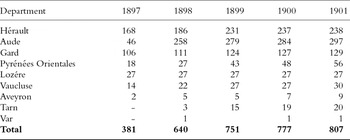
Like the Pasteur Institute, the Montpellier Institute wished to dispense the serum free of charge. However, the operation costs of the institution (10,000–15,000 Francs in the 1890s) couldn't be met by interest earned on the foundation's endowment. Instead, the institute was supported by the ministry of agriculture (4,000 Francs) and especially by the city of Montpellier. The city's dignitaries financed not only a chair in microbiology, but also subsidized the institute annually to the tune of 2,000 Francs. According to reports, this Subvention annuelle became the institute's most important pillar of support. In return, supplies of serum in the communal depot were replenished on a regular basis (see Table 1).
Number of Communities Served by the Institute Bousson-Bertrand in Montpellier

The city of Montpellier was not the only community to purchase this Service graduit by providing an annual subsidy to the producers. Within a year of its founding, the institute supplied the local depots of more than 350 communities that had participated in the subscription. In later years, the numbers rose constantly. Finally, by 1900 around 800 communities in nine departments were having their serum depots replenished in exchange for an annual subsidy.
Other serum producers copied this model. In Bordeaux the prefect contributed 3,000 Francs toward ensuring that the department's serum depot was adequately supplied. For its part, the community of Arcachon promised a yearly subsidy of 500 Francs for regular delivery. And the general public viewed the subscription as the monetary equivalent of free access to the serum (see Jonathan Simon's contribution in this issue). Hence, it would be a mistake to believe that free access meant that there was no cost. Instead, the production, marketing, and distribution of the French diphtheria antitoxin serum involved an economy with somewhat different moral values:
1. The French model avoided the appearance of commercialization. The relationship between a “donation” or “contribution” and the provision of diphtheria antitoxin serum was a direct one and was usually stipulated in a contract. But the object negotiated in the contract was not the serum, but a humanitarian service provided to sick patients, i.e. the Service graduit. There is no indication of a direct one-to-one relationship between the quantity of serum required and the amount of the donation, as would have been the case in a commercial transaction. Instead, the contract involved a negotiation of moral virtues such as altruism, beneficence, and generosity. In dispensing serum free of charge, the serum producers appeared to be selfless helpers and benefactors of humanity, and the subscribers appeared to be noble and magnanimous patrons.
2. The Service graduit was a component of a different kind of risk management. According to this model, the cost of diphtheria treatment was conceived as a risk that burdened neither the individual, nor the larger collective group. Instead, it was understood to be a matter for local community services, which were responsible for the medical treatment and care of their citizens. Diphtheria antitoxin serum was therefore incorporated into the decentralized organization of local medical services that had been built up following the Franco-Prussian war (Ramsey Reference Ramsey and Porter1994b; Murard and Zylberman Reference Murard and Zylberman1996).
3. The French model continued to be shaped by the idea of prevention. Although stockpiles were created for emergencies, the administration in many communities were built on the model of the Vaccin Jennerien or service vaccinal. Warding off an epidemic was a recurrent argument for the construction of depots that were supervised by the local epidemic doctor (Médecin de l'épidémie) who oversaw serum dispensation. The depot itself was a prophylactic facility: the stockpiles were reserved for an outbreak and every three months one-third of the stock was replaced to ensure that there was always sufficient serum on hand.Footnote 18
In France all efforts to supply the new serum were organized around the humanitarian model of the Service graduit. Yet to this day it is often overlooked that free distribution was restricted to the poor and needy charges of public hospitals and nursing homes. As in Germany, all other citizens of the French Republic had to purchase the serum as merchandise from their local pharmacies. Likewise, the sale of diphtheria antitoxin serum played an important role for producers like the Pasteur Institute. Nevertheless, the myth survives that the Pasteur Institute had no commercial interest in the production of the serum.
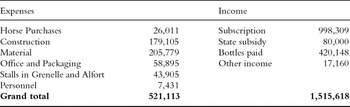
This is only partially correct. It may well be that the prospect of monetary gain did not motivate the scientists working in Roux's group. At least no plans have survived indicating that scientists in Paris or other peripheral production sites tried to calculate anticipated profits, as was commonplace at Hoechst, Schering, and other serum producers. Nevertheless, the financial advantages for the Pasteur Institute were significant. The numbers published in the annual reports leave no doubt about this. In 1895, a good portion of the nearly 200,000 doses produced by the so-called Service antidiphtérique were sold for profit. In that year alone, the sales and subscriptions generated a net profit for the institute of nearly one million Francs (see Table 2). Other producers also sold their serum, but couldn't match such profits. For example in 1898 the Institute in Montpellier produced 5,700 doses, of which 228 were sold for profit (Fabrége Reference Fabrége1901).
Service de la sérothérapie from 14 February to 3 December 1895 (AIP, No 9270-9276)

If today one is inclined to accept the image of independence, humanity, and scientific ethos that these institutions projected, it is essentially because of the mechanisms deployed in the performative choreography of oversight, marketing, and distribution of the diphtheria serum. The same was true for Germany, where, as a commercial product of the nascent pharmaceutical industry, diphtheria antitoxin serum was standardized and tailored to suit the competitive environment of a liberal marketplace. Yet this too is a self-serving representation that needs correction. Unfettered capitalism was also held in check in Germany, albeit behind the scenes. As mentioned above, the price of medicines was set by a so-called Medizinaltaxe, a tradition dating back to early modern times. The sale price was fixed by the state, in this case by the Ministry of Culture. Naturally the serum producers were invited to participate in setting these price controls. Yet the cards they held in this game of poker were poor, because as part of their oversight responsibilities, medical officials had regular access to the accounts of the pharmaceutical producers and were thus able to accurately assess the economic return on sales (Hüntelmann Reference Hüntelmann2007a). The state was willing to see producers make substantial profits,Footnote 19 but it insisted on preferential supply for hospitals and other community care facilities. These institutions could order the serum at half the official price; and official prescriptions allowed the discounted serum to be purchased in pharmacies (Throm Reference Throm1995). For years to come medical officials insisted that “for social and ethical reasons [the state] absolutely had to maintain its right to set prices.”Footnote 20
5. Conclusion
By the time diphtheria antitoxin serum had been marketed virtually simultaneously in Germany and France in 1894, it had been largely expunged of its experimental qualities. The scientists in Paris and Berlin had reached a consensus about the therapeutic value, medical function, and scientific status of the new serum. But the marketing of these qualities, which had been stabilized in an arduous and difficult process, was by no means predetermined. Instead, as this paper has demonstrated for cases of France and Germany, diphtheria antitoxin serum was subjected to very different procedures once it left the experimental world of the laboratory. These procedures were crucially influenced by the regulatory environments in which they were deployed. These different environments transformed what had once been an experimental object into a mass commercial product on one side of the Rhine, and into an integrative element in public health care and a cornerstone in the foundation of the community health services on the other side. A boundary object acquired its respective and characteristic qualities via inspection, marketing, and sale.
In Germany the administrative framework and bureaucratic implementation of the serum testing produced a mass commercial product that displaced the traditional responsibilities of the pharmacist onto an industrial production process. Once the bottles of serum received the official certification stamp in the factory, they were subjected to multiple inspections that molded the product in important ways: First, the official certification stamp took the place of traditional forms of quality control that had now been shifted forward to a point that lay prior to the serum's dispensation and sale in pharmacies. Second, the official certification stamp guaranteed the quality of the product over time, so that trust in the professional and technical work of the pharmacist became superfluous. Third, the state labeling and packaging requirements for the serum vials allowed consumers to determine the commercial class of the serum, because they made it possible to compare the different contents offered by different producers. So the production of diphtheria antitoxin serum anticipated later developments. Diphtheria antitoxin serum was a highly standardized product: it was produced according to uniform Imperial standards, subject to rigorous quality control, split into different product lines, and marketed under constant product supervision. The German version of diphtheria antitoxin serum thus became a prototype of the kind of normed industrial product that, in the early twentieth century, would be spawned by war, rationalization, and Taylorism (Berz Reference Berz2001; Mehrtens Reference Mehrtens, Sohn and Mehrtens1999).
French law, on the other hand, stressed scientific autonomy in the production of serum and refrained from direct state intervention. Instead, oversight of serum production was left mainly to a scientific elite. The serum was deployed not as a commercial product, but rather as a service provided by a nascent community health care system. It involved not the amalgamation of an exchange value on the one hand and a curative value on the other as in Germany; instead, it was based on a correspondence between scientific ethos and social responsibility and was more concerned about the competence and integrity of the producers than about comparative testing of batch-samples. The currency of this procedure was backed up by a moral economy that rested on trust in science's commitment to general truth and public well-being.
Neither its biological source, nor its experimental origin provided diphtheria antitoxin serum with its ultimate and defining characteristics. These characteristics emerged only from the negotiations between actors from very different social worlds and the interaction between medical professionals, industrial producers, state officials, and not least an engaged and critical public. The administrative arrangement of these negotiations stabilized the diphtheria anti-toxin serum, creating different objects in the respective French and German contexts.
Acknowledgments
This article was supported by Deutsche Forschungsgemeinschaft as part of the project “Industrialization of Experimental Knowledge” (HE 2220/4) from 2004 to 2007. For their remarks, suggestions, and material support I wish to thank my colleagues in the project Axel Hüntelmann, Ulrike Klöppel, and Jonathan Simon.
Abbreviations of the archives used
BA = Bundesarchiv Berlin.
AIP = Archives d'Institut Pasteur (Paris).
GStA PK = Geheimes Staatsarchiv, Preußischer Kulturbesitz (Berlin).