

Published online by Cambridge University Press: 27 February 2004
The view of institutions as coercion rather than as contracts dominates the comparative politics literature on both institutional creation and the politics of economic reform. The emergence of a collectively optimal tax code in Russia demonstrates the limitations of this emphasis on coercion. This new tax code was not imposed by a strong central leader, mandated by international institutions, or the result of state capture by powerful economic interest groups. Rather, it is the product of a mutually beneficial exchange between the Russian government and the Russian oil companies. Russia's ability to negotiate an effective tax regime also suggests the conditions under which and the microcausal mechanism whereby exogenous shocks promote institutional change and economic reform. Owing to their mutual vulnerability and interdependence, the August 1998 financial crisis generated widely shared perceptions among these actors that the payoffs of cooperation had changed. Yet the economic reform institution that resulted required a series of incremental strategic moves that established common knowledge.
At the core of political science is the question of how institutions emerge—that is, whether they are the product of social contracts and strategic bargains, power asymmetries and coercion, or path dependence and evolutionary development. Indeed, although each subfield has favored a different perspective on institutional emergence, this is one of the central questions that unifies them.
The view of institutions as contracts (or the contractarian approach), which was born with Thomas Hobbes but reached its maturity in the public choice and rational choice literature, has dominated American politics (see, e.g., Kiewiet and McCubbins 1991, Shepsle 1986, and Weingast 1993) and the new economics of organization (see, e.g., Moe 1984 and Williamson 1985) for almost two decades. According to this view, institutions are the product of individual exchange and competitive selection aimed at deriving a mutually beneficial outcome, such as efficiency or cooperation (see, e.g., Shepsle 1986). As comparative politics embraced the new institutionalism, however, the contractarian approach was largely rejected in favor of the view of institutions as coercion (see, e.g., Bates 1988, Firmin-Sellers 1995, and Knight 1992).1
The opposite trend occurred in international relations, which moved from the domination of the institutions as coercion approach (Neorealism) to the institutions as contracts approach (Neoliberalism). For an overview of this debate, see Baldwin 1993.
The view of institutions as coercion rather than as contracts has also come to dominate the literature on the politics of economic reform. This is apparent in the prevalence of the argument that economic policy change requires an authoritarian leader and/or a strong state.2
In this literature, state strength is often equated with autonomy or insulation from popular demands and narrow economic interests. For example, this is why Williamson (1994) advocates the use of autonomous technocrats (or technopols) to implement economic reform in developing countries.
These two arguments come together most explicitly in Sachs 1994, which argues that successful economic reform requires a combination of strong (i.e., autonomous) leaders and international assistance.
We demonstrate that this emphasis on coercion hinders our understanding of the process by which institutional creation and economic reform occurs through a detailed analysis of the emergence of a collectively optimal tax code in Russia from 1998 to 20024
The new Russian tax code consists of two parts. Part I was adopted in July 1998 and enacted in January 1999; it covers administrative and procedural matters, including the introduction of new taxes and the protection of taxpayers' rights. Part II was adopted in August 2000, amended in November and December 2001, and enacted in 2001 and 2002; it includes specifications on various taxes, including the VAT, corporate profits tax, personal incomes tax, and the social tax. This article focuses primarily on explaining Part II, although Part I laid the groundwork for the approval and implementation of Part II. For an overview see, OECD 2001, 115–144.
These interviews were carried out systematically in Moscow from September 2001 to July 2002 with representatives from both Russian and foreign oil and gas companies, Russian government officials, and Russian and foreign financial and energy experts. In most cases, names are withheld at the request of the interviewee.
At the same time, the emergence of an effective tax regime in Russia at the end of a decade marred by stagnant reform efforts offers an important corrective to the contractarian approach because it suggests an alternative mechanism whereby two equally powerful actors can achieve mutual gains from cooperation. Owing to their mutual vulnerability and interdependence, the August 1998 financial crisis generated widely shared perceptions among the Russian government and the ROCs that the payoffs of cooperation had changed. The economic reform institution that resulted, however, was contingent upon a series of incremental strategic moves that established common knowledge. Thus, we also build on the literature that invokes exogenous shocks to explain economic reform by clearly specifying the conditions under which and the microcausal mechanism whereby exogenous shocks promote institutional creation and economic policy change.
Russia's ability to negotiate a new tax code after almost a decade of abortive attempts presents us with a striking puzzle in light of both the dominance of the coercion approach in comparative politics and the widespread pessimism about Russia's prospects for market reform. First, it directly contradicts the view of institutions as coercion whereby difficult economic reforms can only be imposed from above by a strong leader within or external pressures from outside the country. Second, both the recent literature on economic reform in postcommunist states and the long-held conventional wisdom on resource-rich states predict that Russia will fail to develop the necessary institutions to promote economic growth, particularly a stable and comprehensive tax regime.6
Russia not only possesses the world's largest natural gas reserves and the eighth largest oil reserves, but is the world's largest exporter of natural gas and the second largest exporter of oil. See http://www.eia.doe.gov/emeu/cabs/russia.html.
Tax policy in Russia for most of the 1990s can best be described as a classic collective action problem7
in which the two most powerful actors concerned—the Russian government and the Russian oil companies (hereafter ROCs)—followed individually rational strategies that were collectively suboptimal.8Although other actors (such as regional leaders) were also influential in shaping taxation policy in the early 1990s, we focus our analysis on the ROCs and the Russian government because they were the most important actors involved in the subsequent formulation of the new tax code—particularly Part II (authors' personal communication with Alexander Ustinov, Economic Expert Group, June 2002).
From the Russian government's perspective, particularly the Ministry of Finance, maintaining high tax rates was the best way to replenish the budget despite low compliance rates (see, e.g., RPI, March 1996 and Samoylenko 1998).9
This was also confirmed in authors' personal communication with Arkady Dvorkovich, Deputy Minister, Ministry of Economic Development and Trade, July 5, 2002.
Authors' personal communication with Vitaly Yermakov, Research Associate, Cambridge Energy Research Associates (CERA), June 2002, and with Dvorkovich, op. cit.
Yet this strategy only exacerbated the problem of noncompliance, particularly among the ROCs, by creating a strong incentive for economic actors to hide their profits. It also failed to take into account that the ROCs' tax burden was much higher than even the government projected because of the regional and local governments' tendency to levy informal taxes on the oil companies operating in their regions by forcing them to provide social services and infrastructure investments (Gustafson 1999, 207). The ROCs responded to this untenable situation by developing a series of legal and semilegal schemes to hide their profits through which they effectively evaded heavy taxation.11
Although the Russian government's auditors and the Ministry of Finance could ascertain a close estimate of what the ROCs' actual profits were through export quotas and yearly audits, the prevalence of these legal and semilegal schemes made it extremely costly to catch or to sanction the ROCs for tax evasion (authors' personal communication with representatives of ROCs, September 2001 and June–July 2002, and with tax auditors, July 2002).
Authors' personal communication with Yermakov, op. cit.
Authors' personal communication with Peter I. Reinhardt, Principle, Ernst & Young, September 2001.
Thus, by the end of the 1990s the Russian government and the ROCs were locked in a vicious cycle in which exorbitant tax rates encouraged evasion and evasion encouraged even higher tax rates and threats of expropriation, leading to more elaborate and time-consuming schemes to hide profits. The results were disastrous for the Russian economy on the whole, which did not record positive investment rates or economic growth for most of the decade (IMF, 2000). Although the government had attempted to introduce new tax legislation since 1995, it was continuously stalled in the Duma due to the opposition of the “Left” (i.e., the Communists and Yabloko) and of the oil and gas lobby, which the Yeltsin administration attempted to circumvent by issuing new decrees. Even as late as April 1998, the Duma and the government could not reach an agreement concerning tax reform. Rather, the former continued to impede reform by adopting numerous amendments, while the latter refused to compromise by addressing procedural issues related to taxpayers' rights or lowering the tax burden (see, e.g., Samoylenko 1998). Similarly, in addition to blocking tax reform in the Duma, the ROCs continued to hide their income, to exaggerate their losses in order to obtain tax breaks (RPI, April 1998, 10) and to pressure the government to reduce the energy sector's tax burden (RFE/RL, July 23, 1998).
This situation, however, changed dramatically by the end of 1998. Despite nearly a decade of failed tax reform, from 1998 to 2002 the Russian government and the ROCs were able to achieve mutual gains from cooperation in the form of a new tax code. In sum, this new tax code is designed to increase the reliability of revenue streams for both sides by creating incentives for broad-based tax compliance without a significant improvement in the government's administrative capacity and pegging the ROCs' tax payments to fluctuations in the global price of oil. It also reduces information asymmetries by eliminating transfer pricing and encouraging the ROCs to disclose their actual profits. By setting fixed tax rates and reducing incentives for the government to resort to coercive tactics to meet its revenue needs, moreover, the new tax code has the potential to secure property rights for the ROCs and thereby enable them to both increase their investments at home and attract foreign partners to expand their operations abroad.
Furthermore, it puts Russia decisively on the path toward market reform. By most accounts, Russia's new tax code exceeds Western standards not only because it sets lower tax rates than the OECD recommends but also because it is much simpler and clearer than the previous one. For example, it has introduced a 13% flat tax on personal income, capped corporate contributions to the social insurance fund, reduced the profits tax (a.k.a. corporate income tax) rate from 35 to 24%, abolished turnover taxes (as of 2003), tied export tariffs directly to the price of oil, and established new accounting procedures that are on par with international accounting standards. In addition, a new mineral extraction tax was introduced in January 2002 (Chap. 26, Part II) as a flat rate pegged to the price of oil. It has also won the praise of foreign and domestic financial and political analysts for the inclusive nature of tax benefits and, thus, its potentially positive impact on the Russian economy as a whole (see, e.g., Andersen 2002 and Rabushka 2002).15
This is the consensus among domestic and foreign financial analysts according to authors' personal communications, September 2001 and June–July 2002.
How did the Russian government and the ROCs manage to overcome their collective action problem and cooperate with one another to their mutual advantage? This outcome is especially puzzling because none of the existing accounts provide a satisfactory explanation. Neither the general predictions nor the particular assessments of Russia that stem from the predominant view of institutions as coercion can explain the emergence of this new tax code as a product of intense negotiation and compromise. Indeed, both the literature on institutional emergence generally and that on economic reform in postcommunist states specifically predict that Russia should fail to establish a viable tax code—either through contracting or at all. Nor were the mechanisms often cited in contractarian explanations of institutional emergence through cooperation present in this case.
That the view of institutions as coercion has dominated scholarly assessments of Russia's transition is clearly demonstrated in the overwhelming pessimism concerning its prospects for economic reform in the absence of either a strong leader within or external pressures from outside the country. Many have attributed market failure in Russia throughout most of the 1990s to the weakness of either President Boris Yeltsin or central state institutions vis-à-vis powerful economic interests (see, e.g., Hellman 1998, McFaul 1995, Reddaway and Glinski 2001, and Robert and Sherlock 1999). Thus, not surprisingly, Russia's hope for establishing the political order necessary to achieve market reform has often been placed in its newly elected president, and seemingly more authoritarian leader, Vladimir Putin, who succeeded Yeltsin in March 2000 (see, e.g., Nicholson 2001 and Shevtsova 2003).16
Putin was appointed as prime minister in August 1999 and then elected to the presidency in March 2000 with 52.94% of the vote (RFE/RL Russian Election Report, 2000, 13). The Duma elected in December 1999 contained a majority of his supporters, who appeared to form the first stable policy coalition in the Russian parliament (the Unity bloc). For details, see Colton and McFaul 2000 and Smyth 2002.
According to this perspective, the new tax code is best understood as yet another example of Putin's unrivaled authority since his election. Almost immediately after ascending to the presidency, for example, Putin launched sweeping administrative changes aimed at reducing the power of the regions to influence national policy-making, including tax reform. The most significant of these was the reorganization of the Federation Council, through which the regional leaders had previously obstructed the government's attempts at tax reform and weakened the federal budget by demanding complex revenue-sharing arrangements (see, e.g., Treisman 1999). Putin also demonstrated to the ROCs that he was willing to use force through his decisive treatment of the notorious oligarchs Boris Berezovsky and Vladimir Gusinsky in the first few months of his presidency (see Lloyd 2000 for details). Yet, if this is what brought the ROCs to the bargaining table, it fails to explain why negotiations over a new tax regime began in late 1998 under Yeltsin.
It also fails to explain why Putin did not simply impose a new tax regime that solely reflected the government's preferences. With the elimination of the two biggest obstacles to tax reform in the 1990s—the polarized Duma and recalcitrant regional leaders—perhaps Putin could have passed the new tax code without even the tacit approval of the ROCs. He also could have continued Yeltsin's arbitrary practice of changing tax rates by decree. Yet Putin chose to forfeit this particular advantage vis-à-vis the ROCs and, instead, to continue the negotiations and make the necessary compromises so that a comprehensive tax code could be passed through the Duma as a law that was endorsed by the country's most important taxpayers—the ROCs.17
According to the 1993 Russian Constitution, taxation is under the purview of the legislature; thus, a comprehensive tax code could only be adopted as a law.
Others have looked to the international community to provide either the financial incentive or direct pressure to propel market reform in Russia and other postcommunist states (see, e.g., Aslund 2002, Sachs 1994, and Stone 2002). Indeed, the undeniable importance of international competitiveness and the increasingly direct role of transnational actors in domestic affairs in the context of globalization (Rodrik 1997) and a post-Cold War world (Weinthal 2002) lend support to this argument. Thus, an obvious alternative explanation for the new tax code is that the government pushed through this new tax regime in order to attract foreign investment or appease its foreign creditors. Yet it has been clear since independence that, particularly in the energy sector, Russia has very little interest in bringing in direct foreign investment (Jones Luong and Weinthal 2001). In fact, until very recently, both the executive branch and the Duma have stalled the adoption of PSAs, which are universally viewed as the key to further foreign investment in the energy sector.18
Authors' personal communications with Vladimir Konovalov, Director, Petroleum Advisory Forum, September 14, 2001.
Authors' personal communication with Dvorkovich, op. cit.
The contractarian approach has also been rejected in the form of two prominent and closely related approaches to understanding the failure of economic reform in postcommunist states. The first is the “winner take all” view, according to which a narrow set of actors captured the gains from early market reforms by virtue of their position and then effectively prevented subsequent reforms that might threaten these early gains (Hellman 1998).
For Russia, in particular, this perspective is directly related to what many have deemed the evils of “insider privatization” (or privatization policies that deliberately favor those closest to the regime), because it either enriches a few agents who prefer to maintain insecure property rights so that they can exploit their privileged access to social assets (Sonin 1999) or creates “early winners” who block subsequent reforms that would threaten their ability to continue to reap the benefits of their ill-gotten gains (Alexeev 1999; Black, Kraakman, and Tarasova 2000). The most notorious “early winners” are the ROCs because of the way in which these well-positioned private actors acquired ownership of the energy sector—first, through a pure “asset grab” and, then, through a suspicious “loans for shares” deal (see Johnson 1997 and McFaul 1995 for details). By agreeing to the new Russian tax code, however, the ROCs do not “take all” but, rather, incur substantial economic losses. Despite reduced tax rates, the new tax code actually increases their tax burden because it eliminates the tax benefits of transfer pricing and capital expenditure deductions.20
Authors' personal communication with Yermakov, op. cit.; see also Mazalov 2001, 2.
More specifically, according to this perspective Russia's inability to develop a viable tax regime thus far has also been attributed directly to this elite “redistribution of power resources” following the Soviet collapse (Easter 2002). The new Russian tax code, however, demonstrates not only that the ability of economic elites to derail the economic reform process is more limited than these pessimistic accounts suggest but also that, under certain conditions, these “insiders” or “early winners” can in fact serve as the engine of further reform.
The second is the view of the Russian state as fully “captured” by key economic interests. The tax code, then, is merely the result of “state capture”—that is, the ROCs have used their excessive political influence to impose lower tax rates for their own benefit. Yet this is an unsatisfactory portrayal of the emergence of the new tax code for several reasons. First, if the ROCs were capable of simply dictating their preferred policies to government officials, it is not clear why they would prefer to establish a formal tax regime rather than continuing to benefit from the status quo in which they relied on informal networks and influence both to negotiate favorable tax rates and to evade unfavorable taxes. It also does not explain why the ROCs endorsed a tax code that inflicted short- and long-term costs on them by forcing them to fully disclose their profits, adopt accounting procedures, and accept an overall increase in their tax burden. Second, the literature on “state capture” predicts that those who benefit from a “capture economy” will reject institutions that disperse rents (Hellman, Jones, and Kaufman 2000) or improve the protection of property rights (Sonin 1999). Yet by protecting tax payers rights vis-à-vis state agencies, lowering rates for all taxpayers, and endeavoring to increase compliance across sectors and broaden the tax base, the new Russian tax code does both. It thus provides tax benefits that are inclusive in nature and is already having a positive impact on the Russian economy as a whole.
Beyond the literature on institutional emergence and the politics of economic reform, the long held conventional wisdom on resource-rich states also predicts that Russia will fail to develop the necessary institutions to promote economic growth, particularly a stable and comprehensive tax regime. In the vast literature on the “resource curse,” a weak (or nonexistent) tax regime is viewed as perhaps the most prevalent negative outcome of resource wealth due to state leaders' myopic thinking and heavy reliance on external (i.e., rather than internal) sources of revenue (see, e.g., Karl 1997, Mitra 1994, and Shafer 1994). The emergence of a viable tax code in energy-rich Russia, therefore, is a striking anomaly.
Finally, Russia's ability to achieve mutual gains from trade in the form of a new tax code is also puzzling because the causal mechanisms that are commonly invoked in the literature to explain cooperation—such as a precommitment strategy21
A precommitment strategy occurs when one player unilaterally makes and extreme strategic move to convince another player that he or she is willing to abandon his or her dominant strategy and change his or her behavior. On precommitment strategies, see, e.g., Maoz and Felsenthal 1987.
On focal points, see Schelling 1960.
Neither the Russian government nor the ROCs were unilaterally willing to make an extreme strategic move to signal their commitment to cooperation. Rather, each party continued to pursue independently rational strategies. For example, even when oil prices were declining in early 1998, rather than easing the tax burden on the ROCs, the government sought to squeeze the ROCs for additional taxes to cover the gaps in the government budget (RPI, June/July 1998). Likewise, the ROCs' strategy to exaggerate their losses to obtain tax breaks only added to the level of mutual distrust between the ROCs and the Russian government (RPI, April 1998).23
Authors' personal communications with Dvorkovich, op. cit., and Konovalov, op. cit.
Moreover, the persistence of the behavioral norms and informal networks that guided elite behavior in the Soviet period actually contributed to their incentive not to cooperate rather than serving as a focal point to overcome the collective action problem they faced. As noted earlier, the ROCs benefited from arbitrarily high tax rates under Yeltsin because they had privileged access to both formal and informal policy-making channels. Throughout the 1990s, they exerted political influence through two main forms of lobbying. The first and most common form was to influence deputies in the Duma to oppose or support proposed government legislation. The ROCs achieved this by either simply bribing deputies or supporting their own candidates (often former employees) for election to the single-mandate seats.24
Authors' personal communication with Boris Makarenko, Deputy Director General, Center for Political Technologies, September 19, 2001; Oleg Vyugin, Chief Economist, Troika Dialogue, September 17, 2001; and representatives of ROCs, op. cit.
Authors' personal communications with Vladimir Konovalov, op. cit.
Authors' personal communication with Mark Urnov, Center for Political Technologies, September 19, 2001.
Authors' personal communication with Vadim Eskin, CERA, September 12, 2001. This sentiment was shared by other experts whom the authors interviewed, including Makarenko, op. cit., and Urnov, op. cit.
The emergence of a tax regime in Russia that is both collectively optimal and effective not only calls into question the dominance of the coercion approach to institutions and economic reform in comparative politics but also presents us with an opportunity to refine the contractarian approach. The fact that Russia's new tax code was the product of a strategic exchange between two sets of equally powerful actors—the Russian government and the ROCs—aimed at mutual benefit suggests that the contractarian approach is more widely applicable beyond the United States and Western Europe than comparativists working on developing countries may have thought. At the same time, however, the contractarian approach does not provide a complete explanation for why these two equally powerful actors were able to successfully negotiate a viable tax regime after almost a decade of failed attempts. As discussed in the preceding section, the mechanisms that are most often cited to explain cooperation are clearly absent in this case. We offer an alternative mechanism.
In short, we argue that the shock of the August financial crisis provided the impetus for institutional creation and economic policy change in the form of a new tax code because it generated widely shared perceptions among both the Russian government and the ROCs concerning the benefits of cooperation and the need for formal guarantees. These shared perceptions, however, were contingent upon both sets of actors feeling equally vulnerable to the effects of the crisis and recognizing that they depended on one another to recover from the crisis. Nor were shared perceptions alone sufficient to bring about institutional or economic policy change. Rather, the new tax code required that both sets of actors possessed common knowledge,28
Common knowledge refers to shared information among players concerning the parameters and payoffs of the game. In most game theoretic accounts, it either is assumed to exist or can be achieved without direct communication. See Werlang 1989.
Although its root causes were much deeper, the Russian government's decision to devalue the ruble and place a moratorium on external debt payments triggered the August 1998 financial crisis that sent shockwaves throughout the Russian economy: Real GDP plummeted, inflation and unemployment soared, and commercial banks went bankrupt (see, e.g., OECD 2000, 33–45). This crisis, of course, was also precipitated by the recession that spread across Asia in 1997 (or the “Asian flu”) and the steep decline in world oil prices in 1998. The immediate effects on Russia's economy were devastating, yet the political effects (and the potential they offer for long-term economic growth) are even more striking. This exogenous shock enabled the Russian government and the ROCs to escape the vicious cycle of exorbitant tax rates and widespread evasion that characterized Russia's tax regime in the 1990s. In short, both sets of actors emerged from the August 1998 financial crisis with the realization that the costs of their past failure to cooperate were too high.
Two conditions facilitated this change in perceptions: the mutual vulnerability and interdependence of the Russian government and the ROCs.29
While Weyland (1998, 2002) also suggests that an economic shock can lead to a change in perception, our argument differs in two ways. First, we do not find that socioeconomic actors merely support the government's reform efforts to recuperate their losses and avert further ones but, rather, that both sides have an incentive to bargain over the creation of economic reform institutions. Second, we take the argument that shocks cause a change in perception one step further by elucidating how this change in perception translates into a change in behavior among equally powerful actors, resulting in these new economic policies.
In fact, this may help explain why the contractarian approach has seemed less applicable outside the United States and Western Europe.
The August 1998 financial crisis, which resulted in enormous losses in profits and tax revenue to the ROCs and Russian government, respectively, revealed the extent to which these equally powerful actors were both vulnerable to global markets and, thus, the costliness of their previous failure to cooperate. The crisis was “sobering” for the ROCs because it “forced [them] to acknowledge the cumulative negative effects of their previous behavior.”31
Authors' personal communication with ROC representative, June–July 2002.
Authors' personal communications with ROC representatives, op. cit.
Similarly, the 1998 financial crisis exposed the government's susceptibility to fluctuations in the global marketplace because of its dependence on the oil sector for budgetary revenue. Almost immediately, federal government revenues and expenditures plunged in response to the 1998 crisis. According to the IMF (2000, 60, 63), cash revenues dropped in the third quarter of 1998 to just 7% of the GDP, from 10.5% of the GDP in the first half of 1998, and cash spending fell in the third quarter to 11% of the GDP, from 16% of the GDP in the first half of 1998. As a result, according to Sergei Shatalov, First Deputy Minister of Finance, who had been a strong (but lonely) advocate of tax reform since the mid-1990s, “The 1998 financial crisis created the collective realization that we needed to change the [current] system of securing revenue.”35
Authors' personal communication, July 2002.
The August 1998 financial crisis also made it painstakingly clear that they were dependent on one another not only for their economic recovery but also to insulate themselves from the effects of future crises, which required stable rules. For the ROCs, at a minimum “recovery” required investing in modernization, for which they also needed both greater predictability and more secure property rights. Prior to the 1998 crisis, the ROCs' property rights were threatened by frequent tax inspections that resulted in profit losses through indiscriminate taxes and fees.36
Authors' personal communication with Tom Adshead, Troika Dialog, July 2002.
Authors' personal communications with Stephen O'Sullivan, United Financial Group, July 2002, and with representatives of ROCs, op. cit.
At a maximum, the ROCs' “recovery” required attracting Western partners in order to improve their assets at home and expand their operations abroad, which in turn required increasing transparency (e.g., disclosing information about profits and providing accurate information about profitability to shareholders) and establishing corporate governance. Specifically, the ROCs recognized that strategic partnerships with Western companies would give them access to foreign capital and technology, thereby enabling them to engage in the long-term strategic planning and domestic investment that were clearly so vital after the August 1998 crisis.38
The desire for strategic partnerships does not mean that the ROCs sought foreign direct investment or that they were willing to share equity in the Russian energy sector with Western companies but, rather, they were willing to make Western companies minority shareholders in order to gain access to foreign markets.
Authors' personal communications with representatives of ROCs, op. cit., and domestic and foreign oil and gas analysts, June–July 2002.
“Recovery” for the Russian government required, at a minimum, budgetary stability. In order to regain their budgetary losses in the short term and to stabilize the flow of tax revenue from the oil sector, the Russian government needed to give the ROCs a greater incentive to pay their taxes voluntarily. As aforementioned, throughout the 1990s, the Russian government relied heavily on taxing the oil sector to fill its coffers. In addition to exorbitant corporate income tax rates, oil producers were subject to a fixed excise tax rate and stiff export tariffs. Yet, by August 1998, it became clear that this strategy was leading to the ROCs' insolvency and creating an unreliable revenue stream. The fixed excise tax rate, for example, meant that oil producers paid approximately 55 rubles per ton (or about $9.00) regardless of the price of oil. Thus, when oil prices plummeted in 1998, “many of the companies [were driven] to the verge of bankruptcy” (Samoylenko 1998, 3) At the same time, cumbersome bankruptcy procedures hampered the Russian government's ability to seize private assets to induce tax compliance.40
Russia has introduced several versions of insolvency laws since independence (i.e., 1992 insolvency law and the 1998 insolvency law), which has resulted in many ambiguities, making implementation an extremely difficult process. (For details, see OECD 1995). In 2002 Putin vetoed the latest version (Pravda, August 7, 2002).
The government's “recovery” at a maximum required expanding the tax base and increasing compliance overall so as to reduce the budget's dependence on the oil sector for revenue. Structural reform aimed at promoting real growth across sectors thus became a top priority for the government, and establishing a stable tax regime was a central component of this strategy (see, e.g., Vasiliev, February 2000).41
Authors' personal communications with Dvorkovich, op. cit., and with Shatalov, op. cit.
Authors' personal communication with Dvorkovich, op. cit.
Although the shock of the August financial crisis generated widely shared perceptions among both the Russian government and the ROCs concerning the benefits of cooperation and the need for formal guarantees, this was not sufficient to produce institutional change. To achieve a formal agreement, both sets of actors needed to demonstrate convincingly to one another that this mutual realization had actually occurred and would be sustained—that is, they needed to have common knowledge that all the relevant actors now preferred cooperation. In contrast to the standard approach in international relations in which institutional bargains are struck after one side makes a single unilateral or preemptive strategic move (see, e.g., Jervis 1978 and Maoz and Felsenthal 1987), we argue that this was achieved through a series of incremental strategic moves—both private and public—whereby each side assured the other that they were committed to tax reform.
In sum, the ROCs' strategic moves included bringing their business activities back onshore through increasing domestic investment, adopting new international accounting standards, and embracing corporate governmance, while the government's included pledging to honor private ownership of the oil sector and continuing to work with the Duma to pass an acceptable tax code as a law rather than to change the tax system by decree. These assurances were effective not only because they were reciprocated but also because they were consistent—they continued even as the price of oil rebounded in late 199943
In January 1998, Russian oil sold for $15.79 on the open market. By January of the following year, it dropped to $10.09, then rebounded to $23.36 by January 2000. See http://www.eia.doe.gov/emeu/cabs/russia.html.
Shortly after the August 1998 crisis, the ROCs initiated an informal dialogue with the Russian government to convince it to “soften” the tax system—that is, to become “less aggressive vis-à-vis the oil companies”—in order to aid their recovery by making investment in modernization possible.44
Authors' personal communication with ROC representative, July 2002, and with Konstantin Reznikov, Alfa Bank, Senior Oil and Gas Analyst, September 2001. See also Finansovye Izvestia 1998 and Rossiyskaya Gazeta 1998.
The new corporate profits tax specifically targets the ROCs, because the foreign oil companies still pay taxes abroad, usually at a higher rate (authors' personal communication with Richard Lewis, Ernst and Young, June 2002).
Authors' personal communications with representatives of ROCs, op. cit., and with domestic and foreign financial analysts, op. cit.
Authors' personal communication with Steven Dashevsky, CFA, Aton Group, September 19, 2001.
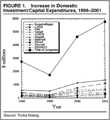
Several other more demonstrative strategic moves followed that served to reassure the Russian government that the ROCs were committed to reform. First, in June 1999 they showed good faith by agreeing to pay all their taxes in cash by December 1999 despite having recently downsized their operations (Moscow Times, June 23, 1999). This was a sharp departure from their behavior prior to the August 1998 crisis, when the ROCs would often run up huge tax arrears on their exports and then settle their tax liabilities in kind (e.g., barter deals), which made it extremely difficult for the Russian government to estimate how much revenue the oil sector would actually contribute to the budget on an annual basis (Aitken 2001). Second, at the end of 1999, the ROCs took an even bolder step by beginning to increase their level of domestic investment and increasing their transparency. To ensure their immediate recovery, the ROCs began to invest heavily in increasing production either through fixing old wells (e.g., Yukos's strategy) or through drilling new wells (e.g., Sibneft's strategy). This trend continued unabated, such that the following year (2000) the ROCs' total investment jumped by 95% (see Figure 1) and shareholder confidence was actively being restored.48
Authors' personal communication with O'Sullivan, op. cit.
The ROCs' overtures did not go unrequited. Several key actors within the Russian government simultaneously made incremental strategic moves that were intended to convey its own commitment to reform. First, the Ministry of Energy and Fuel introduced several tax proposals in late 1998 to eliminate the oil excise tax and to introduce instead a variable tax on incremental revenue in order to reduce the tax burden on the ROCs and provide incentives for the ROCs to adopt Western technologies and to establish alliances with foreign partners (RPI, September 1998, 27). Although there were a few officials in the Ministry of Finance receptive to tax reform in the early to mid-1990s, such as Shatalov, this ministry was generally opposed to such cuts after the crisis for fear that it would lead to further losses to the federal budget (see, e.g., RPI, March 1998, 39).49
According to Shatalov, he sought to push through tax reform in the early 1990s, but he resigned in frustration because, prior to the 1998 financial crisis, “the Yeltsin administration's was not committed to real tax reform.” Only after the Putin administration demonstrated its commitment to tax reform did Shatalov agree to return to the government, at which time the Ministry of Finance also became more receptive to tax reform. Authors' personal communication with Shatalov, op. cit.
Authors' personal communication with Ustinov, op. cit.
The government's next set of incremental strategic moves took place under Putin's leadership. First, at the beginning of 2000 he established the Ministry of Economic Development and Trade to deal precisely with the task of promoting long-term economic growth. This new ministry immediately began to dominate the debates over tax reform inside the government and to represent the government's position in private negotiations with the ROCs and public debates in the Duma. It thus replaced the Ministry of Finance, which had spearheaded the government's previous approach to tax reform (see, e.g., Samoylenko 1998, 2) and which financial analysts and ROCs alike agree was fixated on fulfilling short-term budgetary requirements.51
Authors' personal communications with representatives of ROCs, op. cit., and with domestic and foreign financial analysts, op. cit.
Then, at the end of 2000, Putin supported the formation of a special “working group” composed of government officials, Duma deputies, and the ROCs to discuss the remaining aspects of the tax code, especially those that were of special concern for the ROCs, such as the corporate profits tax and the mineral tax.52
Authors' personal communication with Shatalov, op. cit.
The previous tax system discouraged oil companies from investing in long-term and large new projects (authors' personal communication with Yermakov, op. cit., and with representatives of ROCs, June–July 2002).
Authors' personal communication with Dvorkovich, op. cit.
Authors' personal communication with Dvorkovich, op. cit., Reznikov, op. cit., and Vyugin, op. cit.
Authors' personal communication with Yermakov, op. cit.
Authors' personal communication with Dashevsky, op. cit.
Authors' personal communication with Ustinov, op. cit. Instead, the government pledged to introduce only minor amendments to “work out the bugs out of the code” (authors' personal communication with Ustinov, op. cit.).
Finally, as each side became more secure with their reciprocal reassurances, their respective strategic moves became increasingly bold. Thus, in order to reassure the ROCs that the Russian government would cease to arbitrarily expropriate their profits and assets, Putin met with the Russian oligarchs in mid-2000 in Moscow, where he informed them privately and then announced publicly that “[he] would stay out of business, if [they] stayed out of politics” (see, e.g., Feifer 2000).59
Authors' personal communication with O'Sullivan, op. cit., and with Adshead, op. cit.
Authors' personal communications with representatives of ROCs, September 2001 and June 2002. Since this time, Putin has publicly reaffirmed the government's commitment not to renationalize assets that were privatized before 1998 on numerous occasions (see, e.g., RFE/RL, 29 September 2003, RFE/RL, 22 September 2003).
As the new institutionalism moved from American to comparative politics, the scholarly conception of institutions as contractual agreements was transformed into a conception of institutions as coercive or imposed outcomes. Russia's ability to establish a viable tax code, however, demonstrates that this emphasis on coercion, particularly in discussions of economic reform processes, is inappropriate. This new tax code was not imposed by a strong central leader, mandated by international institutions, or the result of state capture by powerful economic interest groups, as both the general literature predicts and specialists on Russia often presume. Rather, we argue that it is the product of a mutually beneficial exchange between the two most powerful actors in Russia—the Russian government and the Russian oil companies (ROCs)—following an acute economic crisis.
The explanation we put forth provides an opportunity to refine both the contractarian approach and the literature on economic reform because it suggests both an alternative mechanism whereby two equally powerful actors can achieve mutual gains from cooperation and a set of conditions under which and an alternative mechanism whereby exogenous shocks induce institutional and economic policy change. The August 1998 financial crisis provided the impetus for change in the form of a new tax code because it generated widely shared perceptions among both the Russian government and the ROCs concerning the benefits of cooperation and the need for formal guarantees. These shared perceptions, however, were contingent upon both sets of actors feeling equally vulnerable to the effects of the crisis (i.e., mutual vulnerability) and recognizing that they depended on one another to recover from the crisis (i.e., interdependence). Shared perceptions alone were also insufficient to bring about institutional or economic policy change. Rather, the new tax code required that both sets of actors possessed common knowledge, which was achieved through a series of incremental strategic moves.
Our findings also have several implications for the future study of institutional creation and economic policy change. First, they suggest that institutional change is a gradual process with distributional consequences (gains as well as losses) for all the actors involved. In contrast with the contractarian approach to institutions found in both comparative politics and international relations, the recognition that there are mutual gains from cooperation does not immediately generate new institutions and economic policies. Furthermore, the institutional change and economic policies that do come about require all parties to the bargain to make considerable trade-offs. While both sides benefited from reliable revenue streams and stable rules of the game, they also had to incur heavy losses. The ROCs paid for these benefits by agreeing to full disclosure and stricter governmental controls, which, despite the reduced profits tax, increased their overall tax burden. Similarly, by agreeing to the new tax code the Russian government forfeited its advantage vis-à-vis the ROCs—not only could it no longer raise tax rates arbitrarily, but it also risked a deficit in its budget revenue if the ROCs failed to comply with the new tax rates.
Second, they demonstrate that neither a strong leader nor powerful economic interests can simply impose institutional creation or policy change. This challenges not only the conventional wisdom concerning the politics of economic reform in developing countries but also the two dominant (and contradictory) portrayals of the Russian state as either fully “captured” by economic interests or steered from above by President Vladimir Putin since his election in March 2000. Moreover, it suggests that the existence of two equally powerful actors enhances rather than hinders prospects for economic reform—a notion that has found empirical support beyond Russia (see, e.g., Arce 2003 and Kang 2002).
Finally, our findings belie the perception that Russia is “cursed” by its resource wealth (see, e.g., Rutland 2001 and Starr 1998) and, instead, support the claim that private ownership of natural resources fosters the development of institutions conducive to long-term economic growth (Weinthal and Jones Luong 2002).61
Goldman (1999) argues precisely the opposite—i.e., that privatization has hampered reform efforts.
These are the most common responses to “busts” among resource-rich countries in which the resource in question is state-owned (see, e.g., Karl 1997 and Ross 2001).
Thus, Russia's new tax code both demonstrates how transition economies can move beyond the supposed deadlock created by “early winners” and provides some confirming evidence for the hypothesis that privatization to domestic actors offers a potential way for resource-rich countries to escape the so-called “resource curse” because it forces governments to negotiate with these actors for revenue.
The authors share equal responsibility for the content and analysis herein. This article is part of a long-term joint project and we have chosen to rotate authorship on the articles we generate.
The authors would like to thank Timothy Colton, Anna Grzymala-Busse, Stephen Hanson, Stephen Holmes, Gregory Huber, Ira Katznelson, Lawrence King, Ellen Lust-Okar, M. Victoria Murillo, Thomas Remington, Andrew Schrank, Regina Smyth, Ivan Szelenyi, Daniel Treisman, Zeev Maoz, the participants in both the 2001–2002 Post-Communist Workshop and the Comparative Politics Workshop at Harvard University, and three anonymous reviewers for their insightful comments and useful suggestions on early drafts, as well as Mariya Kravkova and Maria Zaitseva for providing research assistance. We also acknowledge the Carnegie Corporation in New York and the Leitner Program in Political Economy at Yale University for financing our fieldwork in Russia, the Institute of Law and Public Policy in Moscow for offering logistical support, and the Carnegie Globalization and Self Determination Project at the Yale Center for International and Area Studies for facilitating our collaboration at Yale University.

Comments
No Comments have been published for this article.