Nicotine in utero
One of the most common drugs of abuse utilized during pregnancy is nicotine. Although public awareness campaigns and improved prenatal health monitoring have resulted in a reduction in the numbers of women who smoke during pregnancy, between 11% and 30% of all pregnancies are accompanied by smoking.Reference Arria, Derauf and Lagasse 1 – Reference Kvalvik, Skjaerven and Haug 6 Determination of the percentage of women who smoke while pregnant is likely complicated by failure of disclosure induced, in part, by fears of censor by society as a ‘bad mother’.Reference Dietz, Homa and England 7 When added to the numbers of women who use ‘clean nicotine’, nicotine-based replacement therapies in order to avoid exposing their fetuses to smoke or reduce the harmful stress of withdrawal, exposure to nicotine during the prenatal period remains at significant levels.
Exposure to nicotine during the malleable, prenatal period has been associated with several negative physiological, cognitive and psychiatric outcomes. Premature delivery, spontaneous abortion and low birth weight babies are all common occurrences associated with pregnancies in which the fetus has been exposed to nicotine.Reference Aliyu, Salihu, Wilson and Kirby 8 , Reference Salihu and Wilson 9 Peri-birth is not the only time at which prenatally exposed individuals experience a higher risk of morbidity and mortality. During the early postnatal period up to several months of life, the rate of sudden infant death syndrome is higher in prenatally exposed infants.Reference Aliyu, Salihu, Wilson and Kirby 8 , Reference Salihu and Wilson 9 During childhood, children who were exposed prenatally to nicotine continue to exhibit physiological challenges, and, cognitive and psychological issues leading to behavioral abnormalities become more apparent, and in some cases, show a gender-based pattern of expression.Reference Cornelius, Ryan, Day, Goldschmidt and Willford 10 Exposed children exhibit cognitive delays exacerbated, or due in large part to, failure to sustain attention, an effect more pronounced in boys.Reference Cornelius, Ryan, Day, Goldschmidt and Willford 10 Children exposed prenatally to nicotine also exhibit other maladaptive behaviors associated with negative social outcome, including poor impulse control and inability to modify their behavior based on guiding feedback.Reference Cornelius, Ryan, Day, Goldschmidt and Willford 10 – Reference Fitzpatrick, Barnett and Pagani 13 As adults, these problems persist and may participate in contributing to the higher risk of development of socially unacceptable behaviors, which can necessitate public intervention.Reference Raine 14 – Reference Rasanen, Hakko and Isohanni 17 In addition, human epidemiological data show that prenatal exposures to nicotine greatly increases the likelihood that an individual will addict later in life to drugs of abuse,Reference Cornelius, Leech, Goldschmidt and Day 18 including nicotine,Reference Kandel and Chen 19 – Reference Slotkin, Tate, Cousins and Seidler 21 which presents further challenges to maintenance of good health and integrative social human behavior. An unfortunate combination of circumstances lead to the highest risk of prenatally exposed individuals in developing addiction, which occurs during adolescence. The chances of first-use of addictive drugs, like nicotine, are greatest during adolescence, which is a period associated with a high-likelihood of experimentation with drugs of abuse due, in part, to great societal pressures and a developmentally appropriate seeking out of new life experiences (for review,Reference Spear 22 ). Unfortunately, this period represents a ‘critical window’ for the influence of addictive drugs as it is an ontogenic time of unique neuroadaptations resulting in a brain particularly vulnerable to the actions of drugs of abuse. This vulnerability likely underlies studies showing that most chronic smokers unable to quit report starting smoking during adolescence.Reference Kandel and Chen 19 , Reference Nelson, Giovino and Shopland 23 When early life exposure is placed on top of an altered trajectory of neural development put into play by prenatal exposure to nicotine, detrimental actions are expected to be compounded, resulting in complex physiological interactions likely highly promotive of addiction. When taken together, the physiological and behavioral outcomes of individuals exposed to nicotine during the gestational period suggest clearly that nicotine is skewing the path of neural development in areas importantly involved in attention, arousal, impulse control and addiction and this alteration evolves, or is compensated for, in such a way that it results in the emergence of functional deficits at different points across ontogeny. Interestingly, some of these alterations or the behavioral response to these alterations, may be determined by gender.
Nicotine readily crosses the placenta and accumulates in the human womb (for review, seeReference Gorrod and Jacob 24 ). In fact, levels of nicotine in the amniotic fluid can exceed what is found in the plasma of the mother following nicotine exposure by up to 15%.Reference Lambers and Clark 25 Higher concentrations are found in human amniotic fluid and uterus due to the slowed clearance mechanisms of the placenta.Reference Goldstein, Aronow and Kalman 26 Not only are levels higher in humans in the amniotic fluid during experience of the nicotine product, but also, nicotine levels in the fluid have been shown to remain high even when the mother is not concurrently exposed, and can stay high even days after the last maternal nicotine application.Reference Luck and Nau 27 – Reference Ostrea, Knapp, Romero, Montes and Ostrea 30 More frightening perhaps are epidemiological studies showing significant levels of the nicotine metabolite, cotinine, in dried blood spots from newborn humans despite self-reporting of the mothers of absence of nicotine self-exposure.Reference Spector, Murphy, Wickham, Lindgren and Joseph 31 Accordingly, use of a nicotine-containing product by a gestating woman, whether it is in the form of inhalation of smoke, or orally or via transdermal replacement therapies, exposes her fetus to high, sustained levels of this drug. And proximity to other individuals using nicotine may also lead to significant exposure of the fetus. Such exposure, whether self-induced or passive, unfortunately occurs during a period of life of rapid growth and therefore, during a period of particular vulnerability to neurotoxic effects known to be associated with nicotine exposure.
Nicotine is a teratogen and alters the trajectory of neural development when prenatally applied. Cellular and behavioral studies have been conducted examining these alterations using primarily rodent animal models of prenatal nicotine exposure. Various methods of exposing the pups prenatally to nicotine have been employed including osmotic pumps, self-administration via the drinking water and injections, and it can be argued that some methods replicate the human situation better than others. While injections of nicotine might better recapitulate the peaks and troughs of nicotine experienced by a human cigarette smoker, whereas osmotic pumps and nicotine via the drinking water might be more relevant to nicotine replacement therapies, the poor clearance of nicotine from the womb could serve to reduce variability of exposure experienced by the fetus due to method of administration, suggesting that comparisons of data across studies, and to the human situation, is valid, regardless of mode of nicotine application employed. In light of gender-specific effects of prenatal nicotine exposure on physiology and behavior, it is interesting to note that gender differences regarding levels of nicotine exposure in utero may exist. Females have been shown to eliminate nicotine more rapidly than malesReference Slotkin 32 and this difference in nicotine pharmacokinetics may underlie some differences seen in outcomes of prenatal nicotine exposure, which have been shown to vary between males and females.
Prenatal nicotine and the cholinergic system
As nicotine works as a direct agonist of the nicotinic acetylcholine receptor (nAChR) and this receptor appears before neuralationReference Atluri, Fleck and Shen 33 , Reference Schneider, Atluri and Shen 34 and is critically important in shaping neural and network structures, it is not surprising that prenatal nicotine-exposed (PNE) individual is associated with evidence that trophic process related to neural development have been disrupted and these extend beyond the cholinergic system.Reference Roy, Andrews, Seidler and Slotkin 35 Inappropriate activation of nAChRs in the fetal brain by early life exposure to nicotine serves as a switch from neuronal proliferation to differentiation and can induce apoptosis.Reference Slotkin, Orband-Miller and Queen 36 , Reference Navarro, Seidler and Eylers 37 Early studies in animals showed that prenatal exposure to nicotine reduced the total numbers of cells, which was an effect apparent during the fetal and neonatal periods in whole brain and in subregions.Reference Slotkin, Orband-Miller and Queen 36 While later in development, brain anatomy appeared upon gross exam to be normalReference Roy, Seidler and Slotkin 38 and some studies have shown no changes in neuronal numbers of cellular volume within specific sub-regions of the 2-week-old and adult rodent hippocampus,Reference Wang and Gondre-Lewis 39 , Reference Chen, King, Lee, Sedtal and Smith 40 subtle alterations in cell development following prenatal nicotine exposure were apparent with quantitative morphological exams in several brain regions, including the hippocampus and cortex.Reference Roy, Seidler and Slotkin 38 Neurons in these regions in these animal studies were found to be reduced in size and decreases in neuronal density within layers were noted. In addition, alterations in proportions of the phenotype of cells and an increase in numbers of glial cells was reported. Clearly, prenatal nicotine exposure leads to morphological changes in cells within the brain and further quantitative analysis may reveal induction of these alterations in brain regions not yet studied and more subtle changes induced by early life exposures may become apparent.
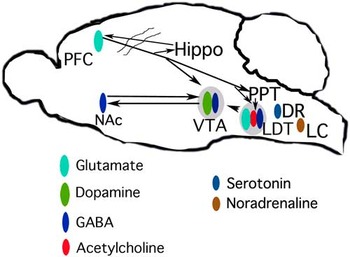
Morphological changes are only suggestive that synaptic function and neural transmission have been compromised; however, studies revealed that gestational exposure to nicotine does affect the developing brain’s neurochemistry, and synapse functioning, which is likely to participate in prenatal nicotine exposure-associated alterations in transmission. Dys-coordination in functioning of the cholinergic system and cholinergic transmission are readily apparent following prenatal exposures to this drug, and changes in the cholinergic system can be induced in rats even when prenatal exposure is limited to the human third trimester equivalent.Reference Nunes-Freitas, Ribeiro-Carvalho and Lima 41 Indicating that cholinergic synaptic transmission has been compromised by PNE were findings that early life exposure to nicotine resulted in an age-associated reduction in binding of hemicholinium-3 to the presynaptic choline transporter within the striatum and hippocampus.Reference Zahalka, Seidler and Lappi 42 Interestingly, these effects shown in rodents were stronger in males than females. In addition, following a prenatal surge in cholinergic transmission induced by nicotine exposure in the prenatal period, which likely served as an inappropriate maturational signal, early postnatal life was characterized by a surge in cholinergic activity within the cerebral cortex. This surge was followed by cholinergic hypoactivity as indicated by an increase and subsequently, a reduction, in choline acetyltransferase activity.Reference Navarro, Seidler and Eylers 37 , Reference Navarro, Seidler and Schwartz 43 These gestational changes temper developmental changes in the cholinergic system later in life, indicating that prenatal exposures alter trajectories programmed to occur across ontogeny.Reference Abreu-Villaca, Seidler, Tate, Cousins and Slotkin 44 As reported within this issue,Reference Christensen, Nielsen and Kohlmeier 53 exposure of the fetus to nicotine via the drinking water of the mouse dam was also found to alter several membrane parameters during the postnatal period within cholinergic neurons of the laterodorsal tegmentum (LDT), a heterogenous nucleus, comprised also of glutamatergic and GABAergic cells.Reference Wang and Morales 45 Changes in these membrane properties suggested alterations in cellular excitability with a likely impact on output to target structures. Examination of the outcome of early exposure to nicotine on these cholinergic brainstem neurons was of interest as they provide the major cholinergic input to dopamine-containing ventral tegmental area (DA-VTA) neurons and neurons of the nucleus accumbuns (NAc), which together are critical in processing the incentive value of stimuli and prediction of reward. These cholinergic neurons also send projections to thalamic targets where they play a role in cognitive attentional processes associated with an activated EEG pattern characterized by gamma activity.Reference Lodge and Grace 46 – Reference Dautan, Huerta-Ocampo and Witten 50 Effects associated with early life exposure to nicotine on LDT cholinergic cellular functioning are suggestive that output from the acetylcholine-containing LDT cells to target regions, including the DA neurons of the VTA, NAc neurons and cortico-relay neurons of the thalamus, would be altered. As acetylcholine is excitatory to DA-VTA cellsReference Mameli-Engvall, Evrard and Pons 51 and thalamic neurons,Reference Kayama, Sumitomo and Ogawa 52 presumably in a PNE individual, excitation of the cholinergic LDT neurons would lead to an altered action on excitation of the DA-VTA cells and thalamic relay neurons than that generated in individuals not similarly prenatally exposed, which would be expected to impact on processes governed by these cells, such as addiction and cognitive arousal (Fig.1).
Simplified scheme of brain regions and neurotransmitter systems impacted by prenatal nicotine exposure. Changes induced by gestational exposure to nicotine are likely to contribute to a higher risk of development of addiction and attentional abnormalities later in life. This scheme is not meant to be exhaustive, and some indicated pathways are indirect, as well as direct. The laterodorsal tegmentum (LDT) and pedunculopontine tegmetum (PPT) are part of the reticular activating system and participate in attentional processes. A role for the PPT and the LDT in drug addiction behaviors has been shown by behavioral and physiological studies. While the PPT projects sparsely to the ventral tegmental area (VTA), a nucleus implicated in motivational processes, the LDT sends a heavy excitatory pathway to this nucleus. The LDT is heterogeneous and contains separate populations of cholinergic, GABAergic and glutamatergic neurons, and a subset of the cholinergic, and likely glutamatergic cells of this nucleus, send projections to the dopamine-containing VTA cells, with a minority of synapses terminating on GABAergic VTA neurons. The VTA innervates GABAergic neurons of the nucleus accumbens (NAc), which signal forward to the prefrontal cortex (PFC), and other forebrain targets not shown in the diagram, as well as back to the VTA. The PFC exerts control over the VTA via direct projections to primarily GABAergic cells within this nucleus but it also influences dopamine-containing VTA neurons via an indirect pathway synapsing within the PPT and LDT. Effects of prenatal nicotine exposure on alterations in serotonergic, noradrenergic and cholinergic systems within the dorsal raphe (DR), locus coeruleus (LC) and hippocampus (Hippo), which are also likely to participate in behavioral changes associated with in utero exposure to this drug, are also briefly considered, however, their connectivity is not depicted. Scheme modified from.Reference Kohlmeier 121

The recently reported examination of PNE actions on LDT neuronsReference Christensen, Nielsen and Kohlmeier 53 was not the first to look at the actions of prenatal nicotine on the excitability of brainstem cholinergic neurons. Prenatal exposure to smoke was found to enhance one parameter underlying cellular excitability in rat putative cholinergic neurons of the pedunculopontine nucleus (PPT), a cholinergic neurons adjacent to the LDTReference Good, Bay and Buchanan 54 (see later in this review for details). Although historically the LDT and PPT were considered to be contiguous nuclei and thought to execute similar functions, this view has been revised in light of anatomical findings indicating that cholinergic neurons of the PPT exhibit a projection pattern different from those of the LDT, including a dense projection to the substantia nigra with sparse innvervation of the VTA. Consistent with this projection pattern, physiological and behavioral findings demonstrate a strong role of activity of PPT cholinergic cells in motor control and attentional processes, with a reduced role likely to be played in addiction when compared with that of the LDT.Reference Gut and Winn 55 Effects noted of prenatal nicotine exposure on putative cholinergic PPT cells were promotive of a greater degree of cellular excitability upon activation of these cells postnatally. However, interestingly, as reported within this issue, actions of prenatal exposure to nicotine on the same parameter of cellular excitability did not extend to cholinergic neurons of the nearby LDT nucleus,Reference Christensen, Nielsen and Kohlmeier 53 raising the possibility that species or nuclei-specific differences exist in actions of prenatal nicotine on excitability of cholinergic cells. Or, alternatively, actions resultant from early life drug exposure on parameters in PPT neurons, which contribute to cell excitability, may not have been mediated by prenatal nicotine, but may have been due to effects of some of the more than 4000 other constituents of smoke. Another explanation for the differences seen in the actions between the two nuclei is that the alterations in parameters controlling membrane excitability in PPT cells may not have been induced directly by chemicals, but rather, changes may have been elicited by the physiological stress associated with smoke exposure.Reference Suemaru, Oishi, Gomita, Saeki and Araki 56 Regardless, the possibility exists that differential changes are induced by nicotine between the cholinergic neurons of the PPT and LDT, which if this is the case, suggests that PNE could have divergent actions on release of acetylcholine from these cells subsequent to their postnatal activation.
Prenatal nicotine exposure is not only associated with alterations in cholinergic outflow, but also induces changes in the composition of cholinergic receptors, which would be expected to alter cell excitability and signaling induced by cholinergic synaptic release. Acetylcholine acts at two major classes of receptors, the ionotropic nicotinic receptor and the metabotrophic group of muscarinic receptors and development of both receptor types have been found to be altered by PNE. mRNA for the M1-type muscarinic receptor was upregulated following prenatal nicotine exposure in the basal forebrain and brainstem of rat, an effect suggested to underlie in part alterations in behavioral state control induced by early life exposure as these are regions of the brain at which actions of ACh at M1 receptors are important in maintenance of arousal.Reference Baghdoyan, Mallios, Duckrow and Mash 57 – Reference Roth, Fleegal, Lydic and Baghdoyan 60 Exposure to smoke failed to elicit an increase in the M2-type muscarinic receptor in monkeys, suggesting PNE actions do not extend to this subtype of muscarinic receptor or, alterations in muscarinic receptors are species dependent.Reference Slotkin, Pinkerton, Auman, Qiao and Seidler 61 Prenatal nicotine also has an influence on levels of message for, and expression of, functional, nAChRs. Transient increases in mRNA for α4-, β2- and α7-subunits of the nAChR were found in the prenatally exposed rat brain, an effect most prominent, but not limited to, P14.Reference Shacka and Robinson 62 However, effects on levels of mRNA for these nAChR receptor subtypes and expression of protein and functional membrane-inserted receptors, may not coincide. PNE was found to be associated with a transient upregulation of β2-containing nAChRs in the hippocampus at P1, an effect that disappeared by P14Reference Wang, Davila-Garcia, Yarl and Gondre-Lewis 63 and levels of this subtype were not found to be altered at P10 in another study.Reference Gold, Keller and Perry 64 Binding studies indicated that in PNE animals, during the initial week of postnatal life, α4β2 receptors comprise the major nicotinic receptor subtype in the hippocampus.Reference Wang, Davila-Garcia, Yarl and Gondre-Lewis 63 As desensitization of nAChRs is determined by subunit composition and β-containing nAChRs experience a longer period of desensitization than α6-containing receptors, the finding in PNE animals of a longer lived nicotinic receptor densensitizationReference Pilarski, Wakefield, Fuglevand, Levine and Fregosi 65 provides further support of the interpretation that early life exposure to nicotine promotes the subunit composition of nAChRs to favor a higher proportion of β-containing receptors.Reference Seidler, Levin, Lappi and Slotkin 66 , Reference Britton, Vann and Robinson 67 However, this alteration may be transient and exhibit ontogenetic dependency, as rats treated with prenatal nicotine were found to have a reversal occurring during adolescence of levels of high affinity nicotine binding with reductions in neural areas important in addiction.Reference Chen, Parker, Matta and Sharp 68 Although PNE might be inducing alterations in nAChR signaling via direct actions on subunit expression or receptor composition, early life exposure can also affect signaling via nicotine actions on accessory proteins that modify nAChR functioning. PNE is associated with an alteration in the expression of a protein within the Ly-6/neurotoxin superfamily (Lypd6; Morten Skøtt Thomsen, personal communication), which has been shown to modify the cellular functioning of nAChRs. Other proteins within this superfamily, such as Lynx 1 and Lynx 2, have been shown to modulate functioning of α- and β-containing nAChRs; however, region-specific changes induced in their expression by prenatal nicotine exposure remain to be determined. Changes in the function of α-containing nAChRs induced by prenatal nicotine within brainstem cholinergic neurons may partially underlie findings presented within this issue. Smaller calcium rises were induced by nicotine exposure in cholinergic LDT neurons in young prenatally exposed animals when compared with rises elicited in controls, however, other, albeit indirect, evidence presented argued against a change in nAChR numbers.Reference Christensen, Nielsen and Kohlmeier 53 Although alterations in function of young prenatally exposed animals of α-nAChRs has not been shown within the LDT, as α-containing nAChRs are the primary calcium permeable nAChR, it is tempting to speculate that PNE-associated molecular changes in proteins regulating nAChR function are occurring and contribute to differences in nicotine-induced calcium associated with prenatal exposure. Further support that functional changes in nicotinic receptors are induced by gestational exposure are findings that the adolescent peak in nAChR, as measured by measurements of nicotine stimulated 86Rb+ efflux in synaptosomes, is lost in prenatally exposed rats.Reference Britton, Vann and Robinson 67 Prenatal exposure to nicotine induces subtype-specific upregulation of nAChRs, with concomitant decreases in other subtypes, a greater degree of nAChR desensitization, overall reduced nACh function and results in increases in a subtype-specific fashion to alterations in levels of message for muscarinic receptors, which may translate to reductions in levels of receptor protein. All of these actions would be expected to confer aberrant signaling following cholinergic transmission.
Prenatal nicotine and the noradrenergic system
Prenatal nicotine exposure does not just affect the development of the brain’s cholinergic systems. Cholinergic signaling is involved in a host of trophic processes during development including neurogenesis, neural differentiation, migration and synaptogenesis (for review,Reference Lauder and Schambra 69 ). Accordingly, alterations in cholinergic signaling could be expected to result in dysfunctions in development of, and functioning within, other neurotransmitter systems.Reference Weiss, Maness and Lauder 70 PNE has been shown to have profound actions on development of the monoaminergic systems, which express nAChRs by the 2nd week of gestation.Reference Azam, Chen and Leslie 71 , Reference O'Leary, Loughlin, Chen and Leslie 72 The majority of studies indicate that the strength of noradrenergic transmission is reduced by exposure to nicotine during the prenatal developmental period.Reference Navarro, Seidler, Whitmore and Slotkin 73 , Reference Lichtensteiger, Ribary, Schlumpf, Odermatt and Widmer 74 This change can be time-determined as increases in noradrenalin levels, which have been detected in some brain regions early in life, were found to normalize by adulthood.Reference Ribary and Lichtensteiger 75 Prenatal nicotine exposure results in a transient, but re-appearing, hypoactivity of stimulation-induced norepinephrine in rodents.Reference Seidler, Levin, Lappi and Slotkin 66 Suggesting that prenatal exposure to nicotine induces hypoactivity of noradrenergic transmission early in life in humans as well are findings that cord blood from human infants born to smoking mothers contained significantly lower levels of norepinephrine than that in non-exposed infants.Reference Oncken, Henry and Campbell 76 Although not examined in the brain, prenatal nicotine exposure was associated with a reduction in the β-adrenergic receptor within the heart of the rodent, resulting in a downregulation of stimulatory input.Reference Slotkin, Saleh, McCook and Seidler 77 Although perinatal exposure to tobacco smoke did result in rises in nAChRs in the brainstem and caudal portion of the cerebral cortex in monkeys suggestive of exposure to nicotine, levels of β-noradrenergic receptors in the brain regions studied were not altered, raising the possibility of differences in this action in brain and peripheral organs.Reference Slotkin, Pinkerton, Auman, Qiao and Seidler 61 However, coupling of the β-adrenergic receptor to its effector, adenylyl cyclase, was compromised in neonatal primates that had been prenatally exposed, suggesting that cell signaling involving the β receptor would be affected by early exposure to nicotine.Reference Slotkin, Pinkerton and Garofolo 78
Prenatal nicotine and the serotonergic and dopaminergic systems
Indicating that prenatal nicotine exposure results in reductions in activity in other monoaminergic systems are findings that hypoactivity within serotonergic pathways is associated with early life exposure.Reference Xu, Seidler, Cousins, Slikker and Slotkin 79 PNE inhibits the activity of the serotonin transporter, suggestive of a reduction in turnover of serotonin resulting in the long term with a reduction in availability within the synapse of this transmitter.Reference Xu, Seidler, Cousins, Slikker and Slotkin 79 , Reference Thomas, Garrison, Slawecki, Ehlers and Riley 80 This action was permanent and showed gender and region specificity. Receptors for serotonin are also affected by PNE. Binding for the 5HT1A receptor mRNA was reduced in prenatally exposed rodents; whereas, binding for 5HT2 was increased, an effect noted in males but absent in females.Reference Xu, Seidler, Cousins, Slikker and Slotkin 79 Indicating further effects on serotonergic transmission are findings of a reduction in serotonin levels in the striatum of the male offspring of pregnant rats exposed to smoke.Reference Yochum, Doherty-Lyon and Hoffman 81
Drug-induced modifications of dopamine (DA) neurotransmission have also been detected following prenatal nicotine exposures. Exposure to nicotine during the gestational period leads to reductions in turnover of DA in the frontal cortex of male rats, an effect that appears to be region specific, as it was not noted in the brainstem.Reference Muneoka, Ogawa and Kamei 82 , Reference Zhu, Zhang and Xu 83 Of note, this effect is preceded by an increase in DA turnover, which is reversed at a younger postnatal age in males.Reference Ribary and Lichtensteiger 75 Interestingly, levels of DA within the striatum were also found to be reduced in weanling prenatally exposed male rats in that study, an effect that also extended to older male animals exposed prenatally to smoke.Reference Yochum, Doherty-Lyon and Hoffman 81 Levels of the D2 DA receptor, were also found to be reduced in young male prenatally exposed animals,Reference Richardson and Tizabi 84 which is interesting as reductions in numbers or functioning of the D2 receptor within the striatum have been detected in drug-dependent individuals and alterations in activity of this receptor have been suggested to contribute to a ‘hypodopaminergic’ brain, which may underlie a predisposition to addict (reviewed inReference Volkow, Fowler, Wang and Swanson 85 , Reference Volkow and Li 86 ). While nicotine induces rises in DA within the striatum, an effect associated with the potential to addict, reductions in this efflux induced by nicotine was noted in adolescent PNE rats.Reference Gold, Keller and Perry 64 Taken together, studies suggest that dopaminergic transmission within the VTA and the NAc, which are regions of the brain importantly involved in addiction and reward, are reduced by developmental exposure to nicotine.Reference Kane, Fu, Matta and Sharp 87 Prenatal nicotine exposure-induced alterations in DA transmission within the striatal complex would be expected to have a significant functional impact on processing of salient stimuli leading to development of goal-directed behaviors, which is interesting in light of current models of drug addiction, which propose that hypoactivity within this circuit is associated with a particular vulnerability to become drug dependent.Reference Volkow and Li 86 , Reference Melis, Spiga and Diana 88
Prenatal ncotine and the glutamatergic system
Glutamate signaling is also affected by prenatal exposures to nicotine, and effects appear dynamic, as the changes in the glutamate system alter across ontogeny. Early in life, prenatally exposed rats exhibited increases in Glu1R, one of the subunits comprising the ionotropic AMPA receptor, within the hippocampus, which was an effect that disappeared by P63.Reference Wang, Davila-Garcia, Yarl and Gondre-Lewis 63 However, in another study, reductions in Glu1R were detected within the hippocampus in 3-week-old prenatally exposed rats.Reference Parameshwaran, Buabeid and Karuppagounder 89 Although not significantly elevated or decreased during early life, expression of Glu2, another subunit of the AMPA receptor, was found to be significantly reduced in adult rat hippocampus, suggesting a possible increase in the relative proportion of AMPA receptors conducting calcium, as Glu2-containing AMPA receptors lack calcium permeability.Reference Wang, Davila-Garcia, Yarl and Gondre-Lewis 63 Although levels of AMPA binding were not reported in younger prenatally exposed animals, AMPA binding was significantly reduced in the hippocampus of adult animals who were exposed to nicotine during gestation,Reference Wang, Davila-Garcia, Yarl and Gondre-Lewis 63 suggesting a PNE-induced reduction in availability of AMPA receptors. Indicating a functional change within the glutamate system induced by prenatal nicotine exposure, were findings of reduced amplitudes of AMPA receptor-mediated post-synaptic currents in 21-day old CA1 hippocampal neurons in prenatally exposed animals.Reference Parameshwaran, Buabeid and Karuppagounder 89 Synaptosome recordings indicated that reductions in AMPA receptor-mediated currents resulted both from reductions in numbers of receptors and alterations in single channel kinetics.Reference Parameshwaran, Buabeid and Karuppagounder 89 The changes noted might have provided the synaptic basis for the reductions in LTP induction, believed to be an AMPA receptor-dependent, electrophysiological indicator of synaptic plasticity, noted in gestationally nicotine-treated animals.Reference Parameshwaran, Buabeid and Karuppagounder 89 , Reference Vaglenova, Parameshwaran and Suppiramaniam 90 Reductions in the Glu2/3 receptor were detected in PNE rat medullary nuclei involved in respiration.Reference Jaiswal, Pilarski, Harrison and Fregosi 91 Although this reduction would be expected to be reflected in alterations in currents mediated by glutamate receptors, it is interesting that within this study, AMPA-mediated inward currents were not altered in the respiratory-related nuclei by prenatal exposure.Reference Jaiswal, Pilarski, Harrison and Fregosi 91 However, the reduced Glu2/3 levels combined with evidence of a reduced functional excitation suggested that the properties of ionic conductance of AMPA receptors is altered by prenatal exposure to nicotine in these nuclei.Reference Jaiswal, Pilarski, Harrison and Fregosi 91 These data indicate that early life exposure to nicotine influences the stoichiometric composition of glutamate receptors, which would be expected to alter channel conductance and kinetics of the receptor that may not be detectable by examination of whole cell currents. In this issue, we provide functional evidence that alterations have occurred in glutamate signaling within the LDT, and these alterations may reflect changes in subunit compositions of the AMPA receptor.Reference McNair and Kohlmier 92 Using the AM-loading technique of calcium imaging in which the calcium indicator dye diffuses across cell membranes thereby leaving intact the intracellular milieu, the application of AMPA agonists was found to induce smaller calcium responses in LDT neurons from young PNE animals (P9–P21) when compared with calcium transients elicited in control animals. In addition, potentiation of AMPA-stimulated calcium responses by the ampakine, cyclothiazide was reduced in PNE animals. When taken together, the studies examining glutamate transmission following nicotine exposure during gestation indicate that this early life experience results in reductions in transmission via the AMPA receptor, however, changes may be not be detected by examination of ionic currents alone.
In addition to inducing alterations in AMPA receptor morphology and function, prenatal nicotine exposure has also been shown to be associated with changes in the subunit composition of N-methyl-d-aspartate (NMDA) receptors. NR1, NR2A and NR2d were increased at P1 in the hippocampus of PNE animals.Reference Wang, Davila-Garcia, Yarl and Gondre-Lewis 63 However, following a period of normalization, both NR1 and NR2c were lower in adults in this region. These expression studies suggest that transmission mediated by NMDA receptors would change across ontogeny in those prenatally exposed to nicotine. Studies conducted within our laboratory indicate that prenatal nicotine has induced changes, which alter NMDA receptor functioning. Using calcium imaging to monitor cell responses, the amplitude and kinetics of responses elicited by an initial application of an NMDA receptor-specific agonist did not significantly differ between LDT neurons in PNE and control mouse brain slices.Reference McNair and Kohlmier 92 However, while responses to the second application of the agonist were potentiated in LDT neurons from control animals, interestingly, this activity-dependent increase in response was not noted in LDT neurons from mice exposed prenatally to nicotine. Absence of this phenomenon may reflect alterations in glutamate-stimulated synaptic plasticity involving NMDA receptor-mediated conductances. While the precise mechanisms remain to be elucidated, taken together, our data suggest that prenatal nicotine exposure results in hypoglutamatergic tone within the LDT in young animals reflected by smaller cellular responses in calcium elicited following activation of AMPA and NMDA receptors. As glutamate is the primary excitatory transmitter within the LDT and responsible for a large degree of activation of cells within this nucleus, the suggested reduction in glutamatergic excitation would be expected to have a large impact toward reducing cholinergic and glutamatergic transmission from the LDT to target regions, impacting the role this pontine nucleus plays in behaviors such as drug dependence and arousal and attention.
Behavioral studies of the actions of PNE on addiction
Why can some people use drugs like nicotine or alcohol or marijuana casually over a lifetime, whereas, others develop life-altering dependency to these substances sometimes after only a few exposures? Elucidation of individual vulnerability to drug addiction remains a challenge within the field of neurobiology. Although genetic factors almost certainly play a role, and pressures imposed by one’s peers, or culture also significantly impact continued use of drugs of abuse, it is likely that environmental influences beyond the control of the individual also significantly shape the liability an individual may have to addict. One well-recognized environmental factor is almost certainly early life exposure to nicotine. Epidemiological studies show that children of mothers who smoked during pregnancy are at a greater risk of smoking than those who were born to non-smokers, even if the mother discontinues smoking while rearing the child, indicating that smoking in these individuals is not simply a behavior initiated in an environment of pro-smoking norms.Reference Hellstrom-Lindahl and Nordberg 93 , Reference Kandel, Wu and Davies 94 Providing further evidence that prenatal nicotine exposure confers a special vulnerability to addict in offspring are findings that higher rates of smoking are found in this population when compared with that in offspring of moms who smoked before and/or after pregnancy.Reference Al Mamun, O'Callaghan and Alati 95 Suggesting that perhaps prenatal nicotine is not inducing an increased drive for all motivated behaviors and may display some selectivity for heightening saliency of drugs of dependency, are findings that while adolescent rats prenatally exposed to nicotine showed an enhanced motivation for cocaine and ingested larger quantities of this addictive drug than control animals, the responding of these animals for food reward was actually reduced.Reference Franke, Park, Belluzzi and Leslie 96 Although activation of some neural regions is common to all motivated behavior, involvement of other pathways are likely unique to the specific modality of the stimulus. Hence, while some of the pathways involved in food-seeking behaviors and those activated by drugs are common, there is likely to be some divergence. Pathways activated by natural rewards such as food, which likely involve the engagement of multiple brain regions including hypothalamic regions involved in metabolism, may therefore be differentially affected by prenatal nicotine when compared with alterations induced in pathways stimulated by drug rewards and this change may be involved in reductions in drive for natural reward while enhancing the saliency of addictive drugs, thereby heightening the likelihood of later life addiction to drugs of abuse.
One hypothesized mechanism underlying the transgenerational burden of addiction passed from mother to offspring is a direct physiological action of nicotine. Nicotine crosses the placenta and may therefore have altered the development of the fetal brain in such a way that primes it for addiction. Evidence supporting this hypothesis is provided by demonstrated changes in neuronal development and neurotransmitter systems induced by prenatal nicotine exposure. Physiological and behavioral studies suggest that these changes are likely to play a role in the particular susceptibility of these early life-exposed individuals to addict if drug taking is initiated. Alterations induced by the early life exposure may be involved even if these nicotine-induced changes are not directly within addiction-related neural circuitry, as addiction involves a plethora of brain systems; therefore, changes induced almost certainly impact either directly or indirectly on the development of neural systems integral in brain reward and reinforcement circuits. A host of data suggests that prenatal nicotine exposure alters the reinforcing properties of drugs of abuse and human and animal studies indicate a direct physiological effect of prenatal nicotine exposure on the brain’s motivational systems. A recent fMRI study conducted with adolescent humans revealed that offspring of mothers who smoked during pregnancy exhibited blunted response to anticipation of reward, suggesting alterations in processing of stimulus incentive.Reference Muller, Mennigen and Ripke 97 Alterations can be detected in animal models, in which prenatal nicotine exposure was found to result in an increase in the dose required to elicit cocaine self-administration,Reference Franke, Park, Belluzzi and Leslie 96 and following a period of enforced abstinence, PNE animals self-administered more nicotine than control animals,Reference Levin, Lawrence and Petro 98 indicating that the rewarding properties of drugs of abuse were altered by early life exposure to this drug. In another study, prenatal nicotine exposure of rats lead to increased consumption of nicotine in adolescence, which was associated with increases in the number of neurons expressing the arousal-inducing peptide, orexin, which was believed to participate in the heightened goal-seeking behavior of these animals.Reference Chang, Karatayev and Leibowitz 99 Alterations in the reinforcing properties of drugs of abuse were also suggested by the finding that PNE animals self-administered methamphetamine more frequently than controls in drug acquisition trials,Reference Harrod, Lacy and Morgan 100 and the effect on enhancing reinforcement extended to other, non-drug, stimuli, which can cause dependency in adult offspring,Reference Lacy, Hord, Morgan and Harrod 101 suggesting effects of prenatal nicotine on reward assigned to natural stimuli could be age dependent.
Is there a role of altered LDT functioning in the enhanced addiction liability of PNE individuals?
When taken together, data from studies utilizing animal models of prenatal nicotine exposure to examine early life exposure-induced deviations in development of synaptic functioning and neurotransmission point to a direct, biological basis, rather than an indirect effect on other behaviorsReference Miles and Weden 102 or a socially mediated driveReference Al Mamun, O'Callaghan and Alati 95 for the enhanced proclivity to addict evidenced by those individuals exposed to this drug during gestation. The biological basis likely involves the myriad of demonstrated, and those not yet appreciated, neuroadaptations in regions of the brain importantly involved in the development and maintenance of addiction to drugs. The definitive pharmacological action of all drugs, which show abuse potential is their ability to increase DA within the mesolimbic ‘reward’ pathway. Direct or indirect stimulation of DA neurons by drugs of abuse leads to release of DA to target regions in the NAc. Although behavioral actions of prenatal exposure to nicotine likely involve direct changes within the striatal complex, other regions of the brain that influence cellular activity in the striatum are also exposed during gestation and changes induced in those regions are also likely to play a role in later life processing of behaviorally relevant stimuli such as drugs of abuse. The LDT plays an important role in cellular functioning of the striatum. The ability of the DA-VTA cells to fire in a pattern resulting in the necessary high level of DA release within the NAc associated with stimulus saliency was found to be gated by input from the LDT, and in absence of a functioning LDT, VTA cells were not able to switch to the phasic behaviorally relevant firing pattern.Reference Lodge and Grace 46 Although not identified in that study, based on findings from other work, this LDT-sourced input is likely to be cholinergic and/or glutamatergic.Reference Forster and Blaha 103 – Reference Lammel, Lim and Ran 106 Not only is the LDT output important in controlling cellular activity with the VTA, but the LDT-VTA pathway has been shown by optogenetic techniques to be functionally involved in development of drug addiction-associated behaviors, as its stimulation can evoke behavior indicative of drug seeking, even in absence of a drug cue.Reference Lammel, Lim and Ran 106 Current models of addiction include the posit that activity of the LDT participates in control of whether firing of the DA neurons in response to a stimulus results in sufficient release of DA levels to signal reward.Reference Grace, Floresco, Goto and Lodge 47 , Reference Dautan, Huerta-Ocampo and Witten 50 , Reference Lammel, Lim and Ran 106 , Reference Maskos 107
Prenatal exposure to nicotine is associated with reductions in DA in the NAc in response to nicotine.Reference Kane, Fu, Matta and Sharp 87 Although it may be simplistic, results from several studies when taken together with those from our laboratory (although, seeReference Chang, Karatayev and Leibowitz 99 , Reference Paslakis, Buchmann and Westphal 108 ), lead us to the working hypothesis that early life exposure to nicotine induces alterations resulting in hypoactivity within the LDT-VTA pathway, which could contribute to lower DA release to NAc targets. In other regions of the brain, prenatal nicotine exposure is associated with a neurochemically hypofunctioning cholinergic system and while not examined within the LDT, reductions seen in cholinergic-synthesizing enzymes within the hippocampusReference Navarro, Seidler and Eylers 37 could extend to the LDT. Although our electrophysiological data do not support the interpretation that receptor desensitization of nAChRs in the LDT has been altered, as has been seen in other areas, we saw equivalent amplitudes of whole-cell current responses to first and second applications to nicotine between prenatally exposed and control animals, cellular excitability of cholinergic cells was found to be influenced by prenatal nicotine exposure. Accordingly, putative prenatal nicotine exposure-induced changes in acetylcholine synthesis and demonstrated alterations in cholinergic cell excitability within the LDT suggest that postnatal activation of cholinergic neurotransmission upon stimulation, known to occur in the LDT following nicotine exposure, would lead to a reduced cholinergic output in target regions in the VTA, which could occur even if excitatory input such as orexin or ghrelinergic transmission, was enhanced in the LDT by prenatal nicotine exposure.Reference Chang, Karatayev and Leibowitz 99 , Reference Paslakis, Buchmann and Westphal 108 This action could act in combination with possible reductions in activation of nAChRs within the VTA. In addition, reduced glutamatergic responses within the LDT would lead to further reductions in excitability of cholinergic output neurons participating in the LDT-VTA pathway. As the LDT likely participates in responses to natural rewards, prenatal exposure to nicotine could program a decreased responsitivity of this nucleus to natural rewards, an effect noted in some studies,Reference Franke, Park, Belluzzi and Leslie 96 which could serve to highlight the significance of the experience induced by drugs of abuse.Reference Volkow and Li 86 In addition, as prenatal exposure leads to reduced cholinergically stimulated activation of the LDT and other reward-related nuclei, it could be hypothesized that a much higher consumption of nicotine would have to be experienced before sufficient DA was released in the NAc and reward was experienced. Enhanced consumption of nicotine would be expected to stimulate a greater degree of drug-evoked synaptic plasticity believed to underlie the maladaptive learning process leading to persistent drug dependency thereby heightening the risk of addiction in the PNE individual.
Interestingly, the majority of actions in altering neurotransmission induced by PNE have been shown to induce a reduction in functioning early in life, with a normalization, followed by a recurrence during adolescence. Adolescence is a period in which experimenting with drugs may fulfill a developmentally appropriate seeking process necessary for full maturation to emerge as a well-functioning adult.Reference Spear 22 Unfortunately, the higher risk associated with use of drugs like nicotine may coincide when early life exposures re-manifest themselves via alterations in neurotransmission, resulting in a greater likelihood that the drug will be perceived as rewarding, consequently increasing its addiction potential, which may underlie higher addiction rates in adolescent prenatally exposed individuals. These ontogenetically determined alterations present additional challenges that must be considered and overcome when abstinence is attempted in this population.Reference Jacobsen, Slotkin, Westerveld, Mencl and Pugh 109
Behavioral studies of the effects of PNE on attention and could the LDT play a role?
Children born to women who smoked while pregnant experience cognitive difficulties and behavioral aberrations manifested by symptoms of failure to sustain high levels of attention, hyperactivity and inappropriate arousal (for review, seeReference Pauly and Slotkin 110 , Reference Cornelius and Day 111 ). Although genetic factors are likely also involved, and epigenetic changes induced by parental smoking in the pre-conception period may also play a role,Reference Rice, Harold and Boivin 112 – Reference Vassoler, Byrnes and Pierce 115 what is apparent from these behavioral abnormalities is that prenatal exposure to nicotine is associated with alteration of the ability of the brain to accept or repress the bombardment of stimuli presented in an environment, leading to maladaptive control of attention. Experimental evidence has been provided in animal models that alterations in attention can be induced by prenatal nicotine. In a rat model of smoking while pregnant, offspring exposed prenatally to nicotine were found to present with heightened anticipatory behaviors in absence of any correlated change in exploratory locomotion and a greater number of omission errors in a five-choice serial task,Reference Schneider, Ilott and Brolese 116 which is a task deemed appropriate for investigation of neural systems important in manifestations of attention.Reference Robbins 117 Further, findings indicated that prenatal nicotine exposure was associated with dysfunctions in learning tasks requiring sustained attention, but that general learning abilities were not affected.Reference Schneider, Ilott and Brolese 116 In a mouse model of PNE, gestational exposure to nicotine resulted in hyperactivity behaviors, which closely recapitulated the failure to appropriately direct attention seen in humans exposed to nicotine during gestation.Reference Zhu, Zhang and Xu 83
Although the deficits in attention and arousal seen in those prenatally exposed are likely due to changes induced across multiple brain areas, given their importance in generation of cortical activation, alterations in cell functioning induced by exposure prenatally to nicotine within the PPT and LDT could play a role. In fact, changes induced by prenatal nicotine exposure in the PPT have been suggested to be an important factor in the arousal disorders associated with early life exposure to nicotine.Reference Good, Bay and Buchanan 54 As cholinergic neurons of the PPT are importantly involved in arousal via ascending cholinergic projections to thalamic targets, the finding that gestational smoke exposure in rats enhanced the amplitude of a hyperpolarization-activated cationic current (I H ) in these cells, which would facilitate cellular excitability lead to the hypothesis that arousal and attentional deficits, as well as impulse control problems seen in PNE individuals are due in part to this membrane change in PPT cells, which would lead to heightened excitability. In this issue, we report that the amplitude of current carried by this conductance was not altered by prenatal nicotine within cholinergic neurons of the adjacent LDT nucleus.Reference Christensen, Nielsen and Kohlmeier 53 This discrepancy, as discussed earlier, is interesting as the cholinergic neurons of the LDT are also part, along with the neurons of the PPT, of the classic reticular activating system and are also believed to play a paramount role in arousal and attention. In the same LDT study, prenatal nicotine exposure was found to be associated with alterations of these cells, which would be expected to also influence cell excitability. Some changes suggested reductions in excitability, and these changes were age associated,Reference Christensen, Nielsen and Kohlmeier 53 indicating that the role played by the LDT in attention processing in prenatally exposed individuals would exhibit a dynamism across ontogeny. When taken together, early life exposure to nicotine has been found to alter the development of brainstem neurons importantly involved in attention via their connectivity to thalamic cortico-relay neurons. These alterations showed some differences between two nuclei important in arousal and at this time the impact of these divergent changes on output to target structures needs to be elucidated. There, however, is no doubt that prenatal nicotine exposure leads to changes in pontine cholinergic neurons mediating directed attention, which likely contributes to the deficits in attention noted in individuals exposed to nicotine during gestation, and as attention is a vital component of learning, nicotine-induced alterations in cells in these structures which are so important for maintenance of appropriate attention may contribute to poor or maladaptive learning in individuals exposed prenatally to this drug.
Concluding remarks
When considered across the period of history following commercialization of tobacco-containing products, today’s rates of exposure of a fetus to nicotine are low. However, despite current public awareness of the harmful actions of smoking while pregnant, prenatal nicotine exposure does occur either through direct maternal use or via exposure to second-hand smoke, and disturbing rises in popularity of electronic cigarettes, especially in young people of both genders, signals a caution that exposures during pregnancy could actually increase.Reference Duke, Lee and Kim 118 The projected rise in use of a highly addictive substance in this population is especially worrisome as smoking cessation therapies are not highly effective in general, but, they appear particularly ineffective when the smoking mother is an adolescent. Adolescent mothers are less likely to be abstinent than mothers undergoing pregnancy at later chronological ages and the majority of adolescent pregnant women continue smoking during their pregnancies (60–80%). Alarmingly, studies indicate that smoking often can increase in the last trimester in this population.Reference Albrecht, Caruthers and Patrick 119
At this time, pharmacologic treatments utilized for assisting pregnant women with abstaining during pregnancy are similar to those utilized in dependent individuals who are not pregnant. These approaches rely on replacement therapies and in some cases, anti-depressants such as bupropion, which, in addiction to actions within monoaminergic systems, may also act as a partial antagonist at nAChRs. All of these treatments would be expected to interact with endogenous cholinergic transmission systems as nAChRs are expressed quite early in development.Reference Atluri, Fleck and Shen 33 , Reference Zoli, Le Novere, Hill and Changeux 120 Inappropriate stimulation, or blocking of endogenous stimulation of these receptors with nicotinic antagonists, likely interferes with the planned pattern of development causing further advancement along a different trajectory. Development of other neurotransmitter systems is likely modified as a direct consequence of this alteration, or as an indirect compensatory response. Given the importance of cholinergic transmission in all aspects of neuronal development and neural processing, nicotine-induced alterations from the normal pattern of development are not likely to create a scenario optimal for healthy physiological or psychological performance, and may in fact create a situation where drug use compensates for an altered ability to process environmental stimuli or is perceived as overwhelmingly rewarding, which are not mutually exclusive processes. Therefore, women of childbearing age should be especially targeted with assistance in eliminating exposure of their fetuses to nicotine in an attempt to break the legacy of nicotine addiction. And in those cases where pregnancy is accompanied by nicotine exposure, further research will hopefully point to meaningful targets to assist this special population in management of their environmentally-induced enhanced addiction liability.
Acknowledgments
The author thanks Dr. Janna L. Morrison for her suggestion to organize a seminar on the topic of prenatal exposures, and wishes to acknowledge the Drug Research Academy at the University of Copenhagen for providing support for the symposium “Postnatal effects of prenatal exposure to stress or prescription/recreational drugs” held in Copenhagen in March 2014, which inspired this review.
Financial Support
This work was funded partly by a research grant from the Philip Morris External Research Program (K.A.K), and funds from the University of Copenhagen.
Conflicts of Interest
None.