





Introduction
Asians are the fastest-growing racial/ethnic group in the US, with Chinese Americans (CAs) forming the largest subgroup (Pew Research Center Reference Pew Research Center2012). Many are foreign-born (76%) and have limited English proficiency (LEP) (48%) (Pew Research Center Reference Pew Research Center2012). Cancer is the leading cause of death among both CAs and Asian Americans overall (Thompson et al. Reference Thompson, Gomez and Hastings2016), and CAs with cancer have a 22% higher mortality rate than non-Hispanic Whites (Singh and Jemal Reference Singh and Jemal2017) after adjusting for clinical and socioeconomic factors. These disparities reflect differences in cancer screening, healthcare access, and health literacy (Hou et al. Reference Hou, Sealy and Kabiru2011; Sentell et al. Reference Sentell, Tsoh and Davis2015). Foreign-born Chinese women, for example, are more likely to present with advanced disease at diagnosis and have worse survival than their US-born counterparts (Gomez et al. Reference Gomez, Quach and Horn-Ross2010). Despite this burden, CAs remain understudied in cancer research, with only 5 of 10,000 National Cancer Institute-supported clinical trials focused on Asian American populations (Chen et al. Reference Chen, Lee and Madan2022).
Psychological distress is common among Chinese cancer patients, particularly in advanced disease. Chinese patients with advanced cancer have 1.85× the odds of clinically significant distress than those with earlier-stage disease (Thapa et al. Reference Thapa, Sun and Pokhrel2020), and those with LEP report lower quality of life (QOL) (Yi et al. Reference Yi, Swartz and Reyes-Gibby2011) and more untreated distress (Thomas et al. Reference Thomas, Carlson and Bultz2009) than their English-proficient counterparts. Sociocultural factors may worsen outcomes: cancer fatalism – the belief that cancer inevitably leads to death (Cheng et al. Reference Cheng, Sit and Twinn2013) – and cancer stigma (i.e., feeling rejected or socially devalued because of cancer) (Tang et al. Reference Tang, Mayer and Chou2016; Warmoth et al. Reference Warmoth, Wong and Chen2020) are linked to greater distress (Lam and Fielding Reference Lam and Fielding2003; Holland et al. Reference Holland, Kelly and Weinberger2010).
However, empirically supported mental health interventions tailored for CA immigrants with advanced cancer remain scarce. Our team’s systematic review identified only 3 interventions tested in CA cancer patients – none psychotherapy-based and mostly limited to early-stage disease (Lui et al. Reference Lui, Lewicka and Bao2023). Similarly, reviews of Asian American survivorship interventions show a preponderance of early-stage breast cancer samples and reduced effectiveness when cultural factors are not addressed (Cao and Cho Reference Cao and Cho2021).
Existing studies underscore the importance of cultural fit (Cao and Cho Reference Cao and Cho2021). For example, expressive writing, effective in predominantly White samples, has not shown comparable effectiveness in Asian Americans (Lu et al. Reference Lu, Wong and Gallagher2017). In a randomized controlled trial (RCT), CA breast cancer survivors assigned to a cancer-fact writing control condition reported greater QOL improvements than those in expressive writing or self-regulation conditions (Lu et al. Reference Lu, Wong and Gallagher2017). Linguistic analyses suggested that structured, meaning-oriented processing – rather than emotional disclosure – was associated with benefit (Lu et al. Reference Lu, Wong and Gallagher2017). This aligns with Chinese cultural norms emphasizing emotional restraint, highlighting the need for interventions that prioritize sense-making rather than emotional disclosure alone (Tsai and Lu Reference Tsai and Lu2018). Dominant psycho-oncology interventions such as cognitive behavioral therapy (Faller et al. Reference Faller, Schuler and Richard2013; Blumenstein et al. Reference Blumenstein, Brose and Kemp2022) conceptualize distress as pathological and arising from cognitive distortions (Hofmann et al. Reference Hofmann, Asnaani and Vonk2012), which may not align with Chinese cultural perspectives that view suffering as a normative part of life, often captured by the concept of “eating bitterness” (chi ku) (Chen et al. Reference Chen, Miaskowski and Dodd2008; Mak and Chen Reference Mak, Chen and Bond2010; Ma et al. Reference Ma, Li and Zhao2025).
Meaning-centered approaches may therefore be better suited for this population. Rather than seeking to eliminate suffering, they aim to help patients make sense of illness-related distress and integrate it into a coherent sense of meaning and purpose after cancer (Breitbart Reference Breitbart2016). Meaning-centered psychotherapy (MCP) has demonstrated success in enhancing advanced cancer patients’ sense of meaning to improve QOL (Breitbart et al. Reference Breitbart, Rosenfeld and Gibson2010, Reference Breitbart, Poppito and Rosenfeld2012, Reference Breitbart, Pessin and Rosenfeld2018). Accumulating evidence suggests that spiritual well-being and meaning-in-life – core mediators of MCP outcomes – are associated with higher QOL among Chinese cancer patients, suggesting the potential efficacy of meaning-centered interventions in this population (Chao Reference Chao1997; Yang and Yin Reference Yang and Yin1999; Yeung et al. Reference Yeung, French and Leung1999; Zhong et al. Reference Zhong, Zhang and Bao2019). However, MCP has been tested primarily in non-Hispanic White samples and has not examined treatment effects among Asian populations (Dietrich et al. Reference Dietrich, Estradé and Cruzado2021). Given that culturally adapted interventions are up to 4 times more effective than non-adapted treatments (Griner and Smith Reference Griner and Smith2006), we conducted formative work to adapt MCP for Chinese immigrants with advanced cancer (MCP-Ch), focusing on linguistic accessibility and cultural relevance (Leng et al. Reference Leng, Lui, Chen and Breitbart2017, Reference Leng, Lui and Chen2018, Reference Leng, Lui and Huang2019; Lui et al. Reference Lui, Zhang and Bao2025).
The present study evaluated the preliminary feasibility, acceptability, and effects of MCP-Ch in 2 open trials delivered via videoconferencing or telephone. We hypothesized that MCP-Ch would be feasible and acceptable, as indicated by high attendance, low attrition, and favorable participant feedback, and would improve spiritual well-being and QOL (primary outcomes). Secondary outcomes included depression, anxiety, hopelessness, and meaning-in-life.
Methods
Intervention description
Overview of MCP-Ch
MCP is a brief, structured, manualized intervention grounded in the work of Viktor Frankl (Frankl Reference Frankl2014). MCP has demonstrated efficacy in enhancing patients’ sense of meaning-in-life and QOL while decreasing feelings of depression, anxiety, desire for hastened death, and distress in several RCTs (Breitbart et al. Reference Breitbart, Rosenfeld and Gibson2010, Reference Breitbart, Poppito and Rosenfeld2012, Reference Breitbart, Pessin and Rosenfeld2018). MCP guides patients on how to access “sources of meaning” during challenging times: (1) historical (significant memories, relationships, and traditions and their impact on one’s sense of meaning), (2) attitudinal (choosing one’s attitude to the limitations imposed by cancer); (3) creative (engaging in life through one’s pursuits, including work, hobbies, life roles); and (4) experiential (connecting with life through experiences of love, beauty, humor, etc.).
MCP-Ch is a culturally and linguistically adapted version of MCP for Mandarin-speaking Chinese immigrants with advanced cancer (Mandarin is the most common Chinese dialect). Like MCP, it is a manualized, one-on-one psychotherapeutic intervention completed over six 45–60-minute weekly or biweekly sessions. It uses culturally tailored psychoeducation, structured discussion, and experiential exercises designed to highlight themes related to meaning, identity, and purpose. Adaptations included changing the language, metaphors, and intervention strategies to reflect Chinese cultural context and values, based on findings from preliminary studies (Table 1).
MCP-Ch overview and adaptations from preliminary studies

Table 1 Long description
Rows list six numbered sessions and describe the specific adaptations made for each session. Session 1, Intro to MCP-Ch, adds orientation about psychotherapy or counseling, addresses confidentiality concerns for persons without authorized immigration status, and adds handouts on program structure, FAQs, cancer facts versus myths, cancer stigma, and low health literacy. Session 2, Cancer and identity, emphasizes filial roles in identity and revises an exercise with culturally matched examples such as cooking instead of playing football. Session 3, Historical sources of meaning, replaces legacy with how you wish to be remembered, revises an exercise with culturally appropriate questions, and adds an option to share immigration history. Session 4, Attitudinal sources of meaning, makes the question on what is a good death optional based on the patients prognostic awareness. Session 5, Creative and experiential sources of meaning, combines two sessions into one and revises an exercise with culturally matched examples of love, beauty, and humor. Session 6, Transitions, notes no major changes based on stakeholder feedback.
Study design and procedures
A single-arm trial of MCP-Ch was conducted from January 2022 to February 2024. The intervention was delivered via telehealth (videoconferencing or phone) by a bilingual (Mandarin- and English-speaking) interventionist to evaluate feasibility, acceptability, and preliminary effectiveness. A second study, a pilot RCT (INTERPET-PSY), was conducted from March 2024 to November 2025 and examined the feasibility of delivering MCP-Ch via an English-speaking interventionist with a medical interpreter vs. a bilingual provider, to address the shortage of Mandarin-speaking psycho-oncology providers (Lui et al. Reference Lui, Gany and Espinosa2026).
Eligible participants were Mandarin-speaking adults (age 18 or older) of Chinese descent with stage III/IV cancer, life expectancy >6 months, residing in New York or New Jersey, and able to provide informed consent. Exclusion criteria included primary brain tumors, hematopoietic stem cell transplantation, current psychotherapy, and significant cognitive or psychiatric impairment. INTERPRETing to increase access to PSYcho-oncology care (INTERPRET-PSY) added 1 exclusion criterion: unwillingness to use Zoom, required for remote interpreting. Eligibility was otherwise identical. Research staff provided technical support for videoconferencing, with additional training as needed.
Procedures were approved by the Institutional Review Board at Memorial Sloan Kettering Cancer Center (MSK). Participants were identified through medical record screening, clinician referral, and community outreach; non-MSK patients could self-refer. Physicians confirmed eligibility before contact. Study procedures were culturally tailored: informed consent was obtained verbally to reduce concerns related to documentation status in an immigrant population; and family members could be present during consent discussions, although patients were required to complete assessments and make the decision to participate themselves.
Therapy sessions were audio-recorded with permission and delivered by trained bilingual interventionists (advanced doctoral-level clinical psychology trainees) supervised by the first author. Assessments occurred at baseline (T1) and 1-month post-intervention (T2). Participants received $100 for completing study activities.
Measures
Sociodemographic, clinical, and baseline characteristics of participants were collected at T1 only. Primary and secondary outcomes were assessed at T1 and T2. Psychotherapy process outcomes (i.e., therapeutic alliance, telehealth evaluation) were collected after each of the 6 MCP-Ch sessions. Exit surveys assessing intervention satisfaction and soliciting participant feedback were administered at T2 only.
Baseline assessments
Cancer Health Literacy was measured using the 6-item Cancer Health Literacy (CHLT-6) (Dumenci et al. Reference Dumenci, Matsuyama and Riddle2014). The CHLT-6 has been translated and validated in Chinese (Chan et al. Reference Chan, Pun and Dong2022). Scores below 5 indicate limited health literacy; scores of 5 and above indicate adequate health literacy (Kanu et al. Reference Kanu, Brown and Rascati2021).
Cancer Self-Stigma was assessed using the 9-item Self-Stigma Scale–Short Form (Mak and Cheung Reference Mak and Cheung2010). The scale was developed and has been validated in Chinese (Mak and Cheung Reference Mak and Cheung2010; Yeung et al. Reference Yeung, Lu and Mak2019). We utilized “cancer patient” as the identity description for all items (e.g., “My identity as a ‘cancer patient’ is a burden to me”). A score of 2.5 or over indicates high (vs. low) self-stigma (Tsai and Lu Reference Tsai and Lu2019).
Cancer Fatalism was measured using the Fatalism subscale from the Chinese Cultural Views of Health and Cancer scale (Liang et al. Reference Liang, Wang and Chen2008). This subscale is designed to capture levels of perception that health and illness are predetermined and beyond one’s control. The scale was developed and validated in Chinese (Liang et al. Reference Liang, Wang and Chen2008). Higher scores indicate higher levels of fatalism. High vs. low fatalism was established using a sample median.
Demographics collected included age, sex, education level, marital status, household income, employment status, health insurance status, race, ethnicity, country and region of origin, years in the US if not born in the US, and religious information. Clinical information collected included: the site of cancer, date of diagnosis, stage at diagnosis, treatment history, counseling/psychotherapy preferences, prior experience with psychotherapy, prior experience with remote health services/telehealth access, and comorbidities.
Primary outcomes
Spiritual well-being was measured using the Functional Assessment of Chronic Illness Therapy–Spiritual Well-Being Scale (FACIT-Sp 12), a 12-item self-report instrument assessing the spiritual well-being of people with chronic and/or life-threatening illnesses (Peterman et al. Reference Peterman, Fitchett and Brady2002). Higher scores indicate greater spiritual well-being. It has been translated and validated in Chinese (Liu et al. Reference Liu, Wei and Chen2016).
QOL was assessed using the McGill Quality of Life Scale (MQOL), a 16-item self-report measure for people with life-threatening illness (Cohen et al. Reference Cohen, Mount and Strobel1995). Higher scores indicate greater QOL. It has been translated and validated in Chinese (HU et al. Reference Hu, Dai and Chiu2003).
Secondary outcomes
Sense of meaning was an intermediary outcome and was assessed in 2 ways: a single MQOL item (“Over the past two days, my life has been …,” rated from 0 = utterly meaningless to 10 = very purposeful), and the Meaning in Life Questionnaire (MLQ) (Steger et al. Reference Steger, Frazier and Oishi2006), a 10-item measure with Presence and Search subscales. Higher scores indicate greater meaning-in-life. The MLQ has been translated and validated in Chinese (Chan Reference Chan2014).
Anxiety and depression were measured using the 14-item Hospital Anxiety and Depression Scale (HADS) (Snaith Reference Snaith2003), which has been translated and validated in Chinese (Li et al. Reference Li, Lin and Hu2016). The HADS-A and HADS-D subscales assess anxiety and depression, respectively, with higher scores indicating greater symptom severity.
Hopelessness was measured using the 20-item Beck Hopelessness Scale (BHS), a true-false measure of pessimism, with higher scores indicating greater hopelessness (Beck et al. Reference Beck, Weissman and Lester1974). It has been translated and validated in Chinese (Shek Reference Shek1993).
Psychotherapy process measures
Therapeutic alliance was measured using the Working Alliance Inventory–Short Form (WAI-S) (Busseri and Tyler Reference Busseri and Tyler2003). The WAI-S is a 12-item self-report scale of therapeutic alliance. Each of the 12 items is rated on a 5-point Likert scale (1 = “Seldom” to 5 = “Always”), with higher scores reflecting a stronger therapeutic alliance. The WAI-S has been translated and validated in Chinese (Hsu et al. Reference Hsu, Zhou and Yu2016).
Telehealth delivery quality was assessed using 2 questions from an investigator-initiated post-session questionnaire assessing participant impressions of each intervention session after completing it, as well as any technical difficulties with telehealth delivery. Item 1 asked, “What technical difficulties did you encounter, if any, during the start-up of the videoconferencing/telephone session?” and provided a checklist of common difficulties: audio/sound, computer (not including internet/Zoom), internet connection, Zoom, webcam, microphone, blurry/unfocused screen, or echoing. Item 2 asked, “What technical difficulties, if any, did you encounter during the session?” and provided a checklist of common difficulties: background noise, personal disruption (e.g., cell phone ringing, doorbell ringing, family members entering the room), difficulty concentrating/focusing.
Intervention satisfaction was assessed via an investigator-initiated exit survey after completing the MCP-Ch intervention. The survey assessed participants’ satisfaction with the intervention via 15 statements (e.g., “Overall, I was satisfied with the program”) using a 3-point Likert scale (agree, neutral, or disagree) and additionally solicited suggestions for improvement.
Data analysis
To characterize preliminary feasibility and acceptability, descriptive statistics of rates of recruitment, reasons for refusal, attrition, number of sessions attended, and exit survey responses were calculated. Our predetermined feasibility criteria were: a recruitment rate of >25% (accrual), >70% adherence (i.e., >70% of participants attending at least 5 out of 6 sessions), >70% retention (i.e., >70% of participants completing the T2 assessment within 1 month post-intervention), and >80% acceptability (i.e., >80% of “agree” responses on the exit survey). To characterize preliminary treatment effects, Cohen’s d for change scores was calculated as a measure of effect size, relative to T1, for pairwise-complete data at T2. We analyzed data from participants from the single-arm trial and participants from the bilingual-arm of the INTERPRET-PSY trial only (i.e., data from participants assigned to receive MCP-Ch via interpreters were excluded), based on the rationale that intervention effects could differ by bilingual provider vs. interpreter-mediated delivery.
Results
Feasibility and acceptability
We examined the proportion of patients approached who consented, the proportion approached who declined participation, reasons for refusal, and proportion approached who were ineligible. In total, 345 potentially eligible patients were approached; 53 (15%) were unreachable, and 30 (9%) were ineligible (non-Mandarin-speaking); 190 (55%) declined, with reasons stated for refusal including no time (n = 11), no need (n = 64), not interested (n = 37), too weak/poor physical condition (n = 18), not comfortable with the study (n = 4), other (n = 32), and don’t know (n = 24).
In total, 72 of the 345 (21%) eligible patients reached enrolled in one of the 2 trials (27 in the single-arm trial and 45 in the INTERPRET-PSY trial). Of the 72 enrolled participants, 15 (21%) were non-MSK patients receiving cancer care from community sites who self-referred to the study after learning about it from their physician. Of the 27 participants who enrolled in the single-arm trial, 1 participant was lost to follow up prior to completing the T1 assessment; 3 participants dropped out while completing the T1 assessment (1 due to discomfort discussing the cancer experience and 2 due to worsening physical condition); 4 participants dropped out after completing the T1 assessment but before initiating MCP-Ch sessions (1 due to discomfort discussing the cancer experience, 1 due to discomfort with study design, and 2 due to worsening physical condition); and 2 participants dropped out after completing the first MCP-Ch session (1 due to time constraints and the other due to worsening physical condition). Of the 19 who initiated MCP-Ch sessions, 17 (89%) completed all 6 MCP-Ch sessions.
Of the 45 participants in the INTERPET-PSY trial, 15 were randomized to the bilingual arm. Of the 15 bilingual arm participants, 1 participant dropped out after screening but prior to T1, citing discomfort discussing their cancer experience. Two dropped out following T1 but before initiating MCP-Ch sessions; 1 due to limited energy and the other due to lack of time. Finally, 1 dropped out after the first MCP-Ch session due to limited energy. Of the 12 who initiated MCP-Ch sessions, 11 (92%) completed all 6 MCP-Ch sessions.
A total of 42 participants were enrolled across the single-arm trial and bilingual arm of the INTERPRET-PSY trial. Of these, 31 participants (74%) were recruited by MSK staff and 11 participants (26%) were community-based/self-referrals. Across both trials, 31 participants (19 from the single-arm trial and 12 from the bilingual arm of the INTERPRET-PSY trial) initiated MCP-Ch sessions. Of these, 28 (90%) (17 from the single-arm trial and 11 from the bilingual arm of the INTERPRET-PSY trial) completed all 6 MCP-Ch sessions.
Participant characteristics
Demographic and clinical data were available for all 31 participants who initiated MCP-Ch sessions. Participants were primarily female (77%), averaged 23 years since moving to the US, and had at least a high school degree (87%). Age of participants ranged from 21 to 85 years, with a mean of 61.7 years (SD = 16.6). Most of the sample had adequate cancer health literacy (65%), high cancer self-stigma (84%), and high cancer fatalism (55%). Participant characteristics are presented in Table 2. Participants enrolled in the single-arm trial did not differ statistically from those who enrolled in the bilingual arm of the INTERPET-PSY trial on baseline or post-intervention measures (all p’s > 0.10). Pre–post differences also appeared comparable between groups. Data from both trials were therefore compiled in our presentation and discussion of study findings.
Participant characteristics (N = 31)

Table 2 Long description
Participant characteristics are reported by characteristic and group, using counts with percentages or a mean with standard deviation and range. Age groups were 18 to 34, 2 participants at 6 percent; 35 to 49, 4 at 13 percent; 50 to 64, 11 at 36 percent; and 65 and older, 14 at 45 percent. Gender was 24 female at 77 percent and 7 male at 23 percent. English proficiency was 1 English proficient at 3 percent and 30 with limited English proficiency at 97 percent. Years in the U. S. had a mean of 22.84 years with a standard deviation of 14.29 and a range from 0 to 52 years. Place of birth was China, 22 at 71 percent; Taiwan, 7 at 23 percent; Hong Kong, 1 at 3 percent; and Malaysia, 1 at 3 percent. Education in years was less than high school, 4 at 13 percent; high school, 8 at 26 percent; some college, 5 at 16 percent; associates degree, 7 at 23 percent; college graduate, 6 at 19 percent; and post college or graduate school, 1 at 3 percent. Employment status was full time, 3 at 10 percent; part time or ad hoc, 2 at 6 percent; retired, 12 at 39 percent; unemployed, 13 at 42 percent; and unknown or not reported, 1 at 3 percent. Health insurance was uninsured, 5 at 16 percent; emergency Medicaid, 1 at 3 percent; Medicaid, 9 at 29 percent; Medicare, 11 at 36 percent; and private insurance, 5 at 16 percent. Religion was Christian, 8 at 26 percent; Buddhist, 9 at 29 percent; atheist, agnostic, or unaffiliated, 13 at 42 percent; and Yiguandao, 1 at 3 percent. Household income was less than 25,000 dollars, 12 at 39 percent; 25,000 to 50,000 dollars, 5 at 16 percent; 51,000 to 75,000 dollars, 1 at 3 percent; 76,000 to 100,000 dollars, 1 at 3 percent; 101,000 to 150,000 dollars, 0; 151,000 to 200,000 dollars, 1 at 3 percent; more than 200,000 dollars, 2 at 6 percent; prefer not to answer, 8 at 26 percent; and unknown or not reported, 1 at 3 percent. Cancer diagnosis was lung, 7 at 23 percent; breast, 6 at 19 percent; colorectal, 3 at 10 percent; gynecological, 3 at 10 percent; and other, 12 at 39 percent. Cancer stage was stage three, 13 at 42 percent, and stage four, 18 at 58 percent. Cancer health literacy was adequate, 20 at 65 percent; inadequate, 6 at 19 percent; and unknown or not reported, 5 at 16 percent. Cancer fatalism was high, 17 at 55 percent; low, 9 at 29 percent; and unknown or not reported, 5 at 16 percent. Cancer self stigma was high, 26 at 84 percent, and low, 5 at 16 percent.
Psychotherapy process
Therapeutic alliance as measured by the WAI-S was evaluated after each session. A paired-samples t-test revealed a significant increase in therapeutic alliance from Session 1 (M = 46.33, SD = 9.47) to Session 6 (M = 53.91, SD = 6.29), t(21) = 3.96, p < 0.001, indicating a stronger patient-therapist bond following the intervention.
Telehealth delivery quality assessments revealed mostly manageable technical difficulties. Regarding technical difficulties at the start of a session, 5 patients endorsed having difficulty connecting to audio, 4 patients reported having difficulty with their internet connection, 1 patient reported difficulty connecting to Zoom, and 1 patient reported difficulty with their webcam. Regarding technical difficulties encountered during sessions, 1 patient reported difficulty with background noise, 3 patients reported personal disruptions (e.g., cell phone ringing, family members coming into the room), and 3 patients reported difficulty focusing/concentrating. None of these issues were rated as unmanageable or treatment-interfering, apart from 1 patient whose difficulties connecting to the internet necessitated rescheduling the session.
Preliminary evidence for treatment efficacy
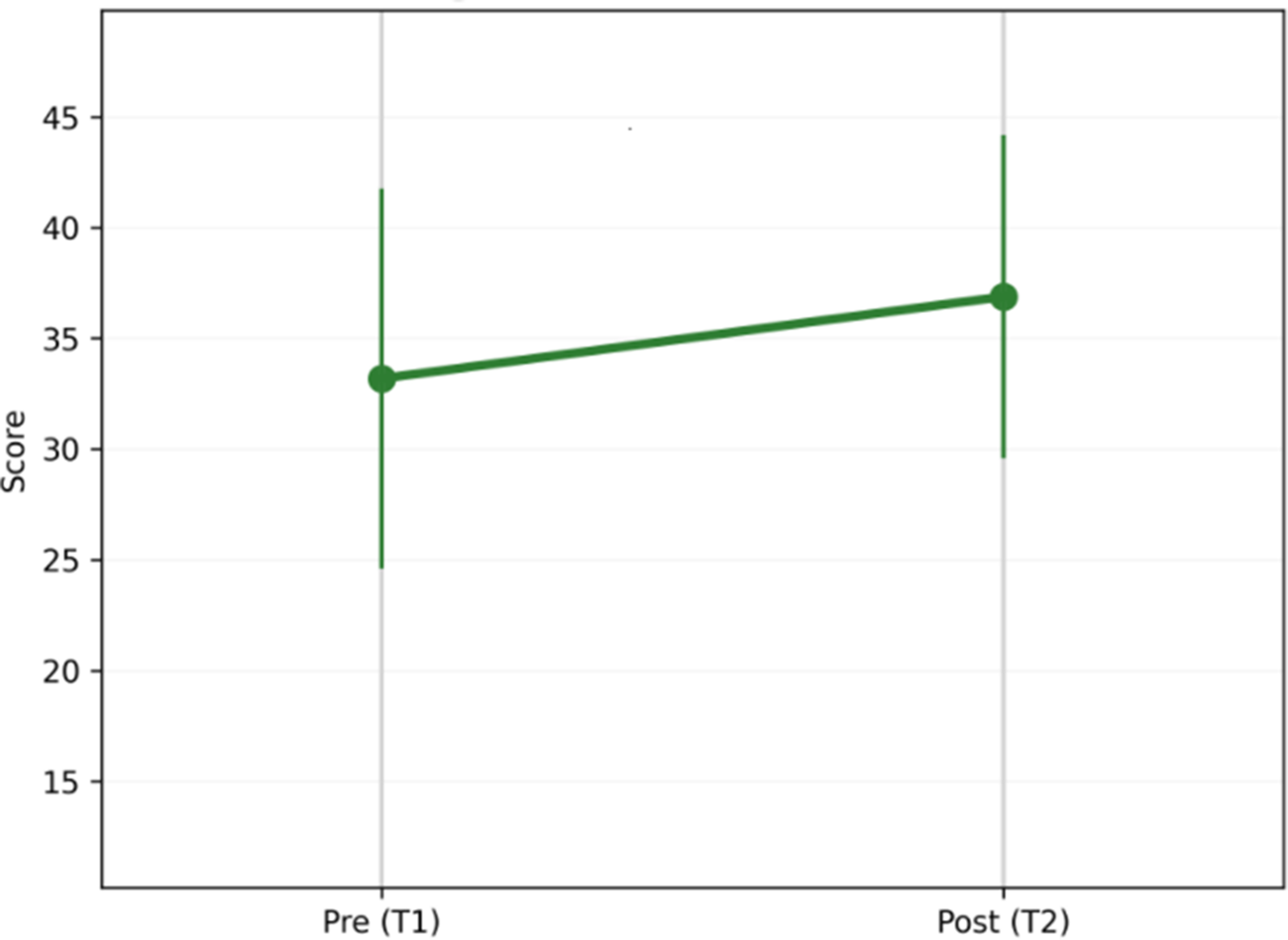
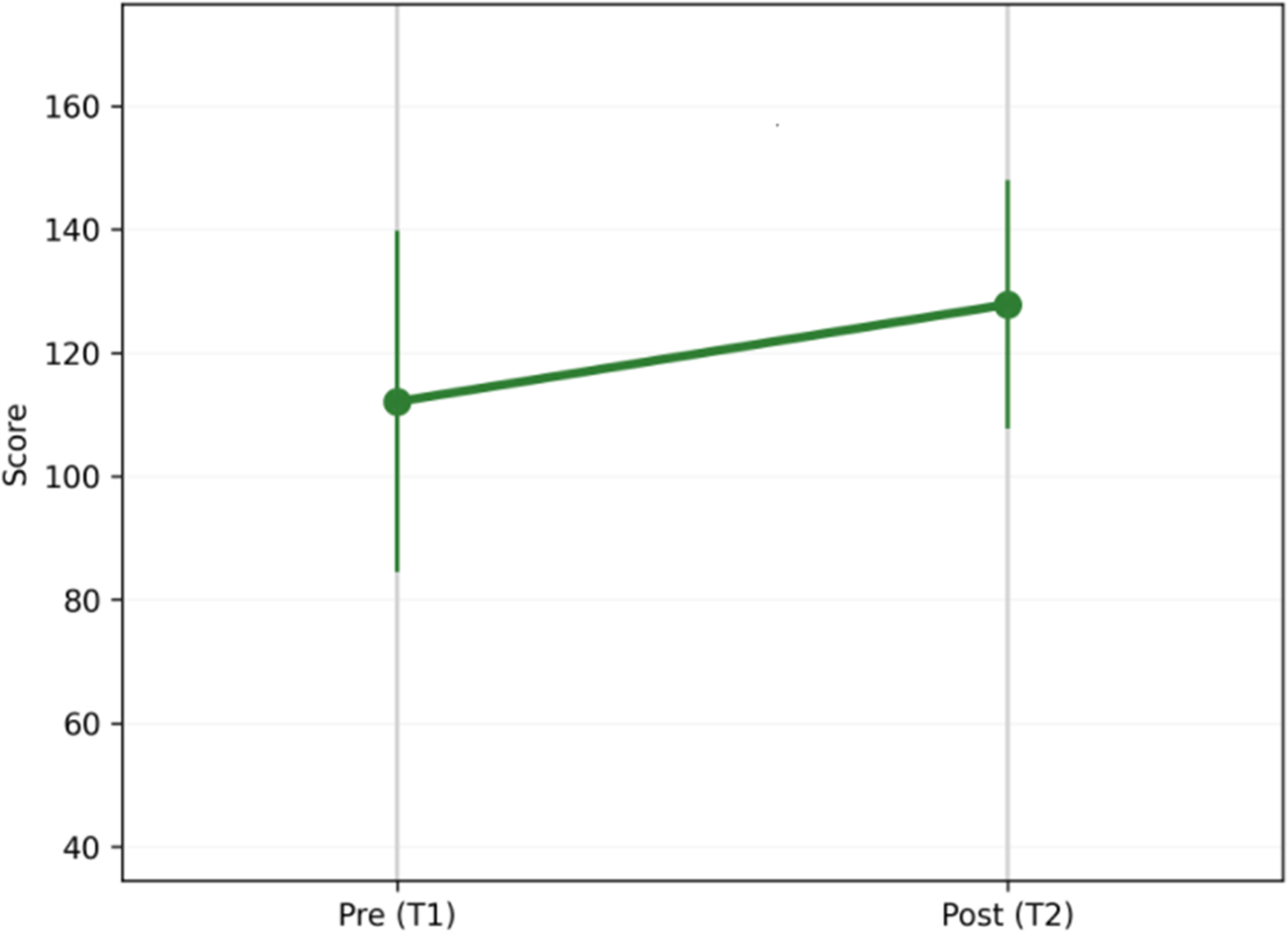
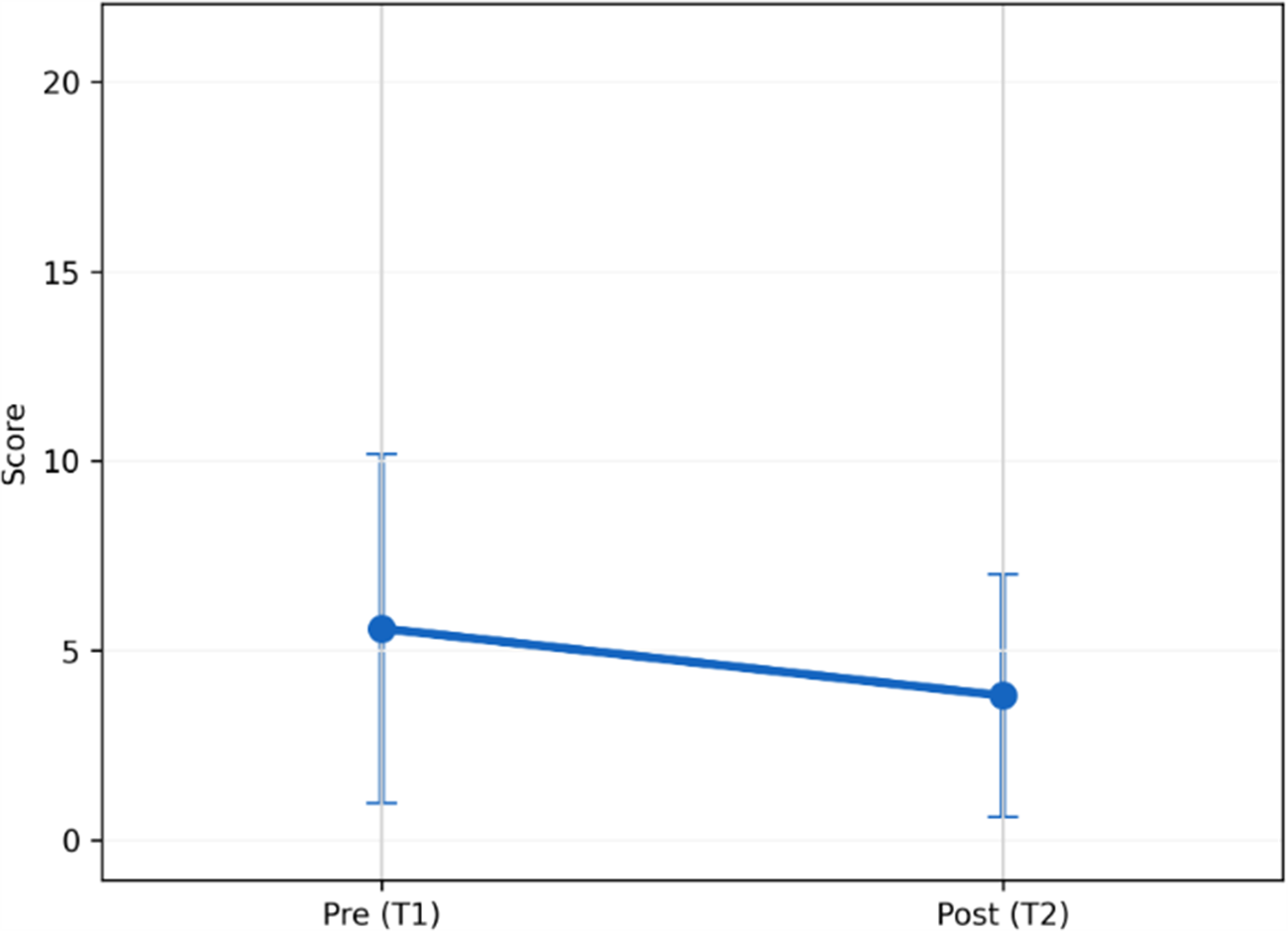
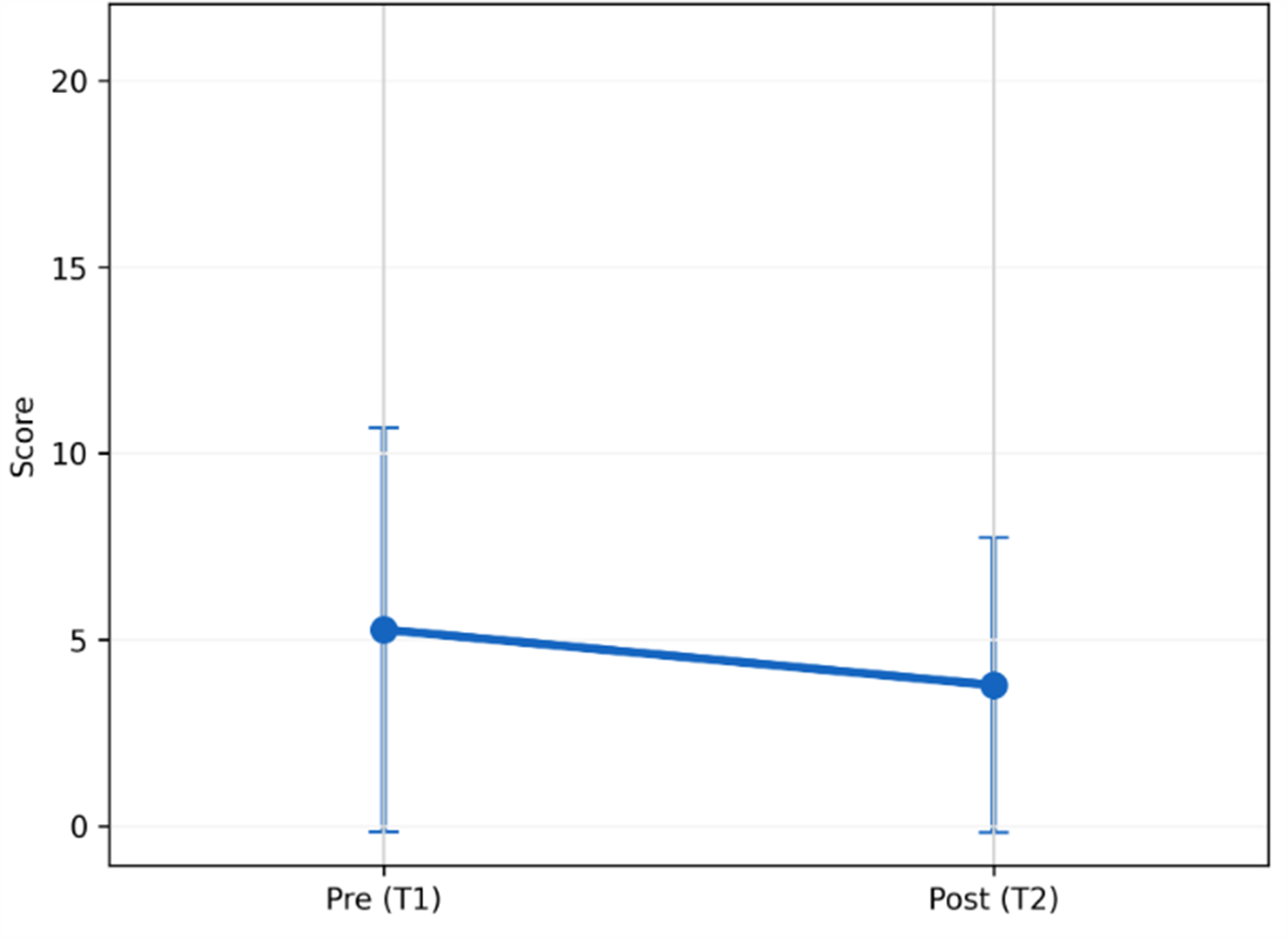
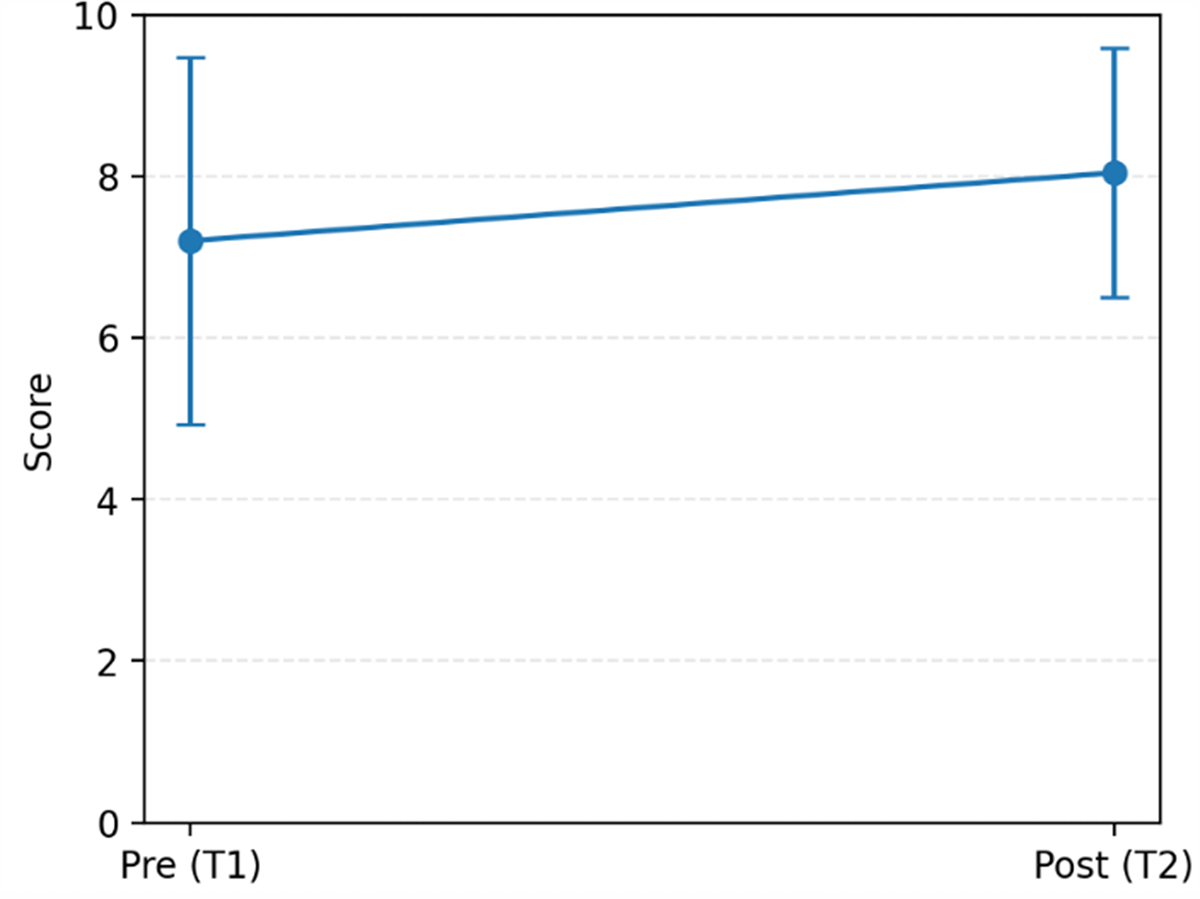
Numerous score improvements were observed from baseline to post-intervention. See Table 3 for baseline descriptive statistics and Table 4 for change scores and effect size estimates. Small to moderate post-treatment intervention effects were observed in spiritual well-being (Figure 1), QOL (Figure 2), anxiety (Figure 3), and depression (Figure 4). Efficacy results were inconsistent for hopelessness and meaning-in-life (as measured by the MLQ). However, meaning-in-life as assessed by item 9 of the MQOL showed a small-to-moderate post-treatment intervention effect (Figure 5).
Participant baseline measures (N = 31)

Table 3 Long description
Baseline measures are reported as Mean with SD and as Min Max for primary and secondary measures. Primary measures list FACIT Sp 12 at mean 34.35 with SD 8.67 and range 12 to 48, and MQOL at mean 112.10 with SD 27.64 and range 41 to 170. Secondary measures list HADS at mean 11.03 with SD 9.74 and range 0 to 42. HADS Anxiety is mean 5.58 with SD 4.60 and range 0 to 21, and HADS Depression is mean 5.27 with SD 5.43 and range 0 to 21. BHS is mean 5.61 with SD 4.31 and range 0 to 19. Meaning, MQOL item 9 is mean 7.2 with SD 2.27 and range 0 to 10. MLQ is mean 26.71 with SD 5.96 and range 31 to 69, MLQ Presence is mean 26.71 with SD 5.96 and range 13 to 35, and MLQ Search is mean 23.71 with SD 6.81 and range 5 to 34.
SD = standard deviation. FACIT Sp-12 = Functional Assessment of Chronic Illness Spiritual Well-Being Scale, 12-item version. MQOL = McGill Quality of Life Scale. HADS = Hospital Anxiety and Depression Scale. HADS – Anxiety = Hospital Anxiety and Depression Scale – Anxiety subscale. HADS – Depression = Hospital Anxiety and Depression Scale – Depression subscale. BHS = Beck Hopelessness Scale. Meaning (MQOL item 9) = Item 9 of the McGill Quality of Life Scale. MLQ = Meaning-in-Life Questionnaire. MLQ – Presence = Meaning-in-Life Questionnaire – Presence subscale. MLQ – Search = Meaning-in-Life Questionnaire – Search subscale.
Changes in spiritual well-being, quality of life, anxiety, depression, and meaning-in-life, from pre- to post-intervention

Table 4 Long description
Post intervention results are reported for primary and secondary measures, with columns for Diff with standard deviation in parentheses and d with a 95% confidence interval. Primary measures list FACIT Sp minus 12 with Diff 3.70 and standard deviation 6.41, and d 0.58 with confidence interval 0.17 to 0.98, and MQOL with Diff 16.81 and standard deviation 18.28, and d 0.87 with confidence interval 0.42 to 1.31. Secondary measures list HADS with Diff minus 3.85 and standard deviation 6.20, and d minus 0.62 with confidence interval minus 1.03 to minus 0.20. HADS anxiety has Diff minus 2.19 and standard deviation 2.97, and d minus 0.73 with confidence interval minus 1.16 to minus 0.30. HADS depression has Diff minus 1.67 and standard deviation 3.82, and d minus 0.44 with confidence interval minus 0.83 to minus 0.04. BHS has Diff minus 1.07 and standard deviation 2.79, and d minus 0.39 with confidence interval minus 0.77 to 0.01. Meaning, MQOL item 9 has Diff 0.85 and standard deviation 1.91, and d 0.44 with confidence interval 0.04 to 0.84. MLQ has Diff 3.93 and standard deviation 12.52, and d 0.31 with confidence interval minus 0.08 to 0.70, with MLQ presence at Diff 2.19 and standard deviation 6.01 and d 0.36 with confidence interval minus 0.03 to 0.75, and MLQ search at Diff 1.74 and standard deviation 8.99 and d 0.19 with confidence interval minus 0.19 to 0.57. Measures of change are based on participants with both baseline and post intervention values, and the sign of d indicates direction of change.
Measures of change are based on the subset of participants with both a baseline value and a post-intervention value. Cohen’s d reflects the gain, such that a positive value indicates an increase and a negative value indicates a decrease; the optimal direction of change is dependent on the measure. Diff = Mean difference.
Change in spiritual well-being (FACIT Sp-12) pre- to post-intervention, d = 0.58 [95% CI: 0.17, 0.98].

Change in quality of life (MQOL) pre-to post-intervention, d = 0.87 [95% CI: 0.42, 1.31].

Change in anxiety (HADS – Anxiety) pre- to post-intervention, d = 0.73 [95% CI: 0.30, 1.16].

Change in depression (HADS – Depression) pre- to post-intervention, d = 0.44 [95% CI: 0.04, 0.83].

Change in meaning (MQOL item 9) pre- to post-intervention, d = 0.44 [95% CI: 0.04, 0.83].

Exit surveys
Twenty-seven participants completed the exit survey. See Table 5 for a summary of responses. The majority were satisfied with their therapist (93%) and the program (89%) and found the Chinese stories/metaphors utilized in MCP-Ch to be acceptable (93%). Twenty-two of the 27 participants who completed the exit survey also offered suggestions for additional components to MCP-Ch to improve the acceptability of the program. Specifically, 19 participants (86%) recommended adding cancer health education counseling, particularly on Traditional Chinese Medicine (TCM) and culturally familiar nutrition and pain management, and 11 participants (50%) recommended including linguistically appropriate peer support.
Exit survey responses (n = 27)

Table 5 Long description
Exit survey items report responses as Agree, Neutral, Disagree, and sometimes Missing, with counts and percentages. For overall satisfaction with the program, 24 agreed, 2 were neutral, and 1 disagreed. For satisfaction with the therapist, 25 agreed, 2 were neutral, and 0 disagreed. Acceptability of program length was 25 agree, 1 neutral, 1 disagree; acceptability of session length was 25 agree, 1 neutral, 1 disagree. Telehealth acceptability was 18 agree, 1 neutral, 3 disagree, and 5 missing. Materials and resources being easy to understand was 12 agree, 10 neutral, 0 disagree, and 5 missing. Topic relevance was 18 agree, 7 neutral, 2 disagree; topics being easy to understand was 23 agree, 4 neutral, 0 disagree. Exercises being helpful and acceptable was 21 agree, 3 neutral, 3 disagree; Chinese metaphors and stories being acceptable was 25 agree, 2 neutral, 0 disagree; goals being helpful and acceptable was 24 agree, 2 neutral, 1 disagree; benefits outweighing costs was 25 agree, 1 neutral, 1 disagree. Post program statements were 16 agree, 9 neutral, 2 disagree for life being better; 15 agree, 10 neutral, 2 disagree for feeling less distressed; and 17 agree, 9 neutral, 1 disagree for making positive changes. Suggestions for improvement are summarized for 22 respondents: add a cancer health education counseling component at 19 of 22, with write in comments requesting guidance on Traditional Chinese Medicine, acupuncture, nutrition, supplements, and pain management, and add a peer support component at 11 of 22, with comments about sharing experiences and advice.
Discussion
The current study shows encouraging signs regarding the feasibility, acceptability, and initial “proof-of-concept” of MCP-Ch, a cultural adaptation of MCP for Chinese immigrant cancer patients, though further refinement is needed. Feasibility indicators were generally positive yet revealed some areas for improvement. The study’s refusal rate was 55%, comparable to refusal rates reported by other psychotherapy trials in cancer settings (Sears et al. Reference Sears, Stanton and Kwan2003; Custers et al. Reference Custers, Döking and van der Hoeven2023). Our recruitment rate across the 2 trials reached 21%, falling slightly below our predefined target of 25% and the MCP pilot RCT that achieved an enrollment rate of 26% (Breitbart et al. Reference Breitbart, Poppito and Rosenfeld2012), in part due to a significant proportion of potentially eligible participants (24%) being unreachable or ineligible.
Telehealth (e.g., videoconferencing or phone-based delivery) was effective for MCP-Ch, with most participants reporting satisfaction, but it did not fully address retention challenges. We fell short of our 70% retention target, with 27 of 42 participants (67%) completing T2 assessments. Most attrition (11 of 15 participants) occurred before treatment initiation, suggesting barriers to engagement rather than dissatisfaction with the intervention. While some dropout is expected among patients with advanced cancer, this pattern may also reflect ambivalence toward psychotherapy despite initial consent. Notably, participants recruited through community providers or self-referral had higher completion rates than those recruited by study staff at MSK (73% vs. 61%). Physician referral may help reduce stigma-related barriers to mental health care among Chinese cancer patients, for whom stigma remains a major deterrent (Yang et al. Reference Yang, Phelan and Link2008; Chen et al. Reference Chen, Mak and Lam2020). Endorsement from a trusted medical provider may legitimize psychosocial care and support initial engagement among Chinese patients, though additional strategies may be needed to sustain participation (Tsai et al. Reference Tsai, Zhang and Park2021).
Of the 31 participants who initiated MCP-Ch sessions, 90% completed all 6 sessions – higher than the 71% in the original MCP RCT and the 80.3% adherence rate reported in a meta-analysis of 669 psychotherapy studies (Swift and Greenberg Reference Swift and Greenberg2012). This is notable for an advanced cancer population, especially given the sample’s high baseline levels of cancer self-stigma and cancer fatalism – factors typically associated with non-adherence (Guo et al. Reference Guo, Tom and Leung2021) – which did not differ between adherent and non-adherent participants. The sample was also more socioeconomically diverse than typical psycho-oncology trials: over half reported household incomes < $50k (New York City poverty threshold for a family of 4 (Poverty Tracker Research Group at Columbia University Reference Bushman-Copp, Cargill and Cha2026)) and nearly half (15/31) were uninsured or on Medicaid/Emergency Medicaid. Despite well-documented barriers to care among immigrant patients, adherence in our pilot trials was high.
MCP aims to enhance sense of meaning to improve spiritual well-being, QOL, and psychological distress (Breitbart Reference Breitbart2016; Breitbart et al. Reference Breitbart, Pessin and Rosenfeld2018). We observed small to moderate improvements across meaning, spiritual well-being, QOL, anxiety, and depression, many meeting minimally clinically important differences (MCIDs). For primary outcomes, 71% of participants (22/31) achieved >2.6-point gains in QOL (equivalent to converting a “bad day” into a “good day”; Cohen and Mount Reference Cohen and Mount2000), and 52% (16/31) achieved >1.8-point gains in spiritual well-being (equivalent to a 5% improvement established as the MCID in prior studies; Osoba et al. Reference Osoba, Rodrigues and Myles1998; Ringash et al. Reference Ringash, O’Sullivan and Bezjak2007), indicating clinically meaningful change. Anxiety and depression also improved: among those with baseline depression (HADS-D > 8), 67% (4/6) had >3-point reductions (Puhan et al. Reference Puhan, Frey and Büchi2008; Grönkvist et al. Reference Grönkvist, Vixner and Äng2024), with 2 falling below the clinical threshold for depression (HADS-D < 8); among those with baseline anxiety (HADS-A > 8), 83% (5/6) had >4-point reductions (Puhan et al. Reference Puhan, Frey and Büchi2008; Grönkvist et al. Reference Grönkvist, Vixner and Äng2024), with 4 falling below the clinical threshold for anxiety (HADS-A < 8).
Acceptability was mixed: we achieved 77% acceptability, falling just shy of our 80% target. While most participants reported satisfaction with the intervention (89%), therapist (93%), and cultural adaptations (93%), only two-thirds found session topics relevant. Fewer than half (44%) found supplemental materials (e.g., on TCM, cancer myths) easy to understand, despite these being developed in response to stakeholder needs (Leng et al. Reference Leng, Lui, Chen and Breitbart2017, Reference Leng, Lui and Chen2018, Reference Leng, Lui and Huang2019). Notably, 86% of exit survey respondents requested a cancer health education counseling component, suggesting written materials alone were insufficient. Half also expressed interest in a Chinese-language peer support component. Together, these findings highlight the need for more culturally and linguistically tailored education and peer support to address unmet informational and social needs (Changrani and Gany Reference Changrani and Gany2005; Leng et al. Reference Leng, Lee and Sarpel2012; Sentell et al. Reference Sentell, Tsoh and Davis2015). Overall, MCP-Ch was acceptable and improved outcomes, but additional components may enhance relevance and efficacy.
Limitations
As an initial evaluation of a cultural adaptation of MCP for Chinese immigrants with advanced cancer, this study has several limitations. Combining data from the bilingual arm of the INTERPRET-PSY pilot RCT and single-arm trial of MCP-Ch may limit interpretability of results. Participants began with relatively low levels of anxiety and depression at baseline – M(SD) = 5.58 (4.60) and 5.27 (5.43), respectively; scores of 0–7 are considered normal – indicating likely ceiling effects. The lack of a comparison group limits our ability to determine whether observed improvements are attributable to the intervention itself rather than to the passage of time. However, while RCTs are considered the gold standard for intervention research, early-stage intervention development often appropriately relies on proof-of-concept pilot studies, as recommended by the Obesity Related Behavioral Intervention Trials (ORBIT) model (Powell et al. Reference Powell, Freedland and Kaufmann2021), a staged framework for developing behavioral interventions. Additional limitations include the inherent biases associated with self-report data and a relatively low enrollment rate, common in trials that recruit advanced cancer patients.
Future directions
There has been a longstanding need for culturally appropriate, counseling-based interventions to improve QOL among Chinese cancer patients with LEP. Given the increased risk for poor psychosocial outcomes among advanced cancer patients (Pearce et al. Reference Pearce, Coan and Herndon2012; Dunn et al. Reference Dunn, Watson and Aitken2017), particularly those with LEP (Yi et al. Reference Yi, Swartz and Reyes-Gibby2011; Lui et al. Reference Lui, Finik and Leng2022), the improvements observed in QOL and spiritual well-being are encouraging.
Future research should refine the MCP-Ch intervention and study procedures to strengthen feasibility, acceptability, and efficacy. Although feasibility benchmarks were largely approached, recruitment and retention fell just short of targets, highlighting the need for protocol modifications. Strategies to enhance engagement, such as early orientation sessions following consent, may help reduce attrition (Goldberg and Kiernan Reference Goldberg and Kiernan2005).
Exit survey findings also highlight the need to expand MCP-Ch components to include cancer health education counseling and linguistically appropriate peer support. Further development and systematic evaluation of these components will be critical, and the use of innovative frameworks such as the Multiphase Optimization Strategy (MOST) (Guastaferro and Collins Reference Guastaferro and Collins2019) may help identify the most essential intervention components. As emphasized in leading intervention development frameworks (Powell et al. Reference Powell, Freedland and Kaufmann2021), this process is iterative, and ongoing refinement with rigorous pilot testing will be key to optimizing MCP-Ch for this underserved population.
Acknowledgments
We are grateful to the participants, staff members, and study interventionists who contributed to this research. Special thanks to Qingyi (Grace) Zhang, Yunshan Niu, Ruo Yan Chen, Rina Jiang, Zhaoyi Chen, Wisteria Deng, Xiaohe Hu, Jiaqi Li, Xi Pan, and Li Wong.
Funding
This research was supported by National Cancer Institute grants 1R03CA267333-01A1; U54CA137788 and U54CA132378: CCNY-MSK Partnership for Cancer Research, Training, and Community Outreach; P30 CA008748: Cancer Center Support Grant; and T32CA009461.
Competing interests
The author(s) declare none.




 Open access

