





1. Introduction
Control of heat and particle flux to plasma-facing components remains one of the most critical challenges in magnetically confined fusion devices. Detached plasma operation, in which the plasma near the divertor target is cooled and dominated by recombination processes, is an effective approach to mitigate excessive heat loads and material erosion (Reiter, Baelmans & Börner Reference Reiter, Baelmans and Börner2005; Kukushkin et al. Reference Kukushkin, Pacher, Pitts, Kotov, Pacher and Reiter2013). Recent progress has demonstrated that fully detached divertor operation can be achieved while maintaining high core plasma performance, highlighting its importance for reactor-relevant conditions (Wang et al. Reference Wang2021). However, detached conditions are highly sensitive to upstream plasma parameters, and their stability under transient perturbations remains an important issue.
To address these challenges, various experimental platforms have investigated the detachment dynamics under externally applied perturbations. In tokamak experiments such as ASDEX Upgrade, JET and DIII-D, transient behaviours, including detachment collapse and reattachment, have been studied using modulated heating and fuelling schemes (Loarte et al. Reference Loarte2002; Canik et al. Reference Canik2015). Linear plasma devices such as Pilot-PSI, Magnum-PSI and NAGDIS-II have provided valuable insights into plasma–surface interactions, recombination processes and detachment behaviour under both steady-state and controlled conditions (de Groot et al. Reference de Groot2007; Rapp et al. Reference Rapp2010; Ohno Reference Ohno2017). In particular, experiments in linear devices have demonstrated that detachment is closely associated with reductions in particle flux and plasma pressure along magnetic field lines (Hayashi et al. Reference Hayashi2016), indicating that the ion flux can serve as a more direct indicator of detachment compared with emission intensity.
More recently, transient perturbation experiments in linear plasma devices have attracted increasing attention. In the Magnum-PSI device, edge localized mode (ELM)-like pulsed plasma loading has been successfully reproduced, showing rapid transitions between attached and detached plasma states under transient heat and particle fluxes (Federici et al. Reference Federici2024). These studies demonstrate that upstream perturbations can strongly affect detachment stability and lead to dynamic changes in plasma temperature, density and heat flux. Furthermore, time-resolved measurements in similar pulsed experiments have revealed the dynamic response of atomic and molecular processes, including the role of molecular activated recombination (MAR), in dissipating plasma energy under transient conditions (Hayashi et al. Reference Hayashi2025). Although the referenced study focuses on helium plasma, a similar qualitative behaviour has been observed in hydrogen plasmas.
Supersonic molecular beam injection (SMBI) has been widely used as an efficient particle fuelling technique in magnetically confined plasmas because of its high penetration capability and rapid density response compared with conventional gas puffing (Xiao et al. Reference Xiao2023). Supersonic molecular beam injection has been applied in various fusion devices for core fuelling, transient density control and transport studies under high-density plasma conditions. In recent years, SMBI has also attracted interest as a controllable actuator for investigating transient plasma responses and perturbation-driven phenomena.
The GAMMA 10/PDX tandem mirror device provides a unique platform for divertor-simulation studies using end-loss plasma. Its linear geometry and flexible control of heating and fuelling enable systematic investigation of upstream–downstream coupling in detached plasma conditions. Previous studies in GAMMA 10/PDX have demonstrated the formation of detached plasma and its sensitivity to particle fuelling and auxiliary heating (Nakashima et al. Reference Nakashima2015; Sakamoto et al. Reference Sakamoto2017; Yoshikawa et al. Reference Yoshikawa2021, Reference Yoshikawa2024, Reference Yoshikawa2026). Previous studies have also investigated plasma behaviour during combined SMBI and electron cyclotron resonance heating operation in GAMMA 10, demonstrating significant plasma response to transient particle fuelling and auxiliary heating (Islam et al. Reference Islam2018). In particular, SMBI and electron cyclotron heating have been used to increase plasma density and introduce higher-density and higher-temperature particles into detached plasma conditions (Yoshikawa et al. Reference Yoshikawa2023).
However, the temporal evolution of detached plasma under repetitive SMBI perturbations, particularly when combined with upstream auxiliary radio-frequency (RF) heating in the ion cyclotron range of frequency using the RF2 sub-pulse modulation system (RF2sp), has not yet been systematically investigated. In addition, the relative contributions of SMBI-induced particle flux and RF heating to transient detachment and reattachment processes remain unclear.
In this study, we investigate the transient detachment dynamics in GAMMA 10/PDX using double-pulse SMBI combined with RF2sp. In the present experiments, RF2sp serves as an additional upstream heating source that modifies the background plasma condition, whereas SMBI provides the dominant transient particle perturbation. The application of double-pulse SMBI enables controlled generation of repetitive high-density plasma fluxes, allowing us to examine the temporal evolution of detachment and reattachment processes.
A key feature of this study is the direct comparison between SMBI-induced plasma responses with and without simultaneous RF heating. In particular, the second SMBI pulse, applied without RF2sp, provides a direct reference case that enables isolation of the intrinsic effects of SMBI from those of RF heating. By combining time-resolved measurements using microwave interferometry, Thomson scattering, electrostatic probes (ESPs) and high-speed imaging, we characterise the spatio-temporal evolution of plasma parameters and emission structures.
To the best of our knowledge, this study provides a systematic investigation of the transient detachment dynamics induced by double-pulse SMBI combined with RF heating in a tandem mirror device. This work aims to clarify (i) the role of SMBI as a driver of transient detachment and reattachment, (ii) the effect of upstream heating on these processes and (iii) the dynamics of MAR-related emission structures under pulsed particle injection. The results provide new insights into the sensitivity of detached plasma to upstream perturbations and contribute to the understanding of transient divertor physics in fusion-relevant conditions.
2. Experimental set-up of GAMMA 10/PDX
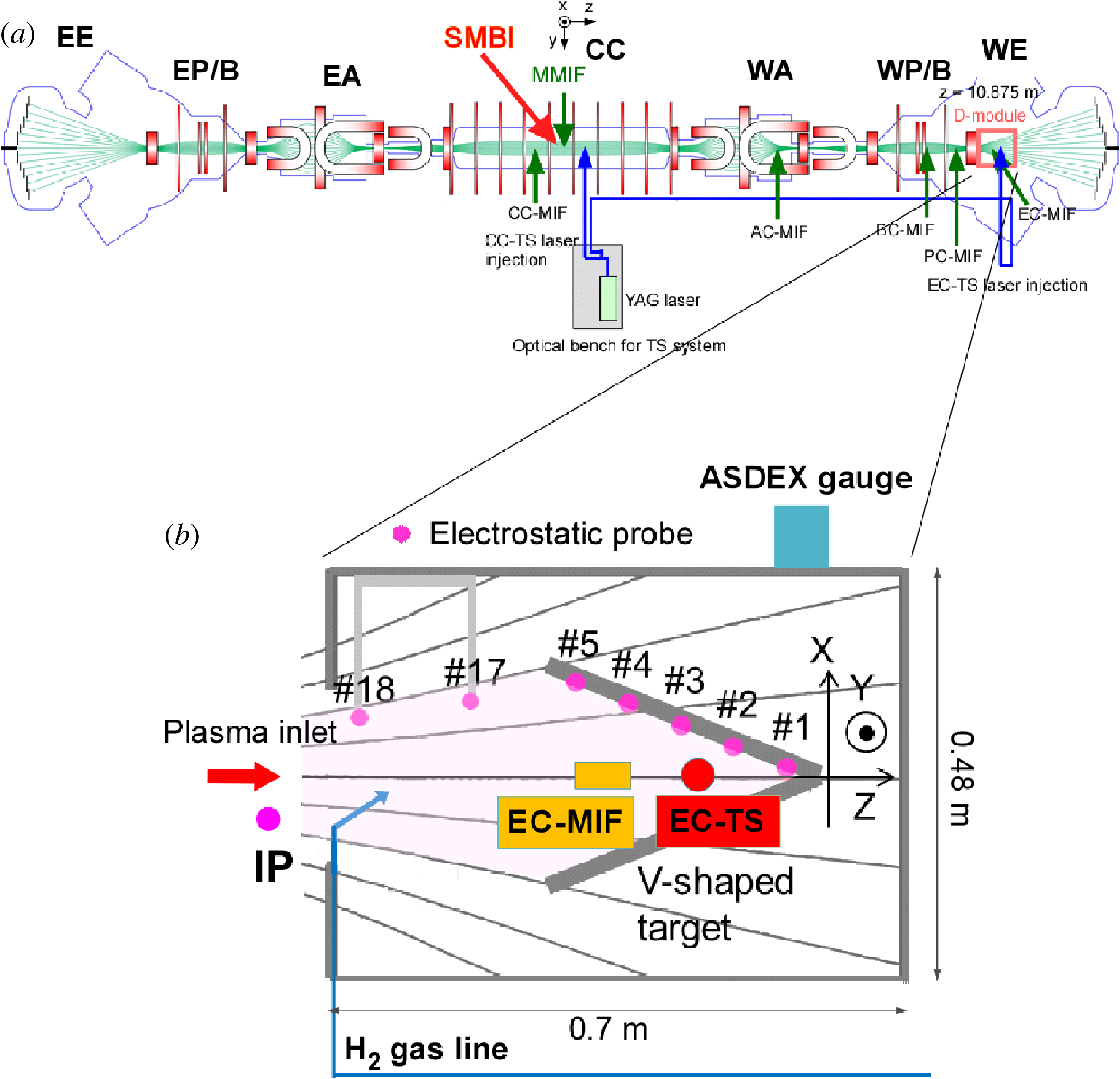
GAMMA 10/PDX is a tandem mirror device composed of a central cell (CC), anchor cells, plug/barrier cells and end cells (EC). Figure 1(a) shows the schematic layout of the GAMMA 10/PDX device, indicating the positions of key diagnostics such as the SMBI system for particle fuelling, the multi-channel microwave interferometer (MIF) for line-integrated density measurements and the Thomson scattering (TS) system for local electron temperature and density diagnostics (Yoshikawa et al. Reference Yoshikawa2021). Figure 1(b) provides a detailed view of the D-module installed in the west EC, equipped with ESPs, EC-MIF and EC-TS systems, an ASDEX-type pressure gauge and a V-shaped target plate for plasma–surface interaction studies (Nakashima et al. Reference Nakashima2015). The coordinate axes (X, Y, Z) and module dimensions are also shown. Plasma confinement is achieved through a combination of magnetic mirror fields and electrostatic potentials applied at the plug/barrier regions. The CC serves as the primary region for plasma generation and heating, where electron cyclotron heating and ion cyclotron heating are applied to sustain high-temperature plasma. Typical plasma parameters in the CC reach electron temperatures of Te = 20–80 eV, ion temperatures of Ti = 5 keV and electron densities of ne = 2 × 10¹⁸ m–3 (Yoshikawa et al. Reference Yoshikawa2021, Reference Yoshikawa2024).
(a) Schematic layout of the GAMMA 10/PDX device with key diagnostics and SMBI system. (b) Detailed view of the divertor-simulation module (D-module) in the west EC.

Figure 1. Long description
Panel A: A schematic layout of the GAMMA 10/PDX device. The diagram includes various sections labeled EE, EP/B, EA, CC, WA, WP/B, and WE. Key diagnostics and the SMBI system are highlighted. Arrows indicate the flow of plasma and the injection points of lasers. Panel B: A detailed view of the divertor-simulation module (D-module) in the west EC. The module includes labels for ESPs, plasma inlet, IP, EC-MIF, EC-TS, V-shaped target, and H2 gas line. The layout shows the positions of these components and their spatial relationships.
The D-module (figure 1 b) provides divertor-relevant diagnostics such as ESPs, EC-MIF and EC-TS, supplemented by high-speed cameras (HSCAM) for time-resolved emission imaging.
In the present study, SMBI was employed as an efficient particle fuelling method (Islam et al. Reference Islam2018). Hydrogen gas was injected through a Laval nozzle with plenum pressures ranging from 0.5 to 2.0 MPa and pulse durations of 0.5–2.0 ms. The SMBI system allows precise control of particle flux and enables core fuelling without significant thermal perturbation. Additionally, RF2sp was applied to enhance ion heating and simulate transient loading conditions. The combination of SMBI and RF2sp produced intermittent high-density plasma fluxes directed toward the D-module, facilitating controlled transitions between detached and attached plasma conditions.
2.1. The SMBI system in GAMMA 10/PDX
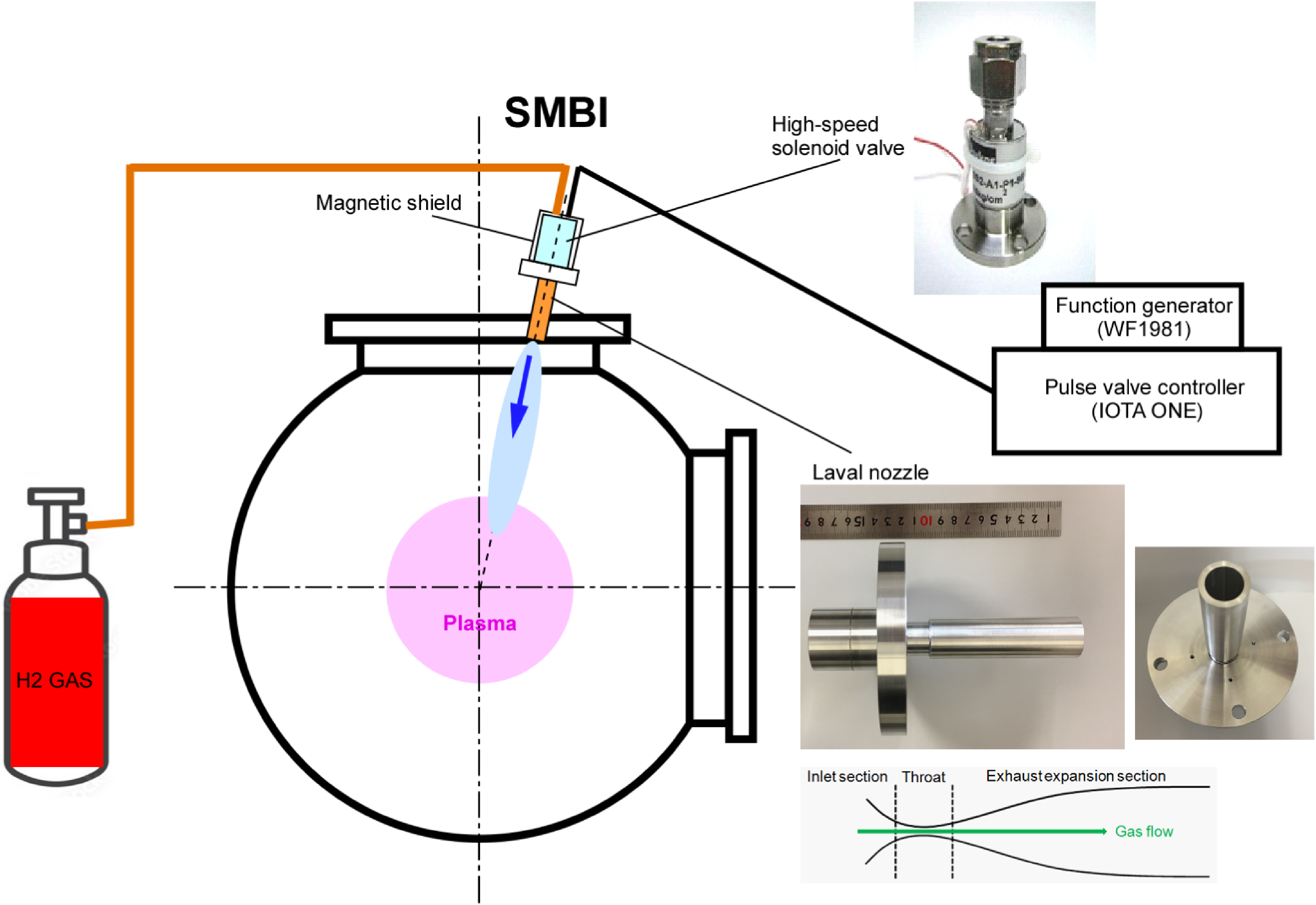
The SMBI system in GAMMA 10/PDX is designed to provide efficient and controllable particle fuelling for high-density plasma experiments. Figure 2 presents a schematic diagram of the SMBI system, along with a photograph of the high-speed solenoid valve and the Laval nozzle.
Schematic diagram of the SMBI system in GAMMA 10/PDX, including a photograph of the high-speed solenoid valve and Laval nozzle.

It comprises the following key components:
-
(i) A high-pressure hydrogen gas supply unit, capable of delivering plenum pressures ranging from 0.5 to 2.0 MPa.
-
(ii) A Laval nozzle that generates a supersonic molecular beam for direct injection into the plasma.
-
(iii) A high-speed solenoid valve that enables precise temporal control with adjustable pulse durations between 0.5 and 2.0 ms.
-
(iv) A magnetically shielded valve assembly to minimise interference with the ambient magnetic field of the plasma.
-
(v) A control system comprising a function generator and a pulse valve controller, allowing flexible operation in both single-pulse and double-pulse modes.
This configuration enables rapid delivery of high-density hydrogen molecules into the central plasma region, facilitating effective core fuelling and inducing sharp increases in plasma density. The SMBI system has proven particularly useful for simulating transient loading conditions, such as those associated with ELMs, and for investigating the dynamic response of detached plasma states to upstream perturbations.
2.2. Performance evaluation of the SMBI system in GAMMA 10/PDX
To validate the operational characteristics and fuelling efficiency of the SMBI system in GAMMA 10/PDX, a series of performance tests were conducted under controlled conditions. The primary objectives were to quantify the injected particle flux, assess the temporal and spatial evolution of the plasma response and determine the optimal operating parameters for high-density plasma generation.
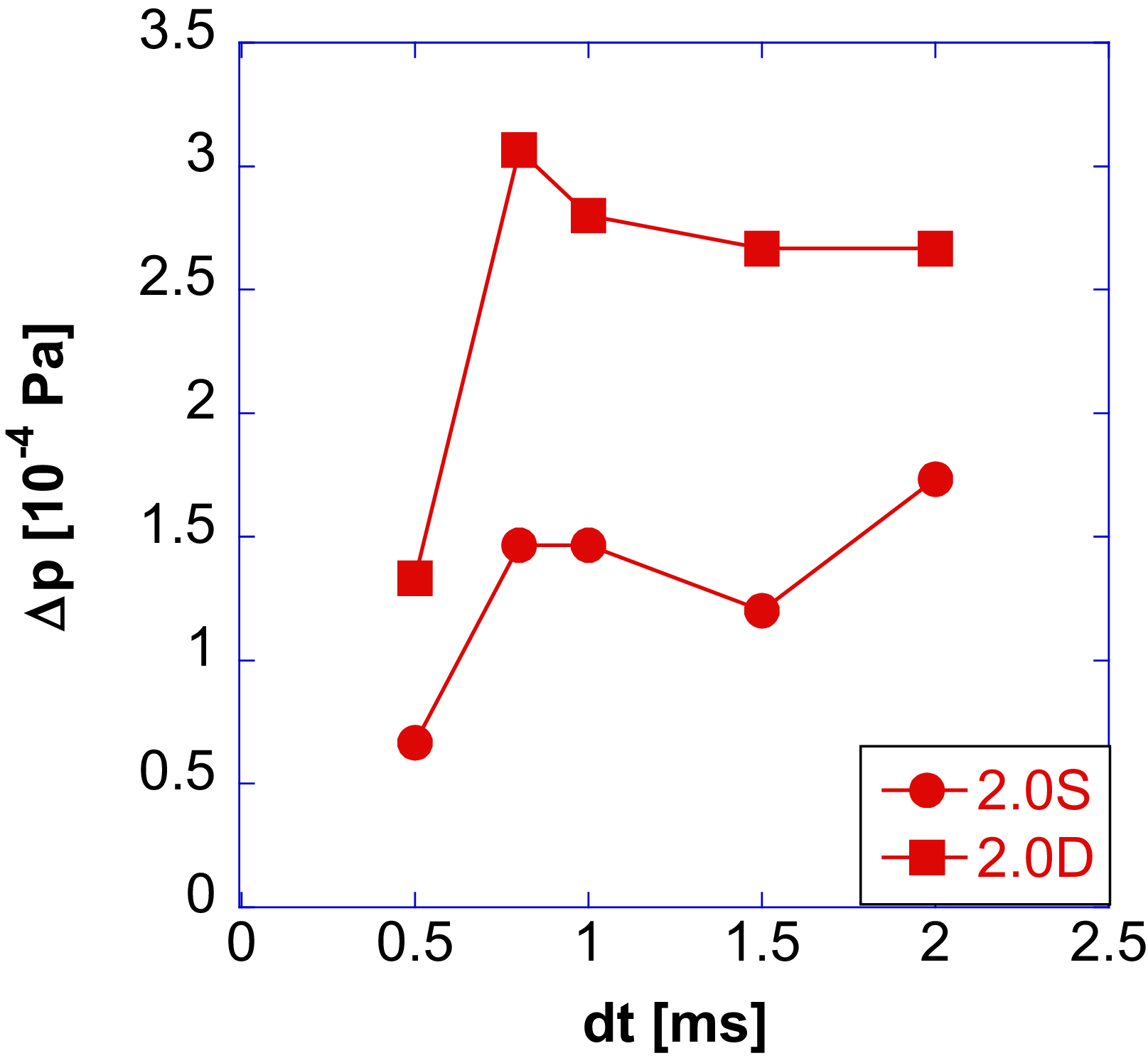
The tests employed both single- and double-pulse injections with plenum pressures ranging from 0.5 to 2.0 MPa and pulse durations between 0.5 and 2.0 ms. Injection timing and valve control were precisely managed using a function generator and pulse valve controller. Figure 3 shows the pressure increase as a function of SMBI pulse duration at a plenum pressure of 2.0 MPa. The pressure increase shown in figure 3 was evaluated from the change in the neutral pressure measured by a vacuum gauge located approximately 1 m east of the SMBI injection port in the CC. The measurements were performed without plasma discharge. Since the present evaluation was based on the peak pressure increase measured by the vacuum gauge system, time-resolved waveform data were not retained. The observed pressure increases were approximately 1.3 × 10⁻⁴ Pa for single-pulse operation and 2.6 × 10⁻⁴ Pa for double-pulse operation. The results indicate that efficient particle fuelling was achieved at a plenum pressure of 2.0 MPa with pulse durations of 1–2 ms. For pulse durations longer than 1.0 ms, the injected gas volume saturated, indicating a nonlinear response in valve throughput. Double-pulse operation yielded approximately twice the particle influx compared with single-pulse injection, confirming the system’s capability for intermittent fuelling. The estimated number of injected hydrogen molecules per pulse was of the order of 5 × 10¹⁸, based on pressure rise measurements. In this study, the injection efficiency was evaluated from the ratio of the increase in neutral pressure to the corresponding increase in line-integrated electron density.
Pressure increase as a function of SMBI pulse duration at plenum pressure of 2.0 MPa. Here, ‘S’ and ‘D’ denote single- and double-pulse operations, respectively.

These performance tests demonstrate that the SMBI system in GAMMA 10/PDX provides reliable and controllable particle fuelling, suitable for generating transient high-density plasma conditions. The results serve as a foundation for subsequent ELM simulation experiments and for investigating the detachment dynamics under pulsed loading.
3. Transient plasma response under SMBI injection
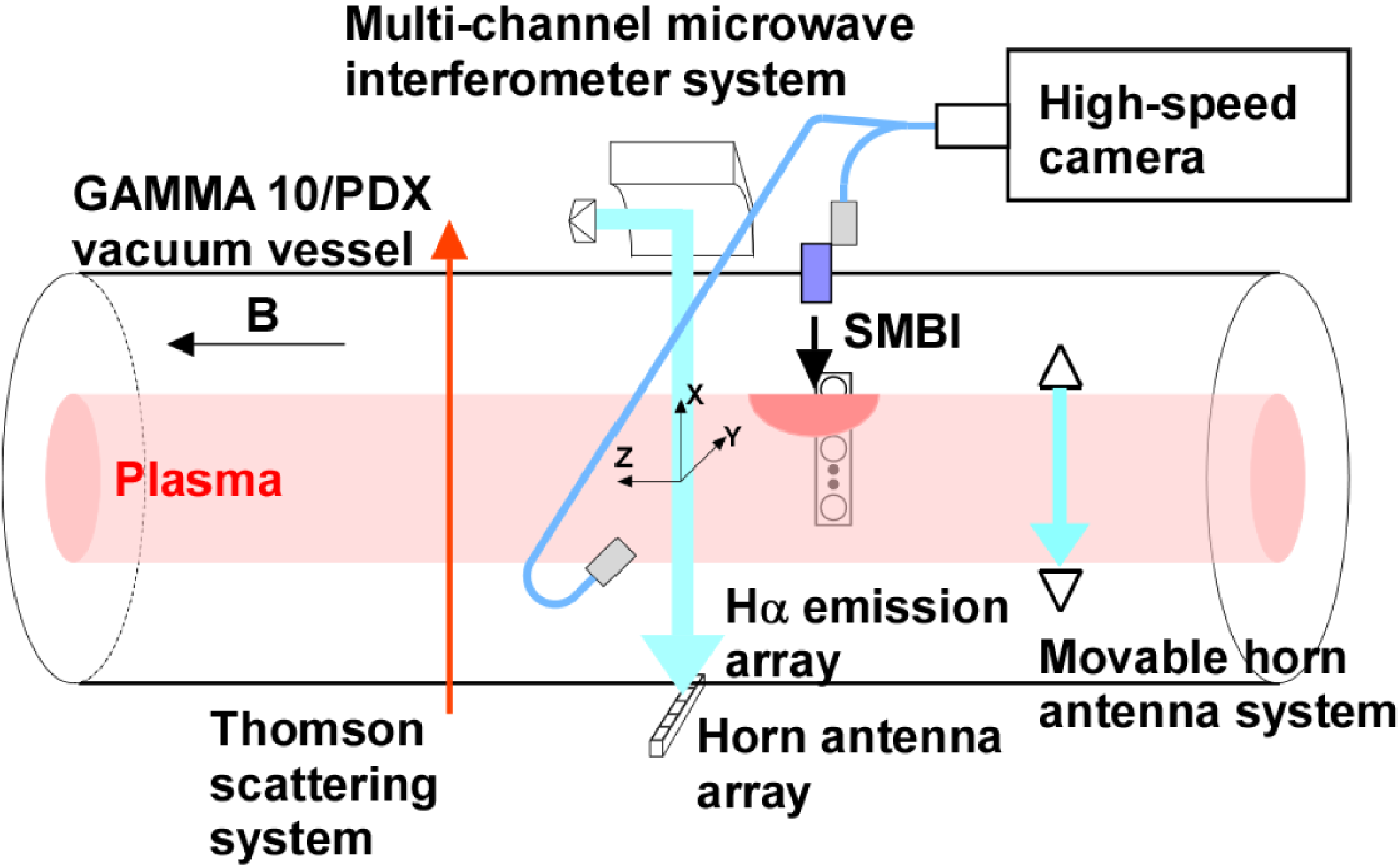
Figure 4 shows a schematic of the SMBI and diagnostic systems installed in the CC of GAMMA 10/PDX for high-density plasma experiments. The configuration includes the SMBI system, a multi-channel MIF for radial line-integrated density profile measurements, a TS system for radial electron temperature and density diagnostics, an Hα emission array for radial Hα emission measurements and a high-speed camera for visible imaging. A single-channel microwave interferometer system with a movable horn antenna is also shown.
Schematic diagram of diagnostic system in the CC.

Figure 4. Long description
A schematic diagram of a diagnostic system in a plasma vessel. The diagram includes a GAMMA 10/PDX vacuum vessel containing plasma. A magnetic field labeled B is shown pointing to the left. The system includes a multi-channel microwave interferometer system connected to a high-speed camera. A Thomson scattering system is positioned to the left of the plasma. A movable horn antenna system is shown on the right side of the vessel. Below the plasma, there is an Hα emission array and a horn antenna array. An SMBI (Solid Material Injection) system is depicted above the plasma. The diagram also shows axes labeled X, Y, and Z for spatial reference.
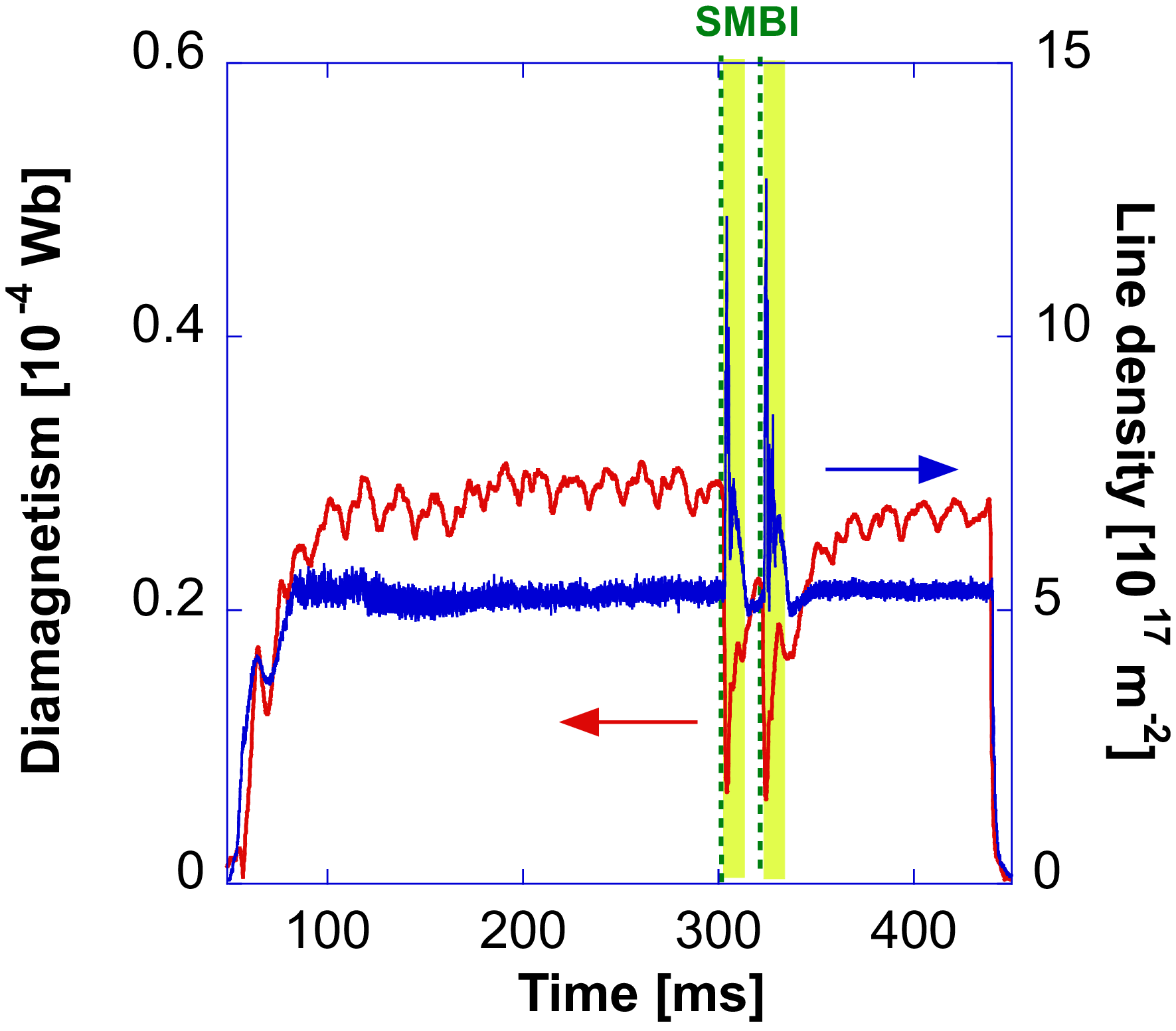
The hydrogen plasma is produced and heated by an ion cyclotron range of frequency wave from t = 51 to 440 ms, with additional hydrogen gas puffing for radiator gas in D-module from t = 50 to 450 ms at a pressure of 1200 mbar for the detached plasma experiment. Double-pulse SMBI injection is performed at t = 303–304 and 323–324 ms at plenum pressure of 2.0 MPa.
Figure 5 presents the time evolution of diamagnetism (red line) and line-integrated electron density (blue line). Under double-pulse SMBI injection at a plenum pressure of 2.0 MPa and a pulse duration of 1.0 ms, diamagnetism was reduced by approximately 80 %, while the line-integrated electron density increased from 5 × 10¹⁷ to 13 × 1017 m–2, corresponding to a 160 % increase.
Time evolutions of diamagnetism and line electron density. Vertical green dashed lines indicate the timing of SMBI pulses (t = 303 and 323 ms). Green shaded regions represent the approximate duration of the plasma response (approximately 10 ms after each pulse).

Detailed dependences of ΔNL (increase in line-integrated electron density) on SMBI pulse duration, as well as SMBI penetration characteristics as a function of plenum pressure, are summarised in Appendices A and B.
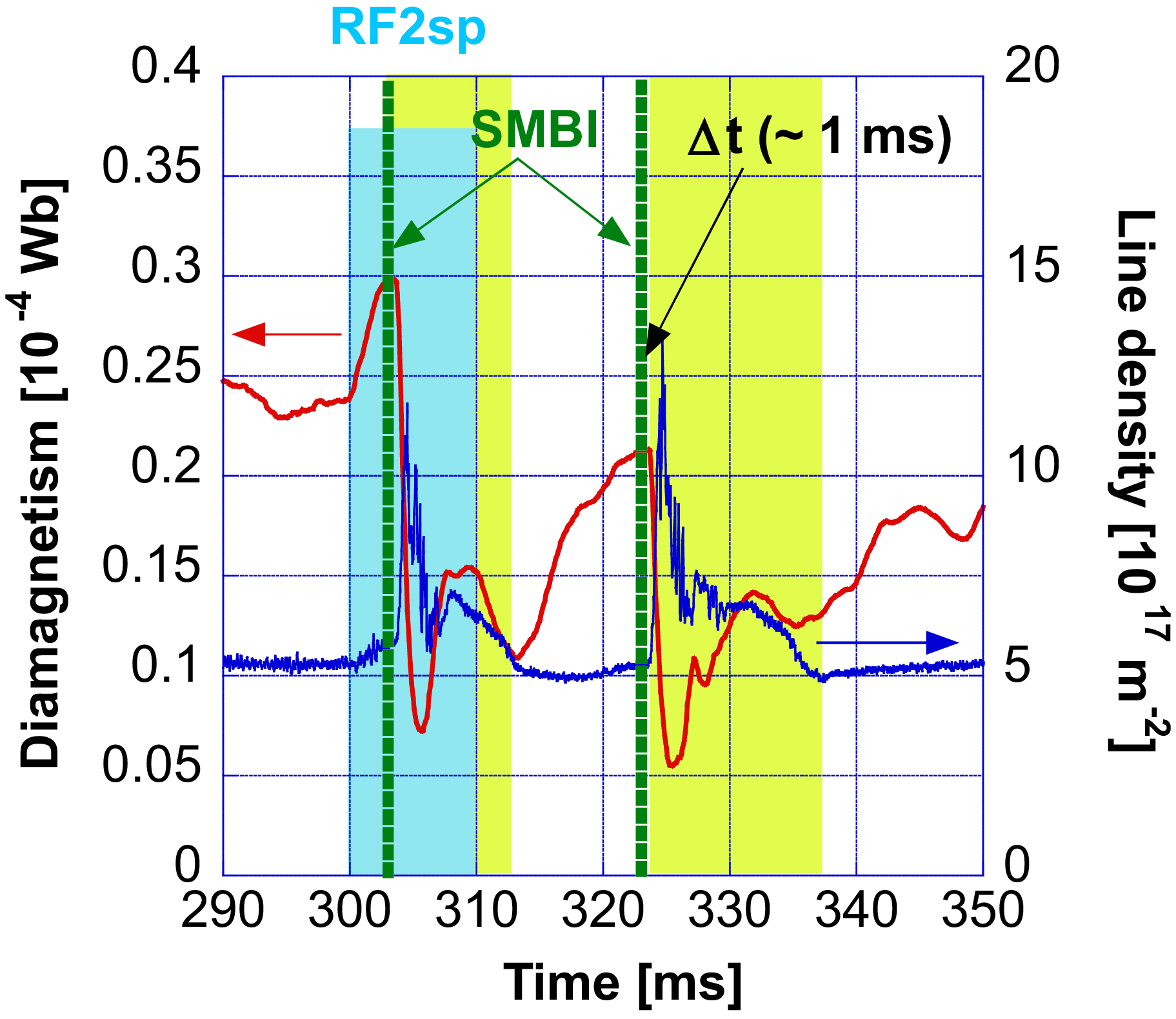
Figure 6 shows an expanded view of diamagnetism and line-integrated electron density in the CC during double-pulse SMBI injection with RF2sp heating; RF2sp is applied from t = 300 to 310 ms, followed by two SMBI pulses at approximately t = 303–304 ms and 323–324 ms. During the RF2sp phase, both diamagnetism and line density exhibit moderate increases, indicating enhanced plasma pressure and density in the CC.
Expanded view of diamagnetism and line density from t = 290 to 350 ms. The blue shaded region indicates the RF2sp injection period, and the green dashed lines denote the onset timing of SMBI pulses. A clear increase in line density is observed after each SMBI injection with a delay of approximately 1 ms.

Following each SMBI pulse, the line density increases rapidly, whereas the diamagnetism shows a pronounced decrease. The onset of the density increase appears approximately 1 ms after SMBI injection, suggesting a finite response time associated with particle penetration and plasma ionisation processes in the CC. In addition to the initial sharp rise, the line density exhibits a broader temporal evolution lasting several milliseconds, indicating the presence of a temporally extended particle flux component following the injection.
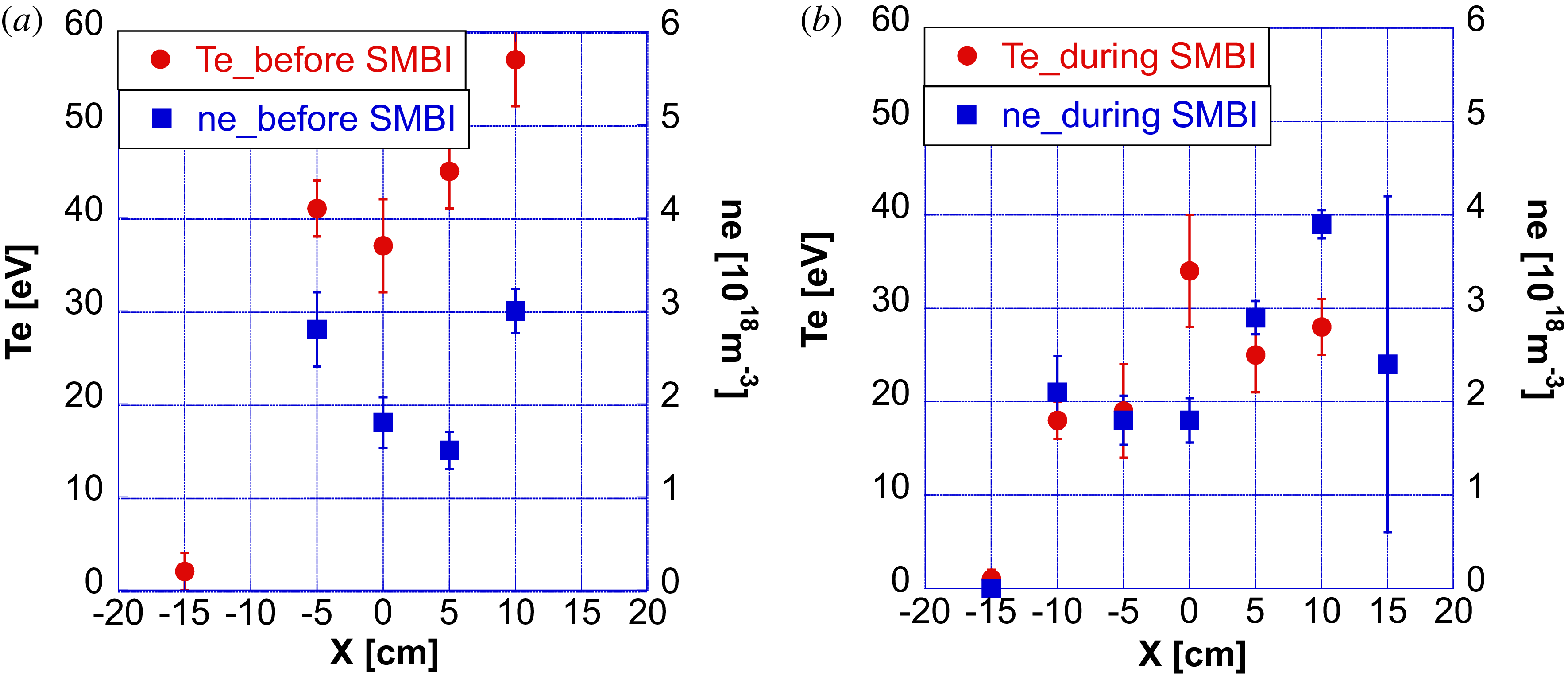
In figure 7, radial profiles of electron temperature (red circles) and electron density (blue squares) obtained using the CC-TS system before (a) and during (b) second SMBI pulse are shown. At the plasma centre, the electron temperature and density were 37 eV and 1.8 × 10¹⁸ m–3 without SMBI injection, and 34 eV and 1.8 × 10¹⁸ m–3 with SMBI injection, respectively. In the upper side of the plasma, the electron temperature and density reached 27 eV and 3.9 × 10¹⁸ m–3, respectively. The electron temperature and density profiles show a clear asymmetry, with higher density observed on the upper side during SMBI injection.
A double-pulse SMBI injection increased the electron density in the CC from 2 × 10¹⁸ to 6 × 10¹⁸ m–3, as measured by a multi-channel MIF. Prior to RF2sp application, the electron density was 2 × 10¹⁸ m–3 and increased to 3 × 10¹⁸ m–3 during RF2sp. Subsequent SMBI injection further increased the density to 5 × 10¹⁸ m–3. During the second SMBI pulse without RF2sp, the electron density reached 6 × 10¹⁸ m–3.
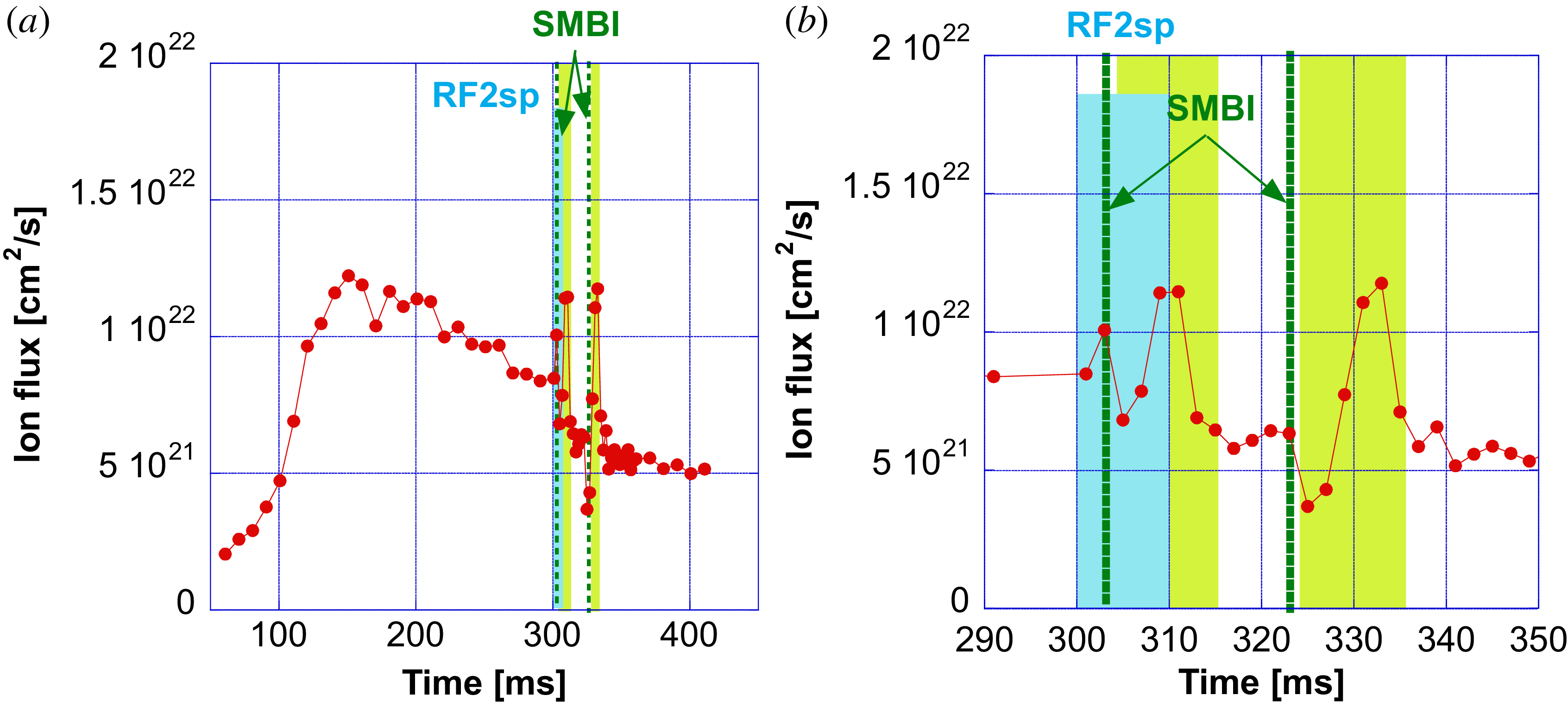
Figure 8 shows the time evolution of ion flux measured at ESP no. 3 in the D-module. In contrast to the CC measurements, the ion-flux response does not exhibit a clear sharp increase immediately after the SMBI timing. Instead, a delayed and relatively broad increase in ion flux is observed, with a characteristic time scale of several milliseconds (approximately 5 ms).
Radial profiles of electron temperature (red circles) and electron density (blue squares) measured before SMBI injection at t = 225.3 ms (a), and during SMBI injection at t = 325.3 ms (b).

Time evolution of ion flux measured at ESP no. 3 in the D-module. (a) Full time range from t = 50 to 450 ms. (b) Expanded view from t = 290 to 350 ms. The blue shaded region indicates the RF2sp injection period, and the green dashed lines indicate the SMBI timing. An increase in ion flux is observed after each SMBI pulse with a delayed response of approximately 5 ms.

This difference can be attributed to both transport effects and diagnostic limitations. The initial rapid response (approximately 1 ms), clearly observed in the CC line density, is not resolved in the probe measurement due to the limited temporal resolution and the short SMBI pulse duration (approximately 1 ms). As a result, the observed ion-flux increase corresponds primarily to the temporally broadened component of the particle flux propagating from the CC.
The delayed response of the ion flux therefore reflects a convolution of the axial transport process and the temporal structure of the source plasma. While the true particle transit time from the CC to the D-module is expected to be of the order of 1 ms, consistent with the delay observed in the line density, the experimentally observed response appears on a longer time scale due to the finite duration of the injected particle flux and diagnostic limitations.
These results indicate that SMBI induces a rapid and localised increase in plasma density in the CC, followed by a temporally smeared particle flux reaching the downstream region. The comparison between figures 6 and 8 highlights the importance of considering both transport effects and diagnostic response when interpreting transient plasma behaviour.
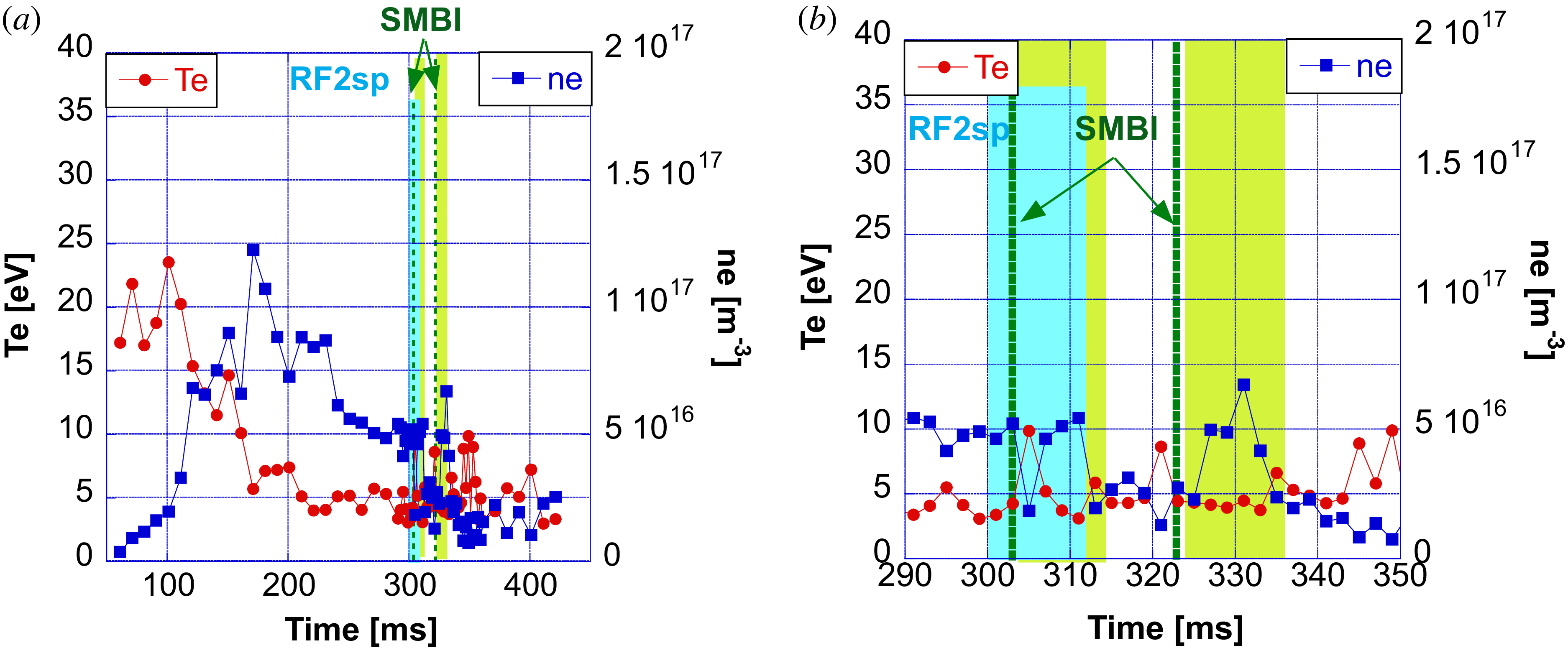
Figure 9 shows the time evolution of electron temperature (red circles) and density (blue squares) at ESP no. 3. The gradual decrease in electron temperature and the rollover behaviour of electron density suggest the formation of detached plasma conditions in the D-module, where MAR is expected to become significant. Prior to the first SMBI pulse, the plasma was in a low-temperature and low-ion-flux condition consistent with detached plasma, with an electron temperature of approximately 4 eV and an electron density of 5 × 10¹⁶ m–3. No clear change in electron temperature was observed during SMBI injection. Following the first SMBI pulse, the electron density increased to approximately 5 × 10¹⁶ m–3. Before the second SMBI pulse, the density decreased to approximately 2.5 × 10¹⁶ m–3 and then increased again to 5 × 10¹⁶ m–3 after the second SMBI injection. The effect of SMBI injection into the CC was observed in the D-module plasma with a slight temporal delay.
Time evolution of electron temperature (red circles) and electron density (blue squares) measured at ESP no. 3 in the D-module from t = 50 to 450 ms in (a) and t = 290 to 350 ms in (b). The blue shaded region indicates the RF2sp injection period, and the green dashed lines denote the onset timing of SMBI pulses. The electron density increases after SMBI injection, whereas the electron temperature remains relatively low (∼4–10 eV) throughout the discharge.

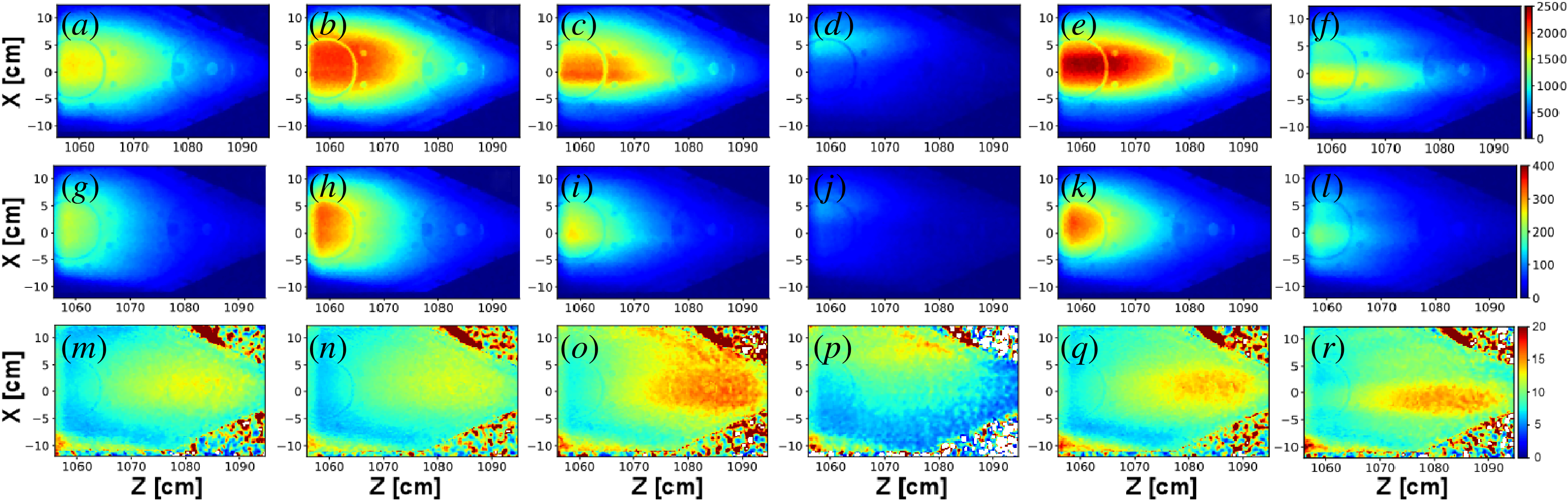
Figure 10 presents H α and H β emission images ((a)−(f) and (g)−(l), respectively), along with H α /H β intensity ratio images ((m)−(r)), captured by HSCAM at t = 300, 303, 304, 305, 308 and 313 ms after the main trigger start, respectively. The H α /H β ratio was evaluated using sensitivity-calibrated emission intensities based on calibration with a standard light source and optical filter transmission characteristics.
The H α and H β emission images ((a)−(f) and (g)−(l), respectively), and Hα/Hβ intensity ratio images ((m)−(r)), observed by HSCAM at t = 300, 303, 304, 305, 308 and 313 ms during RF2sp and SMBI operation. The images were acquired at a frame rate of 5 kfps with an exposure time of 0.1995 ms.

Upon RF2sp injection, the H α emission intensity increases, indicating enhanced excitation activity in the plasma. At t = 304 ms, localised increases in the H α /H β intensity ratio are observed in panel (o), which may be qualitatively consistent with MAR-related processes. However, the present data do not allow a definitive identification of MAR contribution. Following SMBI injection, the emission structure becomes spatially asymmetric, with reduced emission in the lower region and enhanced emission in the upper region. This behaviour suggests localised modification of plasma conditions associated with directional SMBI fuelling. The transient evolution observed in HSCAM images is qualitatively consistent with the ion-flux response shown in figure 8.
4. Discussion
The present results demonstrate that the transient plasma response in GAMMA 10/PDX can be interpreted by separating the roles of RF heating and SMBI-driven particle perturbations. The RF2sp heating primarily modifies the background plasma condition by gradually increasing plasma temperature and density in the CC. This gradual response is reflected in the slow variation of diamagnetism and ion flux observed prior to SMBI injection. In contrast, SMBI induces abrupt and transient changes in plasma parameters, including rapid increases in line-integrated electron density and localised modifications of plasma profiles. The strong temporal correlation between the SMBI pulse timing and these rapid changes indicates that SMBI acts as the dominant driver of the transient perturbations observed in the present experiments.
This interpretation is supported by the comparison between the first and second SMBI pulses. The first pulse is superimposed on RF2sp heating, whereas the second pulse is applied without RF2sp. Despite the absence of additional heating, the second SMBI pulse still produces a clear increase in electron density in the CC and a delayed increase in ion flux in the D-module. This result indicates that SMBI alone can induce transient partial reattachment behaviour. The primary difference between the two pulses is the response amplitude, which is attributable to differences in the initial plasma condition established by RF2sp heating. Therefore, RF heating mainly determines the background plasma state, while SMBI provides the primary perturbation responsible for the transient dynamics.
A key feature of the present experiment is the finite delay between the plasma response in the CC and that in the D-module. The increase in line density in the CC occurs slightly earlier than the rise in ion flux measured in the divertor-simulation region. This delay can be interpreted as the propagation time of the particle flux along the magnetic field lines. Assuming an axial distance of approximately 10 m between the CC and the D-module and an ion sound speed of the order of 104 m/s, the expected transport time is approximately 1 ms. This estimate is consistent with the delay observed in the line-density measurements and supports the interpretation that the SMBI-induced particle flux originates in the CC and propagates downstream to influence divertor plasma conditions.
The transition between detached and partially attached states is more reliably identified through ion-flux measurements than through emission intensity alone. In the present study, a reduction in ion flux is used as a primary indicator of detachment, consistent with previous studies in linear plasma devices. Around t ≈ 305 ms, a temporary decrease in ion flux is observed, followed by rapid recovery during the SMBI pulse. This behaviour suggests a transient transition toward deeper detachment, followed by partial reattachment driven by the increase in upstream particle flux. The correspondence between ion-flux reduction and subsequent recovery provides a physically consistent interpretation of the transient detachment dynamics.
The behaviour of Balmer-line emission, including the H α /H β intensity ratio, provides additional qualitative insight into the underlying atomic and molecular processes. Elevated H α /H β ratios observed in localised regions are qualitatively consistent with transient detached plasmas in which molecular processes contribute to plasma energy dissipation (Federici et al. Reference Federici2024). However, in the present experiment, the emission data are interpreted only as supporting evidence rather than as a definitive diagnostic. The spatial localisation of enhanced H α /H β regions suggests that MAR may contribute to plasma cooling and recombination near the SMBI injection path. Since the present analysis does not quantitatively separate atomic and molecular contributions, the interpretation of MAR remains qualitative (Sakamoto et al. Reference Sakamoto2017; Yoshikawa et al. Reference Yoshikawa2026). Nevertheless, the coexistence of different emission structures indicates that partially attached and recombining plasma regions can simultaneously exist in the D-module.
The decrease in emission observed in the lower region following SMBI injection can be interpreted as a consequence of particle redistribution rather than simply a reduction in electron temperature. The directional nature of SMBI introduces a localised high-density particle flux from the upper side of the plasma, leading to asymmetric modification of the plasma condition. Consequently, plasma density and ionisation activity are enhanced in some regions and reduced in others. This interpretation is consistent with the asymmetric electron density profiles observed in the CC and with the spatial structure of the emission distribution in the D-module.
Finally, the transient partial reattachment lasting several milliseconds demonstrates the strong sensitivity of the detached plasma to upstream particle perturbations. Such rapid transitions are qualitatively consistent with recent studies of pulsed plasma loading in linear devices, where ELM-like perturbations induce fast detachment–reattachment cycles. Although the present experiment differs in device configuration, the underlying mechanism – namely, a rapid increase in upstream particle flux leading to temporary partial reattachment – is likely to be common.
These results demonstrate that SMBI is an effective actuator for inducing controlled transient perturbations in detached plasma. Furthermore, the interaction between SMBI and background RF heating can be systematically understood by separating their respective roles. The combination of time-resolved diagnostics and controlled particle perturbations therefore provides a useful framework for investigating transient divertor physics and detachment dynamics under reactor-relevant plasma conditions.
5. Conclusion
In this study, the transient detachment dynamics induced by upstream particle perturbations was investigated in the GAMMA 10/PDX tandem mirror device using double-pulse SMBI with and without additional radio-frequency (RF2sp) heating. The application of SMBI generated intermittent high-density particle fluxes, enabling controlled and reproducible perturbations to detached plasma conditions.
The experimental results demonstrate that SMBI acts as the primary driver of transient plasma response, producing rapid increases in electron density and inducing transitions between detached and partially attached states. In contrast, RF2sp heating plays a secondary role by modifying the background plasma condition, thereby affecting the amplitude of the SMBI-induced response. The comparison between the first and second SMBI pulses, with and without RF heating, indicates that transient partial reattachment can be triggered by SMBI alone, while the presence of RF heating modifies the initial plasma state and enhances the response.
A finite time delay observed between plasma responses in the CC and the divertor-simulation module is consistent in order of magnitude with parallel particle transport along magnetic field lines. This finding supports the interpretation that upstream particle perturbations propagate downstream and directly influence divertor plasma conditions.
The transition towards detached and partially attached states is more reliably identified from ion-flux measurements, which show clear reductions and recoveries corresponding to transient detachment and partial reattachment. Emission analysis, including the H α /H β intensity ratio, suggests the possible presence of MAR-related processes in localised regions, although these observations are interpreted as qualitative indications consistent with previous studies.
These results demonstrate that controlled SMBI perturbations provide an effective method for investigating the dynamic response of detached plasma under transient conditions. The ability to distinguish the roles of particle fuelling and background heating offers a useful framework for understanding detachment stability and transient partial reattachment processes.
The present study contributes to the broader understanding of upstream–downstream coupling in divertor-relevant plasmas and highlights the importance of transient particle perturbations in governing detachment behaviour. Such insights are relevant to the control of plasma–surface interactions and the development of reliable detachment scenarios in future fusion devices.
Acknowledgements
The authors sincerely thank the members of the GAMMA 10/PDX group for their collaboration in the experiments. This study was supported by the bilateral collaboration research program in the University of Tsukuba and Kyoto University (NIFS20KUGM148, NIFS20KUGM159, NIFS21KUGM165 and NIFS21KUHL101). An AI language model was used to assist with English editing of the manuscript.
Editor Cary Forest thanks the referees for their advice in evaluating this article.
Declaration of interests
The authors report no conflict of interest.
Appendix A. Dependence of line-density increase on SMBI pulse duration
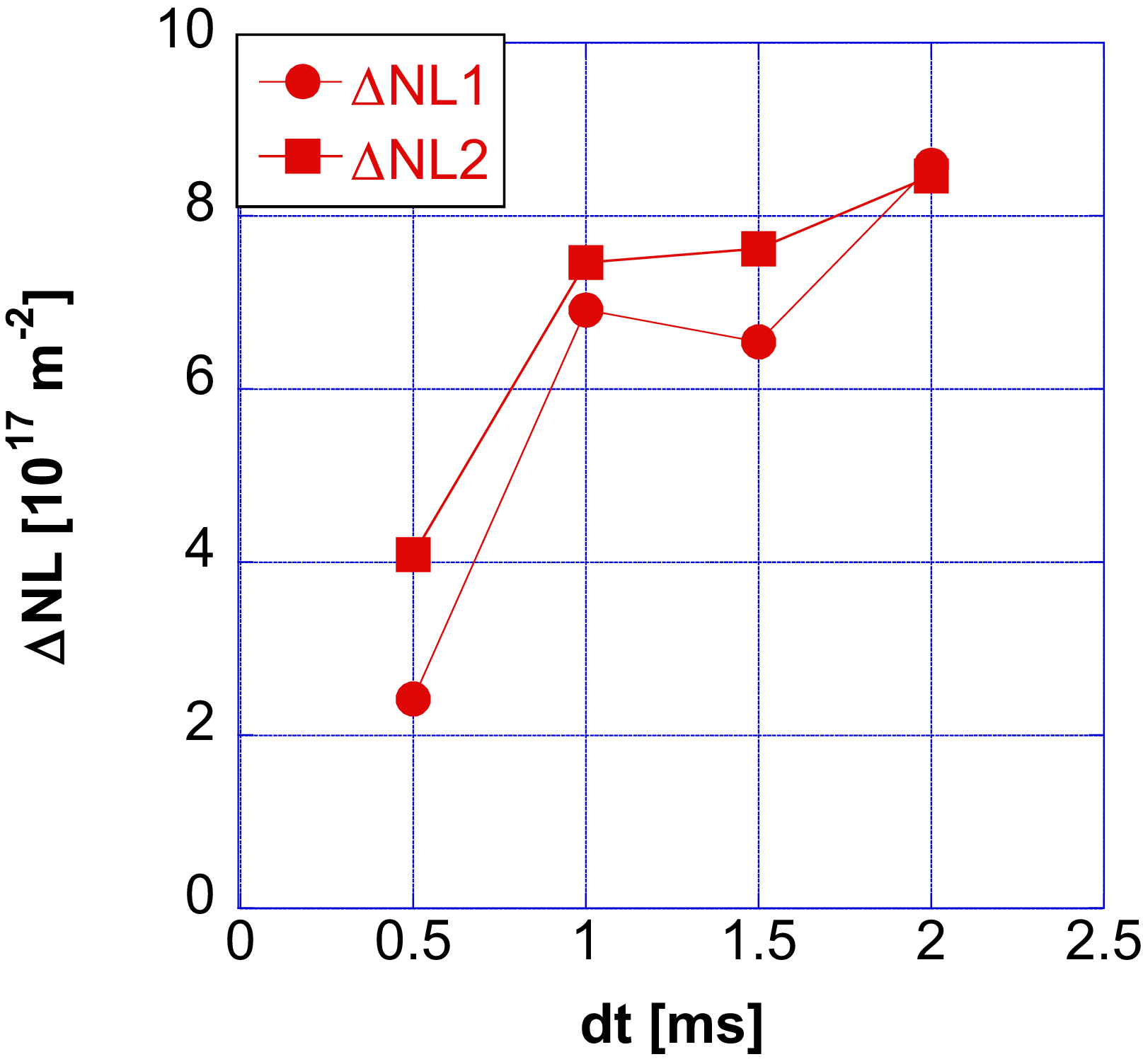
Figure 11 illustrates the ΔNL as a function of SMBI pulse duration at a plenum pressure of 2.0 MPa. A saturation trend was observed for pulse durations exceeding 1 ms. Although ΔNL increases with longer pulse durations, the rate of increase plateaued beyond approximately 1 ms. Comparable results were obtained for both the first and second SMBI pulses.
Line density increase against SMBI pulse duration.

Appendix B. The SMBI penetration velocity as a function of plenum pressure
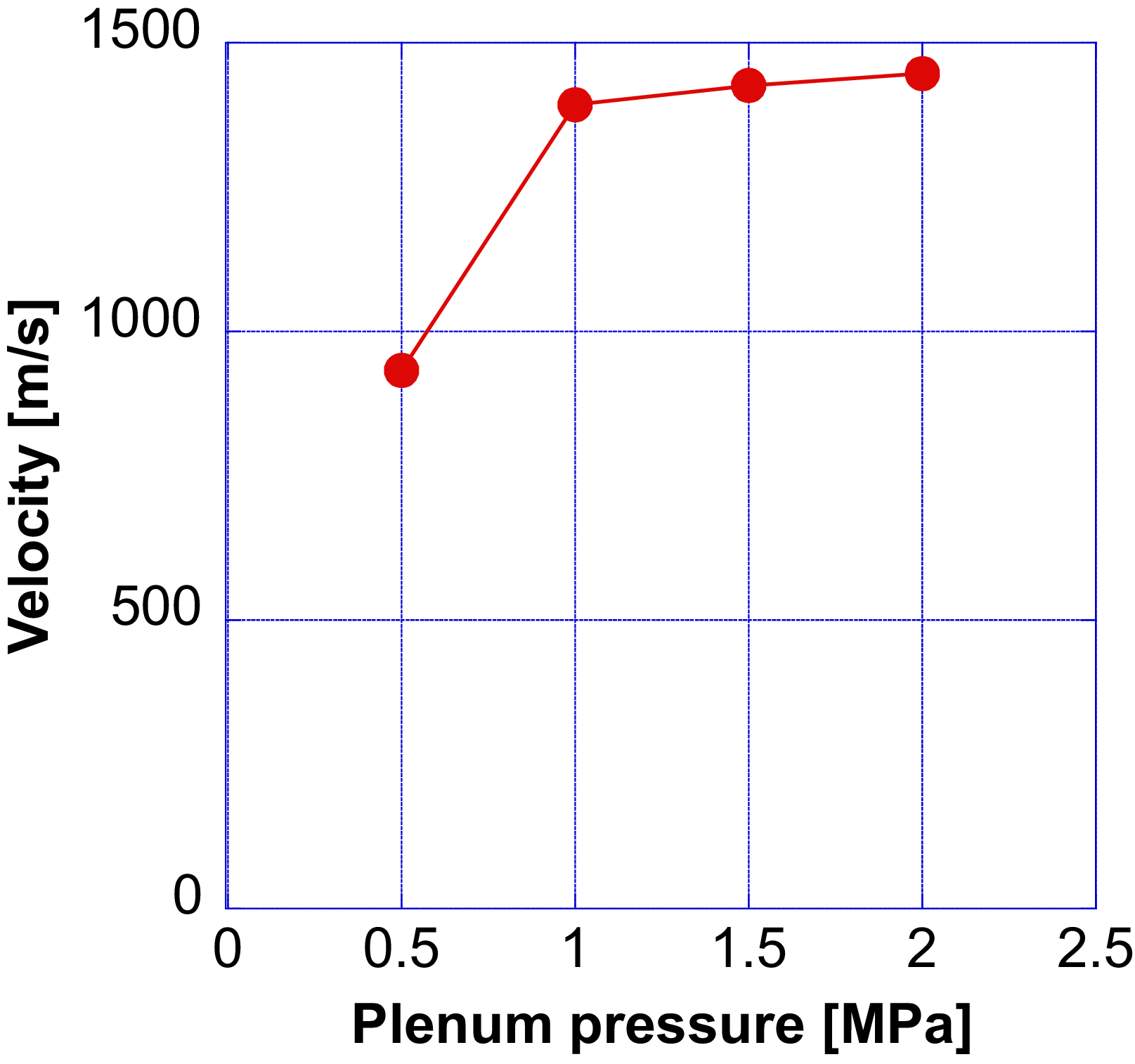
Figure 12 shows the penetration velocity of the gas injected by SMBI, measured using Hα emission peaks at X = 15.23 cm and X = 8.1 cm in the Hα emission array system, as a function of plenum pressure. At plenum pressures exceeding 1 MPa, the penetration velocity is approximately 1400 m s–1. This value is of the same order of magnitude as those reported for other SMBI systems.
The SMBI penetration velocity against plenum pressure.


 Open access

