CHDs continue to be a significant health problem in both developed and developing countries. The incidence of CHDs, which constitute almost one-third of all congenital defects, vary from 4 to 50 cases per 1000 live births in different cohorts. Reference Van Der Linde, Konings and Slager1 Although survival length has increased gradually with the widespread application of advanced surgical repair and intensive care, complications after surgery have also become more frequent. Reference Triedman and Newburger2 Acute kidney injury is a common and serious complication of cardiac surgery in both adults and children. Reference Van Den Eynde, Cloet and Van Lerberghe3 Although the pathogenesis of acute kidney injury that occurs after paediatric cardiac surgery has not be fully explained, it has been reported that the patient’s clinical and demographic characteristics as well as surgical variables may be associated with the development of acute kidney injury. Reference Triedman and Newburger2 Physiological differences in children and difficulties related to surgical procedures in infants cause increased risk of developing acute kidney injury after cardiac surgery. Reference Toda and Sugimoto4 Mechanisms of cardiac surgery-associated acute kidney injury include renal ischemia, reperfusion injury, inflammation, and cardiopulmonary bypass-induced hemolysis. Reference Sharma, Chakraborty, Sharma, Sethi and Raina5 Potential therapeutic agents, such as diuretics, dopamine, fenoldopam, rasburicase, aminophylline have been used in the prevention and/or treatment for acute kidney injury in patients with paediatric cardiac surgery, but results have been suboptimal. Reference Alsaadoun, Rustom and Hassan6 Of these, diuretics can augment urine output, but are less efficient in preventing acute kidney injury progression. Dopamine and the dopamine receptor agonist fenoldopam can be used for management of acute kidney injury because of their vasodilator effects on the renal vasculature in animal models, but these have failed to exert benefit in human studies. Reference Yuan7 Studies have reported that xanthine derivatives (e.g., aminophylline and theophylline) inhibit adenosine-induced vasoconstriction, potentially preventing the development of acute kidney injury. Reference Toda and Sugimoto4 However, to date no study has investigated the role of theophylline in preventing acute kidney injury in patients with CHD who undergo surgery.
The aim of this study was to evaluate the effect of intraoperative use of theophylline on kidney functions in children undergoing cardiac surgery for CHDs.
Materials and methods
The study was designed as a single centre retrospective study and was conducted from January, 2018 to January, 2020 at Koşuyolu High Specialty Training and Research Hospital, Istanbul, Turkey. All research procedures were evaluated and accepted by the Research Ethics Committee of Kartal Koşuyolu High Specialty Training and Research Hospital and were conducted in agreement with the ethical standards specified in the Declaration of Helsinki. Written informed consent was obtained from the parents and/or legal guardians of the patients. A total of 94 patients aged 1–60 months who underwent open heart surgery for CHD were included in the study. Patients with an ejection fraction above 65%, undergoing complete corrective surgery and cardiopulmonary bypass, and had a Risk Adjustment for Congenital Heart Surgery score below 3 were included in the study group. Patients with hepatic insufficiency, kidney insufficiency, heart failure, epilepsy, history of arrhythmia, those who underwent surgery under emergency conditions and needed postoperative extracorporeal membrane oxygenator, and newborns (0–21 days old) were excluded from the study. Patients were grouped based on whether or not they had received theophylline infusion in a standardised fashion. As per the approved study protocol based on prior studies, Reference Tamburro, Thomas, Ceneviva, Dettorre, Brummel and Lucking8,Reference Shi, Fan and Shu9 we had planned theophylline administration in children undergoing cardiac surgery to increase urine output, given that urine output was lower than 1 ml/kg/hour despite fluid resuscitation and furosemide (1 mg/kg) administration in patients with normal haemodynamic parameters. Patients with convulsion history, tachycardia and drug allergies were not administered theophylline. Contrarily, the patients in the control group (non-theophylline group) were selected retrospectively from those who had not received theophylline due to any reason throughout the same study period (n = 119). From these patients, we selected a group in a randomised fashion with matching for age, sex, body mass index, diagnoses, type of surgery, and Risk Adjustment for Congenital Heart Surgery category to obtain a 1-to-1 ratio of patients (n = 47) in both groups.
Demographic characteristics and clinical features, including diagnosis, type of surgery, Risk Adjustment for Congenital Heart Surgery category, duration of cardiopulmonary bypass, and aortic cross-clamp (in minutes), total fluid intake and urine output (intraoperative and 24 hours after surgery), vasoactive inotrope score and renal and cerebral near infrared spectroscopy results, were recorded in addition to length of stay on mechanical ventilator, in the ICU and in the hospital (days). Date of tracheal extubation and the final status of each patient were obtained from patients’ files. Detailed preoperative and postoperative biochemical analysis results, including serum creatinine, urea, and estimated glomerular filtration rate, were recorded preoperatively and at postoperative 24th hour. Lactate was measured from arterial blood gas samples preoperatively, at cardiopulmonary bypass full flow and 5 minutes after cardiopulmonary bypass termination.
Near infrared spectroscopy was utilised as a non-invasive, real-time, and continuous tool for assessing regional oximetry – reflecting tissue perfusion. Reference Davie and Grocott10 Renal and cerebral measurements were recorded at the following time points: preoperative, at cardiopulmonary bypass full flow, 5 minutes after cardiopulmonary bypass termination. The risk assessment of the patients was carried out with the Risk Adjustment for Congenital Heart Surgery classification. Risk Adjustment for Congenital Heart Surgery is used to evaluate differences in mortality among patients undergoing cardiac surgery and classifies patients into six categories according to the type of surgical procedure to be performed. A higher classification means higher risk of mortality and morbidity. Reference Jenkins, Gauvreau, Newburger, Spray, Moller and Iezzoni11 Inotropic drugs used in patients were recorded together with their doses, and the vasoactive inotrope score values of the patients were calculated via the following formula: vasoactive inotrope score = Dopamine dose (mcg/kg/minute) + Dobutamine dose (mcg/kg/minute) + 100 × Adrenaline dose (mcg/kg/minute) + 10 × Milrinone dose (mcg/kg/minute) + 10,000 × Vasopressin dose (unit/kg/minute) + 100 × Noradrenaline dose (mcg/kg/minute). Reference Gaies, Gurney and Yen12
Theophylline infusions were initiated after the induction of anaesthesia in all patients to standardise therapeutic approach and enable reliable comparisons. Theophylline was administered through a central venous catheter until the end of the 24th hour after the surgery, at a dose of 0.3 mg/kg/hour for patients aged 1–6 months, or at a dose of 0.5 mg/kg/hour for those aged 6–60 months. The diagnosis of acute kidney injury was based on the criteria put forth by the Kidney Disease Improving Global Outcomes study: serum creatinine elevation of ≥0.3 mg/dl within 48 hours after surgery or increase to ≥1.5-fold baseline serum creatinine within 3 days of cardiac surgery. Reference Okusa and Davenport13
Statistical analysis
All analyses were performed on SPSS v21 (SPSS Inc., Chicago, IL, USA). For the normality check, the Shapiro–Wilk test was used. Data are given as median (1st quartile–3rd quartile) for continuous variables according to normality of distribution and as frequency (percentage) for categorical variables. Between-group comparisons were performed with the Mann–Whitney U test for continuous variables, while the chi-square test or Fisher’s exact test was used for categorical variables. Repeated measurements were analysed with the Wilcoxon Signed Ranks test or Friedman’s analysis of variance by ranks depending on number of repeated measurements. Pairwise comparisons were performed with the Bonferroni correction method. Between-group comparisons of changes in repeated measurements were performed by analysing differences between the measurements with the Mann–Whitney U test. Multiple linear regression analysis (stepwise selection method) was performed to determine significant factors associated with decrease in estimated glomerular filtration rate in hospital. Two-tailed p-values of less than 0.05 were considered statistically significant.
Results
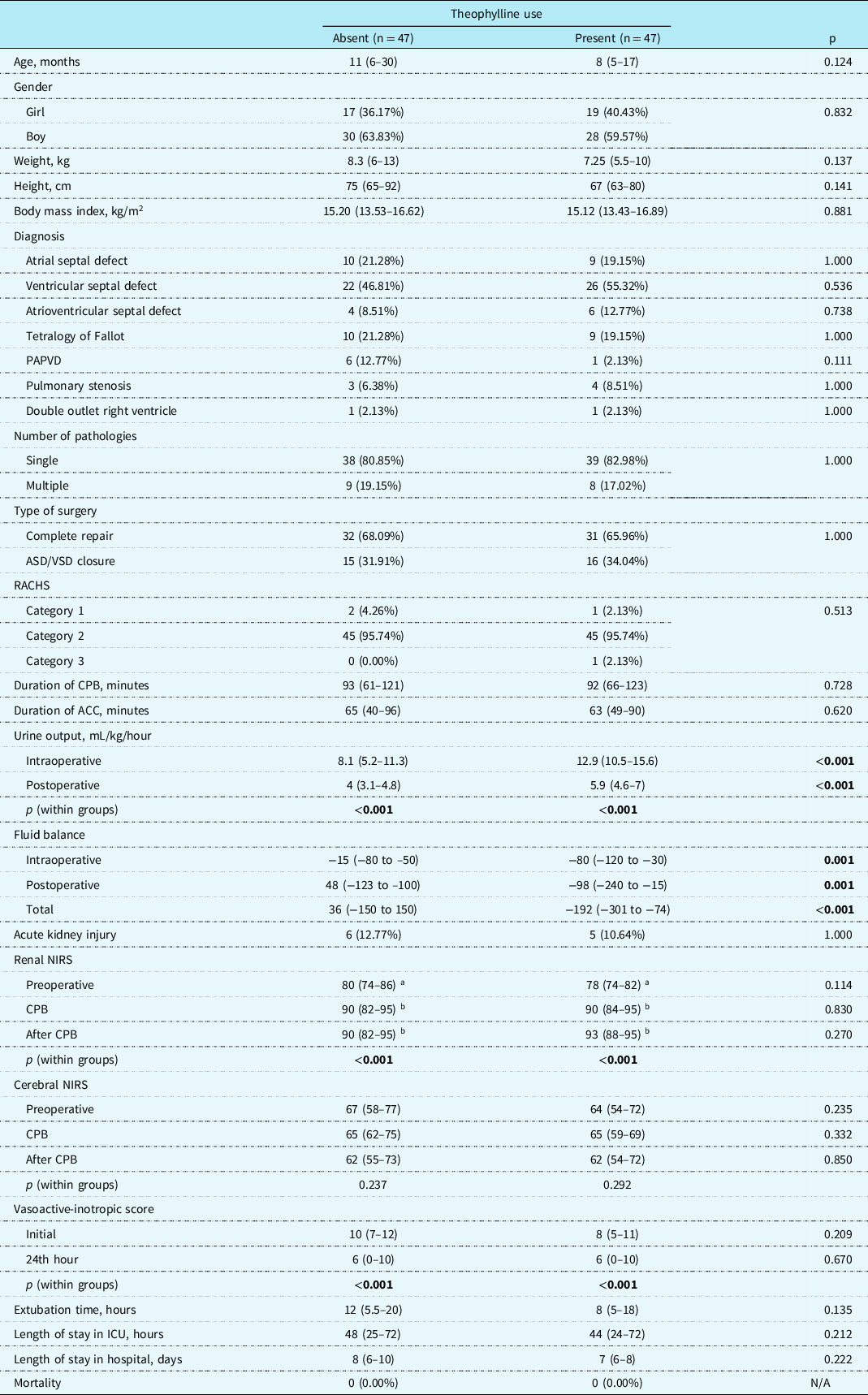
The mean age of patients was 16.15 ± 15.62 months and most of them were boys (n = 58, 61.7%). The diagnoses of the patients were atrial septal defect (n = 19, 20.1%), ventricular septal defect (n = 48, 51.06%), atrioventricular septal defect (n = 19, 20.1%), partial anomalous pulmonary venous drainage (n = 7, 7.44%), pulmonary stenosis (n = 7, 7.44%), and double outlet right ventricle (n = 2, 2.13%). While 63 patients underwent complete repair, 31 patients received atrial septal defect/ventricular septal defect closure. That is, 31 of the patients did not have any additional cardiac anomalies that required correction, whereas 63 patients had other minor anomalies that had been corrected during the primary surgical intervention. The patients were divided into two groups (theophylline group, n = 47 and the non-theophylline group, n = 47) according to the administration of theophylline infusion. The incidence of acute kidney injury was similar between the two groups (p = 1.000). No significant differences were observed between the two groups with respect to age, gender, weight, height, BMI, diagnosis, type of surgery, Risk Adjustment for Congenital Heart Surgery category, cardiopulmonary bypass and aortic cross-clamp duration, length of stay in the ICU and in the hospital, date of tracheal extubation, and mortality (all, p > 0.05) (Table 1).
Demographic and clinical characteristics of patients with regard to groups.
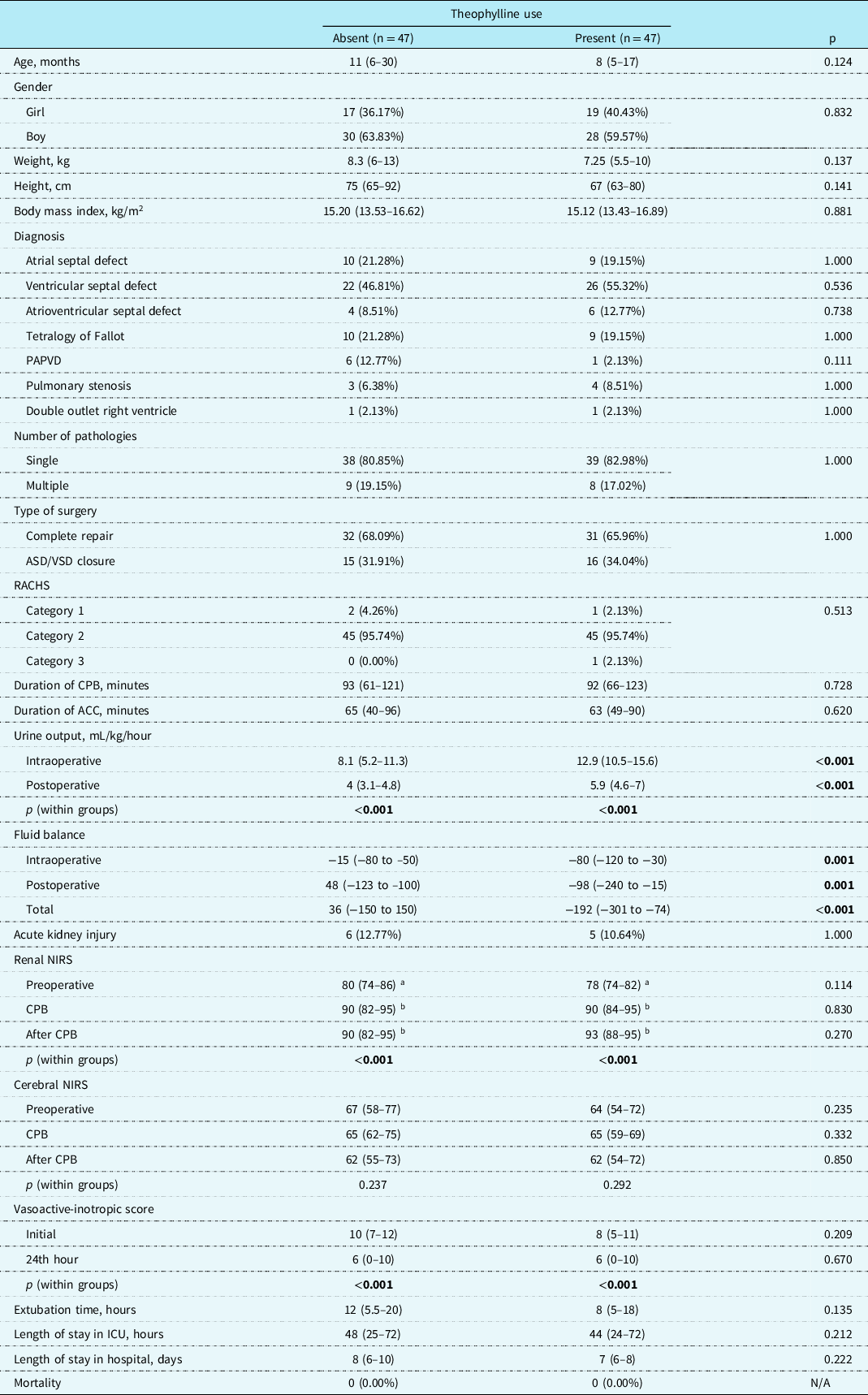
PAPVD: partial anomalous pulmonary venous drainage; ASD: atrial septal defect; VSD: ventricular septal defect; RACHS: Risk Adjustment for Congenital Heart Surgery; CPB: cardiopulmonary bypass; ACC: aortic cross-clamp; NIRS: near infrared spectroscopy.
Data are given as median (1st quartile–3rd quartile) for continuous variables according to normality of distribution and as frequency (percentage) for categorical variables.
a,bSame letters denote the lack of statistically significant difference between repeated measurements. Bold text indicates statistical significance (p < 0.05).
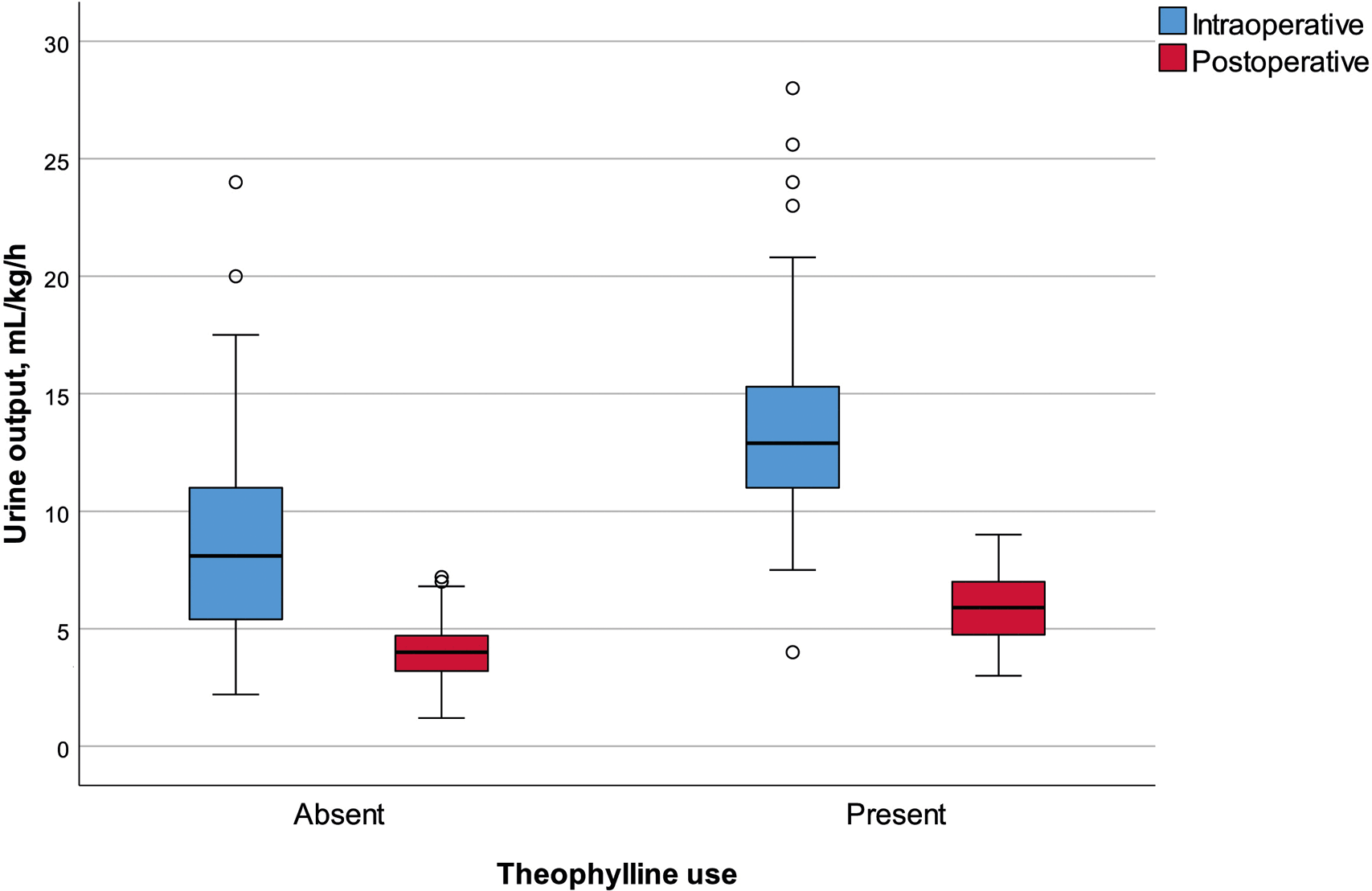
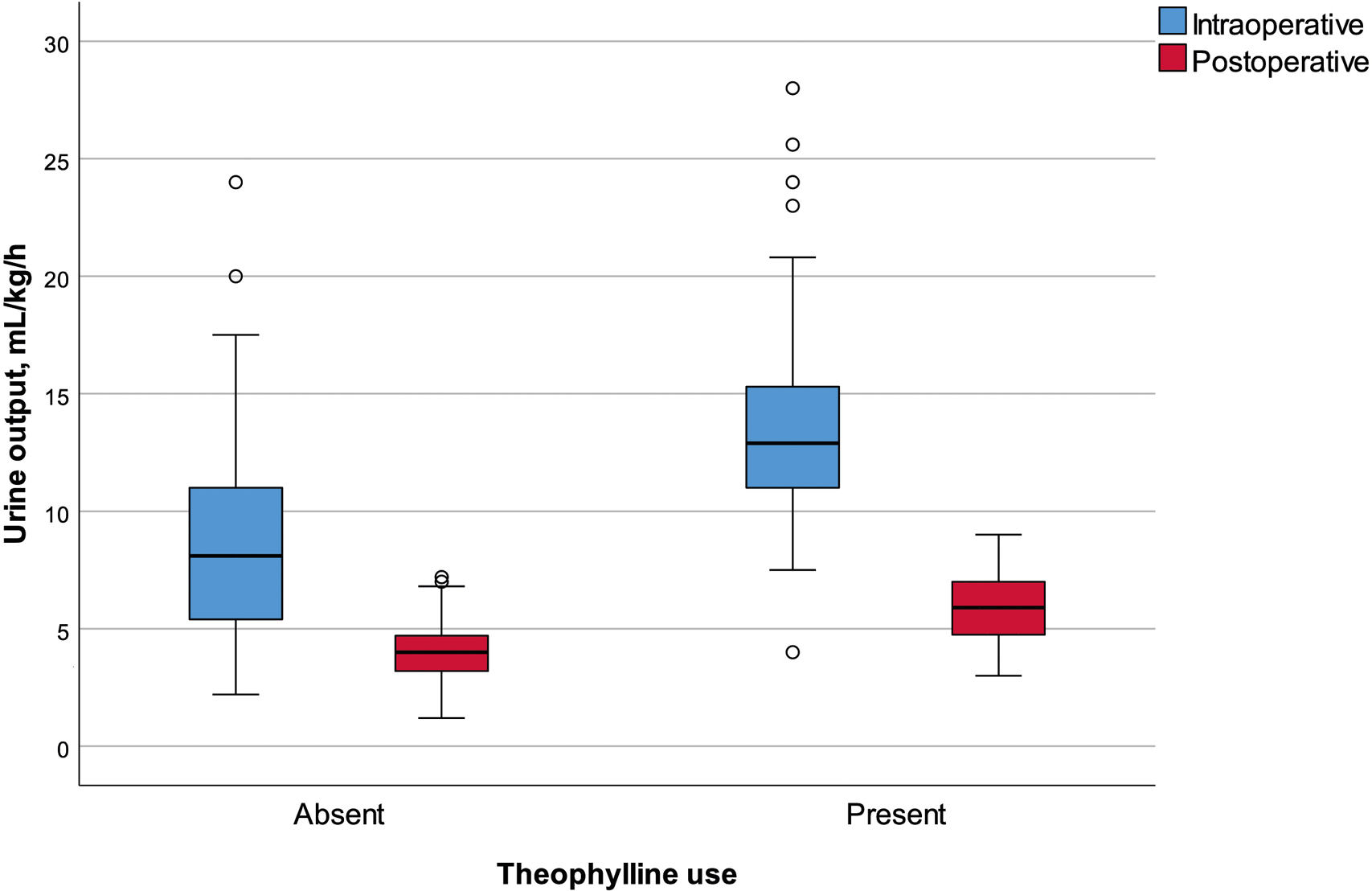
Intraoperative and postoperative urinary output values were higher in the theophylline group (all, p < 0.001). In both groups, urinary output level decreased significantly after the operation, but the amount of decrease was significantly greater in the theophylline group (p = 0.001) (Table 1, Fig 1). Fluid balance was lower in theophylline recipients compared to the non-theophylline group in both intraoperative and postoperative comparisons (p < 0.001 for both) (Table 1). Renal near infrared spectroscopy values were similar in the two groups preoperatively (p = 0.114), during cardiopulmonary bypass (p = 0.830) and after cardiopulmonary bypass (p = 0.270). During the surgery, renal near infrared spectroscopy values increased significantly in both groups (p < 0.001 for both), but the amount of increase was similar (p = 0.060). Cerebral near infrared spectroscopy values were also similar in the two groups preoperatively (p = 0.235), during cardiopulmonary bypass (p = 0.332) and post-cardiopulmonary bypass (p = 0.850). There were also no significant changes in cerebral near infrared spectroscopy values in neither the theophylline (p = 0.292) nor the non-theophylline group (p = 0.237) during the surgery (Table 1). With regard to vasoactive inotrope score, groups were similar for both baseline (p = 0.209) and 24th hour (p = 0.670) values. Both groups demonstrated a significant decrease in vasoactive inotrope score values from baseline to the 24th hour (p < 0.001 for both) (Table 1).
Urine output with regard to groups.
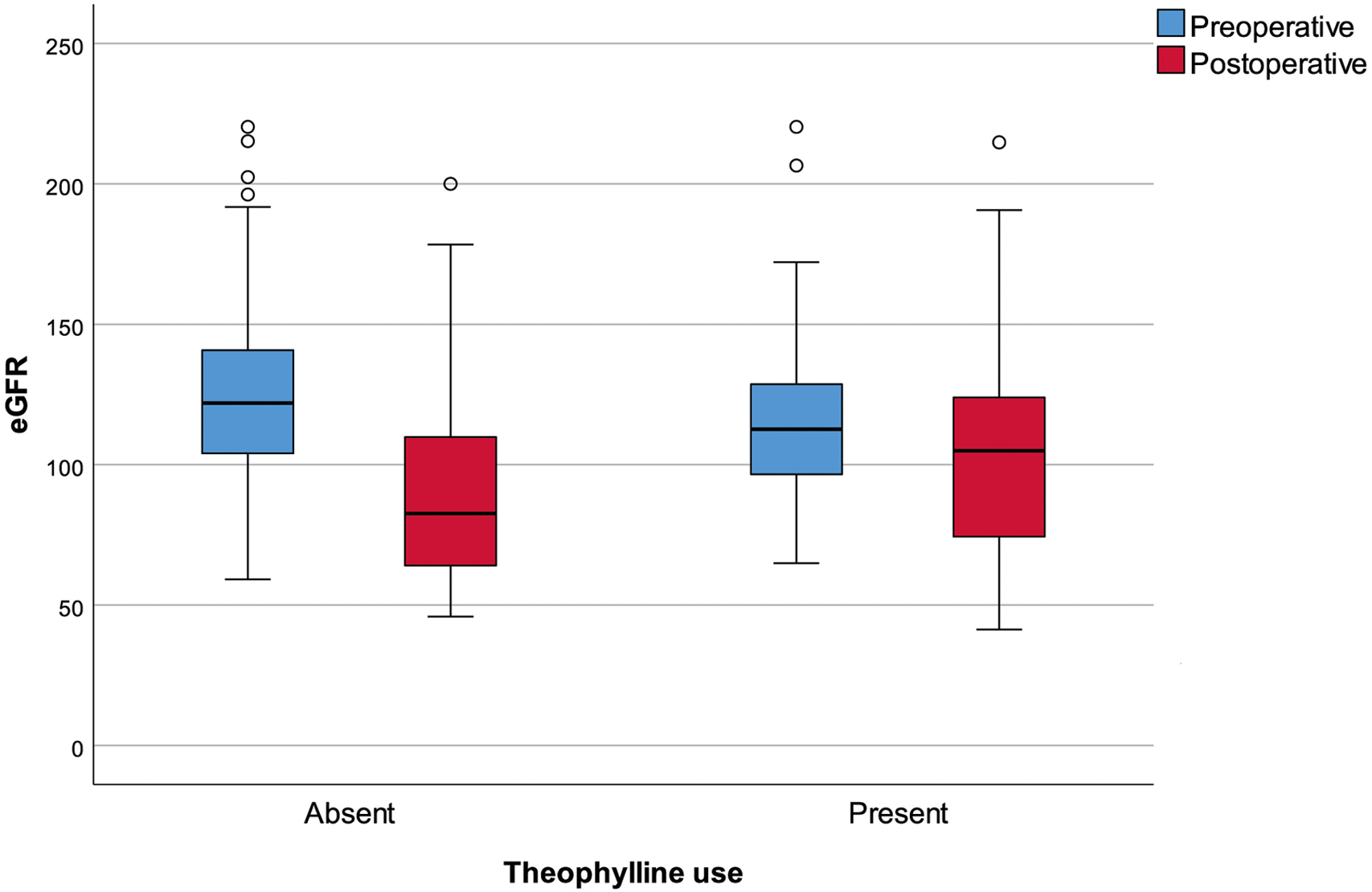
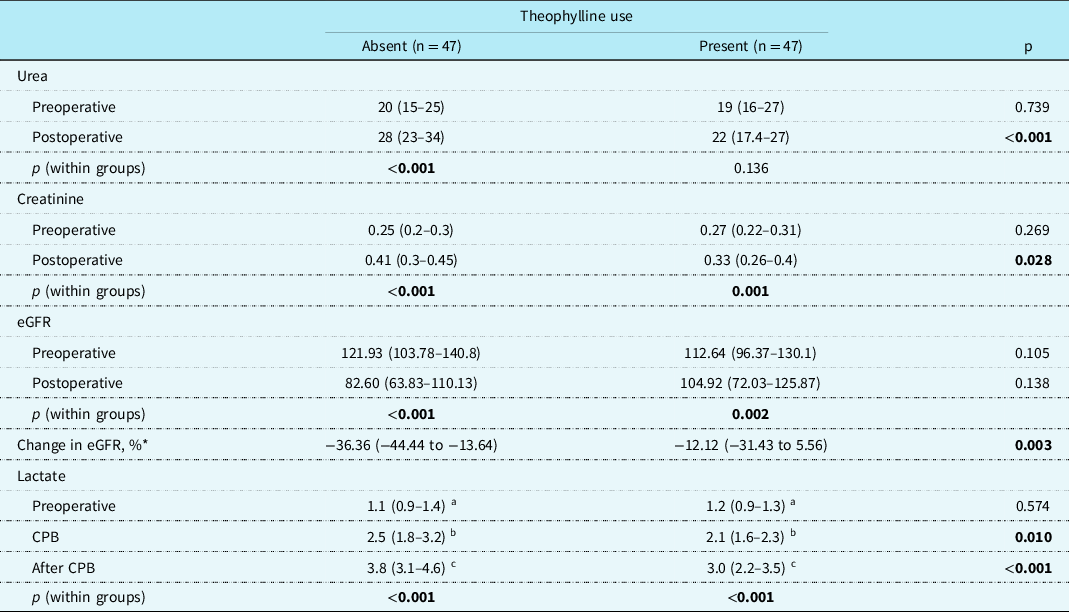
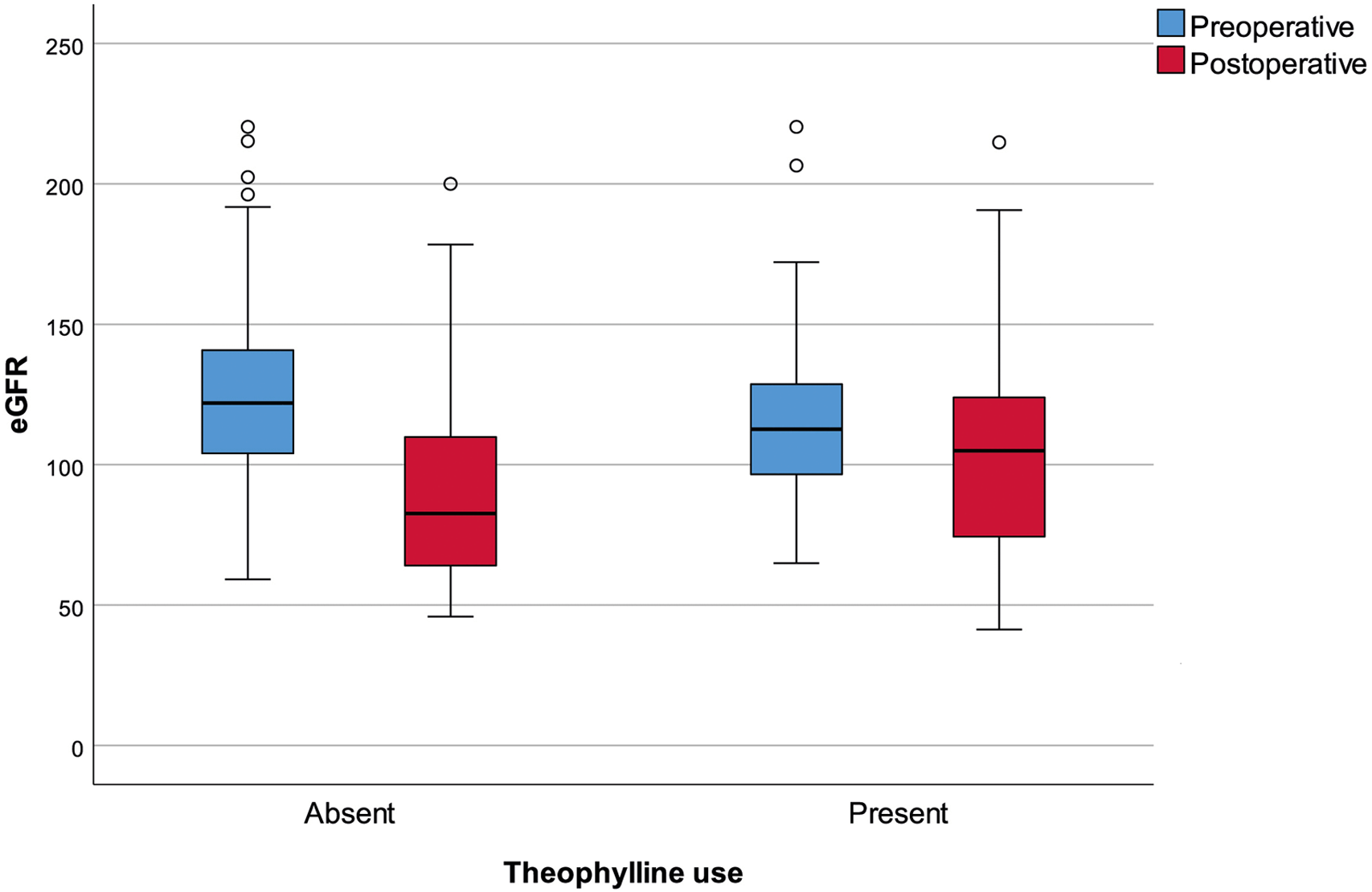
While groups were similar in terms of intraoperative urea levels (p = 0.739), postoperative urea was found to be lower in the theophylline group (p < 0.001). Urea levels increased significantly in the non-theophylline group during the surgery (p < 0.001), no significant change was observed in the theophylline group (p = 0.136) (Table 2). Although the groups were similar with respect to preoperative creatinine levels (p = 0.269), postoperative creatinine levels were found to be lower in theophylline recipients (p = 0.028). Creatinine values increased significantly in the theophylline (p = 0.001) and non-theophylline (p < 0.001) groups, but the amount of increase was significantly lower in the theophylline group (p = 0.001) (Table 2). There was no difference between the groups according to preoperative (p = 0.105) and postoperative (p = 0.138) values. It was observed that estimated glomerular filtration rate decreased significantly in both the theophylline (p = 0.002) and non-theophylline (p < 0.001) groups during the surgery, but the amount of decrease was greater in theophylline recipients (p = 0.003) (Table 2, Fig. 2). While the groups were similar in terms of preoperative lactate (p = 0.574), lactate levels were found to be significantly higher in the non-theophylline group during cardiopulmonary bypass (p = 0.010) and after cardiopulmonary bypass (p < 0.001). During the surgery, lactate level increased significantly in both groups (p < 0.001 for both), but the amount of increase was greater in the non-theophylline group (p < 0.001) (Table 2).
eGFR with regard to groups.
Biochemical characteristics of patients according to groups.
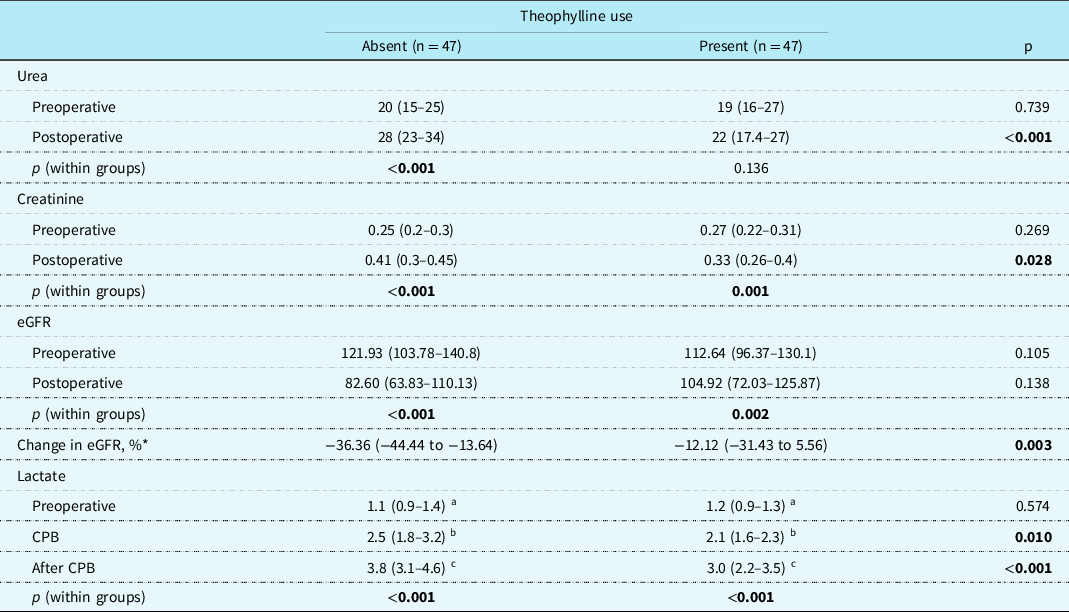
eGFR: Estimated glomerular filtration rate.
* Negative values represent decrease in eGFR and positive values represent increase in eGFR.
a,b,cSame letters denote the lack of statistically significant difference between repeated measurements. Bold text indicates statistical significance (p < 0.05).
We performed multiple linear regression analysis to determine significant factors associated with the decrease in estimated glomerular filtration rate. We found patients with higher age (p = 0.002) had less decrease in estimated glomerular filtration rate. Also, theophylline recipients (p = 0.001) had less decrease in estimated glomerular filtration rate than those who had not received theophylline. Other variables included in the model, gender (p = 0.346), body mass index (p = 0.879), number of pathologies (p = 0.559), surgery type (p = 0.737), Risk Adjustment for Congenital Heart Surgery (p = 0.692), duration of CPB (p = 0.145), and duration of ACC (p = 0.135) were found to be non-significant (Table 3).
Significant factors of the decrease in eGFR with multiple linear regression analysis.

eGFR: Estimated glomerular filtration rate.
Dependent Variable: Decrease in eGFR (%); R2 = 0.169; F = 9.238; p < 0.001.
Discussion
This study aimed to examine the use of theophylline in CHD surgery with respect to its possible effects in the prevention of renal function deterioration. Although we found a similar incidence of acute kidney injury in the two groups in our study, we showed that renal functions were preserved at a significantly greater degree with the use of theophylline. Our results show better postoperative urea, creatinine, estimated glomerular filtration rate, and lactate levels in theophylline recipients compared to non-recipients. Multiple regression analysis also revealed that theophylline use was significantly associated with preserved estimated glomerular filtration rate.
Acute kidney injury is a common and challenging complication following CHD surgery that leads to increased morbidity and mortality and presents with reduced urine output, fluid overload, and elevated biochemical parameters, including creatinine, urea, and estimated glomerular filtration rate. Reference Van Den Eynde, Cloet and Van Lerberghe3 Depending on the definition criteria of acute kidney injury and the investigated population, its incidence in children and neonates who undergo cardiac surgery varies between 3 and 60%. Reference Park, Hur and Kim14 Similarly, we found that 12.77% of patients receiving theophylline and 10.64% of the non-theophylline group hadacute kidney injury. In prior studies, various factors have been associated with cardiac surgery-related acute kidney injury, including age, weight, the complexity of the underlying CHD, Risk Adjustment for Congenital Heart Surgery score, use and duration of cardiopulmonary bypass, intraoperative hypotension, blood transfusion, use of nephrotoxic agents, and low cardiac output syndrome. Reference Park, Hur and Kim14,Reference Onder, Rosen and Mullett15 Consistently, we showed that older CHD patients had significantly less reduction in estimated glomerular filtration rate. This may be associated with immature renal parenchyma being more prone to ischaemic damage. However, body mass index, Risk Adjustment for Congenital Heart Surgery score, and duration of CPB were found to be non-significant factors (unassociated with decrease in estimated glomerular filtration rate). This may be due to the characteristics of our study population. Because the risk factors for acute kidney injury after cardiopulmonary bypass are multifaceted, each of the possible factors can affect the final acute kidney injury phenotype and change clinical presentation. The risk of renal medullary hypoxia / ischaemia and related acute kidney injury increases in cases where the perfusion pressure decreases, as is the case during cardiac surgery. Reference Sharma, Chakraborty, Sharma, Sethi and Raina16 Reperfusion induces pro-inflammatory mediators, such as cytokines and chemokines, and increases the production of reactive oxygen species, resulting in reperfusion injury. Reactive oxygen species and inflammatory activity damage renal tissue by recruiting macrophages, neutrophils, and lymphocytes into the kidney parenchyma, leading to permanent kidney damage due to fibrosis. Reference Sharma, Chakraborty, Sharma, Sethi and Raina5 In addition to the ischaemic and inflammatory pathways, the use of cardiopulmonary bypass is central to the development of acute kidney injury. Cardiopulmonary bypass is related to changes in haemodynamics, vasoconstriction of the renal arterioles, and loss of pulsatile linear blood flow. Blood flow characteristics during cardiopulmonary bypass cause an increase in peripheral vascular resistance and poor micro-circulation, leading to tissue oedema, neurohormonal activation (such as endogenous release of catecholamines and the induction of the renin-angiotensin-aldosterone cascade), and ischaemia reperfusion injury that promotes reactive oxygen species production and inflammation as well as renal tubular damage. Reference Leow, Chan, Ng, Lim, Nakao and Lee17 Cardiopulmonary bypass can also lead to mechanical damage followed by haemolysis, resulting in release of free haemoglobin into the circulation, which may also contribute to renal tubular damage and acute kidney injury. Reference Krawczeski18 The ability to alleviate renal dysfunction and improve urine output and fluid balance is critical to prevent acute kidney injury in children undergoing CHD surgery, since these patients are inherently at risk for prolonged hospital stay, often require mechanical ventilation, and have higher hospital mortality rates.
Adenosine is an important mediator of tubuloglomerular feedback and is a potent vasoconstrictor of the afferent arteriole in the presence of angiotensin II, leading to a decrease in solute flow and maintenance of energy balance. Reference Alsaadoun, Rustom and Hassan19 Adenosine blockade (specific or non-specific) has been demonstrated to reduce vasoconstriction and to increase urine output as well as improve renal and glomerular blood flow secondary to acute kidney injury induced by renal hypoxic-ischaemic injury. Reference Leow, Chan, Ng, Lim, Nakao and Lee17 Non-specific adenosine receptor antagonists, such as aminophylline and theophylline, have been reported to be efficient in both the prevention and treatment of acute kidney injury in several paediatric conditions, including perinatal asphyxia, contrast-induced nephropathy, tacrolimus-induced acute kidney injury, and respiratory distress. Reference Axelrod, Anglemyer and Sherman-Levine20 Previously published KDIGO guidelines recommend a single dose of theophylline be administered to neonates with severe perinatal asphyxia who are at high risk of acute kidney injury. Reference Kellum, Lameire and Aspelin21 Theophylline is known to exert a renoprotective effect by increasing renal blood flow through selective renal adenosine antagonism, thereby increasing estimated glomerular filtration rate. Reference Legrand, Dupuis and Simon22,Reference Boyd, Forbes, Nakada, Walley and Russell23 Theophylline and its soluble compound, aminophylline, present diuretic effects at low dosage (theophylline concentration of 2–3 µg/mL), and type IV phosphodiesterase inhibitory effects at high dosage (>10 µg/mL). Reference Park, Trout, Xu, Wang, Tamburro and Halstead24 Increased theophylline levels are related with adverse outcomes such as arrhythmia and agitation. Reference Park, Trout, Xu, Wang, Tamburro and Halstead24 Frymoyer et al demonstrated in 71 children who underwent cardiac surgery with cardiopulmonary bypass and received aminophylline that 50–75% lower doses than those suggested in non-cardiac pathologies are required to obtain target serum theophylline levels of 5–10 mg/L. Reference Frymoyer, Su, Grimm, Sutherland and Axelrod25 Consistently, we administered theophylline at a dose of 0.3 mg/kg/hour or 0.5 mg/kg/hour to obtain the diuretic effect. No side effects and complications associated with theophylline were observed in our study group. Although no study was found in the literature examining the effect of theophylline on acute kidney injury after cardiac surgery in CHD patients, there are two studies evaluating the renal protective effect of aminophylline. Onder et al, in a study of 200 children who underwent paediatric cardiac surgery, found that intraoperative aminophylline was more effective than furosemide in reversing oliguria in the early postoperative period, but no significant difference was found between the two groups in terms of acute kidney injury development over a 48-hour period. Reference Onder, Rosen and Mullett15 Axelrod et al reported in a randomised controlled study of 72 children undergoing paediatric cardiac surgery that aminophylline infusion had no significant effect on kidney functions. Reference Axelrod, Sutherland, Anglemyer, Grimm and Roth26 The inconsistencies between the results of these studies may be due to differences between operating teams, different surgical characteristics, number of patients and patient characteristics. In agreement with the study by Onder et al, we demonstrated similar acute kidney injury incidence in the theophylline and non-theophylline groups. However, we found better postoperative biochemical analysis results, including urea, creatinine, estimated glomerular filtration rate, and lactate, and also clinical outcomes, such as urine output and fluid balance, in theophylline recipients compared to the non-theophylline group. We found an important decrease in serum creatinine and urea levels, accompanied by improved estimated glomerular filtration rate, increased urine output, and decreased fluid overload with theophylline treatment. Our results indicate that renal functions were significantly improved with the use of theophylline in CHD surgeries. Our results further support the idea that adenosine blockade in the renal vasculature by theophylline may have beneficial effects on renal functions in CHD patients undergoing cardiac surgery with cardiopulmonary bypass. We also revealed an association between estimated glomerular filtration rate preservation and theophylline use via multiple regression analysis, suggesting that theophylline use may be one of the independent determinants of estimated glomerular filtration rate decrease. We propose that individualised management of patients can positively affect kidney functions and could reduce morbidity and mortality.
Lactate is abundant in cardiac, liver, and renal tissue, and its amount increases in the circulation during and after the surgery (including during cardiopulmonary bypass), and its levels were found to be associated with mortality. Reference Dennis, Spreng and Nelson27 Maarslet et al demonstrated in children who underwent CHD surgery that postoperatively increased lactate was an indicator of mortality and need for peritoneal dialysis. Reference Maarslet, Møller, Dall, Hjortholm and Ravn28 Arterial blood lactate of ≥4.5 mmol/L was found to be a risk factor associated with postoperative morbidity and mortality in children who underwent CHD surgery in another study. Reference Şahutoğlu, Yaşar, Kocabaş, Aşkar, Ayık and Atay29 There is no study in literature examining the relationship between lactate levels and theophylline administration. We demonstrated lower lactate levels during and after cardiopulmonary bypass and a lower rate of lactate increase in patients who received theophylline, suggesting that theophylline may be protective in terms of mortality when evaluated together with the results of previous studies. This also indicates that theophylline can reduce lactate-induced tissue destruction in patients.
Renal saturation may provide insight into kidney function and risk of kidney damage in children. Reference Chock, Frymoyer, Yeh and Van Meurs30 Neonatal renal tissue oxygenation is associated with future acute kidney injury, and multiple studies in neonatal patients undergoing cardiac surgery show that low renal tissue oxygenation is correlated with acute kidney injury. Reference Bonsante, Ramful and Binquet31 The near infrared spectroscopy is a non-invasive continuous measurement tool frequently used in the neonatal ICU for monitoring regional blood flow and tissue oxygenation and is an effective device for diagnosing acute kidney injury. Owens et al showed in patients with acute kidney injury after infant cardiac surgery that low renal near infrared spectroscopy was associated with prolonged ventilatory time, high vasoactive support, increased lactate level, and decreased systemic oxygen delivery. Reference Owens, King, Gurney and Charpie32 To date, no study examined the effect of theophylline use on near infrared spectroscopy in the literature. We demonstrated that near infrared spectroscopy increased during surgery in both the theophylline and non-theophylline groups, and the levels of increase were similar in the groups. This indicates that monitoring renal perfusion and oxygenation with renal near infrared spectroscopy may not provide early real-time data on the efficacy of theophylline to prevent or reverse acute kidney injury in children undergoing surgery for CHDs. However, parameters such as patient BMI, amount of subcutaneous fat, and use of certain drugs are potential confounding factors for near infrared spectroscopy use and outcomes. Reference Leow, Chan, Ng, Lim, Nakao and Lee17 Our results may have resulted from the confounding effects of clinical or surgical variables in our study population.
Study limitations
First, the study was conducted in a single centre and had a retrospective design with a limited number of patients. These limit the generalisation of the results to the entire population of patients with CHDs, and since theophylline administration was based on the presence of low urine output, there may have been several underlying factors that could influence results – despite meticulous randomisation and strict inclusion/exclusion criteria which would make possible variations unlikely. Additionally, we matched the control group to the theophylline group for various critical characteristics, and the laboratory findings of the patients were also similar at preoperative assessment. Second, patients with higher Risk Adjustment for Congenital Heart Surgery scores were not included in the study. Therefore, our results cannot be generalised to higher risk paediatric groups. Third, the heterogeneous nature of the patients in our study group with a wide range of CHD diagnoses is another limitation that prevents direct comparability in the present groups and also other studies. Fourth, the results of the parameters measured in the study do not include the evaluations after the postoperative 24th hour. Finally, different doses of theophylline and comparisons with other treatment options have not been assessed.
Conclusions
This was the first study to evaluate the effects of theophylline on acute kidney injury in paediatric cardiac surgery with cardiopulmonary bypass. Although we demonstrated a similar incidence of acute kidney injury in the theophylline and non-theophylline groups, we revealed an important decrease in serum creatinine, urea, and lactate levels, accompanied by improved estimated glomerular filtration rate, increased urine output, and decreased fluid overload with theophylline treatment, suggesting that renal functions significantly improved with the use of theophylline in CHD patients who underwent cardiac surgery. Identifying individualised risk factors, clinical outcomes, and treatment modalities can positively affect kidney functions, and therefore, future studies that can stratify patients based on different characteristics are needed to understand the role of theophylline and to further elucidate its utility for acute kidney injury prevention in children undergoing cardiac surgery for CHD.
Acknowledgements
None.
Financial support
This research received no specific grant from any funding agency, commercial, or not-for-profit sectors.
Conflicts of interest
None.
Ethical standards
The authors assert that all procedures contributing to this work comply with the ethical standards of the relevant national guidelines on human experimentation (Research Ethics Committee of Kartal Koşuyolu High Specialty Training and Research Hospital) and with the Helsinki Declaration of 1975, as revised in 2008, and has been approved by the Institutional Review Board at Seattle Children’s Hospital.