


INTRODUCTION
“It was I'd say two years before I can finally get [my insurance company] to agree [to pay for surgery]. But it was just continuous letter-writing after letter-writing after letter-writing. I have been suicidal, I have been depressive, and then they finally said, okay, we'll go with it.” Phoenix, a nonbinary Michigan resident, described to us how difficult it was to obtain gender-affirming procedures covered by insurance even when state law prohibits exclusions of transgender care in private insurance plans and state Medicaid policy explicitly affirms coverage. What exactly makes Phoenix's situation so slippery and difficult, even when legal protections ought to make a significant difference? Studying the role of legal rights in securing transgender and/or nonbinary people's health, safety, equal opportunity, and dignity has become more urgent since the passage of significant rights expansions on the basis of gender identity across the United States and in the Affordable Care Act (ACA) in 2010 and the recent volatility of trans rights between the Trump and Biden administrations. Rights expansions are crucial because trans people face high levels of violence, discrimination, and social and economic inequality (Reference Grant, Mottet and TanisGrant et al., 2011). Scholars have elaborated transgender and/or nonbinary people's lived experiences in employment (Reference SchiltSchilt, 2006), health care (Reference Nordmarken, Kelly, Harvey, Housel, Kreps and PeterkinNordmarken & Kelly, 2014; Reference PearcePearce, 2018; Reference PlemonsPlemons, 2017; Reference shustershuster, 2016, Reference shuster2021), public debates over bathrooms and sports (Reference Schilt and WestbrookSchilt & Westbrook, 2015; Reference Westbrook and SchiltWestbrook & Schilt, 2013), intimate and family life (Reference MeadowMeadow, 2018; Reference PfefferPfeffer, 2017), and sexuality (Reference PfefferPfeffer, 2014).Footnote 1 The nexus of healthcare and legal rights is a meeting place of some of the most powerful institutions, professional norms, and financial stakes as well as a critical site for individuals' thriving and suffering (Reference Jacob and KirklandJacob & Kirkland, 2020; Reference Kirkland and HymanKirkland & Hyman, 2021), and so we focus our inquiry there.
The healthcare field is particularly fraught for transgender and/or nonbinary people (Reference Grant, Mottet and TanisGrant et al., 2011; Reference Nordmarken, Kelly, Harvey, Housel, Kreps and PeterkinNordmarken & Kelly, 2014). Medical professionals, therapists, and insurance companies are gatekeepers to the therapies and procedures that many trans and/or nonbinary people seek (Reference DietzDietz, 2020; Reference PlemonsPlemons, 2019; Reference shustershuster, 2016). To receive care, a trans person must be diagnosed with gender dysphoria (the current term), obtain letters from therapists, and in most cases follow a fairly strict set of professional guidelines to obtain any gender confirmation services (as they are now called; Reference Dubov and FraenkelDubov & Fraenkel, 2018; World Professional Association for Transgender Health (WPATH), n.d.). These gatekeeping rules come from professional associations such as the American Psychiatric Association (APA) and the World Professional Association for Transgender Health (WPATH), an international body of experts from a variety of fields who make recommendations concerning standards of care for trans people, as well as from insurance companies' own incorporation and interpretation of these guidelines in their own rules for coverage (Reference Monahan and SchwarczMonahan & Schwarcz, 2022). Finding and paying for appropriate medical care and wrangling with insurance companies is difficult for many people with a wide range of health conditions in the United States (Reference RobertsonRobertson, 2019). What makes trans people's healthcare struggles distinct is that insurance coverage denials based on gender identity are now ostensibly against the law in 24 states and the District of Columbia (Transgender Legal Defense and Education Fund, 2020a, 2020b), under the Affordable Care Act, and likely according to future interpretations of the Supreme Court's holding in Bostock v. Clayton County (2020) that gender identity discrimination is sex discrimination. Bostock was an employment discrimination case about firing LGBT employees, not a health insurance case. Employee benefits are covered under nondiscrimination requirements, however, so the case is likely to drive further formal rights expansions.
Health insurance companies in the United States play a critical gatekeeping role in mediating patient rights because they only provide coverage for treatment that does not fall within policy exclusions (Reference Ericson, Doyle and BarryEricson et al., 2003; Reference TaleshTalesh, 2015). A common (but not universal) set of trans health insurance coverage needs include psychological therapy, hormones and medical visits to monitor hormone levels, followed by hysterectomy, breast removal, and chest reconstruction for transmen and vaginoplasty and related procedures for transwomen. WPATH also recommends that additional procedures be covered by insurance such as facial gender confirmation surgeries, hair removal, Adam's apple shaving, and breast augmentation (n.d.). Coverage for these procedures is much more tenuous.
Most of these medical services are expensive and in the United States, health insurance coverage is critically important for accessing them. For a health insurer to authorize treatment, they must determine the procedure, drug, or service is “medically necessary” as opposed to excluded as “cosmetic, experimental or investigational.” Insurers decide what is medically necessary based on a mixture of medical diagnosis, established standards of care, value judgments, and business calculations. Discretion for determining and approving medically necessary care ultimately rests with the health insurer, not the patient or provider. Insurers publish a basic definition of medical necessity in the plans a beneficiary receives and then publish medical guidelines for providers with more detail. Where medical necessity is contested, as it is with gender confirming care in many settings, different actors seek to construct its meaning using the tools available to them professionally and personally.
The indeterminacy created by the power of health insurers to determine coverage sits uneasily with expanded healthcare rights on the basis of gender identity. Civil rights protections in healthcare expanded in 2010 under the Affordable Care Act (ACA) Section 1557, prohibiting nearly all healthcare entities from discriminating “on the ground prohibited under title VI of the Civil Rights Act of 1964 [race, color, or national origin], title IX of the Education Amendments of 1972 [sex], the Age Discrimination Act of 1975 [age], or section 794 of title 29 [disability].” The reference to sex under Title IX extended the first federal right to be free from sex discrimination in health care. The Obama administration's implementing regulations included gender identity as part of sex discrimination (“an individual's internal sense of gender, which may be male, female, neither, or a combination of male and female”) and specifically stated that a covered entity may not “have or implement a categorical coverage exclusion or limitation for all health services related to gender transition.” However, the rules left insurers with discretion to determine what is covered by indicating “nothing in this section is intended to determine, or restrict a covered entity from determining, whether a particular health service is medically necessary or otherwise meets applicable coverage requirements in any individual case” (Department of Health and Human Services, 2016).
Therefore, despite progressive legal reforms meant to boost transgender rights to obtain care covered by insurance, what constitutes medical necessity for gender confirming care among health insurers is still ambiguous and within the discretionary power of insurers. We are left with a classic law on the books versus law in action situation: although the ACA's Section 1557 and the Bostock decision both affirm that gender identity discrimination is sex discrimination, it is an open question exactly what kind of social change these laws will produce for trans people who seek medical coverage through their health insurers. Invoking medical necessity and diagnosis as the keys to gender-confirming care has many pitfalls (Reference ButlerButler, 2006), including reproducing hierarchies that reward heteronormative, cisgender appearance (e.g., successful “passing” after facial feminization procedures) and bolstering medical authority to guide people through a limited set of transition steps on the way to a clear binary gender identity (Reference Grzanka, DeVore, Gonzalez, Pulice-Farrow and TierneyGrzanka et al., 2018). Our study explores how trans people and health care intermediaries navigate the health insurance process and contest the meaning of medical necessity in coverage determinations. Specifically, we explore two interrelated issues that focus on the lived experience of trans people when they engage the health insurance system: how do actors across the transgender health field, that is, trans people seeking care, doctors, social workers, mental health specialists, and office administrators, construct the meaning of medically necessary health insurance coverage?; and what impact do these constructions have on the delivery of health care to trans people?
We build upon existing research to develop an integrated, interdisciplinary approach to studying law, gender identity, and health. Specifically, we draw from socio-legal studies of health insurance and patient activism and studies of trans people's experiences in the healthcare organizational context. Existing empirical research on trans people's experiences with health insurance identify a series of individual and structural barriers but have not focused as much on how the construction and implementation of medical necessity among health care actors impacts trans people's access to care (Reference PlemonsPlemons, 2017, Reference Plemons2019; Reference shustershuster, 2016; Reference Van EijkVan Eijk, 2017). Socio-legal health scholars have highlighted patient and provider contestation of insurance coverage and to some degree the role of medical necessity (Reference BergtholdBergthold, 1995; Reference JohnsonJohnson, 2006; Reference OrsiniOrsini, 2012; Reference SkinnerSkinner, 2019) but have not looked at how these issues are resolved in the transgender health context. We integrate and extend these literatures by exploring the processes and mechanisms through which trans people, doctors, administrators, and insurers construct the meaning of medical necessity and how this impacts transgender people's access to care and thus the actualization of new healthcare rights.
Relying on contract analysis and interviews of trans people who used insurance coverage for gender-affirming care and health care intermediaries such as doctors, therapists, and insurance billing administrators, this study reveals how multiple and competing notions of what medical necessity means operate in the transgender health field. Notably, the trans people in our study had health insurance that ostensibly covered at least some of their care. Although insurers have removed most outright exclusions for gender transition care, we find that health insurance policy language, interpretation, and implementation of what constitutes medically necessary treatment of gender dysphoria often create disadvantages and barriers for trans people who attempt to access care. In addition to contesting the definition of medical necessity, trans people, providers, and administrators highlight how the discretion afforded insurers when interpreting and implementing the term allows insurers to impose subtle rule-based requirements that disproportionately impact transgender and/or nonbinary people and contravene the antidiscrimination principles set forth by the ACA. We show how contestations over medical necessity shape the disputing process concerning transgender healthcare among people, providers, and insurance companies. In particular, health care intermediaries such as doctors, therapists, and administrators act as advocates and agents of resistance on behalf of their trans people by coding recommended procedures, drafting referral letters, and appealing insurance denials with an eye toward triggering medical necessity. Finally, we reveal direct and indirect innovations and coping strategies that transgender and/or nonbinary people deploy to qualify for medically necessary care and fight for their rights against health insurance companies.
Our interview sample (n = 32) includes people with a range of gender identities and expressions, including Black racialization, and we resist characterizations that reduce the diversity within our sample (such as the assumption that the providers are cisgender or that the seekers of care are working toward a clear place on the gender binary). Disputes over medical necessity would seem to cover over these variations with the heavy bureaucracy of insurance corporate-speak, but we show how indeterminacy produces barriers that both replicate well-known problems of transgender exclusion but also contest and sometimes overcome them.
Our study, therefore, reveals not just the power of insurance policy language but the mechanisms through which insurance contract interpretation and implementation is a socially contested and negotiated process. The definition, discretion, and disputing around what constitutes medical necessity for gender dysphoria shapes and ultimately inhibits transgender people's access to care. Policymakers interested in expanding momentum among public legal institutions to expand transgender rights would be wise to focus on not just the law on the books, but instead, the law, or in this case, insurance-in-action and the subterranean ways transgender rights are constructed, contested, and weakened through the insurance process.
AN INTERDISCIPLINARY APPROACH TO STUDYING LAW, GENDER IDENTITY, AND HEALTH INSURANCE
Trans people's access to health insurance and health care is crucial because while so many people depend on it to live and be seen by others as they are, navigating the gatekeeping and hoop-jumping of medical requirements can be exhausting and damaging.Footnote 2 Transgender studies research, nearly all of which investigates intersections of law and health in one way or another, is a burgeoning area of research across the social sciences (Reference Pearce, Moon, Gupta and SteinbergPearce et al., 2019; Reference Schilt and LagosSchilt & Lagos, 2017). Sociologists and political scientists have documented the wide array of social movement strategies, interest group mobilization, and legal change from the local to the national level that have transformed transgender rights in the United States (Reference Taylor, Lewis and Haider-MarkelTaylor et al., 2018; Reference Taylor and Haider-MarkelTaylor & Haider-Markel, 2014). Much of this research demonstrates how legal rights are expanding at the same time as diversity among trans people and the priorities for their lives is increasingly recognized. Socio-legal scholars have also evaluated expanded transgender inclusion in civil rights laws, noting their limitations (Reference DavisDavis, 2014, Reference Davis2018; Reference KirklandKirkland, 2003; Reference MeadowMeadow, 2010; Reference SpadeSpade, 2015).
Recent studies focus on healthcare providers who work with transgender people (Reference AikenAiken, 2016; Reference PlemonsPlemons, 2019; Reference shustershuster, 2016; Reference Van EijkVan Eijk, 2017) to examine how these professionals navigate their roles. stef Reference shustershuster's (2021) study of therapists and doctors working in trans medicine found that they engage their gatekeeping roles differently, with some adopting more stringency about their clients' readiness for bodily transformations or expectations for binary gender conformity. Others are more flexible, viewing gatekeeping moments (such as writing a letter to say a client is ready for surgery) as opportunities to shield their clients' privacy while using minimally restrictive language that will still obtain the intervention. Marieke van Eijk's ethnographic research into the care provided at one gender identity clinic found even more clinician openness to their clients' diversity, with clinicians also resisting imposing rigid gender roles and medicalized expectations on their clients (Reference Van EijkVan Eijk, 2017). Eric Plemons's anthropological work on facial feminization surgeries exposes the financial and structurally limiting factors for access to transgender care, as there are often simply not enough trained surgeons and some who have made their reputations in the age before insurance coverage (with all private pay clients) are reluctant to share their expertise with newer cohorts of doctors and a rapidly increasing patient load (Reference PlemonsPlemons, 2017; Reference PlemonsPlemons, 2019).
Other studies identify structural barriers transgender people face when medically transitioning. Hospital administrative management of all the requirements and the waiting lists generates a lot of waiting and confusion, and challenges such as genital hair removal (the cost, the pain, the many visits) before surgery can be scheduled can mean many months of delay (Reference PlemonsPlemons, 2019; Reference Thoreson, Marks, Klint Peebles, King and DommaschThoreson et al., 2020). Some surgeons will not perform procedures on anyone with a body mass index (BMI) over 33 (Clara, interview). Insurance nondiscrimination lawsuits and advocacy are aimed at helping individual transgender people secure care (Toomey v. Arizona, 2019), but they operate within the U.S. healthcare system and its deep inequalities, health disparities, and continued exclusions, and cannot fix all the challenges even if they are successful (Reference MetzlMetzl, 2019; Reference MichenerMichener, 2018).
Outside the transgender health context, socio-legal health scholars have documented insurance activism in many arenas of coverage (Reference MeridMerid, 2020) such as prescription medications (Reference JohnsonJohnson, 2006), marijuana (Reference SkinnerSkinner, 2019), mental health (Reference SkinnerSkinner, 2019; Reference WagnerWagner, 2005), C-sections and abortion (Reference SkinnerSkinner, 2019), autism (Reference OrsiniOrsini, 2012), HIV/AIDS (Reference HoffmanHoffman, 2003), and cancer (Reference Brenner, Kasper and FergusonBrenner, 2000). People, insurers and healthcare intermediaries haven long debated insurance policy definitions, conditions, and exclusions because these provisions govern the provision of goods people need to thrive and survive. “Medical necessity,” which defines the limit of health insurance coverage for everyone, and the overarching exclusion language in most polices, “cosmetic, experimental, or investigational,” serve as key gatekeeping provisions between people and insurance companies for determining the standard of appropriate health care (Reference BergtholdBergthold, 1995). The term “medical necessity” historically expanded care post-World War II (justifying payments for care to otherwise neglected groups such as the poor and disabled) and has more recently been used to justify insurers' denials (Reference BergtholdBergthold, 1995; Reference DietzDietz, 2020). Most guidelines for health insurers determine medical necessity based on whether the proposed treatment for the diagnosed condition comports with the standards of good medical practice, is required for remedying the condition and not purely for the convenience of the patient or others, and is appropriate for the level of care needed (Reference SircarSircar, 2017). The ACA helps “promote predictability in health care delivery,” but it only partially does so because it does not address medical necessity sufficiently and leaves flexibility to health insurers to determine what is medically necessary care for the treatment of gender dysphoria (Reference SkinnerSkinner, 2019, p. 50).
In the relatively recent past, almost all health insurance plans explicitly excluded coverage for “sex changes” or “sex reassignment” on the grounds that transgender identity was a pathology, that it was merely an urge for cosmetic surgery, or both. By 2020, a study of ACA silver marketplace plans found that 97% had removed their transgender exclusions, stunningly successful social change (Reference Gruberg and BewkesGruberg & Bewkes, 2018; Out2Enroll, 2020). We found that providers report great improvements in their patients' ability to obtain coverage, but trans people themselves described the situation differently. Trans people still report significant challenges in using their health insurance coverage for high out of pocket costs, delays of needed care, and denials (Reference AntommariaAntommaria, 2018; Reference Bakko and KattariBakko & Kattari, 2020; Reference Dowshen, Christensen and GruschowDowshen et al., 2019; Reference Grant, Mottet and TanisGrant et al., 2011; Reference Nahata, Quinn, Caltabellotta and TishelmanNahata et al., 2017). The ACA has undoubtedly promoted health equity over the last decade (Reference Lantz and RosenbaumLantz & Rosenbaum, 2020). But Section 1557 does not reach all health plans, such as self-insured corporate plans, and so some categorical exclusions have remained there (Reference Kirkland, Talesh and PeroneKirkland et al., 2021). And some categories of gender confirmation surgeries remain in the contested area between medical necessary and cosmetic, particularly those that change the facial structure or mold contours of the body to create a more masculine or feminine appearance. As a result, considerable discretion remains with insurers to determine whether transition-related care and services are medically necessary.
In sum, transgender studies research has explicated healthcare challenges in detail, but has not focused on the social construction of medical necessity in insurance disputes and how these struggles constitute civil rights struggles. Studies of patient activism have focused on the role medical necessity plays, but not in the trans health context with its unique and dynamic medicolegal dimensions. We bridge these literatures and offer a socio-legal explanation of the gatekeeping role “medical necessity” plays in the delivery of care to transgender people seeking care. We show how contested meanings and disputing around this term constitutes what health care rights become through the insurance process.
A MIXED METHOD APPROACH TO THE TRANSGENDER HEALTH INSURANCE FIELD
To explore how the transgender health field constructs the meaning of what constitutes medically necessary coverage and what impact these constructions have on the delivery of health care to trans people, we needed to focus on the lived experience of trans people, doctors, social workers, and administrators. Thus, we employ qualitative methods for this study, interviewing the people who make trans health care happen with health insurance, from the person seeking and managing their own care to the office workers and physicians who perform procedures and manage the insurance coverage for the office. Every person in the story wrangles with health insurance in different ways, and our method examines that interaction from each perspective. Community advisory boards led by trans people working both with and as researchers have consistently placed health insurance research at the top of their priorities for study (Reference Misiolek and KattariMisiolek & Kattari, 2020), and we centered this priority to motivate our work. We rely on our prior study and additional data collection and content analysis totaling 1496 insurance contracts to frame our qualitative inquiry (Reference Kirkland, Talesh and PeroneKirkland et al., 2021). Our prior study's finding that health insurance policies are ambiguous, silent, and confusing with respect to transgender coverage even after the passage of the ACA formed the basis for exploring the meaning-making activities among those involved in gender-affirming care.
We interviewed 24 adults who identify as transgender and/or nonbinary and had sought health care to be covered by insurance related to their transgender status, had some kind of insurance coverage at the time, sought this care since the summer of 2017, and were willing to talk about their insurance coverage in some detail (IRB #HUM000120522). We obtained permission to share our call for participants on a listserv of people who had previously indicated a willingness to be contacted about research maintained at a major health center's gender services clinic. The clinic director shared our request for interviews, and we never had access to the list or any records. We used an email address designed for the study to communicate with everyone, and then deleted the account and all records from that email correspondence after recruitment was complete. We assigned each person a pseudonym immediately and did not gather any personally identifying information. Questions focused on the person's experiences with healthcare as a transgender and/or nonbinary person and the health insurance personal narrative, especially how they handled any difficulties in using their insurance coverage. Interviews were mostly over the phone but some were in person. Each participant received a $50 gift card as compensation for the approximately 45-min interview. Interviews were recorded and professionally transcribed. The three authors collaborated on interview question design and developing the coding scheme using both deductive and inductive techniques. Coding was completed using a single coder in Dedoose.
We also conducted eight interviews with allied professionals in the healthcare system who work with trans people to use their health insurance coverage for transition-related care. A senior author attended a 2019 international conference for the World Professional Association for Transgender Health (WPATH), of which she is an admitted member, and observed proceedings and spoke informally with trans and cisgender participants engaged in medical, policy, and legal work for transgender health. These observations enhanced our methodology by helping map out the field of actors and issues. We gathered interviews from three surgeons who perform gender confirmation surgeries, two clinical social workers in gender services programs, a surgery scheduler, the office administrator for one of the surgery practices, and a health insurance navigator in a hospital whose job focused on assisting people obtaining gender-affirming care. These interview subjects were located using snowball sampling techniques from an earlier study of Section 1557 transgender discrimination claims in healthcare settings. The providers are located in three different U.S. states. To anonymize them, we omit more details about their locations. Our interview scripts explored exactly how insurance claims for transgender care work from the providers' perspectives. We explored the treatment and diagnosis process, challenges with dealing with insurers, barriers that arose and how those were resolved. We probed to understand how providers understand medical necessity and how the term shapes the care provided to trans people. The three authors collaborated on interview question design and developed the coding scheme using both deductive and inductive techniques. The two senior authors conducted the interviews together, either in person or over teleconference, and analyzed the themes. Table 1 shows the demographics and gender identities of our interviewees. Of the people seeking care, 16 were white, 5 were Black, 10 were transmen, 9 were transwomen, and 5 were nonbinary. Table 2 depicts the eight allied professionals and their roles and identities.
Interview participants (n = 32)

Interview participants–allied professionals (n = 8)

HOW CONTESTATION OVER MEDICAL NECESSITY SHAPES TRANS PEOPLE'S ACCESS TO HEALTH CARE
Policies define medical necessity and insurers publish detailed medical policies that tell doctors what they will cover under it and why. We note at the outset that the same basic definition of medical necessity appears across health plans that offer gender-confirming care and those that exclude it. As we explain below, the grounds for negotiation between doctors and insurance companies bring in additional conceptualizations of medical necessity, and insurers layer on a host of additional requirements just for trans people. For example, a standard definition of medically necessary services and supplies (from Cigna's 2019 contract for Stanley Black and Decker) is: “Medically Necessary Covered Services and Supplies are those determined by the Medical Director to be: required to diagnose or treat an illness, injury, disease or its symptoms; in accordance with generally accepted standards of medical practice; clinically appropriate in terms of type, frequency, extent, site and duration; not primarily for the convenience of the patient, Physician or other health care provider; and rendered in the least intensive setting that is appropriate for the delivery of the services and supplies (p. 63).” This plan explicitly excludes “transsexual surgery, including medical or psychological counseling and hormonal therapy in preparation for, or subsequent to, any such surgery (p. 42).” Adobe's health plan, administered by Aetna, covers gender-affirming care. Their plan's definition of medical necessity is not very different from the Black and Decker contract above, which fully excludes it. Medically necessary care under this contract also means what a prudent clinician would do according to generally accepted standards that are clinically appropriate, not just for convenience, and so on. But just as the words of a statute do not necessarily tell us how the law actually works in practice, we found that these definitions explain very little about what happens when trans people and their professional allies have to argue for coverage.
This section highlights how the various actors in the transgender health field contest and influence the meaning of what is considered medically necessary. We show these actors mobilize different meanings, resulting in different levels of access to care. Medical necessity is a medicolegal boundary term, ostensibly a fixed concept for fair application, that in practice variably determines the meaning of health care rights in people's lives. We focus our findings around four areas where medical necessity shapes and influence trans people's ability to translate coverage into care: (1) the meaning of medical necessity is socially constructed by various actors who seek and work in transgender health care, leading to two different definitions; (2) insurers use discretion afforded them by the term medical necessity in insurance policies to impose rules and restrictions that throw up barriers for trans people; (3) health care providers such as doctors and social workers rely on billing and coding processes, mental health referral letters, and appeals for insurance coverage denials as key moments to contest medical necessity determinations and in doing so, engage in meaning-making activities; and (4) trans people engage in individual and structural responses to contest insurer denials based on medical necessity. Medical necessity determinations are the primary site of conflict because, as one surgery scheduler told us, “Benefit exclusions are almost futile to appeal from a provider's standpoint. We can't do anything about that” (Angela, surgery scheduler).
THE SOCIAL CONSTRUCTION OF MEDICAL NECESSITY: FUNCTIONALITY VERSUS QUALITY OF LIFE DEFINITIONS
Medical necessity is socially constructed in very different ways by actors operating within the trans healthcare field. The contestation of medical necessity leads to two different meanings of the term operating in the trans healthcare field. According to health care actors that we interviewed, insurers deem a medical procedure as medically necessary if there is a physical, functional benefit. As one doctor noted, “We get into this debate about what's medically necessary and what's not. The insurance companies tend to say unless [insurers] are going to see improved physical functioning or reduced cost of medical burden going forward, that is not a medically necessary operation” (Dr. Fischer). Other providers note that insurers consider a procedure medically necessary if the evidence of the procedure is ground in evidence-based research or consistent with international and national consensus.
Surgeons and social workers that we interviewed take a broader view. They note that there is nothing necessarily wrong with relying on evidence-based research, but they repeatedly indicated that medical necessity should be determined by whether a procedure improves the well-being and quality of life for the person, including improving the mental health of a group of people with a very high risk of suicide. Surgeons describe how insurers go back and forth over functionality and the required evidence base, where sometimes one factor is present but the other is lacking:
It's not a hard and fast thing. If there's clear functional benefit, it's not difficult. If there is data available to show clear quality of life, mental health, you know, functioning-in-society data, that's not hard. It's in the gray zone where, you really can't perceive a definite functional benefit, there's not real data to show a lot of quality of life benefit. Then it becomes hard. A good example is body contouring after massive weight loss. So insurance companies if you've lost 100 pounds, they will, without a whole lot of argument, pay for your abdominal body contouring. They rarely or never pay for arms or breasts or thighs, even though the people would clearly benefit sometimes not only in terms of quality of life, but in terms of functioning. (Dr. Fischer)
Surgeons may see some ordinary, nonsurgical procedures as much more medically necessary than insurance companies do. It is typical for surgeons to require laser hair removal from the genital area before surgery so that the final result does not leave hair growing in undesirable places. Electrolysis services are difficult to bring into the insurance context because they are not a medically elite service with billing to insurance already set up (since hair removal is not part of other medical services). Barriers to coverage extend from the insurance denial out to the mundane, such as whether the electrologist has the required secure fax machine to transmit patient information (Reference PlemonsPlemons, 2019). The intersectional impacts on those who are poor, elderly, and disabled are especially harsh: “There's people who have Medicare and Medicaid or are on disability can't get their surgery, and they can't do it because they can't do the hair removal” (Dr. Pace, psychologist). Another professional who works with trans people seeking care highlighted the frustration of a narrow construction of medical necessity:
Hair removal. This is huge. So genital surgeries are often covered. But what is not covered or treated as medically necessary is hair removal at the surgical site. So that is bonkers, like straight up. It's a part of the medically necessary surgery, but I cannot think of any insurance companies right now that [are] covering it. Our plastic surgeons write a lot of letters saying it's a part of a medically necessary surgery. You guys need to cover this! (Jill, clinical social worker)
Doctors believed the context in which the procedure is performed matters. In particular, doctors and other health care professionals that we interviewed indicate that medical necessity needs to be based on the medical condition or diagnosis, not the procedure: “I think we can reach a common definition, a common understanding. That's why I say the distinction for me between the cisgender woman and a transgender woman is the medical condition. I would argue that there's no particular procedure that's inherently cosmetic or reconstructive, it's the diagnosis for which that procedure is being performed. Insurance companies have simply chosen to view the issue of gender dysphoria as cosmetic.” (Dr. Pielson). This passage highlights something embedded in the contested and social constructed meanings of medical necessity. This doctor views medical necessity based on the diagnosis, one that accounts for the quality of life needs of the particular patient seeking such care, while the insurer applies a more uniformly restrictive approach (e.g., breast implants are always cosmetic except for post-mastectomy reconstruction after cancer treatment as required by the Women's Health and Cancer Rights Act).This disagreement also helps explain disputes over facial confirmation procedures, which are probably the most difficult to obtain coverage for, perhaps because they are focused on genital organs or secondary sex characteristics and may involve making a person more attractive as well as more feminine. Providers repeatedly expressed frustration at the lack of coverage for facial confirmation procedures despite insurers announcing that they cover gender dysphoria. A transwoman may have facial features that are perfectly functional for breathing and eating, but present as masculine. Interviewees indicated that insurance company interpretation of medical necessity ignores that the stakes are much higher for transgender people, especially binary-identified women. They noted that people seeking gender confirmation surgery often view facial procedures as vital to their life (since, after all, we see each other's faces, not our genitals, in everyday life). The suicide attempt rate for transgender and nonbinary persons is significantly higher than in cisgender communities, reported in the 2015 Transgender Survey to be 40% of respondents or nine times the U.S. population rate (National Center for Transgender Equality, 2015). Thus, facial confirmation procedures or breast reduction is not “elective” or “cosmetic” but vital to their mental and physical security and to decreasing the chance of discrimination, stigma, and violence against them (Reference Ashley and EllsAshley & Ells, 2018; Reference Thoreson, Marks, Klint Peebles, King and DommaschThoreson et al., 2020). Providers argued that even if the gold standard study design in evidence-based research is not available to show the benefit of these procedures across a large population of trans people, medical necessity should be determined by whether a procedure improves the well-being and quality of life for a particular person in their care, including improving the mental health of someone who is part of a group with a high risk of suicide.
OPACITY AND CONSEQUENCES IN THE DEFINITION OF MEDICAL NECESSITY
Trans people are often confused and frustrated with the ambiguous definition of medical necessity used by insurance companies. They wanted clearer and broader definitions of medical necessity to protect their access to care:
I think one thing that definitely needs to change, and I think that you can tell it's starting to, is how we talk about gender-affirming procedures or surgeries, or hormone replacement therapy. And how insurance companies see how these particular things are affecting individuals. So like looking at things as medically necessary… That is super important because that changes how it's written in the policy and how it's talked about. Because I think what the problem is now is a lot of the healthcare that trans folks are seeking are trivialized and thought of as like something that is, you know, quote-un-quote “cosmetic,” which is a way for them to say not necessary. And so if you change the language about it, you change how it's talked about, and recognized how these, you know, things are medically necessary—and how that affects the lives of trans folk, then I think that that is, that initial jumpstart that you need to get things changed within insurances at an administrative policy level. Because then once the policy is changed, then they have an axiom or like a rule in place of which that they follow. (Malik)
Angela, the surgery scheduler, and Monique, the office manager, both described managing people's anger when they had to inform them care had been denied since they are the intermediaries for that news. One trans man, Adrian, indicated that when they asked for a list of procedures that would be considered medically necessary for gender dysphoria the insurance company told Adrian that they were not legally required to provide this information. When Adrian asked what was the hardest part of navigating the insurance process, they replied “I would say the number one thing was, from the get-go, not having a clear definition of what is considered medically necessary by my plan.” For trans people, a medical provider's letter insisting that services were medically necessary was often insufficient for the insurance company, which had an unwritten and opaque internal process for how it determined medical necessity. For Joshua, this opaque process was compounded by the insurance company's religious affiliation as a Catholic-based plan. One-sixth of all U.S. hospital beds are now Catholic, and Catholic healthcare institutions strongly resist performing any transgender-related care for both theological and political reasons (Reference PlemonsPlemons, 2018). After several doctors under his insurance determined that a mastectomy was medically necessary, they told Joshua that the insurance company would deny coverage and fight any appeal by claiming it was a cosmetic surgery. Joshua had to change jobs to get insurance coverage that would cover his care.
Ambiguous definitional meanings of medical necessity also posed barriers even when explicit contract coverage was coupled with employer assurances and documentation of coverage for trans-related services. For example, Adrian spent 8 months and $6000 of his own money for services that his employer's Human Resources had confirmed were covered in a memo to all employees. When he reached out to his insurance company, it told him that it was not legally required to share information about what it deemed medically necessary. His employer had a self-funded plan run by a third party administrator (TPA) that meant each could blame the other for conflicting views of medical necessity:
So there was a lot of, a lot, and I mean a lot of back and forth between my employer's HR department who were saying this, and my insurance company basically saying, trying to find out what is actually covered by insurance. What does this new insurance policy consider medically necessary versus not? Just an awful back-and-forth experience of finger pointing, the insurance company saying, ‘Well, my employer puts this policy together and agents provide the services for it’, whereas from my employer would say, ‘Well, we pay the insurance company to do this’. (Adrian)
Adrian was seeking services for speech therapy, which his speech therapist identified as medically necessary and his employer agreed would be covered. Ultimately, he learned that the employer had updated its plan to cover procedures deemed medically necessary by WPATH. Finally, the insurance company provided sufficient documentation to the hospital to stop billing him for this service. Adrian never learned what transpired to rectify this issue.
In sum, since the passage of the ACA, insurance companies' policies have increasingly included coverage for gender-affirming care. But significant contestation exists around what constitutes medical necessity, a term given legal meaning by courts as binding the scope of coverage permitted under insurance policies. Medical necessity in this context operates with two different meanings or interpretations: functional versus quality of life. These different constructions of medical necessity result in tremendous contestation over the quality of care and leave trans people experiencing inequities and less than optimal insurance coverage in some instances.
RIGID, RULE-BASED REQUIREMENTS MAKE QUALIFYING FOR MEDICALLY NECESSARY TREATMENT BASED ON GENDER DYSPHORIA FOR TRANS PEOPLE DIFFICULT
In addition to the varied and contested meaning of medical necessity, health insurance policies and the implementation of these policies by insurers lead to additional barriers for transgender and nonbinary people. Medically necessary care is not simply a list of covered procedures, but includes fulfillment of other criteria to demonstrate worthiness and readiness. Specifically, health insurers impose a series of rules that a patient must satisfy to qualify for medically necessary treatment of gender dysphoria (Reference Monahan and SchwarczMonahan & Schwarcz, 2022). These rules may be laid out in the plan's list of coverages and exclusions, or they may be found in the insurer's interpretation of the prevailing professional association guidelines and tucked away in a medical policy document. While many insurers claim that they cover treatment for gender dysphoria, the details reveal insurers cover far less because these rules give many more occasions to deny or delay. These requirements include two referral letters from mental health professionals, reaching the age of 18, all other health concerns reasonably well controlled, 12 months of continuous hormone therapy, and 12 months of “real life experience,” or living in the congruent gender identity. These additional requirements that go beyond WPATH's guidelines and recommendations were the most frustrating thing insurers did according to health care professionals that we interviewed. These additional obstacles lead to denials of coverage that providers view as simply excessive and not medically necessary:
For example, some insurers require that trans men who want a mastectomy are on hormones for twelve continuous months at least. That is not part of the WPATH standards of care. That is just one insurance company saying, ‘This is what we want.’ It's silly. It's not medically necessary. It's just the insurance company sort of deciding that this is what they want. It's not based on anything real. (Jill, clinical social worker)
While there is debate among trans healthcare providers and trans people about the stringency of WPATH standards, these healthcare providers must use them to bargain down what insurance companies demand, which is even more limiting (Reference DietzDietz, 2020; Reference SchulzSchulz, 2017). The following reveals how achieving medically necessary care is often shaped by a series of rule-based hurdles trans people must navigate through.
Insurer documentation requirements hinder trans people's access to care
Trans people are often required to obtain additional documentation from health care professionals to have particular procedures performed—requirements that often go beyond WPATH guidelines and recommendations. The number of mental health letters required to have procedures performed was a particular source of contention:
Sometimes the criteria doesn't necessarily align with the WPATH criteria. The insurance criteria for surgery, they model it by the WPATH, but they don't follow it exactly. I recently had a patient for chest reconstruction. The WPATH criteria is that they need one letter of referral from a mental health specialist. I've had two Blue Crosses now say that we actually need two, two letters. We've tried fighting that that's not medically necessary. (Angela, surgery scheduler)
Insurance companies also selectively reject letters if the therapist does not hold a PhD (so excluding MSW-degreed social workers), or the right kind of PhD. Often, the cost of invoking their rights become greater than the rights themselves (Reference FeeleyFeeley, 1979). Rather than contest the additional hurdle, people often “lump” their losses and just do as the insurer requires. The patient's response to the requirement of obtaining two referral letters is to appease the insurer:
Ultimately it was decided that it would take less time for the patient to go to another therapist and get another referral letter. That was the patient's decision, of course. You meet criteria, but their criteria states that you need another letter. We can fight based on, you know, them not meeting WPATH criteria, or you can appease them and sort of dance the dance. (Angela, surgery scheduler)
Rather than fight the requirements and rely on WPATH guidelines, people choose the path of least resistance to obtaining coverage, even when the insurer is adding requirements that go against the consensus standard of care. But the Ob-Gyn physician, after saying how much the insurance coverage situation had improved in recent years, went on to say moments later that she had just had someone cancel a surgery because they had not been able to get two letters (Dr. Barker).
Insurer age-based requirements hinder trans people's access to care
Health care professionals lamented how hard and fast rules established by insurance companies concerning coverage ignores the quality of life issues attached to people seeking gender affirming care. For example, many insurance policies prohibit gender transition procedures if the person is not 18, and some restrict until age 21. Although the 18-year requirement is consistent with the WPATH guidelines, health care professionals note that the WPATH builds in discretion to account for the individual needs of the person. However, the 18-year-old cut off is routinely used as a basis to deny gender-affirming care to a person who meets all the requisite requirements. The following passage highlights the socially constructed nature of medical necessity and how the different constructions of medical necessity discussed earlier impact trans people in uniquely burdensome ways:
Our surgeons get this and we get this. They went to do the pre-authorization with the insurance company, and the insurance company denied it. And when I talked to the person at the insurance company she said, ‘There's no research evidence to show that this is helpful’. Okay. So just correct me if I'm wrong. We know that the suicide rate, the suicide attempt rate—not suicidal ideation, not completed suicides, but the rate of people who attempted suicide, is 41 percent of transgender people. This person's 17, they're not 18. Do we really think they have a lower suicide rate because they're 17 and not 18? I don't think so. Here's the insurance company. They're supposed to be helping their members get the services they need so that they're healthy. I think it's a ruse, I think it's a cover. I think they'll do anything they can not to pay. (Dr. Pace, psychologist)
Although the 18-year-old cut-off rule is applied uniformly and without exception, the disparate impact of a hard line rule is evident especially in light of the high attempted suicide rate for trans youth who are experiencing gender dysphoria and are unable to receive meaningful health care (Reference Herman, Brown and HaasHerman et al., 2019).
Insurer waiting periods hinder trans people's access to care
Trans people described how insurance companies erected gatekeeping barriers for basic services that are typically covered in insurance contracts (e.g., hormones). Even when services were covered, insurance companies demanded people prove themselves worthy of services by submitting proof of trans experiences developed by insurance companies who likely had very little input from trans people. One interviewee detailed how after living as a trans man for 10 years, his insurance company required a 6-month period of verification in therapy before it would approve any medications or services. Merely being in counseling for 6 months was even rarely sufficient for coverage to start. For Phoenix, the 6-month requirement was not only a waiting period but a precursor for even learning what trans-related services would be covered. Although the insurance policy indicated the required period was 6 months, people often waited 2 years in practice, required to state again and again how tormented they were without care:
I go to Molina and Molina won't cover it unless you know for sure this is something that is a definite yes. And in order to find out if it's definite yes, you have to go through intensive counseling, for like six months. Then you get two psychologists to sign off on paper stating, yes, this person is suffering identity dysphoria, they do not belong in the body that they have. It was I'd say two years before I can finally get Molina to agree [to pay for surgery], even though I had those consents. But it was just continuous letter-writing after letter-writing after letter-writing. I have been suicidal, I have been depressive, and then they finally said, okay, we'll go with it. (Phoenix)
Documentation, age, and waiting period requirements were a part of a larger insurance system that erects a series of hoops for trans people. In particular, health care professionals and people also discuss the process challenges to seeking care. Challenges include trying to navigate the health care system that is complicated and unclear, confusing insurance policy language, and finding providers that will provide the care that they need. Others noted the financial costs of procedures inhibited their ability to seek care and the fact that insurers often pay for only a portion of the procedures needed, thus requiring people to identify alternative funding sources (Reference BarcelosBarcelos, 2020). The lack of doctors and mental health professionals available to treat transgender and nonbinary people in particular geographic areas makes it difficult for people to receive necessary care (for an overview see Reference PlemonsPlemons, 2018). Dr. Pace noted that some of his trans clients drive 6 h each way to attend an appointment with him.
Insurer ignorance and microaggressions hinder access to care
Structural issues at insurance companies create another layer of barriers that go beyond contract language. Insurance company staff tasked with answering questions often lacked sufficient information to answer questions about coverage. For example, after learning from a pharmacist that hormones would be covered with prior authorization, Billy looked more closely at his health insurance plan. He called his insurance company and spoke to four different people but no one could help him figure out how to start obtaining those authorizations:
Well, I had told them that I was, interested in pursuing surgeries and I knew that documentation would be needed obviously to try and obtain an authorization. And I said can you please give me some direction as to, what I may need? Would I need to go see someone specifically, a special type of doctor? Or, would you need a letter from my primary care? Would you need one from my neurologist? And they couldn't direct me, give me any type of guidance. It was useless. (Billy)
LeVar described how his insurance company repeatedly sent him his insurance card using his former name. This created problems because his insurance card would not match the information submitted for services. When he called the insurance company, he usually got the “runaround” and felt like “it was a joke” to them. Race often compounded barriers for trans people of color. While other white trans people described painstaking processes to navigate insurance company mistakes and structural barriers, few conveyed the same sense of invalidation that trans people of color expressed. Malik recounted a very similar experience with insurance staff after changing his name:
It didn't seem at all that they have any sort of policy or training or anything about that, how to go about updating that in the system. So when I went to the offices and gave them the proper documentation to show that I've changed my name, the guy just wrote down, this on a piece of paper and said, “Yeah. I'm not sure what we're supposed to do about that, but I'll get back to you.” And then nothing ever came of it. (Malik)
Black trans people such as LeVar and Malik with distinctively Black names that do not match their names at birth encountered microaggressions and dismissals, as insurance company staff tasked with helping people understand their benefits and problem-solve instead treated their experiences as trivial.
In sum, insurer rules and requirements for achieving medically necessary care force trans people jump through a series of hurdles. Insurers' gatekeeping function in this instance (Reference TaleshTalesh, 2015) works in practice to disrupt health care rights expansions for trans people in ways that are hard to see because they are buried in tedious, bureaucratic, and mostly private disputes in the context of ongoing, interrupted care. Rights blockages may not take the form of outright exclusion of transgender coverage, but rather, emerge through a rigid construction of medical necessity and a series of barriers and hoops that are inconsistent with the international standard of care guidelines and despite the fact that the ACA forbids discrimination based on gender identity. Thus, the insurance-in-action is a far cry from the insurance-on-the-books in the trans health care context.
CONTESTATIONS OVER MEDICAL NECESSITY SHAPE THE DISPUTING PROCESS
Our interviews reveal that health care intermediaries, that is, doctors, clinicians, counselors, administrators, and other allies, mobilize in powerful ways to assist people. These intermediaries engage in strategic narratives aimed at framing people as eligible and qualified people for transition-related care. Contestations over medical necessity shape the insurance disputing process in three ways: (1) careful and creative coding to trigger coverage; (2) letters by mental health providers indicating recommended care is medically necessary; and (3) letters by physicians appealing coverage denials by insurers. The disputing process we focus on is the office-level wrangling to gain insurance approval and appeals within the insurance company, not the longer arc of insurance board appeals or litigation, which are beyond the scope of this article. These strategic interventions are consistent with recent scholarship highlighting how legal intermediaries are the key actors on the chain between law and social change (Reference ChiarelloChiarello, 2013; Reference Talesh, Pelisse and SaratTalesh & Pelisse, 2019), and in transgender health in particular (Reference shustershuster, 2016). In this instance, health care intermediaries actively work toward constructing a medically necessary narrative that will lead to insurance coverage for trans people.
Creative coding as a pathway to medical necessity
Doctors indicate that insurers' approval for gender-affirming procedures has improved since the ACA's passage. They noted there are less appeals and battles with insurance companies over coverage. Whereas doctors in the past had to be very creative and careful in how they coded the procedures they were doing to trigger coverage (Reference Roller, Sedlak and DrauckerRoller et al., 2015; Reference shustershuster, 2016), there is less ambiguity now and such behavior is not as necessary.
Although the situation has improved, doctors were also quick to point out things are not perfect. There remains significant variation in coverage by insurers. This variation forces doctors to be mindful of how they code in order to achieve coverage. “If you look at trans surgery coding—I don't know if I showed you how we code these cases. It's a total mess. And different insurance companies have different rules and it's a big mess” (Dr. Fischer). As a result, doctors describe a delicate balance between framing medical evaluations in ways that trigger medical necessity when they believe such care is warranted, but do not go so far as to mislead insurance companies. Dr. Fischer elaborated:
So it becomes one of those things where there's a lot of gray zone. On one hand, you want to advocate for your patient and you want to try to help them to the maximal extent, achieve coverage for the surgery that is appropriate for them. On the other hand, you can't lie or defraud insurance companies. And so, like I said, our team is pretty good. Our team may err on the sort of overly strict kind of, you know, totalitarian side of things. But it is an issue. The coding is very imprecise. (Dr. Fischer)
All involved are aware of the importance of coding procedures in terms of coverage and reimbursement for services. For example, procedures common for transgender and nonbinary people are often devalued or given low monetary amounts for reimbursement. This has the potential to disincentivize doctors from performing such procedures. As a result, doctors attempt to negotiate a blended rate to secure both meaningful coverage and fair compensation for medical care that is provided to people:
There are codes that are, you know, male to female and female to male, genital. I think it's actually called genital sex reassignment. Those codes are associated with a very low RVU [Relative Value Unit] value. Not even remotely close. The way we get paid as physicians is by a system called the Relative Value Unit. And that's how insurance companies reimburse for procedures. The problem with Relative Value Units is that they don't begin to reflect the amount of work. So we have to negotiate with insurance companies on how they're going to reimburse for these things. We went through a long negotiation with [insurers] about vaginoplasty, about which codes would be included and what RVU values would ultimately be reasonable. The coding, the whole coding thing and how to code ethically becomes a complicated thing. (Dr. Fischer)
This RVU example highlight the ways doctors mobilize and try to create more equity and in doing so, illustrate a subtle countermobilization on the part of health care professionals. In order to achieve access to care, doctors and affiliated health care professionals negotiate rates when coding particular procedures that allow care to be provided and for doctors to get compensated fairly for the value of their work. Low RVU values are an obscure detail only visible to those within the medical system, but they are an example of problem navigation that complicates trans people's access to care because of the way insurance works.
Careful letter writing as a pathway to medical necessity
People, doctors, and mental health providers all emphasized how medical necessity is often the product of careful letter writing and framing to the insurers concerning the importance of the care. Documentation of gender dysphoria, for example, is a key hurdle to receiving care. In addition, people are often required to obtain two letters from mental health providers indicating particular procedures are appropriate. Health care professionals are particularly careful in how they frame their letters to the insurance company in order to alleviate conflicts and to trigger a finding that the requested coverage is medically necessary:
I know what the insurance companies want to hear and need to hear, and I write what they want and need to hear. [So what do they need to hear?] That the patient checks those boxes, if you will. And I give as little information as possible. Because I don't want them to sort of glom onto anything that I said to use it to deny care. And this is how I teach other people to write letters as well. Like, let's keep it short and simple, basic, just outline that they meet the criteria, and keep it moving. (Jill, clinical social worker)
Referral letters, therefore, form strategic narratives because they are required to convey a particular kind of clinically recognizable qualification for treatment and are written to satisfy that requirement. In fact, the clinicians often provide training and guidance to social workers and therapists writing evaluations on how to properly draft letters in ways that will trigger a finding of medical necessity, leading to an informal referral network forming among clinicians and therapists.
People also turn to their physician for assistance in documenting coverage. One nonbinary person that we interviewed, Phoenix, asked their doctor for a written note that Phoenix provided the insurance company indicating that Phoenix had endometriosis and that a hysterectomy was thus medically necessary. The doctor expressly stated that “this will help with [Phoenix's] transition.” Phoenix had significant challenges with the insurance company covering the hysterectomy because despite needing the procedure for their endometriosis, the insurance company (Molina) initially denied coverage because Phoenix was also transitioning.
Appeal letter and peer-to-peer conversations with insurer medical directors as pathways to medical necessity
Doctors are also well aware of the importance of language as well and are not hesitant to draft appeal letters when insurers deny coverage for certain services. In many respects, doctors assume the role of a quasi-lawyer, blending their medical knowledge with their knowledge of the ACA, WPATH guidelines, and the insurance policy in question to advocate for coverage. Another barrier that impacts gender-affirming care is the appeal process after an insurance company denies pre-authorization for coverage. When doctors join in appealing insurance company pre-authorization denials, they must present the case to a medical director at the insurance company who never practiced medicine and is not aware of the needs of trans people. Angela, the surgery scheduler, described the lack of predictability that these internal insurance company doctors inject into her process:
I could look at this policy and say, okay, I have one referral letter. I have well-documented dysphoria. The patient is over the age of 18. I can check these marks, and I can tell a patient if it's going to be covered or not. But occasionally, if it gets there, and it depends on the doctor whose desk it's sitting on, if one is like, ‘Oh, maybe they meet that criteria, but maybe they don't. So I'm going to deny it for that reason’, you know. (Angela, surgery scheduler)
Doctors we interviewed uniformly expressed reservations about the “peer to peer” appeal process:
So I would really argue that every case we see has met criteria for medical necessity. It's the insurance companies who may be using criteria that are perhaps more arbitrary—an old version of the Standards of Care. Then you have the opportunity to appeal that. That appeal may be providing more written information, or it may be a peer-to-peer call. Now a peer-to-peer call is not plastic surgeon to plastic surgeon. So you can be speaking with a physician who's a medical director of an insurance company with absolutely no medical knowledge related to the procedure. They're just interpreting it in regard to their contract. (Dr. Pielson)
Whereas the peer-to-peer process has the potential to lead to a substantive discussion of procedure in relation to the patient's needs, the surgeon is often unable to leverage either specific expertise or camaraderie among physicians because a doctor who works for an insurance company is not a professional ally in the usual way.
Health care intermediaries repeatedly noted that these work-arounds would not be necessary if insurers followed the WPATH guidelines in their insurance policies as opposed to adding additional requirements and hurdles. Although doctors conceded that the WPATH guidelines are not perfect, they are the best set of comprehensive recommendations for the health care sector and they currently carry the stamp of consensus-driven expertise. “WPATH is full of experts in the field, with a lot of experience, whereas insurance companies are not” (Dr. Barker). In stef shuster's study of 23 trans medicine providers, the doctors and other clinicians moved between invoking the firmness of WPATH guidelines and interpreting them more flexibly, trying to manage the lack of a body of evidence that would normally undergird their gatekeeping role while managing to secure the services their people wanted (Reference shustershuster, 2016). We found more affirmation of the WPATH guidelines in the insurance context, perhaps because invoking it to an outside entity (the insurance company) is straightforward. Physicians note that they often reference WPATH guidelines in appeal letters and peer-to-peer conversations with the insurance medical director. Intermediaries counter the contested meanings of medical necessity and the barriers by countermobilizing with careful coding of procedures, thoughtful but equally strategic letter writing, and at times take on a role of a quasi-lawyer. These tactics and strategic narratives appear to at least partially assist trans people in establishing that the requested procedures are medically necessary. More broadly, it shows physicians have the social power not only to delineate sickness and illness, but to construct the categories of medical necessity versus cosmetic (Reference StrykerStryker, 2017).
INDIVIDUAL AND STRUCTURAL APPROACHES TO CONTESTING INSURER DENIALS BASED ON MEDICAL NECESSITY
Denials based on medical necessity have real consequences for trans gender people. Amidst the contested and socially constructed confines of medical necessity and the barriers to accessing health care rights for trans and nonbinary people, our interviews revealed that trans people mobilize at the individual and structural levels to obtain the health care they needed. Most people do not insist on their rights in any context, especially when it is threatening to do so (Reference EngelEngel, 2016). Trans employees are no different, and have good reason to fear discrimination (Reference Grant, Mottet and TanisGrant et al., 2011). Even people aware of their rights hesitated to ask questions of their employer about health insurance coverage for fear of retaliation. Jill explains:
Anxiety among the trans population is very high. So of course that trans person could want a copy of their insurance plan for any reason at all. But sometimes people think like, ‘Oh, HR is going to know that I'm trans and then they're going to fire me.’ This is the kind of stuff I hear from my people. Of course, people can go online and log in. But some people are daunted to do that. So there are all of these layers. (Jill, clinical social worker)
Despite the fact that some trans people do not resist, many trans people that we interviewed revealed that they take great steps to mobilize their health care rights.
Individual-level responses
Some people navigated the additional cost burdens of these barriers by getting additional jobs. At one point, Quinn had three jobs simultaneously to pay for out-of-pocket expenses while negotiating with insurance to cover services. Riley paid for her electrolysis services by working part-time at her electrologist's clinic. Other people relied on credit cards to fill this financial gap. People sometimes simply switched insurance plans. After one patient was repeatedly told that his Catholic insurance plan would never cover his mastectomy, he switched jobs. Another patient that we interviewed actually moved to a job out-of-state to obtain insurance that explicitly covered the services he sought. Other interviewees began saving hormones after encountering challenges with coverage. Quinn, a Black transwoman, explains:
I've had two enrollment periods with the marketplace under the Trump Administration. And each time there's been less and less that they've covered, and things are more and more expensive. And every time I can get it [the oral and injected estrogen] filled, I get both filled. And I've got a stockpile about a year's worth of oral estrogen on the chance that it won't be covered fully. (Quinn)
Saving medications is a common behavior that is well studied in the medical literature and sympathetically understood as driven by fears of loss, exacerbated for Quinn by the Trump administration's anti-trans policies (Reference VanDyke and SteffenVanDyke & Steffen, 2017).
Structural-level responses
Some trans people also recognized the importance of structural change and saw fighting with their insurance company as clear grounds for activism. For example, Josh commented that he wish he “could have been a trailblazer” to create change with his insurance company. He took pride when an insurance company staff noted that he was “certainly not the first person with this company to fight for transgender services, but was certainly the most persistent.” Other people continued to push for structural change within their insurance company, despite significant cost in labor and time. For example, Adrian spent 8 months demanding his insurance company produce a written document to clarify coverage after his employer (with a self-funded plan) assured that him that it had negotiated coverage for these services. At the time of the interview, the document had not yet materialized; however, Adrian was committed to seeing this structural remedy. Jayla, a Black transwoman, advocated for structural change by working with nonprofits seeking expanded coverage both in policy language and in practice for trans people. Interviewees described spending hours on the phone to haggle with their insurance companies. These hours are unpaid labor—on top of extra jobs, loans, and consequences of delays in care that these people already bore. Even in the context of large expansions of formal insurance rights, patient advocacy and rights mobilization is a very costly undertaking.
Other trans people found solutions that moved beyond the individual level but did not rise to structural change. Many participants identified the importance of sharing information about their experiences with other trans people in online communities and networks to help others avoid the time and labor they expended navigating insurance barriers. This information exchange created a type of interpersonal mobilization in response to the complex, opaque, and often overwhelming barriers that trans people had experienced. In sum, contestation over medical necessity is an iterative process, with actors across the transgender health field—trans people seeking care, insurers, doctors, social workers, and administrators—pushing and pulling against each other in an effort to move the medical necessity line toward their favor.
CONCLUSION: BEYOND INSURERS AS GATEKEEPERS
Although Section 1557 of the ACA, a patchwork of state law insurance protections, and Bostock provide greater formal legal protections for trans people using health insurance, we show how on-the-ground wrangling over fundamental concepts allows these rights to be both affirmed and significantly undercut, with insurance companies largely in charge of final outcomes. Terms like “medically necessary” and “cosmetic” are socially constructed and contested in the transgender health context in bureaucratic actions led by both trans people and allied professionals. Scholars of insurance have shown how insurance is a form of regulation (Reference TaleshTalesh, 2015b), and trans studies show how medical providers themselves act as barriers or facilitators (Reference shustershuster, 2016). In this context, both trans people seeking care and their providers must focus on the insurer as the primary gatekeeper. Although insurers are playing a gatekeeping role, we extend these literatures by showing how the contested meanings and disputing around “medical necessity” constitutes what health care rights mean for trans people.
It is well known that transgender people face high levels of healthcare discrimination and that the transition process is difficult. We have shown how medical necessity operates as a medicolegal boundary term, ostensibly a fixed concept for fair application, that in practice variably determines the meaning of health care rights in people's lives. We have illuminated the mechanisms in policy language, silences, interpretive disagreements, contested expertise, rigid application of rules, disputing, and professional work that show exactly how insurance discrimination still works against trans people.
All the mechanisms we note persist even in the face of significant legal and social change in favor of transgender rights in healthcare and employment. Our informants in both the allied professional and the care-seeking group widely agreed that obtaining coverage has gotten much easier recently. This political and legal moment thus presents a unique scholarly opportunity to examine rights in transition, or rights in the so-called “last mile” (a term borrowed from vaccine delivery discourse, noting that even after all the other barriers of development and production are past, the final jab into arms can be the hardest to achieve). We argue that the question of exactly what it means to treat trans people equally in health care will remain contested because there are so many points in the process for institutional slow-downs, reversals, and barriers. These same mechanisms will be difficult to root out without very explicit court rulings that order insurers to pay for all WPATH-recommended procedures, for example, or that declare the contested procedures around hair removal and facial surgeries to be “medically necessary.” Even then, transgender health rights will be refracted through expert-mediated diagnostic boundaries and definitions that reward those best able to navigate both gender and capitalism, revealing the limitations of rights (Reference SpadeSpade, 2015).
From a policy standpoint, this research shines a light on one of the primary locations where transgender and/or nonbinary people experience civil justice problems and encounter tangible barriers to access: health insurance. This research helps inform state and national policymakers about the unique challenges they face when trying to mobilize their health care rights. It also informs national policymakers on how protections set forth in the Affordable Care Act's Section 1557 are working on the ground within health care delivery organizations and among health insurers. We found that Section 1557's impact has been much more significant in the areas that it directly regulates—the state-level plans that are either offered on the marketplaces or offered by an insurer who sells other plans on the marketplaces—but that self-insured corporate plans have much more leeway to maintain exclusions (or at least in 2019 they did).
Scholars and policymakers should pay much more attention to the politics of insurance as a civil rights and access to justice research area. National legislation to require greater transparency for all health insurance plans sold (such as requiring filing in a public database with more teeth for failing to file) and ERISA preemption reform so that state civil rights laws apply would be necessary first steps. We need to know much more about how insurance denial appeals work in practice as a site of civil justice, and it is likely these processes could be streamlined and improved for ordinary citizen use. Of course, a national health system with a rights-affirming framework embedded within it could dramatically reshape what we are all entitled to for our health and equality. We certainly join in celebrating the achievements of recent years that have made increased access to transgender care available to many more people. But there is much more work to be done.
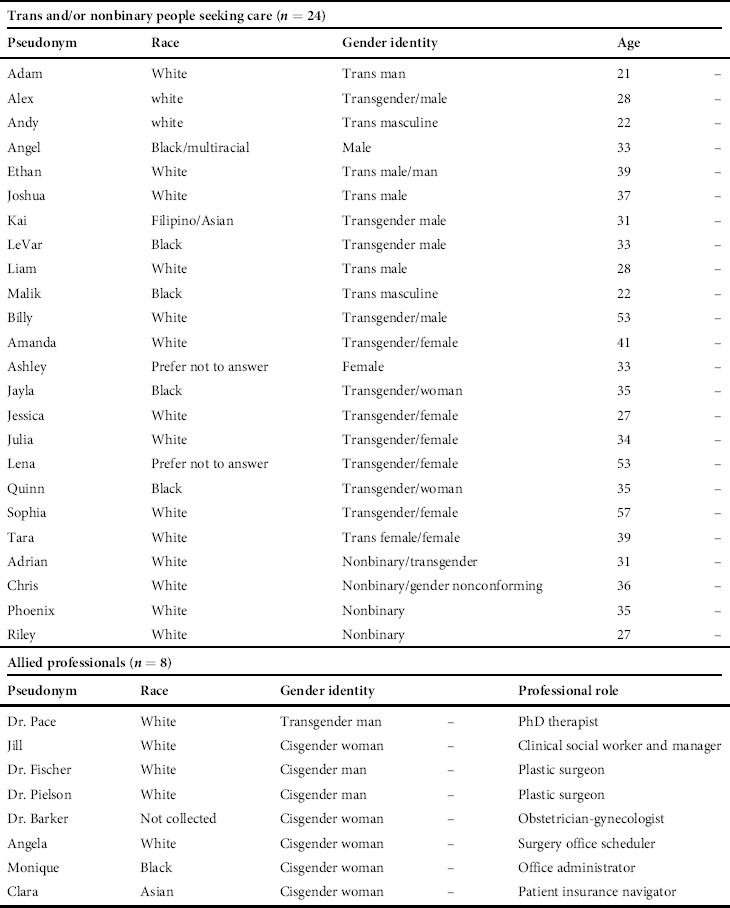
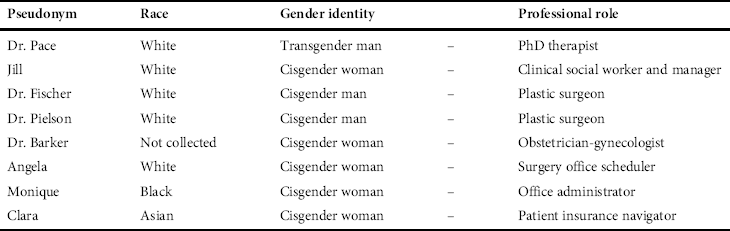

 Open access

