Introduction
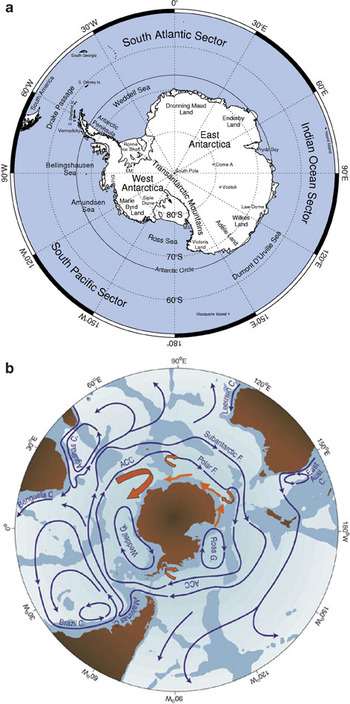
The central theme of the newly published ‘Antarctic Climate Change and the Environment’ (ACCE) report (Turner et al. Reference Turner, Bindschadler, Convey, di Prisco, Fahrbach, Gutt, Hodgson, Mayewski and Summerhayes2009a; http://www.scar.org/publications/occasionals/acce.html) is to describe the way in which the physical climate system of the Antarctic has varied on the geological timescale, how it is changing during the instrumental period, and how that variation affects or may affect life. In explicitly including consideration of biological evidence and implications, the ACCE report provides a logical advance from ‘The State of the Antarctic and Southern Ocean Climate System’ (SASOCS) report (Mayewski et al. Reference Mayewski, Meredith, Summerhayes, Turner, Worby, Barrett, Casassa, Bertler, Bracegirdle, Naveira Garabato, Bromwich, Campbell, Hamilton, Lyons, Maasch, Aoki, Xiao and van Ommen2009), whose purpose was to review ‘developments in our understanding of the state of the Antarctic and Southern Ocean climate and its relation to the global climate system over the last few millennia’. For the purposes of the ACCE report and the current review, the Antarctic region (Fig. 1) is considered to include the continent of Antarctica, its offshore islands including the sub-Antarctic islands, the surrounding Southern Ocean including the Antarctic Circumpolar Current (the northern boundary of which is the sub-Antarctic Front), and Southern Ocean islands that lie north of the sub-Antarctic Front and yet fall into SCAR’s area of interest, including Ile Amsterdam, Ile St Paul and Gough Island.
a. Overview map of Antarctica indicating key regions or locations within the continent referred to in the text. Abbreviations: EM = Ellsworth Mountains, MS = McMurdo Sound, PIG = Pine Island Glacier. b. Schematic map of major ocean currents south of 20°S (F = Front, C = Current, G = Gyre), showing: i) the Polar Front and sub-Antarctic Front, which are the major fronts of the Antarctic Circumpolar Current, ii) Other regional currents, iii) the Weddell and Ross Sea gyres, and iv) depths shallower than 3500 m shaded. In orange are shown a) the cyclonic circulation west of the Kerguelen Plateau, b) the Australian-Antarctic Gyre (south of Australia), c) the slope current, and d) the cyclonic circulation in the Bellingshausen Sea, as suggested by recent modelling studies and observations.

Antarctica is renowned as being the highest, driest, windiest and coldest continent, boasting the lowest recorded temperature on Earth, -89.2°C, at Russia’s Vostok Station on the Polar Plateau (Turner et al. in press). The continent with its ice shelves and islands covers an area of approximately 14 × 106 km2, which is about 10% of the land surface of the Earth. Most of the continent, apart from the northern part of the Antarctic Peninsula lies, south of the Antarctic Circle (at latitude 66°33′39″S), beyond which there is 24 hours of continuous daylight at the summer solstice in December, and 24 hours continuous darkness at the winter solstice in June.
Moving inland, the surface rises rapidly and the continent has the highest mean elevation of any continent on Earth, at around 2200 m. It is dominated by the Antarctic Ice Sheet, a contiguous mass of glacial ice that rests on the continent and surrounding seas, contains around 30 x 106 km3 of ice or 70% of the Earth’s freshwater and covers over 99.6% of the continent. The ice sheet is made up of three distinct glaciological zones, the East Antarctic (EAIS, covering an area of 10.35 x 10⁶ km2), West Antarctic (WAIS, 1.97 x 10⁶ km2) and Antarctic Peninsula (APIS, 0.52 x 10⁶ km2) ice sheets. The EAIS includes the high Polar Plateau, while the WAIS is lower in altitude. The EAIS and WAIS are separated by the Transantarctic Mountains, which rise above the surrounding ice sheet to a maximum height of 4528 m, and extend from Victoria Land to the Ronne Ice Shelf. The Antarctic Peninsula is the only part of the continent that extends a significant way northwards from the main ice sheet. It is a narrow mountainous region with an average width of 70 km and a mean height of 1500 m. The northern tip of the Peninsula is close to 63°S, forming a barrier that has a major influence on the oceanic and atmospheric circulations of the high southern latitudes.
The ice sheet is nourished at its surface by deposition of snow and frost which, because of the year-round cold, does not melt but accumulates year-on-year. As the surface snow is buried by new snowfall, it is compressed and eventually transformed into solid ice, a process that captures a chemical record of past climates and environments. In places, the deepest ice may be more than one million years old. The ice gradually flows down to the edge of the continent in a number of ice streams and outlet glaciers that move at speeds of up to a few kilometres per year, transporting around 2000 x 109 tonnes of ice per year from the interior to the coast. Once the ice streams reach the edge of the continent they either calve into icebergs, which drift away within the surrounding seas, or start to float on the ocean as ice shelves, which can be several hundreds of metres thick. The ice shelves constitute 11% of the total area of the Antarctic, with the two largest being the Ronne–Filchner Ice Shelf in the Weddell Sea and the Ross Ice Shelf in the Ross Sea, which have areas of 0.53 x 10⁶ km2 and 0.54 x 10⁶ km2 respectively.
The formation of deep and bottom ocean waters of Antarctic origin occurs over the continental shelves of the continent. The process starts with the formation of sea ice over the continental shelf along the front of the ice shelves, especially where winds move newly formed sea ice seawards away from the ice shelf to form polynyas. Sea ice formation rejects salt, leading to the formation of High Salinity Shelf Water (HSSW). This can mix with Warm Deep Water (WDW) from the mid-levels of the sub-polar gyres, either over the shelf in areas where WDW penetrates onto the shelf in modified form, or over the slopes in regions where the dense water can spill off the shelf more directly (e.g. Gill Reference Gill1973, Foster & Carmack Reference Foster and Carmack1976, Gordon Reference Gordon1998). These processes lead to the formation of deep and bottom waters, often termed collectively as Antarctic Bottom Water (AABW); these spread northwards to cool and aerate most of the global deep ocean floor, and provide a fairly stable thermal environment for bottom dwelling (benthic) organisms. A further route for AABW formation exists, whereby dense shelf waters penetrate beneath the floating ice shelves. This water mixes with fresh meltwater from the base of the ice shelves to form slightly less dense Ice Shelf Water (ISW) (Nicholls et al. Reference Nicholls, Osterhus, Makinson, Gammelsrod and Fahrbach2009). When this ISW cools it becomes denser and exits from beneath the ice shelves, flowing down the continental slope and eventually contributing to the AABW layers.
In the seas surrounding Antarctica, the continental shelf is unusually deep, reaching 800 m in places, as a side effect of the continent being depressed by the weight of the ice sheets. The shallower parts are impacted by modern icebergs, most intensely at depths up to tens, but occasionally to several hundreds, of metres. More than 95% of the shelf lies at depths beyond the reach of the scouring effects of sea ice or wave action, and is also below the reach of sunlight. The seabed features form key elements of the habitats of marine organisms, and constrain ocean circulation.
In a visible contrast with the simple ecosystems and expanses of apparently barren ground that characterize the physically isolated ecosystems on land, many benthic organisms live on the Antarctic continental shelf, which comprises almost 15% of the global continental shelf area - in total around 4.6 × 10⁶ km2. Biomass and diversity in these marine ecosystems may be second only to those of tropical coral reefs. Floating ice shelves cover about one third of the shelf, while the rest is covered by sea ice for around half the year. Both the sea and the seabed below the ice shelves remain among the least known habitats on Earth, owing to their inaccessibility.
The continent is surrounded by the sea ice zone, where, by late winter, the ice on average covers an area of 20 × 106 km2, which is more than the area of the continent itself. At this time of year the northern edge of the sea ice is close to 60°S around most of the continent, and near 55°S to the north of the Weddell Sea. Unlike the Arctic, most of the Antarctic sea ice melts during the summer so that by autumn it covers only an area of about 3 × 10⁶ km2. Most Antarctic sea ice is therefore first-year ice up to 1–2 m thick, with the largest area of thicker multi-year ice being over the western Weddell Sea.
The Antarctic plays a central role in the global climate system. This is driven by solar radiation, most of which arrives at low latitudes, with the Equator receiving about five times as much radiation annually as the poles and so creating a large Equator-to-pole temperature difference. The atmospheric and oceanic circulations respond to this large horizontal temperature gradient by transporting heat polewards. The planet’s climate system can be regarded as a thermodynamic engine, with the low latitude areas being the heat source and the polar regions the heat sink.
The wind system and the meridional gradient in buoyancy input give rise to the Southern Ocean’s Antarctic Circumpolar Current (ACC), which links the major ocean basins in the global ocean system (Fig. 1b). Under the influence of the Coriolis force of the Earth’s rotation, westerly winds cause Southern Ocean surface waters to be diverted northward. The surface waters are replaced by Circum-polar Deep Water upwelling from below, derived ultimately from North Atlantic Deep Water. The northward moving surface water in the ACC then sinks to produce Antarctic Intermediate Water and sub-Antarctic Mode Water. A separate component of the upwelled water spreads southward and into the sub-polar gyres, where it is involved in AABW formation. These branches are, respectively, the upper and lower limbs of the overturning circulation in the Southern Ocean, and lead to the seas around Antarctica being especially important in the global ocean overturning (Rintoul et al. Reference Rintoul, Hughes and Olbers2001).
The marine carbon cycle can be described in terms of anthropogenic and natural carbon cycles, but from an oceanic perspective these two are treated almost exactly the same. The anthropogenic carbon cycle includes the emissions of CO2 into the atmosphere that have continued at an increasing rate since the start of the industrial revolution. The natural carbon cycle includes the behaviour of the carbon in the ocean prior to the industrial revolution. It is estimated that 30% of the total anthropogenic emissions annually are taken up and sequestered by the ocean (Sabine et al. Reference Sabine, Feely, Gruber, Key, Lee, Bullister, Wanninkhof, Wong, Wallace, Tilbrook, Millero, Peng, Kozyr, Ono and Rios2004). The Southern Ocean plays a key role in the global carbon cycle. The upwelling deep water south of the Polar Front brings to the surface dissolved nutrients and carbon dioxide (CO2), and releases this gas to the atmosphere. In contrast, water masses sinking north of the Polar Front take up CO2 from the atmosphere, including some of the CO2 released to the atmosphere by human activities. These complementary processes make the Southern Ocean both a source and a sink for atmospheric CO2, with any change in this balance being of global significance.
Because of its upwelling nutrients, the Southern Ocean is the world’s most biologically productive ocean, although its productivity is also limited by the low availability of micronutrients such as iron, except around the islands that are scattered through the ACC. As a result the Southern Ocean is classified as a High Nutrient Low Chlorophyll (HNLC) region. Through photosynthesis, the growth of phytoplankton extracts CO2 from the atmosphere and pumps it to the seabed or into subsurface waters through the sinking of decaying organic matter. Without this process, and without the solution of CO2 in cold dense sinking water near the coast, the build up of this gas in the atmosphere would be much faster.
In terms of understanding the biology of the Earth System, the poles fulfil a very special role. Their slowly changing physico-chemical features have engineered life processes so that organisms surviving the ensuing severe selection pressures can prosper in such extreme habitats. It is unreasonable to investigate life in Earth’s extreme environments without also addressing the impacts of current climate changes on organisms whose adaptations to climatic conditions have slowly evolved over geological time to reach equilibrium. This equilibrium is delicate, and the Antarctic and its biota currently command increasing attention in a world attuned to changes in global climate, loss of biological diversity and depletion of marine fisheries. The links between long- and short-term global climate change and evolution are among the least understood natural events in the history of the Earth. Excellent examples are available for study in the Antarctic. Understanding the impact of past, current and predicted environmental change on biodiversity and the consequences for Antarctic ecosystem adaptation and function must be a primary goal of research today.
The critical examination of Antarctic ecosystems undergoing change provides a major contribution to the understanding of evolutionary processes of relevance to life on Earth. How well are Antarctic organisms able to cope with daily, seasonal and longer-term environmental changes? Will climate change result in relaxation of selection pressure on genomes, or tighter constraints and ultimately extinction of species and populations? The Antarctic holds great potential for studies in evolutionary biology, playing an important role in understanding the biological response to climate change within the whole Earth system. There is evidence that climate change, and modifications of the Earth system, occur in the polar regions at faster rates than elsewhere. The uniquely adapted fauna and flora of these regions are vulnerable to shifts in climate. Therefore, it is urgent to establish the state of Antarctic ecosystems, and in particular their diversity. To assess reliably the extent of future changes in polar ecosystems, integration of studies and data is required across continental scales to bring undisputable evidence of change in ecosystem structure, functioning or services. Unprecedented international collaborative research effort in the recent International Polar Year framework and beyond will provide scientists, environmental managers and decision-makers with a solid benchmark against which future changes can reliably be assessed.
With this brief background illustrating both the central role of the Antarctic in the global climate system and oceanic processes, and that of its biology in understanding the potential responses of biota and ecosystems to change processes, the publication of the ACCE report (Turner et al. Reference Turner, Bindschadler, Convey, di Prisco, Fahrbach, Gutt, Hodgson, Mayewski and Summerhayes2009a) is a pivotal and timely event, providing an essential Southern Hemisphere companion to the Arctic Climate Impact Assessment (ACIA; Arctic Council 2005). The purpose of this present review is to provide an accessible overview of the major elements and conclusions of the ACCE report. The report is extensively referenced and, while we provide salient literature sources relevant to each subject discussed here, we refer the reader to the report itself for more thorough access to literature across the many disciplines covered. The online version of the report (http://www.scar.org/publications/occasionals/acce.html) is also intended as a living document, which will be updated over time.
The geological dimension (deep time)
Studying the history of Antarctica’s climate and environment provides the context for understanding present day climate and environmental changes. It allows researchers to determine the processes that led to the development of our present interglacial period and to define the ranges of natural climate and environmental variability on timescales from decades to millennia that have prevailed over the past millions of years. Knowing the boundaries of this natural variability enables us to identify when present day changes exceed the natural state.
Concentrations of the greenhouse gas CO2 in the atmosphere ranged from roughly 3000 ppm (parts per million) in the Early Cretaceous 130 million years ago (Ma) to about 1000 ppm in the Late Cretaceous (at 70 Ma) and Early Cenozoic (at 45 Ma), leading to global temperatures 6° or 7°C warmer than present (e.g. Royer Reference Royer2006). These high CO2 levels were products of the Earth’s biogeochemical cycles. During these times there was little or no ice on land. The first continental-scale ice sheets formed on Antarctica around 34 Ma, most probably in response to a decline in atmospheric CO2 levels caused by a combination of reduced CO2 out-gassing from mid-ocean ridges and volcanoes, and increased carbon burial (Pearson & Palmer Reference Pearson and Palmer2000). This decline resulted in a fall in global temperatures to around 4°C higher than today (DeConto & Pollard Reference DeConto and Pollard2003, Pagani et al. Reference Pagani, Zachos, Freeman, Tipple and Boharty2005). At maxima these early ice sheets reached the edge of the Antarctic continent, but were most probably warmer and thinner than those present today. Further rapid cooling took place at around 14 Ma, probably accelerated by the growing physical and thermal isolation of Antarctica as other continents drifted away from it, and as the Antarctic Circumpolar Current (ACC) developed (Flower & Kennett Reference Flower and Kennett1994). At that time the ice sheet thickened to more or less its modern configuration. During the Pliocene (5–3 Ma), mean global temperatures were 2–3°C above pre-industrial values, CO2 values may have reached 400 ppm, and sea levels were 15–25 m above today’s (Jansen et al. Reference Jansen, Overpeck, Briffa, Duplessy, Joos, Masson-Delmotte, Olago, Otto-Bliesner, Peltier, Rahmstorf, Ramesh, Raynaud, Rind, Solomina, Villalba and Zhang2007).
The earliest cold-climate marine fauna is thought to date from the latest Eocene–Oligocene (∼35 Ma). The establishment of the Polar Front, separating warm water in the north from cold water in the south, created a barrier for migration of shallow and open-water marine organisms between the Antarctic and lower latitudes (Barnes et al. Reference Barnes, Hodgson, Convey, Allen and Clarke2006). This promoted adaptive evolution to cold temperature and extreme seasonality to develop in isolation, and led to the current Antarctic marine biota, which is second only to coral reefs in terms of species diversity and biomass (Clarke & Johnston Reference Clarke and Johnston2003). In contrast to marine faunas elsewhere, the Antarctic fish fauna is dominated by a single, highly endemic, taxonomic group - the notothenioid fish (Notothenioidei). The evolution of antifreeze proteins and the loss of the oxygen-carrying pigments haemoglobin and myoglobin in members of a family in this suborder is a particularly advanced adaptation to the environment (DeVries & Cheng 2005, Eastman Reference Eastman2000, Sidell & O’Brien 2006). This dominance by a single taxonomic group of fish provides a simplified natural laboratory for exploring their adaptive evolution. Amongst other groups typical of faunas of lower latitudes, crabs, lobsters and sharks are largely absent. The development of sea ice made the success of krill (which relies on it as a ‘nursery ground’) possible and, consequently, shaped the higher trophic (feeding) levels of the Southern Ocean ecosystem. Deeper water faunas (Gutt Reference Gutt2007) are not subject to the same degree of isolation provided by the ACC in the upper layers of the ocean profile, and invertebrates inhabiting the deep sea have been able to continue considerable exchange with northerly adjacent areas due to sharing similar environmental conditions (Clarke et al. Reference Clarke, Griffiths, Barnes, Meredith and Grant2009).
In an analogous fashion, circumpolar atmospheric circulation patterns have isolated terrestrial habitats from potential sources of colonists at lower latitudes (Barnes et al. Reference Barnes, Hodgson, Convey, Allen and Clarke2006). In some contrast with the marine environment, the combination of continental scale ice sheet formation and advance, and extreme environmental conditions, led to large-scale (but incomplete) extinction of pre-existing biota, and to evolutionary divergence and radiation amongst the remaining survivors. Fossil evidence shows the change from species associated with the arid sub-tropical climates of Gondwana to cool temperate rainforest and then cold tundra when Antarctica became isolated by the opening of the Drake Passage and the separation of the Tasman Rise. Most of these species are now extinct on the continent but recent molecular, taxonomic and fossil evidence suggests that some species groups have adapted to the environmental changes, including chironomid midges, mites, copepods, springtails, nematodes, green algae and cyanobacteria, many of which have endemic representatives on the continent (Convey et al. Reference Convey, Gibson, Hillenbrand, Hodgson, Pugh, Smellie and Stevens2008, 2009, Pugh & Convey Reference Pugh and Convey2008).
The last million years
Since the formation of the Antarctic ice sheet, the continent’s climate has been far from stable. During the most recent geological period, the Quaternary, which spans approximately the last 2.6 Ma, the polar ice sheets developed their characteristic cycle of slow build up to full glacial conditions, followed by rapid deglaciation to interglacial conditions. These broad glacial-interglacial changes in the configuration of the ice sheets are largely driven by the cyclical changes in the Earth’s orbital path around the sun controlling the amount of solar radiation reaching the Earth (Milankovitch cycles). The most influential of these are the 41 000 yr obliquity cycle and the 100 000 yr eccentricity cycle, the latter becoming particularly dominant in the late Quaternary (the past 400 000 years). Warm interglacial phases have lasted between ∼10 000 and 28 000 years, depending on the disposition of the Earth’s orbital parameters at the time, and include the current period, which has lasted ∼11 700 years and could be predicted to last at least another 10 000 years (e.g. see discussion in Berger & Loutre Reference Berger and Loutre2003). Antarctic ice core data from glacial cycles over the last 800 000 years show that CO2 and mean temperature values have ranged globally from 180 ppm and 10°C in glacial periods to 280 ppm and 15°C in interglacial periods (EPICA Community Members 2004). Temperature differences between glacial and interglacial periods in Antarctica in this period averaged around 9°C. The polar ice sheets expanded to the continental shelf edge in glacial periods, causing sea level to drop by 120 m on average (e.g. Clark & Mix Reference Clark and Mix2000). Ice cores from both Antarctica and Greenland show that during the past 400 000 years interglacial temperatures were between 2–5°C higher and sea levels were 4–6 m higher than they are today (Severinghaus et al. Reference Severinghaus, Sowers, Brook, Alley and Bender1998, Rohling et al. Reference Rohling, Grant, Hemleben, Siddall, Hoogakker, Bolshaw and Kucera2008). Correlations based on the similarities seen in Greenland and Antarctic ice core methane signals suggest that climatic events of millennial to multi-centennial duration are correlated between the north and south polar regions, with Antarctic warm events correlating with, but preceding, Greenland warm events (EPICA Community Members 2006). The data also show a strong relationship between the magnitude of each warming event in the Antarctic and the duration of the warm period that follows each abrupt warming event in Greenland (EPICA Community Members 2006). The time lag reflects the slow speed of the ocean thermohaline ‘conveyor belt’ in transferring heat from the Southern Ocean to the Arctic.
Diatom data from sediment cores show that at the Last Glacial Maximum (LGM), ∼21 000 years before present, Antarctic sea ice was double its current areal extent in both winter and summer (Gersonde et al. Reference Gersonde, Crosta, Abelmann and Armand2005). Related sea surface temperature calculations show that both the Polar Front and the sub-Antarctic Front shifted to the north during the LGM by between 2° and 10° in latitude from their present locations (Gersonde et al. Reference Gersonde, Crosta, Abelmann and Armand2005).
The expansion and contraction of the Antarctic ice sheets over these Quaternary glacial cycles undoubtedly led to the local extinction of terrestrial biological communities on the Antarctic continent during glacial periods. Subsequent interglacial recolonization and the resulting present-day biodiversity is a result of whether the species survived the glacial maxima in refugia, then recolonized deglaciated areas, or arrived through post-glacial dispersal from lower latitude lands that remained ice free, or are present through a combination of both mechanisms (Convey et al. Reference Convey, Gibson, Hillenbrand, Hodgson, Pugh, Smellie and Stevens2008). In the sea, continuous evolutionary development, both during glacial periods in isolated refugia and through repeated migrations from continental shelf to slope and vice versa driven by ice shelf expansion and contraction across the shelf, is assumed to be a major driving force explaining the relatively high biodiversity of benthic (bottom-dwelling) marine organisms (Brandt Reference Brandt1991, Clarke & Crame Reference Clarke and Crame1997, Gutt Reference Gutt2006, Convey et al. Reference Convey, Stevens, Hodgson, Smellie, Hillenbrand, Barnes, Clarke, Pugh, Linse and Cary2009). Expansions and contractions of the sea ice also have had an impact on marine mammal and seabird distributions over this period, a feature that has continued into the Holocene.
The Holocene
The transition of around 9°C from the LGM to the present interglacial period (the Holocene) began ∼21 000 years ago and was complete by ∼11 700 years ago. Geological evidence from land in the Antarctic shows that subsequently there have been at least two marked warm periods in the Holocene, one between 11 500 and 9000 years ago (Masson et al. Reference Masson, Vimeux, Jouzel, Morgan, Delmotte, Ciais, Hammer, Johnsen, Lipenkov, Mosley-Thompson, Petit, Steig, Stievenard and Vaikmae2000), and one between 4500 and 2800 years ago (Bentley et al. Reference Bentley, Hodgson, Smith, Ó Cofaigh, Domack, Larter, Roberts, Brachfeld, Leventer, Hjort, Hillenbrand and Evans2009). These warmings are significantly less than the magnitude of the glacial-interglacial difference, probably no more than 0.5° to 1°C at most. Some marine records also show evidence of a climate optimum between about 9000 and 3600 years ago (Bentley et al. Reference Bentley, Hodgson, Smith, Ó Cofaigh, Domack, Larter, Roberts, Brachfeld, Leventer, Hjort, Hillenbrand and Evans2009). The ice core record indicates that there were dramatic changes in atmospheric circulation patterns around the Antarctic over this period, first at 6000 years ago with strengthening and then at 5400–5200 years ago with abrupt weakening of the Southern Hemisphere westerlies; then again around 1200 years ago with re-intensification of the westerlies, and the Amundsen Sea Low Pressure cell (Mayewski et al. Reference Mayewski, Rohling, Stager, Karlén, Maasch, Meeker, Meyerson, Gasse, van Kreveld, Holmgren, Lee-Thorp, Rosqvist, Rack, Staubwasser and Schneider2004), and more recently from 1700–1850 ad when the Antarctic experienced reorganizations in atmospheric circulation patterns (Mayewski et al. Reference Mayewski, Maasch, White, Meyerson, Goodwin, Morgan, van Ommen, Curran, Souney and Kreutz2005).
Links between the climates of the Northern and Southern hemispheres exist but, through most of the Holocene and in the preceding ice age, as mentioned above, Northern Hemisphere climate events lagged Southern Hemisphere ones by several hundred years (EPICA Community Members 2006, Mayewski & Maasch Reference Mayewski and Maasch2006). In contrast, in recent decades the Northern Hemisphere signal of rising temperature since about 1850 ad paralleled that of the Southern Hemisphere - a significant departure from former times - which suggests the impact of a new and different global forcing, most probably related to anthropogenic activity in the form of enhanced greenhouse gases (Mayewski & Maasch Reference Mayewski and Maasch2006) which are now present in higher concentrations that at any other time in the Quaternary. Synchronicity with Arctic warming continues in the Antarctic Peninsula and to a lesser extent in West Antarctica. However, over the last 30 years, the temperature changes have been very different between the Arctic, where warming continues, and East Antarctica, where there has been little change, perhaps linked with the development of the ozone hole since 1978 (see below).
The instrumental period
Human contact with Antarctica is recent in historical terms. Sporadic expeditions in the first part of the twentieth century penetrated the interior of the continent but, while many of these included a ‘scientific’ element, they provided no consistent or long-term record of environmental data. The instrumental period began in earnest in the Antarctic with the International Geophysical Year of 1957/58. This initiated the establishment of permanent and seasonal research stations, numerically dominated by those located around the northern Antarctic Peninsula and South Shetland Islands, but also spread along the East Antarctic coastline, and with half a dozen stations in the continental interior two of which (Vostok and South Pole) continue to this day. With their establishment, year-round long-term observations commenced and in many cases continue to the present day, supported by several newly added stations on the coast and a few in the interior.
The large-scale circulation of the atmosphere
The major mode of variability in the atmospheric circulation of the high southern latitudes is the Southern Hemisphere Annular Mode (SAM), a circumpolar pattern of atmospheric mass displacement (that can be measured by barometers) in which intensity and location of the gradient of air pressure between mid-latitudes (high pressure) and the Antarctic coast (low pressure) changes in a non-periodic way over a wide range of timescales (Marshall Reference Marshall2003). Over the past 50 years, the SAM has become more positive as pressure dropped around the coast of the Antarctic and increased at mid-latitudes. Ice core records suggest that this increase is unprecedented during the last 5400 years (Dixon et al. in review). Since the late 1970s this change has manifested as an increase in strength of westerly winds over the Southern Ocean by 15–20%. This recent change in the SAM is linked with both the increase in greenhouse gases and development of the Antarctic ozone hole in the austral spring, the latter having probably the greater influence (Arblaster & Meehl Reference Arblaster and Meehl2006). At that time of year the loss of stratospheric ozone cools the Antarctic stratosphere, so increasing the strength of the polar vortex - a large high altitude cyclonic circulation that forms in winter in the middle and upper troposphere and stratosphere over the Southern Ocean around Antarctica. This stratospheric cooling is accentuated by the fact that greenhouse-gas-induced global warming warms the troposphere and cools the stratosphere. During the summer and autumn the effects of the ozone hole propagate down through the atmosphere, increasing the atmospheric circulation around Antarctica at lower levels. As a result, the greatest change in the SAM, which is indicative of surface conditions, takes place in the summer and autumn. Changes in the SAM between 1958 and 1997 led to a decrease in the annual and seasonal numbers of cyclones south of 40°S (Simmonds et al. Reference Simmonds, Keay and Lim2003). There are now fewer but more intense cyclones in the Antarctic coastal zone between 60 and 70°S, except in the Amundsen–Bellingshausen Sea region.
Climatic changes in the tropics and mid-latitudes can be transmitted to the Antarctic via the atmosphere and the ocean, with signals of major tropical climate variability such as the El Niño–Southern Oscillation (ENSO) being apparent in ice core data (Meyerson et al. Reference Meyerson, Mayewski, Whitlow, Meeker, Kreutz and Twickler2002). The South Pacific sector of the Antarctic has the strongest signals of ENSO in the atmospheric circulation (Turner Reference Turner2004), and there appears to be decadal time scale variability in the high–low latitude links. In recent decades there have been more frequent and more intense El Niño events, but there is no evidence as yet that this change has affected long term climate trends in the Antarctic.
Atmospheric temperatures
Surface temperature trends have shown significant warming across the Antarctic Peninsula and to a lesser extent West Antarctica since the early 1950s with, until recently, little change apparent across the rest of the continent (Turner et al. Reference Turner, Colwell, Marshall, Lachlan-Cope, Carleton, Jones, Lagun, Reid and Iagovkina2005, Steig et al. Reference Steig, Schneider, Rutherford, Mann, Comiso and Shindell2009). The largest warming trends are found on the western and northern parts of the Antarctic Peninsula. Faraday/Vernadsky Station has experienced the largest statistically significant (< 5% level) trend, of +0.53°C per decade over the period 1951–2006. The 100-year record from Orcadas on Laurie Island, South Orkney Islands, shows a warming of +0.20°C per decade. The western Peninsula warming varies seasonally, and has been largest during the winter, with winter temperatures at Faraday/Vernadsky increasing by +1.03°C per decade between 1950 and 2006. There is a high correlation during the winter between sea ice extent and surface temperatures, suggesting more sea ice during the 1950s–1960s and reduction since then (Turner & Overland Reference Turner and Overland2009). At present it is unclear whether the winter warming on the western side of the Antarctic Peninsula is a result of natural variability or some anthropogenic influence. Temperatures on the eastern side of the Antarctic Peninsula have risen most during the summer and autumn (at +0.41°C per decade from 1946–2006 at Esperanza), linked to the strengthening of the westerlies that took place as the SAM shifted into its positive phase. Stronger westerly winds bring warm, maritime air masses across the mountainous spine of the Peninsula to the low-lying ice shelves on the eastern side.
Based on data from satellites and automated weather stations interpolated into regions where there are no such stations (such as West Antarctica), West Antarctica as a whole has warmed by about 0.1°C per decade, especially in winter and spring (Steig et al. Reference Steig, Schneider, Rutherford, Mann, Comiso and Shindell2009). Ice core data from the Siple Dome suggest that this warming began around 1800 (Mayewski et al. Reference Mayewski, Maasch, White, Meyerson, Goodwin, Morgan, van Ommen, Curran, Souney and Kreutz2005). There have been few statistically significant changes in surface temperature over the instrumental period elsewhere in Antarctica, although the stations around the coast of East Antarctica show a slight cooling since 1980 when the ozone hole developed. On the continental plateau, Amundsen–Scott Station at the South Pole has shown a slight but statistically significant cooling in recent decades, interpreted as being due to fewer maritime air masses penetrating into the interior of the continent (J. Screen, personal communication 2009). On the other hand, increased penetration of maritime air masses is evident in the Bellingshausen–Amundsen–Ross Sea regions since ∼1940 (Dixon et al. Reference Dixon, Mayewski, Kaspari, Sneed and Handley2004).
Atmospheric temperatures reconstructed from ice cores show large interannual to decadal variability, with the dominant pattern being anti-phase anomalies between the continent and the Antarctic Peninsula, which is the classic signature of the SAM (Mayewski et al. Reference Mayewski, Maasch, White, Meyerson, Goodwin, Morgan, van Ommen, Curran, Souney and Kreutz2005). These studies suggest that, across Antarctica as a whole, temperatures have increased on average by about 0.2°C since the late 19th century.
At higher altitudes, Antarctic radiosonde temperature profiles show that the troposphere has warmed at 5 km above sea level, and that the stratosphere above it has cooled, over the last 30 years (Turner et al. Reference Turner, Lachlan-Cope, Colwell, Marshall and Connolley2006), a pattern that is an expected consequence of increasing greenhouse gases. The Antarctic mid-tropospheric warming in winter is the largest on Earth. It may, in part, be a result of the insulating effect of greater amounts of polar stratospheric cloud forming during the winter. These clouds form in response to stratospheric cooling related also to the ozone hole (Lachlan-Cope et al. in press).
Snowfall
On average, about 6 mm global sea level equivalent falls as snow on Antarctica each year, with no statistically significant change apparent since 1957 (Monaghan et al. Reference Monaghan, Bromwich, Fogt, Wang, Mayewski, Dixon, Ekaykin, Frezzotti, Goodwin, Isaksson, Kaspari, Morgan, Oerter, van Ommen, van der Veen and Wen2006). Snowfall trends vary from region to region, for instance increasing on the western side of the Antarctic Peninsula, where it may have led to decreases in some Adélie penguin populations.
The Antarctic ozone hole
Stratospheric ozone amounts began to decline in the late 1970s, following widespread anthropogenic release of CFCs and halons into the atmosphere whose products led to the destruction of virtually all ozone between heights of 14 and 22 km over Antarctica each spring (Farman et al. Reference Farman, Gardiner and Shanklin1985). Owing to the success of the Montreal Protocol, the amounts of ozone-depleting substances in the stratosphere are now decreasing by about 1% per year. As a result, the size and depth of the ozone hole have stabilized, and the ozone hole is predicted to recover completely over approximately the next century, although no evidence of recovery is apparent at present (Bodeker et al. Reference Bodeker, Shiona and Eskes2005).
Terrestrial biology
The clearest example of Antarctic terrestrial organisms responding to climate change is given by the two native flowering plants (Deschampsia antarctica Desv. and Colobanthus quitensis (Kunth) Bartl.) in the maritime Antarctic, whose populations have increased markedly in size at some sites (Fowbert & Smith Reference Fowbert and Smith1994, Parnikoza et al. Reference Parnikoza, Convey, Dykyy, Trakhimets, Milinevsky, Tyschenko, Inozemtseva and Kozeretska2009). Warming encourages the growth and spreading of established plants and increased establishment of seedlings. Analogous changes are noted anecdotally in the local distribution and development of moss vegetation, which is more typically the dominant vegetation across ice free areas in this region, and by implication of the invertebrate faunal communities that they sustain, but robust baseline and monitoring studies of these are lacking (Convey Reference Convey2006). Changes in temperature and precipitation have increased biological production in lakes, mainly due to decreases in the duration and extent of lake ice cover (Quayle et al. Reference Quayle, Convey, Peck, Ellis-Evans, Butler and Peat2003, Vincent et al. Reference Vincent, MacIntyre, Spigel and Laurion2008). Some lakes have become more saline due to drier conditions (Hodgson et al. Reference Hodgson, Roberts, McMinn, Verleyen, Terry, Corbett and Vyverman2006a).
Alien microbes, fungi, plants and animals introduced through human activity occur on most of the sub-Antarctic islands and some parts of the continent (Frenot et al. Reference Frenot, Chown, Whinam, Selkirk, Convey, Skotnicki and Bergstrom2005). In some cases they have seriously impacted the structure and functioning of native ecosystems and their biota. On Marion Island and Gough Island rates of establishment through anthropogenic introduction outweigh those from natural colonization processes by two orders of magnitude or more. Antarctic terrestrial ecosystems are thought to be vulnerable to the introduction of non-indigenous biota, which may provide new trophic pathways and functions within the ecosystems, and include species with greater competitive abilities than native organisms. While introduction events are a direct consequence of human activity, climate change processes may act synergistically, lowering the barriers to establishment of these non-indigenous species after their arrival, and also to the natural long-distance dispersal processes that have previously protected the continent.
The terrestrial cryosphere
Ice shelves in the Antarctic Peninsula have changed rapidly in recent decades, with warming causing retreat on both sides of the Peninsula (Cook et al. Reference Cook, Fox, Vaughan and Ferrigno2005). Ice shelf retreat is thought to result from increased fracturing via meltwater infilling of pre-existing crevasses, and the influence of warm ocean masses beneath ice shelves. Removal of ice shelves has led to the speeding up of inland glacier flow (De Angelis & Skvarca Reference De Angelis and Skvarca2003, Scambos et al. Reference Scambos, Bohlander, Shuman and Skvarca2004). Of the 244 marine glaciers that drain the ice sheet and associated islands of the Antarctic Peninsula, 212 (87%) have shown overall retreat since 1953, while the remaining 32 glaciers have shown small advances (Cook et al. Reference Cook, Fox, Vaughan and Ferrigno2005).
There has also been significant reduction in areas previously covered by ‘permanent’ ice or snow, and some islands and other areas of ground are now increasingly snow free during the summer. Glaciers on Heard Island have reduced by 11% in area since the 1940s, and several coastal lagoons have formed there (Budd Reference Budd2000). On South Georgia, 28 of 36 surveyed glaciers are retreating, two are advancing, and six are stable (Cook et al. in press). On Signy Island ice cover has reduced by around 40% (Smith Reference Smith1990).
The Amundsen Sea sector is the most rapidly changing region of the Antarctic ice sheet. The grounding line at Pine Island has retreated, and the Pine Island Glacier is now moving at speeds 60% higher than in the 1970s (Joughin et al. Reference Joughin, Rignot, Rosanova, Lucchitta and Bohlander2003, Rignot Reference Rignot2008). The Thwaites Glacier and four other glaciers in this sector show accelerated thinning. Smith Glacier has increased flow speed by 83% since 1992 (Thomas et al. Reference Thomas, Rignot, Casassa, Kanagaratnam, Acuña, Akins, Brecher, Frederick, Gogineni, Krabill, Manizade, Ramamoorthy, Rivera, Russell, Sonntag, Swift, Yungel and Zwally2004). The Pine Island and adjacent glacier systems are currently more than 40% out of balance, discharging 280 ± 9 Gt yr-1 of ice, while they receive only 177 ± 25 Gt yr-1 of new snowfall. The current rate of mass loss from the Amundsen Sea embayment ranges from 50 to 137 Gt yr-1, equivalent to the current rate of mass loss from the entire Greenland ice sheet, and making a significant contribution to sea level rise (Rignot et al. Reference Rignot, Bamber, van den Broeke, Davis, Yonghong, van de Berg and van Meijgaard2008). These changes result from warming of the sea beneath the ice shelves connected to the glaciers, with the stronger winds associated with the more positive SAM resulting in upwelling of warm Circumpolar Deep Water onto the continental shelves of the western Antarctic Peninsula and Amundsen Sea coasts (Thoma et al. Reference Thoma, Jenkins, Holland and Jacobs2008).
Changes are less dramatic across most of the EAIS, with the most significant changes being seen close to the coast. The ice sheet shows interior thickening at modest rates and a mixture of modest thickening and strong thinning among the fringing ice shelves (Davis & Li Reference Davis and Li2004, Zwally et al. Reference Zwally, Giovenetto, Li, Cornejo, Beckley, Brenner, Saba and Yi2006). Increasing coastal melt is also suggested by recent passive microwave data. Overall, increasing mass loss, dominated by changes in the Antarctic Peninsula and the Amundsen Sea sector of West Antarctica, outweighs the limited changes throughout much of East Antarctica, increasing the net rate of ice loss in 2006 to -196 ± 92 Gt yr-1, with contributions of -60 ± 46 Gt yr-1, -132 ± 60 Gt yr-1 and -4 ± 61 Gt yr-1 from the Antarctic Peninsula, West Antarctica and East Antarctica, respectively (Rignot et al. Reference Rignot, Bamber, van den Broeke, Davis, Yonghong, van de Berg and van Meijgaard2008).
Sea level changes
Net ice loss has a direct and immediate effect on sea level. The 2006 estimate of ice loss rate equates to a 0.54 ± 0.25 mm yr-1 contribution to global sea level rise. Data from tide gauges and satellite altimeters suggest that, over the period 1993–2003, global sea level rose at a rate of up to 3.1 mm yr-1 (see Solomon et al. Reference Solomon, Qin, Manning, Marquis, Averyt, Tignor, Miller and Chen2007). The latest estimates, for 2003–08, based on GRACE space gravimetry measurements, show that the rate has now slowed to 2.5 mm yr-1 (Cazenave et al. Reference Cazenave, Dominh, Guinehut, Berthier, Llovel, Ramillien, Ablain and Larnicol2009).
The Southern Ocean
The Southern Ocean is warming and freshening on decadal time scales (Gille Reference Gille2002) and models suggest that at least part of the warming is due to human influence (Fyfe Reference Fyfe2006). However, in surface water layers change is difficult to detect because an intensive seasonal cycle can induce large errors when there are only a few samples. Around South Georgia, observations are available since 1925 that are frequent enough to resolve the annual cycle and reveal a significant warming averaging 2.3°C over 81 years in the upper 150 m, and being about twice as strong in winter as in summer (Whitehouse et al. Reference Whitehouse, Meredith, Rothery, Atkinson, Ward and Korb2008). The waters of the ACC have warmed more rapidly than the global ocean as a whole, increasing by 0.06°C per decade at depths between 300 and 1000 m over the 1960s to 2000s, and by 0.09°C per decade since the 1980s (Böning et al. Reference Böning, Dispert, Visbeck, Rintoul and Schwarzkopf2008). The warming has been more intense on the southern side of the ACC than north of it, and a maximum increase of 0.17°C decade-1 has been reported in Upper Circumpolar Deep Water at depths of 150–500 m on the southern side of the Polar Front (Böning et al. Reference Böning, Dispert, Visbeck, Rintoul and Schwarzkopf2008).
The mechanisms responsible for the warming have not been determined unambiguously. A poleward shift of the ACC in response to spatial shifts in the winds has been postulated (Gille Reference Gille2008), as has an increase in the poleward eddy heat flux associated with an intensification of the Southern Ocean eddy field (Meredith & Hogg Reference Meredith and Hogg2006, Hogg et al. Reference Hogg, Meredith, Blundell and Wilson2008). Fyfe (Reference Fyfe2006) examined these processes in a coupled climate model, and found that both processes contributed, as did increasing air-sea heat fluxes. However, this model had parameterized rather than explicit eddies, and further work is needed to clarify the relative roles of these and other processes. Despite the large changes in temperature and salinity across the ACC, and the strengthening winds over the Southern Ocean, there is no evidence for an increase in ACC transport (Böning et al. Reference Böning, Dispert, Visbeck, Rintoul and Schwarzkopf2008). This is believed to be at least partly due to the extra energy being imparted to the ocean being cascaded to mesoscales, and hence intensifying the eddy field rather than the mean flow (Meredith & Hogg Reference Meredith and Hogg2006).
Whereas the annular component of the SAM has significant impact on the ACC, the non-annular component is of importance at the regional scale, in particular for the Weddell, Ross, Amundsen and Bellingshausen seas (Lefebvre et al. Reference Lefebvre, Goosse, Timmermann and Fichefet2004). Most closely linked to the ACC is the Bellingshausen Sea, to which the Amundsen Sea is connected through the westward flowing Antarctic Coastal Current. Ocean summer surface temperatures here have increased by more than 1°C in recent years, and summertime salinities have risen markedly (Meredith & King Reference Meredith and King2005). These changes are not merely the passive responses of the ocean to changes in the atmosphere and sea ice, but active feedbacks that will enhance and sustain the climate change that triggered them. Observations of subsurface temperatures in this area are still scarce, but models indicate that temperature increases in the Upper Circumpolar Deep Water beneath the coastal ice shelves should have significant effects on the Pine Island Glacier (Payne et al. Reference Payne, Holland, Shepard, Rutt, Jenkins and Joughin2007).
Changes are evident in the character of Ross Shelf Waters, which show a trend of decreasing salinity that is most probably related to upstream conditions in the Antarctic Coastal Current (Jacobs et al. Reference Jacobs, Giulivi and Mele2002). Deep water masses in the Weddell Sea show significant decadal and regional change making it difficult to detect long-term trends. Central Weddell Sea bottom water is warming and increasing in salinity over decadal timescales, while bottom water in the western Weddell Sea and the Australian sector (including the Ross Sea and Adélie Land) is cooling and becoming fresher (Fahrbach et al. Reference Fahrbach, Hoppema, Rohardt, Schröder and Wisotzki2004, Rintoul Reference Rintoul2007). Model results suggest the propagation of anomalies from the Weddell Sea via a deep boundary current into the south-east Pacific, linking the circumpolar sectors (Hellmer et al. Reference Hellmer, Kauker and Timmermann2009). The changes are of interest as AABW originates in these areas and changes here will spread into the world ocean. There is evidence of warming of the northward flow of Antarctic Bottom Water on a decadal timescale in the Vema Channel between the Argentine and Brazil basins (Zenk & Morozov Reference Zenk and Morozov2007); this warming has now penetrated as far northward as the north-west Atlantic (Johnson et al. Reference Johnson, Purkey and Toole2008).
Biogeochemistry
The Southern Ocean ventilates the global oceans and regulates the Earth’s climate system by taking up and storing heat, freshwater, O2 and atmospheric CO2. From 1991–2007 the concentration of CO2 in the ocean increased south of 20°S in the Southern Indian Ocean (Metzl Reference Metzl2009). At latitudes greater than 40°S, CO2 in the ocean increased faster than it did in the atmosphere, suggesting that the ocean became effectively saturated with CO2 and thus less effective as a sink for atmospheric CO2. These changes again seem to be linked to the increase in wind strength driven by the more positive SAM.
The ocean is alkaline (pH range 7.3 in estuaries to 8.2 in the Arctic Ocean, globally averaging 8 to 8.1) and an increase in the ocean’s CO2 content makes it slightly less so. This has led to concern that the ocean is becoming slightly more acidic, with the implications of this acidification for organisms that build their skeletons from calcium carbonate being a subject of intense current debate but little certainty. Stronger westerly winds in the Southern Ocean lead to surface oceanic water being mixed with deeper water rich in CO2, which saturates the carbon reservoir of the surface water, thus limiting its ability to absorb CO2 from the atmosphere. The oceans were probably more acid in the Cretaceous when CO2 levels were much higher than they are today, without - apparently - any untoward effects on the calcareous marine plankton, such as the coccolithophores whose abundant remains form the White (chalk) Cliffs of Dover. However, that observation ignores the effect on such organisms of the rate of change in ocean acidity and oxygen saturation, about which little is known.
Sea ice
During the first half of the twentieth century, ship observations suggest that the extent of sea ice was greater than has been seen in recent decades, although the validity of such observations is questioned (Ackley et al. Reference Ackley, Wadhams, Comiso and Worby2003). Over recent decades (1979–2007), the sea ice extent data derived from satellite measurements show a small, but statistically significant positive trend of around 1% per decade (Turner et al. Reference Turner, Comiso, Marshall, Lachlan-Cope, Bracegirdle, Maksym, Meredith, Wang and Orr2009b). The trend is positive in all sectors except the Bellingshausen Sea, where sea ice extent has been significantly reduced. The greatest increase, at around 4.5% per decade, has been in the Ross Sea. The increase contrasts with the considerable decreases in Arctic sea ice observed in recent years, and has been linked to the loss of stratospheric ozone in the Antarctic (Turner et al. Reference Turner, Comiso, Marshall, Lachlan-Cope, Bracegirdle, Maksym, Meredith, Wang and Orr2009b). The idea is that changes in near surface winds associated with a more positive polarity of the SAM act to reduce sea ice extent in the Bellingshausen Sea while increasing it in the Ross Sea. Indeed, winds rather than temperature per se may play a key role in governing sea ice abundance in both polar regions.
Insight over longer time scales can be obtained from a climate model forced to match the observed surface temperature variations by assimilation of the observational data (Goosse et al. Reference Goosse, Lefebvre, De Montety, Crespin and Orsi2009). This tuned model can reproduce sea ice and ocean conditions over the last century and shows the increase of the sea ice area from 1980 to 2000. Prior to 1980, and in particular between the early 1960s and the early 1980s, the model simulation showed that the sea ice area decreased. That early decrease in sea ice area corresponded to the one simulated as a response to warming induced by greenhouse gas increase, whereas the recent increase in sea ice area is related to changes in the atmospheric circulation (Goosse et al. Reference Goosse, Lefebvre, De Montety, Crespin and Orsi2009), modulated by the growth of the ozone hole since the late 1970s.
Permafrost
In contrast with the Arctic, there is little information on permafrost in the Antarctic. On Signy Island (South Orkney Islands) the active layer (the layer experiencing seasonal freeze and thaw) increased in depth by 30 cm from 1963–90, when Signy Island was warming, then decreased by the same amount from 1990–2001, when Signy Island cooled (Guglielmin et al. Reference Guglielmin, Ellis-Evans and Cannone2008; see http://www.antarctica.ac.uk/met/gjma/). In McMurdo Sound, the permafrost temperature at 360 cm depth has remained stable (Guglielmin Reference Guglielmin2006), despite a slight decrease in air temperature of 0.1°C yr-1 over the last decade of the twentieth century (Doran et al. Reference Doran, Priscu, Lyons, Walsh, Fountain, McKnight, Moorhead, Virginia, Wall, Clow, Fritsen, McKay and Parsons2002).
Marine biology
The Southern Ocean ecosystem was significantly disturbed by whaling during the early part of the twentieth century, and by sealing before that. This means that it is difficult to estimate or describe the features of the undisturbed, pre-exploitation, ecosystem, or to justify a recent stable ‘baseline’ against which to assess contemporary and possible future changes. As an example, about 300 000 blue whales were killed within the span of a few decades in the early- to mid-twentieth century, equivalent to more than 30 million tonnes of biomass. Most were killed within a 2 × 10⁶ km2 area on their feeding grounds in the south-west Atlantic, which translates to a density of one blue whale per 6 km2. Following near-extinction of some whale populations, the krill stock (their primary food source) was expected to increase due to release from grazing pressure, but this did not happen (Smetacek & Nicol Reference Smetacek and Nicol2005). While predation by seals and birds increased, the total bird and seal biomass remains only a fraction of that of the former whale population. It is clear that much remains to be learned about the controls of the Southern Ocean ecosystem.
Over the past 30 years the Antarctic marine ecosystem has been significantly affected by climatic changes, especially on the western side of the Antarctic Peninsula, which is currently subject to one of the fastest rates of climate change anywhere on the planet, with warming water and declining sea ice (reviewed in Clarke et al. Reference Clarke, Murphy, Meredith, King, Peck, Barnes and Smith2006). Phytoplankton concentrations are reported to have unexpectedly decreased in a northern area west of the Antarctic Peninsula, whilst increasing further south, while in both areas a decrease in sea ice cover had been observed (Montes-Hugo et al. Reference Montes-Hugo, Doney, Ducklow, Fraser, Martinson, Stammerjohn and Schofield2009). In the same area the ‘ice-dependent’ Adélie penguins have retreated southwards, to be replaced by ‘ice-tolerant’ chinstrap penguins (Ducklow et al. Reference Ducklow, Baker, Martinson, Quetin, Ross, Smith, Stammerjohn, Vernet and Fraser2007). In contrast to the offshore pelagic system, sea bed communities and inshore assemblages are locally affected.
This has coincided with a decline in krill stocks in the entire Atlantic sector of the Southern Ocean, a large-scale decrease in phytoplankton and a southward shift in the population of gelatinous salps (Atkinson et al. Reference Atkinson, Siegel, Pakhomov and Rothery2004). The decline in phytoplankton may reflect a decrease in iron input from the continental margin that is, in turn, related to a reduction in the formation of sea ice in this region and hence to climate change (Gregg & Conkright 2002). The importance of sea ice changes are also illustrated by recent declines in local populations of Pleuragramma antarcticum Boulenger, a key fish species in the marine trophic web whose reproduction is closely linked to sea ice, and their replacement by myctophid fish, a new food source for predators (Moline et al. Reference Moline, Karnovsky, Brown, Divoky, Frazer, Jacoby, Torres and Fraser2008).
Macrobenthic communities have been shown to respond sensitively to direct and indirect impacts of natural climate change (Dayton Reference Dayton1989, Gutt & Piepenburg Reference Gutt and Piepenburg2003). Climate-induced disintegration of ice shelves and retreat of glaciers cause drastic changes in the inshore environmental conditions. However, the pelagic system consisting of phytoplankton, krill, pelagic fish, seals and whales clearly responds much more rapidly than the benthos (Gutt personal observation). As yet, evidence is unavailable as to the potential for invasion of marine organisms onto the Antarctic continental shelf due to increasing temperature, although research effort has increased substantially over recent decades especially in the region west of the Antarctic Peninsula most affected by climatic changes. Thus, the question remains unanswered as to whether a few marine species with a more northern distribution also occur in the Antarctic in very low abundance but have simply not been recorded through lack of sampling, with the continental shelf being at the margin of their distribution, or whether they invaded recently. Only standardized long-term data to be made available by databases and information networks such as SCAR-MarBIN (www.scarmarbin.be), will allow the future detection of any shifts in ecosystem functioning and the responses of biodiversity to environmental changes.
The next 100 years
Determining how the environment of the Antarctic will evolve over the next century presents significant challenges yet has fundamental implications for scientists, policymakers and the public alike. Climate evolution can most accurately be projected by using coupled atmosphere-ocean-ice models that improve on simple extrapolations of current trends by taking a large number of parameters into consideration. Current models provide synoptic views of future environmental behaviour, albeit at coarse resolution. Model skill, as measured by ability to simulate observed changes, continues to improve but a number of issues remain, so there remains uncertainty about their forward projections, particularly at regional scales. The models used in the IPCC Fourth Assessment (Solomon et al. Reference Solomon, Qin, Manning, Marquis, Averyt, Tignor, Miller and Chen2007) gave a wide range of projections for some aspects of the Antarctic climate system, such as sea ice extent, which is sensitive to changes in atmospheric and oceanic conditions. The models can be weighted according to their skill in simulating recent change. The ACCE report focuses on outputs from IPCC models that assumed a doubling of CO2 and other gases by 2100. These outputs may be too conservative, given that some indicators (e.g. sea level) are already changing faster than predicted in IPCC projections.
The importance of high latitude ecosystems as indicators of potential biological responses to the various elements of environmental change processes has been widely highlighted, for instance within the Millennium Ecosystem Assessment (Chapin et al. Reference Chapin, Berman, Callaghan, Convey, Crepin, Danell, Ducklow, Forbes, Kofinas, McGuire, Nuttall, Virginia, Young, Zimov, Christensen, Godduhn, Murphy, Wall and Zockler2005). However, numerically based biological models cannot yet approach the relative sophistication of models of the physics of the climate system (even with their current limitations), while physical models do not approach the level of spatial scale or resolution required for application to biological systems, providing an important current limitation on producing testable projections of biotic and ecosystem responses.
Atmospheric circulation
The predicted recovery of the ozone hole may be outweighed by a continued increase in greenhouse gas emissions, but whether this will result in further strengthening of the positive phase of the SAM with a less rapid annual average trend (Bracegirdle et al. Reference Bracegirdle, Connolley and Turner2008) has recently become hotly debated. The two causes have now also been shown to have effects at different seasons, so further increases in surface winds over the Southern Ocean in the summer and autumn are not expected, but increases in winter are expected.
Temperature
Models project significant surface warming over Antarctica to 2100 ad, by 0.34°C per decade over land and the grounded ice sheets, within a range from 0.14 to 0.50°C per decade (Bracegirdle et al. Reference Bracegirdle, Connolley and Turner2008). Over land, the largest increase is projected for the high altitude interior of East Antarctica. Despite this change, the surface temperature by the year 2100 will remain well below freezing over most of Antarctica and will not contribute to melting inland. The largest atmospheric warming is projected to occur over the sea ice zone in winter (0.51 ± 0.26°C per decade off East Antarctica), because of the retreat of the sea ice edge and the consequent exposure of the ocean. However, while there is confidence in the overall projection of warming, confidence is much lower in the regional detail, because of the large differences in regional outcomes between models. Furthermore, twentieth century Antarctic near-surface air temperature trends in the models are up to five times larger than was observed, and resolving the relative contributions of dynamic and radiative forcing on Antarctic temperature variability in models is necessary to improve twenty-first century projections (Monaghan et al. Reference Monaghan, Bromwich and Schneider2008). The annual mean warming rate in the troposphere at 5 km above sea level is projected to be 0.28°C per decade (T. Bracegirdle, personal communication 2009), somewhat less than the forecast surface warming. As yet we cannot forecast either the magnitude or frequency of changes to extreme conditions over Antarctica - features that are of fundamental importance in refining biological projections of potential impacts. However, the extreme temperature range between the coldest and warmest temperature of a given year is projected to decrease around the coasts and to show little change over the interior (T. Bracegirdle, personal communication 2009).
The projected warming of 3°C over the next century is faster than the fastest previous rate of rise recorded in Antarctic ice cores (4°C 1000 yr-1), but it is comparable to or slower than the rates of temperature rise typical of Dansgaard-Oeschger events during glacial times in Greenland, of the Bolling-Allerød warming in Greenland 14 700 years ago, and of the warming in Greenland at the end of the Younger Dryas around 11 700 years ago. Thus, however unlikely such rapidity may appear, there are some previous parallels in the natural system.
Precipitation
Current numerical models generally underestimate precipitation for the twentieth century. This is due to problems in parameterizing key processes that drive precipitation (e.g. because polar cloud microphysics is poorly understood), and because the smooth coastal escarpment in a coarse resolution model causes cyclones to precipitate less than they do in reality. Warmer air temperatures and associated higher atmospheric moisture in most models are expected to give net precipitation increases in the future. Most climate models simulate a precipitation increase over Antarctica in the coming century that is larger in winter than in summer, and model outputs suggest that the snowfall over the continent may increase by 20% compared to current values (Bracegirdle et al. Reference Bracegirdle, Connolley and Turner2008). With the expected southward movement of the mid-latitude storm track we can expect greater precipitation and accumulation in the Antarctic coastal region. The form that precipitation takes is of biological significance (Convey Reference Convey2006), as liquid water is immediately available to biota, with the balance between rain and snow expected to change towards the former, especially along the Antarctic Peninsula.
The ozone hole
By the middle of the 21st century springtime concentrations of stratospheric ozone are predicted to have significantly recovered, but not necessarily to 1980 values (Turner et al. Reference Turner, Comiso, Marshall, Lachlan-Cope, Bracegirdle, Maksym, Meredith, Wang and Orr2009b). This is because increasing greenhouses gases will have continued to accumulate throughout the atmosphere, so further cooling the stratosphere. The gas-phase destruction of ozone that occurs at all latitudes will be reduced in a colder stratosphere, but is likely to be enhanced in polar regions where the cooling leads to the formation of polar stratospheric clouds on the surface of which the reactions take place that lead to polar ozone destruction.
Tropospheric chemistry
Various trace gases, such as dimethyl sulphide (DMS) generated by plankton, are released from the oceans around Antarctica. DMS is a source of cloud condensation nuclei (CCN) via its oxidation to sulphate. Evidence from ice cores suggests that DMS increased during glacial periods (Legrand et al. Reference Legrand, Feniet-Saigne, Saltzman, Germain, Barkov and Petrov1991), although the pattern in ice cores could also reflect changes in wind strength and direction rather than in DMS production. Given a projected loss of sea ice in a warmer world, emissions of gases such as DMS might be expected to increase, thus increasing the number of CCN and hence increasing cloudiness and albedo, and influencing the Earth’s climate. However, the extent to which we may see an increase or a decrease in DMS remains debateable. Similarly, recent studies of the production of ozone-depleting bromocarbon gases in near-shore Antarctic waters are highlighting the complex relationships between changing sea ice extent, the summer algal bloom, and sea-to-air flux of gases (Hughes et al. Reference Hughes, Chuck, Rossetti, Mann, Turner, Clarke, Chance and Liss2009, Montes-Hugo et al. Reference Montes-Hugo, Doney, Ducklow, Fraser, Martinson, Stammerjohn and Schofield2009).
Terrestrial biology
Increased temperatures may promote activity, growth and reproduction, but also cause drought and associated effects (Convey Reference Convey2006). Changes to water availability can have a greater effect than temperature on vegetation and faunal dynamics. Future regional patterns of water availability are unclear, but - as described above - climate models project an increase in precipitation in coastal regions. Interactions between environmental variables (e.g. temperature and water) are also important to biota - for instance, an increase in the frequency and intensity of freeze-thaw events could readily exceed the tolerance limits of many arthropods. With increases in temperature, many terrestrial species may exhibit faster metabolic rates, shorter life cycles and local expansion of populations. Even subtle changes in temperature, precipitation and wind speed will probably alter the catchment of lakes, and of the timing, depth and extent of their surface ice cover, water volume and chemistry, with resulting effects on lake ecosystems (Quesada et al. Reference Quesada, Vincent, Kaup, Hobbie, Laurion, Pienitz, López-Martínez and Durán2006, Lyons et al. Reference Lyons, Laybourn-Parry, Welch and Priscu2006, Hodgson & Smol 2008). Warming and/or reductions in other environmental stresses also increase the likelihood of invasion by more competitive alien species carried by water and air currents, humans and other animals (Frenot et al. Reference Frenot, Chown, Whinam, Selkirk, Convey, Skotnicki and Bergstrom2005).
The terrestrial cryosphere
Existing ice sheet models do not properly reproduce the observed behaviour of ice sheets, casting doubt on their predictive value (Solomon et al. Reference Solomon, Qin, Manning, Marquis, Averyt, Tignor, Miller and Chen2007). The models fail to take into account mechanical degradation (e.g. water causing cracks to propagate in summer), changing lubrication of the base of the ice by an evolving subglacial hydrological regime, or the influence of variable coastal sub-ice shelf melting on the flow of outlet glaciers and ice streams. Projections of the future state of ice sheets are based on a combination of inference from past behaviour, extension of current behaviour, and interpretation of proxy data and analogues from the geological record. The projections rely on continued data streams from satellites and field observations, which are crucial to quantifying the rapid rates of cryospheric change. Without these two components, models will remain unable to provide credible projections of the future of the Antarctic ice sheet.
Until these needs are met, it can best be said that the most probable regions of future change are those that are already changing today. Warmer waters will continue to well up onto the continental shelf in the Amundsen Sea, eroding the underside of the ice sheets and glaciers. It has been suggested that there is a 30% probability that loss of ice from the WAIS could cause sea level to rise at a rate of 2 mm yr-1, and a 5% probability it could cause rates of 1 cm yr-1 (Vaughan & Spouge Reference Vaughan and Spouge2002). In addition, there is a concern that the ice in the Amundsen Sea Embayment could be entering a phase of collapse that could lead to deglaciation of large parts of the WAIS (Pollard & Deconto Reference Pollard and DeConto2009).
Ultimately, this sector could contribute 1.5 m to global sea level, so a contribution from this sector alone of some tens of centimetres by 2100 cannot be discounted. These estimates are based upon the assumption that the ice sheets will respond linearly to warming and that sea level contributions will be confined to the WAIS. Evidence for past abrupt changes in climate suggests that these estimates could change significantly. Expansion of the area to include all marine-based regions and upflow regions of both the West and East Antarctic ice sheets currently stabilized by these marine-based regions could also raise these estimates significantly.
On the Antarctic Peninsula, most of the effects leading to loss of ice are currently confined to the northern part. The total volume of ice on the Peninsula is 95 200 km3, equivalent to 242 mm of sea level rise or roughly half that of all glaciers and ice caps outside of Greenland and Antarctica (Pritchard & Vaughan Reference Pritchard and Vaughan2007). Continued warming in this region will lead to a southerly progression of ice shelf disintegrations along both coasts (Vaughan & Doake Reference Vaughan and Doake1996, Hodgson et al. Reference Hodgson, Bentley, Roberts, Smith, Sugden and Domack2006b), which will also cause associated glaciers to speed up. These events may be preceded by an increase in surface meltwater lakes, and/or progressive retreat of the calving front. Prediction of the timing of ice shelf disintegration is not yet possible. However, increased warming may lead to the Peninsula making a substantial contribution to global sea level.
Permafrost
It is probable that there will be a reduction in permafrost area, accompanied by subsidence of ground surface and associated mass movements. Change is most likely in the northern Antarctic Peninsula and the South Shetland and South Orkney Islands and coastal areas in East Antarctica. Such changes imply risks to infrastructure as already seen in the Arctic, although this is likely to have limited impact in the Antarctic.
Sea level
The IPCC’s Fourth Assessment Report (AR4) projected a range of global sea-level increase from 18 to 59 cm between 1980–99 and 2090–99 (Meehl et al. Reference Meehl, Stocker, Collins, Friedlingstein, Gaye, Gregory, Kitoh, Knutti, Murphy, Noda, Raper, Watterson, Weaver and Zhao2007). This did not include a contribution from dynamically driven changes in flow for portions of either the Greenland or Antarctic ice sheets. Sea level will not rise uniformly, and the spatial pattern of projections shows a minimum rise in the Southern Ocean and a maximum in the Arctic Ocean (Meehl et al. Reference Meehl, Stocker, Collins, Friedlingstein, Gaye, Gregory, Kitoh, Knutti, Murphy, Noda, Raper, Watterson, Weaver and Zhao2007). The last time global temperatures rose by 2°C (during the Eemian, ∼130 000 years ago) sea level rose at least 4–6 m. Recent modelling suggests that a likely upper bound to sea level by 2100 is 1.4 m (Rahmstorf Reference Rahmstorf2007). However, projected sea level increases (Solomon et al. Reference Solomon, Qin, Manning, Marquis, Averyt, Tignor, Miller and Chen2007) do not include possibly large contributions resulting from the dynamic instability of ice sheets during the twenty-first century. Taking such variables into consideration, Pfeffer et al. (Reference Pfeffer, Harper and O’Neel2008) estimate an upper bound of 2 m of sea level rise by 2100.
The ocean circulation and water masses
Estimates of the ocean circulation and water mass changes during the 21st century are derived from the Coupled General Circulation Models (CGCMs) that were used in the framework of the IPCC AR4. Although such models have made significant progress in their representation of high latitude processes in comparison with earlier model versions (Randall et al. Reference Randall, Wood, Bony, Colman, Fichefet, Fyfe, Kattsov, Pitman, Shukla, Srinivasan, Stouffer, Sumi and Taylor2007), the Southern Ocean remains one of the regions where the largest differences between different models (and between models and observations) are apparent. Only two models among the nineteen analysed by Russell et al. (Reference Russell, Stouffer and Dixon2006a) generate transport values for the ACC that are within 20% of those estimated from observation (135 Sv), although most of the simulated values are within 50 Sv of this estimate. These clear inaccuracies have been attributed to models incorporating too low a zonal wind stress, locating the maximum winds in the Southern Ocean too far north, or errors in the simulation of the ocean density gradient, partly due to problems in estimating the export of North Atlantic Deep Water (NADW) (Russell et al. Reference Russell, Stouffer and Dixon2006a). An important factor is that the current generation of IPCC coupled climate models do not include eddy-resolving oceans, and these sub-grid-scale features are of great importance in controlling the response of the Southern Ocean to changing forcing, and it dictating the magnitude and extent of oceanic climate change. When the temperature and salinity averaged over all the models is compared to observations, the zonal mean differences are relatively small. There is a tendency to have too warm and too salty water masses around 30–40°S in the depth range 500–1000 m (Randall et al. Reference Randall, Wood, Bony, Colman, Fichefet, Fyfe, Kattsov, Pitman, Shukla, Srinivasan, Stouffer, Sumi and Taylor2007), which could be related to the site of formation of Antarctic intermediate waters (AAIW) being placed too far north in these models.
Further insight comes from an observational study suggesting that the ACC transport has not shown sensitivity to the intensification of the Southern Hemisphere westerlies during the past several decades (Böning et al. Reference Böning, Dispert, Visbeck, Rintoul and Schwarzkopf2008). However, the sub-polar gyres will be intensified (Wang & Meredith Reference Wang and Meredith2008), since the wind forcing over the sub-polar region becomes more cyclonic, as a consequence of the intensification and southward shift of the circumpolar westerlies. The strengthening of the sub-polar gyres will probably have strong impacts on the mass balance of ice shelves and the stability of the Antarctic ice sheets, and could also impact strongly on the transformations of water masses within the sub-polar gyres and the export of dense deep waters to lower latitudes.
Changes in ocean temperature and salinity over the century have been derived as the average over the ensemble of 19 IPCC AR4 models. The changes of sea surface temperature (SST) are small compared with those observed in surface air temperature, because of the larger heat capacity of the ocean in comparison with the atmosphere. South of 60°S in summer the SSTs are likely to be 0.5°–1.0°C warmer, except in the Amundsen Sea where warming of 1.0–1.25°C is expected. In winter little change is expected south of 60°S except far offshore off Dronning Maud Land, West Antarctica and Queen Mary Land, where SST may warm by 1.0°C. The surface waters will become fresher by 0.1 to 0.2 salinity units, with some local patches up to 0.3 units fresher, for instance in the Weddell Sea and in the Ross Sea off Oates Land. On the continental shelf the bottom water temperatures at 200 m are predicted to be warmer by 0.5°C to 0.75°C and up to 0.1 units fresher, except in the Weddell Sea where the warming will be less (between 0°C and 0.5°C) and the freshening stronger. The surface layers affected by this warming are quite shallow, extending over less than 200 m, and the freshening is restricted to depths above 400 m. The bottom waters along the continental margin to a depth of 4000 m are predicted to warm during the whole year by around 0.25°C. The accuracy of these projected values is in doubt as ocean models deal rather poorly with continental shelf processes; nevertheless in the Antarctic context it does not seem unreasonable to suppose that shelf temperatures will be fairly similar to those of the adjacent open ocean, and we have assumed this to be the case.
Accepting current weaknesses in modelling of the ACC, best estimates currently suggest that there will be significant warming (0.75°C to almost 2°C in all seasons) at the surface between 40 and 60°S, in the core regions of the Antarctic Circumpolar Current, and that surface waters will be fresher than at present by up to almost 0.2 units at the surface between the coast and about 45°S, including the Antarctic Intermediate Water, which will be slightly fresher.
The vertical stratification will increase as a result of the surface density decrease. In consequence the ocean ventilation and in particular the formation of Antarctic Bottom Water decreases in many models, although the magnitude of the changes in AABW is strongly variable from model to model, and coarse-resolution climate models do not typically represent the AABW formation processes in a realistic way (e.g. Manabe et al. Reference Manabe, Stouffer, Spelman and Bryan1991, Manabe & Stouffer Reference Manabe and Stouffer1993, Hirst Reference Hirst1999, Bates et al. Reference Bates, England and Sijp2005, Bitz et al. Reference Bitz, Gent, Woodgate, Holland and Lindsay2006, Bryan et al. Reference Bryan, Danabasoglu, Gent and Lindsay2006). However, increased wind stresses could compensate for increased stratification and result in a deeper mixed layer in some areas. The decrease in sea ice extent could induce stronger cooling in winter that may lead to stronger mixing at the new ice edge. Shifts in convection patterns have also been noticed, with decreased mixing in some areas but increases in others (e.g. Bitz et al. Reference Bitz, Gent, Woodgate, Holland and Lindsay2006, Conil & Menéndez Reference Conil and Menéndez2006). Ocean ventilation could be enhanced because of the surface divergence induced by the increase in wind stress projected during the 21st century. Russell et al. (Reference Russell, Dixon, Gnanadesikan, Stouffer and Toggweiler2006b) argue that this effect could be significantly underestimated in some models because of westerlies located too far north in the control climate.
Sea ice
The average of the modelled sea ice extent compares well with observations, although there is a large inter-model spread (Arzel et al. Reference Arzel, Fichefet and Goosse2006, Parkinson et al. Reference Parkinson, Vinnikov and Cavalieri2006). The models show that over the 21st century the annual average total sea ice area is projected to decrease by 2.6 × 10⁶ km2, or 33% (Bracegirdle et al. Reference Bracegirdle, Connolley and Turner2008). On the regional scale, decreases are less significant (Lefebvre & Goosse Reference Lefebvre and Goosse2008). Whereas in the 20th century the strongest decrease was found around the Antarctic Peninsula, the maximum decrease in the 21st century is predicted to be in the central Weddell Sea and the Bellingshausen–Amundsen seas. Most of the simulated ice retreat occurs in winter and spring when the sea ice extent is largest, so will decrease the amplitude of the seasonal cycle. Less sea ice means less brine rejection, and hence less formation of dense surface water. In the regions where sea ice currently remains present throughout the summer, in particular the Weddell Sea, large reductions of sea ice extent are projected.
Biogeochemistry
Model projections suggest that the Southern Ocean will be an increased sink of atmospheric CO2 (Russell et al. Reference Russell, Dixon, Gnanadesikan, Stouffer and Toggweiler2006b) due to a larger outcrop area of the dense water around Antarctica. However, the increased outgassing of natural CO2 due to increased upwelling of deep water leads in the opposite direction, resulting in a saturation of the CO2 sink (Le Quéré et al. Reference Le Quéré, Rödenbeck, Buitenhuis, Conway, Langenfelds, Gomez, Labuschagne, Ramonet, Nakazawa, Metzl, Gillett and Heimann2007). The magnitude of the uptake of CO2 from the air by the ocean will depend on how the ocean responds to increases in ocean warming and stratification, which can drive both increases in CO2 uptake through biological and export changes, and decreases through solubility and density changes.
If surface ocean pH levels become less alkaline (more acid) by 0.2–0.3 units from the average level of around pH 8–8.1 by 2100 ad it seems possible that there could be some thinning of the aragonite skeletons of the pteropods that are an important part of the plankton at the base of the food chain (Orr et al. Reference Orr, Fabry, Aumont, Bopp, Doney, Feely, Gnanadesikan, Gruber, Ishida, Joos, Key, Lindsay, Maier-Reimer, Matear, Monfray, Mouchet, Najjar, Plattner, Rodgers, Sabine, Sarmiento, Schlitzer, Slater, Totterdell, Weirig, Yamanaka and Yool2005). The Southern Ocean is at higher risk from this than other oceans because it has low saturation levels of CaCO3 and, already, one study has shown that the shell weights of the modern foraminifer Globigerina bulloides d’Orbigny collected from sediment traps in the Southern Ocean were 30–35% lower than those from underlying Holocene-aged sediments (Moy et al. Reference Moy, Howard, Bray and Trull2009).
Marine biology
Most evidence pertaining to how marine benthic organisms may cope with temperature rise is experimental. Being typically ‘stenothermal’ (able only to live within a limited range of temperature, contrasting with ‘eurythermal’ organisms that can maintain function across a wide range of temperatures) is a key trait of many Antarctic marine animals (Peck et al. Reference Peck, Convey and Barnes2006). If they are truly so limited they would be highly sensitive to significant environmental warming. Laboratory experiments show that most species investigated have upper lethal temperatures below 10°C, some can survive just a 5°C change, and some critical biological activities become compromised at temperatures as low as +2°C in some species. It should be noted that most of the species studied to date have been obtained from shallow water because this is most practicable to sample and animals collected there can easily be kept alive. There is thus a possibility that they are not as stenothermal as the many not so well studied species that inhabit the deeper shelf. However, temperature increases of this magnitude in the Southern Ocean are extremely unlikely by 2100 ad, while there remains a fundamental mismatch between even the slowest rates of warming that can be achieved in experimental scenarios, and those currently being experienced in the natural environment. On even longer, evolutionary, timescales it is clear that biological compensation is possible, for instance with certain taxa occurring on both sub-Antarctic South Georgia and the Antarctic Peninsula even though sea temperatures around the former are higher than those tolerated experimentally by animals collected from the latter. That being said, vital functions of organisms can be affected at lower temperatures well before lethal levels are reached, and whether populations or species will survive future temperature rises may be dictated by their ability to carry out critical activities such as feeding, swimming and reproduction (Peck et al. Reference Peck, Convey and Barnes2006).
Model projections suggest that bottom water temperatures on the continental shelf are likely to be warmer by between 0.5 and 0.75°C by 2100 ad, except in the Weddell Sea where the warming is likely to be less. This suggests that the effects of warming on the marine biota may be less than has been implied from laboratory experiments, at least over this timescale. Projected warming greater than 1.5°C is restricted to the surface waters near the core of the ACC.
Recent studies of long-lived and sub-fossil deep sea corals on seamounts south of Australia have suggested that die-back events over time may reflect changes in the formation of Antarctic Intermediate Waters and therefore be indicators of long-term (century-scale) variability in water temperatures at depth related to large-scale water mass changes (Thresher unpublished). Such studies highlight the linkage between Antarctic climate, variability in Southern Ocean circulation, and biology at lower latitudes.
If sea ice cover continues to decrease, marine ice algae will begin to disappear due to loss of habitat, which may cause a cascade through higher trophic levels in the food web. Given a complete removal of sea ice we might expect extinction of those species that presently depend on it for survival, including krill, some fish, penguins, seals and whales and, consequently, a complete collapse of the entire pelagic system cannot be ruled out. Climate models suggest that complete removal is unlikely within the next 100 years, and indeed it does not seem to have been removed completely during previous interglacials. With the decline in sea ice there will also be changes in the pelagic algal blooms supplying food to benthic organisms on the continental shelf (Montes-Hugo et al. Reference Montes-Hugo, Doney, Ducklow, Fraser, Martinson, Stammerjohn and Schofield2009). If this results in an increase in biological detritus on the shelf this may cause a decline in suspension feeders adapted to limited food supplies, and to their associated fauna. When ice shelves collapse, the changes from a unique ice shelf-covered ecosystem to a typical Antarctic shelf ecosystem, with high primary production during a short summer, are likely to be among the largest ecosystem changes on the planet.
Given the slow rates of growth and high degree of endemism (species only occurring in the region) in Antarctic species, continued ocean warming and expanded tourism and scientific activity may lead to the wider establishment of non-indigenous species by 2100, as also predicted in the terrestrial environment, and consequent reduction or extinction of some locally endemic species (Frenot et al. Reference Frenot, Chown, Whinam, Selkirk, Convey, Skotnicki and Bergstrom2005, Tin et al. Reference Tin, Fleming, Hughes, Ainley, Convey, Moreno, Pfeiffer, Scott and Snape2009). Invasion by new species will probably remain restricted to isolated areas where invaders can survive at their physiological limits. As yet it is unclear if the finding of a very small number of non-indigenous macroalgae and invertebrate animals represent rare occurrences (with or without human assistance) at their natural southern distribution limits, or the first stages of a marine biogeographical shift induced by warming.
Acute agents of disturbance to marine biota and ecosystems associated with environmental change include (Barnes & Peck Reference Barnes and Peck2008): 1) increased ice-loading and coastal concentrations of large icebergs resulting from ice shelf collapse, leading to greater impacts from ice scour, 2) increased coastal sedimentation associated with ice melt, smothering benthos and hindering feeding, 3) freshening of surface waters leading to stratification of the water column, and (4) thermal events such as those associated with ENSO events. At longer timescales, chronic impacts of climate change include: 1) ice shelf disintegration, exposing new habitats, 2) decreases in ice scour by icebergs, leading to increased local but decreased regional biodiversity, 3) the physiological consequences of warming, leading to reduced performance of critical activities and thus geographic and bathymetric migration, 4) benthic responses to changes in the pelagic system, especially in the food web, 5) increased acidification, leading to skeletal synthesis and maintenance problems, and 6) slight deoxygenation of surface waters, ultimately leading to more serious deoxygenation in deeper layers. The absence of wide latitudinal and environmental gradients around the Antarctic continent minimizes the advantage of migration for survival.
Species such as fur seals are likely to respond most to changes in extreme climate events, for instance caused by changes in the ENSO. Emperor penguins and other ice-dependent species depend on the sea ice habitat to complete their life cycle. A significant decline in sea ice is likely to affect their populations, and may lead to progressive regional displacement by species emigrating from more northern (including Antarctic) latitudes. A biogeographic shift of a variety of species must have been common during past changes between glacial and interglacial periods, some of which were typically rapid and extreme events of comparable magnitude to that which is occurring today. Indeed, several shifts in species distribution have occurred in the Holocene (e.g. Emslie & Woehler 2005, Hall et al. 2006). Based on numerical and conceptual models, the most significant changes in the marine biota are expected for the sub-Antarctic pelagic system and sea ice related communities. Ocean acidification is likely to be the most severe CO2-related impact for both pelagic and benthic communities where these are dominated by calcifying organisms.
Baleen whales are a key component of the Antarctic marine ecosystem, but are currently at only fractions of their historical abundances and contemporary data show that different species populations are recovering at different rates, with conclusions limited by the availability of long-term datasets (Leaper et al. Reference Leaper, Bannister, Branch, Clapham, Donovan, Reilly and Zerbini2008). Interpretation of the responses of baleen whale populations to climate change is therefore difficult to disentangle from the effects of exploitation. In the long term, given that some species such as the blue whale are only possibly in the early stages of recovery, climate change impacts, most likely mediated through changes in sea ice dynamics that alter habitat characteristics and changes in prey abundance and distribution, will almost certainly negatively affect recovery potential. In the short-term, direct effects of temperature increases on baleen whales are unlikely because of their mobility and thermoregulatory ability. As ocean productivity shifts with changes in sea ice extent, more northerly (oceanic) species such as fin whales may track changing prey availability and expand their range south, overlapping spatially with blue and minke whales. Prey availability, itself correlated with changes in ocean climate (Trathan et al. Reference Trathan, Murphy, Forcada, Croxall, Reid and Thorpe2006), may also have direct effects on whale demography, as has been demonstrated for southern right whales (Leaper et al. Reference Leaper, Cooke, Trathan, Reid, Rowntree and Payne2006). The fact that baleen whales depend upon the availability of the suitable habitat in multiple locations (i.e. not just Antarctica), may also compound their vulnerability to climate change, as these different locations may be subject to different impacts.
In both the marine and terrestrial Antarctic environments it is unlikely that many species will become extinct by 2100, except on a local population scale. Studies of biodiversity, coupled to sound data handling and dissemination, will bring a better understanding of how life has evolved in these environments, and to what extent it can potentially respond to change. A key contemporary challenge to the research community is to incorporate physiological/ biochemical approaches into the field of evolutionary biology and ecology, taking advantage of the power of genomic and other ‘omic’ technologies. Important targets include identifying links between tectonics, climate evolution, glacial processes and biotic evolution, between the physical environment and gene flow, and with northern polar studies. Bridges between different disciplines and international programmes will provide a legacy of knowledge for future generations in the form of a comprehensive information system.
Concluding remarks
The climate of the high latitude areas is more variable than that of tropical or mid-latitude regions and has experienced a huge range of conditions over the last few million years. The snapshot we have of the climate during the instrumental period is tiny in the long history of the continent, and large gaps due to the limited coverage by in situ observations in space and time still exist. Therefore the separation of natural climate variability from anthropogenic influences remains a challenge. However, the effects of increased greenhouse gas levels and decreases in stratospheric ozone are already evident. The effects of the predicted increase in greenhouses gases over the next century will be remarkable because of their speed. Removal of the cooling effect of the ozone hole as it diminishes in extent will exacerbate the problem. It is clear that the degree to which the Earth’s climate will change over the next century is also fundamentally dependent on the success of efforts to reduce greenhouse gas emissions. To be able to document and diagnose the ongoing changes in situ observation systems have to be established, completed or maintained for the atmosphere, the ice and the ocean.
The instrumental period has seen accelerating data collection culminating in the recognition of astonishingly rapid physical changes. These achievements have been fuelled primarily by the development of an array of extraordinarily capable satellite sensors. The availability of these data for research has been enhanced through a variety of data sharing agreements, further increasing their value, and the research community has become increasingly reliant on their existence and availability. However, the continuation of these exceptional resources cannot be taken for granted and many of the most valuable sensors are already beyond their design lifetime, with replacement missions either not planned or planned for launches so far in the future that prolonged gaps in coverage are probable. These gaps must be minimized and, if possible, eliminated. The prospect of, for instance, slowly going blind to ice sheets at precisely the moment when their behaviour has suddenly become very dramatic carries with it the undesirable consequences that, not only will we not be able to follow the continuing evolution of areas already changing dramatically, but we will not be able to detect new areas of change at an early stage, limiting our ability to understand the causes of these changes. Recommendations for satellite observations of the cryosphere are given in the Cryosphere Theme document produced for the Integrated Global Observing Strategy (IGOS) Partnership (http://www.eohandbook.com/igosp/cryosphere.htm).
We can make reasonably broad estimates of how variables such as temperature, precipitation and sea ice extent might change, and consider possible generic impacts on marine and terrestrial biota. However, the coarse scale at which physical modelling activities can currently take place provides limited biological relevance, and increasing the horizontal resolution achievable will be central to integration of the predictions of physical and biological disciplines. We cannot yet say with confidence how the large ice sheets of Antarctica will respond, but observed recent rapid changes give cause for concern - especially for the stability of parts of West Antarctica.
Marine and terrestrial biologists need more information from ecological, physiological and genomic studies about the sensitivity of ecological key species, along with more information on the geography of the hot- and cold-spots of Antarctic biodiversity and their ecosystem functioning, and identification of the main biological and physical driving forces. These challenges should provide the basis for further development of spatially explicit numerical simulations of the state-of-the-art of the Antarctic ecosystem, and extrapolations from this - with the support of, or in combination with results from physical models - into the future, using various climate scenarios.
Appendix 1. List of all additional contributing authors within the ACCE consortium.