Introduction
SARS-CoV-2, a single-stranded RNA virus, has been identified as the cause of COVID-19, a term used for a severe acute respiratory syndrome. The disease was announced as a pandemic on March 11, 2020, by the World Health Organization (WHO). The transmission of the virus occurs through respiratory secretions (droplets and aerosols) released through speech, breathing, coughing, and sneezing. Such secretions containing the virus can infect other individuals, including children, within a radius of up to 2 meters and are the main route of dissemination of the disease. Reference Safadi1,Reference Ramos, Silva and Araújo2
1 of the most surprising findings from COVID-19 reports around the world is that, unlike infected adults, children rarely have severe forms of the disease. The risk of COVID-19 in children is small, since at the time of intrauterine transmission there is no evidence of a possible congenital infection in infected mothers, and also no evidence of the presence of the virus in breast milk. Reference Safadi1,Reference Ramos, Silva and Araújo2 A study that described children (1 day to 15 years old) infected with SARS-CoV-2 and treated at Wuhan Children’s Hospital, stated that the most common signs and symptoms include cough, pharyngeal erythema, and fever. Reference Safadi1
Other less common signs found in children were diarrhea, fatigue, rhinorrhea, and nasal congestion. On admission, tachypnea, and hypoxemia (oxygen saturation < 92%) were also observed. Furthermore, in another analysis looking at the clinical features of children with COVID-19 in China, approximately 50% of the cases were found to be asymptomatic or had only mild acute respiratory symptoms, while the other 50% had moderate illness with pneumonia. Reference Safadi1
Despite being asymptomatic or oligosymptomatic, infants and infected children may have a high viral load in the nasopharynx, in addition to fecal elimination of SARS-CoV-2 for longer periods. In this way, children constitute a considerable source of infection in the community, and they can play a significant role in viral transmission. Reference Safadi1
The reasons for the much lower risk of severe forms of COVID-19 in children, when compared to older age groups, can be explained by different hypotheses, which cover different patterns of immune responses between ages. It is assumed that adults, once contaminated with SARS-CoV-2, are more likely to generate unbalanced immune responses, which produces a high load of cytokines, usually linked to lung damage and a worse prognosis for patients. On the contrary, infants and children are more likely to have differences in innate immunity and a more effective response by T cells, responsible for eliminating the virus. Reference Safadi1,Reference Ramos, Silva and Araújo2
Another hypothesis for the lower seriousness of COVID-19 may be associated with the expression of angiotensin-converting enzyme 2 (ACE2) in type I and II alveolar epithelial cells, as it has been observed that ACE2 is the SARS-CoV-2 receptor, essential for entry into the host cell, and subsequent viral replication. Therefore, a reduced expression of ACE2 in childhood, a period when the lungs are still developing, could protect children from severe forms of the disease. Reference Safadi1,Reference Ramos, Silva and Araújo2
Due to the importance of the role of children in the transmission cycle of COVID-19 (SARS-CoV-2) to the community, the aim of this study was to investigate the occurrence of the disease and carry out epidemiology using sociodemographic data of children aged 0 to 15 years, with symptoms suggestive of COVID-19, in 3 Brazilian municipalities in an international border region.
Material and methods
Ethical aspects, study location, and sampling
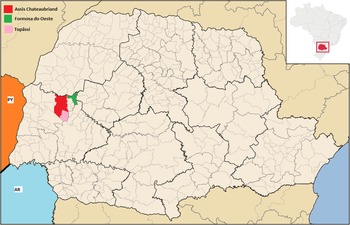
This project was approved by CEPEH (Ethics Committee for Research Involving Human Beings of Paranaense University) under protocol CAAE nº 36777520.2.0000.0109. The Brazilian border region was established with the name of Frontier Strip in 1974, and delimited 150 km from the international limit, respecting the municipal outline. The creation of this territory took place from the perspective of national security. Reference Machado3 Thus, the municipality of Assis Chateaubriand borders Paraguay (86 km) and Argentina (143 km) and belongs to the 20th Regional Health Department of the Paraná State Health Secretariat (SESA-PR). The municipality of Tupãssi borders Paraguay (100 km) and Argentina (130 km), and belongs to the 20th Regional Health Department of the Paraná State Health Secretariat (SESA-PR). The municipality of Formosa do Oeste borders Paraguay (105 km) and belongs to the 10th Health Regional of the Paraná State Health Secretariat (SESA-PR) located in the southern region of Brazil (Figure 1).
Assis Chateaubriand, Formosa do Oeste, and Tupãssi in the western region of the State of Paraná (PR), and borders with Paraguay and Argentina.
Source: Adapted by author

According to the last census of 2010, the population of Assis Chateaubriand comprises 33025 people, Tupãssi: 7997 people, and Formosa do Oeste: 7541 people. The number of inhabitants from 0 to 15 years of age in Assis Chateaubriand is 7360, Tupãssi: 1848, and Formosa do Oeste: 1424 children. 4 Epidemiological data were collected on COVID-19 in children and adolescents (0 to 15 years old according to the Ministry of Health in Brazil), from March 1 to August 31, 2020. An epidemiological study of COVID-19 (Sars-CoV-2) was conducted in each municipality, through the research of official reports of patients from March 1 to August 31, 2020 (these patients underwent molecular diagnosis, already established as the standard by official health agencies). Information that was present in the notification forms of children and adolescents (0 to 15 years old) was obtained. To conduct this data collection, the Municipal Health Departments of the respective cities granted official authorization for access to the information system.
Data from notification forms with laboratory diagnosis
For this study, the notification records of each patient containing epidemiological information, and the result of the laboratory test were used. Molecular tests to identify positive patients for COVID-19 (SARS-CoV-2) were performed at the Central Laboratory of Paraná (LACEN/ PR) and at the Institute of Molecular Biology of Paraná (IBMP) using Quantitative Reverse Transcription Polymerase Chain Reaction according to the standardization of the respective laboratories.
The criteria established for conducting the tests by LACEN/ PR were hospitalized patients with severe acute respiratory syndrome (SARS), according to case definition; samples from the Sentinel Units of the SIVEP - Influenza Program, respecting the agreed quantity of 5 samples/ week, and suspected deaths from COVID-19.
The biological material sent to the laboratories consisted of swabs containing nasal and oropharyngeal secretions from each patient (stored in viral transport medium for later dispatch to the laboratory). The collection period occurred in the acute phase of the disease, that is, up to 7 days after the onset of symptoms.
The main laboratory test available for the diagnosis of symptomatic patients in the early phase of COVID-19 (between the 3rd and 5th day of illness) was the molecular test RT-PCR in Real Time (Reverse Transcription Polymerase Chain Reaction Quantitative Real - Time). According to the Brazilian Society of Clinical Pathology and Laboratory Medicine, detection of the virus by RT-PCR in real time is the laboratory test of choice (gold standard) for diagnosing symptomatic patients in the initial stages of the disease.
Notification records
The notification records were completed at the time of the medical consultation, with data on gender, age, and residence, as well as month of care, which were included in the official reports of each patient.
Statistical analysis
The results obtained after studying the variables associated with the presence of COVID-19 (SARS-CoV-2) were subjected to statistical analysis using Fisher’s Exact Test, using the statistical program SPSS v. 21.0 (IBM Corp., Armonk, New York, USA) at 5% level of significance.
Results
In the Municipal Health Secretariats of the 3 border municipalities, 147 children suspected of having COVID-19 were attended to, for laboratory diagnosis by the Health Unic System (HUS). Patients ranged in age from5 months to 15 years and presented with respiratory symptoms, of which 20 (13.60%) tested positive for COVID-19 (SARS-CoV-2). Notifications in children, in the 3 cities of this study, started in June, with the highest number of registered cases, 55% of the total. There were no reports of cases in children in the months of March, April, and May. 138 (93.87%) children lived in the urban areas and 9 (6.12%) in the rural areas. 91 (61.90%) were male and 56 (38.10%) were female.
The 20 children who tested positive for COVID-19 were aged between 5 months to 15 years, with 12 (60.00%) being male and 8 (40.00%) being female. Also, of the total positive cases, 16 (80.00%) lived in urban areas and 4 (20.00%) lived in the rural areas.
Among the symptoms observed in the records of children who tested positive for COVID-19, the most common was fever (65.00%; 13/20), followed by headache (60.00%; 12/20), and cough (55.00%; 11/20), as well as nasal congestion and sore throat (35.00%; 7/20), coryza (30.00%; 6/20), myalgia, and diarrhea (20.00%; 4/20). Other symptoms included weakness (10.00%; 2/20), and dyspnea/vomiting (5.00%; 1/20).
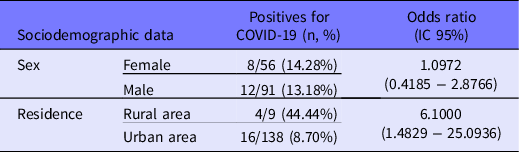
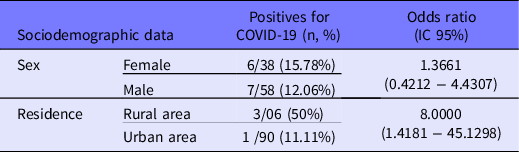
Table 1 shows the socio-demographic data related to the 3 border municipalities. Table 2 shows the significant epidemiological variables (P ≥ 0.005) related to the 3 border municipalities and in Tables 3, 4, and 5, the epidemiological variables of each municipality are shown.
Sociodemographic data related to children (5 months to 15 years) who were treated with respiratory symptoms and later diagnosed with COVID-19 (SARS-CoV-2) through the public health network of 3 municipalities in the border region (Assis Chateaubriand, Tupãssi, and Formosa do Oeste - Borders with Paraguay x Brazil x Argentina) from March to August, 2020

Source: Authors
Variables associated with COVID-19 infection (SARS-CoV-2) in children through the public health network of 3 municipalities in the border region (Assis Chateaubriand, Tupãssi, and Formosa do Oeste - Borders with Paraguay x Brazil x Argentina) from March to August, 2020

*Yates's chi-squared test;
**Fisher's exact
Source: Authors
Variables associated with COVID-19 (SARS-CoV-2) infection in children through the public health network in the municipality of Assis Chateaubriand, which borders Paraguay (86 km) and Argentina (143 km) in the period from March to August, 2020

*Yates's chi-squared test;
**Fisher's exact
Source: Authors
Variables associated with COVID-19 (SARS-CoV-2) infection in children through the public health network in the municipality of Tupãssi, which borders Paraguay (100 km) and Argentina (130 km) in the period from March to August, 2020

* Fisher's exact
Source: Authors
Variables associated with COVID-19 infection (SARS-CoV-2) in children through the public health network of the municipality of Formosa do Oeste that borders Paraguay (105 km) from March to August, 2020

* Fisher's exact
Source: Authors
Data related to children diagnosed with COVID-19 (SARS-CoV-2) (5 months to 15 years) and family contacts who were assisted through the public health network of three municipalities in the border region (Assis Chateaubriand, Tupãssi, and Formosa do Oeste – Borders with Paraguay x Brazil x Argentina) from March to August, 2020

Source: Authors
According to the records of the children with a positive diagnosis for COVID-19, it was possible to collect observations and information that led to the relationship of infected children with family contacts (Table 6). Among the 20 (100.00%) children with a positive diagnosis for SARS-CoV-2, 13 (65.00%) had a relationship with positive cases within the same family circle. Through the data obtained, it was possible to observe kinship between mother, father, grandparents, or siblings in 20.00% (4/20) of the female children and in 45.00% (9/20) of the male children. It was not possible to establish a kinship relationship in 35.00% (7/20) of the children, due to the lack of data in the notification forms.
Limitations
This study was developed at the beginning of the SARS-CoV-2 pandemic, a situation that made it difficult to tabulate the data due to the high demand of the notification systems. Another critical issue was the difficulty in releasing laboratory results due to the high demand from suspected patients, which also made it difficult to extend the investigation period. Finally, the lockdown was another key factor; given the impossibility of face-to-face meetings, a lot of information that could contribute to enriching the work was not possible to tabulate.
Discussion
The new coronavirus, named SARS-CoV-2, is the cause of COVID-19. The WHO characterized this disease as a pandemic on March 11, 2020. 5 Until the final data collection date for this research, Brazil had already become the second country with the highest number of cases in the world. 6 With little evidence and reports on COVID-19 in children, this disease is a challenge in the pediatric population. 7,Reference Dong, Mo and Hu8 Some research indicates that children become viral reservoirs, as they are important in the transmission cycle of COVID-19 (SARS-CoV-2) to the community. Reference Brodin9–Reference See, Liew and Ng11
The last 10 to 15 years have taught us that respiratory viruses are ‘not only’ causes of infections of the upper airways, but also infections of the lower airways. Reference Jain, Self and Wunderink12,Reference Machado13 Influenza, parainfluenza, adenovirus, and respiratory syncytial virus, as well as rhinovirus, and SARS-CoV, should be included as a differential diagnosis for SARS-CoV-2. There is also the possibility of the coexistence of viruses or even bacteria in COVID-19. 6,Reference Xia, Shao and Guo14
WHO declared that most Brazilian children have about 4 to 6 acute respiratory infections per year, directly impacting public health. Reference Henschel and Chan15 Besides, Nunes et al. Reference Nunes16 point out that in most cases, COVID-19 resembles the common flu, and other people will fall into the class of asymptomatic patients, which can hinder the correct diagnosis, especially in children.
In Brazil, there is not much data available on the number of new cases in the pediatric age group. Studies in other countries estimate that the number of cases in the pediatric range is 1% to 5% of the total confirmed cases. 17 In the present study, among the 147 children suspected of having COVID-19, 20 (13.60%) presented positive results. In addition, from the total number of patients investigated in the 3 Brazilian municipalities in the border region (1874), in the period covered by the study, children aged 0 to 15 years represent only 0.56% of those infected. However, the Paraná News Agency, 18 reported that the number of infected children has been growing in the state. Data from the State Department of Health indicate that the cases in July alone were greater than the other previous months combined. This growth in confirmation among children may also be possible due to family members not adhering to social isolation since classes were suspended in schools. These data corroborate with the present research, which shows that in the months of March, April, and May, there were no reports of cases in children in the 3 municipalities of this study. June was the starting month for notifications and the 1 with the highest number of registered cases (55.00%).
Recent studies have shown that, unlike infected adults, children rarely progress to the severe form of the disease, presenting as mild or asymptomatic. Reference Safadi1 Data from the Centers for Disease Control and Prevention (CDC) in the United States, 7 point to the fact that hospitalization for COVID-19 seems to be uncommon (between 2.50% and 4.10%), and even more rare is the need for treatment in intensive care (< 1.00%), corroborating with the data of this research, where no child needed hospitalization. According to Cunha et al., Reference Cunha, Andrade, Meneguitti and Loose19 in a study conducted in Rolim de Moura, Rondônia, 5.31% of the positive cases were in children, aged between 6 months and 11 years, and all had mild symptoms of the disease and a history of family exposure. This data corroborates the present study which shows that children diagnosed with COVID-19 presented symptoms common to respiratory diseases such as fever, headache, cough, and nasal congestion, as well as sore throat, coryza, myalgia, and diarrhea. Other symptoms included weakness, dyspnea, and vomiting. It is known that 65.00% of the children were infected through exposure to family contacts.
A study by Lu et al. Reference Lu, Zhang and Du20 in Wuhan, China, observed 171 children infected with SARS-CoV-2, from 1 day to 15 years old. Among the symptoms, the most frequently observed were cough (present in 48.50% of cases), followed by pharyngeal erythema (46.20%), and fever (41.50%), corroborating the data found in this research, which showed that the most frequent symptoms in children were fever, present in 65.00% of cases, followed by headache (60.00%), cough (55.00%), nasal congestion, and sore throat, both found in 35.00% of cases.
A study conducted in China by Liu et al. Reference Liu, Zhang and Chen21 observed 59 patients; among these, 4 (6.77%) were children with a positive diagnosis of COVID-19 (2 males, 50.00% and 2 females, 50.00%). All of them had been exposed to confirmed or suspected patients with COVID-19. Hoang et al. Reference Hoang, Chorath and Moreira22 found in the systematic literature review a slight predominance of males (55.00%) and a history of symptomatic household contact in 75.00% of cases of children with a positive diagnosis for COVID-19.
Another team from São Paulo, in July 2020, with 66 patients diagnosed with COVID-19 by RT-PCR, and with an average age of 7 years old, revealed data similar to those described in this research: a predominance of males with 41.00% of them having a history of contact with patients who had some type of respiratory symptom. Reference Vieira, de Aguiar, Verlangieri, de Araujo Evangelista, Otsuka and Sarrubbo23 The Paraná News Agency, 18 shows that 2908 cases of children infected with the new coronavirus were reported in the state from March to June, 2020, also with a predominance in males (54.36%). These data corroborate with the present research, as it was possible to identify that of the 20 children diagnosed with the new coronavirus, 60.00% were male and 40.00% female. Besides, among these, 13 (65.00%) were exposed to confirmed patients within their own family circle.
According to the epidemiological data described in different studies, most children with COVID-19 are asymptomatic or have mild symptoms of the infection. However, studies point to some cases of children who developed a significant systemic inflammatory response. Reference Yonker, Shen and Kinane24 In late April 2020, doctors in the United Kingdom recognized a significant increase in children who had an inflammatory syndrome, associated with the cases of COVID-19. This syndrome is currently referred to as the Multisystem Inflammatory Syndrome in Children (MIS-C). 25–Reference Jones, Mills and Suarez27 This syndrome describes a new health condition seen in children who were infected with new coronaviruses, recovered, and later show an immune response that results in significant levels of inflammation in the organ systems. 25
The clinical manifestations of MIS-C are similar to other inflammatory entities such as Kawasaki disease, toxic shock by staphylococci and streptococci, bacterial sepsis, and secondary hemophagocytic lymphohistiocytosis (HLH) syndrome, as well as macrophage activation syndrome (MAS). 25 WHO has made available an online worldwide registry so that pediatric doctors from all over the world can enter data on suspected cases, in order to be able to investigate the real incidence of MIS-C and its relationship with COVID-19. 17 There is a certain disagreement about the time of immunological window for the development of the syndrome. However, it is accepted that children (with a recent infection or who had a previous history of the diagnosis of COVID-19) developed the syndrome. Reference Uchiya28 In Brazil, until the end of August 2020, the Ministry of Health reported the occurrence of MIS-C temporarily associated with COVID-19 in 197 children and adolescents from 0 to 19 years old, with 14 deaths. In Paraná, according to data from the State Department of Health, until the end of August, 10 cases were reported in children and adolescents between 3 and 16 years old, with 3 deaths. 29 The non-occurrence of MIS-C in the municipalities chosen for this study does not exclude the possibility of the existence of this syndrome in the region, since under-reporting or non-identification of the syndrome may occur.
Another important fact to be considered is that coronaviruses (CoVs) can be found in different hosts and circulate in the wild in different animal species. Considering the animal origin of SARS-CoV-2, it is likely that its relevance does not occur only in infections in humans and may develop into a zoonotic disease. 29 The literature is still scarce, but it indicates that some animal species, felids in particular, may occasionally become infected with SARS-CoV-2. Reference Shi, Wen and Zhong30,31 According to World Organization for Animal Health (WOAH), 32 some dogs and cats tested positive for the new coronavirus due to close contact with infected people. Although the results found in literature show an infection, mainly of felines, by COVID-19, and a possible human - animal transmission, there are still no scientific revelations that indicate the transmission of SARS-CoV-2 from domestic animals to humans.
The World Small Animal Veterinary Association (WSAVA), the WOAH, and the Centers for Disease Control and Prevention (CDC), 31–33 recommend that people who tested positive for COVID-19, and who own pets, should limit contact with their animals, the same way they do with humans, for up to 14 days. These questions about the possibility of human - animal and animal transmission serving as carriers of the virus to other animals or humans make surveillance of this disease even more important, especially considering the relationship between children and family pets.
The proximity of the municipalities considered in this study to the border region between Paraguay and Argentina further aggravates the key to viral transmission since it is known that SARS-CoV-2 entered Brazil through airports, installed itself in cities with a greater connection to foreign countries, and quickly penetrated the territory. 34 Also, the border region facilitates the transit of people, goods, and animals between countries, enabling a viral spread that is difficult to control, especially when it comes to smuggling, a situation easily found in these regions. Reference Amaral35,Reference Barbosa36
Conclusion
All these data alert to the importance and the need for more epidemiological studies, especially in children and adolescents, as COVID-19 becomes part of the child health panorama worldwide, with serious direct and indirect impacts for the human population, animals, and the environment.
Acknowledgments
We acknowledge: UNIPAR, for providing the funding for this research; CAPES, for the concession of the PROSUP school fee; and to the respective Health Departments, for the authorization and constant collaboration.
Competing interests
The authors declare no conflict of interest.