





Impact statement
Brazil is among the largest contributors to plastic pollution leaks into the oceans but there are several challenges for the country to compromise on international regulation on the issue. During negotiations for a Global Plastic Treaty, Brazil’s strategy reflected a central concern with the architecture of the treaty’s implementation, seeking to proactively address the lack of capacity as the main barrier to compliance. The insistence on these terms highlights the attempt to build a robust bridge between global obligations and domestic capabilities, ensuring that the ambition of the agreement is not lost in its execution. Our analysis reveals a two-pronged strategy: one of encouraging popular mobilization through a strong social appeal, and another of structural negotiation focused on implementation capacity, leaving open the fundamental question of whether the country would support measures toward reducing plastic production or chemical controls on plastic.
Introduction
The Ocean is considered a global common good, and it should be in humanity’s interest to sustainably use its resources and services. However, it is affected by several anthropogenic problems, and one in particular has been worsening: plastic pollution. Besides marine biodiversity damage, science shows numerous negative impacts of micro and nano plastics on human health (Revel et al., Reference Revel, Châtel and Mouneyrac2018; Fontes et al., Reference Fontes, Ribeiro and Garcia2024; Seewoo et al., Reference Seewoo, Goodes, Thomas, Rauert, Elagali, Ponsonby, Symeonides and Dunlop2024). Since the 1970s, the rate of plastic production has grown more than any other material; production doubled from 234 to 460 million tons between 2000 and 2019. Plastics are low-cost, versatile and indispensable in most sectors. Nevertheless, at least 14 million tons of plastic end up in the oceans annually (UNEP, 2021). Although it represents an underestimate, this mark is official data that guides political decisions. Other sources, like Borrelle et al. (Reference Borrelle, Ringma, Law, Monnahan, Lebreton, McGivern, Murphy, Jambeck, Leonard and Eriksen2020), using data from 2016, estimated that 19–23 million metric tons, or 11%, of plastic waste generated globally entered aquatic ecosystems, and Meijer et al. (Reference Meijer, Van Emmerik, Van Der Ent, Schmidt and Lebreton2021) estimate 67.5 million metric tons per year.
Accountability becomes difficult because plastic pollution is not limited to political borders and ocean governance depends on both domestic policies and international cooperation (Attard et al., Reference Attard, Ong and Kritsiotis2018; Polejack, Reference Polejack2021). Sources suggest that Brazil, China, Indonesia, India, Malaysia, Myanmar and the Philippines are among the largest contributors to plastic pollution leaks into the oceans according to different sources (Tessnow-von and Le Billon, Reference Tessnow-von and Le Billon2019; Meijer et al., Reference Meijer, Van Emmerik, Van Der Ent, Schmidt and Lebreton2021) They are also important destinations for developed countries’ waste (Comtrade, 2025), especially since 2018 when China banned solid waste imports (China, 2018; McNaughton and Nowakowski, Reference McNaughton and Nowakowski2019).
In March 2022, during the United Nations Environment Assembly (UNEA 5.2), countries started negotiations to reach a global agreement to combat plastic pollution (Global Plastic Treaty, hereinafter GPT), through the UNEP/EA.5.2/Resolution 5/14 (UNEP, 2022). By then, the goal was to reach a comprehensive agreement by 2025, covering the plastic global value chain (GVC). The formation of an international regulation covering the production, commercialization, (re)use and treatment of plastics represents an extensively complex process, involving countless dimensions and conflicting interests.
We analyze the GPT negotiation process through the theoretical lens of Putnam’s (Reference Putnam1988) two-level game theory to understand Brazilian foreign policy dilemmas. Although there is not a single way to employ his framework, we were inspired by the works of Downie (Reference Downie and Falkner2013), Song (Reference Song2023) and Lewis et al. (Reference Lewis, Zhang and Teng2026). Specifically, we: map political divergences (i) internationally, and (ii) domestically. This is a case study of the GPT, based on qualitative content analysis. The data comes from primary sources such as public position papers, resolutions, statements, in-session reports and surveys, as well as transcripts of hearings with actors involved in the negotiations of the agreement (UNEP, 2016, 2021, 2024a, 2024b; IISD, 2022, 2023a, 2023b, 2024a, 2024b, 2025).
On the one hand, Brazil needs to promote its industrial sector, increasingly threatened by international competition. The plastics industry is a crucial economic activity for the country with socioeconomic repercussions in the recycling industry (Abiplast, 2022). On the other hand, the GPT constitutes an opportunity for Brazil of international projection as an environmental leader (Viola and Gonçalves, Reference Viola and Gonçalves2019).
Social science evidence for marine policy is still limited, compared to natural sciences (IOC-UNESCO, 2017; Peters and Vadrot, Reference Peters and Vadrot2025), suggesting informational inequalities, with possible impacts on policy implementation, so that UNEA recommended more research on the social-political dimension, especially from Global South countries (UNEP, 2016, 2021; McDonnell, Reference McDonnell2018).
In order to contribute to this analytical gap, we provided a brief theoretical section, followed by a discussion on the international context of the formation of the GPT. Then, we focused on the domestic constraints of Brazilian action structured by different actors’ declarations about the instrument, and we concluded with final considerations that might highlight pathways both for decision makers and stakeholders on getting to a final and effective agreement.
International agreements, two-level game and non-state actors: Brief theoretical- conceptual considerations
The structure of global environmental governance is constituted of organizations and regulations like MEAs (Multilateral Environmental Agreements). There are at least 457 MEAs, involving bilateral, regional and global agreements, but only 69 are considered global, i.e., open to all UN members, and only 30 have more than 100 members (Mitchell et al., Reference Mitchell, Andonova, Axelrod, Balsiger, Bernauer, Green, Hollway, Kim and Morin2020). This relatively low engagement in large multilateral instruments might have a relation to domestic issues.
Putnam (Reference Putnam1988) considered that domestic politics and international relations are intertwined in some way. He was interested in explaining why some international negotiations fail, employing the term two-level game as a metaphor, segmenting the negotiation process into level I, the international, and level II, the domestic. The figure of the chief negotiator stands out, an actor theoretically devoid of interest and engaged simultaneously at both levels seeking to converge distinct and, at times, conflicting interests in the negotiation. From this process stems the concept of win-set, composing all possible agreements set at level I that would be supported domestically.
Building this win-set, however, might be a complex challenge as negotiators have to deal with non-state actors domestically who influence foreign policy decision-making: (i) subnational entities, including federal bureaucracies, (ii) epistemic communities, (iii) the private/economic sector (Falkner, Reference Falkner2008), (iv) the third sector and (v) public opinion (Almeida et al., Reference Almeida, Fernandes and Guimarães2021). Despite not considering those actors internationally, we have considered their role domestically as they reflect the plurality of intervening voices in democracies, each pursuing its own interests: better governance and national development, evidence-based policies, more profits, advocacy for a cause or a sense of participation in political decisions. For McMillan (Reference McMillan2008), subnational actors with more institutional powers are more likely to influence foreign policy depending on the issue and budgetary control, as well as powers derived from electoral mandate and public approval. Despite their importance, especially on environmental issues, public demand for information increases due to the technical nature and the context of uncertainty, stimulating experts to influence debates through agenda setting and alternative policy formulation (Haas, Reference Haas2015). Literature investigating how non-state actors influence domestic politics highlighted the prevalence of private and economic interests playing a significant role in foreign policy, considering advantages that leverage their performance, such as access to material resources and personal connections with government officials (Tienhaara, Reference Tienhaara and Harris2022).
Even within the scope of the two-level games framework, economic sector interests can prevail in the political game through veto power. This possibility adds layers of complexity to our analysis. Based on the recurrent case in the literature of the Montreal Protocol (1987), for example, Vormedal (Reference Vormedal2010) suggested that, throughout the negotiations, corporate opposition can change, eventually supporting stringent measures toward environmental conservation. Scientific evidence, attesting to the relevance and urgency of the problem, would gain acceptance and salience among public opinion, leading economic actors to shift their position. The perception of the imminence of a new regulation could lead to a strategy presenting themselves as providers of solutions could gain influence over regulatory designs. Once environmental regulation can create new markets and technologies, companies with greater investment capacity could begin to support environmental agreements (Hoffman and Woody, Reference Hoffman and Woody2008).
Another actor includes third-sector organizations, social movements, NGOs and unions (Park, Reference Park and Falkner2013). Although NGOs usually face financial constraints, they can occupy positions of influence over governmental strategic decisions (Betsill and Corell, Reference Betsill and Corell2007). Furthermore, they can influence policies through campaigns and consulting (Steiner et al., Reference Steiner, Alves, Santana and Harris2022). Finally, Wratil et al. (Reference Wratil, Waeckerle and Proksch2023) pondered that, despite the important role of national public opinion in international negotiations, little is known about exactly how this relationship manifests. Borick and Lachapelle (Reference Borick, Lachapelle, NJ, ME and BG2022) considered that even though public opinion does not seem to constitute a determining factor in political decision-making, there is evidence to suggest that some dimensions of public opinion have a greater impact on international political efforts than others. Considering this, the next section presents general aspects of the Global Plastics Treaty at Level I, international, and the following section focuses on the dynamics at Level II, considering Brazil’s domestic context.
The Global Plastics Treaty (GPT) and Brazil: Context, dynamics and divergences in international negotiations
Given the urgency of the marine plastic pollution problem, between 2014 and 2019, the UNEA published five resolutions on the matter, as well as two reports (UNEP, 2016; UNEP, 2021), aiming to inform the discussions for the UNEA-5.2 session, held in 2022. In 2022, the UNEA-5.2 Assembly launched a negotiation agenda with five sessions of an Intergovernmental Negotiating Committee (INC), revised in 2024. Supplementary Table S1 synthesises dates, places and issues of INC sessions, chronologically (see Supplementary Material). The agenda previewed the agreement to be concluded in 2025, but after the failure of negotiations in Busan, the fifth session was split in two: INC-5.1 and INC-5.2. The second part took place in Geneva, Switzerland, in August 2025. In June 2025, two months before INC-5.2, countries met in Nice, France, for the Ocean Conference, where more than 94 countries declared their support of an ambitious treaty known as the Declaration of Nice.
Based on content analysis of the reports from INC-1 to INC-5.2 (Supplementary Table S2), we observed trends and changes throughout the negotiations. Regarding the permanent characteristics, the mandate required a comprehensive approach to address the entire life cycle of plastics (IISD, 2022, 2023a, 2023b, 2024a, 2024b). This issue became one of the main points of contention, as delegations debated whether the life cycle should begin with the extraction of raw materials (upstream) or with product design (midstream) (Dauvergne et al., Reference Dauvergne, Allan, Beaudoin, Almroth, Clapp, Cowan, Vince and and Vince2025a). Another enduring characteristic was broad participation despite divergences in number of delegates among countries (Kiessling et al., Reference Kiessling, Rech, Reus and Walker2025). The negotiations brought together more than 160 countries (in INC 5.2, as an example, there were 183 countries as documented by Kiessling et al., Reference Kiessling, Rech, Reus and Walker2025) including a wide range of stakeholders such as civil society organizations, the private sector, academia and indigenous communities.
The negotiating document went through several stages: it began as a list of options (INC-1), was formalized in a zero draft (INC-2), and then expanded into a compilation of proposals (INC-3) (Cowan et al., Reference Cowan, Tiller and Maes2025). After an effort to consolidate this document in INC-4, the process changed in INC-5 to a presidency-led approach, generating debate on losing previous work. Disagreements evolved from conceptual debates to concrete textual impasses in three main areas. First, the definition of the complete life cycle of plastics in explicit textual proposals, such as those aimed at regulating plastic polymers, and at the end of INC-5.1. On the nature of the obligations, the dispute permeated almost all articles. The debate between a global list of prohibitions (top-down approach) and nationally determined measures (bottom-up) mirrored the tension of creating international obligations and ensuring that States actually implement them through domestic laws. The question of whether the measures would be mandatory or voluntary remained unresolved. Finally, issues such as financing and chemicals, and the ability to comply, are pivotal, as many countries condition the acceptance of robust obligations on the guarantee of adequate means of implementation. During INC-5.1, the debate on financing materialized in two proposals: the creation of a new fund versus the use of an existing mechanism such as the Global Environment Facility (Gonçalves L et al., Reference Gonçalves L, Webster, Grilli, Elliff, Scrich, Lopes and Turra2024; Cowan et al., Reference Cowan, Tiller, Hatlebrekke, Grønlund and Maes2026).
From those divergences, states can be divided into three distinct competing positions: one advocating for a more ambitious treaty (high ambition coalition), of a binding nature, imposing a global target for plastic pollution reduction from the extraction of its raw material and production to its disposal, including the elimination of concerning chemicals and the reduction of unnecessary plastics reduction such as single-use plastics. On the opposite side, oil-producing countries (like-minded countries) and companies dispute the view that the treaty should include measures to regulate plastics from their initial stages. Although there was not a formally available list of the countries and companies that agreed with this perspective, Dauvergne et al. (Reference Dauvergne, Ralston, Clapp and Taggart2025b) included: Bahrain, Egypt, Kazakhstan, Kuwait, Qatar, Russia, Saudi Arabia and corporations with petrochemical interests which are among the largest producers of disposable plastics like: Dow, ExxonMobil, LyondellBasell, PetroChina, Saudi Aramco and Sinopec(Dauvergne et al., Reference Dauvergne, Ralston, Clapp and Taggart2025b). This group attempts to steer the treaty toward lowering its ambitious targets to not consider the entire life cycle of plastics, and try to minimize or obstruct regulatory measures on harmful chemicals, hazardous plastics and those that attempt to limit global plastic production (Cowan, Reference Cowan2025; Dauvergne et al., Reference Dauvergne, Ralston, Clapp and Taggart2025b). In the middle, there are countries that are aware of the problem, but are still measuring the costs to transition. Brazil is probably closer to this group, as we discussed here.
We analyzed specific Brazilian interventions along the process (Supplementary Table S3). To fill gaps in materials for INC-5.1 we used in-session declarations. During INC-1, Brazil presented a multifaceted initial position, possibly reflecting a government in transition. At first, the speech emphasized national actions and the circular economy, highlighting the country’s performance in recycling and announcing a voluntary commitment to recover 50% of plastic packaging by 2040, an optimistic narrative contrasting with the country’s reality of low recycling rates. The mechanical recycling rate for post-consumer plastic packaging is 24.4% (Abiplast, 2025). The approach advocating nationally determined targets while facilitating political adherence shifts the burden of implementation to the domestic sphere, diluting the pressure for compliance in favor of flexibility. In a subsequent intervention, the country adopted a more ambitious tone, stating that the treaty’s obligations should cover everything from the supply of renewable raw materials to the defense of a just transition, as well as advocating the treatment of toxic chemicals, a theme that would later become recurrent in Brazilian interventions. This duality initially positioned Brazil on both sides of the debate about the structure of the future agreement.
In Paris, during INC-2, Contact Group 1 (CG1) discussed the objective and obligations, control measures and voluntary approaches while CG2 focused on means and measures for implementation, capacity building, technology transfer, education and information exchange considering traditional, indigenous knowledge and coordination with relevant international institutions (Cowan et al., Reference Cowan, Arpels-Josiah, Barlow and Schröder2024). GRULAC, the coalition representing Latin American and Caribbean countries, suggested clear references in the agreement such as the inclusion of terms like the marine environment, just transition, and the recognition of the important role of informal waste pickers (GRULAC, 2022). Brazil, along with GRULAC, reinforced the debate on the financing, within the scope of the principle of common but differentiated responsibilities. Under a new government, starting in January 2023, with a discourse of environmental commitment, the Brazilian position shifted toward an “ambitious legally binding instrument, with equally ambitious means of implementation” (Brazil National statement on Item 4 at INC-2, 2023, p. 1). The social aspect gained prominence, with a strong emphasis on socioeconomic inclusion of recyclable material pickers, whose environmental services should be recognized and economically valued. By this, Brazil materialized the idea of making institutions more open to civil society, seeking to build legitimacy and share responsibility for the implementation of public policy at the local level. One of the treaty’s central debates, Brazil also explicitly listed upstream and midstream topics, such as “problematic and unnecessary plastics” and “transparency on chemical additives,” aligning itself with countries that sought a more robust and comprehensive treaty, at least in discourse.
In INC-3, the Brazilian discourse assumed a strategic position, especially in relation to GRULAC and other developing countries. Given the risk of advancing technical obligations without guarantees of support, Brazil conditioned its support for technical progress on parallel progress in discussions on financing: “we cannot support any intersessional work on technical issues if it is not accompanied by intersessional work on financing” (Brazil at INC-3, 2023, p. 2). This was reinforced through the use of the principle of “common but differentiated responsibilities,” proposing that the ambition of the treaty is inseparable from the means of implementation necessary to achieve it, a maneuver that conditions the acceptance of rules at the global level on enabling the capacity for action at the domestic level, preemptively attacking compliance.
For INC-4, Brazil reinforced the importance of the agreement’s scope, quoting science as a major ally of the treaty; it also reiterated the need for a robust financing and technology mechanism for developing countries. Furthermore, the country co-organized, with the United Kingdom, expert consultations on polymers and chemicals of concern and problematic and avoidable plastic products. The Brazilian discourse again showed elements of ambitiousness and focus on upstream measures, stating that it should not only be on waste, advocating the creation of lists and annexes to be adopted globally to prohibit or restrict harmful polymers and chemicals.
In the absence of an official discourse for INC-5, we analyzed in-session documents. The terms health and human life appeared at the center of the discussions. Indigenous peoples and workers, such as waste pickers, were constantly mentioned, following the logic of the eradication of poverty as an indispensable requirement. On the topic of means of implementation, the most frequent issues in the in-session documents were related to technology and financing transition. There was a concern to ensure a just transition, suggesting the creation of a cooperation mechanism, which would act as a platform to identify needs, connect donors and facilitate access to knowledge and expertise. GRULAC proposed cooperation to manage abandoned fishing equipment, supporting artisanal fishermen, while Brazil highlighted its challenges with landfills and reiterated that solving existing pollution depends on international funding and cooperation.
A prominence of the terms human health and workers revealed a strategic framing choice. The centrality of the word health, for example, echoed and amplified Brazilian concern with the regulation of chemical additives and hazardous polymers (frequent in the analyzed documents) aiming to build a broad base of legitimacy and popular support for the treaty. However, it raised a critical question about possible effects. The intense focus on the figure of waste pickers, while crucial to the just transition agenda, risked concentrating efforts and political attention on downstream measures diverting from the root of the problem (Vandenberg, Reference Vandenberg2024). The just transition, a non-negotiable pillar of the proposal, was shrouded in ambiguity: was it a transition to a circular economy scenario with similar volumes of plastic, where workers are better integrated, or to an economic model less dependent on the material? The discourse analyzed does not offer an objective answer. The high frequency of terms such as financial, developing, implementation, countries, support and cooperation exposed a second pragmatic pillar as these terms represent concern with the architecture of the treaty’s implementation, seeking to proactively address the lack of capacity as the main barrier to compliance. This strategy might represent an attempt to build a bridge between global obligations and domestic capabilities, ensuring that the ambition of the agreement is not lost in its execution. Our analysis revealed a two-pronged strategy: one of popular mobilization through a strong social appeal, and another of structural negotiation focused on implementation capacity, leaving open the fundamental question of reducing production at the source.
In short, Brazil’s dilemmas surrounding the GPT negotiation can be consolidated into three axes. First, the risk of non-adherence by countries relevant to the plastic GVC, such as Russia, China and the United States. Second, for Brazil, an alternative infrastructure to plastic is less developed (or non-existent), and banning obligations could result in inflation and market loss to international competitors. Therefore, a more ambitious treaty from an environmental point of view could be a possible obstacle to macroeconomic interests. Third, concerning monitoring mechanisms, the country has not implemented an effective data collection system, so consolidating a monitoring, reporting and verification system would involve costs not necessarily foreseen. The country can seek capacity building and demand compensation funds or resources to finance technological transition. Therefore, now we focus on Level II, in order to map domestic non-state actors’ positions.
The Global Plastics Treaty (GPT) and Brazil: The challenges in building convergences domestically
Park (Reference Park and Falkner2013) states that much of the lobbying for MEAs occurs in the domestic sphere, in preparation for negotiations. Investigating the role of actors influencing Brazilian foreign policy in the GPT, several aspects must be considered. Throughout the 1990s, there was a progressive opening to social participation in foreign policy in the country (Farias and Ramanzini, Reference Farias and Ramanzini2015; Pomeroy, Reference Pomeroy2016). Dialog with non-state actors on environmental foreign policy in Brazil has been built since Rio-92, with growing momentum in recent decades (Kiessling, Reference Kiessling2018). Analyzing the GPT case, based on Putnam’s (Reference Putnam1988) framework, the position of chief negotiator is held by the Secretary of the Brazilian Ministry of Foreign Affairs (MRE, in Portuguese), HE Maria Angélica Ikeda, who in 2024 occupied the direction of MRE’s Department of the Environment and the head of the Special Advisory Office for International Affairs of the MMA.
In a public hearing (MMA, 2024), the secretary reinforced that the agreement seeks to combat plastic pollution and not the product itself. She also pondered the economic importance of the resource and stated that Brazil promoted additional meetings for the negotiation details, such as banning problematic plastic products and chemical substances lists, as well as global harmonization lists. The negotiator highlighted the social dimension of plastic in international negotiations, based on the strategy of including a representative of the National Waste Pickers Movement in the Brazilian delegation, in addition to artisanal fishing representation. She mentioned robust means of implementation, such as capacity building, financing and access to technology transfer, identifying different starting points for developed countries in relation to developing countries and reporting Brazil’s support for transition financing fund demands.
Regarding (i) subnational entities, on the occasion of the public hearing, federal units were not formally represented. Therefore, we only considered three different federal bureaucracies within the same government: the Ministry of Environment (MMA, in Portuguese), the Ministry of Development, Innovation and Communication (MDIC, in Portuguese) and the Foreign Trade Chamber (Camex, in Portuguese). The representative of MMA was Mr. Maluf. We observed an active and supportive role attempting to compromise Brazil with the agreement. MMA coordinated public hearings inviting different actors to dialog. The speech highlighted the importance of dialog with civil society and transparency in decision-making based on technical and political issues. The MDIC, represented by Mr. Ramalho, diverged from the previous bureaucracy reinforcing the principle of common but differentiated responsibilities and the historical dimension of polluters and the asymmetrical consumption pattern among countries, retrieving demands for financing mechanisms. According to him, Russia and China would be against any ban on plastic production, while the European bloc would be aiming to export restrictive regulations already in force. Brazil, in his perspective, could not be naive, even considering green chemistry and the chemical sector’s decarbonization process, demanding investments in technology and should be closer to the United States, supporting circularity and bioproducts, fostering a green economy. The representative considered a major dilemma that China, the United States and Russia did not sign the agreement. In this case, he predicted Brazil would suffer international competition and a possible inflationary movement. He made it clear Brazil should focus on demand-side and downstream measures, as the country would not have technical capacity to understand the effects of banning products, echoing measures supported by economic representatives presented below.
Ms. Carvalho representing the Foreign Trade Chamber (Camex, in Portuguese), began her speech by presenting Camex as a collegiate body of several ministries to address trade policy and informed that, in 2023, Brazil increased import tariffs on solid waste, including plastics and paper and stated that the GPT would go beyond combating plastic pollution, resulting in costs to international trade, to reshape product design among other changes. She also highlighted: (i) environmental rules with impact on trade, (ii) competitive advantages of European countries, which already follow proposed measures and (iii) overlapping rules of the World Trade Organization (WTO) on product traceability, design and labeling. She emphasized Brazil’s deindustrialization, suggesting equality for imports, demanding compliance with the same reverse logistics rules required for national products, leveling national and international competitiveness, in addition to applying a surcharge to imported products that do not comply with environmental rules (MMA, 2024).
The presentations of Ms. Menezes, from the Brazilian Association of the Plastics Industry (Abiplast), and Ms. Barcellos, on behalf of the Brazilian Association of the Chemical Industry (Abiquim), represented the economic sector (MMA, 2024). Ms. Menezes emphasized the fight against pollution, not plastic, questioned food safety concerning the use of plastic substitutes and possible inflationary effects. She reinforced science-based policy decisions and, among the proposals, highlighted the dimension of circularity and waste management, the sovereignty of developing countries, the National Circular Economy Policy (launched in 2025), tax relief for the recycling sector, regulation for new materials, development of new markets for reuse and recycled plastic and certification of recycled plastics and traceability. The Abiquim representative presented a revised “zero draft” according to their interests. She highlighted the inclusion of instruments for better waste management with global minimum EPR (Extended Producer Responsibility) requirements, such as the implementation of reverse logistics for plastic packaging and the adoption of recycled content, as well as secured financing instruments, such as remuneration for waste management. She advocated for the creation of incentives and stimuli favoring the long-life use of plastics and reuse strategies, as well as the establishment of a case-by-case definition of problematic and avoidable plastics and a risk-based approach to assessing chemicals of concern, standardization and information sharing and strengthening the capacity of developing countries. Both presentations did not address the dimension of bans, restrictions and production control, unlike the presentation by representatives from academia and the third sector.
Unicamp professor Dr. Rutkowski, representing the Brazilian epistemic community, observed the increase in plastic production and expansion in markets, mainly in the plastic as fuel sector (through incineration). The specialist echoed major problems in plastic waste management systems reinforcing the need to rethink the plastic industry from the supply side, given the serious problems the product poses to biodiversity and human health. To investigate the position of the third sector, we analyzed statements from Ms. Iwanicki, from Oceana Brasil (MMA, 2024), Ms. Ferreira, from Greenpeace Brasil (ABES SANEAMENTO, 2024), and from a representative of waste picker movements, Mr. Alves (National Association of Recyclable Materials Collectors – ANCAT). Ms. Ferreira presented five civil society demands: the end of plastic pollution; a 75% reduction in production by 2040 through a legally binding target, based on 2019 levels; an end to single-use plastics; a transition to a reuse economy and the participation of those most affected in the negotiation and implementation of the treaty. Ms. Iwanicki acknowledged Brazil’s negotiating efforts, given the improved unwillingness of oil-producing countries to negotiate, and observed progress in Brazil’s position, despite falling short of the sector’s demands. Mr. Alves, representing ANCAT, reported the importance of plastic for the waste picker movement, the main source of income for the sector, with thousands of workers living in a situation of social vulnerability. He declared his support for the plastic circularity project, but considered that other products, such as paper and glass, would also need to be rethought, since their low market value. He reinforced the need for environmental education and the principle of shared responsibility inherent in the National Solid Waste Policy, pointing out the country had not implemented the selective collection foreseen in the national regulation (MMA, 2024).
Finally, the last group considered in this research was public opinion. IPSOS, with the support of WWF and the Plastic Free Foundation, has been conducting global-scale surveys to monitor public opinion on plastics (IPSOS, 2024). In its third round since February 2022, it showed that 85% of respondents around the World agreed with banning problematic plastics. Only 63% of Brazilians, compared to the global average of 73%, agreed that producers should be more accountable for reducing solid waste, an average equal to or lower than the United States and Japan, diverging from other Latin American countries. When questioned about banning plastic items most likely to become pollution, Brazilians were at the global average. On the issue of banning single-use plastics, Brazil, once again, ranked 24th out of 32 countries surveyed, and the last countries with the lowest averages agreeing with the statement were, again, the United States, Japan and India. In general, public opinion in these three countries showed more resistance to measures related to controlling production. Brazil ranked among the third quartile in terms of public opinion support for more drastic measures to control plastic pollution.
Therefore, considering Brazilian public opinion, the epistemic community, and civil society mobilizations, Brazil’s strategy of not signing the Nice Declaration nor adhering to the agreement appears risky, given the growing body of evidence on the negative impacts of plastic pollution on biodiversity and human health. However, this strategy can be better understood in light of Brazil’s relevance on the global plastic value chain. The country ranked 7th globally in 2023 in total oil production, with 4.28 million barrels per day (EIA, n.d.), and approximately half of it was produced by Petrobras (2025a). Braskem, which is the largest petrochemical company in the Americas, the largest producer of thermoplastic resins in the Americas and the largest producer of polypropylene in the United States, represented a nominal petrochemical capacity of 9.74 million tonnes/year, identifying it as Petrobras’ main petrochemical holding (Petrobras, 2025b). Although the Brazilian federal government does not directly own Braskem, it exercised significant indirect influence through Petrobras (holding 50.3% of Common Shares, Petrobras, 2026), holding 36.15% of Braskem’s total capital and 47% of its voting shares, making the state a key strategic stakeholder (Petrobras, 2025b).
In addition, Brazil underperforms in terms of the downstream transformation value chain, especially in chemicals and advanced recycling technologies (Storti et al., Reference Storti, Pereira and Júnior2019) although it fills the world’s first position on industrial-scale bio-based polyethylene (PE green polyethylene) (Braskem, 2025). This is relevant because, despite bio-based PE being a problem from the plastic pollution perspective, it has a lower fossil extraction pressure and lower lifecycle GHG emissions, potentially decoupling plastics from the fossil quest.
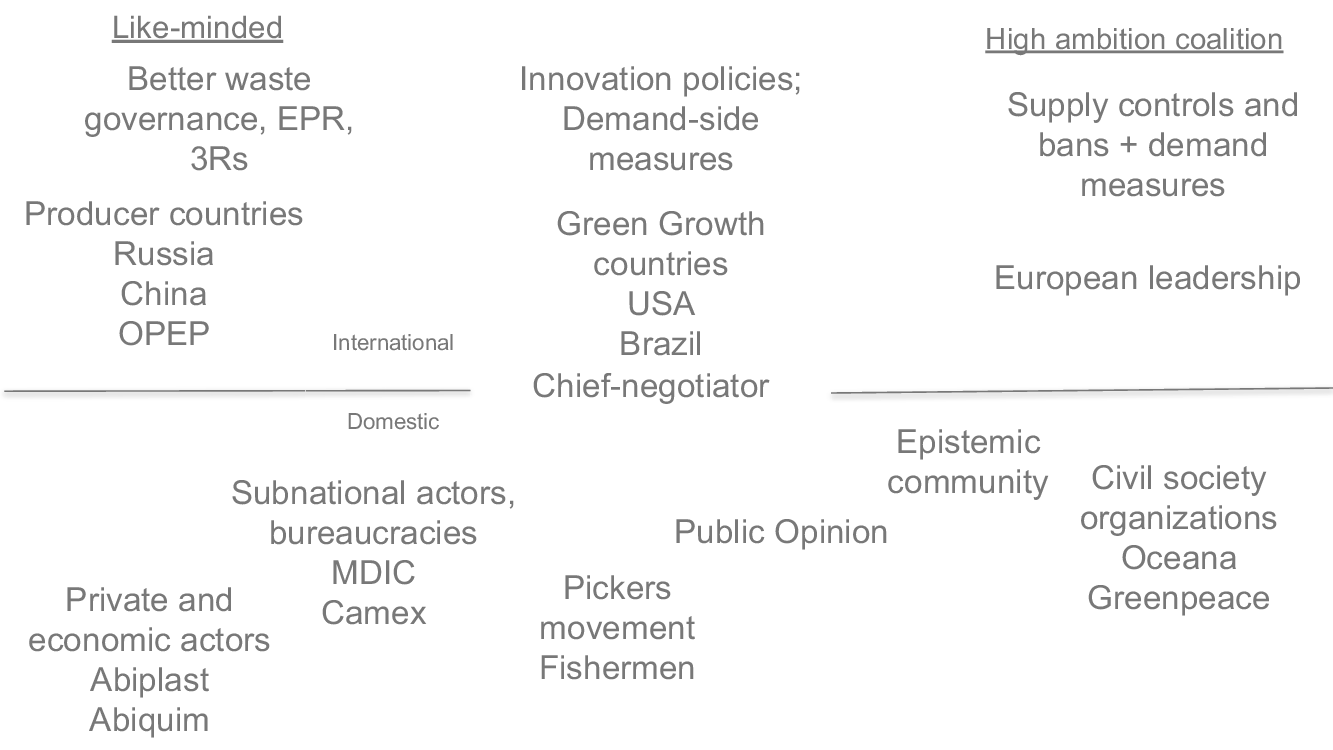
Figure 1 summarizes the positions identified in this analysis.
Brazil’s two-level game in the Global Plastics Treaty negotiations, illustrating the interaction between domestic interests (Level II) and international bargaining (Level I). Source: Authors’ elaboration, p. 13.

Internationally, the most divergent point was the need to discuss upstream measures in the GVC as the quest of stringent policies has already been adopted in developed and African countries. Considering the country’s insertion in the plastic GVC and the low maturity of the Brazilian substitutes markets, highlighted by the economic sector, low recycling rates and weak implementation of solid waste management, a strategy of full support for banning single-use plastics and chemicals controls without prior impact studies, could also represent a flawed agreement design without the necessary support from important domestic actors, including the government bureaucracies. Thus, the perspective that has proven most viable for Brazil in the pursuit of a viable agreement was to continue supporting a less ambitious treaty from an environmental standpoint, focused on waste management and the life cycle of plastics, but with a proactive strategy attracting and designing funding for technological transition, with the objective of, in the medium term, advancing the bioeconomy and bioindustry with less polluting solutions.
Final considerations
In the midst of the GPT negotiations agreement, from 2022 to 2025, we identified a two-level game of Brazilian foreign policy. Internationally, three divergent positions were present: countries that were pioneers and early adopters of restrictive legislation supporting international harmonization, defending high ambition policies to combat plastic pollution, countries opposed to stringent restrictions and countries seeking market opportunities, focusing on downstream and long-term proposals. Brazil seemed to be approaching the third stream. Despite its great potential to contribute to global environmental plastics governance, especially through bioplastics industry potential, the country’s international position is constrained by domestic forces’ fears of socioeconomic costs including resistance to production caps and historical responsibilities due to the importance of Petrobras and Brasquem.
Domestically, there was a wide divergence among actors concerning Brazil’s stance in the negotiations. The country had limited physical, material and digital infrastructure to implement robust recycling programs. In the face of a more ambitious agreement, despite the costs, Brazil could try to project the green development and the bioeconomy agendas through international cooperation, with the consolidation of technological transition funding. Meanwhile, the current government motto is neo-industrialization and the green economy. Non-adherence or support for the less ambitious approach would project Brazil to a less relevant position in terms of possible leadership on the global green transition agenda. Nevertheless, consolidated political and economic domestic interests push the country into inertia, postponing concrete changes.
Open peer review
To view the open peer review materials for this article, please visit http://doi.org/10.1017/plc.2026.10060.
Supplementary material
The supplementary material for this article can be found at http://doi.org/10.1017/plc.2026.10060.
Data availability statement
Data in Supplementary Materials (http://doi.org/10.1017/plc.2026.10060).
Acknowledgments
We are grateful for conversations with Andrea Quirino Steiner that have supported the development of this research. We are also grateful to two anonymous reviewers and the editor for helpful suggestions to improve this manuscript.
ChatGPT was used in September 2025 and May 2026 both to support translation from Portuguese to English and to format bibliographic references.
Author contribution
Conceptualization: E.E.C.A.; Data curation: E.E.C.A., J.A.B.S.; Editing: E.E.C.A.; Formal analysis: E.E.C.A.; Writing – original draft: E.E.C.A.; Review: E.E.C.A., J.A.B.S.
Funding statement
E.E.C.A.: This study was financed in part by the Conselho Nacional de Desenvolvimento Científico e Tecnológico (CNPq) – Grant/Award Number 305574/2024-8.
J.A.B.S.: This study was financed in part by an undergraduate research grant from the Conselho Nacional de Desenvolvimento Científico e Tecnológico (CNPq) – PIE18300-2024.
Declaration of interests
All authors declare that they have no known competing interests or personal relationships that could have appeared to influence the work presented in this article.


 Open access


Comments
Dear editors,
Please consider our manuscript entitled The Global Plastics Treaty and Brazil in Light of Robert Putnam’s Two-Level Game Theory: Converging on Divergences?
The manuscript results from a bigger research project conducted by Prof. Dr. Elia Cia Alves regarding the Global Plastics Treaty (GPT) negotiations and the relation of science in the accord. This manuscript represents a first effort in understanding Brazil´s strategy within the agreement so we can advance in identifying how non-state actors influence the political process.
Together with my research assistant Julia Santos, supervised by me, we analysed Brazil’s position along the negotiations towards the formation of a global agreement to combat plastic pollution. Using the theoretical approach of the two level game from Putnam, we empirically analyzed several documents, position and in-session papers, as well as a public hearing in order to frame and reveal divergences among several actors within Brazilian politics trying to map the country strategy within the process.
Recently, Peter Dauvergne and Rosetta Paik published an accepted manuscript regarding the case of South Korea, although important, we believe that looking to the countries that are held as the main responsible for leakages on the ocean might also contribute to the advances on the agreement. We think our research could fit in your special issue regarding the topic.
The manuscript is original, has not been published previously, and is not under consideration for publication elsewhere. All authors have approved the final version and agree with its submission to your esteemed journal. We didn’t use AI platforms to write it, although we used Google Translator to support writing in English.
Thank you for considering our submission. We look forward to the possibility of contributing to the high-quality research published by the
Please feel free to contact us if you have any doubts or considerations on our work.
Best regards,
Dr. Elia Cia Alves