INTRODUCTION
Rock pools and sediment pools (also referred to as ‘tide pools’ by some authors) can act as nest sites/nursery grounds (Horn et al., Reference Horn, Martin and Chotkowski1999; Amara & Paul, Reference Amara and Paul2003; Cunha et al., Reference Cunha, Monteiro-Neto and Nottingham2007), areas of shelter/protection (Mahon & Mahon, Reference Mahon and Mahon1994; Horn et al., Reference Horn, Martin and Chotkowski1999; Cunha et al., Reference Cunha, Monteiro-Neto and Nottingham2007) and as foraging areas for fish (Horn et al., Reference Horn, Martin and Chotkowski1999; Cunha et al., Reference Cunha, Monteiro-Neto and Nottingham2007), whether they be true residents, partial residents, or transients of the intertidal. Despite their dependence on pools for all or some important life stages (Gibson, Reference Gibson, Horn, Martin and Chotkowski1999), research on spatial and temporal distributions of the temperate fish of Great Britain appear lacking, even though the shanny/common blenny (Lipophrys pholis, Linnaeus, 1758) and long-spined scorpion fish (Taurulus bubalis; Euphrasén, 1786) contribute to the diets of the commercially important cod (Gadus morhua, Linnaeus, 1758) and haddock (Melanogrammus aeglefinus, Linnaeus, 1758) respectively (Pinnegar & Platts, Reference Pinnegar and Platts2011) and also the diet of the near-threatened European otter (Lutra lutra, Linnaeus, 1758).
Southern-hemisphere studies (Pulgar et al., Reference Pulgar, Bozinovic and Ojeda2005) found spatial separation between two fish species in the Chilean intertidal, with one species (Girella laevifrons, Tschudi, 1846, a sea chub) occupying the upper shore and the other (Scartichthys viridis, Valenciennes, 1836, a combtooth blenny), occupying the lower shore of the rocky intertidal. A similar pattern was observed in California by Thompson & Lehner (Reference Thompson and Lehner1976), where resident fish such as blennies and gobies tended to use the lower shore, which is subject to the least amount of desiccation stress and most amount of exposure time. Transient fish (inhabitants of sandy shores or deeper, subtidal habitats, only visiting the intertidal occasionally, such as mullets) tended to use the upper shore, as exposure time at this zone is much less than at the mid and lower shores.
Furthermore, Pulgar et al. (Reference Pulgar, Bozinovic and Ojeda2005) describe temperature as a key factor in determining intertidal species' spatiotemporal distributions and abundances, hence changes in fish abundances over time may give an indication of a species' thermal sensitivity. Water temperature is associated with fish abundance (Davis, Reference Davis2000), with smaller fish (in the case of Graus nigra, Philippi, 1887, a sea chub) being the more tolerant of temperature change (Pulgar et al., Reference Pulgar, Bozinovic and Ojeda1999). It could therefore be predicted that, in the case of G. nigra, that smaller specimens would be more residential to areas of changing temperatures (such as intertidal pools) and that larger specimens are more transient, seeking refuge in deeper waters. Additionally, being confined bodies of water, it could be assumed (Monteiro et al., Reference Monteiro, Quinteira, Silva, Vieira and Almada2005) that rock pools would have lower abundances of large predators than open-water, which would further enhance juvenile survival.
Terrestrially, Diamond (1975, see Gotelli & McCabe, Reference Gotelli and McCabe2002) suggested that co-occurrence of two island bird species was determined by an ‘assembly rules’ model in which interspecific, competitive interactions influence co-occurrence patterns. Additionally, Case (Reference Case1983) found that, with regard to island lizards, co-occurrence was promoted when the different species of lizard had low niche overlap. Velasco et al. (Reference Velasco, Gómez-Cama, Hermando and Soriguer2010) found that co-occurrence of intertidal fish around the Gulf of Cadiz, Spain, was not affected by dietary overlap; prey availability was reported as being diverse and plentiful, resulting in reduced competition and less need of spatial segregation. This further supports the findings of Barrett et al. (Reference Barrett, Johnson and Hull2016) who described species such as L. pholis and T. bubalis being able to coexist due to prey being plentiful and dietary traits being dissimilar, albeit with some small dietary overlap. Of course, it is possible that dietary traits were dissimilar as a result of the presence of one fish species to another; when coexisting, evidence suggests that species with generalist dietary traits tend to restrict their dietary range in the presence of potential dietary competitors (Bearzi, Reference Bearzi2005).
Koop & Gibson (Reference Koop and Gibson1991) conducted a study of distribution and movement of the butterfish (Pholis gunnellus, Linnaeus, 1758) on an intertidal region of the west coast of Scotland and found that their distributions on the shore were not predicted by their size, but whether the same is true of other intertidal fish species, such as the frequently encountered L. pholis and T. bubalis, two sympatric species (Barrett et al., Reference Barrett, Johnson and Hull2016), is currently uncertain. It is further uncertain as to their degrees of sympatricity with regard to whether two species coexist not only at shore level, but also in the same tidal pools and how multiple species utilize pools to sustain their coexistence. Coexistence could be promoted when the degrees of co-occurrence are minimal. For clarity, the current study defines co-occurrence as two or more fish species occurring in the same place, at the same time (whether accidental or deliberate), whereas coexistence is defined as the harmonized existence of multiple fish species, where the presence of one does not cause detriment to the other. Therefore, fish species may be co-occurring, but not necessarily coexisting, at least not on anything other than a very short temporal scale. The current study aims to determine L. pholis and T. bubalis abundances at different shores and coasts, then, at a finer spatiotemporal resolution, looks to determine whether the two species co-occur within pools, and to what extent. Lastly, the diel activities of the species will be examined to determine whether coexistence is promoted if the two species are more active within pools during day or night.
MATERIALS AND METHODS
Study sites
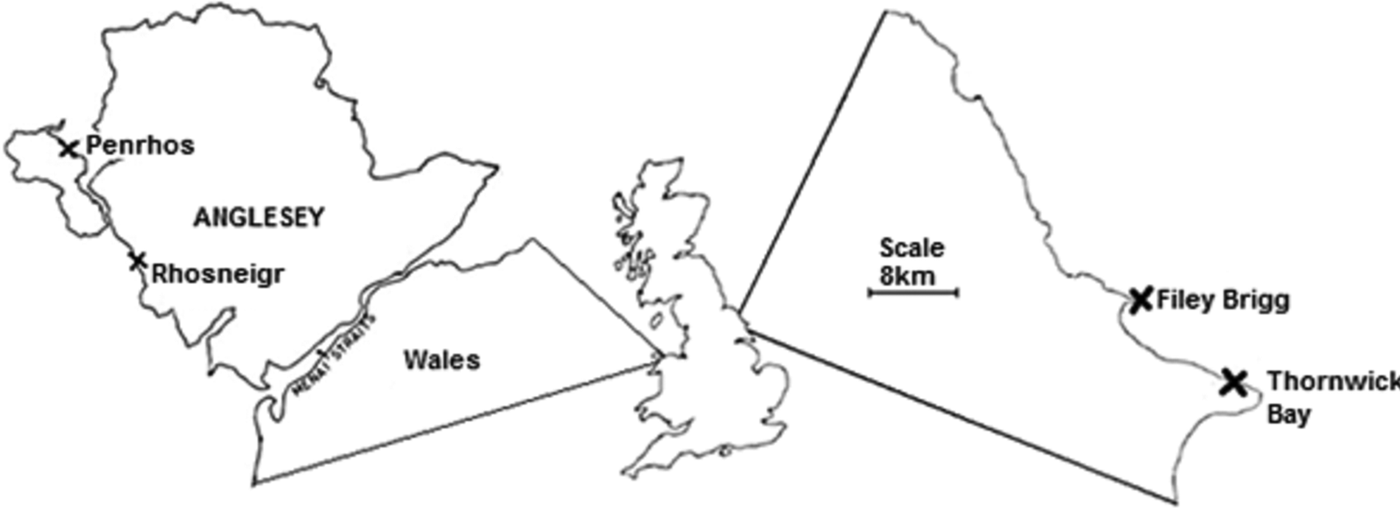
Fish specimens were collected monthly from five Yorkshire coast (England) rocky shore sites (Figure 1) during 2010: Boggle Hole (55°25′22″N 0°31′40″W), Holbeck (54°16′01″N 0°23′17″W), Filey Brigg's north (exposed) side (54°13′01″N 0°16′17″W), Filey Brigg's (sheltered) south side (54°13′00″N 0°15′58″W) and Thornwick Bay (54°07′53″N 0°06′51″W).
The location and proximity of the sites sampled along the Yorkshire coast and around the Anglesey coast (from Barrett et al., Reference Barrett, Johnson and Hull2016).

Boggle Hole is east-facing and is made of a relatively level Redcar mudstone platform, subjected to sedimentation. Mill Beck stream provides the shore with freshwater run-off, with large freshwater pools accumulating on the upper/mid shore.
Holbeck's rocky shore is a relatively sheltered sandstone platform, facing east. Occasional, temporary sediment pools exist at the upper shore, although the shore is predominantly fucoid covered bedrock. Freshwater run-off occurs from the landward cliffs, which may influence community structure.
Filey Brigg is a rocky promontory of Middle Calcareous Grit (Hull, Reference Hull1999), and protrudes east–west from the north end of Filey Bay. It is ~1.5 km long, with its southern side sheltered from northerly and westerly prevailing winds and its northern side exposed to the prevailing north-easterly winds. The sheltered side features relatively flat bedrock and boulders, with small pools between the bases of the cliffs at the extreme upper shore all the way down to the lower shore. In contrast, the exposed side of the Brigg appears to be more homogeneous (Hull, Reference Hull1999) and is a series of stepped platforms with large boulders on the upper shore and similar platforms without the large boulders on the mid and lower shores.
Thornwick Bay is within the Flamborough Head area, designated as a Site of Special Scientific Interest (SSSI) for regionally rare intertidal and subtidal chalk reefs, sea caves and sea-cliff vegetation (Solandt & Lightfoot, Reference Solandt and Lightfoot2010). It is small, ~0.25 km shore length, and surrounded by chalk cliffs. The upper shore consists of chalk boulders and chalk platforms, with a range of rock pool sizes, depths and shapes. The mid-shore is relatively flat, with shallow rock pools, and the lower shore consists of a boulder field covered with fucoid algae. A freshwater stream runs onto the Bay from the south cliffs, which may influence local community structure in the immediate vicinity.
On a seasonal basis during 2011, sampling occurred on three Yorkshire coast (Filey Brigg's north side, Filey Brigg's south side and Thornwick Bay) and three Isle of Anglesey (Wales), rocky shore sites (Penrhos, 53°18′13″ N 4°36′45″ W; Rhosneigr, 53°13′06″ N 4°30′36″ W; and Aberffraw, 53°11′04″ N 4°29′13″ W. All locations are displayed in Figure 1.
The rocky shore at Penrhos is 0.9 km long, with the busy ferry port of Holyhead 0.4–1.3 km to the north-west. The shore is only exposed to the north, because it is protected by the mainland of Anglesey to the east and south, and by Holyhead and the 2.4 km-long breakwater to the west and north-west, respectively. The shore consists of raised, granite bedrock and slate stones, and the upper shore bedrock and rock pools are separated from the mid- and low-shore bedrock and pools by an expanse of mud.
Rhosneigr is 0.38 km long, exposed to the west and the south, with limited shelter from the Aberffraw headland to the south, but sheltered by sand-dunes on the landward side. Some 0.65 km to the north-west of the shore is the SSSI Rhosneigr Reefs, designated for its rich algal diversity, which includes nationally rare species (Taylor, Reference Taylor2004), which may influence the community structure of the studied rocky shore. The shore consists of raised, granite bedrock surrounded by mixed sand, which provides temporary sediment pools throughout the year.
Porth Cwyfan Bay, Aberffraw (hereafter referred to as ‘Aberffraw’) is 0.35 km in length and exposed only to the south-east. The shore consists of raised, granite bed rock, which is covered in thick fucoid algae on the mid and lower shore, all year round. Mixed sediment on the upper shore also provides temporary sediment pools throughout the year, many of which are prone to an inflow of fresh water from streams, caused by fresh water run-off from the landward cliffs and agricultural fields surrounding the bay.
EAST COAST MONTHLY SURVEYS
During the same week of spring tides from January 2010, each of the East coast shores (Boggle Hole, Filey Bay's exposed shore, Filey Bay's sheltered shore, Holbeck and Thornwick Bay) were visited on a monthly basis. On each shore, five suitable pools (ranging from ~300–4000 mm (l) × 300–2000 mm (w) were chosen at each tidal height (Upper, Mid, Low).
During each monthly visit, the same 15 pools were visited per shore and all fish within a given pool were captured via a hand-net (Horn et al., Reference Horn, Martin and Chotkowski1999; Faria & Almada, Reference Faria and Almada2001) and placed into a tray of shallow water with laminated graph paper glued to its base, for size scaling. When multiple species were caught from the same pool, their photos were taken using a Nikon D70 DSLR for Total Lengths (TL) to be later confirmed. Once all fish from a pool were considered caught, after monitoring activity in said pool for 10 min, their species and numbers were noted and they were returned to their original pool.
EAST AND WEST COAST SEASONAL SURVEYS
For a seasonal east vs. west comparison of fish distribution and abundance, three shores were selected from the Yorkshire coast (Filey exposed side, Filey sheltered side and Thornwick Bay) and three suitable shores were visited around the Isle of Anglesey (Penrhos, Rhosneigr and Aberffraw) which had suitable pools at all three intertidal zones (similar sizes to those mentioned in the ‘East coast monthly surveys'). The same methods were used as above, but collected seasonally, beginning spring 2011 and ending winter 2012. Within each season, all shores were sampled within a 2-week time period.
DIEL ACTIVITIES SURVEY
Sampling took place at Rhosneigr's rocky shore, over a 7-day period, between 2 and 9 July 2012. Ten ‘medium’ to ‘large’ rock pools were selected from the mid-low shore. Pools on the upper shore tended to be small in size and owing to the ‘Pool Load Capability’ hypothesis (Monteiro et al., Reference Monteiro, Quinteira, Silva, Vieira and Almada2005), larger sizes of fish would require a larger pool, which tends to offer a greater range of shelter/protection in the form of rocks, fissures and crevices. Therefore, of the selected pools, minimum pool size was 205 mm (l), 178 mm (w), 40 mm (d) and maximum was 486 mm (l), 232 mm (w), 68 mm (d).
As some pools were large and deep, fish were captured using the same traps as Gibson (Reference Gibson, Horn, Martin and Chotkowski1999) using processed, frozen prawns for bait, and checked after 1 h. Once traps were retrieved, specimens were removed and placed into a tray of seawater and photographed to determine their TLs ex-situ. Water temperatures of the sampled pools were also recorded. Specimens were returned to their original pool and this process was repeated twice a day; during the day-time low tide and during the night-time low tide, throughout the week.
Data analysis
FISH ABUNDANCES
To determine if there was a significant difference in the total count of a fish species between shores and months/season, the non-parametric Friedman test was applied to the count data (Theodorsson-Norheim, Reference Theodorsson-Norheim1987; Dytham, Reference Dytham2011), using the Statistical Package for the Social Sciences (SPSS) v20 software (IMB, 2011).
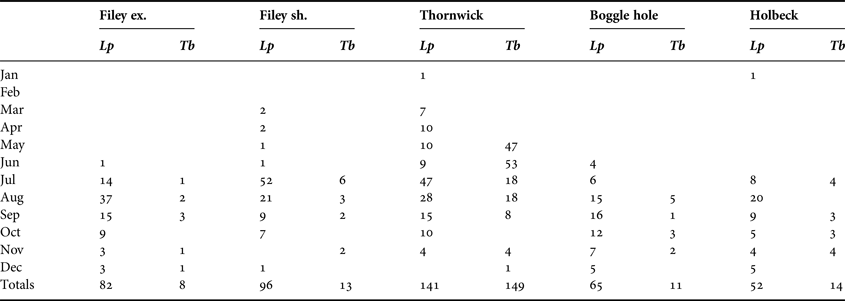
Throughout the 12 month surveys, 631 specimens were encountered, with the majority being L. pholis (Table 1). Whilst numbers were greatest for both species during the summer months, L. pholis were also present throughout the winter months, albeit in low abundances, while T. bubalis did not appear on the shores until May.
Numbers of L. pholis (Lp; N = 436) and T. bubalis (Tb; N = 195).

During the seasonal surveys, 346 specimens were encountered (Table 2) with L. pholis again being the more abundant. On the Welsh shores, T. bubalis did not appear during spring and similar to the monthly surveys, numbers of both species were highest during summer.
Numbers of L. pholis (Lp; N = 308) and T. bubalis (Tb; N = 38).

Co-occurrence
The degree of co-occurrence was calculated as a percentage of the number of times that a particular fish species occurred in the same pool as another. For example, to determine the degree of co-occurrence between two fish (species 1 and 2), the number of pools in which only species ‘1’ occurred were counted. The number of times pools in which species ‘2’ was present within the same pools as ‘1’ was also determined and the percentage of co-occurrence determined by equation (1) (Velasco et al., Reference Velasco, Gómez-Cama, Hermando and Soriguer2010).
 $${\rm \%} Oc\,{\rm =}\, b/a \times {\rm 100}$$
‘%Oc’ is the percentage of co-occurrence; ‘a’ = the total number of pools species ‘1’ occupied; ‘b’ = the number of pools occupied by species ‘1’ as well as species ‘2’.
Diel activities
Lipophrys pholis was the only species caught during sampling and no other species were noticed. A total of 306 specimens of L. pholis were captured throughout the week, with 160 from the daytime samples and 146 from the night-time samples (Table 3).
The number of L. pholis captured during night and day samples at Rhosneigr, over a 7-day period.

Statistical analyses were performed to detect differences in use of pools by fish of different sizes (recorded as Total Length; TL) and also at a finer temporal scale, between day and night. As data were not independent (fish found in a pool during the day sampling may be the same fish found in the same pool during the night sampling), repeated-measured tests were applied (Dytham, Reference Dytham2011). First, to test the null hypothesis that there was no significant difference in the median number of fish between day and night samples, a Friedman test was applied to the count data (Theodorsson-Norheim, Reference Theodorsson-Norheim1987; Dytham, Reference Dytham2011), using the SPSS v20 software (IMB, 2011). Second, to test the null hypothesis that there was no significant difference in the mean TL of the fish between night and day samples, a repeated measures ANOVA was applied, following equality (Levene's test, test statistic = 0, P = 0.971) and normality (Kolmogorov–Smirnov test, P > 0.15) tests. Lastly, to test the null hypothesis that there was no significant difference in the mean temperature of the sampled rock pools between day and night, a paired t-test was applied, following an F-test (F-test, test statistic = 3.46, P > 0.05), which was applied to test for significant departure from homogeneity between the variances (Dytham, Reference Dytham2011), in Minitab 14 software.
RESULTS
Fish abundances
The numbers of L. pholis differed significantly (Friedman rank (F r) = χ2 = 41.961, df = 11, P < 0.01) between months (but not shores), with highest numbers in July, August and September (Table 1). In comparison, T. bubalis were more seasonal than L. pholis, with their numbers differing significantly between months (F r = χ2 = 29.465, df = 11, P < 0.01) and shores (F r = χ2 = 14, df = 4, P < 0.01; Table 2). Thornwick Bay had the highest abundance of this species and it was more abundant on the East coast during May–August and November. Comparatively, it appeared as though while T. bubalis and L. pholis were both abundant during July and August, L. pholis were abundant in much greater numbers (over double the numbers of T. bubalis, during July, for example).
Co-occurrence
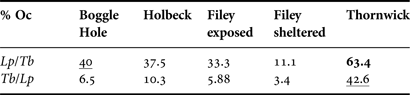
Co-occurrence values are displayed as matrix tables (Velasco et al., Reference Velasco, Gómez-Cama, Hermando and Soriguer2010) and conforming to Velasco et al. (Reference Velasco, Gómez-Cama, Hermando and Soriguer2010), species co-occurring in values between 40 and 60% are double underlined in the matrix table and species pairs with very high degrees of co-occurrence (>60%) appear in bold. Values are given as a percentage of occurrences and pairs are not symmetrical. For example, of all the pools L. pholis were present in, T. bubalis may only be present in 25%, but of all the pools T. bubalis were present in, L. pholis may occur in 80%.
Table 4 indicates that of all the pools L. pholis reside in, T. bubalis are found in most, with co-occurrence highest at Thornwick Bay, and lowest at Filey's sheltered shore. Alternatively, of all the pools T. bubalis occupy, L. pholis co-occur to low degrees, except at Thornwick Bay which again showed the highest degrees of co-occurrence between the two species.
Co-occurrence of species across the five Yorkshire shores from monthly samples.

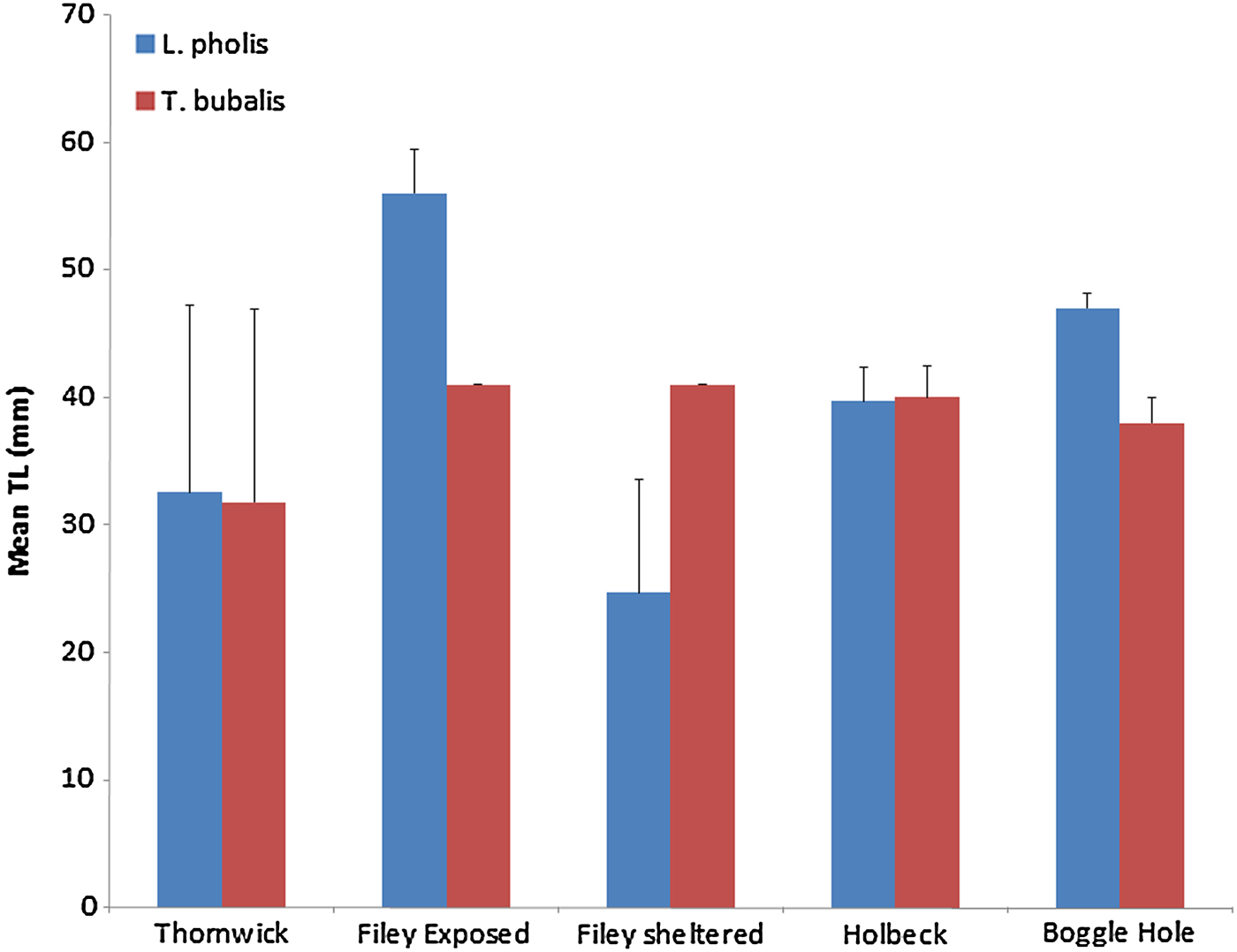
Figure 2 displays mean sizes of co-occurring fish species at each English site. In most cases (Thornwick, Filey exposed and Boggle Hole), L. pholis were larger than T. bubalis. At Filey sheltered, T. bubalis specimens were larger, though L. pholis specimens were more varied in size. At Holbeck, species sizes were similar.
Mean sizes (TL, mm) of co-occurring L. pholis and T. bubalis specimens from the monthly surveys.
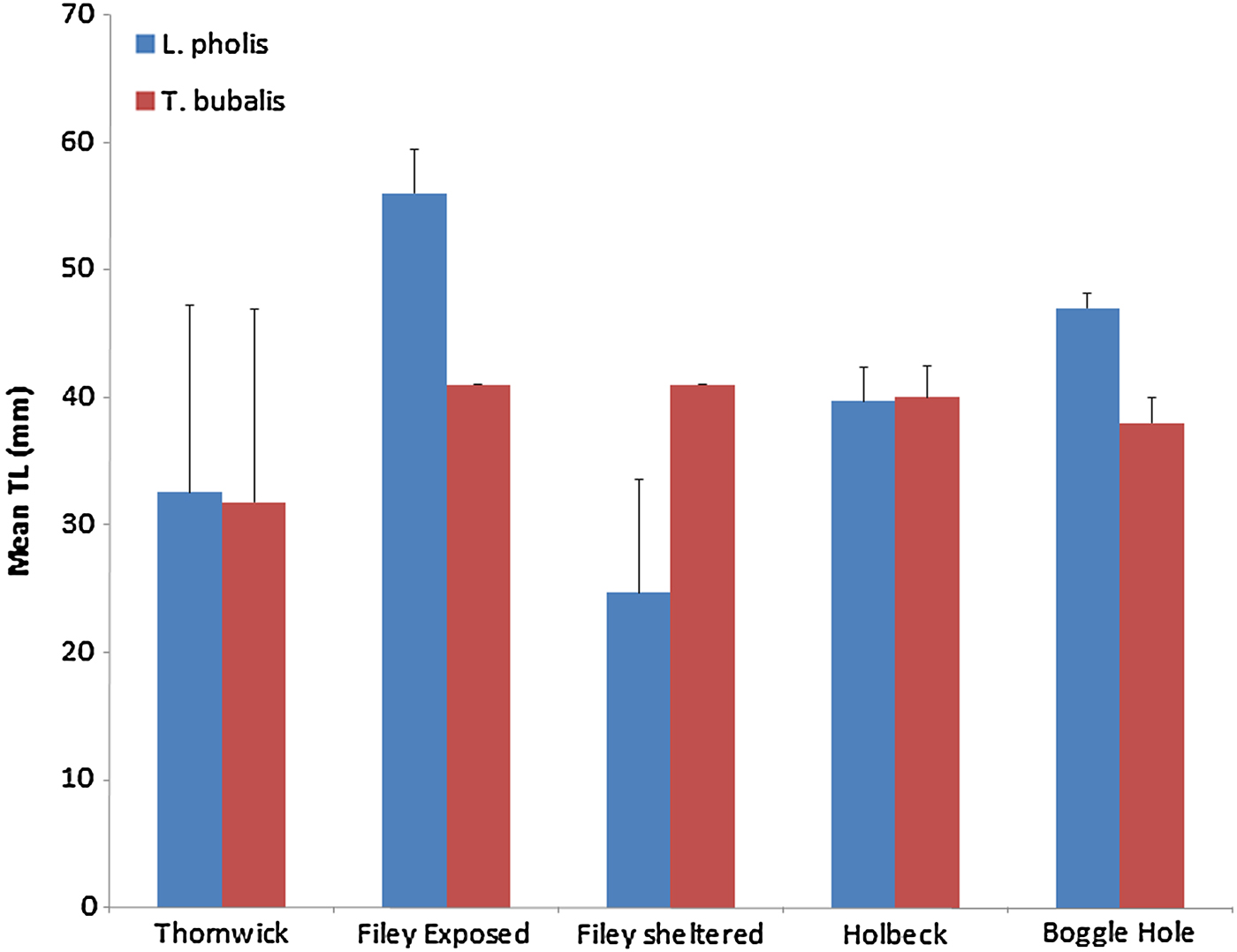
Table 5 shows high degrees of co-occurrence within pools occupied by L. pholis; half the pools containing L. pholis at both Filey sites contained T. bubalis. Of all the pools occupied by T. bubalis, co-occurrence with L. pholis were to small degrees, albeit with Thornwick Bay showing the highest degrees of co-occurrence between the two species.
Co-occurrence of species across the three Yorkshire shores from seasonal samples.

At Penrhos and Aberffraw, L. pholis and T. bubalis did not co-occur (Table 6). However, at Rhosneigr, of all the pools in which L. pholis were present, so were T. bubalis, whilst in all the pools in which T. bubalis were present, L. pholis occupied relatively few.
Co-occurrence of species across the three Anglesey shores from seasonal samples.

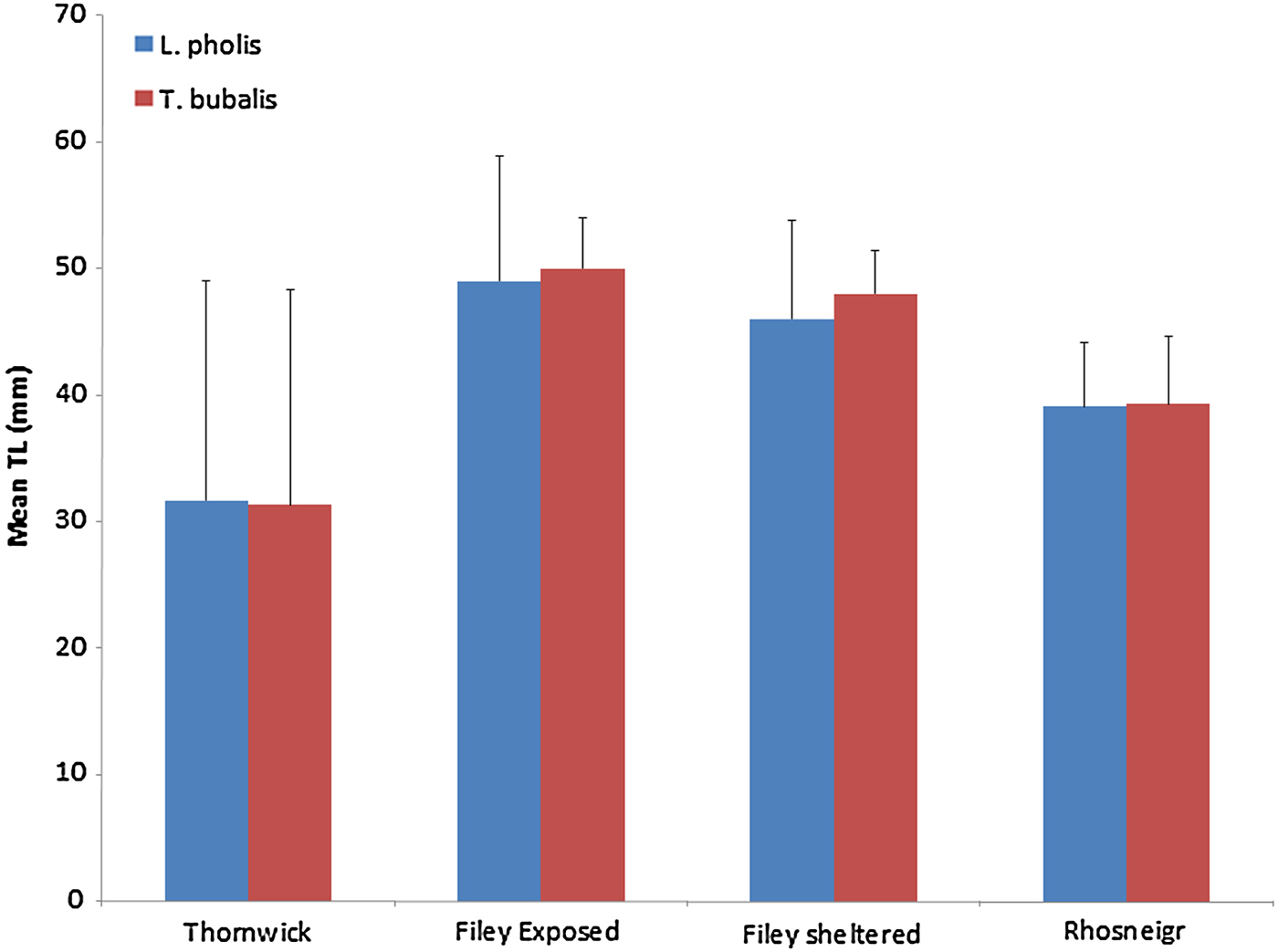
Of the shores where the two species co-occurred (Figure 3), it was apparent that fish were of similar mean TLs, with L. pholis TLs having the greatest amounts of deviation around the mean value.
Mean sizes (TL, mm) of co-occurring L. pholis and T. bubalis specimens from the seasonal surveys.

Diel activities
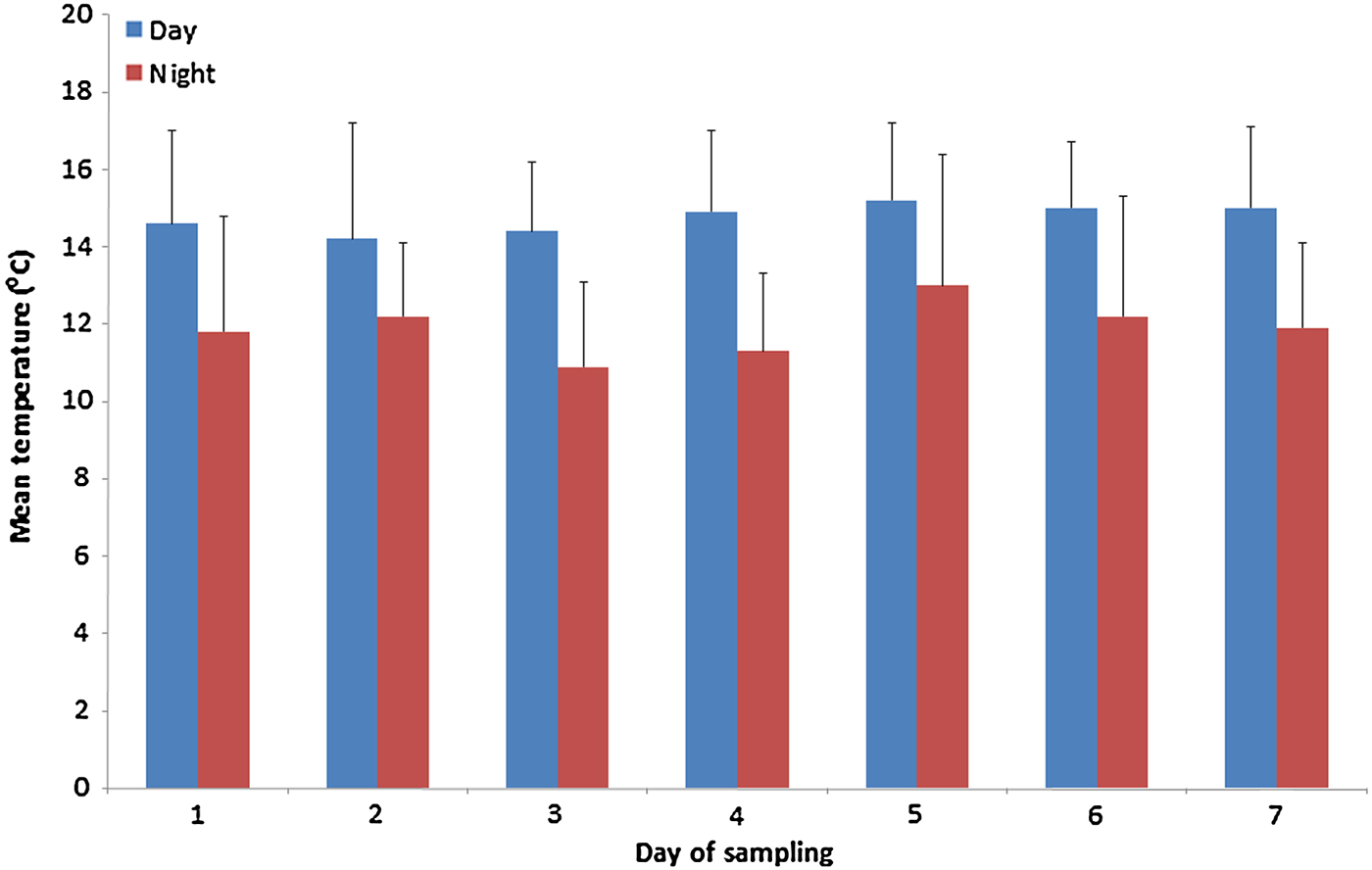
A significant difference was found in the mean temperature of pools between day and night samples, with higher temperatures during the day (day mean = 14.76, SD = 0.36) than night (mean = 11.9, SD = 0.68), (Paired t-test, t = 12.49, df = 6, P < 0.01), as displayed in Figure 4.
Mean temperature (°C) of rock pool water during day and night samples, over the period of one week, at Rhosneigr, Anglesey (+standard deviation).

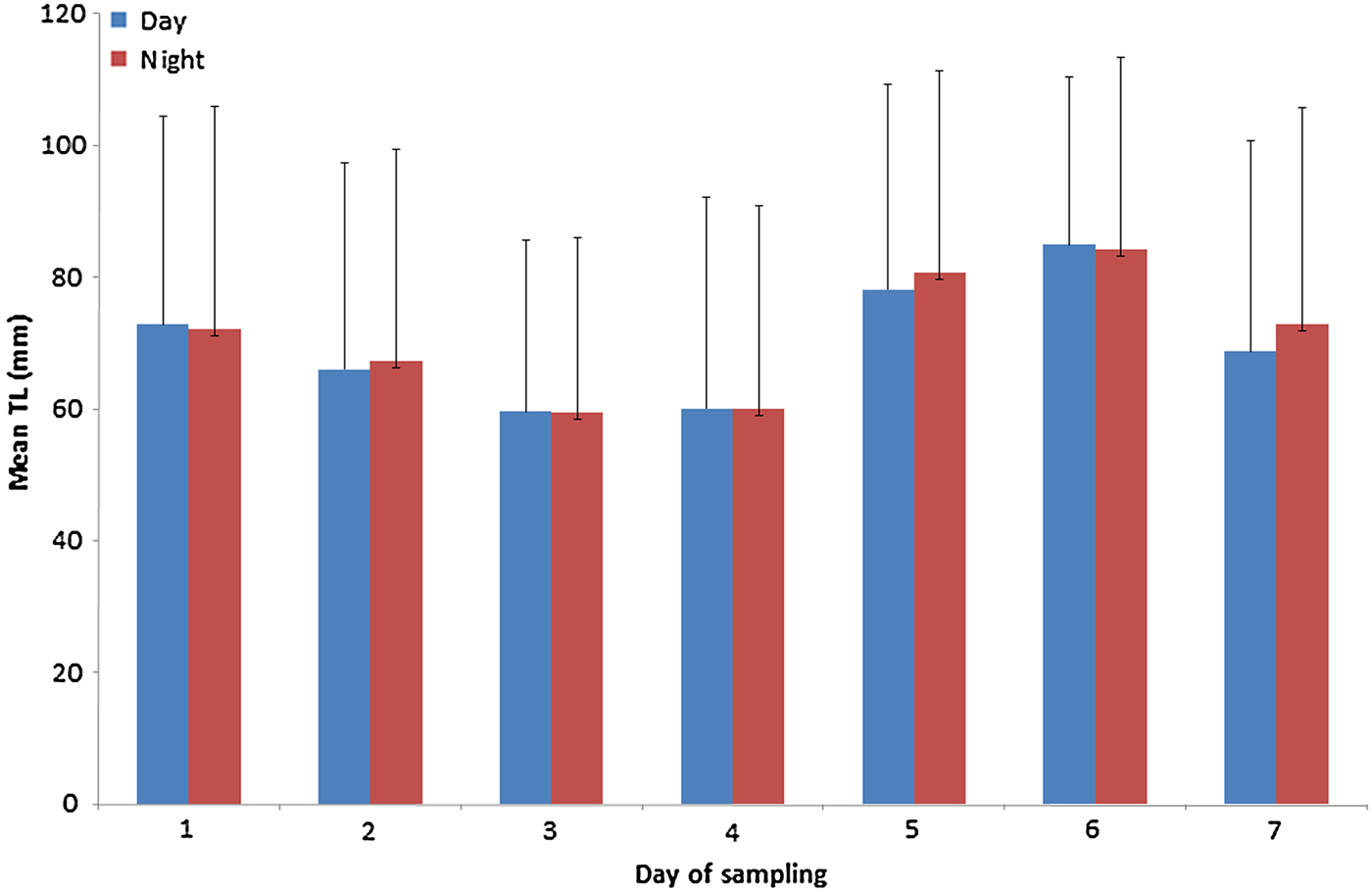
No significant difference in the median number of fish (Friedman rank (F r) = χ2 = 0.286, df = 1, P > 0.05) was observed between night and day samples. There was also no significant difference in mean fish size (repeated measures ANOVA, F 1,6 = 1.51, P > 0.05), although there was a significant difference in mean TL between consecutive days (rANOVA, F 6,6 = 101.54, P < 0.001), as is noticeable in Figure 5.
Mean sizes of L. pholis caught during day and night over 7 consecutive days.

DISCUSSION
Monthly and seasonal sampling has shown that L. pholis and T. bubalis are residents of the intertidal through most of the year, with L. pholis being the more abundant species. It was found that L. pholis only co-occurred with T. bubalis, their predator (King & Fives, Reference King and Fives1983; Barrett et al., Reference Barrett, Johnson and Hull2016), when both species were of equal length, and it could be assumed that this would minimize potential predation of the former. As the most frequently co-occurring species were of similar size, this may be one reason why L. pholis were able to occur in T. bubalis pools in high percentages, as predation risk would be low.
At a finer spatiotemporal scale, the current study found that temperature varied between day and night-time sampling, although the number and size of L. pholis did not. The authors suggest three explanations which may account for these findings.
First, interspecific competition was low, as throughout the study, no other fish species were recorded. Therefore, L. pholis did not need to compromise their presence in pools (such as occupying pools in only the daytime or only the night-time), due to the lack of superior (larger, or more aggressive) fish species. While it is likely that other fish species were present in the sampled pools, which may have remained hidden, or unattracted to the traps, no observations were made of any species other than L. pholis during the study, both in the sampled and non-sampled pools. As T. bubalis appears to co-occur highly with L. pholis, it would be expected that this species may also occupy the same pools as the ones which L. pholis were found in, during the diel activities study. However, as the pools were located on highly raised bedrock, T. bubalis may not frequent these pools. Without additional, observational studies, as suggested later, it is not possible to tell whether the absence of other species is as a result of L. pholis presence, however.
Second, intraspecific coexistence may have been promoted due to the size of the pools sampled and aforementioned dietary coexistence strategies (Bearzi, Reference Bearzi2005). Owing to the Pool Load Capability hypothesis (Monteiro et al., Reference Monteiro, Quinteira, Silva, Vieira and Almada2005), the sizes of these pools may have allowed adequate space and shelter for L. pholis to coexist with minimal competition, assuming food availability is plentiful. Even if other fish species were present within the same pools as L. pholis, it may have been possible for interspecific and intraspecific competition if different species, or smaller specimens, were active at different times or adjusted their targeted prey items such that the species consumed different prey (Bearzi, Reference Bearzi2005).
Last, as fish numbers did not vary significantly between day and night, it could be considered that temperature did not exceed the tolerance of the fish. Davenport & Woolmington (Reference Davenport and Woolmington1981) found that ex-situ, L. pholis do not show emergence responses from their pools with rising temperatures, although they do become comatose at 32.8°C (±0.8°C). In the current study however, the maximum mean recorded temperature was only 15.2°C (±2°C). As temperature did not reach anywhere near the lethal maximum temperature for L. pholis, this may be a further reason why the fish did not appear to migrate out of the pools between night and day, although it is possible that they did migrate during the ebb tide and return during the flood tide. Other potential reasons, whilst not tested within the current study, may be that predators were low in abundance/absent, thus reducing/eliminating the need for fish to migrate from a pool. Or, if other species with similar dietary preference occurred within a pool, one or the other may have adjusted their dietary spectra to allow for coexistence (Bearzi, Reference Bearzi2005).
It would appear that if fish utilize pools for foraging, intraspecific coexistence is promoted when a feeding hierarchy is maintained, or when prey is plentiful such that competition for one specific prey item seldom occurs. If fish do not primarily use pools for foraging, coexistence occurs when there is an abundance of shelter/protection offered by the pools (commonly in the forms of stones, fissures, crevices and algae). If such features are present and there are no other ichthyofaunal predators occupying the same pools, or a severe pool temperature, the fish of the pools may have less reason to leave their pools during day or night low tides. As fish sizes did not differ between night and day samples during the current study, these factors are met. Additionally, there is a suggestion of homing and residency traits in L. pholis at Rhosneigr, which have been previously recorded elsewhere (Horn et al., Reference Horn, Martin and Chotkowski1999), although it should be considered that on the shore of study, all fish were of similar size, which would make it difficult to identify movement.
Future studies should involve monitoring of the fish species on a day/night basis, but also at a longer temporal scale (whether it be weekly, monthly or seasonal) when fish sizes would be in greater ranges, due to the presence of adults, juveniles and recruits. Such monitoring studies may benefit by fish tagging (subcutaneous fluorescent dyes could be a cheap and effective option) to help determine spatial ranges.
Whilst the diets of L. pholis and T. bubalis were extensively researched in Barrett et al. (Reference Barrett, Johnson and Hull2016), the findings of the current study would further be validated from research into how the dietary spectra of a species differs in the presence of fish of various sizes, to determine whether the spectrum narrows to accommodate coexistence (Bearzi, Reference Bearzi2005) or whether competitive exclusion occurs. It would then be advantageous to repeat such research in a variety of habitats; large vs. small, simplistic pool profile vs. pools of high rugosity, etc.
Furthermore, ex-situ experiments could test whether size-dominance hierarchies are shown among intertidal fish species and whether frequencies of dominance characteristics, such as aggression, are reduced when shelter and/or prey are in higher abundances.
ACKNOWLEDGEMENTS
The authors wish to thank two anonymous referees for suggestions which improved the manuscript. Additional thanks to Dr Vlad Laptikhovsky, Associate editor, for further suggesting revisions which strengthened the manuscript's validities.