


I. Introduction
The modification of micro-environments to shape human behaviour has extensive historical roots.Footnote 1 A contemporary variant of this practice is the “nudge” concept, which has dominated discourse under a distinct paradigm of behavioural engineering.Footnote 2 Nudging seeks to manipulate choice environments so that individuals predictably adopt target behaviours deemed optimal by nudge architects.Footnote 3 The legitimacy of this approach rests on a dual commitment: a nudge must reliably induce predetermined behavioural outcomes while preserving the autonomy of individuals subject to it. This interventionist logic has attracted extensive criticism,Footnote 4 including because it is based upon the contested “dual processing” theory that proposes human thinking consists of two distinct mental processes: “System 1” and “System 2.”Footnote 5 Although proponents of this taxonomy caution that these processes are not strict, defining essences, they are used as a rough approximation to demarcate human thought: System 1 is said to consist of automatic and intuitive cognitive processing guided by biases and heuristics, and System 2 is said to consist of effortful and deliberative cognitive processing guided by reflection and reasoning. Nudge is considered by its proponents to be a corrective to cognitive features associated with System 1, treating them as errors that obstruct rational decision-making – a dualistic “preference purification” approach that pathologises choices that are inconsistent with economic rationality assumptions.Footnote 6 Yet benefits derive from System 1 associated features guiding decision-making,Footnote 7 and features associated with System 2 do not necessarily produce rational choices,Footnote 8 but a few reasons why the “cognitive-miser” metaphor is contentious.Footnote 9
Additionally, nudging has gained prominence despite persistent ambiguity regarding what precisely qualifies as a nudge – a deficiency that leads to category errors, where other types of intervention are misclassified and erroneously evaluated. For instance, “educative” nudging can be mistakenly equated with “boosting” – a distinct concept that involves designing behavioural interventions to empower individuals by building decision-making competences with the active awareness and participation of those individuals, enabling them to make better choices across a range of contexts.Footnote 10 By expanding the nudge definition there exists the risk of concept creep, where nudging is given credit for successful interventions that are conceptually distinct. The canonical definition of a nudge is “any aspect of the choice architecture that alters people’s behavior in a predictable way without forbidding any options or significantly changing their economic incentives.”Footnote 11 A more recent definition is: “liberty-preserving approaches that steer people in particular directions, but that also allow them to go their own way.”Footnote 12 Further works have honed the canonical definition, two of which are particularly helpful. The first defines a nudge as “a function of (I) any attempt at influencing people’s judgment, choice or behaviour in a predictable way, that is (1) made possible because of cognitive boundaries, biases, routines, and habits in individual and social decision-making posing barriers for people to perform rationally in their own self-declared interests, and which (2) works by making use of those boundaries, biases, routines, and habits as integral parts of such attempts.”Footnote 13 On this definition, nudge interventions function independently of: “(i) forbidding or adding any rationally relevant choice options, (ii) changing incentives, whether regarded in terms of time, trouble, social sanctions, economic and so forth, or (iii) the provision of factual information and rational argumentation.”Footnote 14 The second and more recent definition also distinguishes nudges from other interventions such as non-coercive information disclosures, emphasising that it is the behavioural mechanisms within interventions that attempt to produce particular outcomes and advance policy goals that delineate nudges from other types of intervention.Footnote 15 It is clear nudges exist to induce behavioural outcomes. These interventions “refer to the deliberate changes to and designs of people’s choice environments – the ways in which options are presented or framed – in attempts to predictably steer those people in specific directions.”Footnote 16 To ground the analysis that follows, the critique is anchored in the understanding that a nudge is a deliberate intervention in a choice environment that relies on behavioural mechanisms to induce a pre-determined target behaviour while simultaneously preserving the autonomy of individuals who encounter that intervention to behave otherwise, and without relying on incentives, mandates or prohibitions.
The literature to date indicates that no matter how a nudge is defined, the nudge concept explicitly couples the engineering of behaviour with a strict non-coercive requirement and presumes that predetermined behavioural outcomes and autonomy can be co-constituted. This co-constitution requirement is not only a matter of adhering to definitional criteria. Nudge proponents treat autonomy as substantive, not nominal, claiming that interventions will remain effective while autonomy is safeguarded. The transparency condition, for instance, indicates that a nudge must be publicly disclosed to be ethically legitimate. But whether such disclosure can occur without compromising the efficacy of the related intervention is questionable. Similarly, should interventions operate by their mechanisms interfacing with the reflective judgment of an individual, it is unclear how they would induce a predetermined behavioural outcome. Preserving autonomy in choice environments requires its exercise during the decision-making process – a condition that is not automatically satisfied by merely not actively undermining the capacity to exercise such autonomy. The efforts to defend nudge as ethically legitimate treat autonomy with normative care, rather than suggesting it will always be automatically respected when an individual is subject to a nudge. This treatment indicates that nudging requires a robust, not merely nominal, preservation of autonomy. To theoretically anchor this co-constitution of autonomy preservation and intervention efficacy, nudge proponents rely on a distinct ethic.
Driving the justifications for nudging is the self-styled philosophy of “libertarian paternalism.”Footnote 17 Critics argue this hybrid ethic satisfies neither libertarian nor paternalistic ideals,Footnote 18 and functionally operates as a form of utilitarianism – one that prioritises aggregate behavioural optimisation at the expense of heterogeneous individual preferences and rights,Footnote 19 prompting the exploration of alternative boundaries for intervention.Footnote 20 Despite these concerns, proponents maintain that nudging remains ethically legitimate because the capacity of individuals to choose otherwise is left intact.Footnote 21 Such contentions reaffirm the dual-pillared claim upholding the concept: nudging steers individuals towards predicted outcomes (efficacy claim) while simultaneously preserving their ability to freely decide otherwise (autonomy claim).
However, mounting evidence casts doubt over the compatibility of these claims.Footnote 22 Nudge efficacy remains unreliable, fluctuating from negligible, marginally greater than chance or statistically significant.Footnote 23 Effect sizes vary, with nudges being ineffective, backfiring or appearing to induce behavioural change.Footnote 24 This empirical instability is compounded by the variable quality in the methodologies used to assess nudge efficacy, the replication crisis, and publication bias, the implications of which heighten the ethical considerations against nudging.Footnote 25 Data on nudging can also be misinterpreted, meaning nudge efficacy can be overstated, misrepresented or misunderstood. For example, a well-known meta-analysis that found nudges to be effective has since been cast into doubt by two follow-up studies examining the same data.Footnote 26 The first concludes that nudges may work under certain conditions, but what these conditions are is barely identifiable.Footnote 27 The second concludes there is no evidence of nudge efficacy when correcting for publication bias.Footnote 28 Whether a nudge induces the desired outcome of its architects seems to be highly contingent on variables ranging from how interventions are designed, by whom, and for what purpose, to the context in which they are implemented and the individuals who encounter them. When considering the empirical research as a whole, the overall utility of nudging appears to be indeterminate and variable at best, if not indicative of disutility. There is limited evidence to support expectations of nudge efficacy. While isolated interventions, especially defaults, appear to be effective, the question only beginning to be answered is why certain nudges work and others do not.Footnote 29 This uncertainty is complicated by indications from commercial practice that nudging works under certain conditions, considering the continuous expenditure of resources on shaping choice architecture in digital, entertainment, hospitality and retail environments. Consequently, current research lacks a unified, predictive theory to explain why certain nudges succeed while others fail. In providing one, particularly by disaggregating “nudge” into distinct mechanisms, this article does not ask whether nudge works as an overall category of behavioural intervention (indicating that the “does nudge work” question is unhelpful),Footnote 30 but helps explain why effects of interventions vary, specifically by deconstructing efficacy into separate determinants and showing how each interacts with autonomy. In this sense, the research here is in part undertaking what the “heterogeneity revolution” in behavioural science more broadly is demanding, as it examines nudge at the deeper level of the behavioural mechanisms present in interventions, not simply examining nudge as an overall type of intervention when compared to others.Footnote 31
This approach is crucial, because current concerns about the nudge concept point to a deeper, unresolved conceptual problem: even assuming a nudge induces the predicted outcome of its architect, where precisely does the autonomy of the decision-maker reside within that decision-making process? Framed differently, how can a specific behavioural outcome be rendered predictable if the capacity of an individual to behave otherwise remains uncompromised? While scholarship recognises this tension between efficacy and autonomy,Footnote 32 it remains largely deadlocked and obfuscated by diverse definitions of autonomy,Footnote 33 suggesting it might be mitigated.Footnote 34 Yet such accounts tend toward treating the tension as an accidental by-product of poor implementation, rather than an intrinsic, structural defect of the nudge concept. The research here offers a theory that addresses these questions and discrepancies, one constructed on the basis of answering an unsettled question: what makes a nudge effective, and whatever these determinants are, how do they impact autonomy, and vice versa?
This article advances three theoretical contributions:
-
First, it synthesises the disparate interdisciplinary literature to identify six decisive determinants of nudge efficacy: salience, clarity, effortlessness, perceived autonomy, social-norm leveraging and cognitive attenuation.
-
Second, it assesses these determinants against the constituent elements of decision autonomy, revealing a structural trade-off: determinants that maximise nudge efficacy minimise the conditions necessary to exercise autonomy, and vice versa.
-
Third, it exposes the “misattribution problem,” where observed behaviour is misattributed to a nudge instead of latent social influence or independent personal judgment.
This analysis demonstrates that high nudge efficacy is functionally predicated on weak decision autonomy, whereas robust decision autonomy generates low nudge efficacy – while risking presenting as efficacy due to misattribution. Accordingly, when an intervention succeeds, it does so by undermining autonomy; when it preserves or enhances autonomy, it fails to reliably induce predictable behaviour. This systemic discordance reveals that the conjoined efficacy–autonomy claim is self-contradictory, manifesting as a conceptual trap: the nudge paradox.
II. The foundations upholding a paradox
Before proceeding, and to avoid confusion, this article uses “paradox” to describe the resulting incoherence in the definitional commitments of the nudge concept conforming to both efficacy and autonomy simultaneously, and “trade-off” to describe the inverse relationship between the determinants of efficacy and the elements of autonomy. While specific interventions encounter this tension between the two claims along a context-dependent spectrum, the general problem is fundamental to the conceptual architecture of nudge, precisely because it requires the occurrence of both efficacy and autonomy for an intervention to qualify as a nudge. Although these trade-offs between the determinants of efficacy and the elements of autonomy manifest to varying degrees across different settings, they systematically indicate a paradox at the core of the nudge concept. That both the efficacy and autonomy claims can be simultaneously true lies at the heart of nudge. A central contention from this standpoint is that even if cognitive features associated with System 1 are exploited by nudging and undermine autonomy, individuals can still override this mental process and engage cognitive features associated with System 2, meaning people retain the capacity for decision autonomy no matter the nudges they encounter – some of which may enhance autonomy.Footnote 35 This standpoint overlooks a crucial distinction.
There is a difference between being in possession of a capacity that may ordinarily allow or empower an individual to do or refrain from doing something (such as making a choice), and that capacity being exercisable in a given environment, which depends on the contextual elements present in or absent from that setting. The existence of a particular capacity does not mean it cannot be bypassed, frustrated, interrupted, suppressed or suspended. This distinction between the existence of a capacity and its exercise is crucial, and unpacking it reveals that the capacity for decision autonomy may be conditioned by the very determinants of nudge efficacy. Crucially, this perspective holds no matter how autonomy is understood, whether as freedom of choice (i.e., the availability of options in a given environment), as agency (i.e., the capacity to deliberate and determine what to choose), as self-constitution (i.e., maintaining personal identity and self-chosen goals), as formal autonomy (i.e, settling preferences and committing to assessing personal values using self-selected criteria), or as “autocracy-based” (i.e., the ability to act in accordance with a self-chosen preference).Footnote 36
While specific nudges may in principle preserve these conceptualisations of autonomy,Footnote 37 whether they would also be effective at inducing a predetermined behavioural outcome is another question. Achieving behavioural change by implementing nudges is not straightforward. In addition to what, when and where individuals encounter nudges, the contingent nature of intervention design is a further factor to consider given the variable results of nudging. This design factor becomes especially acute when assessing the determinants of nudge efficacy, how they affect decision autonomy, and vice versa. Identified from the existing literature, there are six key determinants: salience, clarity, effortlessness, perceived autonomy, social-norm leveraging and cognitive attenuation.Footnote 38 Upon examining these determinants and considering their relationship with the constituent elements of decision autonomy, it becomes evident how effective nudges undermine decision autonomy, and how the exercise of decision autonomy can nullify nudge efficacy, or make nudges redundant. Furthermore, if choices do align with nudge-favoured options, including in cases where autonomy is preserved, such results may not be attributable to the related nudges. Instead, they may originate from latent social influence or independent personal judgment. Nudges therefore risk being given credit for target behaviours when they occur, even if they are not responsible for those outcomes. This misattribution problem is notable when attempting to determine what precisely induces behavioural change in settings where nudges are implemented. The structurally fundamental problem with the nudge concept, then, is that any given intervention based on its conception may be effective while undermining autonomy, ineffective while preserving or enhancing autonomy, or appear to be effective when it might not have been.
1. Determinants of nudge efficacy
The effectiveness of a nudge depends on determinants that shape how individuals perceive, process and respond to these interventions. Six key ones are isolated below, which, through their presence or absence in intervention design, explain why nudges succeed or fail in producing predetermined behaviours.
a. Salience
The first determinant is salience: the quality of being particularly noticeable or prominent. To achieve systemic efficacy, an intervention must secure preferential placement within the receptive field of an individual. Effective nudges rely on designs that engineer a stark salience asymmetry, optimising the targeted path to command scarce attentional resources so that competing ambient stimuli are dismissed. In digital choice environments, the data-driven, real-time feedback between individuals and these environments also allows salience to be dynamically tailored.Footnote 39 This determinant is visible in digital interface design, such as cookie-consent pop-ups that employ high-contrast, prominent buttons to maximise the selectability of “Accept All” configurations. The structural reality of these mechanisms introduces a challenge to the libertarian paternalist ethic through the existence of dark patterns. Dark patterns leverage salience to deliberately steer individuals toward outcomes that actively undermine their interests and rights.Footnote 40 While nudge proponents resort to a defensive intent-based assertion – insisting that true nudging is defined by a benevolent purpose aimed exclusively at welfare maximisation – the structural indistinguishability of nudges and “dark nudges” renders this demarcation hollow.Footnote 41 Because nudging prioritises the non-coercive steering of behaviour independent of incentives, mandates or prohibitions, the concept should be evaluated by its structural mechanics in addition to its stated motives. Ultimately, behavioural change caused by nudging remains dependent on salience engineering, irrespective of whether the intent of architects is benevolent or predatory.
Salience is ultimately the determinant that makes nudge-favoured options easier to notice. In operating under “bounded rationality,”Footnote 42 individuals rely on heuristic cognitive processing rather than constant, deliberative evaluation. Salience functions as the bridge between this cognitive scarcity and behavioural execution; it artificially lowers the cognitive friction required to achieve behavioural outcomes favoured by nudge architects. Through salience, nudge efficacy is determined by the strategic allocation of the immediate focus of individuals. Without an engineered salience advantage, an intervention may simply dissolve into the background of the choice environment, rendering any nudge imperceptible.
b. Clarity
The second determinant is clarity, defined in this context as the immediate, unambiguous perceptibility of the choice that is considered preferable. An effective nudge minimises semantic friction; the decision-maker instantly comprehends what action is being requested by the choice architecture. In digital environments, this determinant takes the form of, for example, automated prompts to send email follow-ups, or to save documents before exiting an application. In these instances, high teleological transparency serves an adaptive function by aligning computer system feedback with user behaviour. Such nudges are clear with respect to the outcome they are attempting to induce. When deployed as a tool to exploit individuals, this same clarity is leveraged to bypass deliberative evaluation by inducing artificial urgency.Footnote 43 In predatory lending architectures, for instance, a clear, unambiguous call-to-action is pushed to the front of an individual’s receptive field in the form of flash promotions with limited time windows. This clarity regarding what the call requires deliberately obscures the underlying complexity of the choice, steering decision-makers away from considering opaque and important factors such as compound interest rates or amortised repayment schedules. Similarly, in microtransaction-driven digital gaming interfaces, choice architects present a clear choice between artificial temporal friction (waiting a designated period) and an immediate reward (paying for instant progression). By making the mechanics of the transactional hurdle transparent, the architecture capitalises on the immediate impulses of users to avoid friction, optimising swift behaviour before reflective valuation can occur.
A further feature of this determinant can be appreciated when considering slotting, the practice in supermarkets where brands pay to secure ideal shelf placement or endcaps to influence purchase decisions. The architectural manipulation of clarity is demonstrated through tactics of misdirection in retail environments, where the intelligibility of choice metrics is artificially distorted to exploit cognition. Consider a scenario where a producer places two seemingly identical bottles of whisky on a shelf, but subtly reduces the net volume of one product, while also designing its bottle to be more striking. The choice architect relies on the high visual clarity with the familiar product design to establish an immediate, false baseline of equivalence, signalling to consumers that the products are basically the same, particularly because the bottles are the same size. The architecture then introduces a framing manoeuvre: it presents a lower absolute price tag beneath the downsized bottle to make it appear cheaper. By making the (superficial) sticker price clear while introducing cognitive friction to the retrieval of the actual unit value (the price per volume), the choice architecture can induce a state of counterfeit clarity. Consumers can thus operate under the illusion that they are making an informed, straightforward comparison due to deceptive framing. The true metrics of the choice are systematically obscured. This example demonstrates that clarity within choice architecture is rarely neutral; it can be actively engineered to project a false transparency, ensuring that individuals execute decisions based on superficial impressions while remaining starved of the substantive knowledge required to protect their autonomy (and their money).
c. Effortlessness
The third determinant is effortlessness. Systemic nudge efficacy dictates that the nudge-favoured option must function as the path of least resistance. To consistently change behaviour, this target must be designed to minimise friction relative to the other alternatives – rendering the predetermined behaviour comparatively effortless, and any divergence more costly to cognitive resources. This determinant reaches its zenith in default configurations. By automatically assigning a pre-selected option without individuals needing to do anything, defaults capitalise on status quo bias and inertia. Individuals are steered towards sticking with the preferred choice of the architect without being required to expend energy, consider variables or even recognise that a decision has been made for them. This reliance on passivity explains why defaults are effective yet threatening to autonomy, particularly among vulnerable cohorts who face the highest structural barriers to exit, yet may benefit the most from doing so. For instance, the concern accompanying highly effective automatic enrolment nudges is that they change the behaviour of some individuals “in a way that might well not be in their best interests.”Footnote 44
The underbelly of the effortlessness determinant is also manifested in the nudge versus sludge dynamic, an example of which is the design of online consumer agreements. In this context, architects deliberately introduce asymmetric transaction costs, engineering a false-binary interface. Users are presented with an effortless, single-click mechanism to accept terms without knowing what is being agreed upon, juxtaposed against a heavily burdened alternative option requiring extensive cognitive resources to read and interpret lengthy legal documents.Footnote 45 By artificially inflating the cognitive friction accompanying behaviour that does not align with the nudge-favoured option, the architecture transforms consent into an artefact of engineered inexistence. Effortlessness can thus be easily weaponised to secure acceptance of an option rather than empower individuals to understand their options and behave accordingly to what is best for them.
d. Perceived autonomy
The fourth determinant is perceived autonomy, which hinges on a critical difference between the subjective experience of a decision-maker regarding their freedom, and the objective structural constraints of the choice environment. This consideration decouples the internal state of individuals (what they think is happening) from their external state (what is actually happening). Under conditions of epistemic opacity, an individual subjected to an effective nudge remains unaware of the status of their autonomy – irrespective of whether it has been preserved, enhanced or undermined. Nudges that alter decision-making environments without expressly signalling their presence mean there will be no clear indicator to individuals that may otherwise change their internal perception of autonomy, meaning it remains unchanged, even if external variables indicate an objective change. Maintaining this subjectivity is critical, as should an individual become aware of an intervention engineering their behaviour, it is liable to backfire; the decision-maker may actively resist the nudge in an effort to reassert control – even if they agree with its outcome.Footnote 46 Far more insidious, however, is the dynamic where choice architecture induces a false perception of enhanced decision autonomy. If an intervention deceptively signals that it is empowering the decision-maker, its efficacy may be amplified, as the individual embraces the target behaviour under the misbelief that the choice environment is respecting their autonomy – when in truth, their subjective sense has been manipulated to secure a behavioural outcome. When the experience of freedom is manufactured rather than genuine, individuals are effectively leveraged against their own autonomy, willingly participating in processes that undermine it. Through perceived autonomy, nudge efficacy lies in the capacity to exploit the gaps between perception, reality and truth. And in transforming autonomy into a mere behavioural lever, this determinant risks reducing decisions-makers to decision-takers.
e. Social-norm leveraging
The fifth determinant is social-norm leveraging, wherein nudges tap into the internalised awareness of social expectations and peer conformity. An example is spatial coordination cues in public transit systems, such as the London Underground signage on escalators stating “Stand on the right.” These directives aim to smooth commuter flow by showing where people should walk or stand. However, the operational reliance on social norms introduces a methodological and practical confound that triggers the misattribution problem. When behaviour aligns with a nudge-favoured outcome in a socially dense environment, it becomes challenging to determine whether that behaviour was induced by the (exogenous) nudge or by an (endogenous) impulse to conform to a pre-existing social practice.Footnote 47 Furthermore, it is evident by behaviour running counter to nudges – such as people walking on the opposite side of that directed – that social influence functions as a more powerful influence on behaviour. Social mimicry can completely negate nudge efficacy, as can it present as nudge efficacy – falsely inflating the significance of an intervention. While nudges understandably take credit for observable behaviours that conform to nudge-favoured outcomes, such outcomes may actually be driven by peer influence, localised practice or tradition, or personal judgement. Some nudges may therefore operate under an illusion of efficacy. What architects may classify as a successful intervention may often be the manifestation of underlying processes of social identity shifts and norm internalisation.Footnote 48 By leveraging social norms, nudges featuring this determinant obscure the causal vectors of human behaviour, potentially taking unearned credit for the forces that shape social behaviour. This blurring of what shapes behaviour exposes an irony in socially dense choice environments that include nudges: nudging ceases to be an independent, dependable mechanism of behavioural change and may merely reflect it. When nudge-favoured outcomes occur only by freeriding on pre-existing social practice, nudges resign their purpose and transform into a false indicator of intervention efficacy.
f. Cognitive attenuation
The sixth determinant is cognitive attenuation, understood as the dampening of reasoning and reflection during thinking. Nudge efficacy depends on the ability to evade disrupting automatic cognitive processing, ensuring that the decision-maker remains insulated within a non-deliberative mental state where cognitive features associated with System 1 are guiding behaviour. Effective nudges leverage biases and heuristics that bypass conscious, analytical or evaluative scrutiny – states where reasons are not only absent from the immediate forefront of the mind, but may also be left unaccounted for should reflective deliberation occur. Should an intervention inadvertently disrupt this non-deliberative state and prompt an individual to engage their reflective mental faculties, its capacity to engineer a predetermined outcome decreases, as the constituent elements of decision autonomy are invited into the decision-making process, which moderate behaviour and make choices unpredictable. Furthermore, if behaviour aligning with a nudge-favoured option is observed, that may not equate to behavioural change. The outcome may have been the option a decision-maker was going to choose anyway. And should a decision-maker be prompted into a state of conscious reflection, the driver of the subsequent choice becomes suspect. If a nudge prompts an individual to evaluate the choice environment at issue, and that individual makes the target choice of their own reflective accord, then that nudge did not cause the behavioural outcome. At most, it acted as a catalyst, with the independent personal judgment of the decision-maker remaining the primary, overriding factor. Similar to latent social influence, this possibility exposes a conceptual, methodological and practical blind spot in nudge usage. Claims that nudges can remain highly effective while individuals actively deliberate their choices overlook these fine-grained mechanics of cognitive processing and decision-making processes that lead to observable behaviours.Footnote 49 Ignoring this granularity cloaks nudge in causal uncertainty, while legitimising its use despite its threat to autonomy.Footnote 50 Instances where nudges appear effective while ostensibly preserving autonomy should thus be treated with caution. Nudges are considered effective when they induce predictable behaviour, yet, as will be shown, this predictability decreases the more robust decision autonomy becomes. The misattribution problem casts nudge into further doubt, as behaviour may be driven not by the design of an intervention and its placement in a particular choice environment, but by unaccounted for confounding factors such as latent social influence or independent personal judgement.
Relatedly, nudge proponents also attempt to evade the efficacy–autonomy tension by framing some nudges as “educative.” Such a term may represent a category error. By attempting to encompass interventions that actively prompt reflective deliberation and build cognitive capacity, nudge orthodoxy can conflate “nudges” with boosts – a distinct concept that is based on enhancing decision-making by strengthening autonomy. If an intervention functions as a boost by relying entirely on the independent personal judgement of a decision-maker to drive behaviour, categorising it as a “nudge” is not only inaccurate, but may also trigger the misattribution problem – claiming credit for an autonomous cognitive process that may have been catalysed by interventions such as information disclosures or reminders.
The intersection of behavioural intervention design and cognitive attenuation also highlights a deeper challenge: the complicating variable of pre-existing preference alignment. There is a conceptual circularity at play in nudge validations. When an observed behaviour aligns with a nudge-favoured option, proponents claim the intervention facilitated the realisation of the latent, authentic preferences of the decision-maker. Yet this defence relies on the illusion that the context-dependent cognitive processing that individuals undertake can be neatly separated from their preferences.Footnote 51 It ignores the changeable, fluid and heterogeneous nature of human preferences. While nudges may influence individuals that are unaware, ambivalent or uncertain when navigating choice options, any preference alignment between a nudge and an individual creates indeterminacy and methodological challenges for measuring nudge efficacy. If an individual chooses the target option because it resonates with their pre-existing preferences, the nudge is rendered redundant. Conversely, if a transparent nudge intentionally provides information to ensure pre-exposure notice of its purpose, it may catalyse cognitive expansion rather than attenuation. By prompting a decision-maker to evaluate the forthcoming choice architecture itself, the intervention may trigger an active, deliberative judgment cycle. If that individual then chooses the nudge-favoured option after this process, the primary driver of the behaviour is their independent, rational valuation, not the nudge. This consideration reveals an issue in findings that observe nudges to be effective while transparent.Footnote 52 It remains methodologically challenging to determine whether individual choices aligning with nudge-favoured options are induced by the related interventions, or if those decision-makers simply executed a self-determined choice they would have made even in the absence of those interventions, precisely because it aligns with their preferences. More problematically, the inverse also holds true: even if a nudge misaligns with the authentic or evolving preferences of an individual, the configuration of the six determinants (especially in combination) can still engineer behavioural change. By exploiting cognitive vulnerabilities through these determinants, effective nudges achieve structural overdetermination, engineering behavioural alignment with predetermined outcomes through environmental manipulation and by overriding the internal preferences of decision-makers.
g. Synthesising the determinants
Synthesising these determinants of nudge efficacy confirms their commonality. In contrast to behavioural interventions engaging with the decision-making processes of individuals, the determinants of nudge efficacy are geared toward inducing decision outcomes by simultaneously exploiting and entrenching automatic cognitive processing. This operation relies on temporal-cognitive compression, engineering the minimisation of a stimulus-response interval in the decision-making process between initial exposure to an intervention and resultant behaviour. The further an intervention increases this stimulus-response interval through its behavioural mechanisms, the more it invites reflection and associated features of cognition such as reasoning, thereby surrendering its primary authority in any behavioural change to the independent personal judgement of the decision-maker. When a nudge successfully induces a predetermined outcome, the individual may remain unaware that a choice event has occurred; the decision is reflexive rather than reflective, characterised by an absence of conscious intent and a blindness to alternative courses of behaviour. This state of automatism is epitomised by decision-priming mechanisms, which become particularly effective when combined with habitual behaviour. A manifestation of this practice is premium-product decoy positioning. By deploying sensory and spatial cues to capture attention, choice architects prioritise an expensive “premium” option within the initial receptive field of a consumer. This deliberate anchoring distorts the choice environment, making standard alternatives appear (artificially) reasonable and economically advantageous by comparison. Even if the “premium” option/anchor is rarely selected, the nudge successfully inflates average consumer expenditure on standard goods – a manipulative strategy optimised by companies that rotate “seasonal” variations of standard inventory.
To argue, as nudge proponents do, that individuals retain a capacity to activate (or “switch to”) cognitive features associated with System 2 that result in the use of deliberative mental faculties, while individuals are embedded in choice architecture designed to exploit and entrench cognitive features associated with System 1 passivity, is logically incoherent. The very determinants that maximise nudge efficacy are calibrated to attenuate reflective cognitive capacities. Nudge efficacy mostly turns on features associated with System 2 not being engaged during decision-making, or being distorted if they are engaged (as achieved with counterfeit clarity). If an intervention depends on the dampening or distortion of deliberative processing to guarantee a predetermined outcome, it introduces a deficit of cognitive intelligibility into human behaviour. Far from a benign optimisation of choice, the nudge paradigm operates as an attempt at thought recalibration that relies on mechanised human behaviour, systematically undermining the capacity of individuals to formulate and enact informed, conscious decisions that they consider are best for them.
2. The decision autonomy trade-off
Evaluating the structural determinants of nudge efficacy through an agentic lens uncovers a trade-off: increasing nudge efficacy correlates with the functional weakening of decision autonomy, just as a strengthening of this autonomy correlates with a corresponding decrease in nudge efficacy. This inverse relationship reveals that the operational dependence of efficacy is contingent upon ineffective decision autonomy. To map how nudge determinants influence autonomy, and vice versa, the critique here shifts from external choice architecture design to examine the internal structure of decision autonomy. This autonomy is not an abstraction; rather, its exercisability depends on an integrated, four-element foundation of cognitive capacities:
-
Knowledge – the access to information and alternative options.
-
Awareness – the conscious perception of a choice event.
-
Intent – the self-determined formulation of target goals and behavioural ends.
-
Willpower – the executive control required to resolve volitional conflicts and execute corresponding conduct (aligning behaviour with intentions).
When an effective nudge alters a choice environment via its determinants, especially if they are present in combination such as salience, effortlessness and cognitive attenuation, it not only steers individuals toward behavioural outcomes, it also breaches this foundation. By tracking the intersections where the determinants of nudge efficacy meet these four elements, the following critique demonstrates how the preservation of nudge efficacy requires limiting the exercisability of autonomy.
Decisions manifest differently, driven by distinct variables. At a fundamental level, human decision-making can be categorised by the specific neurobiological and cognitive features that help characterise mental processing types, notably the distinction between reactive and reflective thinking. An instance of reactive thinking is the involuntary reflex of a person to duck when something has been thrown at them – an instinctual, unmediated response that produces non-autonomous behaviour. Conversely, reflective thinking is epitomised when a person, on the verge of speaking in anger, consciously restrains their response upon considering the consequences of that speech act – an exercise of volitional power that produces autonomous behaviour. The demarcation between these two modalities lies in the temporal and cognitive dimension of the stimulus-response interval in decision-making processes, which exists between initial exposure to an external stimulus and the execution of a behavioural response. In reactive cognitive processing, this interval approaches non-existence, where behaviour is tethered to what amounts to an instantaneous environmental trigger. In reflective cognitive processing, this interval increases, where behaviour becomes based on the outcome of a process in which there exists an evaluative space wherein a decision-maker actively audits alternative lines of conduct before enacting a choice. Charting decision-making in these terms is critical to understanding the apparent tens of thousands of unconscious decisions individuals execute daily. Neuroscientific evidence indicates that human beings operate mostly on “autopilot,” with neural networks initiating behaviour before the conscious mind even registers the choice event.Footnote 53 Nudges interface with the imperatives governing this automatism. By exploiting these rapid, pre-reflective adaptations to meet cognitive demands in the world, nudges obscure their own influence. Effective interventions take advantage of the divergence between the latent capacity for decision autonomy and the functional exercise of it – a dynamic that becomes clear when evaluating the four elements against the six determinants.
a. Knowledge and epistemic availability
Unlike decisions governed by reactive cognitive processing, which can trigger at a velocity that leaves the decision-maker perpetually oblivious to their occurrence, decision-making rooted in the exercise of autonomy requires knowledge about what is being decided. For behaviour to be classified as free, it must be underpinned by this epistemic baseline of cognitive comprehension.Footnote 54 No coherent formulation of decision autonomy can function without the decision-maker possessing a comprehension of what is at stake within a choice environment. This prerequisite of epistemic availability – referring to the extent to which information is accessible for a person to acquire and comprehend – exposes the deception in the “freedom of choice” variant of autonomy adopted by nudge proponents. The knowledge of a decision-maker in terms of what they are getting into regarding a particular decision is crucial. The nudge concept relies on a conflation between the objective existence of alternative options and their subjective, epistemic availability to decision-makers. By maintaining a superficial availability of options while simultaneously designing determinants that obscure those options, such choice architecture inflates the importance of the option-set while withholding from the decision-maker the knowledge required to navigate it. An option that remains beyond the receptive field of the decision-maker is not a viable alternative; it is structurally non-existent. By engineering concealment of the broader choice environment, effective nudges ensure that while alternative options technically exist, they remain functionally unavailable to choose.
This disruption calls for a precise distinction between individual choices – the external, (sometimes) observable behaviours of selecting an option – and individual decision-making – the internal mental processes required to evaluate options. Even if a multitude of alternative options exist beyond the one favoured by a nudge, a decision-maker possessing no knowledge of those alternatives retains minimal autonomy in their decision-making. The threshold that determines decision autonomy is not the (superficial) availability of choices, but whether the decision-maker possesses knowledge of those options. This perspective uncovers a further problem within the nudge concept: limiting or undermining knowledge of the choice environment may optimise the uptake of the nudge-favoured option. Systemic nudge efficacy may stand in an inverse relationship to individual comprehension, where reducing knowledge increases the probability of the predicted behavioural outcome, and increasing knowledge decreases that probability. This dynamic underscores why default configurations present one of the most acute threats to decision autonomy. By capitalising on cognitive opacity and passivity, defaults ensure that individuals frequently remain unaware that an opt-out and alternative options exist. Such choice architecture structurally suppresses the information necessary to trigger an alternative course of behaviour. The latent capacity for self-determination is neutralised through engineered ignorance, rendering the exercise of autonomy and the enactment of exit a functional improbability. Furthermore, counterfeit clarity highlights how individuals are deceived via epistemic obfuscation, such as that achieved by misleading product packaging and unit-price framing. Related nudges not only leverage passivity in cognitive processing, but also distort any reflective thinking should it occur. Decision-makers are not merely “steered” toward a predetermined outcome; they are starved of the knowledge required to recognise that they are paying more for less.
b. Awareness and cognitive dormancy
A closely related constituent element of decision autonomy is awareness – the subjective reality where an individual registers that they are executing a decision, consciously selecting one option to the exclusion of others. Nudge efficacy depends on such executions failing to register, where the decision-maker remains in a state of cognitive dormancy or thoughtlessness. For the functional preservation of decision autonomy, it is vital that an individual realises in the first instance that an evaluative outcome has been reached. While explicit knowledge of the presence of a nudge within a choice environment may not be strictly necessary to preserve autonomy, what remains non-negotiable is that the individual enacts the decision with the conscious awareness that a choice is being made at that moment.
Without this internal awareness, decision outcomes cease to be a genuine choice among alternatives. Behaviour is reduced to an unmediated reaction to an external stimulus – one that, in the case of nudging, has been artificially engineered by an intervention to secure a predetermined outcome. The ethical necessity of this awareness is illuminated by the legal and moral rules of guardianship. Human beings who lack, or are developing or losing, the capacity to form such awareness – such as young children or individuals navigating advanced dementia – have their decision-making authority vested in fiduciaries, such a parents, caregivers and legal guardians. Whether decision autonomy is enabled or suppressed hinges on the presence or absence of awareness.Footnote 55 Awareness forms the foundational bedrock of active choice, a state in which an individual is cognisant that they are making a choice. In stark contrast, there is passive choice, where an individual acquiesces to whatever trajectory they are guided toward. Effective nudges exist in tension with this awareness element of autonomy. By cultivating a cognitive state in which individuals remain unaware of the decisions being engineered for them, nudges induce behavioural change by undercutting volition, reducing would-be autonomous individuals to mere stimulus-response components of a mechanised environment designed to produce predictable outcomes that are aligned with a particular world view.
c. Intent and teleological resilience
The element of intent is also a vital part of exercising autonomy, where the variable of human goals orients behaviour toward self-selected outcomes. The term “teleological resilience” is understood and used here to describe the ability of an individual decision-maker to construct and maintain their own goals that resist external redirection by exogenous properties that are present in a choice environment. In its most basic sense, it involves having a purpose in mind and it remaining in place, even when a surrounding environment is not conducive to, or undermines, that purpose. Decision-making devoid of intent is unfree – determined by causal factors external to the will of an individual. It is precisely because intent signifies the internal source of behaviour that it serves as the indicator for assigning levels of blameworthiness or praiseworthiness, acting as an aggravating or mitigating factor with its presence or absence when assessing responsibility.Footnote 56 Intent introduces the genuine capacity to behave otherwise. The inclusion of intent, therefore, as an element of decision autonomy, poses a formidable challenge to nudge efficacy: the internal purpose of a decision-maker possesses the ability to nullify nudges, or render their use redundant. This occurrence is exposed by analysing one of the classic nudge interventions: food arrangements in a cafeteria, wherein healthier food options are granted spatial prominence, or form part of a choice-set majority.Footnote 57 Short of including only healthy options to promote healthy eating, an individual who enters such an environment with a strong, pre-formulated intent to consume a specific unhealthy option remains highly resilient to any nudge. When nudges appear to succeed, it is typically because they exploit attentional passivity through exogenous salience.
However, a decision-maker with a specific purpose in mind possesses an internal cognitive property that dictates what will be salient to them. Intent triggers a salience inversion: the internal goal of the decision-maker projects prominence onto their receptive field in order to fulfil that goal, effectively rendering external architectural cues invisible. Salience is not only an exogenous property that can be designed into a choice environment; intent can also shape salience, transforming it into an endogenous cognitive property that can be projected onto a choice environment based on individual goals. Of the two professors meeting for lunch, the one who has been craving, and envisioned eating, a burger is not going to be nudged into picking a salad, because the burger is what remains salient to them; whereas the other professor has not considered what they want to eat in advance, meaning they have no endogenous salience at the moment of the choice event, increasing the probability that they are nudged into selecting a salad. In contrast to the nudge directing the attention of the second professor, the internal purpose of the first professor actively filters the choice environment according to their goal. Possessing a clear, premeditated objective upon entering an environment where a nudge has been implemented self-directs attention to a point where the individual remains functionally oblivious to, and unaffected by, the surrounding choice architecture. In sum, although exogenous salience can be engineered to capture attention, the ultimate efficacy of this determinant in choice architecture remains in tension with the endogenous salience that decision-makers create through intent formation.
d. Willpower and self-authorship
Ultimately, because individual preferences and intentions are fundamentally heterogeneous, utilising nudges to engineer “optimal” behavioural outcomes inferred on behalf of a population is an exercise of inherently limited utility. One-size-fits-all environmental manipulations inevitably result in mismatches.Footnote 58 Architects cannot possess ex ante knowledge of what choices individuals may need or want. Furthermore, intent is not static – it can emerge, shift or crystallise at any point within a decision-making process. When cognitive processing transitions from passive automatism to coherent, rational reflection, individuals can harness their willpower to alter not only their immediate choices, but also the purpose driving them. It is this capacity for willpower that exists at the core of decision autonomy: the mechanism by which individuals resist the forces that would otherwise render them “helpless bystanders” in their own lives.Footnote 59 Human behaviour “must have an author” and cannot be reduced to the sum of external causes.Footnote 60 The fact that individuals process external stimuli before responding, rather than merely reacting to them, highlights the ethical significance of exposing decision-makers to the very chance and contingency that nudges seek to eliminate. To develop robust agentic capabilities, individuals require open-ended environments to encounter decision-making opportunities, navigate risks and act as the primary authors of related outcomes. Such continuous, iterative flow between objective opportunity and active, subjective engagement is the experience through which human beings develop the cognitive and sociomoral capacities to effectively navigate the choices before them.
Relatedly, nudges are ill-suited to addressing the value-action gap – the internal discordance that occurs when individuals struggle to align their observable behaviour with their intentions and values, resulting in the cognitive dissonance born of discrepancies between behaviour and self-image. Resolving this dissonance requires individuals to actively reflect on and reconcile their intentions and values with their behaviour, which is precisely the form of deliberate, self-directed reasoning that effective nudging is calibrated to bypass. Indeed, commentators have long suspected that many behavioural interventions are mostly “devices for getting around, rather than dispelling, our irrational tendencies.”Footnote 61 The value-action gap exposes the flawed assumption in justifications for nudging, where deviations from assumptions about what constitutes rational economic choice are pathologised as cognitive “errors” requiring technocratic correction. Yet even non-ideal behaviours frequently culminate in perfectly coherent, authentic or personally satisfying outcomes. As Gary Watson observes, “[w]hen it comes right down to it, I might fully “embrace” a course of action I do not judge best; it may not be thought best, but is fun, or thrilling; one loves doing it, and it’s too bad it’s not also the best thing to do, but one goes for it without compunction.”Footnote 62 Welfare, in other words, is distinct from wellbeing.Footnote 63 Similarly, Amartya Sen notes that “choice may reflect a compromise among a variety of considerations of which personal welfare may be just one.”Footnote 64 When individuals have reasons for their choices, an economic calculus may not guide them, at least not solely or predominantly. What one person may consider to be a decision limited by “bounded rationality,” and thus in need of correction because it may not meet the standards of economic rationality, may be perfectly rational from another perspective.Footnote 65 Analysis casting doubt over the so-called “irrational hungry judge effect” emphasises that “sometimes there is a nonobvious rational basis for irrational-looking behavior.”Footnote 66
In addition to both fields attracting critiques for failing to provide a satisfactory account of decision-making, neoclassical and behavioural economics also suffer from the same misunderstanding of what rationality should be.Footnote 67 Behavioural economics may have changed the diagnosis of decision-making, showing how outcomes do not always align with economic rationality; but this field kept the prescription the same as neoclassical economics, by attempting to align outcomes with economic rationality assumptions. While neoclassical economics clings to the notion that people are rational economic optimisers, behavioural economics concedes that they are not. Yet this latter field leverages that concession to justify intervening in decision-making to make behavioural outcomes more congruent with what neoclassical economics would say was the “rational choice.” The benchmark of the “optimal” outcome remains unchanged, only the mechanisms for attempting to achieve it shift through behavioural approaches. Behavioural economics did not challenge the normative core of neoclassical thinking and its assumptions about rationality.Footnote 68 What this field does provide is a more nuanced account of human cognition that is in service of the same neoclassical ends, with the rational economic optimiser remaining the gold standard of human behaviour. Context-dependent behaviour that does not align with this standard is consequently treated as a bug to be treated, rather than an authentic representation of what an individual needs or wants at a particular time, in a particular place.Footnote 69 By failing to challenge what makes for good decision-making, in particular with a selective focus on outcomes instead of also incorporating analysis of the processes that people adopt to make choices, behavioural economics remains normatively aligned with neoclassical economics even if the methodologies adopted by these fields are different. On this view, nudging is little more than a tool for attempting to enforce a particular conception of rationality under the guise of accommodating the features of human cognition. Assuming there will be one choice that is optimal may often not be true, precisely because of cases where two or more options are of equal value to the decision-maker. When considering value incommensurability and models beyond rational choice, it is evident why the most rational choice for one person may not be the most rational for another.Footnote 70 Nudging operates as an attempt to control variables and sanitise contingencies in service of ends predetermined by intervention architects. Because these outcomes diverge from the needs or desires of individuals within a target population, nudge interventions inevitably result in value substitution.
That nudging explicitly seeks to restrict contingency – the unstructured, open-ended space where intentions organically form, meet, and shift – constitutes one of the strongest indictments of the nudge concept. Effective nudges do not merely induce predetermined outcomes; they foreclose the deliberative processes through which individuals might have arrived at alternative choices, and which provide the opportunities to develop capacities to better navigate future choices. The capacity for self-modification is temporarily substituted by attempted external modification in the form of a nudge. This substitution is objectionable for many: “when people were told that they were being influenced by choice architecture, even when told it was in their best interest, they reacted negatively and acted against the nudge.”Footnote 71 Such responses arise in apparent resistance to the assumption that nudge architects possess a better ability to envision what good choices ought to be, even “in relation to complex and deeply individual choices.”Footnote 72 The foreclosure of internal deliberation is also objectionable because the exercise of autonomy demands more than the mere absence of a concealed limitation. It requires active participation in the causal sequence behind a choice through spontaneity, self-direction and the deliberation of self-chosen preferences. Autonomy requires the structural possibility of dissent. Covertly ushering individuals toward outcomes they had no active part in deciding removes this possibility. Creating and preserving explicit, unmediated opportunities for either consent or refusal is a baseline ethical condition under which genuine choice exists.Footnote 73 By strategically bypassing the cognitive friction through which dissent forms, effective nudges compound engineered behavioural alignment with external goals to those of the self, supplanting the internal will of an individual that makes it possible for them to refuse the options before them and demand to decide otherwise.
These linkages between internal, intentional cognitive processing and their execution in behaviour suggest that as the decision-making process expands temporally and cognitively – both prior to, and during exposure to, a nudge – any particular behavioural outcome becomes less predictable. This unpredictability is driven by the variable temporality of if or when intent emerges, whether and how it changes, and if willpower ultimately enacts it.
3. Revealing the paradox
Intervention designs that render nudges effective reveal a conceptual paradox. Committing to a robust understanding of autonomy, rather than treating it as a nominal threshold, renders autonomy preservation as a substantive requirement of the nudge concept. A mere formal floor – superficially asserting that no particular choice is prohibited or mandated – does not approach autonomy meaningfully, which is precisely why nudge proponents defending the concept argue in favour of safeguards such as transparency. Furthermore, nudge illegitimacy appears to be located at the point where an intervention bypasses, distorts or suppresses cognitive features associated with System 2 that enable deliberative decision-making, meaning that nudge may only nominally preserve the capacity to choose otherwise – all while functionally overriding the constituent elements that enable the exercise of autonomy. The four elements of decision autonomy are not an optional operationalisation if decision-making processes are to remain free. They track what nudge legitimacy requires, including according to proponents of the concept, particularly so that interventions do not amount to manipulation. This stance implicitly invokes a standard that seems closer to positive than negative liberty.Footnote 74 Commitment to the nudge concept assures that intervention efficacy exists and can be enhanced without a corresponding cost to decision autonomy, which in some cases may even be positively affected. This joint claim treats both efficacy and autonomy as capable of simultaneously holding, which is self-contradictory and becomes particularly evident when examining the trade-offs between the six determinants of intervention efficacy and the four constituent elements of decision autonomy. The paradox thus operates at a different (fundamental) level compared to the trade-off itself, and the extent to which it manifests, which is context-dependent. Efficacy and autonomy, in other words, are not only variables; they are the dual commitments embedded in the nudge concept and which form its core construction – a duality that seems logical and consistent in isolation (with each claim being plausible on its own), but becomes illogical and inconsistent when juxtaposed (where both claims are asserted at once, for the same intervention).Footnote 75 That the two claims collapse in combination, because of how their respective determinants and elements affect each other, is what leads to nudge being a paradox.
Nudge as a behavioural engineering paradigm treats decision autonomy as an outcome-bound metric. Yet autonomy is dynamic and inextricably tethered to the cognitive processes underpinning choice execution. By evaluating nudges solely based on whether behaviour aligns with a predetermined outcome, the nudge concept relies on an understanding that strips autonomy of its procedural significance. In contrast, the capacity for self-directed decision-making is sensitive, varying across shifting contexts and dictated by the presence, absence or preservation, enhancement or undermining of the constituent elements of decision autonomy.
It may be true that a nudge is rendered ineffective should an individual know and think about it before encountering the intervention. However, even if this is not true, the subtler matter overlooked in the discourse is that of misattribution. Even when a nudge appears highly effective because observable behaviours repeatedly align with a nudge-favoured option, that intervention may not have induced that behaviour for every individual. This problem is particularly acute when the decision-maker is consciously aware of the presence of a nudge and its purpose within a choice environment. Decision outcomes may frequently mirror those nudge-favoured options without those nudges possessing causal efficacy, or even catalysing those choices. The true drivers of behavioural change within choice architecture where a transparent nudge exists remain opaque unless individuals retain meta-awareness of their internal reasoning behind their choice, and are able to recall and articulate it after those choices have been made. This indeterminacy complicates the conceptualisation and related empirical findings of nudges engineered specifically to prompt reflection or render decision-makers more responsive to evidence. In certain instances, a nudge may succeed in stimulating an individual to think through their decision more deeply, including unintentionally, but fail to prompt the specific behavioural outcome the architect favours. In other instances, a nudge may exert no influence whatsoever. Crucially, in any scenario where an individual possesses conscious awareness of a nudge and its purpose, the ultimate determinant of the choice is almost inevitably the independent personal judgment of that individual, social influence or a combination of both – rendering any intervention effect incidental or indirect. The consolation for nudge proponents in such situations is thus if choices align with outcomes sought by nudge interventions, the desired result has still occurred, even if those interventions did not cause or catalyse it. Furthermore, even where covert manipulation is absent, apparent indications of nudge efficacy may be an illusion that arises from misattributing the true drivers of a decision outcome to a nudge that by happenstance sits in alignment with the pre-existing preferences of a particular individual.
Misattribution may be a problem some researchers recognise, acknowledge and address, even if under a different label; but there remains no simple solution to it, especially as a matter of practice beyond experimental research. The tools available to evaluate causal effects, isolate variables, and correct for or remove other confounding variables are also external to what is being tested. Nudge complicates this process precisely because of its definitional criteria: a nudge is required to at least preserve autonomy, yet any exercise of such autonomy could be the leading rival explanation for any observed behavioural alignment with a nudge-favoured outcome. This dynamic is not only a confounding variable sitting alongside a particular intervention; it is the necessary condition for that intervention to be legitimate according to nudge proponents, one which can also stand in as an alternative explanation for any observed effect. Empirical experiments have the challenge of separating “this nudge caused choice x” from “the decision-maker would have chosen x anyway,” meaning the influence of the nudge is incidental or redundant. Ruling out the latter would require the intervention to have measurably weakened the autonomy of the decision-maker, the very preservation of which is required for that intervention to qualify as a nudge. This circularity is attached to the dual-pillared claim upholding the nudge concept, not only a limitation of experiment design and methodology. Furthermore, the risks associated with the misattribution problem are not exclusively methodical; they are of concern when nudging is implemented as a matter of policy, because success may exist in appearance only, which in turn risks encouraging further use of nudges, even if related interventions are not the reason for observed behavioural changes. The more troubling issue with the misattribution problem is not one regarding research methodologies – especially because empirical methods can be robust by utilising tools such as randomised control trials – but the policy application of nudge interventions beyond experimental settings. Should policymakers mistake passive compliance with social influence, adherence to personal judgment, or alignment with pre-existing preferences, for nudge-driven transformation, they risk policies operating under the illusion of efficacy and further prioritising choice environment alterations over substantive, structural reform – ultimately building policy on the (potentially unmet) expectation of influence over individual behaviour, rather than on the enduring cultivation of human capabilities and civic engagement.
Nudges can also preserve decision autonomy, but in doing so the likelihood of any particular choice occurring becomes less predictable. The exercise of autonomy in decision-making can render nudges redundant or nullified. The constituent elements of decision autonomy when exercised in combination make individual choices unpredictable in a given moment, even if aggregating them suggests otherwise by removing the crucial factor of context. This unpredictability exists precisely because of the individual nature of human beings, which influence how they navigate different components of decision-making processes.Footnote 76 In addition to these processes varying across individuals, people value different things, hold different beliefs and misbeliefs, have different goals, ideas, interests, motivations, preferences and values, and – perhaps most significantly in the context of decision-making – need or want different things at different times in different places depending on their feelings and emotions. The potential reasons for why a particular individual makes one choice instead of another are myriad, with the actual reason/s remaining unknowable unless that individual truthfully reveals their reasoning (if there was any). Sometimes, individuals also do not know why they made a particular choice, finding it hard to explain, even with the benefit of hindsight. People react or respond differently to stimuli depending what they are experiencing in particular contexts and moments, meaning their decision-making can often occur without awareness. Ultimately, including because of these extensive variables, it is through the systematic erosion or outright absence of the four constituent elements of decision autonomy that behaviour can be rendered predictable.
This analysis shows that simultaneously inducing predetermined decision outcomes and preserving autonomy during decision-making is theoretically intractable. Nudges either undermine autonomy and predictably induce target behaviours, or preserve or enhance autonomy and unpredictably affect behaviour. As nudge efficacy is further optimised through its determinants, especially when maximising efficacy by incorporating them in combination into interventions, autonomy weakens; and as decision autonomy becomes more robust through the presence of its constituent elements, especially when consolidating autonomy by their combined exercise during decision-making, nudge efficacy decreases. Nudge efficacy can, therefore, be explained by referring to the extent of decision autonomy in a given case – with high efficacy arising from weak autonomy, and low efficacy arising from robust autonomy. If all six determinants are present in a nudge, decision autonomy is likely rendered unexercisable. Conversely, if decision autonomy is fully exercised, the efficacy of any nudge can be nullified, rendered redundant, or misattributed. In the extremes, nudges that are, or almost always, effective likely consistently undermine decision autonomy, and nudges that are, or almost always, ineffective likely consistently allow or enable the exercise of autonomy. The risk of increasing nudge efficacy at the expense of decision autonomy, and the inverse, appears inextricably part of nudging. The logic of nudge is inconsistent from this perspective. In adhering to its two central pillars that stipulate what constitutes a nudge – interventions that can induce pre-determined behaviours and preserve autonomy – nudge is rendered conceptually paradoxical. The nudge paradox connects to a trade-off consisting of an inverse correlation between efficacy and autonomy, specifically due to how the six determinants of nudge efficacy interact with the four constituent elements of decision autonomy (Figure 1).
(Nudge trade-off frontier). Proposed correlation between nudge efficacy and the decision autonomy exercised by an individual when encountering an intervention.

This trade-off may not operate on a strict Pareto frontier. Indeed, the proposed nudge trade-off frontier is a simplified two-axis projection of what is a multifaceted interaction between six determinants and four elements – collapsing salience, clarity, effortlessness, perceived autonomy, social-norm leveraging, and cognitive attenuation into a single efficacy axis, and knowledge, awareness, intent and willpower into a single autonomy axis. There is not necessarily a linear relationship between these variables, and finding any “sweet spot” between efficacy and autonomy is a challenge for future research, which, crucially, requires knowing the importance and weight given to each by, ideally, individual decision-makers, or, more problematically, intervention architects – but one of the normative questions that this perspective raises. The relationship between efficacy and autonomy is complex, meaning the trade-off may sometimes if not most often be non-linear, indicating that it ultimately remains context-dependent.
The theory advanced here offers an explanation for why certain nudges succeed while others fail, and for why the efficacy and autonomy claims are incompatible. It is refutable or verifiable through any number of observations or experiments. For example: a simulation of an online subscription service where participants select a recurring monthly plan or a one-time purchase. The nudge would exist as the default configuration combined with salience asymmetry. The “auto-renew” option would be pre-checked, combined with a larger, high-contrast button on the user interface to highlight “proceed to checkout” and a smaller, low-contrast button at the bottom of the page to modify the terms (clearly and briefly set out upon clicking). This experiment would allow the determinants of salience, effortlessness and cognitive attenuation to be assessed against the elements of awareness and intent, splitting participants into two groups. The first with high cognitive attenuation achieved by the standard fast-paced checkout interface – optimised to minimise friction with a single click. The second with forced reflection achieved by an interstitial pop-up introducing a delay prompt that asks if the participant intends to choose a recurring plan or a one-time purchase, forcing the participant to engage deliberative cognitive processing by increasing the stimulus-response interval before proceeding. Efficacy would be measured on the percentage of participants who complete the transaction with the “auto-renew” option active. Autonomy would be measured by immediately asking all participants after checkout what the terms were and whether they intended to subscribe to a recurring monthly plan.
The cautionary tale for any such empirical investigation, however, is that, as with previous studies attempting to demonstrate nudge efficacy, they will retain an inherent and inescapable challenge: even if a study establishes a reliable control group, can estimate the average impact of a nudge when aggregating outcomes, and can properly account or correct for the misattribution problem, because individuals are different, they are going to respond differently with the absence or presence of different nudge interventions. Exceptions to the nudge paradox may therefore exist in appearance only, due to unrecognised – or unacknowledged – instances of the misattribution problem. If anything else, this perspective underscores the significance of exploring alternative approaches to behavioural interventions,Footnote 77 particularly those that are capable of ensuring respect for autonomy, and especially if they enhance autonomy during the decision-making process.Footnote 78 Refining such approaches would not only allow individuals to decide for themselves what is best, but in doing so have the potential to develop related decision-making capacities, and may thus be significantly more capable of producing durable behavioural change that is both individually and socially desirable.
III. Conclusion
Nudge faces a laboured effort to support in light of available evidence. But not simply because the empirical utility of nudge interventions is variable and under increasing doubt. Beyond academic research there are indications that certain nudges work – companies utilise them across a range of digital, entertainment, hospitality and retail environments. Yet the laboured effort to support nudge does not arise from answering questions regarding whether and what nudges are effective. It arises when answering why.
By identifying and synthesising the determinants of nudge efficacy and analysing them against the constituent elements of decision autonomy, showing how they affect each other, this article provides an answer to this question – offering an explanation for both the efficacy and inefficacy of nudges. The principal reason for not supporting nudge, therefore, is that the canonical conception and subsequent work attempting to build on it contains an inherent paradox between its two foundational pillars of efficacy and autonomy, resulting in theoretical incoherence by claiming that a nudge can simultaneously maximise efficacy (induce predetermined behavioural outcomes) while preserving or enhancing autonomy. This perspective limits the ethical design and implementation of nudges to a much narrower set of interventions than previously assumed. Yet in adhering to this limitation, category errors and concept creep can ensue, with interventions being mislabelled “nudges” when they are not – giving unearned credit to nudge should they work. The nudge paradox stems from the illogic that both central claims supporting the nudge concept can be simultaneously true – with the connected misattribution problem raising concerns about the true drivers of choices being misattributed to nudges rather than latent social influence or independent personal judgment. Misattribution is also particularly problematic when considering nudging as a matter of policy, because nudge policies may be considered successful even if the related interventions are not responsible for the observed behavioural outcomes. The misattribution problem is thus as much if not more so an issue concerning the use of nudges in practice and as a matter of policy – and whether interventions appear to be responsible for behavioural change or are responsible behavioural change – as it is a methodological difficulty. There is a real risk that nudge policies operate on the illusion of efficacy, where misplaced assumptions drive policy based on prioritising choice environment alterations over substantive, structural reform. In such situations, policy would be built on the (potentially unmet) expectation of influence over individual behaviour, rather than on the enduring cultivation of human capabilities and civic engagement.
Consequently, the promised benefits of nudge may increasingly fail to materialise, with very little to counterbalance their costs. Beyond those connected to designing and implementing interventions, there are the social costs incurred from adopting nudges that fail, backfire and have harmful distributional effects, and there are the costs to individuals when certain nudges do work precisely because those interventions undermine autonomy. Justifications for adopting nudges instead of other interventions are becoming increasingly difficult, especially in light of alternatives that appear capable of producing durable behavioural change while preserving or enhancing autonomy. The efforts connected to ideating, analysing and testing nudge offer opportunities to reorient future research, policy and practice toward giving greater prominence to alternative behavioural interventions. Such work would do well to include at least the following priority: focus on decision-making processes and how to enhance autonomy in any related interventions. Yet in the words of a famous economist who warned against becoming trapped by preconceptions, “the difficulty lies, not in the new ideas, but in escaping from the old ones.”Footnote 79
Acknowledgments
With many thanks to the Insper Institute of Teaching and Research in São Paulo, Brazil for the invitation to present and discuss the working paper that became this article, which benefited greatly from excellent comments, challenges and criticisms from students and staff, especially Professors Paulo Furquim de Azevedo, Guilherme da Franca Couto Fernandes de Almeida, Ivar Alberto Glasherster Martins Lange Hartmann, Diego Werneck Arguelhes and Rafael Scavone Bellem De Lima. Massive thanks also go to Dr Geoffrey Chapman, Daniele de Oliveira Nunes and José Luiz Nunes for their critique and novel insights offered on a pre-submission draft, and to the anonymous reviewers whose fantastic comments and questions helped improve the final version.
Competing interests
The author declares no competing interests.
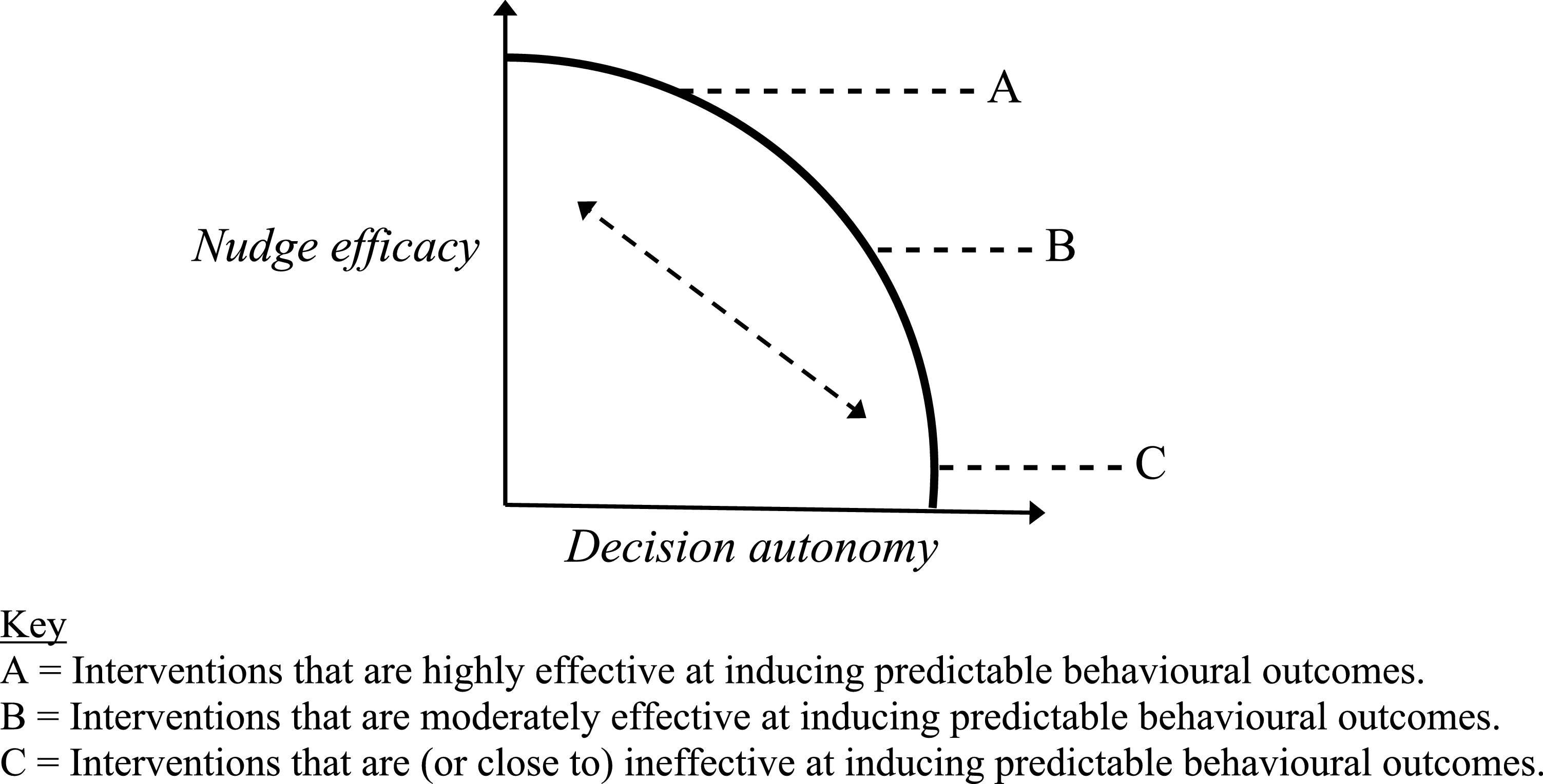

 Open access

