Introduction
Neurogenic cough, also referred to as chronic refractory cough or sensory neuropathic cough, is a condition characterised by a persistent cough lasting over eight weeks that does not respond to conventional treatments aimed at common underlying diseases behind chronic cough, including respiratory and sinonasal diseases or gastroesophageal reflux.Reference Çolak, Nordestgaard, Laursen, Afzal, Lange and Dahl1
Neurogenic cough affects an estimated 9.6 per cent of adults globally and is associated with significant impairment in quality of life.Reference Song, Chang, Faruqi, Kim, Kang and Kim2 It can result in physical discomfort, social embarrassment, sleep disturbances and psychological stress.Reference Cohen and Misono3 In persistent cases, complications such as rib fractures, urinary incontinence and vocal fold damage have been reported.Reference Bastian and Bastian4, Reference Ryan and Cohen5
Diagnosing neurogenic cough is challenging and requires exclusion of alternative causes such as asthma, upper airway cough syndrome, gastroesophageal reflux and chronic bronchitis. This often leads to delayed diagnosis, inadequate treatment and prolonged patient suffering, with reduced quality of life. Previous guidelines highlight pharmacological treatment for neurogenic cough, and neuromodulators such as gabapentinoids and amitriptyline were once regarded as the ‘gold standard’.Reference Song, Chang, Faruqi, Kim, Kang and Kim2, Reference Cohen and Misono3 However, such medications have high attrition rates because of systemic side effects, limiting their long-term use.Reference Morice, Millqvist, Bieksiene, Birring, Dicpinigaitis and Ribas6 The chronic nature of the condition, coupled with the lack of effective treatments, underscores the need for new therapeutic strategies to effectively manage this debilitating condition.
Recent evidence suggests that neurogenic cough has a distinct pathophysiology characterised by neuronal hypersensitivity.Reference Morice, Millqvist, Bieksiene, Birring, Dicpinigaitis and Ribas6 The superior laryngeal nerve plays a crucial role in laryngeal sensation and reflexes, with its internal branch providing sensory innervation to the laryngeal mucosa. Targeted superior laryngeal nerve blockade using a combination of long-acting corticosteroids and local anaesthetics may reduce neuronal excitability and suppress the exaggerated cough reflex. As such, superior laryngeal nerve block has emerged as a potential intervention, particularly for patients who are intolerant of or unresponsive to neuromodulatory medications.
Although SLN block shows promise, the available evidence is limited, methodologically heterogeneous, and based largely on small retrospective studies. A systematic review is therefore warranted to evaluate its efficacy and safety. Such a review will inform clinical decision-making and help identify critical gaps for future research.
Methods
Search strategy
This systematic review was conducted in accordance with the Preferred Reporting Items for Systematic Reviews and Meta-Analyses (‘PRISMA’) guidelines.Reference Page, McKenzie, Bossuyt, Boutron, Hoffmann and Mulrow7 The primary research question was ‘What is the efficacy of superior laryngeal nerve block in adults with neurogenic cough compared with other treatments or placebo in improving cough-specific quality of life outcomes?’
A comprehensive search was conducted in PubMed, Embase, Ovid Medline, Scopus and the Cochrane Central Register of Controlled Trials. ClinicalTrials.gov and the EU Clinical Trials Register were also queried. Hand searching and citation chaining followed identification of key studies. All databases were searched from inception to 17 May 2024. The full search strategy, including all keywords and MeSH terms, is detailed in Appendix 1.
Two reviewers (S.S. and O.B.) independently screened titles and abstracts against predefined eligibility criteria. Full-text articles were subsequently reviewed for final inclusion. All screening was done manually. Discrepancies were resolved through consensus, with a third reviewer (N.P.) consulted when needed.
Selection criteria
Studies were included based on the Population (P), Interventions (I), Comparators (C), Outcomes (O) and Study Design framework: P, adults (≥18 years) diagnosed with neurogenic cough; I, superior laryngeal nerve block, performed unilaterally or bilaterally under local anaesthesia; C, comparisons with other interventions, placebo or no treatment; and (O, cough-specific quality of life (QoL) outcomes, assessed using validated tools. Secondary outcomes included patient-reported improvement and adverse events. Study designs (S) included clinical trials, cohort studies, case–control studies and case series.
Case reports, review articles, non-human studies or articles not published in English, or studies investigating other surgical interventions, such as bilateral thyroarytenoid botulinum toxin injection or vocal fold augmentation, were excluded.
Data extraction
Two reviewers (S.S. and O.B.) independently extracted data using a standardised piloted form (Appendix 2). Extracted data included study characteristics, participant demographics, intervention and comparator details, and outcome measures. The primary outcome was cough-specific QoL tools score before and after injection. Data on subjective improvement, follow-up duration, concurrent use of neuromodulators or behavioural cough suppression therapy, and adverse effects were also collected.
Quality assessment
Non-randomised studies were evaluated using the Newcastle–Ottawa Scale,Reference Wells, Shea and O’Connell8 which evaluates three domains: selection of participants, comparability of study groups and ascertainment of outcomes or exposures. Within the comparability domain, a maximum of two stars could be awarded: one for controlling both behavioural cough suppression therapy and neuromodulator use, and a second for controlling any additional confounder.
To facilitate interpretation, the Newcastle–Ottawa Scale scores were converted into the Agency for Healthcare Research and Quality thresholds. Studies were classified as good quality if they achieved three or more stars in selection, one or two stars in comparability and at least two stars in outcome and/or exposure. Fair quality was defined as two stars in selection, one or two in comparability and at least two in outcome and/or exposure. Poor quality was assigned to studies with one or fewer stars in selection, no stars in comparability or one or fewer in outcome and/or exposure.
The randomised, controlled trial (RCT) was assessed using the revised Cochrane Risk of Bias toolReference Sterne, Savović, Page, Elbers, Blencowe and Bourron9 across five domains: randomisation, deviations from intended interventions, missing outcome data, outcome measurement and selective reporting.
Assessments were piloted on three studies for consistency. The remaining studies were evaluated independently, with discrepancies adjudicated by a third reviewer (F.S.).
Data synthesis and subgroup analysis
Given the considerable heterogeneity in study designs and outcome measures, a quantitative meta-analysis was not feasible. Variability in intervention protocols, follow-up durations and assessment tools limited direct comparisons, precluding a formal heterogeneity assessment. However, subgroup analyses were performed where primary outcome measures aligned.
Results
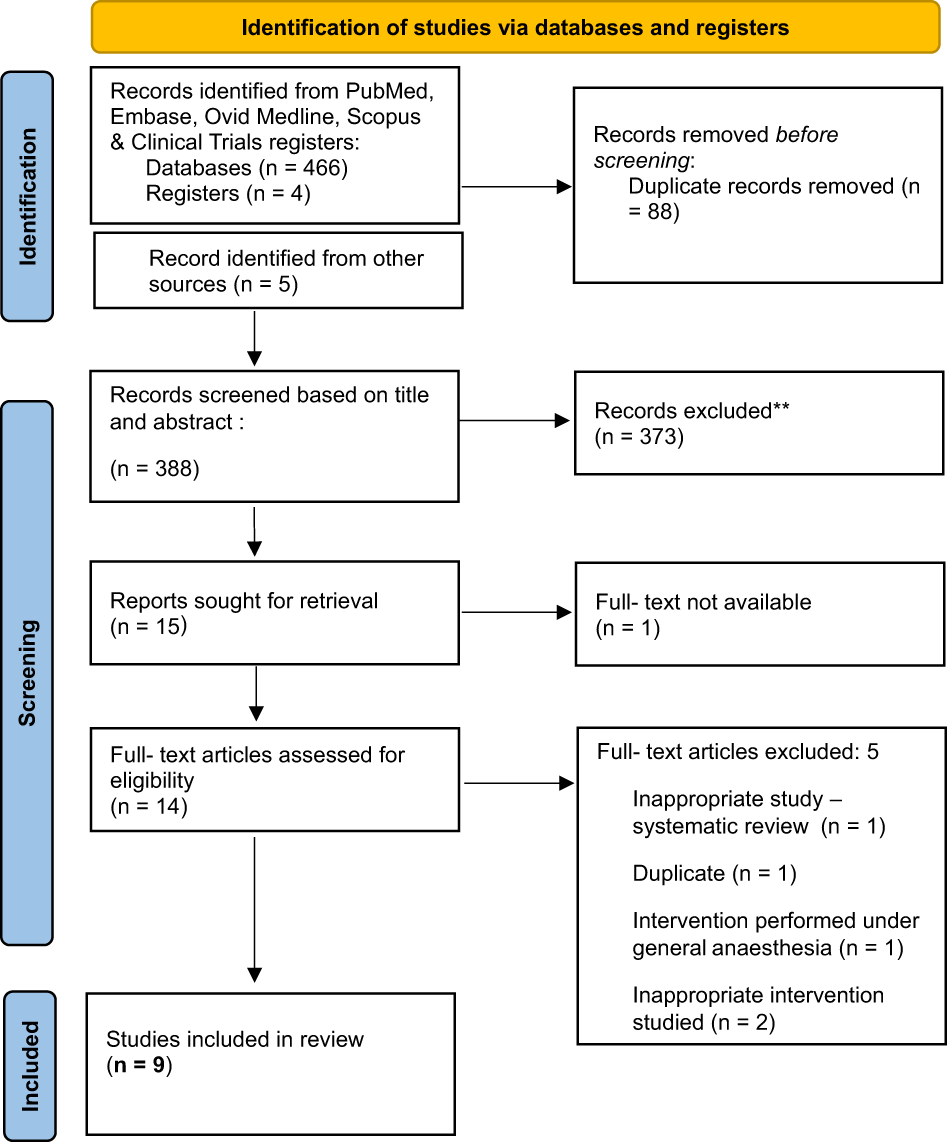
The initial search identified 466 articles, with nine additional papers identified via clinical trial registers and citation chaining. After removing duplicates, 388 unique articles were screened. Of these, 15 were selected for full-text review; however, one was unavailable despite contacting the authors. Nine studies met the inclusion criteria. A PRISMA flow diagram summarising evidence acquisition is presented in Figure 1.
Prisma flow diagram.

Characteristics of the included studies
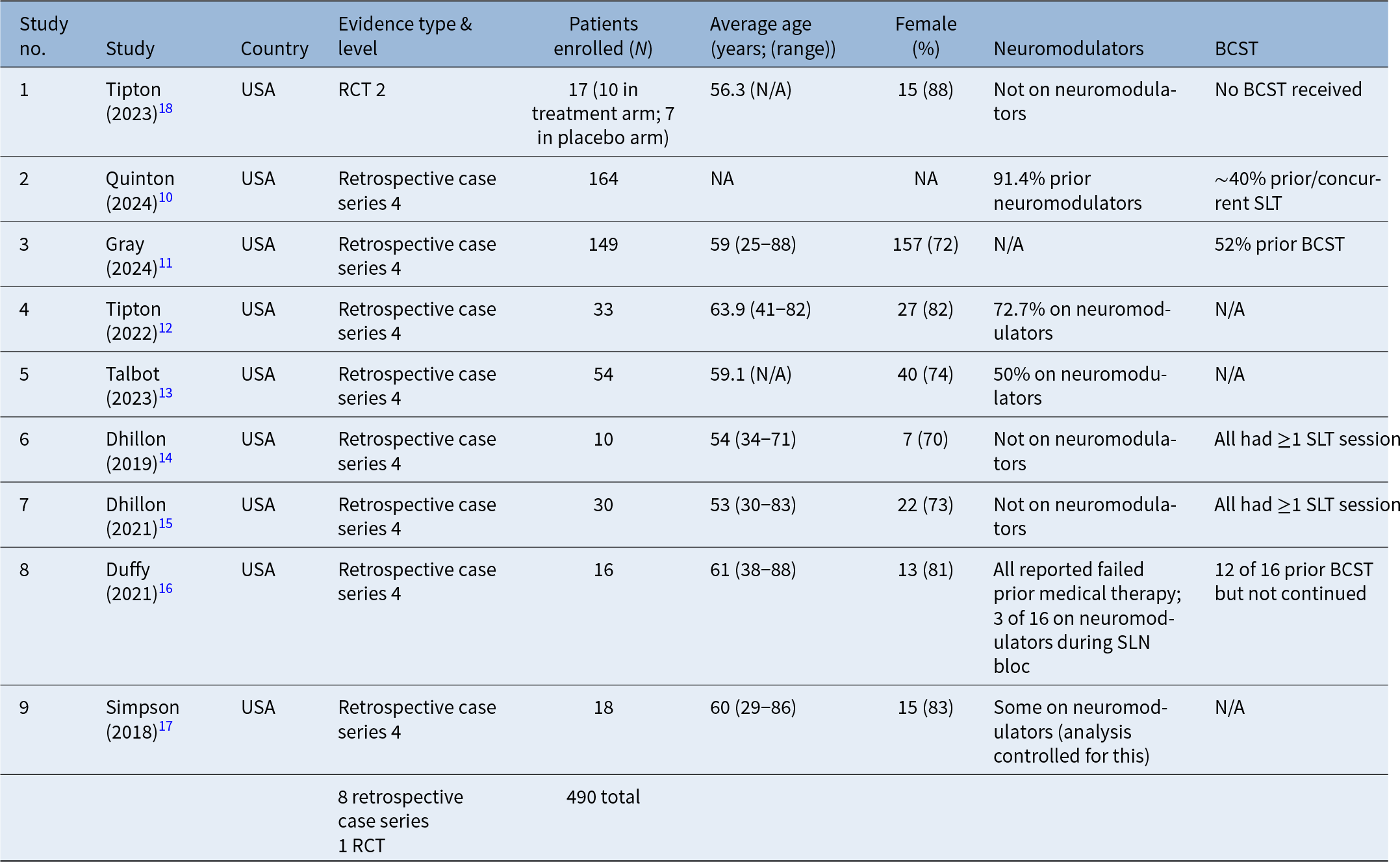
The nine included studies consisted of eight retrospective case seriesReference Quinton, Tierney, Benninger, Nelson, Gau and Hrelec10–Reference Simpson, Tibbetts, Loochtan and Dominguez17 and one randomised controlled trialReference Tipton, Walters, Gudipudi, Smyre, Nguyen and O’Rourke18 published between 2018 and 2024. All were conducted at single centres, except one multicentre study.Reference Gray, Hoffman, Yang, Vandiver, Purvis and Morgan11 Sample sizes ranged from 10 to 163, with 490 patients enrolled across all included studies. Across the included studies, the diagnosis of neurogenic cough was made after exclusion of common causes such as asthma, gastroesophageal reflux, upper airway cough syndrome and chronic bronchitis. Most studies relied on clinical history, failure of standard therapies and laryngoscopic findings of laryngeal hypersensitivity or trigger points. Dhillon et al. required patients to have undergone behavioural cough suppression therapy prior to superior laryngeal nerve block, while others excluded patients with active respiratory disease.Reference Gray, Hoffman, Yang, Vandiver, Purvis and Morgan11–Reference Dhillon14, Reference Duffy, Litts and Fink16, Reference Simpson, Tibbetts, Loochtan and Dominguez17 Table 1 summarises the included studies.
Summary of the included studies

BCST = behavioural cough suppression therapy; RCT = randomised, controlled trial; N/A = Not Available; SLN = superior laryngeal nerve
Intervention and comparator details
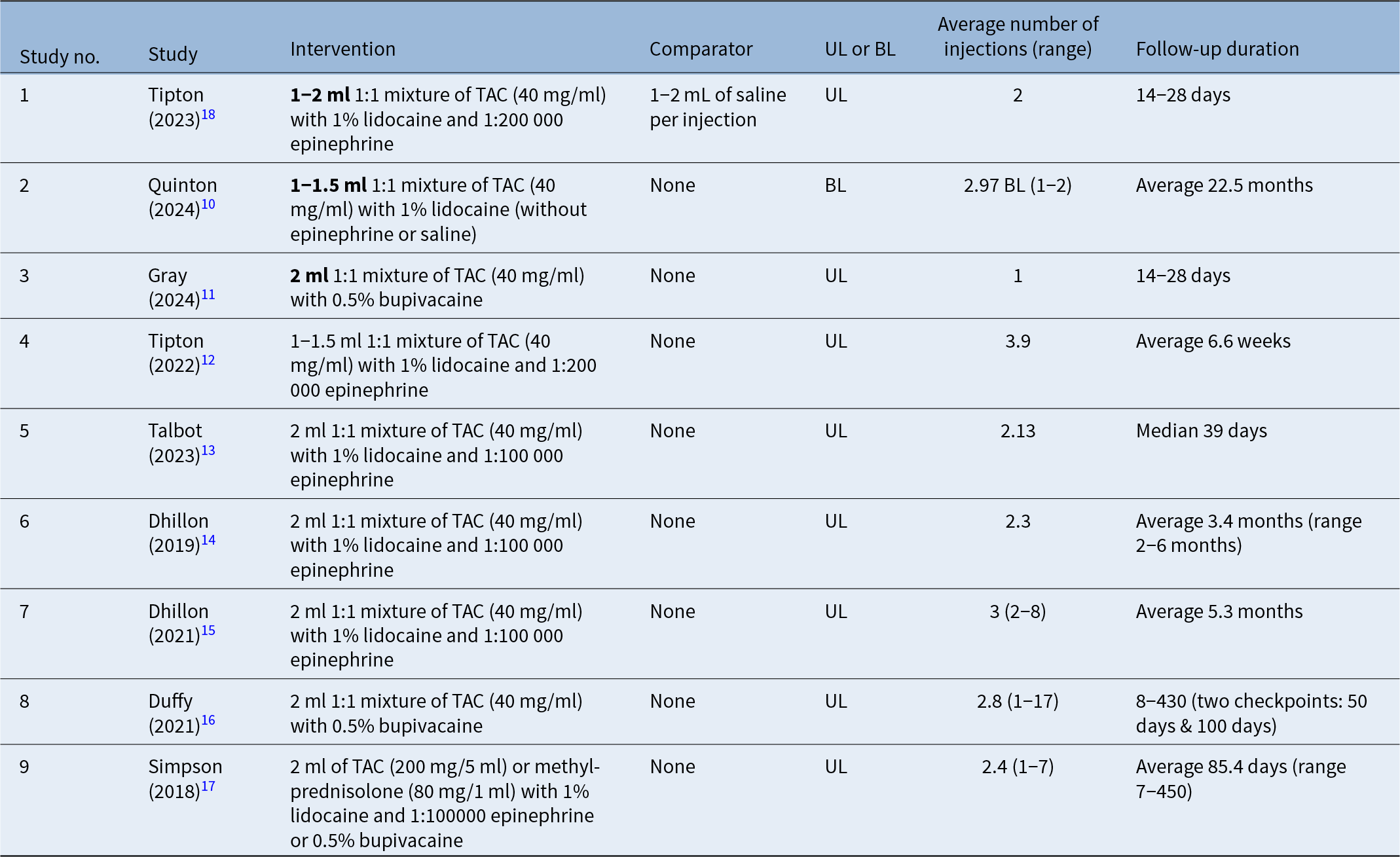
All studies used 1–2 ml of a 1:1 mixture of long-acting corticosteroid and local anaesthetic. Eight studies used triamcinolone acetonide (40 mg/ml) with either 1 per cent lidocaine,Reference Quinton, Tierney, Benninger, Nelson, Gau and Hrelec10 1 per cent lidocaine with epinephrine (1:200 000Reference Tipton and O’Rourke12, Reference Tipton, Walters, Gudipudi, Smyre, Nguyen and O’Rourke18; 1:100 000Reference Talbot, Heller, Nyirjesy, Kim, DeSilva and Matrka13, Reference Dhillon14) or 0.5 per cent bupivacaine.Reference Gray, Hoffman, Yang, Vandiver, Purvis and Morgan11, Reference Duffy, Litts and Fink16 Only the RCTReference Tipton, Walters, Gudipudi, Smyre, Nguyen and O’Rourke18 included a comparator (1–2 ml of saline).
Injection techniques followed the principles outlined by Simpson et al.,Reference Simpson, Tibbetts, Loochtan and Dominguez17 targeting the entry point of the internal branch of the superior laryngeal nerve at the posterior thyrohyoid membrane using a 27-G needle. All but one study used unilateral injections to minimise the risk of dysphagia or aspiration, with laterality determined by trigger points or patient-reported symptoms. All studies, except one,Reference Gray, Hoffman, Yang, Vandiver, Purvis and Morgan11 administered at least two injections, with subsequent doses determined by patient response. Additional injections were administered on the same side, unless no improvement occurred, then the contralateral side was targeted. Quinton et al.Reference Quinton, Tierney, Benninger, Nelson, Gau and Hrelec10 was the only study to perform bilateral injections in a single session. Follow-up durations ranged from 7 to 540 days; most studies ensured a minimum follow up of 14–28 days. Table 2 summarises the full intervention details.
Intervention and comparator details

UL = Unilateral injection; BL = Bilateral injections; TAC = Triamcinolone acetonide
Risk of bias
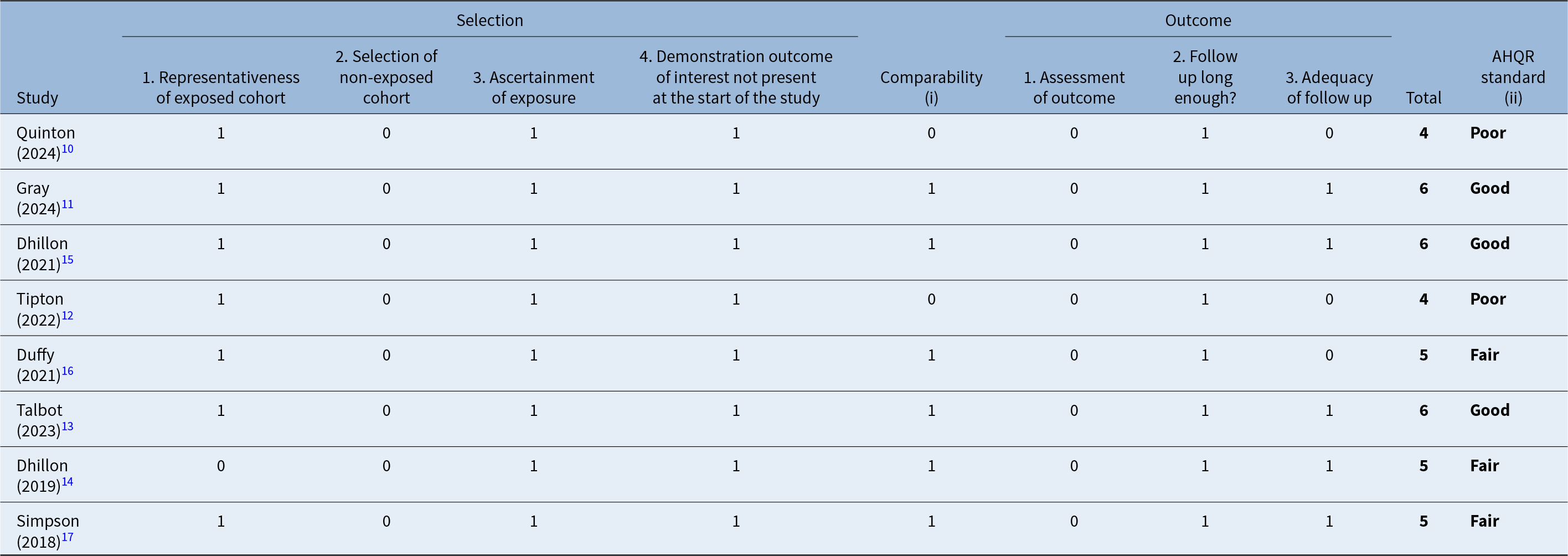
Most of the eight non-randomised studies, evaluated using the Newcastle–Ottawa Scale, demonstrated strong methodological quality in cohort representativeness, exposure ascertainment and baseline outcome exclusion, earning high scores in selection domain. However, reliance on self-reported data limited outcome measurement and increased detection bias. Studies with less than 80 per cent follow-up rates were scored as poor in terms of ‘adequacy of follow up’. Comparability varied, with studies receiving up to two stars for controlling potential confounders, including neuromodulator use and behavioural cough suppression therapy. The overall risk of bias assessment was mixed, with two studies rated as ‘poor’, three as ‘fair’ and three as ‘good’, as detailed in Table 3.
Newcastle–Ottawa Scale risk of bias assessment for non-randomised studies. Scores converted to AHRQ quality categories (good, fair, poor)

AHRQ = Agency for Healthcare Research and Quality
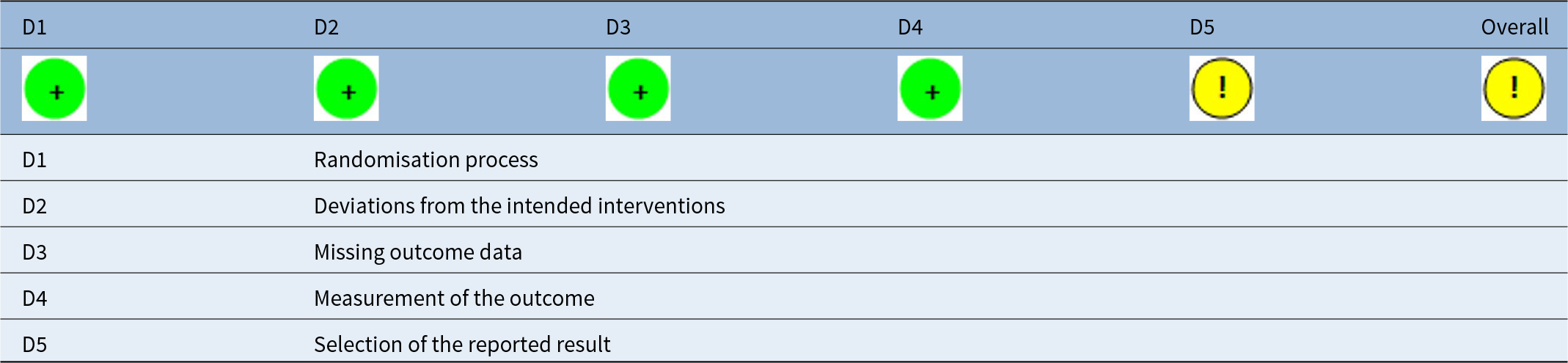
The RCT was assessed using the Cochrane Risk of Bias tool, demonstrating low risk of bias in most domains. However, concerns were noted regarding selective reporting because data analysis deviated from a pre-specified plan before unblinding outcome data. Thus, the RCT’s overall bias was rated as ‘some concerns’ (Table 4).
Cochrane Risk of Bias assessment of randomised, controlled trials

The domains included in Cochrane Risk of Bias cover all types of bias that are currently understood to affect the results of randomised trials: D1, bias arising from the randomisation process; D2, bias due to deviations from intended interventions; D3, bias due to missing outcome data; D4, bias in measurement of the outcome; and D5, bias in selection of the reported result
Outcome measurement
The primary outcome was the change in cough-specific QoL scores pre and post intervention. The most commonly used tools were the Leicester Cough Questionnaire and the Cough Severity Index. Additional measures, including the Hull Airway Reflux Questionnaire, the Voice Handicap Index and the Dyspnea Index, captured broader treatment impacts on patient well-being. Secondary outcomes included subjective improvement, adverse effects and use of adjunct therapies.
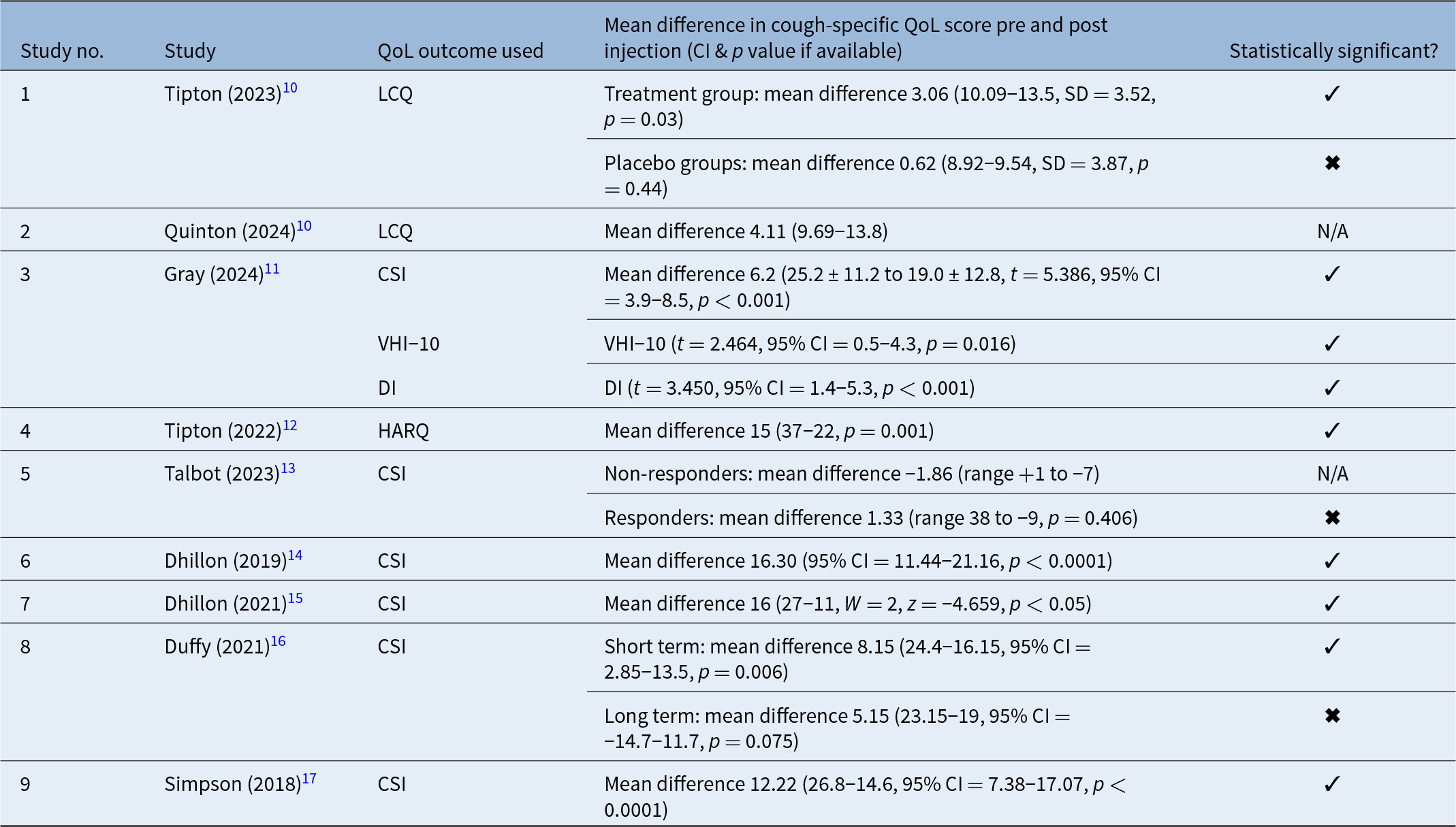
Table 5 summarises the primary outcome findings, including the mean difference in QoL tool scores and corresponding statistical significance.
Summary of mean difference in QoL outcome before and after injection

QoL = quality of life; CI = confidence interval; LCQ = Leicester Cough Questionnaire; SD = standard deviation; ✓ = statistically significant; ✖ = statistically not significant; N/A = statistical analysis not available; CSI = Cough Severity Index; VHI-10 = Voice Handicap Index; DI = Dyspnea Index; HARQ = Hull Airway Reflux Questionnaire
Leicester Cough Questionnaire
The Leicester Cough Questionnaire is a 19-item tool assessing the impact of chronic cough on physical, psychological and social domains, with scores ranging from 3 to 21. A change of 2.56 or more points is considered the minimal clinically important difference.Reference Birring, Prudon, Carr, Singh, Morgan and Pavord19
Tipton et al.,Reference Tipton, Walters, Gudipudi, Smyre, Nguyen and O’Rourke18 the only RCT included in this review, evaluated the efficacy of superior laryngeal nerve block in 17 patients. In the treatment group, Leicester Cough Questionnaire scores increased from 10.09 to 13.15 (mean difference, 3.06; p = 0.03), with the greatest improvement in the social domain (mean difference, 1.40; p = 0.01) and the least in the physical domain (mean difference, 0.61; p = 0.09). By contrast, the placebo group showed no significant change (mean difference, 0.62; p = 0.44).
Quinton et al.Reference Quinton, Tierney, Benninger, Nelson, Gau and Hrelec10 retrospectively reviewed 164 patients receiving bilateral superior laryngeal nerve block. In 56 patients with paired Leicester Cough Questionnaire data, the mean increased from 9.69 to 13.8 (mean difference, 4.11), suggesting clinical improvement exceeding minimal clinically important difference, although statistical analysis were not reported.
Cough Severity Index outcomes
Six studies used the Cough Severity Index, a 10-item Likert-scale tool (total score range of 0–40) assessing chronic cough severity, particularly its social impact. Although a lower score indicates symptomatic improvement, no established minimal clinically important difference exists.Reference Shembel, Rosen, Zullo and Gartner-Schmidt20
Simpson et al.Reference Simpson, Tibbetts, Loochtan and Dominguez17 reported a significant 12.22-point Cough Severity Index decrease (p < 0.0001). Patients were categorised as non-responders (3 of 18), complete responders (8 of 18) and temporary responders (7 of 18). Among temporary responders, repeat injections were administered at mean intervals of 41.5 days, with symptoms typically recurring between 2 weeks and 3 months.
Dhillon et al.Reference Dhillon14 observed a mean Cough Severity Index reduction of 16.3 points (p < 0.0001). A follow-up study in 202115 in 30 patients showed sustained improvement in 28 patients (Cough Severity Index, 27–11; p < 0.05). Duffy et al.Reference Duffy, Litts and Fink16 noted significant short-term improvement (Cough Severity Index, 8.15; p = 0.006) at 24 days, but no significant long-term benefit at 184 days (Cough Severity Index, 5.15; p = 0.075). Additionally, patients with vocal fold motion and/or vibration abnormalities showed greater short-term benefits.
Talbot et al.Reference Talbot, Heller, Nyirjesy, Kim, DeSilva and Matrka13 reviewed 54 patients, categorising responders (n = 32), those who perceived a benefit after the first injection and non-responders (n = 22).Reference Talbot, Heller, Nyirjesy, Kim, DeSilva and Matrka13 Among the 34 per cent with paired Cough Severity Index data, responders showed a mean improvement of 1.33 points, while non-responders’ scores worsened by 1.86 points; this change was not statistically significant (p = 0.406). The modest Cough Severity Index score improvement post injection was attributed to early coronavirus disease 2019 (Covid-19) data collection when restricted social interactions may have limited the sensitivity of cough-related QoL assessment. However, data collection spanned from 2010 to 2020 at a single institution; the proportion of data collected during the pandemic is unclear, limiting interpretation.
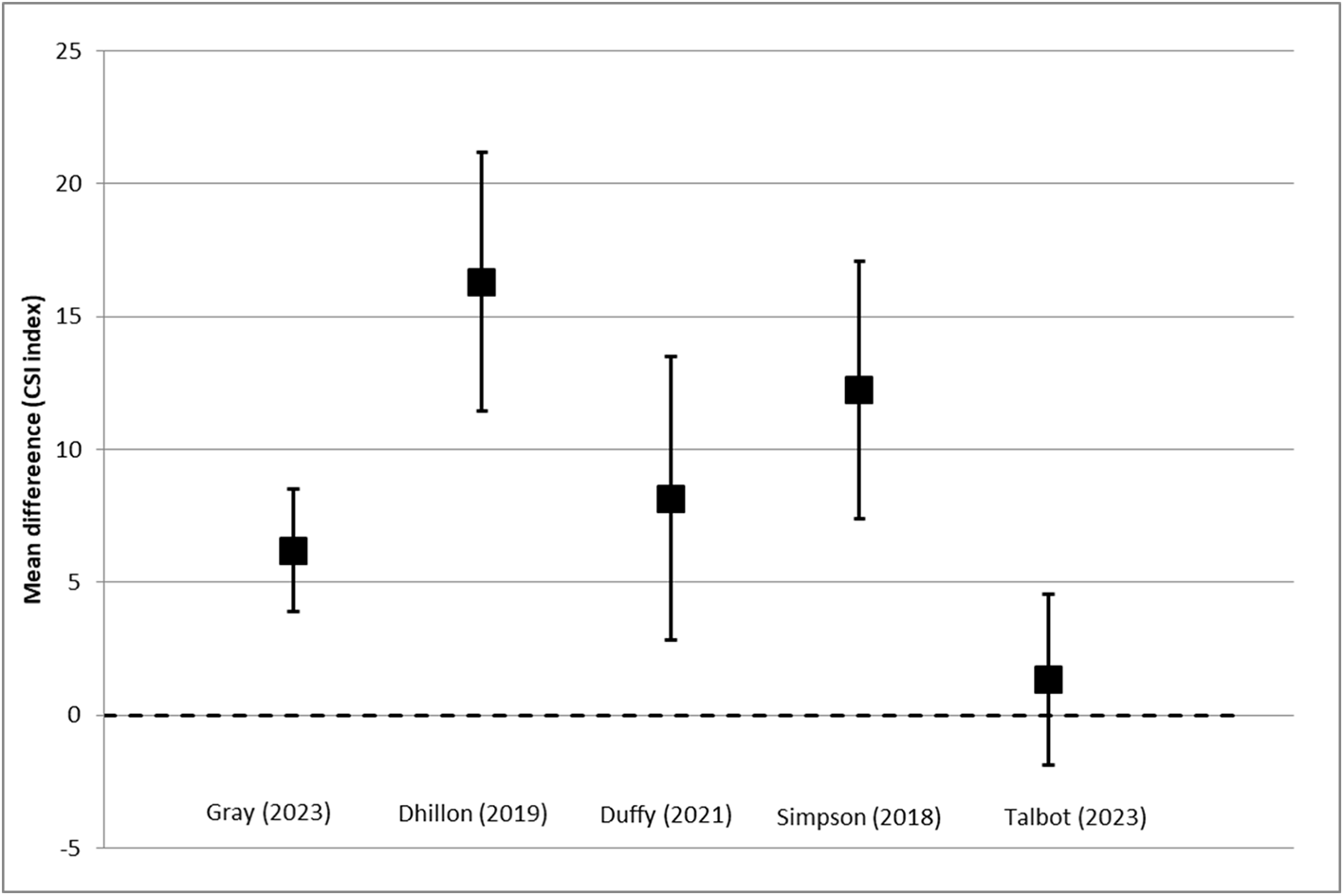
Figure 2 presents a summary of these findings and displays 95 per cent confidence intervals (CIs) were reported or calculable.
Mean differences in Cough Severity Index (CSI) scores before and after superior laryngeal nerve block. The y axis shows mean Cough Severity Index score changes and the x axis lists individual studies or groups. Each point represents a study’s mean difference, with 95% confidence intervals shown as horizontal bars. The vertical line at zero denotes no effect; intervals crossing this line suggest non-significant results.

Other outcome tools (Hull Airway Reflux Questionnaire, Voice Handicap Index, Dyspnea Index)
Gray et al.Reference Gray, Hoffman, Yang, Vandiver, Purvis and Morgan11 assessed superior laryngeal nerve block efficacy (two to four weeks) in irritable larynx syndrome, including neurogenic cough, using the Cough Severity Index, the Voice Handicap Index and the Dyspnea Index. For the neurogenic cough subgroup, the primary measure of interest was the Cough Severity Index after a single injection. Among 83 patients with paired Cough Severity Index scores, a significant reduction of 6.2 points was observed (p = 0.001). Covariance analysis showed no significant influence of age, sex, vagus nerve injury or concurrent therapy on Cough Severity Index outcome (F = 0.605; p = 0.440). Improvements were also noted in the Voice Handicap Index (F = −2.464; p = 0.016) and the Dyspnea Index (F = −3.450; p < 0.001), further indicating symptom relief.Reference Gray, Hoffman, Yang, Vandiver, Purvis and Morgan11
Tipton et al.Reference Tipton and O’Rourke12 employed the Hull Airway Reflux Questionnaire to assess cough hypersensitivity in 33 patients. The Hull Airway Reflux Questionnaire is a 14-item self-administered tool that assesses cough hypersensitivity syndrome, with a reduction of 16 points or more deemed clinically meaningful. In 19 patients with paired scores, a 15-point reduction was observed (from 37 to 22; p = 0.001), approaching the threshold for clinical significance.Reference Tipton and O’Rourke12
Subjective perceived improvement
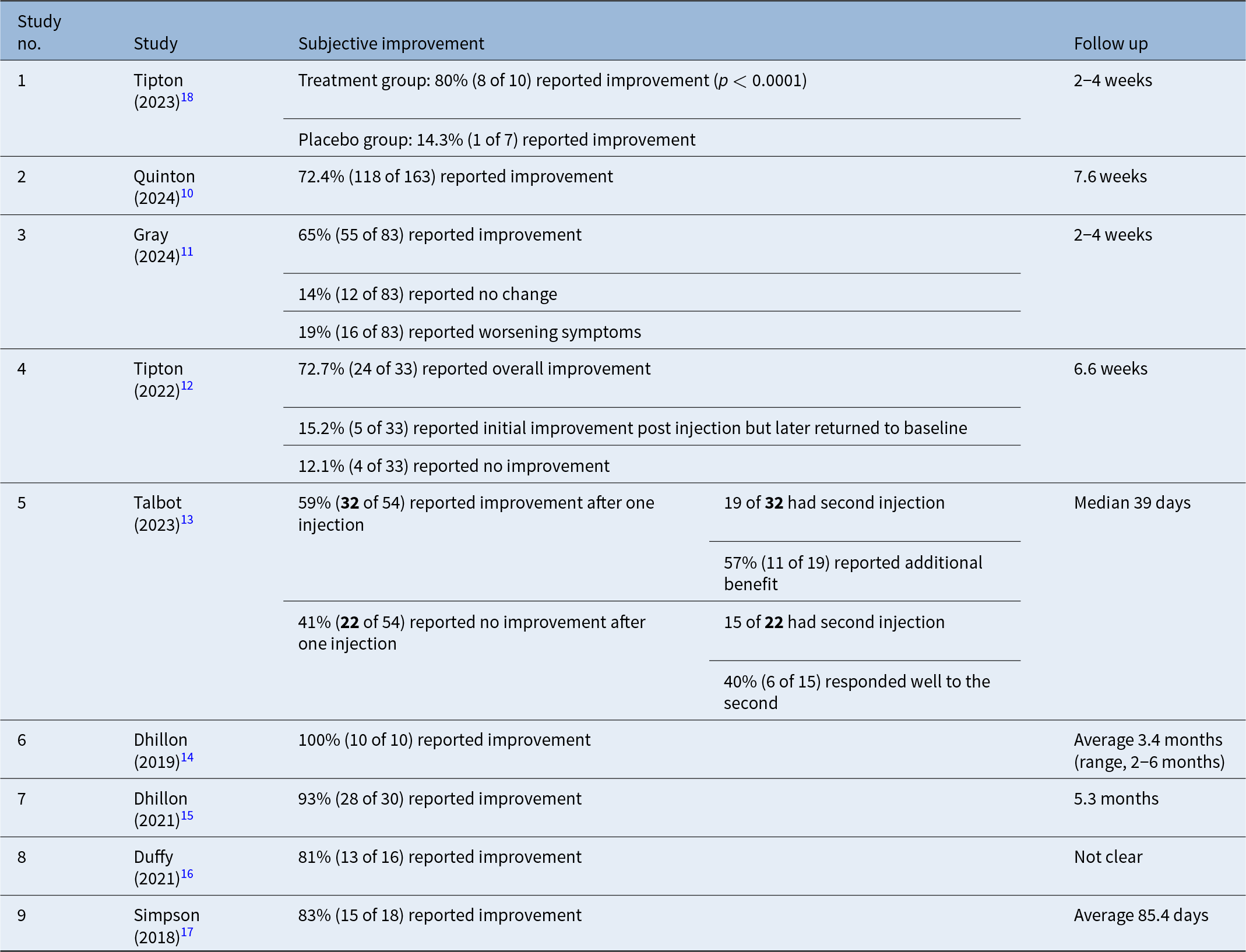
Subjective improvement following superior laryngeal nerve block varied across studies, as summarised in Table 6. The RCTReference Tipton, Walters, Gudipudi, Smyre, Nguyen and O’Rourke18 reported significant improvement in 80 per cent of the treatment group versus 14.3 per cent in the placebo group (p < 0.0001), with visual analogue scale scores confirming reduced cough severity (p = 0.01). Quinton et al. reported a 72.4 per cent improvement rate, although the absence of statistical analysis warrants cautious interpretation.Reference Quinton, Tierney, Benninger, Nelson, Gau and Hrelec10 Gray et al. and Tipton et al. observed similar rates of 65 and 72.7 per cent, respectively, with Tipton additionally noting that 15.2 per cent of patients eventually relapsed to baseline symptom levels.Reference Quinton, Tierney, Benninger, Nelson, Gau and Hrelec10–Reference Tipton and O’Rourke12, Reference Tipton, Walters, Gudipudi, Smyre, Nguyen and O’Rourke18
Summary of subjective improvement following superior laryngeal nerve block across included studies

Talbot et al.Reference Talbot, Heller, Nyirjesy, Kim, DeSilva and Matrka13 found 59 per cent (32/54) of patients improved after a single SLN block and were classified as responders. Among the 19 responders, 11 derived further benefit from a second injection. Among initial non-responders (22 of 54), 15 received a second injection and 6 reported improvements.Reference Talbot, Heller, Nyirjesy, Kim, DeSilva and Matrka13 Dhillon et al. and Simpson et al. reported the highest sustained improvement rates of 81 and 83 per cent, respectively, over 3–5 months.Reference Dhillon14, Reference Dhillon15, Reference Simpson, Tibbetts, Loochtan and Dominguez17
Neuromodulators and behavioural cough suppression therapy
The use of neuromodulators and behavioural cough suppression therapy varied across studies. Most retrospective studies reported concurrent or prior therapy alongside superior laryngeal nerve block, while Tipton et al.,Reference Tipton, Walters, Gudipudi, Smyre, Nguyen and O’Rourke18 the sole RCT, excluded patients with prior neuromodulators or behavioural cough suppression therapy use.
Neuromodulators
Five studies reported prior or concurrent neuromodulator use, ranging from 27 to 91.4 per cent of patients. Quinton et al. reported prior use in 91.4 per cent of cases.Reference Quinton, Tierney, Benninger, Nelson, Gau and Hrelec10 Duffy et al. reported continued use in 3 of 16 patients, while Talbot et al. noted concurrent use in 27 of 54 patients.Reference Duffy, Litts and Fink16 Simpson et al. found Cough Severity Index improvements remained significant when patients neuromodulator users were excluded from analysis (mean improvement, 10.71; 95 per cent CI, 5.02–16.41; p = 0.0013).Reference Quinton, Tierney, Benninger, Nelson, Gau and Hrelec10, Reference Talbot, Heller, Nyirjesy, Kim, DeSilva and Matrka13, Reference Duffy, Litts and Fink16, Reference Simpson, Tibbetts, Loochtan and Dominguez17 Dhillon et al. excluded neuromodulator users to isolate superior laryngeal nerve block effect, ensuring consistency in treatment evaluation.Reference Dhillon14, Reference Dhillon15
Behavioural cough suppression therapy
Adjunctive behavioural cough suppression therapy was inconsistently reported. Dhillon et al. incorporated mandatory behavioural cough suppression therapy prior to superior laryngeal nerve block, averaging 2.4 sessions per patient, and in a second study mandated a 1-hour session.Reference Dhillon14, Reference Dhillon15 Gray et al. reported prior behavioural cough suppression therapy in 52 per cent of patients, with no significant effect on Cough Severity Index outcomes at follow up (F = 0.605; p = 0.440).Reference Gray, Hoffman, Yang, Vandiver, Purvis and Morgan11 Duffy et al. reported prior, but not concurrent, behavioural cough suppression therapy use in 12 of 16 patients.Reference Duffy, Litts and Fink16 Quinton et al. reported partial or prior participation, but lacked adherence data.Reference Quinton, Tierney, Benninger, Nelson, Gau and Hrelec10 Conversely, no records of behavioural cough suppression therapy were noted in three studies.Reference Tipton and O’Rourke12, Reference Talbot, Heller, Nyirjesy, Kim, DeSilva and Matrka13, Reference Simpson, Tibbetts, Loochtan and Dominguez17
Adverse effects
Superior laryngeal nerve block was generally well tolerated, with mild and self-limiting adverse effects, including globus sensation (12.1–23.5 per cent), transient laryngeal anaesthesia, localised swelling and paraesthesia. Rare complications included skin fragility and purpura and brief laryngospasm.Reference Talbot, Heller, Nyirjesy, Kim, DeSilva and Matrka13, Reference Simpson, Tibbetts, Loochtan and Dominguez17 Quinton et al.Reference Quinton, Tierney, Benninger, Nelson, Gau and Hrelec10 performed bilateral injections in a single session and reported no cases of aspiration or dysphagia, challenging the traditional caution against bilateral superior laryngeal nerve block. In their series, only 3 serious cases were observed, consisting of skin fragility and purpura among 163 patients.Reference Quinton, Tierney, Benninger, Nelson, Gau and Hrelec10 Overall, superior laryngeal nerve block demonstrated a favourable safety profile with minimal significant complications.
Discussion
Summary of main results
This systematic review evaluated the efficacy and safety of superior laryngeal nerve block in the management of neurogenic cough, analysing nine studies, including one RCT and eight retrospective case series. Overall, superior laryngeal nerve block appears effective in short-term symptomatic relief as measured by validated QoL measurements, although long-term efficacy remains uncertain.
Efficacy findings
The RCTReference Tipton, Walters, Gudipudi, Smyre, Nguyen and O’Rourke18 reported a statistically significant improvement in Leicester Cough Questionnaire scores (p = 0.03) in the treatment group compared with the placebo group over the 14–28 days. Six of eight retrospective studies also showed a statistically significant mean difference in QoL outcome measures.Reference Gray, Hoffman, Yang, Vandiver, Purvis and Morgan11, Reference Tipton and O’Rourke12, Reference Dhillon14–Reference Simpson, Tibbetts, Loochtan and Dominguez17 Although Quinton et al. did not provide statistical significance values, the mean difference exceeded the minimal clinically important difference reported in the literature, suggesting clinical improvement.Reference Quinton, Tierney, Benninger, Nelson, Gau and Hrelec10, Reference Birring, Prudon, Carr, Singh, Morgan and Pavord19
Conversely, one study reported no significant improvement,Reference Talbot, Heller, Nyirjesy, Kim, DeSilva and Matrka13 attributing this to data collection during the Covid-19 pandemic, when social interactions – an important focus of the (Cough Severity Index) – were significantly reduced. Furthermore, only 34 per cent of patients in this study had available pre- and post-injection data, potentially introducing reporting bias.
Evidence suggests that treatment response to superior laryngeal nerve block may differ substantially over time, with some patients demonstrating significant short-term improvement that is not sustained in the long term.Reference Duffy, Litts and Fink16 Additionally, variability in response is seen among both initial responders and non-responders.Reference Talbot, Heller, Nyirjesy, Kim, DeSilva and Matrka13, Reference Duffy, Litts and Fink16 These findings emphasise the need to monitor patient outcomes after each injection to identify response patterns, enabling more effective, individualised treatment planning.
Subjective improvement
Subjective improvement rates ranged from 59 to 100 per cent. Tipton et al. reported an 80 per cent improvement, compared with 14.3 per cent in the placebo group (p < 0.0001).Reference Tipton, Walters, Gudipudi, Smyre, Nguyen and O’Rourke18 Sustained improvement rates of 81–83 per cent over 3–5 months were observed in some studies.Reference Dhillon14, Reference Dhillon15 Notably, some required reinjections every 41.5 days because of symptom recurrence within 2–12 weeks.Reference Simpson, Tibbetts, Loochtan and Dominguez17 Given that most studies involved more than two injections per patient, further research is needed to determine optimal timing and frequency of repeat treatments.
It is important to note that most retrospective studies assessed subjective improvement through binary patient-reported outcomes, without incorporating objective measures such as cough frequency monitoring or laryngeal electromyography. This reliance on self-reported data limits the interpretability, given the inherent variability in in symptom perception.
Adjunctive therapies: neuromodulators and behavioural cough suppression therapy
Neuromodulator use was commonly reported, with prior or concurrent usage ranging from 27 per cent to over 90 per cent of patients in some studies.Reference Quinton, Tierney, Benninger, Nelson, Gau and Hrelec10, Reference Tipton and O’Rourke12 Despite this variability, studies excluding neuromodulator users still showed benefit, suggesting superior laryngeal nerve block efficacy independent of adjunctive therapy.Reference Dhillon14, Reference Dhillon15 Moreover, analysis by Simpson et al. demonstrated Cough Severity Index improvement remained significant after excluding neuromodulator users, supporting the potential of superior laryngeal nerve block as a standalone intervention.Reference Simpson, Tibbetts, Loochtan and Dominguez17
Similarly, behavioural cough suppression therapy was inconsistently incorporated or reported. Some studies mandated sessions before superior laryngeal nerve block; others only recorded prior exposure. Importantly, findings from Gray et al. indicate no significant impact of prior behavioural cough suppression therapy on Cough Severity Index outcomes.Reference Gray, Hoffman, Yang, Vandiver, Purvis and Morgan11 Several studies did not report behavioural cough suppression therapy use, complicating interpretation and cross-study comparisons. Given its established role in managing refractory chronic cough, inconsistent implementation in the included literature suggests a gap in standardisation and underscores the importance of future trials clearly delineating its use, timing and impact.
Safety profile
Superior laryngeal nerve block demonstrated a favourable safety profile, with most adverse events reported as mild, transient and self-limiting. No airway compromise or life-threatening events were documented. Although not observed in the included studies, arterial embolisation from particulate steroids remains a theoretical risk based on other head and neck procedures; preventive measures such as aspiration and slow injection are therefore essential.Reference Benzon, Chew, McCarthy, Benzon and Walega21, Reference gen, Chunming, Juanjuan and Xiaoyan22 While bilateral injections have traditionally raised concern regarding aspiration risk, Quinton et al. reported no cases of dysphagia or aspiration, suggesting the technique may be safe when performed carefully. Overall, with appropriate precautions, superior laryngeal nerve block appears to be a well-tolerated intervention for neurogenic cough.
Limitations of the evidence and risk of bias
Several factors limit the strength and generalisability of this review, including heterogeneity in study design, methodological weakness and inconsistent reporting of adjunctive therapies. Significant variation in intervention protocols – such as injection agents, dosages and follow-up durations (ranging from one week to over a year) – complicates data synthesis and limits assessment of long-term efficacy. Most studies enrolled fewer than 30 participants and predominantly female populations, potentially reducing representativeness and external validity.
The evidence largely stems from retrospective case series, which are prone to selection bias, recall bias and unmeasured confounding. The absence of randomisation and blinding further increases performance and detection bias. Newcastle–Ottawa Scale assessments showed strong selection domains but identified weaknesses in outcome assessment due to subjective measures and incomplete follow up.
The included RCT strengthens the evidence base but is limited by a small sample size, reducing power and generalisability. It was rated as ‘some concerns’ on the Cochrane Risk of Bias tool because of selective reporting and varied analytical methods.
Agreements and disagreements with other studies or reviews
This systematic review expands on a prior systematic review and meta-analysis by Wamkpah et al. that assessed role of procedural therapies in comparison with pharmacologic and non-pharmacologic treatments. Notably, only two of the nine studies included here were part of their analysis,Reference Dhillon14, Reference Simpson, Tibbetts, Loochtan and Dominguez17 highlighting this review’s value as an updated synthesis. Our findings are consistent with previous literature, reinforcing the role of superior laryngeal nerve block as a viable treatment option, particularly for patients who are intolerant to neuromodulators.
The superior laryngeal nerve block is hypothesised to mitigate laryngeal hypersensitivity by interrupting aberrant sensory feedback loops implicated in neurogenic cough.Reference Dhillon15, Reference Simpson, Tibbetts, Loochtan and Dominguez17, By anaesthetising the internal branch of the superior laryngeal nerve, the block may suppress the hyperactive afferent signalling that contributes to cough reflex hypersensitivity. Lidocaine, although a short-acting local anaesthetic, may therefore play a distinct role beyond immediate anaesthesia. Acting as a non-selective voltage-gated sodium channel inhibitor, it transiently silences hyperactive sensory nerves and interrupts pathological afferent input, which may function as a neuromodulatory ‘reset’ of hypersensitive reflex circuits.Reference Abdulqawi, Satia, Kanemitsu, Khalid, Holt, Dockry, Woodcock and Smith25 Evidence from topical and nebulised lidocaine studies supports this mechanism, demonstrating significant, albeit temporary, reductions in cough frequency and urge-to-cough.Reference Abdulqawi, Satia, Kanemitsu, Khalid, Holt, Dockry, Woodcock and Smith25, Reference Pan, Khan, Yu and Rui26
When combined with corticosteroid, lidocaine’s transient interruption of abnormal signalling may synergise with the steroid’s anti-inflammatory effects, prolonging suppression of neurogenic inflammation and contributing to symptomatic relief beyond the expected anaesthetic duration. In addition, as cough and pain share common receptors such as TRPV1 (transient receptor potential vanilloid 1), superior laryngeal nerve block may also alleviate symptoms by modulating shared sensory pathways.Reference Adcock23 This dual mechanism – disruption of aberrant afferent input and modulation of nociceptive pathways – likely underlies the therapeutic effects observed in clinical studies.
The Wamkpah et al. meta-analysis reported that superior laryngeal nerve block resulted in a greater reduction in Cough Severity Index scores compared with tramadol, suggesting superior symptom relief. However, their analysis lacked direct comparative trials, making it difficult to establish relative efficacy. Similarly, our review identified short-term benefits but emphasised the confounding role of prior or concurrent neuromodulator use.
A further divergence relates to response variability to repeated injections. While Wamkpah et al. reported an average of 2.3–2.4 injections per patient, they did not examine variability in individual treatment responses or the optimal interval between injections. In contrast, this review identified heterogeneity in response patterns across more studies, which is addressed in detail above.
Our findings also align with a 2024 survey by Asi et al. that explored utilisation of superior laryngeal nerve block use among otolaryngologists.Reference Asi, Vance and Tritter24 Of the 80 respondents, 53.8 per cent reported using superior laryngeal nerve injections, with most (90.7 per cent) identifying as academic laryngologists. This limited use outside academic settings highlights a gap between evidence and practice, and underscores the need for targeted training to expand clinical access. Both the survey and our review identified heterogeneity in injection protocols. Triamcinolone (81.4 per cent) and lidocaine (53.5 per cent) were most used, mirroring reviewed studies. However, dosage, laterality and repeat injection practices varied, underscoring the need for evidence-based guidelines to improve consistency and optimise treatment outcomes. Regarding laterality, 93.1 per cent of surveyed practitioners relied on patient-reported symptoms and 63.6 per cent used symptom reproduction with palpation, consistent with criteria in this review. One study employed bilateral injections routinely, with no reported aspiration events. This finding invites further consideration of the potential trade-offs between unilateral and bilateral approaches.Reference Quinton, Tierney, Benninger, Nelson, Gau and Hrelec10
Follow-up intervals and serial injection protocols were equally inconsistent. The survey showed 76.7 per cent of practitioners lacked a set number of injections and side alternation practices varied. Similarly, this review observed considerable variability in follow-up duration and a frequent absence of a defined repeat injection protocol.
Implications for practice
The variability in treatment response, the heterogeneity in procedural technique and the frequent need for repeat injections underscore the importance of a structured and evidence-informed approach to patient selection, planning and follow up when considering superior laryngeal nerve block for neurogenic cough.
Clinicians should begin with thorough patient selection, ensuring that only those with a well-established diagnosis of neurogenic cough – confirmed after the exclusion of alternative causes and documented failure or intolerance of neuromodulator therapy and/or behavioural cough suppression therapy – are considered for the procedure. Equally important is clear communication with patients regarding the expected short-term nature of benefit, the potential need for reinjection and the overall risk profile, which is generally favourable when performed with appropriate precautions.
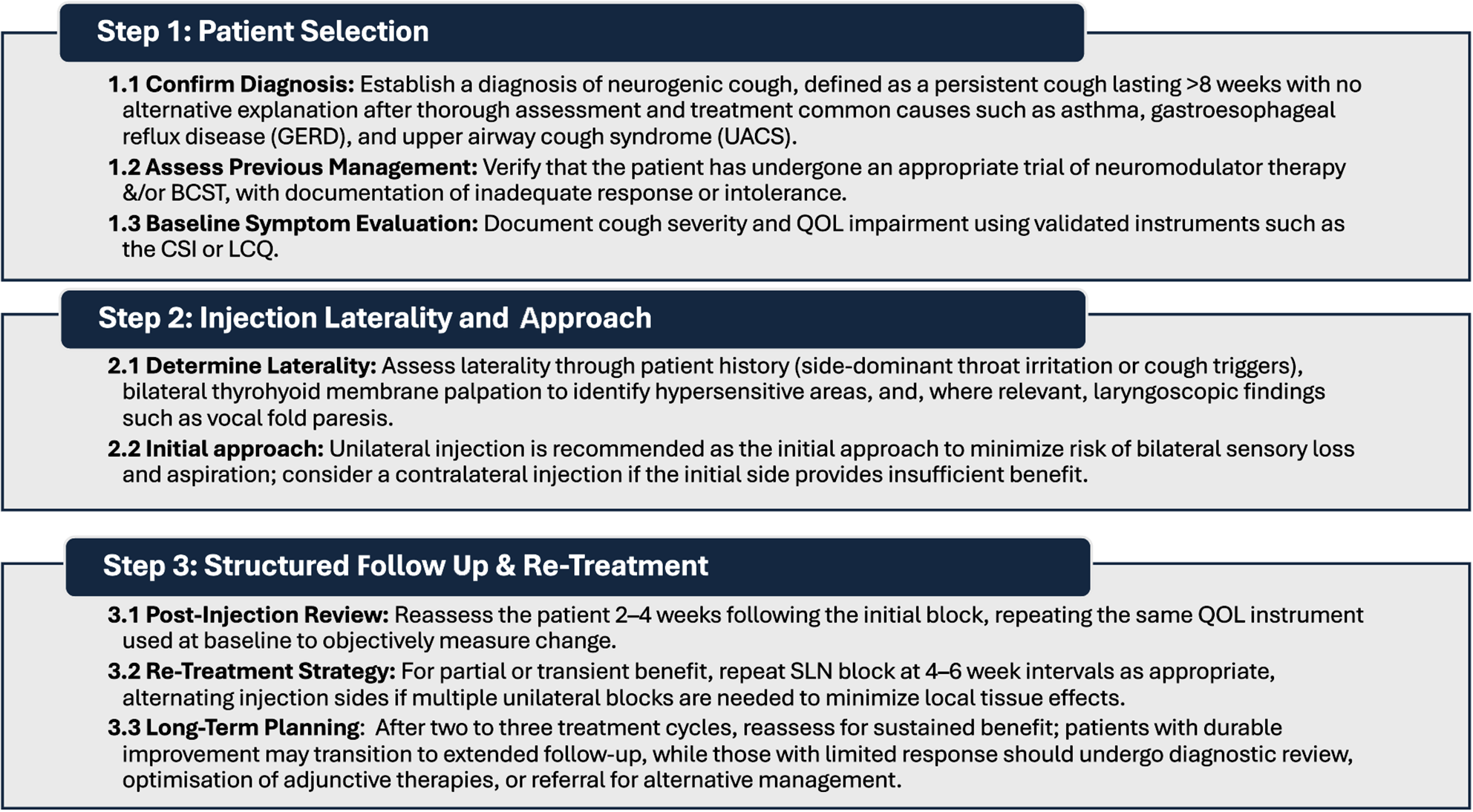
Given the observed procedural variability in the literature, including differences in laterality, dosing and reinjection protocols, this review proposes a practical, stepwise clinical pathway to guide real-world implementation. Figure 3 outlines a recommended algorithm covering patient selection criteria, guidance for determining unilateral versus bilateral injection and a clear framework for structured follow up and re-treatment planning. This pathway is intended to support clinicians in delivering superior laryngeal nerve block more consistently and safely, while helping standardise practice across different care settings.
Proposed clinical pathway for superior laryngeal nerve block in neurogenic cough. BCST = behavioural cough suppression therapy; QOL = quality of life; CSI = Cough Severity Index; LCQ = Leicester Cough Questionnaire; SLN = superior laryngeal nerve.

Embedding this pathway into clinical workflows can improve patient counselling, ensure appropriate selection and reduce the risk of procedural complications such as inadvertent bilateral sensory impairment. Importantly, the algorithm emphasises the role of reassessment after each treatment cycle, using validated outcome measures to guide decision-making about repeat injections or alternative strategies when symptom control is inadequate.
Despite promising evidence, superior laryngeal nerve block remains underutilised outside of specialised laryngology or academic centres. Limited awareness, lack of procedural training and absence of standardised protocols are significant barriers to wider adoption. Expanding access will require clear reporting standards, consensus guidelines and practical training opportunities for otolaryngologists and multidisciplinary cough clinics. Integrating superior laryngeal nerve block into a comprehensive chronic cough pathway – alongside pharmacologic management and behavioural cough suppression therapy delivered by speech-language therapists – may improve care for this challenging patient group.
Incorporating the structured approach illustrated in Figure 3 may also facilitate future multicentre studies by providing a reproducible protocol for patient selection, technique and outcome measurement. Over time, this could contribute to higher-quality data on efficacy, durability of benefit and optimal re-treatment intervals, supporting the development of evidence-based practice recommendations.
Implications for research
Despite growing evidence supporting the short-term safety and effectiveness of superior laryngeal nerve block for neurogenic cough, significant research gaps remain that must be addressed to inform wider adoption and guideline development. High-quality, adequately powered multicentre, placebo-controlled RCTs are needed to directly compare superior laryngeal nerve block with established medical therapies, including neuromodulators and behavioural cough suppression therapy. Such trials should incorporate clear eligibility criteria and stratify patients by factors such as symptom duration, prior treatment history and coexisting laryngeal pathology to identify predictors of treatment success and durability.
Future studies should also focus on defining optimal procedural protocols, including injection volume, laterality (unilateral versus bilateral), corticosteroid and anaesthetic agent selection, and standardised intervals for repeat injections. Establishing minimum follow-up periods of at least 6 to 12 months will be essential to evaluate the long-term durability of symptom relief and to better characterise response trajectories over time.
Standardising outcome measures will be crucial to ensure meaningful comparison and synthesis of findings between studies. Researchers should use validated tools such as the Leicester Cough Questionnaire and Cough Severity Index consistently, and there is a clear need to develop and validate a minimal clinically important difference (minimal clinically important difference) threshold for the Cough Severity Index to support interpretation of symptom change. Incorporating objective measures of cough frequency and patient-reported outcomes as core endpoints, alongside robust adverse event monitoring, will further strengthen the quality of evidence.
Given the current procedural variability and the lack of formal guidelines, there is an urgent need for professional societies in otolaryngology and respiratory medicine to develop consensus recommendations that define best practices for superior laryngeal nerve block delivery, follow up and outcome reporting. This systematic review provides an updated synthesis that can serve as a foundation for such collaborative standard-setting efforts, helping to ensure that emerging evidence is translated into safe, consistent and effective clinical care.
Finally, establishing prospective registries and collaborative research networks will be valuable for tracking real-world outcomes, capturing practice variations and informing future updates to consensus guidelines as new data emerge.
• Neurogenic cough (chronic refractory or sensory neuropathic cough) is persistent, often unresponsive to standard medical therapy and has significant quality-of-life (QoL) impact
• Neuromodulators and behavioural cough suppression therapy remain first-line treatment but have high discontinuation rates because of side effects and variable long-term benefit, while superior laryngeal nerve block is an emerging procedural option that may reduce laryngeal neuronal hypersensitivity driving the exaggerated cough reflex
• Evidence to date has been limited to small, mainly retrospective studies with inconsistent protocols and outcome reporting
• This systematic review synthesises the most current evidence (1 randomised, controlled trial, 8 case series; n = 490) and demonstrates that superior laryngeal nerve block provides short-term symptom relief, with statistically significant improvements in validated cough-specific QoL scores (Leicester Cough Questionnaire, Cough Severity Index) and generally mild, transient adverse effects
• A structured clinical pathway is proposed to support consistent patient selection, procedural technique and follow up in practice
• Robust multicentre trials, prospective registries and consensus guidelines remain essential to clarify long-term benefit, define optimal treatment regimens and support safe, standardised adoption in wider clinical settings
Conclusions
Superior laryngeal nerve block appears to be a safe and effective short-term intervention for patients with neurogenic cough who have failed or are intolerant of standard medical management, with most available studies demonstrating meaningful improvements in validated QoL measures and reporting minimal adverse effects. However, the current evidence base remains constrained by small sample sizes, predominance of retrospective study designs, inconsistent reporting of adjunctive therapies and wide procedural variability, particularly regarding injection laterality, agent selection, dosing and follow-up practices.
This systematic review consolidates and updates the available evidence while proposing a structured clinical pathway to guide appropriate patient selection, procedural decision-making and re-treatment planning. By doing so, it offers a practical framework to support more consistent application of superior laryngeal nerve block in eligible patients and to serve as a foundation for future research standardisation.
Long-term efficacy, optimal procedural protocols and predictors of sustained benefit remain incompletely defined and should be addressed through well-designed multicentre randomised controlled trials with adequate follow up and harmonised outcome measures. Until such data are available, superior laryngeal nerve block should be integrated into individualised care pathways, supported by careful patient counselling, standardised technique, structured outcome monitoring and multidisciplinary collaboration.
Ultimately, broader adoption of superior laryngeal nerve block as a routine therapeutic option for refractory neurogenic cough will depend not only on continued evidence generation but also on the development of consensus guidelines by professional societies to ensure safe, effective and equitable implementation in everyday practice.
Supplementary material
The supplementary material for this article can be found at https://doi.org/10.1017/S0022215125103824.
Competing interests
None declared