Fetal tachyarrhythmias, ranging from benign extrasystoles to incessant supraventricular tachycardia occur in approximately 1% of all pregnancies. Reference Simpson1 The most common mechanisms of fetal supraventricular tachycardia include atrioventricular re-entry and atrial flutter followed by atrial tachycardia. Reference Simpson and Sharland2 Incessant fetal tachycardia whether sustained or intermittent may lead to intrauterine congestive heart failure and hydrops, both of which are associated with significant mortality or severe neurologic morbidity in survivors. Reference Simpson and Sharland2-Reference Naheed, Strasburger, Deal, Benson and Gidding4 Fetal hydrops has been reported in up to 30–40% of fetuses with supraventricular tachycardia and in 7–43% of those with atrial flutter. Reference Krapp, Kohl, Simpson, Sharland, Katalinic and Gembruch5,Reference Cuneo and Strasburger6 More disturbingly, persistent tachyarrhythmias complicated by hydrops fetalis have been reported to carry a poor prognosis, with a substantial risk of neurological morbidity and death in excess of a quarter of the cases despite treatment. Reference Simpson and Sharland2,Reference Hansmann, Gembruch, Bald, Manz and Redel7
This study aims to report the prenatal management principles and favourable outcomes of a series of hydropic fetuses with supraventricular tachyarrhythmia treated with combination high dose digoxin and flecainide over a 20-year period in a single institution.
Material and method
This retrospective service evaluation was undertaken at a tertiary referral centre at the University Hospital of Wales in Cardiff from January, 2001 to August, 2020. Relevant information on the management and outcome of fetal supraventricular tachyarrhythmia associated with hydrops was extracted from the paediatric cardiology departmental database (Cardiobase) and fetal medicine database (Viewpoint). No patient contact was made nor was there any change in data collection intention or treatment protocols. The fetal medicine service standards and arrhythmia guidelines are routinely evaluated and updated every 5 years and this review was undertaken in line with institutional standards and appropriate permissions.
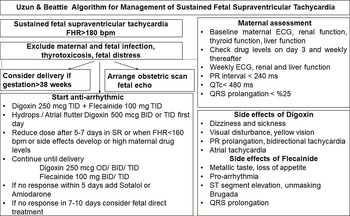
Significant fetal tachycardia was defined as an incessant fetal heart rate acceleration (sustained or intermittent) of more than 180 beats per minute that resulted in impaired cardiac function. Hydrops was considered when there was fluid retention in two or more fetal cavities. Arrhythmia type, conduction times, cycle length, and cardiovascular parameters were determined by previously established methods. Reference DeVore8-Reference Uzun, Babaoglu, Sinha, Massias and Beattie10 All fetal cardiac ultrasound studies were recorded on a digital archive (Echopac). Fetal supraventricular tachycardia management guidelines have been reviewed and approved by the Maternity Professional Forum and the Cardiff and Vale University Health Board since 2012 and previously by the Paediatric and Obstetric Directorates. Reference Uzun and Beattie9 All patients received 1 mg of digoxin and 300 mg of flecainide on day one. On day two, digoxin dose was reduced to 0.75 mg a day. The antiarrhythmic doses of each medication were adjusted according to well-established institutionally approved standard protocol utilised successfully in South Wales for the past 20 years and published previously in peer-reviewed journals (Fig 1). Reference Uzun, Babaoglu, Sinha, Massias and Beattie10,Reference Tunca Sahin, Lewis and Uzun11 All patients were admitted to hospital in the first few days of treatment, or longer in the presence of hydrops. Baseline and follow-up blood tests as well as maternal serum drug levels and electrocardiograms were performed at minimum weekly intervals for the first four weeks of treatment then as deemed necessary until delivery. All newborns were assessed from cardiovascular and developmental point of view after birth. Thereafter, they were followed up at regular intervals by a paediatric cardiologist and a paediatrician. If there were parental or medical concerns with developmental stage, learning, or gross motor functions of a child, a detailed neurological examination was performed by a paediatrician with expertise in childhood disabilities. The Ruth Griffiths mental developmental scale was used to assess the neuro developmental status of the affected children. Reference Huntley12 It is accepted that minor or subtle neurological deficits may not have been identified but these are of lesser clinical and functional significance. Antiarrhythmic treatment was not initiated automatically in newborns unless arrhythmia recurred postnatally. Asymptomatic children were discharged from cardiac follow-up if they remained arrhythmia-free for 6 months or 12 months after discontinuation of antiarrhythmic medication with a view to recalling them in teenage years for the last time.
Uzun-Beattie Algorithm for management of sustained fetal supraventricular tachycardia.

SPSS version 21.0 was used to analyse the data. Descriptive variables were represented as percentages and mean ± standard deviation or median according to distribution of the data which were determined by Kolmogorov–Simirnov test.
Results
Subject demographics
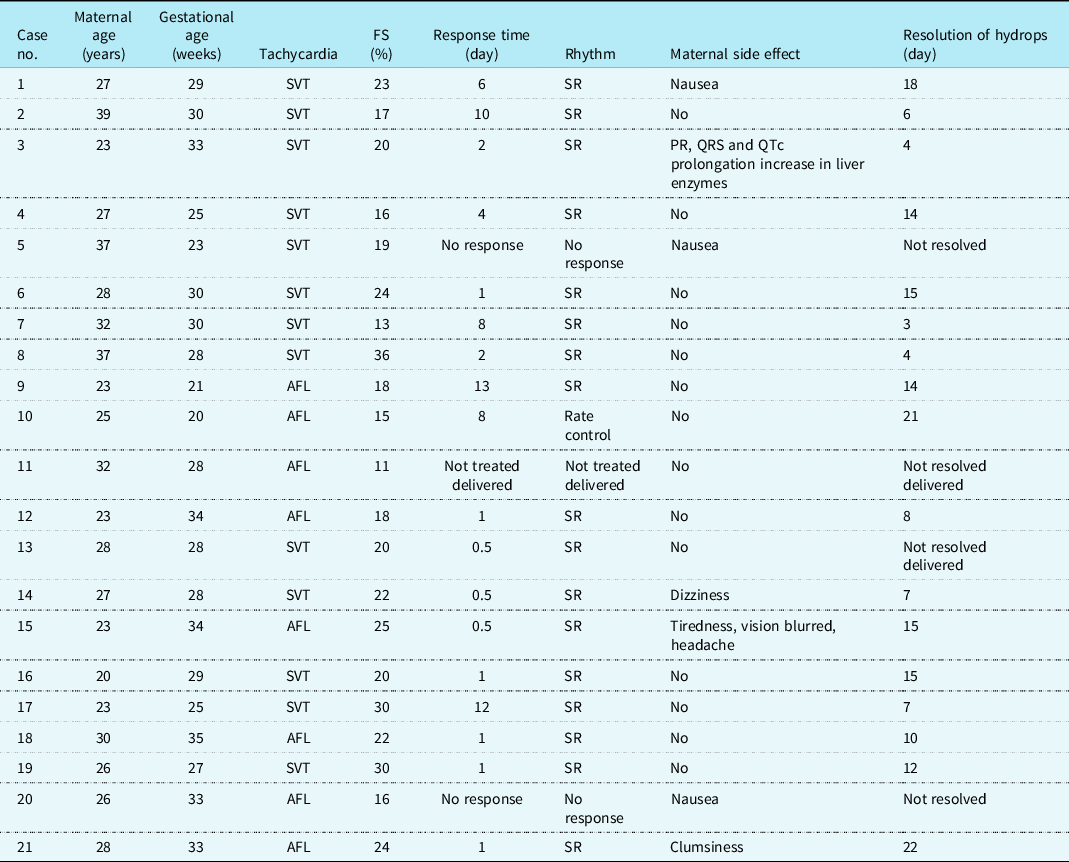
Hydrops fetalis was identified in 21 patients presenting with tachyarrhythmia between 20 and 35 weeks of gestation, with a median of 29 weeks. The maternal age at presentation was 20–39 years, with a median of 27 years. Supraventricular tachycardia was diagnosed in thirteen (62%), (two were intermittent), and atrial flutter in eight cases (one was intermittent). Whilst the median atrial rate was 430 beats/minute (range 300–480 beats/minute) and the ventricular rate was 230 beats/minute (range 180–260 beats/minute) in the eight fetuses with atrial flutter, the median ventricular rate was 245 beats/minute for supraventricular tachycardia (range 180–300 beats/minute).The demographic feature of the fetuses and their treatment details are represented in Table 1.
Maternal, fetal characteristics and clinical findings

AFL = atrial flutter; FS = fractional shortening; SR = sinus rhythm; SVT = supraventricular tachycardia.
Associated anomalies
The fetal cardiac anatomy was normal in all fetuses. Initially, one fetus was diagnosed with vein of Galen aneurysm and later developed supraventricular tachycardia. There were no chromosomal anomalies in any infants.
Intrauterine treatment
Except one fetus, who was delivered at 28 weeks of gestation at the time of presentation without any treatment, digoxin and flecainide high dose combination therapy was started in all 20 fetuses. Heart rate control was achieved in one (5%) and fast rhythm was converted to sinus rhythm in seventeen patients (85%). There were two refractory cases: one of them with supraventricular tachycardia neither responded to the combination treatment nor to sotalol. Even direct intra fetal injection of amiodarone was ineffective. This resistant case with severe hydrops and lung hypoplasia was subsequently delivered at 29 weeks of gestation due to fetal distress. The second fetus had atrial flutter diagnosed at 33 weeks of gestation, not responded to combination therapy, and was delivered at 36 weeks of gestation.
The time to restore sinus rhythm or to establish rate control of arrhythmia ranged from 12 hours to 13 days, with a median of 1.5 days. Hydrops resolved in 17 of the 20 fetuses, with a median resolution time of 12 days (range 3–21 days).
Non-hydropic fetuses
There were 42 fetuses in this group. Three fetuses delivered without any treatment and six fetuses with slow and intermittent atrial ectopic tachycardia who did not receive any medical treatment, were excluded from the analysis. 33 fetuses treated were included. Heart rate control was achieved in two (6%) and fast rhythm returned to sinus rhythm in 30 (91%) patients. There was no response to medical treatment in one patient. The median time to conversion to sinus rhythm or rate control was 2 days (range 0.5–18 days). There was no statistical difference between times of conversion to sinus rhythm in hydropic and non-hydropic fetuses (p = 0.976).
Postnatal outcomes
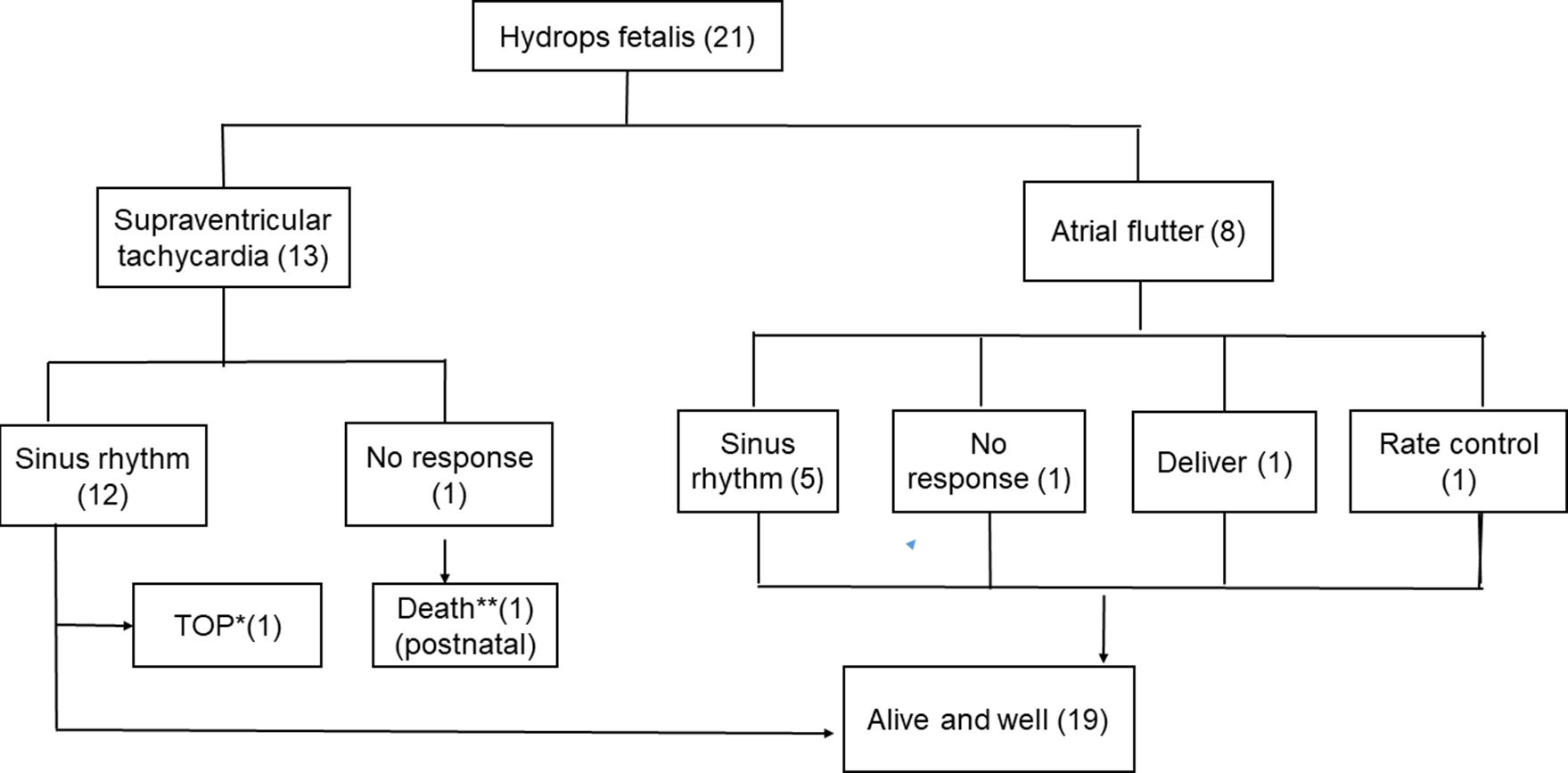
An extensive vein of Galen aneurysm complicated one case and the patient opted for termination of her pregnancy in spite of being in sinus rhythm with treatment. The remaining 20 babies were delivered alive (Fig 2). Median gestational age at delivery was 38 weeks (range 28–40) and median gestational weight was 3000 g, ranging from 1670 to 4240 g. 13 fetuses (61.9%) had spontaneous delivery, and seven induction of labour. There were eight (38.1%) Caesarean sections, with four being performed electively for obstetric reasons. There was one neonatal death owing to prematurity and related severe pulmonary hypoplasia and gross fetal ascites.
The outcome of fetuses with hydrops.
*: Although sinus rhythm was restored with treatment, pregnancy was terminated due to an aneurysm of the vein of Galen.
**: Postnatal death is not due to supraventricular tachycardia, but a consequence of prematurity and related complications.
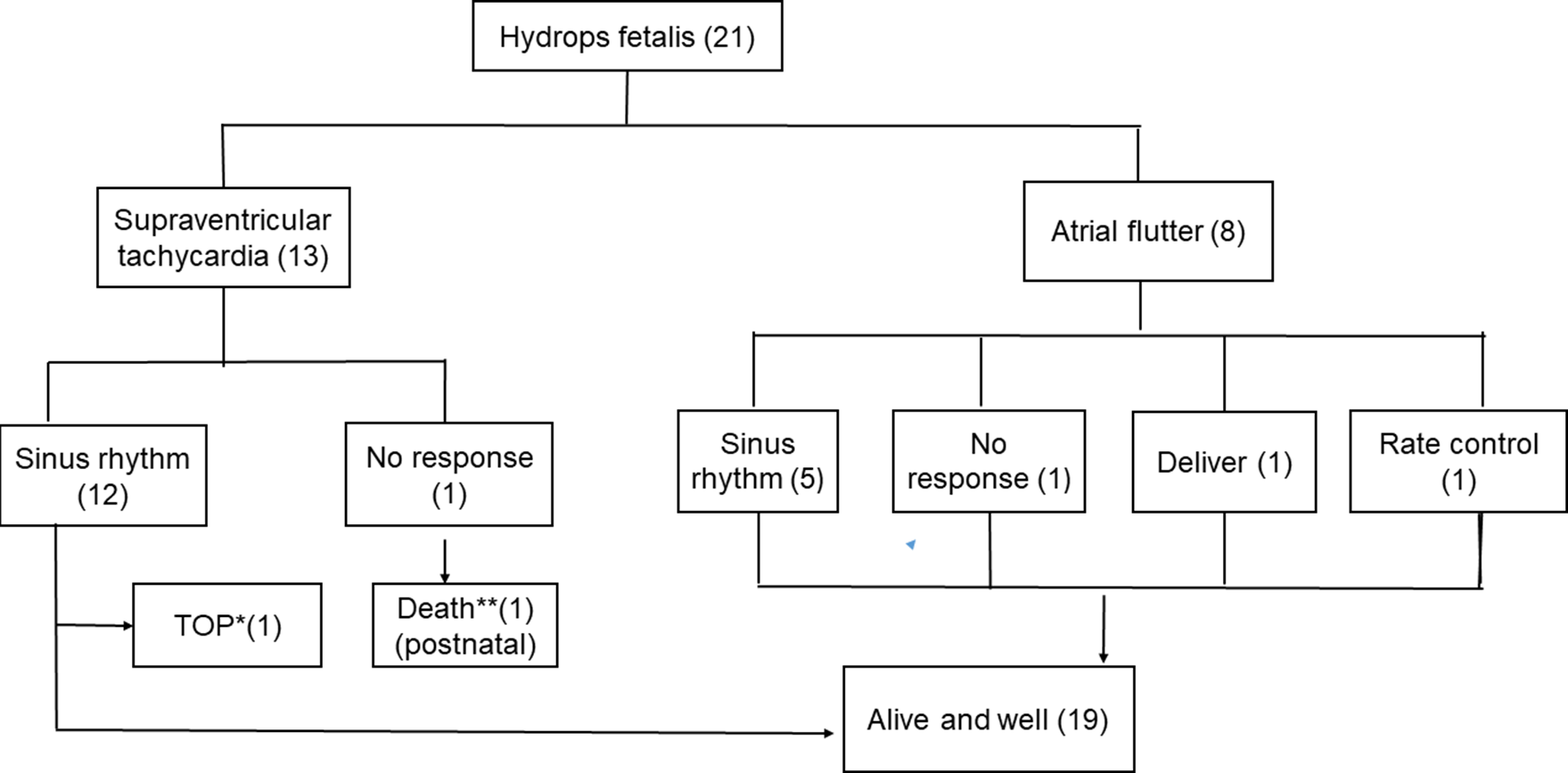
Out of the eight cases of atrial flutter, five neonates were born in sinus rhythm. Of the 20 cases with hydrops, 16 babies (80%) were delivered in sinus rhythm. Three babies (14.3%) were in atrial flutter at birth (with variable atrioventricular block) and were treated with DC cardioversion to restore sinus rhythm. One of these newborns with atrial flutter developed atrioventricular re-entry tachycardia a few hours after sinus rhythm was established.
Seven patients with sinus rhythm after birth had recurrence of supraventricular tachycardia beyond 24 hours. A total of nine children (one with atrial flutter) required postnatal antiarrhythmic treatment. All patients remained arrhythmia-free after discontinuation of treatment.
After birth, two newborns exhibited pre-excitation, one of whom had recurrence of atrioventricular re-entry tachycardia and required treatment for a few months. The other patient continued to show asymptomatic pre-excitation and elective radio frequency ablation was successfully performed at the age of 6 years because of his active involvement in sports.
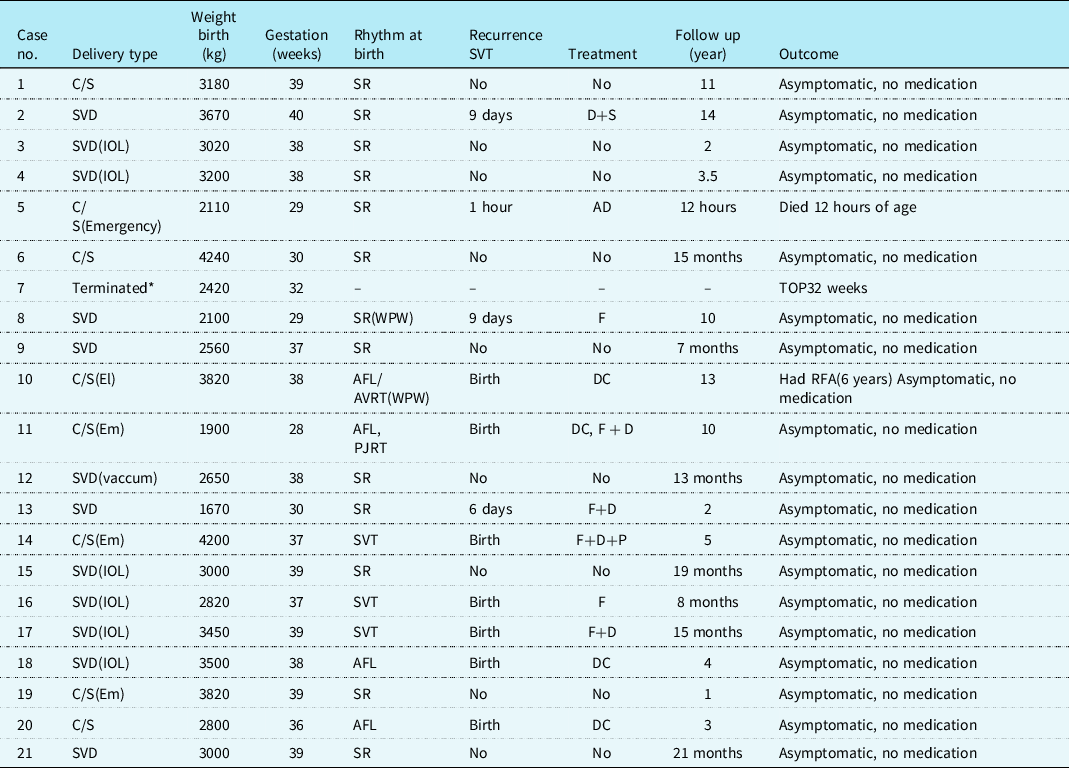
The median duration of follow-up was 36 months (range 7 months to 14 years). In non-hydropic group, one patient presented with atrioventricular re-entry tachycardia at age 15 and had her arrhythmia substrate successfully treated with radiofrequency ablation. No gross neurological morbidity was documented in the surviving neonates on their clinical assessment performed by a neonatologist, community paediatrician or paediatric cardiologist. If the children were still on antiarrhythmic medication in their school age, Ruth–Griffiths developmental scoring assessment was performed by the local paediatric experts. All children attended mainstream schools. Since no children exhibited gross neuro-developmental or locomotor disability, there was no need for further investigation or advanced imaging with CT or MRI. In Table 2, postnatal characteristics and clinical findings of the cohort are highlighted.
Postnatal characteristics and clinical findings
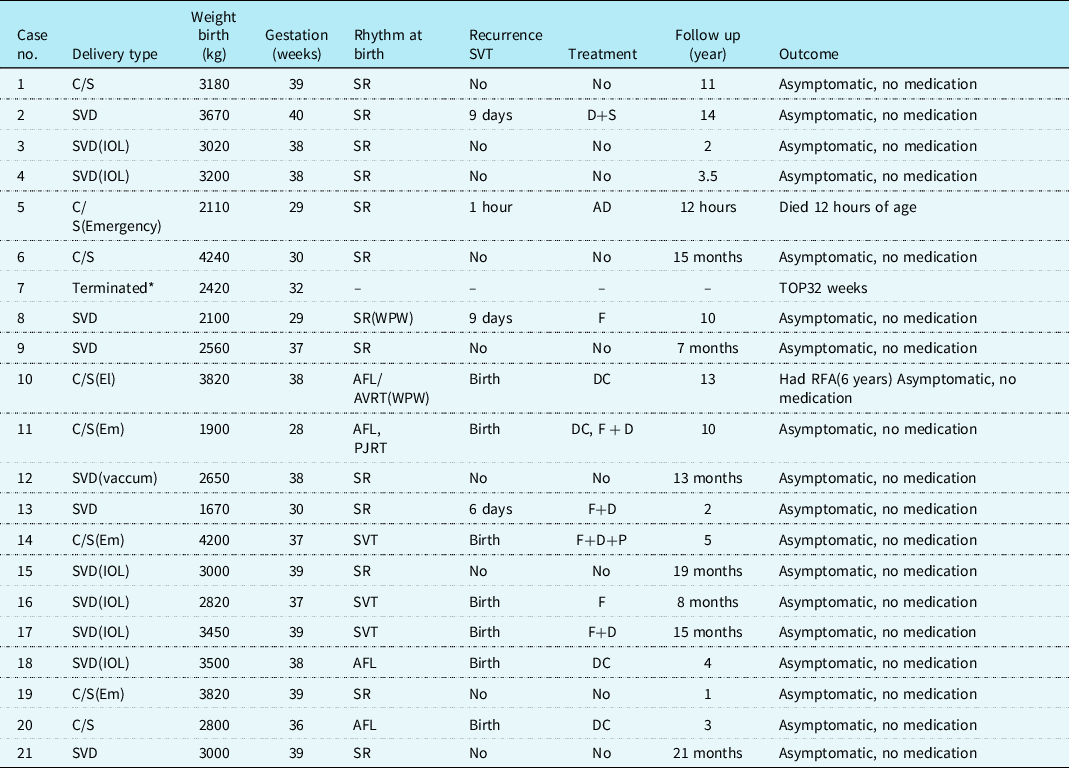
A = atenolol; AD = amiodarone; AFL = atrial flutter; AVRT = atrioventricular re-entry tachycardia; C/S = caesarean section; D = digoxin; DC = cardioversion; El = elective; Em = emergency; F = flecainide; P = propranolol; PJRT = permanent junctional reciprocating tachycardia; S = sotalol; SR = sinus rhythm; SVD = Spontaneous delivery; SVT = supraventricular tachycardia; TOP = termination of pregnancy; WPW = Wolff–Parkinson–White syndrome.
* : Although sinus rhythm was restored with treatment, pregnancy was terminated due to an aneurysm of the vein of Galen.
Maternal anti-arrhythmic tolerance
Nausea appeared to be the main side effect in three patients. One had minimal symptoms of dizziness and seeing stars in her visual field. One had tiredness, blurred vision, headache, and one had coordination issues causing clumsiness. Maternal ECG’s were compared before and after treatment. PR interval prolongation beyond 200 ms was observed in three patients, QRS widened beyond 25% of baseline in two patients, and corrected QT prolonged over 480 milliseconds in two patients. Upon dose reduction of the medications all side effects resolved rapidly and there was no need to cease or change the therapy.
Discussion
This study reassuringly shows that fetal hydrops caused by tachyarrhythmia can be treated effectively without any increased mortality or long-term untoward clinically significant developmental consequences. Lesser or subtle degrees of neurological impact have not been assessed and neuroimaging studies were not felt to be clinically indicated by the neonatologists managing these cases. Most published data suggest that the clinical presentation of the fetus depends on the fetal heart rate, the type of arrhythmia, and the time spent in abnormal heart rhythm. Reference Uzun, Babaoglu, Sinha, Massias and Beattie10 However, in this study, 15% of the cases, hydrops had developed in spite of intermittent tachyarrhythmia. Results of this study may help optimise parental counselling and management of fetuses presenting with sustained tachycardia. It is accepted that there is no directly comparative data for different treatment regimens within the study group but the observed good maternal and fetal outcomes compare favourably with both historical and more recently published data. In view of this it would be ethically difficult for us to justify randomising our patients to alternative treatment regimens which have limited data or have failed to show more favourable outcomes compared to that observed in our centre.
The incidence of hydrops fetalis associated with fetal supraventricular tachycardia has been reported to be as high as 40%. Reference Naheed, Strasburger, Deal, Benson and Gidding4,Reference Krapp, Kohl, Simpson, Sharland, Katalinic and Gembruch5 Moreover, the mortality rate of fetal supraventricular tachycardia has been shown to be as high as 35% in hydropic fetuses compared with 0–4% in non-hydropic fetuses thus further justifying the need for more effective treatment in hydropic fetuses. Reference Simpson and Sharland2 However, the existing fetal tachyarrhythmia treatment algorithms somehow fail to recognise the need for prompt and high dose antiarrhythmic treatment initiation, and instead, they still recommend stepwise dose escalation protocols. Reference Simpson and Sharland2,Reference O'Leary, Alexander and Bezzerides13-Reference Fouron20 Insistence on a single antiarrhythmic drug regiment may have also been responsible for these poor outcomes. Reference Simpson and Sharland2,Reference Oudijk, Michon and Kleinman17
The primary goal of antiarrhythmic therapy in the acute management of fetal tachyarrhythmia must be to restore sinus rhythm as soon as possible without compromising fetal and maternal health. Secondary goals are to control tachyarrhythmia rate, improve and resolve heart failure, and prevent preterm delivery.
No consensus has been reached on the first- and second-line therapy options for the management of fetal supraventricular tachycardia with or without hydrops. Although historically digoxin is the most commonly advocated first-line drug, it has limited utility in hydrops because of incomplete passage of the drug across the placenta. Reference Uzun, Babaoglu, Sinha, Massias and Beattie10 Digoxin has been advocated even in atrial flutter in spite of having no electrophysiological effect on the atrial flutter circuit. Nevertheless, its weak atrioventricular nodal blocking effect and inotropic properties may offer added benefit to the fetus when used in combination with other drugs such as flecainide which forms the basis of our combination protocol (of digoxin and flecainide) in the treatment of fetal supraventricular tachycardia. Its narrow therapeutic range requires careful monitoring with regular serum levels and 12 lead electrocardiograms to avoid toxicity. The side effects are not life threatening and consist of dizziness, tiredness and visual disturbance. Reduction of the drug dose or omitting one dose alleviate patients’ symptoms fairly quickly.
Flecainide is a potent antiarrhythmic drug and has been used safely in the treatment of maternal, fetal, and postnatal arrhythmias. Reference O'Leary, Alexander and Bezzerides13,Reference Vigneswaran, Callaghan and Andrews21-Reference Brugada, Katritsis and Arbelo23 Flecainide crosses the placental barrier and achieves therapeutic levels in fetal cord blood even in a hydropic fetus. Flecainide has 95% bioavailability with oral therapy in non-hydropic fetuses and as high as 80% in hydropic fetuses. Reference Allan, Chita, Sharland, Maxwell and Priestley24,Reference Sridharan, Sullivan and Tomek25 Flecainide is recommended as the first-line treatment of choice in fetal and maternal supraventricular tachycardia in recent studies. Reference Strizek, Berg, Gottschalk, Herberg, Geipel and Gembruch22,Reference Brugada, Katritsis and Arbelo23,Reference Hill, Kovach, Saudek, Singh, Wehrheim and Frommelt26,Reference Alsaied, Baskar and Fares27 Jaeggi et al Reference Jaeggi, Carvalho and De Groot16 reported that flecainide and digoxin were superior to sotalol in converting supraventricular tachycardia to a normal rhythm and in slowing both atrial flutter and supraventricular tachycardia to better-tolerated ventricular rates. It is however a fact that no single medication can achieve fast and complete conversion rates when used alone in some resistant cases unless they are combined with digoxin or another medication. Reference Uzun, Babaoglu, Sinha, Massias and Beattie10
There has been a misconception that flecainide is somehow unsafe to be used in children and adults due to its potential risk of causing sudden death. Reference Van der Heijden, Oudijk, Manten, ter Heide, Pistorius and Freund15,Reference Oudijk, Michon and Kleinman17,Reference Vigneswaran, Callaghan and Andrews21 This misunderstanding is derived from the CAST study conducted in adults suffering from arrhythmia after myocardial infarction. 28 Nonetheless, as it is like most antiarrhythmics, flecainide too has potential proarrhythmic affects which may occur more preferentially in patients with structural heart abnormalities or ischaemia. In fact, the adverse effects of flecainide in healthy population devoid of ischaemia are more commonly non-life threatening, which comprise of dizziness, headache, visual disturbance, paresthesia, tremor, flushing, nausea and vomiting. A contemporary multicenter review study performed in children with supraventricular tachycardia (associated with structural heart disease cardiomyopathy) demonstrated the efficacy and safety of flecainide as an antiarrhythmic drug and refuted such a risk derived from the adult CAST study results. Reference Cunningham, Uzun and Morris29 Intrauterine death purportedly linked to flecainide use in fetal supraventricular tachycarda has been reported in historical studies. However, the cause of fetal demise could have been related to the arrhythmia itself or myocardial dysfunction instead of being direct proarrhythmic effect of flecainide. Reference Simpson and Sharland2,Reference O'Leary, Alexander and Bezzerides13 The same investigators indeed have shown favourable outcomes and no mortality with the use of flecainide in their more contemporary studies. Reference O'Leary, Alexander and Bezzerides13,Reference Vigneswaran, Callaghan and Andrews21,Reference Strizek, Berg, Gottschalk, Herberg, Geipel and Gembruch22 The previous publications by our group and this current study also demonstrated the maternal and fetal safety of flecainide in the treatment of fetal supraventricular tachycardia with no mortality. This study employed robust monitoring of maternal serum drug levels and regular 12 lead electrocardiography review which may helped avoid flecainide related toxicity throughout pregnancy.
Flecainide and digoxin combination is likely to be complimentary because digoxin, with its positive inotropic and atrioventricular nodal blocking effect in hydropic fetuses, could improve cardiac function which in turn help potentiate the antiarrhythmic effect of flecainide. Reference Uzun, Babaoglu, Sinha, Massias and Beattie10 High-dose combination treatment of digoxin and flecainide from the point of diagnosis of fetal tachycardia (regardless of its mechanism) until delivery, resulted in excellent clinical outcomes (with no fetal mortality or neurological morbidity) over the past 20 years in our institution. In the present study, restoration of sinus rhythm or controlling the rate of arrhythmia was 90%. The median time to conversion or rate control was 1.5 days (range 12 hours–13 days) which stands out as one of the best results in the current literature. This study also demonstrated that the time to conversion to sinus rhythm or rate control in fetuses with hydrops is comparatively better (median 1.5 days) in this study than having been reported in previous publications (median 2–8 days).
There have been numerous reports on the high efficacy of sotalol in the management of fetal arrhythmias. Reference Van der Heijden, Oudijk, Manten, ter Heide, Pistorius and Freund15,Reference Shah, Moon-Grady and Bhogal30 However, high mortality rates of up to 8.5–30 % with sotalol in fetal supraventricular tachycardia associated with hydrops and potential maternal side effects have also been reported. Reference Oudijk, Visser and Meijboom19,Reference Van der Heijden, Oudijk, Manten, ter Heide, Pistorius and Freund15,Reference Brugada, Katritsis and Arbelo23 Nevertheless, further studies in recent years have been more reassuring that sotalol was effective and safe with no mortality in the management of fetal supraventricular tachycardia. Reference Van der Heijden, Oudijk, Manten, ter Heide, Pistorius and Freund15
Amiodarone has a more significant toxicity profile than other drugs, and is thus usually reserved as second-line or third-line therapy for drug-refractory tachycardia with hydrops and/or cardiac dysfunction. Reference Strasburger, Cuneo and Michon31-Reference Jouannic, Delahaye and Fermont33 Prolonged fetal exposure to amiodarone has been reported to cause biochemical and rare fetal clinical hypothyroidism and possible fetal growth retardation. Reference Strasburger, Cuneo and Michon31
The current study preferred the use of high doses of flecainide and digoxin combination instead of dose escalation in all arrhythmia cases. This is based on the intention to revert fetal tachycardia in the shortest time period by giving both medications at the optimum doses. Success and safety of such combination has been shown in previous studies with rapid conversion rates. Reference Hahurij, Blom and Lopriore3,Reference Krapp, Kohl, Simpson, Sharland, Katalinic and Gembruch5,Reference Uzun, Babaoglu, Sinha, Massias and Beattie10,Reference Tunca Sahin, Lewis and Uzun11 Flecainide is a class 1C antiarrhythmic agent that exhibits its antiarrhythmic effect by blocking sodium channels in cardiac tissues. Reference Krapp, Baschat, Gembruch, Geipel and Germer34 Flecainide significantly depresses accessory pathway conduction and prevents rapid conduction of atrial rate to the ventricles. In the presence of digoxin, this effect of flecainide is further potentiated because digoxin blocks the atrioventricular nodal conduction and negates flecainide’s possible untoward effect. That is caused by (flecainide) slowing of atrial flutter or fibrillation rates to below atrioventricular node’s refractory period and resulting in one-to-one fast atrial rate conduction to the ventricle over the atrioventricular node. In combination with digoxin, flecainide has been shown to yield 95% efficacy and no mortality in numerous reports. Reference Uzun and Beattie9,Reference Uzun, Babaoglu, Sinha, Massias and Beattie10,Reference Krapp, Baschat, Gembruch, Geipel and Germer34
Direct treatment of the fetus by application of amiodarone or other drugs in the umbilical vein is indicated only in cases of severe hydrops not responding to transplacental treatment.
In this cohort, amiodarone was used only in one case administered directly to a fetus who had neither responded to flecainide and digoxin combination, amiodarone or to sotalol.
Fetal tachycardia and subsequent hydrops is a known risk factor for the development of postnatal neurological damage. Haemodynamic compromise due to circulatory disturbances and sudden changes in heart rhythm predisposes the fetus to low cardiac output, cerebral ischaemia, and haemorrhage. Reference Oudijk, Gooskens, Stoutenbeek, De Vries, Visser and Meijboom35 The most important point therefore must be about controlling fetal supraventricular tachycardia associated with hydrops as quickly as possible, before any fetal neurological compromise ensues. This goal, can sometimes only be achieved by combining two or three antiarrhythmic agents, such as flecainide, sotalol, and digoxin, or early direct intrafetal antiarrhythmic injection instead of awaiting the results of dose escalation protocols over several weeks. In the present study no obvious gross neurological morbidity was documented in the surviving neonates which also lends support for the use of high dose antiarrhythmic combination therapy in all hydropic fetuses from the outset.
Conclusion
High doses of digoxin and flecainide combination offers a rapid, safe and effective control of fetal tachycardia (supraventricular tachycardia and atrial flutter) in fetuses with hydrops. The combination treatment is well tolerated by the fetus and the mother, with no fetal or maternal proarrhythmia, serious side effects or major neurological deficit. The results of this clinical review of our management protocol and outcomes may help guide clinicians when counselling in pregnancies complicated by fetal supraventricular tachyarrhythmia and hydrops.
Limitations
There are inherent limitations associated with any observational retrospective single centre study. Given the rarity of fetal supraventricular tachycardia and hydrops fetalis it is difficult to conduct comparative studies within one centre. However, this study reflects the most consistent approach to the treatment of hydrops fetal is caused by supraventricular tachyarrhythmia, as all cases reported here were assessed and managed by one fetal cardiologist and perinatologist throughout the study period. Fetal tachyarrhytmia is a rare occurrence and the number of hydropic fetuses enrolled in treatment protocols is also not big enough to derive definitive conclusions, It is likely that the ongoing international multicentre fetal supraventricular tachyarrhythmia treatment trial (FAST study) might provide more reliable information and outcomes when it is completed.
Acknowledgements
We would like to thank fetal medicine specialist Dr Christine Conner, obstetrician Dr Anju Sinha, fetal medicine lead midwife Judith Bibby, adult cardiologist Dr Peter O’Callaghan,midwives, nurses, ultrasonographers, radiologists, obstetricians, neonatologists, and paediatricians in referring peripheral hospitals, for their help and involvement in the management and follow up of these mothers and their babies
Financial support
The authors received no financial support for this review and/or authorship of this article.
Conflict of interest
The authors declared no conflicts of interest with respect to the authorship and/or publication of this article.
Ethics standards
Since the data were already collected and recorded as part of routine clinical work and for the purpose of periodical service evaluation process a specific ethical approval application was not considered necessary. Health Research Authority of the United Kingdom and South Wales Ethics Committee indicated that the reviews of this nature do not require ethics approval. The fetal medicine service standards and arrhythmia guidelines are routinely evaluated and updated every 5 years and this review was undertaken in line with institutional standards and with appropriate permissions from the relevant obstetric, maternity and paediatric institutional bodies. Results of the regular review forms the basis of institutional arrhythmia management guidelines for the South Wales Midwifery, Maternity and Obstetric Forum and are published online in the Health Board’s intranet platform. Institutional Research and Development Body has also given permission for the anonymised data to be utilised for the ongoing international multicenterfetal supraventricular arrhythmia study. The collected information was completely anonymised prior to retrospective analysis. GTS had official contract as a visiting research fellow with the University Hospital of Wales during the time of this review and analysis. All procedures relating to this review were carried out in accordance with the Declaration of Helsinki.
Authors contribution
OU, as a fetal cardiologist had primary responsibility for the diagnosis of arrhythmia, RBB and OU on the treatment of the fetuses with tachycardia. RBB, as a fetal medicine specialist, was responsible for assessing well-being of the pregnant women and the fetus (with OU) from the time of diagnosis to the delivery. RBB was responsible for formulating investigations prior to embarking on antiarrhythmic medications. He had full responsibility in the prescription and dose adjustment of antiarrhythmic medications, surveillance and management of maternal side effects, ensuring regular adult cardiology review of the mother and fetal cardiology review on the fetus. RBB, OU and GTS contributed to the collection and analysis of the data, writing of the manuscript and responding to reviewers’ comments. OU and RBB supervised GTS in data collection and analysis of the results during her clinical attachment at the University Hospital of Wales as a visiting research fellow. RBB, GTS and OU equally contributed to the paper in all stages by systematically organising the data, critically appraising, and writing of the manuscript.