Introduction
Burials, as intentionally created contexts, are the product of ritual practices, sanctioned by socially negotiated norms (e.g. Hofmann Reference Hofmann, Eggert and Veit2013; Nilsson Stutz Reference Greiner2003; Reference Nilsson Stutz, Brandt, Prusac and Roland2015). Mortuary practices not only reflect how the deceased were perceived by their loved ones, but also the ritual prescriptions and conventions of the burying community. Beyond reflecting social relations and deathways, burial rituals are also affirmative and highly socializing, creating and reinforcing connections both between the living and the deceased and among the burying community (e.g. Augstein Reference Augstein, Karl and Leskovar2013; Nilsson Stutz Reference Nilsson Stutz2010). These aspects of burial are even more pronounced in the case of tombs that witness repeated reopening for the successive interment of several corpses. A new burial which entails a revisitation of older interments is likely to prompt not only visual, sensory and emotional, but also social reactions among participants. Reopening a grave for subsequent burials may raise moral scruples, as the current British debate on tomb reuse illustrates (Rugg & Holland Reference Rugg and Holland2017). At the same time, the long-standing desire for family members to be buried together ‘in perpetuity’ exemplifies the fact that repeatedly reused tombs also tangibly reify the past and evoke supra-individual as well as inter-generational memories. Beyond creating, communicating and recalling memories relating to the ‘recent’ deceased, reused graves provide communities and groups with specific opportunities to engage with the dead and may promote notions of belonging, descent and ancestorship (Hill & Hageman Reference Hill and Hageman2016).
The reuse of tombs forced a community into negotiating, formalizing and ritualizing the way in which it dealt with bodies and objects previously deposited. Recognizing this fundamental exigency, shared across all cultures, we argue that in the case of multiple and collective burials, tomb architecture was of only secondary importance (and sometimes even prejudicial) to the social aspect of mortuary practice. We do not deny that the configuration of a tomb may have enabled, shaped or even defined some actions and practices, and restricted others. However, grasping the specificity of the role of architecture and burial features makes it even more important to dismantle pre-defined categorizations that prioritize tomb types, funerary architectures and grave structures, and instead focus in on practices of deposition, manipulation and redeposition. By integrating both the dead body and the associated objects into our analysis, we hope to provide insights into not only the ‘practical’, but especially the social choices involved in these practices. Our aim is to gain a better understanding of tomb reuse and post-burial practices in a local and regional context, rather than to put forward a globally valid interpretation or methodology.
As a case study, we use the well-documented necropolis of the Giarnera Piccola in modern-day Ascoli Satriano in northern Apulia. In this region, in Archaic and Classical times (seventh–fourth centuries bc), single inhumations in simple pit graves were the common burial practice. There is, however, consistent evidence for multiple depositions in reused tombs that have often been overlooked or only touched upon briefly. Focusing on depositional behaviour and post-depositional practices, we want to highlight the complexity and variability of the practice of tomb reuse and examine the different strategies adopted for dealing with human remains. Taking into account the plasticity, materiality and post-mortem agency of ‘old’ human remains, we examine the ritual practices employed in acting on and engaging with them, and consider the opportunities which these may have afforded for shaping and reshaping relationships among the living and between the living and the dead (Crendall & Martin Reference Crendall and Martin2014; Devlin & Graham Reference Devlin and Graham2015; Fahlander & Oestigaard Reference Fahlander and Oestigaard2008; Gramsch Reference Gramsch, Tarlow and Nilsson Stutz2013; Nilsson Stutz Reference Nilsson Stutz, Fahlander and Oestigaard2008; Rebay-Salisbury et al. Reference Rebay-Salisbury, Stig Sørensen and Hughes2010). Our microarchaeological focus aims at more nuanced conclusions regarding the meaning and social significance of multiple depositions, both in the local community at Giarnera Piccola and in the wider context of northern Apulia.
Theoretical framework
In archaeology, the reuse of graves for subsequent burials and the intentional grouping of individual graves are often regarded as two sides of the same coin (Bérard Reference Bérard2017, 253–4; Greiner Reference Greiner2003: 107), and in terms of strategies for expressing social affiliation this may have been true of some cultural contexts. Nevertheless, there are significant differences. On an ideological level, the spatial arrangement of single graves may have reflected, or created, a hierarchy. In the case of tumulus burials, for instance, the arrangement of a central chamber with subsequent ‘satellite’ burials in pit graves on the periphery of the mound may have expressed a differentiation between the ‘main’ and the ‘minor’ deceased. In contrast, such a clear succession in terms of prominence and temporal sequence is not always discernible in collective mortuary contexts, and this may have tended to lead to an ‘anonymization’ (Blin & Chambon Reference Blin and Chambon2013) or, at least, to an ‘ambiguity’ (Sørensen Reference Sørensen2016) of the individual within the broader group of the deceased. What connects repeatedly reopened and reused tombs, regardless of their architectural form, and sets them apart from intentionally grouped individual graves, is that the act of reopening inevitably involved immediate engagement and interaction with the material remains of previous depositions, both bodies and associated goods.
Encompassing complex cycles of deposition, relocation, manipulation and redeposition, the reuse of tombs may result in palimpsest-like assemblages, where distinctions between practices referring to the—possibly multi-stage—treatments of earlier interments and those associated with later depositions (Osterholtz et al. Reference Osterholtz, Baustian and Martin2014) are blurred. Secondary or post-burial practices are often presumed to have been of marginal relevance. Regarded as purely instrumental and pragmatic, they are seen as having consisted of a mere pushing aside of the older interments to clear the space for the later deposition, which, by implication, took precedence. It is reasonable to suppose that a recent death would both have triggered fresher grief and more immediately threatened the social equilibrium of a group than reengagement with the remains of ‘older’ deceased, whose biological deaths had occurred some time previously. However, this should not exclude the possibility that older corpses, at various stages of decomposition, may have received a more complex treatment than is archaeologically visible in most cases.
Although the latest interment appears to take precedence, the treatment of the remains of older corpses may have constituted an integral part of the later burial ceremony. Retrieving, disarticulating and redepositing or reburying human remains and grave goods may have been part of a ‘funerary cycle’ (Weiss-Krejci Reference Weiss-Krejci, Agarwal and Glencross2011) or ‘chaîne opératoire funéraire’ (Valentin et al. Reference Valentin, Rivoal, Thevenet and Sellier2014), marking one of the final stages within a process of gradual social dying (Robb Reference Robb, Tarlow and Nilsson Stutz2013). Within a wide-ranging symbolic spectrum, ‘old’ human remains may have represented a remembered individual person or body, a representative of the de-individualized state of ancestorship, or inert material that had moved beyond memory (Chénier Reference Chénier2009). The repeated handling of human remains may thus have accentuated the personhood of the dead and the integrity of their bodies or, alternatively, redefined their ontological status and actively transformed them ‘from named persons to a symbolic collective’, i.e. ‘from experiential and personal to abstract and referential’ (Kuijt Reference Kuijt2008, 177). For the burying community, engaging with previous interment(s) may have offered an arena for negotiating identities and the social order, either by reaffirming and strengthening, or by challenging and reshaping them.
Methodology and terminology
Our methodological framework draws on Scandinavian microarchaeology, whose techniques are exceptionally well suited for dealing with collective mortuary contexts and post-burial practices, as they approach the archaeological record from the bottom up and detect material patterns resulting from past practices or series thereof (Cornell & Fahlander Reference Cornell and Fahlander2002; Fahlander Reference Fahlander2003; Reference Fahlander2016). This perspective accords strongly with new approaches in the archaeology of death and burial which, instead of assuming that graves are static, closed contexts or materialized ‘snapshots’ of funerals, regard them as complex and dynamic features which may comprise multi-stage events and a multitude of post-depositional practices (e.g. Gardeła & Kajkowski Reference Gardeła and Kajkowski2015; Hutchinson & Aragon Reference Hutchinson and Aragon2002; Kümmel Reference Kümmel2009; Weiss-Krejci Reference Weiss-Krejci, Delaplace and Valentin2015). We complement our microarchaeological methodology with categories and concepts drawn, in particular, from French archaeothanatology (Duday Reference Duday, Gowland and Knüsel2006; Reference Duday2009; cf. Crevecoeur et al. Reference Crevecoeur, Schmitt and Schoep2015; Knüsel Reference Knüsel2014; Knüsel & Robb Reference Knüsel and Robb2016; Nilsson Stutz Reference Nilsson Stutz2003, 131–59), combining minute observations of culturally coded features of the deposition and treatment of the corpse with an attention to natural processes of decomposition and taphonomy.
Based on this integrative methodological framework, we distinguish between the following types of mortuary deposits and depositional behaviour in inhumation graves:
1. mortuary deposits with more than one primary deposition
2. mortuary deposits with both primary and secondary deposition(s)
manipulation practices in the course of secondary deposition(s)
i. reducing the body
ii. reconstructing the body
iii. relocating the body
3. mortuary deposits with only secondary deposition(s)
From an archaeothanatological perspective, it is essential to distinguish between two basic types of deposition (Kerner Reference Kerner2018, 52–8). A deposition is primary when a body, or a part of it, is inhumed as a ‘fresh’ corpse whose anatomical articulations are still intact. As this refers to the moment of original deposition and not of archaeological excavation, the definition excludes neither natural taphonomic processes nor anthropogenic perturbations that may have impaired the body's integrity or altered its position. In contrast, a secondary deposition (not to be confused with a secondary burial as an element of a pre-planned, multi-stage funeral) means the intentional movement of partially or completely disarticulated remains from an original to a final place of deposition. The rearranging of disarticulated remains within the burial feature in which the corpse was originally deposited and had already decomposed is referred to as reduction (Kerner Reference Kerner2018, 67–70, 150–72). Secondary deposition outside the original feature, e.g. alongside or on the cover of a pit grave, is not subsumed under this term (Duday Reference Duday2009, 72), although sometimes included in the broader definition of a ‘transferred reduction’ (Kerner Reference Kerner2018, 153).
This distinction is primarily analytical, however. First, as the notion of what constitutes a ‘tomb’ is culturally variable, the spatial differentiation between a mortuary feature and its external surroundings does not imply an interpretative significance. On a methodological level, even fine-grained archaeological analyses cannot prove beyond doubt that secondarily deposited remains in fact decomposed in the tomb where they were recovered, as is normally assumed in the case of ‘reused’ graves with subsequent depositions, and were not transferred there after having decomposed elsewhere. We provide an in-depth reading of a ‘bundle’ of disarticulated bones (2/03: see Figure 8) that were redeposited in a cavity beneath a primary deposition and argue for a reduction within the tomb, without ruling out problems such as partial preservation or alternative scenarios such as a post-funeral transfer to the tomb. In contrast, we also present the case of a deposit with only secondary depositions (3/08: see Figure 19), none of which were reductions, since all had been transferred to this feature after temporary deposition elsewhere. Moreover, it is sometimes difficult to distinguish intentionally redeposited remains from taphonomically altered or accidentally disturbed ones, as we illustrate by the case of external secondary depositions on the coverings of two exceptional tombs (3/10 and 3/12: see Figure 16).
When it comes to mortuary deposits that contain the remains of more than one body, the most important variable influencing the formation of the archaeological record is temporal sequence, i.e. the time span between the depositional episodes (Roksandic Reference Roksandic, Haglund and Sorg2002). A mortuary deposit is regarded as synchronic, or, in the usual archaeological parlance, a double or multiple tomb, when the individuals were deposited at the same time. When individuals were deposited successively in the same feature, we refer to a diachronic mortuary deposit or a collective tomb. On a more general level, the temporal choreography of reopening and reusing a grave is comparable across all types of tomb and encompasses the following stages: (1) deciding to refer to and reuse a specific tomb; (2) opening the tomb and uncovering the previous deposition(s); (3) re-treating and manipulating the material remains of the previous deposition(s), both body and associated objects; (4) depositing and treating the new corpse; and (5) closing the tomb and performing associated actions. Of this cluster of practices, all but the first are archaeologically visible and may be reconstructed. However, it is to the invisible decision-making stage that the crucial question of the identity of the deceased relates, focusing on what unites the dead apart from sharing the same tomb. Suggested answers commonly relate to kinship structures and familial affiliations, or to similarities in age, sex/gender, or status, but these can only be verified scientifically by systematic application of genetic analyses. A recent quantum leap in cutting-edge aDNA research (cf. Meyer et al. Reference Meyer, Ganslmeier, Dresely, Alt, Kolář and Trampota2012) will break ground for future studies, though the highly variable relationship between biological and socially constructed kinship remains a complex issue, very much dependent on social and cultural perceptions (Röder Reference Röder, Kienlin and Zimmermann2012).
Case study and cultural setting
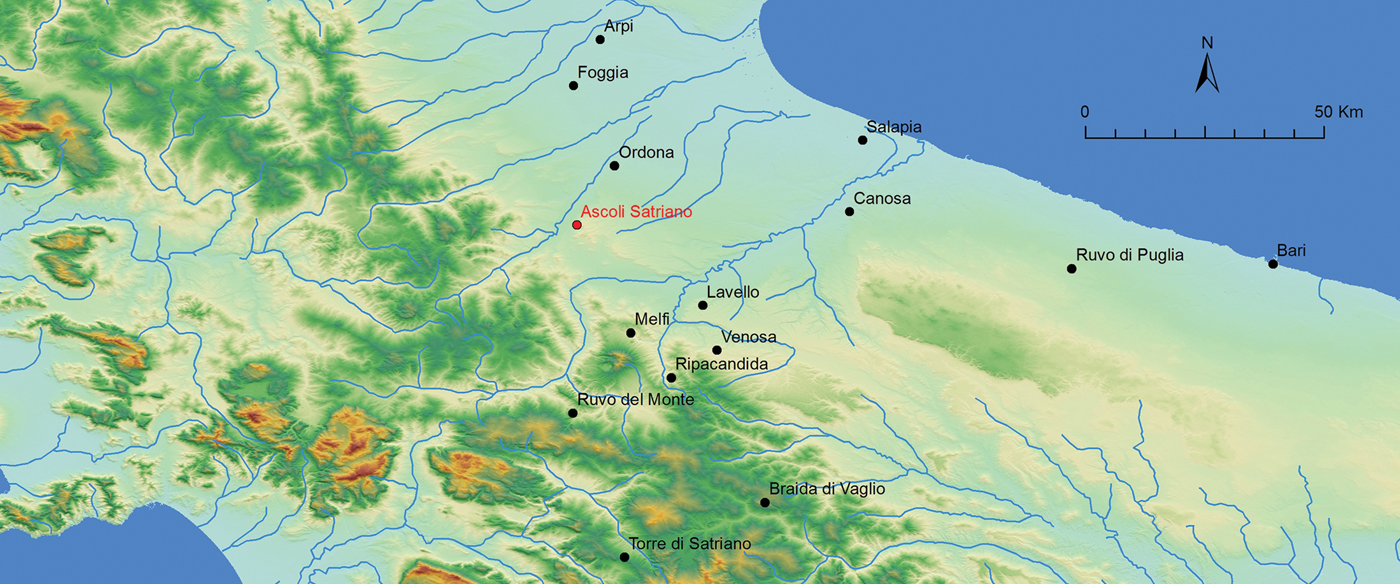
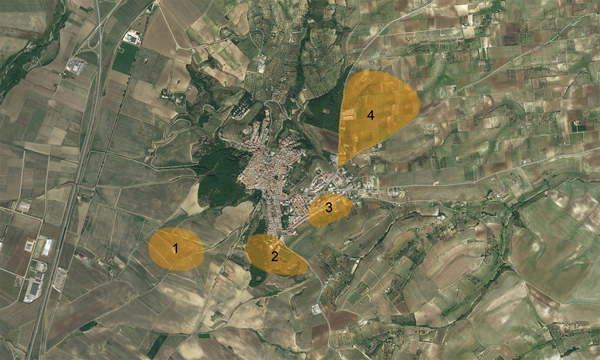
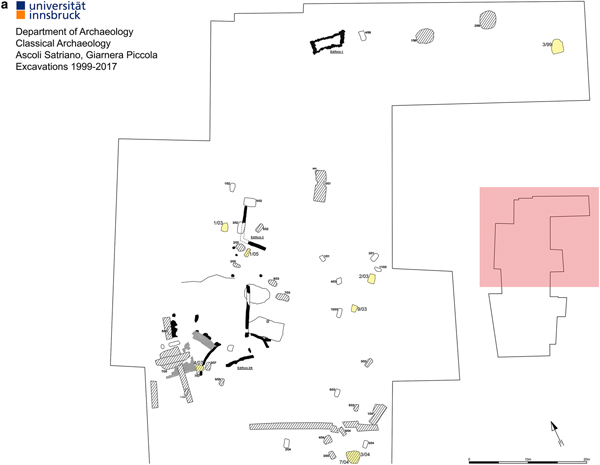
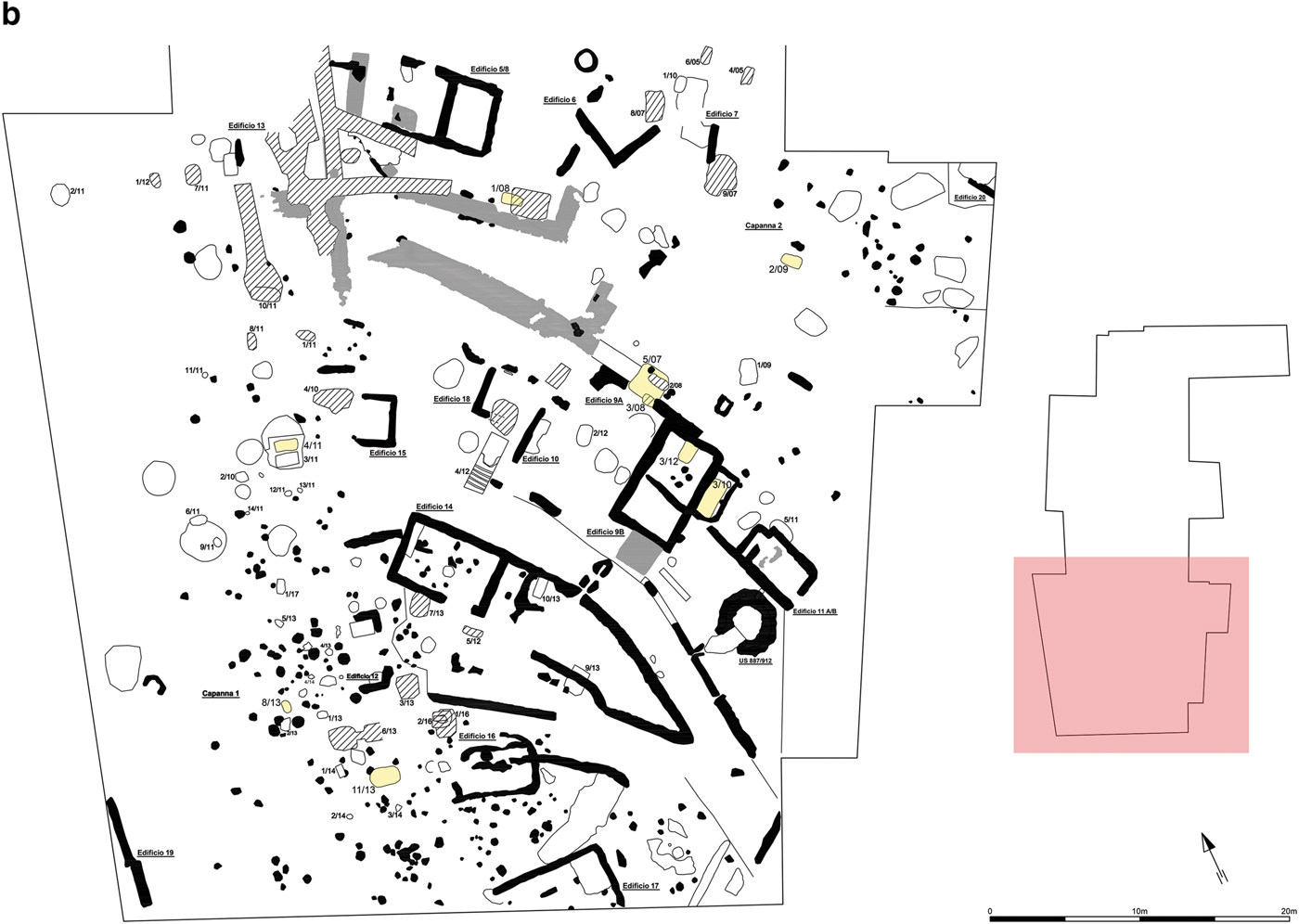
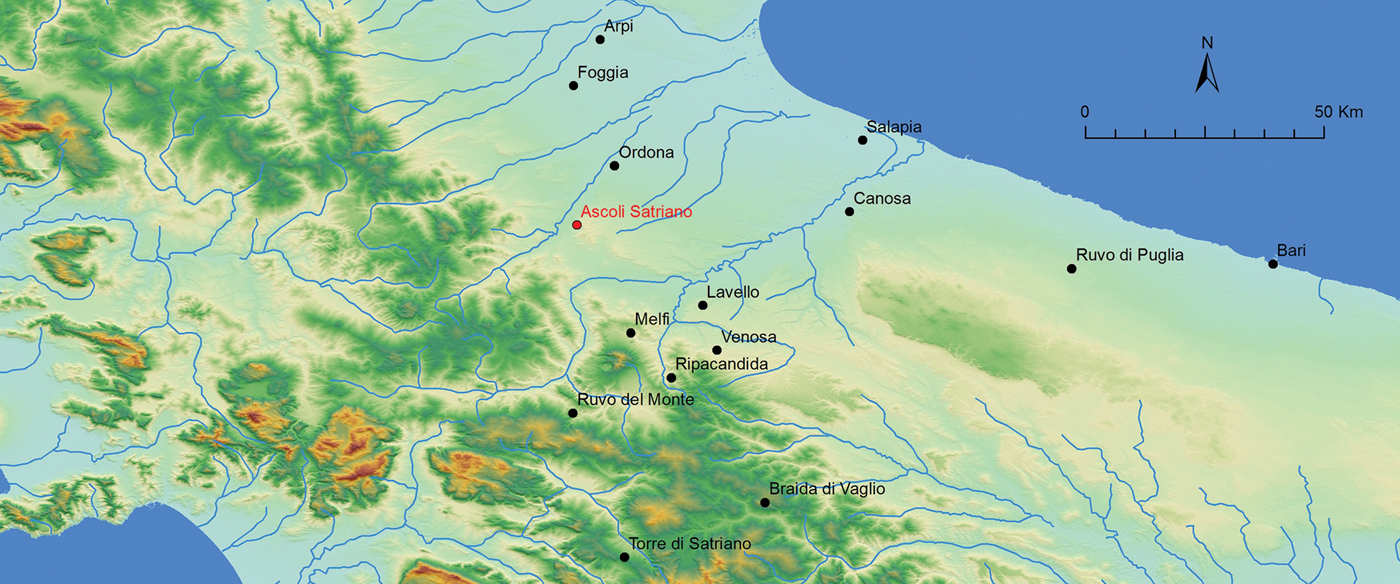
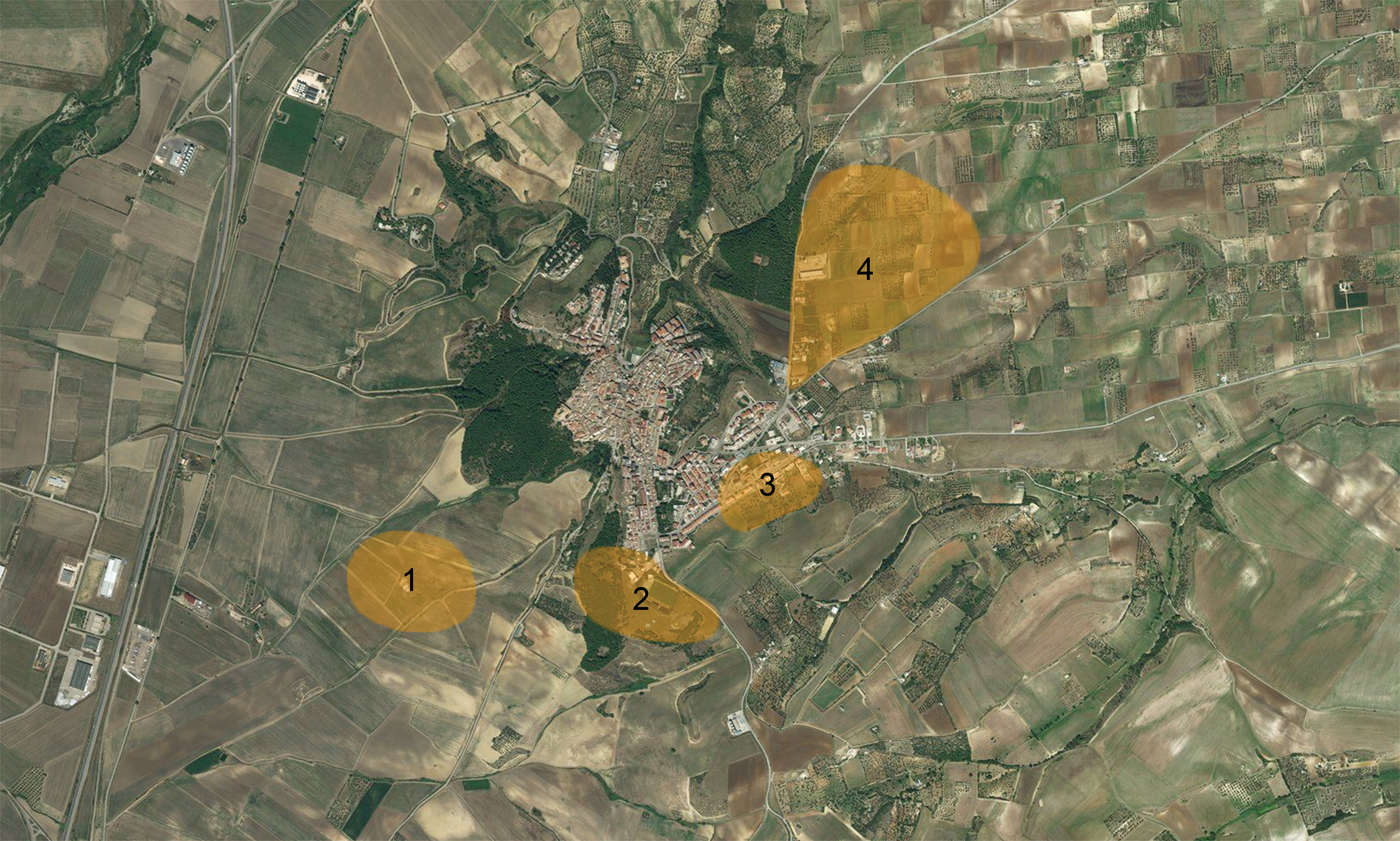
In southeast Italy in the first half of the first millennium bc, the deceased were predominantly placed in single pit graves (Yntema Reference Yntema2013, 72–8, 130–37). This was also the case at Ascoli Satriano, which is situated at the edge of the plains of northern Apulia, at the transition to the hilly southern Apennines (Fig. 1). The site has long been recognized as a major settlement on the margin of the territory associated with the indigenous Daunian population in the Late Iron Age and Archaic–Classical period. The majority of the documented remains consist of burial evidence ranging from the seventh to the third centuries bc (Fig. 2). The first excavations were carried out in 1965/66 on the Colle Serpente, in the area of San Rocco, and in the large necropolis of the Cimitero Vecchio (Tinè Bertocchi Reference Tinè Bertocchi1985). Later archaeological activities concentrated on various zones on the Colle Serpente hilltop (Fabbri & Osanna Reference Fabbri and Osanna2002; Reference Fabbri, Osanna, Nava and Osanna2005; Fabbri et al. Reference Fabbri, Mazzei, Osanna and Virtuoso2003; Larcher & Defranceschi Reference Larcher and Defranceschi2012; Larcher & Müller Reference Larcher, Müller, Volpe, José Strazzulla and Leone2008; Osanna Reference Osanna, Volpe, José Strazzulla and Leone2008), at Valle Castagna, close to San Rocco, where a small rescue campaign was carried out (Corrente & Liseno Reference Corrente, Liseno and Gravina2010) and, in particular, in the area of the Giarnera Piccola, to the southwest of the present-day village, where Austrian archaeologists have conducted extensive investigations (Laimer Reference Laimer and Gravina2016; Laimer & Larcher Reference Laimer and Larcher2006; Larcher & Laimer Reference Larcher and Laimer2010a,Reference Larcher, Laimer and Gravinab; Reference Larcher and Laimer2013; Figs 3a & 3b).
Southern Italy with pre-Roman sites in modern Basilicata and Apulia. (Map based on Copernicus data and information funded by the European Union – EU-DEM layers.)
Burial evidence in the area of Ascoli Satriano. (1) Giarnera Piccola; (2) Colle Serpente; (3) Valle Castagna/San Rocco; (4) Cimitero Vecchio. (Map based on Google Earth.)
Map of excavated area, Ascoli Satriano/Giarnera Piccola, northern sector. Yellow = tombs mentioned in the text; hatched = disturbed/looted areas.

Map of excavated area, Ascoli Satriano/Giarnera Piccola, southern sector.

The typical eighth- to fifth-century bc rectangular pit graves (tombe a fossa) were covered by stone slabs and were sometimes floored with pebbles. Children were frequently buried in shallower pits and occasionally in vessels (enchytrismoi). In the fifth, and especially in the fourth century bc, the area witnessed the construction of elite chamber tombs, of which the tomba a grotticella, carved out of the local, mostly conglomerate rock, was the earliest but most persistent type. While the burial chambers of grotticella tombs was accessed from the side via dromoi, refilled directly after burial, the cavities of fossa graves were accessed from above by removing the covering of stone slabs, which rested on the surrounding earth or on stones lining the sides of the pit. At Ascoli Satriano, evidence that such cavities once existed is provided by the fine, almost sterile material around the interments and grave goods; this probably slowly trickled in through a roof consisting of either stone slabs or wooden beams with stones on top. Since the corpses were buried in a void in both fosse and grotticelle, once the refill of the pit shaft or the dromos had been removed, the reopening procedure would have been largely similar. The reuse of the tombs, moreover, testifies that their locations must have been highlighted in some way, although we do not know how (cf. Burkhardt Reference Burkhardt2013, 177f).
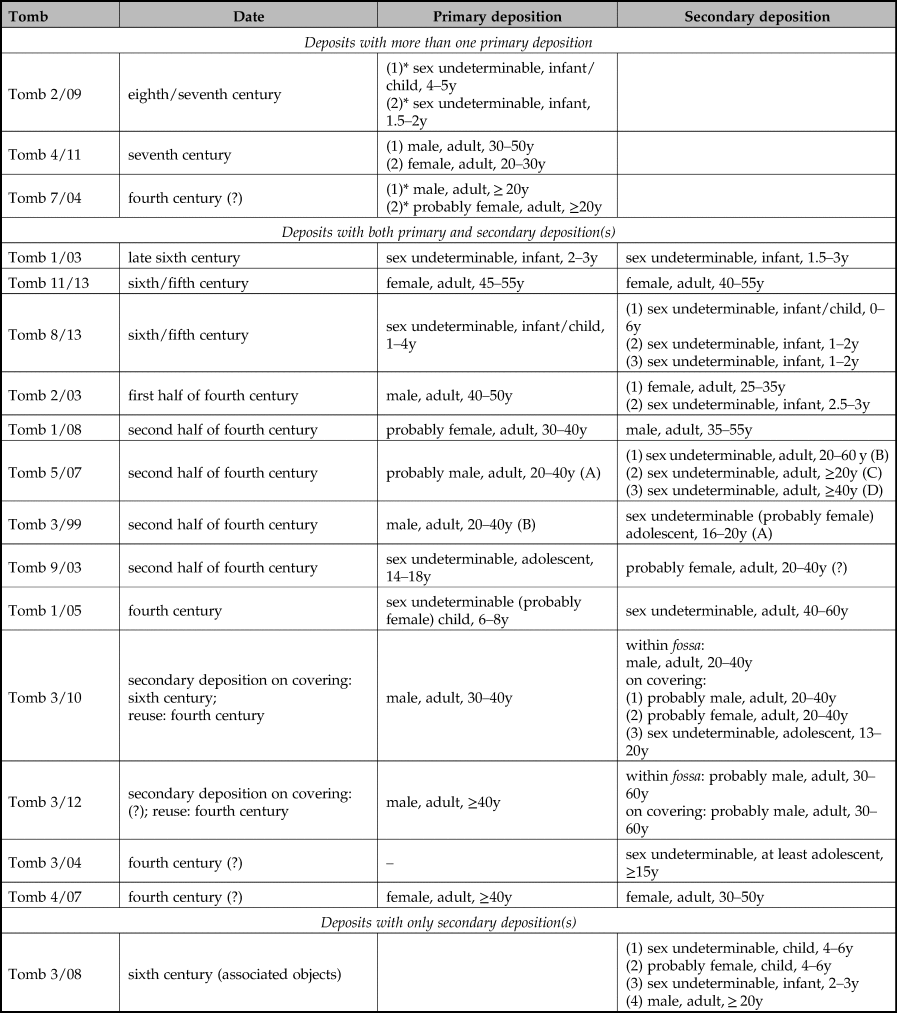
While grotticella tombs were for the most part designed to be reopened for successive depositions (for a single-use chamber tomb from the Colle Serpente, cf. Larcher & Defranceschi Reference Larcher and Defranceschi2012), most pit graves, at least at the Giarnera Piccola, house single inhumations. Nevertheless, the reuse of fossa graves for subsequent burials is a common phenomenon from at least the fifth century bc onwards. Of the 90 tombs in the Giarnera Piccola from the seventh to the fourth centuries bc, 18 contained more than one deposition. Tomb reuse transcends categories of gender, age and social standing and encompasses a remarkable variety of post-burial practices. Since the original site reports on the Giarnera Piccola are fully accessible to the present authors, the choice of this site as a case study has allowed us to draw on highly detailed information for this paper (see Table 1).
Ascoli Satriano, Giarnera Piccola: mortuary deposits discussed.†
* Probably primary depositions, although simultaneous versus successive deposition undetermined.
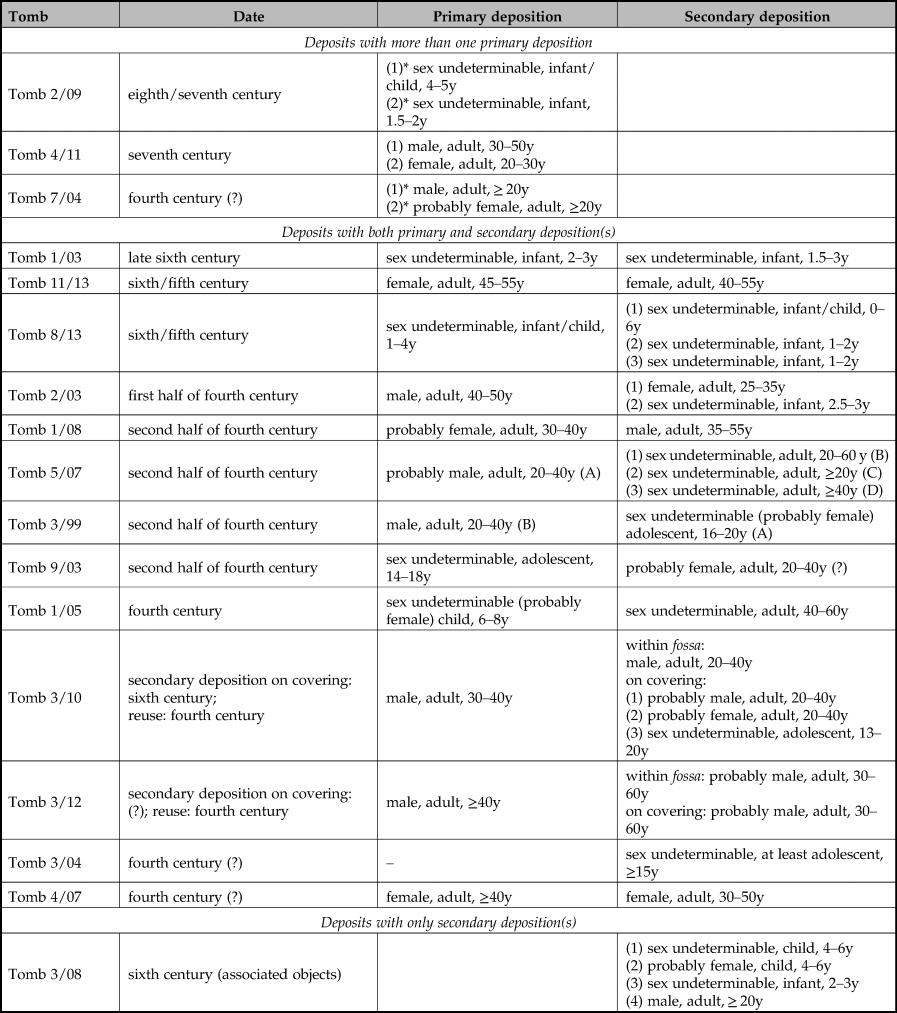
†Grotticella tomb 1/04, with two depositions, had been looted and is therefore not included in our discussion. K.v. Heyking and F. Immler (AnthroArch GbR, Munich) conducted the anthropological analyses. Sex and age determination were based on the methodological protocols outlined by the Global History of Health Project codebook and Rösing et al. (Reference Rösing, Graw and Marré2005).
1. Deposits with more than one primary deposition
Synchronic mortuary deposits containing two or more primary depositions stir up more interpretative debate than this technical term may suggest. ‘Double burials’ tend to be interpreted in a stereotypical fashion that normalizes and familiarizes the archaeological record: individuals in mixed-sex adult burials are conventionally regarded as being husband and wife, and graves with the remains of a woman and a subadult as the burial of a mother with her child. Burials with three or more individuals of different sex and age are seen as reflecting familial relationships, often conceptualized as nuclear families or households. We wish to step back from macro-level interpretations based on kinship and gender and instead focus, from a microarchaeological perspective, on what ‘sharing’ a tomb meant in terms of the deposition, treatment and decomposition of the corpses. Simultaneous deposition of two corpses does not necessarily imply simultaneous death. More important for our case study than the possibility of delayed primary deposition, however, is the fact that even proving that two depositions were performed simultaneously is far from straightforward (Bérard Reference Bérard2017, 276–9; Duday Reference Duday, Raoult and Drancourt2008; Knüsel Reference Knüsel2014, 45). Without signs of reduction in the case of the corpse deposited first, it is difficult, if not impossible, to determine whether two individuals were buried simultaneously, so that the tomb represents a ‘closed’ single-phase record, or successively, in two separate depositional episodes.
Three burials from the Giarnera Piccola exemplify this complex issue. Tomb 4/11 (Fig. 4), a deep pit dating from the seventh century, housed two adults, a female and a male (Larcher & Laimer Reference Larcher and Laimer2013, 34–7; for the anthropological data, see Table 1.) They were placed in flexed positions, facing and holding each other. Their poses literally embodied an intimate bond, creating a final corporeal image of the deceased that may have been memorized by their loved ones. This arrangement is highly suggestive of simultaneous burial, as are the associated objects, since aside from objects of personal adornment, sharing a tomb in this case also meant sharing grave goods. A plain-ware olla, with a matt-painted one-handled cup (attingitoio) inside it, was deposited at the feet of the deceased. The olla and attingitoio form the standardized vessel set in pre-Roman northern Apulian burials. Usually there is a set for each of the deceased, but in the case of this burial the set is common property.
Tomb 4/11. (Drawing: M. Laimer.)

At first glance, grave 7/04 (Fig. 5) presents a similar picture. This fossa tomb had been looted, but the position of the two corpses remained intact. The two adult individuals, one male, the other probably female, were symmetrically placed in flexed positions which seemed to refer to each other. In contrast to 4/11, however, the two corpses were deposited on slightly different levels and were separated by a thin layer of earth. This seemed to indicate consecutive deposition, though it is possible that covering the lower corpse with earth was an intermediate step in the course of a single event. However, a small fourth-century black-gloss cup deposited on the level of the second interment, but precisely above the skull of the individual buried at the lower level, speaks in favour of a successive formation of this record. As in other cases, which we will address below, the cup may suggest the offering of a libation as the second individual was placed on top of the ‘older’ dead.
Tomb 7/04. (Drawing: M. Laimer.)

The third tomb, the small fossa 2/09 (Fig. 6), lined with pebbles and dating from the late eighth or early seventh century (Larcher & Laimer Reference Larcher and Laimer2010a, 52–3; Reference Larcher, Laimer and Gravina2010b, 245), contained the sparse remains of two children, deposited side by side. As is common with synchronic burials, the furnishing of the bodies and the grave was rather restricted, limited to a fibula each and a fragmented attingitoio with a miniaturized mug inside. However, as the bodies had almost completely disintegrated, it was impossible to confirm whether the children had, in fact, been buried simultaneously. The ‘shared’ vessel set at their feet may indicate synchronic deposition, although child burials in some aspects differ from those of adults (cf. Obojes Reference Obojes, Grabherr and Kainrath2016). In contrast to the double burial discussed first, the issue of simultaneity versus succession, and hence of a single-phase record versus grave reuse, must remain open in this case and that of 7/04 above; only high-resolution approaches may be able to provide the basis for a conclusion (cf. Aspöck Reference Aspöck2018).
Tomb 2/09. (Drawing: M. Laimer.)

2. Deposits with both primary and secondary deposition(s)
As Liv Nilsson Stutz (Reference Nilsson Stutz, Brandt, Prusac and Roland2015, 4) has pointed out, the human cadaver represents neither subject nor object, but a liminal ‘betwixt-and-between category of person/body’, which can be shaped, defined and transformed in ritual practices that run counter to the natural process of disintegration, decay and destruction. When bodies are repeatedly encountered at different points in this irreversible process, the tension is increased. Based on our case study, we distinguish three practices responding to this situation, namely reducing, reconstructing and relocating the body.
i) Reducing the body
Dissolving the anatomical arrangement of disarticulated remains and redepositing them sounds trivial, but involved a number of decisions and actions. To date, 12 pit graves have been found at the Giarnera Piccola which attest to reuse and the reduction of previous interments. The reductions involved at least 26 individuals and were distributed across the entire excavation area. Three of them dated from the sixth or fifth centuries bc, the rest being of fourth-century date. (The special case of tombs 3/10 and 3/12 will be discussed separately.) Two different ways of redepositing the remains are attested: moving them aside, to the edges or the narrow end of the fossa; or gathering them into a small additional deposit in the floor.
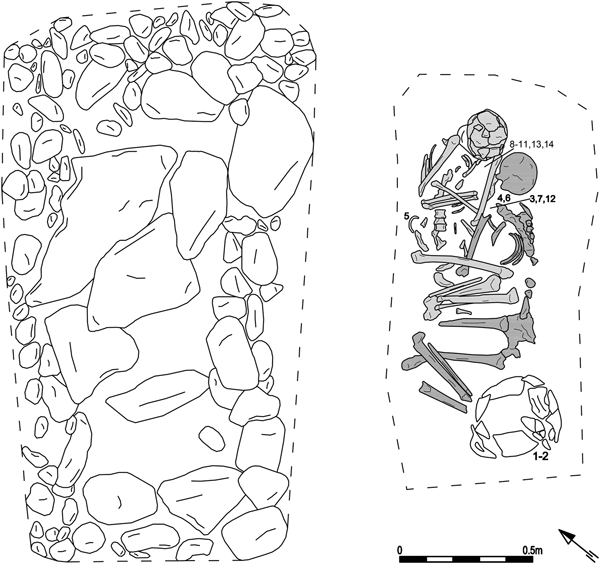
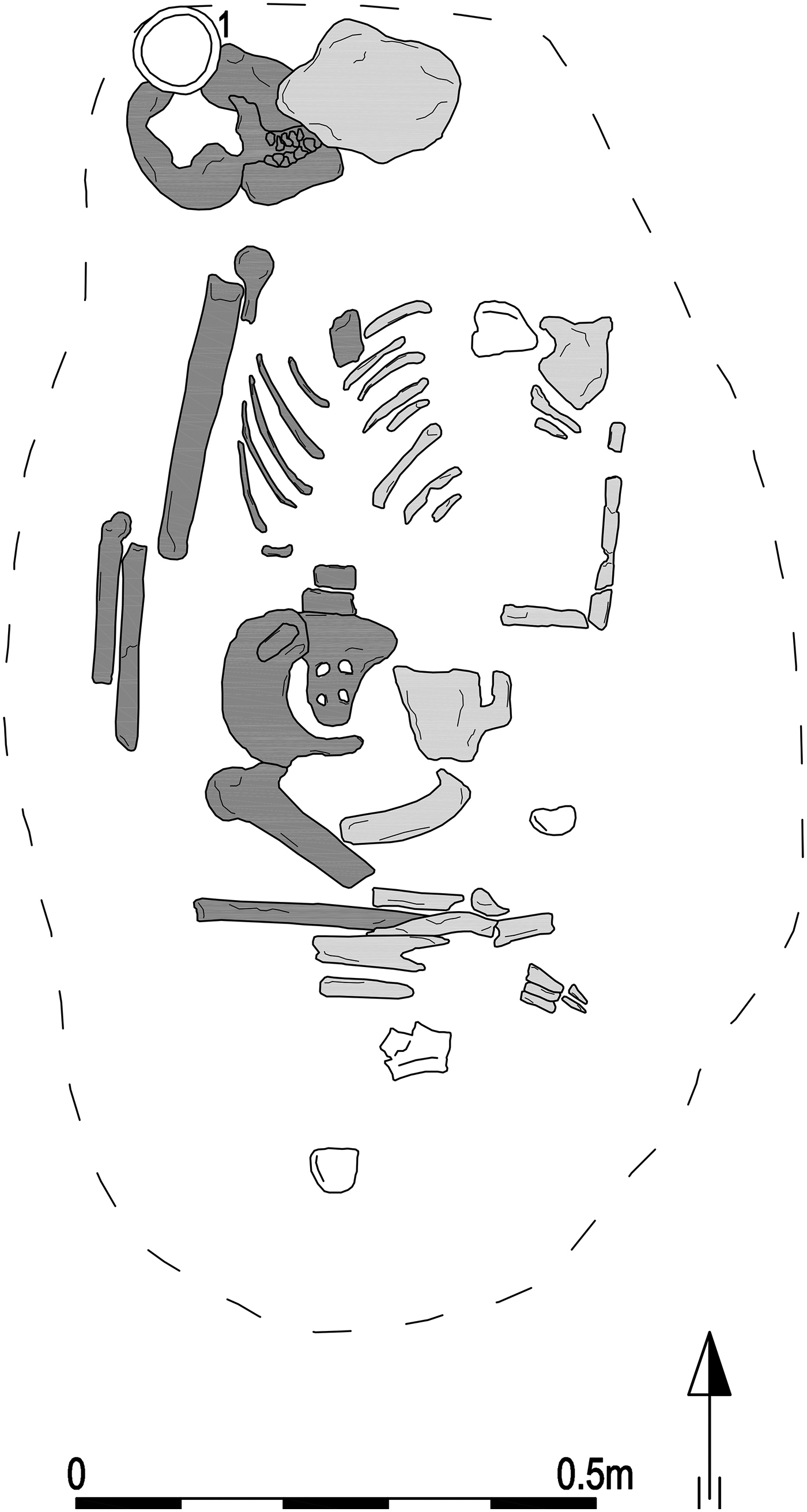
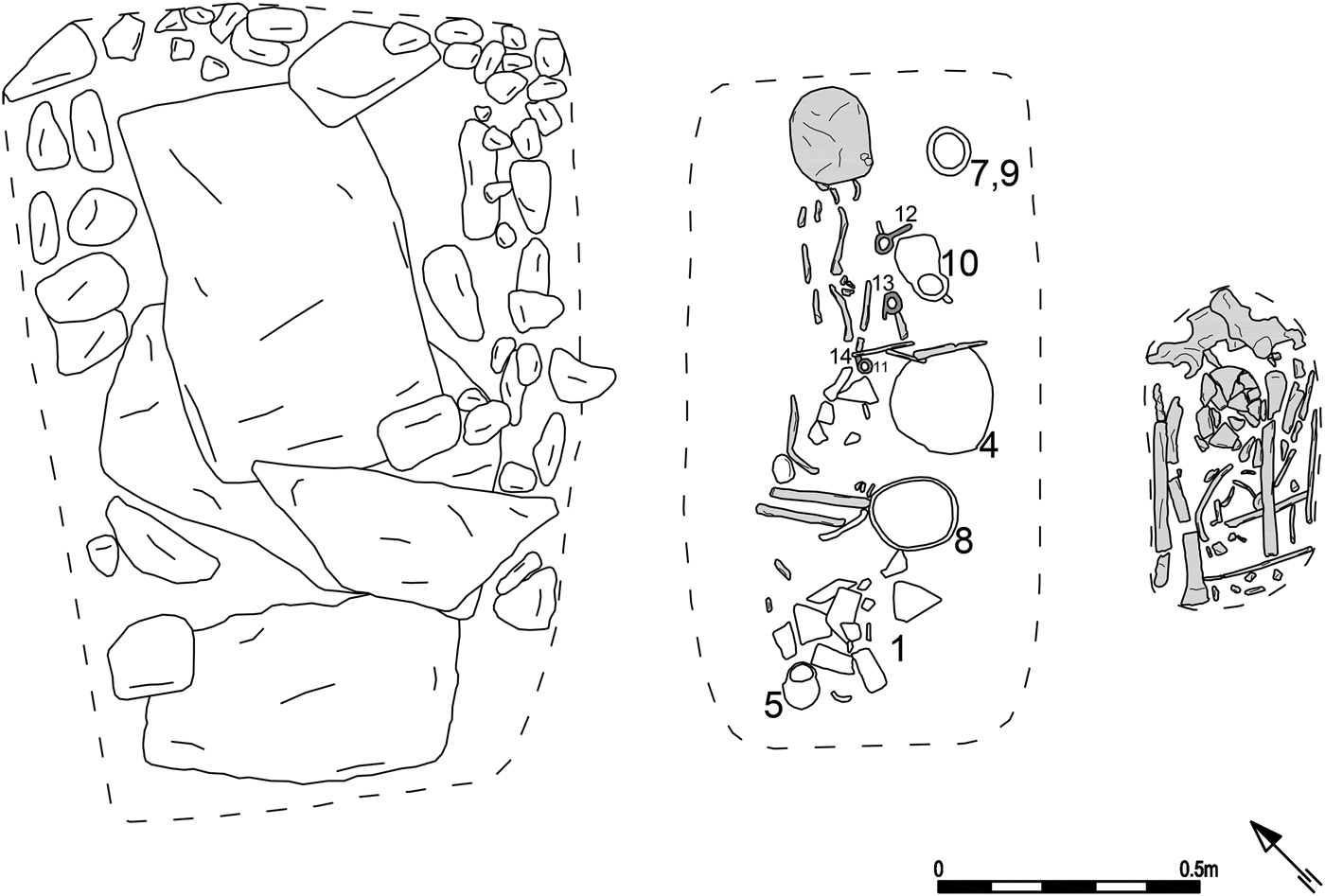
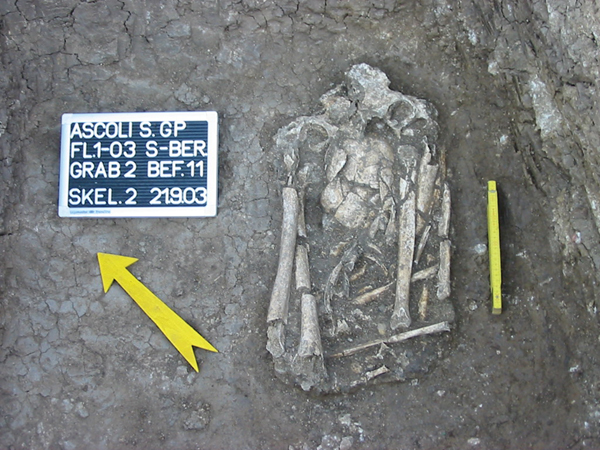
In the Giarnera Piccola, only the sixth- to fifth-century grave 8/13 attested to the first practice, although it is common at other northern Apulian sites. The grave contained the primary deposition of an infant in a flexed position with an extensive set of vessels, while the detached crania and some long bones and ribs from three further infants had been redeposited in the southeastern corner of the pit, the remains being intermingled with two bronze fibulae and five shell pendants. Most of the reused fosse in the Giarnera Piccola attested to the second practice, best exemplified by the fossa grave 2/03 (Fig. 7), dating from the first half of the fourth century bc (Laimer & Larcher Reference Laimer and Larcher2006, 49). When an adult male was buried in the pit, the older remains of a female and a young infant (see Table 1) were transferred to an oval deposit in the floor. The bone deposit was carefully structured (Fig. 8): the female's cranium and a part of the mandible were placed slightly to one side of the centre, with the hip bones arranged behind them and the long bones positioned parallel to the to the sides of oval. In the space between the long bones and the cranium were placed smaller postcranial bones belonging to the woman, and the highly fragmented cranium and some teeth belonging to the infant. While this is the only instance of the ‘merging’ of two individuals in a reduction deposit found to date, the careful arrangement of disarticulated bones, forming a kind of bundle, occurred in at least five other tombs (9/03, 11/13, 3/04, 1/08, 3/12, and possibly 1/03).
Tomb 2/03. (Drawing: M. Laimer.)

Secondary deposition in tomb 2/03.

Whether remains were ‘bundled’ or deposited topsy-turvy, reducing them was not necessarily an easy task. To separate them manually, joints would have had to be disarticulated, or at least about to dissolve, at the moment of manipulation. The time required for decomposition does not help to define a minimum interval between deposition and reduction, however; the time could be highly variable, depending on a number of factors such as soil chemistry, whether the corpse was wrapped and, if so, how (Duday Reference Duday, Gowland and Knüsel2006; Reference Duday2009; Nikita Reference Nikita2017, 77–91). Moreover, remains in an advanced state of disarticulation could have been separated mechanically. Another question which cannot be definitively answered is whether all the bones from the original deposition were transferred to the secondary one. Partial anatomical articulation and the presence of all skeletal elements have been suggested as potential indicators of reduction as opposed to other forms of secondary deposition (cf. Kerner Reference Kerner2018, 69–70, 150, 171). However, if a secondary deposit contains, for example, only the cranium and long bones, this could be due to natural decomposition and partial preservation (Bello & Andrews Reference Bello, Andrews, Gowland and Knüsel2006), or reflect a pars pro toto selection during the reduction, without excluding a hypothetical secondary transfer to the tomb.
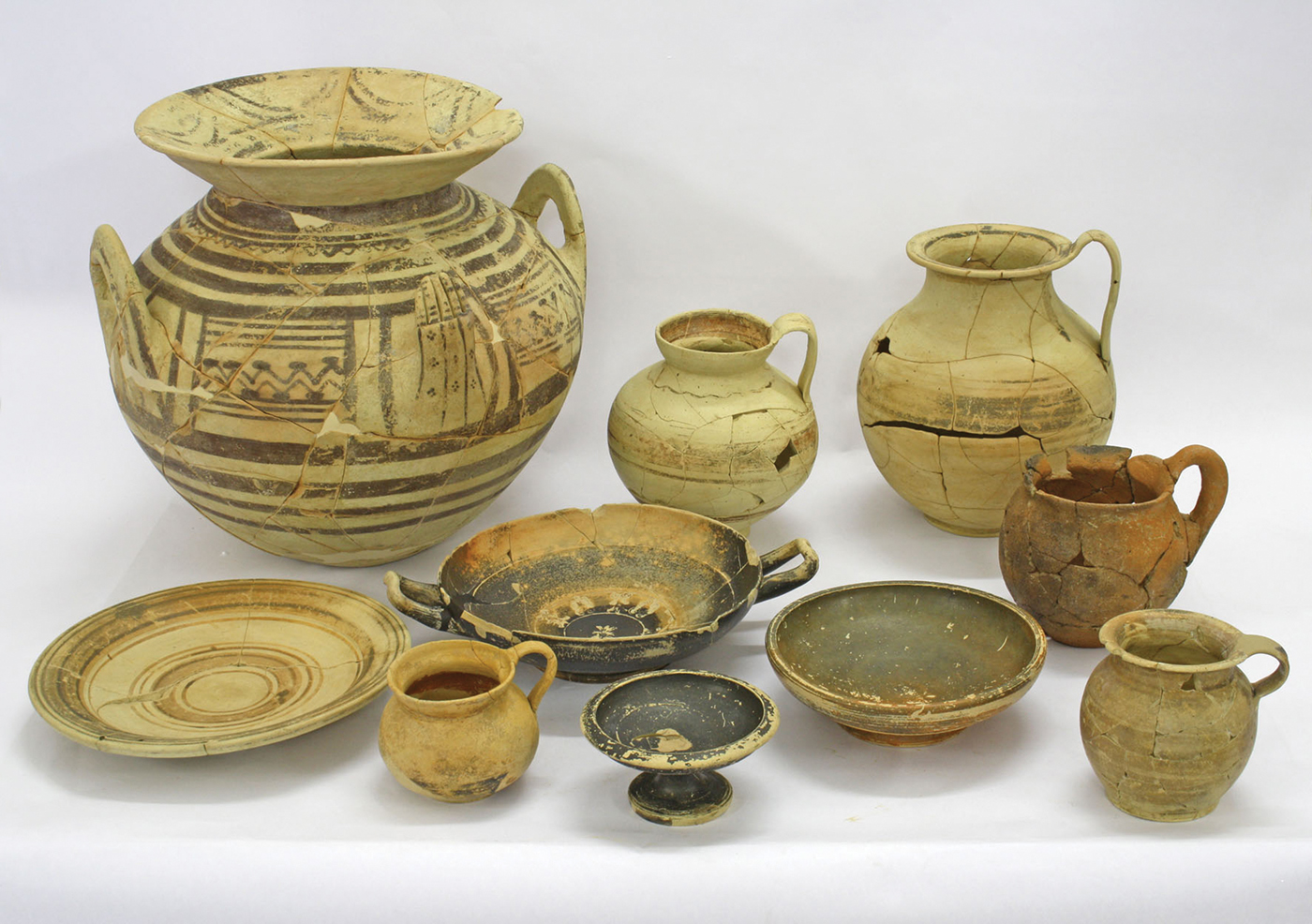
Turning to practices accompanying the reduction of remains, it is evident that objects were used, reused or removed in different ways. The most obvious evidence of removal is that, when discovered, the remains were no longer associated with pottery. As the vessel sets of the later interments do not show a significant chronological range or duplicated forms, these ‘missing’ vessels do not seem to have been reused for the newcomers (Fig. 9). Though the chronological resolution of indigenous pottery does not allow for the detection of reuse over the short term, we assume that older vessels were removed from the tomb (cf. Bottini et al. Reference Bottini, Fresa, Tagliente and Tagliente1990, 235; Iker Reference Iker1986, 772–3). A contrasting pattern can be seen in the case of weapons, dress fittings, jewellery and personal items: i.e. objects intrinsically linked to the person, the body and its physical appearance, both in life and in death. In tomb 9/03, the redeposited bones were accompanied by three fibulae and a bronze ring, while in other cases a fragmentary bronze belt (1/08), a bracelet (1/03), a lance head, an iron knife and a bronze belt (3/10) and a single knife (3/12) remained with the secondary deposition.
Vessel set of the primary deposition of tomb 2/03.
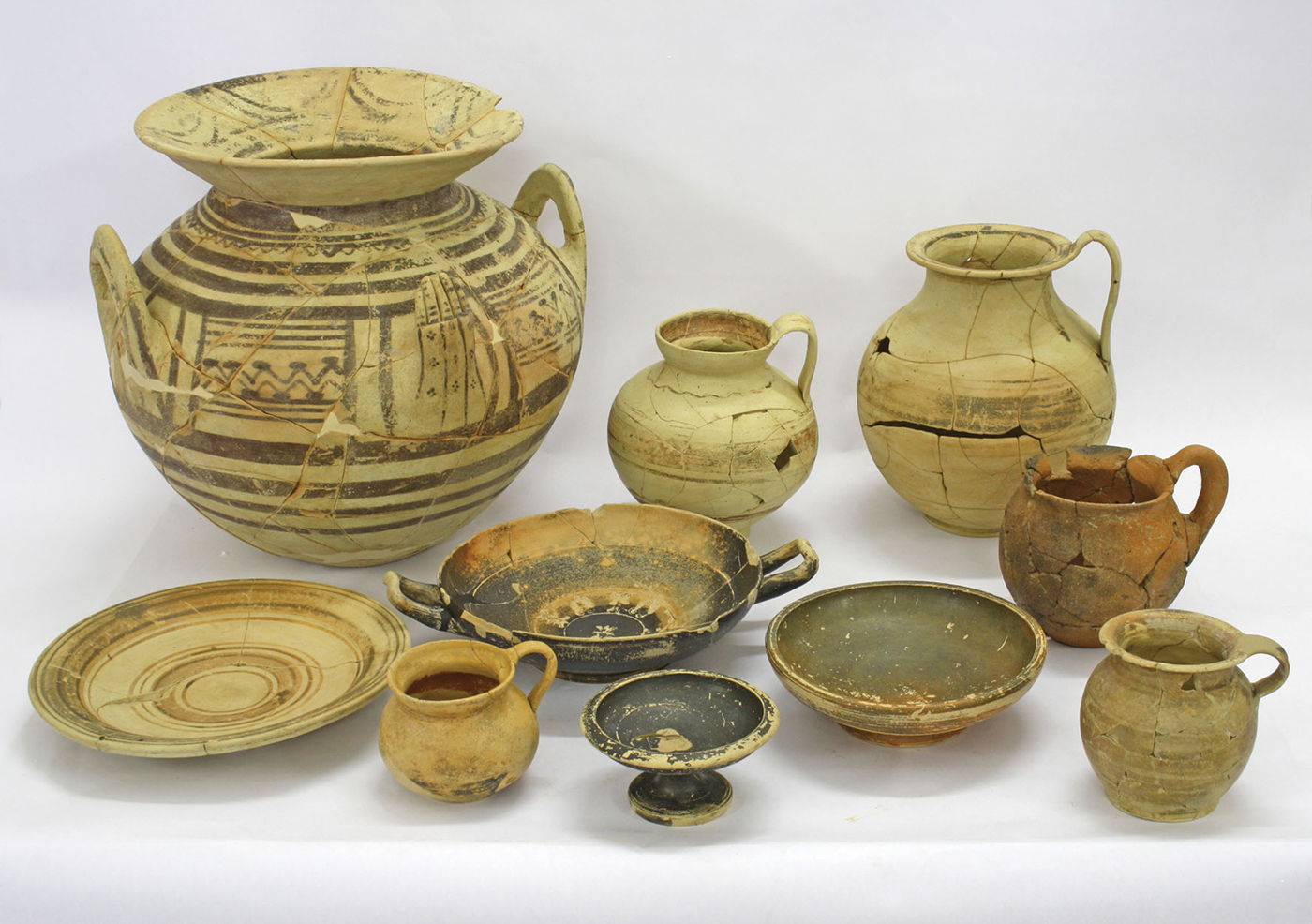
In some instances, however, there were also signs of the removal of such objects from the tomb: for example, the iliac crest and the right proximal ulna of the female in tomb 2/03 bore traces of green metal staining from corroded bronze objects (cf. Dupras & Schultz Reference Dupras, Schultz, Pokines and Symes2013, 325–8; Kümmel Reference Kümmel2009, 143–5). The deposit, however, did not contain bronze items, and the position of the fragmentary bronze rings deposited on top of the later interment did not match these traces. Though it is possible for metal to vanish completely, we infer that the missing objects were removed during the reduction. On the other hand, not all metal objects represented in the bone deposits necessarily belonged to the original furnishing of the corpse: a single iron fibula on top of the bone deposit in tomb 11/13 looked as if it may have served to fix a textile wrapping around the gathered bones, possibly accounting for the compact arrangement of the ‘bundle’.
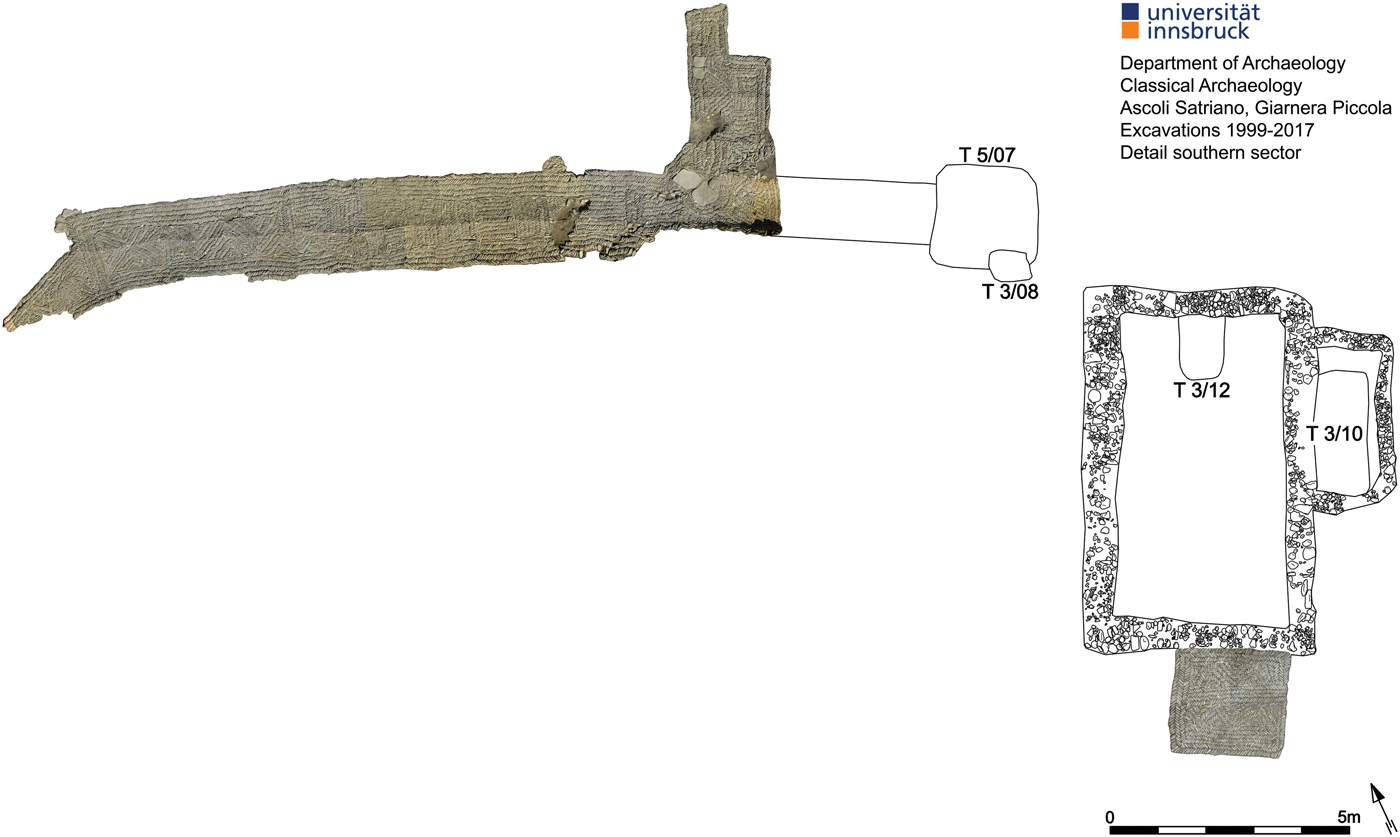
Aside from such divergent details, however, reduction generally consisted of the collection and redeposition of the bones, with at least some of the original metal objects, in a small deposit beneath the fossa, and the removal of the primary vessel set. Having established this ‘standard’ procedure, we can compare and contrast reduction practices in local chamber tombs. The Giarnera contains five tombe a grotticella (5/01, 5/07, 1/04, 4/12, 7/05), all of them dating to the second half of the fourth century bc, and all but one of them looted. The intact tomb 5/07 (Fig. 10) plays a key role in our understanding of funerary and post-funeral practices associated with the grotticella tombs at the Giarnera and in northern Apulia in general (Larcher & Laimer Reference Larcher and Laimer2010a, 32–41; Reference Larcher, Laimer and Gravina2010b, 247–8). It occupies a highly visible position in the topography of the necropolis, constituting a focal point in the local ‘deathscape’. A pebble pavement, of the type often found in association with tombs in fourth-century Apulia (Müller & Schemel Reference Müller, Schemel, Eggl, Trebsche and Balzer2008; Schemel Reference Schemel, Grabherr and Kainrath2008), leads up to its entrance, forming a kind of processional route for revisiting the tomb, with its main branch ending on top of the filled dromos.
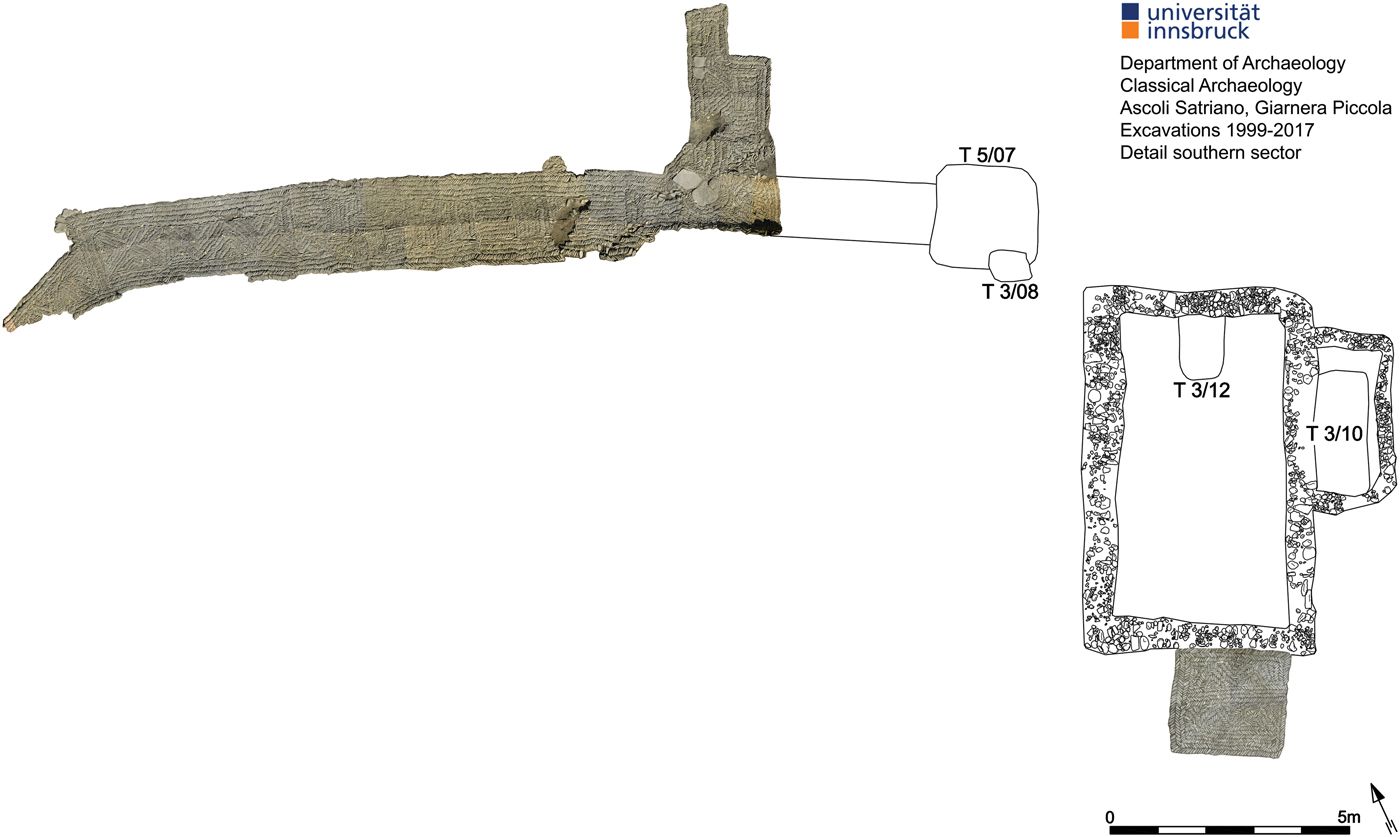
Tombs 5/07, 3/08, 3/13 and 3/10 and their immediate surroundings.
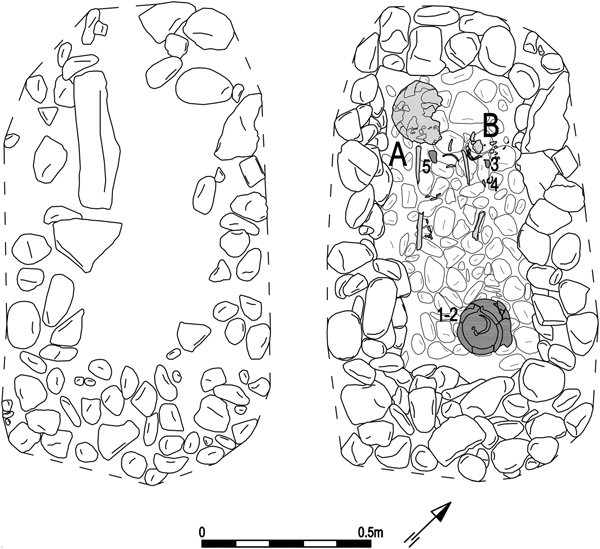
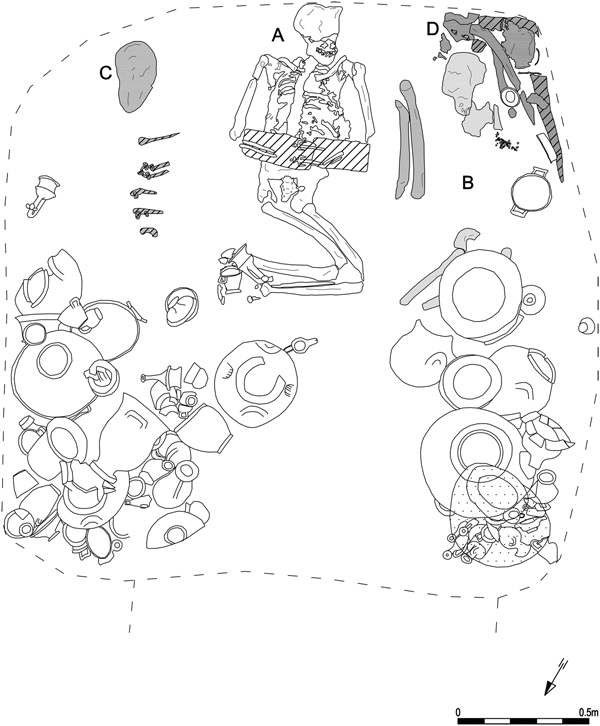
Three metres below the surface, the grave chamber, measuring 2.20×2.22 m, housed four successive depositions, together with an abundant set of grave goods, consisting of 115 ceramic vessels mostly dating from 340 to 310 bc (Fig. 11; Rückl Reference Rückl and Corrente2012). The four depositions occupied the southern half of the chamber (see Table 1). In the centre, an adult individual (A) was placed with lower limbs flexed, but with the torso in a supine position—a position termed ‘supino-flessa’ or ‘semirannicchiata’ in Italian. To its right, the cranium of another adult (individual C) was deposited. The corresponding femora had been relocated and placed parallel to one another on the left of individual A. To the east of these displaced bones, the remains of a third individual (B) were discovered, consisting of the squashed skull, parts of the pelvis and the femora. In the southern corner, a dislocated cranium and other bones attested to a fourth adult individual (D). An associated necklace, made of almost 70 vitreous beads, might identify individual B as a woman, while a bronze belt and a lance head may suggest that individual D was male, though such gender markers are notoriously uncertain.
Tomb 5/07. (Drawing: M. Laimer.)

In chamber tombs, unlike pit graves, with their vertical stratification, the reconstruction of deposition sequences is not an easy task. In tomb 5/07, individual A, as the single primary deposition, was certainly the last interment. According to one possible scenario, the disarticulated remains of individual D belonged to the initial phase, before the depositions of individuals B and C, either simultaneously or successively, caused them to be redeposited. B and C were themselves relocated when individual A was interred: the remains of individual B were shifted to the west, while the femora and the skull of C were separated. An alternative sequence is also feasible, however: according to this, individual D initially occupied the position later taken by A, the documented positions of the crania of individuals B and C more or less conform to their original depositions, while the remains of D, obliged to give way to the newcomer A, were moved into the corner, just above the skull of individual B. In the case of the second scenario, individual D did not necessarily launch the sequence, and the chronological order of B, C and D remains blurred.
Whatever their order of deposition, the three older corpses had undergone different methods of reduction. These may have been accompanied, as the remains of individual D indicated, by ritualized practices: a cup was delicately placed on top of D's relocated bones, probably reflecting some kind of offering or libation as the corpse was gathered up. A similar ritual was evident in the fourth-century fossa grave 8 at the Valle Castagna (Fig. 12), where a cup-skyphos was deposited on top of a bundle of bones (Corrente & Liseno Reference Corrente, Liseno and Gravina2010; Liseno Reference Liseno and Corrente2012). Apart from the cup associated with individual D in tomb 5/07, the ceramic vessels in the Giarnera Piccola grotticella seem to have played only a minor role in terms of funerary or post-funeral practices. None of them appears to have been directly related to any particular individual, although the grotticella, more spacious than the fossa, accommodated a sizable accumulation of grave goods, in contrast to the small sizes of the bone deposits. Of the unstructured assemblage of vessels, only the four Apulian red-figure kraters and the four olle, one of them placed directly at the feet of individual A, appear to bear any direct correlation with the four depositions.
Tomb 8, Valle Castagna. (From Liseno Reference Liseno and Corrente2012, 170, fig. 1.)

ii) Reconstructing the body
In grotticella tomb 5/07, as in the fossa tombs, the metal objects associated with the bodies received different treatment from the pottery. The reduced remains of individual D remained in possession of a belt (like the primary deposition A) and a lance head, and the remains of individuals B and C featured, respectively, an elaborate necklace and five fibulae, four silver and one iron. These fibulae exemplify the special attention received by metal objects in post-burial practices. Some may be decades older than the burial context, suggesting their prolonged use as valued objects (Guzzo Reference Guzzo1993, 22–4, 155: classe VIII, tipo B; Rückl Reference Rückl and Corrente2012, 248). They had been carefully arranged in a row below the dislocated cranium, an action which must have taken place after the reduction of the corpse. Such a post-burial relocation has its local parallels, for instance in the Valle Castagna pit grave mentioned above, where a series of metal objects, in particular seven silver and two iron fibulae, a knife and a hairpin, were arranged in a similar way. In both cases—and another secondary deposition in the Valle Castagna tomb may also attest this practice—a symbolic reconstruction of the vanished body was created by reassembling remains of the corpse with items directly related to the body.
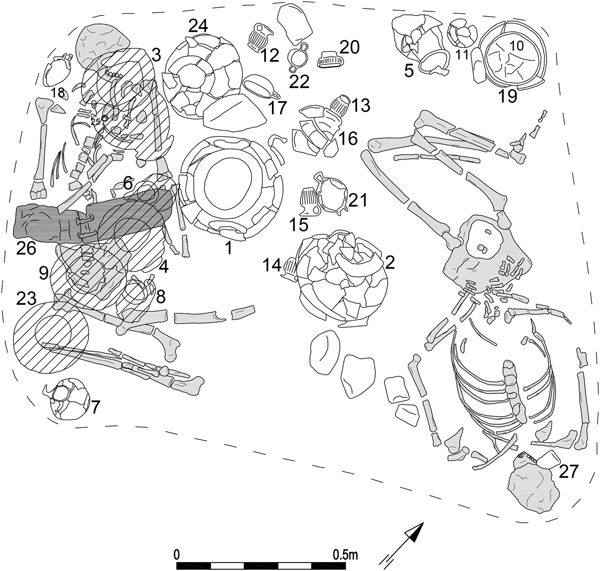
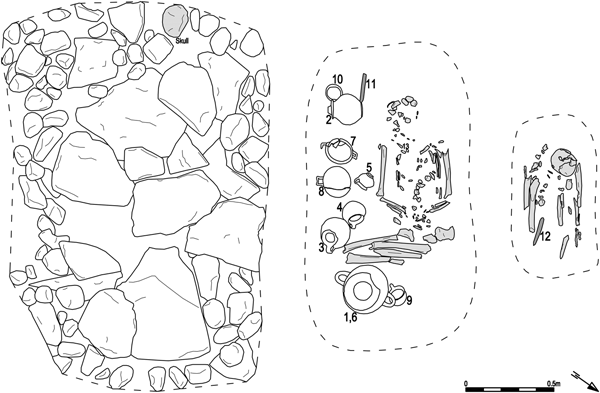
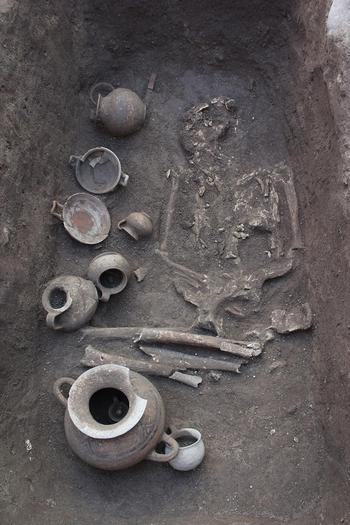
In a modulated form, both the post-funeral reconstruction of the body and the deposition of offerings recurred in tomb 3/99 in the Giarnera Piccola (Fig. 13), which dates from the second half of the fourth century (Laimer & Larcher Reference Laimer and Larcher2006, 42–4; Larcher Reference Larcher2001, 174–6). On the bottom of the extraordinarily large pit, measuring 1.75×1.55 m, an adult male (B) and a probably female adolescent (A) were placed facing in opposite directions but in the same ‘semirannicchiata’ position, with their lower limbs to the left (cf. Table 1). As in the grotticella, the ceramic grave goods could not be securely assigned to one or other deposition, except for the two matt-painted olle that were conspicuously placed near the centre of each body. The deceased were provided, respectively, with a bronze belt and a loom weight. The deposition of the latter close to the head may suggest usage as a pendant (cf. Fabbri & Osanna Reference Fabbri, Osanna, Nava and Osanna2005, 226; Heitz Reference Heitzin press: tomb 66; Müller Reference Müller, Karl and Leskovar2007, 295–6).
Tomb 3/99. (Drawing: M. Laimer.)

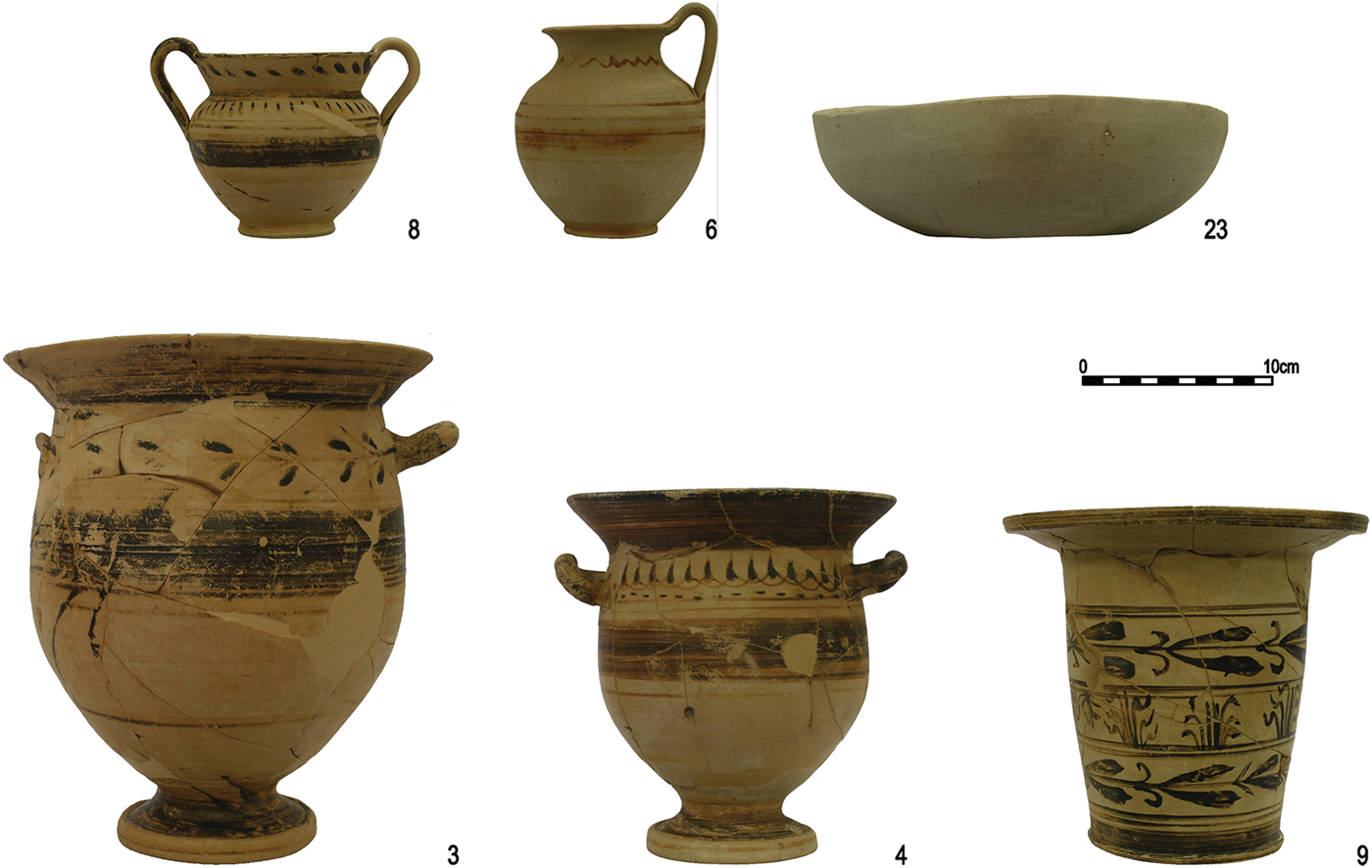
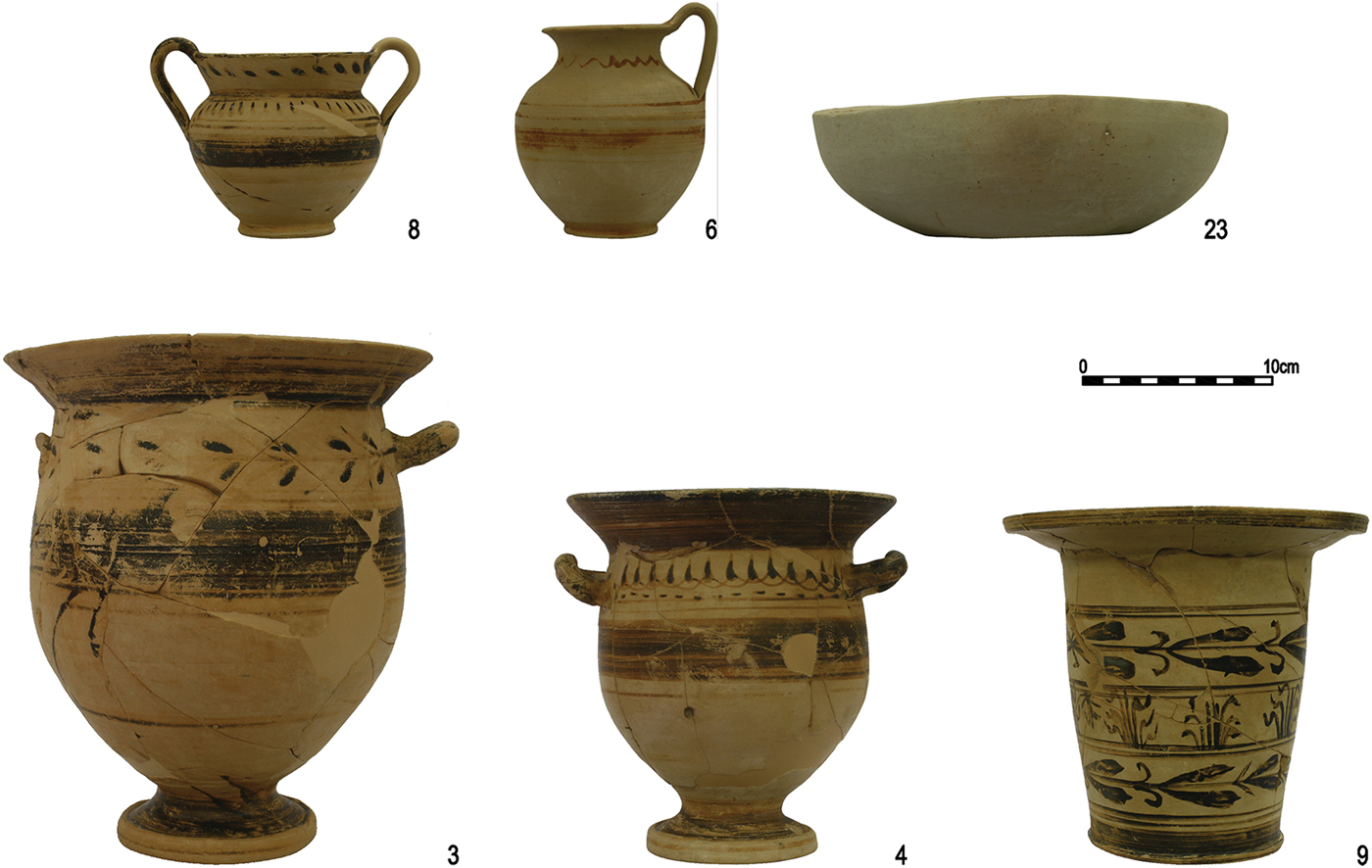
The interments initially appeared to have been more or less simultaneous primary depositions. Under archaeothanatological micro-analysis, however, signs of intentional secondary manipulation emerged: in contrast to the intact primary deposition of individual B, the spine of individual A had been partly relocated, the left humerus had slightly ridden up, the left femur was somewhat out of place, and the foot bones, among others, were missing. Most significantly, while the left femur was in the anatomically correct position, it was the wrong way round; i.e. the distal end was next to the hip. Such a 180° turn indicates intentional manipulation and suggests that, after a minimal reduction and slight relocation of the skeleton, the femur was repositioned to emulate a proper and intact flexed position and to restore the anatomical integrity of the body. This manipulation can be correlated with the later burial of individual B, especially as it coincided with another intervention: the placing of six vessels on top of individual A (Fig. 14), separated from the remains by a thin layer of earth. The practice of covering the whole body with vessels is unparalleled in northern Apulia. As it must have post-dated the manipulation of the corpse, the vessels cannot have belonged to the initial furnishing of the deposition, but must constitute a secondary addition, or at least have been placed on top of the body at a post-funeral stage. The composition of this set deserves closer attention. There were two matt-painted bell kraters, one krateriskos and a jug; i.e. vessels for mixing and pouring liquids. A plain-ware bowl toppled onto the body was reminiscent of vessels tipped over to make libations or similar offerings in ritual contexts (cf. Osanna Reference Osanna2004, 56–61). Last, but not least, the assemblage included a kalathos, a vessel which frequently appears in northern Apulian tombs from the fifth century onwards. It also figures as an emblematic object in funerary scenes on Apulian vases (Cassimatis Reference Cassimatis and Descœudres1990; Lohmann Reference Lohmann1979, 164–7). In these scenes, kalathoi, often containing eggs or other natural produce, are shown deposited at grave markers and are connected with commemorative practices and the veneration of the deceased.
Vessel set placed on individual A, tomb 3/99.
iii) Relocating the body
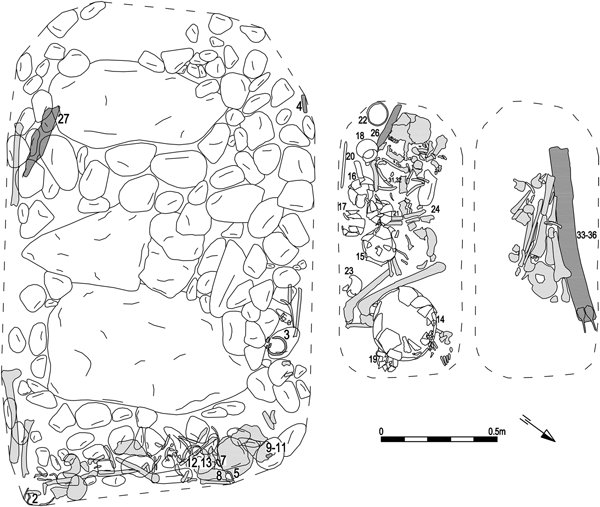
In the cases discussed so far, the older bodily remains, however treated, stayed within the burial feature itself. Two pit graves in the southern part of the Giarnera Piccola stand out in contrast. They are located beneath a fourth-century enclosure (building IXB) with a small annexe. The first tomb (3/12) lies centred beneath the narrow end of the enclosure, while tomb 3/10 is located under the annexe (cf. Figure 10; Larcher & Laimer Reference Larcher and Laimer2013, 25–7). Both graves attest to a complex use life.
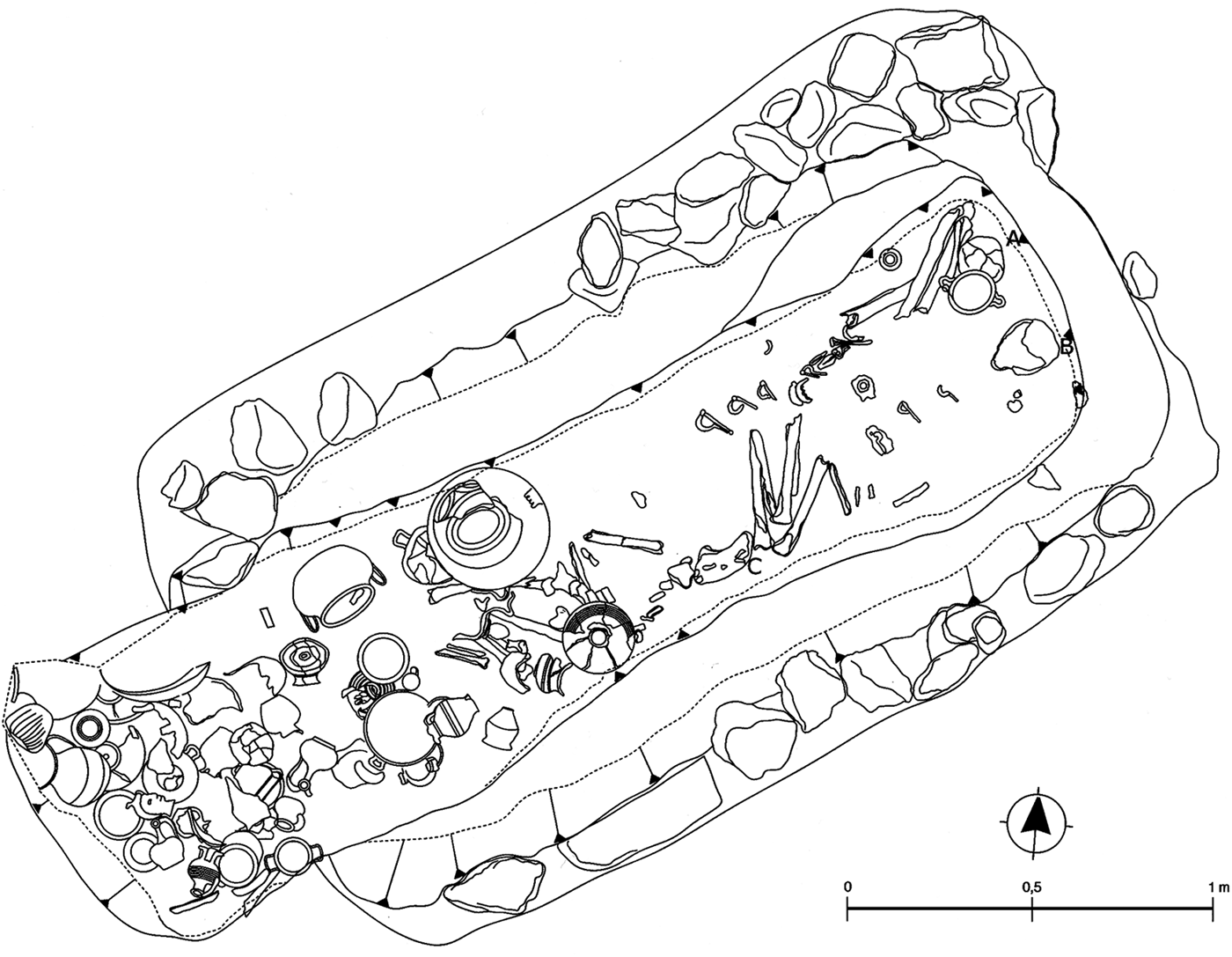
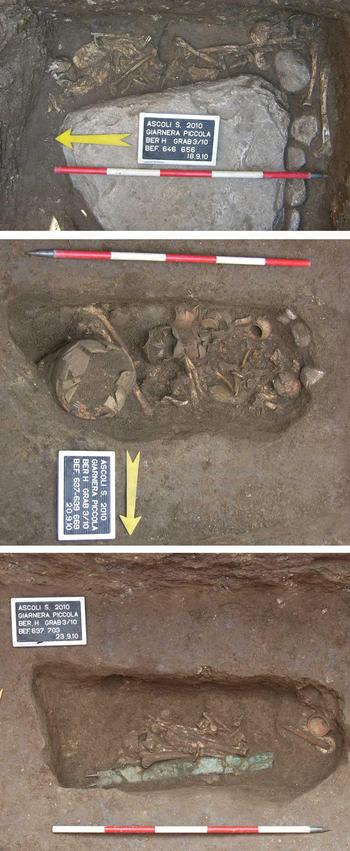
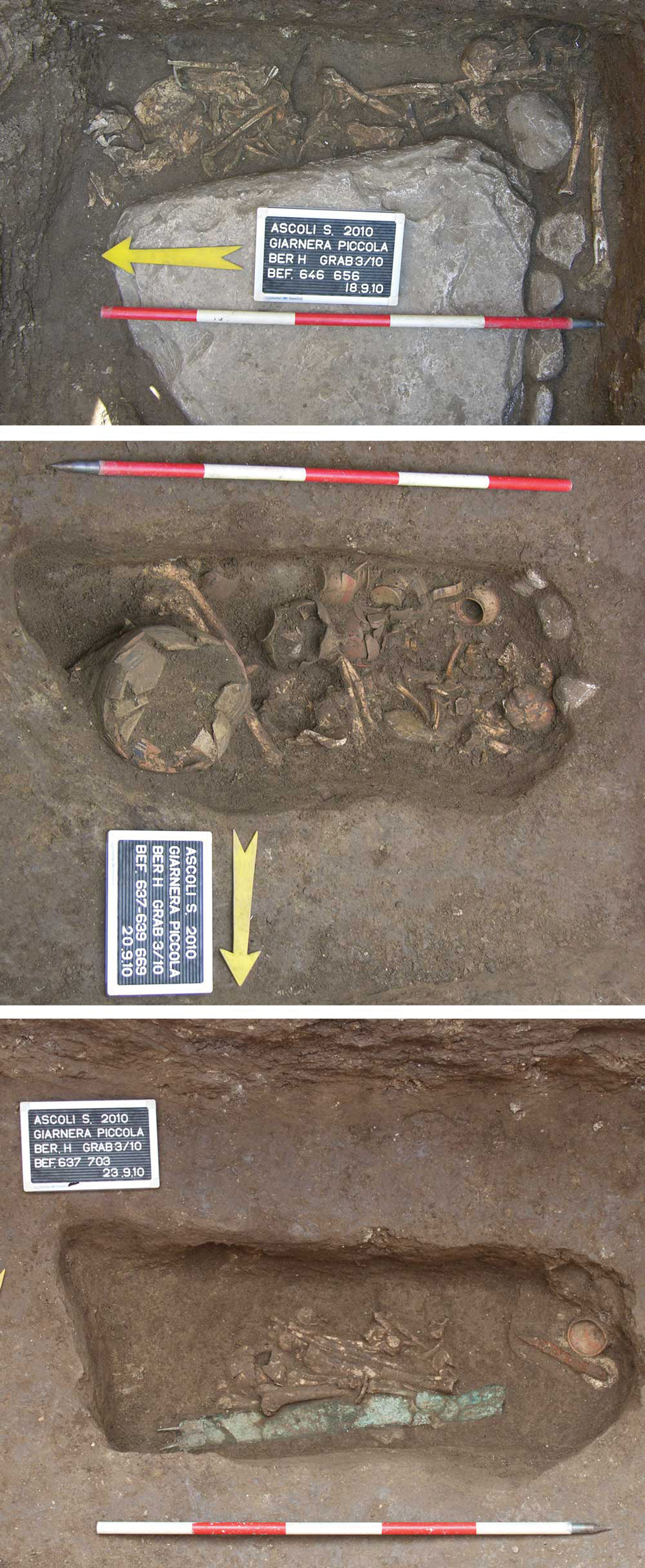
The large fossa 3/10 (Fig. 15) had been repeatedly reopened and reused, causing a stratigraphic inversion (Laimer Reference Laimer and Gravina2016, 220; Larcher & Laimer Reference Larcher and Laimer2013, 40–41, 44–5). The earliest inhumations were represented by disarticulated remains deposited along the edge of the stone slabs covering the burial cavity of the fossa (Fig. 16). Consisting of three crania and some minor skeletal parts, they belonged to an adolescent and two adults, one male and one female (see Table 1). Intermingled with the remains were some objects of personal adornment, such as bronze bracelets, rings and pendants, dating to the sixth century. Any ceramic grave goods had been removed when the corpses were redeposited. The burial cavity itself contained the primary deposition of an adult male with a set of vessels dating from the early fourth century. Beneath the skeleton, separated from it by a thin layer of earth, the remains of a second adult male were uncovered as a bundle of bones. Like the human remains on the edge of the pit, this deposition had been stripped of its grave goods except for metal objects, namely a lance head, an iron knife and a bronze belt, again dating from the fourth century. Another iron knife was placed partly beneath the skull of the upper deposition, associated with a small cup in a tilted position. The deposition of the knife and cup may indicate an intermediate step, accompanied by a libation, between reducing the first corpse and covering it with the second one.
Tomb 3/10. (Drawing: M. Laimer.)

Tomb 3/10, primary and secondary depositions in situ.
The adjacent grave, 3/12 (Fig. 17), of similar construction to 3/10 and aligned parallel to it, also mirrored its depositional situation (Laimer Reference Laimer and Gravina2016, 220; Larcher & Laimer Reference Larcher and Laimer2013, 50–51). Again, the last interment, dating from the fourth century, was an adult male (Fig. 18), under whom the carefully reduced remains of another male had been redeposited, along with a knife. While these burials can clearly be related to each other, it is not clear what their relationship was with the remains of another previous interment, a cranium which was integrated into the narrow side of the stone covering of the fossa. Lacking both postcranial parts and associated objects, it also probably belonged to a male individual. The practice of removing skeletons (or parts of them) from the grave and redepositing them on the edge of the cover clearly differs from the procedure normally employed when graves were reused in fairly close succession. As the two consecutive fourth-century depositions in both these graves demonstrate, the remains of a recent inhumation were always redeposited within the grave feature itself. Although the initial deposition of the cranium on top of tomb 3/12 cannot be dated, we would argue that, as in 3/10, the fourth-century reuse(s) of the grave and the removal of the ‘old’ deceased took place after a significant lapse of time.
Tomb 3/12. (Drawing: M. Laimer.)

Tomb 3/12, primary deposition in situ.

Thus, while the younger inhumations in both graves can be easily put into sequence, a more fundamental question remains unresolved: the relationship between the ‘old’ or sixth-century (secondary) and the fourth-century (primary and secondary) depositions. Two utterly divergent scenarios can be imagined. Either the graves were constructed in the fourth century and by chance cut across one or several Archaic graves, whose human remains were deposited on the edge of the new graves, or alternatively, much older graves were intentionally twice reused and embedded into the joint enclosure in the fourth century. Since neither grave shaft shows signs of intersecting structures, we prefer the second model, the more so as other instances of a later grave disturbing an earlier one in the Giarnera Piccola are (almost) absent and the positions of tombs seem to have been known and respected over generations (Laimer Reference Laimer and Gravina2016).
3. Deposits with only secondary deposition(s)
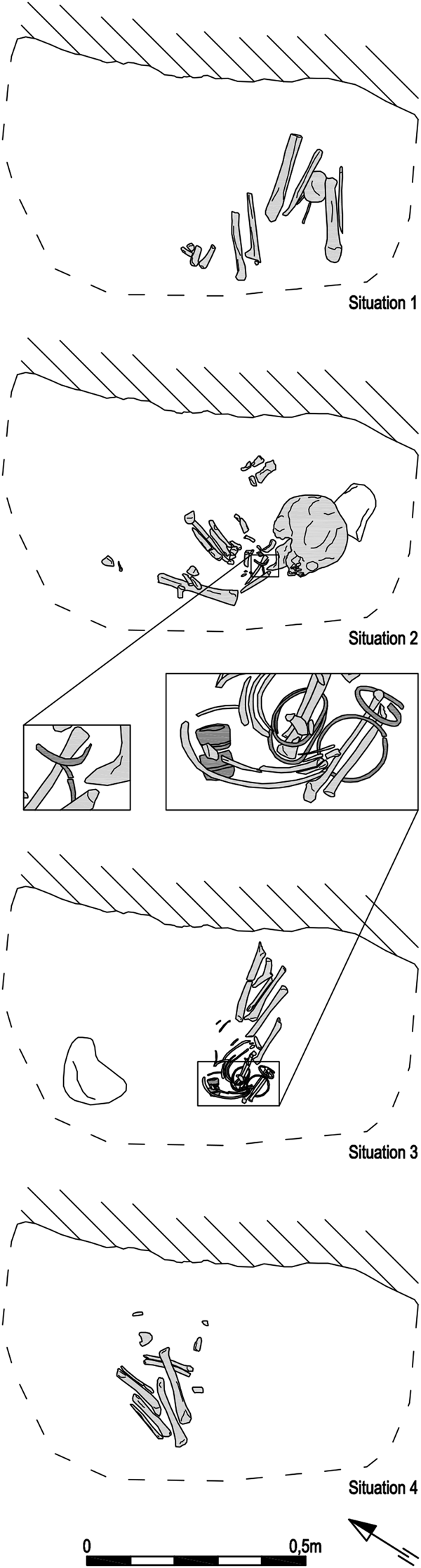
An exceptional case, the last feature to be discussed differs considerably from those described above. The small pit 3/08 is located above the later grotticella 5/07, whose collapse caused its eastern part to slip down (cf. Figure 10). Despite the slippage, the feature has been fully recorded (Larcher & Laimer Reference Larcher and Laimer2010a, 41–2). The pit contained a fill of only about 10 cm depth, but contained the disarticulated and incomplete remains of no less than four individuals (see Table 1; Fig. 19).
‘Tomb’ 3/08. (Drawing: M. Laimer.)

The lowest layer comprised the bundled long bones of a young child (situation 4), above which long bones and several ribs from a second child were deposited. This second loose pile was associated with three bone pendants, forming a necklace, and four bronze bracelets, still clasped around the lower arm (situation 3). On the next level up, a cranium and postcranial remains attested to a third child (situation 2). The uppermost deposition contained the long bones of an adult individual (situation 1). Measuring 0.95×0.6 m, the pit is much too small to have accommodated the primary deposition of the integral bodies. As the remains were tightly packed on top of one another, they must have been deposited in an already (partly) disarticulated and incomplete state. The absence of a primary deposition supports the assumption that this was not a reused grave with reduced older corpses, but a single-phased mortuary deposit with only secondary depositions, and thus a kind of ossuary. There is no evidence that the post-funeral transfer of the remains was part of a pre-planned procedure that could be considered a secondary burial—especially as the feature, apart from the items of personal jewellery mentioned above and a highly fragmented pot, had neither grave goods nor any signs of funerary practices. Nevertheless, lined with stones and covered with slabs, the feature resembles a ‘regular’ fossa grave.
Discussion
The cases discussed demonstrate the wide spectrum of approaches to the use and reuse of tombs and treatment of corpses in the Giarnera Piccola. If the double burial 4/11, with two simultaneous primary depositions, marks one end of this spectrum, the ossuary 3/08, featuring synchronic secondary depositions away from the original site of burial, marks the other. Whereas the embrace of the corpses in 4/11's synchronic mortuary deposit relied on the integral body to visualize an intimate bond, reopening and reusing tombs inevitably involved manipulating the body. In reused tombs, chronologically dispersed episodes of deposition, manipulation and redeposition exemplified divergent ways in which the material body could be addressed, uncovering tensions between maintaining its integrity and intentionally partitioning und fragmenting it. At a basic level, the separation of individual bodily remains seems to have played an important role in post-burial practices. Apart from tombs 8/13 and 3/10, where several bodies were intermingled and redeposited topsy-turvy, the practices of relocation and reduction involved carefully separating the individuals. Even in the ossuary 3/08, the remains of the already skeletonized individuals were not intermingled, but placed on top of each other. In contrast, the ‘merging’ of the remains of a female and a child in the secondary deposit of tomb 2/03 may have symbolized an intimate interpersonal bond, as in the case of the double burial 4/11. Tomb 3/99 attests not just separation, but the ‘reconstruction’ of the body to restore its integrity after reduction.
The argument that these practices, generally regarded as circumstantial, were in fact formalized and imbued with meaning and social significance, is supported by evidence of post-burial practices involving objects that were associated with the reduction of older remains. Drawing on Catherine Bell's concept of ‘ritualization’ as a ‘way of acting that is designed and orchestrated to distinguish and privilege what is being done in comparison to other, usually more quotidian, activities’ (Bell Reference Bell1992, 74), we argue that a series of post-burial practices indicated a prolonged and sometimes ritualized engagement with the dead. While pottery was disassociated from the older deceased, their ‘personal’ goods and bodily adornments, such as belts, fibulae, knives, lance heads and jewellery, stayed with the reduced remains and seem to have been regarded as part of the individual or person. This was especially apparent in the cases of ‘reconstruction’ of the body by means of dress fittings, as in tomb 5/07 and tomb 8 at Valle Castagna.
We argue that the post-burial handling of personal items, as distinct from other objects, bears witness to the perception among the burying community of an intimate link between such items and the bodies and persons of those who had owned them, the objects being seen as defining, accentuating and communicating corporeality, personhood and embodied identity, both in life and, sometimes, long after death (cf. Arnold Reference Arnold, Kümmel, Schweizer and Veit2008; Rebay-Salisbury Reference Rebay-Salisbury2016, 74–83; for a similar argument, see Klevnäs Reference Klevnäs, Klevnäs and Hedenstierna-Jonson2015). Both the rearrangement of personal items and other actions that accompanied redeposition suggest that post-funeral practices had a ritualized character. In some cases (5/07, 3/10, the Valle Castagna grave, and possibly 7/04), cups or other vessels suggest libations directly associated with the ‘old’ corpse. The ‘secondary’ vessel set in tomb 3/99 strongly suggests that other offerings were also made on the decomposed remains of the ‘old’ dead, and that the occasion of revisiting and reusing the tomb was accompanied by feasting. Though we are not informed about their organic contents, the kalathoi, in particular, indicate that commemorative practices known to have taken place at grave monuments may have been transferred to the grave chamber itself.
This stimulates some further thoughts regarding the time lapse between original use and reuse of tombs in the Giarnera Piccola. In the case of tombs 3/10 and 3/12, fourth-century burials encountered the remains of much older, probably sixth-century interments, which were redeposited on the edge of the pits. As far as ossuary 3/08 is concerned, we hypothesize that the pit was installed to hold the disarticulated remains from graves that were either cleared out for reuse or were intersected. As the feature is located just above grotticella 5/07, we might assume that the remains come from sixth-century tombs that were truncated when this fourth-century chamber was dug into the ground. Removing bodies and body parts from the original grave and redepositing them on the edge of the pits (3/10 and 3/12) or above the grave (3/08) was an exceptional procedure. Normally, older interments stayed within the grave. In the case of chronologically close successions, disarticulated bones were reduced and gathered in deposits in the floors of the fossae, often carefully arranged as ‘bundles’. The time span between tomb construction and reuse, between initial deposition and secondary manipulation, can be assumed to have been an interval of one or two generations, although the metal objects associated with the remains do not allow for exact dating. However, in larger tombs that accumulated pottery from several depositional phases, such as 5/07 and 3/99 at the Giarnera Piccola and the Valle Castagna tomb, a rather close sequence of depositions is indicated.
Conclusion
To sum up, the practice of ‘revisiting the dead’, i.e. reusing older tombs, occurred quite frequently in the Giarnera Piccola at Ascoli Satriano, intensifying in the fourth century. The revisited tombs either dated from the Archaic period or were fairly recent. Traces of ritual practices, such as offerings or libations, are more clearly visible in relation to recent predecessors than the ‘older’ dead. What related fourth-century and Archaic burials, whose remains were consistently redeposited outside the original burial feature in these cases (3/10, 3/12, 3/08), is more difficult to discern. In this respect, the prominent fourth-century structure above the pre-existing tombs 3/10 and 3/12 is highly informative. The small enclosure does not accord with contemporaneous domestic architecture in Ascoli Satriano (Fabbri & Osanna Reference Fabbri and Osanna2002) and northern Apulia in general, but appears to have been a ritual place for remembering the deceased, with the precinct and the two tombs forming a spatial, functional and ritual ensemble (Laimer Reference Laimer and Gravina2016). We argue that the complex constituted a place of memory that served both to venerate the ‘new’ deceased, an exclusive group of adult males, and tie in with the deeper past of the place as a kind of ‘mnemonic citation’.
Much older graves were not only ‘monumentalized’, memorized and respected over generations, but were also referred to in ritual practices and remained socially and symbolically charged locales for the local community. As the reused tombs 3/10 and 3/12 are in close proximity to the ossuary 3/08, we assume that in the fourth century the area was still known as an older burial plot, one which was originally used by groups to whom the later community felt somehow related when they resumed burial activity. The attachment to and engagement with older graves intensified over the course of the fourth century (Laimer Reference Laimer and Gravina2016). Against this background, we argue that referring to much older graves, installing chamber tombs for successive depositions, and reopening and reusing simple pit graves are contemporaneous manifestations—perhaps differing in expense—of the same desire to construct community among the living and with the dead, to ritualize commemoration and to engage with both the recent and ‘older’ deceased (cf. Greiner Reference Greiner2003, 107).
However, the question of what related the individuals sharing the same tomb remains complex (cf. Bérard Reference Bérard2017, 265–76). Tomb 2/03, for instance, seen from the viewpoint of modern social and cultural stereotypes, evokes the notion of a nuclear family. We wish neither to preclude nor to endorse such a father–mother–child model, and hope that cases like this may become a fruitful field for genetic methods of kinship reconstruction. Backed up by sound bioarchaeological analyses, future work will be concerned with finding more complex and nuanced interpretative models (cf. Esparza et al. Reference Esparza, Palomo-Díez, Velasco-Vázquez, Delibes, Arroyo-Pardo and Salazar-García2017). Based on the data currently available, we wish to emphasize variability, rather than regularity, since no sex- or age-based patterns emerged from analysis either of the sequence of inhumations in individual tombs, or of reused pit graves overall (see Table 1). In the shared tombs at the Giarnera Piccola, primary female–secondary male, primary male–secondary female and female–female adult constellations and a broad range of age combinations are attested, but, interestingly enough, the association of two adult males in a single tomb seems to be restricted to the prominent tombs 3/10 and 3/12. In the latter tombs, whether the link with the much older deceased was based on biological kinship or an imagined connectedness remains unclear, but may be elucidated by cutting-edge approaches from the emerging field of the social bioarchaeology of community (Juengst & Becker Reference Juengst and Becker2017).
Zooming out and integrating our case study into its regional context, the reuse of graves for subsequent burials turns out to have been a ubiquitous phenomenon in pre-Roman Apulia and neighbouring regions, such as the Melfese, but with significant differences in intensity, chronological patterns and, above all, modalities. Even Ascoli Satriano was not evenly affected by the phenomenon: reused tombs are almost absent in the necropolis of Cimitero Vecchio (Tinè Bertocchi Reference Tinè Bertocchi1985) and rarely occur on the Colle Serpente (Osanna Reference Osanna, Volpe, José Strazzulla and Leone2008). In nearby Ordona, they are quite frequent (Iker Reference Iker1984; Reference Iker1986), while in the Melfese, tomb reuse was common and multifarious in Lavello (Bottini et al. Reference Bottini, Fresa, Tagliente and Tagliente1990), though exceptional in Ripacandida (Heitz in press). This local to regional diversity calls for further site-based research that should be both supported by the aforementioned analyses and theoretically sensitive, since neither the diverse practices of tomb reuse nor the social dynamics that informed them can be squeezed into a catch-all model. Nevertheless, the attachment to and engagement with pre-existing graves may be a highly informative barometer for the processes of regionalization, the emergence of new settlement structures and the increase of social complexity that affected southeast Italy in the seventh to fourth centuries.
Acknowledgements
The concession for archaeological research at Ascoli Satriano by the Leopold-Franzens-Universität Innsbruck was kindly granted by the regional authorities of MiBAC. From 1997 to 2017 the Soprintendenza Archeologia della Puglia (representatives Marina Mazzei and Marisa Corrente) and subsequently the current Soprintendenza Archeologia, Belle Arti e Paesaggio per le Province di Barletta-Andria-Trani e Foggia (representative Francesca Montella) also strongly supported the investigations carried out under the direction of Astrid Larcher, from 2015 onwards succeeded by Christian Heitz.
We would like to thank the editor, John Robb, and the two anonymous reviewers whose constructive comments significantly improved the focus and quality of our paper. Isabel Aitken (https://www.prehistrans.com/) gave invaluable help by wading through the manuscript and polishing it, and we are grateful to the Faculty of Philosophy and History at Innsbruck University for funding the proofreading. Our sincere thanks go to audiences at Tübingen, Graz, San Severo and Innsbruck who provided feedback on earlier versions of this paper.