Introduction
The recent ban in the EU regarding the use of non-medicinal in-feed antibiotics, because of serious concerns over their presence in animal products, as well as emergence of microbial resistance, has urged the need to replace synthetic antibiotics with natural products (Hashemi and Davoodi, Reference HASHEMI and DAVOODI2010; Ali et al., Reference ALI, ABDUL-AZEEZ, HUMOOD, ALI, HELAL and WAHAB2016). The production of healthy food products of animal origin has recently been investigated by replacing antibiotic growth promoters (AGP) with natural feed additives acquired mainly from botanical origin, which include medicinal herbs and/or their extracts, enzymes, organic acids, as well as prebiotics and probiotics (El-Hack and Alagawany, Reference EL-HACK and ALAGAWANY2015; Saeed et al., Reference SAEED, BALOCH, WANG, SOOMRO, BALOCH, BUX, ARIAN, FARAZ and ZAKRIYA2015; Orayaga et al., Reference ORAYAGA, OLUREMI and ADENKOLA2016; Saeed et al., Reference SAEED, BABAZADEH, ARIF, ARAIN, BHUTTOZ, SHAR, KAKAR, ANZOOR and CHAO2017a; Reference SAEED, NAVEED, ARAIN, ARIF, EL-HACK, ALAGAWANY, SIYAL, SOOMRO and SUN2017b; Reference SAEED, XU, REHMAN, ARAIN, SOOMRO, ABD EL-HACK, BHUTTO, ABBASI, DHAMA, SARWAR and CHAO2017c). Herbal plants have emerged as a novel category of poultry feed additives, and recently gained significant interest because of several valuable benefits, such as anti-oxidation, anti-microbial activities (Hardy, Reference HARDY2002; Dhama et al., Reference DHAMA, LATHEEF, MANI, SAMAD, KARTHIK, TIWARI, KHAN, ALAGAWANY, FARAG, ALAM, LAUDADIO and TUFARELLI2015; Arain et al., Reference ARAIN, MEI, HASSAN, SAEED, ALAGAWANY, SHAR and RAJPUT2018; Changxing et al., Reference CHANGXING, CHENLING, ALAGAWANY, JIANHUA, DONGFANG, GAICHAO, WENYIN, SYED, ARAIN, SAEED, HASSAN and CHAO2018), immune stimulatory effects and anticoccidial activities (Aguihe et al., Reference AGUIHE, KEHINDE, OSPINA-ROJAS and MURAKAMI2017; Sacca-Sidi et al., Reference SACCA-SIDI, ALOWANOU, OLOUNLADÉ, NADÈGE-DEDEHOU and HOUNZANGBÉ-ADOTÉ2016).
Cinnamon (commonly known as 'dalchini’) a medicinal plant native to Sri Lanka and South India, as reported by Jakhetia (Reference JAKHETIA2010), is commonly used as a condiment in most parts of the Indian subcontinent and elsewhere globally. Many health promoting properties have been reported to be associated with its dietary use. For instance, Imani et al. (Reference IMANI, BANI, NOORI, FARZANEH and MOGHANLOU2017) reported noticeable improvement in digestion, as well as appetite stimulating properties in recent research. In another report, Vangalapati et al. (Reference VANGALAPATI, SATYA, PRAKASH and AVANIGADDA2012) reported that in ancient Egypt cinnamon was used for beverage flavouring, as well as to treat illnesses. Moreover, it has been frequently used in savoury cuisines, Persian sweets soups and pickles. In conventional Chinese medicine, cinnamon has been used as a potential neuroprotective agent (Khasnavis and Pahan, Reference KHASNAVIS and PAHAN2012), as well as a potent medicine for the control and treatment of type 2 diabetes mellitus (Kim et al., Reference KIM, HYUN and CHOUNG2006). Furthermore, it has been widely used as a potential therapeutic agent against gastrointestinal inflammatory diseases and urinary tract infections (Al-Jiffri et al., Reference AL-JIFFRI, EL-SAYED and AL-SHARIF2011).
Cinnamon leaves, flowers, bark, as well as fruits have been used to extract essential oils. Those from bark contain mainly cinnamaldehyde, as well as other biologically active compounds, including eugenol, cinnamyl acetate, carvacrol, cinnamyl alcohol, benzyl benzoate, etc. (Qin et al., Reference QIN, NAGASAKI, REN, BAJOTTO, OSHIDA and SATO2003). Cinnamaldehyde contributes towards the characteristic odour and flavour, as well as boosts antibacterial (Valero et al., 2003), anti-inflammatory (Otsuka et al., Reference OTSUKA, FUJIOKA, KOMIYA, MIZUTA and TAKAMOTO1982) and anti-oxidative activities (Su et al., Reference SU, YIN, CHARLES, ZHOU, MOORE and YU2007; Park and Park, Reference PARK and PARK2000). Şimşek et al. (2013) reported reduced heat stress, as well as positive effects on the visceral organs in quail fed a diet supplemented with cinnamon oil, which were thought to be modulated by stimulating the endogenous anti-oxidative mechanisms. In addition, Tabatabaei et al. (Reference TABATABAEI, BADALZADEH, MOHAMMADNEZHAD, BALAEI, TABATABAEI, BADALZADEH, MOHAMMADNEZHAD and BALAEI2015) reported a major reduction in the plasma concentrations of aspartate-transferase (AST) and lactate-dehydrogenase (LDH) by supplementation with a cinnamon extract (200 mg/kg diet) to disease-infected broilers chickens. The cinnamaldehyde strongly inhibited growth of Bacteroides fragilis and Clostridium perfringens, and moderately inhibited the activities of Bifidobacterium longum and Lactobacillus acidophilus (Dorman and Deans, Reference DORMAN and DEANS2000). This selective inhibition of intestinal pathogenic bacteria and commensals can be exploited to balance the microbial population in birds for promoting gut health.
Although significant research work has been published regarding the improved growth performance and quality of chicken meat in commercial poultry using cinnamon essential oils, there is still a need to evaluate published information and provide recommendations for its use as a natural replacer of synthetic growth promoters in poultry feed, which was the aim of this review.
History of cinnamon
Historically, cinnamon has been famous as one of the best spices, with a number of culinary uses in daily life (Wijesekera, Reference WIJESEKERA1977). Along with its major uses for culinary purposes, it has been widely used to treat several diseases in Ayurvedic therapy, and its roles include as an antiflatulent, antidiarrheal, antiemetic and appetite stimulant agent (Sulaiman, Reference SULAIMAN2013). In ancient Egypt, it was known as a powerful agent for embalming deceased people (Barceloux, Reference BARCELOUX2009). Wijesekera (Reference WIJESEKERA1977) reported that Portuguese conquistadors explored Cinnamomum zeylanicum rising commonly in Sri Lanka during sixteenth century, and imported it to European countries in sixteenth and seventeenth centuries. In China, culinary, as well as medicinal uses of cinnamon date back to 2800 BC, and currently it is used in pharmaceutical industries for large scale production of Chinese cinnamon oils (Barceloux, Reference BARCELOUX2009).
Cultivation of cinnamon
The annual global production of cinnamon is between 27,000-35,000 tons (Madan and Kannan, Reference MADAN and KANNAN2004). It is largely raised in China, Seychelles, Madagascar and Sri Lanka (Madan and Kannan, Reference MADAN and KANNAN2004; Ranatunga et al., Reference RANATUNGA, SENANAYAKE and WIJESEKERA2004). In addition, it is cultivated on a small scale in Vietnam and India (Barceloux, Reference BARCELOUX2009). It is considered a hardy plant in terms of its suitability for its cultivation in diverse climatic conditions. The optimal temperature for the cultivation of cinnamon ranges between 20 to 30°C, with a yearly rainfall ranging between 1250 to 2500 mm. Cinnamon is usually propagated by dried seed and vegetative propagation. (Ranatunga et al., Reference RANATUNGA, SENANAYAKE and WIJESEKERA2004; Thankamani et al., Reference THANKAMANI, SIVARAMAN, KANDIANNAN and PETER1994).
Phytochemistry
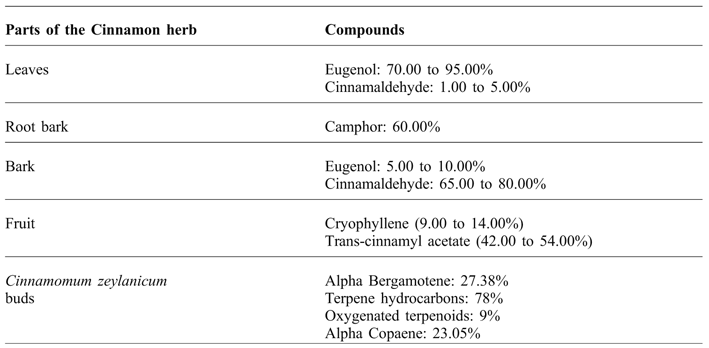
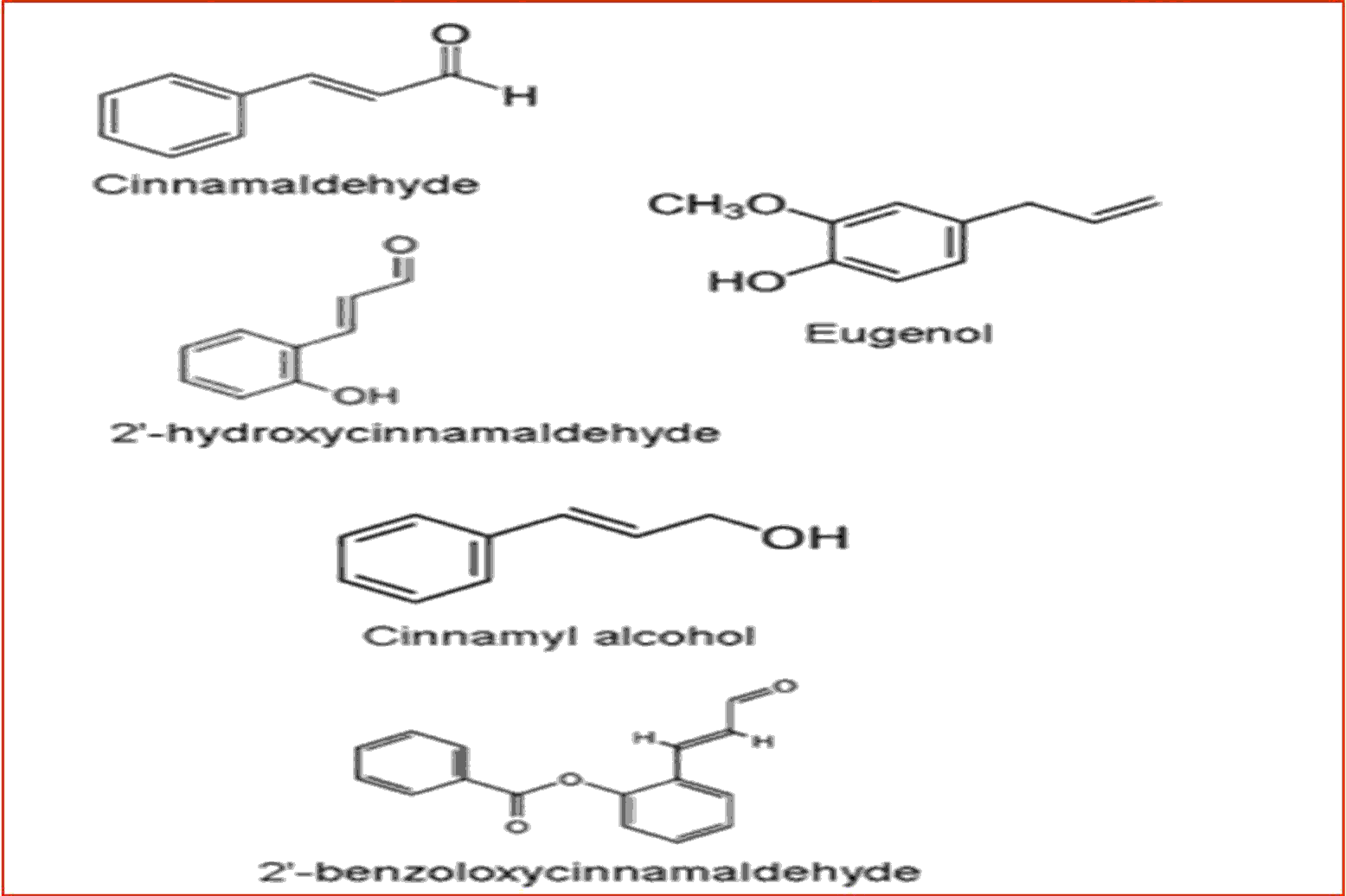
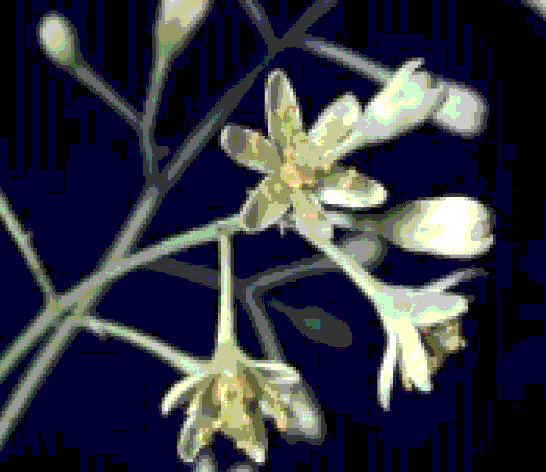
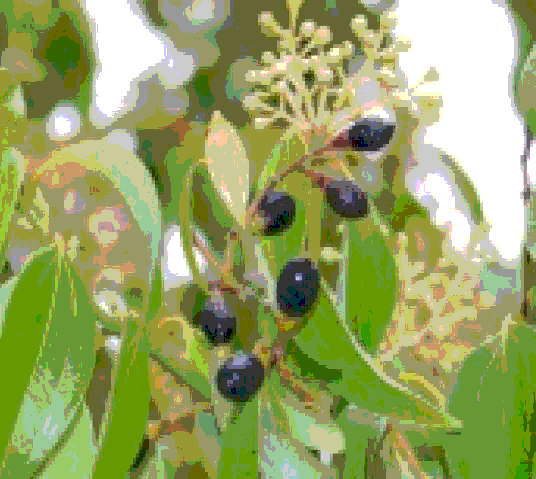
Cinnamon (Cinnamomum zeylanicum, C. verum or C. cassia) belongs to the genus Cinnamomum and family Lauraceae. Its common names adopted in various parts of the world are cinnamomon, Chinese cinnamon, Ceylon cinnamon and Chinese cassia. The predominant compound (45-65%) obtained from the essential oil of the bark of cinnamon plants is cinnamaldehyde (Cheng, Reference CHENG1983; Shen et al., Reference SHEN, FUKUSHIMA, ITO, MURAKI, HOSONO, SEKI and ARIGA2010), eugenol is the second most important ingredient, while the important minor constituents include cinnzeylanine, cinnzeylanol (Isogai et al., Reference ISOGAI, MURAKOSHI, SUZUKI and TAMURA1977), arabinoxylan (Gowda, 1987), 2’-benzoloxycinnamaldehyde and 2’-hydroxy cinnamaldehyde (Lee et al., Reference LEE, HONG, HAN, PARK, KIM, KWON and KIM1999). The seeds, flowers, chemical constituents and structures of Cinnamon are shown in Figures 1, 2, 3 and Table 1.
The chemical compounds found in various parts of cinnamon tree (Jayaprakasha et al., Reference JAYAPRAKASHA, RAO and SAKARIAH2002; Vangalapati et al., Reference VANGALAPATI, SATYA, PRAKASH and AVANIGADDA2012).

Different compounds that found in the Cinnamon bark.

Cinnamon flowers.

Cinnamon fruits.

Traditional uses of cinnamon
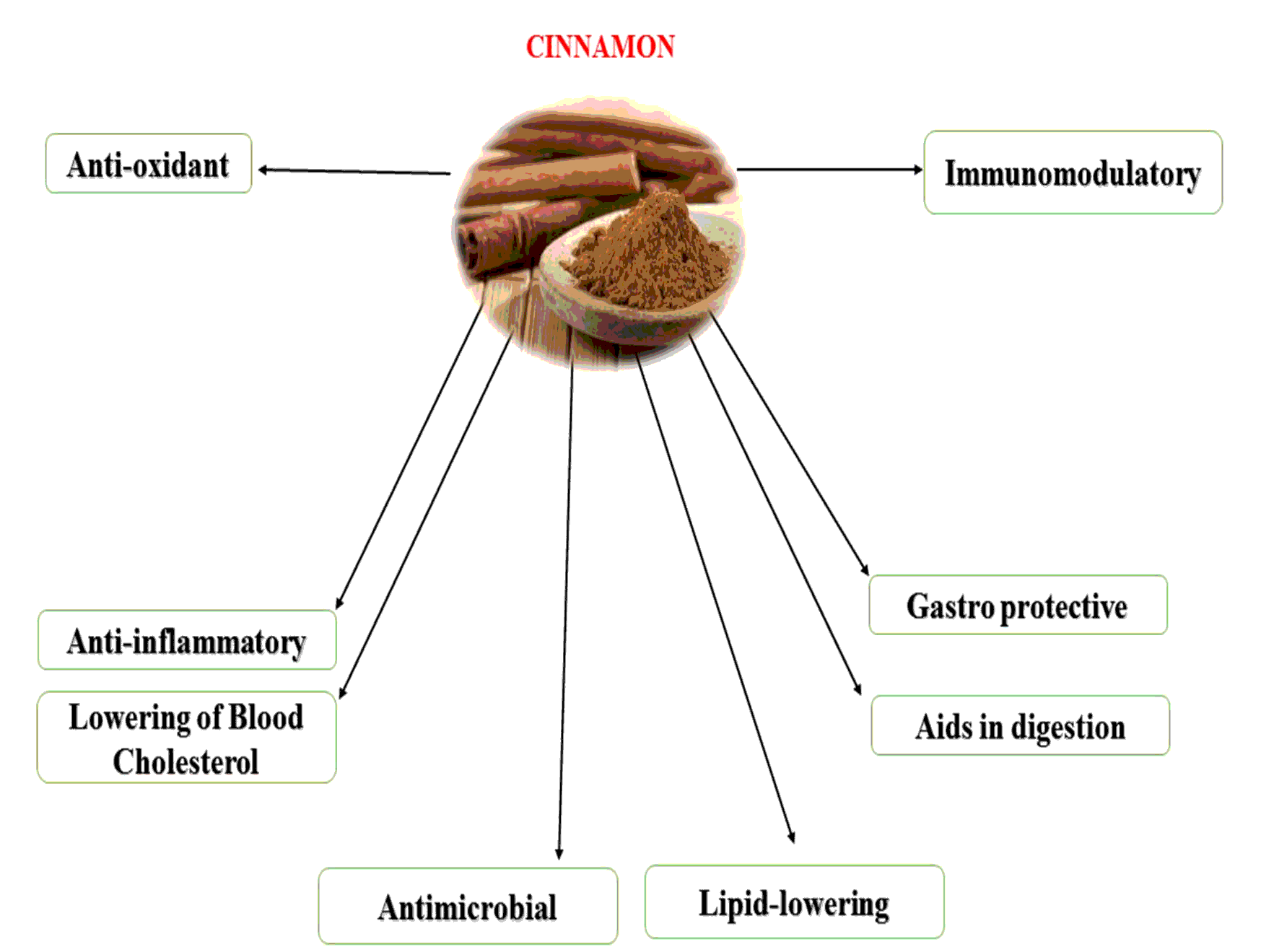
The most important use of cinnamon has been as a flavouring and flavour-enhancing food additive (Wijesekera, Reference WIJESEKERA1977). It has been used as a treatment for oral infections (Chaudhary et al., Reference CHAUDHARY, TARIQ, ZAMAN and IMTIYAZ2014), and as a nutraceutical agent with gastroprotective, cardioprotective, neuroprotective and hepatoprotective properties due to its strong anti-inflammatory and anti-oxidative activities (Alqasoumi et al., Reference ALQASOUMI, AL-DOSARY, AL-YAHYA and AL-MOFLEH2011), as presented in Figure 4. The European Medicines Agency (2011) reported its use for the therapy of gastrointestinal and colonic disorders. In Ayurvedan therapy, cinnamon has been recommended as a potent mitigating agent for bloating, nausea, vomiting and diarrhoeal symptoms (Hossein et al., Reference HOSSEIN, ZAHRA, ABOLFAZL, MAHDI and ALI2013). It is known to affect clotting activity, hence it is recommended for use during haemorrhagic disorders (Rao and Gan, Reference RAO and GAN2014). Furthermore, Chang and Cheng (Reference CHANG and CHENG2002) reported its antiviral, antibacterial, antifungal, anti-termite, antinematodal, anti-larval and insect repellent properties.
Pharmacological effects of Cinnamon herb.

Pharmacological activities
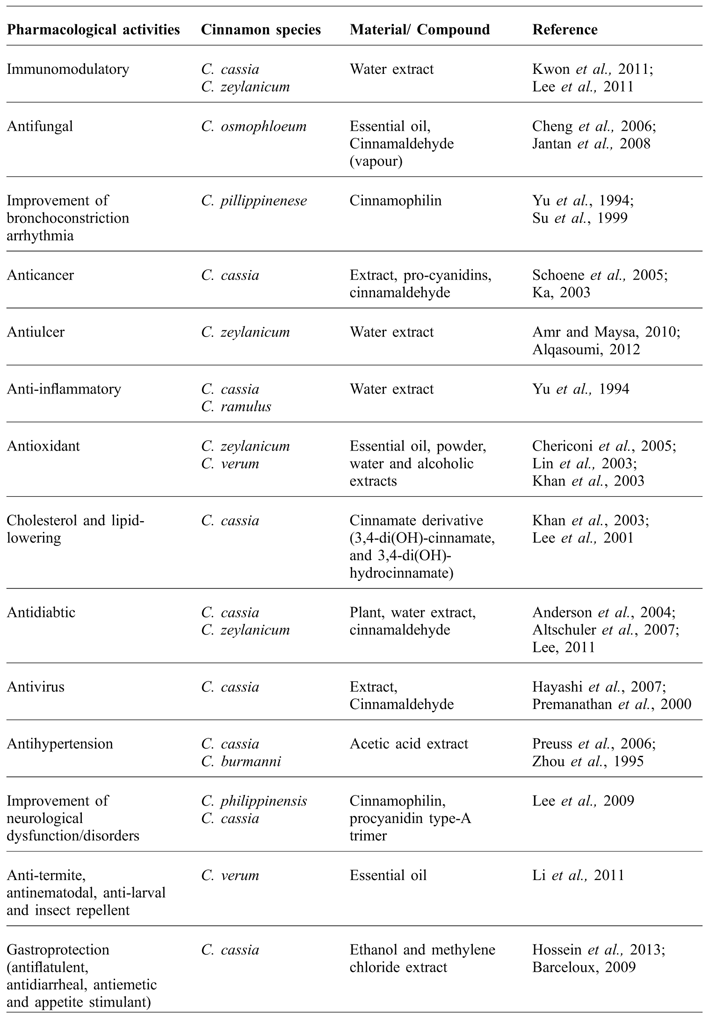
Several biologically active compounds have been identified during in vitro and in vivo studies of cinnamon, which have been associated with a number of health-enhancing biological activities. A brief outline of such pharmacological findings is compiled in Table 2
Pharmacological/biological properties of cinnamon herb and its compounds.

There is growing scientific evidence that has confirmed the properties of cinnamon as a potential antioxidant, antiviral, antibacterial, antifungal, as well as its benefits related to immune system, glucose and fat metabolisms. Its therapeutic potential has been comprehensively investigated during last two decades in a number of clinical trials, whereby several positive results were reported related to glucose lowering in sera, as well as antidiabetic effects (Taher et al., Reference TAHER, FADZILAH ADIBAH and MOHOMAD2006; Altschuler et al., Reference ALTSCHULER, CASELLA, MACKENZIE and CURTIS2007; Ranasinghe et al., Reference RANASINGHE, GALAPPATHTHY, CONSTANTINE, JAYAWARDENA, WEERATUNGA, PREMAKUMARA and KATULANDA2017). Cinnamon has been reported as a potential candidate due to significant anti-tumour activity and immunity against tumour development via gene expression (Zheng et al., Reference ZHENG, GUO, WANG, ZHANG, WANG, WANG, AN, ZHOU, LI and YAO2015). There has been an increasing focus of research regarding antimicrobial properties of cinnamon, including antiviral, antibacterial and antifungal properties. Keskin and Toroglu (2011) reported a zone of inhibition ranging from 7 to 18 mm against Bacillus megaterium NRS, Klebsiella pneumonia 13883, Staphylococcus aureus 6538 P, Pseudomonas aeruginosa ATCC 27859, Escherichia coli ATCC 8739, Streptococcus faecalis DC 74, Corynebacterium xerosis UC 9165, and Enterobacter cloacae ATCC 13047. In addition, its efficacy against methicillin resistant S. aureus (Mandal et al., Reference MANDAL, DEBMANDAL, SAHA and PAL2011) and beta-lactamase-producing E. coli has been reported (Yap et al., Reference YAP, LIM, HU and YIAP2013). In another study, additive and synergistic effects of cinnamon essential oil and antibiotics have been reported (Guerra et al., Reference GUERRA, MENDES, SOUSA, MORAIS-BRAGA, SANTOS, MELO COUTINHO and LIMA EDE2012). The bioactive compounds present in the extract of cinnamon affect the bacterial cell membrane integrity, thus cause the depletion of intracellular ATP (Oussalah et al., Reference OUSSALAH, CAILLET and LACROIX2006), making the bacterial cells unable to survive. Kim et al. (Reference KIM, LEE, KIM, BAEK and LEE2015) and Naveed et al. (Reference NAVEED, HUSSAIN, TAWAB, TARIQ, RAHMAN, HAMEED, MAHMOOD, SIDDIQUE and IQBAL2013) successfully used cinnamon as a potential natural antimicrobial agent in clinical trials, as well as a preservative for the food industry.
Studies in poultry
Since 2000, cinnamon and its extracts and essential oils have been used in a number of poultry experiments and attributed to a number of effects on growth performance, carcass traits, blood metabolites and immunity. Park (Reference PARK2008) reported an improvement in weight gain in broilers fed a basal diet supplemented with 3% cinnamon bark powder, as compared to an unsupplemented control group. The improvement in body weight gain (BWG) and feed conversion ratio (FCR) in the broiler chickens was attributed to cinnamaldehyde (Galib et al., Reference GALIB, AL-KASSIE and WITWIT2010). Similar findings were reported by Toghyani et al. (Reference TOGHYANI, TOGHYANI, GHEISARI, GHALAMKARI and EGHBALSAIED2011), in which they reported that dietary supplementation of cinnamon at 2 g/kg feed improved broiler BWG and FCR significantly, and suggested that it could be used as a substitute for antibiotic growth promoters. Enhanced growth performance of cinnamon-fed groups in terms of BWG and FCR was attributed to the presence of various active constituents, such as eugenol and cinnamaldehyde.
Bansode (Reference BANSODE2012) and Lee et al. (Reference LEE, LEE, SON, LEE, YOO, SONG, OH, HAN, KWON and HONG2005) reported that the active constitutents of cinnamon exhibit strong antioxidant and anti-inflammatory activities via free radical scavenging action, and an inhibitory effect on nitric oxide production through inhibition of NFκB. In a broiler study, Tung et al. (Reference TUNG, CHUA, WANG and CHANG2008) reported antimicrobial (antibacterial, antifungal, as well as antiviral) activity against a wide spectrum of microorganisms; as well as strong antioxidative properties (Calucci et al., Reference CALUCCI, PINZINO, ZANDOMENEGHI, CAPOCCHI, GHIRINGHELLI, SAVIOZZI, TOZZI and GALLESCHI2003) in chickens fed diets supplemented with cinnamon. In addition, Singh et al. (Reference SINGH, SETHI, SIKKA, CHATLI and KUMAR2014) successfully supplemented ground cinnamon (0.5% in feed) as a phytobiotic substitute of antibiotic growth promoters in chicken production. Ali (Reference ALI2015) used up to 6.0% cinnamon in feed to boost broiler performance and health as an alternative of antibacterial growth promoters.
carcass traits
Koochaksaraie et al. (Reference KOOCHAKSARAIE, IRANI and GHARAVYSI2011) fed cinnamon to broiler chickens at 500 to 2000 mg/kg diet, but found no significant effect on growth and carcass traits of broiler chickens. However, Sangoh et al. (Reference SANGOH, CHAEMIN, BYUNGSUNG and JONG2013) supplemented the basal diet with 3, 5 and 7% of cinnamon powder and reported improved shelf-life and quality characteristics of chicken meat, as well as enhanced production performance of chickens. In another study, Sangoh et al. (Reference SANGOH, CHAEMIN, BYUNGSUNG and JONG2013) showed an improvement in the quality of chicken meat, including texture, colour, flavour and overall acceptability among consumers by dietary inclusion of 5% ground cinnamon into feed. Similar findings were reported by Park (Reference PARK2008) who fed broilers with cinnamon supplemented diets and reported better meat sensory quality, particularly in flavour and taste, in boiled and fried chicken meat. Supplementing diets with essential oils from cinnamon resulted in improvement of breast weight in broilers chicken (Isabel and Santos, Reference ISABEL and SANTOS2009).
blood metabolites
Broiler chickens fed diets supplemented with cinnamon oil had reduced blood cholesterol level, and heterophil to lymphocyte ratio (Al-Kassie, Reference AL-KASSIE2009), as well as significantly decreased triglycerides and low-density lipoprotein (LDL) levels, but increased high density lipoprotein (HDL) levels in all the treated groups (Faghani et al., Reference FAGHANI, RAHIMIAN, RAFIEE and NAMJOO2014). Najafi and Taherpour (Reference NAJAFI and TAHERPOUR2014) reported a remarkably lower level of serum cholesterol in broiler chickens fed with diets supplemented with cinnamon. In agreement with these findings, broilers fed levels of 100 ppm exhibited lower serum cholesterol levels (Ciftci et al., Reference CIFTCI, SIMSEK, YUCE, YILMAZ and DALKILIC2010). Furthermore, Naderi et al. (Reference NADERI, AKBARI, ASADI-KHOSHOEI, KHAKSAR and KHAJALI2014) reported a significant (P<0.05) decline in heterophil to lymphocyte ratio in the broiler chickens fed cinnamon powder at a rate of 7.5 g/kg, and reported that this supplementation could be considered as a potential stress alleviator in broiler farming and meat production. In another study, Gopi et al. (Reference GOPI, KATHIRVELAN, PREMCHANDER, VASANTHAKUMAR, PANGAYARSELVI, SASIKUMAR and CHANDRASEKARAN2012) found a dose dependent reduction in the serum cholesterol levels of a broiler chickens fed with ground cinnamon at 250 and 500 ppm. Moreover, diets supplemented with a combination of cinnamon and zinc exhibited positive effects on production, health performance and blood parameters in laying hens reared under cold stress conditions (Torki et al., Reference TORKI, AKBARI and KAVIANI2015).
immune response
Immune responses against pathogenic bacteria, viruses and parasites, as well as spoilage microorganisms, is another property associated with dietary supplementation of cinnamon. Sadeghi et al. (Reference SADEGHI, KARIMI, JAHROMI, AZIZI and DANESHMAND2012) reported significant improvements in poultry immune response against Newcastle disease vaccine in broiler chickens fed with herbal mixture and cinnamon, as compared to that of control group. In another study, serum immunoglobulin levels in birds was significantly increased (Sangoh et al., Reference SANGOH, CHAEMIN, BYUNGSUNG and JONG2013). When cinnamon powder was supplemented at 0.02% of the diet in broiler chicks, the antibody titre increased almost equally to the antibiotic-supplemented group (Faghani et al., Reference FAGHANI, RAHIMIAN, RAFIEE and NAMJOO2014). Moreover, cinnamon and its corresponding nanoparticles were effectively used to cure influenza virus infections in poultry (Fatima et al., Reference FATIMA, ZAIDI, AMRAIZ and AFZAL2016). The antioxidant properties of cinnamon are considered to improve the integrity of immune cells by neutralising reactive oxygen compounds and by inhibiting phosphorylation of neutrophil proteins, which is considered a major intracellular event for activation of neutrophils (Lee et al., Reference LEE, KIM, CHO, SOHN and KANG2011).
gut response
Prevention of microbial infection, and reduction in bacterial growth leads to better efficiency in food utilisation by broiler chickens, which contributes to improved growth and performance of the birds (Bedford, Reference BEDFORD2000; Gopi et al., Reference GOPI, KATHIRVELAN, PREMCHANDER, VASANTHAKUMAR, PANGAYARSELVI, SASIKUMAR and CHANDRASEKARAN2012). In laying hens, S. enteritidis colonises the gut and disseminates to many organs like the oviduct, thus causing egg contamination. Dietary addition of trans-cinnamaldehyde in diets for layers prevented the transmission of egg-borne S. enteritidis pathogen (Upadhyaya et al., Reference UPADHYAYA, UPADHYAY, KOLLANOOR-JOHNY, MOOYOTTU, BASKARAN, YIN, SCHREIBER, KHAN, DARRE, CURTIS and VENKITANARAYANAN2015), thus contributed to improved health of layers, as well as enhanced consumer safety via preventing transfer of disease organisms into eggs.
Conclusions
Cinnamon possess useful biological activities, including immunomodulatory, antioxidant, antiviral, lowering blood cholesterol, antimicrobial, lipid-lowering, antihypertension, anti-inflammatory, antitumor, gastroprotective, antidiabetic, neuroprotective and blood purifying properties. Dietary supplementation with cinnamon powder has been associated with positive effects on growth, digestion, antibacterial activities and immunity in chickens, as well as enhanced shelf life and quality of meat and reduced bacterial loading in eggs. On the basis of currently available literature, dietary supplementation levels with cinnamon has been variable, ranging between 0.02 and 7%, so there is a need to optimise dosage for the poultry industry. It has been successfully used as a phytobiotic substitute of antibiotic growth promoters; however, it is imperative to conduct further research to elucidate suitable combinations of cinnamon, its bioactive components, and synthetic growth promoters (where these are still allowed), for acquiring synergistic benefits, to ensure safety of broilers meat for human consumption. Other trials have shown that cinnamon supplementation exhibited the ability to reduce heterophil to lymphocyte ratio, and could be considered as potential stress alleviator in poultry. In order to validate the inconsistent findings from different researchers, as well as to explore more beneficial effects of cinnamon as a feed supplement, further research at a physiological, cellular and molecular level is required.
Conflict of interests
Authors declared that they have no conflict of interest.
Acknowledgements
The author is very grateful for Major National Scientific Research Projects (2015CB943102), the National Nature Science Foundation of China (31572365) and the Key Sci-tech innovation team of Shaanxi province (2017KCT-24).