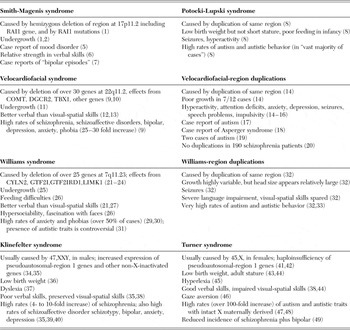
We thank the commentators for providing insightful and constructive input on our target article, and for pointing out topics that will benefit from additional discussion. Our response is structured along the same general lines as the target article, scaffolding up from genes to cognition, behavior, and psychiatric conditions of the social brain. We first clarify some key aspects of the genetic and epigenetic bases of our theory, by describing the patterns and processes of genomic imprinting in more detail (sect. R1), and by showing how not just human imprinting-related syndromes, but also neurogenetic syndromes mediated by losses versus gains of suites of non-imprinted genes, contribute to diametric autistic versus psychotic phenotypes (sect. R2). Next, we show how phenotypes associated with growth and mentalistic or mechanistic skills can serve to connect genes and development with cognition and behavior (sect. R3), and we address the core issue of cognitive and behavioral similarities (sect. R4) and differences (sect. R5) between psychotic- and autistic-spectrum conditions. We focus, as did many of the commentators, on the degree to which these conditions can be considered as opposite – quite literally, opposing in their developmental bases and diametric in their cognitive phenotypes, reflecting biases towards mentalism or mechanistic thought. Finally, we explain in greater detail how imprinting effects are expected to interact with sex differences, in generating the considerable diversity of autistic-spectrum and psychotic-spectrum conditions that we observe in nature (sect. R6), and provide closing thoughts (sect. R7).
R1. Mechanics of genomic imprinting
R1.1. Theory
We are grateful to David Haig for providing detailed discussion of how natural selection is expected to drive the evolution of imprinting effects on phenotypes, given the diversity of fitness-mediating interactions between various asymmetric kin. We have focused on mother–child interactions, both physiological and behavioral, because these represent the best understood, and most clearly expected, selective arena for genomic conflicts underlain by imprinting.
R1.2. Number and action of imprinted genes
The efficacy of Haigian imprinted gene effects on development, brain, and behavior is to some degree a function of the numbers of imprinted genes in humans (Keller) and how they may be subject to dysregulation (Davies & Isles). The OTAGO database of imprinted genes (Glaser et al. Reference Glaser, Ramsay and Morison2006) lists 63 confirmed imprinted genes in humans plus 41 genes that are imprinted in mice with no data as yet from humans, and bioinformatic predictions from Luedi et al. (Reference Luedi, Dietrich, Weidman, Bosko, Jirtle and Hartemink2007) suggest the presence of an additional 156 human-imprinted genes. These known or predicted imprinted genes are primarily protein-coding. Recent studies of small non-coding RNAs have also provided evidence for about 200 imprinted RNA genes in humans, many of them brain-specific in expression and some known to mediate neurodevelopmental disorders (Fiore et al., in press; Mattick & Makunin Reference Mattick and Makunin2006; Royo et al. Reference Royo, Bortolin, Seitz and Cavaillé2006). Thus far, the identification and characterization of imprinted genes in humans has been a haphazard affair, but new genomic technologies (Gimelbrant et al. Reference Gimelbrant, Hutchinson, Thompson and Chess2007) should provide us with a complete list within several years. Each and every brain-imprinted gene on this list should, in our view, be immediately suspected of engagement in genomic conflicts. Such conflicts will be expressed in neurocognitive development to the extent that an imprinted gene has successfully shifted the balance of genetic power in its own paternally biased or maternally biased interests, or is dysregulated via alterations to imprints or the machinery of imprint application, maintenance, or removal, in addition to alteration by mechanisms common to all genes, such as point mutations and forms of epigenetic modification independent of imprinting effects. This is all that we mean by dysregulated in “more ways” than non-imprinted genes (Davies & Isles); none of the molecular mechanisms involved are known to be unique to imprinting, but there is a greater overall scope for alteration, and greater effects because such genes are effectively haploid.
Given the central role of a small number of imprinted genes, such as CDKN1C, in orchestrating placental development (Andrews et al. Reference Andrews, Wood, Tunster, Barton, Surani and John2007), and their coordinated expression in complex networks of imprinted and non-imprinted genes that jointly regulate development (Varrault et al. Reference Varrault, Gueydan, Delalbre, Bellmann, Houssami, Aknin, Severac, Chotard, Kahli, Le Digarcher, Pavlidis and Journot2006), the actual number of imprinted genes is much less relevant than their “extended genotypes,” whereby imprinted genes regulate the expression of other genes. For example, the imprinted non-coding RNA miR-134 regulates LIMK1, a focal gene in the etiology of Williams syndrome (Järvinen-Pasley et al. Reference Järvinen-Pasley, Bellugi, Reilly, Mills, Galaburda, Reiss and Korenberg2008), and imprinted-gene effects appear to be pervasive in key networks underlying development (Smits & Kelsey Reference Smits and Kelsey2006).
R1.3. Roles of imprinted and non-imprinted genes
How important are imprinted genes in neurodevelopmental disorders, compared to non-imprinted genes (Deutsch, Ludwig, & McIlvane [Deutsch et al.], Dickins, Dickins, & Dickins [Dickins et al.], Fitzgerald & Hawi, Keller)? We reiterate that autistic- and psychotic-spectrum conditions are each highly heterogeneous in their etiologies, though convergent in core phenotypes, and that our hypothesis posits a phenotypic diametricity for these conditions that is underlain in part by the genomic diametricity of imprinting. In addition to the genetic evidence discussed in our target article, we also note that: (1) autism induced by uncontrolled PKU deficiency (Dennis et al. Reference Dennis, Lockyer, Lazenby, Donnelly, Wilkinson and Schoonheyt1999) may be mediated by strong overexpression of the paternally expressed imprinted gene NNAT (Surendran et al. Reference Surendran, Tyring and Matalon2005); (2) overgrowth and autism caused by NF1 gene alterations may be driven by a paternal-allele-specific interaction with the imprinted IGF2-H19 locus (Ling et al. Reference Ling, Li, Hu, Vu, Chen, Qiu, Cherry and Hoffman2006); and (3) recent evidence implicates dysregulated processing of non-coding RNAs (which may include imprinted RNAs) in Fragile X syndrome (Plante et al. Reference Plante, Davidovic, Ouellet, Gobeil, Tremblay, Khandjian and Provost2006), as also suggested by studies of the Prader-Willi phenotype found at low frequency in patients with the Fragile X full mutation but no epigenetic modifications to chromosome 15 (Nowicki et al. Reference Nowicki, Tassone, Ono, Ferranti, Croquette, Goodlin-Jones and Hagerman2007). All of these cases require further study, but taken together with the evidence described further on in this response and in our target article, they indicate that alterations to imprinting represent a pervasive, convergent cause of many manifestations of autism, though not an exclusive one (Happé et al. Reference Happé, Ronald and Plomin2006). We are aware of no alternative genetically based theory that can at least potentially account for such a broad and deep range of evidence or for such otherwise-inexplicable etiologic heterogeneity.
Of course, many non-imprinted genes have been linked with autism, as well as with schizophrenia, in genome scans and association studies – each with small effects on risk that have been difficult to replicate among studies (e.g., Craddock et al. Reference Craddock, O'Donovan and Owen2005). Imprinted genes are necessarily embedded in physiological and developmental networks, so such important contributions to neurodevelopmental disorders from non-imprinted genes are, as noted by Keller and described in Keller and Miller (Reference Keller and Miller2006), by no means unexpected. But consider the relative strength of imprinted-gene effects, in each case for one or several genes: (1) the risk of psychosis rises to near 100% in Prader-Willi syndrome due to maternal uniparental disomy, which involves combined loss of paternal-gene expression and increased maternal-gene expression (Soni et al. Reference Soni, Whittington, Holland, Webb, Maina, Boer and Clarke2008); (2) loss of function of the paternally expressed SGCE gene leads to high rates of psychotic and depressive symptoms (Lauterbach et al. Reference Lauterbach, Spears, Prewett, Price, Jackson and Kirsh1994; Yokoi et al. Reference Yokoi, Dang, Li and Li2006); and (3) loss or reduction of functional gene product of the maternally expressed UBE3A gene causes Angelman syndrome and is also associated with Rett syndrome, with both syndromes involving very high rates of autism and striking phenotypic overlap for diverse traits (Jedele Reference Jedele2007); UBE3A has also been implicated in idiopathic autism (Samaco et al. Reference Samaco, Hogart and LaSalle2005). Similar considerations apply to the gene MeCP2 that directly underlies Rett syndrome: it exhibits allelic variants linked with idiopathic autism (Shibayama et al. Reference Shibayama, Cook, Feng, Glanzmann, Yan, Craddock, Jones, Goldman, Heston and Sommer2004), and its functions include interaction with imprinted genes (Nomura et al. Reference Nomura, Kimura, Horii, Morita, Soejima, Kudo and Hatada2008).
As noted by Haig and Davies & Isles, maternal duplications of the 15q11-q13 region have also been associated with autism; however, genotype-phenotype correlations are extremely variable for cytogenetic alterations of this region (here, interstitial duplications and supernumerary duplicated-chromosome fragments, referred to as idic15) (Cohen et al. Reference Cohen, Martel, Wilson, Déchambre, Amy, Duverger, Guile, Pipiras, Benzacken, Cavé, Cohen, Héron and Plaza2007; Kwasnicka-Crawford et al. Reference Kwasnicka-Crawford, Roberts and Scherer2007). For example, Prader-Willi phenotypes have been found in individuals with paternally inherited interstitial duplications of 15q11-q13 (Engelen et al. Reference Engelen, Loots, Albrechts, Schrander-Stumpel, Dirckx, Smeets, Hamers and Geraedts1999; Mao et al. Reference Mao, Jalal, Snow, Michels, Szabo and Babovic-Vuksanovic2000), and supernumerary-chromosome cases, all of which are maternally derived, involve severe developmental delay and phenotypes that have been characterized as “atypical” autism (Cohen et al. Reference Cohen, Martel, Wilson, Déchambre, Amy, Duverger, Guile, Pipiras, Benzacken, Cavé, Cohen, Héron and Plaza2007; Cook et al. Reference Cook, Lindgren, Leventhal, Courchesne, Lincoln, Shulman, Lord and Courchesne1997). Studies analyzing gene expression and effects from all candidate genes in this region, which include GABRB3 (Dykens et al. Reference Dykens, Sutcliffe and Levitt2004) and the FMRP-interacting gene CYFIP1 (Nishimura et al. Reference Nishimura, Martin, Vazquez-Lopez, Spence, Alvarez-Retuerto, Sigman, Steindler, Pellegrini, Schanen, Warren and Geschwind2007b; Nowicki et al. Reference Nowicki, Tassone, Ono, Ferranti, Croquette, Goodlin-Jones and Hagerman2007) as well as UBE3A (which shows increased expression in idic15 cell lines; Baron et al. Reference Baron, Tepper, Liu, Davis, Wang, Schanen and Gregg2006), are required for robust interpretation of these alterations, given the complexity of the genetic and epigenetic regulatory networks involved (e.g., Landers et al. Reference Landers, Calciano, Colosi, Glatt-Deeley, Wagstaff and Lalande2005). By contrast, Angelman syndrome has a simple, well-documented cause: reduced expression or activity of the maternally expressed gene UBE3A.
Our hypothesis can also not be evaluated directly from information on the expected or observed parental expression patterns of specific imprinted genes associated with autistic- or psychotic-spectrum conditions (Venkatasubramanian), because we require information on the direction of change in gene-expression levels or gene-product activity. For example, allelic variation in several genes, including DISC1 (Chubb et al. Reference Chubb, Bradshaw, Soares, Porteous and Millar2008; Kilpinen et al. Reference Kilpinen, Ylisaukko-Oja, Hennah, Palo, Varilo, Vanhala, Nieminen-, von Wendt, Paunio and Peltonen2008), CNTNAP2 (Arking et al. Reference Arking, Cutler, Brune, Teslovich, West, Ikeda, Rea, Guy, Lin, Cook and Chakravarti2008; Friedman et al. Reference Friedman, Vrijenhoek, Markx, Janssen, van der Vliet, Faas, Knoers, Cahn, Kahn, Edelmann, Davis, Silverman, Brunner, van Kessel, Wijmenga, Ophoff and Veltman2008), UBE3A (Nurmi et al. Reference Nurmi, Amin, Olson, Jacobs, McCauley, Lam, Organ, Folstein, Haines and Sutcliffe2003; Sporn et al. Reference Sporn, Addington, Gornick, Kwon, Gogtay, Clasen, Greenstein, Ordonez, Bobb, Lenane, Gochman, Straub and Rapoport2004b), RELN (Serajee et al. Reference Serajee, Zhong and Mahbubul Huq2006; Shifman et al. Reference Shifman, Johannesson, Bronstein, Chen, Collier, Craddock, Kendler, Li, O'Donovan, O'Neill, Owen, Walsh, Weinberger, Sun, Flint and Darvasi2008) and HLA-DRB1 (Torres et al. Reference Torres, Maciulis, Stubbs, Cutler and Odell2002; Wright et al. Reference Wright, Nimgaonkar, Donaldson and Murray2001), has been associated with both autism and schizophrenia; do these genes exhibit diametric alterations or expression patterns in the two conditions, in some cases mediated by imprinting? UBE3A is known to be imprinted, DISC1 is not imprinted despite a bioinformatic prediction (Hayesmoore et al., in press; Luedi et al. Reference Luedi, Dietrich, Weidman, Bosko, Jirtle and Hartemink2007), and CNTNAP2 and RELN show parent-of-origin effects in their associations with autism (Arking et al. Reference Arking, Cutler, Brune, Teslovich, West, Ikeda, Rea, Guy, Lin, Cook and Chakravarti2008; Dutta et al. Reference Dutta, Guhathakurta, Sinha, Chatterjee, Ahmed, Ghosh, Gangopadhyay, Singh and Usha2007; Rampersaud et al. Reference Rampersaud, Morris, Weinberg, Speer and Martin2007). Tordjman describes salient evidence from the SLC6A4 gene, of alternative alleles associated with more-impaired sociality in autism versus severity of auditory hallucinations in schizophrenia, that provides a clear example of the types of genetic data most useful in evaluating our hypothesis.
Taken together, these studies indicate that dysregulation of imprinted genes exerts strong, penetrant effects on the expression of autistic- and psychotic-spectrum conditions that are generally in the directions predicted by our hypothesis. Linkage-scan and genetic-association studies usually do not test for parent-of-origin effects, or quantify epigenetic variation, so the degree to which such major effects are paralleled by smaller, much more numerous influences, remains unexplored.
R2. Genomic copy-number variation and diametric syndromes
Our hypothesis is more general than imprinted gene effects, in postulating the evolution of human neurocognitive architecture along a major axis from mechanistic to mentalistic cognition, manifested in psychiatric pathology by autistic and psychotic spectrum conditions. Such architecture is expected to canalize genotype–phenotype associations for diverse forms of genetic, epigenetic, and genomic variation. Burne, Eyles, & McGrath (Burne et al.), Deutsch et al., and Keller draw attention to gene copy number variation as a recently characterized source of human genomic variability, one that provides opportunities for novel tests of our hypothesis.
R2.1. Copy number variation in neurogenetic syndromes
The best-known cases of copy-number variation to date involve neurogenetic syndromes caused by deletions versus duplications of autosomal, non-imprinted regions harboring multiple genes, or deletions versus duplications of the entire X chromosome itself. For autosomes, deletions cause haploidy for genes in the region, whereas duplications result in triploidy. Do these diametric genomic alterations result in diametric neurocognitive phenotypes, in particular autistic- versus psychotic-spectrum phenotypes? We have summarized salient, available information for three of the best-understood pairs of autosomal neurogenetic syndromes in Table R1. In each of these three cases, one of the syndromes is notably associated with psychotic spectrum diagnoses and behavior (as also summarized, e.g., by Table 2 in Gothelf [2007]), while its sister syndrome (Crespi, in review) is associated with autistic-spectrum diagnoses and behavior. We also highlight the observation that the three conditions considered here as falling into the psychotic spectrum, Smith-Magenis syndrome, Williams syndrome, and velocardiofacial syndrome, are each characterized by higher verbal than visual-spatial skills, and by undergrowth, as also reported for Prader-Willi syndrome disomy (Dykens 2002; Roof et al. Reference Roof, Stone, MacLean, Feurer, Thompson and Butler2000; Whittington & Holland Reference Whittington and Holland2004); similar considerations apply to schizotypy and psychosis, as documented in our target article. These findings provide notable support for a psychotic-autistic neurogenetic continuum underlying human cognition, a spectrum that should also be genetically mediated by myriad other, smaller-scale cases of copy-number variation throughout the human genome.
Neurogenetic sister syndromes mediated by genomic copy-number variation can be categorized as involving cognitive, behavioral, and psychiatric phenotypes characteristic of either the psychotic spectrum (left column) or autistic spectrum (right column). Where relatively little directly salient data are available (as for Smith-Magenis syndrome and velocardiofacial syndrome-region duplications), we predict that, upon further study, the syndromes will engender phenotypes and psychiatric diagnoses characteristic of the relevant spectrum. Crespi (in review) provides a comprehensive evaluation of the degree to which these and other neurogenetic sister syndromes involve diametric phenotypes

Table R1References. The most recent and most comprehensive references are provided here, and more complete documentation can be found in the reference lists of these publications: (1) Gropman et al. (Reference Gropman, Elsea, Duncan and Smith2007), (2) Smith et al. (Reference Smith, Magenis and Elsea2005), (3) Sarimski (Reference Sarimski2004), (4) Smith et al. (Reference Smith, Dykens and Greenberg1998), (5) Bersani et al. (Reference Bersani, Russo, Limpido and Marconi2007), (6) Dykens et al. (Reference Dykens, Finucane and Gayley1997), (7) Girirajan et al. (Reference Girirajan, Vlangos, Szomju, Edelman, Trevors, Dupuis, Nezarati, Bunyan and Elsea2006), (8) Potocki et al. (Reference Potocki, Bi, Treadwell-Deering, Carvalho, Eifert, Friedman, Glaze, Krull, Lee, Lewis, Mendoza-Londono, Robbins-Furman, Shaw, Shi, Weissenberger, Withers, Yatsenko, Zackai, Stankiewicz and Lupski2007), (9) Gothelf (Reference Gothelf2007), (10) Meechan et al. (Reference Meechan, Maynard, Gopalakrishna, Wu and LaMantia2007), (11) Weinzimer et al. (Reference Weinzimer, McDonald-McGinn, Driscoll, Emanuel, Zackai and Moshang1998), (12) Bearden et al. (Reference Bearden, Woodin, Wang, Moss, McDonald-McGinn, Zackai, Emannuel and Cannon2001), (13) Lajiness-O'Neill et al. (Reference Lajiness-O'Neill, Beaulieu, Asamoah, Titus, Bawle, Ahmad, Kirk and Pollack2006), (14) Ensenauer et al. (Reference Ensenauer, Adeyinka, Flynn, Michels, Lindor, Dawson, Thorland, Lorentz, Goldstein, McDonald, Smith, Simon-Fayard, Alexander, Kulharya, Ketterling, Clark and Jalal2003), (15) Yobb et al. (Reference Yobb, Somerville, Willatt, Firth, Harrison, MacKenzie, Gallo, Morrow, Shaffer, Babcock, Chernos, Bernier, Sprysak, Christiansen, Haase, Elyas, Lilley, Bamforth and McDermid2005), (16) Alberti et al. (Reference Alberti, Romano, Falco, Calì, Schinocca, Galesi, Spalletta, Di Benedetto and Fichera2007), (17) Mukaddes & Herguner (Reference Mukaddes and Herguner2007), (18) Hassed et al. (Reference Hassed, Vaz, Lee, Mulvihill and Li2004), (19) Marshall et al. (Reference Marshall, Noor, Vincent, Lionel, Feuk, Skaug, Shago, Moessner, Pinto, Ren, Thiruvahindrapduram, Fiebig, Schreiber, Friedman, Ketelaars, Vos, Ficicioglu, Kirkpatrick, Nicolson, Sloman, Summers, Gibbons, Teebi, Chitayat, Weksberg, Thompson, Vardy, Crosbie, Luscombe, Baatjes, Zwaigenbaum, Roberts, Fernandez, Szatmari and Scherer2008), (20) Brunet et al. (Reference Brunet, Armengol, Pelaez, Guillamat, Vallès, Gabau, Estivill and Guitart2008), (21) Tassabehji (Reference Tassabehji2003), (22) Gray et al. (Reference Gray, Karmiloff-Smith, Funnell and Tassabehji2006), (23) Edelmann et al. (Reference Edelmann, Prosnitz, Pardo, Bhatt, Cohen, Lauriat, Ouchanov, González, Manghi, Bondy, Esquivel, Monge, Delgado, Splendore, Francke, Burton and McInnes2007), (24) Young et al. (Reference Young, Lipina, Tam, Mandel, Clapcote, Bechard, Chambers, Mount, Fletcher, Roder and Osborne2008), (25) Martin et al. (Reference Martin, Smith, Cole and Preece2007), (26) Sugayama et al. (Reference Sugayama, Leone, Chauffaille, de, Okay and Kim2007), (27) Vicari et al. (Reference Vicari, Bates, Caselli, Pasqualetti, Gagliardi, Tonucci and Volterra2004), (28) Doyle et al. (Reference Doyle, Bellugi, Korenberg and Graham2004), (29) Dykens (Reference Dykens2003), (30) Leyfer et al. (Reference Leyfer, Woodruff-Borden, Klein-Tasman, Fricke and Mervis2006), (31) Lincoln et al. (Reference Lincoln, Searcy, Jones and Lord2007), (32) Berg et al. (Reference Berg, Brunetti-Pierri, Peters, Kang, Fong, Salamone, Freedenberg, Hannig, Prock, Miller, Raffalli, Harris, Erickson, Cunniff, Clark, Blazo, Peiffer, Gunderson, Sahoo, Patel, Lupski, Beaudet and Cheung2007), (33) Depienne et al. (Reference Depienne, Heron, Betancur, Benyahia, Trouillard, Bouteiller, Verloes, LeGuern, Leboyer and Brice2007), (34) Vawter et al. (Reference Vawter, Harvey and Delisi2007), (35) DeLisi et al. (Reference DeLisi, Maurizio, Svetina, Ardekani, Szulc, Nierenberg, Leonard and Harvey2005), (36) Ratcliffe et al. (Reference Ratcliffe, Butler and Jones1990), (37) Geschwind et al. (Reference Geschwind, Boone, Miller and Swerdloff2000), (38) Money (Reference Money1993), (39) van Rijn et al. (Reference van Rijn, Aleman, Swaab and Kahn2005), (40) Boks et al. (2007), (41) Zinn et al. (Reference Zinn, Roeltgen, Stefanatos, Ramos, Elder, Kushner, Kowal and Ross2007), (42) Lynn & Davies (Reference Lynn and Davies2007), (43) Wisniewski et al. (Reference Wisniewski, Milde, Stupnicki and Szufladowicz-Wozniak2007), (44) Kesler (Reference Kesler2007), (45) Temple & Carney (Reference Temple and Carney1996), (46) Lawrence et al. (Reference Lawrence, Campbell, Swettenham, Terstegge, Akers, Coleman and Skuse2003), (47) Skuse et al. (Reference Skuse, James, Bishop, Coppin, Dalton, Aamodt-Leeper, Bacarese-Hamilton, Creswell, McGurk and Jacobs1997), (48) Crespi (in press b), (49) Mors et al. (Reference Mors, Mortensen and Ewald2001).
Neurogenetic conditions caused by “copy-number” variation of whole sex chromosomes require special consideration, because as Haig (Reference Haig2006) explains, genes on the X chromosome are expected to favor maternal interests and thus resemble maternally expressed imprinted genes in the nature of their predicted effects on development. As a result, by our hypothesis, Klinefelter syndrome (usually 47,XXY) should involve high rates of psychotic spectrum disorders, whereas Turner syndrome (usually 45,X) should involve a higher incidence of autism. As also noted in our target article and shown in Table R1, this prediction is met (Boks et al. Reference Boks, de Vette, Sommer, van Rijn, Giltay, Swaab and Kahn2007a; DeLisi et al. Reference DeLisi, Maurizio, Svetina, Ardekani, Szulc, Nierenberg, Leonard and Harvey2005; Skuse Reference Skuse2000; Reference Skuse2005). Based on these considerations, we also make the a priori prediction of high rates of autism in Simpson-Golabi-Behmel syndrome, which is caused by loss of function of the X-linked GPC3 gene and involves prenatal and postnatal overgrowth (Rodríguez-Criado et al. Reference Rodríguez-Criado, Magano, Segovia, Gurrieri, Neri, González-Meneses, Gómez de Terreros, Valdéz, Gracia and Lapunzina2005). Fragile X syndrome also, of course, involves loss of function for a key X-linked gene, as well as overgrowth and high rates of autism.
R2.2. Angelman and Prader-Willi syndromes
Angelman and Prader-Willi syndromes are, like Beckwith-Wiedemann and Silver-Russell syndromes, “sister syndromes” mediated by diametric alterations to imprinted regions, in the same general way that the sister syndromes described earlier are mediated by diametric alterations to gene copy number for a genomic region. The main difference is that for imprinted regions, gene expression can be doubled or lost for the affected regions, as opposed to alterations to a haploid or triploid state for autosomal non-imprinted genes. Both forms of variation are the closest we will ever achieve to human equivalents of mouse models (such as gene knockouts), which have provided many key insights into developmental mechanisms, as described by Burne et al.
Several commentators have raised Angelman and Prader-Willi syndromes to rather exalted status in the exposition and support of our theory, calling them a “cornerstone” (Davies & Isles), “central dogma” (Fitzgerald & Hawi), or “conceptual core” (Dickins et al.). We consider them not nearly so central or crucial, but Prader-Willi syndrome in particular has provided us with clear insights into linkages among imprinted genes, neurological function, behavior, and psychiatric disorders (Haig & Wharton Reference Haig and Wharton2003; Crespi, under revision). For example, Prader-Willi syndrome teaches us about how multiple genetic and epigenetic causes can generate the same or a very similar phenotype: Hence, this syndrome (or most of its major features) has been associated with a large suite of different independent genetic and epigenetic causes, many of which are known or believed to involve imprinted genes, hypothalamus dysfunction, or both (Crespi, under revision). Now imagine such Prader-Willi genetic deviations and phenotypes on a much smaller scale, and bereft of pathology: a small, complacent baby with gentle suck and little cry, changing upon weaning to a relatively independent child who seeks his or her own food (Haig & Wharton Reference Haig and Wharton2003), and perhaps also engages in other maternally undemanding pursuits, such as jigsaw puzzles (Dykens 2002). We have posited a smooth genetic and phenotypic continuum between an easy child physiologically and socially and, in extrema, a child who, like one with Prader-Willi syndrome, matures to face psychosis and depression. Ultimately, as Haig suggests, the genes will decide – especially, we might add, genes expressed in the brains of fetuses and young children.
R3. Integrative analyses of neurodevelopmental disorders
The diversity of approaches represented by the various commentators is truly impressive, and it demonstrates the utility of, for example, evolutionary theory (Haig), computational biology (Vladusich), animal genetics and physiology (Burne et al., Davies & Isles), linguistics (Frawley), neuroscience (Oberman & Pascual-Leone), psychology (Kanazawa, Langdon & Brock, Nettle, Thakkar, Matthews, & Park [Thakkar et al.], Troisi), and clinical psychiatry (Behrendt, Goos) in understanding human neurodevelopmental disorders. The cost of such disciplinary specialization, of course, is blindness to the whole conceptual and empirical elephant, an elephant that must be constructed in toto by stitching parts together to see how well they fit.
These disciplines can be synthesized using the conceptual tools of endophenotypes, intermediate phenotypes, and behavioral phenotypes (Cannon & Keller Reference Cannon and Keller2006; Feinstein & Singh Reference Feinstein and Singh2007; Meyer-Lindenberg & Weinberger Reference Meyer-Lindenberg and Weinberger2006), whereby traits or mechanisms characteristic of a given psychiatric condition serve as guides for analyses downwards to genes and upwards to cognition and behavior. Goos encourages an increased focus on endophenotypes involving social skills to evaluate imprinting effects – we concur, but note that mother–offspring interactions involve much more than social skills per se; indeed, hyperactivity and disrupted sleep impact upon mothers of children with Angelman syndrome (Barry et al. Reference Barry, Leitner, Clarke and Einfeld2005), and most actions of infants and children, social or not, are likely to affect levels of cost imposed on mothers. To evaluate social and nonsocial interactions, and their psychological mechanisms, Troisi stresses the ecological validity of the tests involved; we agree, citing mechanistic gaze-following skills of autistics, which can be mistakenly interpreted as mentalistic, as a possible example (Langdon & Brock) (e.g., Nation & Penny Reference Nation and Penny2008; Senju et al. Reference Senju, Tojo, Dairoku and Hasegawa2004; see also Chiu et al. Reference Chiu, Kayali, Kishida, Tomlin, Klinger, Klinger and Montague2008). The key “ecology” here for imprinted genes is costs and benefits to mother and to child, which have yet to serve as a focal criterion for psychiatric-behavioral research.
In this analytic context, we reiterate that our hypothesis predicts alterations in physiology and behavior that are always adaptive (to either mother or offspring) only for small deviations in development, cognitive architecture, and behavior – the larger the deviation, the harder it becomes to separate adaptation from pathology. The continuum from dynamic balance, to one-sided adaptations, and then to pathology in either direction, is illustrated in different ways in Figures 3, 4, and 5 of the target article, which may help to address the concerns of Langdon & Brock and Thakkar et al. regarding the predicted mentalistic abilities of schizophrenics, described in more detail later in section R6.2 on hyper-mentalism. This continuum extends to the molecular level – for example, the unexpected association between in utero growth restriction and paternal over-expression (due to duplication) at 6q24 (Temple & Shield Reference Temple and Shield2002) highlighted by Dickins et al. is likely a pathological effect (Temple, personal communication); the mouse model for this situation, a knockout of the paternally expressed, imprinted Zac1 gene, shows the pattern of growth restriction predicted by the conflict theory (Varrault et al. Reference Varrault, Gueydan, Delalbre, Bellmann, Houssami, Aknin, Severac, Chotard, Kahli, Le Digarcher, Pavlidis and Journot2006). Separating adaptation from pathology in this context, and making robust falsifiable predictions, requires sufficient knowledge of molecular-developmental mechanisms. As for skepticism regarding the conflict theory itself (Dickins et al.), we refer readers to Table 1 of Fowden et al. (Reference Fowden, Sibley, Reik and Constancia2006), which nicely summarizes support in the only context analyzed comprehensively to date, placentation.
Does our hypothesis provide insights into specific, core phenotypes characteristic of autistic and psychotic spectrum conditions, bearing in mind that the heterogeneity in each spectrum may preclude universal generalizations (Davies & Isles, Deutsch et al.) and that mentalizing functions exhibit considerable diversity (Goos, Langdon & Brock, Troisi)? Psychotic spectrum conditions appear to almost universally involve better verbal skills than visual-spatial skills, and indeed this imbalance has been suggested as an endophenotype for schizophrenia (Kravariti et al. Reference Kravariti, Toulopoulou, Mapua-Filbey, Schulze, Walshe, Sham, Murray and McDonald2006). The only obvious exception of which we are aware is Klinefelter syndrome (Table R1), which is unique in involving X-chromosome imbalance. In keeping with this pattern, we predict better verbal than visual-spatial skills in bipolar disorder and major depression, as evidenced by the literary and artistic prowess of some individuals with these conditions described further on, but apparently not yet tested with robust psychological tools. Some verbal skills can be mechanistic, as seen in Asperger's syndrome and autistic hyperlexia, but to the extent that social verbal abilities form a core of mentalistic cognition, this pattern fits well with an autistic-psychotic continuum.
The primary phenotype common to autistic-spectrum conditions is more or less temporary childhood overgrowth for metrics of body size, head size, or both, being found in idiopathic autism (Hobbs et al. Reference Hobbs, Kennedy, Dubray, Bigler, Petersen, McMahon and Lainhart2007; Mraz et al. Reference Mraz, Green, Dumont-Mathieu, Makin and Fein2007; van Daalen et al. Reference van Daalen, Swinkels, Dietz, van Engeland and Buitelaar2007; Webb et al. Reference Webb, Nalty, Munson, Brock, Abbott and Dawson2007; Xiong et al., in press; and citations in target article), and in the autistic conditions Fragile X syndrome (Chiu et al. Reference Chiu, Wegelin, Blank, Jenkins, Day, Hessl, Tassone and Hagerman2007; Terracciano et al. Reference Terracciano, Chiurazzi and Neri2005), PTEN mutations (Butler et al. Reference Butler, Dasouki, Zhou, Talebizadeh, Brown, Takahashi, Miles, Wang, Stratton, Pilarski and Eng2005), RNF135 mutations (Douglas et al. Reference Douglas, Cilliers, Coleman, Tatton-Brown, Barker, Bernhard, Burn, Huson, Josifova, Lacombe, Malik, Mansour, Reid, Cormier-Daire, Cole and Rahman2007), and 22q13 deletion syndrome (Bonaglia et al. Reference Bonaglia, Giorda, Mani, Aceti, Anderlid, Baroncini, Pramparo and Zuffardi2006). Sotos and Weaver overgrowth syndromes also show notable evidence of autistic behavioral phenotypes (de Boer et al. Reference de Boer, Röder and Wit2006; Derry et al. Reference Derry, Temple and Venkat-Raman1999; Mouridsen & Hansen Reference Mouridsen and Hansen2002; Rio et al. Reference Rio, Clech, Amiel, Faivre, Lyonnet, Le Merrer, Odent, Lacombe, Edery, Brauner, Raoul, Gosset, Prieur, Vekemans, Munnich, Colleaux and Cormier-Daire2003; Sarimski Reference Sarimski2003; but see also Compton et al. Reference Compton, Celentana, Price and Furman2004), and tuberous sclerosis may also involve macrocephaly (Fidler et al. Reference Fidler, Bailey and Smalley2000). The main exceptions here are Angelman and Rett syndromes, although a mouse model of Angelman syndrome shows some evidence of general overgrowth (Johnstone et al. Reference Johnstone, DuBose, Futtner, Elmore, Brannan and Resnick2006). The perceptual, developmental, and computational perspectives of Belmonte, Oberman & Pascual-Leone, van Rijn, Swaab, & Aleman (van Rijn et al.), and Vladusich provide insights into potential links between early brain or general overgrowth, increased local to global processing (or increased bottom-up compared to top-down processing), and autistic cognition. The links of overgrowth to a paternal bias in imprinted gene expression have been amply demonstrated in mouse models, and in some human genomic conditions such as Beckwith-Wiedemann syndrome, which has – since after completion of our target article – also been demonstrated to involve an elevated incidence of autism (Kent et al., in press).
Our theory is perhaps least developed thus far in drawing connections between mechanistic versus mentalistic cognition and phenotypes, such as growth and behavior, that impose more rather than fewer costs on the mother. For example, as described by Dickins et al., Goos, and Troisi, selfish behavior can be mentalistic or mechanistic, perhaps associated in psychopathy with quite different sources of social isolation and deficits in empathy. A role for imprinting effects in selfish, egocentric behavior per se should be restricted to mother–offspring interactions (or other classes of asymmetric relative, though less clearly; see Haig) – but once such a brain develops in childhood, as in Asperger syndrome, it cannot be expected to change fundamentally with increasing age. The clearest connections between mechanistic cognition and selfishness may be tendencies in autism to treat people as “things,” and to develop nonsocial skills in science and engineering (Badcock Reference Badcock, Crawford and Krebs2008; Wheelwright & Baron-Cohen Reference Wheelwright and Baron-Cohen2001). But are healthy children who are “easy” on mother also more mentalistic? Nettle's hypothesis that more mentalistic mates may, like a Williams-syndrome child, be more empathic, sensitive, and solicitous to one's wants and needs may translate into a mother–offspring context, although we still expect parent-offspring conflicts mediated by non-imprinted genes.
R4. Similarities between autistic- and psychotic-spectrum conditions
Our exposition of autistic- and psychotic-spectrum conditions as diametric has raised the issue of their apparent similarities, a topic that traces back to Bleuler's coinage of “autism” as a facet of schizophrenia. Thus, Burne et al. note that paternal age and prenatal infections influence both autism and schizophrenia risk; Davies & Isles describe how attention and inhibitory processes are dysfunctional in both sets of conditions; and Venkatasubramanian references papers on similarities between autism and schizophrenia in IGF-1 levels, digit ratios, and corpus callosum size. Aside from phenotypes involving physiological and morphological traits, which must be decided based on weight and quality of all the evidence (as we have attempted, and as Voracek kindly provides for digit ratios), evaluation of similarities must focus on whether they are only apparent, or, instead, reflect underlying similarities in etiology that stretch from genes to neurodevelopment and cognition.
R4.1. Paternal age
Paternal-age effects on autism and schizophrenia risk have indeed been well documented (Cantor et al. Reference Cantor, Yoon, Furr and Lajonchere2007; Laursen et al. Reference Laursen, Munk-Olsen, Nordentoft and Bo Mortensen2007), and diverse evidence suggests that dysregulation of imprinted genes, which results in either a maternal or paternal expression bias, may mediate such links (Crespi Reference Crespi2006; Perrin et al. Reference Perrin, Brown and Malaspina2007; Reichenberg et al. Reference Reichenberg, Gross, Weiser, Bresnahan, Silverman, Harlap, Rabinowitz, Shulman, Malaspina, Lubin, Knobler, Davidson and Susser2006). Direct tests, involving quantification of how genomic, genetic, and epigenetic changes increase with age in sperm cells, are required to evaluate this matter further.
R4.2. Infection and intrauterine growth
The influences of prenatal maternal infection on brain development, and risk of schizophrenia or autism (Burne et al.), are strongly affected by the timing of infection during pregnancy (Mednick et al. Reference Mednick, Huttunen and Machón1994; Meyer et al. Reference Meyer, Yee and Feldon2007). Based on these data, we expect that differences in the timing of prenatal infection, for the same infectious agent, should differentially affect the risk of autism and schizophrenia; for example, first-trimester infections may predispose to autism, while the same infection in the second trimester may increase schizophrenia risk (Fatemi et al. Reference Fatemi, Reutiman, Folsom, Huang, Oishi, Mori, Smee, Pearce, Winter, Sohr and Juckel2008). Prenatal resource deprivation should, given our expectation of overgrowth in autism and undergrowth in schizophrenia, also differentially lead to increases in the latter condition. For example, a study of 2 million Swedish children born between 1963 and 1983 revealed a significant link between schizophrenia and poverty in childhood. Those with four out of five measured indicators of hardship had an almost threefold greater risk of schizophrenia than those with none (Wicks et al. Reference Wicks, Hjern, Gunnell, Lewis and Dalman2005). Clearly, such findings would fit our paradigm of psychosis being a possible consequence of restricted growth and would predict that such developmental insults would not be found to predispose towards autism. Oberman & Pascual-Leone suggest a role for a different form of environmental effect in autism: recent increases in sensory stimulation during childhood – might secular trends of increasing infant birth weight, due to higher nutrient levels, likewise be involved in recent apparent increases in rates of autism?
Our interpretation of psychosis being a consequence of enhanced maternal rather than paternal brain function would also fit the suggestion that schizophrenia may sometimes be caused by infection with the protozoan parasite Toxoplasma gondii (Webster Reference Webster2007; Webster et al. Reference Webster, Lamberton, Donnelly and Torrey2006; Yolken & Torrey Reference Yolken and Torrey2008). People infected with T. gondii (between 15% and 80%, depending on the population) are three times more likely to suffer from schizophrenia than those not infected, and so too are cat-owners. The significance of the latter may lie in the fact that the parasite can only complete the reproductive phase of its life-cycle inside a cat. It achieves this by causing its principal carriers, rats and mice, to lose their fear of cats, and so be much more likely to be eaten by one. Inside the rodent's brain, the parasite attacks the amygdala, which plays the same role in triggering fear reactions that it does in humans. But when infected rats are treated with anti-psychotic drugs like those given to human schizophrenics, the rats' fear of felines returns. Men with Toxoplasma infection tend to be more reckless than normal, and infected people of both sexes are almost three times more likely to be involved in car accidents, and have measurably slowed reaction times (Ginsburg Reference Ginsburg2004; Randerson Reference Randerson2002). The finding that in mice paternally expressed imprinted genes are differentially expressed in limbic system components like the amygdala and hypothalamus (Coan et al. Reference Coan, Burton and Ferguson-Smith2005; Keverne et al. Reference Keverne, Fundele, Narasimha, Barton and Surani1996) combined with the suspicions about T. gondii and schizophrenia in humans, suggests the intriguing possibility that an explanation may lie in the parasite suppressing paternal brain systems like the amygdala to produce an overall preponderance of maternal brain function, which we have argued could be a fundamental basis of psychosis in general and of schizophrenia in particular. Similar considerations may apply to cytomegalovirus, which has been reported to differentially affect the limbic system in humans (Yolken & Torrey Reference Yolken and Torrey2008).
R4.3. Cognitive traits
Cognitive, behavioral, and psychiatric similarities between autism and schizophrenia, such as attentional and inhibitory traits (Davies & Isles) but especially negative symptom schizophrenia (Thakkar et al., Tordjman, van Rijn et al.) are, we believe, apparent and superficial rather than indicative of any common underlying genomic and neurodevelopmental etiologies. Virtually all of these latter similarities are based on behavioral and psychological data, and we challenge critics to find any clear neurodevelopmental evidence connecting these two conditions. As described by Tordjman, all of the traits most characteristic of negative symptom schizophrenia, “such as affective flattening, alogia, avolition, apathy, anhedonia, and poor communication,” involve absences of traits that can be attributed to pathology, which cannot be taken as strong evidence of common etiology. As regards the causes of apparent similarities, Järvinen-Pasley et al. (Reference Järvinen-Pasley, Bellugi, Reilly, Mills, Galaburda, Reiss and Korenberg2008) cogently remark that “equivalent behavioral scores may mask distinctly different cognitive processes,” and Skuse (Reference Skuse2007) contends, with regard to autism, that “in the absence of independent evidence of aetiology, symptomatic phenotypes reflect primarily the characteristics of the instrument used to measure them.” Thakkar et al. in particular motivate us to further discussion of negative symptom schizophrenia, in addition to our model for its presence as a pathological effect of highly dysregulated neurodevelopment (Fig. 6), mediated in part by imprinting. This model is supported, for example, by associations between the presence and severity of negative symptoms in schizophrenia and increased loss of gray or white matter (especially in the prefrontal and temporal lobes; e.g., Sanfilipo et al. Reference Sanfilipo, Lafargue, Rusinek, Arena, Loneragan, Lautin, Feiner, Rotrosen and Wolkin2000; Turetsky et al. Reference Turetsky, Cowell, Gur, Grossman, Shtasel and Gur1995; Wible et al. Reference Wible, Anderson, Shenton, Kricun, Hirayasu, Tanaka, Levitt, O'Donnell, Kikinis, Jolesz and McCarley2001), in striking contrast to greater retention of gray matter with age in Asperger syndrome, compared to controls (McAlonan et al. Reference McAlonan, Daly, Kumari, Critchley, van Amelsvoort, Suckling, Simmons, Sigmundsson, Greenwood, Russell, Schmitz, Happé, Howlin and Murphy2002). Frawley describes an instructive case of how functionally similar deficits (here, in private speech development) can arise from fundamentally different mechanisms in autism and schizophrenia. We expect that analogous studies will successfully fractionate other superficially similar dysfunctions of the social brain into autistic versus psychotic etiologies.
Klinefelter, Prader-Willi, and velocardiofacial syndromes exhibit clear biological links with schizophrenia and other psychotic-spectrum conditions but essentially no biological links with autism. Nevertheless, this suite of neurogenetic conditions has been considered to belong to the autism spectrum (or at least to comprise autistic symptoms) as a direct consequence of interpreting negative symptom schizophrenia and autism as closely related conditions. We consider this perspective to set psychiatry back intellectually nearly one hundred years to the days of Bleuler, and to deny Kanner's and Asperger's revolutionary insights into autism as a condition fundamentally separate from schizophrenia.
Perspectives and research programs based on identifying and characterizing specific deficits provide a limited conceptual framework, as do psychological theories of autism or schizophrenia (e.g., Behrendt); what we ultimately need are ways to connect across levels, from genes to neurodevelopment, morphology, physiology, psychology and cognition.
R5. Differences between autistic- and psychotic-spectrum conditions
Fitzgerald & Hawi are correct in saying that another article could be written on the similarities between what we are calling autistic- and psychotic-spectrum disorders, and we would be happy to write a commentary on such an article. But just as the similarities between males and females can hardly be expected to reveal the important biological fundamentals of sex differences, so such an article would not reveal the underlying mechanisms which, in our view, explain the essential differences between these disorders. Our commentators have touched upon a suite of such developmental, cognitive, behavioral, and epidemiological differences that uncover new diametric patterns salient to our hypotheses and provide novel insights into the causes of autistic- and psychotic-spectrum disorders.
R5.1. Age of onset
The concepts of hypo- and hyper-mentalism facilitate understanding of the general issue raised by Behrendt and van Rijn et al., that classical autism is a disorder with invariable onset in childhood, whereas schizophrenia is very much a late adolescent- or adult-onset one (with the childhood-onset schizophrenia mentioned by Tordjman being very rare, and even then appearing later than autism; Frith Reference Frith1992; Jacobsen & Rapoport Reference Jacobsen and Rapoport1998). The reason could simply be that no one could develop the characteristic hyper-mentalism of psychosis without first developing a more normal level of mentalism – evidently something which usually takes the whole of childhood and the greater part of adolescence to achieve. It has already been suggested that schizophrenics may have an intact ability to mentalize right up to their first breakdown (Frith Reference Frith1992), and Langdon has pointed out that if children who later develop schizophrenia had failed to acquire a normal theory of mind, they would have come to the attention of clinicians long before the onset of their illness (Langdon Reference Langdon, Malle and Hodges2005). Clearly, this is predictable if schizophrenic symptoms represent pathological extensions of mentalism far beyond the normal range. But if autistics are symptomatically hypo-mentalistic, this would imply that they had never completed the normal process of mental development, but stopped short long before at some point in childhood (or perhaps regressed back to it). In any event, autistic symptoms would show in childhood, and psychotic ones would not be seen fully developed until later – which is exactly what we normally find.
R5.2. Fertility
No one has questioned our expectation of lower fertility of parents with relatively autistic children, but Keller has requested additional exposition on data regarding fertility in schizophrenics and their first-order relatives. The primary upshot of this short review of evidence is that two studies demonstrate statistically significant higher fertility of sisters of schizophrenics, with one of these studies showing such an effect only for schizotypal sisters (Bassett et al. Reference Bassett, Bury, Hodgkinson and Honer1996; Haukka et al. Reference Haukka, Suvisaari and Lönnqvist2003). As we and Keller also note, other studies show a mix of lower or equal fertility of sibs, and equal or higher fertility for parents, which may be attributed to either the effects that we posit, or, as we describe, to environmental consequences of sibship size. Combined, average brother-sister fertility (Haukka et al. Reference Haukka, Suvisaari and Lönnqvist2003) is irrelevant, as are any other specific, absolute measures, because such studies provide only cross-sectional data broadly suggestive of long-term evolutionary processes (Crespi Reference Crespi2006). Additional demographic studies of fertility in sibs, parents, and offspring of schizophrenics that control for environmental effects are certainly required for robust tests, but we suggest that Type I error is unlikely to affict two independent studies, both providing data that fit closely with our model of sex and fertility effects in psychotic-spectrum conditions. With regard to predictions from Kanazawa of offspring sex ratios produced by individuals on the autistic and psychotic spectra, we would be concerned about effects from stoppage on the autistic side biasing the data, as well as the converse – the bearing of daughters leading to increased family size, given their apparent lower costs of rearing (Rickard et al. Reference Rickard, Russell and Lummaa2007).
What is perhaps most interesting about the demographic data just mentioned is that, combined with data on lower birth weight and growth in schizophrenia, they dovetail so nicely with Nettle's hypothesis of female mate choice for “healthy” schizotypy. Thus, under both parent-offspring conflict theory and the conflict theory of imprinting, mothers (and maternal genes) are selected for the bearing of smaller, less-demanding offspring, which permits higher fertility. As Nettle suggests, there may be selection for females to choose mates on the basis of such traits in children – and for higher fertility. This hypothesis is speculative, but its components are falsifiable, and it gains plausibility from the strength of selection on mate choice and on maternal-offspring interactions.
R5.4. Inner and private speech
Frawley describes a striking new example of apparent diametric differences between autism and schizophrenia: by his hypothesis, inner speech stays inner in autism, and private speech is underdeveloped; whereas in psychosis, private speech becomes hyper-developed into elaborate social themes involving auditory hallucinations. Jones and Fernyhough (Reference Jones and Fernyhough2007) point out that auditory hallucinations in schizophrenia exhibit precisely the same manifestations as private speech in typically developing young children, thus providing a clear explanation, convergent with ours, for their social-developmental forms and contents. These considerations of inner and private speech highlight the role of Vygotsky as an intellectual father of the social brain hypothesis, and indeed of parent-offspring conflicts (Crespi, in press a); for example, Bentall (Reference Bentall2003a, p. 196) paraphrased Vygotsky (Reference Vygotsky1962) in noting that:
During this stage [of early childhood], the child and adult are constantly issuing instructions or asking questions of each other so that, for the child, the whole process of speaking becomes bound up with attempts by the two parties to control each other's actions.
Crespi (Reference Crespi2007) describes recent evidence that genes underlying the development of speech, as a sociality-manipulative organ of the social brain, may also be subject to effects from imprinting.
R5.5. Religion
We endorse Kanazawa's remarks about religion here and in other works (Badcock Reference Badcock, Crawford and Salmon2004; Reference Badcock, Crawford and Krebs2008; in preparation), and he points out an obvious but counterintuitive prediction implied by the contention that autistic pathology is diametrically opposed to hyper-mentalism. This is that autistics ought to be much less religiously, magically, and superstitiously minded than normal. Although few studies have been done, what is known about autistics' attitude to religion bears out this expectation. For example, in their analysis of the legal proceedings which provide much of the evidence for their retrospective diagnosis of Hugh Blair of Borgue (1708/9–65) as an autistic, Houston and Frith comment that:
It follows that a lack of theory of mind restricts a religious sense … for this reason the question posed by the judges: “Did Hugh Blair have a sense of God?” can be interpreted as analogous to the question posed by modern psychologists: “Did Hugh Blair have a theory of mind?” (Houston & Frith Reference Houston and Frith2000, pp. 164–65)
These authors point out that the final verdict of the court implies that the judges did not believe that Hugh had the same sense of God as other members of the community, and they conclude that this matches their interpretation of Hugh having a diminished awareness of mental states
One of the very few studies that has considered the evidence for religious feelings in autistics concludes that religion in autism is entirely different from that in normal experience (Bering Reference Bering2002). Because autistics have difficulty interpreting the meaning attached to social behavior and therefore probably cannot rely on a theory of mind to explain their experiences, their religious beliefs cannot attach to core representations of mental agency. The religious beliefs of people with autism could therefore be seen as sliding into conceptual slots provided by what we would term mechanistic cognition – even those, such as concepts of supernatural agents, that are traditionally relegated to what we would call mentalism. Consequently, supernatural agents such as God are perceived as behavioral rather than intentional agents (Bering Reference Bering2002). For example, an account of the religious belief of one high-functioning autistic observes that the person concerned, “Simply could not cope with spirituality when it was seen as the collective considerations of others. … [O]wing to the specific nature of his cognitive and emotional impairments he had found it very difficult to engage either in the theological or the philosophical debate that occurred in the traditional construction of religious practice” (Isanon Reference Isanon2001, p. 75). Again, a mother of two autistic sons remarks that her boys “don't turn to God as a way of navigating life's difficulties,” adding that when one of them “was (inappropriately) attending a mainstream primary school, his report simply said, ‘Religious Knowledge: not applicable’” (Moore Reference Moore2004).
According to our view, superstition is another expression of hyper-mentalism. But the fact that no less an anti-mentalist than B. F. Skinner once published a paper entitled, “‘Superstition’ in the pigeon” (Skinner Reference Skinner1948), suggests that we might distinguish between superstitious behavior – which, if found in a pigeon could certainly be expected in autistics – and superstitious belief, which is what we would expect in more mentalistically minded people. Although no studies of autistic superstition have been done to our knowledge, our theory makes a clear prediction: As in the case of religion, autistics should show mainly superstitious behavior, with little or no mentalistic elaboration like that typically seen in articulate psychotics (Badcock, in preparation). Indeed, this might answer Fitzgerald & Hawi's observation that individuals with high-functioning autism may show fixed and rigid beliefs reminiscent of delusions observed in psychosis. Clearly, the typical autistic tendency to stubbornly focus on narrow interests, to resist change, and to be impervious to criticism could explain the superficial similarity of such delusions to those of psychotics; but, to the extent that those delusions were superstitious in content, we would expect them to be more pigeon-like than paranoid in any true sense. No matter what the content, however, our theory predicts that the delusions of autistics should be much less mentalistically elaborated than those of psychotics.
Finally, we wholly concur with Kanazawa's point about women and religion, and would only add that the same is true of magical and superstitious thinking. For example, women usually show stronger belief than men in extra-sensory perception (especially telepathy and precognition) and in superstition (specifically, in astrology, ghosts, psychic healing, and reincarnation) (Irwin Reference Irwin1993). Self-transcendence is one well-validated personality measure of mystical tendencies on which women have been found to score 18% higher than men (Hamer Reference Hamer2004, p. 36), and many other measures show a comparable sex difference in attitudes towards the supernatural. In the words of Nick Humphrey, the explanation may be that “it is women who arguably have the greater sensitivity to human personal relationships—and who, as every contemporary survey shows, tend to be surest that the scientific picture of the world is incomplete” (Humphrey Reference Humphrey1996, p. 51). If we add that science is incomplete because it is notably hypo-mentalistic – and even anti-mentalistic – we can begin to see why the alternative to the mechanistic, scientific view of reality should so often be seen as the mentalistic, and indeed, hyper-mentalistic one enshrined in magic, superstition, and religion (Badcock Reference Badcock, Crawford and Salmon2004; in preparation).
R5.6. Savantism and extraordinary skills
Much the same point as made for religion in the preceding section might answer Nettle's question about why what we term mentalistic, rather than mechanistic, skills are attractive to women. Notwithstanding the ingenious suggestion he derives from our theory, it might simply be that mentalistic excellence is inherently more appealing to the more mentalistic sex. But however that may be, both Nettle's and Fitzgerald & Hawi's comments raise an issue about creativity to which we would like to suggest a new kind of answer, based on our concept of a mentalistic continuum running from autism to psychosis. This is the suggestion that, if there are autistic savants – as there indeed are (Hermelin Reference Hermelin2001; Treffert Reference Treffert2000) – then there also might be psychotic savants.
Autistic savantism is characterized by outstanding, if isolated, mechanistic skills or expertise set against a background of general mentalistic deficits. Accordingly, we might predict that psychotic savantism should show the exact opposite cognitive configuration: remarkable, if perhaps highly circumscribed, mentalistic talents coexisting with more general mechanistic deficits. By this term we do not mean to suggest that the savants in question are in fact psychotic, only that their cognitive configuration puts them on the psychotic side of the mentalistic spectrum. Nevertheless, the symmetry cannot be exact. For a start, the normally sad plight of autistics reminds us that mentalistic deficits are typically much more significant socially and have an enormous impact on people's personal relationships in a way in which mechanistic deficits seldom if ever do. Not being able to program the video, change a plug, or read a map is one thing, but failing to understand other people's motives, actions, and intentions is quite another – and much more damaging from a social point of view. Hyper-mentalistic tendencies of the kind seen in psychotic savants might normally promote a person's social adjustment because of the skill these consummate mentalists have in manipulating others and exploiting them thanks to their natural empathic understanding – particularly of other people's weaknesses. Consequently, psychotic savants are likely to be identified at worst as cranks or charlatans rather than psychopaths, and at best we should not expect psychotic savants to be as noticeable as autistic ones usually are, or as readily diagnosed as such.
Again, the areas of expertise involved in psychotic savantism might not be so obviously striking as calendar-calculation, photographic memory, or computer-like maths skills are. By contrast, hyper-mentalistic savantism might be expected in skills and areas of expertise that are much closer to normal social life and everyday concerns. Examples might be outstanding achievement in religious and political evangelism; literary and theatrical culture; litigation and the law; hypnosis, faith-healing, and psychotherapy; fashion, advertising, and public relations; and commerce, confidence-trickery, and fraud of all kinds.
Where literature is concerned, female poets have been as notable as female writers of detective fiction (see our reply to Thakkar et al. further on), thanks perhaps to the verbal, metaphorical, and abstract nature of the written word. Moreover, and as Fitzgerald & Hawi hint in their general comment about bipolar illness, there is now good evidence that many of the world's leading poets of both sexes have shown signs of psychotic-spectrum disorders, most notably manic-depressive illnesses. A study of all major British and Irish poets born between 1705 and 1805 found a strikingly high rate of mood disorders, suicide, and institutionalization within this group of writers and their families (Jamison Reference Jamison1993), and Nettle (Reference Nettle2006) reported that poets and artists have “levels of unusual experiences that are higher than controls, and as high as schizophrenia patients” (p. 876). As noted by Jamison (Reference Jamison1993), “manic-depressive illness, unlike schizophrenia or Alzheimer's disease, is not a dementing illness. It may on occasion result in episodes of acute psychosis and flagrant irrationality, but these bouts of madness are almost always temporary and seldom progress to chronic insanity” (Jamison Reference Jamison1993, p. 96). Consequently, as in the perhaps parallel but mentalistically opposite case of Asperger's savants (Fitzgerald Reference Fitzgerald2005), psychotic savants with a manic-depressive cognitive configuration may be sufficiently normal most of the time to be able to realize the advantages of their extended mentalism without being too disabled by it (e.g., Claridge et al. Reference Claridge, Pryor and Watkins1990). Indeed, even some features associated with the manic side of bipolar disorder, such as outgoingness, increased energy, intensified sexuality, increased risk-taking, persuasiveness, self-confidence, and heightened productivity might contribute to success in many walks of life as long as they were not taken to extremes (Jamison Reference Jamison1993, p. 87). Even depressive episodes may contribute in view of the finding that mildly depressed people may be more realistic and objective than non-depressed ones (Taylor & Brown Reference Taylor and Brown1988). This might explain why three quarters of studies report a link between manic-depressive illness and the professional or upper classes across several cultures and in different historical periods (Jamison Reference Jamison1993, p. 86). If autistic tendencies have contributed to mathematics, science, and technology, mentalistic ones have also clearly done so as far as literature, art, religion, and society are concerned.
Thakkar et al. also ask, “is there room for Sherlock Holmes in C&B's spectrum?” Indeed there is, but an even more telling question might be whether there is also a place for Miss Marple. A number of authors have already noted Holmes's autistic traits and the critical role they play in his success as a detective (U. Frith Reference Frith2003; Rennison Reference Rennison2005, p. 10). Indeed, Fitzgerald has described him as one of the most notable fictional portrayals of an Asperger's savant (Fitzgerald Reference Fitzgerald2005, p. 85). However, it has been pointed out that Miss Marple, another of the immortals of detective fiction, “is in every way the opposite” of Holmes or Agatha Christie's other famous creation, Hercule Poirot, “and has no autistic traits at all: she solves crimes by intuition, immersing herself in the context without analytic deduction” (U. Frith Reference Frith2003, p. 24). Could this be because Miss Marple is female, and therefore likely to be of a more mentalistic turn of mind, as described in our reply to Kanazawa? If so, then both mentalistic and hyper-mentalistic aspects can be found fused with autistic ones in what is perhaps the most distinctive literary genre of modern times: the detective story. This apparent pattern may explain why thrillers are so endlessly fascinating and why detective fiction has emerged as such a major factor in modern literature. Could it be that, rather than adopt a safe, central, normal mix of mentalistic and mechanistic cognition comparable to that found in most people, detective stories balance hyper-mentalistic paranoid suspicion against hypo-mentalistic autistic obsession, with conflicting detail to get the best of both? At the very least, this would explain why autistic characters like Sherlock Holmes and highly mentalistic ones like Miss Marple could both make convincing fictional detectives – and why so many female writers have made a success of their detective fiction (Badcock, in preparation).
R6. Mentalistic and mechanistic cognition
R6.1. Sources of mentalistic deficits
Langdon & Brock touch on the issue of mentalistic deficits in psychosis and rightly point out that “it all depends on what one means by mentalizing.” In reply, we might add that Troisi's comments on psychopathy and Williams syndrome highlight the contrast with Baron-Cohen's alternative concept of empathizing, which Troisi notes did not receive much attention in our original article but which Belmonte sees as extended and supplanted by our concept of mentalism. Baron-Cohen describes empathizing as “the drive to identify another person's emotions and thoughts, and to respond to these with an appropriate emotion” (Baron-Cohen Reference Baron-Cohen, Ellis and Bjorklund2005, p. 468), and he has suggested that deficits in empathizing are core features of autism (Baron-Cohen Reference Baron-Cohen2002; Reference Baron-Cohen2003). But as Troisi says, the fact that the empathic deficit in psychopathy is not associated with any other deficit in social cognition clearly contradicts the contention that such deficits critically characterize autism. On the contrary, as he observes, individuals with Williams syndrome show abnormally high levels of empathy combined with a defective theory of mind, again suggesting that empathizing deficits cannot be the central factor in autism. However, neither psychopathy nor Williams syndrome contradict our belief that in ASD, mentalism as defined here is underdeveloped, and that in psychosis, it is hypertrophied. According to our view, Troisi is correct in implying that psychopathy represents a normal or better-than-normal development of mentalism except for its empathizing element, which is pathologically absent, and that Williams syndrome represents the exact converse: spared empathizing ability but with notable deficits in other aspects of mentalism. In other words, our contention is that, while mentalism includes empathizing as an important element, the concept embraces much more and is closer to Baron-Cohen's earlier, modular model of the social mind (Badcock Reference Badcock, Crawford and Salmon2004; Baron-Cohen Reference Baron-Cohen1995).
Langdon & Brock's comments highlight a further important aspect of our concept of mentalism. Another way of describing it would be as our evolved cognitive system for interacting with other human beings, by contrast to mechanistic cognition: the cognitive system which we evolved for interaction with the physical, nonhuman environment (Badcock Reference Badcock, Crawford and Salmon2004). This crucial distinction is highlighted in Langdon & Brock's discussion of visual-perspective taking and specifically in Langdon and Coltheart (Reference Langdon and Coltheart2001). Here, we would argue that tasks involving purely visual perspective-taking should be seen as mechanistic in contrast to tasks involving mentalistic perspective-taking. Indeed, we would point out that the false-photo task illustrates the former by comparison with tests of false belief, which represent the latter, and that although autistics symptomatically do worse than normal on false belief, they often do as well or better than normal on the false-photo task (Leekam & Perner Reference Leekam and Perner1991; Leslie & Thaiss Reference Leslie and Thaiss1992; Zaitchik Reference Zaitchik1990). Furthermore, the fact that autistic artists often show remarkable natural perspective skills and are good at guessing how a scene will appear from another viewpoint, underlines the point that some of the skills assessed in the cases cited by Langdon & Brock might not be mentalistic and consequently do not provide evidence against our view (Grandin & Johnson Reference Grandin and Johnson2005, p. 300). Alternatively, one could interpret their results as confirming the mentalistic/mechanistic distinction – not to mention that, just as our theory predicts, schizotypals are poor at mechanistic perspective skills (Langdon & Coltheart Reference Langdon and Coltheart2001). As Belmonte perceptively comments, the mentalistic/mechanistic distinction applies not merely to the social brain, but also to cognition in general. Indeed, Badcock (in preparation) notes that sub-tests that show large sex differences are routinely excluded from standard measures of IQ (e.g., tests of mechanical comprehension or “folk physics”), and he suggests that their inclusion might indicate that there are two fundamental types of intelligence, rather than one. A distinction between conventional IQ and social or emotional intelligence has already been suggested (Marlowe Reference Marlowe1986; Salovey & Mayer Reference Salovey and Mayer1990), but the fundamental distinction may be one of mentalistic as opposed to mechanistic intelligence. Recent studies showing superior fluid intelligence in autism (Dawson et al. Reference Dawson, Soulières, Gernsbacher and Mottron2007; Hayashi et al. Reference Hayashi, Kato, Igarashi and Kashima2008) accord well with this perspective, given that such cognitive abilities are abstract, mechanically inferential, and independent of acquired knowledge.
R6.2. Hyper-mentalism
Abu-Akel comments that “The target article discusses disorders affecting the social brain on ‘a continuum of cognitive architecture from mechanistic to mentalistic cognition’ […] in which autism and schizophrenia are the extremes.” However, we would add that it also discusses disorders affecting the social brain on a continuum of mentalism understood as our evolved capacity to interpret our own and others' behavior in purely mental terms (Badcock Reference Badcock, Crawford and Krebs2008). As such, mentalism goes beyond theory of mind to include empathy, emotion, self-awareness, and all other aspects of cognition that could be termed mental in any sense (Badcock, in preparation). We would strongly underline and endorse Abu-Akel's observation that both the hypo-mentalism of autism and the hyper-mentalism of psychosis can and often do result in mentalistic deficits – an important point that we have not made sufficiently clear for a number of commentators. Indeed, we never claimed that psychotics would necessarily demonstrate superior mentalistic skills across the board, so to speak, only that enhanced sensitivity or superior ability might be found in certain respects, such as sensitivity to direction of gaze (Langdon et al. Reference Langdon, Corner, McLaren, Coltheart and Ward2006b), or to certain types of nonverbal cues (LaRusso Reference LaRusso1978). The fact that symptoms like delusions of being watched or spied upon can be understood as pathological sensitivity to gaze, that delusions of being loved (erotomania) or hated (persecution) can be seen as hypertrophied interpretations of other people's intentions, or that delusions of conspiracies can be understood as shared attention run amok, does not imply that any of these instances of hyper-mentalism are necessarily real or accurate – on the contrary, the whole point is that they represent bizarre failures of normal mentalistic interpretation. Just as both under-sensitivity and over-sensitivity to light or sound can be expected to produce impairments in sight or hearing, so both over-sensitivity and under-sensitivity to mental factors can result in measurable mentalistic deficits. In the same way that a teacher who had a hyperactive child in the class would not be likely to find that child doing extra homework, so we should not assume that hyper-mentalism is simply normal mentalizing, plus some more. Quite the opposite, excessive mentalizing will result in outcomes that may at times look very like autistic deficits, such as avoidance of social contact; misunderstanding of other's intentions, emotions, or expressions; inability to appreciate humour or irony; misuse or underuse of mentalistic language; and so on.
As a specific example, autistics can often feel that people are against them and that they are being persecuted, just as some psychotics do, and such paranoia in both conditions could be interpreted as indicative of a common underlying cause (van Rijn et al.). However, the only laboratory study undertaken at the time of writing that compared Asperger's with paranoid-schizophrenic (and delusional-disorder) patients found that the low-level paranoid symptoms in the autistic group arise as a consequence of different mechanisms to those involved in psychotic delusions (Craig et al. Reference Craig, Hatton, Craig and Bentall2004). Moreover, Blackshaw et al. (Reference Blackshaw, Kinderman, Hare and Hatton2001, p. 158) concluded that “the paranoia observed in Asperger syndrome … does not appear to stem from the same factors as seen in the paranoia of people with a diagnosis of schizophrenia,” and the authors suggest that “the paranoia seen in Asperger syndrome is of a different ‘quality’ to that observed in schizophrenia… . [I]t may stem from a confusion of not understanding the subtleties of social interactions and social rules” rather than being seen as part of a “plot” against them (Blackshaw et al. Reference Blackshaw, Kinderman, Hare and Hatton2001). Although a recent report found verbal – but no nonverbal – theory-of-mind deficits in schizophrenics with persecutory delusions (Harrington et al. Reference Harrington, Langdon, Siegert and McClure2005a), an earlier study which looked specifically at paranoia concluded that theory-of-mind deficits were not causal or specific to paranoid delusions. Instead, its authors suggested that such delusions may be secondary effects resulting from information-processing overload in schizophrenics (Drury et al. Reference Drury, Robinson and Birchwood1998). Earlier still, Bowler (Reference Bowler1992) used schizophrenics as a control group when he examined theory-of-mind skills in Asperger syndrome and explicitly stated that the schizophrenics' social impairment “does not appear to result from an impaired theory of mind” (p. 888). Another study – that of Pickup (Reference Pickup2006), cited by van Rijn et al. – found that although higher scores on a single dimension of schizotypy were associated with poorer theory-of-mind ability, no association was found between theory of mind and either total ratings of schizotypy or ratings of schizotypal traits analogous to the “behavioral signs” of schizophrenia (Pickup Reference Pickup2006). Furthermore, the same study pointed out that “it could be argued that poor scores on ToM tasks are related to general deficits in attention or motivation, lower IQ, higher doses of antipsychotic medication, poor memory, and/or greater severity of illness” (Pickup Reference Pickup2006, p. 178). Finally, a recent meta-analysis of 32 studies of theory of mind in schizophrenia which cited Abu-Akel's anticipation of our concept of hyper-mentalism concluded that a comparison of autistic and psychotic mentalism from this point of view might be a promising topic for future research (Sprong et al. Reference Sprong, Schothorst, Vos, Hox and van Engeland2007). At the very least, this establishes that a hyper-mentalistic interpretation of psychotic deficits in theory-of-mind skills is still an open question; and at best, that we may expect future research to explore the possibility in a manner not seen up to now.
R6.3. Psychoanalysis
Behrendt's commentary is neo-Freudian to the extent that he implicates “early life experiences” in schizophrenia, describes persecutory delusions as “defences,” and charts Kleinian “positions” in his figure. A parallel between behaviorism and autistic hypo-mentalism has already been drawn (Baron-Cohen Reference Baron-Cohen1989), and the symmetry that we propose between autistic- and psychotic-spectrum disorders suggests another between psychoanalysis and hyper-mentalism. Whereas behaviorism denied the mind and banished all consideration of mental content as “unscientific,” neo-Freudian psychoanalysis anathematized any recognition of the physical, biological, or genetic basis of the mind as “un-psychological.” As a result, mentalistic cognition completely supervened over the more mechanistic core originally proposed by Freud himself in his instinct theory (Badcock Reference Badcock and Erwin2002). Behrendt's commentary is clearly more balanced, but does prompt several observations regarding psychoanalysis.
Behaviorism could never have discovered the distinctive mentalistic deficits that characterize autism because it ruled the mind out of the question. But the implication of our theory is that psychoanalytic hyper-mentalism also disqualifies it from insight into psychotic-spectrum disorders for the contrary reason: the excessive mentalizing of neo-Freudian theory and practice makes them part of the problem, not a solution to it. With the benefit of hindsight, traditional psychoanalysis seems the very worst possible therapy that anyone on the psychotic side of the mentalistic spectrum could receive. By encouraging the patient to mentalize randomly – in other words, to free-associate, fantasize, and report their dreams – therapists would be encouraging the very factor that we argue is a root cause of psychotic symptoms: mentalizing to excess. At best, this could hardly help patients with hyper-mentalistic tendencies, and at worst it might be expected to do real harm. Indeed, the hyper-reflexive self-observation that Sass (Reference Sass2001) described as a major characteristic of schizophrenia was institutionalized in psychoanalytic therapy. Sass quotes a schizophrenic who remarked that “My downfall was insight. … Too much insight can be very dangerous, because you can tear your mind apart.” This patient did not mention psychoanalysis but seems to allude to it when he added, “Well, look at the word ‘analysis.’ That means to break apart. When it turns upon the self, the mind would rip apart” (Sass Reference Sass2001).
Where disorders at the opposite pole of the mentalistic continuum are concerned, Freudian child-analysts failed to understand autism and how it could be treated. Thanks to their tendency to over-attribute mentalism to children and to assume an unconscious, repressed foundation for the mind, because of their belief in so-called infantile amnesia (Freud Reference Freud, Strachey, Freud, Strachey and Tyson1905/1953, pp. 174–76), Freudians of all kinds were in the main blind to the revelation that autism was a disorder featuring serious mentalistic deficits.
Some success can be obtained with autistic children by teaching them to mind-read: in other words, to learn explicit mentalistic skills (Howlin et al. Reference Howlin, Baron-Cohen and Hadwin1999). If it is indeed true that psychotics are the opposite of this, and implicitly over-mentalize where autistics under-mentalize, it follows that it might be worth trying the opposite of psychoanalysis: to teach psychotics the contrary skills to those prescribed for autistics. There is evidence that even in normal individuals who have suffered bereavement, avoidance of mentalizing their loss reduced grief symptoms after 14 months, and most certainly did not increase them, as conventional Freudian wisdom would have suggested. Avoiding unpleasant thoughts and emotions might not be such a bad thing after all (Bonanno et al. Reference Bonanno, Holen, Keltner and Horowitz1995). If so, an obvious therapeutic experiment would be to try to induce psychotics to be hypo-reflective – or more autistic, if you like – and consciously to try to avoid reading too much into each and every thing.
R7. Sex and imprinting
Kanazawa draws attention to an important difference between the imprinted brain theory presented here and the extreme male brain theory of autism originally suggested by Asperger (Reference Asperger1944), and recently fully elaborated by Baron-Cohen (Reference Baron-Cohen2002; Reference Baron-Cohen2003). As Kanazawa rightly infers, and as Badcock implied in his original suggestion regarding paranoia as a mentalistic polar opposite of autism, it might seem that paranoid schizophrenia corresponds to an extreme female brain (Badcock Reference Badcock, Crawford and Salmon2004). However, in the target article we have been careful to point out that, according to the theory proposed here, psychoses-like paranoia represent not so much an extreme female as an extreme maternal brain, with autism correspondingly being a question not simply of an extreme male brain, but of an extreme paternal one. Furthermore, as our Figure 6 suggests, sex-based variation can be held orthogonal to imprinted-gene variation to give gradations between four, rather than two, general outcomes.
Keller requests the basis for our contention that the male brain should be similar to the paternal brain. The answer is simply that all fathers are male and that both aspects are associated, via development, physiology, and behavior, with relatively high demands on the mother. Thus, there is considerable evidence that sons impose higher costs in gestation and rearing than do daughters (reviewed in Rickard et al. Reference Rickard, Russell and Lummaa2007), and higher demands from paternally expressed imprinted genes are well established from theory and data, as described in our target article. A recent article also provides imaging evidence that the social-brain network of females engenders higher altruistic cooperativeness than that of males (Yamasue et al., in press). The partial alignments of the paternal brain and male brain, and the maternal brain with a female brain, should not be seen as conflation, but as key determinants of human neurocognitive architecture, such that jointly considering a male-female axis and a paternal-maternal axis (Fig. 6), can successfully explain the male bias to autism, the female bias to relatively mild psychotic-spectrum conditions, and the relative severities of autism in females and schizophrenia in males. We agree with Belmonte that bringing Aristotelian humours and biles up to date requires the positing of much more modern axes structuring development, cognition, and disease risk, which can be sought in the genetic underpinnings of interactions between the development of sexual dimorphism and the effects of imprinting. Here, digit ratios may provide useful insights given their high heritability and documented associations with both sex and conditions on the autistic and psychotic spectra (Voracek) – but to progress much further, the pleiotropic genes and developmental networks underlying digit ratios must be discerned.
R8. Conclusions
Integrating theory and data in the synthetic analysis of neurodevelopmental disorders is a goal shared by perhaps all of the commentators, and ourselves. Like autism itself, the intellectual underpinnings of this task tend to lack central coherence, as well as models of how the world works that are as yet sufficiently robust to allow efficient, directed progress. We have described what we view as a simple, coherent model that makes novel, falsifiable predictions regarding neurodevelopmental pattern and process, from genes to behavior. We believe that the model has survived an intellectual gauntlet of expert commentators not just intact, but stronger due to their perspectives and insights. For these we extend our thanks, as well as our apologies to contributors whose work we cannot discuss in more detail.
As for the future, at the level of genes, Haig and Davies & Isles urge caution in the interpretation of genetic data from complex theory and sketchy empirical knowledge to date. We agree, but also suggest that full elaboration of testable theory, even if speculative in parts, provides a paradigm to target data collection. Animal models are invaluable to elucidate mechanisms (Burne et al.), but our exposition helps define their limits: For example, conservation of imprinting from mouse to man is only partial (Glaser et al. Reference Glaser, Ramsay and Morison2006; Luedi et al. Reference Luedi, Dietrich, Weidman, Bosko, Jirtle and Hartemink2007), and the mentalistic abilities of rodents, or even chimps (Povinelli Reference Povinelli2000), may differ from ours in kind as well as scope. In silico and neurological studies, with emphasis on perceptual and attentional processes affecting development, can more closely address mechanisms of human cognition (Belmonte, Vladusich), but these must ultimately be connected with psychological constructs. Future psychological analyses require, as Langdon & Brock and Troisi suggest, direct comparisons between individuals on the autistic spectrum and psychotic spectrum engaging in the same ecologically valid tasks that probe mechanistic versus mentalistic brain functions. The idea of our brains being subject to genomic conflicts may rest uneasily with psychologists, psychiatrists, and neuroscientists whose tasks are challenging enough already, but this cannot be helped. Our brains are imprinted, our cognition is not unitary (Hamilton Reference Hamilton1996, pp. 133–35), and our psyches are adapted to comprehend both people and things.