Introduction
Patient safety incidents have been shown to occur in as many as one in seven patients in hospital. Many of these lead to no actual harm (near misses), but others can cause temporary harm, permanent harm and even death. Not only do these incidents cause significant, potentially devastating, trauma to patients and their relatives, they can have deep and long-lasting effects on the health professionals involved.Reference Vanhaecht, Seys, Schouten, Bruyneel, Coeckelberghs and Panella1
Published studies have suggested that up to 80 per cent of healthcare professionals have been involved in either a near miss or adverse event that has affected them emotionally. The impact can be both emotional and physical, and has been shown to result in anger, reduced confidence, intrusive memories and flashbacks, grief and depression, anxiety, fatigue and sleep disturbance, self-doubt, fear of mistakes, reduced job satisfaction, low concentration, shame, and guilt.Reference Scott, Hirschinger, Cox, McCoig, Brandt and Hall2,Reference Bynum and Goodie3 Increased burnout and intention to leave the job are widely reported.Reference Balch, Freischlag and Shanafelt4 Burnout in surgery has been shown to lead to symptoms of depression and in extreme cases suicidal ideation.Reference Balch, Freischlag and Shanafelt4,Reference Shanafelt, Balch, Dyrbye, Bechamos, Russell and Satele5
All humans make mistakes and misjudgements in activities. Mistakes in the field of medicine and surgery carry the risk of catastrophic consequences. Therefore, when errors do occur, it is not unusual for surgeons to feel, appropriately or not, responsible for the outcomes, which can have a profound effect on individual wellbeing in both the short and long term.Reference Pinto, Faiz, Bicknell and Vincent6
The emotional impact of mistakes is generally downplayed in surgery. One reason for this could be the ‘culture of surgery’ where emotional reactions can be considered a sign of weakness.Reference Balogun, Bramall and Bernstein7 With this in mind, it has been shown in the literature that most discussions around surgical errors and complications focus on the technical aspects of cases rather than the emotional consequences.Reference Balogun, Bramall and Bernstein7–Reference Patel, Ingalls, Mansour, Sherman, Davis and Chung9 Some studies have suggested that the emotional impact may be felt more deeply in those with less surgical experience; there is also some evidence to suggest a cumulative impact of emotional trauma. These findings highlight a need for trainees to develop coping and management strategies for the times when they will experience complications whilst managing patients.Reference Srinivasa, Gurney and Koea10
Higher level surgical trainees often operate under the direct supervision of consultants, but at times they operate alone, with only distant supervision. Overall responsibility still lies at the feet of supervising consultants when things go wrong. This may be seen as a shield protecting trainees from the ‘second victim phenomenon’ – a term attributed to the traumatic effect a medical error can have on healthcare professionals. However, anecdotal and personal experience shows that trainees still feel responsible and can be deeply affected by such incidents.
The current literature lacks information on how trainees are affected by the second victim phenomenon, hindering the development of interventions to help them to deal with the emotional impact of complications that occur during their progression and training. Qualitative research has shown differing trainee experiences following patient safety incidents; these include the expectation that they will be affected by incidents throughout their career, a desire to keep ‘mistakes’ to themselves when aware of a blame culture, and both defensive and aggressive attitudes at morbidity and mortality meetings.Reference Serou, Sahota, Husband, Forrest, Moorthy and Vincent11 Balogun et al. identified that morbidity and mortality meetings did not address the emotional burden of complications on the trainee;Reference Balogun, Bramall and Bernstein7 respondents in other trainee-focussed studies have found these meetings to be accusatory, hostile and lacking in support.Reference Han, Bohnen, Peponis, Martinez, Nandan and Yeh8
This study aimed to: review the prevalence of surgical complications experienced by ENT trainees at various stages of training, examine how such complications affected their surgical confidence, and determine whether current practices allow for open discussion that enables us to learn from the incidents we are involved in. It also sought to identify whether trainees have any desire to develop understanding and training. The findings could be used to provide trainees with tools to manage the non-technical, emotional aspects of complications.
Materials and methods
The study was conducted using an online survey tool (Google Forms). An 11-question survey was distributed to ENT trainees and members of the Association of Otolaryngologists in Training in September 2019. The questionnaire contained three distinct parts, addressing: (1) trainee demographics (deanery, year of training, log-book numbers); (2) trainee experience of complications and how this has affected them (complications experienced, ability to discuss these within departments, usefulness of monthly morbidity and mortality meetings, effect on confidence); and (3) the perceived need for formal education and support in managing the non-technical aspects of complications (usefulness of current reflective tools, whether current training prepares individuals for complications and their impact, and potential value of training in preparation for such events).
Results
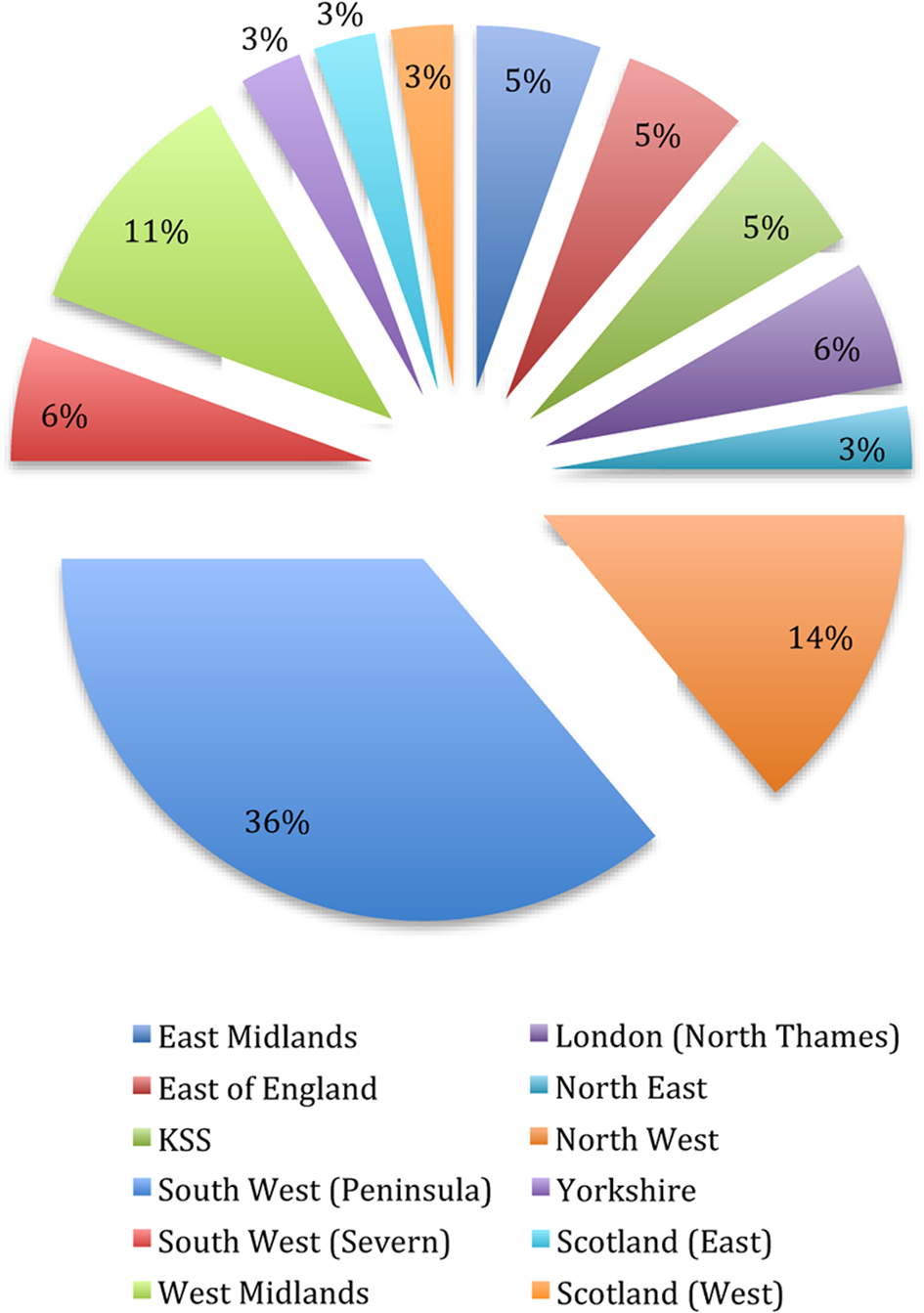
There were 36 completed surveys received from trainees from 12 different deaneries across the UK (Figure 1); this makes up approximately 15 per cent of ENT trainees in the UK (there are around 250 UK-based ENT trainees). Of these, 11 per cent were core surgical trainees or senior house officers, 6 per cent were non-trainee grades (trust doctors), 64 per cent were in their first three years of higher surgical training (specialty trainee years three to five) and 19 per cent were in their final three years of higher surgical training (specialty trainee years six to eight). Surgical experience was evenly distributed amongst responders: 19 per cent had performed less than 500 surgical procedures, 36 per cent had performed 500–1000 procedures, 22 per cent had performed 1000–1500 and 22 per cent had performed more than 1500.
Breakdown of survey responders by deanery. KSS = Kent, Surrey and Sussex

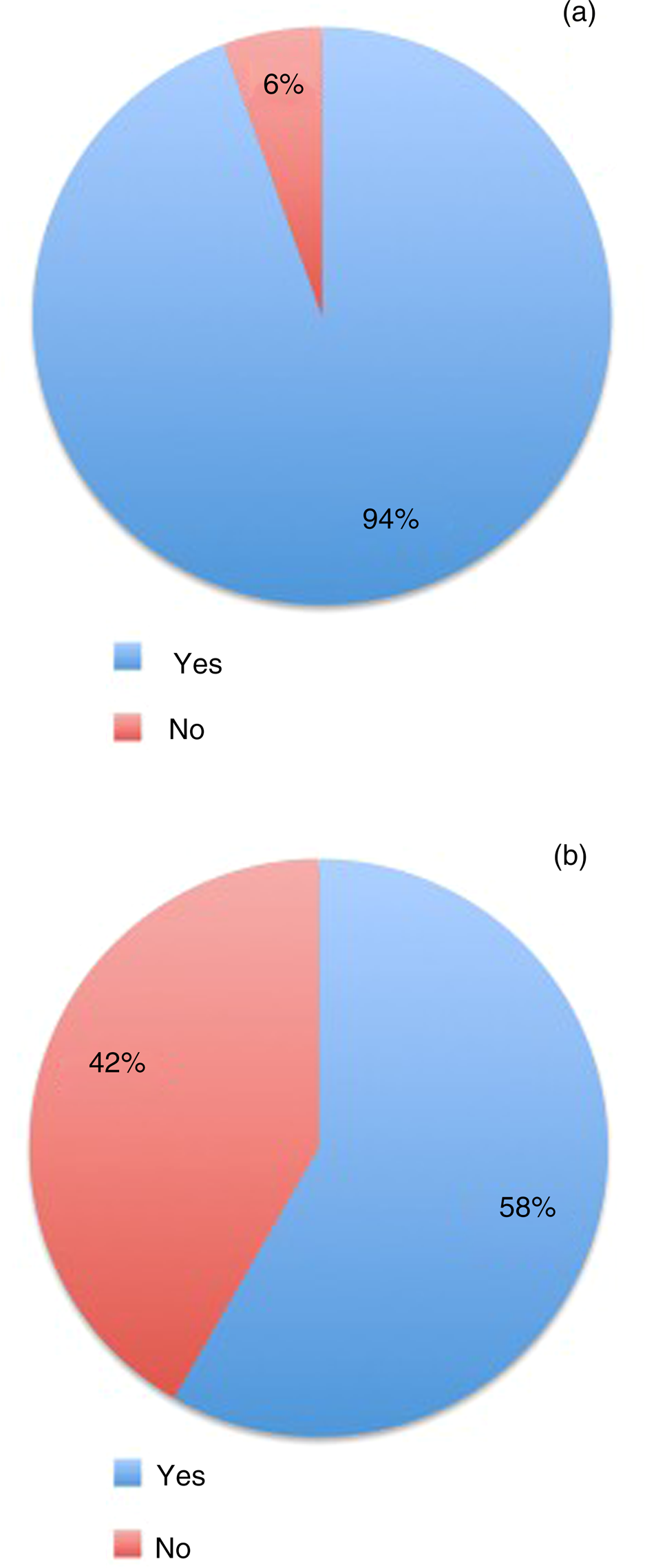
Ninety-four per cent of responders had experienced a surgical complication as a primary surgeon. Of those, 58 per cent felt it had affected their confidence with surgical procedures. On reviewing how complications were discussed within departments, the majority (75 per cent) felt able to discuss these openly, and responders overwhelmingly (86 per cent) felt supported by senior colleagues. Sixty-nine per cent felt that departmental morbidity and mortality meetings are a good forum to discuss complications. Eighty per cent felt that the online platform Intercollegiate Surgical Curriculum Programme was not a useful tool for reflecting on complications.
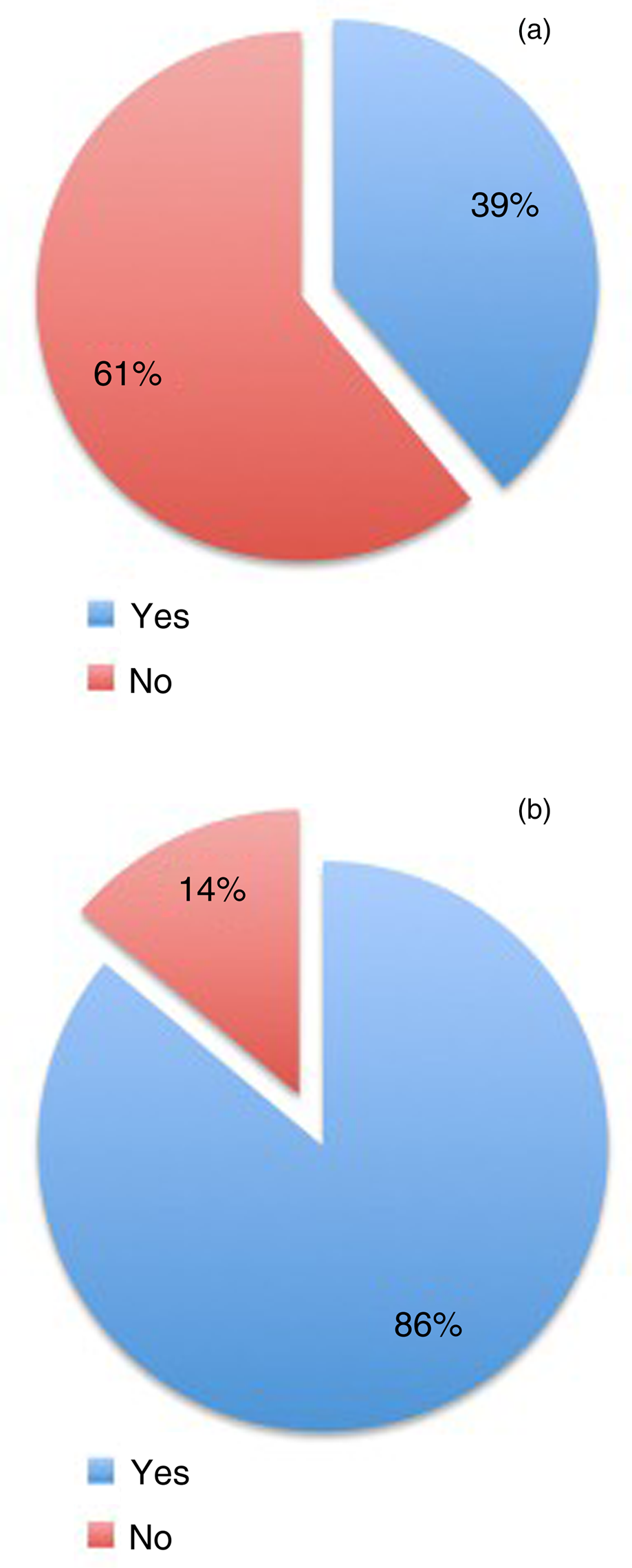
A large proportion of trainees (61 per cent) felt that their current training had not equipped them with the skills needed to manage the non-technical aspects of complications, including: the subsequent effect on confidence, resilience, discussion of complications with colleagues, mentoring and resolution of complaints. Unsurprisingly, a large number of trainees (86 per cent) would find coaching on dealing with complications a useful addition to surgical training.
Discussion
Adverse events, complications, mistakes and errors occur in all fields of medicine and surgery. The risk of these is inherent to all surgical procedures; however, despite pre-operative discussions and the consent process, it is still unexpected when patients experience surgical complications. The ‘second victim phenomenon’ can cause medical professionals to feel that they have failed the patient; this can lead to questioning of their technical skills, background knowledge and understanding of procedures, and reduce their confidence in performing specific operations.Reference Scott, Hirschinger, Cox, McCoig, Brandt and Hall2
The specific experience of surgical trainees after procedural (and other) complications has not been explored extensively in the medical literature, with few papers examining the effect that errors can have on training surgeons. Qualitative research has investigated the reactions of surgeons to complications. This has highlighted four phases that surgeons progress through after learning of a complication: the kick, the fall, the recovery and the long-term impact.Reference Luu, Patel, St-Martin, Leung, Regehr and Murnaghan12
Most surgical departments run monthly morbidity and mortality meetings where events are discussed in a public forum; this may be the first time a trainee discovers that a patient they have operated upon has experienced a complication. The current survey has shown that almost a third of trainees do not find current morbidity and mortality meetings a useful forum to discuss complications or to learn from them. Despite this, it is reassuring to find that departments are mostly supportive of trainees following complications (86 per cent) and that trainees feel able to discuss complications openly (75 per cent).
Ninety-four per cent of trainees who answered the survey have experienced a surgical complication when performing as the primary surgeon, of which 58.3 per cent felt it had affected their confidence in performing certain procedures (Figure 2). Vanhaecht et al. demonstrated that the symptoms of the second victim phenomenon, which can last more than six months after an event, include: hypervigilance, doubts regarding knowledge and skill, stress, fear, shame, feeling uncomfortable within a team, and feeling unable to provide quality care.Reference Vanhaecht, Seys, Schouten, Bruyneel, Coeckelberghs and Panella1 They concluded that the impact of patient safety incidents and complications on medical professionals was largely underestimated, and can have short- and long-term effects on those experiencing the second victim phenomenon. A deliberate decision was made to not include the ‘type’ of surgical complication; this was to keep the discussion on complications in general rather than focusing on the management of certain complication types.
Experience of complications amongst trainees (responses to the question ‘did you experience complications whilst managing patients?’) (a), and its effect on confidence in performing specific surgical procedures (responses to the question ‘has your experience of complications affected your performance of surgical procedures?’) (b).

Reflection is a useful tool to consolidate learning from experiences, both positive and negative. As surgical trainees, we are required to reflect formally on events throughout our training. In the UK, we are encouraged and expected to use an online tool as part of our portfolio: the Intercollegiate Surgical Curriculum Programme. This online tool allows us to document events and reflect on cases. Reflection via self-evaluation and observational skills ultimately aims to improve an individual's ability to deal with a clinical problem, scenario or a similar set of circumstances.Reference McGlin and Chung13 Despite reflection being an invaluable practice, the vast majority of survey responders (80.6 per cent) felt that the Intercollegiate Surgical Curriculum Programme was not a useful tool for this. One possible reason is that a potentially useful reflective activity can become a box-ticking exercise, thereby reducing any meaningful reflection and negating any educational benefit.Reference Macauley and Winyard14 Aronson developed ‘twelve tips’ to improve medical reflection, of which seemingly the most important is to discuss reflections with another individual: ‘a reflection shared is an idea redoubled’.Reference Aronson15 This particular tip highlights the importance of supportive colleagues and senior members of the team.
• A large proportion of trainees experience complications, which can affect their confidence with operating
• UK trainees feel that current training does not adequately prepare them for managing medical errors
• Morbidity and mortality meetings are not always a good forum for discussing medical error
• The current Intercollegiate Surgical Curriculum Programme is not felt to be a good tool for reflection
• Most trainees find good levels of senior pastoral support following complications
Perhaps the most important finding obtained from this short survey is the sense that surgical trainees feel that the current surgical curriculum does not equip individuals with the (non-technical) skills needed to deal with the aftermath of complications; moreover, an overwhelming 86 per cent would find training and coaching in this field a useful addition to the surgical curriculum (Figure 3).
Current opinions on levels of preparedness for complications (responses to the question ‘Has your training given you the tools to manage the non-technical aspects of complications or errors?’) (a), and the desire for further coaching or training (responses to the question ‘Would coaching on managing the non-technical aspects of complications be a useful addition to higher surgical training?’) (b).

Conclusion
This observational survey demonstrates the prevalence of surgical complications affecting ENT surgical trainees with varying levels of experience. It also highlights how the experience of complications can affect future practice. Previous studies have demonstrated how involvement in a patient safety incident can have far-reaching effects for individuals. A weakness of this study is the low response rate amongst ENT trainees in the UK. Online questionnaires have become common as a means to obtain data quickly, and it is possible that there exists a degree of ‘questionnaire fatigue’, leading to reduced engagement in online questionnaires.
Areas for future work include expanding the information gathering beyond ENT, to include trainees from other specialties. The findings of such work could be used to inform the development of education tools, which would enable surgical trainees to develop their ability to manage the emotional burden of surgical complications.
Acknowledgement
We would like to thank all the ENT trainees who were kind enough to offer their time in completing the questionnaire, thereby providing us with the valuable insights detailed above.
Competing interests
None declared