

Rise Up Footnote 1is the successor to the Fitzwilliam’s exhibition Black Atlantic, reviewed in a previous issue of ABRD (Carson Reference Carson2024). Like the first exhibition it combines artefacts and texts from museum, archive and library collections with new art works which interrogate and interpret the history and ongoing legacies of slavery, resistance and emancipation in Britain and the Black Atlantic. Both exhibitions owe much to the University of Cambridge’s ‘Legacies of Enslavement’ project.Footnote 2 They tackle head on issues around national, university, institutional and individual entanglement with the slave trade and plantation slavery, questioning how to react in the present to profits and investments from the outrages and abuses of the past.
Although many exhibits come from the Fitzwilliam and the University, there are also items loaned from private collections and from Canada, Puerto Rico and France. Close attention is given to questions of provenance, context and interpretation and to the paradoxes of Cambridge, a centre for anti-slavery agitation yet with significant funds deriving ultimately from slavery-related investments especially South Sea Company stock.
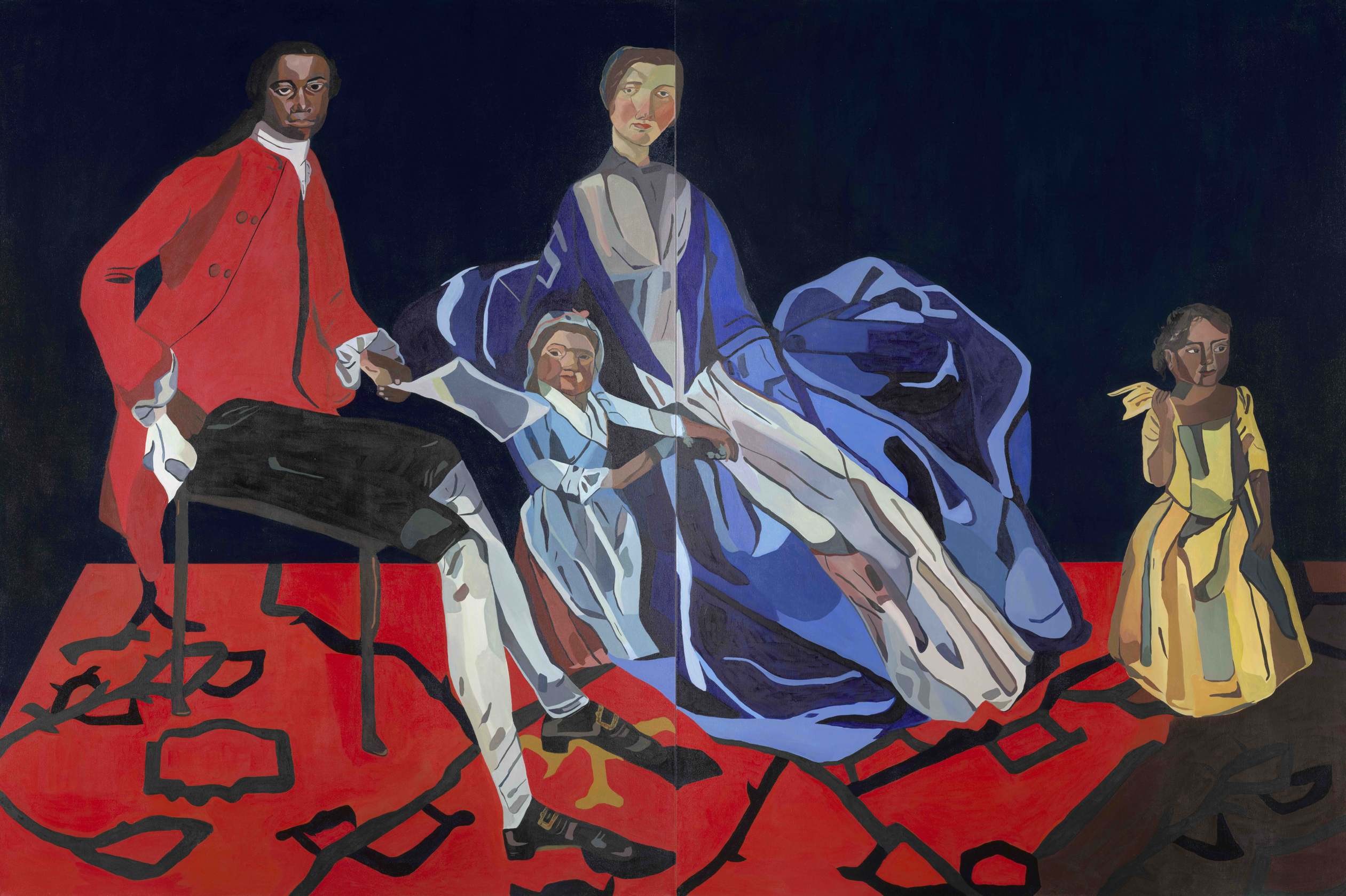
Rise Up focuses on the movements to abolish the slave trade and slavery within British territories between 1750 and 1850, their aftermath and long term resonances. Attention is given to campaigners and influencers, black and white, to leaders of resistance and to the experience of women and girls. Olaudah Equiano, outstanding writer activist and abolitionist, with his strong Cambridgeshire connections – he married a local woman – features prominently. The exhibition opens with, and the catalogue cover features, An Eighteenth Century Family Portrait, Equiano and his family as imagined by the artist Joy Labinjo (born in 1994) (Figure 1). This was, significantly, the first painting by a black artist to enter the permanent collections of the Fitzwilliam.
Joy Labinjo, An Eighteenth-Century Family, 2022. Photograph: Fitzwilliam Museum, University of Cambridge © Joy Labinjo. Courtesy of the Artist and Tiwani Contemporary.

Other individuals celebrated include the abolitionists Ottobah Cugoano and Ignatius Sancho, the poet Phillis Wheatley and the actor Ira Aldridge. These may be relatively well known at least in scholarly and Black history circles but their inclusion here will attract the attention of a wider public. Lesser known figures brought into the spotlight include Francis Williams, ‘the scholar of Jamaica’, a scientist and mathematician, refused election to the Royal Society despite the support of some notable Cambridge academics; the Methodist Minister, John Marrant, who worked among North American Indians as well the Black loyalists of Nova Scotia; Marie Jeanne Lamartinière, the ‘Haitian Joan of Arc’; and musician George Bridgetower, friend of Beethoven and original dedicatee of the ‘Kreutzer Sonata’.
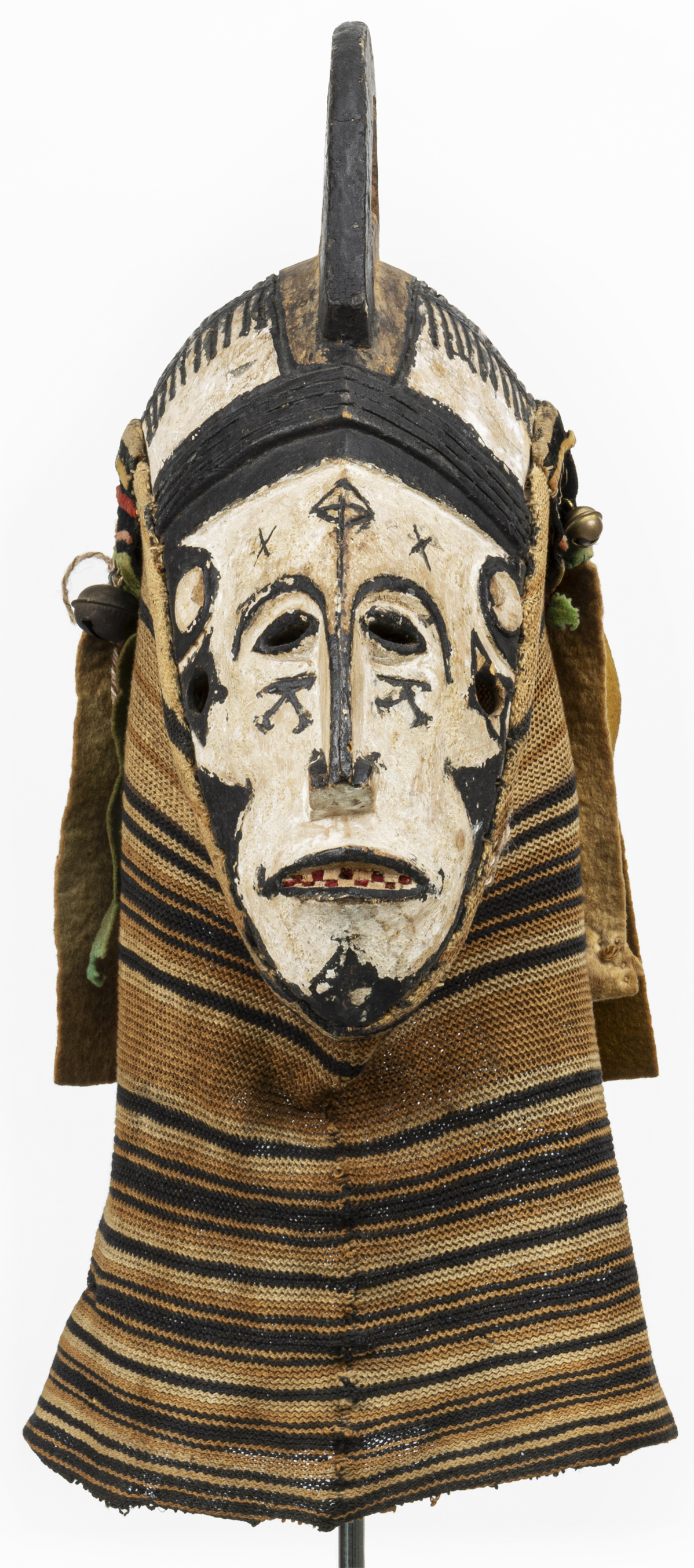
Other exhibits tell more stories including that of the creation of the republic and kingdom of Haiti and black loyalists and colonists in Nova Scotia, Sierra Leone and Nigeria (Figure 2). These histories are now comparatively well known in academic circles but are making a powerful impact on those who experience them for the first time. Although the majority of the exhibits and artworks originate in the Caribbean or Europe, Africa is certainly not forgotten. Items from other Cambridge collections, notably the Museum of Archaeology and Anthropology and the Royal Commonwealth Society Collections in the University Library, play an important role in the overall story.
Unrecorded Igbo maker, Agbogho Mmuo (Maiden Spirit) mask, Museum of Archaeology and Anthropology, University of Cambridge.

The exhibition attracted considerable attention in print and social media from The Daily Telegraph to the Socialist Worker to TikTok. As was only to be expected, reactions varied from accusations of ‘wokery’ and charges of historical inaccuracy to admiration of the Museum’s bravery in exploring difficult legacies. Robert Tombs categorized the exhibition as ‘activist agit-prop, which is a pity as there are many interesting things in it’.Footnote 3
The lavishly illustrated (135 colour pictures) exhibition catalogue (Avery and Kimani Reference Avery and Kimani2025) adds value with some scholarly essays (including summaries of the latest work on Equiano) and expositions of their work by featured artists including Jaqueline Bishop and Joy Labinjo. Material is grouped under these headings: Oppression and resistance; The British anti-slave trade campaign; Britain’s colonies in Nova Scotia and Sierra Leone; Revolutions in the Caribbean; Ending British slavery; Moving forwards. There is much information and food for reflection as well as much indignation by hindsight (especially over the fact that enslavers were generously compensated by the Abolition Act of 1833). There are two highly personal essays. Temi Odumosu, now at the University of Washington, Seattle but who did her doctoral work on African figures in English caricatures at Cambridge, reflects on ‘Touching the void: on becoming an art historian and reckoning with slavery at Cambridge’. Wanja Kimani, co-editor and Associate Curator, writes a strident ‘Reflection from my perspective and experience as an artist working at the Fitzwilliam Museum’. She is highly critical of her colleagues, managers and the Cambridge establishment. Even after the efforts of recent years to examine the legacies of slavery and promote racial justice, she complains about what she terms ‘white fragility’ and a lack of sensitivity to the emotional pain and labour of black scholars and artists.
The exhibition and book alike leave us pondering ‘where do we go from here?’ in seeking understanding of the past and justice in the present.