Introduction
Non-custodial sentences are the commonest type of court sanction in many countries. 1 – 3 Offender management and rehabilitation programmes aim to prevent recidivism and the further criminalisation of individuals receiving community sentences.Reference Visher, Winterfield and Coggeshall 4 , Reference Landenberger and Lipsey 5 Although the ultimate goal of these programmes is to ensure public safety and to ease the economic burden on justice systems, they assume different rates of repeat criminal behaviours and employ different approaches. The criminogenic needs of individuals (the characteristics of an individual that directly relate to the likelihood of recidivism) are typically broken down into static (non-modifiable) and dynamic (modifiable) risk factors. Static risk factors are unchanging characteristics of an individual and include gender, age, and prior criminal history. Dynamic risk factors are items that can be influenced or changed during the process of rehabilitation such as employment or substance misuse problems.
Both static and dynamic risk factors are taken into consideration during risk assessment and intervention planning.Reference Bonta and Andrews 6 Static risk factors are strong predictors of future offending behaviour, but are, by definition, poor targets for intervention. Moreover, one criticism of many risk assessment approaches is their overreliance on static risk factors and a failure to take time and change into account, although this will need to be linked to effective interventions.Reference Hanson 7 Taking into account dynamic factors and their change over time may improve the accuracy of risk assessment.Reference Clarke, Peterson-Badali and Skilling 8 It is also important to study dynamic risk factors for recidivism in community-sentenced populations separately from released prisoner populations. Community sentences are often given to individuals who committed a minor offence, first-time offenders, and other categories considered “low risk”. They may also include offenders with better legal representation. Therefore, for individuals serving a community sentence, certain risk factors may be more or less predictive than in released prisoners, or they may operate through different pathways.
However, many individual studies that examine risk factors for recidivism in community-sentenced populations focus exclusively on static risk factors, typically offenders’ demographics and prior contact with justice systems. 3 , 9 , 10 This is limited given that, when assessed using standardized diagnostic tools, community-sentenced populations show a higher prevalence of dynamic risk factors such as psychiatric disorders and misuse of illicit substancesReference Lurigio, Cho and Swartz 11 in comparison to the general population. In addition, prior meta-analyses that have investigated risk factors in community-sentenced populations either examined mixed samples of released prisoners and community-sentenced individualsReference Olver, Stockdale and Wormith 12 , Reference Gendreau, Little and Goggin 13 or looked into narrow subpopulations of community-sentenced individuals, for example, sexual offendersReference Hanson and Morton-Bourgon 14 or offenders in forensic psychiatric treatment.Reference Bonta, Blais and Wilson 15
In the present study, we examined both static (non-modifiable) and dynamic (modifiable) risk factors for recidivism in 246,608 individuals receiving community sentences. To the authors’ knowledge, this study is the first meta-analysis that examines risk factors for criminal recidivism in a general adult community-sentenced population.
Methods
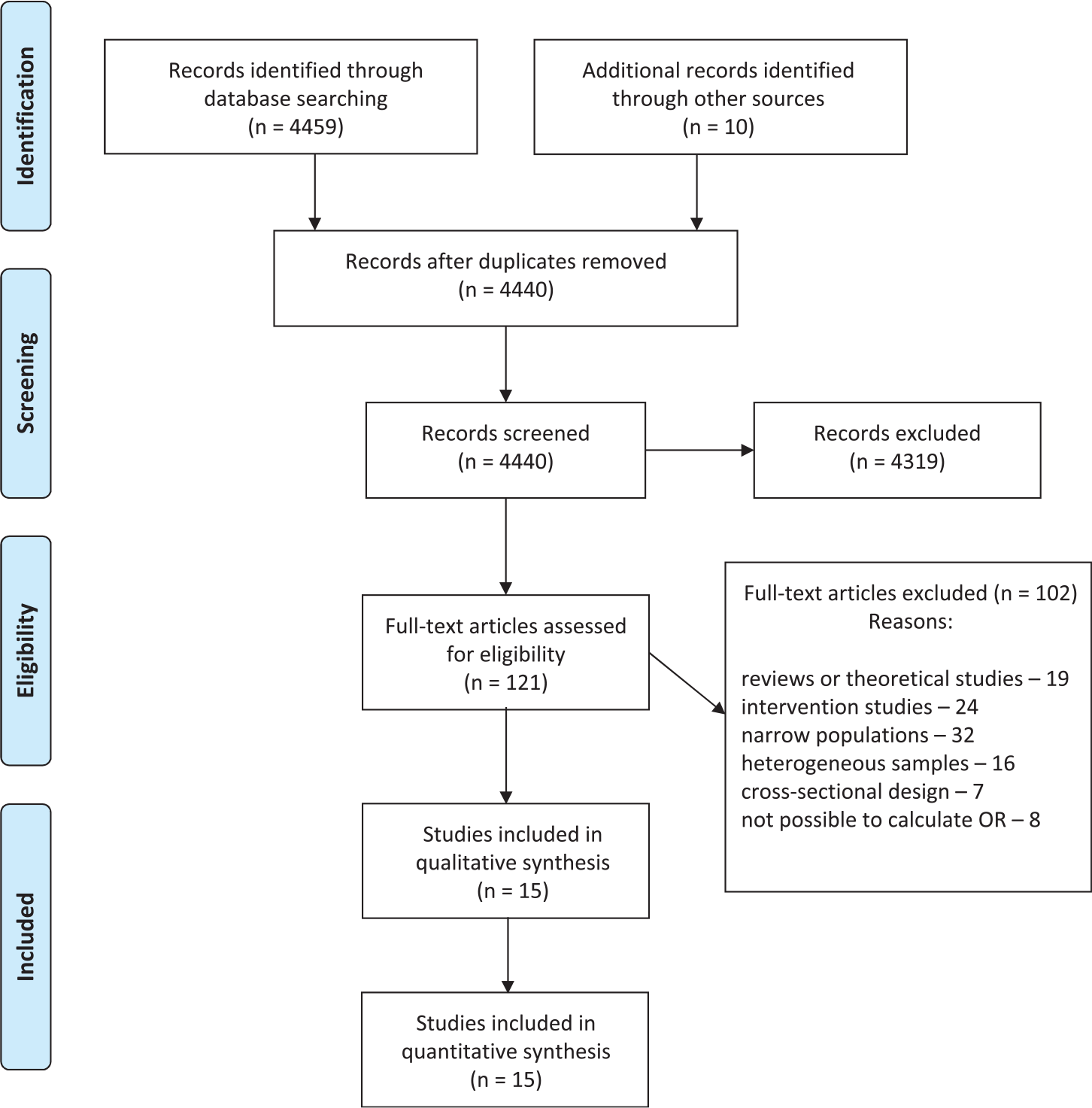
The systematic review protocol was pre-registered in PROSPERO (CRD42018099606), and PRISMA guidelinesReference Shamseer, Moher and Clarke 16 were followed (Figure 1; Supplement 1).
PRISMA flow diagram.

Search strategy
Publication search with no time or language restrictions used the following databases: MEDLINE, SAGE, JSTOR, PsycINFO, PsycARTICLE, EMBASE, and Global Health. Search terms consisted of (recidivism OR “re-offending” OR reoffending OR rearrest OR “re-arrest”) AND (risk OR predictor OR need) AND (criminogenic OR modifiable OR dynamic) AND (“community service” OR probation OR “community sentence”). We scanned the reference lists of the screened-in articles to identify new studies. In addition, the Google Scholar “cited by” tool was used to identify additional studies. Key investigators with relevant publications were contacted to determine if they had undertaken any new or missed studies.
Study eligibility and selection
We included studies of individuals from the general adult (≥18 y.o.) population given community sentences. After the abstracts were screened, 121 full-text articles were assessed for eligibility (Figure 1). Individuals released to community supervision after serving a prison sentence (parolees) were excluded. To be included, a study contained data that enabled estimation of odds ratios (ORs) for at least one risk factor. We excluded studies conducted in narrow subpopulations of individuals given community sentences (e.g., only adolescents, only women, only people with psychiatric disorders), cross-sectional studies, studies of interventions, and validation studies for risk assessment tools. There were no exclusions based on the reported recidivism outcomes, which could include any reoffending, violent and non-violent reoffending, rearrest, revocation of probation, or technical violations. DY conducted the search and screening of the publications.
Data extraction
The data extraction process happened in two stages. Standardized forms were used for each stage and several variables were pre-specified for later subgroup analysis. First, for each study, we extracted the year of publication, study design, geographical region, coverage (province, state, and country), sample characteristics (number of individuals, selection year, reported outcomes, number of people with reported outcomes, type of follow-up, the length of the follow-up period, gender composition, and mean age), and the list of all risk factors. Second, if at least three studies examined a particular risk factor, the following data were extracted: number of individuals in the exposed and comparison groups, operationalization of risk factor in a particular study, description of comparison group, and source of information (records or risk assessment instrument). Risk factors judged to be similar by their descriptions were collapsed in domains. If a study reported multiple outcomes, the most prevalent outcome for a particular risk factor was extracted to enhance comparability. The most serious outcome was used when the prevalence for two outcomes was the same in a group (in the order of priority: reconviction, probation failure, rearrest, and technical violation). When a study used the same data set as another study for a given risk factor, the data from the most recent study were extracted. DY and another researcher (HR) independently performed data extraction. Any disagreements were resolved by discussion with SF.
Several studies that explored data on substance misuse reported it separately for alcohol and drug abuse without providing combined data for any substance misuse. Taking this into account, to avoid duplicating samples, we analyzed individuals with substance abuse problems by three subgroups (problems with alcohol, problems with drugs, and problems with substances in general). In addition, different studies reported risk for ethnicity domain in inconsistent ways. Race and ethnicity might be defined as one or as two separate categories. We used data comparing white and non-white individuals, which was the most common way of reporting risk for this domain.
The data were converted to ORs for pooling. If a study reported frequencies or proportions, crude ORs were calculated directly with corresponding 95% confidence intervals. If no such data had been reported, we used other metrics that allowed estimation of ORs. If crude OR estimation was not possible, adjusted ORs were extracted. Reported chi-square values were converted into Cohen’s d and, consequently, into log-transformed ORs.Reference Rosenthal and DiMatteo 17 All ORs were reported to one decimal place.
Quality assessment was performed using the Newcastle-Ottawa Quality Assessment Scale for cohort studies.Reference Wells, Shea and O’Connell 18 This scale evaluates cohort selection, exposure ascertainment, comparability between cohorts, and the quality of outcome measurement. For each item on the scale, the study can be assigned one or two points, with a maximum score of nine points. Any uncertainties about quality rating were resolved by discussion between authors. Egger’s tests were used to assess possible publication bias for each risk factor.
Statistical analyses
All statistical analyses were done in STATA Version 15 for Windows 19 using admetan package. 20 To assess heterogeneity across studies, we used I² statistics, which estimates the percentage of variance due to differences between studies. Random effects models were used to provide for more equal weighting between studies. Subgroup analysis was then performed to investigate potential sources of heterogeneity using pre-defined subgroups.
Results
Study characteristics
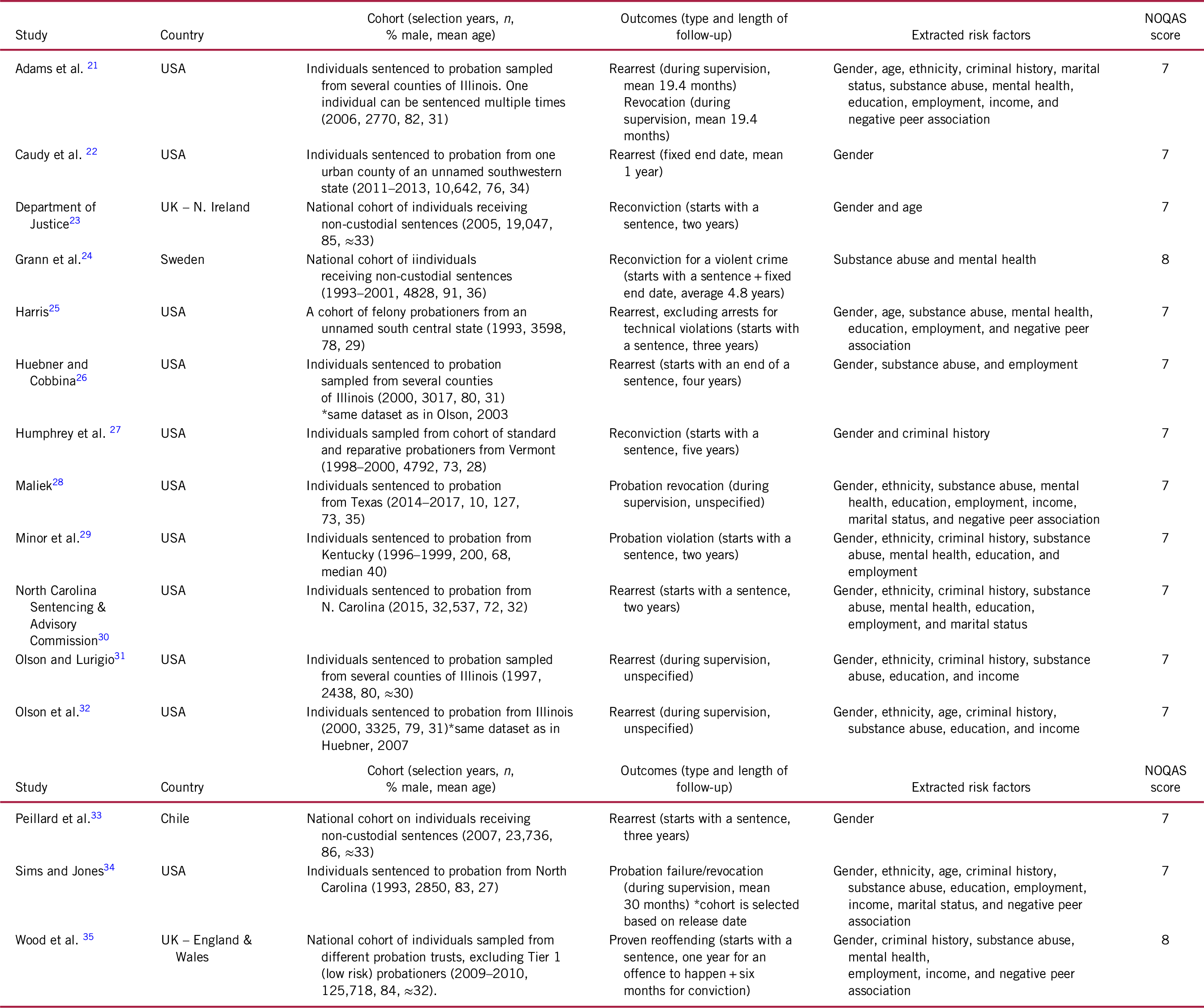
We identified 15 studies from 5 countries, which reported data on 246,608 (82% male) individuals from 14 independent samples (Table 1). The included studies were published between 1997 and 2018. The majority (11) of the studies were from the USA. Four included papers were reports by governmental agencies,Reference Adams, Bostwick and Campbell 21 , 23 , 30 , Reference Peillard, Correa, Chahuán and Lacoa 33 one was a thesisReference Maliek 28 and the rest were published in peer-reviewed journals.
Description of studies included in the meta-analysis

The participants were either representative samples or full cohorts of individuals who received community sentences in a given country or province during a selection period. All included studies utilized a cohort (either prospective or retrospective) design. Rearrest was the most frequently reported outcome (eight studies) and the mean reported follow-up period was 3.5 years (three studies did not provide information on the mean follow-up length). The identified risk factor domains that were examined in three or more studies were gender, income, ethnicity, criminal history, marital status, substance misuse problems, mental health needs, educational problems, employment problems, and association with antisocial peers (Table 1). The definitions of exact outcomes included in these domains are reported in Appendix 1 in the Supplementary material.
Quality assessment
Among identified studies, 2 received a score of 8 on the Newcastle-Ottawa Scale, 13 received a score of 7. The commonest identified limitation was missing data for risk factors in a number of individuals or failure to report a non-response rate.
Recidivism risk and static (non-modifiable) risk factors
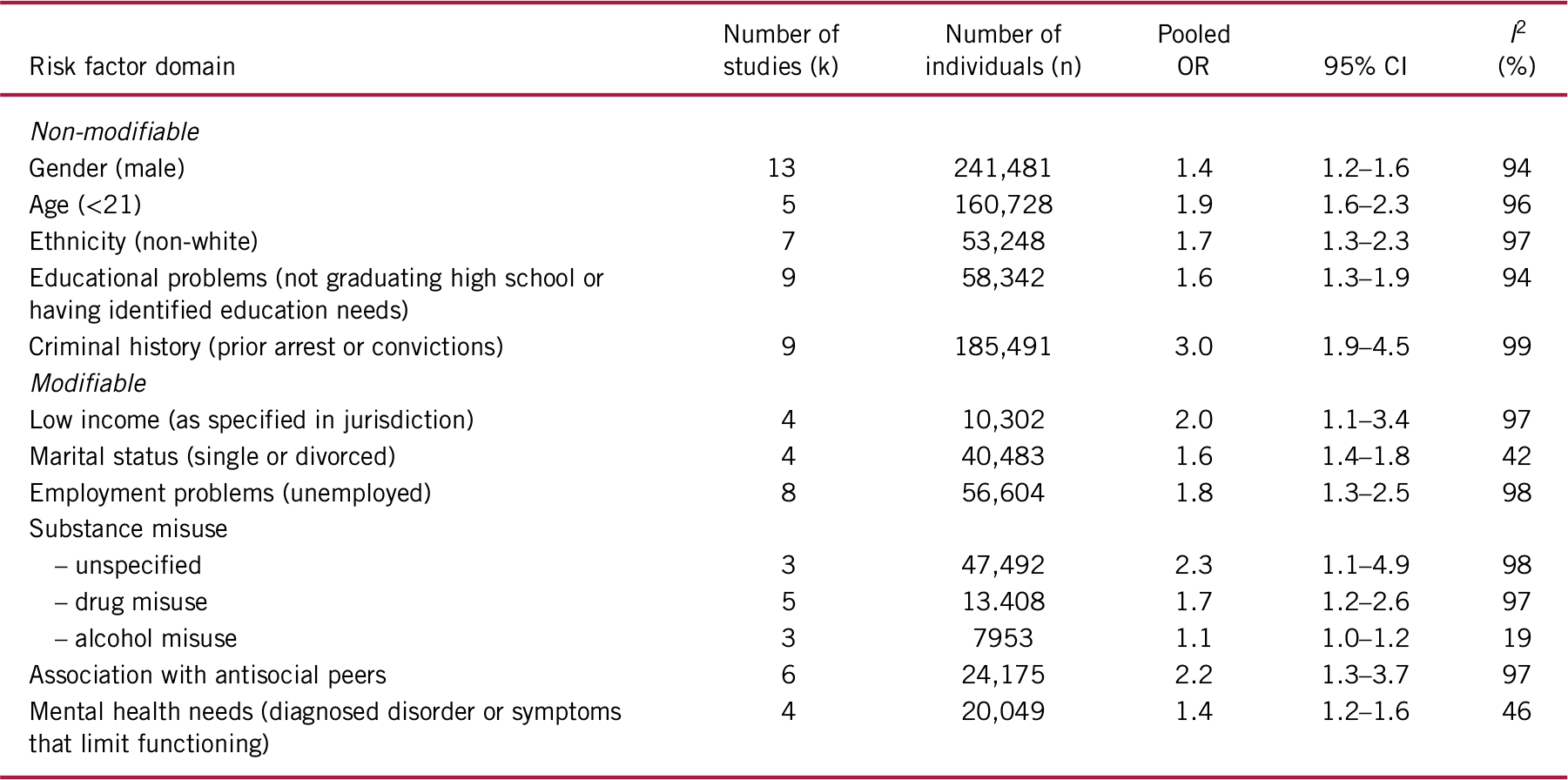
The most commonly reported static risk factor domains were gender, age, ethnicity, criminal history, and educational problems (Table 2, Appendix 2 in the Supplementary material).
Summary of the meta-analysis results (pooled ORs for each identified risk factor domain)

In the criminal history domain, we included individuals with arrests or convictions that pre-dated an index crime. Having a prior criminal history was strongly associated with recidivism (k = 9, n = 185,491, pooled OR = 3.0 (CI 95% [1.9, 4.5]; I 2 = 99%). No predefined subgroups explained the observed heterogeneity. To determine the association between age and recidivism, we compared adult individuals younger than 21 years old at the time of their index conviction with older offenders, as this was the most commonly reported age grouping across the studies. Younger age was associated with recidivism (k = 5, n = 160,728, pooled OR = 1.9 (CI 95% [1.6, 2.3]; I 2 = 96%). Heterogeneity slightly reduced in studies when individuals were followed during their supervision. No other subgroups were relevant for heterogeneity.
Several other static risk factor domains were associated with recidivism. These included educational problems, that is, not having high school diploma or having high educational needs indicated by standardized assessment tools (k = 9, n = 58,342, pooled OR = 1.6 (CI 95% [1.3, 1.9]; I 2 = 94%), and being male (k = 13, n = 241,481, pooled OR = 1.4 (CI 95% [1.2, 1.6]; I 2 = 94%). In addition, having non-white ethnicity was associated with recidivism (ethnicity domain; k = 7, n = 53,248, pooled OR = 1.7 (CI 95% [1.3, 2.3]; I 2 = 97%). No subgroups explained heterogeneity in these risk factor domains. Data for the ethnicity domain were reported only by the studies conducted on US samples.
No significant publication bias was identified for any static risk factor (Egger’s test results are available upon request).
Recidivism risk and dynamic (modifiable) risk factors
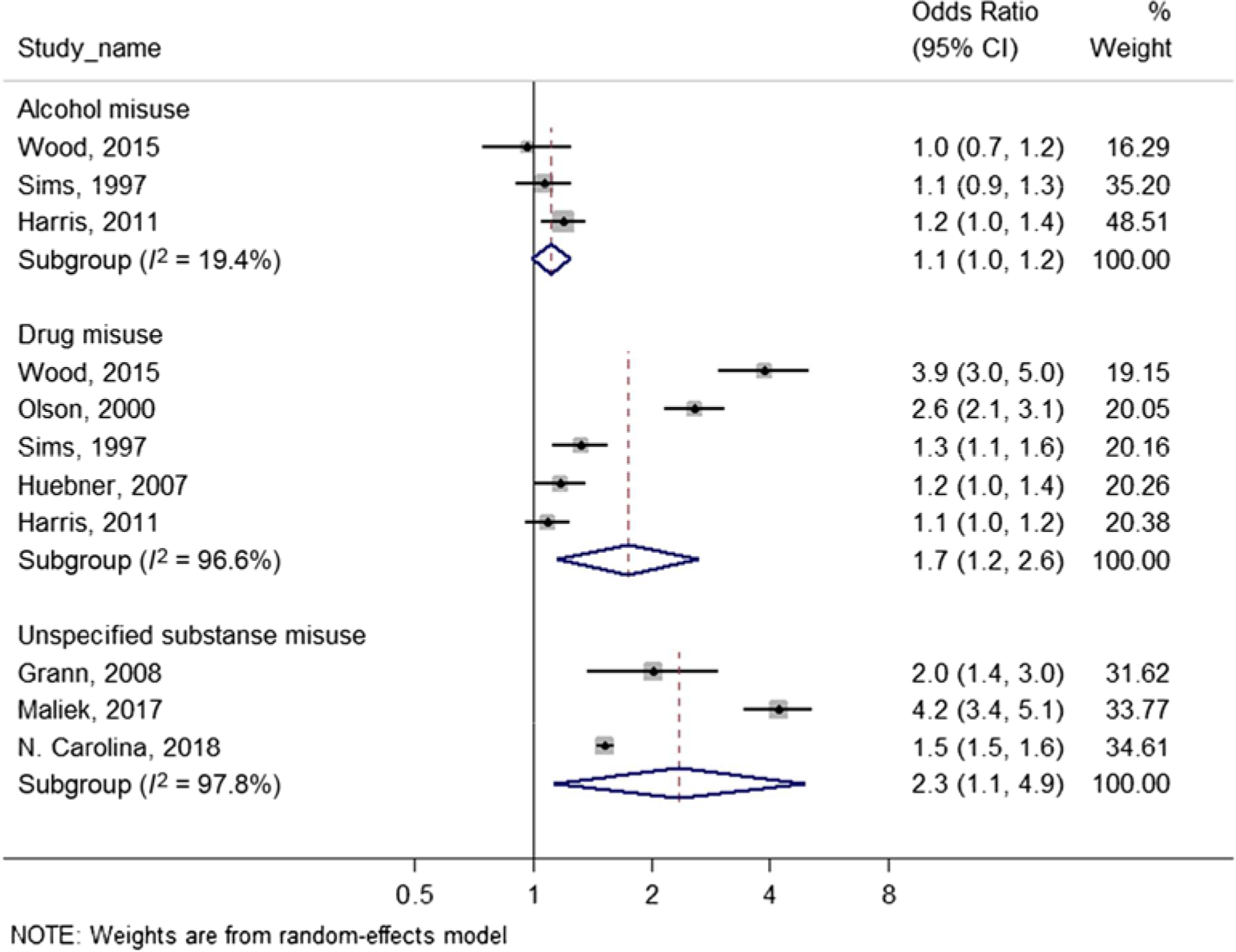
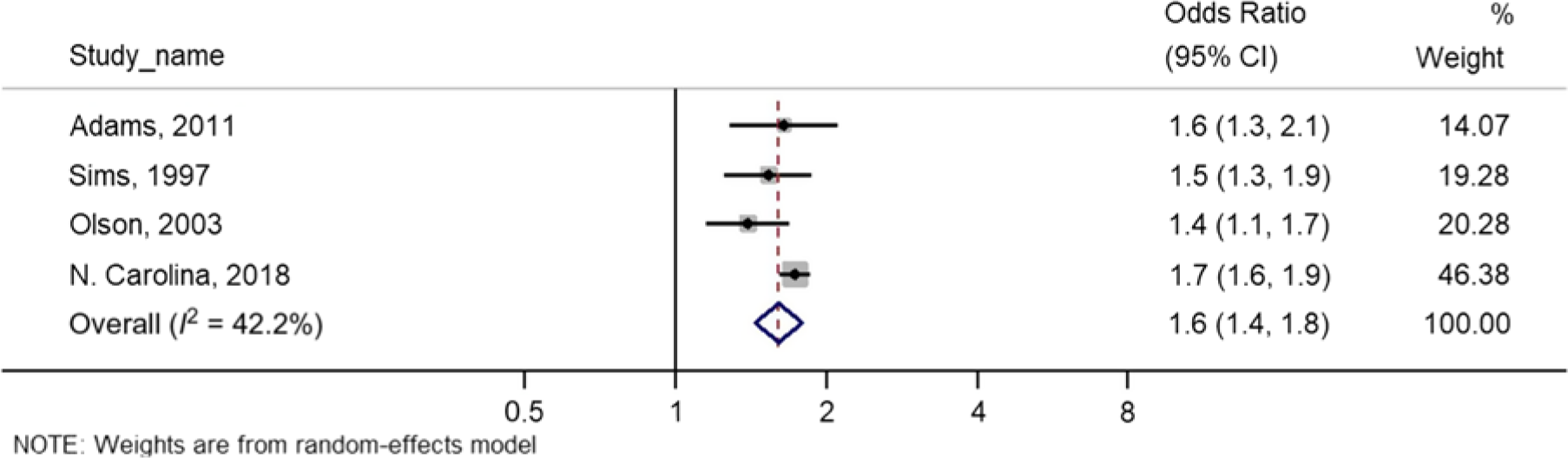
The most commonly reported dynamic risk factor domains were substance misuse (Figure 2), mental health needs (Figure 3), association with antisocial peers (Figure 4), employment problems (Figure 5), low income (Figure 6), and marital status (Figure 7).
ORs for the association between substance misuse and the risk of recidivism in community-sentenced populations by type of misuse.

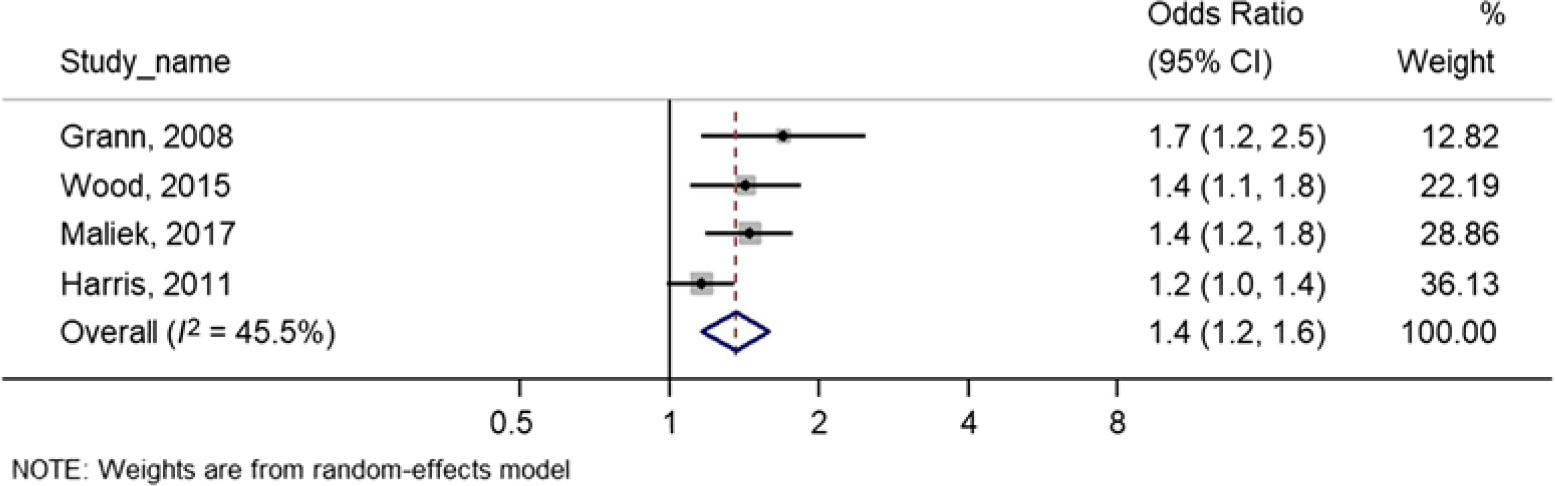
ORs for the association between mental health needs and the risk of recidivism in community-sentenced populations.

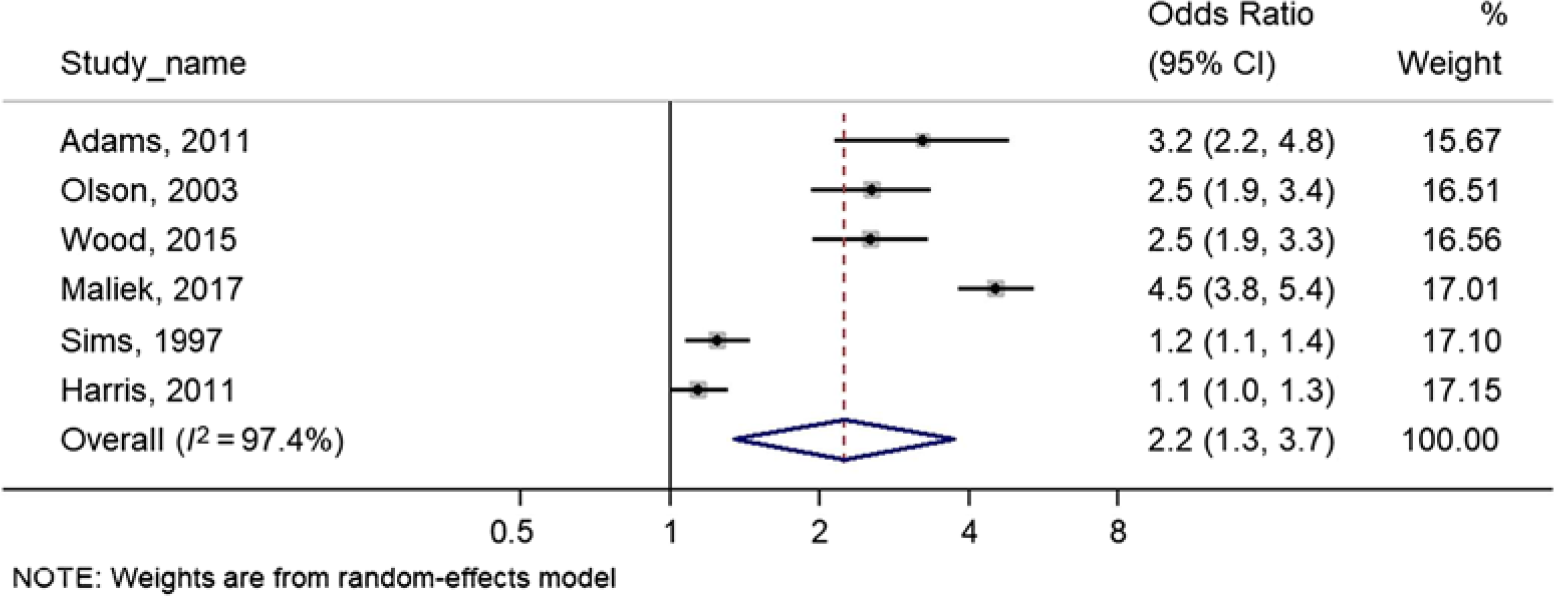
ORs for the association between association with antisocial peers and the risk of recidivism in community-sentenced populations.

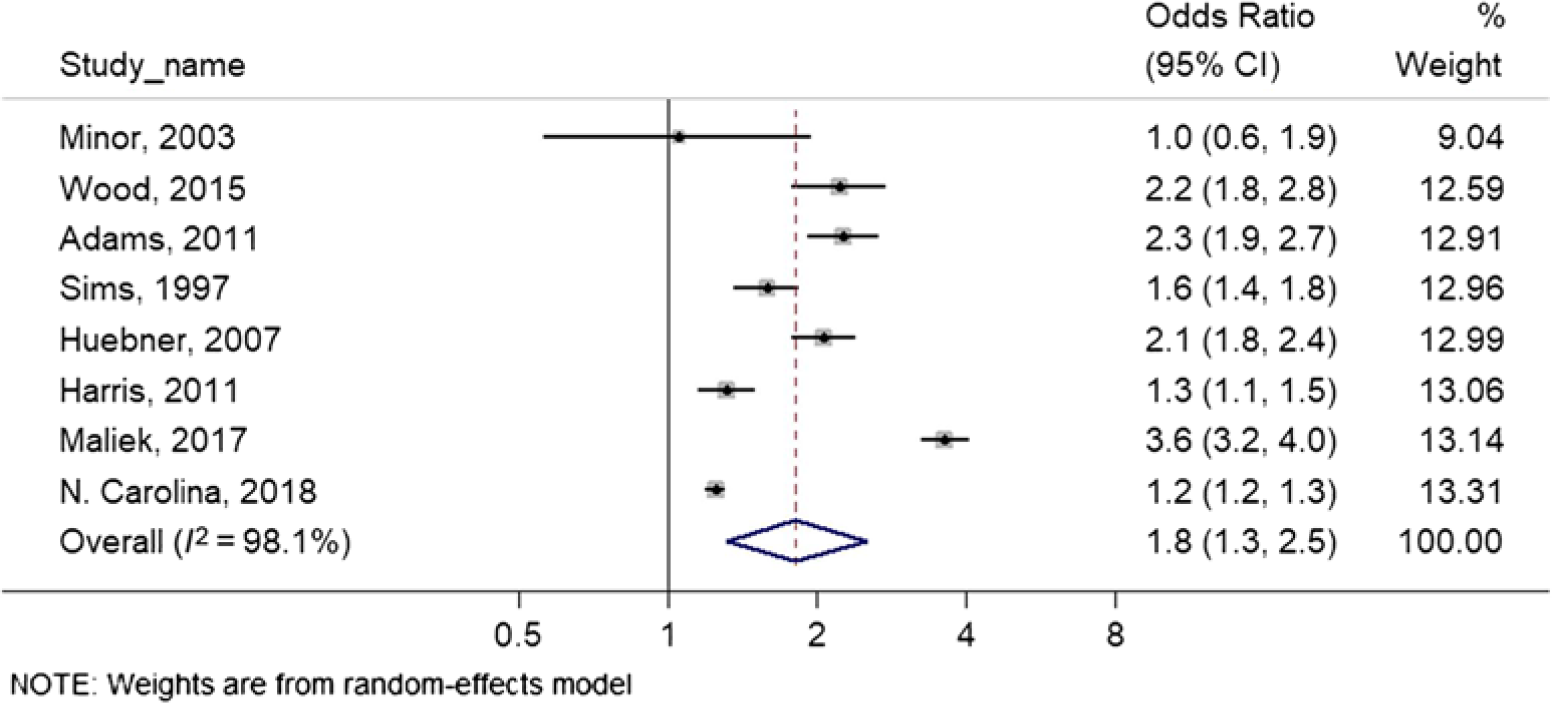
ORs for the association between employment problems and the risk of recidivism in community-sentenced populations.

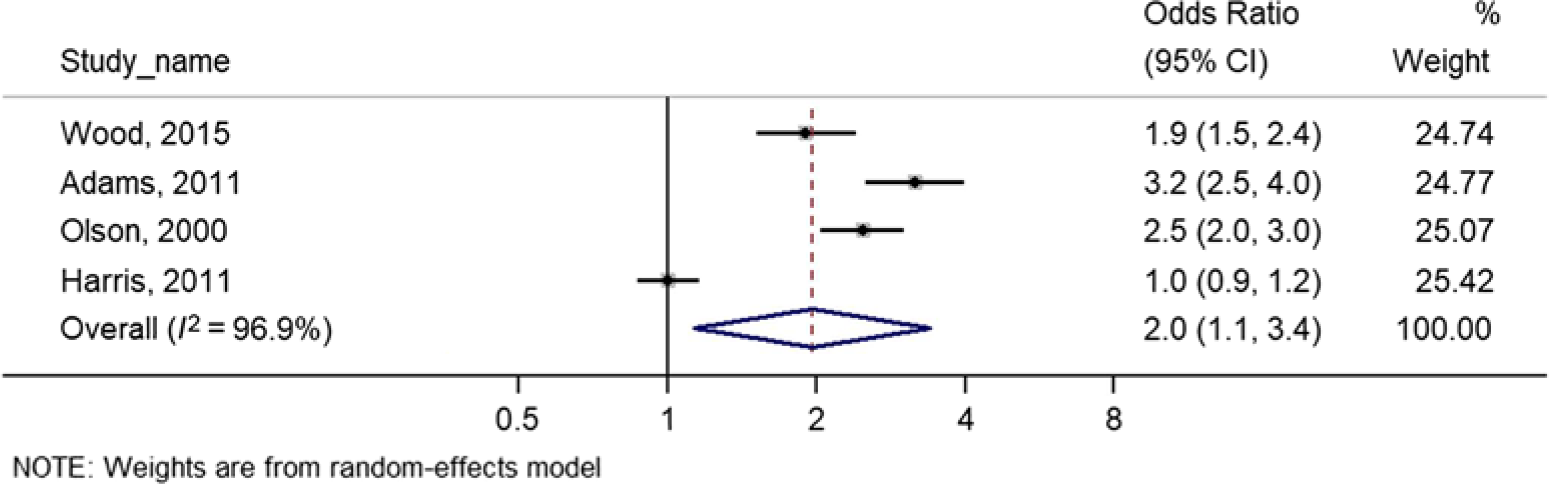
ORs for the association between low income and the risk of recidivism in community-sentenced populations.

ORs for the association between marital status (being single or divorced) and the risk of recidivism in community-sentenced populations.

Substance misuse as a risk factor was reported differently. A standardised diagnosis was only used in one study.Reference Maliek 28 Instead, problems with alcohol or drugs were typically reported based on interviews and assessments conducted by a probation officer or on record analysis. Recidivism was associated with unspecified substance misuse (k = 3, n = 47,492, pooled OR = 2.3 (CI 95% [1.1, 4.9]); I 2 = 98%) and drug misuse (k = 5, n = 13,408, pooled OR = 1.7 (CI 95% [1.2, 2.6]); I 2 = 97%). There was a weak association with alcohol misuse (k = 3, n = 7953, pooled OR = 1.1 (CI 95% [1.0, 1.2]); I 2 = 19%). The studies that reported a referral to substance misuse treatment programmes as a measure of this risk factor were excluded. We considered the referral an unsatisfactory proxy for diagnosis since the referral process is, in many cases, voluntary or may not be a part of a sentence at all, even if an offender has known substance misuse problems. Data from two studiesReference Adams, Bostwick and Campbell 21 , Reference Minor, Wells and Sims 29 were excluded for this reason. Further subgroup analysis did not identify factors associated with heterogeneity for substance misuse.
Mental health needs (excluding substance misuse) were associated with an increased risk of recidivism (k = 4, n = 20,049, pooled OR = 1.4 (CI 95% [1.2, 1.6]); I 2 = 46%). As was the case with substance misuse, medically diagnosed disorders were almost never used as a predictor with the exception of one study.Reference Grann, Danesh and Fazel 24 This domain also included presenting with symptoms that limit functioning or having unspecified mental health needs, an assessment of which was often conducted by a probation officer or was not described. Applying a similar rationale to our approach to substance misuse reporting, we excluded data from one studyReference Adams, Bostwick and Campbell 21 that used a mental health treatment referral as a measure of this risk factor. No pre-identified subgroups explained heterogeneity for mental health needs.
Having antisocial peers was also associated with recidivism (k = 6, n = 24,175, pooled OR = 2.2 (CI 95% [1.3, 3.7]); I 2 = 97%). This domain included individuals with known gang affiliations, antisocial friends or lack of prosocial friends. The assessment of this factor was performed mostly by a probation officer or through analysis of records. Heterogeneity was partially explained by lower risk estimates in those below 30 years old compared to 30–35 years old. No other subgroups were associated with lower heterogeneity.
Being unemployed at the time of the conviction was associated with the increased risk of recidivism (k = 8, n = 56,604, pooled OR = 1.8 (CI 95% [1.3, 2.5]); I 2 = 98%) as well as having low income (k = 4, n = 10,302, pooled OR = 2.0 (CI 95% [1.1, 3.4); I 2 = 97%], and being single or divorced (marital status domain; k = 4, n = 40,483, pooled OR = 1.6 (CI 95% [1.4, 1.8]); I 2 = 42%). No predefined subgroups explained heterogeneity for low income, unemployment or marital status.
No significant publication bias was identified for any dynamic risk factor (Egger’s test results are available upon request).
Discussion
This meta-analysis examined the most commonly reported risk factors for recidivism in community-sentenced populations and identified 15 studies involving 246,608 individuals. Three main findings emerge. The first is that dynamic risk factors such as mental health needs, substance misuse, association with antisocial peers, and employment problems increased risk of recidivism in community-sentenced populations. The second is that the strength of these associations was comparable with static risk factors, such as age, gender, and criminal history. The third is that there is a relative dearth of published studies on dynamic risk factors that specifically examine individuals receiving community sentences.
Among static risk factors, younger age and prior criminal history had the strongest association with recidivism. The strength of this association may be considered moderate. Those factors, along with gender, are the common predictors of recidivism in different populations.Reference Fazel, Chang and Fanshawe 36 The frequency of criminal behaviour peaks in adolescence and early adulthood, and having a prior criminal history may reflect a life-span persistent criminal career, which also often begins during adolescence. Educational problems such as not completing high school education may also reflect the early adolescent onset of criminal behaviour and be related to persistent problems with social adjustment, which could make the successful reintegration of an offender challenging.
We identified several commonly reported dynamic risk factors that were associated with recidivism in community-sentenced populations, including substance misuse, association with antisocial peers, mental health needs, low income, and problems with employment. The association between substance misuse and recidivism is a common finding in studies on violence and recidivism among released prisoners.Reference Fazel, Chang and Fanshawe 36 , Reference Stahler, Mennis and Belenko 37 The association may reflect core endophenotypes for substance misuse such as poor inhibitory control.Reference Ersche, Turton and Chamberlain 38 Drug or alcohol intake may have a disinhibiting effect on an individual thus increasing risk of committing an impulsive crime. Chronic consumption may lead to long-term neurological deficits that are also associated with decreased self-control and increased risk for violence.Reference Arseneault, Moffit and Caspi 39 , Reference Sinha 40 Moreover, drugs may serve as a direct motive for a crime, and illegal possession of drugs may itself be considered a crime. The risk may also depend on the type of drugs used.Reference Hendricks, Crawford and Cropsey 41 When alcohol misuse was examined separately, the association was not as strong. Studies in released prisoners have previously shown that diagnosis of alcohol use disorder increased the risk (to the same level as drug use disorder) of reoffending.Reference Chang, Larsson and Lichtenstein 42 Most likely, there were not enough identified studies that examined alcohol abuse as a stand-alone risk factor in this meta-analysis. Another possible reason for this finding was the way in which alcohol or drug misuse was measured, typically based on self-report or poorly defined criteria.
Mental health needs were associated with the increased risk of recidivism, which is an important finding. Prior meta-analyses have also found that mental health disorders in general and forensic populations increased the risk of violence.Reference Oram, Trevillion and Khalifeh 43 , Reference Fazel, Gulati and Linsell 44 However, very few identified studies have investigated the mental health of general community-sentenced populations. Also, using this broad category of mental health needs as a risk factor may not be that practically meaningful for prediction of repeated criminal behaviour since different types of disorders may have different associations with recidivism.Reference Grann, Danesh and Fazel 24 The existing standardized tools used by probation officers have a “mental health needs/problems” code, but often do not code any specific diagnosis that an individual may have. Using more precise diagnostic categories may be more helpful, although not always possible since this requires professional assessment or access to medical records. Overall, further analysis is required to assess the usefulness of psychiatric diagnoses and their comorbidity in community-sentenced populations.
To determine precise mechanisms of recidivism, it may be informative to examine potential interactions between dynamic and static risk factors, as some factors become more informative for certain subgroups of offenders. For example, HarrisReference Harris 25 compared risk factors among offenders with different criminal career trajectories. Familial problems predicted future rearrest among first-time adult offenders, but they were not a predictor for sentenced offenders with known criminal histories. Many of the factors that may have associations with repeat offending, such as childhood adverse experiences and history of victimisation,Reference Fitton, Yu and Fazel 45 were examined in the context of general violent behaviour, but not in the context of recidivism studies.
Strengths and Limitations
This is the first meta-analysis, to our knowledge, to investigate risk factors for criminal recidivism in the general population of individuals receiving community sentences. Studies included in the final analysis were of high quality (as assessed by Newcastle-Ottawa Scale) and were conducted using large samples.
The small number of published studies limits the generalizability of the results and leads to several additional limitations. First, it was often not possible to reliably estimate potential sources of heterogeneity, which was high for almost every included risk factor domain. Given the variety of ways in which one risk factor may be defined and measured across different studies, the conclusions should be viewed with caution. Second, it was not possible to separately analyze distal (i.e., prior history of substance abuse/mental health problems) and proximal risk factors (ongoing problems with substance misuse/mental health at the time of the conviction). For this reason, they were combined under their respective domains. Third, we were not able to compare the effects across different outcomes (rearrest, reconviction, technical violation with/without termination of a sentence, and reimprisonment) and different follow-up models (recidivism while serving a sentence vs. recidivism after the completion of a sentence). Also, we did not have enough data to compare violent and non-violent recidivism outcomes.
Another variable that might have contributed to heterogeneity was the difference in sentencing practices among jurisdictions, which our study does not account for. In particular, in jurisdictions where prison sentences are more common, community-sentenced cohorts may be comprised of lower risk individuals when compared to jurisdictions where prison sentences are less common. Differences in sentencing practices result in cohorts with varying compositions that render direct comparisons problematic.
Although there was no identified publication bias, there is still a possibility that some studies may not have provided data for risk factors in cases of non-significant findings. Finally, in terms of geographical generalizability, the included studies were limited to Europe and the USA. The US studies were overrepresented in the meta-analysis. All studies that examined ethnicity were from the USA, and this risk factor is not generalizable to other countries.
Conclusion and Recommendations
Modifiable risk factors such as mental health needs, substance misuse, association with antisocial peers, low income, employment problems, and marital status were associated with risk of recidivism in individuals receiving community sentences. Further integration of mental health services within criminal justice community supervision agencies requires careful thought and should be based upon the understanding of the treatment needs and recidivism mechanisms of these specific populations. In addition, overreliance on static (non-modifiable) risk factors and underplaying of dynamic (modifiable) mental health needs during risk assessment should be avoided as it may lead to less effective rehabilitation practices considering the high prevalence of mental health problems in general community-sentenced populations.
When reporting data for mental health risk factors, diagnostic categories should be provided when the medical records are available, and comorbidity with substance misuse should be documented. When reporting mental health and substance misuse problems as risk factors, the differences between ongoing problems at the time of a conviction (proximal factors) and problems in the past (distal factors) should be clearly indicated. In addition, researchers and agencies should explore other types of predictors identified in the literature, such as history of maltreatment and victimisation, since chronic or ongoing psychological trauma may be an important therapeutic target during rehabilitation. Some of these factors have been extensively studied in other contexts (as predictors of violent behaviour and well-being), but not within the context of recidivism. Exploring the association of particular symptoms of mental disorders with a plausible connection to recidivism may also be useful. Finally, to make comparisons between studies more meaningful, recidivism data should be reported across different outcomes, including violent and non-violent recidivism. The use of common reporting guidelines (see Recidivism Reporting ChecklistReference Fazel, Wolf and Yukhnenko 46 ) may facilitate this process.
Acknowledgments
We are grateful to Howard Ryland for assistance with data extraction.
Funding
SF is funded by Wellcome Trust (grant number 202836/Z/16/Z).
Disclosures
The authors declare that they have nothing to disclose.
Supplementary material
To view supplementary material for this article, please visit https://doi.org/10.1017/S1092852919001056