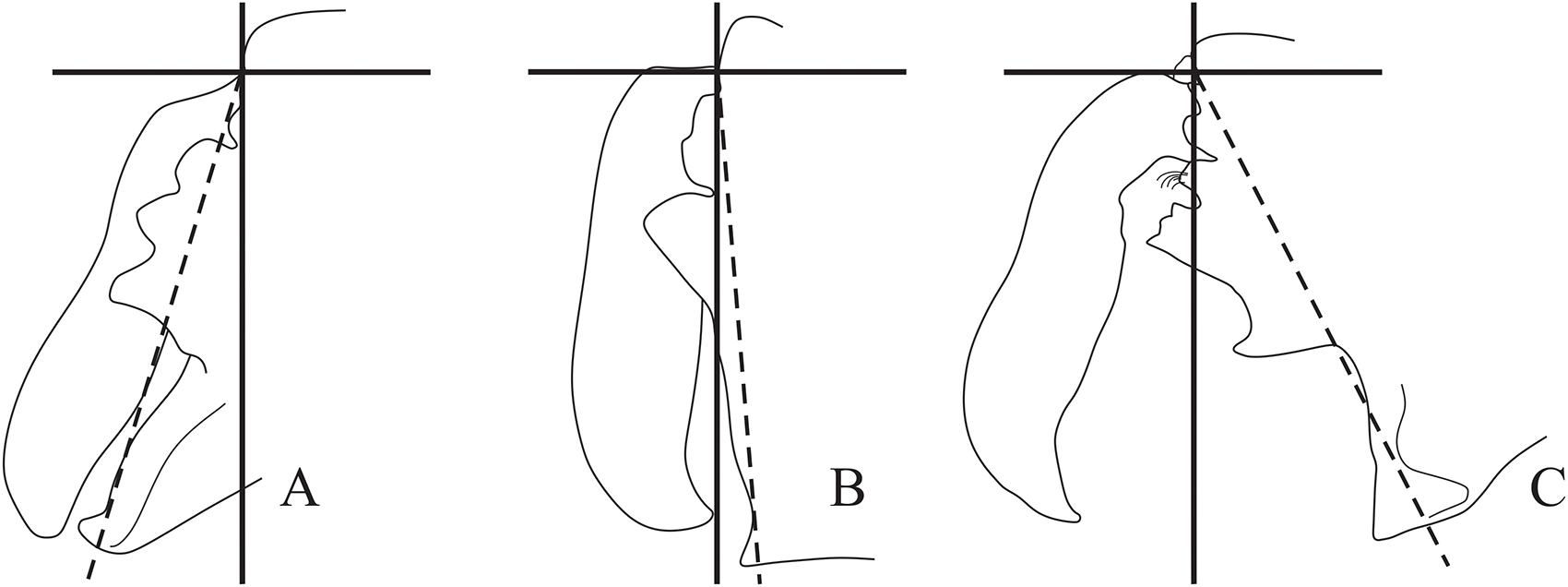
Introduction
Melitidae Bousfield, Reference Bousfield1973 comprises a diverse group of genera and species mostly found in shallow waters, from intertidal to continental shelf break (Lowry and Springthorpe Reference Lowry and Springthorpe2005, Reference Lowry and Springthorpe2007), and also from deep-sea environments, ranging from the continental slope (Labay Reference Labay2022) to the bathyal zone, including hydrothermal vents (Tandberg et al Reference Tandberg, Rapp, Schander and Vader2013, Reference Tandberg, Rapp, Schander, Vader, Sweetman and Berge2012; Yanrong et al Reference Yanrong, Zhu, Sha and Ren2021). The family was amended by Krapp-Schickel (Reference Krapp-Schickel2008), with the establishment of the Maeridae Krapp-Schickel, Reference Krapp-Schickel2008, and by Lowry and Myers (Reference Lowry and Myers2013) with the establishment of Eriopisidae Lowry and Myers, Reference Lowry and Myers2013 and Nuuanuidae Lowry and Myers, Reference Lowry and Myers2013. Over the years, several species of Melita Leach, 1814, the type genus of the family, were transferred to many other genera, such as: Allomelita Stock, Reference Stock1984, Abludomelita Karaman, Reference Karaman1981, Desdimelita Jarret & Bousfield, Reference Jarret and Bousfield1996, Dulichiella Stout, Reference Stout1912, Quasimelita Jarret & Bousfield, Reference Jarret and Bousfield1996, and more recently, Barnardomelita, Labay, Reference Labay2016, Ledoyeromelita Labay, Reference Labay2016, and Verdeia Lowry and Springthorpe, Reference Lowry and Springthorpe2007.
Lowry and Springthorpe (Reference Lowry and Springthorpe2007) revised species of the genus Dulichiella and two closely related species: M. grandimana Chevreux, Reference Chevreux1908 and M. suchelata Schellenberg, Reference Schellenberg and Michaelsen1925. In their work, the genus Verdeia was established to accommodate these two species that did not fit into Dulichiella but were more closely related to it. This decision was based on differences in the characters of the palm of the larger male gnathopod 2.
Despite these clear differences, some other characters were highlighted as contrasting between both genera; however, the statements originated some incongruences in the form of the description and drawing plates on the same work.
In this work, we update and discuss the diagnosis of Verdeia, resolving inconsistencies and providing an identification key for the Brazilian species of the family Melitidae. Verdeia setosa sp. nov. represents the first record of the genus for Brazilian waters.
Material and methods
The material examined was collected by the R/V Luke Thomas at an isobath of 150 m depth, on the continental slope of Potiguar Basin, Rio Grande do Norte state, during the project ‘Avaliação da Biota Bentônica e Planctônica da Bacia Potiguar e Ceará’ (BPOT) developed by the Brazilian Oil Company ‘Petróleo Brasileiro S/A (Petrobras)’.
For the taxonomic study, appendages and mouthparts were dissected and mounted in glycerin gel slides, drawn under an optical microscope with camera lucida, Leica DM E, and prepared digitally with CorelDRAW® 2018 Graphics Suite. The nomenclature for the angle of gnathopods palms follows Poore and Lowry (Reference Poore and Lowry1997). Type material is deposited in the Carcinological collection of Museu de Oceanografia Prof. Petrônio Alves Coelho, Universidade Federal de Pernambuco, Brazil (MOUFPE).
Results
Systematics
Order Amphipoda Latreille, Reference Latreille1816
Superfamily Hadzioidea S. Karaman, Reference Karaman1943 (Bousfield, Reference Bousfield1973)
Family Melitidae Bousfield, Reference Bousfield1973
Verdeia Lowry and Springthorpe, Reference Lowry and Springthorpe2007
Type species. Melita subchelata Schellenberg, Reference Schellenberg and Michaelsen1925
Diagnosis (Amended after Lowry and Springthorpe Reference Lowry and Springthorpe2007; new character states in bold). Antenna 1 longer than or subequal to antenna 2. Antenna 2 peduncle article 4 subequal to or much longer than article 5. Maxilla 1 inner plate long, narrow, tapering distally, with 1 or 2 well-developed apical plumose setae. Maxilla 2 inner plate with oblique setal row. Gnathopod 2 in males significantly unequal in size, palm acute in the larger one. Gnathopod 2 in females equal in size. Pereopods 5–7 dactylar ungues without accessory spines. Pleonites 1–3 dorsally serrate or smooth. Urosomites dorsally serrate. Uropod 3 inner ramus scale-like; outer ramus 4 to 5× longer than wide, 2-articulate. Telson deeply cleft, lobes tapering distally to an acute tip or distally notched (based on Lowry and Springthorpe Reference Lowry and Springthorpe2007).
Included species. V. grandimana (Chevreux, Reference Chevreux1908), Verdeia setosa sp. nov. and V. subchelata (Schellenberg, Reference Schellenberg and Michaelsen1925).
Verdeia setosa sp. nov.
Verdeia setosa sp. nov., male holotype, 8.3 mm (MOUFPE 22048). Habitus. Scale bar: 1.5 mm.

Verdeia setosa sp. nov., male holotype, 8.3 mm (MOUFPE 22048). (A) head; (B) antenna 1; (C) antenna 2; (D) upper lip; (E) lower lip; (F) mandible; (G) maxilla 1; (H) maxilla 2; (I) maxilliped. Scale bars: A, 0.2 mm; B and C, 0.5 mm; D–I, 0.1 mm.

Verdeia setosa sp. nov., male holotype, 8.3 mm (MOUFPE 22048). (A) gnathopod 1; (B) left gnathopod 2; (C) right gnathopod 2. Female paratype (MOUFPE 22049). (D) gnathopod 1; (E) gnathopod 2. Scale bars: 0.5 mm.

Verdeia setosa sp. nov., male holotype, 8.3 mm (MOUFPE 22048). (A–E) Pereopods 3–7. Female paratype (MOUFPE 22049). (F) Pereopod 6. Scale bars: 0.5 mm.

Verdeia setosa sp. nov., male holotype, 8.3 mm (MOUFPE 22048). (A–C) Epimera 1–3; (D–F) dorsal view of pleonites 1–3; (G–I) dorsal view of urosomites 1–3; (J) uropod 1; (K) uropod 2; (L) telson. Scale bars: A–C, 0.5 mm; D–I, 1 mm; J–L, 0.2 mm.

Type material. Holotype: 1 male, 8.3 mm, MT 53, 4°41ʹ30.23″ S 36°34ʹ28.76″ S, 22.V.2011, Potiguar Basin, 150 m depth; R/V Luke Thomas col., MOUFPE 22048.
Paratypes: 1 male (lacking large gnathopod 2), 1 female (dissected and drawn), MT 53, 4°41ʹ30.23″ S 36°34ʹ28.76″ S, 22.V.2011, Potiguar Basin, 150 m depth, R/V Luke Thomas col., MOUPFE 22049.
Diagnosis. Gnathopod 2 coxa posteroventral corner notch present; (larger, right) propodus palm acute, with three broad spines, first one truncate and near hinge of dactylus, second one recurved forward and tridentate followed by a wide excavation forming a third process acute and recurved forward; palmar corner defined by a large acute process; dactylus large, massive, margins sinuous and apically hooked; (smaller, left) merus with sharp posteroventral spine; palm straight, lined with robust setae. Pereopods 5–6 basis slightly expanded, subrectangular, posterior margin straight. P5–7 sexually dimorphic; basis, merus, carpus and propodus of males with dense, very long setae posterior margins. Pleonite/urosomite dorsal spine formula (8-9-9-3-9-6). Pleonites 1–3 without dorsal setae. Telson each lobe distally notched.
Description. Based on male holotype, 8.3 mm, MOUFPE 22048. Habitus as in Figure 1. Head (Figure 2A) lateral cephalic lobe broad, truncate, anteroventral corner subquadrate; eyes large and round, with sparse ommatidia. Antenna 1 (Figure 2B) peduncular article 1 shorter than article 2, with 1robust seta along the posterior margin; primary flagellum broken, with more than 14 articles; accessory flagellum 5-articulate. Antenna 2 (Figure 2C) peduncular article 2 cone gland not reaching to end of peduncular article 3, article 4 twice the length of article 5; flagellum broken, with more than 3 articles. Upper lip (Figure 2D) distally setose. Lower lip (Figure 2E) with well-developed inner lobes, with apical setules. Mandible (Figure 2F) left incisor with four blunt teeth; lacinia mobilis with five teeth; molar triturative, accessory setal row with six multicuspidate setae; palp weakly setose, article 1 about as long as broad, inner margin produced distally; article 2 longer than article 3 in length. Maxilla 1 (Figure 2G) inner plate narrow, with two apical setae; outer plate with eight robust setae, being two smooth and six multicuspidate; palp 2-articulate, article 2 apically serrate, with robust and slender setae. Maxilla 2 (Figure 2H) inner plate subequal to outer plate, inner plate with oblique setal row on inner face. Maxilliped (Figure 2I) inner plate with three apical robust setae; outer plate with robust setae increasing in length from proximal to distal margin; palp articles 3–4 subequal in length, article 4 with facial setules, bearing a long apical nail.
Gnathopod 1 (Figure 3A) coxa anteroventral corner not produced, anterior margin straight, posteroventral corner notch present; carpus slightly longer than propodus; propodus ‘stout’, palm almost straight, lined with robust setae, defined by a posterodistal corner with 1 robust seta. Left gnathopod 2 (Figure 3B) smaller than right; coxa posteroventral corner notch present; merus posterior margin with a produced acute spine; palm anteroventral corner with three robust setae. Right gnathopod 2 (Figure 3C) larger; coxa posteroventral corner notch present; propodus palm with three broad anterodistal spines, first one truncate and near hinge of dactylus, second one recurved forward and tridentate followed by a wide excavation forming a third subacute, recurved spine; palmar corner defined by a large acute process; dactylus massive, inner and outer margin sinuous, apically hooked. Pereopods 3–4 (Figure 4A, B) very similar in size. Coxa 3 (Figure 4A) posteroventral corner notch present. Coxa 4 (Figure 4B) posterodorsally excavated. Pereopods 5–6 (Figure 4C, D) basis posterior margin straight, with rows of very long slender setae on lateral face; dactylar unguis anterior margin without accessory spines. Pereopod 7 (Figure 4E) basis posterior margin weakly convex, with proximal row of very long setae; merus, carpus and propodus lined with very long setae.
Pleonite/urosomite dorsal spine formula (8-9-9-3-9-6). Pleonites 1–3 (Figure 5D–F) without dorsal setae. Epimera 1–2 (Figure 5A, B) posteroventral corner with small acute spine. Epimeron 3 (Figure 5C) posteroventral corner strongly produced, acute; posterior margin concave and serrate. Urosomite 1 (Figure 5G) with three dorsal spines. Urosomite 2 (Figure 5H) serrate with one small dorsolateral seta on each side. Urosomite 3 (Figure 5I) without dorsal setae. Uropod 1 (Figure 5J) peduncle with a basofacial seta. Uropod 2 (Figure 5K) peduncle shorter than rami; both rami with marginal robust setae. Uropod 3 missing. Telson (Figure 5L) with dorsal, apical, and lateral robust setae, each lobe distally notched, forming two acute spines.
Female (sexually dimorphic characters). Based on female paratype, 6.7 mm, MOUFPE 22049. Gnathopod 1 (Figure 3D) carpus subequal to propodus; propodus palm with posterodistal robust setae. Gnathopod 2 (Figure 3E) propodus palm anteroventral corner with three robust setae, one being one very long. Epimeron 2 posteroventral corner narrowly rounded or subquadrate. Pereopod 7 (Figure 4F) (or 5–7) lacks the dense rows of long setae.
Etymology. The specific epithet refers to the densely setose male pereopods 5–7.
Distribution. Known only from the type locality (Potiguar Basin, northeastern Brazil, 4°41ʹ30.23″ S 36°34ʹ28.76″ S) at 150 m depth (Figure 7).
Map showing the distribution of Verdeia setosa sp. nov.

Taxonomic discussion
According to Lowry and Springthorpe (Reference Lowry and Springthorpe2007), Verdeia mainly differs from Dulichiella “in not having setae on the anteroventral corner of the head, in not having posteroventral notches on the anterior coxae, in having a different structure of the distolateral crown and palm on the propodus of male gnathopod 2, in having an acute rather than obtuse palmar angle on gnathopod 2, and in not having accessory spines on the dactyli of pereopods 5–7. However, some of these characters are unkown so may have been omitted from the Dulichiella diagnosis and some others were wrongly stated, such as: in the description of V. subchelata the posteroventral corner notch on coxa 1 is absent, but in Lowry and Springthorpe (Reference Lowry and Springthorpe2007, Figure 43, p. 57), the coxa of gnathopod 1 clearly has this notch; in the original description of V. grandimana the antenna 1 is subequal to antenna 2, inner plate of maxilla 1 has only one well developed apical setae and the pleonites 1–2 are smooth, whereas pleonite 3 is serrate. Given that, we can state that the most distinguishable character between both genera is the larger gnathopod 2 palm angle, which tends to be almost transverse or acute and lacks the distolateral crown of spines in Verdeia, whereas in Dulichiella, the angle is obtuse, and the crown of spines is present (Figure 6).
Examples of gnathopod 2 palm in (A) Dulichiella and (B, C) Verdeia.

Thus, considering the following combination of characters: head anteroventral corner without seta, the general shape of larger male gnathopod 2 (palm acute) and pereopods 5–7 dactylar ungues without accessory spines, the new species fits well in the genus Verdeia. Additionally, the new species has some other different characters from Verdeia and Dulichiella, as follows: antenna 2 peduncular article 4 longer than article 5 (more than twice the length), article coxa 3 with a posteroventral notch, pereopod 5 in males with dense rows of long slender setae in basis to propodus, and lobes of telson distally notched. These differences would lead us to believe that the new species described herein represents a different genus. However, for instance, we decided to update the diagnosis of Verdeia in order to resolve previous inconsistencies and accommodate the new species in Verdeia. Other comparisons among the new species and the genera Dulichiella and Verdeia are provided in Table 1.
Comparison of the diagnostic characters of V. setosa sp. nov. and the genera Dulichiella and Verdeia

In having the posterior margin of the basis of pereopod 5 slightly expanded and almost straight, V. setosa sp. nov. resembles V. subchelata, from Namibia, Africa. However, they are easily separated from each other by the lack of a distolateral spine crown on the palm of the propodus of gnathopod 2. Verdeia setosa sp. nov. has three well-developed processes, the first one is truncate and near hinge of dactylus, the second one is recurved forward and tridentate, and followed by a wide excavation to form the third process, which is acute and recurved forward; a large acute process defines the palmar corner, while V. subchelata has only two processes near to each other and the excavation is narrow. Also, the coxa 2 has a posteroventral notch, being absent in V. subchelata. Additionally, the new species differs from Verdeia and Dulichiella, in the following characters: article 1 of mandibular palp produced into a distal acute spine, densely setose male pereopods 5–7, telson with lobes distally notched.
Identification key to species of Melitidae from Brazil(*)
1. Male gnathopods 2 strongly asymmetrical……………….2
- Male gnathopods 2 similar, not asymmetrical……………5
2. Male larger gnathopod 2 palm with a distolateral spine crown, pereopods 5–7 dactylar ungues with anterior accessory spines 3
- Male gnathopod 2 palm without a distolateral spine crown, pereopods 5–7 dactylar ungues without anterior accessory spines……………………………………….Verdeia setosa sp. nov.
3. Male larger gnathopod 2 distolateral crown with three spines ………………………Dulichiella anisochir (Krøyer, Reference Krøyer1845)
- Male larger gnathopod 2 distolateral crown with four spines………………………………….4
4. Male larger gnathopod 2 distolateral crown exceeding the outer margin of dactylus Dulichiela brunoi Cummings, Araujo, Andrade & Senna, Reference Cummings, Araujo, Andrade and Senna2021
- Male larger gnathopod 2 distolateral crown not exceeding the outer margin of dactylus Dulichiella ankeri Alves, Johnson & Senna, Reference Alves, Johnsson and Senna2014
5. Head anteroventral antennal sinus not notched..Cuneimelita danielle Senna and Serejo, Reference Senna and Serejo2012
- Head anteroventral antennal sinus notched…………………………………………………….6
6. Urosomite 1 with a dorsal spine……………………….Melita orgasmos K.H. Barnard, Reference Barnard1940
- Urosomite 1 without a dorsal spine……………………………………………………………….7
7. Uropod 3 outer ramus 2-articulate…………………………………………M. petronioi Senna, Sorrentino, Machado & Torrent, Reference Senna, Sorrentino, Machado and Torrent2012
- Uropod 3 outer ramus 1-articulate……………………………………………………………..8
8. Uropod 3 outer margin of outer ramus with four sets of stout setae ………………….Melita mangrovi Oliveira, Reference Oliveira1953
- Uropod 3 outer margin of outer ramus with six pairs of stout setae …………………..Melita lagunae Oliveira, Reference Oliveira1953
(*) Based on records on Serejo and Siqueira (Reference Serejo and Siqueira2018)
Acknowledgements
The authors are grateful to Petróleo Brasileiro S.A. (Petrobras) for making available the material used in this study. J.F. Souza-Filho thanks the Conselho Nacional de Desenvolvimento Científico e Tecnológico (CNPq) for the grant (PROTAX Process no. 441860/2020-6), Thanks are given to anonymous referees for their available comments on this manuscript.
Author contributions
J.F. Souza-Filho: Conceptualization, Data collection, Drawings, Writing (Original draft and review). L.F. Andrade: Digital preparation of illustrations, Writing (Original draft and review). All authors reviewed the manuscript and approved the final version.
Funding
This research was supported by the Conselho Nacional de Desenvolvimento Científico e Tecnológico [process No. 441860/2020-6].
Competing interests
The authors declare no conflicts of interest related to this work.