





Impact statement
As solar energy infrastructure rapidly expands, questions are emerging about how these landscapes can contribute positively to ecological systems rather than merely minimizing environmental harm. MycoNest explores how solar parks can become active sites of biodiversity enhancement by integrating biodegradable, mycelium-based habitat structures directly into existing infrastructure. By providing nesting structures primarily for cavity-nesting insects, while returning nutrients to the soil through natural decay, the project explores how renewable energy production may be more closely aligned with ecological restoration. The approach explores how circular biomaterials and temporally driven design can reduce waste, may contribute to soil organic inputs through material biodegradation and potentially contribute to ecosystem services such as pollination and microclimatic regulation, subject to site-specific validation. Relevant to solar park operators, designers, policymakers and conservation practitioners, the project proposes a practical and potentially scalable pathway toward nature-positive infrastructure. Its broader impact lies in reframing industrial landscapes as ecological interfaces that enable multi-species interaction, the potential for ecological regeneration and long-term landscape performance.
Introduction: infrastructure as an ecological opportunity
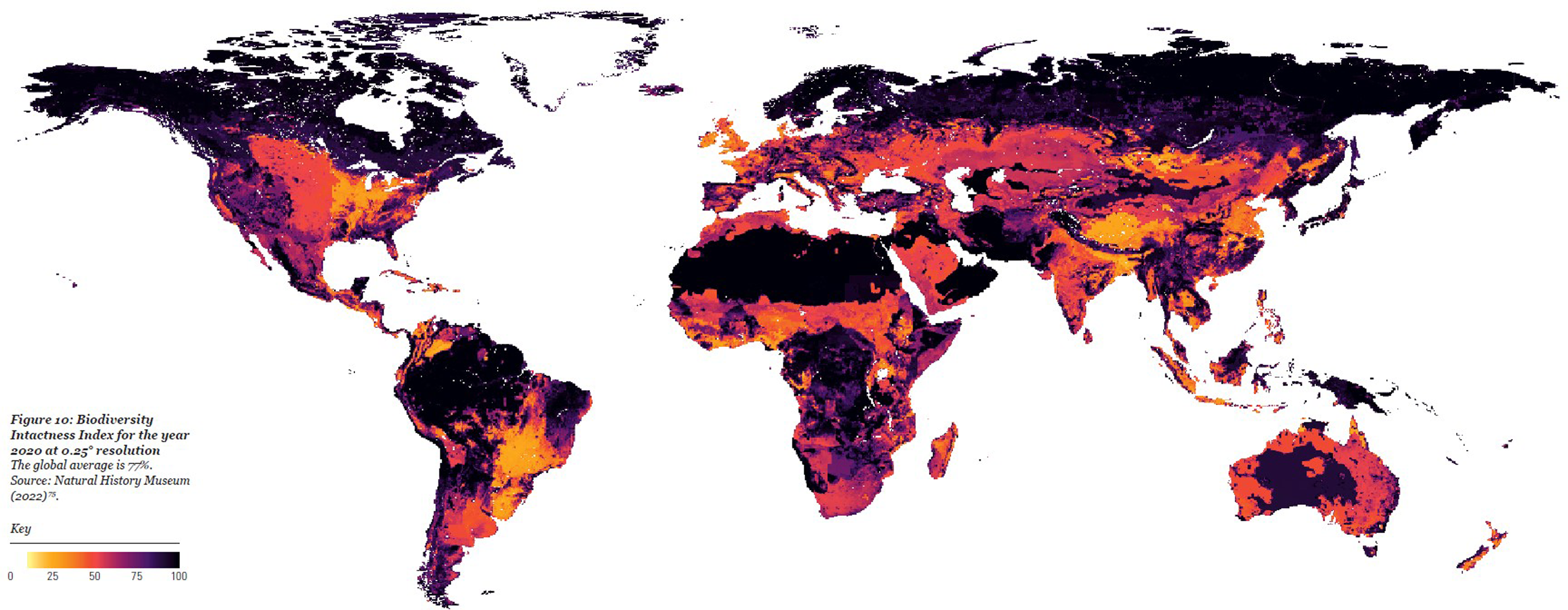
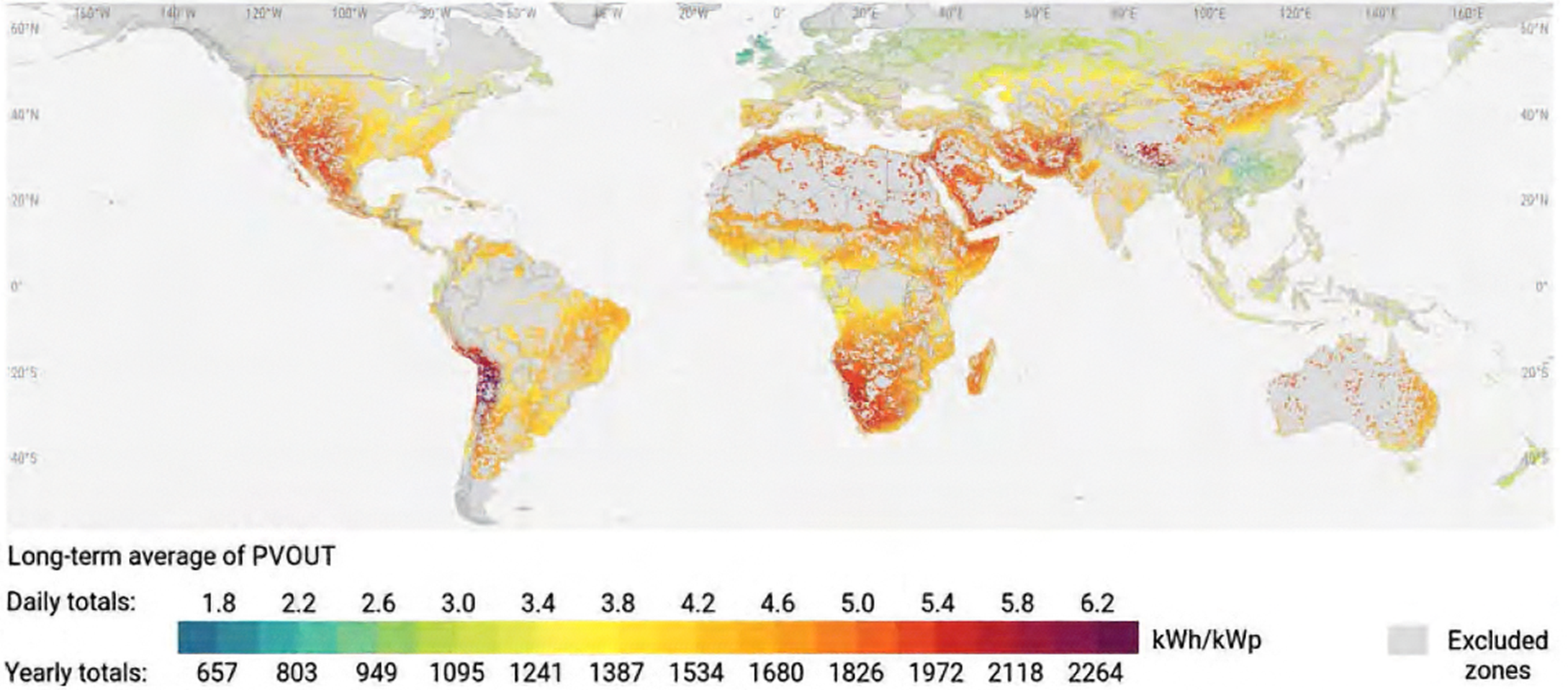
The accelerating loss of biodiversity (Figure 1), alongside climate change and environmental pollution, calls for design approaches that operate across multiple systems rather than addressing these challenges in isolation (Malone Reference Malone2023; Rockström et al. Reference Rockström, Beringer, Hole, Griscom, Mascia, Folke and Creutzig2021). Large-scale solar parks are typically conceived as technical solutions for decarbonizing energy production (REN21 2024) (Figure 2). Yet during their 30–35 years of operation, these sites often experience relatively low levels of disturbance compared to surrounding agricultural or urban land.
Global Biodiversity Intactness Index (2022). Source: WWF & Natural History Museum (UK).

Practical photovoltaic power potential (PVOUT): long-term yearly average of daily and annual totals. Source: Global Solar Atlas.

When designed with ecological participation in mind, solar parks can function as refuges for wildlife within fragmented landscapes, supporting pollinators, birds and soil organisms (Blaydes et al. Reference Blaydes, Potts, Whyatt and Armstrong2021; Copping et al. Reference Copping, Waite, Balmford, Bradbury, Field, Morris and Finch2025; Nordberg and Schwarzkopf Reference Nordberg and Schwarzkopf2023). Beyond ecological value, such biodiversity enhancement can generate wider benefits, including increased agricultural resilience in surrounding areas, particularly through enhanced pollination services linked to habitat provision in solar landscapes (Blaydes et al. Reference Blaydes, Potts, Whyatt and Armstrong2021; Walston et al. Reference Walston, Mishra, Hartmann, Hlohowskyj, McCall and Macknick2018), as well as closer alignment with strengthening biodiversity-related regulatory frameworks and corporate ESG strategies (Jobson et al. Reference Jobson, Cook, Fletcher, Bennun, Murrell, Asante-Owusu and Liu2024; Solar Energy UK 2022).
This pictorial explores how renewable energy infrastructure can be reframed not only as a climate solution, but as an ecological interface capable of supporting regeneration over time.
Framing the design question
Rather than addressing biodiversity through permanent installations or compensatory measures, this project adopts a design-through-temporality approach. The guiding research question is:
How can biodegradable habitat interfaces support habitat provision for cavity-nesting insects within solar park infrastructures?
This framing rejects permanence as a default design value and instead positions time, decay and renewal as central design parameters. Ecological restoration is understood not as a fixed outcome, but as a process unfolding across seasons. Within this context, habitat structures are designed to appear, function and disappear, enabling ecological succession without leaving residual waste or long-term maintenance burdens.
Solar parks as edge ecologies
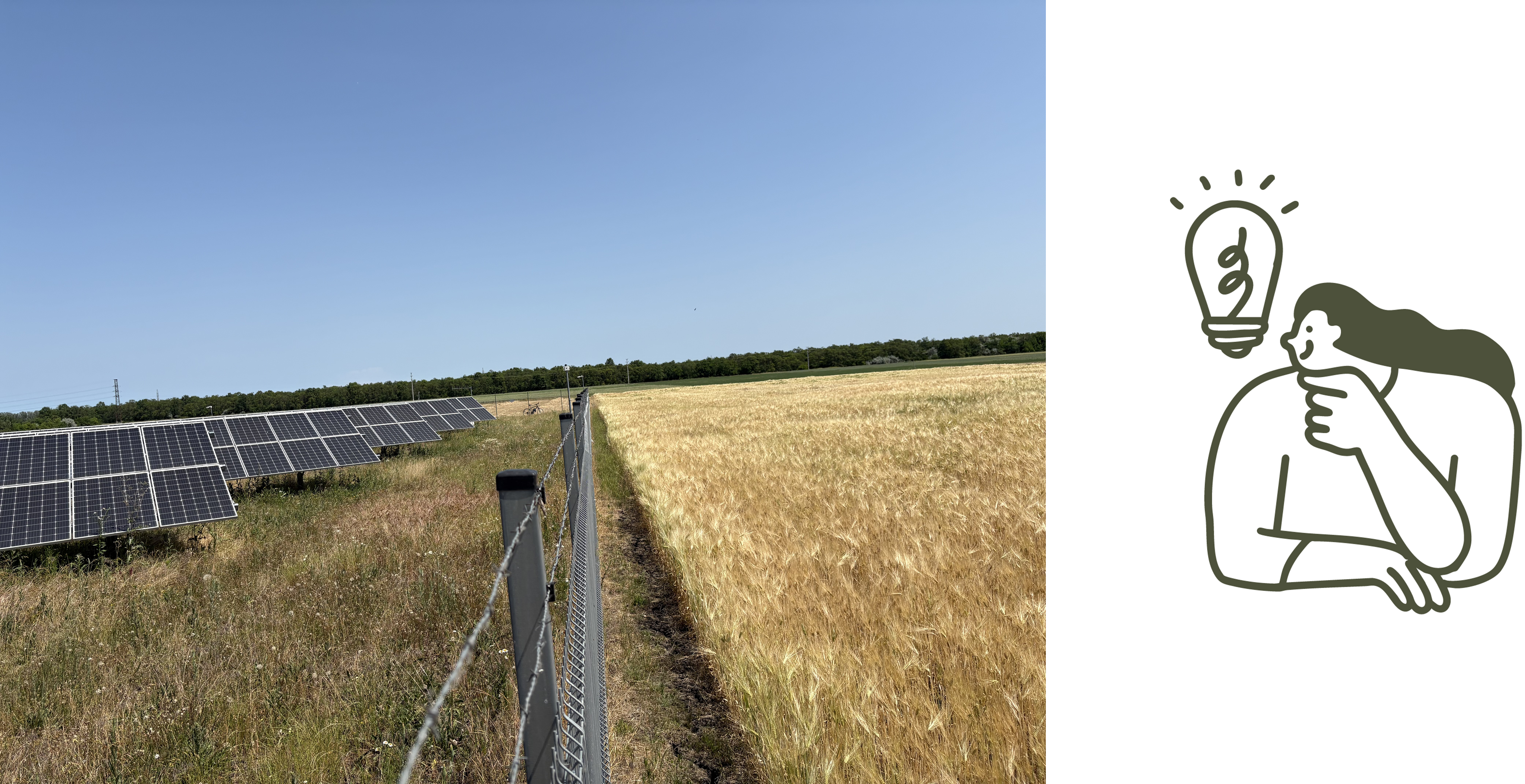
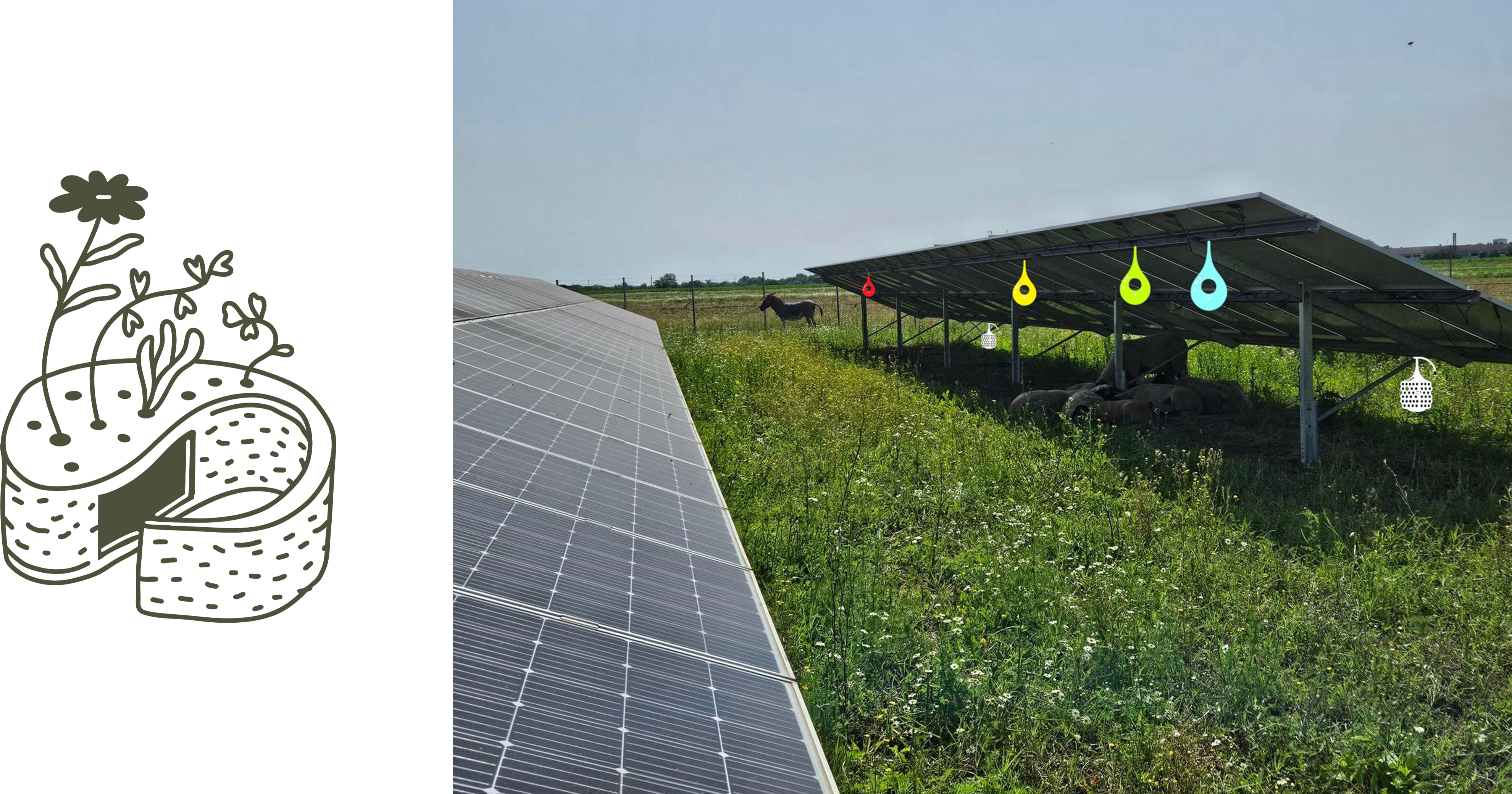
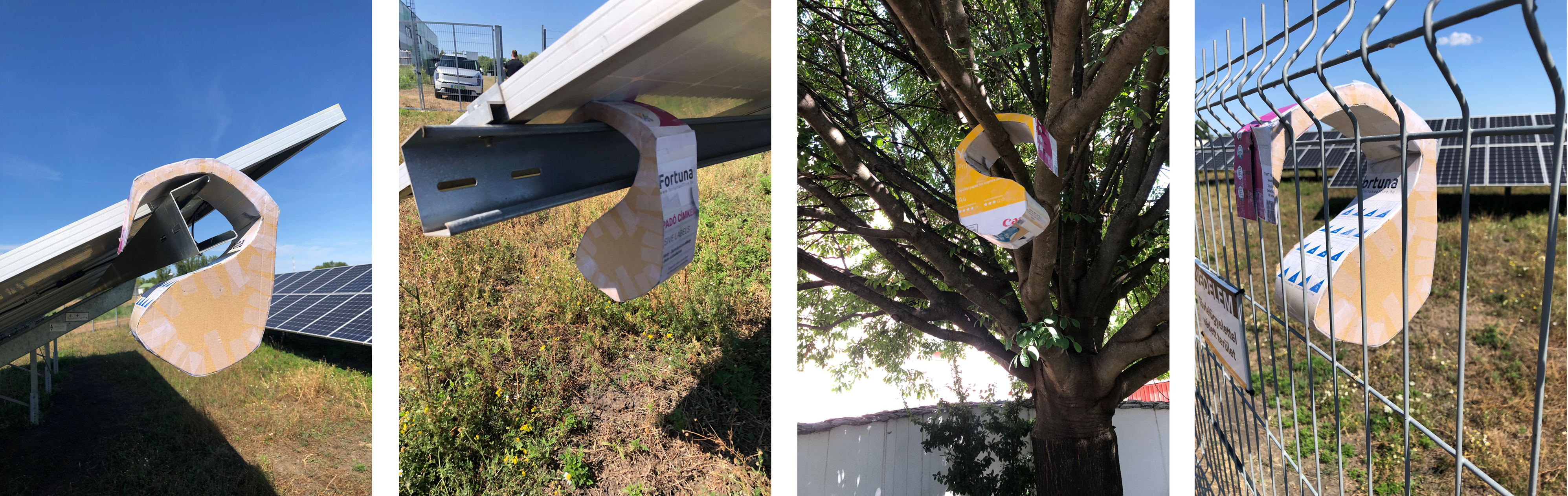
Solar parks are often perceived as empty, fenced-off fields dedicated solely to energy production. In reality, they are layered spatial systems composed of shaded under-panel zones, open grass strips, fence lines and maintenance corridors (Figure 3). These areas generate microclimatic gradients, edges and transitional habitats that differ significantly from surrounding agricultural or urban land. Although fenced, solar parks remain ecologically permeable to birds, insects, small mammals and soil organisms. Their relatively low disturbance during operation creates conditions in which ecological processes can unfold over time, particularly within shaded under-panel zones (Figure 4). Yet despite this spatial and temporal potential, these landscapes are typically engineered for technical efficiency rather than ecological function. Emerging evidence suggests that management practices within solar farms significantly influence breeding bird responses and ecological performance (Copping et al. Reference Copping, Waite, Balmford, Bradbury, Field, Morris and Finch2025), reinforcing the importance of spatial design interventions (Boscarino-Gaetano et al. Reference Boscarino-Gaetano, Vernes and Nordberg2024).
Solar park boundary condition: fenced yet ecologically permeable landscape. Source: The author.

Conceptual placement study of MycoNest units within under-panel zones of a solar park. Source: The author.

Solar parks are not empty fields, they are layered edge environments awaiting ecological “programming”.
Early prototypes and form exploration
The early development of MycoNest focused primarily on how a biodegradable composite form could physically interface with solar panel frames, vertical mounting pillars and industrial fence wires. Rather than beginning with internal cavity design, the process centered on testing curvature, anchoring logic and dimensional fit within existing infrastructural systems.

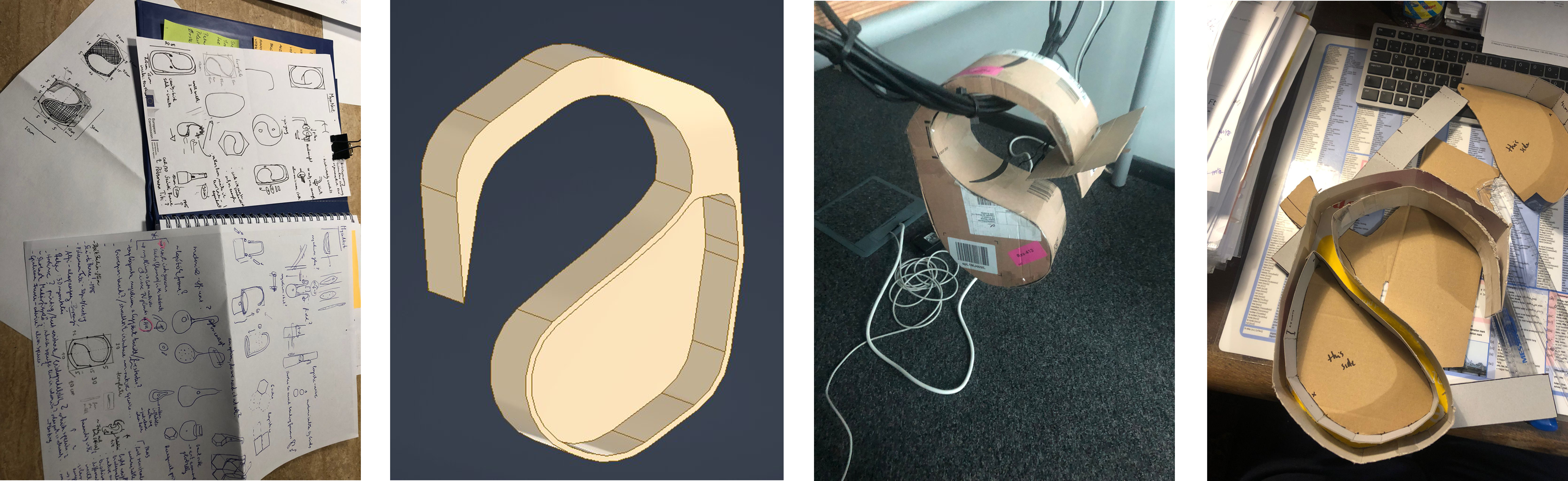
Initial hand sketches explored hook-like geometries capable of stabilizing without additional hardware (Figure 5). Full-scale paperboard mockups were then mounted directly onto solar panel supports and industrial fences to evaluate dimensional accuracy and mechanical stability (Figure 6). Minor variations in inner radius and edge thickness resulted in slippage or rotational movement, prompting iterative adjustments. Through repeated attachment and removal, the geometry was gradually calibrated to match standard frame and wire dimensions.
Early hook-form sketches and maquettes exploring curvature and anchoring logic for solar panel frames and fencing systems (below). Source: The author.

Full-scale paperboard prototype tested on photovoltaic mounting structures and fencing to evaluate fit and torsional stability (above). Source: The author.

As shown in Figures 5 and 6, the form’s curvature and contact points were iteratively adjusted to achieve stable attachment through friction and load redistribution rather than fixed anchoring. The geometry enables load to be transferred along the curved surface into multiple contact zones, reducing localized stress and preventing rotational instability during placement.
Through cycles of sketching, mock fabrication and real-world placement testing, the hook form emerged as a calibrated interface rather than a predefined object. The geometry evolved from the negotiation between biological growth behavior and the dimensional logic of engineered infrastructure.
The form was effectively discovered through its attachment to existing infrastructure.
Material logic: why mycelium
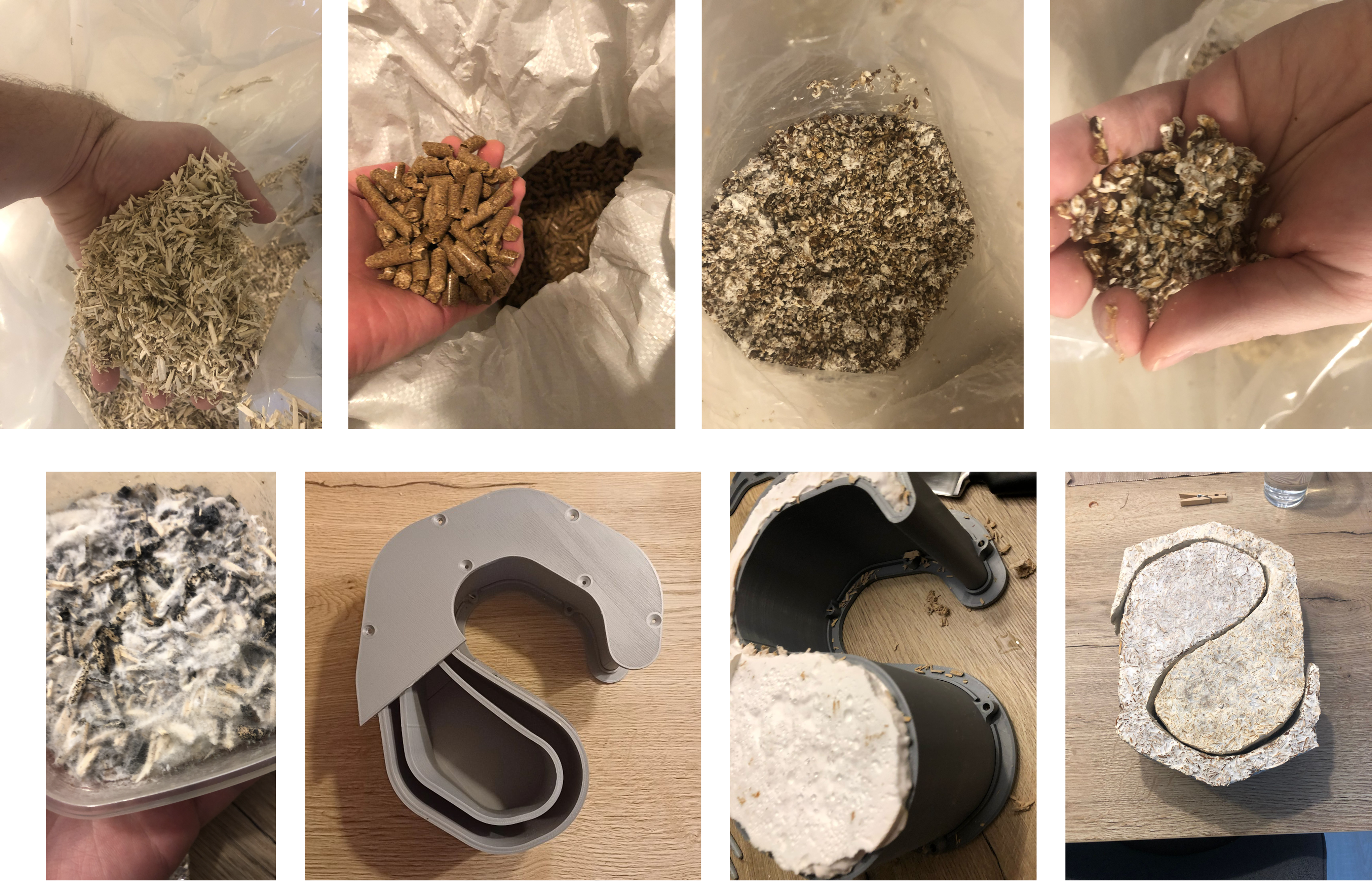
Rather than introducing additional permanent structures into already engineered landscapes, MycoNest is conceived as a material intervention that operates through temporality. The project uses agricultural biowaste – such as straw, hemp residues and wood debris – as a substrate for mycelial growth. Through controlled cultivation, fungal mycelium binds these fibers into a lightweight composite form. After fabrication, the material is fully dried, rendering it biologically inactive (i.e. no active fungal growth) and structurally stable during its functional phase (Figure 7). Material behavior may vary depending on substrate composition, fungal species and cultivation parameters, with previous studies demonstrating significant variation in water absorption, mechanical strength and thermal performance across different MBC formulations (Aiduang et al. Reference Aiduang, Kumla, Srinuanpan, Thamjaree, Lumyong and Suwannarach2022). Mycelium-based composites have increasingly been explored for structural, thermal and regenerative applications due to their biodegradability, low embodied energy and adaptability to organic substrates (Girometta et al. Reference Girometta, Picco, Baiguera, Dondi, Babbini, Cartabia, Pellegrini and Savino2019; Ilgun & Schmickl Reference Ilgun and Schmickl2022; Luo et al. Reference Luo, Yang and Peek2025; Soh et al. Reference Soh, Loh, Teoh, Jain and Le Ferrand2025). Substrate-based cultivation using agricultural residues, including hemp-derived materials, has demonstrated viability for composite formation and structural stabilization (Reiss Reference Reiss2022).
Material transformation sequence of the mycelium-based composite from agricultural residue to formed structural element. Source: The author.

This material strategy avoids the introduction of living fungal cultures into the deployment environment and requires no synthetic binders or coatings. Once installed, the structure functions as nesting support during a defined seasonal period. Over time, exposure to weather and microbial activity leads to gradual biodegradation, allowing the material to reintegrate into the soil without generating persistent waste streams. In this context, ‘biodegradable’ refers to gradual material breakdown under environmental exposure over a multi-season timescale, rather than rapid composting under controlled conditions. Throughout this study, material terms such as ‘biodegradable’, ‘stable’ and ‘biologically inactive’ are used to distinguish between performance during the functional phase and subsequent breakdown under field conditions.
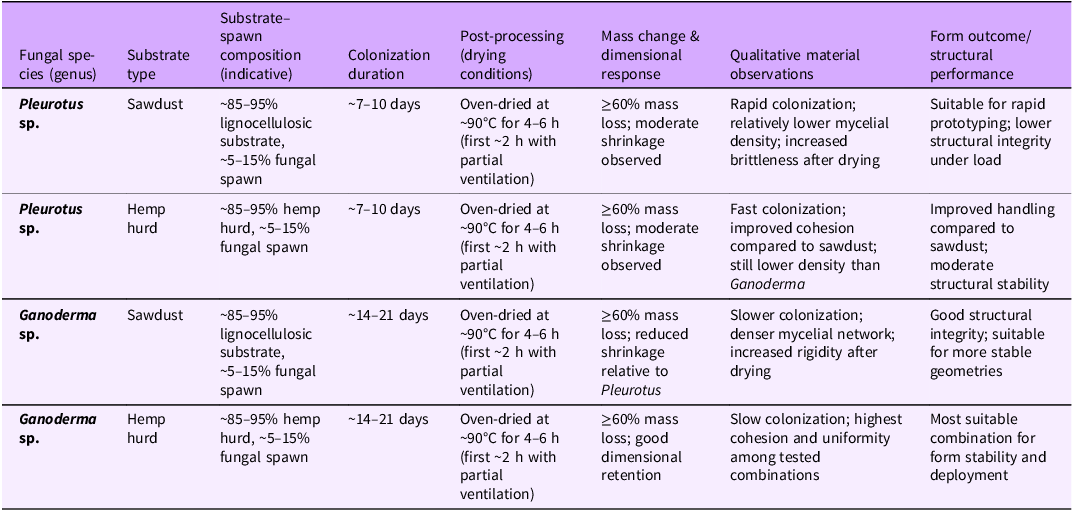
Fabrication followed a sequential colonization approach in which inoculated substrate mixtures were first allowed to colonize under controlled conditions prior to molding. Initial colonization typically lasted approximately 5–7 days, during which a continuous mycelial network developed throughout the substrate. The partially colonized material was then transferred into molds and allowed to undergo further growth and consolidation for an additional 3–5 days before undergoing oven drying (approximately 90°C for 4–6 hours) to terminate biological activity and stabilize the structure. Exploratory trials also considered differences between fungal species with distinct growth characteristics. Fast-colonizing species (e.g. Pleurotus sp.) were observed to rapidly establish within the substrate, while slower-growing species (e.g. Ganoderma sp.) were observed to develop relatively denser and more cohesive mycelial structures. These observations informed material selection and fabrication strategy but were not systematically tested under controlled experimental conditions (see Annex A for a summary of exploratory fabrication trials). The lifecycle of the material therefore follows a sequence of growth, stabilization, functional use and reintegration. The material is designed to provide temporary ecological function before degrading under field conditions.
The material is designed to provide temporary ecological function before gradually degrading under field conditions.
Designing the form: interlocking habitat interfaces
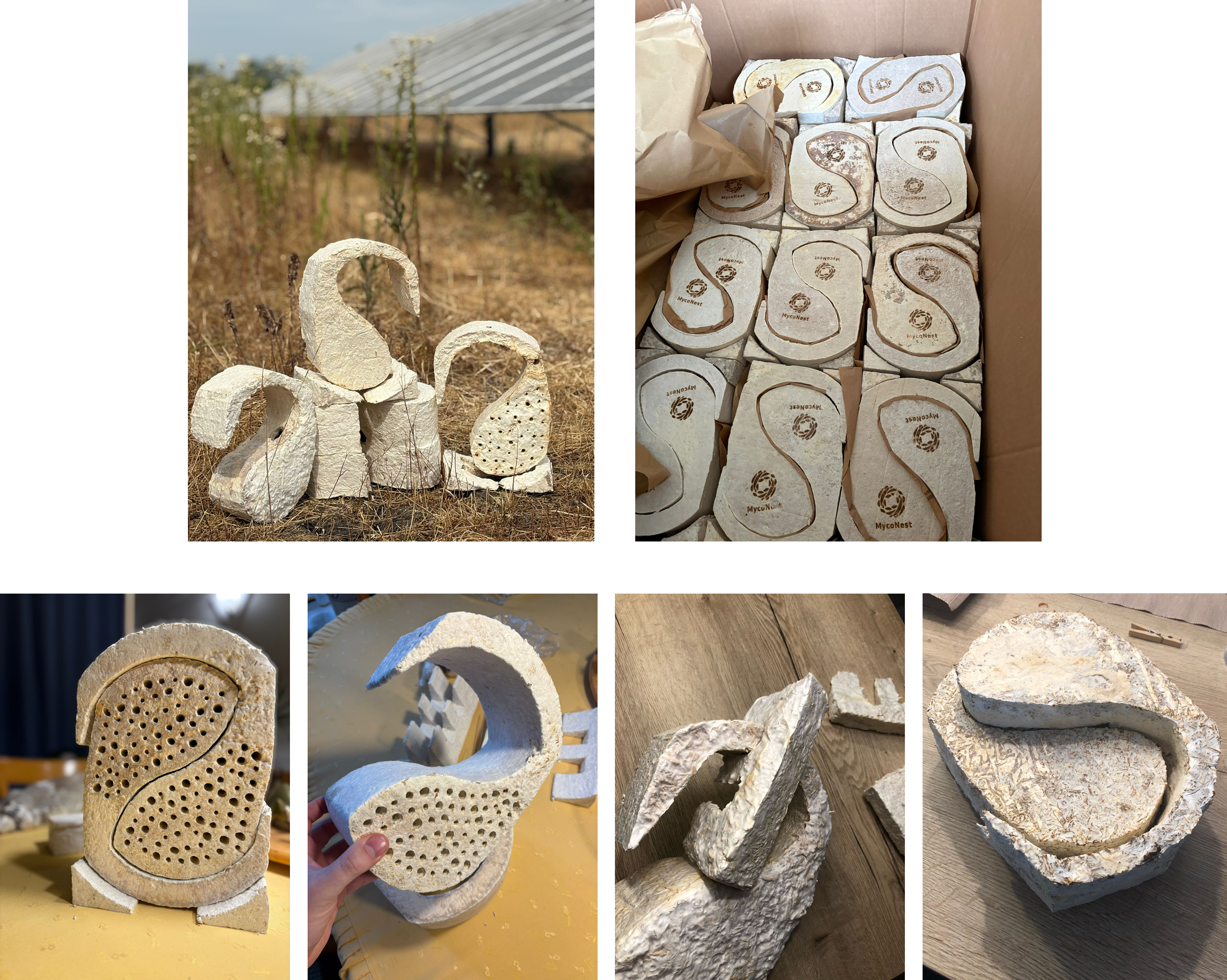
The main section of the concept consists of two complementary interlocking geometries designed for infrastructural compatibility. An E-shaped wedge (the ‘lock’) profile enables mechanical stabilization against flat and linear surfaces such as fence wires or structural edges, allowing units to anchor without additional hardware. This wedge also supports plug-and-play suspension beneath panels or along industrial fencing (Figure 8). The curvature of the arch was refined to redirect suspension forces downward and laterally, distributing load toward thicker material zones instead of concentrating stress at a single contact point. This redistribution proved critical in preventing cracking during early placement trials, where sharper geometries and thinner contact zones led to localized stress concentrations and occasional fracture under load.
Interlocking logic of the MycoNest habitat interface, including nested transport configuration for logistical efficiency. Source: The author.

The interlocking edges and the wedges allow units to cluster and nest within one another, reducing void space during transport and avoiding the inefficiency of shipping air. Geometry therefore operates both ecologically and logistically. The form is generated through mold-based mycelial growth, enabling complex internal arrangements without synthetic binders or subtractive manufacturing. The material grows into its final geometry, combining structural logic and biological formation into lightweight units (typically 30 × 20 × 10 cm and 300–350 g after drying), with dimensions varying depending on substrate composition and mold configuration.

The shape is not decorative, it is an interface between biological material and engineered space.
Deployment: infrastructure-compatible regeneration
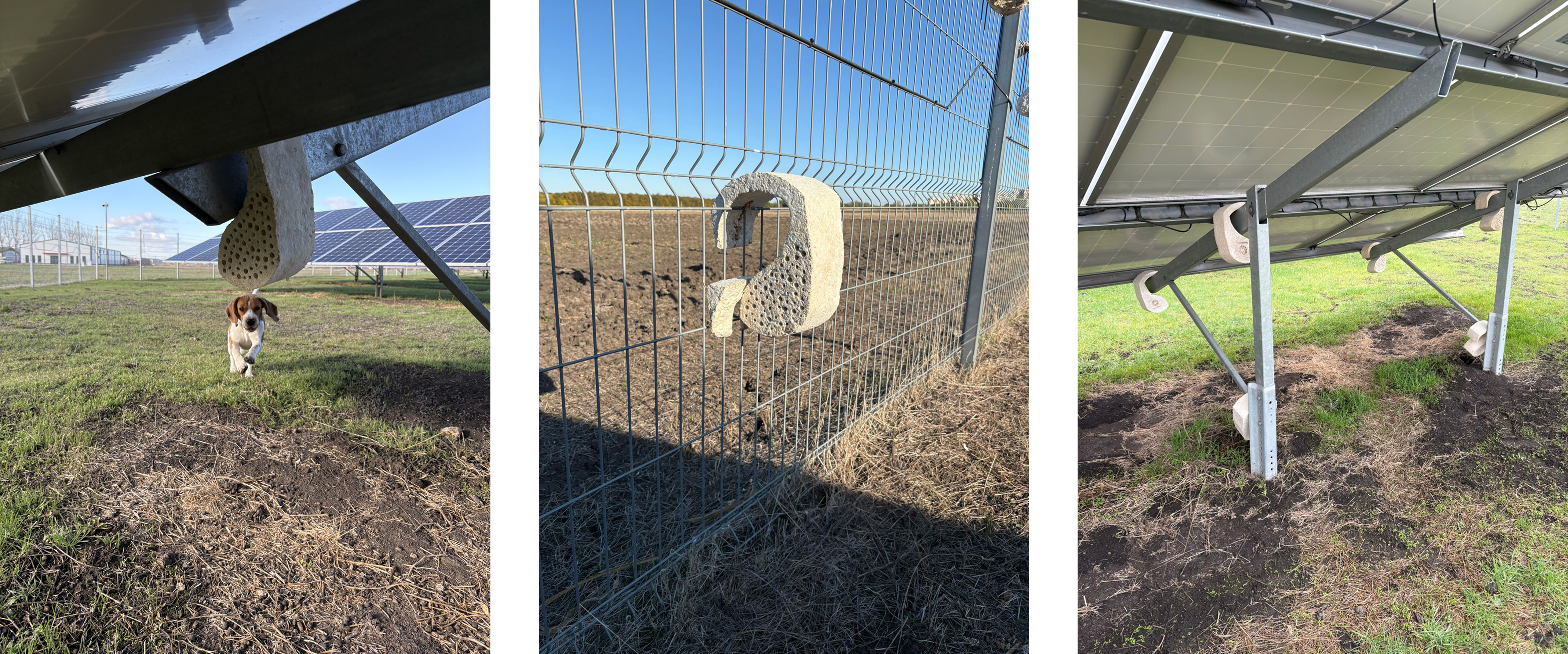
MycoNest is designed for direct integration within existing solar park infrastructure without requiring permanent fixtures or structural modification (Figure 9). Its lightweight composition reduces structural load and simplifies transport, making it suitable for remote and nature-adjacent installations where logistics and accessibility are constrained.
Deployment scenarios within solar park infrastructure, including under-panel suspension and fence-mounted installation. Source: The author.

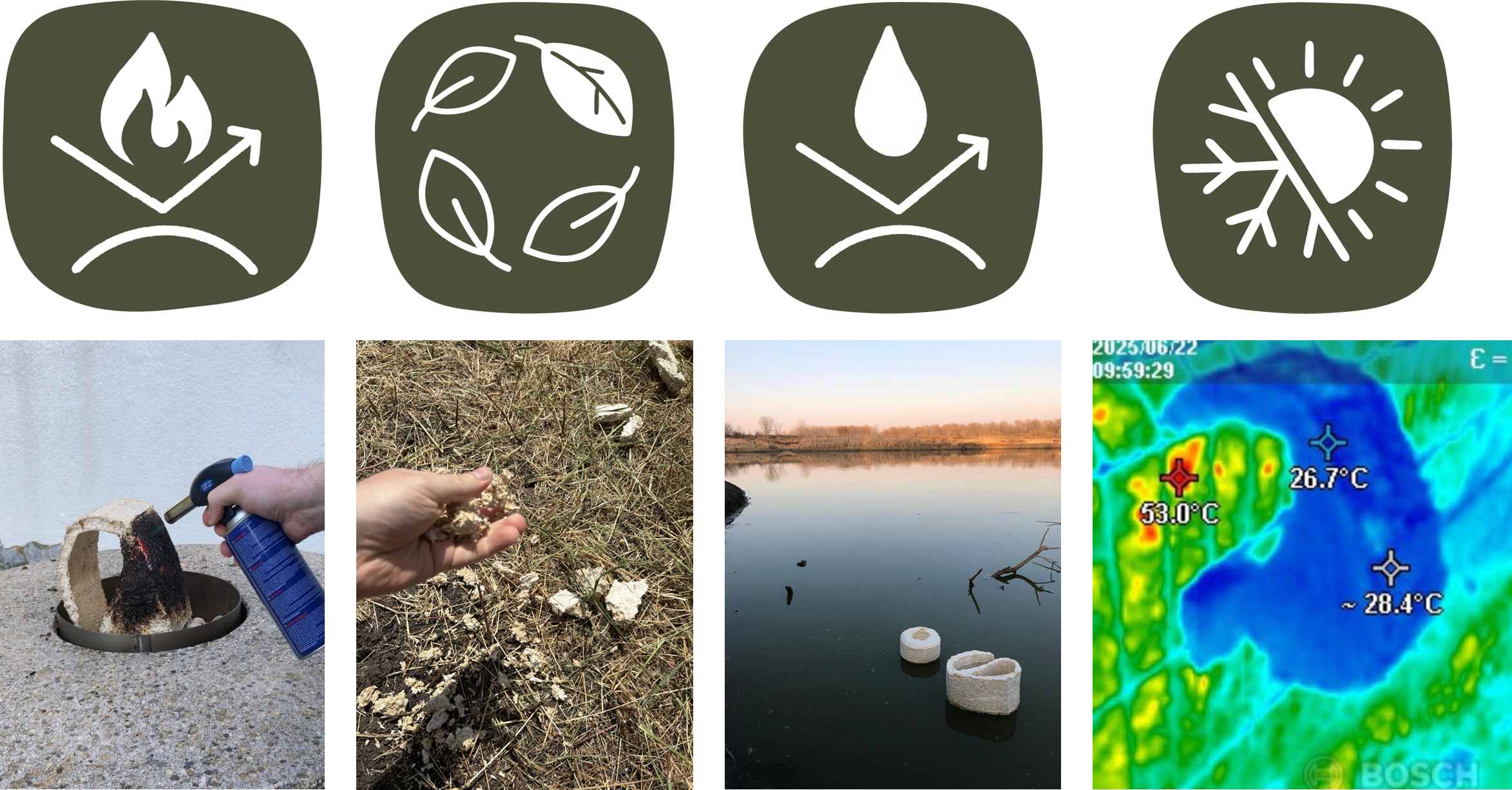
The dried mycelium composite has shown water-repellent and fire-retardant behavior in preliminary observations (Girometta et al. Reference Girometta, Picco, Baiguera, Dondi, Babbini, Cartabia, Pellegrini and Savino2019), supporting safe use near photovoltaic arrays and electrical components (Figure 10). The material contains no synthetic binders and no wood-based elements, relying instead on upcycled agricultural residues as its primary substrate.
Performance characteristics of the dried mycelium composite, including fire exposure, insulation and water interaction. Source: The author.

The structure remains sufficiently stable during its functional phase while retaining a degree of flexibility that prevents injury to wildlife or damage to infrastructure. Empirical observations suggest that a minimum thickness of 2.5 cm is sufficient to prevent cracking at primary load-bearing contact points; minor deformation may occur in exposed fence-mounted configurations without affecting functional performance. Material durability is calibrated to persist for approximately 1–3 years under field conditions; however, degradation rates are expected to vary with placement. Units located beneath solar panels experience reduced exposure to solar radiation, rainfall and wind, which may slow material breakdown, whereas fence-mounted units are more directly exposed and may degrade more rapidly. Local microbial activity, influenced by humidity and soil proximity, may further contribute to context-dependent variation in degradation dynamics. Informal field observations from initial deployments suggest that units may remain structurally intact after one year under certain conditions, although these observations are site-specific and have not been systematically quantified. Its biodegradability ensures that, after seasonal use, the material can reintegrate into the site without generating persistent waste.
Deployment does not require permanence, it requires compatibility.
Multi-species affordances
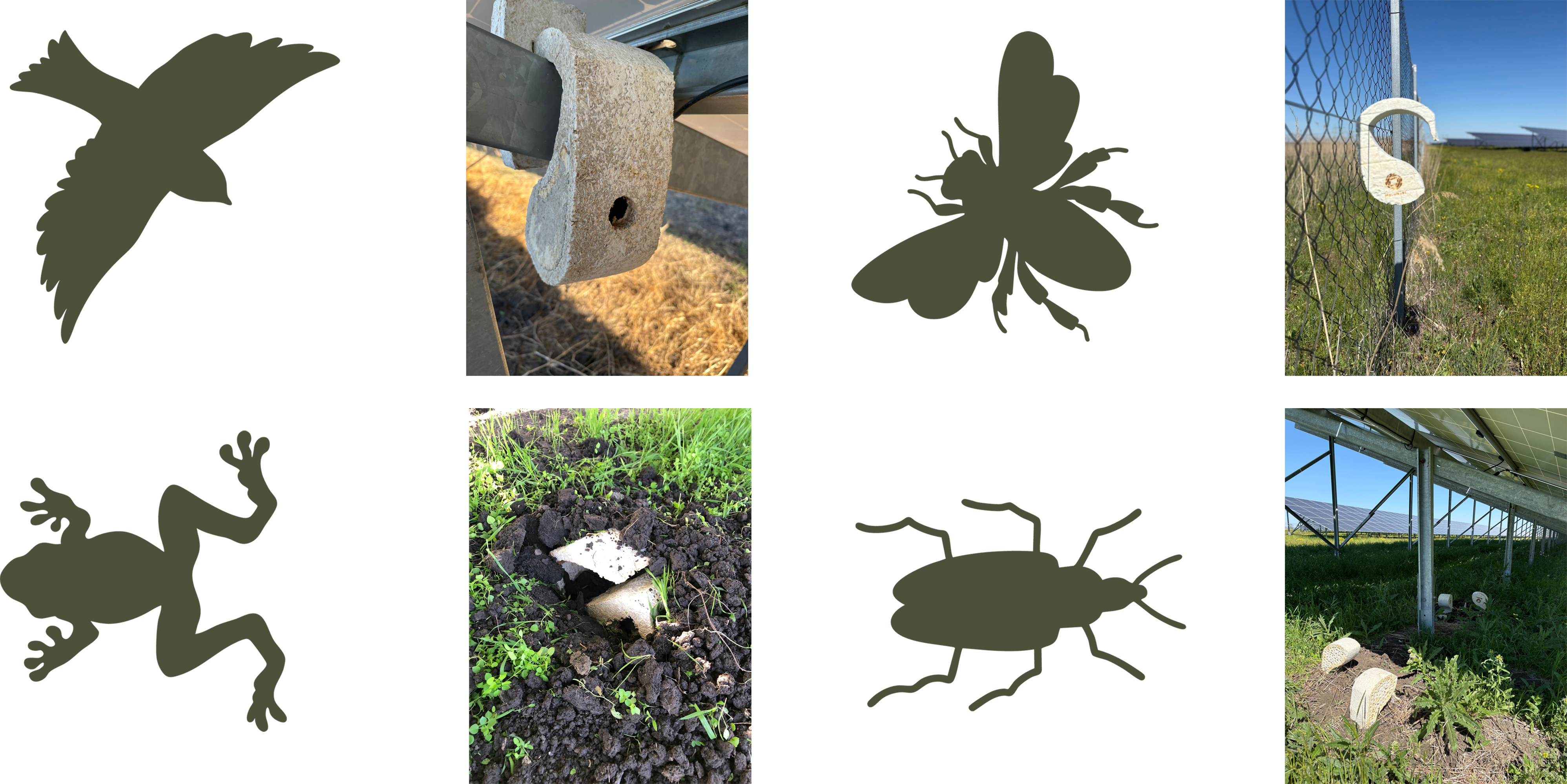
The current design is explicitly focused on cavity-nesting insects as the primary target group, which represent the most plausible and empirically observed users in initial deployments. Rather than prescribing a single species-specific configuration, the form provides a range of spatial conditions that may be suitable for different insect taxa depending on placement and microenvironmental context. Depending on placement, the form may function as a suspended nesting cavity, a fence-mounted refuge, a ground-level shelter or a partially embedded microhabitat (Figure 11). The same geometry enables hanging, surface attachment or shallow burial without structural modification. Its durability is calibrated to remain stable for defined seasonal periods, potentially sufficient for nesting or reproductive cycles, before gradual material breakdown begins.
Multi-species deployment scenarios demonstrating suspended, ground-level and structural configurations in different environments. Source: The author.

Over time, material degradation reintroduces organic carbon derived from hemp hurds and dried mycelium into the surrounding soil, introducing biodegradable organic inputs that may contribute to soil organic matter. Soil biodiversity plays a critical role in ecosystem functioning (Jeffery et al. Reference Jeffery, Gardi, Jones, Montanarella, Marmo, Miko, Ritz, Peres, Römbke and van der Putten2010; Köninger et al., Reference Köninger, Ballabio, Panagos, Jones, Schmid, Orgiazzi and Briones2023; Labouyrie et al. Reference Labouyrie, Ballabio, Romero, Panagos, Jones, Schmid, Mikryukov, Dulya, Tedersoo, Bahram, Lugato, van der Heijden and Orgiazzi2023), and temporary biodegradable structures that reintegrate into soil systems align with broader bioeconomy and soil restoration trajectories identified at the European level (European Commission, JRC 2020; European Commission, JRC 2024a; European Commission, JRC 2024b). Other potential applications across taxa and environments (e.g. birds, small mammals or aquatic systems) remain exploratory and are not the focus of the present study. These applications involve distinct ecological requirements and have not yet been empirically evaluated.
In agrivoltaic contexts, where grazing management is often integrated beneath panels, habitat units can be positioned beyond primary movement corridors to coexist with livestock without interfering with maintenance or animal welfare.
Beyond terrestrial deployment, exploratory discussions with aquaculture practitioners suggest potential integration within kelp farming systems, where such forms may provide structural support within cultivation systems; however, these applications remain conceptual and have not been tested.

Species uptake is not guaranteed, the design enables participation rather than control.
Policy context: toward nature-positive infrastructure
Across Europe, renewable energy infrastructure is increasingly evaluated not only for its decarbonization potential but also for its ecological footprint. Emerging regulatory frameworks signal a shift toward measurable biodiversity enhancement within industrial landscapes. In Germany, biodiversity-related provisions within the Renewable Energy Sources Act (EEG) have introduced ecological criteria for solar park development. At the European level, the Nature Restoration Law, the evolving Nature Credit framework and recent extensions to the Net-Zero Industry Act (NZIA) collectively indicate a growing expectation that infrastructure projects contribute positively to ecosystem recovery. Recent analyses emphasize the importance of integrating biodiversity considerations into renewable energy planning rather than treating them as compensatory afterthoughts (Ascensão et al. Reference Ascensão, Chozas, Serrano and Branquinho2023; Jobson et al. Reference Jobson, Cook, Fletcher, Bennun, Murrell, Asante-Owusu and Liu2024; The Nature Conservancy 2024). Policy guidance documents increasingly advocate nature-inclusive solar development as a pathway to align decarbonization with ecosystem restoration (SolarPower Europe & The Nature Conservancy 2024).
Within this context, interventions such as MycoNest propose a material-scale strategy for activating underutilized areas within solar parks. Rather than functioning as compensatory offsets, habitat interfaces can be integrated directly into operational landscapes. The concept of ‘Quadrivoltaics’ illustrates this multifunctional approach: renewable energy production, biodiversity enhancement, agrivoltaic soil regeneration and carbon sequestration coexisting within a single spatial system. Under such a framework, energy landscapes can evolve from monocultural installations into layered, regenerative infrastructures.
Measurable ecological contribution
A conservative deployment scenario further illustrates the potential habitat capacity embedded within operational solar infrastructure. With an insertion density of 50 MycoNest units per hectare, and 75 cavities per unit, approximately 3,750 nesting cavities may be introduced per hectare without altering land use or interfering with grazing and maintenance regimes. Under cautious biological assumptions – 40% cavity occupancy, an average of five brood cells per occupied tunnel, and 60% successful emergence – this configuration could theoretically yield approximately 4,500 cavity-emerging individuals per hectare per season under assumed occupancy conditions. Even under lower occupancy rates typical of early deployment phases, several thousand individuals could emerge annually under comparable assumptions.
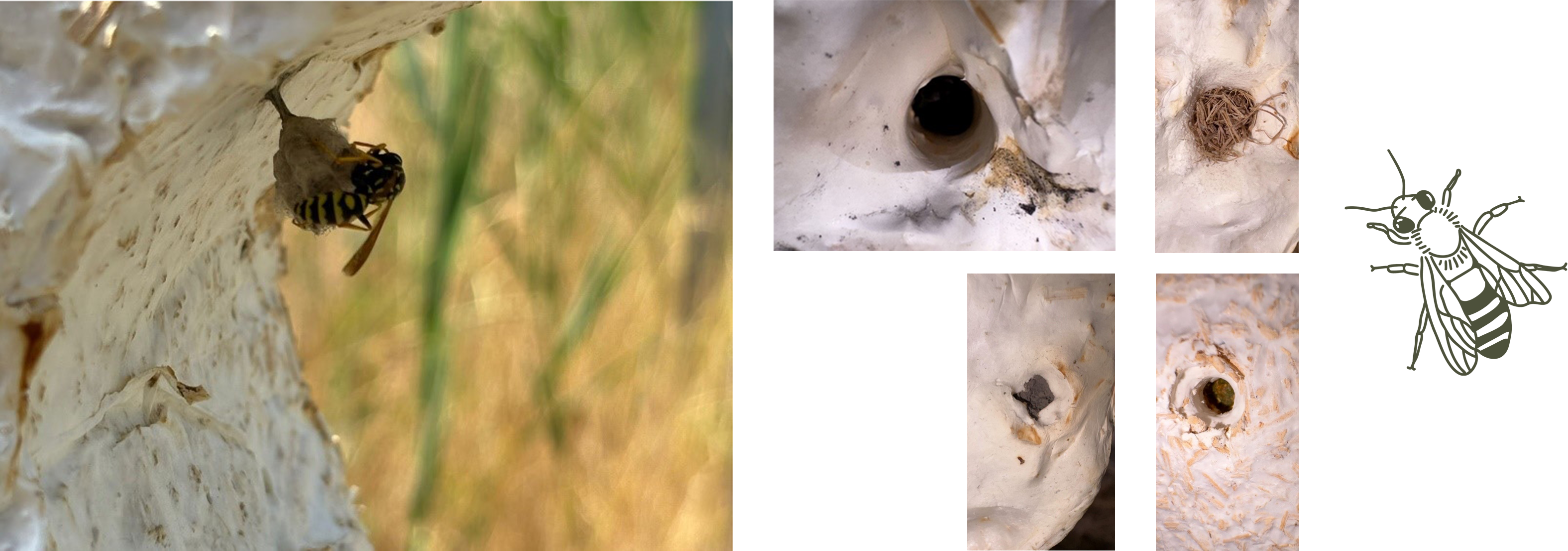
Preliminary field observations from an initial pilot installation in a solar park located in the Great Plain region of Hungary indicated occupancy levels exceeding 50% during the first active season (Figure 12). However, these observations are site-specific and based on a limited sample. These observations were recorded through direct visual inspection of sealed brood cells and emergence traces. While this early result suggests promising uptake potential, the dataset remains limited in spatial and temporal scope and should not be interpreted as a generalized performance indicator. These figures therefore represent theoretical capacity rather than projected outcomes. By distributing micro-habitats across under-panel zones and edge environments, solar parks may be configured to provide structured nesting opportunities for cavity-using insects. Such density-based habitat strategies may increase the availability of nesting resources within managed landscapes; however, their effects on pollination dynamics, trophic interactions and ecological resilience remain to be validated through longitudinal field studies.
Early-stage habitat occupation within cavities in operational solar park environments. Source: The author.

Despite these initial observations, several limitations must be acknowledged. Empirical validation is currently limited to preliminary, site-specific occupancy data and does not yet demonstrate broader ecological outcomes. The behavior of mycelium-based composites may vary depending on substrate composition, fabrication parameters and environmental conditions such as humidity and temperature, potentially affecting structural stability and degradation rates across different climates. There is also a risk of mismatch between the temporal durability of the material and the nesting phenology of target insect species, which may reduce effectiveness in certain contexts. Furthermore, artificial nesting structures are known to be sensitive to design parameters such as cavity dimensions, exposure and hygiene and may produce unintended ecological effects or require maintenance if poorly matched to local conditions (Watchorn et al. Reference Watchorn, Duncan and Cowan2023). Importantly, the provision of nesting cavities does not directly equate to measurable biodiversity benefits, which depend on species-specific responses, reproductive success and broader ecological interactions. These aspects require longitudinal, multi-site field studies to assess ecological performance over time.
Contribution to biodesign
This work contributes to biodesign by articulating a material–spatial–temporal framework for integrating biodegradable composites into operational infrastructure.
First, at the material level, the project introduces a temporally bounded biomaterial system in which structural performance and biodegradation are co-designed rather than treated as separate phases. The dried mycelium composite is not positioned as a permanent construction material, but as a functional, time-dependent interface that participates in ecological processes before reintegrating into the environment.
Second, at the spatial level, the work reframes solar parks as edge ecologies, emphasizing their latent capacity to host microhabitats within existing infrastructural gradients. Rather than requiring new land allocation or large-scale redesign, the approach activates underutilized zones within operational landscapes through small-scale, distributed interventions.
Third, at the systems level, the project translates emerging nature-positive policy and biodiversity frameworks into material-scale design responses. By aligning biodegradable habitat provision with infrastructure operation, the approach suggests how ecological performance may be embedded directly within engineered environments rather than addressed through compensatory measures.
Rather than proposing a finalized solution, the project positions biodegradable habitat interfaces as a design research direction, requiring further ecological validation and longitudinal field study to assess species-specific uptake, durability-performance alignment and broader ecosystem effects. A series of pilot deployments scheduled for 2026 will enable the collection of comparative field observations across multiple sites, supporting further evaluation of ecological uptake, material performance and context-dependent variability.

Data availability statement
Data availability is not applicable to this article as no new empirical datasets were generated.
Acknowledgments
The author thanks Mihály Minkó (Researcher, MOME – Budapest, Hungary) for recommending the Biodesign Conference call.
Author contributions
Author Contributions: Conceptualization, methodology, design development, writing – original draft and visualization were performed by the author.
Financial support
This research did not receive any specific grant from funding agencies in the public, commercial or not-for-profit sectors.
Competing interests
The author declares that they have no known competing financial interests or personal relationships that could have appeared to influence the work reported in this paper.
Declaration of the use of AI-assisted technologies
The author declares that no AI-assisted technologies were used during any stage in the preparation of this article.
Ethical standards
This study did not involve human or animal subjects and complies with relevant institutional and national ethical standards.
Annex A. Summary of exploratory fabrication trials and material observations
Indicative fabrication parameters and material observations from exploratory trials. Source: The author

Table 1 Long description
The table has 4 rows and 7 columns. The columns are labeled Fungal species (genus), Substrate type, Substrate-spawn composition (indicative), Colonization duration, Post-processing (drying conditions), Mass change & dimensional response, Qualitative material observations, and Form outcome/structural performance. Row 1: Pleurotus sp., Sawdust, 85-95 percent lignocellulosic substrate, 5-15 percent fungal spawn, 7-10 days, Oven-dried at 90 C for 4-6 h (first 2 h with partial ventilation), 60 percent mass loss; moderate shrinkage observed, Rapid colonization; relatively lower mycelial density; increased brittleness after drying, Suitable for rapid prototyping; lower structural integrity under load. Row 2: Pleurotus sp., Hemp hurd, 85-95 percent hemp hurd, 5-15 percent fungal spawn, 7-10 days, Oven-dried at 90 C for 4-6 h (first 2 h with partial ventilation), 60 percent mass loss; moderate shrinkage observed, Fast colonization; improved cohesion compared to sawdust; still lower density than Ganoderma, Improved handling compared to sawdust; moderate structural stability. Row 3: Ganoderma sp., Sawdust, 85-95 percent lignocellulosic substrate, 5-15 percent fungal spawn, 14-21 days, Oven-dried at 90 C for 4-6 h (first 2 h with partial ventilation), 60 percent mass loss; reduced shrinkage relative to Pleurotus, Slower colonization; denser mycelial network; increased rigidity after drying, Good structural integrity; suitable for more stable geometries. Row 4: Ganoderma sp., Hemp hurd, 85-95 percent hemp hurd, 5-15 percent fungal spawn, 14-21 days, Oven-dried at 90 C for 4-6 h (first 2 h with partial ventilation), 60 percent mass loss; good dimensional retention, Slow colonization; highest cohesion and uniformity among tested combinations, Most suitable combination for form stability and deployment.

 Open access

