Introduction
Kuwait is an independent state situated on the northern Persian Gulf and has land borders to Saudi Arabia and Iraq. The human population in 2012 was 2.82 million and this was comprised of one third Kuwait nationals and two-thirds immigrants. Approximately 41% of the population is below the age of 15. The per capita income is high. The population continues to grow and there was a 26% population increase in the ten years between 2002 and 2012. Improving the national food security is a major long-term strategy of the Kuwait Government and so it has encouraged the development of the poultry meat industry within Kuwait.
The objective of this report is to examine the changes in the structure and development of the Kuwait poultry industry over recent years. Hatching egg production has rapidly expanded in Kuwait since 2005 and a second objective is to examine the reasons for this expansion and evaluate the problems faced in this sector of the industry. The information and data for this review were prepared by a detailed literature search and personal interviews of farm directors and managers of the major poultry companies in Kuwait (conducted in December 2012) and is intended to update the information given in a previous review of the whole Kuwait poultry industry (Al-Nasser, Reference AL-NASSER2006) and explain the recent changes and developments.
Kuwait food production and consumption characteristics
The Kuwait national economy is dominated by the large oil reserves and oil production revenue. The country has a large fiscal surplus compared to its gross domestic product (GDP) and the government uses a small part of this (0.1% of GDP) for food subsidies (World Bank, 2008). Kuwait has a land area of 17,820 km2 but there is only 53 m2 of arable land per person, hence only 0.5% of the population are farmers. The ambient temperature in Kuwait generally varies between 8 to 46°C, but the warm season lasts from mid May to mid September when the average daily highs will be above 40°C. The most challenging climatic conditions for animal production are in August and September when south-westerly winds occur that are hot and humid and dew point highs of 20°C may frequently occur. Kuwait has an average rainfall of only 121 mm per year. Groundwater supplies are limited and over half of the current national requirements are provided by desalinated water. Water is a relatively restricted and expensive resource.
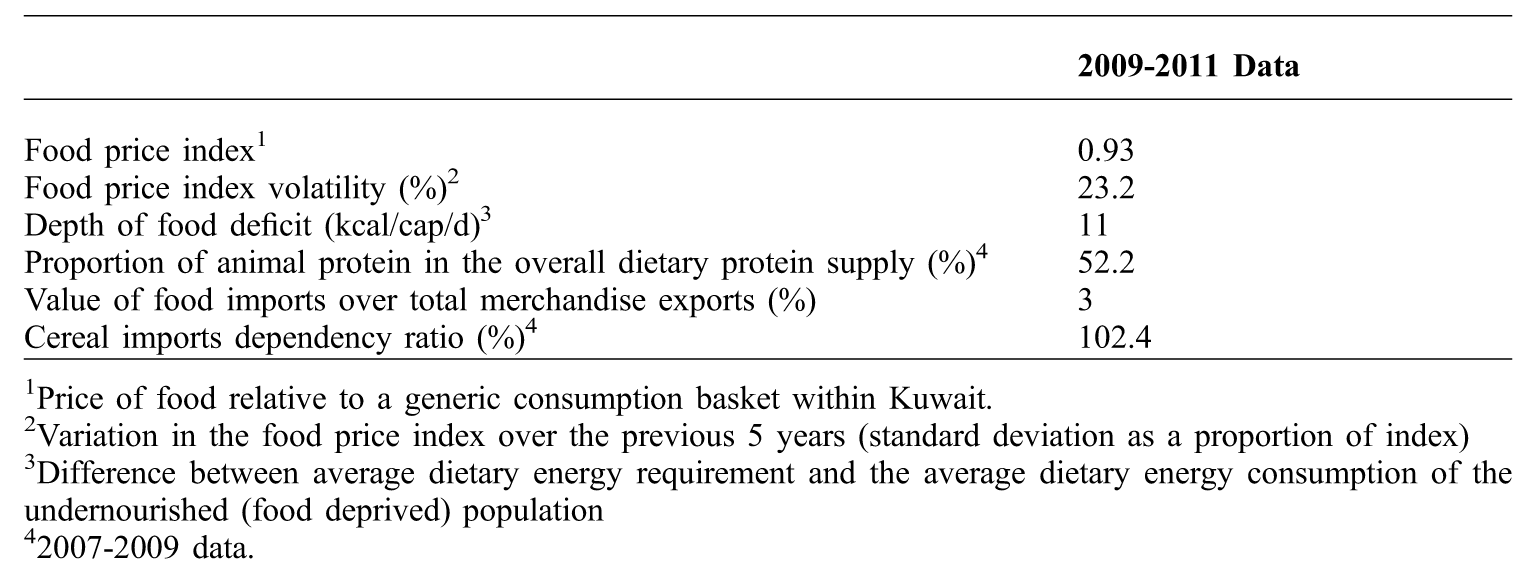
Approximately 85% of the arable land in Kuwait is equipped with irrigation and this is primarily used to produce high-value crops such as vegetables and field crops. Agricultural production only accounts for 0.18% of GDP and employs 0.1% of Kuwaiti nationals and 2.2% of non-Kuwaiti nationals (IMF, 2010). Consequently, Kuwait imports the majority of the food calories that it consumes (Table 1) and it is almost entirely dependent upon imported cereals. Food and live animals account for approximately 13% of the value of all imports into the country (IMF, 2010). Kuwait is therefore highly exposed to international food commodity price variability as shown by the high variability in the domestic food price index (Table1).
Food price and food security indicators for Kuwait (FAO, 2013).

1Price of food relative to a generic consumption basket within Kuwait.
2Variation in the food price index over the previous 5 years (standard deviation as a proportion of index)
3Difference between average dietary energy requirement and the average dietary energy consumption of the undernourished (food deprived) population
42007-2009 data.
The food subsidy programme has been relatively successful in reducing the severity of food commodity price shocks and, for example during the 2007 commodity price rise, the rise in the food consumer price index (CPI) was less than the rise in the overall consumer price index - an exception amongst all other Arab countries (World Bank, 2009). The Kuwait food subsidy programme presently comprises 3% of the total national subsidy programme (IMF, 2010).
Poultry meat consumption and production
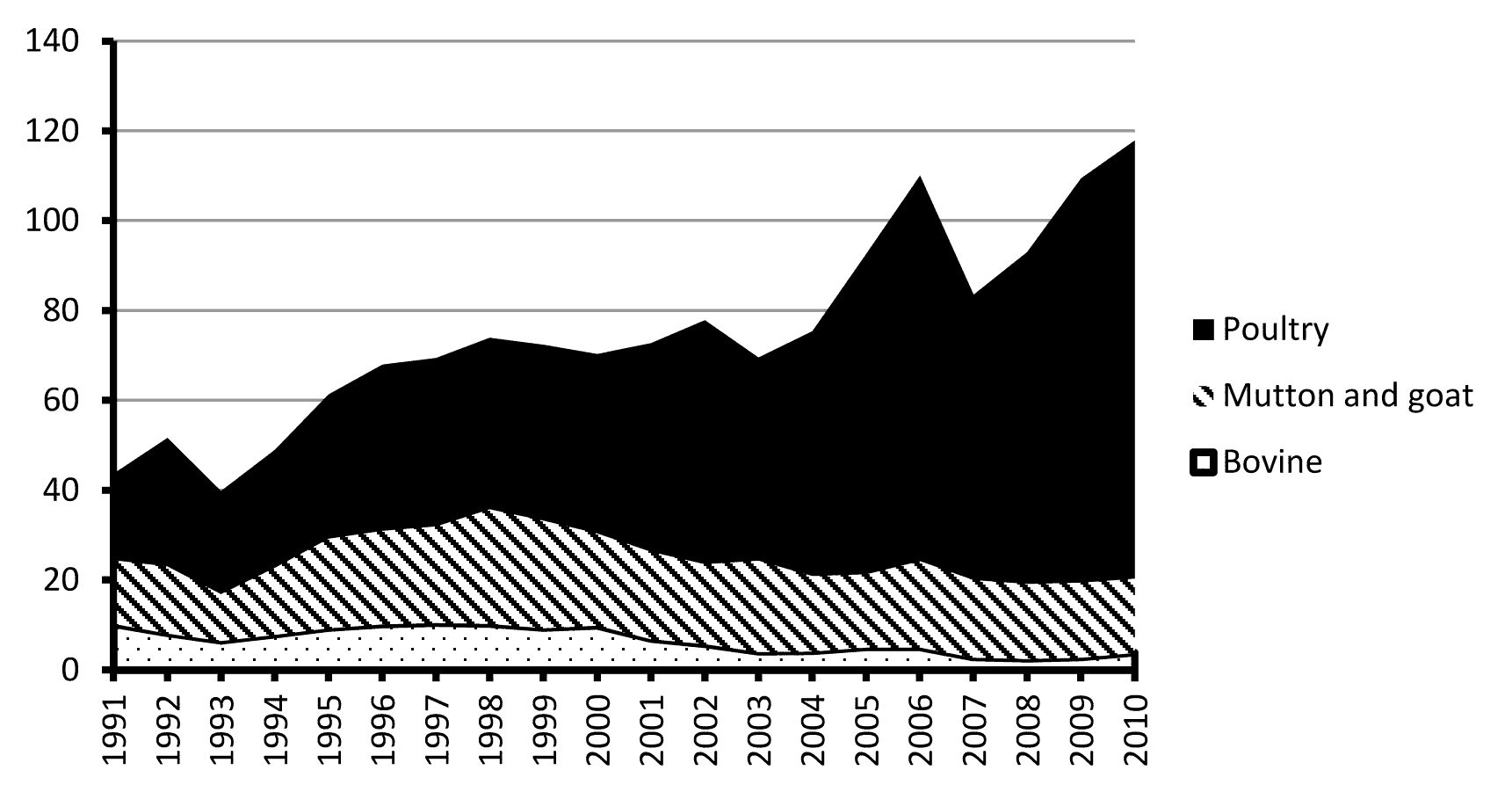
The Kuwaiti population has a high total protein intake and over 50% of this protein is from animal protein. The mean Kuwait meat intake was 119.2 kg/per person/year in 2009 and most of this intake (over 80%) was poultry meat (97.5 kg/per person/year in 2009). Total meat intakes increased by 73% from 1995 to 2009, but this was mostly due to a 164% increase in the intake of poultry meat (Figure 1).
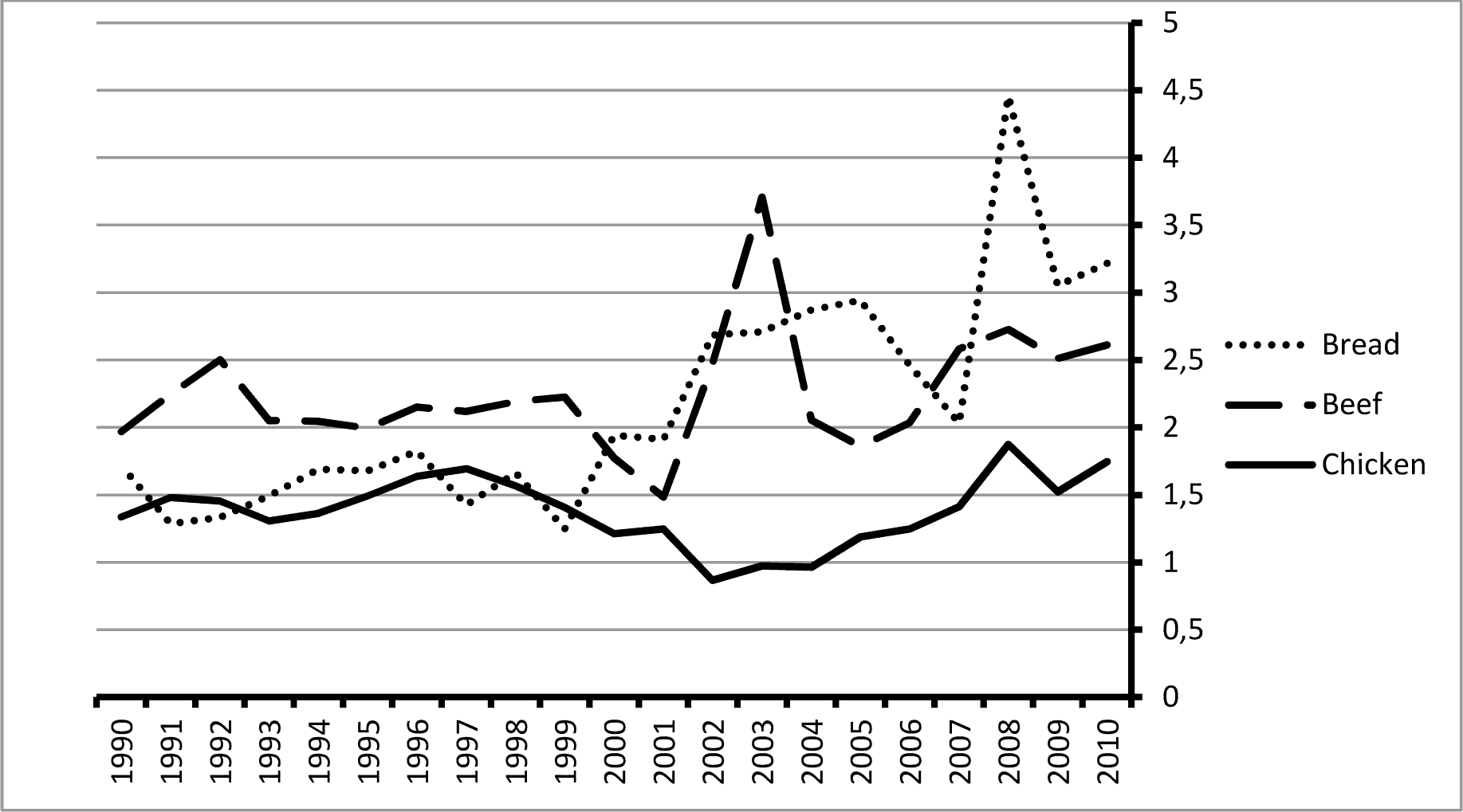
In the past 20 years, there has been a marked increase in the consumption of poultry meat relative to red meats: the consumption of mutton and goat has remained relatively constant but bovine meat consumption has declined over this time. Some frozen poultry meat is now provided at maintained low prices to Kuwait nationals as part of a Government-funded food subsidy programme (Trostle et al., Reference TROSTLE, MARI, ROSEN and WESTCOTT2011). The price of poultry meat has reduced relative to the price of other agricultural and food commodities: the 2007 wholesale price index of poultry was 171 (1980 =100) compared to all agricultural products (188), fish products (320) or the price of all food and beverages (186) (IMF, 2010) (Figure 2). The Kuwait population currently has the highest per capita poultry meat intake compared to all other nations of the world (The Economist, 2012).
Supply (imports and home produced) of poultry and red meat in Kuwait 1991-2011 (kg/capita/year). (Data from FAO, 2013).
Import price into Kuwait (US$/kg) of bread, beef and chicken meat from 1990-2010. (Data from FAO, 2013).
Poultry meat production is presently the highest value agricultural commodity that is produced in Kuwait (39,396 tonnes of poultry meat were produced in 2011 with a value of $56.1 million). There are two main production areas; 55% of the national flock are in the Jahra Governate - Alshaqayaan area 65km north-west of Kuwait City and 45% are in the Al-Ahmadi Governate - Alwafra an area approximately 70 km south of Kuwait City (Central Statistical Bureau, 2013).
The Kuwaiti government has encouraged the expansion of the Kuwait poultry industry, as home-produced poultry meat improves food security issues and reduces the expense of monitoring Halal slaughtering requirements on imported poultry meat. Increased domestic production gives protection from supply disruption, import price volatility and high import prices (Raboy et al., Reference RABOY, BASHER, HOSSAIN and KAITIBIE2012). Home produced poultry meat enables the government and industry to promote food safety and quality issues. There are a number of major problems that need to be overcome to allow the Kuwait poultry industry to have continued viability. Distribution systems in Kuwait are limited: Kuwait ranks 70 out of 150 nations in their logistics performance index (Arvis et al., Reference ARVIS, MUSTRA, OJALA, SHEPHERD and SASLAVSKY2012). Other constraints such as available land limitations, trade barriers, access to capital and market risk also affect the viability of the industry (Raboy et al., Reference RABOY, BASHER, HOSSAIN and KAITIBIE2012). The relatively small size of the Kuwait poultry industry leads to production-efficiency issues and distribution chain issues. The poultry companies are unable to expand significantly because of Government controls on the building of new production units due to a lack of suitable land and the availability of water.
Imported Halal-certified poultry meat is primarily sourced from Brazil, with approximately 95% of all poultry meat imports in 2010 being from Brazil (USDA, 2010). A ban on US poultry was lifted in 2012, so imports from the USA may increase in the future (Taha, Reference TAHA2012). Further processed poultry meat products are imported into Kuwait, and Saudi Arabia (Burger King, 2013) and Indonesia (McDonalds, 2013) are major sources of these Halal-certified products. Some imported poultry meat is re-exported to Iraq, although this practice is becoming less common because of the rapid expansion of the Iraqi poultry industry. Imported poultry meat is sold frozen, whereas 50% of home-produced (Kuwait grown) poultry meat is sold unfrozen and chilled. Approximately 15% of all home-produced poultry are sold live via specially designed retail outlets. Consumers prefer relatively small carcasses and most broiler chickens are reared for approximately 35 days until they are around 1.3 kg live weight.
Two private, integrated companies produce over 90% of home produced poultry meat: the Naif Poultry Company was established in 1985 and produces approximately 60% of the home produced poultry meat. The Naif Poultry Company is part of the Naif Food Group and adds further value to a proportion of its poultry meat products through the manufacture of further-processed meat products. The company also operates over 40 restaurant outlets in Kuwait that primarily sell their poultry products.
The second major poultry production company is the Kuwait United Poultry Company (KUPCO). KUPCO was established in 1974 and is part Government and part privately owned and produces approximately one third of the total home-produced poultry meat. KUPCO do not presently operate restaurant outlets and sell 20% of their birds live, 30% fresh and the rest frozen. Both poultry meat companies are vertically integrated and control the broiler production farms, poultry feed manufacture, slaughter, meat processing and marketing of their products. A number of small, independent poultry meat producers still remain in Kuwait. They supply only a small proportion of the national poultry meat output and their requirements for day old chicks and feed are sourced either from the two large Kuwait poultry companies, from independent hatcheries that specialise in Arabian poultry breeds or from imported products.
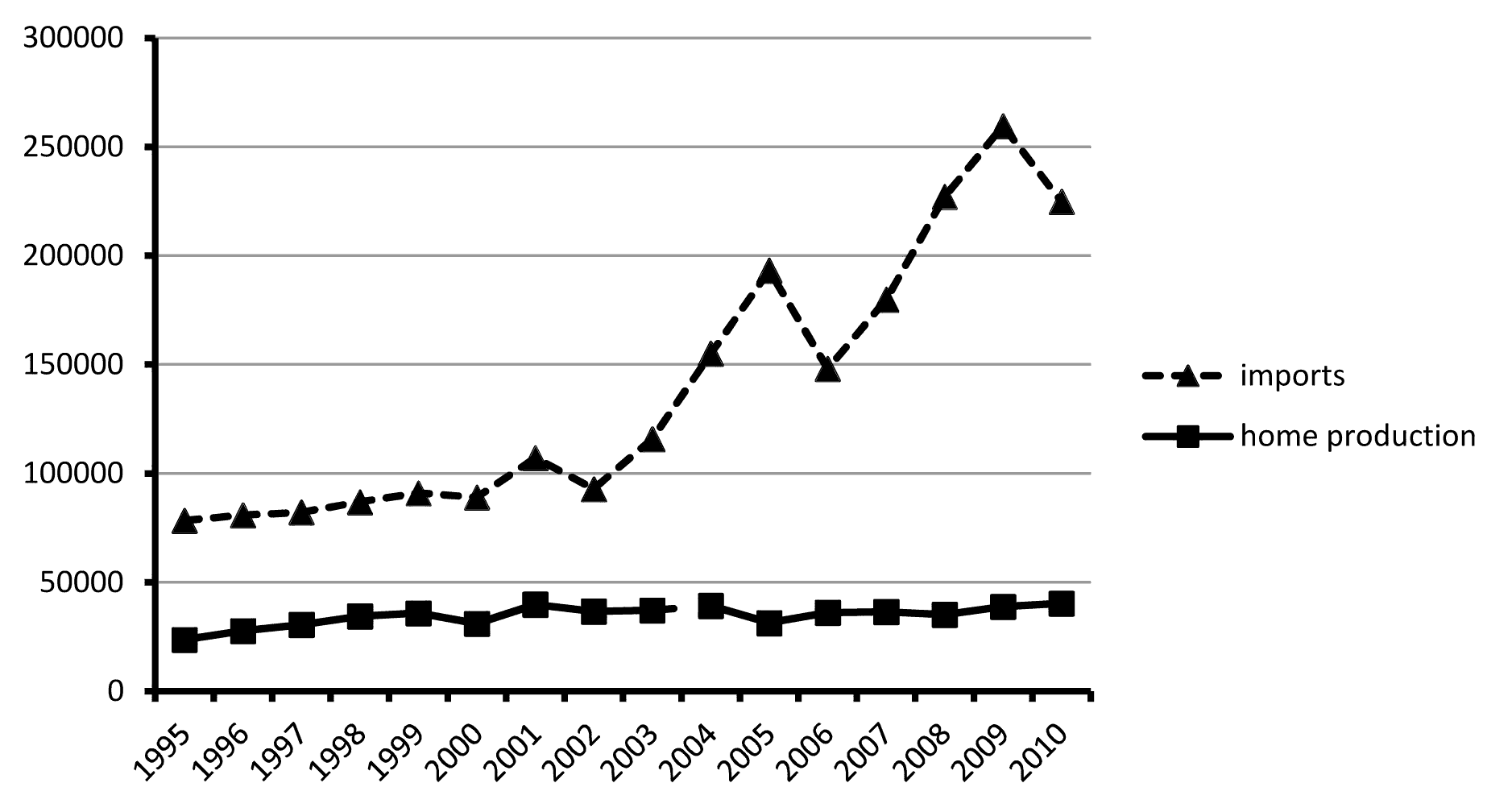
Although most of the increase in overall poultry meat consumption in Kuwait has been achieved by increasing the amount of imported poultry meat (Figure 3), there has been a slow, but continued, expansion of the Kuwait poultry industry during the last 20 years.
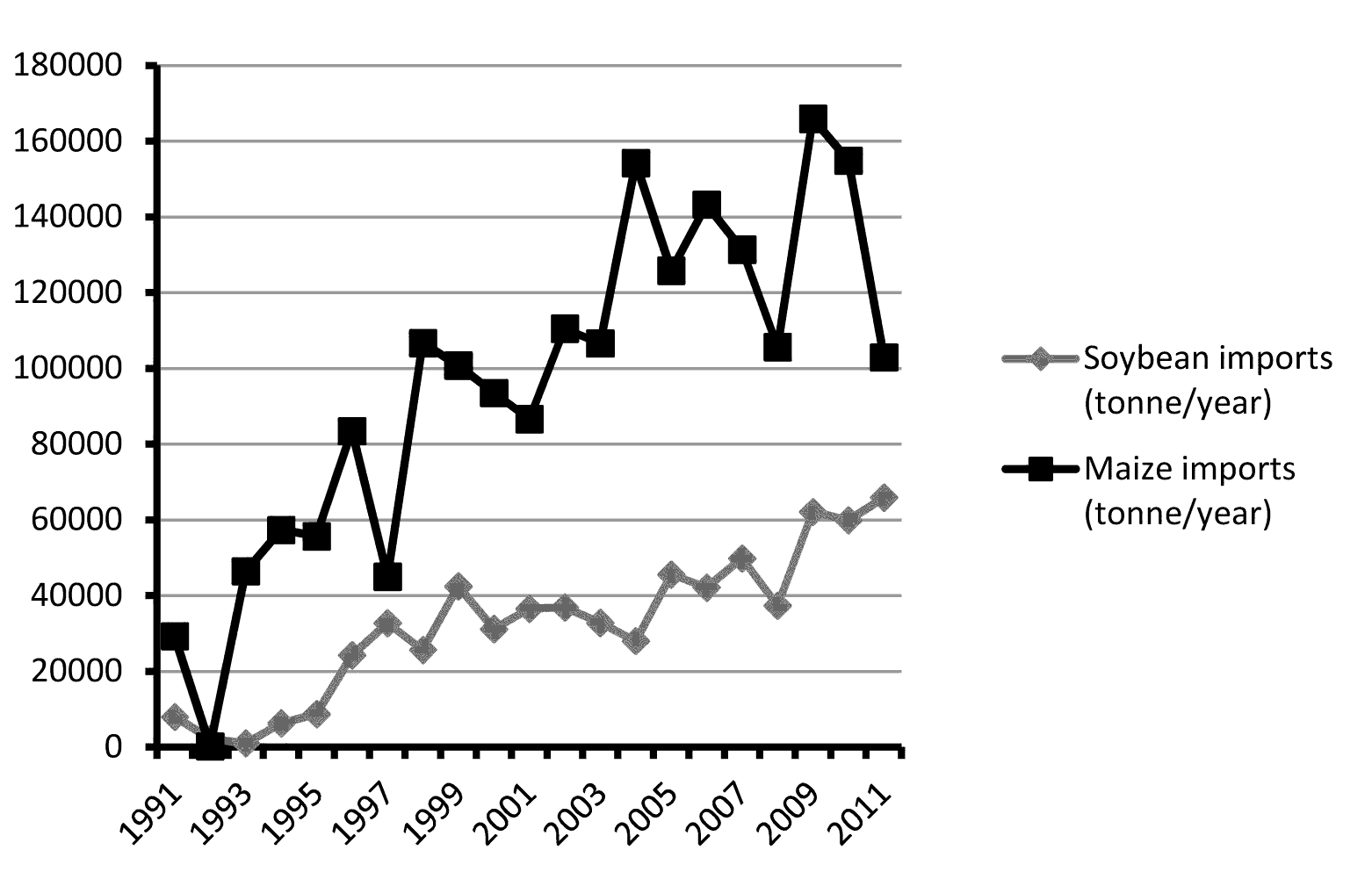
Almost all the feedstuffs required by the feed industry are imported into Kuwait. The increases in imports of maize and soya bean meal into Kuwait have mirrored the increase in poultry meat production within the country (Figure 4).
Poultry meat production and poultry meat imports (tonnes per annum) in Kuwait from 1995 to 2011. (Data from FAO, 2013).
Maize and soybean imports into Kuwait from 1991-2011. (Data from FAO, 2013).
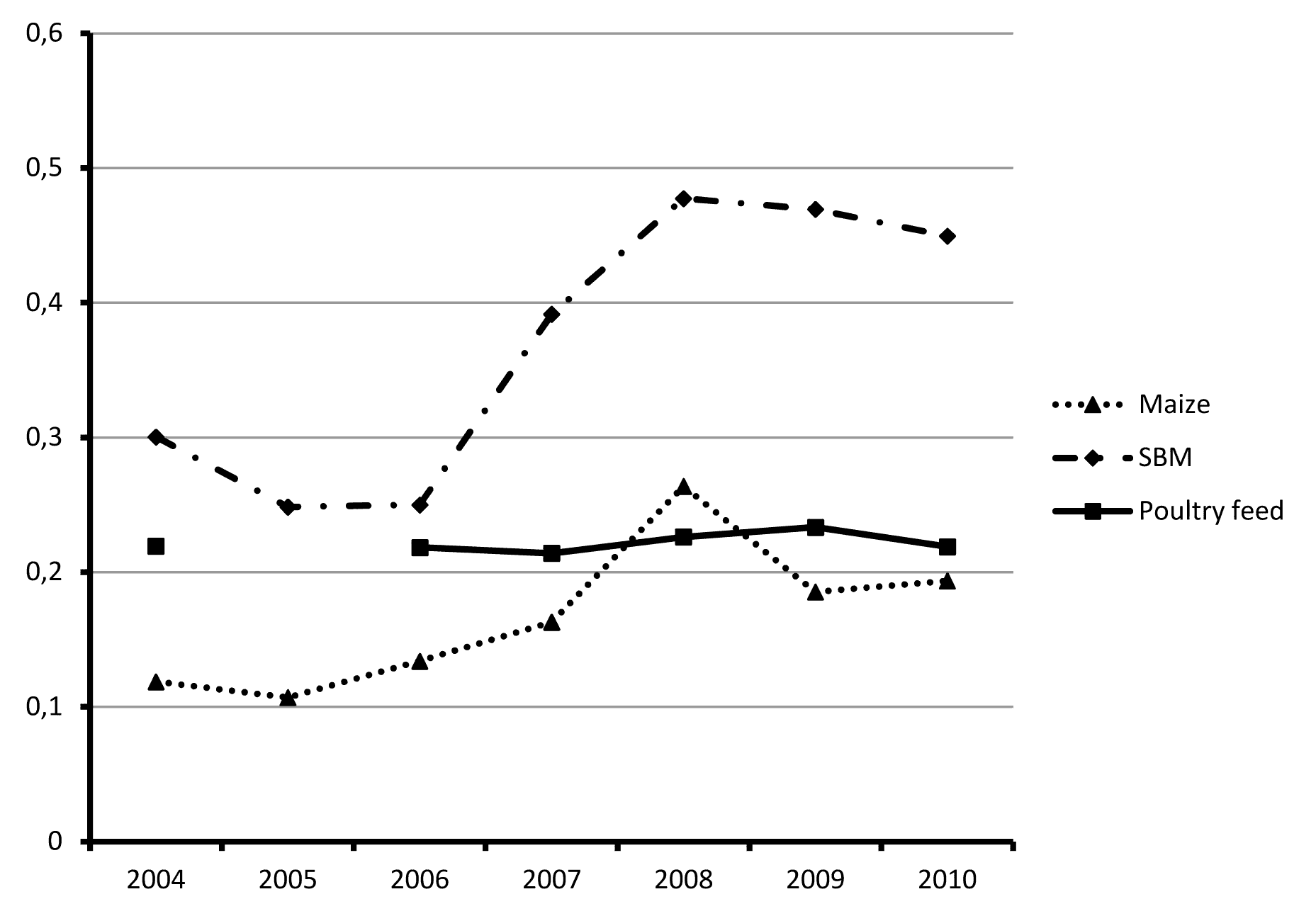
Kuwait has encouraged home poultry meat production by operating an input subsidy programme for maize and soya bean meal. This has allowed the poultry industry to have feed prices that are less variable than international feed commodity prices and, in recent years, to have relatively stable feed costs (Figure 5). The recent reduction of the subsidy for maize and soya bean meal by the Kuwait government may cause significant changes to the future feed price structure of poultry feeds within Kuwait.
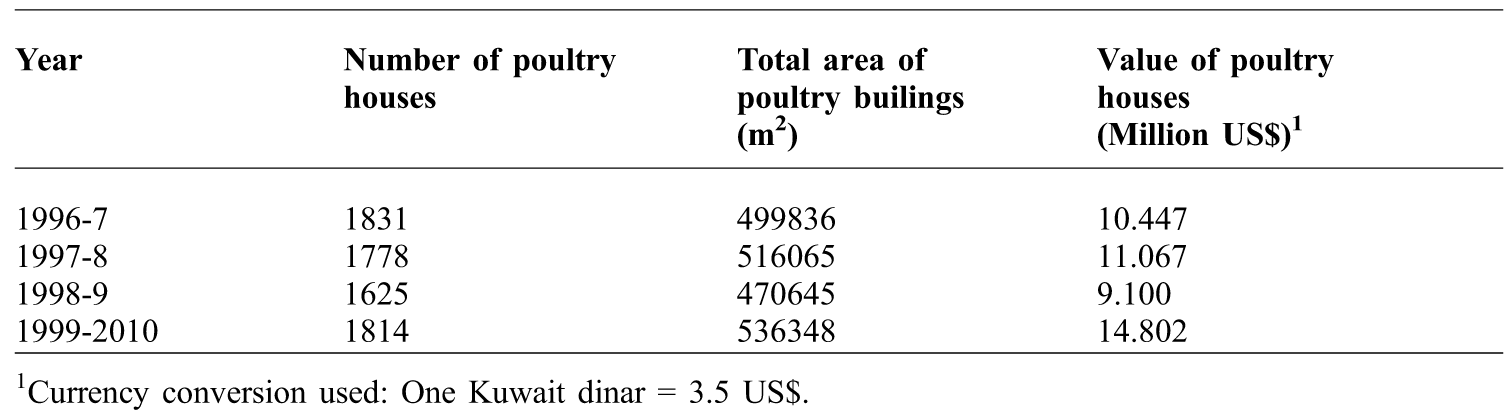
A lack of available land has been the major restriction for a major expansion of the Kuwait poultry industry: the Kuwait government has not allowed significant numbers of new poultry units to be built, or existing units expanded, because of the shortage of suitable land with an adequate water supply. Although the numbers of poultry houses have not increased, the poultry industry has been able to upgrade its existing sites: there was a 7% increase in floor areas for poultry production in the four years up to 2010 and a continued increase in the value of the poultry houses within Kuwait (Table 2).
Size and value of the poultry production buildings in Kuwait between 1996-2010 (Central Statistics Bureau, 2013).
1Currency conversion used: One Kuwait dinar = 3.5 US$.
Broiler breeder and hatching egg production
Broiler breeder production and hatching egg production in Kuwait has quickly expanded in recent years. Lack of available housing, the increased difficulties of managing broiler breeders in the extreme climatic conditions of Kuwait and the lack of experienced stockmen to manage the flocks were historically the main limitations to develop this part of the production process. Hatching eggs or day old chicks were previously imported primarily from India or Egypt.
Since the discovery of high pathogenic H5N1 avian influenza virus in the Arab States (Abdi, Reference ABDI2007), the Kuwait Public Authority for Agricultural Affairs and Fishery Resources (PAAAFR) has taken measures to improve the biosecurity of the national flock by, when necessary, restricting imports of poultry and poultry products into Kuwait. These temporary bans have included hatching eggs and day old chicks.
The Kuwait poultry companies have primarily established broiler breeder flocks to ensure they have continuity of supply of day old chicks for their own broiler production units. This change has been rapid: there was almost no hatching egg production before 2000, but in 2006 the companies produced approximately 40% of their requirements for day old broiler chicks and were almost 100% sufficient by 2012.
Both Naif Poultry and KUPCO have established broiler breeder flocks to supply their own hatcheries. Naif Poultry have the capacity to supply a small surplus of hatching eggs over their own company requirement. KUPCO started their broiler breeder operations in 2008 and by 2012, had the capacity to provide 80% of their needs. Further expansion of the broiler breeder numbers were planned for 2013. The present shortfall of hatching eggs within KUPCO is solved mostly by buying from Naif Poultry but they also continue to import a small proportion of their requirements from Saudi Arabia, Iraq and Europe. In 2012, Naif Poultry had a capacity for 300,000 broiler breeders and KUPCO had a capacity for 130,000.
Broiler breeder flocks are mostly kept in purpose-built houses, although some broiler grower houses have been modified for use. All houses are thermally insulated with controlled environment ventilation systems that use tunnel ventilation and pad cooling systems. Efficient pad cooling systems are essential for the operation of these buildings. Poor quality water may have to be used with the pads and this necessitates the frequent replacement of the pad material. Most houses hold 6,000 to 7,000 broiler breeders that are primarily Ross or Cobb strains (sourced from Saudi Arabia and Europe respectively). Conventional broiler breeder flock management practices have been adopted as recommended by the supplying companies.
However, the extremes of high summer temperatures, with high humidity, can result in peaks in bird mortalities, and extended periods of this weather can result in poor hatching egg fertility. The farms adopt a number of strategies to ameliorate these summer environmental conditions: feed formulations are changed to give increased nutrient densities, birds are fed early in the day before the sharp rise of environmental temperatures and long-term planning is used to avoid any flock having a peak of production during the expected problem months of the year (August and September). Overweight males in the breeder flocks may be a possible major cause of poor fertility at times of heat stress (Sarabia Fragoso et al., Reference SARABIA FRAGOSO, PIZARRO DÍAZ, ABAD MORENO, CASANOVAS INFESTA, RODRIGUEZ-BERTOS and BARGER2013).
Changing the feed delivery equipment in the breeder houses to install improved feeder pan designs would ensure that there was an effective separate-sex feeding within the houses. This would give the unit managers the ability to accurately control male bird weights throughout the whole length of the production period. Improvement of in-house feeding equipment is a priority in future refurbishment plans.
The expansion of their broiler breeder flocks has given the Kuwait poultry meat production companies the advantages of lower hatching egg costs and reduced the risk of poor continuity and quality of supply. Hatching eggs can be imported from neighbouring countries, but the costs of production within Kuwait are frequently below the imported price. The estimated cost of production in 2012 was 55 Kuwait fils (approximately US$0.20) per hatching egg (Personal communication, C. Jalaluddin, KUPCO). The continued Kuwait Government vigilance on avian influenza and other disease problems has resulted in a continued risk that imported product from a major hatching egg supplier may be temporarily banned (Taha, Reference TAHA2009). Home production of hatching eggs avoids this risk, as those produced within the company have a more secure guarantee of having had correct vaccinations and correct handling, transport and storage before their arrival at the hatchery. A recent survey of practices at KUPCO indicated that good biosecurity control measures were used in the broiler breeder units and hatcheries (Al-Saffar, Reference AL-SAFFAR2010). The quality of the day old chicks placed on the growing farms has thus improved with the change to Kuwait broiler breeder production.
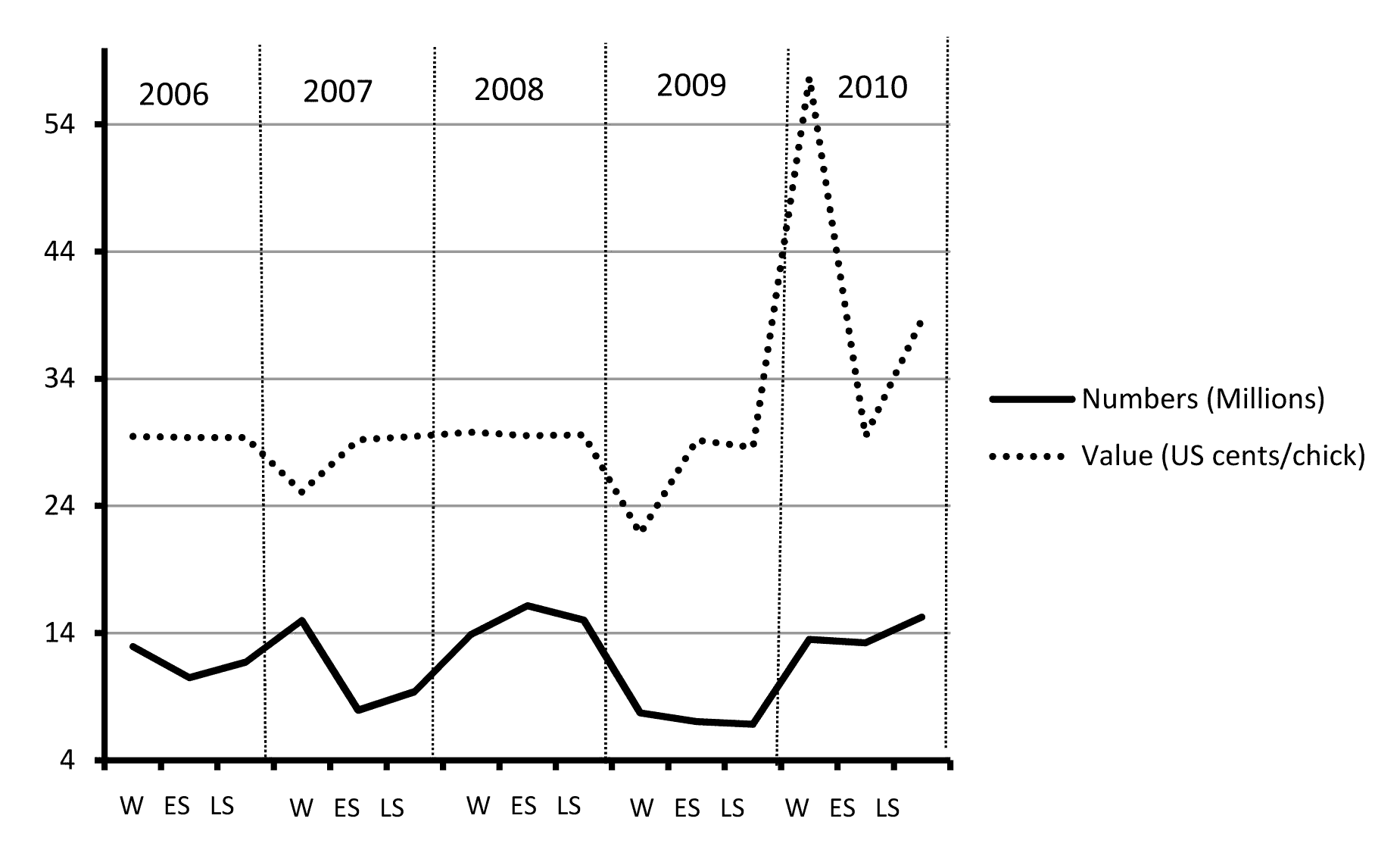
The disadvantages of the expansion are that the broiler breeder flocks occupy poultry houses that could be used to increase overall poultry meat production in Kuwait. Expansion of the poultry industry in Kuwait is limited by the availability of suitable land and water resources. The extreme summer climatic conditions in Kuwait result in the companies, avoidably or unavoidably, having reduced hatching egg production during these periods. This results in a shortfall in day old broiler chicks in the subsequent weeks that may compromise the efficient use of the available broiler growing farms. Kuwait Government census data indicate that hatching egg production can be variable throughout the different seasons of the year and this can result in variability in the supply and economic value of the day old chicks (Figure 6). Current Government regulations prohibit the export of hatching eggs from Kuwait. There are times during the year when the potential for hatching egg production is greater than the demand and so some flocks are depleted earlier than normal. This reduces the economic efficiency of the flocks.
Annual and trimester census data for hatching egg numbers in the Kuwait broiler chicken industry from 2006 to 2010. (W= winter period (December-end February), ES = Early summer (April-end June), LS = late summer (August – end October). (Data from Central Statistical Bureau, 2013). (Currency conversion used: One Kuwait dinar = 3.5 US$).
The Kuwait poultry industry now has sufficient housing capacity to meet its needs for broiler chicken hatching eggs. No major expansion of broiler grower farms is likely in the near future, so there is no further need for expansion of the broiler breeder flocks. The future opportunities for the industry are to improve the efficiency of their overall hatching egg production systems. The management of breeder males and maintaining their fertility during periods of heat stress is a major research area, but other subject areas are the feed composition, breed suitability and feeding management of breeder flocks in extreme climatic conditions. The effects of transport, handling and storage of hatching eggs in these harsh environmental conditions need to be examined.
Recent research results have indicated that novel incubation temperature regimens can be used to give broiler chicks more thermotolerance (Collin et al., Reference COLLIN, BERRI, TESSERAUD, RODON, SKIBA-CASSY, CROCHET, DUCLOS, RIDEAU, TONA, BUYSE, BRUGGEMAN, DECUYPERE, PICARD and YAHAV2007). These temperature regimens have been used in the Naif Poultry hatchery, but these programmes need to be formally evaluated and refined to meet the climatic conditions experienced by the Kuwait poultry industry. The Kuwait Institute of Scientific Research (KISR) is responding to these industry research requirements and are currently planning a new broiler breeder research unit to examine these issues.
A major long-term threat to the Kuwait broiler breeder industry is the availability of skilled workers. Broiler breeder management, especially in challenging environmental conditions, requires experienced, intelligent and motivated staff. Many of the current and previous staff members have been immigrant workers, primarily from India. However, in recent times it has become increasingly difficult to recruit sufficiently qualified staff. The industry needs to address this problem and establish routes to train and educate present staff from within their companies to enable them to manage broiler breeder units in the future. No formal training programmes yet exist within the companies. It is possible that the establishment of the KISR broiler breeder research unit could have some future involvement in giving practical training and experience to these staff.
Conclusions
In summary, there is high poultry meat consumption in Kuwait, although the local poultry meat industry is only able to supply around 20% of this total. The industry's ability to expand is limited by availability of suitable land. The companies have increased revenue by selling a greater proportion of fresh (chilled) meat and further processed poultry meat products. The Kuwait poultry companies have rapidly expanded into broiler breeder production in the past 10 years and now supply almost all their domestic requirements for day old broiler chicks. The expansion has solved the main threats of continuity of supply but problems of reduced efficiency need to be solved in future developments.