





Impact statement
Armed conflict is one of the most significant and underaddressed public health emergencies of our time. More than 123 million people are currently displaced by war and violence, and approximately one in four will develop PTSD or depression. Yet mental health services reach fewer than 1 in 10 of those who need them. As armed conflicts multiply, the need for theoretically grounded, practical frameworks is acute. This article addresses a persistent gap in the global mental health literature: the absence of a unified framework connecting what happens inside a person – in their body, sense of self and relationships – with the wider social conditions that make war’s psychological damage so severe and enduring. By integrating five established psychotherapy traditions with current neuroscientific and epidemiological evidence, it gives clinicians and community mental health workers a richer basis for responding to war-affected people. The framework is designed to be useful beyond specialist clinical settings. Its core principles – attending to disrupted relational needs, rebuilding emotional awareness, completing interrupted grief processes and addressing the scripts that war writes into developing minds – map directly onto the WHO’s Mental Health Gap Action Programme and task-sharing models in humanitarian settings. Non-specialist practitioners can apply these principles without formal psychotherapy training, and the framework speaks directly to the intergenerational dimension: children and grandchildren of survivors who carry wounds they cannot name. Beyond clinical practice, this article makes a structural argument with direct policy relevance: poverty, displacement, gender inequality and collapsed health systems do not merely accompany war trauma – they produce and entrench it. Effective responses therefore require action at the individual, community and policy level simultaneously. For governments, humanitarian organizations and funders, investing in mental health in conflict settings is not optional but a prerequisite for recovery, social cohesion and lasting peace.
Introduction
Wars do not end when the last bullet is fired. Long after the final battle, they continue to live on in the bodies, minds and relationships of survivors. Armed conflicts do not merely destroy people’s lives and natural ecosystems; they also systematically dismantle the psychological foundations upon which individuals, families and communities are built. In this sense, war is not merely a geopolitical event but a multi-layered and long-term psychological trauma process.
The scale of this psychological devastation is documented with increasing precision. A meta-analysis of 64,596 war-affected civilians across 57 studies estimated post‑traumatic stress disorder (PTSD) prevalence at 23.70% and depressive symptom prevalence at 25.60% (Ahmed et al., Reference Ahmed, Zakai, Zahid, Jawad, Fu and Chaiton2024). Among child and adolescent refugees, a systematic review found high rates of PTSD, depression and anxiety across all age groups and displacement contexts (Blackmore et al., Reference Blackmore, Gray, Boyle, Fazel, Ranasinha, Fitzgerald, Misso and Gibson-Helm2020). This article addresses a specific gap in that literature: the absence of an integrative theoretical account connecting individual symptom formation to the relational, collective, intergenerational and structural dimensions of war trauma. Such an account cannot be produced through systematic review methodology alone; the narrative theoretical integration employed here complements empirical synthesis without competing with it, and is explained fully in the Framework Selection section below.
However, the effects of war are not limited to diagnostic categories. War creates a more insidious and widespread psychological breakdown: the erosion of trust. The fundamental sense of trust in other people, social institutions and the possibility of living in a safe world is undermined. This situation leads not only to the development of psychopathology but also to a transformation in the individual’s fundamental way of relating to the world.
In a war environment, children lose their parents, caregivers live in chronic fear and uncertainty and survivors often experience losses that exceed normal grieving processes. Complicated grief emerges as a common clinical presentation in post-war societies (Prigerson et al., Reference Prigerson, Horowitz, Jacobs, Parkes, Aslan, Goodkin, Raphael, Marwit, Wortman, Neimeyer, Bonanno, Block, Kissane, Boelen, Maercker, Litz, Johnson, First and Maciejewski2009). Cumulative traumas accumulate not only in individual life stories but also as a psychological legacy passed down across generations. Recent epigenetic studies have shown that trauma can leave biological traces through DNA methylation of key stress-regulating genes – particularly NR3C1, FKBP5 and brain-derived neurotrophic factor (BDNF) – thereby increasing stress sensitivity in subsequent generations through hypothalamic–pituitary–adrenal (HPA) axis programming (Jawaid et al., Reference Jawaid, Roszkowski and Mansuy2018; Khan et al., Reference Khan, El Messiri, Iqbal, Hassan, Tanweer and Sadia2025).
In clinical practice, these realities manifest daily. Even where active conflict has ended, trauma continues to persist in individuals’ bodies, relationships and narratives. War is therefore not merely a historical event but a clinically lived reality that demands theoretically grounded and practically applicable frameworks for understanding and response. Yet no existing single framework – psychiatric, psychodynamic or social-structural – captures this reality in full: diagnostic systems catalog symptoms without explaining their collective and intergenerational transmission, while individual psychotherapy models rarely engage the structural conditions that produce and sustain war trauma at population scale. This article therefore integrates five psychotherapy frameworks, each addressing a facet of this reality that the others leave unaddressed, into a single clinically usable synthesis.
This article examines the multidimensional effects of war on the human psyche by integrating the theoretical frameworks of Carl Gustav Jung, Eric Berne, Richard Erskine, Fritz Perls and Claude Steiner. Each addresses a distinct and non-redundant dimension of war’s psychological reach: Jung illuminates collective and archetypal processes; Berne and Steiner map individual script formation and emotional suppression; Erskine centers the relational conditions of healing; and Perls attends to somatic and experiential incompleteness. Foundational frameworks with significant overlap – including Bowlby’s attachment theory (incorporated within Erskine’s model) and Herman’s phase-based trauma theory – are acknowledged but not treated as separate frameworks in order to preserve conceptual coherence. The article articulates the practical clinical value of this synthesis, explicating what each framework contributes to case conceptualization, treatment planning and therapeutic intervention with war-affected populations, and situates the synthesis within peace psychology, arguing that therapists working with war-affected populations occupy an inherently political position. The five frameworks are presented before the diagnostic and epidemiological material that follows because each subsequent section – the mapping of clinical presentations, the analysis of social determinants and the case illustrations – depends on the theoretical vocabulary established here; presenting the frameworks first allows the empirical material that follows to be read through, rather than merely alongside, the theoretical lens each contributes.
This article also situates the clinical synthesis within a social psychiatry framework. Social psychiatry holds that mental disorders are irreducibly shaped by social conditions – including poverty, inequality, social exclusion and structural violence – and that effective responses must address these structural determinants alongside individual psychological processes (Engel, Reference Engel1977). Applied to war, this means understanding the psychological mechanisms identified by the five theoretical traditions as shaped and amplified by socioeconomic inequality, forced displacement, gender-based vulnerability and health system collapse. The integration of individual-level clinical theory with population-level social determinants analysis is, this article argues, not optional but necessary for any account of war’s psychological consequences that aspires to be both theoretically coherent and practically transformative.
Framework selection rationale and methodological note
The five frameworks synthesized in this article were selected through a deliberate, criterion-based process rather than exhaustive enumeration. Four inclusion criteria guided selection: (1) the framework addresses a dimension of war trauma that is not adequately captured by the other four; (2) the framework has an established literature of clinical application with trauma-affected populations; (3) the framework offers a theoretically coherent account of at least one component of the ICD-11 Complex PTSD construct (affect dysregulation, negative self-concept or relational impairment); and (4) the framework’s core claims are amenable to empirical evaluation, permitting grounding in existing evidence. Table 1 summarizes the five frameworks, their primary theoretical focus, the ICD-11 disturbances in self-organization (DSO) component each most directly addresses and the reason for inclusion over adjacent traditions.
Framework selection criteria: Five theoretical frameworks, their focus, ICD-11 DSO mapping and inclusion rationale

Table 1. Long description
The table consists of six columns and five rows of data.
* Row 1: Jung (analytical psychology). Focuses on collective unconscious and archetypal processes. Addresses Negative self-concept (cultural dimension). Excludes Frankl. Contribution: Addresses collective narrative in war identity. Question: What collective story or shared fear seems to be living through this individual’s symptoms?
* Row 2: Berne (transactional analysis). Focuses on life script and ego states (Parent-Adult-Child). Addresses Negative self-concept (individual script level). Excludes Beck (C B T). Contribution: Maps how war-context early decisions become personality-organizing principles. Question: What decision did you make, as a child, about what the world/yourself/others are like?
* Row 3: Steiner (radical psychiatry/T A). Focuses on emotional literacy and social/political origins of psychopathology. Addresses Affect dysregulation (socio-political mechanism). Excludes Linehan (D B T). Contribution: Explains how organized violence encodes emotional prohibitions. Question: What were you told about which feelings were safe to show?
* Row 4: Erskine (integrative relational psychotherapy). Focuses on relational needs and contact interruptions. Addresses Relational impairment and negative self-concept. Excludes Bowlby. Contribution: Provides a map of disrupted relational needs in war contexts. Question: What did you need from the people around you during that time, and what happened instead?
* Row 5: Perls (Gestalt therapy). Focuses on unfinished business and somatic experience. Addresses Affect dysregulation (somatic dimension). Excludes van der Kolk. Contribution: Theoretical account of why grief cycles freeze and how they can be completed. Question: Is there a moment, image, or goodbye that still feels unfinished for you?
Note: DSO = Disturbances in Self-Organization (ICD-11 Complex PTSD additional cluster). TA = Transactional Analysis. DBT = Dialectical Behavior Therapy. CBT = Cognitive Behavioral Therapy.
Two important adjacent traditions were considered and deliberately excluded as primary frameworks. Bowlby’s attachment theory was excluded as a separate framework because its core clinical propositions – particularly the centrality of the caregiver relationship in shaping internal working models and stress regulation – are fully incorporated within Erskine’s integrative relational model, which explicitly builds on attachment principles. Including both would introduce redundancy without adding explanatory scope. Herman’s phase-based trauma theory (Herman, Reference Herman1992) was excluded for a similar reason: its three-stage clinical model (safety, mourning, reconnection) is operationally consistent with the integrative sequence implied by the five frameworks, and is referenced as a compatible clinical structure rather than treated as a sixth theoretical lens. The present article thus aims for parsimony without sacrificing coverage: five non-redundant frameworks that together map the full terrain of war’s psychological consequences across individual, relational and collective registers.
A note on review methodology is also warranted. This article employs a narrative theoretical review and conceptual integration rather than a systematic review design. This methodological choice is not arbitrary: the objective of the article is to synthesize theoretical frameworks that operate across incommensurable epistemological traditions (metapsychological, relational, phenomenological and social-structural). Such frameworks cannot be meta-analytically pooled, nor can their selection be reduced to a Population/Problem, Intervention, Comparison, Outcome question or a preregistered protocol. Theoretical integration of this kind constitutes a distinct and recognized scholarly methodology in the health sciences (Grant and Booth, Reference Grant and Booth2009), one that complements rather than competes with systematic review evidence. The empirical literature incorporated into this article was identified through systematic database searches (PubMed, PsycINFO, Web of Science, 2000–2025) using terms including war trauma, armed conflict, Complex PTSD, ICD-11, intergenerational trauma, HPA axis, epigenetics, social determinants of mental health and the name of each theoretical tradition. This evidence base grounds the theoretical claims in peer-reviewed science throughout the article, and the testable propositions offered in the Research Directions section provide the pathway from theoretical synthesis to empirical validation.
Carl Gustav Jung: The shadow of war and the collective unconscious
Carl Gustav Jung’s analytical psychology offers a deep and multi-layered theoretical framework for understanding both the origins and psychological consequences of war. According to Jung (Reference Jung1959), the human psyche does not consist solely of a personal unconscious shaped by individual experiences; it also contains a collective unconscious that holds universal archetypes transmitted across generations. This collective layer bears the psychological imprints of humanity’s historical experiences and unresolved conflicts.
At the center of Jung’s understanding of human destructiveness lies the concept of the Shadow. The Shadow encompasses all aspects that the individual and the collective refuse to accept within themselves – aggression, hatred, fear and the capacity for destructiveness. Jung (Reference Jung1946) emphasized that when this repressed content is not consciously recognized and integrated, it is projected onto the external world. In this context, the “other,” the “enemy” or the “stranger” often becomes a projection of the individual’s and society’s own shadow aspects. From a Jungian perspective, war can be viewed largely as the collective expression of shadow content that has not been integrated.
Jung’s statement strikingly summarizes this dynamic: “When an inner state is not brought to the level of consciousness, it is experienced externally as fate” (Jung, Reference Jung1968). Within this framework, war can be understood as the repeated re-enactment on the historical stage of the destructive potential that remains in the unconscious at both the individual and collective levels.
For individuals who survive war, trauma does not remain merely an individual experience; it often becomes a psychological imprint embedded in the collective unconscious and transmitted across generations. The “psychoid layer” – the area where psychological experience intersects with bodily processes, as defined by Jung – offers a critical concept for understanding this transmission. Modern epigenetic research powerfully corroborates this Jungian intuition: traumatic experiences create lasting effects on gene expression through DNA methylation and histone modification, with alterations in glucocorticoid receptor genes (NR3C1) and FKBP5 documented in Holocaust survivors and their offspring across multiple generations (Yehuda et al., Reference Yehuda, Daskalakis, Lehrner, Desarnaud, Bader, Makotkine, Flory, Bierer and Meaney2014; Jawaid et al., Reference Jawaid, Roszkowski and Mansuy2018). These biological findings show a striking parallel with Jung’s insight that the collective psyche bears historical wounds.
From a clinical perspective, the Jungian framework directs therapists to attend not only to individual traumatic memories but to the deeper cultural narratives, archetypal identifications and collective projections that shape a client’s psychological world. With war-affected populations, this means exploring the internalized images of enemy and ally, hero and victim and engaging with the collective grief and rage that individual symptoms often express. Shadow work in this context is not merely personal but involves a cultural and historical dimension – helping individuals re-own the projected aspects of their experience rather than remaining trapped in an enemy-defined identity.
Children growing up in a war environment, in Jungian terms, are not merely exposed to individual trauma; they also internalize a collective wound. The archetypal mother and father figures represent not only biological parents but also the psychological foundations of the experience of security, protection and continuity. The loss or dysfunction of these figures under wartime conditions leads to profound fractures in the child’s self-development, shaping not only attachment patterns but also the individual’s fundamental assumptions about the world.
Consequently, Jung’s theoretical framework reveals that war is not merely an external conflict but also an expression of unresolved dynamics rooted in the deep layers of the human psyche. This perspective points to the necessity of a transformation – not only political but also psychological and at the level of consciousness – for the prevention and healing of war. It should be noted that the Jungian framework occupies a distinct epistemological position relative to the other frameworks synthesized in this article. Where Berne and Steiner work within a social-interactional and ego-structural model, and Erskine and Perls within relational and phenomenological traditions, Jung’s emphasis on transpersonal, archetypal and collective dimensions introduces a metapsychological register that not all clinicians or researchers will find equally compelling. The integrative synthesis offered here does not resolve these epistemological differences but treats them as productive tensions: each framework illuminates what the others cannot easily access, and their divergence is itself an argument for pluralism in the clinical conceptualization of war trauma. Crucially, the Jungian framework is included not despite its epistemological distinctiveness but because of a specific clinical and empirical need that the other four frameworks cannot address: the need to account for collective narrative, cultural meaning-making and the symbolic dimensions of war identity. Empirical support for this necessity comes from cross-cultural trauma research demonstrating that symptom expression, help-seeking and recovery in war-affected populations are powerfully shaped by cultural narratives, community rituals and collective representations of perpetrator and victim – dimensions that are poorly captured by individual-level psychopathological frameworks alone (Summerfield, Reference Summerfield1999; Kohrt and Hruschka, Reference Kohrt and Hruschka2010). Existing cross-cultural trauma models – including ethnopsychological and idioms of distress frameworks – document cultural variation in symptom expression but do not provide a theoretical language for the collective, symbolic and intergenerational dimensions of meaning that the Jungian framework uniquely addresses. The Jungian lens provides a theoretically coherent language for these collective processes where other frameworks fall short.
Eric Berne: Life script and the child scarred by war
Eric Berne, the founder of Transactional Analysis (TA), explained human behavior through the concept of the “life script” that individuals develop during early childhood. According to Berne (Reference Berne1972), the life script is an unconscious life plan formed by the child based on parental messages and responses to environmental conditions, within the limits of the child’s cognitive and emotional capacities. These early decisions form a lifelong organizing framework by shaping the individual’s self-perception, relationships with others and fundamental beliefs about the nature of the world.
From a developmental perspective, most of these decisions are made during the preverbal stage or during early childhood and are therefore absolute, inflexible and typically unconscious (Stewart and Joines, Reference Stewart and Joines1987). This explains why scripts that develop in traumatic contexts are so resistant and enduring.
For children growing up in war conditions, this process of script formation is severely disrupted. In an environment where basic developmental needs such as continuity, safety and care are unmet, the child is forced to make decisions that adapt to traumatic experiences in order to make sense of the world. The implicit messages of war – you are not safe, people are dangerous, the world is unpredictable, you could lose someone at any moment – form the foundation of the child’s internal working models. This aligns with contemporary evidence on developmental trauma: adversity during sensitive periods of neural development disrupts prefrontal-limbic connectivity, reward processing and threat detection systems in ways that persist into adulthood (van der Kolk, Reference van der Kolk2005).
A child who witnesses violence, experiences the loss of a caregiver or grows up in chronic deprivation may develop the following core script decisions at a preverbal level: I am alone. I am worthless. I should not feel. I cannot trust. Within Berne’s theoretical framework, such early decisions become not merely temporary adaptive strategies but the fundamental organizing principles of the personality. These principles shape the individual’s capacity for emotional regulation, the way they form close relationships and their stress coping strategies in the long term.
Berne (Reference Berne1961) also defined three ego states – Parent, Adult and Child – to explain the structural organization of the personality. Under war conditions, this structure is severely disrupted. The Parent ego state, which serves a supportive and regulatory function, is either absent or has become dysfunctional due to trauma. The Adult ego state cannot sustain its capacity to assess and regulate reality due to the intensity of traumatic emotional arousal. The Child ego state, which holds authentic emotional experience, is often repressed, hidden or fragmented through dissociative processes as a survival strategy.
The practical value of Berne’s framework for clinicians lies precisely in its map of these structures. In TA-informed therapy with war-affected clients, the clinician works to identify and renegotiate early script decisions, rebuilding the Adult ego state’s capacity for reality-based functioning and gradually creating safe conditions for the Child ego state to be heard. Understanding a client’s life script allows the therapist to recognize the protective function of avoidance, numbness or aggression, and to engage with these patterns empathically rather than pathologizing them. The empirical grounding for these clinical observations is substantial: longitudinal research on adverse childhood experiences confirms that early relational trauma produces enduring cognitive schemas, self-regulatory deficits and interpersonal difficulties that closely parallel what Berne described as negative script decisions (Felitti et al., Reference Felitti, Anda, Nordenberg, Williamson, Spitz, Edwards, Koss and Marks1998; Anda et al., Reference Anda, Felitti, Bremner, Walker, Whitfield, Perry, Dube and Giles2006). Among war-affected children, studies document the persistence of these maladaptive schemas into adulthood – manifesting as hypervigilance, emotional suppression and impaired trust – at rates significantly exceeding non-exposed populations (Betancourt et al., Reference Betancourt, Borisova, Williams, Brennan, Whitfield, de la Soudiere, Williamson and Gilman2010). Berne’s framework provides a theoretically coherent map of how these empirically documented patterns are organized and sustained at the level of personality structure.
Claude Steiner: Negative script decisions and emotional literacy
Claude Steiner, one of the key figures in TA and a founder of the Radical Psychiatry movement, extended Berne’s theory beyond individual psychology to place it within a social and political context. According to Steiner (Reference Steiner1974), psychopathology is not merely the result of individual developmental processes; it is also an active product of the social structures in which the individual is embedded. From this perspective, war can be viewed not merely as external destruction, but as a form of social organization that systematically implants pathological script messages into the psyche of individuals.
The concept of emotional literacy, one of Steiner’s theoretical contributions, refers to an individual’s capacity to recognize, name, regulate and communicate their own emotional experiences (Steiner, Reference Steiner2003). Contemporary psychological literature confirms that emotional awareness and regulation skills are critical for mental health, interpersonal relationships and post-traumatic recovery (Gross, Reference Gross1998; Greenberg, Reference Greenberg2011).
In a war context, this capacity is systematically weakened. The demands of survival necessitate the suppression of intense emotions such as fear and grief. This situation leads to the development of trauma-specific regulation patterns such as emotional numbness, hyperarousal and emotional dissociation (van der Kolk, Reference van der Kolk2014). From the perspective of contemporary network analyses of Complex PTSD, affective dysregulation functions as a central node that activates and maintains the broader symptom cluster – including intrusion, avoidance and disturbances in self-organization (Mohammadi et al., Reference Mohammadi, Dehghani, Fathali Lavasani, Farahani and Ashouri2024). Steiner’s account of the collapse of emotional literacy thus provides a theoretically precise formulation of a phenomenon that contemporary trauma science confirms empirically.
Within Steiner’s framework, this process results in the internalization of negative script decisions – which he defined as “prohibitions” or injunctions. He focused particularly on three fundamental prohibitions: Do not think, Do not feel and Do not be close. Children who grow up in a war environment often learn these prohibitions as a means of survival. Critical thinking is suppressed because it carries the risk of defying authority; deep emotional experiences are blocked because loss and pain cannot be managed; and closeness is coded as dangerous due to the risk of loss and trauma.
For clinicians, Steiner’s framework highlights the importance of emotional literacy work as a component of trauma treatment (Steiner, Reference Steiner2003, Reference Steiner2020). With war-affected populations, this may involve developing basic emotional vocabulary, practicing the identification and naming of internal states and gradually building tolerance for emotions that had to be suppressed for survival. This work complements and reinforces evidence-based approaches such as emotion-focused therapy and dialectical behavior therapy, grounding them in a deeper theoretical understanding of how the suppression of emotional literacy became adaptive in the context of organized violence. The empirical basis for prioritizing emotional literacy in trauma treatment is well established: alexithymia – the clinical impairment in identifying and describing one’s own emotional states that Steiner’s framework anticipates – is significantly elevated among conflict-affected individuals and is an independent predictor of PTSD severity and treatment non-response (Cloitre et al., Reference Cloitre, Miranda, Stovall-McClough and Han2005; Frewen et al., Reference Frewen, Lanius, Dozois, Neufeld, Pain, Hopper, Densmore and Stevens2008). Randomized trials of emotion regulation–focused components within trauma treatment protocols (notably STAIR) demonstrate that improvements in emotional identification and regulation skills precede and predict reductions in PTSD and disturbances in self-organization (DSO) symptoms – directly supporting the mediating role that Steiner’s framework assigns to emotional literacy (Cloitre et al., Reference Cloitre, Stovall-McClough, Nooner, Zorbas, Cherry, Jackson, Gan and Petkova2010).
This dynamic is captured in a statement Berne himself offered as a broader social critique: “People are born as princes and princesses; their parents and society turn them into frogs” (Berne, Reference Berne1972). In this context, war can be seen as one of the most powerful social mechanisms that limit human potential. Steiner’s approach reveals that war is not merely a process that produces individual trauma but also one that creates emotional impoverishment and relational disconnection at the societal level.
Richard Erskine: Relational needs, contact and the wounds of war
Richard Erskine’s Integrative Psychotherapy approach places the therapeutic relationship and the fulfillment of relational needs at the center of psychological healing. According to Erskine, an individual’s healthy psychological development depends on the consistent and sensitive fulfillment of their basic relational needs during early life. These needs include security, validation, acceptance, reciprocity, self-definition and emotional contact (Erskine et al., Reference Erskine, Moursund and Trautmann1999). Chronic obstruction of these needs leads to distortions in the individual’s self-perception, the hardening of core beliefs and various psychological disorders.
War poses a systematic and widespread threat to each of these relational needs. The sense of continuity and security is eroded by constant violence, uncertainty and the risk of displacement. The physical absence of caregiving figures or their emotional unavailability due to their own trauma renders the needs for validation and acceptance unmet. In this context, children and adults are not only exposed to traumatic events; they are also deprived of the relational bonds necessary to make sense of and regulate these experiences.
The ICD-11 diagnosis of Complex PTSD provides contemporary empirical grounding for Erskine’s relational model. Defined in ICD-11 as PTSD with additional DSO – comprising affect dysregulation, negative self-concept and persistent difficulties in sustaining relationships (WHO, 2019) – Complex PTSD emerges precisely in individuals who have experienced prolonged or repeated trauma in contexts where relational repair was unavailable. In one recent study of internally displaced Ukrainian civilians, 24.5% met criteria for ICD-11 PTSD and 7.6% for Complex PTSD, with those reporting the most severe war stressors showing the highest rates of DSO symptoms (Barbieri et al., Reference Barbieri, Bastiani, Badalassi, Visco-Comandini, Tomko and Chmielewska2026); this finding, while awaiting independent replication, sits within the range reported by a systematic review of CPTSD prevalence in refugee and displaced populations more broadly (de Silva et al., Reference de Silva, Glover and Katona2021). These patterns confirm that when relational needs are chronically unmet in the context of ongoing threat, the psychological cost extends well beyond symptom-level disturbance into fundamental disruptions of self and relationship.
Another important concept defined by Erskine is “contact interruptions.” Under intense stress and threat, individuals attempt to preserve their psychological integrity by severing contact both with their own internal experiences and with others. Under wartime conditions, these contact interruptions become chronic and manifest in various forms: dissociation, the internalization of threatening messages (introjection), the inward turning of unexpressed emotions (retroflection) and their projection onto the external world. While initially adaptive, these defense mechanisms eventually transform into permanent character structures, limiting the individual’s emotional and relational functioning. Recognizing these contact interruptions – rather than pathologizing them as resistance – is a prerequisite for establishing the therapeutic conditions in which relational repair becomes possible.
The practical value of Erskine’s framework is evident in its implications for the therapeutic relationship. With war-affected clients, the therapeutic encounter itself becomes the primary site of healing: a space where disrupted relational needs can be identified, named and gradually met through consistent, empathic and responsive contact. The therapist’s attunement to the client’s relational needs – particularly the need for security, validation and self-definition – mirrors the co-regulating function that was unavailable in the war context. Trauma-informed relational work therefore requires not only knowledge of symptom patterns but a sustained, deliberate attention to the quality of contact in each session. The empirical case for relational attunement as an active mechanism of trauma recovery is growing: meta-analyses of psychotherapy consistently identify therapeutic alliance as a significant predictor of outcome across treatment modalities, including PTSD treatments (Flückiger et al., Reference Flückiger, Del Re, Wampold and Horvath2018). Evidence-based frameworks for mass trauma response consistently identify perceived social support, relational safety and community connectedness as core elements of post-traumatic recovery and resilience in conflict-affected populations (Hobfoll et al., Reference Hobfoll, Watson, Bell, Bryant, Brymer, Friedman, Friedman, Gersons, de Jong, Layne, Maguen, Neria, Norwood, Pynoos, Reissman, Ruzek, Shalev, Solomon, Steinberg and Ursano2007). ICD-11 Complex PTSD’s DSO cluster – with its core features of relational impairment and negative self-concept – maps precisely onto the relational need deficits Erskine describes, providing contemporary empirical grounding for the framework’s central claims.
Fritz Perls: Unfinished business and the Gestalt of war
Fritz Perls, one of the founders of Gestalt therapy, proposed that psychological distress stems from the failure to complete experiences that require resolution (Perls et al., Reference Perls, Hefferline and Goodman1951). According to the Gestalt approach, in healthy functioning, the organism recognizes an emerging need, directs itself toward that need, completes the experiential cycle and then returns to a state of equilibrium. However, when this cycle is interrupted due to trauma, loss or the suppression of intense emotions, unresolved experiences remain active within the psychological system.
In this sense, war produces “unfinished Gestalts” on a massive scale. The sudden and violent loss of a loved one often disrupts the natural flow of the grieving process. The absence of an opportunity to say goodbye, the lack of rituals and the absence of a safe space for grief hinder the psychological processing of the loss. Such disruptions transform into what Perls described as “frozen Gestalts”: experiences from the past that were never fully resolved invade the present through flashbacks, somatic symptoms, emotional numbness and repetitive behavioral patterns.
This phenomenon aligns closely with the contemporary understanding of traumatic memory processing. Traumatic memories are often stored not as verbally and temporally integrated narratives, but as fragmented, sensory and bodily traces (van der Kolk, Reference van der Kolk2014). For this reason, trauma emerges not as an event confined to the past, but as an experience re-lived by the organism in the “present.” The Gestalt approach’s concept of “unfinished business” offers an important theoretical tool for explaining this temporal freeze, and prefigures the contemporary emphasis on somatic processing in trauma treatment.
Perls’s emphasis on the central role of the body in psychological experience is particularly significant. War trauma is not merely a mental process; it also persists as a bodily record. Muscle tension, changes in breathing patterns and autonomic nervous system activation demonstrate how trauma is held in the body (Ogden et al., Reference Ogden, Minton and Pain2006; Levine, Reference Levine2010). Contemporary neurobiological research confirms that chronic trauma dysregulates HPA axis functioning – producing altered cortisol reactivity, hippocampal volume reduction and heightened amygdala responsivity – such that the body remains in a state of physiological preparation for threat long after the danger has passed (Khan et al., Reference Khan, El Messiri, Iqbal, Hassan, Tanweer and Sadia2025).
From a clinical standpoint, Perls’s framework directs attention to the importance of experiential completion – not merely cognitive reprocessing – in trauma treatment. In Gestalt-informed work with war-affected populations, this involves creating conditions in which incomplete experiential cycles can be revisited and resolved: through body-oriented techniques, role work, empty-chair dialogue with lost figures and the ritualization of grief processes that war disrupted. These approaches are consistent with contemporary somatic and phase-based trauma treatment models, and the Gestalt framework provides a coherent theoretical rationale for their use. The empirical basis for somatic and experiential completion approaches in war trauma treatment is strengthening: body-oriented interventions including somatic experiencing and sensorimotor psychotherapy demonstrate significant reductions in PTSD symptoms in conflict-affected populations, with effects attributed specifically to the completion of interrupted physiological defense and orienting responses – precisely the mechanism Perls’s unfinished business concept describes (Ogden and Fisher, Reference Ogden and Fisher2015; Brom et al., Reference Brom, Stokar, Lawi, Nuriel-Porat, Ziv, Lerner and Ross2017). (These studies were conducted in trauma-affected populations rather than exclusively conflict-zone settings; direct replication with war-affected populations remains an important gap in the literature.) Research on prolonged grief disorder in conflict settings similarly confirms that rituals, meaning-making and the symbolic completion of disrupted farewell processes – rather than cognitive reprocessing alone – are associated with greater grief resolution (Shear et al., Reference Shear, Wang, Skritskaya, Duan, Mauro and Ghesquiere2014). Perls’s framework provides the theoretical architecture for understanding why.
For children growing up in war zones, incomplete experiential cycles take root in the developing personality as unresolved Gestalts. Play gives way to survival strategies; exploration is limited by fear; attachment is interrupted by loss and separation. Each of these interruptions becomes encoded in somatic memory and behavioral patterns that persist long after the external threat has ended.
Clinical reality: What does war do to the mind?
The theoretical frameworks presented above converge in a single, striking reality in clinical practice: war produces some of the most severe, complex and persistent patterns of psychological disorders observed in the field of mental health. Contemporary epidemiological data confirm what clinicians observe daily. The effects of war are not limited to individual symptoms; they affect the entirety of fundamental psychological functions such as emotional regulation, identity organization and interpersonal relationships.
Trauma and anxiety-related disorders
PTSD, acute stress disorder and Complex PTSD are among the most common consequences of war exposure. These disorders are characterized by hyperarousal, intrusive memories, avoidance behaviors and emotional dysregulation (WHO, 2019; APA, 2022). As noted above, approximately one in four war-exposed civilians meets criteria for PTSD or depression, confirming that psychological disorders following armed conflict are a population-level phenomenon rather than an individual clinical exception (Ahmed et al., Reference Ahmed, Zakai, Zahid, Jawad, Fu and Chaiton2024). The ICD-11 construct of Complex PTSD – introduced formally in 2022 when ICD-11 came into effect for all WHO Member States– adds the DSO cluster: affect dysregulation, negative self-concept and persistent difficulties in sustaining relationships (WHO, 2019; Hyland et al., Reference Hyland, Karatzias, Shevlin, McElroy, Ben-Ezra, Cloitre and Brewin2021). Research confirms that Complex PTSD is particularly prevalent in conflict-affected populations, where prolonged and repeated trauma is the norm rather than the exception (Cloitre et al., Reference Cloitre, Courtois, Ford, Green, Alexander, Briere, Herman, Lanius, Spinazzola, Stolbach, Van der Kolk and Van der Hart2012; de Silva et al., Reference de Silva, Glover and Katona2021; Barbieri et al., Reference Barbieri, Bastiani, Badalassi, Visco-Comandini, Tomko and Chmielewska2026).
The theoretical frameworks reviewed above map onto these diagnostic distinctions with precision. The DSO cluster of ICD-11 Complex PTSD – with its core features of affective dysregulation, negative self-concept and relational impairment – finds direct theoretical expression in Steiner’s disruption of emotional literacy, Erskine’s obstruction of relational needs and Berne’s negative script decisions. This convergence confirms that these classical frameworks capture genuine psychological phenomena that contemporary diagnostic systems are only now formally recognizing.
Dissociative disorders
In situations where traumatic experiences are too intense to integrate, the mind attempts to process them by compartmentalizing them. Conditions such as dissociative identity disorder, depersonalization and derealization are understood as adaptive yet functionally impairing strategies developed by the psychological system to tolerate the unbearable (van der Hart et al., Reference van der Hart, Nijenhuis and Steele2006). Contemporary network analyses of Complex PTSD confirm that dissociation functions as a bridge symptom connecting the PTSD cluster with DSO – making it a key clinical target in the treatment of war-affected populations (Mohammadi et al., Reference Mohammadi, Dehghani, Fathali Lavasani, Farahani and Ashouri2024).
Mood disorders
The chronic stress, loss and uncertainty caused by war increase the prevalence of depression and bipolar spectrum disorders, with meta-analytic data indicating depressive symptom rates of approximately 25% among war-affected civilians (Charlson et al., Reference Charlson, van Ommeren, Flaxman, Cornett, Whiteford and Saxena2019; Ahmed et al., Reference Ahmed, Zakai, Zahid, Jawad, Fu and Chaiton2024). The lack of continuity in experiences of safety, meaning and attachment weakens the psychological and neurobiological resources upon which mood regulation relies. At the neurobiological level, HPA axis dysregulation – manifesting as altered cortisol reactivity – contributes directly to the development and maintenance of depressive disorders in trauma-exposed individuals (Khan et al., Reference Khan, El Messiri, Iqbal, Hassan, Tanweer and Sadia2025).
Psychotic spectrum disorders
Severe and prolonged trauma is a significant risk factor for psychotic disorders, particularly in individuals with a genetic predisposition (van Os et al., Reference van Os, Kenis and Rutten2010). A meta-analysis of 41 studies confirmed a dose–response relationship between trauma exposure severity and risk of psychotic disorder across civilian and conflict-affected populations, with childhood adversity demonstrating the strongest associations (Varese et al., Reference Varese, Smeets, Drukker, Lieverse, Lataster, Viechtbauer, Read, van Os and Bentall2012). In wartime conditions, the blurring of the boundary between internal and external reality may manifest as paranoid thoughts and perceptual distortions. From a Jungian perspective, this may also be understood as the invasion of collective unconscious material – archetypal images of destruction, persecution and chaos – into conscious functioning when the ego’s capacity to contain experience has been overwhelmed.
Complicated grief
The sudden, intense and often multiple losses of war disrupt the natural course of the grieving process. Complicated grief is characterized by intense longing, loss of function and unresolved emotional attachment and is commonly observed in post-war societies (Prigerson et al., Reference Prigerson, Horowitz, Jacobs, Parkes, Aslan, Goodkin, Raphael, Marwit, Wortman, Neimeyer, Bonanno, Block, Kissane, Boelen, Maercker, Litz, Johnson, First and Maciejewski2009). The Gestalt concept of unfinished business provides a theoretically coherent account of why complicated grief is so prevalent in war contexts: the abruptness of loss, the absence of mourning rituals and the lack of safe relational space for grief create precisely the conditions in which natural completion of the experiential cycle becomes impossible.
Intergenerational trauma: Neurobiological and epigenetic pathways
The effects of war are not limited to individuals directly exposed to it. Trauma is transmitted across generations through multiple biological and behavioral pathways. At the molecular level, recent research has identified DNA methylation changes in key stress-regulating genes – particularly NR3C1 (the glucocorticoid receptor gene), FKBP5 (which regulates glucocorticoid sensitivity) and BDNF – as mechanisms through which war trauma alters HPA axis programming in offspring (Jawaid et al., Reference Jawaid, Roszkowski and Mansuy2018; Khan et al., Reference Khan, El Messiri, Iqbal, Hassan, Tanweer and Sadia2025). Studies of Holocaust survivors and their descendants provide the most extensively documented evidence: offspring of survivors show altered cortisol levels and enhanced glucocorticoid receptor sensitivity, reflecting HPA axis modifications that increase vulnerability to PTSD following their own trauma exposures (Yehuda et al., Reference Yehuda, Daskalakis, Lehrner, Desarnaud, Bader, Makotkine, Flory, Bierer and Meaney2014; Lehrner and Yehuda, Reference Lehrner and Yehuda2018).
A 2025 study of third- and fourth-generation Holocaust descendants found distinct DNA methylation patterns in HPA-related genes (FKBP5, NR3C1, CRH, CRHBP), suggesting that epigenetic inheritance of war trauma extends at least two generations beyond direct exposure (Oren et al., Reference Oren, Shoshani, Nasser Samra, Verbeke, Vrticka, Aisenberg-Shafran and Ein-Dor2025). These molecular findings are complemented by evidence of behavioral transmission: parenting patterns shaped by unresolved parental trauma – including hypervigilance, emotional unavailability and traumatic overprotection – constitute a powerful epigenetic pathway in the social and behavioral sense (Jawaid et al., Reference Jawaid, Roszkowski and Mansuy2018).
These findings have direct clinical implications. Therapists working with individuals who present no direct war exposure but who grew up with war-affected parents or grandparents must attend to the possibility of transmitted trauma patterns – including heightened stress reactivity, relational difficulties and identity disturbances – that have no direct experiential referent in the client’s own life but find expression through the theoretical lenses developed in this article.
Social determinants of war-related mental health: Vulnerability, inequality and population-level impact
The psychological consequences of war documented in preceding sections do not distribute evenly across populations. War-related mental health outcomes are powerfully shaped by social determinants – structural conditions that amplify or attenuate individual and collective vulnerability. Understanding these determinants is not supplementary to clinical theory; it is essential to it. An integrative framework that attends only to intrapsychic and relational processes while ignoring the social architecture of suffering risks reproducing, in the consulting room, the same invisibility that marginalizes the most exposed populations in research and policy.
Socioeconomic status and pre-existing inequality
Pre-war socioeconomic conditions constitute a primary determinant of post-war psychological outcomes. Populations living in poverty prior to conflict enter war with depleted psychosocial resources – limited access to mental health services, weaker social support networks and reduced capacity to flee or seek safety. The WHO estimates that low- and middle-income countries bear approximately 80% of the global burden of war-related mental health disorders, yet account for a fraction of available specialized mental health infrastructure (Charlson et al., Reference Charlson, van Ommeren, Flaxman, Cornett, Whiteford and Saxena2019). Within conflict-affected populations, the gradient is consistent: lower pre-conflict socioeconomic status predicts higher rates of PTSD, depression and Complex PTSD following exposure, independent of objective trauma severity (Hoppen et al., Reference Hoppen, Priebe, Vetter and Morina2021). From the perspective of the integrative framework developed in this article, socioeconomic marginalization operates through the same pathways identified by Steiner and Erskine: it systematically withholds the material and relational conditions – safety, predictability, access to care – upon which both emotional literacy and relational need fulfillment depend. Poverty does not merely accompany war trauma; it amplifies and entrenches it.
Displacement, forced migration and refugee status
Armed conflict is the primary driver of global forced displacement; by the end of 2024, the UNHCR estimated over 123 million forcibly displaced persons worldwide, the majority originating from conflict-affected states (UNHCR, 2024). Displacement compounds war trauma through multiple mechanisms: the loss of social networks, cultural identity and community belonging; exposure to the violence and deprivation of displacement itself; and the ongoing stressors of asylum procedures, legal precarity and resettlement challenges. Among refugee and internally displaced populations, meta-analytic evidence consistently documents PTSD prevalence substantially exceeding that of non-displaced war survivors, with rates ranging from 30% to over 40% in some conflict contexts (Blackmore et al., Reference Blackmore, Gray, Boyle, Fazel, Ranasinha, Fitzgerald, Misso and Gibson-Helm2020). The psychological dimensions of this excess burden map directly onto the frameworks synthesized here. Displacement ruptures the relational structures that Erskine identifies as central to healing; it produces precisely the conditions – loss of continuity, absence of rituals, severed social bonds – that generate the unfinished Gestalts Perls described; and it transmits, via the behavioral pathways identified in the intergenerational trauma literature, the accumulated weight of collective loss to children who were not themselves direct witnesses to the original violence.
Gender, age and differential vulnerability
War does not affect all individuals equally within the same population. Gender constitutes a significant axis of differential vulnerability: women in conflict zones face elevated exposure to sexual violence, which is associated with PTSD rates substantially higher than those observed for other trauma types; and women carry a disproportionate burden of informal caregiving for war-injured family members, compounding their own exposure to secondary traumatization (Charlson et al., Reference Charlson, van Ommeren, Flaxman, Cornett, Whiteford and Saxena2019). Children and adolescents represent a particularly vulnerable group, as the developmental disruptions produced by war – loss of caregivers, interruption of schooling, exposure to extreme violence during sensitive periods of neural development – carry consequences that extend well beyond the conflict period and into adult functioning (Blackmore et al., Reference Blackmore, Gray, Boyle, Fazel, Ranasinha, Fitzgerald, Misso and Gibson-Helm2020). Older adults, whose social worlds are frequently organized around community and place, face specific risks of complicated grief and meaning disruption when war destroys the contexts that sustained their identity and relational networks. These differential vulnerabilities are not incidental to the theoretical frameworks developed in this article; they specify the populations for whom clinically informed, socially conscious intervention is most urgently needed. A framework that cannot account for who suffers most, and why, cannot adequately guide the allocation of clinical or public health resources.
Health system collapse and treatment gaps
Armed conflict systematically destroys the health infrastructure upon which mental health care depends. The destruction of hospitals, the displacement of trained personnel, the collapse of supply chains for psychotropic medications and the diversion of health resources toward acute physical injury create conditions in which the vast majority of war-affected individuals with significant mental health needs receive no treatment whatsoever. WHO estimates that in conflict-affected low- and middle-income countries, the treatment gap for mental disorders – the proportion of those in need who receive no care – exceeds 90% (Charlson et al., Reference Charlson, van Ommeren, Flaxman, Cornett, Whiteford and Saxena2019). This gap is not merely a resource problem; it reflects the systematic devaluation of mental health within emergency humanitarian response frameworks, which have historically prioritized physical survival over psychological integrity. The integrative theoretical framework developed in this article is intended to be of practical value precisely in these constrained contexts: its attention to the relational dimensions of healing – contact, attunement, the consistent fulfillment of basic relational needs – points toward low-resource, community-embedded interventions that do not require specialized infrastructure to deliver.
Task-sharing models represent the most viable pathway for translating the insights of this framework into population-level impact in conflict-affected settings. Within the WHO’s Mental Health Gap Action Programme (mhGAP [WHO, 2016]), non-specialist community health workers are trained to deliver structured psychosocial interventions with supervision from mental health professionals. The integrative framework developed here maps directly onto this model: Erskine’s relational principles – attunement, consistent presence, the naming and acknowledgment of relational needs – are teachable to lay community workers without requiring formal psychotherapy training. Steiner’s emotional literacy approach, with its emphasis on naming and tolerating emotional states, is similarly translatable into structured psychoeducational group formats that have been successfully deployed in refugee camp settings. Gestalt-informed grief ritualization can be adapted into community-level memorial and mourning practices that do not require individual therapy. And Berne’s framework, particularly the identification of survival-based script decisions and their reframing, is compatible with the peer support and narrative approaches that task-sharing programs increasingly incorporate. The challenge is not the absence of applicable principles but the absence of implementation frameworks that integrate them; this article contributes precisely such a framework.
Clinical illustration: An integrative case conceptualization
The following composite case illustration – constructed from clinical observations and fully anonymized – demonstrates how the integrative framework operates in practice. It is a pedagogical and heuristic device, confirmatory rather than disconfirmatory in design: it illustrates how the five frameworks can be applied, but does not constitute evidence of superiority over alternative formulations. The empirical propositions in the Research Directions section provide the appropriate vehicle for formal validation.
Selman (a pseudonym) was a 34-year-old man referred for psychotherapy following a prolonged hospitalization. Before the events that precipitated his referral, he had been a high-achieving professional – described by colleagues as intellectually driven, emotionally contained and deeply invested in his work. He had lost close family members to an armed conflict in his country of origin several months earlier, and had traveled with cousins to attend to the dead and say goodbye. The journey was, in his words, “the last thing I could do for them.” It was intended to be brief.
On the day of his arrival, the city was subjected to a sustained and intense aerial bombardment. The building in which Selman and his cousins were sheltering was struck. He sustained pulmonary injuries from the blast and was buried under rubble for a period he could not subsequently estimate with any precision. Before losing consciousness, he witnessed the deaths of individuals around him in circumstances of extreme violence. He remained in intensive care for several weeks before being transferred to a safer country, where his physical condition eventually stabilized.
In the months following his return, a distinctive and severe clinical picture emerged. Sleep became almost entirely disrupted by recurrent nightmares in which he re-experienced the bombing with sensory vividness – the sound, the pressure, the silence afterward. Any sound resembling an aircraft engine or a sudden loud noise triggered an immediate, involuntary startle response accompanied by intense physiological arousal: racing heart, constricted breathing, an inability to speak. He described these episodes not as memories but as presences: “It is not that I remember it. It is that it is still happening.”
His professional engagement – once a central source of identity and meaning – had ceased entirely. He reported no interest in activities that had previously mattered to him, a pervasive sense that life had lost its substance and an explicit wish to die. More specifically, he described a wish to return to the conflict zone: not out of hope, but out of a conviction that death there would be coherent in a way that life here was not. “At least there,” he said, “dying makes sense.” This statement, while expressing suicidal ideation, also pointed to something more complex: a rupture in the capacity to inhabit the present, and a pull toward the unfinished.
Diagnostic formulation
Selman’s presentation met criteria for ICD-11 Complex PTSD, as would be expected to be captured by standardized assessment using the International Trauma Questionnaire, the validated self-report measure developed specifically to operationalize ICD-11 PTSD and Complex PTSD (Cloitre et al., Reference Cloitre, Shevlin, Brewin, Bisson, Roberts, Maercker, Karatzias and Hyland2018). The core PTSD cluster was clearly present: intrusive re-experiencing through flashbacks and nightmares, persistent avoidance of internal and external trauma reminders and a sustained state of hyperarousal. The DSO cluster was equally prominent: profound affective dysregulation manifesting as oscillation between emotional numbness and acute physiological overwhelm; a radically negative shift in self-concept (“I survived but I should not have”); and a withdrawal from all relational contact, including with those who had survived alongside him. The collapse of occupational functioning and the explicit suicidal ideation with a pull toward the trauma site further indicated the severity and chronicity of the presentation.
Integrative theoretical conceptualization
Each of the five theoretical frameworks developed in this article illuminates a distinct dimension of Selman’s experience, and together they form a more complete clinical picture than any single framework could provide.
From a Jungian perspective, Selman had been confronted without preparation with the collective Shadow in its most concrete form: mass destruction, radical bodily vulnerability and the arbitrariness of survival. His inability to make meaning of his survival (“I should not have lived”) reflects a psyche overwhelmed by shadow material that has not been integrated: the witnessed violence has been introjected as evidence of his own unworthiness to exist. The pull toward returning to the conflict zone may be understood as an unconscious attempt to complete what fate interrupted – to return to the threshold of death as the only place where experience still feels coherent. Therapeutic work within this framework would involve approaching the collective wound symbolically and gradually, rather than bearing it silently as personal shame.
From Berne’s perspective, Selman’s pre-existing script – organized around competence, achievement and emotional self-sufficiency – had been violently disrupted. His sense of worth, built on being capable and useful, had been rendered entirely helpless in the rubble. The early script decisions now activated may include: I must not need anyone; if I cannot be effective, I have no right to exist; to feel is dangerous. The Adult ego state – his resource for reality-testing – had been flooded by traumatic material it could not process, while the Child ego state erupted through flashbacks, nightmares and uncontrollable startle responses. TA-informed work would focus on renegotiating these script decisions and rebuilding the Adult ego state’s capacity to witness experience without being overwhelmed.
From Steiner’s perspective, Selman’s emotional literacy had been systematically eroded. He described his internal experience in predominantly physical terms (“my chest closes,” “my hands stop working”) rather than emotional ones. This presentation admits more than one reading: it may reflect the erosion of emotional literacy under traumatic conditions, but it may equally reflect culturally shaped idioms of distress, in which emotional pain is conventionally communicated somatically rather than through explicit affective language (Kohrt and Hruschka, Reference Kohrt and Hruschka2010). The two readings are not mutually exclusive, and holding both in view – rather than defaulting to a deficit framing – is consistent with the reflexive stance toward Western-derived frameworks developed later in this article. The prohibitions embedded in his post-traumatic functioning were clear: Do not feel; do not speak of what you saw; do not let anyone close enough to witness your state – likely reinforced by the social environment of survival, where individual grief is suppressed in favor of communal functioning. Steiner’s framework directed therapeutic attention to the slow rebuilding of emotional vocabulary, beginning with the body’s signals and working toward a language capable of holding what had been experienced.
From Erskine’s relational perspective, each of Selman’s core relational needs had been violated simultaneously and without warning. His need for security was annihilated when the building collapsed. His need for validation had gone chronically unmet – both during the acute event and in the weeks of intensive care where survival necessarily took precedence over psychological presence. His need for self-definition had been disrupted by the radical discontinuity between who he had been (competent, purposeful, engaged) and who he now experienced himself to be (helpless, purposeless, wishing not to exist). The resulting contact interruptions – emotional withdrawal, dissociation, relational avoidance – were understood not as pathological resistance but as the psyche’s attempt to protect a self too fragile for further contact. Therapeutic work centered on the quality of the therapeutic relationship itself: patient, consistent and attuned to moment-to-moment shifts in Selman’s capacity for contact.
From Perls’s Gestalt perspective, Selman’s entire journey had been structured around an unfinished Gestalt: the act of farewell. He had traveled to complete something – to say goodbye to his loved ones – and had instead been violently thrust into a new traumatic rupture before the first was resolved. The goodbye was never said. The dead were not accompanied. The grief had no container. He was carrying multiple frozen experiential cycles simultaneously: the ungrieved earlier deaths, the terror of the bombing, the paralysis beneath the rubble and the deaths he had witnessed. Each manifested somatically: constricted breathing reproducing the pulmonary injury, the startle response re-enacting the blast, insomnia keeping him in the perpetual present tense of unresolved experience. Gestalt-informed work would create ritual space, breath-based contact and eventually the symbolic completion of the farewell that circumstance had made impossible.
Selman’s case illustrates why no single framework is sufficient. His suicidal pull toward the conflict zone was simultaneously a Jungian return to the threshold of unconscious integration, a TA re-enactment of a script that equated worth with usefulness in crisis, a collapse of emotional literacy in Steiner’s sense, an Erskinean search for relational contact in the only context where he had last felt fully present and a Gestalt incomplete cycle seeking resolution at its point of rupture. An integrative approach – moving fluidly between these frameworks as clinical contact deepened – was not a theoretical preference but a clinical necessity.
What each framework reveals that the others do not is instructive here. Only the Jungian lens names the archetypal pull of the threshold itself – why a war zone, rather than any generically dangerous place, exerted this specific gravitational force. Only Berne’s script analysis explains why usefulness, rather than survival or safety, became the currency of Selman’s self-worth, tracing that equation to decisions made long before the war. Steiner’s framework, uniquely, accounts for why he had no words for what he felt, only bodily signals – a silence that is otherwise easy to mistake for simple stoicism. Erskine’s relational needs framework identifies the specific need (contact, in the place he last felt fully alive) that the pull was organized around, rather than treating the wish to return as generically self-destructive. And Perls’s Gestalt concept alone specifies what would constitute completion rather than mere symptom reduction. These are not competing explanations of the same fact but different facts, each visible only through its corresponding lens; where they appeared to conflict – for instance, whether Selman’s flat affect reflected script-driven self-suppression (Berne) or eroded emotional vocabulary (Steiner) – the clinical response was not to select one reading over the other but to hold both as simultaneously operative, addressing script and vocabulary in parallel tracks of the same treatment. In practice, the clinician moved between the sample questions summarized in Table 1 – asking, in sequence and as the material allowed, what collective narrative the crisis evoked, what early decision was being re-enacted, what had never been named, what relational need was unmet and what remained unfinished – rather than applying a fixed diagnostic algorithm.
Second vignette: Intergenerational transmission
Leila (a pseudonym) was a 28-year-old woman presenting with chronic low-grade depression, persistent difficulty sustaining intimate relationships and a pervasive sense of being “fundamentally different” from her peers – a difference she could not name or locate. She had not personally experienced war. Her parents had fled an armed conflict in their country of origin two years before her birth, resettling in a European city where they rebuilt their lives in apparent stability. Leila had grown up materially secure, academically successful and with no overt trauma exposure. Yet she described her home as emotionally absent: her parents, though physically present, were consistently unavailable for emotional contact; expressions of fear, grief or vulnerability were met with redirection or silence. She had learned, without being taught, that strong feelings were dangerous.
Leila’s presentation illustrates what the integrative framework illuminates in the intergenerational case: a client for whom the trauma has no experiential referent, yet whose psychological organization bears its unmistakable signature. From a Jungian perspective, she had inherited the war’s unintegrated fear, loss and disrupted identity through the archetypal absence of the protective parent figure. From Berne’s perspective, her early script decisions – I must not need; feelings are a burden; I am fundamentally defective – were transmitted through parental behavior shaped by unprocessed displacement trauma. Steiner’s framework identifies the prohibition clearly: her parents’ survival had depended on not feeling, and this was passed on wordlessly as a relational norm. Erskine’s lens reveals that her needs for validation and emotional contact were structurally unavailable in a home organized around suppression of vulnerability – not out of cruelty but out of survival habit. Perls’s perspective recognizes the unfinished Gestalts her parents carried – ungrieved losses, uncompleted farewell to homeland – as the unmetabolized material organizing Leila’s relational world without her knowing it. Therapeutic work here required patient, curious excavation of a wound she had not witnessed: naming what was absent rather than what was present. Because Leila had no memory to anchor these interpretations, the frameworks functioned less as competing hypotheses to be tested against her recollection than as complementary hypotheses to be tested against her present-day relational and affective patterns; where her script (“I must not need”) and her parents’ unprocessed grief pointed toward the same relational gap, the clinician treated convergence across frameworks, rather than any single framework’s account, as the more trustworthy clinical signal.
Together, Selman’s and Leila’s cases demonstrate that the integrative framework operates across the full range of war trauma presentations – from acute, direct exposure to quiet, inherited disruption – and that its clinical value is not limited to dramatic or exceptional circumstances. The framework’s usefulness in the more common, less immediately legible presentations of intergenerational war trauma is, in some respects, its most significant practical contribution.
Cultural applicability and the limits of Western frameworks
The five frameworks synthesized in this article share a common origin: all were developed within European and North American intellectual traditions, by theorists working primarily with Western clinical populations. This is a significant limitation that must be named explicitly. The majority of the world’s war-affected populations live in the Global South – in sub-Saharan Africa, the Middle East, South and Southeast Asia and Latin America – where cultural frameworks for understanding suffering, healing and community are often substantially different from those that underpin the five traditions reviewed here. To apply these frameworks uncritically to non-Western populations risks what Summerfield (Summerfield, Reference Summerfield1999) has called the “medicalization of distress”: the imposition of individualistic, symptom-focused models onto experiences that are fundamentally collective, relational and embedded in cultural and spiritual meaning systems that Western psychiatry may not recognize.
At the same time, the integrative framework developed here contains elements that are potentially more culturally portable than their Western origins might suggest. Jung’s concept of the collective unconscious and its emphasis on shared cultural narrative, archetypal symbols and communal grief processes resonates with many non-Western traditions in which individual suffering is understood as inseparable from collective and ancestral experience. Cross-cultural trauma research confirms that in contexts as diverse as post-genocide Rwanda, post-conflict Sierra Leone and war-affected communities in Afghanistan and Iraq, recovery is consistently mediated by community ritual, collective meaning-making and the restoration of social bonds rather than by individual psychotherapy alone (Summerfield, Reference Summerfield1999; Kohrt and Hruschka, Reference Kohrt and Hruschka2010). The Gestalt concept of unfinished business – with its attention to disrupted farewell rituals and the somatic residue of incomplete mourning – aligns closely with indigenous healing practices in many African and Asian contexts that center on ritual completion, ancestor acknowledgment and community witnessing of grief (e.g., Igbo mourning-dance traditions in West Africa, Akunna, Reference Akunna2015; idioms of distress and community-mediated healing in South Asian contexts, Kohrt and Hruschka, Reference Kohrt and Hruschka2010). Erskine’s relational needs framework, while formulated in Western intersubjective terms, maps onto widely shared human requirements for safety, recognition and belonging that transcend cultural specificity.
The appropriate response to this tension is not to abandon the framework but to hold it lightly – to use it as a lens for generating hypotheses and clinical questions, while remaining genuinely open to the ways in which local knowledge systems, traditional healers, community elders and culturally specific healing practices may address the same psychological terrain through different, and potentially more effective, means. Clinicians and community workers applying this framework in non-Western contexts are encouraged to identify local equivalents for each element of the synthesis: the community ritual that performs the function of Gestalt completion, the elder or spiritual guide who fulfills the relational needs that Erskine describes, the communal narrative through which Jung’s shadow work is performed without individual psychotherapy. Future research should examine whether and how the testable propositions offered in the Research Directions section hold across diverse cultural settings, and should actively include researchers, practitioners and community members from the affected populations in the design, conduct and interpretation of that research.
Taken together, these social determinants establish that war-related mental health is irreducibly a public health problem as well as a clinical one. The five theoretical frameworks developed in this article provide the mechanistic architecture through which structural conditions become psychological wounds: socioeconomic deprivation obstructs the relational needs Erskine identifies as prerequisites for psychological integrity; forced displacement produces precisely the unfinished Gestalts Perls described; poverty and marginalization reinforce the negative script decisions Berne and Steiner theorized – making these beliefs structurally accurate rather than merely internally generated; gender-based violence imposes the very injunctions Berne and Steiner identified; and health system collapse ensures that the collective wounds Jung’s framework identifies find no institutional container for integration. The epidemiological burden is large, unequally distributed and structurally produced; its alleviation requires interventions at multiple levels simultaneously – individual, relational, community and policy – informed by task-sharing models such as the WHO’s Mental Health Gap Action Programme (mhGAP [WHO, 2016]).
From the counseling room to the world: A call for peace
The psychological effects of war reveal the inseparable relationship between an individual’s inner world and the surrounding social and political context. Psychotherapeutic practice must therefore be directed not only toward individual healing but also toward questioning the conditions that produce these wounds.
The integrative framework offers clinicians a theoretically grounded toolkit: Jungian shadow work addresses collective dimensions; Berne and Steiner’s TA identifies organizing script decisions and emotional prohibitions; Erskine’s relational model directs attention to the quality of contact and relational needs; and Gestalt-informed work creates conditions for the experiential completion of frozen trauma cycles.
War trauma operates across multiple levels simultaneously – neurobiological, psychological, relational, cultural and transgenerational – and effective clinical response requires an approach that can move between these levels as the individual’s needs demand.
In this context, the integrative framework – grounded in peace psychology’s distinction between negative peace (the absence of direct violence) and Galtung’s concept of positive peace (the presence of structural justice and cooperative relations) (Galtung, Reference Galtung1996) – offers a foundation for extending clinical insight to the ethical and social spheres. A vision of peace in which no side loses and human dignity is universally upheld is not merely a political aspiration; from a Jungian perspective, it requires the conscious integration of the collective Shadow rather than its projection onto the outside world. Within the theoretical framework of Berne and Steiner, this means creating conditions in which children receive messages of security, belonging and worthiness rather than fear, abandonment and worthlessness.
Limitations
Several limitations should be acknowledged. First, this article employs narrative theoretical integration rather than systematic review methodology – a deliberate choice explained in the Framework Selection section. The selection of five frameworks was not exhaustive; important traditions including Bowlby’s attachment theory and Herman’s phase-based trauma model engage overlapping terrain and are incorporated implicitly rather than excluded entirely. Second, the five frameworks operate within distinct and not always compatible epistemological traditions: Jung’s analytic psychology occupies a different register from the relational foundations of Erskine’s model or the social-structural critique of Steiner’s radical psychiatry. The integrative framework treats these tensions as productive rather than as grounds for exclusion, but the epistemological heterogeneity of the synthesis remains a conceptual limitation that future theoretical work will need to address more formally.
Third, the composite case illustrations are constructed to demonstrate the framework rather than test it; confirmatory bias is an inherent risk. The Research Directions section’s testable propositions provide the pathway to empirical validation. Fourth, the social determinants analysis is necessarily selective; readers are referred to existing WHO and Lancet Commission reports for comprehensive epidemiological treatments.
Research directions and testable propositions
The integrative framework developed in this article is intended not only as a clinical tool but as a theoretical foundation for empirical inquiry. The convergence of five psychotherapy frameworks around the ICD-11 Complex PTSD construct generates a set of testable propositions that future research could investigate. Three principal directions are identified below.
Proposition 1
Integrative treatment superiority for ICD-11 Complex PTSD. It is proposed that integrative interventions combining relational attunement (Erskine), script renegotiation (Berne), emotional literacy work (Steiner), shadow-informed meaning-making (Jung) and somatic completion techniques (Perls) will produce greater reductions in ICD-11 disturbances in self-organization (DSO) symptoms – affect dysregulation, negative self-concept and interpersonal difficulties – than single-modality trauma treatments in war-affected populations. This proposition is testable through randomized or quasi-experimental designs comparing integrative protocol outcomes against established monomodal approaches such as TF-CBT or EMDR on validated DSO measures (e.g., the International Trauma Questionnaire).
Proposition 2
Emotional literacy as a mediator of post-traumatic recovery. Steiner’s framework suggests that the suppression of emotional literacy constitutes a central mechanism through which war trauma perpetuates psychological distress. It is therefore proposed that increases in emotional literacy – operationalized through validated self-report instruments assessing emotional identification, differentiation and communication – will mediate reductions in Complex PTSD symptom severity in war-affected individuals receiving psychotherapy. This proposition is integrative rather than Steiner-specific in scope: emotional literacy is theorized here as a connective mechanism across the five frameworks – supporting the symbolic articulation of Jungian shadow material, enabling the revision of Bernian script decisions that depend on affective awareness, sustaining the relational contact that Erskine’s model requires, and permitting the completion of the Gestalt cycles that Perls identifies as blocked by unprocessed affect. Its mediating role is thus proposed as a shared pathway through which gains from an integratively informed therapy, drawing on any or all five frameworks, become measurable. Longitudinal mediation designs, assessing emotional literacy at multiple time points alongside symptom measures, could test this proposition directly.
Proposition 3
HPA axis normalization as a biological marker of transgenerational therapeutic intervention. Given the evidence that war trauma alters HPA axis programming across generations through epigenetic mechanisms (Yehuda et al., Reference Yehuda, Daskalakis, Lehrner, Desarnaud, Bader, Makotkine, Flory, Bierer and Meaney2014; Khan et al., Reference Khan, El Messiri, Iqbal, Hassan, Tanweer and Sadia2025), it is proposed that psychotherapeutic interventions targeting the relational and meaning-making dimensions of transmitted trauma – informed by Erskine’s relational model and Jung’s collective unconscious framework – will be associated with measurable normalization of cortisol reactivity and NR3C1 methylation patterns in the offspring of war-affected individuals. Translational research designs integrating psychobiological assessment with psychotherapy process-outcome data could investigate this pathway, with implications both for clinical practice and for transgenerational public health policy. Such designs face significant methodological challenges – including small achievable sample sizes, the absence of standardized epigenetic outcome measures for psychotherapy trials, and the difficulty of distinguishing treatment-attributable from developmental methylation changes – that future work will need to address before this proposition can be tested with adequate rigor.
These propositions are offered as invitations to empirical engagement. The present article does not claim to resolve questions that only evidence can answer; it claims instead to have constructed a theoretically coherent framework from which such questions can be meaningfully asked. The shared convergence around ICD-11 Complex PTSD across five distinct psychotherapy traditions suggests this framework has sufficient internal coherence to serve as a productive foundation for the next generation of integrative trauma research.
Conclusion
War is not merely a political and military phenomenon; at its deepest level, it is a sustained assault on the psychological structures that make human life possible. This article has argued that understanding this assault requires more than symptom catalogs or single-theory accounts. The five frameworks synthesized here – Jungian analytical psychology, TA, Steiner’s emotional literacy theory, Erskine’s integrative relational model and Gestalt therapy – each illuminate a distinct dimension of war’s psychological reach, and together they form a map of the terrain that clinicians must navigate when working with war-affected populations. The convergence of these classical frameworks with contemporary meta-analytic, neurobiological and epigenetic evidence both validates their enduring relevance and enriches their explanatory power. Meta-analyses confirm that approximately one in four war-exposed civilians develops PTSD or depression (Ahmed et al., Reference Ahmed, Zakai, Zahid, Jawad, Fu and Chaiton2024); the ICD-11 construct of Complex PTSD provides contemporary clinical specificity for the relational and identity disruptions these frameworks identify; and research on HPA axis programming and transgenerational epigenetic inheritance extends our understanding of war trauma’s temporal reach to include generations not yet born when the conflict occurred (Khan et al., Reference Khan, El Messiri, Iqbal, Hassan, Tanweer and Sadia2025; Oren et al., Reference Oren, Shoshani, Nasser Samra, Verbeke, Vrticka, Aisenberg-Shafran and Ein-Dor2025).
This reality also entails a significant ethical responsibility regarding the role of psychotherapists. The healing process conducted in the therapy room cannot be considered independently of the social and political context in which the trauma was produced. Psychotherapists are not merely witnesses to individual suffering; they are professionals who recognize the conditions that produce this suffering and can contribute to transforming those conditions. As peace psychology has long argued, and as the integrative framework developed here confirms, peace is not merely a political ideal but a structural prerequisite for psychological integrity: where organized violence persists, no clinical framework, however sophisticated, can substitute for the absence of safety (Galtung, Reference Galtung1996; Şahin, Reference Şahin2026). From a social psychiatry perspective, clinical work with war-affected populations is inherently political: it operates within structures of inequality that it must name, and argues for a model of mental health care in conflict contexts that is simultaneously theoretically informed and structurally aware. War-related mental health is a public health emergency as well as a clinical challenge; responding to it adequately requires frameworks that can speak to both dimensions. This responsibility is shared across political, professional and research domains – and, ultimately, across all members of a human community with a common stake in reducing the psychological cost of organized violence.
As a clinician who has spent three decades working at the intersection of psychotherapy and the study of collective trauma, the author regards the prevention of war’s human and ecological toll as both a clinical and civic responsibility. Armed conflict claims not only combatants but children, the elderly and women, and leaves behind grief, mourning and post-war trauma that can echo across generations if left unaddressed; war’s destructiveness extends further still, threatening ecosystems and all living beings caught within its reach. The author’s commitment to this cause is not confined to the classroom: beyond training students in theoretical and applied psychology, this body of work – together with the author’s own call-to-action (Şahin, Reference Şahin2026, “Call for Peace: A Manifesto for Win-Win Peace”) and a forthcoming book-length work applying an integrative psychological framework to the historical transformation of protracted conflict toward peace – is offered as a direct contribution toward safeguarding future generations, and the natural world they will inherit, from the devastation of war.
Open peer review
To view the open peer review materials for this article, please visit http://doi.org/10.1017/gmh.2026.10301.
Acknowledgments
The theoretical integration presented in this article draws directly on the author’s three decades of clinical and academic engagement with the frameworks discussed. Following postgraduate training in psychoanalysis, the author completed 28 years of continuing education (several hundred hours) in Transactional Analysis and Integrative Psychotherapy and holds international certification as an Integrative Psychotherapist (CIIP). The author has served as translation editor for 32 books in psychology brought into Turkish, including 2 works by Claude Steiner, 8 by Richard Erskine and Judith Beck’s work on Cognitive Behavior Therapy, for several of which the author also served as translator; 6 of these works concern Transactional Analysis and 6 concern Integrative Psychotherapy. The author teaches theoretical and applied coursework at the undergraduate, master’s and doctoral levels. The five-framework integrative structure proposed here, and its application to the psychology of war, is the author’s original theoretical contribution, arising from this sustained clinical, translational and pedagogical engagement with these traditions.
AI statement
The author made use of the following AI tools in the preparation of this manuscript. DeepL (accessed March 2026, via deepl.com) was used for initial translation support of an early draft. Claude (Anthropic, claude-sonnet-4-6, accessed March–May 2026, via claude.ai) was used to assist with literature synthesis, language editing, organizational suggestions and reference formatting. All theoretical propositions, framework selection, clinical interpretations and scholarly judgments are the author’s own; all AI-assisted text was critically reviewed and substantially revised by the author before inclusion.
Author contribution
M.S.: Conceptualization, theoretical framework development, literature review and synthesis, case conceptualization, writing (original draft preparation, review and editing) and final approval of the submitted version. The author affirms sole authorial responsibility for the conceptualization and theoretical development presented in this article; no AI tool contributed to the conceptualization, theoretical development or scholarly judgments reflected in this work.
Competing interests
The author declares no conflict of interest.
Data availability statement
This article is a theoretical review and did not involve the collection or analysis of original data. No new data were created or analyzed in this study. Data sharing is not applicable to this article.
Ethics and approvals
The clinical vignettes presented in this article are composite cases constructed from clinical observations for pedagogical and illustrative purposes. Identifying details have been altered and combined across cases so that no vignette represents any individual patient, and no identifiable personal data were used. No ethics approval was required for the preparation of this theoretical review. The author asserts that all procedures contributing to this work comply with the ethical standards of the relevant national and institutional committees on human experimentation and with the Helsinki Declaration of 1975, as revised in 2013.
Funding statement
Open access publication fees for this article were supported by the TÜBİTAK ULAKBİM EKUAL agreement (Türkiye). The research itself received no specific grant from any funding agency, commercial or not-for-profit sectors.
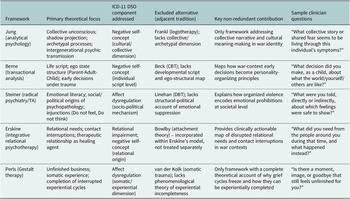

 Open access

