





Introduction
Imagine you are 11 years old, and you just had a fight with your parent. Do you feel an increase in your rage? loneliness? stress? all of those together? Emotion differentiation (also called ‘emotion granularity’) – the ability to identify specific experiences of emotion at a granular level (Barrett et al., Reference Barrett, Gross, Christensen and Benvenuto2001) – is considered a core aspect of how humans experience and represent their emotional world (Barrett et al., Reference Barrett, Mesquita, Ochsner and Gross2007). This ability has a protracted developmental process (Nook et al., Reference Nook, Sasse, Lambert, McLaughlin and Somerville2017, Reference Nook, Sasse, Lambert, McLaughlin and Somerville2018) and is tuned by early environmental input and experience (Weissman et al., Reference Weissman, Rubbani, DeCross, Kasparek and McLaughlin2025). Experiences involving the caregiver are particularly important in emotional development (Davis et al., Reference Davis, Parsafar and Brady2023; Hoemann et al., Reference Hoemann, Xu and Barrett2019; Starr, Shaw, et al., Reference Starr, Shaw, Li, Santee and Hershenberg2020), although empirical evidence linking early caregiving to differentiated emotion concepts is currently lacking. To illuminate the role of caregiving experiences in emotion differentiation, we investigated how adolescents’ emotion differentiation manifests following different socio-emotional contexts, and how early caregiving experiences modify these effects.
Emotion differentiation is often studied at the trait level, indexing the degree to which a person differentiates their emotions as a stable tendency (Thompson et al., Reference Thompson, Springstein and Boden2021). This measure uses intraclass correlation (ICC) across emotions and over time, with weaker ICCs indicating better emotion differentiation. Accordingly, this measure does not consider variations in time or context. Generally, greater trait emotion differentiation is associated with better mental health in both adults (Kashdan et al., Reference Kashdan, Barrett and McKnight2015; Seah & Coifman, Reference Seah and Coifman2022; Starr et al., Reference Starr, Hershenberg, Li and Shaw2017) and adolescents (Nook et al., Reference Nook, Flournoy, Rodman, Mair and McLaughlin2021; Nook, Reference Nook2021; Starr, Hershenberg, et al., Reference Starr, Hershenberg, Shaw, Li and Santee2020). It is argued that trait emotion differentiation benefits mental health because the ability to identify specific emotions facilitates other processes that ultimately promote well-being, such as selecting appropriate emotion regulation strategies (Barrett et al., Reference Barrett, Gross, Christensen and Benvenuto2001; Kashdan et al., Reference Kashdan, Barrett and McKnight2015; Nook, Reference Nook2021; Starr, Hershenberg et al., Reference Starr, Hershenberg, Shaw, Li and Santee2020). These links indicate that emotion differentiation offers valuable insight into the foundations that support mental health (Nook, Reference Nook2021).
Despite often being investigated as a trait, emotion differentiation can also vary moment to moment and change according to context (Erbas et al., Reference Erbas, Kalokerinos, Kuppens, van Halem and Ceulemans2022; Sels et al., Reference Sels, Erbas, O’Brien, Verhofstadt, Clark and Kalokerinos2024; Springstein et al., Reference Springstein, Thompson and English2024). For example, being with others or being in an unfamiliar environment can modulate emotion differentiation of positive emotions (Springstein et al., Reference Springstein, Thompson and English2024). As another example, emotion differentiation of negative emotions has been shown to fluctuate as a function of sharing one’s emotions with others (Sels et al., Reference Sels, Erbas, O’Brien, Verhofstadt, Clark and Kalokerinos2024). Indeed, trait emotion differentiation can be operationalized as an aggregation of these discrete emotion differentiation moments, with some moments contributing to trait emotion differentiation more than others (Erbas et al., Reference Erbas, Kalokerinos, Kuppens, van Halem and Ceulemans2022). Given the long reach of developmental socio-emotional contexts on emotional behaviors (Atzil et al., Reference Atzil, Gao, Fradkin and Barrett2018; Callaghan & Tottenham, Reference Callaghan and Tottenham2016a; Vannucci et al., Reference Vannucci, Fields, Heleniak, Bloom, Harmon, Nikolaidis, Douglas, Gibson, Camacho, Choy, Hadis, VanTieghem, Dozier, Milham and Tottenham2025), it is possible that socio-emotional contexts during development carry particular importance for momentary emotion differentiation.
During development, interactions with the parent are arguably the most salient and important socio-emotional contexts. Starting from birth and throughout development, the parent is a highly reinforcing stimulus (Atzil et al., Reference Atzil, Gao, Fradkin and Barrett2018; Hoemann et al., Reference Hoemann, Xu and Barrett2019) that regulates the child’s physical and emotional needs across numerous and routine momentary interactions (Atzil et al., Reference Atzil, Gao, Fradkin and Barrett2018; Callaghan, Meyer, et al., Reference Callaghan, Meyer, Opendak, Van Tieghem, Harmon, Li, Lee, Sullivan and Tottenham2019; Waters et al., Reference Waters, West, Karnilowicz and Mendes2017), and these interactions form the child’s primary and most salient attachment relationship (Ainsworth & Bell, Reference Ainsworth and Bell1970; Atzil et al., Reference Atzil, Gao, Fradkin and Barrett2018; Bowlby, Reference Bowlby1982; Bretherton, Reference Bretherton1992; Sroufe, Reference Sroufe1979; Tottenham & Vannucci, Reference Tottenham and Vannucci2025). Given parents’ central role as attachment figures, their involvement in an emotional event can substantially modify children’s emotional intensity. This has been shown both in terms of parents’ capacity to transmit their own emotions and increase children’s stress-responsive neurobiology (Fields, Harmon, et al., Reference Fields, Harmon, Lee, Louie and Tottenham2021; Silvers et al., Reference Silvers, Callaghan, VanTieghem, Choy, O’Sullivan and Tottenham2021; Waters et al., Reference Waters, West and Mendes2014, Reference Waters, West, Karnilowicz and Mendes2017), as well as in terms of parents’ ability to decrease children’s stress-related neurobiological responses (Abramson et al., Reference Abramson, Callaghan, Silvers, Choy, VanTieghem, Vannucci, Fields and Tottenham2024; Gee et al., Reference Gee, Gabard-Durnam, Telzer, Humphreys, Goff, Shapiro, Flannery, Lumian, Fareri, Caldera and Tottenham2014; Hostinar et al., Reference Hostinar, Johnson and Gunnar2015b; Parenteau et al., Reference Parenteau, Alen, Deer, Nissen, Luck and Hostinar2020). Importantly, emotional intensity is associated with emotion differentiation (Erbas et al., Reference Erbas, Kalokerinos, Kuppens, van Halem and Ceulemans2022; Sels et al., Reference Sels, Erbas, O’Brien, Verhofstadt, Clark and Kalokerinos2024; Springstein et al., Reference Springstein, Thompson and English2024), raising the possibility that parental modulation of children’s emotional intensity may also influence emotion differentiation processes. Accordingly, we investigated momentary changes in emotion differentiation while separating between parental and other social contexts.
The hypothesis that caregivers influence emotion differentiation during development also predicts that major caregiving disruptions early in life will result in alterations to these parental effects. That is, available and consistent caregiving addresses children’s emotional needs, and secure attachment provides a foundation for the parent to modulate children’s emotional experiences in the future (Callaghan, Meyer, et al., Reference Callaghan, Meyer, Opendak, Van Tieghem, Harmon, Li, Lee, Sullivan and Tottenham2019; Gee & Cohodes, Reference Gee and Cohodes2021). Because a history of caregiving-related early adversities (crEAs) disrupts the integrity of the parent–child relationship, crEAs may place limits on the ability of a child’s emotional response to be modulated by the parent (Hostinar et al., Reference Hostinar, Johnson and Gunnar2015a). Indeed, decreased behavioral discrimination between parents and strangers has been observed following severe caregiving adversities (Chisholm, Reference Chisholm1998), as has decreased parental modulation of children’s stress-induced cortisol release (Hostinar et al., Reference Hostinar, Johnson and Gunnar2015a) and amygdala activity (Callaghan, Gee, et al., Reference Callaghan, Gee, Gabard-Durnam, Telzer, Humphreys, Goff, Shapiro, Flannery, Lumian, Fareri, Caldera and Tottenham2019). These findings suggest that, if parental contexts influence momentary emotion differentiation during development, these effects will be weaker following adverse caregiving experiences.
The present study
This study asked whether adolescents’ emotion differentiation momentarily changes following different socio-emotional contexts, with a specific interest in parental contexts. Given our interest in the role of parental context effects, we studied daily emotional responses in adolescents with and without adverse caregiving histories using Ecological Momentary Assessment (EMA). We computed the momentary emotion differentiation (mED) metric used in previous studies (Erbas et al., Reference Erbas, Kalokerinos, Kuppens, van Halem and Ceulemans2022). mED measures how differentiated one’s emotions are at a specific moment compared to that individual’s overall emotion differentiation. It focuses on how strongly emotions deviate in synchrony with each other from their baseline (see Figure 1 for a schematic illustration). Reduced mED occurs when one’s emotions change by a given context, such that all or most emotions trend in the same direction from how they usually occur (e.g., feeling both anger more than usual and anxiety more than usual). Conversely, high mED occurs either because emotions deviate from baseline in opposite directions (e.g., feeling more anger than usual and less anxiety than usual), or because, although counterintuitive, emotions remain close to baseline (Erbas et al., Reference Erbas, Kalokerinos, Kuppens, van Halem and Ceulemans2022; e.g., both anger and anxiety are felt as one often feels; see Figure 1). Because only the former pattern provides clear evidence that emotions are momentarily differentiated from one another, we computed a complementary index of dispersion between emotion ratings – the momentary emotions’ standard deviation (mESD). This index reflects one necessary aspect of a differentiated momentary profile – separation among concurrently reported emotions (see the ‘Methods’ section for a detailed explanation; Table 1 for definitions and characteristics of the two metrics; and Figure 1 for examples where these metrics are in accord or disagreement with one another).
Examples of emotional patterns with high and low momentary emotion differentiation (mED) and momentary emotions’ standard deviation (mESD). (A) Patterns of six emotions based on a 4 time-point artificial data (see supplementary Figure S1 for examples with real data of individual participants). White color represents an emotion’s person-centered mean across time-points (zero for each emotion); darker purple color represents emotion rating higher than its mean, whereas darker green color represents emotion rating lower than its mean. Because emotions are person-centered, the scores depend on the distribution of the data and the ratings of the other time-points. Therefore, the extent of similarity/discrepancy between the mED and mESD metrics may differ between individuals. (B) A schematic illustration of two emotion ratings over a time course.

Figure 1. Long description
Two-panel conceptual illustration of momentary emotion differentiation (mED) and momentary emotions’ standard deviation (mESD). Panel A is a 2 × 2 grid crossing heightened versus reduced mED with heightened versus reduced mESD. Each cell shows ratings of six negative emotions (lonely, sad, worried, stressed, annoyed, mad) relative to the person’s mean. Heightened mED with heightened mESD: a few emotions are felt more than average and other emotions are felt less than average, spread between emotions is high. Heightened mED with reduced mESD: all emotions are close to average, spread between emotions is low. Reduced mED with heightened mESD: a few emotions are felt much more than average whereas other emotions are felt only somewhat more, spread between emotions is high. Reduced mED with reduced mESD: all emotions are felt somewhat less or more than average, spread between emotions is low. Panel B shows the same combinations in a line graph for only two emotions that are rated over time.
Summary of the mED and mESD characteristics

Table 1. Long description
A table with two rows and five columns comparing momentary emotion differentiation (mED) and momentary emotions’ standard deviation (mESD). The columns are labeled Measure, Substantive description, Mathematical description, Mathematical equation, and Which time-points indicate high emotion differentiation. Row 1: Measure, Momentary emotion differentiation (mED; Erbas et al., 2022); Substantive description, Captures time-points in which emotions deviate less strongly in the same direction from their emotional baseline; Mathematical description, The square of the sum of emotions’ deviations from their mean at a given time point, divided by the sum of all emotions’ variances, multiplied by -1; Mathematical equation, (Σ^j X_ij)^2 / Σ^j S^2_j = -1; Which time-points indicate high emotion differentiation, 1. when the deviations of different emotions from their mean are in sign-opposite directions, 2. when most/all emotions’ deviations from their mean are very small/close to zero. Row 2: Measure, Momentary emotions’ standard deviation (mESD); Substantive description, Captures time-points in which the emotions’ deviations from their emotional baseline are more dispersed from one another; Mathematical description, The standard deviation of the person-centered emotions in a given time-point; Mathematical equation, √(Σ^j X_ij^2 / Σ^j) - 1; Which time-points indicate high emotion differentiation, 1. when the emotions’ deviations from their mean are highly dispersed from one another (regardless of the deviations’ sign or their proximity to zero).
Note. x indicates the deviation of an emotion rating in a certain time-point from its’ mean across all time-points (i.e., person-centered emotion rating); i indicates the score on the ith time-point (out of I time-points); j indicates score of the jth emotion (out of J emotions).
Our study focused on adolescence (10–17 years), a period during which emotion differentiation is still developing (Nook et al., Reference Nook, Sasse, Lambert, McLaughlin and Somerville2018), novel socio-emotional experiences are encountered (Blakemore & Mills, Reference Blakemore and Mills2014; Casey, Reference Casey2015; Smetana et al., Reference Smetana, Campione-Barr and Metzger2006), and social contexts (including parental contexts) are highly influential (Baker et al., Reference Baker, Galván and Fuligni2025; Bülow et al., Reference Bülow, van Roekel, Boele, Denissen and Keijsers2022; Lougheed & Keskin, Reference Lougheed and Keskin2021). Using EMA, we aimed to investigate effects of various socio-emotional contexts in adolescents’ natural environment on momentary emotion differentiation (Bolger & Laurenceau, Reference Bolger, Laurenceau, Bolger and Laurenceau2013; Myroniuk et al., Reference Myroniuk, Reitsema, de Jonge and Jeronimus2025; Rauschenberg et al., Reference Rauschenberg, Schulte-Strathaus, van Os, Goedhart, Schieveld and Reininghaus2022) and whether these effects are altered following early adverse caregiving experiences.
Method
Transparency and openness
The analysis script is available at https://osf.io/se62h/overview?view_only=8f02c19bd7bd406799edf7f4ba0328e6. Given the sensitivity of the early adversity information and need to protect participants’ privacy, demographics and data on crEAs experiences from the full study are shared on the NIMH Data Archive Repository (NDAR; Data Collection ID = 2803; https://nda.nih.gov/). Subject-level EMA data may be obtained from the first author upon request, subject to subsequent IRB approval. The study’s hypotheses were not pre-registered.
Participants
Adolescents were enrolled in a larger 3-wave longitudinal study on crEAs and emotional brain development (N = 324; Fields, Bloom, et al., Reference Fields, Bloom, VanTieghem, Harmon, Choy, Camacho, Gibson, Umbach, Heleniak and Tottenham2021; Nikolaidis et al., Reference Nikolaidis, Heleniak, Fields, Bloom, VanTieghem, Vannucci, Camacho, Choy, Gibson, Harmon, Hadis, Douglas, Milham and Tottenham2022; Vannucci et al., Reference Vannucci, Fields, Heleniak, Bloom, Harmon, Nikolaidis, Douglas, Gibson, Camacho, Choy, Hadis, VanTieghem, Dozier, Milham and Tottenham2025), which included behavioral and MRI observations. The original recruitment was designed to include 6–12-years old children (at first assessment) with a history of significant exposure to crEAs, as well as a comparison group with no such exposure. Exclusion criteria included autism, severe intellectual disabilities, and significant neonatal complications. Recruitment occurred via multiple methods, including advertising in relevant organizations (e.g., clinics, adoption family networks, families support groups), newspapers, lab website, social media, neighborhood fairs and schools, and lab referrals. The current data were collected at the third wave of the study, which included 138 participants aged 9–17 years; out of those, 86 participants were eligible and participated in this EMA portion of the study.
Inclusion criteria for the EMA study were: being 10 years old or older (excluding 13 participants); having access to a personal mobile device with internet reception (excluding 22 participants); agreement to participate in a 7-day daily survey study by both the adolescent and their parent (excluding 6 participants); and participating in an MRI scan (excluding 9 participants). The last exclusion criterion stemmed from COVID-related budgetary adjustments and the decision to narrow the EMA project to its core focus on affective dynamics and brain development (to be reported in future studies). Two participants had technical difficulties during the training phase and did not participate in the EMA protocol. Five participants completed less than 10 EMA surveys and were therefore excluded from the analyses. Thus, the final EMA analyses included 81 participants from 63 families (mean age = 13.49, SD = 1.97, 53% male/47% female), with 49 participants who had crEA exposure (crEAs; see ‘Measures’ for operationalization) and 32 who did not (non-exposed comparison group).
Thirty-nine participants (80%) from the crEAs group lived with adoptive parents. The rest of the crEAs group and all the comparison group participants lived with their biological parents. Of the crEA-exposed youth, 42 participants (86%) had experienced permanent and/or substantial parent–child separations and/or change in caregiving environment prior to the time of the visit. Based on the current parents’ reports (see ‘Measures’), youth in the crEA-exposed group had experiences of caregiving-related emotional abuse (16%), emotional neglect (51%), physical abuse (14%), physical neglect due to failure to provide (67%) and supervisory neglect (39%), witnessing domestic violence (47%), and sexual abuse (12%). Cumulative exposure to multiple crEAs was high (M = 3.33, SD = 1.91, median = 3, range = [1–8]). Based on the Maternal Interview for Childhood Maltreatment (MICM; Cicchetti et al., Reference Cicchetti, Toth and Manly2003), most participants from the crEA-exposed group experienced at least one type of crEAs at a chronic level (80%) and at the highest severity (69%). Seventeen participants (35%) had experienced living in international institutions before being adopted in the US, three (6%) had experienced international foster care, and 19 (39%) had experienced US foster care or kinship care. The crEAs and comparison groups did not differ significantly in demographic, socioeconomic, or racial/ethnic characteristics, with the exception of a higher proportion of Asian American participants in the crEAs group and a slightly higher mean age among crEA-exposed participants (see Table 2).
Demographic details of the two caregiving history groups

Table 2. Long description
The table compares demographic details of two caregiving history groups: comparison and crEAs. It has 11 rows and 4 columns. The columns are labeled ‘comparison’, ‘crEAs’, and ‘Difference test’. The rows indicate the demographic characteristics. They are labeled ‘Age (years)’, ‘Parent reported sex assigned at birth’, ‘Primary caregiver education years’, ‘Household annual income’, and ‘Race and ethnicity’. Each row provides specific data for both groups and the results of the difference test. The ‘Race and ethnicity’ row includes subcategories: Asian American, Black/African American, White/European American, American Indian/Native American, ‘Other’ race, and Hispanic/Latinx.
* Note. crEAs = caregiving-related Early Adversities; For race and ethnicity, participants had the option to endorse more than one race. Therefore, the numbers add to more than 100%; the differences between the groups for age, caregiver education years, and household income, were tested with the Welch two sample t-test; the differences between the groups in parent-reported sex and endorsement of race/ethnicity categories were tested with the Fisher’s exact test for count data. OR = ∞ indicates that the odds ratio (OR) could not be computed precisely due to zero occurrences in the comparison group.
Ecological Momentary Assessment (EMA) procedure
During the in-person visit, adolescents and their parents received detailed instructions on the EMA procedure. The parents also performed the EMA study, though the present report focuses only on the adolescents’ responses. Participants were informed that throughout the week, they would be prompted with text messages requesting them to answer short surveys. During the in-person visit, participants received instructions on how to complete the surveys and completed a training survey with the experimenter available for questions. The training survey was considered a real data-point and was used in the analyses. After the in-person visit, adolescents were prompted 4 times during school days (7:30 AM, 4:30 PM, 6:30 PM, 8:30 PM) and 5 times during weekends (additional prompt at 1:30 PM), for 7 consecutive days for a total of up to 30 data points. However, semi-tailored schedule adjustments were made for each participant to increase compliance (e.g., due to differences in waking hours, extracurricular activities during which phone access was not possible, religious observations, etc.) and some participants completed up to six surveys more than the required 30 surveys (e.g., if they had done the EMA during summer vacation or if they were home-schooled, they were sent more prompts). Time adjustments prior to data collection were made and families received a paper schedule with the designated prompt times as a reminder.
To increase compliance, research assistants monitored the compliance rate of each family on a daily basis and contacted the participating parent by phone if the adolescent participant did not answer 2 consecutive surveys within 1 day. If participants did not complete at least 85% of the surveys by the last day of surveys (e.g., due to low compliance, religious observance, phone privileges taken away by parents, etc.) participants were offered to do makeup surveys for up to two additional days. Parents signed an informed consent, and adolescents provided a written assent. In addition to the stipend for participating in the larger study, participants received $50 for participating in the EMA study and an additional $20 if they completed more than 85% of the survey prompts. All the protocols and materials were approved by the Columbia University Institutional Review Board.
Survey items
At each survey prompt, participants reported on multiple items, including their felt momentary emotions, recent socio-emotional contexts, physical whereabouts, arousal state, use of emotion regulation strategies, and the previous night’s sleep. The present paper focuses only on the felt emotions data (used for calculating emotion differentiation indices) and the recent socio-emotional contexts that preceded these emotions.
Felt emotions
At each survey prompt, participants rated the extent to which they currently felt each of 12 emotions, answering the question “how do you feel right now?”. They rated 6 negative emotions (sad, stressed, mad, worried, annoyed, lonely) and 6 positive emotions (happy, excited, proud, calm, thankful, supported), taken from the Profile of Mood States, 2nd Edition, Youth Version (POMS-2Y; Heuchert & McNair, Reference Heuchert and McNair2012). Participants rated the emotions on a visual analog scale (VAS) of 0–100, using a slide bar. We used a VAS because it has good psychometric properties and has been found to be preferred by youth over Likert scales (Tucker-Seeley, Reference Tucker-Seeley2008).
Socio-emotional contexts
At each survey prompt, after reporting on felt emotions, participants reported whether anything good and anything bad (even a little) happened since the last prompt, and whether it involved different social partners. The options were: ‘parents’, ‘other family members’, ‘friends’, ‘other kids’, ‘other adults’, ‘non-social event’, and ‘nothing happened’. Participants could mark only one option. If multiple good/bad events happened, participants were instructed to select the most emotionally salient event. Since this study focuses on parental effects on emotion differentiation, the category “parents” was coded as “social-parent.” All the other social categories (‘other family members’, ‘friends’, ‘other kids’, and ‘other adults’) – each selected in 5% or fewer of responses for negative contexts – were combined into a single category labeled ‘social-other’. The option ‘non-social event’ was kept separate and served as an emotional non-social category. The option ‘nothing happened’ was also kept separate and served as a non-emotional control category.
Acceptability
On the final EMA day, participants also reported on their experience with the EMA procedure using a Likert scale of 1 (strongly disagree) to 7 (strongly agree). Overall, participants reported that the training was sufficient (M = 5.90, SD = 1.28), the surveys were easy to complete (M = 6.20, SD = 1.11), they had enough privacy during survey completion (M = 6.19, SD = 1.18), they paid attention to the questions’ content (M = 5.54, SD = 1.54), and their perceived effort level was low to medium (M = 3.11, SD = 1.88). Most participants (57%) reported that their thoughts and feelings stayed the same after completing the surveys, suggesting the surveys themselves did not cause change in affect. Except for 1.2% of participants (who reported feeling worse), the rest of participants reported feeling better after completing the surveys.
Feasibility and compliance
On average, participants completed 90.2% (SD = 18.8) of the prompts (Median = 96.4%). Surveys that were completed too close to one another, that is, surveys completed within less than 10 minutes from the previous survey (1.6% across all surveys), were removed from the analyses. The final analyses were conducted on 2,441 surveys out of 2,480 completed surveys, with an average of 30.14 surveys per participant (range = 19-36) out of 30.62 completed surveys on average. Data was collected via REDCapTM (Research Electronic Data Capture; Harris et al., Reference Harris, Taylor, Minor, Elliott, Fernandez, O’Neal, McLeod, Delacqua, Delacqua, Kirby and Duda2019).
Measures
Caregiving-related E arly A dversities (crEAs)
Assignment of children to the crEA-exposed or comparison group was decided based on the current parents’ reports of the Traumatic Events Screening Inventory (TESI; Ghosh-Ippen et al., Reference Ghosh-Ippen, Ford, Racusin, Acker, Bosquet, Rogers and Edwards2002), the Maternal Interview for Childhood Maltreatment (MICM; Cicchetti et al., Reference Cicchetti, Toth and Manly2003), and an in-house measure of caregiving placements (Fields, Bloom, et al., Reference Fields, Bloom, VanTieghem, Harmon, Choy, Camacho, Gibson, Umbach, Heleniak and Tottenham2021). Since we were interested specifically in caregiving effects, only adverse experiences directly involving the parent were included as crEAs, whereas other adverse experiences (e.g., accidents, violence or abuse outside of the family) were not considered as crEAs. Specifically, participants were considered part of the crEAs group if they experienced permanent and/or substantial parent–child separations based on the in-house measure of caregiving switches, and/or any of the following parent-involved adverse experiences based on the MICM or TESI: emotional abuse, emotional neglect, physical abuse, physical neglect (failure to provide and/or supervisory neglect), witnessing domestic violence, and sexual abuse.
Heterogeneity in adverse experiences is often a meaningful predictor of psychosocial outcomes (McLaughlin et al., Reference McLaughlin, Sheridan and Lambert2014, Reference McLaughlin, Sheridan, Humphreys, Belsky and Ellis2021; Smith & Pollak, Reference Smith and Pollak2021). However, our prior work showed that, in this sample, where most youth in the crEAs group had cumulative exposure to multiple crEAs and at least one very severe and chronic adversity, the presence versus absence of crEAs accounted for more variance in mental health outcomes than any other aspect of crEAs (Vannucci et al., Reference Vannucci, Fields, Heleniak, Bloom, Harmon, Nikolaidis, Douglas, Gibson, Camacho, Choy, Hadis, VanTieghem, Dozier, Milham and Tottenham2025). This pattern may reflect the relatively uniform subjective meaning of major disruptions to the early attachment relationship (Vannucci et al., Reference Vannucci, Fields, Bloom, Camacho, Choy, Durazi, Hadis, Harmon, Heleniak, VanTieghem, Dozier, Milham, Ghetti and Tottenham2024, Reference Vannucci, Fields, Heleniak, Bloom, Harmon, Nikolaidis, Douglas, Gibson, Camacho, Choy, Hadis, VanTieghem, Dozier, Milham and Tottenham2025), or the idea that such subjective meanings vary idiosyncratically depending on individual and environmental factors (Smith & Pollak, Reference Smith and Pollak2021). Based on these considerations, as well as the practical motivation to fit the analyses to the sample size, we operationalized crEAs as a binary (present/absent) variable.
Emotion indices
As in previous research (e.g., Barrett et al., Reference Barrett, Gross, Christensen and Benvenuto2001; Erbas et al., Reference Erbas, Kalokerinos, Kuppens, van Halem and Ceulemans2022; Hoemann et al., Reference Hoemann, Khan, Kamona, Dy, Barrett and Quigley2021, Reference Hoemann, Lee, Kuppens, Gendron and Boyd2023; Starr et al., Reference Starr, Hershenberg, Li and Shaw2017), emotion indices were computed separately for positive and negative emotions. This practice is often used because positive and negative emotions tend to be negatively correlated, and negative ICCs (which are the basis for emotion differentiation indices) are considered theoretically non-interpretable (Erbas et al., Reference Erbas, Kalokerinos, Kuppens, van Halem and Ceulemans2022; Hoemann et al., Reference Hoemann, Khan, Kamona, Dy, Barrett and Quigley2021).
Trait (Person-level) emotion indices
Trait (Person-level) Emotion Differentiation. Previous work has identified a strong association between the aggregated mED index and trait emotion differentiation (Erbas et al., Reference Erbas, Kalokerinos, Kuppens, van Halem and Ceulemans2022); therefore, we examined trait emotion differentiation differences as a function of caregiving history. Trait emotion differentiation was calculated separately for negative and positive emotions, using the intraclass correlation (ICC) of same-valence emotions (Erbas et al., Reference Erbas, Kalokerinos, Kuppens, van Halem and Ceulemans2022; Hoemann et al., Reference Hoemann, Khan, Kamona, Dy, Barrett and Quigley2021; Nook et al., Reference Nook, Flournoy, Rodman, Mair and McLaughlin2021). Since negative ICCs are not theoretically interpretable (Erbas et al., Reference Erbas, Kalokerinos, Kuppens, van Halem and Ceulemans2022; Hoemann et al., Reference Hoemann, Khan, Kamona, Dy, Barrett and Quigley2021), negative ICC values (found for one participant for negative emotions and another participant for positive emotions) were counted as missing. Next, ICC values were Fisher r-to-z transformed to fit the variables to a normal probability distribution. Finally, the values were multiplied by −1 so that higher values would indicate higher emotion differentiation. Calculations were done using the ‘calculate_ed’ function from the ‘emodiff’ R package (Erbas et al., Reference Erbas, Kalokerinos, Kuppens, van Halem and Ceulemans2022), which considers ICC as consistency in average ratings across emotions (ICC3k).
Person-level Mean Affect and Affect SD. To control for mean affect and variability at the person level, same-valence emotion ratings were averaged at each time-point. Then, the mean of these averages (mean affect) and their standard deviation across all time-points (affect SD) were computed for each participant and grand mean-centered across participants. Subsequently, these covariates were added to the trait emotion differentiation analyses.
Momentary emotion indices
Momentary Mean Affect. To measure mean emotional intensity changes following different socio-emotional contexts and to control for this variable in the emotion differentiation analyses, we computed momentary mean affect separately for positive and negative emotions. As in previous research and consistent with the approach previously taken with the mED index (Erbas et al., Reference Erbas, Kalokerinos, Kuppens, van Halem and Ceulemans2022), we applied person-centering, defined as subtracting each individual’s mean score across all time points from each of their observed values. Specifically, we person-centered each emotion rating by subtracting the individual’s mean of that emotion across time points and then averaged the person-centered deviations across emotions at each time point. This procedure yielded a composite score that reflects momentary deviations of emotions relative to the individual’s baseline.
Momentary Emotion Differentiation (mED). The mED index (Erbas et al., Reference Erbas, Kalokerinos, Kuppens, van Halem and Ceulemans2022) indicates how differentiated one’s emotions are at a specific time point relative to that individual’s overall level of emotion differentiation. It is directly derived from the ICC formula and estimates how much, at a given time-point, emotions deviate in synchrony from their mean. In doing so, it estimates the contribution of each time-point to the person-level ICC between emotions. Time points with high contributions (i.e., time points in which emotions deviate in synchrony, either more positively or more negatively) indicate reduced mED. Negative and positive mED were calculated as follows: 1) mean-centering each emotion across all surveys, separately for each participant (person-centering); 2) averaging the person-centered emotions at each time-point and multiplying this average by the number of emotions under investigation; 3) dividing the square of this result by the sum of all (person-centered) emotions’ variances. If the participant’s ICC across all time-points was negative (found for one participant for ICC of positive emotions and another participant for negative emotions), momentary indices were considered missing, as negative ICC is considered not theoretically interpretable (Erbas et al., Reference Erbas, Kalokerinos, Kuppens, van Halem and Ceulemans2022; Hoemann et al., Reference Hoemann, Khan, Kamona, Dy, Barrett and Quigley2021). Surveys in which one or more emotions were not reported (4 surveys from 3 participants for negative emotions and 2 surveys from 2 participants for positive emotions) were removed from the analyses. The momentary indices were multiplied by −1 to facilitate interpretation. Thus, higher (less negative) values indicate higher emotion differentiation. Computations were executed with the ‘calculate_ed’ function from the ‘emodiff’ R package (Erbas et al., Reference Erbas, Kalokerinos, Kuppens, van Halem and Ceulemans2022).
A high mED score could represent high momentary emotion differentiation by reflecting differences in emotions’ deviation from the person’s ‘emotional baseline’ (e.g., ‘now I feel angrier than usual, but also less anxious than usual’; e.g., Figure 1B, point A). That is, when different person-centered emotions deviate in sign-opposite directions from their baseline (person-centered mean, i.e., zero), summing these emotions generates a value close to zero, which when multiplied by −1, generates a high mED value. However, mED can also be heightened when all or most of the momentary changes in emotion are very small or close to zero (Erbas et al., Reference Erbas, Kalokerinos, Kuppens, van Halem and Ceulemans2022; e.g., Figure 1B, point B). In this case, although counterintuitive, a heightened mED value emerges because the sum (which is small) is multiplied by −1, and thus a small sum value can become a large mED value. Such a pattern may not necessarily reflect emotion differentiation but rather lack of emotional change. The consequence is that a heightened mED score does not differentiate between cases where most emotions are close to the individual’s mean (Figure 1B, point B) and cases where emotions are far from the individual’s mean and veer in opposite directions from each other (Figure 1B, point A). Since the mED metric is relative to other time points within the individual (Erbas et al., Reference Erbas, Kalokerinos, Kuppens, van Halem and Ceulemans2022), this conflation may be stronger in some individuals than in others (see Supplementary Figure S1 for a real-data example of a participant whose higher mED scores occur at time points where all emotions are close to baseline).
In contrast, reduced mED values are typically thought to index reduced differentiation of person-centered emotions. This pattern may emerge because the ratings of the majority of emotions change somewhat from the individual’s mean (e.g., ‘now I feel both angrier and more anxious than usual’; e.g., Figure 1B, point C, or ‘now I feel less angry and also less anxious than usual’; e.g., Figure 1B, point E); however, reduced mED values can also emerge when all emotions change somewhat in the same direction, but for a small minority of emotions, the change is dramatic (e.g., ‘now I feel both angrier and more anxious than usual, but my anxiousness is extreme’; e.g., Figure 1B, point D).
Momentary Emotions’ Standard Deviation (mESD). To parse between the different possibilities for mED interpretation, we also examined the momentary emotions’ standard deviation (mESD). mESD measures the spread of emotions’ deviations from the individual’s baseline at a single time-point: that is, the standard deviation of the person-centered emotions (notice that this measure is different from affect SD across time points, which is often used in trait-level investigations of affective dynamics). By looking at the spread of emotions’ deviations (instead of their sum like in mED), mESD measures another aspect of emotion differentiation, which mED does not capture – the distance of emotion deviations from one another, regardless of whether they revolve around the person-centered mean. For example, mESD will distinguish between the cases of low emotion differentiation when the majority of emotions change somewhat from the mean (Figure 1B, point C) versus when only a small minority of emotions change dramatically (Figure 1B, point D). It will also distinguish between cases of high emotion differentiation because emotions change dramatically in opposite directions (Figure 1B, point A) versus when the majority of emotions remain close to the mean (Figure 1B, point B; see supplementary Figure S1 for a real-data example). mESD indices were calculated, for positive and negative emotions separately, by computing the standard deviation of the person-centered emotion ratings at each time-point. Then, those standard deviation indices were person-centered, similarly to previous research (Erbas et al., Reference Erbas, Kalokerinos, Kuppens, van Halem and Ceulemans2022).
Statistical analyses
Analyses were conducted separately for positive and negative emotions. This was decided because research finds positive and negative ED to have different associations with other affective dynamic measures (e.g., mean affect intensity; Emery et al., Reference Emery, Walters, Njeim, Barr, Gelman and Eddie2022; Springstein et al., Reference Springstein, Thompson and English2024) and because they may be affected differently by social context (Springstein et al., Reference Springstein, Thompson and English2024).
Trait (person-level) emotion differentiation
Between-participant differences in trait emotion differentiation were modeled as a function of caregiving history and the covariates person-level mean affect (mean-centered), person-level affect SD (mean-centered), and age (mean-centered). Statistical significance was inferred based on the cluster bootstrapped 95% confidence interval.
Momentary emotional outcomes
All models were examined with multilevel linear regressions, conducted with the ‘lme’ function in the package ‘nlme’ (Pinheiro et al., Reference Pinheiro and Bates2023) in R-version 4.4.1 (R Core Team, Reference Team2024). Momentary emotional outcomes (mean affect, mED, and mESD) were modeled as a function of the fixed variables caregiving history (no-crEAs comparison/crEAs), socio-emotional context (social-parent/ social-other/ non-social/ nothing happened), and their interaction. While mESD is used here as a dependent variable that reflects real variation in emotion differentitaion, in previous studies it was used as a covariate (Erbas et al., Reference Erbas, Kalokerinos, Kuppens, van Halem and Ceulemans2022) based on recommendations to study affective dynamic processes above and beyond mean and standard deviation effects (Dejonckheere et al., Reference Dejonckheere, Mestdagh, Houben, Rutten, Sels, Kuppens and Tuerlinckx2019). In line with that recommendation and to control for possible shared effects, mESD was used as a covariate in the mED analysis and mED was used as a covariate in the mESD analysis. Momentary mean affect was used as a covariate in both the mED and mESD analyses. In all analyses, participants’ intercept was considered a random effect.
Omnibus interactions and main effects beyond specific contrasts of the socio-emotional context variable were inferred with F tests, using the anova.lme() function with type = ”marginal,” which tests each fixed-effect using marginal sums of squares while accounting for the other effects included in the model, regardless of their order. If the caregiving history X socio-emotional context interaction was significant, we probed the effect of socio-emotional context separately within each caregiving history group. If the interaction was not significant, we refit the model without the interaction term and examined the omnibus main effects using F tests (Note: Because mean affect and mESD were person-mean centered, the main effect of caregiving history cannot be interpreted as reflecting between-person differences in mean affect or mESD. In these models, caregiving history was retained for consistency, but we report only the F test of the within-person socio-emotional context main effect). As a robustness check, we also tested main and interaction effects while considering age. That is, caregiving history X socio-emotional context interaction was tested while controlling for age X socio-emotional context interaction, and caregiving history main effect was tested while controlling for the age main effect.
Statistical significance was inferred at p < .05. After choosing the best model (i.e., with or without caregiving history X socio-emotional context interaction), simple effects within that model were inspected. To overcome violations of normality and other linear regression assumptions, we examined the simple effects using clustered bootstrapping for hierarchical data as implemented in the ClusterBootstrap package (Deen & de Rooij, Reference Deen and de Rooij2020). This method performs the bootstrap sampling at the person-level rather than at the level of a single observation and is relatively robust to assumption violation common in small samples (Deen & de Rooij, Reference Deen and de Rooij2020). Statistical significance was inferred based on the cluster bootstrapped confidence interval. Since the socio-emotional context variable had four levels, it resulted in three possible post-hoc contrasts. Thus, for simple effects, a corrected 98% confidence interval was used, similar to a Bonferroni-corrected level of p < .017 (.05/3).
Results
Descriptive statistics
Descriptive statistics and bivariate correlations of the momentary and person-level variables are presented in Tables S1-S3. For positive emotions, momentary mean affect correlated positively with mED (r = .28, p < .0001) and negatively with mESD (r = −.12, p < .0001). For negative emotions, an opposite (and stronger) pattern was found; momentary mean affect correlated negatively with mED (r = −.49, p < .0001) and positively with mESD (r = .51, p < .0001). mED and mESD of positive emotions were not correlated (r = −.02, p = .238). mED and mESD of negative emotions were moderately negatively correlated (r = −.25, p < .0001). Trait emotion differentiation of positive and negative emotions were positively correlated (r = .28, p = .014). A history of crEAs was related to having lower positive trait emotion differentiation (r = −.36, p = .001), although notice that this relation was not significant in the full model reported bellow, which controlled for covariates.
Momentary mean affect
Positive emotions
There was a main effect of socio-emotional context on momentary mean positive affect, F(3, 2,355) = 26.87, p < .001 (Figure 2A; Table S4). Adolescents’ positive affect increased following an occurrence of any positive emotional context (social-parent, social-other, or non-social), compared with time-points when nothing positive happened (social-parent vs. no event: b = 6.69, 98%CI [3.67, 9.59]; non-social vs. no event: b = 6.36, 98%CI [3.18, 9.41], social-other vs. no event: b = 7.12, 98%CI [4.05, 10.32]). The effect of caregiving history, F(1, 79) = 0.76, p = .386, and the caregiving history X socio-emotional context interaction, F(3, 2,352) = 0.47, p = .702, were not significant.
Momentary emotion indices across groups. Adolescents without (but not with) crEAs history showed reduced momentary emotion differentiation (mED) and heightened momentary emotions’ standard deviation (mESD) of negative emotions following parent-involving contexts. There were no differences in mED and mESD patterns of positive emotions depending on caregiving history. # Represents a significant omnibus caregiving history X socio-emotional context interaction (p < .05). * Represents significant simple effects according to the post-hoc cluster bootstrap 98% confidence interval. For positive emotions, where the omnibus interactions were not significant, black lines represent significant effects across both caregiving groups. For negative emotions, light blue lines represent significant effects for the comparison group, and purple lines represent significant effects for the crEA-exposed group. Gray bars represent the “no event” time points, when adolescents reported nothing emotional happened. The analyses of mED and mESD included momentary mean affect and mESD/mED as covariates. Error bars represent standard error of the mean.

Negative emotions
There was a significant caregiving history X socio-emotional context interaction on momentary mean negative affect, F(3, 2,348) = 5.10, p = .002 (Figure 2B; Table S5). This interaction stayed significant in a model that controlled for age X socio-emotional context effects, F(3, 2,345) = 6.81, p < .001. Although the interaction was significant, the post-hoc tests revealed significant patterns which were similar between the groups, whereas the differences between the groups were evident descriptively (Figure 2B; Table S1). Specifically, for both adolescents with, F(3, 1,402) = 13.48, p < .001, and without a crEAs history, F(3, 946) = 17.01, p < .001, momentary negative mean affect varied as a function of the preceding socio-emotional context, such that negative affect increased following any kind of emotional context compared with times when nothing negative happened (Figure 2B; the difference between ‘nothing happening’ and ‘non-social’ time points was not significant in the crEAs group; Table S5). For comparison youth, negative affect was highest following social-parent negative contexts, whereas for crEA-exposed youth, negative affect was highest following social-other negative contexts; nevertheless, these differences between the groups were not significant at the corrected threshold (Table S5).
Although the data were underpowered to examine specific emotions, to inform future investigations, we conducted a descriptive visual inspection of (person-centered) discrete negative emotion ratings across socio-emotional contexts and groups (supplementary Figure S2). The most visually evident pattern was that, following negative parental contexts, youth in the comparison group reported primarily increases in annoyance, anger (“feeling mad”), and stress.
Momentary emotion differentiation (mED)
Positive emotions
There were significant main effects of caregiving history, F(1, 78) = 7.84, p = .006 (significant also controlling for age, F(1, 77) = 7.15, p = .009), and socio-emotional context, F(3, 2,323) = 2.81, p = .038, on mED of positive emotions (Figure 2C; Table S6). The interaction between those variables was not significant, F(3, 2,320) = 1.90, p = .127. Adolescents (across both groups) exhibited heightened positive mED to non-social contexts than to social-other contexts, b = 0.66, 98%CI = [0.07, 1.20]. The comparison group (M = −2.13, SD = 3.37) showed overall higher positive mED than the crEA-exposed youth (M = −2.75, SD = 4.98), b = 0.51, 95%CI = [0.18, 0.83]. This group difference probably mirrors the bivariate correlation between positive trait emotion differentitaion and caregiving history (Table S3), since at the between-participant level, there is a mathematically perfect association between trait emotion differentitaion and the aggregated mED score (Erbas et al., Reference Erbas, Kalokerinos, Kuppens, van Halem and Ceulemans2022). We note again that the association between trait emotion differentiation and caregiving history was not significant in the full trait emotion differentiation analysis that controlled for covariates.
Negative emotions
There was a significant caregiving history X socio-emotional context interaction on mED of negative emotions, F(3, 2,317) = 3.06, p = .027 (Figure 2D; Table S7). This interaction stayed significant in the robustness test that controlled for age X socio-emotional context interaction, F(3, 2,314) = 3.33, p = .019. To probe the interaction, we examined the effects of socio-emotional contexts separately for each caregiving history group. For comparison youth, mED varied significantly by the preceding socio-emotional context, F(3, 944) = 8.07, p < .001. Simple effects revealed that mED decreased following a negative context involving parents compared to all the other context types (parent vs. no event: b = −2.28, 98%CI [−4.77, −0.96]; parent vs. non-social: b = −2.45, 98%CI [−5.19, −0.83], parent vs. social-other: b = −1.80, 98%CI [−4.67, −0.30]; Figure 2D). In contrast, mED did not significantly vary by the preceding socio-emotional context for adolescents with a history of crEAs, F(3, 1,371) = 1.29, p = .278. The between-group differences within each socio-emotional context type were not significant at the corrected threshold (Table S7).
Momentary Emotions’ Standard Deviation (mESD)
Positive emotions
There was a main effect of socio-emotional context on mESD of positive emotions, F(3, 2,323) = 4.57, p = .003 (Figure 2E; Table S8). Adolescents’ mESD increased following social positive contexts compared with time-points of ‘nothing positive happening’ (vs. parents, b = 1.27, 98%CI = [0.23, 2.52]; vs. others, b = 1.18, 98%CI = [0.09, 2.49]). It also increased following ‘social-other’ contexts compared to ‘non-social’ time-points (b = 1.09, 98%CI = [0.10, 2.21]). The caregiving history X socio-emotional context interaction was not significant, F(3, 2,320) = 1.34, p = .260.
Negative emotions
The analysis of mED above showed that in the comparison group, mED of negative emotions was lowest following social-parent contexts. As described earlier, this result either means that parental contexts were characterized by most emotions rated far from the mean to a certain extent, or by only some emotions rated far from the mean to a large extent. Therefore, examining mESD here, which indicates the spread between emotions, helps to disambiguate the mED results.
There was a significant caregiving history X socio-emotional context interaction on mESD of negative emotions, F(3, 2,317) = 3.75, p = .011 (Figure 2F; Table S9). This interaction stayed significant in the robustness test that controlled for age X socio-emotional context interaction, F(3, 2,314) = 3.71, p = .011. To probe the interaction, we examined the effects of socio-emotional contexts separately for each caregiving history group. For comparison youth, mESD varied by the preceding socio-emotional context, F(3, 944) = 12.15, p < .001. mESD significantly increased following a negative context involving parents compared to all other negative context types (parent vs. no event: b = 4.39, 98%CI [1.55, 9.69]; parent vs. non-social: b = 3.93, 98%CI [1.28, 9.40], parent vs. social-other: b = 4.45, 98%CI [0.95, 12.62]; Figure 2F). Thus, the mESD measure indicates that, on average, when the comparison group’s mED values to parental contexts reduced, a small number of negative emotions changed dramatically from the mean. This finding suggests that following parent-involving negative contexts, the comparison youths’ emotions were more differentiated, in the sense that some negative emotions were felt stronger than others (relative to their own emotion spread in other time points). In contrast to adolescents from the comparison group, mESD was not modulated by the preceding socio-emotional context for adolescents with a history of crEAs, F(3, 1,371) = 2.16, p = .091. The between-group differences within each socio-emotional context type were not significant (Table S9).
The role of contexts’ frequency
We inspected the frequencies of the socio-emotional contexts reported by participants (Tables S10–S11; Figure S3). Looking at positive contexts, a caregiving history X socio-emotional context interaction was found, F(3, 237) = 4.10, p = .007, which stayed significant when controlling for age X socio-emotional context effects, F(3, 234) = 3.11, p = .027. Adolescents with a history of crEAs showed an overall effect of socio-emotional context, F(3, 144) = 15.44, p < .001, reporting most frequently on having positive social events with others and least frequently on having non-social positive events (Table S10; Figure S3). Adolescents in the comparison group also showed an overall effect of socio-emotional context, F(3, 93) = 3.85, p = .012, but they did not show significant frequency differences between positive context types in the post-hoc comparisons. Adolescents in the crEA-exposed group reported significantly fewer non-social positive events than adolescents in the comparison group (Table S10).
For negative contexts (Table S11; Figure S3), there was a marginal caregiving history X socio-emotional context interaction, F(3, 237) = 2.63, p = .051, which was significant when controlling for age X socio-emotional context effects, F(3, 234) = 2.81, p = .040. For both groups (comparison group: F(3, 93) = 24.35, p < .001; crEAs group: F(3, 144) = 42.65, p < .001), a socio-emotional context effect revealed that negative events were rare (less than 50% across all emotional contexts; Table S11). Compared with adolescents from the comparison group, adolescents from the crEAs group reported having more parent-involving negative events, b = 0.10, 98%CI [0.01, 0.18], and fewer non-social negative events, b = −0.11, 98%CI [−0.23, −0.03]. Adolescents from the comparison group had more social-other negative events than parent-involving negative events, b = 0.10, 98%CI [0.03, 0.21]. Adolescents from the crEA-exposed group had fewer non-social negative events than social events (vs. parent, b = −0.12, 98%CI [−0.21, −0.06]; vs. others, b = −0.14, 98%CI [−0.21, −0.08]).
We also explored if there were any associations between the frequency of contexts and momentary emotional outcomes (mean affect, mED, and mESD; Supplemental Material 1). For both positive and negative contexts, experiencing contexts of a certain type more frequently (regardless of which type) was associated with heightened mED and reduced mESD following those contexts. For negative emotions, an interaction effect on mean affect, F(3, 165) = 5.40, p = .001, revealed that more frequent reporting of ‘nothing negative happening’ was associated with experiencing higher mean negative affect following those time-points, b = 7.13, 98%CI = [3.48, 11.92], whereas more frequent reporting of negative social contexts (involving either parents, b = −19.74, 98%CI = [−35.62, −8.23], or others, b = −15.14, 98%CI = [−35.50, −0.35]) was associated with experiencing lower mean negative affect after those time-points. The latter finding suggests that adolescents who experienced negative social contexts more frequently may react to them less strongly (compared to their own average reaction). There were no significant differences between the caregiving history groups in how frequency was related to momentary emotional outcomes.
Trait (person-level) emotion differentiation
The full analyses examining relations between trait emotion differentiation and caregiving history, controlling for mean affect, affect SD, and age, are reported in Table S12. Trait emotion differentiation of positive emotions was negatively associated with person-level positive mean affect, person-level SD of positive affect, and participants’ age. Trait emotion differentiation of negative emotions was negatively associated with person-level SD of negative affect (results were essentially unchanged when excluding one outlier observation; Table S12). There were no significant caregiving history differences in trait emotion differentiation for neither positive or negative emotions (Table S12).
Discussion
Parental contexts are primary and highly consequential social influences on emotional development (Atzil et al., Reference Atzil, Gao, Fradkin and Barrett2018; Bretherton, Reference Bretherton1992; Callaghan, Meyer, et al., Reference Callaghan, Meyer, Opendak, Van Tieghem, Harmon, Li, Lee, Sullivan and Tottenham2019; Keijsers et al., Reference Keijsers, Boele and Bülow2022; Tottenham & Vannucci, Reference Tottenham and Vannucci2025). This study asked how parental contexts relate to emotion differentiation – a correlate of emotional well-being – by asking if adolescents’ momentary emotion differentiation varies by current parental context, as well as early caregiving history.
Using an EMA design, this study found that for adolescents without caregiving-related early adversities (crEAs), negative momentary emotion differentiation (mED) decreased, while negative momentary emotions’ standard deviation (mESD) increased after parent-involving contexts (compared to other, social and non-social contexts). In contrast, this pattern was not observed following a history of crEAs, suggesting that parental context effects on emotion differentitaion are, in part, dependent on individuals’ early caregiving experiences. Table 3 summarizes the study’s main results.
Summary of the study’s main results

Table 3. Long description
The table has three rows and three columns. The columns are labeled Outcome, Positive emotions, and Negative emotions. The rows are labeled Momentary mean affect, Momentary Emotion Differentiation (mED), and Momentary Emotions’ Standard Deviation (mESD). Row 1: Momentary mean affect, Adolescents across both caregiving history groups showed higher mean positive affect after positive emotional contexts (non-social, social-others, and social-parents) compared with time-points where nothing happened., Adolescents across both caregiving history groups showed higher mean negative affect after negative emotional contexts (non-social, social-others, and social-parents) compared with time-points where nothing negative happened. Row 2: Momentary Emotion Differentiation (mED), Adolescents across both caregiving groups exhibited reduced positive mED to positive social-other contexts compared with positive non-social contexts., Adolescents who did not experience crEAs (comparison group) showed reduced negative mED following negative parental contexts relative to all other negative contexts. Row 3: Momentary Emotions’ Standard Deviation (mESD), Adolescents across both groups exhibited heightened positive mESD following positive social-other contexts compared with positive non-social time-points., Adolescents who did not experience crEAs (comparison group) showed heightened negative mESD following negative parental contexts relative to all other negative contexts.
Adolescents (who did not experience crEAs) showed reduced mED at timepoints that followed a negative event with their parent. To better understand this result, we should consider the meaning of the mED index. mED indicates the extent to which emotions deviate asynchronously with other emotions from their own baseline, relative to other time-points. This means that following parent-involving contexts, emotions tended to deviate more synchronously in a certain direction from baseline (either more negatively or positively). However, because mED relies on the sum of these deviations, it could have represented two different patterns - either the majority of negative emotions changing in a certain direction by moderate levels or only a minority of negative emotions changing dramatically.
To disambiguate these two possibilities, we also inspected the momentary emotions’ standard deviation (mESD) – a complementary index that indicates one aspect of emotion differentiation – the dispersion of emotions from one another at a single time-point (note that this operationalization differs from the standard deviation typically used in the affective dynamics literature, which refers to variability of mean affect across time points and reflect general affective variability; Dejonckheere et al., Reference Dejonckheere, Mestdagh, Houben, Rutten, Sels, Kuppens and Tuerlinckx2019). While mESD does not capture all aspects of ED, it captures one necessary condition, namely that some emotions are felt more than others. Adolescents (who did not experience crEAs) showed heightened mESD following negative parent-involving contexts. This suggests that, on average, the low mED to parental contexts was the result of large magnitude changes in a few negative emotions. Accordingly, we conclude that following a negative event that involves the parent, emotions become more differentiated in one sense, namely in the sense that some emotions are felt more strongly than other emotions (relative to one’s averaged spread between emotions).
One mechanism that may account for this pattern is the strength of reaction to parent-involving negative contexts. The intimacy and early roots of the parent–child attachment relationship may allow more space to regress to simpler, more intense emotional reactions in contexts involving parents (Winnicott, Reference Winnicott1963). Also, perceived threats to this relationship may elicit stronger overall negative reactions compared to other contexts. A stronger reaction may, first, elicit a wider range of negative emotions, thus creating more synchrony in how these emotions deviate from baseline (resulting in reduced mED), and second, allow for more distinction and variation between these emotions, resulting in heightened mESD. This option is in line with previous studies (as well as this study), which found that higher mean negative affect relates to lower mED of negative emotions (Erbas et al., Reference Erbas, Kalokerinos, Kuppens, van Halem and Ceulemans2022; Sels et al., Reference Sels, Erbas, O’Brien, Verhofstadt, Clark and Kalokerinos2024; Springstein et al., Reference Springstein, Thompson and English2024). It is also consistent with the qualitative pattern found here, showing that adolescents who were not exposed to crEAs displayed the highest mean negative affect after parent-involving negative contexts.
Another possibility is that negative parental contexts are more frequently characterized by conflicts, which may elicit more specific emotions than other affective situations. This interpretation aligns with the descriptive pattern observed here, wherein, following negative parental contexts, the comparison group reported particularly more conflict-characterizing anger-related emotions (annoyed, mad, and stressed), relative to their own baseline. Because we did not collect detailed information about the content of the negative events, this possibility cannot be directly evaluated. Future research incorporating detailed data on participants’ socio-emotional contexts (e.g., Hoemann et al., Reference Hoemann, Lee, Kuppens, Gendron and Boyd2023) could test this option.
In contrast, a history of crEAs was not associated with context-specific parental effects on emotion differentiation. This finding accords with previous experimental studies, which found that early caregiving disruptions relate to reduced parental effects on neurophysiological stress (Callaghan, Gee, et al., Reference Callaghan, Gee, Gabard-Durnam, Telzer, Humphreys, Goff, Shapiro, Flannery, Lumian, Fareri, Caldera and Tottenham2019; Hostinar et al., Reference Hostinar, Johnson and Gunnar2015a). It also supports the idea that parental saliency effects on emotional processes depend on early construction of the caregiving representation and attachment schema (Callaghan, Meyer, et al., Reference Callaghan, Meyer, Opendak, Van Tieghem, Harmon, Li, Lee, Sullivan and Tottenham2019; Gee & Cohodes, Reference Gee and Cohodes2021; Tottenham & Vannucci, Reference Tottenham and Vannucci2025).
It is important to note that trait emotion differentiation did not differ between caregiving groups, once controlling for age, mean affect, and affect SD. Instead, group differences emerged in how adolescents’ mED varied specifically following parental context. It is also important to note that descriptively, crEA-exposed adolescents showed relatively increased sensitivity to social contexts that involved other people (higher mean affect, reduced mED, and higher ratings of worry, loneliness, and sadness, see Figure S2), and that the comparison group showed specific emotion differentiation sensitivity only to parent-involving contexts but not to other context types. Given that mED and mESD are relative measures to one’s own baseline, we interpret the differences between the groups not as general attenuated emotional sensitivity of the crEAs group, but rather as attenuated sensitivity specifically to parental contexts.
Several mechanisms might account for the association between crEA-exposure and attenuated momentary effects of parental contexts on emotion differentiation. First, the finding that crEA-exposed participants reported negative parent-involving events more frequently suggests that youth with a history of crEAs might be more habituated to negative situations with parental figures, which may result in diminished reactivity to parental contexts. If, as suggested above, reactivity in part explains parental effects on emotion differentiation, then reduced reactivity to parents following crEAs would correspondingly attenuate these effects. This interpretation aligns with the finding that, across both caregiving-history groups, experiencing negative social contexts more often (either with parents or with others) was followed by weaker negative mean affect. Given that mED and mESD are relative measures to one’s own baseline, it is also possible that youth in the crEAs group are more sensitive to non-parental social contexts than the comparison group, resulting in parental effects being less distinct from other contexts.
Another, nonexclusive possibility is that following crEA exposure, stress-induced accelerations in neurophysiological emotional systems occurred (Callaghan, Meyer, et al., Reference Callaghan, Meyer, Opendak, Van Tieghem, Harmon, Li, Lee, Sullivan and Tottenham2019; Callaghan & Tottenham, Reference Callaghan and Tottenham2016b). Over typical development, adolescents become less dependent on their parents (Callaghan & Tottenham, Reference Callaghan and Tottenham2016b), the parent–child relationship becomes less hierarchical and more egalitarian (Lougheed & Keskin, Reference Lougheed and Keskin2021), and sensitivity to parental effects is reduced (Gee et al., Reference Gee, Gabard-Durnam, Telzer, Humphreys, Goff, Shapiro, Flannery, Lumian, Fareri, Caldera and Tottenham2014; Hostinar et al., Reference Hostinar, Johnson and Gunnar2015b) although it is still meaningful (Bai et al., Reference Bai, Elavsky, Kishida, Dvořáková and Greenberg2020; Boele et al., Reference Boele, Nelemans, Denissen, Prinzie, Bülow and Keijsers2023; Bülow et al., Reference Bülow, van Roekel, Boele, Denissen and Keijsers2022; Nickerson & Nagle, Reference Nickerson and Nagle2005). If it is true that early stress promotes more adult-like emotional phenotypes, then parental effects on emotion differentiation may become attenuated earlier following crEA exposure and thus less evident during adolescence. In adverse and uncertain environments, accelerated development may be evolutionary adaptive and promote survival and reproductive success (Belsky et al., Reference Belsky, Steinberg and Draper1991; Callaghan & Tottenham, Reference Callaghan and Tottenham2016b; Del Giudice et al., Reference Del Giudice, Ellis and Shirtcliff2011). However, this adaptation may come with a trade-off of reduced parental modulation of affective systems and well-being (Callaghan, Gee, et al., Reference Callaghan, Gee, Gabard-Durnam, Telzer, Humphreys, Goff, Shapiro, Flannery, Lumian, Fareri, Caldera and Tottenham2019).
An important related question is, therefore, how sensitivity to parental contexts relates to adolescents’ well-being and mental health. We hypothesize that heightened momentary reactivity to parental contexts might reflect a normative process that supports the acquisition of socio-emotional competence. Such responsivity may provide opportunities to feel negative emotions and practice navigation of emotionally-charged situations within a relatively safe interpersonal context (Branje, Reference Branje2018), thereby fostering the gradual development of socio-emotional competence over time (Smetana et al., Reference Smetana, Campione-Barr and Metzger2006). As momentary experiences and interactions accumulate over time into more stable patterns (Branje, Reference Branje2018; Callaghan & Tottenham, Reference Callaghan and Tottenham2016a; Lougheed & Keskin, Reference Lougheed and Keskin2021), it is possible that having emotionally differentiated experiences with parents (reflected in higher mESD) may help develop more stable, trait-like ED, which is correlated with mental well-being (Kashdan et al., Reference Kashdan, Barrett and McKnight2015; Nook et al., Reference Nook, Flournoy, Rodman, Mair and McLaughlin2021; Nook, Reference Nook2021; Seah & Coifman, Reference Seah and Coifman2022; Starr et al., Reference Starr, Hershenberg, Li and Shaw2017; Starr, Hershenberg, et al., Reference Starr, Hershenberg, Shaw, Li and Santee2020). Future longitudinal studies are needed to examine the relation between momentary sensitivity of emotion differentiation processes to parental context, the development of trait emotion differentiation, and more stable processes related to mental health.
When looking at positive emotions, we found that trait positive emotion differentiation decreased with age, echoing findings from previous studies on negative trait emotion differentiation (Nook et al., Reference Nook, Sasse, Lambert, McLaughlin and Somerville2018; Starr, Shaw, et al., Reference Starr, Shaw, Li, Santee and Hershenberg2020). At the momentary level, we found some evidence for increased sensitivity to positive social situations in general, but there were no specific parental context effects. Compared with non-social events, social-other events showed lower positive mED (echoing previous findings in adults; Springstein et al., Reference Springstein, Thompson and English2024), and were related to heightened positive mESD, although the effects were smaller than those found for negative emotions. Positive interactions with peers, friends, and other social partners (all of whom could fall under the social-other category) become increasingly rewarding and salient during adolescence (Brown & Larson, Reference Brown, Larson, Lerner and Steinberg2009; Nickerson & Nagle, Reference Nickerson and Nagle2005; Schriber & Guyer, Reference Schriber and Guyer2016), while positive interactions with parents remain meaningful (Keijsers et al., Reference Keijsers, Boele and Bülow2022). Thus, positive emotion differentiation may be influenced by social context more broadly during adolescence, although further research is needed to clarify this possibility.
This study has several strengths, including: 1) the utilization of a rare sample enriched for crEA experiences, which allows to investigate the effects of severe early parental disruptions on parent–adolescent emotional dynamics; 2) the use of an EMA design with high survey completion (Median = 96% completed), which allows to investigate affective dynamic phenomena following crEAs with reliability and strong ecological validity; and 3) the use of both the mED and mESD indices, which provides a more comprehensive picture of adolescents’ momentary emotion differentiation. It also has a few limitations, however, that should be addressed in future studies. First, although we used clustered bootstrapping to make statistical inferences, which is relatively robust to assumption violation that are common in small samples, the limited sample size stresses the need to replicate the findings in larger samples. Second, due to the large number of possible comparisons, we merged several social categories that differ in nature (e.g., other adults vs. friends) to the same ‘social-other’ category. However, these social contexts may have very different emotional meanings, especially during adolescence when interactions with peers increase in importance (Brown & Larson, Reference Brown, Larson, Lerner and Steinberg2009; Nickerson & Nagle, Reference Nickerson and Nagle2005; Schriber & Guyer, Reference Schriber and Guyer2016). We did not examine these social contexts separately due to their low frequency and our focus on parental effects, but it would be important to disentangle them in future studies. Relatedly, examining specific parental behaviors during interactions, rather than collapsing all parental interactions into a single category, could help identify which aspects of parental behavior relate to adolescents’ emotion differentiation, as different parental emotions and behaviors can elicit distinct emotional and behavioral responses in children (Karnilowicz et al., Reference Karnilowicz, Waters and Mendes2019; Waters et al., Reference Waters, West and Mendes2014, Reference Waters, West, Karnilowicz and Mendes2017).
Third, while we estimated emotion differentiation using conventional measures that rely on discrete emotion ratings, newer metrics that rely on open-ended responses and capture similar constructs (e.g., emotion specificity; Ottenstein & Lischetzke, Reference Ottenstein and Lischetzke2020; Seah & Coifman, Reference Seah and Coifman2025) may provide complementary insights on adolescents’ emotion differentiation. Lastly, frequency differences between context types, which are expected in real-life EMA studies (Achterhof et al., Reference Achterhof, Kirtley, Schneider, Lafit, Hagemann, Hermans, Hiekkaranta, Lecei and Myin-Germeys2021), could affect the study’s results, not only theoretically but also statistically. For example, timepoints where nothing negative happened, which were more frequent, may have different distributions than timepoints that followed negative contexts, which were less frequent - a finding that echoes other EMA studies (Bülow et al., Reference Bülow, van Roekel, Boele, Denissen and Keijsers2022; Keijsers et al., Reference Keijsers, Boele and Bülow2022) and possibly reflects low frequency of negative events compared with positive events in the real-world (Weitzel & Unkelbach, Reference Weitzel and Unkelbach2026). More controlled emotion differentiation laboratory tasks (e.g., Nook et al., Reference Nook, Sasse, Lambert, McLaughlin and Somerville2017, Reference Nook, Sasse, Lambert, McLaughlin and Somerville2018) may complement ecological studies by illuminating social situations’ effects on momentary emotion differentiation while controlling for content and frequency differences.
To conclude, this study found that the interplay between early adverse caregiving history and current contextual parental experiences creates variations in adolescents’ momentary emotion differentiation. Specifically, after experiencing negative contexts that involve their parents, adolescents’ negative emotions were found to deviate more synchronously from their baseline (i.e., show reduced mED) and to be more spread from one another (i.e., show heightened mESD). However, these effects were found only in adolescents who were not exposed to severe caregiving disruption early in life, suggesting that adverse caregiving experiences attenuate effects of current parent–child momentary emotional processes. Investigating emotion differentiation in the moment, while considering both the social context and individuals’ long-term developmental history, could illuminate how adolescents develop emotion concepts that may contribute to their psychological adjustment and well-being.
Supplementary material
The supplementary material for this article can be found at https://doi.org/10.1017/S0954579426102119
Data availability statement
The analysis script is available at https://osf.io/se62h/overview?view_only=8f02c19bd7bd406799edf7f4ba0328e6. Given the sensitivity of the early adversity information and need to protect participants’ privacy, demographics and data on crEA experiences from the full study are shared on the NIMH Data Archive Repository (NDAR; Data Collection ID = 2803; https://nda.nih.gov/). Subject-level EMA data may be obtained from the first author upon request, subject to subsequent IRB approval.
Acknowledgements
Lior Abramson and Anna Vannucci contributed equally to this work and share first authorship. The authors wish to express their deep appreciation to all the adolescents and parents who gave their time to participate in the study.
Funding statement
This work was supported by funding from the NIMH (R01MH091864) given to Nim Tottenham, and by the Psy Chi Graduate Research Grant Program, the Frank Putnam Trauma Research Scholar Award from the International Society for Traumatic Stress Studies (ISTSS), and the Stavros Niarchos Foundation, given to Anna Vannucci. Lior Abramson was supported by a fellowship from the Haruv Institute for research of child abuse and neglect, and by Israel Science Foundation research grant (ISF’s No. 4099/25) and the Maimonides Fund’s Future Scientists Center. Anna Vannucci was supported by a grant from the National Institute of Health (NIH): Blueprint and Brain Research through Advancing Innovative Neurotechnologies (BRAIN) Initiative Diversity Specialized Predoctoral to Postdoctoral Advancement in Neuroscience (D-SPAN) Award, administered by the National Institute for Neurological Disorders and Stroke (NINDS): F99NS134207.
Competing interests
All the authors declare no competing interests.

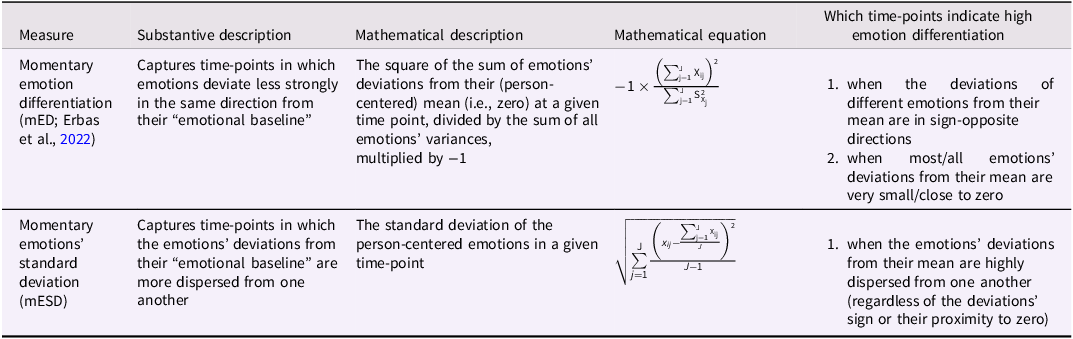
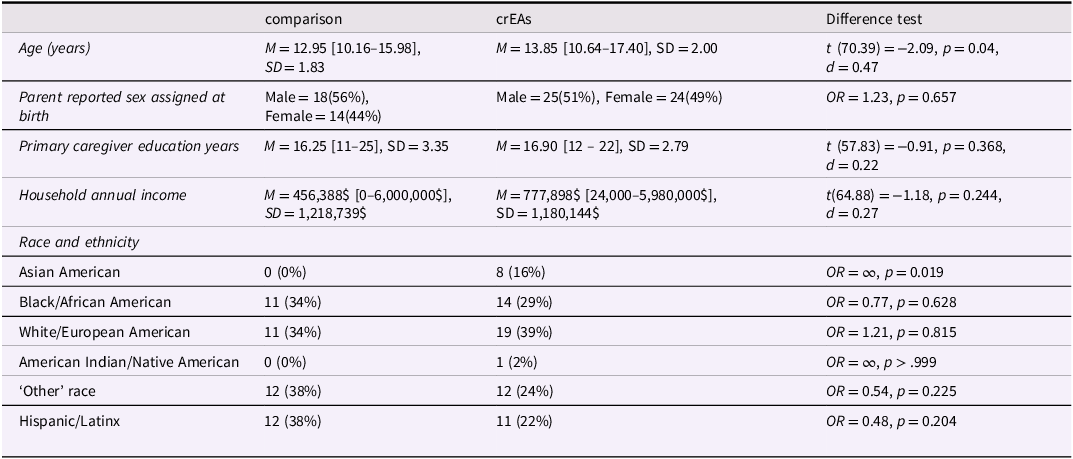

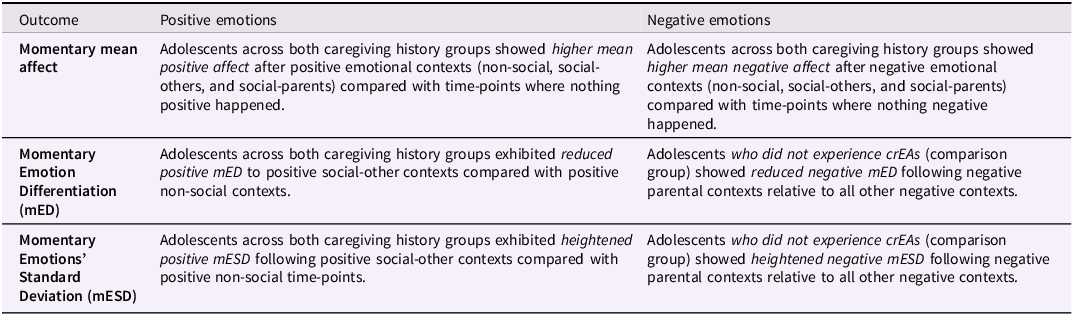


 Open access

