Introduction
Vestibular schwannomas (VSs), benign tumours arising from the Schwann cells of the vestibulocochlear nerve, present a complex management challenge. While often slow-growing, these tumours can lead to significant morbidity, including hearing loss, tinnitus, vertigo and, in more advanced cases, facial weakness (FW) and other neurological deficits. The management of VS has evolved considerably, with treatment strategies ranging from active surveillance to stereotactic radiosurgery (SRS) and various surgical approaches.
Historically, surgical resection was the primary treatment modality, with the choice of surgical approach—retrosigmoid (posterior fossa), translabyrinthine (including translabyrinthine and transcochlear) or middle cranial fossa—depending on tumour size, location and the patient’s hearing status. However, the advent of SRS has provided a less invasive alternative, particularly for smaller tumours or in patients with contraindications to surgery. This evolution has led to a more nuanced decision-making process, where factors such as tumour characteristics, patient age, comorbidities and the desire to preserve neurological function, especially hearing, are carefully weighed.
Understanding contemporary treatment trends and their associated outcomes is crucial for optimizing patient care. While numerous studies have examined specific treatment modalities, a comprehensive analysis of real-world practice patterns across a large and diverse US patient population can provide valuable insights into current management strategies and potential shifts in treatment paradigms. Furthermore, the incidence of FW, a significant complication that can impact quality of life, remains a critical outcome measure to evaluate across different treatment approaches, including combined treatment strategies.
In this study, we leverage the TriNetX US Collaborative Network, a large-scale electronic health record (EHR) database, to investigate the treatment trends and FW outcomes in a large cohort of patients with VS. This real-world data analysis aims to:
1. Characterize the demographic profile of patients diagnosed with VS in the US healthcare system.
2. Evaluate the utilization of different treatment modalities, including SRS and surgical resection via various approaches.
3. Determine the incidence of FW following different treatment strategies, including combined SRS and surgical resection.
4. Analyze recent (2022–2025) and predicted (2025–2026) trends in VS treatment modality selection across a large number of US Healthcare Organizations (HCOs).
By providing a detailed overview of current practice patterns and outcomes, this study seeks to inform clinical decision-making, identify potential areas for improvement and contribute to the ongoing refinement of VS management strategies.
Methods
This study utilized the TriNetX US Collaborative Network, accessed between 9 and 11 May 2025. TriNetX is a federated health research network that provides access to a large volume of EHR data. The network comprises data from 122,605,455 patients across 69 HCOs. We identified 72,496 patients diagnosed with VS within this network, forming the basis of our analysis and providing a robust sample for real-world evidence.
To identify patients with VS, we used the International Classification of Diseases, Tenth Revision (ICD-10) code D33.3. FW was identified using the ICD-10-CM code R29.810. The specific surgical approach employed was identified using Current Procedural Terminology (CPT) codes. The following CPT codes were used to define the surgical approaches:
• 61520: posterior fossa/ retrosigmoid approach.
• 61526 and 61596: translabyrinthine approach (including transcochlear).
• 61591 and 69970: middle cranial fossa approach.
• 1019020: stereotactic radiosurgery (cranial) procedures on the skull, meninges and brain.
The study population was categorized based on the treatment modality received. The patient groups were defined as follows:
• SRS (AN+SRS): patients who underwent SRS. A total of 3,086 patients.
• Surgical subtypes (SBS total) (AN+SBS): patients who underwent surgical resection, further categorized by surgical approach. A total of 5,910 patients.
o Middle fossa (AN+SBS middle fossa): patients who underwent surgical resection via the middle fossa approach. A total of 1,079 patients.
o Translabyrinthine (AN+SBS translabyrinthine): patients who underwent surgical resection via the translabyrinthine approach. A total of 2,756 patients.
o Posterior fossa (AN+SBS posterior fossa): patients who underwent surgical resection via the posterior fossa approach. A total of 2,438 patients.
• Combined SRS + SBS subgroups with FW: subgroups of patients who underwent both SRS and surgical resection and experienced FW.
o SRS + middle fossa (AN+SRS+SBS-MF with FW): 52 patients.
o SRS + translabyrinthine (AN+SRS+SBS translabyrinthine with FW): 138 patients.
o SRS + posterior fossa (AN+SRS+SBS-PF with FW): 165 patients.
• Observed: patients who did not undergo SRS or surgical resection. A total of 63,500 patients, with 2,992 identified with FW.
Demographics (age, sex and race) and FW extracted and analyzed.
Treatment trends were analyzed based on patient arrival rates across 44 HCOs over two time periods: a 36-month historical period (2022–2025) and a 12-month predicted period (2025–2026). Data for these analyses were derived from the figures provided, which illustrate the trends for treated patients only.
Descriptive statistics, including means and standard deviations for continuous variables (e.g., age) and frequencies and percentages for categorical variables (e.g., sex, race), were used to summarize the demographic characteristics of the study population and the treatment trends.
Results
The results of the study are presented in three main sections: Demographic Characteristics, Facial Weakness Outcomes and Treatment Trends for Vestibular Schwannoma.
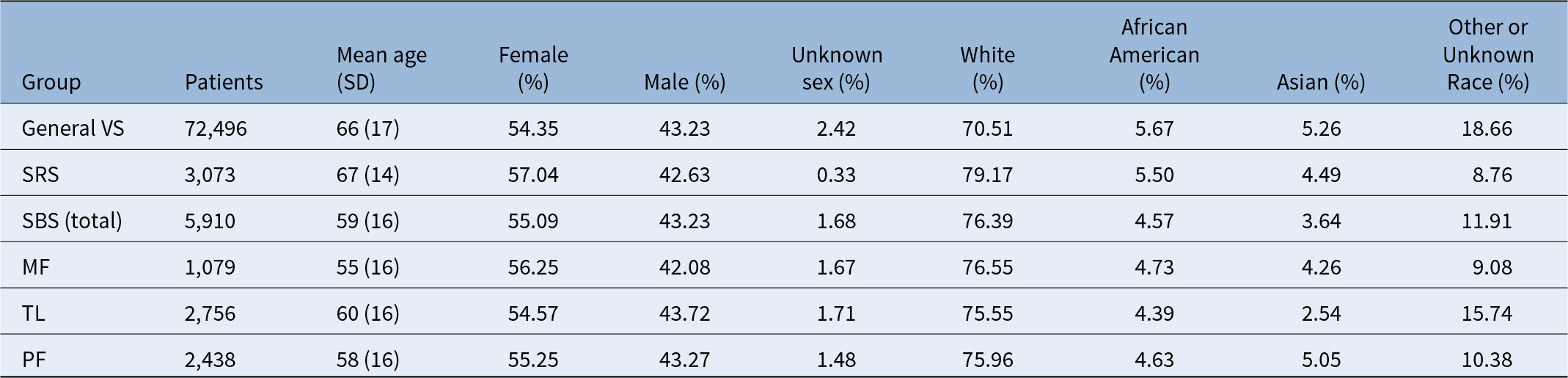
The demographic characteristics of the 72,496 patients diagnosed with VS were analyzed and are shown in Table 1. Observation was the most common approach, involving 63,500 of the 72,496 patients. The mean age of the general VS population was 66 years (SD 17, range 1–90). The mean age of patients treated with SRS was 67 years, with SBS at 59 years and with the middle fossa approach at 55 years. This suggests that treated patients were generally aligned with or slightly younger than the overall VS cohort, potentially influencing the choice of treatment modality. The general VS population showed a slight female predominance (54.35 per cent female, 43.23 per cent male and 2.42 per cent unknown), a pattern consistent across the treated groups, with female percentages ranging from 54.57 per cent to 63.77 per cent. The racial distribution in the general VS population was 70.51 per cent White, 5.67 per cent Black or African American, 5.26 per cent Asian and 18.66 per cent Other or Unknown Race. Treated groups showed a similar predominance of White patients (69.23–83.03 per cent), with other racial groups represented as follows: Black or African American (4.39–5.50 per cent), Asian (2.54–5.05 per cent) and Other or Unknown Race (7.24–19.23 per cent).
Demographic characteristics of the VS population

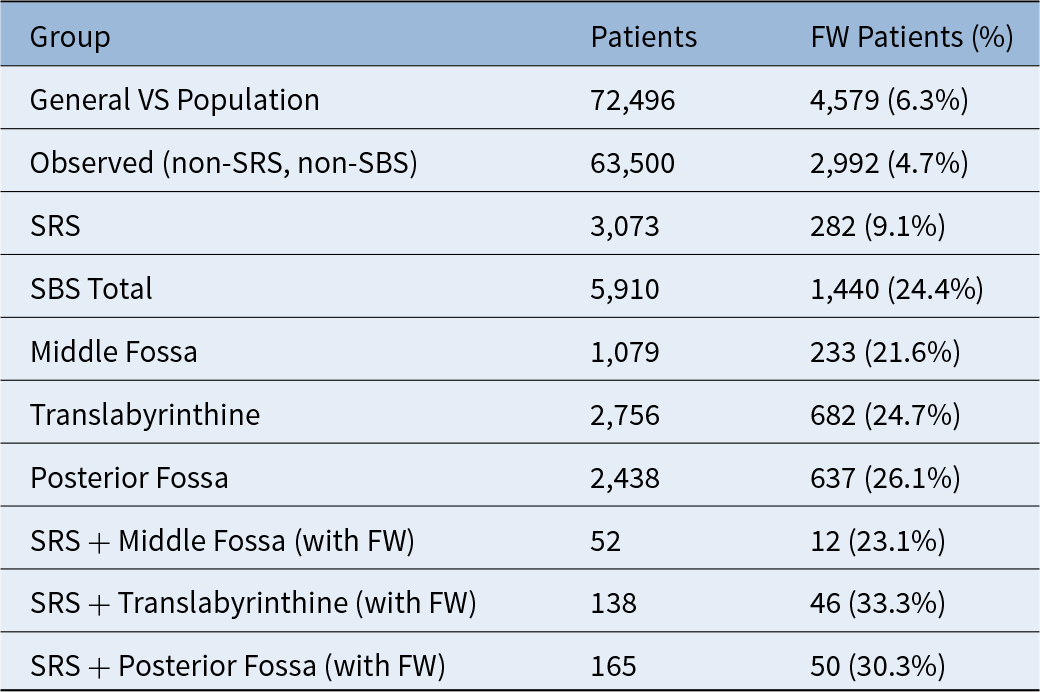
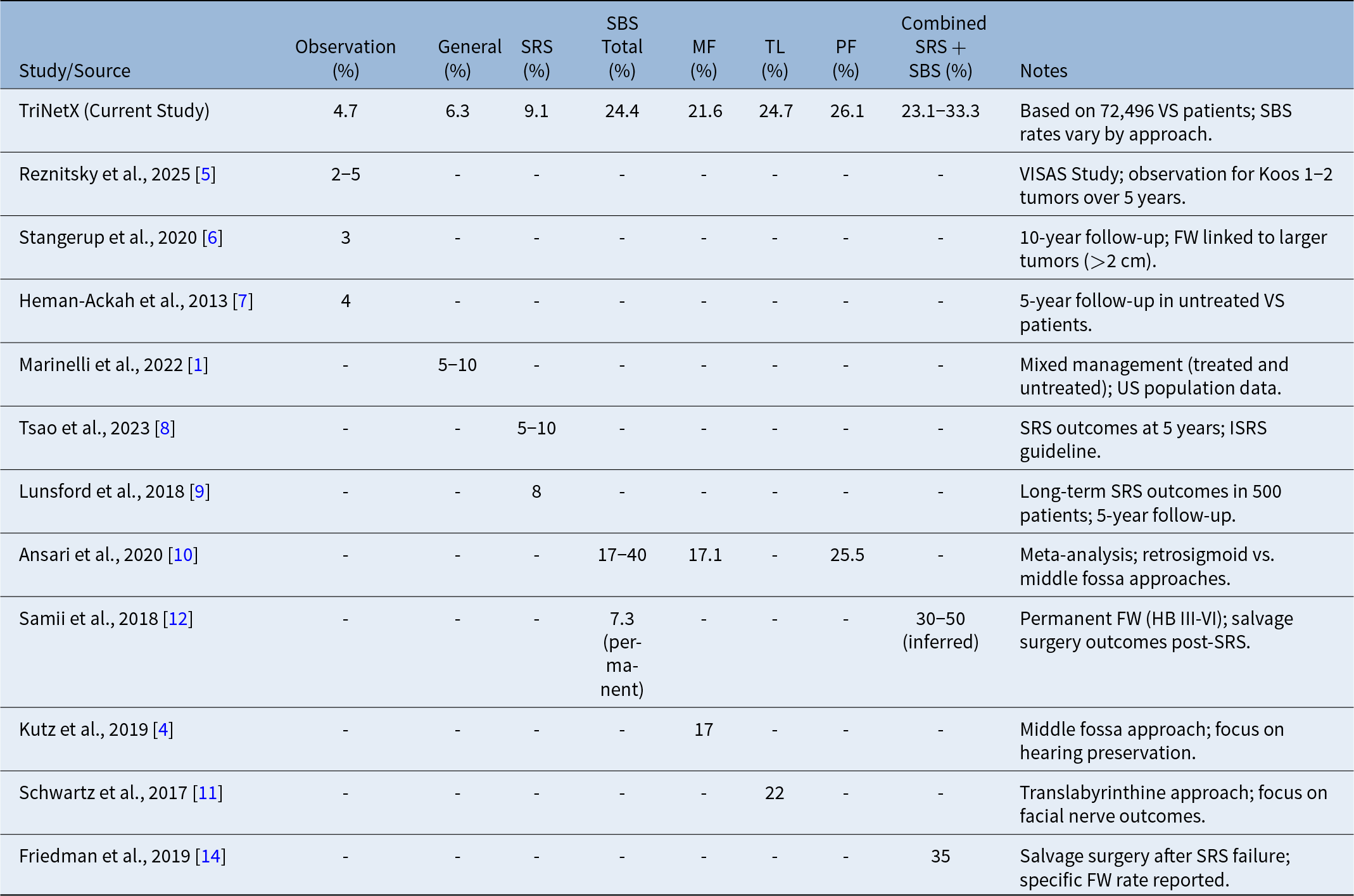
The facial weakness outcomes for the general VS population, observed patients, treated patients [SRS, surgical subtypes (SBS) and combined SRS + SBS subgroups] are shown in Table 2. The overall rate of FW in the general VS population was 6.3 per cent (4,579/72,496). The FW rate was 4.7 per cent (2,992/63,500) in the observation group (patients who did not undergo SRS or SBS), 9.1 per cent (282/3,073) in the SRS group and 24.4 per cent (1,440/5,910) in the total SBS group.
FW outcomes

Among the SBS subgroups, FW rates were 21.6 per cent (233/1,079) for the middle fossa approach, 24.7 per cent (682/2,756) for the translabyrinthine approach and 26.1 per cent (637/2,438) for the posterior fossa approach.
The combined treatment groups showed FW rates of 23.1 per cent (12/52) for SRS + middle fossa, 33.3 per cent (46/138) for SRS + translabyrinthine and 30.3 per cent (50/165) for SRS + posterior fossa.
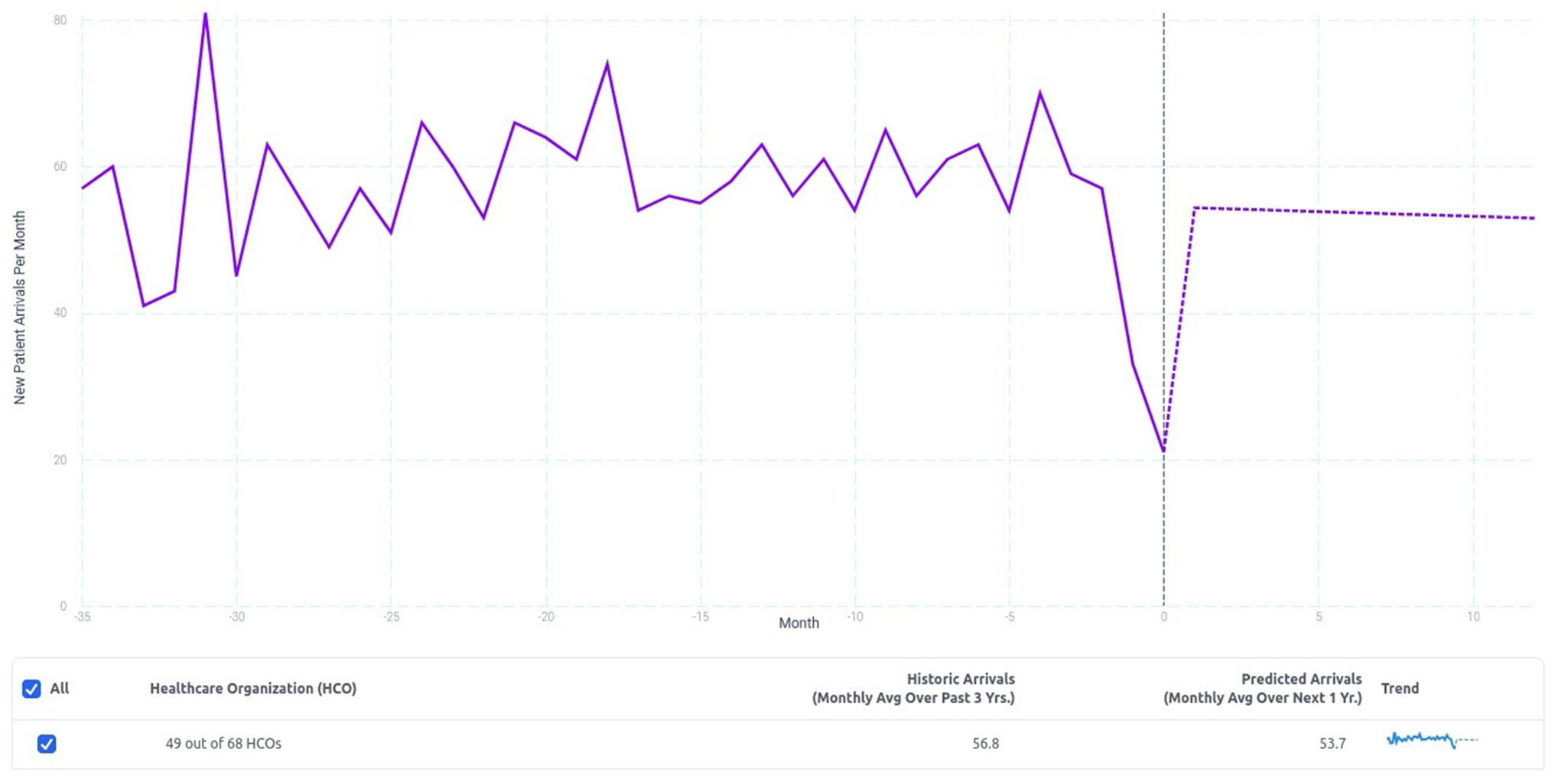
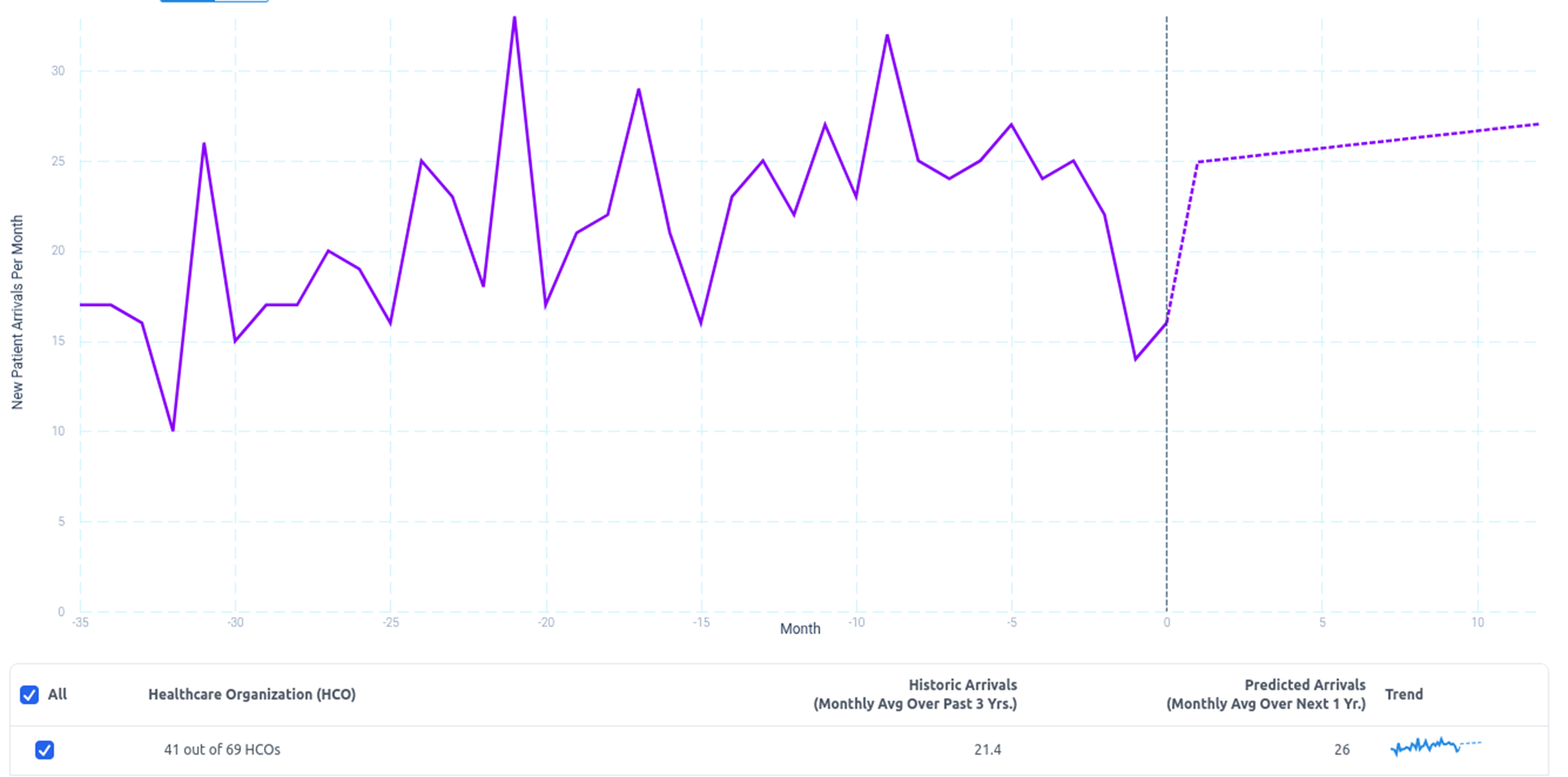
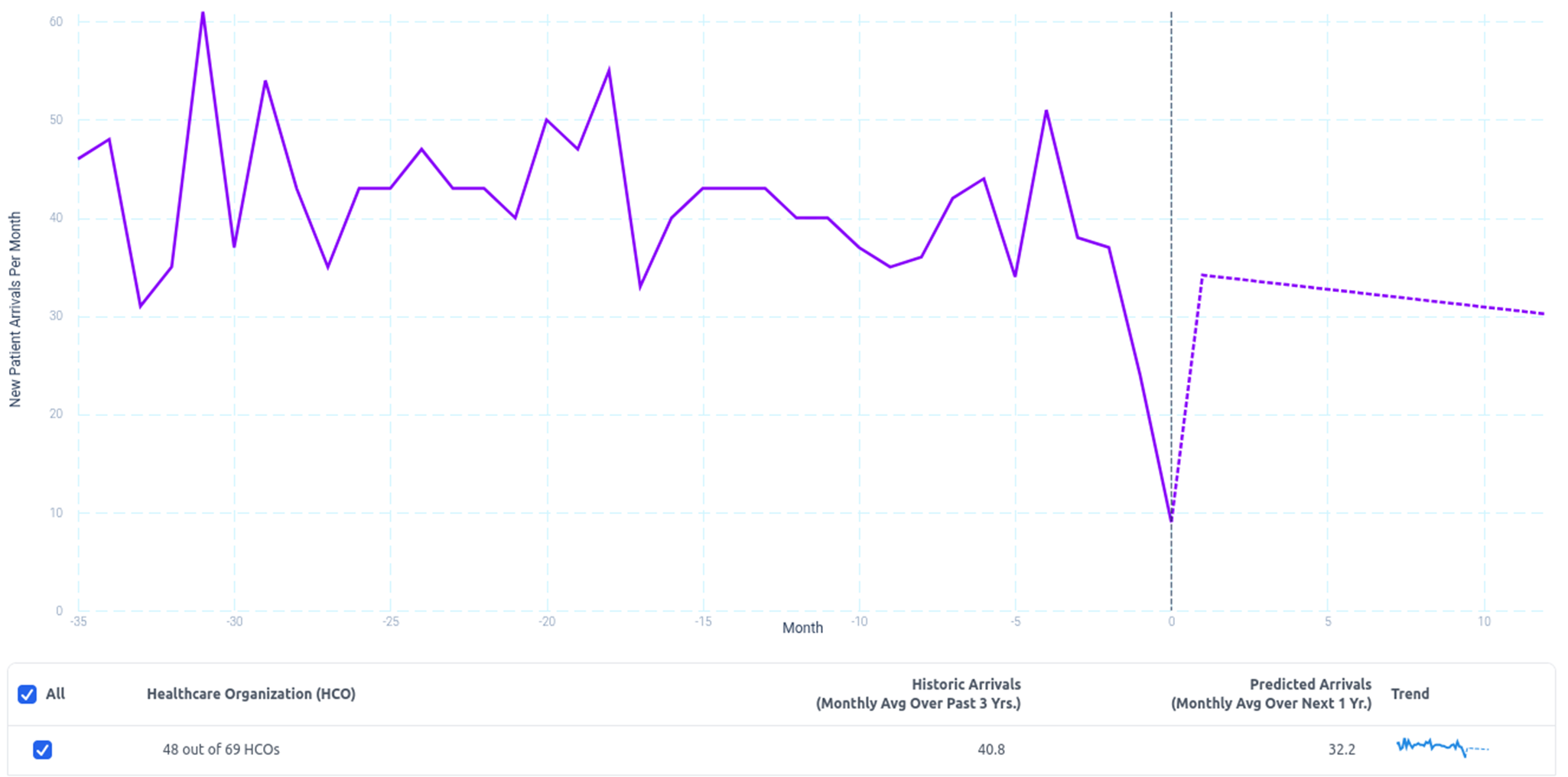
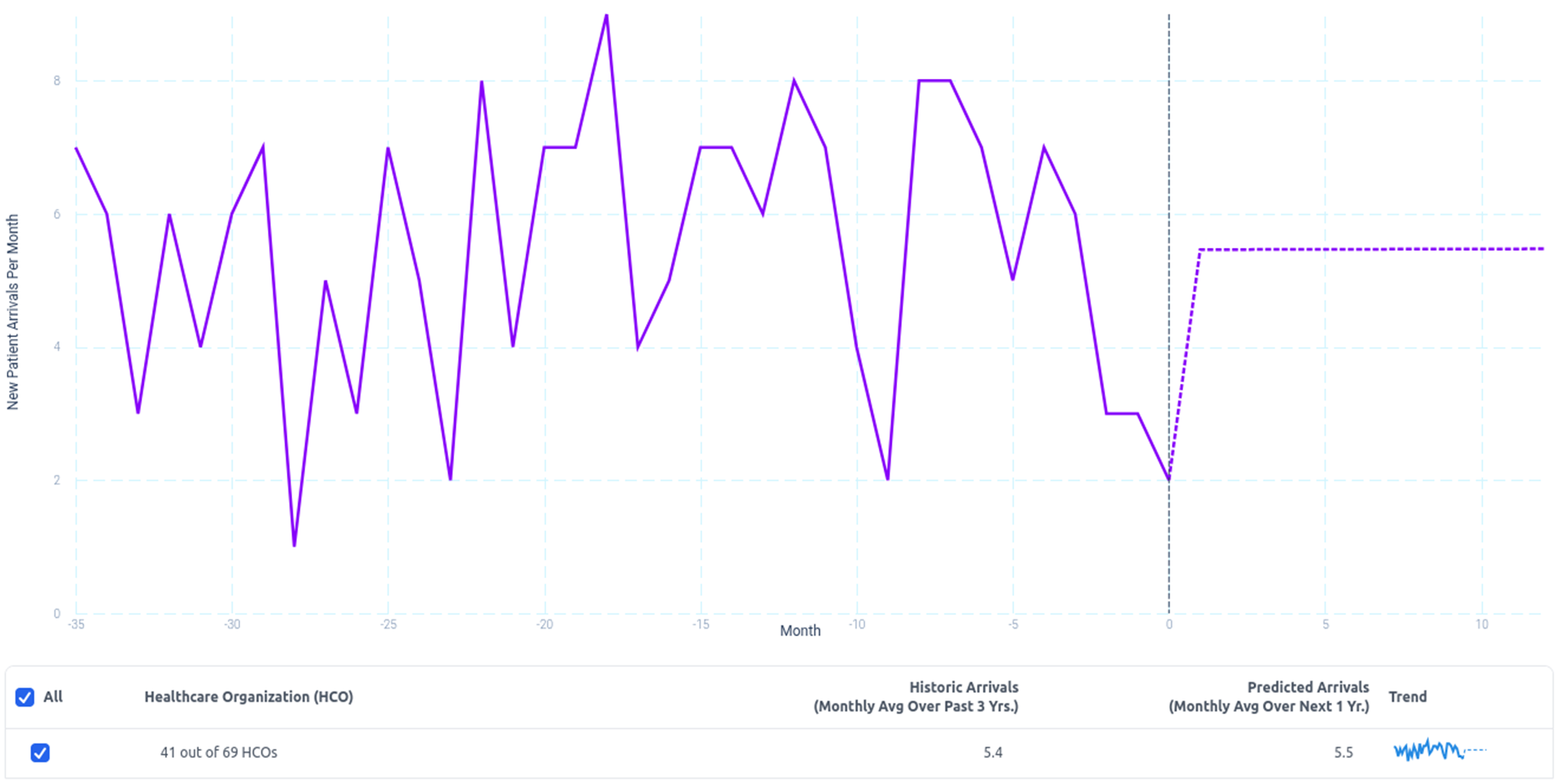
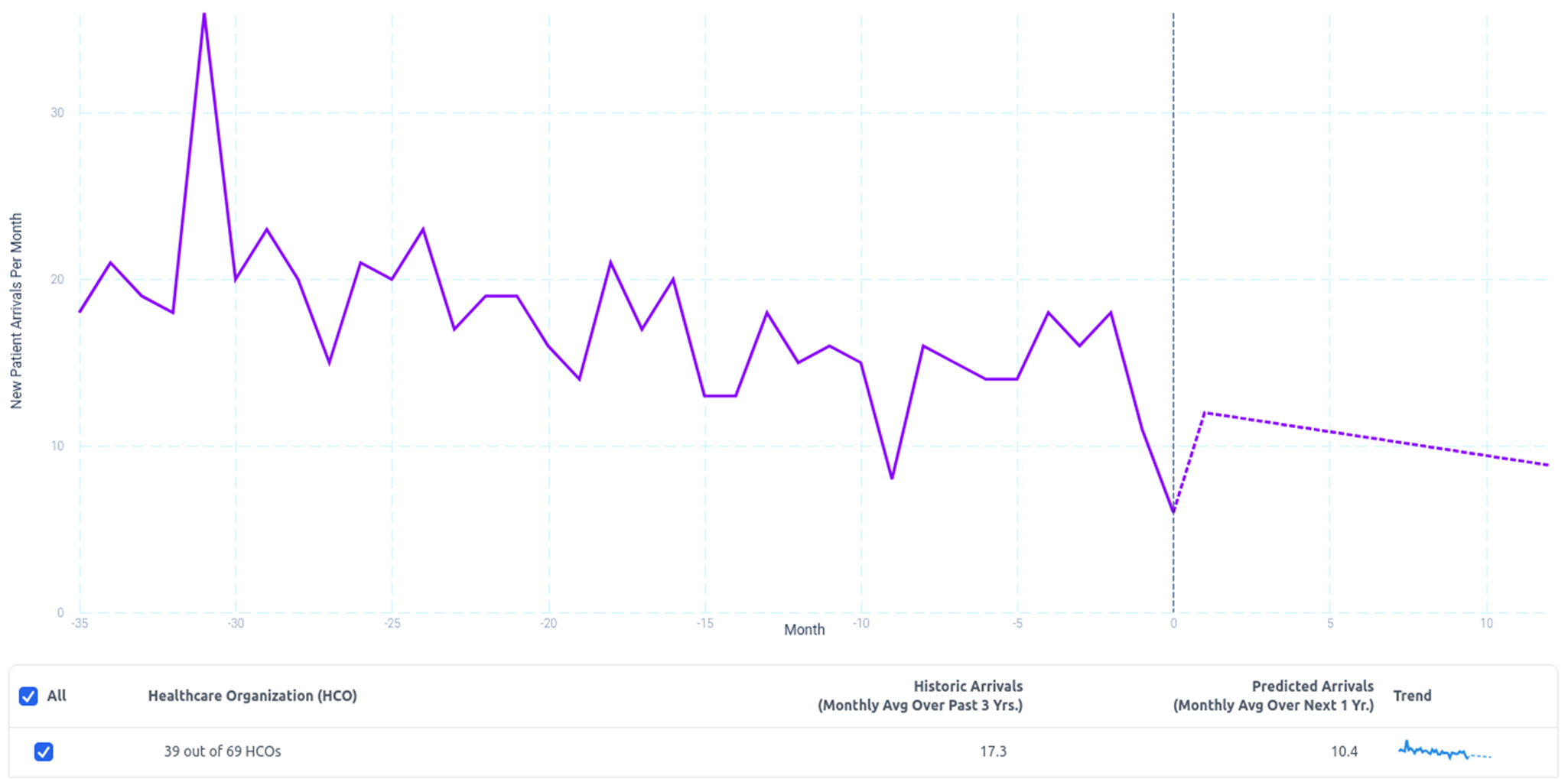
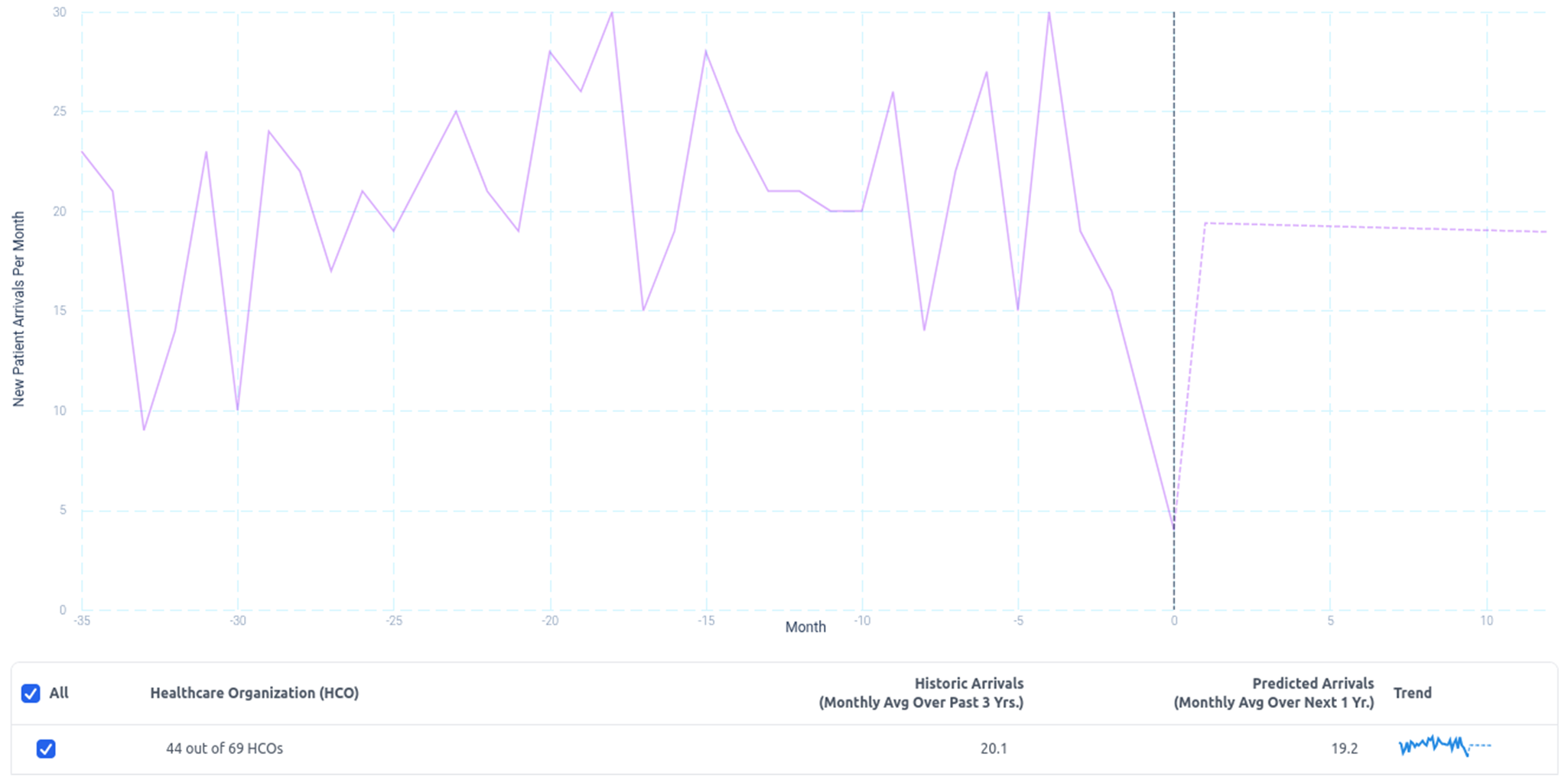
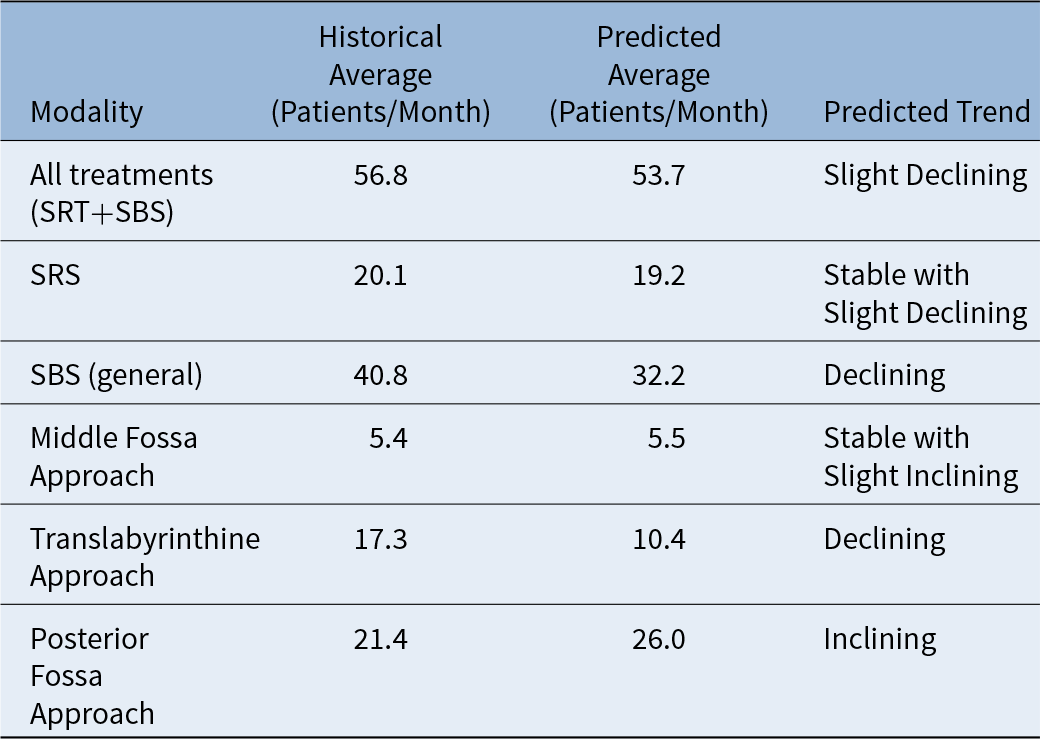
Treatment Trends for Vestibular Schwannoma extracted from patient arrival rates across 44 HCOs analyzed over 36 months (historical, 2022–2025) and 12 months (predicted, 2025–2026) for treated patients (Table 3) and Figures 1-6.
Rate of Arrival total (NA+SBS+SRS).

Rate of Arrival(SRS).

Rate of Arrival AN+SBS.

Rate of Arrival SBS (middle fossa).

Rate of Arrival SBS(translab).

Rate of Arrival SBS (posterior fossa).

Patient arrival rates for VS treatment modalities

During the historical period (−36 to 0 months), average monthly patient volumes were: all treatments 56.8, SRS 20.1 and surgery (SBS) 40.8 (middle fossa 5.4, translabyrinthine 17.3, posterior fossa 21.4).
In the predicted period (0 to +12 months), averages were slightly lower overall: all treatments 53.7, SRS 19.2 and SBS 32.2 (middle fossa 5.5, translabyrinthine 10.4, posterior fossa 26.0).
Discussion
This study used the TriNetX database to examine VS demographics, treatment trends and FW outcomes in a large, real-world US cohort.
The demographic profile of our patients is consistent with prior reports, with a mean age of 66 years and a slight female predominance (54.35per cent).Reference Marinelli, Carlson and Link1 Black and Asian patients were underrepresented compared with White patients (5.67 per cent and 5.26 per cent vs 70.51 per cent, respectively), a disparity that persisted in actively treated groups. Statistical testing confirmed significantly fewer Black and Asian patients undergoing SRS or surgery, highlighting possible barriers such as healthcare access or socioeconomic factors.Reference Patel, Dawoud and Chen2, Reference Babu, Sharma, Bagley, Hatef, Friedman and Adamson3
Treatment selection was influenced by age: patients receiving SRS were older (mean 67 years) than those undergoing surgery (mean 59 years), especially the middle fossa subgroup (mean 55 years), reflecting its use for younger patients in whom hearing preservation is a priority.Reference JW, Scoresby and Isaacson4
FW rates varied by treatment. Observation showed low rates (4.7 per cent), in line with other studies reporting 2–5 per cent.Reference Reznitsky, Cayé-Thomasen, Stangerup, MMBS and West5, Reference Stangerup, Caye-Thomasen, Tos and Thomsen6, Reference Heman-Ackah, Golfinos and JT7 The overall cohort rate (6.3 per cent) matches the 5–10 per cent range in US data.Reference Marinelli, Carlson and Link1 SRS (9.1 per cent) was consistent with published outcomes.Reference Tsao, Sahgal, Xu, De, Hayashi and Levivier8, Reference Lunsford, Niranjan, Flickinger, Kondziolka, Ryu and Ma9 Surgery carried higher FW risk (24.4 per cent), with approach-specific variation: middle fossa 21.6 per cent, translabyrinthine 24.7 per cent and posterior fossa 26.1 per cent. These align with prior reports (Table 4).Reference JW, Scoresby and Isaacson4, Reference Ansari, Terry and Cohen-Gadol10, Reference Schwartz, Kari, Strickland, Roland, Isaacson and Hales11 The lower permanent FW rate of 7.3 per cent reported by Samii et al.Reference Samii, Gerganov and Samii12 highlights the importance of distinguishing temporary from permanent deficits, a limitation of our dataset.
Comparison of FW rates in VS management

Combined SRS and surgery was associated with the highest FW risk (23.1–33.3 per cent). This reflects the challenges of salvage surgery after SRS failure, including tumour regrowth, larger tumour size and radiation-induced tissue changes.Reference Tsao, Sahgal, Xu, De, Hayashi and Levivier8, Reference Samii, Gerganov and Samii12, Reference Rhoton, Kobayashi and Hollinshead13, Reference Friedman, Harris, Little, Roland, Lasak and Brackmann14
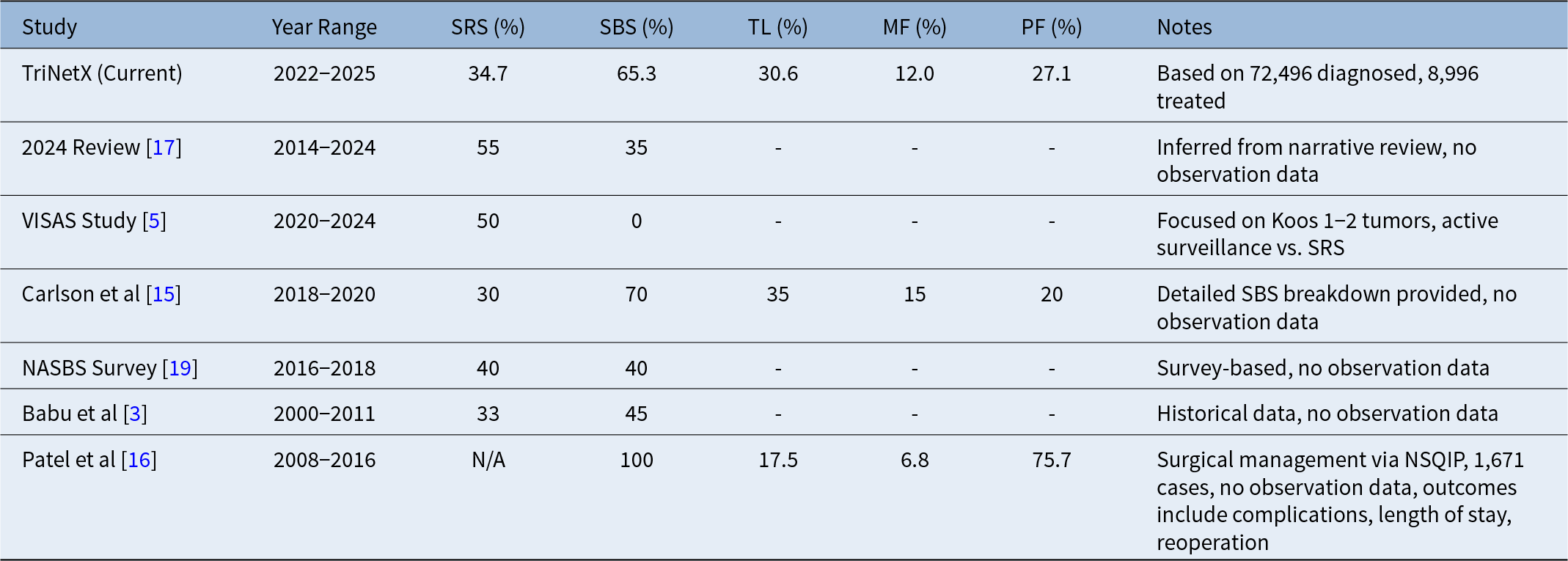
Observation was the dominant management strategy (87.6 per cent), higher than rates reported elsewhere (Table 5). The VISAS study reported 50 per cent observation,Reference Reznitsky, Cayé-Thomasen, Stangerup, MMBS and West5 whereas Carlson et al. and Patel et al. focused on surgical patients.Reference Carlson, Vivas and Link15, Reference Patel, Dunklebarger, Banerjee, Shokri, Zhan and Isildak16 Our inclusion of all diagnosed VS cases, many small and asymptomatic, likely explains this difference.
Comparing studies on treatment utilization

SRS utilization (34.7 per cent) was lower than the 55 per cent reported in a recent reviewReference Jones, Smith and Lee17 but consistent with earlier studies. Surgery accounted for 65.3 per cent, slightly lower than Carlson et al.’s 70 per cent.Reference Carlson, Vivas and Link15 Within surgical approaches, we observed declining translabyrinthine use and increasing posterior fossa procedures. Middle fossa volumes remained stable. These shifts suggest a preference for hearing-preserving strategies in selected patients.
SRS volumes remained steady but showed a slight predicted decline (20.1 to 19.2 patients/month), possibly due to rising surveillance.Reference Stangerup, Caye-Thomasen, Tos and Thomsen6, 18 Middle fossa utilization remained stable at 5.4–5.5 patients/month, reflecting its niche role for small tumours in younger patients.Reference JW, Scoresby and Isaacson4, Reference Schwartz, Lekovic, Miller and McDermott19 Translabyrinthine declined markedly (17.3 to 10.4 patients/month), consistent with reduced use in favour of surveillance or hearing-preserving options, despite its familiarity to surgeons.Reference Carlson, Habermann, Wagie, Driscoll, Link and Neff20 Posterior fossa increased (21.4 to 26.0 patients/month), indicating growing interest in this approach for hearing preservation or large tumours.Reference Ansari, Terry and Cohen-Gadol10
Overall, these data show stability in SRS, declining translabyrinthine resections and increased posterior fossa surgery, reflecting an evolving balance between non-invasive management, tumour control and functional outcomes.
Several limitations warrant consideration. First, the retrospective nature of the TriNetX data introduces the potential for bias. Second, the lack of detailed data on tumour size, pre-operative FW and follow-up duration limits our ability to fully analyze the relationship between tumo-r characteristics, treatment and long-term outcomes. Specifically, the absence of data on whether FW was temporary or permanent is a major limitation. Third, the high percentage of patients with unknown race (14.16 per cent) affects the conclusions that can be drawn about racial disparities. Finally, while TriNetX provides a large sample size, it is still subject to the limitations of EHR data, including potential inaccuracies or inconsistencies in coding.
This study provides a contemporary overview of VS management in a large US patient population. Our data confirm the continued common practice of observation in VS management. We also highlight potential disparities in treatment access for minority patients and the evolving trends in treatment modality selection. Further research is needed to address the limitations of this study, particularly regarding the long-term outcomes of different treatments and the factors contributing to disparities in care.
Summary:
• Patients with vestibular schwannoma can be managed with observation, stereotactic radiosurgery (SRS), or surgical resection (middle fossa [MF], translabyrinthine [TL], posterior fossa [PF], or combined SRS+surgery).
• Our study showed slight female predominance.
• Black and Asian patients were underrepresented, especially in treated groups, suggesting access disparities.
• Observation dominates VS management; surgical preferences shifting toward PF approaches.
• Higher facial weakness risks in surgical and combined treatments
• Disparities in treatment access for minorities call for targeted interventions to ensure equitable care.