




No CrossRef data available.
Article contents
- Abstract
- INTRODUCTION
- PHARMACOLOGY OF TICK SALIVA
- TICK SALIVA AND POTENTIATION OF PATHOGEN TRANSMISSION
- IMMUNE RESPONSE TO TICK INFESTATION
- TICK MODULATION AND DEVIATION OF HOST IMMUNE DEFENSES
- GENOMIC AND PROTEOMIC STRATEGIES FOR ANALYSING TICK–HOST INTERACTIONS
- FUTURE DIRECTIONS
- ACKNOWLEDGEMENTS
- References
Tick immunobiology
Published online by Cambridge University Press: 19 April 2005
Article contents
- Abstract
- INTRODUCTION
- PHARMACOLOGY OF TICK SALIVA
- TICK SALIVA AND POTENTIATION OF PATHOGEN TRANSMISSION
- IMMUNE RESPONSE TO TICK INFESTATION
- TICK MODULATION AND DEVIATION OF HOST IMMUNE DEFENSES
- GENOMIC AND PROTEOMIC STRATEGIES FOR ANALYSING TICK–HOST INTERACTIONS
- FUTURE DIRECTIONS
- ACKNOWLEDGEMENTS
- References
Abstract
Ticks are of vast medical and veterinary public health importance due to direct damage caused by feeding and their roles in transmitting well known and emerging infectious agents. Ticks and tick-borne pathogens stimulate the immune system of the host. Those immune interactions are of importance in tick biology, pathogen transmission and control of ticks and tick-borne diseases. Both innate and specific acquired immune defenses are involved in the responses of vertebrate hosts to infestation. Ticks have evolved countermeasures to circumvent host immune defenses. This review addresses the immunobiology of the tick–host interface from the perspectives of the pharmacology of tick saliva; relationship of tick saliva to pathogen transmission; host immune responses to infestation; tick modulation of host immune defences; and genomic/proteomic strategies for studying tick salivary gland molecules.
Information
- Type
- Research Article
- Information
- Copyright
- © 2004 Cambridge University Press
INTRODUCTION
Ticks are of vast importance due to their ability to transmit an impressive variety of infectious agents and to cause direct injury by piercing host skin (Sonenshine, 1991, 1993). The resurgence of well known vector-borne diseases and emergence of new infectious agents are significant global public health concerns (Gratz, 1999). Emerging arthropod-transmitted infectious agents of wildlife are potential zoonotic disease threats (Daszak, Cunningham & Hyatt, 2000). The worldwide picture of ixodid tick-transmitted bacterial diseases is an example of this dynamic situation with 15 previously unrecognized bacterial pathogens described since 1982 (Parola & Raoult, 2001; see also chapter by Telford & Goethert in this Supplement). Reviews focus on tick-borne diseases of medical importance (Shapiro, 1998; Walker, 1998; Childs & Paddock, 2003). An issue of Medical Clinics of North America, edited by Edlow (2002), provides a multi-author, multi-chapter, comprehensive treatment of tick-borne diseases. Control of arthropod-borne pathogens is complicated by a lack of vaccines (Walker, 1998), drug resistance (Molyneux, 1998) and the development of tick resistance to acaricides (Mitchell, 1996; see also chapter by George, Pound & Davey in this Supplement). In addition to traditional approaches, novel methods are needed for suppression of tick populations and control of tick-borne infectious agents. Increasingly, attention has focused on vaccine-based control of ticks (Wikel, Alarcon-Chaidez & Mueller-Doblies, 2003). Characterizing the immunobiology of the tick–host interface is essential for understanding tick feeding, pathogen transmission and development of anti-tick vaccines.
Dramatic advances in studying the immunobiology of tick–host interactions have been achieved during the past three decades. Innate and specific acquired immune responses elicited by tick feeding depend on both the species of tick and of host. Variations in host genetic composition are well recognized factors in determining immune responses to infestation (de Castro & Newson, 1993). Importantly, interspecies and intraspecies variations in the composition of tick saliva must be considered. Differences could arise in relatively isolated populations that occur over the geographic range of a tick species. Likewise, variations are expected to occur in the salivary secretions of individual ticks within a population (Wang, Kaufman & Nuttall, 1999). In addition to assessing the mechanisms of innate and specific acquired resistance to tick feeding, a considerable body of research has focused on tick modulation or deviation of host immune responses (Wikel, 1996, 1999; Gillespie, Mbow & Titus, 2000; Schoeler & Wikel, 2001). Salivary gland molecules responsible for these activities are beginning to be identified. Modulation of host defenses is increasingly linked to pathogen transmission (Schoeler & Wikel, 2001; see also chapter by Nuttall & Labuda in this Supplement). The pace of discovery will increase rapidly with application of the the tools of genomics, functional genomics and proteomics to the dissection of tick host-pathogen interactions (Valenzuela, 2002a).
PHARMACOLOGY OF TICK SALIVA
In addition to immune defenses, haematophagous arthropods must overcome host blood coagulation, platelet aggregation and pain/itch responses in order to obtain a blood meal successfully. Different solutions to these problems have evolved with selected elements of these host defence pathways more commonly targeted than others by these sophisticated pharmacologists (Ribeiro, 1995a). An important point is that ticks have evolved redundant systems for counteracting host defences (Ribeiro, 1995a,b). Reviews of the pharmacology of blood-feeding arthropod saliva are instructive and provide the platform for recent studies (Ribeiro, 1989; Titus & Ribeiro, 1990; Champagne, 1994; Champagne & Valenzuela, 1996; see also chapter by Valenzuela in this Supplement). In this section we will focus on saliva molecules that impact host immune defences.
Advances in tick immunobiology have resulted from identification, and in many cases cloning and expression, of tick salivary gland proteins that interact with elements of host immune systems. A secreted calreticulin of A. americanum was cloned from tick salivary glands (Jaworski et al. 1995). This calreticulin lacks an endoplasmic reticulum retention signal and it is secreted in the saliva of four-day fed females of both A. americanum and D. variabilis. Calreticulin of B. microplus was recently cloned and partially characterized (Ferreira et al. 2002). The predicted molecular weight of this molecule was 47·7 kDa, based on translated protein sequence from the nucleic acid sequence of the open reading frame. The B. microplus calreticulin is expressed in all tissues and all developmental stages (Ferreira et al. 2002). A. americanum calreticulin induces an antibody response in humans exposed to tick bite (Sanders et al. 1998). In contrast, cattle given eight experimental infestations with B. microplus did not develop antibodies to calreticulin, and immunization of a bovine with recombinant calreticulin did not induce an IgG response (Ferreira et al. 2002). Tick calreticulins show closer phylogenetic relationships to mammalian than arthropod calreticulins (Ferreira et al. 2002), which may be linked to their possible biological functions. Calreticulins are conserved calcium-binding proteins with a diversity of biological functions from molecular chaperones, extracellular lectins, modification of gene expression by binding to nuclear hormone receptors, anti-haemostasis and binding of the globular head of complement component C1q (Benedict et al. 1993; Coppolino & Dedhar, 1998; Kovacs et al. 1998). The roles of these molecules in tick–host interactions remain to be determined.
Immunoglobulin G-binding proteins are present in salivary gland extracts (SGEs) of Amblyomma variegatum, Ixodes hexagonus, and Rhipicephalus appendiculatus (Wang & Nuttall, 1995). Five similar immunoglobulin G-binding bands were observed by SDS–PAGE for unfed male and six day fed female R. appendiculatus. The molecular weights ranged from 21 to 54 kDa, and six day fed R. appendiculatus males possess a different molecular weight pattern of reactive proteins. Likewise, the immunoglobulin G-binding proteins differ in molecular weight for these three tick species (Wang & Nuttall, 1995). Immunoglobulin-binding proteins could be important in eliminating from the tick those antibody molecules which cross the tick gut. Immunoglobulins are a major component of host serum, and they can cross the tick gut and react with tissues in the haemocoel (Allen & Humphreys, 1979).
Interleukin-2 is a cytokine that possesses many biological activities important for immune response development and expression (Janeway et al. 2001). Saliva of I. scapularis contains an interleukin-2 (IL-2) binding protein that complexes with the cytokine in the fluid phase and appears to not require direct interaction with the IL-2 producing T-cell (Gillespie et al. 2001). Both human and mouse IL-2 are bound with similar affinities. Interleukin-2 binding protein can affect the activity of those cells that express IL-2 receptors: activated T-cells, B-cells, NK cells, cytotoxic T-cells, monocytes and macrophages (Gillespie et al. 2001). Targeting host cytokines is an effective strategy for the tick to regulate potentially damaging host responses.
Histamine has been linked to expression of acquired resistance to tick feeding (Wikel, 1982). Histamine and serotonin reduced salivation and feeding by D. andersoni (Paine, Kemp & Allen, 1983). Mast cells situated in a perivascular location would be a source of histamine to which the feeding tick would be exposed. R. appendiculatus salivary glands contain histamine-binding proteins (Paesen et al. 1999). Two histamine-binding proteins are present in females and one in males. Female proteins are expressed early in feeding with a peak at 48 hours, and they are not present in males, nymphs or larvae. The male protein is expressed throughout feeding and it is present in nymphs and larvae. Histamine-binding proteins are highly specific; they contain two histamine-binding pockets with different affinities and binding is different from mammalian H1 and H2 receptors (Paesen et al. 1999). Very likely, histamine-binding proteins will be found in the majority, if not all, tick species.
Complement is a series of serum proteins which are activated through the classical, alternative and mannose-binding pathways and function as important mediators of inflammation, chemotaxis, opsonisation and microbe clearance (Fearon, 1998; Mastellos & Lambris, 2002). The alternative pathway of complement activation is involved in acquired resistance to tick feeding (Wikel, 1979). An anti-complement protein has been purified from I. scapularis saliva, cloned and expressed in mammalian cells (Valenzuela et al. 2000). This protein has a molecular mass of 18·5 kDa and appears to inhibit C3b binding and accelerates uncoupling of factor Bb from the alternative pathway C3 convertase. Both tick saliva and the recombinant protein act in a similar manner.
A 36 kDa protein identified in the saliva of D. andersoni inhibits mitogen driven T-lymphocyte proliferation (Bergman et al. 2000). Antibodies reactive with this protein bound polypeptides of 33 kDa and 101 kDa of a soluble protein extract of D. variabilis salivary glands (Bergman et al. 2000). The pleotropic lymphocyte/macrophage pro-inflammatory cytokine, macrophage migration inhibitory factor (MIF), is expressed in salivary gland and midgut of A. americanum (Jaworski et al. 2001). Tick MIF is present in unfed and three-day fed female salivary glands. A number of biological activities have been attributed to MIF, including oxidoreductase activity, neurohumoral mediator and inhibiton of NK cell mediated lysis (Petrovsky & Bucala, 2000; Lue et al. 2002).
Antibodies derived from guinea pigs expressing acquired resistance to I. scapularis nymphs have been used to identify immunodominant proteins by screening a cDNA library prepared from engorged nymphs (Das et al. 2000). Salp16 is a gene induced during feeding, which encodes a putative 16·4 kDa protein present in engorged, but not unfed, nymphs and adults (Das et al. 2000). Salp16 represents approximately 0·2% of the total protein in saliva, and immunization with the recombinant form of this protein does not induce a protective response against tick infestation. Salp 25D is a homologue of glutathione peroxidase, and the recombinant form of this protein catalyzes the reduction of H2O2 in the presence of reduced glutathione and glutathione reductase (Das et al. 2001). Salp 25D has partial homology to the histamine-binding proteins of R. appendiculatus (Das et al. 2001). Salp15 is an inhibitor of CD4+ T-lymphocyte activation by acting through repression of calcium-dependent signals initiated through engagement of the T-cell receptor (Anguita et al. 2002). Salp15 binds to T-cells, inhibits IL-2 and CD25 expression, reduces delayed type hypersensitivity responses, and does not affect T-cell independent B-cell responses.
Salivary prostaglandin E2 and I2 are vasodilators (Ribeiro, 1995a) and inhibitors of platelet aggregation (Champagne & Valenzuela, 1996). Tick saliva often contains high concentrations of prostaglandins (Bowman, Dillwith & Sauer, 1996). Prostaglandin E2 (PGE2) occurs in the salivary glands of Boophilus microplus (Dickinson et al. 1976; Higgs et al. 1976), I. scapularis (Ribeiro et al. 1985) and A. americanum (Ribeiro et al. 1992). Prostaglandins have divergent roles in regulation of immune responses (Harris et al. 2002). Their importance in modulation of host immune rsponses to ticks is unclear and definitive studies are needed. Prostaglandin E2 does enhance production of Th2 cytokines and down regulate Th1 cytokines and inhibit T-lymphocyte proliferation (Harris et al. 2002). Similar findings have been reported for T-cells from tick exposed hosts or T-cells exposed to tick salivary gland proteins (see below). Urioste et al. (1994) observed that I. scapularis inhibition of T-cell proliferation is not prostaglandin dependent.
TICK SALIVA AND POTENTIATION OF PATHOGEN TRANSMISSION
Saliva of blood-feeding insects and ticks potentiate infection with a variety of vector-borne disease-causing agents. The precise mechanisms of heightened infectivity are not clearly defined; however, modulation of host immune defenses is speculated to be a key element (Schoeler & Wikel, 2001). The seminal observation was made by Titus & Ribeiro (1988) that Lutzomyia longipalpis salivary gland homogenate heightened the numbers of Leishmania major in cutaneous lesions up to 5000 times and the size of lesions up to ten times when salivary gland homogenate and promastigotes were injected together into the footpads of mice. Infection with Cache Valley virus was enhanced when virus was inoculated into sites where uninfected Aedes aegypti, A. triseriatus or Culex pipiens mosquitoes had fed within the previous four hours (Edwards, Higgs & Beaty, 1998). In that study, mosquito thorax extract, containing mosquito salivary glands, did not potentiate virus infection.
Tick salivary gland molecules also potentiate infection with several infectious agents (see chapter by Nuttall & Labuda in this Supplement). Tick feeding within 12 cm of the subcutaneous inoculation site of Thogoto virus with SGE of uninfected six-day fed female R. appendiculatus on guinea pigs increased the number of uninfected co-feeding ticks that became virus infected by ten fold, suggesting that virus transmission was enhanced by tick saliva (Jones, Hodgson & Nuttall, 1989). A similar phenomenon was observed for guinea pigs administered tick-borne encephalitis virus in combination with extracts of salivary glands derived from partially engorged female I. ricinus, D. reticulatus or R. appendiculatus (Labuda et al. 1993). SGEs of unfed or four-day fed R. appendiculatus enhanced susceptibility of Bos indicus lymphocytes to infection with Theileria parva (Shaw, Tilney & McKeever, 1993). SGEs of D. reticulatus and R. appendiculatus dramatically increased vesicular stomatitis virus (VSV) growth in mouse L cells (Hajnická et al. 1998). Tick SGE increased VSV viral nucleocapsid protein and phosphoprotein in a dose-dependent fashion (Kocakova et al. 1999). Dermacentor reticulatus SGE inhibits the effects of interferon α/β of mouse L cell origin on the replication of VSV in L cells (Hajnická et al. 2000). Co-feeding transmission of Thogoto virus occurs when R. appendiculatus larvae feed on A2G mice, which are resistant to Thogoto virus, that are concurrently being infested with virus-infected nymphs, suggesting that tick saliva components overcome host anti-virus defences (Dessens & Nuttall, 1998).
Since tick saliva potentiates pathogen infectivity, development of immunity to molecules in tick saliva might reduce transmission of infectious agents, and that appears to occur. Rabbits exposed to feeding by uninfected D. andersoni developed resistance to subsequent transmission of fully virulent Francisella tularensis by infected adult D. andersoni (Bell, Stewart & Wikel, 1979). Thogoto virus-infected R. appendiculatus adults fed on tick-resistant guinea pigs infected significantly fewer co-feeding nymphs than when a similar experiment was performed with guinea pigs that were not tick resistant (Jones & Nuttall, 1990). A natural host, Clethrionomys glareolus, develops resistance to I. ricinus feeding, which was thought possibly to interfere with Borrelia burgdorferi sensu lato transmission (Dizij et al. 1994). Although acquired resistance to tick feeding did not occur, mice given four infestations with pathgoen-free I. scapularis nymphs were resistant to B. burgdorferi transmission by a subsequent infestation with infected nymphs (Wikel et al. 1997). Repeated infestations of guinea pigs with uninfected I. scapularis nymphs acquired resistance to both infestation and subsequent transmission of B. burgdorferi by infected nymphs (Nazario et al. 1998).
These observations support the hypothesis that a vaccine that targets and neutralizes molecules essential for transmission of tick-borne infectious agents will provide protection against infection. The predominant focus for this approach is the immunomodulatory proteins in tick saliva (Schoeler & Wikel, 2001). An alternative approach is to identify saliva proteins that stimulate an intense host response at the bite site, which will indirectly kill the introduced infectious agent (Valenzuela et al. 2001; see also chapter by Valenzuela in this Supplement). If proven to be effective, these strategies could circumvent the need to develop vaccines against each and every tick-transmitted pathogen.
IMMUNE RESPONSE TO TICK INFESTATION
After the chelicerae and hypostome of the tick penetrate host skin a local inflammatory response develops in which host neutrophils participate. The chemokine IL-8 controls the movement and activity of neutrophils. Significantly, SGE from several tick species (D. reticulatus, A. variegatum, R. appendiculatus, Haemaphysalis inermis and I. ricinus) inhibits in vitro binding of IL-8 to its receptors on human granulocytes, which have been enriched for neutrophils (Hajnická et al. 2001). In this manner, tick saliva could control, in part, infiltration and activation of neutrophils at the bite site. Ticks feed on a pool formed by destruction of tissue and blood vessels beneath the tip of the mouthparts. Tick salivary glands, which undergo dramatic morphological and functional changes during the course of engorgement, produce factors essential for normal feeding (Kaufman, 1989) and pathogen transmission (Brossard & Wikel, 1997).
Some tick–host relationships are characterized by the acquisition of resistance to tick feeding which develops as a result of repeated infestations (Willadsen, 1980; Wikel, 1996). Acquired resistance to ticks is expressed as reduced engorgement weight, increased duration of feeding, decreased numbers of ova, reduced viability of ova, blocked moulting and death of engorging ticks (Bowessidjaou, Brossard & Aeschlimann, 1977; Wikel, 1996). Ixodes ricinus females feeding on immune rabbits digest haemoglobin with difficulty (Papatheodorou & Brossard, 1987). As early as 1939, Trager observed that guinea pigs become strongly immune to D. variabilis larvae (Trager, 1939). Since that time, immunity to ticks has been most extensively studied using laboratory animals (guinea pigs, rabbits or mice) and bovines (Willadsen, 1980; Brossard & Wikel, 1997; Willadsen & Jongejan, 1999). Adaptive anti-tick immunity in laboratory animals is often more intense than that observed for natural hosts (Ribeiro, 1989). Laboratory mice infested with I. ricinus (Mbow et al. 1994), I. scapularis, I. pacificus (Schoeler, Manweiler & Wikel, 2000) or R. sanguineus (Ferreira & Silva, 1999) immature stages are exceptions as they do not acquire resistance. In contrast, reduction in numbers of engorged ticks and in weights of fed larvae are observed on BALB/c mice repeatedly infested with D. variabilis (denHollander & Allen, 1985). However, some wild rodents (Clethrionomys glareolus for example) do acquire immunologically-based resistance to ticks (Dizij & Kurtenbach, 1995).
It has been known for a long time that some breeds of cattle develop immunity after repeated infestations with ticks (reviewed in Willadsen, 1980, 1987). The B. microplus-bovine host–parasite relationship is the most extensively studied from an immunological perspective. Acquired resistance or susceptibility of bovines were described for infestations with Hyalomma spp. (Sahibi et al. 1997), H. anatolicum anatolicum, Rhipicephalus evertsi (Latif, 1984) and R. appendiculatus (Latif et al. 1991).
Tick feeding induces a complex array of host immune responses involving antigen presenting cells (APC), T-cells, B-cells, antibodies, cytokines, complement, basophils, mast cells, eosinophils and a number of bioactive molecules (reviewed in Wikel, 1996; Brossard & Wikel, 1997). These complex interactions can be viewed as a balance between host defences raised against the parasite and tick evasion strategies, facilitating feeding and transmission of pathogens. Circulating IgG antibodies to saliva antigens, which are induced by tick feeding, are detected in different host animals (Brossard, 1976; Brossard, Rutti & Haug, 1991; Wikel, 1996). By passively transferring immune serum to naive laboratory animals, it was shown that humoral factors are involved in the acquisition of immunity against ticks (Brossard & Girardin, 1979). Immunity against B. microplus, even though weakened, was also transmitted passively to cattle (Roberts & Kerr, 1976). Antibodies are not the only effector elements of the immune system contributing to acquired resistance.
The role of lymphocytes in expression of acquired resistance to D. andersoni larvae was proven by adoptively transferring lymph node cells from resistant guinea pigs into naive animals (Wikel & Allen, 1976). Involvement of T-cells was also established by applying the immunosuppressor cyclosporin A to rabbits infested with I. ricinus adults (Girardin & Brossard, 1989, 1990). T-cells are key elements in regulation and effector functions of the immune system, including antibody production and cell mediated immunity. Lymphocytes derived from infested laboratory animals (Wikel, Graham & Allen, 1978; Schorderet & Brossard, 1994; Ganapamo, Rutti & Brossard, 1997) and cattle (George, Osburn & Wikel, 1985) undergo in vitro blastogenesis when cultured in the presence of SGE. Reactivity is generally more intense with cells obtained during repeated exposures. In BALB/c mice repeatedly infested with nymphs of I. ricinus, lymphocytes from lymph nodes, which drain the tick attachment site, produce significant levels of TNF-α and granulocyte/monocyte colony stimulating factor (GM-CSF), when stimulated in vitro with ConA or anti-CD3 antibodies (Ganapamo, Rutti & Brossard, 1996a). GM-CSF induces the maturation of Langerhans cells (LCs) in vitro by maintaining their viability and inducing high expression of Ia molecules (Berthier et al. 2000). LC migration from the skin to the regional lymph nodes and their accumulation in these secondary lymphoid organs are controlled by TNF-α (Cumberbatch & Kimber, 1995). Langerhans cells in the skin trap antigens, as well as interacting with a variety of cell types through an array of cytokines (Salmon, Armstrong & Ansel, 1994). LCs are one of the first cells to be exposed to tick immunogens in the skin, from which they migrate to draining lymph nodes (Allen, Khalil & Wikel, 1979). In the paracortical area of the lymph nodes LCs transform into dendritic cells (DCs) and function there as APCs for T-cells (Nithiuthai & Allen, 1984a). Ultraviolet radiation treatment of guinea pig ears before primary infestation with D. andersoni larvae reduced the number of LCs and acquired resistance (Nithiuthai & Allen, 1984b). When UV is applied to resistant animals a marked diminution of resistance during reinfestation was observed. Short wavelength UVC was found to be more effective than mid-wavelength UVB in depleting LCs (Nithiuthai & Allen, 1984b). Functional LCs are necessary to initiate adaptive immunity and to stimulate the animals for a secondary immune response.
The importance of DCs to induce an anti-tick immune response was recently studied by Lorimier & Brossard (personal communication). Murine spleen DCs were purified and separated into different subsets: CD8α+ and CD8α− (CD4+ or CD4−). Each subset was pulsed in vitro with I. ricinus female saliva and injected into naive BALB/c mice. The whole population of DCs and CD8α−DCs triggered a Th2 immune response. In contrast, CD8α+DCs polarized the response towards Th1. Whole spleen DCs pulsed with tick saliva were able to prime naive splenic cells in vitro. Using RT-PCR, elevated amounts of IL-4 mRNA were detected in proliferating cells, demonstrating establishment of a primary Th2 immune response in vitro (Mejri & Brossard, personal communication).
The complement system is also involved in development of immunity against ticks. Acquired resistance to D. andersoni larvae in guinea pigs was inhibited by dramatically lowering the levels of C3 with cobra venom factor (Wikel & Allen, 1977). C4-deficient guinea pigs acquired resistance showing that the alternate pathway of complement activation was important in the expression of this immunity (Wikel, 1979). C3 was deposited in the dermal-epithelial junction near the location of the tick bite (Allen et al. 1979). The SGEs of I. ricinus, I. hexagonus and I. uriae inhibit the alternative pathway of complement, indicating the importance of that component of innate immunity in the response to tick feeding (Lawrie, Randolph & Nuttall, 1999). Activation of the complement system in the vicinity of the bite site would result in generation of mediators of inflammation, chemotaxis, opsonins and could locally attract basophils and other cells linked to host resistance.
Cutaneous reactions at tick attachment sites on cattle and laboratory animals expressing acquired immunity contain infiltrates of basophils and eosinophils (Allen, 1973; Allen, Doube & Kemp, 1977; Brossard & Fivaz, 1982; Steeves & Allen, 1991). This type of reaction is termed cutaneous basophil hypersensitivity (CBH), which is a form of delayed type hypersensitivity mediated by Th1 cells (Askenase et al. 1978). Infiltration of basophils was more pronounced in D. andersoni-infested guinea pigs (Allen, 1973) than in I. ricinus-infested rabbits (Brossard & Fivaz, 1982). CBH developed also after the infestation of rabbits or cattle with H. a. anatolicum (Gill & Walker, 1985; Gill, 1986) and guinea pigs or cattle infested with I. holocyclus (Allen et al. 1977) or A. americanum (Brown & Askenase, 1981; Brown, Barker & Askenase, 1984). Saliva antigens complex with homocytotropic antibodies bound to Fc receptors on mast cells and basophils. Those cells are activated and release bioactive molecules, including histamine, leukotrienes, prostaglandins and enzymes at the bite site which contribute to expression of acquired immunity (Brossard & Fivaz, 1982; Brossard, Monneron & Paptheodorou, 1982; Wikel, 1996). A greater number of degranulated cells was found during reinfestation (Brossard & Fivaz, 1982; Schleger et al. 1976). In cattle infested with B. microplus, release of histamine causes skin irritation which leads to increased host grooming. In this way, some ectoparasites are actively removed from the host (Koudstaal, Kemp & Kerr, 1978). A positive correlation was established between skin histamine concentration and the degree of resistance acquired by cattle against B. microplus (Willadsen, Wood & Riding, 1979). In guinea pigs infested with D. andersoni, histamine-rich basophils concentrated in the area around the attachment site (Wikel, 1982). The very high level of resistance observed after a single infestation is partially broken down by treating the host with histamine antagonists (Brossard, 1982; Wikel, 1982).
TICK MODULATION AND DEVIATION OF HOST IMMUNE DEFENSES
Tick countermeasures against host immune defences target those pathways shown to be important in acquisition and expression of acquired immunity (Wikel, Ramachandra & Bergman, 1994; Wikel, 1996). Modulation of host immune defences not only promotes successful blood feeding but it also enhances the ability of tick-borne pathogens to establish effectively in the host (Wikel, 1996, 1999; Schoeler & Wikel, 2001). An overview of tick modulation of host immune defences is provided in Table 1.

Antigen-specific T-cell activation triggers cytokine signalling pathways, cell differentiation and proliferation (Janeway et al. 2001). Examination of lymphocyte-elaborated cytokines provides insights into helper functions and cell mediated immune responses to infestation (Mosmann & Coffman, 1989). Tick infestation is often characterized by a reduction in the response of host lymphocytes to ConA and PHA stimulation, which is generally interpreted as an immunosuppressive phenomenon (Brossard & Wikel, 1997). This reduced response could be the result of decreased IL-2 production caused by tick saliva components like PGE2 (Ribeiro et al. 1985; Inokuma, Kemp & Willadsen, 1994) or IL-2 binding proteins (Gillespie et al. 2001). PGE2 primes naive T-cells for production of high levels of IL-4, IL-10 and IL-13, and very low levels of IL-2, IFN-γ, TNF-α, and TNF-β (Demeure et al. 1997; Harris et al. 2002). Peripheral blood lymphocytes of uninfested pure-bred Bos indicus and B. taurus were reduced in responsiveness to ConA when cultured in the presence of D. andersoni SGE (Ramachandra & Wikel, 1995). SGE or saliva of I. ricinus females inhibited proliferation (Mejri, Rutti & Brossard, 2002) and in vitro production of IL-2 by spleen lymphocytes from naive BALB/c mice stimulated with ConA (Ganapamo et al. 1996a). Those effects may be due to saliva immunosuppressive molecules and IL-10 production by T-cells (Ganapamo et al. 1996b). Modulation of host cytokine and T-cell proliferation has distinct advantages for the tick in regard to avoiding responses that would reduce the ability to obtain a blood meal. Altered host immune defences also provide an environment that is favourable for establishment of tick-transmitted infectious agents.
Guinea pigs infested with D. andersoni larvae were evaluated for their ability to develop a primary IgM antibody response to immunization with a thymic-dependent antigen, sheep red blood cells (SRBC), during tick exposure (Wikel, 1985). Antibody production was determined by the direct haemolytic plaque-forming cell assay. Infested animals produced significantly less anti-SRBC antibodies than uninfested controls. Ability to produce anti-SRBC antibodies returned to normal levels when animals were immunized with SRBC four days after termination of blood feeding. Similar results were obtained with mice infested with I. ricinus and immunized with SRBC (Mejri et al. 2002). Rabbits infested with adult R. appendiculatus were suppressed in their ability to develop an antibody response to bovine serum albumin when immunized during the peak of tick feeding (Fivaz, 1989). Decreasing the host antibody response during infestation can also reduce the potential for damage to the from anti-tick immunoglobulins or neutralization of tick saliva molecules needed for blood feeding.
Expression of IL-4 and IFN-γ mRNA in skin, draining lymph nodes and spleen was measured by competitive quantitative RT-PCR after infestation of BALB/c mice with 20 I. ricinus larvae (Lorimier & Brossard, personal communication). A peak of IL-4 mRNA was already is evident in the epidermis at 18 hours after the beginning of infestation, followed by an increase of IL-4 mRNA in the dermis 72 hours after infestation. An increase of IL-4 mRNA was concomitantly observed in spleen, and 24 hours later in lymph nodes draining the tick feeding site. IFN-γ mRNA consistently remained at low levels. Lymphocytes collected from draining lymph nodes of BALB/c mice infested with I. ricinus larvae, nymphs or adults produced high levels of IL-4 and low levels of IFN-γ after in vitro stimulation with tick saliva (Mejri et al. 2001) or with ConA (Ganapamo, Rutti & Brossard, 1995). These observations strongly suggest a Th2 polarization of the immune response. Infested mice developed IgE antibodies and intense immediate type hypersensitivity against tick antigens (Mbow et al. 1994). An increase of IL-5 and IL-10 was also observed in cultured CD4+ T cells stimulated with ConA (Ganapamo et al. 1996b). This polarized cytokine pattern was also observed when BALB/c mice were infested with A. hebraeum or B. microplus larvae (Ganapamo, 1996). Draining lymph node cells from mice of different genetic backgrounds and infested with nymphs of I. ricinus, DBA (H-2d), C57BL/6 (H-2b), CBA (H-2k), C3H (H-2k), SJL (H-2s) and FVB (H-2q), produced more IL-4 than IFN-γ when stimulated in vitro with ConA (Christe, Rutti & Brossard, 1999). Lymph node cells from C3H/HeJ mice infested with R. sanguineus also developed a Th2 cytokine profile, represented by augmented IL-4, IL-10 and TGF-β and inhibited production of IL-2, IFN-γ and IL-12 (Ferreira & Silva, 1999). C3H/HeJ mice did not develop protection against R. sanguineus, as shown for BALB/c, C57BL/6 and C3H mice infested with I. ricinus nymphs (Christe et al. 1999). Likewise, C3H/HeN mice did not acquire resistance against nymphs of I. scapularis and I. pacificus (Schoeler et al. 2000). Cytokine production was biased toward a Th2 profile, with suppression of pro-inflammatory Th1 cytokines. Consequently, it seems that a Th2 immune response leads to a susceptible state in mice against almost all species of ticks.
SGEs of female D. andersoni collected daily over the course of feeding were assessed for their ability to alter the elaboration of cytokines by normal murine macrophages and T-cells stimulated with mitogens (Ramachandra & Wikel, 1992). Macrophage cytokine IL-1 elaboration was significantly suppressed by SGE. TNF-α production was also reduced. Macrophages collected from uninfested pure-bred B. indicus and B. taurus were also suppressed in their ability to elaborate IL-1 and TNF-α in vitro (Ramachandra & Wikel, 1995). T-cell elaboration of IL-2 and IFN-γ was inhibited and IL-4 production was not changed by the presence of SGE of D. andersoni. Expression of IFN-α, TNF-α, IL1α, IL-1β, IL-5, IL-6, IL-7 and IL-8 mRNA by human peripheral blood leukocytes were reduced when treated with a mixture of LPS and R. appendiculatus SGE (Fuchsberger et al. 1995). Exposure of a macrophage-like cell line to LPS and SGE of R. appendiculatus reduced both mRNA and secreted IL-1α, IL-10 and TNF-α (Gwakisa et al. 2001). The effects of repeated infestations of BALB/c mice with D. andersoni nymphs were studied in regard to lymphocyte proliferation, cytokine production and expression of adhesion molecules (Macaluso & Wikel, 2001). After two infestations, production of IL-2 was decreased but that of IFN-γ remained unchanged while the production of IL-4 and IL-10 was significantly enhanced. B-cell functions are also influenced by tick salivary gland molecules. Ixodes ricinus SGE inhibits B-cell production of IL-10 and expression of the early activation marker, CD69, on both B-cells and T-cells (Hannier et al. 2003). Expression of LFA-1 and VLA-4 by lymphocytes was suppressed. LFA-1 is particularly important in T-cell adhesion to endothelial cells and to APCs (Janeway et al. 2001). VLA-4 is upregulated following T-cell activation and is important for recruiting effector T-cells into sites of infection. Tick modulation of lymphocyte trafficking would be advantageous in reducing immune responses that could negatively impact blood feeding.
Although, there is extensive information about the effects of tick saliva or SGEs on host immune responses, little is known about the molecular mechanisms of those changes. A wide range of new proteins is expressed during blood feeding by R. appendiculatus females (Wang & Nuttall, 1994). Obviously, some of those molecules are essential for successful feeding. Studies indicate that some immunomodulation phenomena are induced by proteins. A 36 kDa soluble protein was found in saliva of female D. andersoni. This protein, for which the full-length gene sequence has been determined, suppressed in vitro proliferative response of murine splenocytes to ConA (Bergman, Ramachandra & Wikel, 1998; Bergman et al. 2000). The saliva of I. scapularis inhibited splenic T-cell proliferation and IL-2 secretion in response to ConA or PHA in a dose-dependent manner, while nitric oxide production by macrophages was diminished after stimulation by LPS (Urioste et al. 1994). A saliva protein of 5 kDa molecular weight or higher was responsible for those effects. An I. scapularis salivary gland protein designated Salp15 is an inhibitor of CD4+ T-cell activation by acting through repression of calcium-dependent signals initiated as a result of T-cell receptor engagement (Anguita et al. 2002).
As previously mentioned, genes are induced during the feeding process that result in the secretion of proteins involved in modulation of host immune and haemostatic responses (Leboulle et al. 2002b; Valenzuela et al. 2002). A 65 kDa immunogen was identified in saliva of feeding I. ricinus females (Ganapamo et al. 1997). The properties of another salivary gland protein induced during the I. ricinus feeding process, which is called Iris for ‘I. ricinus immunosuppressor’, were characterized. The corresponding Iris mRNA sequence was first recovered by analysing a representational difference analysis subtractive library, and by using RACE methodology (Leboulle et al. 2002b). Immunoblot and confocal microscopy, using a specific antiserum, were used to demonstrate that Iris is secreted in saliva during blood feeding by female I. ricinus with an increasing expression of Iris from day three to day five of engorgement (Leboulle et al. 2002a). The effect of the corresponding recombinant protein (rIris/His) was studied in the context of human PBMCs cytokine production, using T-cells (PHA, ConA, CD3/CD28 and PMA/CD28), macrophages (LPS) and antigen presenting cell (PPD) activators. ELISA and ELISPOT assays showed that the rIris/His suppressed the production of IFN-γ by human T-cells and APCs, while IL-5 and IL-10 levels remained unchanged. In contrast, rIris/His did not affect IFN-γ production, but it did enhance expression of IL-10 by macrophages. It was also shown that the expression of the pro-inflammatory cytokines IL-6 and TNF-α by macrophages, T-cells, and APCs was inhibited, while IL-10 expression remained unaffected. Furthermore, by neutralising rIris/His activity with a specific anti-rIris antibody, and by showing that purified rIris/His protein inhibited IFN-γ production by T-cells, it was clearly established that the recombinant protein contributed to the observed immunomodulation by inducing a Th2 type immune response. In addition, Iris modulated innate immune defences by inhibiting the production of pro-inflammatory cytokines (IL-6 and TNF-α).
Modulation of host immunity by tick saliva is of major importance both for successful blood feeding and for transmission of tick-borne pathogens. SGE of partially fed D. reticulatus females decreased natural killer cell activity in vitro, suggesting a mechanism that could potentiate transmission of some tick-borne viruses (Kubes et al. 1994). Inoculation of C3H/HeJ mice with a mixture of TNF-α, IFN-γ and IL-2 at the time of tick feeding suppressed B. burgdorferi transmission by I. scapularis (Zeidner et al. 1996). Th1 cytokines were down-regulated during the initial spirochete transmission period in C3H/HeJ infested with infected I. scapularis while IL-4 was augmented (Zeidner et al. 1997). Interleukin-4 produced following I. ricinus bites strongly influenced the antibody isotype response of BALB/c mice against B. burgdorferi, inhibiting specific anti-B. burgdorferi IgG2a (Christe, Rutti & Brossard, 2000). Transmission of B. burgdorferi and Anaplasma phagocytophyla by I. scapularis synergized to suppress splenic IL-2 production and diminish IFN-γ production (Zeidner et al. 2000). Splenic IL-4 production was increased after infestation of mice with co-infected ticks and levels of this cytokine were significantly higher than those induced by transmission of either pathogen individually.
GENOMIC AND PROTEOMIC STRATEGIES FOR ANALYSING TICK–HOST INTERACTIONS
Until recently, pharmacologically active tick salivary gland molecules have been identified and purified through a combination of fractionation methods, such as high performance liquid chromatography (HPLC), and biological assays to detect the activity of interest (Ribeiro & Mather, 1998). Biochemical purification methods are extremely effective, and a wealth of information has been obtained. This approach needs to be continued. However, powerful new methods exist for identifying the spectrum of genes expressed in the salivary glands of blood feeding arthropods (see chapter by Valenzuela in this Supplement). An expressed sequence tag (EST) is a partial nucleic acid sequence derived from clones selected at random from a cDNA generated from mRNA in a tissue of interest (Adams et al. 1991). Key to the utility of EST characterization is the body of gene sequences, translated amino acid sequences, and motifs recorded in public databases and available for comparison. Recently, the EST database (dbEST) was the most rapidly growing division of GenBank (Pandey & Lewitter, 1999). During the initial periods of analysis, many sequences from under-studied organisms, such as ticks, will likely not have matches in the databases. As high throughput functional genomic methods for analysis of genes are developed, a more complete picture of tick salivary glands, or any other tissue of interest, will emerge (Valenzuela, 2002a).
The first reported tick EST project was based on a cDNA library prepared from whole larvae of B. microplus (Crampton et al. 1998). That library was pre-screened against housekeeping genes that were frequently encountered during the early period of sequencing. A total of 234 unique ESTs were identified; 142 of them were not previously identified in arachnids. Database matches were not found for 39% of the total ESTs. Whole A. americanum larvae and adults were used to construct cDNA libraries, and 1462 adult and 480 larval ESTs were sequenced (Hill & Gutierrez, 2000). Only 44·4% of ESTs were tentatively identified based on translated amino acid sequences matched in the public databases. An important point to keep in mind is that a database match does not necessarily assure that the functions of the two proteins are similar.
Random sequencing was carried out on clones of an I. scapularis full length cDNA library prepared from females feeding for three to four days (Valenzuela et al. 2002). A total of 735 clones were sequenced and grouped into 410 clusters of which 383 were not previously associated with I. scapularis. In the same study, salivary gland homogenate and saliva were fractionated by SDS–PAGE and protein bands were subjected to N-terminal amino acid sequencing (Valenzuela et al. 2002). Often two-dimensional gel protein spots might not yield sufficient material for N-terminal amino acid sequencing. When SDS–PAGE can be effectively used, as in the report by Valenzuela et al. (2002), the likelihood of having sufficient protein for analysis is greater. Those amino acid sequences were then matched to translated sequences of clones from the salivary gland cDNA library. These combined approaches provide valuable insights into families of proteins expressed in the salivary gland of the feeding tick. Subtractive and full length cDNA libraries were prepared from mRNA isolated from five-day fed female I. ricinus and analysed for homologies to genes of recognised function (Leboulle et al. 2002b). Clones were found with high homologies with anti-coagulants, platelet aggregation inhibitors, and immunomodualtors. In addition, genes were cloned and expressed that encoded putative metallopeptidase, elastase inhibitor and human tissue factor pathway inhibitors (Leboulle et al. 2002b). Differential display was used to compare genes expressed in the salivary glands of male A. americanum and male D. andersoni, resulting in the identification of several genes encoding molecules with house keeping functions as well as a histamine binding protein (Bior, Essenberg & Sauer, 2002).
Combined genomic, functional genomic, and proteomic analyses will provide rapid insights into the complex pharmacology of tick saliva and the relationship of those molecules with host immune responses and pathogen transmission. High throughput screening of genes and the proteins they encode are essential considerations for moving these studies forward (Valenzuela, 2002b). A key element will be identification of biological functions of those numerous gene products that do not currently have matches in the public databases. Those molecules are likely to be important to the unique lifestyles of ticks. The recent demonstration that RNA interference (RNAi) can be effectively used in ticks provides a valuable tool for identification and significance of gene function through gene silencing (Aljamali et al. 2003). RNAi has emerged as a widely used tool (Denli & Hannon, 2003), which will certainly be increasingly applied to arthropod vectors of disease. Most certainly, a tick genome sequencing project will be initiated in the near future, which will provide information of vast importance in understanding tick biology, pathogen transmission and new avenues for control.
FUTURE DIRECTIONS
Gene discovery projects will identify in silico molecules of potential importance in modulating host immune defences and facilitating transmission of infectious agents. Once those molecules are cloned and expressed, often preferably in eukaryotic expression systems, their biological activities can be determined. EST and genome studies have the potential to enhance dramatically the pace of discovery of relevant molecules. The role of prostaglandins in tick modulation of host immune defences needs to be definitively determined. A major focus should be determining the mechanisms (signaling pathways, receptor–ligand interactions, activation and regulation of cellular interactions) of acquired resistance and tick circumvention of host immune defenses. How are the profiles of tick salivary gland secretions altered during the course of tick infection and transmission of infectious agents and what are the biological implications of any observed differences? Determine the molecular diversity in salivary gland secretions within and among ticks species. What are the contributions to acquired resistance of dendritic cells, NK cells, gamma/delta T-cells, keratinocytes, and cytotoxic T-cells? How are the activities of those cells impacted by tick salivary gland molecules? What are the cellular and molecular interactions among host, tick and infectious agent at the bite site? Identify salivary gland molecules that can be incorporated into transmission blocking vaccines. Our understanding of tick immunobiology has increased dramatically during the past 25 years. We are poised to make rapid advances in the coming years, which will greatly enhance our understanding of the tick–host interface, and those advances have the potential to improve the quality of life for humans and other animal species.
ACKNOWLEDGEMENTS
The research of M.B. is supported by the Swiss National Science Foundation, grant number 31-56836.99. The research of S.K.W. is supported in part by National Institutes of Health Grant R01-AI46676, Centers for Disease Control and Prevention Cooperative Agreement number U50/CCU119575, and the United States Army Medical Research and Material Command.
References
REFERENCES
ADAMS, M. D., KELLEY, J. M., GOCAYNE, J. D., DUBNICK, M., POLYMEROPOULOS, M. H., XIAO, H., MERRIL, C. R., WU, A., OLDE, B., MORENS, D. M., KERLAVAGE, A. R., McCONNELL, D. J. &
VENTER, J. C. (
1991).
Complementary DNA sequencing: Expressed sequence tags and human genome project.
Science
252, 1651–1656.CrossRefGoogle Scholar
ALJAMALI, M. N., BIOR, A. D., SAUER, J. R. &
ESSENBERG, R. C. (
2003).
RNA interference in ticks: a study using histamine binding protein dsRNA in the female tick Amblyomma americanum.
Insect Molecular Biology
12, 299–305.CrossRefGoogle Scholar
ALLEN, J. R. (
1973).
Tick resistance: basophils in skin reactions of resistant guinea pigs.
International Journal for Parasitology
3, 195–200.CrossRefGoogle Scholar
ALLEN, J. R., DOUBE, B. M. &
KEMP, D. H. (
1977).
Histology of bovine skin reactions to Ixodes holocyclus, Neuman.
Canadian Journal of Comparative Medicine
41, 26–35.Google Scholar
ALLEN, J. R. &
HUMPHREYS, S. J. (
1979).
Immunisation of guinea pigs and cattle against ticks.
Nature
280, 491–493.CrossRefGoogle Scholar
ALLEN, J. R., KHALIL, H. M. &
WIKEL, S. K. (
1979).
Langerhans cells trap tick salivary gland antigens in tick-resistant guinea pigs.
Journal of Immunology
122, 563–565.Google Scholar
ANGUITA, J., RAMAMOORTHI, N., HOVIUS, J. W. R., DAS, S., THOMAS, V., PERSINSKI, R., CONZE, D., ASKENASE, P. W., RINCON, M., KANTOR, F. S. &
FIKRIG, E. (
2002).
Salp15, and Ixodes scapularis salivary protein, inhibits CD4+ T cell activation.
Immunity
16, 849–859.CrossRefGoogle Scholar
ASKENASE, P. W., DEBERNARDO, R., TAUBEN, D. &
KASHGARIAN, M. (
1978).
Cutaneous basophil anaphylaxis. Immediate vasopermeability increases and anaphylactic degranulation of basophils at delayed hypersensitivity reactions challenged with additional antigen.
Immunology
35, 741–755.Google Scholar
BELL, J. F., STEWART, S. J. &
WIKEL, S. K. (
1979).
Resistance to tick-borne Francisella tularensis by tick-sensitized rabbits: allergic klendusity.
American Journal of Tropical Medicine and Hygiene
28, 876–880.CrossRefGoogle Scholar
BENEDICT, C., KUWAHARA, K., TODD, G., RYAN, J., MICHALAK, M., EATON, D. &
STERN, D. (
1993).
Calreticulin is a novel antithrombotic agent: blockage of electrically induced coronary thrombosis.
Clinical Research
41, 275A.Google Scholar
BERGMAN, D. K., PALMER, M. J., CAIMANO, M. J., RADOLF, J. D. &
WIKEL, S. K. (
2000).
Isolation and cloning of a secreted immunosuppressant protein from Dermacentor andersoni salivary gland.
Journal of Parasitology
86, 516–525.CrossRefGoogle Scholar
BERGMAN, D. K., RAMACHANDRA, R. N. &
WIKEL, S. K. (
1998).
Characterization of an immunosuppressant protein from Dermacentor andersoni (Acari: Ixodidae) salivary glands.
Journal of Medical Entomology
35, 505–509.CrossRefGoogle Scholar
BERTHIER, R., MARTINON-EGO, C., LAHARIE, A. M. &
MARCHE, P. N. (
2000).
A two-step culture method starting with early growth factors permits enhanced production of functional dendritic cells from murine splenocytes.
Journal of Immunological Methods
239, 95–107.CrossRefGoogle Scholar
BIOR, A. D., ESSENBERG, R. C. &
SAUER, J. R. (
2002).
Comparison of differentially expressed genes in the salivary glands of male ticks, Amblyomma americanum and Dermacentor andersoni.
Insect Biochemistry and Molecular Biology
32, 645–655.CrossRefGoogle Scholar
BOWESSIDJAOU, J., BROSSARD, M. &
AESCHLIMANN, A. (
1977).
Effects and duration of resistance acquired by rabbits on feeding and egg laying in Ixodes ricinus L.
Experientia
33, 548–550.CrossRefGoogle Scholar
BOWMAN, A. S., DILLWITH, J. W. &
SAUER, J. R. (
1996).
Tick salivary prostaglandins: presence, origin and significance.
Parasitology Today
12, 388–396.CrossRefGoogle Scholar
BROSSARD, M. (
1976).
Relations immunologiques entre Bovins et Tiques, plus particulièrement entre Bovins et Boophilus microplus.
Acta Tropica
33, 15–36.Google Scholar
BROSSARD, M. (
1982).
Rabbits infested with adult Ixodes ricinus L.: effects of mepyramine on acquired resistance.
Experientia
38, 702–704.Google Scholar
BROSSARD, M. &
FIVAZ, V. (
1982).
Ixodes ricinus L.: mast cells, basophils and eosinophils in the sequence of cellular events in the skin of infested or reinfested rabbits.
Parasitology
85, 583–592.Google Scholar
BROSSARD, M. &
GIRARDIN, P. (
1979).
Passive transfer of resistance in rabbits infested with adult Ixodes ricinus L: Humoral factors influence feeding and egg laying.
Experientia
35, 1395–1396.CrossRefGoogle Scholar
BROSSARD, M., MONNERON, J. P. &
PAPTHEODOROU, V. (
1982).
Progressive sensitization of circulating basophils against Ixodes ricinus L. antigens during repeated infestations of rabbits.
Parasite Immunology
4, 355–361.Google Scholar
BROSSARD, M., RUTTI, B. &
HAUG, T. (
1991).
Immunological relationship between hosts and ixodid ticks. In
Parasite–Host Associations: Coexistence or Conflict? 1st Edn (
ed. Toft, C. A., Aeschlimann, A. & Bolis, L.), pp.
177–200.
New York:
Oxford University Press.
BROSSARD, M. &
WIKEL, S. K. (
1997).
Immunology of interactions between ticks and hosts.
Medical and Veterinary Entomology
11, 270–276.CrossRefGoogle Scholar
BROWN, S. J. &
ASKENASE, P. W. (
1981).
Cutaneous basophil responses and immune resistance of guinea pigs to ticks: passive transfer with peritoneal exudate cells or serum.
Journal of Immunology
127, 2163–2167.Google Scholar
BROWN, S. J., BARKER, R. W. &
ASKENASE, P. W. (
1984).
Bovine resistance to Amblyomma americanum ticks: an acquired immune response characterized by cutaneous basophil infiltrates.
Veterinary Parasitology
16, 147–165.CrossRefGoogle Scholar
CHAMPAGNE, D. E. (
1994).
The role of salivary vasodilators in bloodfeeding and parasite transmission.
Parasitology Today
10, 430–433.CrossRefGoogle Scholar
CHAMPAGNE, D. E. &
VALENZUELA, J. G. (
1996).
Pharmacology of haemathophagous arthropod saliva. In
The Immunology of Host-Ectoparasitic Arthropod Relationships (
ed. Wikel, S. K.), pp.
85–106.
Wallingford:
CAB International.
CHILDS, J. E. &
PADDOCK, C. D. (
2003).
The ascendancy of Amblyomma americanum as a vector of pathogens affecting humans in the United States.
Annual Review of Entomology
48, 307–337.CrossRefGoogle Scholar
CHINERY, W. A. &
AYITEY-SMITH, E. (
1977).
Histamine blocking agent in the salivary gland homogenate of the tick, Rhipicephalus sanguineus.
Nature
265, 366–367.CrossRefGoogle Scholar
CHRISTE, M., RUTTI, B. &
BROSSARD, M. (
1999).
Influence of genetic background and parasite load of mice on immune response developed against nymphs of Ixodes ricinus.
Parasitology Research
85, 557–561.CrossRefGoogle Scholar
CHRISTE, M., RUTTI, B. &
BROSSARD, M. (
2000).
Cytokines (IL-4 and IFN-γ) and antibodies (IgE and IgG2a) produced in mice infected with Borrelia burgdorferi sensu stricto via nymphs of Ixodes ricinus ticks or syringe inoculations.
Parasitology Research
86, 491–496.CrossRefGoogle Scholar
COPPOLINO, M. G. &
DEDHAR, S. (
1998).
Calreticulin.
International Journal of Biochemistry and Cell Biology
30, 553–558.CrossRefGoogle Scholar
CRAMPTON, A. L., MILLER, C., BAXTER, G. D. &
BARKER, S. C. (
1998).
Expressed sequence tags and new genes from the cattle tick, Boophilus microplus.
Experimental and Applied Acarology
22, 177–186.CrossRefGoogle Scholar
CUMBERBATCH, M. &
KIMBER, I. (
1995).
Tumour necrosis factor-α is required for accumulation of dendritic cells in draining lymph nodes and for optimal contact sensitization.
Immunology
84, 31–35.Google Scholar
DAS, S., BANERJEE, G., DEPONTE, K., MARCANTONIO, N., KANTOR, F. S. &
FIKRIG, E. (
2001).
Salp 25D, an Ixodes scapularis antioxidant, is 1 of 14 immunodominant antigens in engorged tick salivary glands.
Journal of Infectious Diseases
184, 1056–1064.CrossRefGoogle Scholar
DAS, S., MARCANTONIO, N., DEPONTE, K., TELFORD, S. R. III, ANDERSON, J. F., KANTOR, F. S. &
FIKRIG, E. (
2000).
SALP 16, a gene induced in Ixodes scapularis salivary glands during tick feeding.
American Journal of Tropical Medicine and Hygiene
62, 99–105.CrossRefGoogle Scholar
DASZAK, P., CUNNINGHAM, A. A. &
HYATT, A. D. (
2000).
Emerging infectious diseases of wildlife – threats to biodiversity and human health.
Science
287, 443–449.CrossRefGoogle Scholar
DE CASTRO, J. J. &
NEWSON, R. M. (
1993).
Host resistance in cattle tick control.
Parasitology Today
9, 13–17.CrossRefGoogle Scholar
DEMEURE, C. E., YANG, L. P., DESJARDINS, C., RAYNAULD, P. &
DELESPESSE, G. (
1997).
Prostaglandin E2 primes naive T cells for the production of anti-inflammatory cytokines.
European Journal of Immunology
27, 3526–3531.CrossRefGoogle Scholar
DENHOLLANDER, N. &
ALLEN, J. R. (
1985).
Dermacentor variabilis: acquired resistance to ticks in BALB/c mice.
Experimental Parasitology
59, 118–129.CrossRefGoogle Scholar
DENLI, A. M. &
HANNON, G. J. (
2003).
RNAi: an ever-growing puzzle.
Trends in Biochemical Sciences
28, 196–201.CrossRefGoogle Scholar
DESSENS, J. T. &
NUTTALL, P. A. (
1998).
Mx1-based resistance to Thogoto virus in A2G mice is bypassed in tick-mediated virus delivery.
Journal of Virology
72, 8362–8364.Google Scholar
DICKINSON, R. G., O'HAGAN, J. E., SHOTZ, M., BINNINGTON, K. C. &
HEGARTY, M. P. (
1976).
Prostaglandin in saliva of the cattle tick Boophilus microplus.
Australian Journal of Experimental Biology and Medical Sciences
54, 475–486.CrossRefGoogle Scholar
DIZIJ, A., ARNDT, S., SEITZ, H. M. &
KURTENBACH, K. (
1994).
Clethrionomys glareolus acquires resistance to Ixodes ricinus: a mechanism to prevent spirochete inoculation? In
Advances in Lyme Borreliosis Research, Proceedings of the VI International Conference on Lyme Borreliosis (
ed. Cevenini, R., Sambi, V. & LaPlaca, M.), pp.
228–231.
Bologna, Italy.
DIZIJ, A. &
KURTENBACH, K. (
1995).
Clethrionomys glareolus, but not Apodemus flavicollis, acquired resistance to Ixodes ricinus L., the main European vector of Borrelia burgdorferi.
Parasite Immunology
17, 177–183.Google Scholar
EDLOW, J. A. (ed.) (
2002).
Tick-borne diseases.
Medical Clinics of North America
86, 205–453.Google Scholar
EDWARDS, J. F., HIGGS, S. &
BEATY, B. J. (
1998).
Mosquito feeding-induced enhancement of Cache Valley virus (Bunyaviridae) infection in mice.
Journal of Medical Entomology
35, 261–265.CrossRefGoogle Scholar
FEARON, D. T. (
1998).
The complement system and adaptive immunity.
Seminars in Immunology
10, 355–361.CrossRefGoogle Scholar
FERREIRA, B. R. &
SILVA, J. S. (
1999).
Successive tick infestations selectively promote a T-helper 2 cytokine profile in mice.
Immunology
96, 434–439.CrossRefGoogle Scholar
FERREIRA, C. A. S., VAZ, I. D. S. Jr., DA SILVA, S. S., HAAG, K. L., VALENZUELA, J. G. &
MASUDA, A. (
2002).
Cloning and partial characterization of a Boophilus microplus (Acari: Ixodidae) calreticulin.
Experimental Parasitology
101, 25–34.CrossRefGoogle Scholar
FIVAZ, B. H. (
1989).
Immune suppression induced by the brown ear tick Rhipicephalus appendiculatus Neumann, 1901.
Journal of Parasitology
75, 946–952.CrossRefGoogle Scholar
FUCHSBERGER, N., KITA, M., HAJNICKA, V., IMANISHI, J., LABUDA, M. &
NUTTALL, P. A. (
1995).
Ixodid tick salivary gland extracts inhibit production of lipopolysaccharide-induced mRNA of several different human cytokines.
Experimental and Applied Acarology
19, 671–676.CrossRefGoogle Scholar
GANAPAMO, F. (
1996).
Mise en place et dynamique de la réponse immunitaire chez des souris BALB/c infestées par des nymphes de la tique Ixodes ricinus. PhD thesis, Université de Neuchâtel.
GANAPAMO, F., RUTTI, B. &
BROSSARD, M. (
1995).
In vitro production of interleukin-4 and interferon-gamma by lymph node cells from BALB/c mice infested with nymphal Ixodes ricinus ticks.
Immunology
85, 120–124.Google Scholar
GANAPAMO, F., RUTTI, B. &
BROSSARD, M. (
1996 a).
Cytokine production by lymph node cells from mice infested with Ixodes ricinus ticks and the effect of tick salivary gland extracts on IL-2 production.
Scandinavian Journal of Immunology
44, 388–393.Google Scholar
GANAPAMO, F., RUTTI, B. &
BROSSARD, M. (
1996 b).
Immunosuppression and cytokine production in mice infested with Ixodes ricinus ticks: A possible role of laminin and interleukin-10 on the in vitro responsiveness of lymphocytes to mitogens.
Immunology
87, 259–263.Google Scholar
GANAPAMO, F., RUTTI, B. &
BROSSARD, M. (
1997).
Identification of an Ixodes ricinus salivary gland fraction through its ability to stimulate CD4 T cells present in BALB/c mice lymph nodes draining the tick fixation site.
Parasitology
115, 91–96.CrossRefGoogle Scholar
GEORGE, J. E., OSBURN, R. L. &
WIKEL, S. K. (
1985).
Acquisition and expression of resistance by Bos indicus and Bos indicus X Bos taurus calves to Amblyomma americanum infestation.
Journal of Parasitology
71, 174–182.CrossRefGoogle Scholar
GILL, H. S. (
1986).
Kinetics of mast cell, basophil and eosinophil populations at Hyalomma anatolicum anatolicum feeding sites on cattle and the acquisition of resistance.
Parasitology
93, 305–315.CrossRefGoogle Scholar
GILL, H. S. &
WALKER, A. R. (
1985).
Differential cellular responses at Hyalomma anatolicum anatolicum feeding sites on susceptible and tick-resistant rabbits.
Parasitology
91, 591–607.CrossRefGoogle Scholar
GILLESPIE, R. D., DOLAN, M. C., PIESMAN, J. &
TITUS, R. G. (
2001).
Identification of an IL-2 binding protein in the saliva of the Lyme disease vector tick, Ixodes scapularis.
Journal of Immunology
166, 4319–4327.CrossRefGoogle Scholar
GILLESPIE, R. D., MBOW, M. L. &
TITUS, R. G. (
2000).
The immunomodulatory factors of blood feeding arthropod saliva.
Parasite Immunology
22, 319–331.CrossRefGoogle Scholar
GIRARDIN, P. &
BROSSARD, M. (
1989).
Effects of cyclosporin-A on the humoral immunity to ticks, and on the cutaneous immediate (type I) and delayed (type IV) hypersensitivity reactions to Ixodes ricinus, L. salivary gland antigens in re-infested rabbits.
Parasitology Research
75, 657–662.Google Scholar
GIRARDIN, P. &
BROSSARD, M. (
1990).
Rabbits infested with Ixodes ricinus L. adults: Effects of treatment with cyclosporin A on the biology of ticks fed on resistant or naive hosts.
Annals Parasitologie Human et Comparative
65, 262–266.Google Scholar
GRATZ, N. G. (
1999).
Emerging and resurging vector-borne diseases.
Annual Review of Entomology
44, 51–75.CrossRefGoogle Scholar
GWAKISA, P., YOSHIHARA, K., TO, T. L., GOTOH, H., AMANO, F. &
MOMOTANI, E. (
2001).
Salivary gland extract of Rhipicephalus appendiculatus ticks inhibits in vitro transcription and secretion of cytokines and production of nitric oxide by LPS-stimulated JA-4 cells.
Veterinary Parasitology
99, 53–61.CrossRefGoogle Scholar
HAJNICKÁ, V., FUCHSBERGER, N., SLOVAK, M., KOCAKOVA, P., LABUDA, M. &
NUTTALL, P. A. (
1998).
Tick salivary gland extracts promote virus growth in vitro.
Parasitology
116, 533–538.CrossRefGoogle Scholar
HAJNICKÁ, V., KOCÁKOVÁ, P., SLÁVIKOVÁ, M., SLOVÁK, M., GASPERÍK, J., FUCHSBERGER, N. &
NUTTALL, P. A. (
2001).
Anti-interleukin-8 activity of tick salivary gland extracts.
Parasite Immunology
23, 483–489.CrossRefGoogle Scholar
HAJNICKÁ, V., KOCAKOVA, P., SLOVAK, M., LABUDA, M., FUCHSBERGER, N. &
NUTTALL, P. A. (
2000).
Inhibition of the antiviral action of interferon by tick salivary gland extract.
Parasite Immunology
22, 201–206.CrossRefGoogle Scholar
HANNIER, S., LIVERSIDGE, J., STERNBERG, J. M. &
BOWMAN, A. S. (
2003).
Ixodes ricinus tick salivary gland extract inhibits IL-10 secretion and CD69 expression by mitogen-stimulated murine splenocytes and induces hyporesponsiveness in B lymphocytes.
Parasite Immunology
25, 27–37.CrossRefGoogle Scholar
HARRIS, S. G., PADILLA, J., KOUMAS, L., RAY, D. &
PHIPPS, R. P. (
2002).
Prostaglandins as modulators of immunity.
Trends in Immunology
23, 144–150.CrossRefGoogle Scholar
HIGGS, G. A., VANE, J. R., HART, R. J., PORTER, C. &
WILSON, R. G. (
1976).
Prostaglandins in the saliva of the cattle tick, Boophilus microplus (Canestrini) (Acarina, Ixodidae).
Bulletin of Entomological Research
66, 665–670.CrossRefGoogle Scholar
HILL, C. A. &
GUTIERREZ, J. A. (
2000).
Analysis of the expressed genome of the Lone Star tick, Amblyomma americanum (Acari: Ixodidae) using expressed sequence tag approach.
Microbial and Comparative Genomics
5, 89–101.CrossRefGoogle Scholar
INOKUMA, H., KEMP, D. H. &
WILLADSEN, P. (
1994).
Prostaglandin E2 production by the cattle tick (Boophilus microplus) into feeding sites and its effect on the response of bovine mononuclear cells to mitogen.
Veterinary Parasitology
53, 293–299.CrossRefGoogle Scholar
JANEWAY, C. A. Jr., TRAVERS, P., WALPORT, M. &
SHLOMCHIK, M. J. (
2001).
Immunobiology, 5th Edn.
Garland Publishing, New York.
JAWORSKI, D. C., JASINSKAS, A., METZ, C. N., BUCALA, R. &
BARBOUR, A. G. (
2001).
Identification and characterization of a homologue of the pro-inflammatory cytokine macrophage migration inhibitory factor in the tick, Amblyomma americaum.
Insect Molecular Biology
10, 323–331.CrossRefGoogle Scholar
JAWORSKI, D. C., SIMMEN, F. A., LAMOREAUX, W., COONS, L. B., MULLER, M. T. &
NEEDHAM, G. R. (
1995).
A secreted calreticulin protein in ixodid tick (Amblyomma americanum) saliva.
Journal of Insect Physiology
41, 369–375.CrossRefGoogle Scholar
JONES, L. D., HODGSON, E. &
NUTTALL, P. A. (
1989).
Enhancement of virus transmission by tick salivary glands.
Journal of General Virology
70, 1895–1898.CrossRefGoogle Scholar
JONES, L. D. &
NUTTALL, P. A. (
1990).
The effect of host resistance to tick infestation on the transmission of Thogoto virus by ticks.
Journal of General Virology
71, 1039–1043.CrossRefGoogle Scholar
KAUFMAN, W. R. (
1989).
Tick-host interaction: a synthesis of current concepts.
Parasitology Today
5, 47–56.CrossRefGoogle Scholar
KOCAKOVA, P., HAJNICKA, V., SLOVAK, M., NUTTALL, P. A. &
FUCHSBERGER, N. (
1999).
Promotion of vesicular stomatitis virus nucleocapsid protein production by arthropod saliva.
Acta Virologica
43, 251–254.Google Scholar
KOPECKY, J. &
KUTHEJLOVA, M. (
1998).
Suppressive effect of Ixodes ricinus salivary gland extract on mechanisms of natural immunity in vitro.
Parasite Immunology
20, 169–174.Google Scholar
KOUDSTAAL, D., KEMP, D. H. &
KERR, J. D. (
1978).
Boophilus microplus: rejection of larvae from British breed cattle.
Parasitology
76, 379–386.CrossRefGoogle Scholar
KOVACS, H., CAMPBELL, I. D., STRONG, P., JOHNSON, S., WARD, F. J., REID, K. B. M. &
EGGLETON, P. (
1998).
Evidence that C1q binds specifically to CH2-like immunoglobulin γ motifs present in the autoantigen calreticulin and interferes with complement activation.
Biochemistry
37, 17865–17874.CrossRefGoogle Scholar
KUBES, M., FUCHSBERGER, N., LABUDA, M., ZUFFOVA, E. &
NUTTALL, P. A. (
1994).
Salivary gland extracts of partially fed Dermacentor reticulatus ticks decrease natural killer cell activity in vitro.
Immunology
82, 113–116.Google Scholar
KUBES, M., KOCAKOVA, P., SLOVAK, M., SLAVIKOVA, M., FUCHSBERGER, N. &
NUTTALL, P. A. (
2002).
Heterogeneity in the effect of different ixodid tick species on natural killer cell activity.
Parasite Immunology
24, 23–28.CrossRefGoogle Scholar
KUTHEJLOVA, M., KOPECKY, J., STEPANOVA, G. &
MACELA, A. (
2001).
Tick salivary gland extract inhibits killing of Borrelia afzelli spirochetes by mouse macrophages.
Infection and Immunity
69, 575–578.CrossRefGoogle Scholar
LABUDA, M., JONES, L. D., WILLIAMS, T. &
NUTTALL, P. A. (
1993).
Enhancement of tick-borne encephalitis virus transmission by tick salivary gland extracts.
Medical and Veterinary Entomology
7, 193–196.CrossRefGoogle Scholar
LATIF, A. A. (
1984).
Resistance to Hyalomma anatolicum anatolicum Koch (1844) and Rhipicephalus evertsi Neumann (1897) (Ixodoidea:Ixodidae) by cattle in Sudan.
Insect Science Applications
5, 509–511.Google Scholar
LATIF, A. A., PUNYUA, D. K., CAPSTICK, P. B. &
NEWSON, R. M. (
1991).
Tick infestations on Zebu cattle in Western Kenya: host resistance to Rhipicephalus appendiculatus (Acari: Ixodidae).
Journal of Medical Entomology
28, 127–132.CrossRefGoogle Scholar
LAWRIE, C. H., RANDOLPH, S. E. &
NUTTALL, P. A. (
1999).
Ixodes ticks: serum species sensitivity of anti-complement activity.
Experimental Parasitology
93, 207–214.CrossRefGoogle Scholar
LEBOULLE, G., CRIPPA, M., DECREM, Y., MEJRI, N., BROSSARD, M., BOLLEN, A. &
GODFROID, E. (
2002 a).
Characterization of a novel salivary immunosuppressive protein from Ixodes ricinus ticks.
Journal of Biological Chemistry
277, 10083–10089.Google Scholar
LEBOULLE, G., ROCHEZ, C., LOUAHED, J., RUTTI, B., BROSSARD, M., BOLLEN, A. &
GODFROID, E. (
2002 b).
Isolation of Ixodes ricinus salivary gland mRNA encoding factors induced during blood feeding.
American Journal of Tropical Medicine and Hygiene
66, 225–233.Google Scholar
LUE, H., KLEEMAN, R., CALANDRA, T., ROGER, T. &
BERNHAGEN, J. (
2002).
Macrophage migration inhibitory factor (MIF): mechanisms of action and role in disease.
Microbes and Infection
4, 449–460.CrossRefGoogle Scholar
MACALUSO, K. R. &
WIKEL, S. K. (
2001).
Dermacentor andersoni: effects of repeated infestations on lymphocyte proliferation, cytokine production, and adhesion-molecule expression by BALB/c mice.
Annals of Tropical Medicine and Parasitology
95, 413–427.CrossRefGoogle Scholar
MASTELLOS, D. &
LAMBRIS, J. D. (
2002).
Complement: more than a ‘guard’ against invading pathogens?
Trends in Immunology
23, 485–491.Google Scholar
MBOW, M. L., CHRISTE, M., RUTTI, B. &
BROSSARD, M. (
1994).
Absence of acquired resistance to nymphal Ixodes ricinus ticks in BALB/c mice developing cutaneous reactions.
Journal of Parasitology
80, 81–87.CrossRefGoogle Scholar
MEJRI, N., FRANSCINI, N., RUTTI, B. &
BROSSARD, M. (
2001).
Th2 polarization of the immune response of BALB/c mice to Ixodes ricinus instars, importance of several antigens in activation of specific Th2 subpopulations.
Parasite Immunology
23, 61–69.CrossRefGoogle Scholar
MEJRI, N., RUTTI, B. &
BROSSARD, M. (
2002).
Immunosuppressive effects of Ixodes ricinus tick saliva or salivary gland extracts on innate and acquired immune response of BALB/c mice.
Parasitology Research
88, 192–197.CrossRefGoogle Scholar
MITCHELL, M. (
1996).
Acaricide resistance – back to basics.
Tropical Animal Production
28, 53S–58S.CrossRefGoogle Scholar
MOLYNEUX, D. H. (
1998).
Vector-borne parasitic diseases – an overview of recent changes.
International Journal for Parasitology
28, 927–934.CrossRefGoogle Scholar
MOSMANN, T. R. &
COFFMAN, R. L. (
1989).
Th1 and Th2 cells: Different patterns of lymphokine secretion lead to different functional properties.
Annual Review of Immunology
7, 145–173.CrossRefGoogle Scholar
NAZARIO, S., DAS, S., DE SILVA, A. M., DEPONTE, K., MARCANTONIO, N., ANDERSON, J. F., FISH, D., FIKRIG, E. &
KANTOR, F. S. (
1998).
Prevention of Borrelia burgdorferi transmission in guinea pigs by tick immunity.
American Journal of Tropical Medicine and Hygiene
58, 780–785.CrossRefGoogle Scholar
NITHIUTHAI, S. &
ALLEN, J. R. (
1984 a).
Significant changes in epidermal Langerhans cells of guinea-pigs infested with ticks (Dermacentor andersoni).
Immunology
51, 133–141.Google Scholar
NITHIUTHAI, S. &
ALLEN, J. R. (
1984 b).
Effects of ultraviolet irradiation on the acquisition and expression of tick resistance in guinea-pigs.
Immunology
51, 153–159.Google Scholar
PAESEN, G. C., ADAMS, P. L., HARLOS, K., NUTTALL, P. A. &
STUART, D. I. (
1999).
Tick histamine-binding proteins: isolation, cloning, and three-dimensional structure.
Molecular Cell
3, 661–671.CrossRefGoogle Scholar
PAINE, S. H., KEMP, D. H. &
ALLEN, J. R. (
1983).
In vitro feeding of Dermacentor andersoni (Stiles): effects of histamine and other mediators.
Parasitology
86, 419–428.CrossRefGoogle Scholar
PANDEY, A. &
LEWITTER, F. (
1999).
Nucleotide sequence databases: A gold mine for biologists.
Trends in Biochemical Sciences
24, 276–280.CrossRefGoogle Scholar
PAPATHEODOROU, V. &
BROSSARD, M. (
1987).
C3 levels in the sera of rabbits infested and reinfested with Ixodes ricinus L. and in midguts of fed ticks.
Experimental and Applied Acarology
3, 53–59.CrossRefGoogle Scholar
PAROLA, P. &
RAOULT, D. (
2001).
Ticks and tickborne bacterial diseases in humans: an emerging infectious threat.
Clinical Infectious Diseases
32, 897–928.CrossRefGoogle Scholar
PETROVSKY, N. &
BUCALA, R. (
2000).
Macrophage migration inhibitory factor (MIF) a critical neurohumoral mediator.
Annals of the New York Academy of Sciences
917, 665–671.CrossRefGoogle Scholar
RAMACHANDRA, R. N. &
WIKEL, S. K. (
1992).
Modulation of host-immune responses by ticks (Acari: Ixodidae): effect of salivary gland extracts on host macrophages and lymphocyte cytokine production.
Journal of Medical Entomology
29, 818–826.CrossRefGoogle Scholar
RAMACHANDRA, R. N. &
WIKEL, S. K. (
1995).
Effects of Dermacentor andersoni (Acari: Ixodidae) salivary gland extracts on Bos indicus and B. taurus lymphocytes and macrophages: in vitro cytokine elaboration and lymphocyte blastogenesis.
Journal of Medical Entomology
32, 338–345.Google Scholar
RIBEIRO, J. M. C. (
1987).
Role of saliva in blood-feeding by arthropods.
Annual Review of Entomology
32, 463–478.CrossRefGoogle Scholar
RIBEIRO, J. M. C. (
1989).
Role of saliva in tick/host interactions.
Experimental and Applied Acarology
7, 15–20.CrossRefGoogle Scholar
RIBEIRO, J. M. C. (
1995 a).
Blood-feeding arthropods: Live syringes or invertebrate pharmacologists?
Infectious Agents and Disease
4, 143–152.Google Scholar
RIBEIRO, J. M. C., EVANS, P. M., McSWAIN, J. L. &
SAUER, J. (
1992).
Amblyomma americanum: characterization of salivary prostaglandins E2 and F2 by RP-HPLC/bioassay and gas chromatography-mass spectrometry.
Experimental Parasitology
74, 112–116.CrossRefGoogle Scholar
RIBEIRO, J. M. C., MAKOUL, G. T., LEVINE, J., ROBINSON, D. R. &
SPIELMAN, A. (
1985).
Antihemostatic, antiinflammatory, and immunosuppressive properties of the saliva of a tick, Ixodes dammini.
Journal of Experimental Medicine
161, 332–344.CrossRefGoogle Scholar
RIBEIRO, J. M. C. &
MATHER, T. N. (
1998).
Ixodes scapularis: salivary kininase activity is a metallo dipeptidyl carboxypeptidase.
Experimental Parasitology
89, 213–221.CrossRefGoogle Scholar
RIBEIRO, J. M. C. &
SPIELMAN, A. (
1986).
Ixodes dammini: salivary anaphylatoxin inactivating activity.
Experimental Parasitology
62, 292–297.CrossRefGoogle Scholar
ROBERTS, J. A. &
KERR, J. D. (
1976).
Boophilus microplus: passive transfer of resistance in cattle.
Journal of Parasitology
62, 485–488.CrossRefGoogle Scholar
SAHIBI, H. F., RHALEM, A., TIKKI, N., BEN KOUKA, F. &
BARRIGA, O. (
1997).
Hyalomma ticks: bovine resistance under field conditions as related to host age and breed.
Parasite
4, 159–165.CrossRefGoogle Scholar
SALMON, J. K., ARMSTRONG, C. A. &
ANSEL, J. C. (
1994).
The skin as an immune organ.
Western Journal of Medicine
160, 146–152.Google Scholar
SANDERS, M. L., JAWORSKI, D. C., SANCHEZ, J. L., DEFRAITES, R. F., GLASS, G. E., SCOTT, A. L., RAHA, S., RITCHIE, B. C., NEEDHAM, G. R. &
SCHWARTZ, B. S. (
1998).
Antibody to a cDNA-derived calreticulin protein from Amblyomma americanum as a biomarker of tick exposure in humans.
American Journal of Tropical Medicine and Hygiene
59, 279–285.CrossRefGoogle Scholar
SANGAMNATDEJ, S., PAESEN, G. C., SLOVAK, M. &
NUTTALL, P. A. (
2002).
A high affinity serotonin- and histamine-binding lipocalin from tick saliva.
Insect Molecular Biology
11, 79–86.CrossRefGoogle Scholar
SCHLEGER, A. V., LINCOLN, D. T., McKENNA, R. V., KEMP, D. H. &
ROBERTS, J. A. (
1976).
Boophilus microplus: cellular responses to larval attachment and their relationship to host resistance.
Australian Journal of Biological Science
29, 499–512.CrossRefGoogle Scholar
SCHOELER, G. B., MANWEILER, S. A. &
WIKEL, S. K. (
2000).
Cytokine responses of C3H/HeN mice infested with Ixodes scapularis or Ixodes pacificus nymphs.
Parasite Immunology
22, 31–40.CrossRefGoogle Scholar
SCHOELER, G. B. &
WIKEL, S. K. (
2001).
Modulation of host immunity by haematophagous arthropods.
Annals of Tropical Medicine and Parasitology
95, 755–771.CrossRefGoogle Scholar
SCHORDERET, S. &
BROSSARD, M. (
1994).
Effects of human recombinant interleukin-2 on the resistance, and on the humoral and cellular response of rabbits infested with adult Ixodes ricinus ticks.
Veterinary Parasitology
54, 375–387.CrossRefGoogle Scholar
SHAPIRO, E. D. (
1998).
Tick-borne diseases.
Advances in Pediatric Infectious Diseases
13, 187–218.Google Scholar
SHAW, M. K., TILNEY, L. G. &
McKEEVER, D. J. (
1993).
Tick salivary gland extract and interleukin-2 stimulation enhance susceptibility of lymphocytes to infection by Theileria parva sporozoites.
Infection and Immunity
61, 1486–1495.Google Scholar
SONENSHINE, D. E. (
1991).
Biology of Ticks. Vol. 1.
Oxford University Press, New York. p.
447.
SONENSHINE, D. E. (
1993).
Biology of Ticks. Vol. 2.
Oxford University Press, New York. p.
465.
STEEVES, E. B. &
ALLEN, J. R. (
1991).
Tick resistance in mast cell-deficient mice: histological studies.
International Journal for Parasitology
21, 265–268.CrossRefGoogle Scholar
TITUS, R. G. &
RIBEIRO, J. M. C. (
1988).
Salivary gland lysates from the sand fly, Lutzomyia longipalpis, enhance Leishmania infectivity.
Science
239, 1306–1308.CrossRefGoogle Scholar
TITUS, R. G. &
RIBEIRO, J. M. C. (
1990).
The role of vector saliva in transmission of arthropod-borne disease.
Parasitology Today
6, 157–160.CrossRefGoogle Scholar
TRAGER, W. (
1939).
Acquired immunity to ticks.
Journal of Parasitology
25, 57–81.CrossRefGoogle Scholar
URIOSTE, S., HALL, L. R., TELFORD, S. R. III &
TITUS, R. G. (
1994).
Saliva of the Lyme disease vector, Ixodes dammini, blocks cell activation by a nonprostaglandin E2-dependent mechanism.
Journal of Experimental Medicine
180, 1077–1085.CrossRefGoogle Scholar
VALENZUELA, J. G. (
2002 a).
Editorial: exploring the messages of the salivary glands of Ixodes ricinus.
American Journal of Tropical Medicine and Hygiene
66, 223–224.Google Scholar
VALENZUELA, J. G. (
2002 b).
High-throughput approaches to study salivary proteins and genes from vectors of disease.
Insect Biochemistry and Molecular Biology
32, 1199–1209.Google Scholar
VALENZUELA, J. G., BELKAID, Y., GARFIELD, M. K., MENDEZ, S., KAMHAWI, S., ROWTON, E. D., SACKS, D. L. &
RIBEIRO, J. M. C. (
2001).
Toward a defined anti-Leishmania vaccine targeting vector antigens: characterization of a protective salivary protein.
Journal of Experimental Medicine
194, 331–342.CrossRefGoogle Scholar
VALENZUELA, J. G., CHARLAB, R., MATHER, T. N. &
RIBEIRO, J. M. C. (
2000).
Purification, cloning, and expression of a novel salivary anticomplement protein from the tick, Ixodes scapularis.
Journal of Biological Chemistry
275, 18717–18723.CrossRefGoogle Scholar
VALENZUELA, J. G., FRANCISCHETTI, I. M. B., PHAM, V. M., GARFIELD, M. K., MATHER, T. N. &
RIBEIRO, J. M. C. (
2002).
Exploring the sialome of the tick Ixodes scapularis.
Journal of Experimental Biology
205, 2843–2864.Google Scholar
WALKER, D. H. (
1998).
Tick-transmitted infectious diseases in the United States.
Annual Review of Public Health
19, 237–269.CrossRefGoogle Scholar
WANG, H. &
NUTTALL, P. A. (
1994).
Comparison of the proteins in salivary glands, saliva and haemolymph of Rhipicephalus appendiculatus female ticks during feeding.
Parasitology
109, 517–523.CrossRefGoogle Scholar
WANG, H. &
NUTTALL, P. A. (
1995).
Immunoglobulin-G binding proteins in the ixodid ticks, Rhipicephalus appendiculatus, Amblyomma variegatum and Ixodes hexagonus.
Parasitology
111, 161–165.CrossRefGoogle Scholar
WANG, H., KAUFMAN, W. R. &
NUTTALL, P. A. (
1999).
Molecular individuality: polymorphism of salivary gland proteins in three species of ixodid tick.
Experimental and Applied Acarology
23, 969–975.CrossRefGoogle Scholar
WIKEL, S. K. (
1979).
Acquired resistance to ticks. Expression of resistance by C4-deficient guinea pigs.
American Journal of Tropical Medicine and Hygiene
28, 586–590.CrossRefGoogle Scholar
WIKEL, S. K. (
1982).
Histamine content of tick attachment sites and the effects of H1 and H2 histamine antagonists on the expression of resistance.
Annals of Tropical Medicine and Parasitology
76, 179–185.CrossRefGoogle Scholar
WIKEL, S. K. (
1985).
Effects of tick infestation on the plaque-forming cell response to a thymic dependent antigen.
Annals of Tropical Medicine and Parasitology
79, 195–198.CrossRefGoogle Scholar
WIKEL, S. K. (
1996).
Host immunity to ticks.
Annual Review of Entomology
41, 1–22.CrossRefGoogle Scholar
WIKEL, S. K. (
1999).
Tick modulation of host immunity: An important factor in pathogen transmission.
International Journal for Parasitology
29, 851–859.CrossRefGoogle Scholar
WIKEL, S. K., ALARCON-CHAIDEZ, F. J. &
MUELLER-DOBLIES, U. (
2003).
Immunological control of vectors. In
Biology of Disease Vectors (
ed. Hemingway, J.), Academic Press, San Diego, In press.
WIKEL, S. K. &
ALLEN, J. R. (
1976).
Acquired resistance to ticks. I. Passive transfer of resistance.
Immunology
30, 311–316.Google Scholar
WIKEL, S. K. &
ALLEN, J. R. (
1977).
Acquired resistance to ticks. III. Cobra venom factor and the resistance response.
Immunology
32, 457–465.Google Scholar
WIKEL, S. K., GRAHAM, J. E. &
ALLEN, J. R. (
1978).
Acquired resistance to ticks: IV. Skin reactivity and in vitro lymphocyte responsiveness to salivary gland antigen.
Immunology
34, 257–263.Google Scholar
WIKEL, S. K., RAMACHANDRA, R. N. &
BERGMAN, D. K. (
1994).
Tick-induced modulation of the host immune response.
International Journal for Parasitology
24, 59–66.CrossRefGoogle Scholar
WIKEL, S. K., RAMACHANDRA, R. N., BERGMAN, D. K., BURKOT, T. R. &
PIESMAN, J. (
1997).
Infestation with pathogen-free nymphs of the tick Ixodes scapularis induces host resistance to transmission of Borrelia burgdorferi by ticks.
Infection and Immunity
65, 335–338.Google Scholar
WILLADSEN, P. (
1980).
Immunity to ticks.
Advances in Parasitology
18, 293–313.CrossRefGoogle Scholar
WILLADSEN, P. (
1987).
Immunological approaches to the control of ticks.
International Journal for Parasitology
17, 671–677.CrossRefGoogle Scholar
WILLADSEN, P. &
JONGEJAN, F. (
1999).
Immunology of the tick–host interaction and the control of ticks and tick–borne diseases.
Parasitology Today
15, 258–262.CrossRefGoogle Scholar
WILLADSEN, P., WOOD, G. M. &
RIDING, G. A. (
1979).
The relation between skin histamine concentration, histamine sensitivity, and the resistance of cattle to the tick, Boophilus microplus.
Zeitschrift für Parasitenkunde
59, 87–93.CrossRefGoogle Scholar
ZEIDNER, N., DOLAN, M., MASSUNG, R., PIESMAN, J. &
FISH, D. (
2000).
Coinfection with Borrelia burgdorferi and the agent of human granulocytic ehrlichiosis suppresses IL-2 and IFN-gamma production and promotes an IL-4 response in C3H/HeJ mice.
Parasite Immunology
22, 581–588.CrossRefGoogle Scholar
ZEIDNER, N., DREITZ, M., BELASCO, D. &
FISH, D. (
1996).
Suppression of acute Ixodes scapularis-induced Borrelia burgdorferi infection using tumor necrosis factor-α, interleukin-2, and interferon-gamma.
Journal of Infectious Diseases
173, 187–195.CrossRefGoogle Scholar
ZEIDNER, N., MBOW, M. L., DOLAN, M., MASSUNG, R., BACA, E. &
PIESMAN, J. (
1997).
Effects of Ixodes scapularis and Borrelia burgdorferi on modulation of the host immune response: Induction of a TH2 cytokine response in Lyme disease-susceptible (C3H/HeJ) mice but not in disease-resistant (BALB/c) mice.
Infection and Immunity
65, 3100–3106.Google Scholar
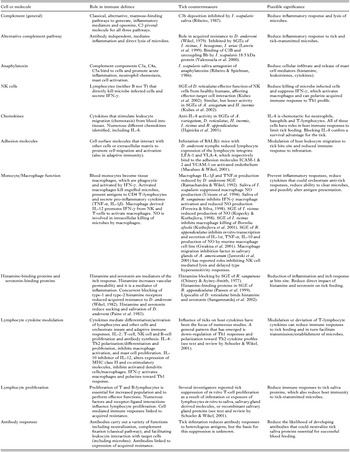
Table 1. Overview of cells and molecules of the host immune system and tick countermeasures
 You have
Access
- 212
- Cited by