INTRODUCTION
Schistosomiasis is an ancient disease, recently detected in a 5000 year old Egyptian mummy (Matheson et al. Reference Matheson, David, Spigelman, Donaghue and Helen2014). One of its symptoms, bloody urine, is referred to in a substantial number of surviving Egyptian papyri. The worm that causes urogenital schistosomiasis was discovered in 1851 by Theodor Bilharz, a German physician while conducting an autopsy in Egypt. He named the worm Distomum haematobium (Foster, Reference Foster1965). In 1856 Heinrich Meckel von Hemsbach proposed that the organism be renamed Bilharzia haematobium, and the name Schistosoma haematobium was adopted 2 years later in 1858. Subsequently in 1915, Leiper made the distinction between Schistosoma mansoni and S. haematobium (Farley, Reference Farley1991) causative agents of intestinal and urogenital schistosomiasis, respectively. Schistosomiasis has been proposed as the explanation of the biblical curse of Jericho (Hulse, Reference Hulse1971), and schistosome control efforts in China inspired the poem ‘Farewell to the God of Plague’ by Mao Tse Tung (Zedong, Reference Zedong2007). However, schistosomiasis control in present day endemic areas inspires urgent and concerted efforts to make a sustained and long lasting impact on the spread and extent of the disease.
Life cycle
Schistosomes are digenetic trematodes, with two reproductive stages, one sexual and the other asexual. Schistosomes have several vertebrate hosts, but only three of the parasite species are important in man. Humans are the only significant definitive host of S. haematobium, the causative agent of urogenital schistosomiasis, although the infection has been found naturally in baboons and monkeys in east Africa, rodents in Kenya and southern Africa, pigs in Nigeria and chimpanzees in West Africa (Soulsby, Reference Soulsby1986). Intestinal schistosomiasis is caused by S. mansoni and Schistosoma japonicum (life cycle also described by Leiper and Atkinson (Reference Leiper and Atkinson1915)), by adult stage worms residing in the mesenteric arteries. S. mansoni's most significant host is the human, while S. japonicum is a zoonotic infection, affecting man and several animals including bovines and porcines. This means that control efforts for S. japonicum need to include the animal reservoirs that share habitats with man.
The general schistosome life cycle summarized in Soulsby (Reference Soulsby1986) is as follows: adult worms in copula reside in the posterior mesenteric arteries and eggs are laid in the walls of the bladder, ureters and urethra (S. haematobium) or in the intestinal mesenteric arteries (S. mansoni and S. japonicum) although S. haematobium has also been demonstrated in the intestinal niches though autopsy studies and excretion of the parasite's eggs in stool (Jordan et al. Reference Jordan, Webbe and Sturrock1993). The eggs are passed out in urine or stool and will hatch in water in response to a lower osmotic potential, producing miracidia. Miracidia infect the intermediate host, a freshwater snail (Bulinus globosus for S. haematobium, Oncomelania spp. for S. japonicum and Biomphalaria spp. for example, Biomphalaria glabrata), developing into a mother sporocyst usually near its point of entry and after 2 weeks produces daughter sporocysts. This reproduction is asexual and lasts for about 6–7 weeks, during which daughter sporocysts migrate to other organs of the snail. Work in Zimbabwe has shown that cercaria shedding is seasonal in some areas with sporocysts exhibiting dormancy in winter (Shiff et al. Reference Shiff, Evans, Yiannakis and Eardley1975). In addition, the same study also reported that the pre-patent period is prolonged in winter, leading to more infection in the summer months. Cercaria, the stage infective to humans, will start to emerge from the daughter sporocysts 4 weeks after the initial penetration by the miracidium. These are attracted to unsaturated fatty acids in the skin lipids and digest their way through the skin of an exposed person, losing their tails in the process to become schistosomulae. The schistosomulae then migrate to the lungs and eventually to the mesenteric arteries (in the case of S. mansoni or S. japonicum) or venous bladder plexus (in the case of S. haematobium) where they mate for life. Mated females begin to lay eggs while unmated females do not reach sexual maturity. Some of the eggs produced will leave the body through urine to repeat the life cycle. The life expectancy of adult worms is between 3 and 7 years (Fulford et al. Reference Fulford, Butterworth, Ouma and Sturrock1995).
A few features of this life cycle are worth noting: similar to other helminth macroparasites, the parasite load in the human host increases only by (re)infection (Anderson and May, Reference Anderson and May1992) through exposure to infective water, an important consideration for control programmes. The mating system is generally assumed to be monogamous but some cases of polygamy have been reported (Armstrong, Reference Armstrong1952; Tchuem Tchuente et al. Reference Tchuem Tchuente, Southgate, Combes and Jourdane1996). It has been suggested that mating might be sequential rather than lifelong, allowing some male worms to be ‘unfaithful’ so that a female worm can be fertilized by more than one male in the same host (Tchuem Tchuente et al. Reference Tchuem Tchuente, Southgate, Combes and Jourdane1996). This means that as long as there is a high population of females, few males can sustain transmission. Hence, sex-differences in drug sensitivity should be a serious consideration when developing anti-schistosome drugs.
SCHISTOSOMIASIS IN ZIMBABWE
Most of the early work in African schistosomiasis was undertaken in Egypt due to the strategic importance of Egypt and the Suez Canal for imperial trade. In addition, fears raised by the incorrect hypothesis that bilharzia-causing worm were passed directly from man to man, created the political and scientific conditions that led to Leiper’ s attachment to the British Army and his important discoveries about the worms and their life cycles in Egypt (Farley, Reference Farley1991). In Zimbabwe, it is quite likely that schistosomiasis was endemic before the advent of colonization in 1890 albeit at lower prevalence at the time. In 1907, Francisco Manchego reported ‘an extraordinary frequency of cases’ of S. haematobium in the Zambezi basin, ‘almost equal to that in Egypt’ which had the highest infection prevalence in Africa at the time (Farley, Reference Farley1991). As early as this, Manchego had observed that it was mostly children that were infected. However, it was not until Orpen described the results of a small survey in 1915 that local infections were verified (Orpen, Reference Orpen1915). He reported a prevalence of 31% of urinary infections among 592 African prisoners in the Salisbury jail.
Before the First World War, tropical medicine was focused mainly on the health of British colonial officials and army personnel, but, after the war, economic factors began to play an increasingly important role. Profits generated by mines in Southern Rhodesia (present day Zimbabwe) seemed threatened by workers rendered inefficient by bilharzia (Van Onselen, Reference Van Onselen1976). The Annual Public Health Reports of Southern Rhodesia showed a gradual increase in infection prevalence from 1915 to 1940 and reports following from these three and a half decades also showed an increase in infection intensity. This increase in infection prevalence and intensity appears to have been due to two major developments. First, the development in agricultural practices necessitated construction of large artificial reservoirs of water for use during the dry periods. These reservoirs provided a habitat for the intermediate hosts and allowed their populations to increase (Shiff, Reference Shiff1964a , Reference Shiff b ). The second development was the resettlement of the autochthonous people in restricted areas such as farms and mines where the populations grew without adequate sanitary systems or safe water.
As the prevalence of the disease was not very high in the European settlers, not much work was carried out on bilharzia in the first two decades of the century and the 1921 Public Health Report noted that the treatment of bilharzia in white school children by tartar emetic had ‘… robbed it of much of its danger’ (Ministry of Health Southern Rhodesia, 1922). However, the danger of contracting the disease from the Africans was ever present as the 1923 report noted: bilharzia ‘…seems under control among Europeans, though of course the natives are commonly infected’ (Ministry of Health Southern Rhodesia, 1924). These diseased ‘…Africans were a menace as they prevented the whites from enjoying their right to swim in safety’, and attacking the disease, the same report noted ‘might help to free the country of infection and enable us to bathe safely’.
In 1927, William Blackie, a helminthologist from the London School of Tropical Medicine and future director of the Rhodesian Public Health Laboratory arrived in Rhodesia to investigate the helminth infections in the colony. A preliminary survey of white children showed that bilharzia was the most serious helminth infection in the country and, given the threat posed by African ‘reservoirs of disease’, a massive helminth survey of the African Reserves (restricted areas where the indigenous African were re-settled) was called for. His survey of the African population revealed S. haematobium to be present with a prevalence reaching over 20% in some areas (Blackie, Reference Blackie1932). This increase in infection was obviously evident to the health authorities in Rhodesia and it prompted the establishment of a specialized laboratory working on schistosomiasis in 1939.
Vic Clarke, Clive Shiff, Michael Gelfand and Dyson Blair were amongst the most prominent workers on schistosomiasis in Rhodesia. Clarke described the distribution of schistosome infection in communities, showing age-related differences in infection prevalence and intensity (Clarke, Reference Clarke1966) extending the work of Fisher in Zaire in the 1930s (Fisher, Reference Fisher1934). The studies of Clarke and Fisher suggested that the distribution of schistosome infections in human populations i.e. high infections in children which dropped in adulthood, was due to the development of protective acquired immunity; making these the first descriptions of schistosome immuno-epidemiology. In his studies, Clarke reported prevalences as high as 84% in some areas with 7–9 year old children having infection prevalence as high as 98% (Clarke, Reference Clarke1966). Clarke went on to become the Director of the specialized laboratory where he carried out a substantial amount of work on bilharzia as well as trialling and implementing different control measures through to the late 1980s. Several researchers currently working on schistosomiasis including myself, had the privilege of being trained/taught by Clarke at the Blair Research Institute or at the University of Zimbabwe.
The specialized laboratory set up in 1939 was named the Blair Research Institute in Salisbury (now Harare) after Dr Dyson Blair, who had been Secretary of Health in the country. A second laboratory contributing to work on schistosomiasis was the De Beers Research Laboratory established in 1965 in Chiredzi. Both laboratories form part of the research wing of the Ministry of Health and continue to work on schistosomiasis in Zimbabwe as the National Institute of Health Research under the leadership of Susan Mutambu. It is in collaboration with this institute that most of the studies described here, including our own, were conducted.
ZIMBABWE'S LEGACY TO BILHARZIA RESEARCH AND CONTROL
Research from Zimbabwe has made a significant scientific impact on our current understanding of schistosome epidemiology, the nature and development of acquired immunity, the effects of treatment on schistosome specific immune responses, the efficacy and safety of antihelminthic drugs and schistosome pathology. Workers in the 1980s and 1990s including Stephen Chandiwana, Moses Chimbari, Jerichias Ndamba, Patricia Ndhlovu and Mark Woolhouse conducted extensive studies on these several aspects of bilharzia as detailed below at the Blair Research Institute (now NIHR) and also trained several of the current generation of schistosomiasis and helminth researchers.
Studies trialling complementary control strategies including mollusciciding, biological vector control, water and sanitation (WASH) and engineering solutions have also been conducted in Zimbabwe (Shiff, Reference Shiff1970; Shiff and Kriel, Reference Shiff and Kriel1970; Chandiwana et al. Reference Chandiwana, Taylor, Chimbari, Ndhlovu, Makura, Bradley and Gondo1988, Reference Chandiwana, Taylor and Matanhire1991; Chimbari, Reference Chimbari1991; Chimbari and Ndlela, Reference Chimbari and Ndlela2001). These studies have had both local and global impact informing policy, design of intervention strategies as well as implementation of interventions.
Schistosome epidemiology
Schistosome epidemiology refers to the description and analysis of the patterns of transmission, infection and disease in defined populations. Understanding the epidemiology of any disease is the foundation of control strategies. It is essential to determine who is infected, where they get infection and how they transmit it. It is also essential to determine levels of infection and to understand factors influencing infectiousness and transmission. Such concepts elegantly summarized in the work of Anderson and May (Reference Anderson and May1992) and Woolhouse (Reference Woolhouse1998) rely on the field studies conducted in surveys undertaken in endemic areas and hospitals. The work by Clarke for his Ph.D. thesis (Clarke, Reference Clarke1966) in the then Rhodesia was central in demonstrating that children carried the heaviest infections. This, with Fisher's early work (Fisher, Reference Fisher1934) underlies the current WHO recommendations of targeting schistosome control programmes at primary school children (World Health Organisation, 2002).
Epidemiological studies on the snail intermediate host conducted by Woolhouse and Chandiwana in Zimbabwe indicated the heterogeneity in human water contact behaviour, which exposed them to infective water as well as heterogeneity in the snail populations at different water contact sites (Woolhouse and Chandiwana, Reference Woolhouse and Chandiwana1989, Reference Woolhouse and Chandiwana1990a , Reference Woolhouse and Chandiwana b , Reference Woolhouse and Chandiwana c , Reference Woolhouse and Chandiwana1992; Woolhouse et al. Reference Woolhouse, Chandiwana and Bradley1990). By indicating that not all people were equally exposed to infection and that not all contact points were equally infectious; these studies added to the evidence for targeted control strategies. Furthermore, habitat and ecology studies of snails in Zimbabwe by Chimbari and others, allowed for engineering interventions against schistosomiasis (Chimbari et al. Reference Chimbari, Ndamba and Madsen1996, Reference Chimbari, Madsen and Ndamba1997).
Schistosome immunology
The studies of Fisher (Reference Fisher1934) and Clarke (Reference Clarke1966) suggested that protective acquired immunity developed naturally in people exposed to schistosome infection. This laid the foundation for the work by Woolhouse in 1991 in Zimbabwe (Woolhouse et al. Reference Woolhouse, Taylor, Matanhire and Chandiwana1991), which indicated that the rate of development of this protective immunity depended on the schistosome transmission dynamics, so that in areas of high transmission, protective immunity developed quicker than in areas of low transmission leading to infection levels peaking at higher levels and in earlier ages in the former compared with the latter, a phenomenon termed the peak shift (Woolhouse, Reference Woolhouse1992). In subsequent years while working on Zimbabwean populations, we were able to demonstrate the immunological processes underlying the peak shift and further identify immune responses associated with protection against schistosome infection (Mutapi et al. Reference Mutapi, Hagan, Ndhlovu and Woolhouse1997). We further demonstrated that antihelminthic treatment with the drug praziquantel (PZQ) accelerated the rate of development of these immune responses (Mutapi et al. Reference Mutapi, Ndhlovu, Hagan, Spicer, Mduluza, Turner, Chandiwana and Woolhouse1998) and we have also demonstrated that these immune responses are protective against re-infection (Bourke et al. Reference Bourke, Nausch, Rujeni, Appleby, Mitchell, Midzi, Mduluza and Mutapi2013). Taken together, our immuno-epidemiology studies showed that the effects of PZQ treatment extended beyond the transient reduction of infection levels and this has been an important aspect of our recommendation for the use of PZQ in treating schistosome infection. We have also used this information in predicting the long-term effects of mass drug administration (MDA) programmes for schistosome control, highlighting the need for sustained control efforts if we are to avoid infection and disease rebounds in schistosomiasis (Mitchell et al. Reference Mitchell, Mutapi, Mduluza, Midzi, Savill and Woolhouse2014). We described the very first immunology co-infection study between urogenital schistosomiasis and Plasmodium falciparum malaria in our studies from Zimbabwe, and our co-infection study contributed to the increase in human schistosome – Plasmodium co-infection studies (Mutapi et al. Reference Mutapi, Ndhlovu, Hagan and Woolhouse2000).
Schistosomiasis the disease
In young children schistosomiasis causes abdominal pain, diarrhoea and blood in the stool (intestinal schistosomiasis), blood in urine and painful urination (urogenital schistosomiasis), nutritional deficiencies, anaemia and decreased physical performance and growth retardation. Clinical manifestations of chronic schistosomiasis include liver and or spleen enlargement, and the disease is frequently associated with an accumulation of fluid in the peritoneal cavity and hypertension of the abdominal blood vessels. In the case of urogenital schistosomiasis, fibrosis of the bladder and ureter, bladder cancer and kidney damage can occur. In women, urogenital schistosomiasis may present with genital lesions, vaginal bleeding, pain during sexual intercourse and nodules in the vulva and recent studies have suggested that this manifestation of schistosomiasis in females i.e. female genital schistosomiasis, may predispose to HIV infection (Christinet et al. Reference Christinet, Lazdins-Helds, Stothard and Reinhard-Rupp2016). When adequately treated during childhood with PZQ, the antihelminthic drug of choice, these disease symptoms can be reversed (King, Reference King2006). Early studies in Zimbabwe clearly demonstrated the classical symptoms of blood in urine. Michael Gelfand published extensively on the clinical and disease manifestations of schistosomiasis (Gelfand, Reference Gelfand1948, Reference Gelfand1963, Reference Gelfand1964, Reference Gelfand1966, Reference Gelfand1985) and in 1950 published the influential book Schistosomiasis in South-Central Africa (Gelfand, Reference Gelfand1950). Currently in the urogenital schistosomiasis field, there are calls to recognize and treat female genital schistosomiasis, (Christinet et al. Reference Christinet, Lazdins-Helds, Stothard and Reinhard-Rupp2016) a condition Gelfand identified and described (Gelfand et al. Reference Gelfand, Ross, Blair and Weber1971). The next time this aspect was studied extensively was in the 2000s in Zimbabwe by a team from the then Blair Research Institute, led by Patricia Ndhlovu and collaborators from Denmark (Ndhlovu et al. Reference Ndhlovu, Mduluza, Kjetland, Midzi, Nyanga, Gundersen, Friis and Gomo2007). Gelfand went on to found the Central African Journal of Medicine with Joseph Ritchken in 1955. In 1962, Gelfand joined the then University of Rhodesia as the founding Professor of African Medicine. Following in this tradition of characterizing and diagnosing schistosome-related disease and morbidity, our group has been focusing on young children and we have been particularly interested in describing the clinical manifestations of schistosomiasis in pre-school children in order to inform disease quantification and diagnosis (Wami et al. Reference Wami, Nausch, Midzi, Gwisai, Mduluza, Woolhouse and Mutapi2015).
Antihelminthic treatment
The oldest recorded anti-schistosome drug is antimony potassium tartrate or tarter emetic dating back to 1605 (Duffin and Rene, Reference Duffin and Rene1991). From the late 1950s through the early 1980s, schistosome-infected people were treated with repeated injections of tartar emetic. In Zimbabwe, then Rhodesia, tartar emetic was used to treat school children. The impracticalities of this method of treatment were highlighted by Clarke who conducted trials of hycanthone (Etrenol Winthrop). Clarke published a Target Product Profile (TPP) for schistosome antihelminthic drug, which is still applicable today (Clarke et al. Reference Clarke, Blair and Weber1969). He indicated that a schistosome drug for mass treatment needed to be oral rather than injectable, it needed to have little or no side effects for compliance, and a single dose would be preferable to multiple doses. PZQ discovered in 1972 by Bayer and at the same time synthesized by Merck (Germany) fits this TTP.
Paediatric schistosomiasis
Our contribution to the antihelminthic treatment of schistosomiasis has been through the studies of the need, safety and efficacy of PZQ in preschool children. Current global initiatives from Partners of Parasite Control including the World Health Organization (WHO), Bill and Melinda Gates Foundation, UNICEF, Schistosome Control Initiative and the World Bank have been advocating regular school-based de-worming strategies in order to reduce development of severe morbidity, promote school-child health and improve cognitive potential of children. PZQ is being used for treating children in Africa through several governmental and non-government initiatives for example, the Schistosome Control Initiative. Until recently, schistosomiasis in preschool children was a largely ignored problem in terms of control as a result of several reasons including (a) a lack of data on their exposure to infection, (b) unknown levels of infection and morbidity in this age group, (c) unknown safety in this age group (the original safety studies in the 1970s were conducted in children aged 5 years and above and (d) unknown efficacy of the drug in this age group (Stothard and Gabrielli, Reference Stothard and Gabrielli2007; Mutapi et al. Reference Mutapi, Rujeni, Bourke, Mitchell, Appleby, Nausch, Midzi and Mduluza2011; Stothard et al. Reference Stothard, Sousa-Figueiredo, Betson, Bustinduy and Reinhard-Rupp2013). Through a series of studies in Zimbabwe (Mutapi et al. Reference Mutapi, Rujeni, Bourke, Mitchell, Appleby, Nausch, Midzi and Mduluza2011) we joined a group of scientists who conducted studies in pre-school children to collect the evidence base to refute the four points raised above (World Health Organisation, 2012). The work culminated in 2012 in changes in WHO guidelines for the treatment of paediatric schistosomes (World Health Organisation, 2012). We and others also called for a child-appropriate formulation of PZQ, an appeal that was taken up by the private public partnership named the Paediatric PZQ Consortium (World Health Organisation, 2012). It is indeed encouraging to see the recent announcement from this Consortium (http://www.pediatricpraziquantelconsortium.org/news-events/news.html) that a potential peadiatric PZQ tablet has commenced phase II clinical trials in the Ivory Coast.
WASH strategies
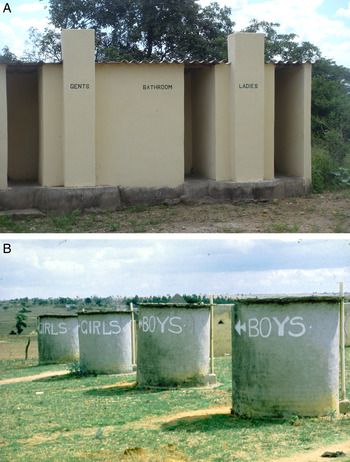
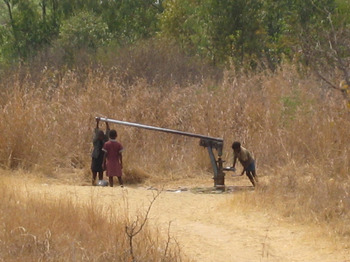
As is clear from the life cycle of schistosomiasis, fresh water plays a critical role for the maintenance of the life cycle and transmission to humans – upon reaching fresh water, eggs from human urine or stool hatch into the stage infective to the snail intermediate hosts. Hence, poor sanitation allows the contamination of water sources with the parasites. People become infected when they come into contact with fresh water where the snails have shed the infective cercariae. This usually happens during swimming, bathing or collection of water for domestic use in rivers. Hence, provision of safe water for domestic use would reduce transmission of the parasites to humans. Unfortunately, the global distribution of schistosomiasis overlaps with the areas where some of the poorest populations inhabit. This means that safe water and sanitation provisions are poorest in these areas. The challenge is to provide appropriate (water, sanitation and hygiene) WASH technologies (Steinmann et al. Reference Steinmann, Keiser, Bos, Tanner and Utzinger2006). Zimbabwe has been at the forefront of developing and implementing such technologies. The Blair Toilet (named after the Blair Research Institute where it was developed) or ventilation improved pit (VIP) latrine developed by Peter Morgan in the 1970s is an outstanding example of these efforts. This is a toilet built with local materials and based on the design of turrets, which allows airflow into the toilet, but stops smells and flies escaping (see Fig. 1). Peter Morgan also popularized the Bush Pump, a reliable simple lever action water pump made using local components that can be operated by all age groups to get water from a protected well (see Fig. 2 showing children using a borehole constructed from the bush pump design), which was originally designed by the water engineer Tommy Murgatroyed in the Southern Rhodesia Ministry of Water Development in 1933 (de Laet and Mol, Reference de Laet and Mol2000). The pit latrine and bush pump have been adopted in Zimbabwe and elsewhere across Africa and as recognition of the global impact this toilet and pump designs, Peter Morgan received the Stockholm Water Prize in 2013. Nonetheless, even with these appropriate local technologies, there is still a large population of rural Zimbabweans not utilizing the available pit latrines or building boreholes. The issue then is not about access or availability but rather, human behaviour and social context. There is need to understand the drivers of this human behaviour and come up with solutions to ‘nudge’ people towards the use of toilets and safe water sources.
Photographs of ventilation improved pit (VIP) latrines from Zimbabwe (A) family setting, (B) school setting.

Photograph of a borehole using the bust pump design (village setting).

Snail control
Various intervention studies have been trialled in Zimbabwe with differing levels of success (Chimbari, Reference Chimbari1991; Chimbari et al. Reference Chimbari, Ndlela, Nyati, Thomson, Chandiwana and Bolton1992; Chimbari and Ndlela, Reference Chimbari and Ndlela2001). Integrated snail vector control and antihelminthic treatment of infected people was implemented in Kariba in 1967 after the filling of Kariba Dam, the source of hydroelectric power for Zimbabwe and Zambia (Chimbari, Reference Chimbari2012). Snail control was the strategy recommended by the World Health Organisation at the time and was achieved by application of the molluscicide niclosamide and habitat destruction (removal of the water weed Salvinia sp.) with antihelminthic treatment targeted at infected people. In the 1950s copper sulphate and sodium pentachlorophenate were the chemical molluscicides used, they were replaced by niclosamide believed to be less toxic to humans, cattle, plants and other aquatic life (Foster et al. Reference Foster, Teesdale and Poulton1960). In the 1960s and 1970s, several mollusciding studies were conducted in Zimbabwe. In the case of work by Shiff et al., the earlier studies showing seasonality in the transmission of schistosomiasis in some regions of the country (Shiff et al. Reference Shiff, Evans, Yiannakis and Eardley1975) meant that this knowledge could be utilized in designing mollusciding approaches. Thus, they showed that S. haematobium transmission could be significantly reduced by annual mollusciding with Bayluscide® (a formulation of niclosamide) in winter to kill off the intermediate hot snails (Shiff et al. Reference Shiff, Coutts, Yiannakis and Holmes1979). Shiff et al. including Clarke also demonstrated that mollusciding of irrigation canals using niclosamide drip-feed methods every 6–8 months as well as regular treatment of drains with the molluscicide also significantly reduced the risk of infection with S. mansoni and S. haematobium in children (Shiff et al. Reference Shiff, Clarke Vde, Evans and Barnish1973). They also conducted an economic costing of the work as well as operational assessment concluding that only 10% level of surveillance and incidence check of sentinel sites within the irrigation was sufficient to provide informative monitoring and evaluation of the efficacy and long-term effects of the molluscicide control efforts (Shiff et al. Reference Shiff, Clarke Vde, Evans and Barnish1973). In a recent meta-analysis of 35 molluscicide studies including several from Zimbabwe, King et al. reported that on average mollusciding reduced the odds of infection by 77% with the effects increased if mollusciding was integrated with antihelminthic treatment of the human population, while incidence was reduced by 64%, but interestingly antihelminthic treatment did not influence the incidence of infection (King et al. Reference King, Sutherland and Bertsch2015).
The irrigation mollusciding study in Zimbabwe in 1973 showed that controlling schistosomiasis via this method cost between USD 54 800 and USD 55 500 for a 30 000 ha irrigation scheme (Shiff et al. Reference Shiff, Clarke Vde, Evans and Barnish1973). Thus, although the control efforts integrating antihelminthic treatment and mollusciding proved effective, not surprisingly, the vector control was not sustainable, either economically or environmentally. To overcome the toxic effects of niclosamide on plants, other snails (potential competitors) and fish, biological control strategies presented an attractive alternative. In Zimbabwe different biological interventions have been investigated; these included molluscicides derived from the plants Phytollacca dodecandra and Jatropha curcas with mixed efficacy and mixed community uptake (Madhina et al. Reference Madhina, Shiff, Picquet, Ernould, Vercruysse, Southgate, Mbaye, Sambou, Niang and Rollinson1996). In addition snail predators have also been invoked in the form of ducks and fish (Chimbari, Reference Chimbari2012). Poaching of the former (which were non-indigenous duck species) and low efficacy of the latter reduced the uptake of these interventions. Introduction of non-host competitor snails did not have a significant effect on the population of the intermediate host snails (Chimbari, Reference Chimbari2012).
Engineering strategies to control schistosomiasis
Engineering and environmental interventions cannot be stressed enough in schistosome control. Long before the schistosome epidemic in Senegal in the 1990s, following the damming of the Senegal river to provide water for a sugar irrigation scheme in Richard Toll (Stelma et al. Reference Stelma, Talla, Polman, Niang, Sturrock, Deelder and Gryseels1993), Zimbabwe had experienced a schistosome epidemic as a result of the construction of the Kariba Dam in the late 1950s (Hira, Reference Hira1970). The lessons learnt from this episode inspired the collaborative work between health professionals and engineers in the design of dam and irrigation schemes. A very successful example of this was the Mushandike Irrigation Scheme initiated in 1986 (Chimbari, Reference Chimbari1991). Irrigation canals were lined to facilitate fast movement of irrigation water to dislodge snails and also comprised features, which flushed out and trapped snails. Toilets were constructed along the scheme in a matrix ensuring that the workers were always nearer to a toilet than to the bush (Chimbari, Reference Chimbari2012). This programme was so successful that despite the high costs of the design, the model was adopted by the Department of Irrigation in Zimbabwe as standard for all small irrigation schemes (Chimbari, Reference Chimbari2012).
ZIMBABWE'S NATIONAL SCHISTOSOMIASIS CONTROL PROGRAMME
With the history of commitment to schistosome research and control demonstrated by the previous studies, it is not surprising that Zimbabwe has conducted regular national surveys of schistosome infection in humans as well as the distribution and infectivity of intermediate host snails. The first comprehensive national schistosomiasis survey was conducted in 1982, followed by the second in 1992 (see (Chimbari, Reference Chimbari2012) for details). We conducted the third and most recent national schistosomiasis and soil transmitted helminth (STH) survey in Zimbabwe in 2010 (Midzi et al. Reference Midzi, Mduluza, Chimbari, Tshuma, Charimari, Mhlanga, Manangazira, Munyati, Phiri, Mutambu, Midzi, Ncube, Muranzi, Rusakaniko and Mutapi2014). One of the changes that occurred in the intervening period between the 1992 survey and our survey was the momentum from the global initiative to control schistosomiasis following the 2001 World Health Assembly Resolution 54·19 to treat at least 75% of all school aged children who are at risk of morbidity from schistosomiasis and STH by the year 2010. This, coupled with the wider availability and significant reduction in price of the antihelminthic drug PZQ, made for a suitable environment to implement a national schistosomiasis control programme in Zimbabwe. When we published the findings of our national schistosomiasis survey, we also included a national plan of action incorporating the treatment strategies recommended by the WHO (Midzi et al. Reference Midzi, Mduluza, Chimbari, Tshuma, Charimari, Mhlanga, Manangazira, Munyati, Phiri, Mutambu, Midzi, Ncube, Muranzi, Rusakaniko and Mutapi2014). Following the national helminth survey, we contributed to the formulation of the national schistosomiasis and helminth control policy in Zimbabwe through a workshop hosted by the Ministry of Health in Zimbabwe. To continue with the research legacy of Zimbabwe and inter-sectorial collaborative approaches to schistosome control, this policy document highlighted among others, the importance of continued scientific research, dialogue between engineers and health professionals, dialogue between the ministries of health and education both for health education and implementation of the national control programmes and community involvement. Following operational results from studies we conducted in schools in Zimbabwe and input from several stakeholders the Ministry of Health in Zimbabwe launched the 5-year national schistosomiasis and soil transmitted control programme in September 2012. This programme is targeting just under 5 million primary school children throughout the country, treating all children annually regardless of the transmission level in the areas. The full evaluation of the programme will be conducted at the end of the 5 year programme but early indications from the sentinel monitoring and evaluation sites are that there has been a reduction in infection levels.
Future plans and concluding remarks
The question for Zimbabwe and all other countries currently implementing national schistosomiasis control programmes is what happens after the 5 years of MDA? From our immuno-epidemiology and quantitative studies in Zimbabwe, we have predicted that cessation of MDA programmes may result in a rebound in infection to levels higher than pre-treatment levels (Mitchell et al. Reference Mitchell, Mutapi, Mduluza, Midzi, Savill and Woolhouse2014). Indeed earlier studies in Zimbabwe in the1990s showed infection levels returning to pre-intervention levels when control (even strategies using integrated methods applied for 5-year periods were ceased) (Chimbari, Reference Chimbari2012). These studies indicate that there is need for sustained control efforts and long-term planning to avoid areas of refugia for the parasites as well to facilitate the move from morbidity control to controlling transmission. There is also need for inclusive controls strategies if elimination is a realistic goal for schistosomiasis. Targeting primary school children while leaving the preschool children and adults will not lead to elimination of the diseases especially where untreated infections in adulthood can become chronic with complications only addressed by surgery.
There are still areas needing more research including diagnostics, therapeutics and operational aspects as recently highlighted by Secor and Montgomery (Reference Secor and Montgomery2015). There is also need for a more integrated approach to disease control involving dialogue between different sectors such as social scientists, engineers, architects (to enable building of human cities and dwellings that interrupt parasite transmission) and economists to come up with sustainable solutions to schistosome control. The current generation of schistosome researchers working in Zimbabwe aims to contribute to this knowledge base and strengthen the legacy of putting research before policy and implementation in schistosomiasis control.
ACKNOWLEDGEMENTS
I am grateful to my colleagues and collaborators in the Understanding Bilharzia Project, Takafira Mduluza and Nicholas Midzi with whom we have conducted collaborative fieldwork to address some of the challenges in paediatric schistosomiasis, the participants in the field studies over the past 20 years and members of the National Institute for Health Research (Zimbabwe) and the University of Zimbabwe for technical support. I also thank my research group, the Parasite Immuno Epidemiology Group (PIG) at the University of Edinburgh for their useful comments on a draft of the manuscript. I extend my gratitude to Mark Woolhouse and William (Bill) Bynum who first encouraged me to look into the history of bilharzia research and control in Zimbabwe over 2 decades ago. My final thanks go to Michael Barret for inviting me to speak at the ‘Glasgow Encounters with Tropical Disease’, Symposium on 8th January 2016, where the ideas in this manuscript were presented as a body of work for the time.
FINANCIAL SUPPORT
F. M. is funded by the Thrasher Research Fund and Wellcome Trust (Grant number 108061/Z/15/Z).