

Diseases are pervasive throughout the biological world. They are generated by a seemingly endless ‘honour’ role of pathogenic organisms – fungi, oomycetes, bacteria, viruses, protozoa, nematodes, metazoa – causing symptoms ranging from the benign to the lethal in all classes of hosts – animals, plants, humans, fungi and other pathogens themselves. Many have been recognised for millennia and their impact felt through the emissaries of direct infection (e.g. the Black Death) or starvation (e.g. the Irish potato famine). However, understanding of the myriad ways in which pathogens affect the size and viability of individual host populations, of whole species, the structure of whole communities and evolutionary trajectories at all these levels has been very uneven.
Similar ecological and evolutionary forces drive the interplay of hosts and pathogens across the different biological kingdoms, and many fascinating and insightful examples can be found within each grouping (e.g. human medicine, crop pathology and veterinary science). However, the intent of this book is to provide a comprehensive view of current understanding of the part pathogens play in shaping the ecological and evolutionary dynamics of plants and the communities of which they are part. Over the last century interest in plant–pathogen interactions has developed in fits and starts in a number of distinct fields (Box 1.1). In the last few decades though, recognition of the role of plant diseases has moved from the almost exclusive preserve of agriculture and forestry to an increasing awareness of their importance as potent evolutionary forces shaping the size and structure of individual populations, the distribution of species as a whole and the nature of entire plant communities. The nature of these interactions is highly variable, reflecting differences in the longevity of particular interactions (long-term vs recent), the epidemiological behaviour of pathogens (endemic vs epidemic) and the spatial scale of association (local vs regional).
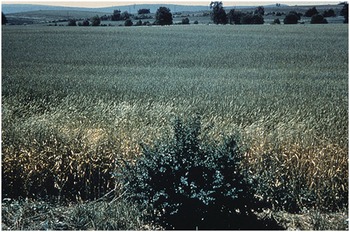
Over the last century or so, major changes have occurred in perceptions regarding the role of plant pathogens in shaping ecological and evolutionary change. Starting with an understanding of the genetic basis of disease resistance (especially to rusts of cereals), there was early recognition of the disease interplay occurring at the interface between agricultural crops and surrounding wild or weedy vegetation. Indeed, barberry eradication campaigns in the Great Plains of the United States in the first few decades of the twentieth century reflected observations of early-season development of wheat stem rust in proximity to the over-wintering alternate host (barberry) – early acknowledgement of how host and pathogen life-history traits can affect the epidemiological and genetic dynamics of a system. However, the drive to develop an understanding of host–pathogen associations in agriculture was not without its mistakes. An emphasis on ecological interactions tended to overlook the evolutionary implications of particular actions – resulting in the occasional occurrence of major unintended consequences, such as the classic ‘boom-and-bust’ cycles that resulted from the sequential use of single major genes for resistance.

During the mid-part of the century, theoretical population geneticists recognised the potential importance of pathogens as selective forces in evolution. Indeed, work in this area by Wright, Haldane and others (Haldane, Reference Haldane1949; Wright, Reference Wright1951) foreshadowed by 30–40 years the importance of linking demography and genetics with space and time to obtain an evolutionary viewpoint. Moreover, their strong interest in animal and human diseases also reflected an influence (of animal and human studies) that has dominated the broader host–pathogen evolutionary story until very recently.
Simultaneously, but unlinked, Flor’s classic work on gene-for-gene interactions (Flor, Reference Flor1956), the work of Vavilov, Harlan and others recognising the importance of crop wild relatives as sources of disease resistance (Vavilov, Reference Vavilov1949; Harlan, Reference Harlan1976; Leppik, Reference Leppik1976, and Person’s early population-genetics models (Person, Reference 359Person1966) led to an increasing interest in the processes involved in host–pathogen coevolution. However, even at the beginning of the 1970s, when there was a significant increase in reductionist studies of the demography of individual plant species, interest in plant pathogens was still largely restricted to the realms of agriculture, forestry, theoretical population genetics and the conservation of plant genetic resources.
Rust infected wheat in close proximity to a field-side barberry plant.
Since that time, these many separate interests and independent lines of inquiry have tended to coalesce into a more comprehensive view of the complexity of plant–pathogen associations and their ecological and evolutionary dynamics. This view recognises their role in shaping plant populations, species and communities; tackles the increasing importance of invasive and newly emerging diseases; and gives broader recognition to the fundamental importance of the influence of space and time (as manifest in the metapopulation concept and Thompson’s geographic mosaic theory of coevolution [Thompson, Reference Thompson2005]) in driving evolutionary trajectories. Indeed, to date, plant–pathogen research has provided some of the strongest support for links between ecological and evolutionary dynamics.
Invasive pathogens encountering naïve hosts may change the structure of communities by ‘surgically’ removing individual species. For example, loss of the American chestnut, Castanea dentata, from West Virginian forests (Agrawal & Stephenson, Reference Agrawal and Stephenson1995) or of redbay, Persea borbonia, from Georgia forests (Spiegel & Leege, Reference Spiegel and Leege2013) as a consequence of the impact of Cryphonectria parasitica and Raffaelea lauricola, respectively. Invasive pathogens may also have more obvious widespread effects by destroying suites of related and unrelated species thereby transforming pre-invasion communities to a totally different state (e.g. changes induced by Phytophthora cinnamomi invasion of proteaceae-rich ecosystems in Western Australia; Wills, Reference Wills1993). Similar effects may also result from the local de novo generation of novel pathogens through genetic recombination of pre-existing ones (e.g. Ioos et al., Reference Ioos, Andrieux, Marcais. and Frey2006). Equally, though, invasive species may have little or no impact, essentially remaining curiosities for taxonomic aficionados, as is seen in the occurrence in the early twenty-first century of Melampsoridium hiratsukanum on Alnus sp. in northern Sweden (although damage attributable to this pathogen is increasing; L. Ericson & J. J. Burdon, personal observation), or Puccinia malvacearum on Malvaceous species across the globe.
Naturally occurring pathogen species show similar unpredictability in their occurrence and impact. Some are marked by high-amplitude ‘boom-and-bust’ epidemic cycles occurring nearly every growing season (e.g. Melampsora spp. occurring on Salix species (willow) in northern Scandinavia); while for others, high epidemic peaks are interspersed with variable numbers of years when the pathogen is virtually absent (e.g. epidemics of M. lini on Linum marginale in the Snowy Mountains of Australia; Jarosz & Burdon, Reference Jarosz and Burdon1992). In contrast to species with highly epidemic population behaviour, some pathogens show more endemic patterns of occurrence. Among those are species that induce permanent systemic infections (e.g. many floral smuts, such as Sporisorium amphilophis infecting Bothrichloa macra; García-Guzmán et al., Reference Garcia-Guzmán, Burdon, Ash and Cunningham1996; or Microbotryum violaceum on Silene dioica; Carlsson et al., Reference Carlsson, Elmqvist, Wennstrom and Ericson1990); species that avoid catastrophic crashes in population size because of an ability to survive off-seasons through saprophytic growth on dead host debris (e.g. many necrotrophic pathogens of herbaceous species); and yet others that for no obvious reason always seem to be uncommon.
1.1 Plant Pathogens Are Everywhere
The number of pathogens found on a given host species varies considerably, from just a few to many hundreds (e.g. >350 in Zea mays; Farr et al., Reference Farr, Bills, Chamuris and Rossman1989), although the number is undoubtedly influenced by the intensity of assessment (which in turn is affected by the economic importance of the host in question [Clay, Reference Clay1995]). However, appropriate analysis provides strong evidence that geographic range (Strong & Levin, Reference Strong and Levin1975; Miller, Reference Miller2012), host size or growth form (Strong & Levin, Reference Strong and Levin1979), phylogenetic relationships (Clay, Reference Clay1995; Gilbert & Webb, Reference Gilbert and Webb2007; Miller, Reference Miller2012) and life-history (e.g. annual, caespitose perennial or rhizomatous perennial grasses [Clay, Reference Clay1995]) all contribute to variability in numbers. Furthermore, it would appear that hosts introduced into new geographic ranges acquire a ‘typical’ pathogen load relatively rapidly (within the space of hundreds rather than thousands of years) through subsequent migratory ‘catch-up’ by its native pathogens or host range expansion by pathogens occurring on related or more distant hosts in its new home (Strong & Levin, Reference Strong and Levin1975, Reference Strong and Levin1979; Mitchell et al., Reference Mitchell, Blumenthal, Jarosik, Puckett and Pysek2010).
Despite the large numbers of pathogens associated with many individual host species, in any given geographic region only very few may cause sufficient damage as to have a selective effect, although in most associations, variable and often over-powering environmental effects make the detection of such impact hard. Pathogens that appear to be of minor importance may be being held in check by life-history constraints (e.g. microcyclic rusts in high altitude or latitude communities), prevailing environmental conditions (e.g. prolonged dry spells: Jarosz & Burdon, Reference Jarosz and Burdon1992), spatial and density constraints imposed by the host (Parratt, Numminen, & Laine, Reference Parratt and Laine2016), the presence of other microbiota (Bartoli et al., Reference Bartoli, Frachon, Barret, Rigal, Huard-Chauveau, Mayjonade, Zanchetta, Bouchez, Roby, Carrere and Roux2018), high levels of resistance (Laine et al., Reference Laine, Burdon, Dodds and Thrall2011) or limited seasonal growing conditions. The impact of pathogens is strongly influenced by environmental interactions. Thus for ‘damping-off’ diseases the probability of successful infection of the germinating seed’s hypocotyl is often dependent on temperature and humidity at the soil surface; the extent of snow-blight infections of herbaceous and woody plants in the boreal zone is driven by the depth and persistence of snow pack (Olofsson et al., Reference Olofsson, Ericson, Torp, Stark and Baxter2011); infections may be exacerbated by high nitrogen levels, although the particular form, nitrate or ammonium, is important (Huber & Watson, Reference Huber and Watson1974); rust disease caused by M. lini was greatest in Heperolinum californicum populations growing on low calcium soils (Springer, Reference Springer2009); and the three rust diseases of wheat (stem, leaf and stripe rust) each have different temperature optima for their development (McIntosh, Wellings, & Park, Reference McIntosh, Wellings and Park1995). Moreover, different pathogens often differ in their responsiveness to specific environmental cues (Colhoun, Reference Colhoun1973), as can aspects of plant development, morphology and carbohydrate status that may also influence susceptibility to attack (Read, Reference Read1968). Finally, in a further complication to identifying the effects of specific pathogens, interactions between different environmental factors may also affect all aspects of disease expression.
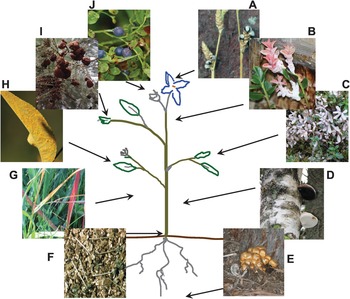
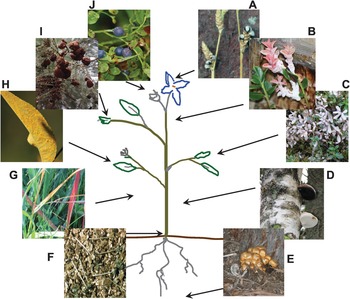
Plants provide a wide range of distinct ecological niches for pathogens to exploit. As they progress through their life cycles, plants pass through different development phases, each of which provides opportunities for different pathogens. Each phase of growth sees the production of different host tissues that are the target of both specialist and more generalist pathogens. Thus, during germination, plants are vulnerable to relatively unspecialised ‘damping-off’ pathogens that attack the hypocotyls; subsequently produced leaves may be attacked by a wide range of necrotrophic and biotrophic fungal pathogens, viruses or bacteria causing spots and blotches; buds, flowers and fruits are the target of many smuts and rots; while stems and trunks are subject to vascular diseases and heart rots (Figure 1.1). In addition to this temporal diversity of potential habitats, the growth forms of different plant species show varying levels of morphological complexity, with herbs, shrubs and trees showing an increasing pattern of habitat heterogeneity that is reflected in the number of fungal pathogen species they harbour (Strong & Levin, Reference Strong and Levin1979). Furthermore, the ontogenetic susceptibility of host tissue may change as it matures. For example, oak powdery mildew typically infects fresh shoots rather than mature leaves (Feau et al., Reference Feau, Lauron-Moreau, Piou, Marcais, Dutech and Desprez-Loustau2012).
A stylised plant with a small selection of the range of leaf, flower, fruit, stem and root diseases that attack it. A: floral smuts represented by Anthracoidea fischeri on Carex canescens × mackenziei; B: local systemic infections represented by Exobasidium vaccinii on Vaccinium vitis-idaea; C: necrotrophic leaf diseases represented by Eupropolella vaccinii on V. vitis-idaea; D: stem rots and cankers represented by Piptoporus betulinus on Betula pubescens; E: root disease represented by Armillariella mellea on Eucalyptus sp.; F: seedling damping-off represented by Pythium sp. on Lepidium sativum; G: systemic virus represented by Barley Yellow Dwarf Virus on Avena barbata; H: biotrophic leaf diseases represented by Melampsora larici-pentandrae on Salix pentandra; I: leaf and stem galls represented by Uromycladium tepperianum on Acacia sp.; J: fruit diseases represented by Lophodermium melaleucum on V. myrtillus.
1.2 Specialists and Generalists
Plant pathogens are taxonomically a highly diverse group that includes true fungi, parasitic algae, bacteria, viruses and mycoplasma organisms. This diversity is simultaneously both a benefit to scientists in providing a broad range of experimental options and a major impediment to the documentation of underlying trends in different associations and for making subsequent broad generalisations. Given that even within individual taxonomic groupings there is a large array of different host–pathogen associations, several attempts have been made to identify trait patterns that reflect ecological or evolutionarily meaningful groupings. Specificity axes (Barrett & Heil, Reference 310Barrett and Heil2012), impact effects (viability–fecundity continua; Burdon, Reference Burdon1991), micro- and macro-parasites (Anderson & May, Reference Anderson and May1991), epidemiological patterns (Sache & Vallavieille Pope, Reference Sache and de Vallavieille-Pope1995) and dispersal patterns (Thrall & Burdon, Reference Garcia-Guzmán and Burdon1997) have all been investigated as potential classificatory approaches (Table 7.1). Each of these approaches has provided a useful tool for considering patterns of pathogen behaviour without providing the depth of analysis achieved by Lockhart and her colleagues (Lockhart et al., Reference Lockhart, Thrall and Antonovics1996) in their study of animal diseases, which showed the over-riding importance of mode of transmission rather than host or pathogen taxonomic affiliation.
One of the most immediately important measures, though, is the extent to which a pathogen is tied to its host for nutritional support (a measure of resource reliability) and the number of host species it can successfully parasitise (a measure of its resource base). Thus, different host–pathogen associations may be placed along an interaction continuum, from obligate parasitism through various manifestations of facultative parasitism and aggressive saprophytic associations to the ‘neutrality’ of various forms of mutualism and endophyty. A specificity continuum roughly parallels this obligate-facultative pattern with highly obligate pathogens more frequently conforming to specialised biotrophic lifestyles tied to just a single host species (e.g. Puccinia chondrillina attacking Chondrilla juncea or Maravalia cryptostegiae attacking Cryptostegia grandiflora), in comparison to more generalist necrotrophic pathogen types with a multiplicity of different host species and the ability to grow saprophytically. Interestingly, a recent analysis (Delaye, García-Guzmán, & Heil, Reference Delaye, García-Guzmán and Heil2013) suggests that while biotrophy usually represents an evolutionarily stable state, the continuum between necrotrophic and endophytic strategies is much more fluid, with species switching in both directions between these lifestyles in ecological time.
However, general patterns in host range are marked by many individual contrary examples. Application of molecular technologies provides good examples of ‘cryptic’ multi-species complexes that have now been shown to merit separate taxonomic status (Le Gac et al., Reference Le Gac, Hood, Fournier and Giraud2007; Rouxel et al., Reference Rouxel, Mestre, Comont, Lehman, Schilder and Delmotte2013). At the same time though, even among rust fungi – perhaps the mostly widely recognised group of highly specialised pathogens – clear examples exist of individual species with very broad host ranges. Thus, the stem rust fungus P. graminis has a host range of at least 365 species in more than fifty genera (Anikster, Reference Anikster, Bushnell and Roelfs1984). Within this taxon, more than seven well-characterised sub-specific variants (formae speciales) with overlapping and/or disjoint subsets of host species have been identified, the most important of which, wheat stem rust (P. graminis f. sp. tritici), occurs naturally on at least twenty-eight different host species (Leonard & Szarbo, Reference Leonard and Szarbo2005). Similarly, a single isolate of the South American guava rust (Austropuccinia psidii), which invaded Australia in the early 2000s, has now been recorded on more than 350 host species in fifty-eight genera of the Myrtaceae (Carnegie & Lidbetter, Reference 319Carnegie and Lidbetter2012; Giblin & Carnegie, Reference Giblin and Carnegie2014).
1.3 The Toll Pathogens Exact
As Burdon (Reference Burdon1991) emphasised in classifying plant pathogens as ‘killers’, ‘debilitators’ or ‘castrators’, pathogens may affect the immediate viability of individuals, reduce resources available for the production of seeds and other propagules, or prevent reproduction through colonisation of various parts of the flower or stop floral initiation altogether. The extent to which pathogens have an effect on fecundity or mortality is greatly influenced by their mode of action and their relationship with their host. Thus, in the case of some seedling diseases a single pathogen individual (i.e. that growing from a single propagule) may be responsible for the immediate death of that host. Similarly, single infections resulting from conjugation of different mating-type sporidia of a floral smut may lead to castration of the entire plant and hence effective evolutionary death (even if the host individual continues to live in the immediate term). In contrast, in the case of discreet lesion-forming pathogens (e.g. most rusts and powdery mildews), single lesions have a negligible effect on host fitness. For these organisms, the cumulative effect of repeated auto- or allo-infection determines the overall disease load and hence the extent of any reductions in fecundity and/or viability.
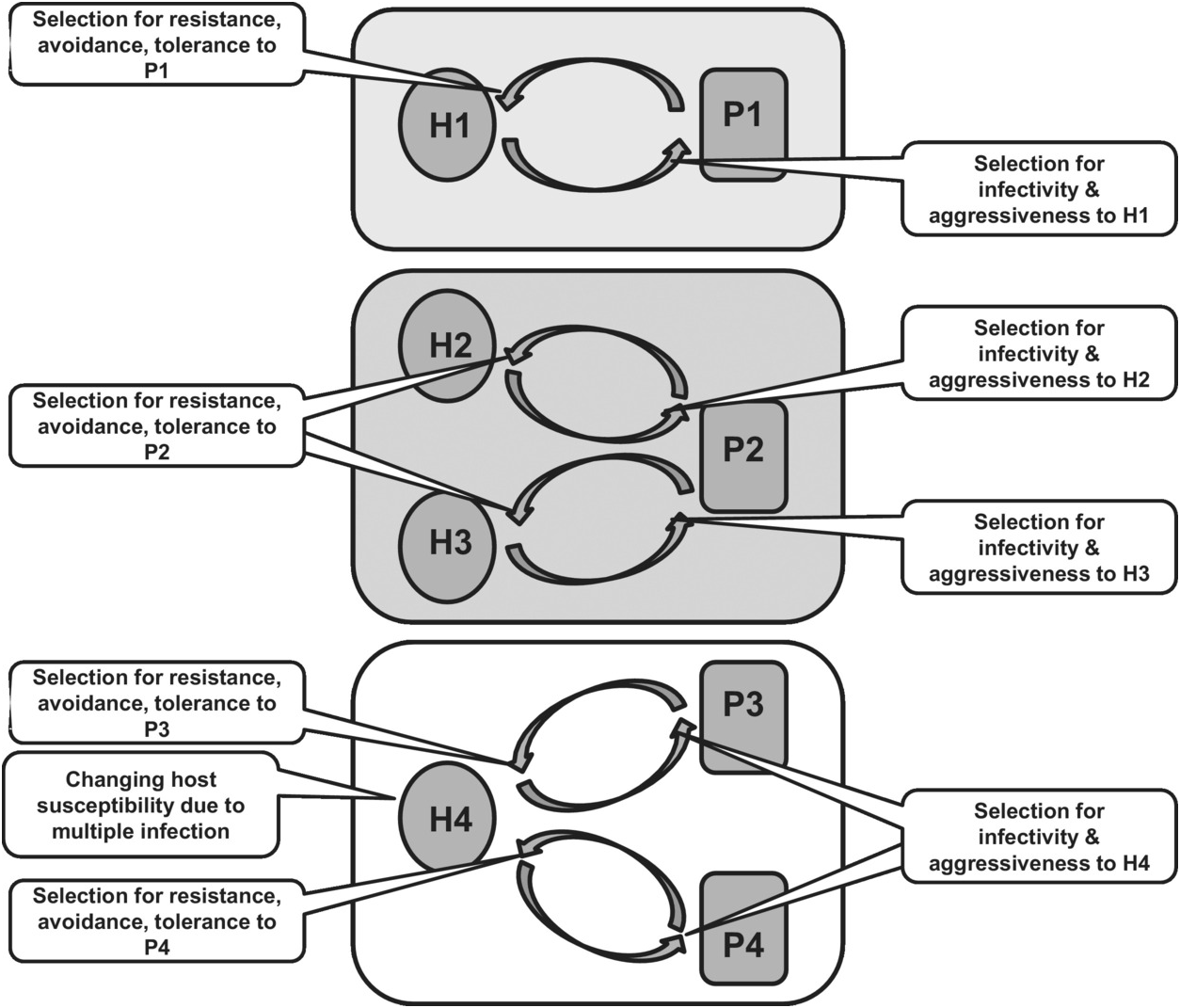
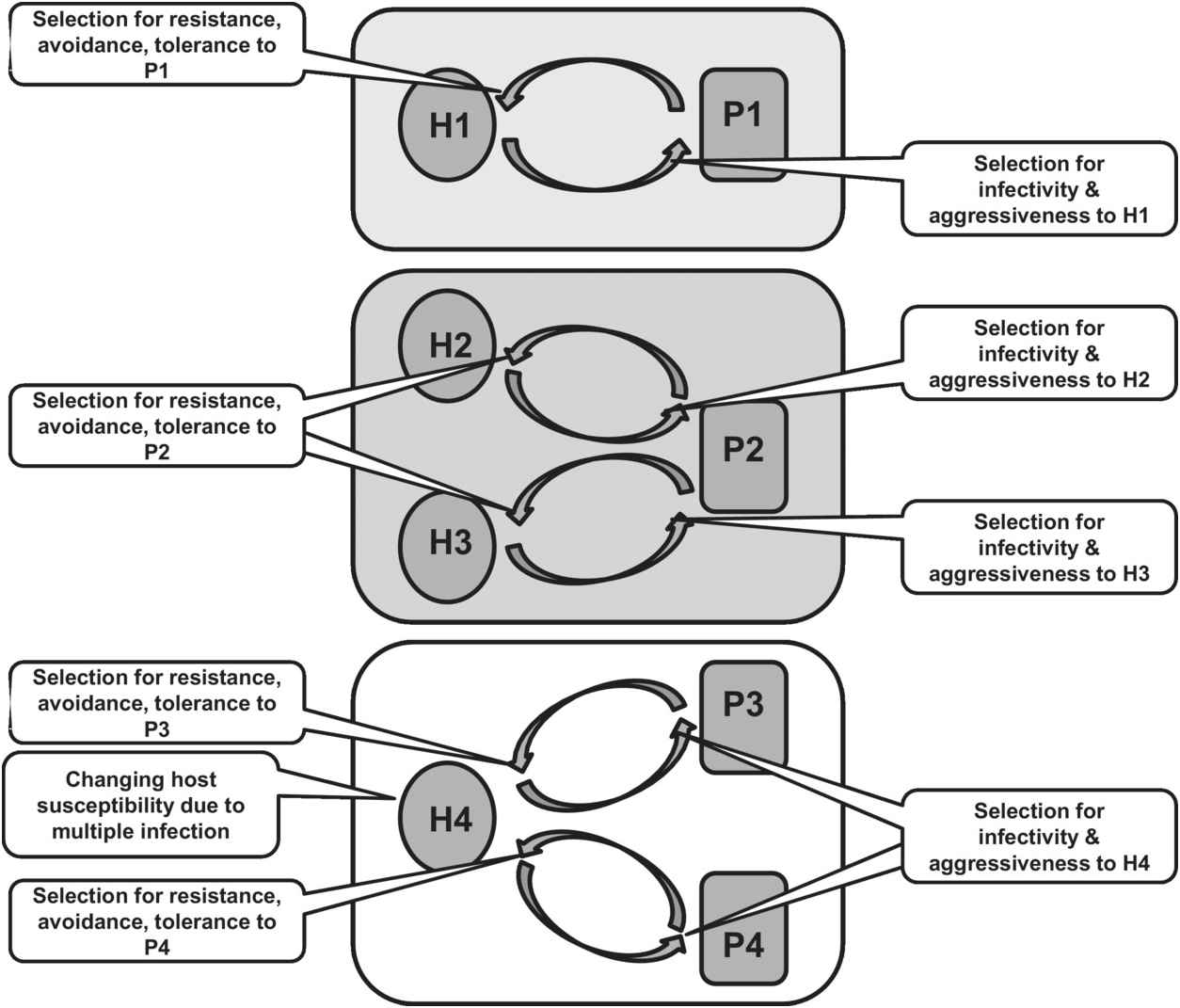
While for convenience we may study individual host–pathogen associations, in reality multi-host and multi-pathogen associations are more the norm and such diverse interactions can lead to novel dynamics, both for individual associations and the community as a whole (Figure 1.2). For example, when multiple pathogens occur on the same host, this increases the possibility of direct interaction between the pathogens – for example, infection by one pathogen may make the host more or less susceptible to attack by a second pathogen (Conrath, Pieterse, & Mauch-Mani, Reference Conrath, Pieterse and Mauch-Mani2002) or even a second pathotype of the same pathogen (Johnson & Taylor, Reference Johnson and Taylor1976; Susi et al., Reference Susi, Barres, Vale and Laine2015a). A more fundamental change may be the development of new hybrid pathogen species (via recombination on the common host) with infectivity spectra that differ from those of the parental pathogen species (Brasier, Reference Brasier2001; Olson & Stenlid, Reference Olson and Stenlid2002; Park & Wellings, Reference Park and Wellings2012). On the pathogen side of the equation, the ability to colonise multiple different hosts may bring advantages associated with stabilising population size during the off-season. However, these advantages may be counterbalanced by the effects of disruptive selection as the pathogen responds to the different selective environments imposed by different hosts.
Patterns of host–pathogen associations – single host and pathogen species; multiple host and single pathogen species; multiple pathogen and single host species. Multiple host and pathogen species are a simple combination of the latter two associations.
1.3.1 Dormant Seed and Early Plant Recruitment Phase
Estimating the demographic effect on host populations of pathogens attacking seed and young seedlings is open to considerable uncertainty. Dormant and germinating seed may be killed even before it breaks through the soil surface, while the tissues of most young seedlings are so ‘soft’ that even weakly parasitic fungi or bacteria may consume them totally, leaving no sign of their previous existence within a few days. For example, in Central American lowland forest the small seedlings of Cordia alliodora often completely disappeared ‘from one week to the next’ (Augspurger, Reference Augspurger1984). How important, then, are pre- and post-emergence seedling losses? Do high mortality rates at this stage in plant population development have any lasting effect on the immediate or longer-term viability of the individual species or the community in which it occurs? In purely numeric terms, provided deaths are randomly or relatively evenly dispersed across the area occupied by the host population, the individuals lost will essentially substitute for those that would otherwise have succumbed to competitive and other effects during stand development. However, and as we will see below, deaths are often not randomly distributed, thereby raising the possibility of community structuring.
While there are very many reports of significant reductions in plant population sizes during the early seedling establishment phase, involving virtually every plant life form (annuals, herbaceous perennials, shrubs and trees; see Harper, Reference Harper1977 for a comprehensive review), the proximal cause of these deaths – drought, competition, herbivory, disease – is rarely addressed. Indeed, in early studies of plant recruitment, physical micro-environmental attributes were a major focus with soil texture and moisture availability having considerable influence on the size of seedling populations and the micro-scale of spatial distribution of individuals. Largely anecdotal reports of seedling losses in forest-nursery situations provided the earliest substantiation that post-emergence damping-off losses could be important, but the first comprehensive account of their magnitude waited until the elegant studies of recruitment in a range of neo-tropical tree species by Augspurger (Reference 309Augspurger1983a,Reference Augspurgerb, Reference Augspurger1984). Thus post-emergence damping-off in Platypodium elegans accounted for most seedling mortality, with between 35 per cent to 81 per cent of seedlings growing around specific parent trees dying in the first three months (Augspurger, Reference 309Augspurger1983a). In a further eight tree species, damping-off induced by Pythium species was responsible for the majority of seedling deaths in five (Augspurger, Reference Augspurger1984). Importantly, Augspurger showed that these deaths were not randomly distributed. Rather they were inversely correlated with distance from the parent tree and positively correlated with seedling density.
Augspurger’s studies have been the catalyst for further research in tropical (e.g. Hood et al., Reference 335Hood, Swaine and Mason2004; Bell, Freckleton, & Lewis, Reference Bell, Freckleton and Lewis2006; Chanthorn et al., Reference Chanthorn, Caughlin, Dechkla and Brockelman2013), sub-tropical (e.g. Liu et al., Reference Liu, Liang, Etienne, Wang, Staehelin and Yu2012) and more temperate environments (O’Hanlon-Manners & Kotanen, Reference O’Hanlon-Manners and Kotanen2004; Hersh, Vilgalys, & Clark, Reference Hersh, Vilgalys and Clark2012). While not always showing the same relationship between distance-from-parent and disease levels, these studies consistently found that significant numbers of seedlings were lost to the depredations of pathogenic organisms. In temperate situations, Clay and his colleagues have extensively studied seedling recruitment and death in Prunus serotina and again found oomycete pathogens causing significant seedling mortality (Packer & Clay, Reference Packer and Clay2000; Reinhart et al., Reference Reinhart, Royo, Van der Putten and Clay2005; Reinhart & Clay, Reference Reinhart and Clay2009) that was markedly distance-dependent (Packer & Clay, Reference Packer and Clay2000). Furthermore, by controlling pathogen activity through fungicide application they were able to provide confirmatory evidence of the role of Pythium species in causing seedling death (Reinhart et al., Reference Reinhart, Royo, Van der Putten and Clay2005; Reinhart & Clay, Reference Reinhart and Clay2009).
Through experimental manipulation of soil environments – for example, ‘home’ and ‘away’ comparisons – a steadily increasing number of studies are demonstrating both positive and negative feedbacks between the soil environment and seedling recruitment and establishment. A wide range of factors has been variously implicated, including allelopathic chemicals, mycorrhiza, invertebrate herbivory or fungal and bacterial attack. How the impact of each of these factors is modified through interaction (e.g. Pollock et al., Reference Pollock, Kogan, Thorpe and Holben2011) is the focus of considerable interest especially with respect to the success or failure of invasive events (Inderjit & Van der Putten, Reference Inderjit and Van der Putten2010; Callaway et al., Reference Callaway, Montesinos, Williams and Maron2013; Maron et al., Reference Maron, Waller, Hahn, Diaconu, Pal, Muller-Scharer, Klironomos and Callaway2013).
As more has become known about the soil biota and in particular oomycete damping-off causing pathogens, it has become clearer that a degree of specificity is involved (e.g. Mills & Bever, Reference Mills and Bever1998; Reinhart et al., Reference Reinhart, Royo, Van der Putten and Clay2005; Augspurger & Wilkinson, Reference Augspurger and Wilkinson2007). Pathogens, by discriminating between different host species in their ability to cause disease and death, may potentially affect the structure of the developing plant community (Bagchi et al., Reference Bagchi, Gallery, Gripenberg, Gurr, Narayan, Addis, Freckleton and Lewis2014). Indeed, such examples are often looked to as clear support for the Janzen–Connell hypothesis of tropical forest diversity (Janzen, Reference Janzen1970; Connell, Reference Connell, den Boer and Gradwell1971). The work of Clay, van Putten and others has been particularly important in generally extending the concept that seedling diseases can play a significant role in community structuring to include more temperate situations. However, what is not seen in these host–pathogen interactions is any evidence of marked variation in the level of resistance or susceptibility of individuals within a single host species. Indeed, if we take guidance from the extensive, but largely unsuccessful, attempts by plant breeders to enhance the resistance of cereal crops to ‘bare patch’ diseases caused by species of Pythium and Rhizoctonia, then it is highly likely that little within-host species variation in susceptibility actually exists.
Post-emergence damping-off can clearly cause significant seedling death but studies of this phenomenon do not account for the effect of disease-induced loss prior to emergence. Yet for most plant species the size of the soil seed pool is likely to be many orders of magnitude greater than the number of germinating seedlings at any particular time. Multiple agriculturally orientated studies have demonstrated the occurrence and importance of pre-emergence seed or seedling death (e.g. Holmes, Reference Holmes1983; Asalmol, Kale, & Ingle, Reference Asalmol, Kale and Ingle2001; Mohammed & Sangchote, Reference Mohammed and Sangchote2007). Similarly, studies of Alternaria species have shown that foliar and stem infection can translate into seed infections that, dependent on environmental conditions and the extent of seed infection, can result in pre-emergence seed death in both agricultural (A. carthami on Carthamus tinctorius; Irwin, Reference Irwin1976) and natural (A. brassicicola on Cakile maritima; Oliver et al., Reference Oliver, Thrall, Burdon and Ash2001) plant–pathogen associations.
Information on pre-emergence losses in wild host–pathogen associations is limited (e.g. Crist & Friese, Reference Crist and Friese1993; Schafer & Kotanen, Reference O’Hanlon-Manners and Kotanen2004) but particular insight can be found in studies of the impact of the seed pathogen Pyrenophora semeniperda in invasive Bromus tectorum stands in western North America. P. semeniperda is a pathogen that primarily kills dormant seed (Meyer et al., Reference Meyer, Quinney, Nelson and Weaver2007). Mortality risk increasing dramatically with seed age and is greatest when dormant seeds imbibe or when non-dormant seeds experience dry soil conditions (Finch, Allen, & Meyer, Reference Finch, Allen and Meyer2013). Mortality of B. tectorum thus varies from site-to-site and season-to-season but ranged as high as 36 per cent (or 14,600 seeds m2) of total viable seed recovered from field soil samples (Meyer et al., Reference Meyer, Quinney, Nelson and Weaver2007). Isolates of the pathogen varied in their aggressiveness with the least aggressive ones being more than ten-fold less aggressive that the most aggressive ones (Meyer, Stewart, & Clement, Reference Meyer, Nelson, Clement and Ramakrishnan2010). However, within the overall plant community, while different host species varied in resistance and pathogen strains in aggressiveness, there was no evidence of specialisation (Beckstead et al., Reference Beckstead, Meyer, Ishizuka, McEvoy and Coleman2016).
1.3.2 Vegetative Plant Phase
Although the problem of ‘out of sight, out of mind’ is a significantly smaller issue for pathogens of the established plant phase than the seed and seedling stage (foliar diseases and cankers are easily observed, although root and many viral diseases are still less apparent), broad recognition of the importance of pathogens in shaping individual host species and communities has only occurred in the last few decades. A very wide range of biotrophic and necrotrophic fungal, viral and bacterial pathogens are responsible for disease of established plants. These pathogens may attack leaves, stems and trunks; they may be systemic, locally systemic or cause discrete lesions; they may kill individual plants rapidly or simple reduce vigour. Symptom development is often obvious being manifest as spots, blotches, leaf shed, twig or stem dieback. However, symptoms may be more subtle, as is the case with many viral diseases that may be hard to detect even when present or where a pathogen simply reduces the rate of radial growth of trees (Bert et al., Reference Bert, Lasnier, Capdevielle, Dugravot and Desprez-Loustau2016). The presence and effect of viruses is frequently under-estimated in wild associations even though they can reduce competitiveness and subsequent reproduction (Maskell et al., Reference Maskell, Raybould, Cooper, Edwards and Gray1999; Remold, Reference Remold2002; Malmstrom et al., 2005; Alexander et al., 2014). In contrast, the impact of root pathogens can be very clear when they cause substantial death (for example, spreading waves of Phellinus weirii killing Tsuga mertensiana; Hansen & Goheen, Reference Hansen and Goheen2000), but when responsible for chronic debilitating disease or killing single individuals may go unnoticed for long periods of time.
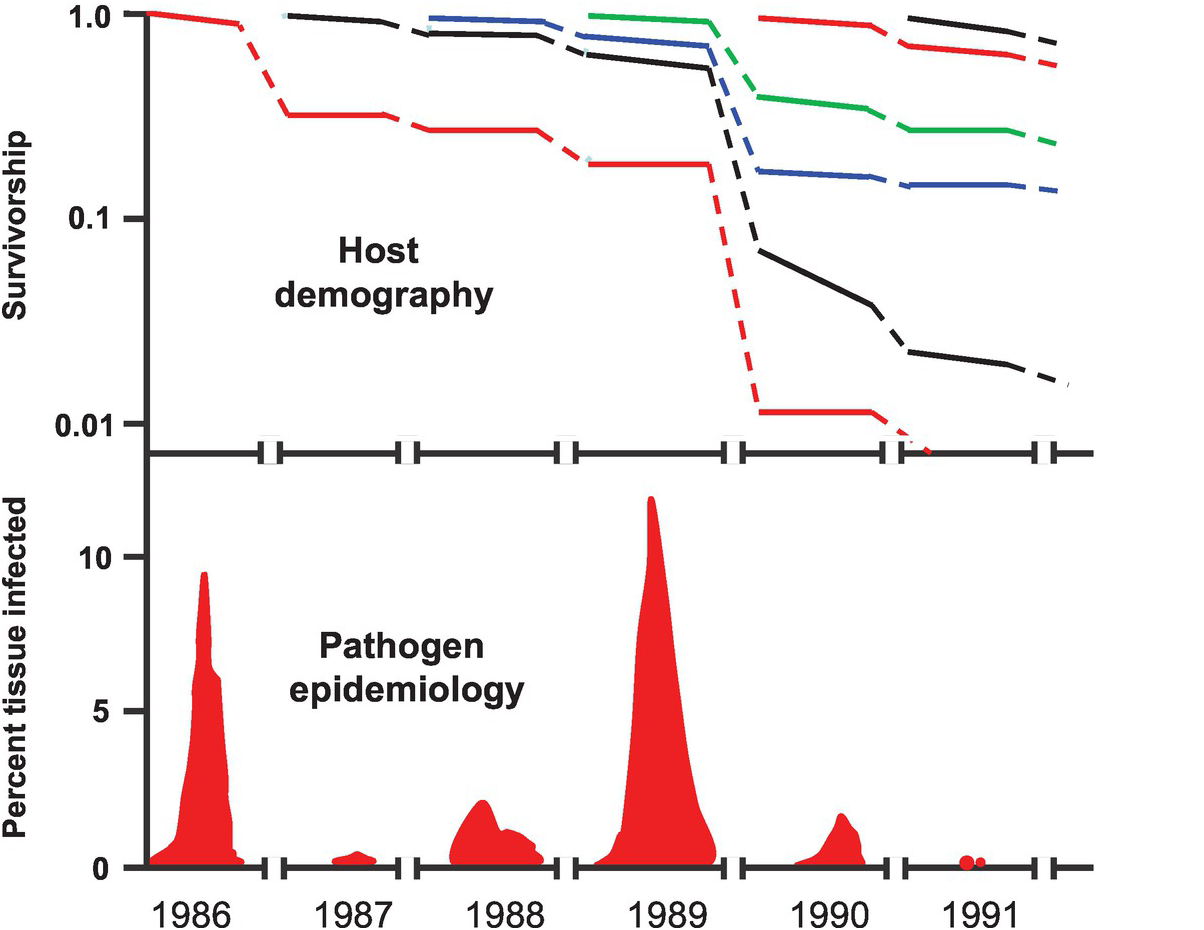
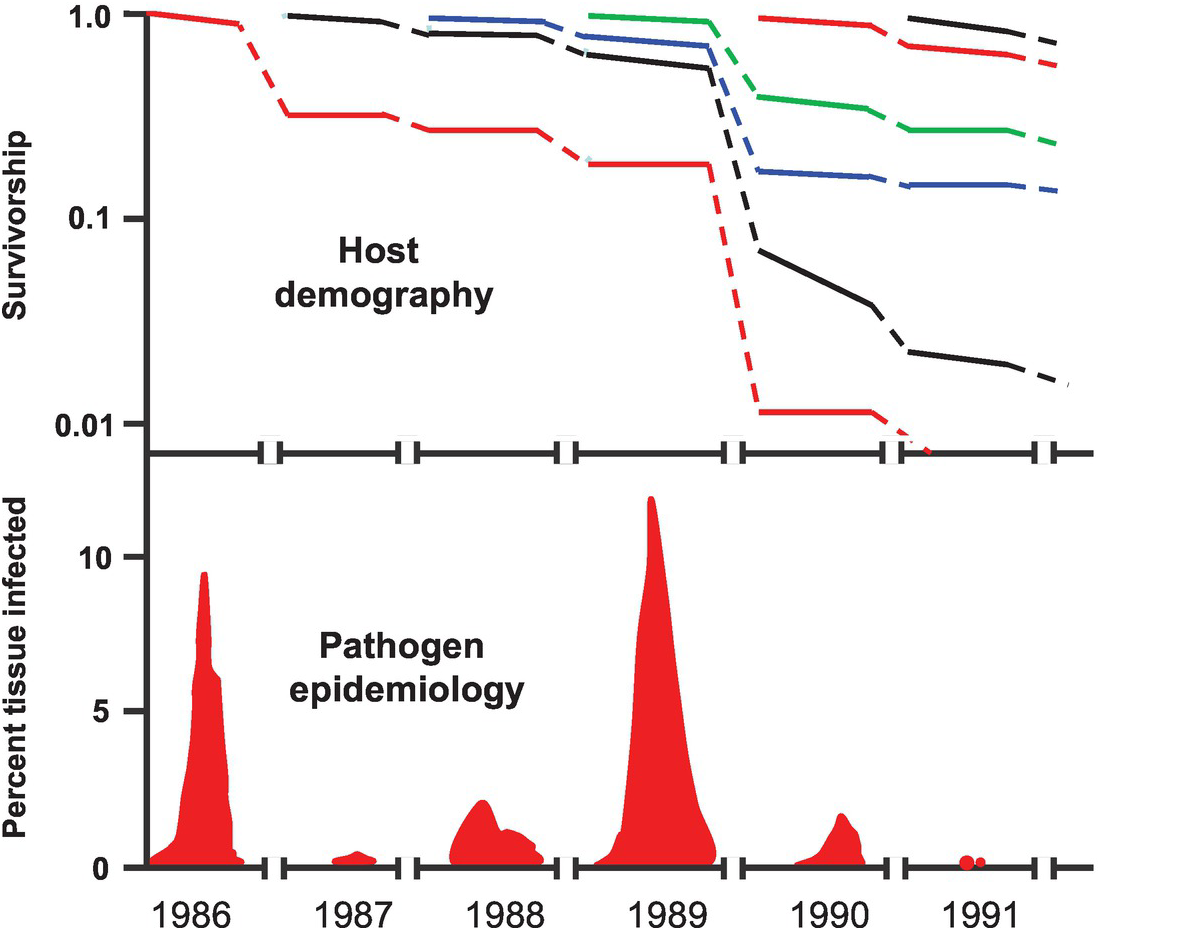
The impact of pathogens at this stage in the host life cycle is highly variable – being dependent on the severity of infection suffered by the individual host, but may affect the size of the current host population or that of the subsequent generation. Reductions in current population size most obviously occur through pathogens that cause relatively rapid death (for example, many tree root and wilt diseases including Phytophthora dieback [Wills, Reference Wills1993]) and Dutch elm disease (Peterken & Mountford, Reference Peterken and Mountford1998) although less noticeably, chronic disease or impacts at important developmental stages may result in loss of competitiveness, suppression and death. Death may occur before reproduction or, in the case of perennials may be deferred, shortening longevity and thereby curtailing overall lifetime reproduction. An example of such an interaction is found in the M. lini – L. marginale association where epidemics may cause immediate reductions in seed set but plant mortality occurs during the subsequent winter period. Thus compare the epidemic occurrence during the summer period of 1989 (bottom graph, Figure 1.3) with the stability of the host population during the same period and its massive decline in the following winter (Jarosz & Burdon, Reference Jarosz and Burdon1992). An analysis of the large population network of Plantago lanceolata infected by powdery mildew Podosphaera plantaginis showed the pathogen to have a negative effect on host population growth, although the extent and even direction of this effect varied among years (Penczykowski et al., Reference Penczykowski, Walker, Soubeyrand and Laine2015).
Temporal patterns in the development of epidemics of rust caused by M. lini on its host L. marginale and the consequent impact on host demography. The different lines in the demography are for different host cohorts.
Death, while particularly noticeable, is not the commonest manifestation of disease during the vegetative phase of plant growth. However, even when pathogens do not kill their hosts they may limit flower production and seed set, or affect the size and quality of seed. For example, infection of Avena fatua early in its growth with Puccinia coronata resulted in a substantial reduction in the number of fertile tillers (down 44 per cent) and average seed weight (down 26 per cent) over a non-disease control while late infection had no measurable effect (Burdon, Reference Burdon and Newman1982). The impact of such reductions in seed size can echo into the following generations. Thus, the effects of powdery mildew infection of wheat carried over two post-epidemic generations. In the first, both the number and competitiveness of individual plants were reduced as plants from the infected lineage produced fewer seed which weighed less. In the second generation, seed size recovered but population size was reduced since plants from the infected lineage produced fewer seeds at the end of the first post-epidemic generation (Jarosz, Burdon, & Müller, Reference Jarosz, Burdon and Müller1989).
As with all disease, the perceived incidence and severity is highly dependent on whether or not the pathogen undergoes multiple cycles of reproduction in a season. For polycyclic diseases in particular, measures of disease are all strongly dependent on the stage of the epidemic at which assessment occurs and may change markedly over the course of a few weeks. For example, over a 20-week period in 1989, rust caused by M. lini in a population of L. marginale increased from undetectable at the beginning of the season to an average of more than 10 per cent of leaf area infected at the epidemic peak (with some individual plants incurring >60 per cent infection) before subsequently dropping to less than 1 per cent eight weeks later (Jarosz & Burdon, Reference Jarosz and Burdon1992; Figure 1.3). Indeed, provided environmental conditions favouring pathogen development occur, annual disease epidemics of foliar diseases of annual plants and deciduous trees and shrubs are commonplace.
Timing of disease is also important. Diseases that reach their main period of development and host exploitation after host reproduction will have less, if any, effect even though they may be visually prominent. Host earliness has been suggested as a source of lower disease levels of wheat stem rust in some North American spring wheat varieties (Clark, Martin, & Stakman, Reference Clark, Martin and Stakman1926) and reduces the level of late blight infection in potatoes (Moller & Reents, Reference 352Moller and Reents2007). No direct assessment of this escape mechanism has been attempted in naturally occurring systems although it has been suggested that epidemic levels of various powdery mildews occurring on hedgerow plants late in the summer in Europe may have little if any effect on reproductive output (Burdon & Shattock, Reference Burdon and Shattock1980). However, understanding fitness effects in long-lived species provides significant challenges as the impact of pathogens may not be seen until later seasons (see also Chapter 3.1).
1.3.3 Reproductive Phase
Pathogens attacking floral structures have a direct impact on fecundity rather than the mortality of existing plants. Within this group are a range of fungal, viral and bacterial pathogens that range from the opportunistic to the highly specialised causing blossom and bunch rots, discrete infection of ovaries, pedicels and other floral structures, or systemic infections of entire plants that are only apparent when anthers and or ovules are replaced by spore masses at flowering.
Among floral pathogens, smuts of various types have attracted considerable attention. Non-systemic smuts of sedges are characterised by separate smut ball infections (sori) of individual florets, the incidence of which may be affected by a range of factors including the degree to which the flower is exposed to infection. In the interaction between the smut fungus Anthracoidea fischeri and two sedge species (Carex canescens and C. mackenziei) the incidence and severity of disease was strongly associated with the occurrence of natural F1 hybrids that have a very open floral structure. The smut was absent in host populations in which only the parental Carex species occurred. When hybrids were present all three taxa were infected although both the number of infected inflorescences and sori per inflorescence were substantially greater (5–9, 30–80 fold, respectively) on the hybrids (Ericson, Burdon, & Wennström, Reference Ericson, Burdon and Wennström1993).
Systemic floral smut infections may gain entry to the plant at germination (cf. many smuts of annual grasses), through direct infection of flowers (usually insect vector-transmitted) or occasionally through infection of seedling or young juvenile leaves. Once established such infections usually remain for the entire life of the host during which time they prevent all or nearly all reproduction (Carlsson & Elmqvist, Reference Carlsson and Elmqvist1992), although individual tillers of infected grasses may occasionally produce seed. In some grasses infection may also slow the lateral growth of rhizomes (García-Guzmán & Burdon, Reference Garcia-Guzmán and Burdon1997).
Both the occurrence and incidence of floral smuts varies markedly within and among host populations (0–70 per cent infection by Sporosorium amphilophis of Bothriochloa macra, García-Guzmán et al., Reference Garcia-Guzmán, Burdon, Ash and Cunningham1996; 0–33 per cent infection by Urocystis tranzschelina of Primula sieboldi, Washitani et al., Reference Washitani, Okayama, Sato, Takahashi and Ohgushi1996; 16–48 per cent infection by Thecaphora capensis of Oxalis lanata [Curran, Roets, & Dreyer, Reference Curran, Roets and Dreyer2009]). In many caryophyllaceous species, populations infected with Microbotryum violaceum may occur within a few tens of metres of others that are disease-free. Furthermore, even within infected populations the incidence of disease may be highly variable ranging from less than 1 per cent to well over 60 per cent (e.g. Silene dioica – Carlsson et al., Reference Carlsson, Elmqvist, Wennstrom and Ericson1990; S. latifolia – Antonovics, Reference Andrivon1994; Alexander et al., Reference Alexander, Thrall, Antonovics, Jarosz and Oudemans1996; Dianthus silvester – Shykoff, Bucheli, & Koltz, Reference Shykoff, Bucheli and Kaltz1997).
While it is obvious that systemic infections will cause total or near-complete loss of reproductive capability in infected individuals, even diseases causing more discrete lesions have been found to significantly reduce seed set. Thus rust infection of ovaries and pedicels of the tropical tree Faramea occidentalis by Aecidium faramea reduced fruit survival three-fold from 68 per cent (low rust) to 17 per cent (high rust) (Travers, Gilbert, & Perry, Reference Travers, Gilbert and Perry1998). Similarly, seed set by spikelets of Spartina foliosa was 40 per cent to 70 per cent lower on inflorescences infected with Claviceps purpurea than uninfected ones (Fisher et al., Reference Fisher, DiTomaso, Gordon, Aegerter and Ayres2007); and diseases of berry crops may substantially reduce yields (e.g. by 60 per cent in coffee; Bedimo et al., Reference Bedimo., Njiayouom, Bieysse, Nkeng, Cilas and Notteghem2008).
Finally, in some situations the consequences of infection are not apparent until germination and establishment of the next generation. Thus, over 100 different viruses of crop and weedy or wild plant species have been recognised as being transmitted through seed (Mink, Reference Mink1993) with initial infection of the embryo occurring via pollen or through spread from an infected parent plant across the micropyle. However, there is little evidence to suggest that infection has any effect on seed viability or seedling emergence.
1.4 Epidemic Patterns
The waxing and waning of pathogen populations within and among seasons, and within and among host populations and metapopulations, is an integral part of the ecological and evolutionary dynamic that shapes host and pathogen species and communities. As such, interactions with host populations and changes in pathogen population genetic structure are topics that will be considered in depth in Chapter 5 and 6. We note also that all aspects of pathogen growth and development may be strongly influenced by biotic and abiotic factors in the environment. These are considered in Chapter 2. Here though, we consider some of the fundamental aspects of epidemic development – methods of dispersal, mono-cyclic/polycyclic, survival during off-season periods – that essentially define the outer limits of parameters that determine the population size measures of disease incidence, prevalence and severity.
Many inter-linking life-history features of pathogens contribute to disease development. In theory, epidemics follow clearly defined stages of development – establishment, exponential, logistic and terminal phases – that meld into each other in an apparently seamless manner (Burdon, Reference Burdon1987a). In practice epidemics are messy. They develop in stops and starts; disease may increase from almost indiscernible levels to near-complete coverage in just a few days, or may take many seasons before the majority of plants are infected. At early stages in an epidemic, disease prevalence (proportion of individuals infected) and severity (amount of infection per individual) are highly correlated. Later as the majority or all plants become infected, the two measures become less tightly related and severity measures become more reliable reflections of the impact of the pathogen on plant performance and fitness.
In general, foliar pathogens tend to be polycyclic producing many generations per season and, as a consequence, epidemics of such diseases tend to be more dynamic (increasing and decreasing more rapidly) than are those in which the pathogen is essentially mono-cyclic relying primarily on (i) a single spore generation per season (e.g. Sclerotinia sclerotiorum infection of canola; Jamaux, Gelie, & Lamarque, Reference Jamaux, Gelie and Lamarque1995); (ii) spread through the soil (many root diseases and vascular wilts); or (iii) where the pathogen is more attuned to the seasonal growth cycle of its host (e.g. systemic floral smuts where infection opportunities are limited to specific time windows during a season, but in which plants essentially remain infected for life). However, not all foliar pathogens follow this pattern with some producing only a single spore cycle per season (e.g. Puccinia glechomatis infection of Nepeta hederacea; Wilson & Henderson, Reference Wilson and Henderson1966) or a single generation capable of infecting specific hosts in a complex life cycle (e.g. aecial hosts in heteroecious rust fungi).
Dispersal is a key component driving the spatial and temporal intensity of disease development. Different dispersal mechanisms, mycelial growth (through the soil or snow), water, wind or vector-borne, each generate different disease dispersal gradients the shape of which are particularly influenced by the size and nature of the primary inoculum source (Gregory, Reference Gregory1968). Point sources (such as a single infected plant) give rise to steeper dispersal gradients than do larger area sources. Similarly, while there are no hard-and-fast rules, wind-borne, water-borne (including splash), soil-borne and direct contact provide a sequence of transmission modes characterised by increasingly steep dispersal gradients. Vector-borne diseases, however, may range the entire gamut including viral spread by sap-sucking insects such as aphids that may be carried hundreds of kilometres on the wind (Irwin & Thresh, Reference Irwin and Thresh1988), floral smuts transmitted a few kilometres at the most by pollinators, and viruses spread a few centimetres by nematodes in the soil (Brown, Robertson, & Trudgill, Reference Brown, Robertson and Trudgill1995). Long-distance dispersal, while rare, has the potential to significantly alter genetic interactions through the introduction of pathotypes with novel infectivity or aggressiveness characteristics. As we will see later (Figure 7.2), the extent to which pathogen dispersal distances are less than, equal to, or greater than those of their hosts has significant implications for the development of genetic structure within both host and pathogen populations (Thrall & Burdon, Reference Garcia-Guzmán and Burdon1997).
In an intriguing complexity to the dispersal picture, pathogens are not always passive acceptors of the consequences of the interaction of their basic life-style with the environment’s physical drivers. Rather, in a range of associations, pathogens alter their host’s morphology to increase the probability of successful dispersal. This may involve local or systemic infection of the host and is particularly apparent in situations where insect vectors are involved. Thus the bacterial pathogen Erwinia tracheiphila alters volatile emissions from its host thereby enhancing its attractiveness to a beetle responsible for its transmission (Shapiro et al., Reference Shapiro, De Moraes, Stephenson and Mescher2012). Similarly, the pycnidial stage of rust infections is characterised by the production of a ‘honey-dew’ that attracts small insects who play a vital role in cross-fertilisation and hence the development of the next spore stage. In barberry infected with Puccinia graminis this process occurs on otherwise normal leaves. However, the interaction is taken to an extreme level in the association between P. monoica and Arabis holboellii where infection causes the development of elevated clusters of bright yellow leaves together with the production of pycnidial nectar to attract insects (Roy, Reference Roy1993).
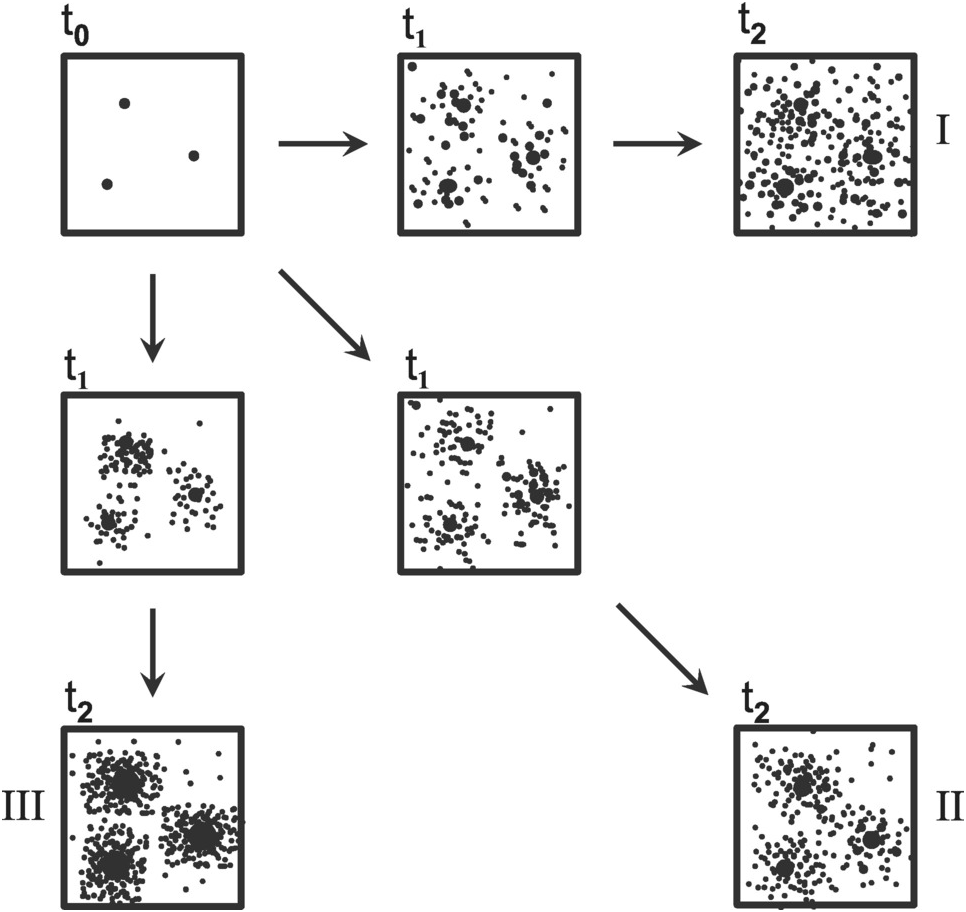
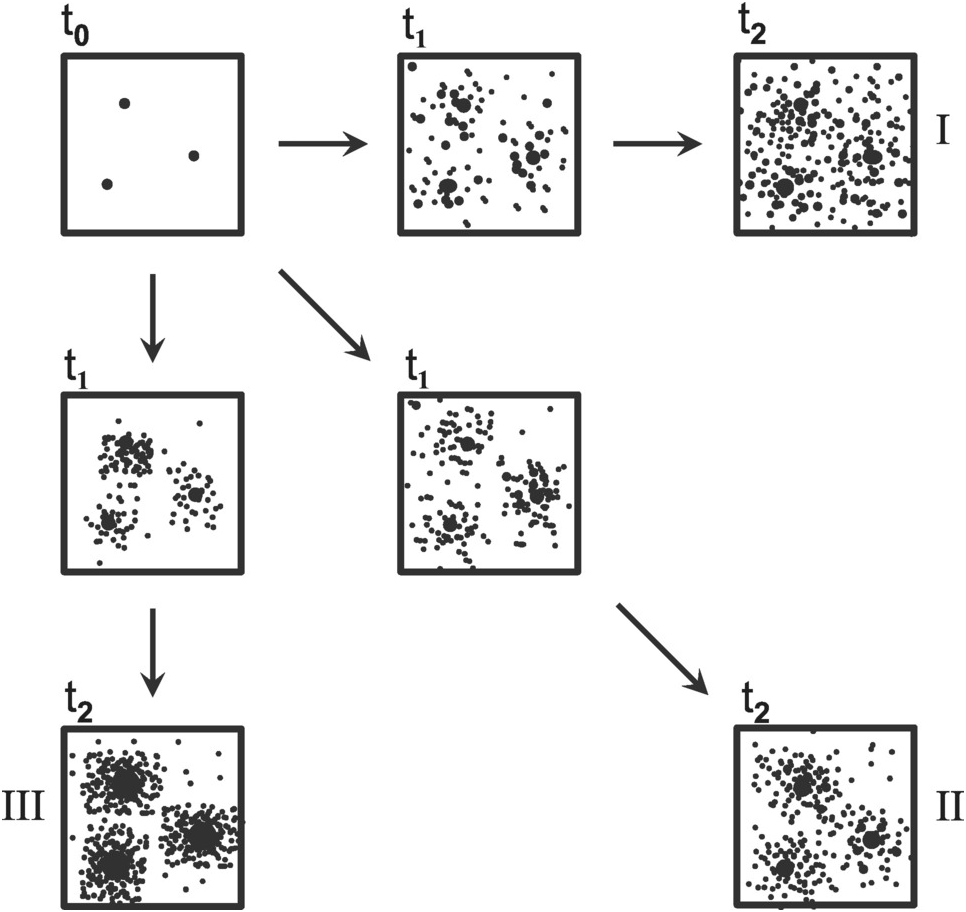
After the initial appearance of disease within a host population, the pattern of dispersal of subsequent pathogen generations is hugely important in shaping the overall rate of disease increase and the distribution of disease among individuals. When dispersal gradients are steep, host plants in close proximity to the source receive a disproportionate amount of the inoculum released. This typically results in the development of marked patchiness in disease severity within the population (scenario III, Figure 1.4). At the other extreme, shallow dispersal gradients result in rapid spread of the pathogen throughout the entire population and far less variation in the amount of disease being experienced by different host individuals (scenario I).
Diagrammatic representation of the development of disease within a host population from a few isolated initial points of infection. The three cases (I, II, III) represent disease increase in situations where pathogen dispersal is shallow (I), intermediate (II) and steep (III)
However, pathogen dispersal is rarely simple. Multiple mechanisms with inherently different dispersal horizons are not uncommon. In some cases, this may involve a single host species, in others, multiple hosts contribute to the final pattern of disease. Thus, in the interaction between Filipendula ulmaria and its autoecious rust pathogen Triphragmium ulmariae, autumn and winter wave action results in the dispersal of telia on plant debris along the shore and between islands in the Skeppsvik archipelago (tens of metres to a few kilometres). At the beginning of spring, basidiospore dispersal from deposited debris leads to the highly local establishment of aecia from which aeciospores are disperse a metre or two. Finally, uredia, generated from successful aeciospore dispersal, produce urediospores that may be blown a few centimetres to a few hundred metres from their point of origin (Burdon et al., Reference Burdon, Ericson and Müller1995; Smith et al., Reference Smith, Ericson and Burdon2011; and unpublished data). A further complication in this and many other complex rust life cycles is the mono-cyclic nature of spore production at some stages of the life cycle (telia; aecia) and the polycyclic nature at other times (uredia). A variant on this complexity occurs in heteroecious rusts where the uredial-telial host is distinct to the aecial one. Because these host plants often grow in different plant communities this increases the possibility of uneven disease development related to spatial disposition. For example, basidiospores of Puccinia caricis dispersing from Carex spp. growing along river courses generate a dispersal gradient that is manifest as a greater probability of infection of the alternate host, Urtica dioica, close to the river than further out in adjacent meadows (L. Ericson, unpublished data).
However long epidemics rage, they eventually come to an end as environmental conditions change to ones less favourable for pathogen development, and/or the amount of susceptible host tissue available for colonisation reduces to a minimum. This is a critical time for the future dynamics of the pathogen population. At one extreme it may become locally extinct, while at the other, it may be reduced but still be reasonable extensive. Local extinction often occurs in interactions involving combinations of small host populations, pathogens with no or poorly developed means of off-host survival (many biotrophs), or unpredictably harsh environments in which host populations may suffer major reductions in size. In contrast, pathogens that have well developed resting-spore stages (sclerotia, cleistothecia, teliospores, etc.), are capable of saprophytic growth on dead host tissue, or are capable of attacking more than one host species, will tend to maintain a reasonably sized local population. These two extremes not only affect the local demography of pathogen populations but also have significant implications for the genetic structure of local populations (and hence which host individuals the pathogen can successfully attack).
1.5 The Importance of Pathogen Population Size
Superficially, population size may only seem to be important as a measure of disease presence. However, the importance of the size of pathogen populations reaches far beyond simple numerical considerations to having significant influence on many factors that determine the genetic structure of populations. Thus, population size influences the degree to which genetic drift may purge populations of rare alleles, with small demes being particularly vulnerable to the loss of variation. On the other hand, population size influences the rate of acquisition of new variation. Given that mutation rates are independent of population size, inevitably larger populations will generate more mutants than small ones. Similarly, larger population sizes will enhance the possibility of the generation of new gene combinations through somatic hybridisation (greater proximity of differential parental genotypes on the one host) or sexual recombination. Finally, larger populations will result in a greater probability of long-distance dispersal and hence the introduction of new variation into otherwise isolated populations. The consequences of these patterns for evolutionary interactions between pathogens and their hosts will become apparent in later chapters.
1.6 Conclusions
The diversity of plant pathogens is enormous. Essentially all parts of plants are vulnerable to attack by a range of specialised and unspecialised pathogens which may directly affect plant mortality and fecundity by killing individuals, reducing the vigour and competitive ability of established plants, lowering seed production or sterilising plants entirely. The dispersal of plant pathogens and their subsequent epidemic build up is influenced by life-history and environmental factors as well as by the match between pathogen and host population infectivity/resistance structures, which, in turn, explain many differences seen in the occurrence of disease in plant populations. As we will see in later chapters, selective pressures applied by pathogens can result in declines in host population size and changes in the resistance structure of individual plant populations and species. At the community level, the death of individual plants and changes in their competitive ability can affect the structure and diversity of plant communities.