




Malnutrition is a critical public health concern with significant implications for health and well-being(1). Despite global efforts, achieving the Sustainable Development Goals, which aim to eliminate malnutrition in all its forms by 2030, remains a challenge due to persistent hunger and poor nutritional outcomes(2,3) . Undernutrition, manifesting as wasting, stunting and underweight, is particularly alarming, contributing to nearly half of all under-five deaths globally, with approximately 45 million wasted and 148 million stunted, disproportionately affecting low- and middle-income countries(1).
Nigeria bears a substantial share of this burden. The 2018 National Nutrition and Health Survey reported that 6·9 % of women aged 15–49 were acutely malnourished and 3·8 % severely malnourished, based on mid-upper arm circumference thresholds of < 221 mm and < 214 mm, respectively(4). Similarly, the 2018 Nigeria Demographic and Health Survey indicated that 37 % of Nigerian children under-five were stunted, 7 % wasted and 22 % underweight(5), highlighting the urgency in examining the underlying determinants of maternal and child malnutrition in Nigeria.
Malnutrition is driven by multiple factors, including inadequate dietary diversity and limited nutrition knowledge(Reference Moga, Jebero and Ena6,Reference Akseer, Tasic and Adeyemi7) . In the 2018 Nigeria Demographic and Health Survey analysis of 8975 mother-child pairs, only 22 % of Nigerian children met the minimum dietary diversity requirement, with diets predominantly composed of grains, roots and tubers (90 %) and limited consumption of fruits and vegetables (10 %)(Reference Akseer, Tasic and Adeyemi7). The study further identified maternal education and cultural beliefs as factors significantly influencing these dietary choices(Reference Akseer, Tasic and Adeyemi7). Regional studies reinforced these patterns, reporting poor dietary diversity among 71·8 % of women in Ogun State(Reference Ilo, Onabanjo and Hamzat8), low levels of awareness of infant nutrition among 200 mothers in Southeast Nigeria due to socio-cultural factors(Reference Ikpeama and Ngwu9) and 62·5 % of infants introduced to complementary foods and water between three and five months, with fermented gruel being a typical first food in Ekiti State(Reference Esan, Eniola and Iwari10). While these figures are concerning, broader environmental and systemic factors shape these practices.
Beyond individual behaviours, inadequate support systems, weak nutrition and health services, and poor water and sanitation further exacerbate malnutrition. For instance, over half of pregnant women experienced inadequate family support in various forms, including tangible/instrumental (52·9 %), emotional (52·9 %) and financial support (54·4 %) in Ile-Ife, Nigeria(Reference Ayamolowo, Adekunle and Ayamolowo11), and only 26·5 % of Nigerians had access to safe drinking water and improved sanitation facilities(Reference Nations Children’s Fund12). Addressing these multifaceted challenges requires understanding the interaction between individual, community and systemic factors(Reference Nwanze, Siuliman and Ibrahim13). However, reviews of health interventions in Nigeria reveal weak evidence bases and limited theoretical design, reducing their ability to address local needs(Reference Oku, Oyo-Ita and Glenton14), a challenge also noted in the design of maternal and child nutrition (MCN) programmes globally(Reference Heidkamp, Piwoz and Gillespie15). Guided by the socioecological model (SEM), which offers a valuable framework for understanding multi-level influences on MCN(Reference Kodish, Grey and Matean16), this study addresses two main objectives:
-
1) To investigate the knowledge, prevailing practices, and beliefs regarding MCN among community residents.
-
2) To identify the socioecological factors, including perceived barriers and facilitators influencing MCN within these communities.
While the study also explored community-proposed strategies for improving MCN, this paper focuses on the socioecological determinants that shape these outcomes.
Methods
Study setting
This study was conducted in two semi-urban communities within Ado-Odo Ota Local Government Area (LGA), Ogun State, Southwest Nigeria, one of the six geopolitical zones and predominantly Yoruba-speaking(Reference Shire, Sanni and Tomori17). The LGA is among the most populous, culturally and economically diverse in the state, sharing a border with the metropolitan Lagos State and recognised as one of the state’s industrial heartlands hosting a mix of agricultural activities and industries, including food processing factories, pharmaceuticals, paper, chemicals, gas, plastics and non-metallic mineral products(Reference Emenike, Tenebe and Omole18,Reference Ogbiye19) . The selected communities, therefore, represent the intersection of industrialisation and traditional practices, providing a setting to explore barriers and facilitators of MCN in rapidly evolving contexts.
Research philosophy, design and framework
This study was grounded in interpretivism, emphasising collaboration and dialogue with participants to understand their lived experiences(Reference Creswell and Poth20). An exploratory qualitative design was used, combining semi-structured online interviews (Microsoft Teams) and photovoice methods. Online interviews were adopted due to the geographical distance between the researchers and the communities, which made in-person sessions impractical. To address this, two trained local research assistants acted as gatekeepers, contacting participants by phone or face-to-face visits to provide study information, including the purpose of the research, obtain informed consent and arrange interview sessions.
Photovoice, a participatory method, enabled participants to take photographs and share narratives for critical dialogue(Reference Guell and Ogilvie21). Additionally, the SEM framework acknowledges the interaction of individual, interpersonal, community, organisational and policy factors, which offers an advantage over other health behaviour and food choice models that primarily focus on individual-level determinants(Reference Kodish, Grey and Matean16), and therefore guided the study design and interpretation of findings.
Sampling
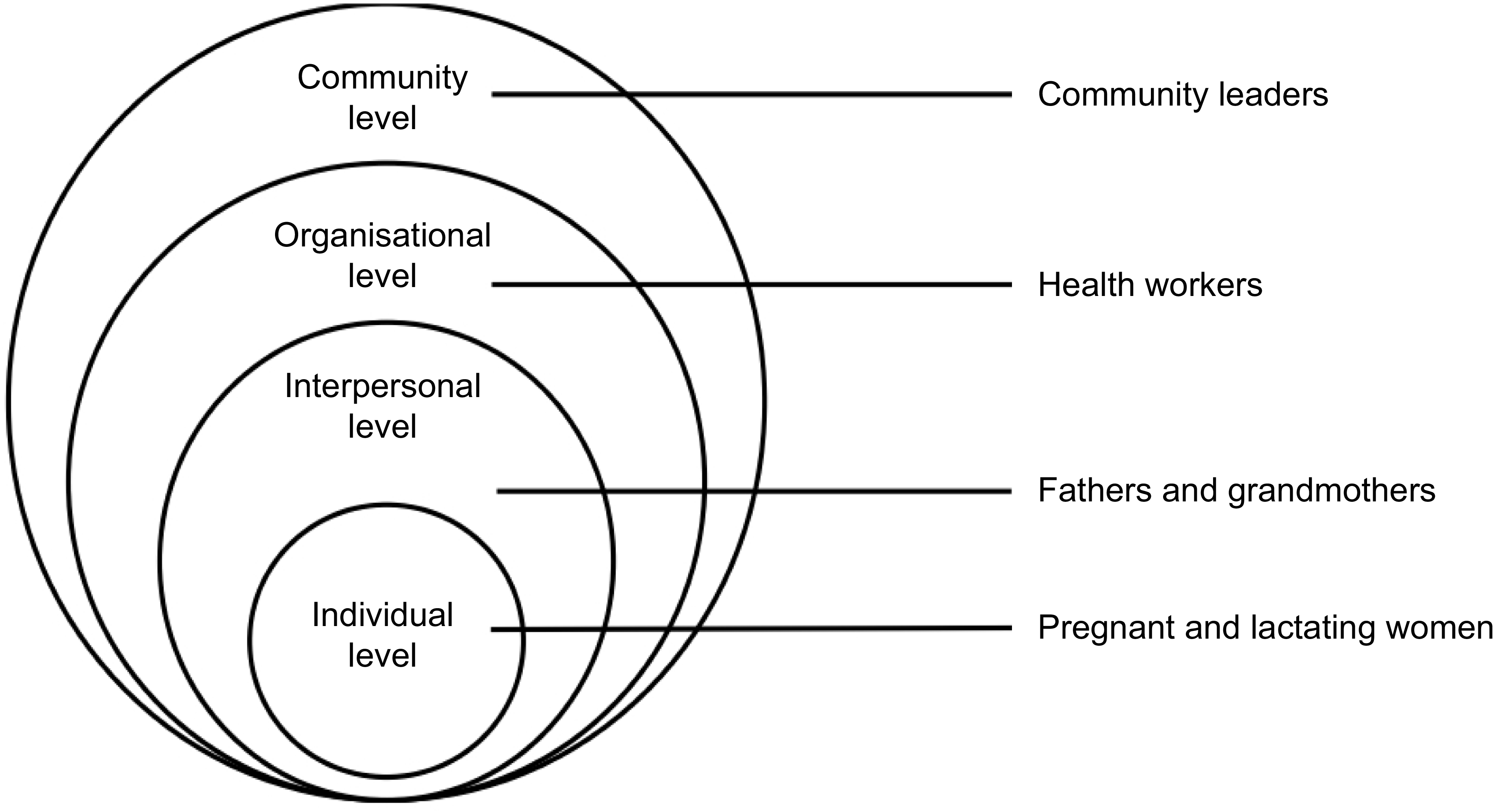
Purposive and snowball sampling techniques were employed to recruit participants representing the SEM levels, including pregnant/lactating mothers, fathers, grandmothers, health workers and community leaders (Figure 1). Purposive sampling ensured the inclusion of participants relevant to the study objectives(Reference Tongco22), while snowball sampling involved referrals from initial participants and their networks(Reference Pasikowski23). Sample size was guided by data saturation, defined as the point where additional data collection yielded no new insights or themes, consistent with the concept of ‘information power’(Reference Malterud, Siersma and Guassora24).
Socioecological model illustrating participant recruitment across the levels.

Data collection procedure
Data were collected between August and September 2024. Gatekeepers assisted by setting up laptops for participants either at their homes or nearby health facilities, observing sessions and taking field notes. Each interview lasted 45–60 min and was conducted by the first author (21 interviews), a female native Yoruba speaker fluent in English, or by a trained research assistant (4 interviews), both experienced in qualitative research, using an interview guide adapted from previous research in Indonesia(Reference Bhanbhro, Kamal and Diyo25) and tailored to each participant group (see online supplementary material, Supplemental File 1). The photovoice component was limited to primary caregivers (pregnant and lactating women), as they were directly involved in food preparation and feeding practices. Participants used their mobile phones to take photographs of typical meals, water and sanitation conditions, meal preparation, healthcare practices and use of herbal or pharmaceutical remedies over two days to obtain a representative insight into their food and care practices. To maintain participant privacy, individuals were instructed to avoid capturing identifiable persons in photographs, while gatekeepers used their own phones to assist participants without mobile devices. These photographs were then discussed during interviews to contextualise experiences. Before data collection, a pilot session with a lactating mother from another LGA was conducted to validate the photovoice guidance and interview prompts.
Data analysis
Interviews were audio-recorded and transcribed verbatim into English by the first author, with transcription support from fluent native speakers. Transcripts were not returned to participants to avoid overburdening them, particularly the pregnant and lactating women. Instead, transcripts were cross-checked and verified against the audio recordings for accuracy. Data were thematically analysed by the first author, using an inductive manual approach, following Braun and Clarke’s thematic analysis framework(Reference Braun and Clarke26). Each transcript was carefully examined, and initial codes were generated directly from the data and iteratively refined into a codebook (see online supplementary material, Supplemental File 2). Themes and subthemes were developed and reviewed during regular team meetings to strengthen contextual accuracy. Final themes were mapped onto the SEM, with findings supported by direct participant quotes and photovoice data. Throughout data collection, analysis and interpretation, attention was given to retaining the meaning expressed by participants and reporting adhered to the Consolidated Criteria for Reporting Qualitative Research(Reference Tong, Sainsbury and Craig27).
Results
Characteristics of the participants
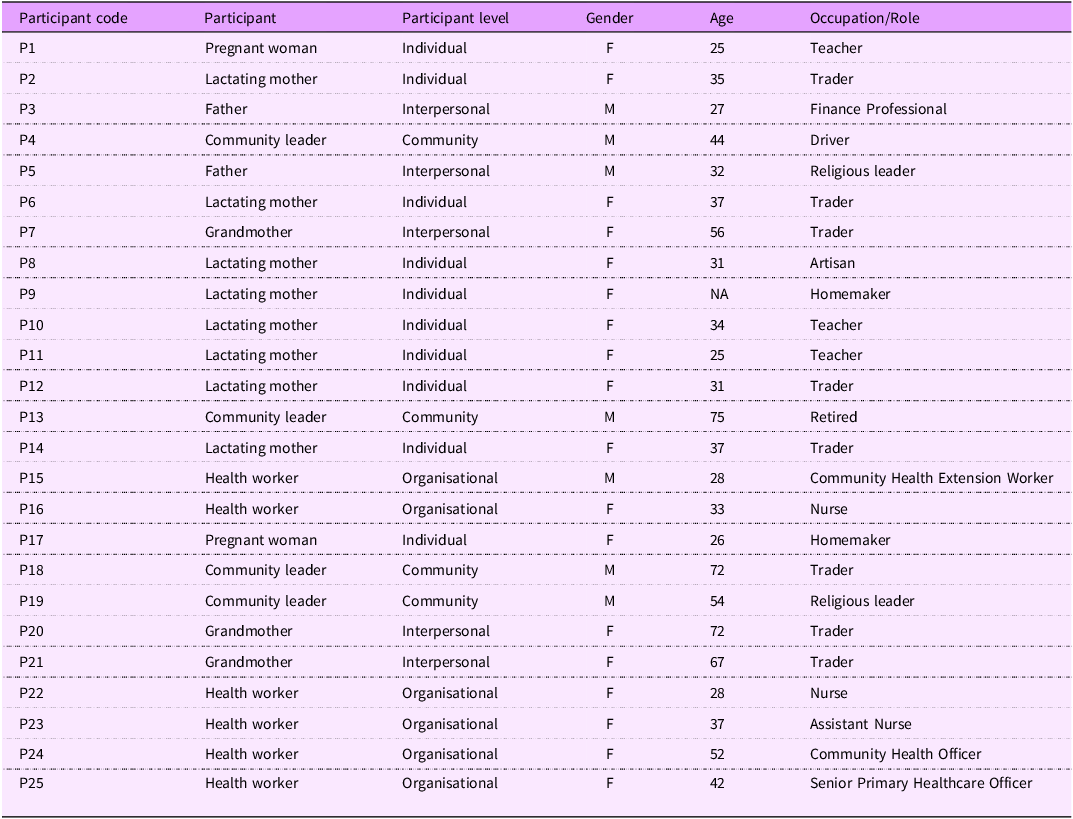
Twenty-five participants (n 25) consented to participate in this study, comprising eighteen women and seven men, aged 25–75 years (Table 1).
Demographic information of study participants

Table 1 Long description
A table with demographic information of study participants. The table has 25 rows and 6 columns. Column headers are Participant code, Participant, Participant level, Gender, Age, and Occupation/Role. Row 1: Participant code, P1; Participant, Pregnant woman; Participant level, Individual; Gender, F; Age, 25; Occupation/Role, Teacher. Row 2: Participant code, P2; Participant, Lactating mother; Participant level, Individual; Gender, F; Age, 35; Occupation/Role, Trader. Row 3: Participant code, P3; Participant, Father; Participant level, Interpersonal; Gender, M; Age, 27; Occupation/Role, Finance Professional. Row 4: Participant code, P4; Participant, Community leader; Participant level, Community; Gender, M; Age, 44; Occupation/Role, Driver. Row 5: Participant code, P5; Participant, Father; Participant level, Interpersonal; Gender, M; Age, 32; Occupation/Role, Religious leader. Row 6: Participant code, P6; Participant, Lactating mother; Participant level, Individual; Gender, F; Age, 37; Occupation/Role, Trader. Row 7: Participant code, P7; Participant, Grandmother; Participant level, Interpersonal; Gender, F; Age, 56; Occupation/Role, Trader. Row 8: Participant code, P8; Participant, Lactating mother; Participant level, Individual; Gender, F; Age, 31; Occupation/Role, Artisan. Row 9: Participant code, P9; Participant, Lactating mother; Participant level, Individual; Gender, F; Age, NA; Occupation/Role, Homemaker. Row 10: Participant code, P10; Participant, Lactating mother; Participant level, Individual; Gender, F; Age, 34; Occupation/Role, Teacher. Row 11: Participant code, P11; Participant, Lactating mother; Participant level, Individual; Gender, F; Age, 25; Occupation/Role, Teacher. Row 12: Participant code, P12; Participant, Lactating mother; Participant level, Individual; Gender, F; Age, 31; Occupation/Role, Trader. Row 13: Participant code, P13; Participant, Community leader; Participant level, Community; Gender, M; Age, 75; Occupation/Role, Retired. Row 14: Participant code, P14; Participant, Lactating mother; Participant level, Individual; Gender, F; Age, 37; Occupation/Role, Trader. Row 15: Participant code, P15; Participant, Health worker; Participant level, Organisational; Gender, M; Age, 28; Occupation/Role, Community Health Extension Worker. Row 16: Participant code, P16; Participant, Health worker; Participant level, Organisational; Gender, F; Age, 33; Occupation/Role, Nurse. Row 17: Participant code, P17; Participant, Pregnant woman; Participant level, Individual; Gender, F; Age, 26; Occupation/Role, Homemaker. Row 18: Participant code, P18; Participant, Community leader; Participant level, Community; Gender, M; Age, 72; Occupation/Role, Trader. Row 19: Participant code, P19; Participant, Community leader; Participant level, Community; Gender, M; Age, 54; Occupation/Role, Religious leader. Row 20: Participant code, P20; Participant, Grandmother; Participant level, Interpersonal; Gender, F; Age, 72; Occupation/Role, Trader. Row 21: Participant code, P21; Participant, Grandmother; Participant level, Interpersonal; Gender, F; Age, 67; Occupation/Role, Trader. Row 22: Participant code, P22; Participant, Health worker; Participant level, Organisational; Gender, F; Age, 28; Occupation/Role, Nurse. Row 23: Participant code, P23; Participant, Health worker; Participant level, Organisational; Gender, F; Age, 37; Occupation/Role, Assistant Nurse. Row 24: Participant code, P24; Participant, Health worker; Participant level, Organisational; Gender, F; Age, 52; Occupation/Role, Community Health Officer. Row 25: Participant code, P25; Participant, Health worker; Participant level, Organisational; Gender, F; Age, 42; Occupation/Role, Senior Primary Healthcare Officer.
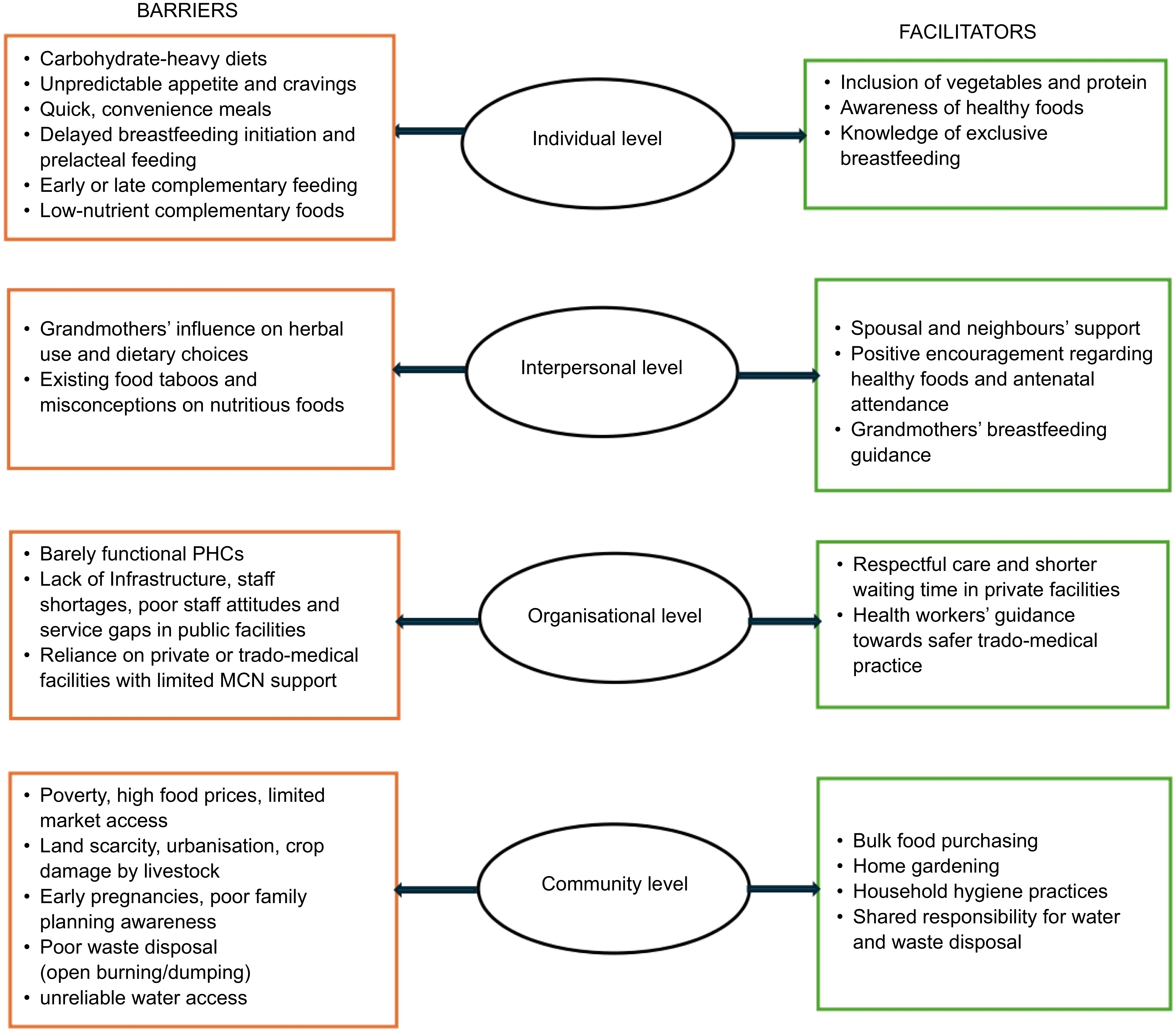
Twenty-five interviews were conducted, ten of which incorporated a photovoice component. The sample included ten pregnant or lactating mothers, two fathers and three grandmothers, six health workers (primarily female), and four male community leaders. Among the health workers, one participant held a senior role within a Primary Health Centre (PHC), while others work in private maternity clinics in the communities and also provide services at other PHCs in the LGA. Participants were primarily Yoruba, with diverse religious beliefs, including Christianity, Islam, and traditional belief systems. Figure 2 presents a thematic summary of the barriers and facilitators of MCN across the four levels of the SEM.
Socioecological factors influencing maternal and child nutrition: barriers and facilitators across socioecological model levels.

Theme 1: Individual-level factors
Maternal diets: carbohydrate-based and limited diversity
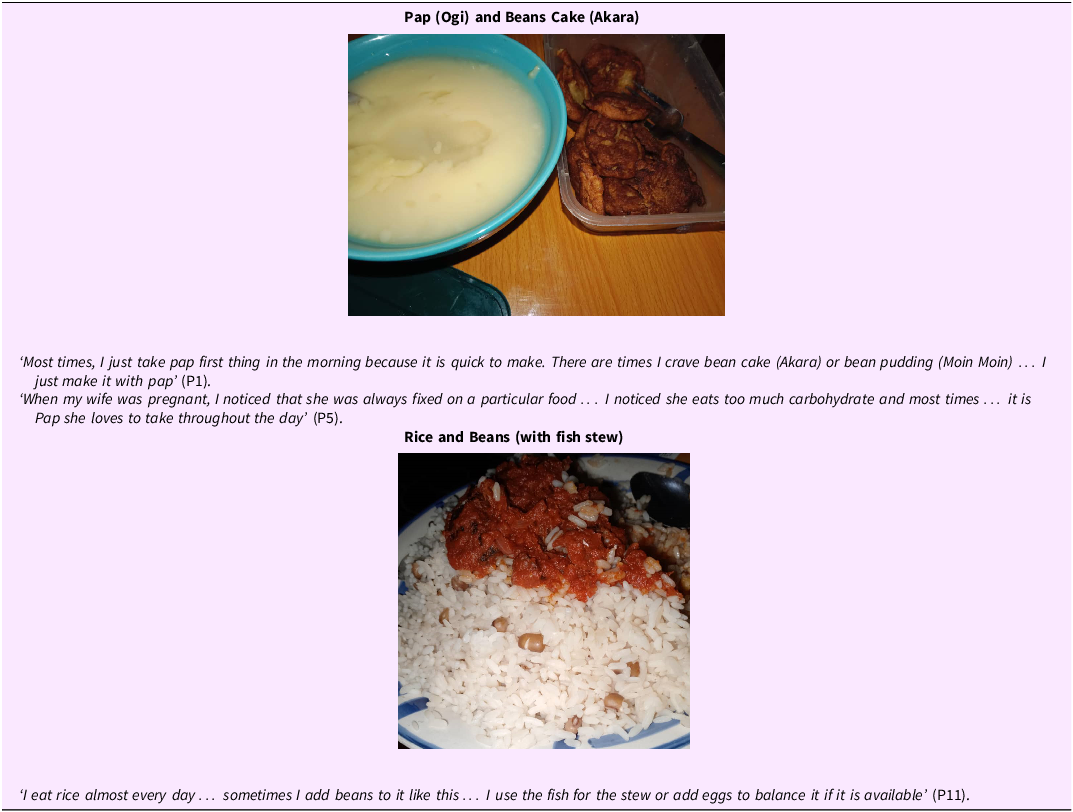
The diets of pregnant and lactating women were dominated by low-cost carbohydrate staples such as rice, yam, cassava and maize, often prepared in familiar local forms. Pap (Ogi), a maize-based diet and rice were most frequently consumed due to their convenience, affordability and ease of preparation. During pregnancy, cravings and the need for quick meals influenced these choices, with beans, eggs or fish added occasionally when available (Table 2).
Common maternal dietary combinations

Table 2 Long description
The image contains two photos side by side. The first photo shows a bowl of pap (ogi) on the left and a plate of beans cake (akara) on the right. The pap is a smooth, creamy substance in a blue bowl. The beans cake is a deep brown color, fried, and appears to be in bite-sized pieces. The second photo shows a plate of rice and beans with fish stew. The rice is white and fluffy, the beans are mixed in, and the fish stew is a reddish-brown color with visible pieces of fish and onions.
Participants also described fluctuating appetite during pregnancy. Some experienced increased early-morning hunger prompting reliance on quick, easily prepared meals, while others struggled with unpredictable appetites that made it difficult to maintain a diverse diet.
‘Before pregnancy, I could still be okay eating twice a day. Now, in the early hours of the morning, as I am waking up, I am waking up very, very hungry, so I would just find something quick to eat’ (P1).
‘Before I became pregnant, I had a small appetite and was not enthusiastic about eating…. however, during the first trimester of my pregnancy, my appetite became even more unpredictable, and I found myself struggling to eat a variety of foods’ (P11).
At the same time, some women consciously included vegetables and protein-rich foods due to their perceived health benefits, as one participant noted,
‘Pregnant women can eat vegetables, beans, and fruits. It makes the baby fresh and for easy defecation for the mother. Before pregnancy, I do not eat vegetables, but I prefer to eat them now…. vegetables like efo tete (African spinach) and efo shoko (Nigerian spinach) thrice a week, and I eat fish like Titus, kote (horse mackerel)’ (P2).
Breastfeeding and complementary feeding practices
Breastfeeding was widely recognised as essential for child health, as participants noted,
‘The initial breast milk, called colostrum, is rich in nutrients and good for the baby’s immune system’ (P11).
‘It is very important (exclusive breastfeeding). I have seen the benefit in my previous children. They are very healthy and barely get sick. I believe the exclusive breastfeeding helped’ (P10).
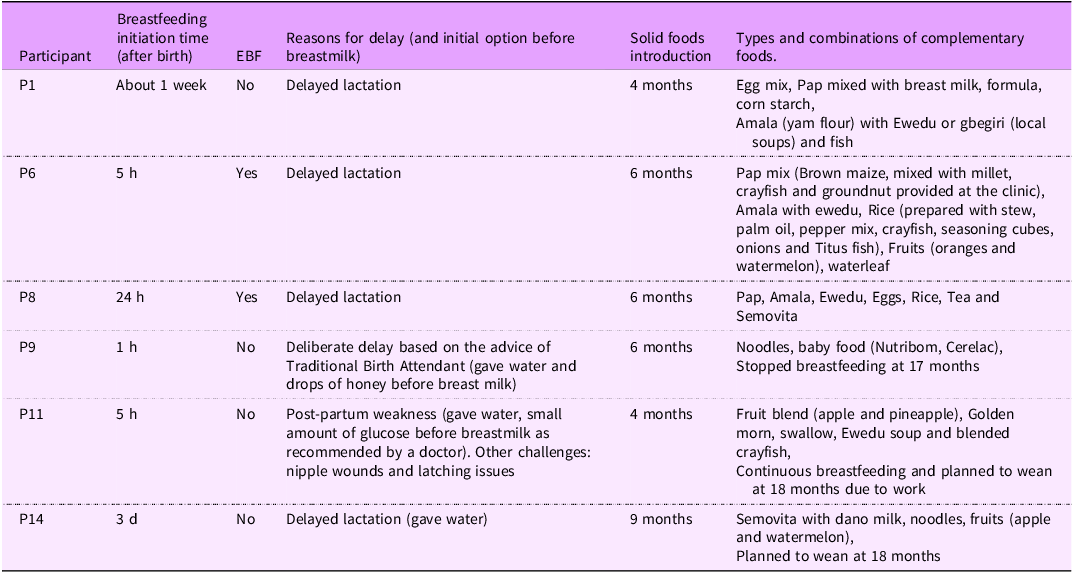
Despite this awareness, breastfeeding and complementary feeding practices were inconsistent (Tables 3 and 4). While some mothers initiated breastfeeding within hours of birth, others experienced delays of up to a week due to delayed lactation, postpartum weakness, cultural beliefs or advice from health providers, leading to the introduction of water, honey or glucose before breast milk. Solid foods, on the other hand, were introduced between 4–9 months, with some mothers starting as early as 4 months, while others adhered to the recommended 6 months or later. Common complementary foods included pap, amala (yam flour), ewedu (local vegetable soup), eggs, semovita (a local brand of semolina flour made from durum wheat) and noodles with variations in preparation methods. Some mothers added powdered milk, crayfish or seasoning while others relied on commercial baby foods, with snacks occasionally provided as affordable in-between meals.
Breastfeeding and complementary feeding practices

Table 3 Long description
A table comparing breastfeeding initiation, reasons for delay, and complementary feeding practices. The table has six rows and five columns. Column headers are: Participant, Breastfeeding initiation time (after birth), Reasons for delay (and initial option before breastmilk), Solid foods introduction, Types and combinations of complementary foods. Row 1: Participant P1, Breastfeeding initiation time About 1 week, Reasons for delay Delayed lactation, Solid foods introduction 4 months, Types and combinations of complementary foods Egg mix, Pap mixed with breast milk, formula, corn starch, Amala (yam flour) with Ewedu or gbegiri (local soups) and fish. Row 2: Participant P6, Breastfeeding initiation time 5 h, Reasons for delay Delayed lactation, Solid foods introduction 6 months, Types and combinations of complementary foods Pap mix (Brown maize, mixed with millet, crayfish and groundnut provided at the clinic), Amala with ewedu, Rice (prepared with stew, palm oil, pepper mix, crayfish, seasoning cubes, onions and Titus fish), Fruits (oranges and watermelon), waterleaf. Row 3: Participant P8, Breastfeeding initiation time 24 h, Reasons for delay Delayed lactation, Solid foods introduction 6 months, Types and combinations of complementary foods Pap, Amala, Ewedu, Eggs, Rice, Tea and Semovita. Row 4: Participant P9, Breastfeeding initiation time 1 h, Reasons for delay Deliberate delay based on the advice of Traditional Birth Attendant (gave water and drops of honey before breast milk), Solid foods introduction 6 months, Types and combinations of complementary foods Noodles, baby food (Nutribom, Cerelac), Stopped breastfeeding at 17 months. Row 5: Participant P11, Breastfeeding initiation time 5 h, Reasons for delay Post-partum weakness (gave water, small amount of glucose before breastmilk as recommended by a doctor). Other challenges: nipple wounds and latching issues, Solid foods introduction 4 months, Types and combinations of complementary foods Fruit blend (apple and pineapple), Golden morn, swallow, Ewedu soup and blended crayfish, Continuous breastfeeding and planned to wean at 18 months due to work. Row 6: Participant P14, Breastfeeding initiation time 3 d, Reasons for delay Delayed lactation (gave water), Solid foods introduction 9 months, Types and combinations of complementary foods Semovita with dano milk, noodles, fruits (apple and watermelon), Planned to wean at 18 months.
Some complementary food combinations

Table 4 Long description
The image contains three separate photos. The first photo shows the preparation of an egg mix. It includes a close-up of a hand mixing an egg in a bowl, a sealed plastic bag containing a liquid mixture, and a spoonful of a soft, mashed egg mixture. The second photo depicts the preparation of semovita. It shows a blue bowl with a whisk mixing semovita in boiled water and a pink bowl with a smooth semovita mixture. The third photo displays two packages of snacks: one labeled ‘Oxford Crunchy Milk Flavoured Biscuits’ and the other labeled ‘Parle Choco Rings Chocolaty Biscuits’.
Work commitments also played a role, with some mothers planning to wean at 18 months, as a lactating mother shared, ‘I understand that the general recommendation is to breastfeed for up to two years… but, as a working mother, I plan to stop breastfeeding at 18 months’ (P11).
Theme 2: Interpersonal level
Spousal and neighbour support
Support from husbands emerged as a significant source of assistance for pregnant and lactating women. Participants described receiving emotional and practical help, including household chores, encouragement to maintain healthy diets and support for antenatal care.
‘My husband still supports me… even after coming from work very late, maybe there is no water… and I was not able to wash the dishes… He will still help me to wash them. I am grateful for that’ (P1).
‘I help my wife by taking on household chores like washing clothes and cooking when she is tired or in pain… I also massage to ease her discomfort… I advise her to maintain a balanced diet and ensure she takes her medications and supplements, even when she does not like them… I encourage regular visits to the hospital for antenatal care and support her emotionally during pregnancy’ (P5).
Pregnant women also received support from neighbours and local shopkeepers. One participant explained,
‘When my pregnancy became more noticeable, as I go around or run errands, my neighbours and shop owners assist me. When they notice me from a distance, they would come over to help carry my items or any heavy bags I was carrying’ (P11).
Grandmothers, as enablers and constraints
Grandmothers were central figures in MCN, offering both practical guidance and culturally rooted advice. Some provided essential support including teaching about breastfeeding techniques,
‘After delivery, my mother-in-law who was a nurse taught me how to breastfeed… I was sweating before I could get the baby to feed well. She showed me the correct positions and how to hold the breast to ensure the baby fed well… We even experimented with my breast milk. I put some into a cup and noticed how it was different after a while. The milk had a slightly oily appearance, while the later milk was more yellowish’ (P11).
Others, however, encouraged the use of herbal remedies and propagated cultural beliefs regarding certain foods that contradict medical advice. Participants reported,
‘A pregnant woman must go to the hospital to get care… One can’t stand on one because she has to take herbs and all. The reason why I said she should be registered in a hospital is for emergency cases’ (P20).
‘My mother-in-law said I should not eat banana, but I like it… She says they make you sleepy during labour. But at the hospital, we were told that bananas are good to eat, but in Yoruba culture, it is believed that eating them could cause the baby to develop “Oka” (sunken fontanel), something that prevents the baby from sleeping at night, which is not true’ (P2).
These findings highlight grandmothers’ dual role as supporters and constraints, providing hands-on assistance while also perpetuating beliefs that may hinder optimal dietary and health-seeking practices.
Dietary misconceptions
Many women described avoiding certain foods during pregnancy based on circulating beliefs with unclear sources, which also shaped their dietary choices.
‘I believe that fruits and vegetables are very important for getting vitamins and minerals. But I hear that pregnant women should avoid acidic fruits like pineapple and lemon because they can cause miscarriage or preterm birth… so I just eat watermelon instead’ (P1).
‘Tea, bread, and swallows like eba (cassava cake) can make the baby too big, leading to a caesarean section. So, I just prefer to eat amala (yam flour) instead’ (P2).
Theme 3: Organisational level
Barriers in PHC: Lack of infrastructure, poor staff attitudes and service gaps
A common concern raised was the poor infrastructure and quality of care in PHC, which led women to seek alternative providers. Health workers described PHCs in these communities as barely functional or under-resourced.
‘There are about 13 primary health centres under Ado-Odo Ota LGA… These communities currently do not have a functioning PHC’ (P15).
‘PHC here generally do not have doctors… They do not have the necessary amenities… no oxygen… we do not do operations… When they (pregnant and lactating women) know these things are unavailable here, they prefer to go to a private clinic’ (P16).
Perceived poor staff behaviour and long waiting times further discouraged use of PHC. One pregnant woman shared her frustration with staff attitude,
‘I am currently pregnant, but I am not going to any hospital… I usually say if anything would make me resolve to use them (PHC), I would rather just pay a midwife to come and birth me at home… the people (staff) just shout unnecessarily at women… They are qualified staff, but this aspect of character and empathy, is minus 100, so I cannot be subject to that’ (P1).
Another health worker acknowledged that delays in service delivery contributed to women’s dissatisfaction,
‘Mothers do not visit at the same time. We ask them to wait for others before we proceed. But they prefer to go to the private centre where they just walk in, attend to them, finish with what they want to do, give them the drugs and leave’ (P25).
Preference for private and trado-medical facilities
In response to these barriers, women often turned to private clinics or trado-medical centres (facilities that combine traditional and medical practices). These choices were also shaped by family traditions, cultural trust, perceived quality of care and educational level. One participant explained:
‘I prefer them (trado-medicals)… because it is a family thing, my mum prefers us to go there for any sickness and take herbs rather than a hospital, so I am used to it already… During pregnancy, I go every Thursday. They will check the condition of the child, and give us herbs, concoction, a red tablet that looks like blood tonic’ (P9).
One health worker confirmed the deep-rooted preference for traditional care, particularly among less-educated women.
‘Some people have a strong faith in traditional practices and local gods, believing that these spiritual methods offer effective solutions for health issues, including complications during pregnancy… There is no way you can convince them to switch to health centres… Those that are less educated often prefer to go to traditional birth attendants’ (P15).
By contrast, women with higher education made different decisions. A respondent with a background in botany expressed concerns about herbal medicine,
‘… as a botanist, I am aware of the side effects of herbal medicines… no standardised dosage or prescription for the herbs… Unlike a private hospital, I went there every two weeks. They performed ultrasounds and checked the baby’s heartbeat, my blood pressure, weight, and advised me to exercise… I used folic acid once daily, ferrous sulfate and multivitamins three times daily….’ (P11).
Due to the strong community belief in the efficacy of herbal remedies, some health workers reported taking a pragmatic approach, advising women to visit only reputable trado-medical providers who are properly vetted,
‘Our people believe that when they go there (trado-medical centres), they have doctors training them on herbs like scent leaf, bitter leaf and vegetables important for pregnancy and lactation process… but we only advise them to go to the right trado-medical to avoid overdose of herbs’ (P16).
‘They must register before they can operate and get a license. The government assign people to vet the TBA centres before approval’ (P15).
Limited nutrition interventions in healthcare delivery
Although these private clinics were often preferred for their shorter waiting times and more respectful treatment, they were not always equipped to provide comprehensive nutrition counselling. For example, during discussion of child growth monitoring and feeding guidance, one health worker said ‘that is done at the health centres’ (P22).
This reflects a persistent gap in healthcare delivery, where attention to service quality is prioritised, yet nutrition-specific interventions remain under-implemented.
Theme 4: Community-level factors
Poverty, high food prices and market access
Poverty was a dominant barrier to accessing nutritious foods. Most women work as petty traders with most of their earnings largely devoted to food and childcare,
‘There is poverty in the land, no work and most of the women are petty traders… Their money is mostly spent on their children or food’ (P25).
Rising food costs further reduced diet quality and meal frequency,
‘The entire cost process… The cost increase is making everything expensive. It is making food… even food that should be the cheapest is very, very expensive…’ (P1).
‘People barely feed twice a day and talk less of three-square meals a day’ (P20).
Limited access to affordable food in local markets compounded these challenges. With few vendors operating in the community and local prices remaining high, many women travelled to major markets for cheaper options, while others managed costs through bulk purchasing. A community leader noted,
‘One of the main issues we face is obtaining foodstuffs… Very few vendors sell items like pepper, onions, and other food products in the community, and they are sold at high prices. Women have to travel outside the community, to Ijako and Sango market to buy these items’ (P13).
‘What we do is have a list of what we need… go to oju-ore, sango, tollgate markets to get the majority of our food items. If we need to get bread or beverages, we have a store around’ (P3).
Urbanisation, land scarcity and home gardening
Participants also linked limited household food production to urban expansion, national insecurity and housing development. One participant explained,
‘What causes all these things is that Nigeria is very tough now, though blessed with resourceful lands that easily yield, insecurity has led to scarcity in the land as no one wants to do commercial farming anymore. It is a very serious issue now… Most of us have even used our land to build houses’ (P7).
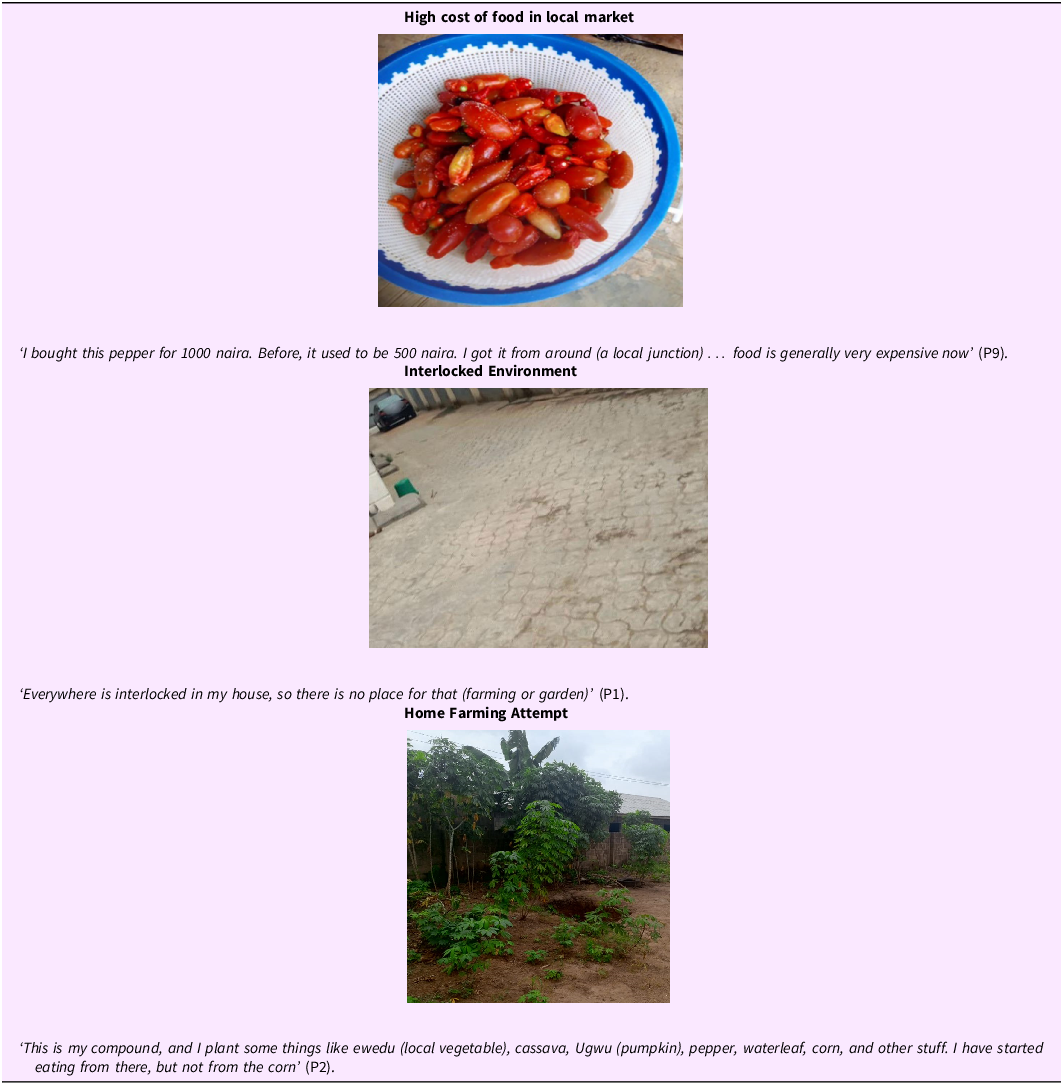
Photovoice data confirmed these limitations (Table 5). Many urban compounds were fully interlocked, limiting opportunities for gardening. Even where space was available, roaming animals damaged crops, further discouraging home farming as mentioned by a participant,
‘We have where we can plant… I used to plant things before, but these goats and poultry don’t allow them to grow’ (P6).
Food availability issues

Table 5 Long description
Panel A: A bowl filled with red peppers. Panel B: An interlocked floor with no visible space for gardening. Panel C: A small home garden with various plants and trees.
Nevertheless, a few households with access to land reported cultivating vegetables and staple crops, contributing modestly to their household food supply.
Early pregnancy and family planning gaps
Limited knowledge of family planning and unplanned pregnancies were key contributors to nutritional vulnerability. Health workers explained that poor awareness of family planning resulted in uncontrolled family sizes, financial strain and limited caregiving capacity, straining already limited resources.
‘The major causes of malnutrition are ignorance and poverty… Some are not aware of family planning because when family planning is in place, childbirth will be controlled, and children will be taken care of within their (parents) means’ (P15).
Adolescent pregnancies were also described as common, as many young mothers lacked financial independence and social support to adequately care for themselves or their children,
‘Most girls get pregnant too early…. They are not able to care for themselves, talk less of their children. Most times, they have no source of income. When they have these children, they won’t be able to train them well, they beg for money’ (P16).
Water, sanitation and hygiene
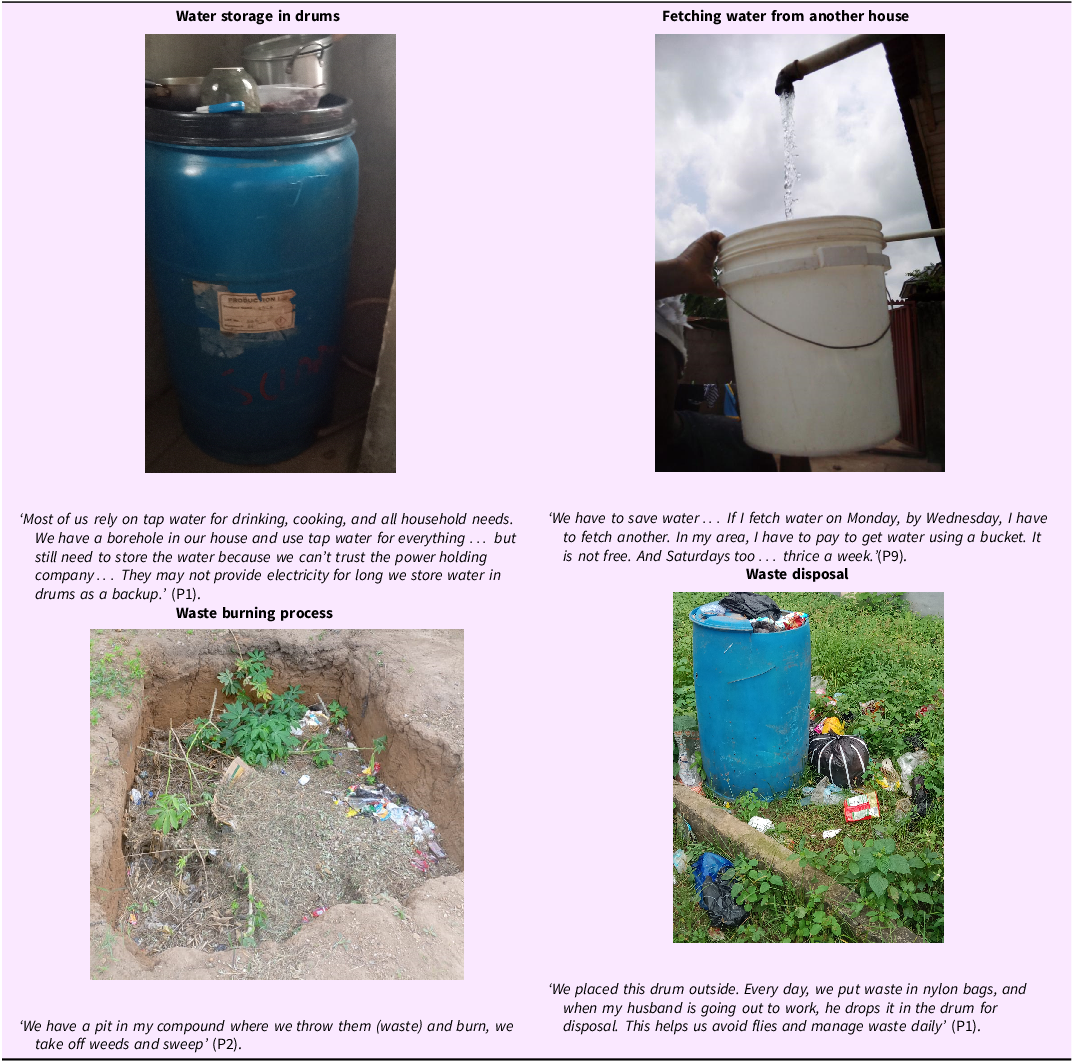
Water and sanitation issues were another concern, as shown in Table 6. Many residents had personal water sources, such as boreholes; however, unreliable electricity supply often leads to water shortages, forcing families to store water in drums or fetch from private homes. Waste disposal, on the other hand, was mostly informal, with residents relying on open burning or improvised pits due to the absence of a structured waste management system, increasing the risk of flooding and contamination during rainy season. One health worker stated,
‘Sometimes flood affects their houses during rainy season because they lack a proper drainage system. Trash everywhere and the dirty water goes into homes and the streets causing diseases like cholera, vomiting, stooling’ (P16).
Water and sanitation issues

Table 6 Long description
The image contains four photos. Panel A shows a blue drum used for water storage with a tap on top. Panel B depicts a person fetching water from a pipe into a white bucket. Panel C illustrates a pit filled with burnt waste and weeds. Panel D shows a blue drum used for waste disposal with a nylon bag and other waste items nearby.
Despite these environmental constraints, participants made deliberate efforts to maintain cleanliness through handwashing, utensil care and daily household sanitation routines to prevent diseases. One participant described,
‘Hygiene is very important. Once I go out and come back inside, I make sure to wash my hands because of germs from outside. Even the washed plates, I try to rinse again when I want to use them again to prevent foodborne diseases… I clean my toilet every day. I make use of Dettol with hot water and wash with soap’ (P10).
Another participant shared,
‘I make sure to wash my hands thoroughly when working, especially when I am plaiting hair for my customers… At home, I rinse and clean my plates before using them to serve my family, and I instruct my children to wash their hands before eating or engaging in any other activities to maintain good hygiene’ (P8).
Discussion
This study contributes to the growing evidence on the multi-level influences on MCN in low- and middle-income countries by examining the socioecological factors within two semi-urban communities in Ogun State, Nigeria. The findings reveal that nutritional outcomes are shaped by complex and interdependent interactions across the SEM levels.
At the individual level, awareness of recommended practices did not consistently translate into optimal behaviours. Maternal diets were dominated by carbohydrate staples such as pap and rice, reflecting the dietary monotony reported in Nigerian communities(Reference Abubakar, Shahril and Mat28,Reference Ukonu, Wallace and Lowe29) , and associated with adverse pregnancy outcomes and poor foetal development(Reference Xue, Chen and Sun30). While some women attempted to include vegetables and protein sources during pregnancy, these practices were rarely sustained postpartum, pointing to gaps in long-term dietary change. Infant feeding practices also revealed similar gaps between knowledge and practice. Despite understanding the benefits of exclusive breastfeeding, delayed lactation, maternal fatigue and cultural advice led to the introduction of prelacteal feeds, including water, glucose and honey before breast milk, patterns also observed in Ile-Ife, Nigeria(Reference Ogundele, Ogundele and Adegoke31), and associated with gastroenteritis risk(Reference Fatima, Mahmood and Ahmad32). Complementary feeding practices showed similar inconsistency in both timing and quality. Although some nutrient-rich options were introduced, many infants also received low-nutrient foods such as noodles and semovita at six months, which may increase the risk of inadequate nutrient intake(Reference González-Fernández, Cousens and Rizvi33). This pattern matches those observed in other settings(Reference Ganesan, Jayaraj and Geminiganesan34–Reference Njeru, Ngugi and Kathomi36) and reaffirm that knowledge alone is insufficient to achieve optimum MCN outcomes(Reference Abubakar, Shahril and Mat28,Reference Maingi, Kimiywe and Iron-Segev35) . Sustained progress requires practical guidance and individualised support, particularly in lactation management and diet diversification for both mother and child, using age-appropriate locally available and affordable foods.
Interpersonal and cultural dynamics exerted both enabling and restrictive influences. Contrary to findings from Ile-Ife, Nigeria, where pregnant women reported inadequate family support(Reference Ayamolowo, Adekunle and Ayamolowo11), participants in this study reported consistent spousal participation in household tasks, childcare and antenatal encouragement, alongside help from neighbours, which represent assets that could be leveraged for MCN interventions. Grandmothers, however, played a dual role. While some provided useful breastfeeding guidance, others promoted herbal remedies and discouraged foods such as bananas to prevent ‘Oka’ (sunken fontanel), a condition believed in rural Yoruba communities to impair child growth during pregnancy and lactation(Reference Alabi and Aliyu37), contradicting dietary recommendations. Similar fears surrounding pineapple and miscarriage further illustrate how misinformation limits dietary diversity(Reference Adetula and Johnson38). Interestingly, one grandmother with formal health training provided practical nutrition guidance, indicating that behaviour change interventions must engage grandmothers and other interpersonal influencers to promote safe, evidence-based adaptations of cultural practice(Reference Aubel39). Such culturally sensitive approaches adopting peer groups, home visits and community workshops can align household norms with optimal feeding practices by fostering dialogue that corrects myths and misinformation(Reference Kodish, Grey and Matean16,Reference Maingi, Kimiywe and Iron-Segev35) .
At the organisational level, systemic weaknesses in PHC services discouraged service utilisation. Participants reported inadequate infrastructure, shortages of doctors and equipment, negative staff attitudes and delays in service provision, aligning with evidence from Bangladesh where similar gaps reduce service quality(Reference Hasan, Selim and Anne40). As a result, many women turned to private clinics or trado-medical facilities, which are preferred for their perceived empathy, accessibility and cultural familiarity, though often lacking nutrition-specific counselling. This reflects broader patterns across low- and middle-income countries, where non-state and informal providers fill critical gaps in maternal and child health services due to weak public systems and socio-cultural preferences(Reference Heidkamp, Piwoz and Gillespie15). Strengthening PHC infrastructure and workforce capacity in this context is essential; nonetheless, excluding private and trado-medical actors that women rely on risks limiting MCN reach. Therefore, engaging these actors through collaborative and integrative training, supervision and the incorporation of nutrition-specific services into their routine practices could promote MCN outcomes.
Community-level constraints further shaped outcomes. Poverty and rising food prices limited access to diverse foods and reduced meal frequency, reinforcing reliance on monotonous staples at the individual level. These socioeconomic barriers have been linked to anaemia, low birth weight, poor neonatal outcomes and poor dietary choices in similar contexts(Reference Seid, Fufa and Weldeyohannes41–Reference Malik, Shahzad and Hussain45). Another important finding is the poor family planning awareness and early pregnancies which strained household resources, consistent with evidence that adolescent childbearing perpetuates malnutrition across sub-Saharan Africa(Reference Nguyen, Scott and Neupane46,Reference Welch, Bremner and Nampijja47) . Food access was further undermined by urbanisation, livestock interference and broader insecurity, all of which restrict household farming. Nevertheless, some households adapted through bulk purchasing and small-scale gardening, demonstrating resilience that could inform future community-level strategies.
Water and sanitation challenges intersect with nutrition. Although participants described careful household hygiene practices, these were undermined by unreliable water supply, inadequate drainage and poor waste disposal, often involving open burning, issues well-documented within the region(Reference Emenike, Tenebe and Omole18,Reference Ayeni and Ajewole48) , yet progress has been limited. Evidence across low- and middle-income countries consistently links poor sanitation and exposure to environmental contaminants with childhood stunting and life-threatening infections, including diarrhoea(Reference Rah, Sukotjo and Badgaiyan49), while also showing that households with unreliable water access are less likely to meet minimum dietary diversity for children aged 6–23 months(Reference Choudhary, Schuster and Brewis50). This highlights the urgent need for improved water and waste management infrastructure within these communities.
These findings reaffirm that individual behaviour change interventions are unlikely to succeed in isolation, without addressing the broader socioecological context(Reference Kodish, Grey and Matean16). Strengthening local support networks alongside poverty reduction, health system improvements and better WASH conditions are required for sustainable improvement.
Strengths and limitations
One of the key strengths of this study is the application of the socioecological approach and collaboration with gatekeepers and multi-level stakeholders, offering a holistic view of factors influencing MCN. The use of two qualitative methods allowed for deeper exploration of participants’ experiences, and the online format of interviews created a comfortable setting for participants to share their experiences. Although translating interviews from Yoruba to English carries the risk of losing some nuances, this was carefully managed by cross-validating translations with gatekeepers fluent in both languages, enhancing the credibility of the data. Additionally, the two-day photovoice window may have limited the depth of visual data collected, and Internet connectivity challenges during some online interviews may have disrupted the flow of responses, although efforts were made to reconnect and preserve data quality. This study also did not include the perspectives of traditional birth attendants in trado-medical centres, highlighting a gap for future research to better understand their roles and beliefs regarding MCN. Despite these limitations, the diverse qualitative approach captured rich contextual influences and strengthens the relevance and applicability of the findings for evidence-informed interventions.
Conclusion
This study identified multi-level determinants of MCN during the first 1000 days across the SEM levels. Addressing these requires holistic, community-driven interventions that leverage existing social support, promote culturally sensitive nutrition education and strengthen MCN services across public and private health sectors. Engaging key stakeholders, including community influencers and policymakers, is essential for co-developing and implementing sustainable, contextually appropriate interventions. These findings provide a strong foundation for collaborative efforts to transform MCN outcomes in Nigerian communities through inclusive, evidence-based and culturally responsive approaches.
Supplementary material
For supplementary material accompanying this paper, visit https://doi.org/10.1017/S136898002610216X
Acknowledgements
We sincerely thank the participants for sharing their experiences and insights, which were invaluable to this research. We also extend our gratitude to the community leaders and healthcare providers in Ado-Odo Ota Local Government Area, Ogun State, for their cooperation and support during data collection. Additionally, we acknowledge the invaluable support of Dr Catherine Oladoyinbo, Federal University of Agriculture, Abeokuta and the gatekeepers, whose contributions were instrumental to the success of this research.
Financial support
None.
Competing interests
There are no conflicts of interest.
Ethics of human subject participation
This study was conducted in accordance with the ethical guidelines laid down in the Declaration of Helsinki. All procedures involving human participants were approved by the Research Ethics Committee of the Federal University of Agriculture, Abeokuta, Nigeria (Approval No: FUNAAB/UREC/4/002) and the University of Chester, United Kingdom (Approval No: SAPH_AM_43_APH). Written informed consent was obtained from all participants prior to data collection.
Authorship
A.A.M.: conceptualised the study, designed the methodology, conducted data collection and analysis and drafted the manuscript. S.D.: contributed to study design, assisted with literature review and data interpretation. S.F.: provided detailed guidance throughout the research process, advised on analytical methods, critically reviewed and revised the manuscript.



 Open access

