INTRODUCTION
The lowland tapir (Tapirus terrestris, Linnaeus, 1758), one of the largest terrestrial herbivores in South America, is a browser and frugivore that plays an important role in long-distance seed dispersal (Bello et al. Reference BELLO, GALETTI, PIZO, MAGNAGO, ROCHA, LIMA, PERES, OVASKAINEN and JORDANO2015, Fragoso et al. Reference FRAGOSO, SILVIUS and CORREA2003), and high browsing rates of certain plant species (Salas & Fuller Reference SALAS and FULLER1996). Tapirus terrestris occurs from Colombia to northern Argentina and is found in heterogeneous landscapes composed of habitats of different composition, structure and phenological patterns (Chalukian et al. Reference CHALUKIAN, DE BUSTOS and LIZÁRRAGA2013, Medici Reference MEDICI2010, Tobler et al. Reference TOBLER, CARRILLO-PERCASTEGUI and POWELL2009). Both differences in habitat composition and seasonal variation are known to affect animals, which respond by dietary switching and changes in habitat use (Fleming et al. Reference FLEMING, BREITWISCH and WHITESIDES1987, Ricklefs Reference RICKLEFS1977, van Schaik et al. Reference VAN SCHAIK, TERBORGH and WRIGHT1993).
One theory regarding the expected use of heterogeneous food sources, is the optimal foraging theory (OFT) which proposes that animals should maximize their energy intake in foraging activities (Pianka Reference PIANKA, Jorgensen and Fath2008). OFT predicts that animals have different selection criteria in diet and habitat use (Fortin et al. Reference FORTIN, FRYXELL, O'BRODOVICH and FRANDSEN2003), such that they choose quality resources that are best able to satisfy their requirements for survival and reproduction (Manly et al. Reference MANLY, MCDONALD, THOMAS, MCDONALD and ERICKSON2002). In a diet selection scenario, it is expected that different food types are eaten independent of their abundance in the habitat, except for preferred food types (whose consumption depends on their availability) (Pyke et al. Reference PYKE, PULLIAM and CHARNOV1977). On the other hand, in a habitat-selection scenario, it is expected that animals will allocate more time in areas with a greater abundance of preferred food (Pyke et al. Reference PYKE, PULLIAM and CHARNOV1977).
Empirical studies have also emphasised the importance of food abundance and resource distribution in structuring feeding decisions (Stevenson Reference STEVENSON2004a) and habitat use of animal species (Fragoso Reference FRAGOSO1997, Salas Reference SALAS1996). Downer (Reference DOWNER2001) reported that the Andean forest is a critical habitat for the mountain tapir (Tapirus pinchaque) because it contains a range of its preferred food items, including nitrogen-fixing plants. Furthermore, Salas (Reference SALAS1996) found that T. terrestris consumes just a portion of available species and selects secondary-forest patches for browsing, probably due to the high density of understorey plants. However, many aspects of tapir interactions with vegetation, such as plant species selection and responses to seasonal variation in the presence of leaves and fruits, are not fully understood because of regional differences in the tapir's diet (Hibert et al. Reference HIBERT, SABATIER, ANDRIVOT, SCOTTI-SAINTAGNE, GONZALEZ, PRÉVOST, GRENAND, CHAVE, CARON and RICHARD-HANSEN2011, Reference HIBERT, TABERLET, CHAVE, SCOTTI-SAINTAGNE, SABATIER and RICHARD-HANSEN2013). Given the spatial and seasonal heterogeneity of tropical forests, understanding how keystone species such as the lowland tapir use available resources (leaves vs. fruits), may help to identify how they respond to environmental change and impact forest dynamics (Hibert et al. Reference HIBERT, SABATIER, ANDRIVOT, SCOTTI-SAINTAGNE, GONZALEZ, PRÉVOST, GRENAND, CHAVE, CARON and RICHARD-HANSEN2011).
The objective of this study was to determine the species and plant components (leaves vs. fruits) utilized by T. terrestris in different time periods and habitats, in relation to changes in food availability in a heterogeneous area of the north-western Amazon, that contains high intra-regional variation in floristic composition (Duivenvoorden Reference DUIVENVOORDEN1996, Londoño & Álvarez Reference LONDOÑO and ÁLVAREZ1997). The hypotheses are: (1) the lowland tapir uses plant species independent of their abundance due to selectivity in its diet, probably related to differences in nutritional content of food items (Salas & Fuller Reference SALAS and FULLER1996), (2) T. terrestris displays dietary shifts and variation in plant consumption due to changes in food availability during different time periods, and (3) habitats with higher intensity of use by the lowland tapir contain higher abundance of plants selected in its diet.
METHODS
Study area
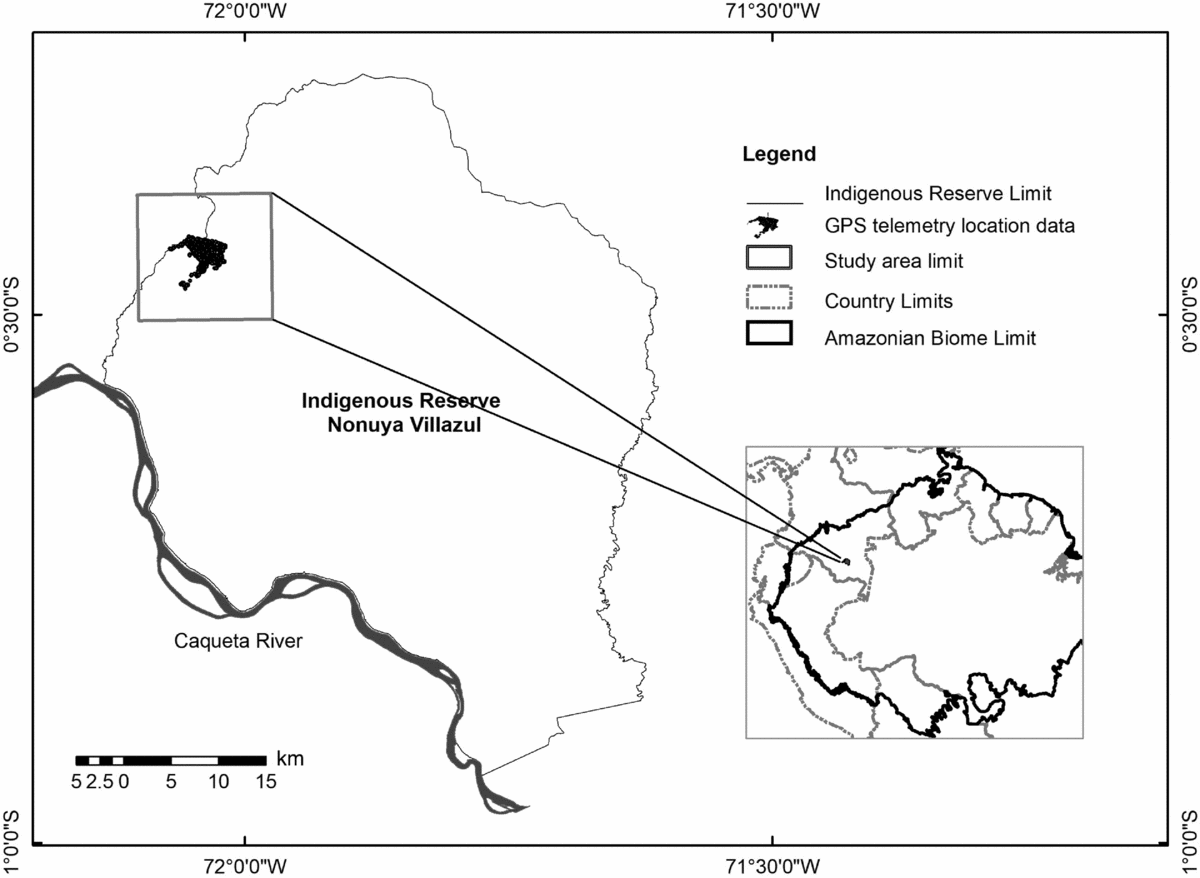
The study area lies in the Caquetá River Middle Basin (72°2′32′′W, 0°27′14′′S) (Figure 1), at an altitude varying from 150 to 300 m asl. It is located in the Indigenous Reserve Nonuya de Villazul, Department of Amazonas (Colombia). The climate is tropical with an average annual rainfall of 3060 mm and an average temperature of 25.7°C (Duivenvoorden & Lips Reference DUIVENVOORDEN and LIPS1995). The driest months are from December to February and the wettest from April to June, with a slight reduction in rainfall in the month of August (Duivenvoorden & Lips Reference DUIVENVOORDEN and LIPS1993). The area belongs to the tropical rain-forest system of Holdridge life zones (Holdridge et al. Reference HOLDRIDGE, GRENKE, HATHEWAY, LIANG and TOSI1971). It comprises different geomorphological units, including floodplains of the Amazonian rivers and Tertiary sedimentary plains (Duivenvoorden & Lips Reference DUIVENVOORDEN and LIPS1995), which differ in their respective landscape and floristic composition (Duivenvoorden Reference DUIVENVOORDEN1996, Duivenvoorden & Lips Reference DUIVENVOORDEN and LIPS1993).
Location of the Indigenous Reserve Nonuya Villazul (Department of Amazonas, Colombia). Black points represent GPS telemetry data of the lowland tapir in the study area.

Plant species availability
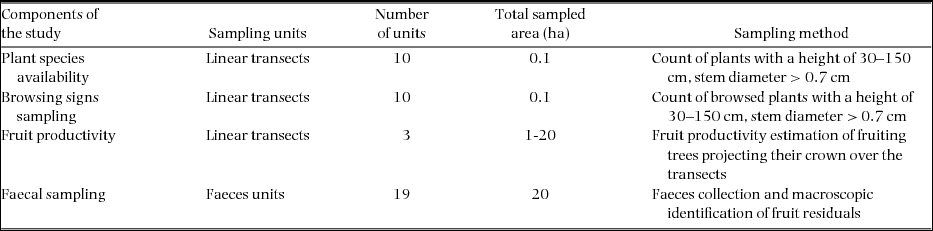
In the months of March and August of 2015, ten transects (2 × 50 m, 0.1 ha) (Gentry Reference GENTRY1982, Villarreal et al. Reference VILLARREAL, ÁLVAREZ, CÓRDOBA, ESCOBAR, FAGUA, GAST, MENDOZA, OSPINA and UMAÑA2004) were randomly established in habitat types used by T. terrestris during its feeding activity (17h00–9h00), according to a satellite telemetry study performed in the area (González et al. in press). Areas with higher intensity of use by the lowland tapir corresponded to Mauritia flexuosa swamps (extensive palm formations, where this species is dominant in the canopy) and the ecotone that it forms with the seasonal floodplain forest (hereafter floodplain) (González et al. in press). Areas with lower intensity of use by T. terrestris corresponded to terra firme forest (hereafter terra firme) (González et al. in press), of the Tertiary sedimentary plain, which presents a flat to undulating topography and is characterized by a high species richness (Duivenvoorden & Lips Reference DUIVENVOORDEN and LIPS1993, Parrado Reference PARRADO2005).
In order to document the plants available for browsing, five transects were located in areas of higher intensity of use (M. flexuosa swamp and floodplain) and five in the area of lower intensity of use (terra firme). Each transect was longitudinally traced with a central rope, from where we measured 1 m to each side (Villarreal et al. Reference VILLARREAL, ÁLVAREZ, CÓRDOBA, ESCOBAR, FAGUA, GAST, MENDOZA, OSPINA and UMAÑA2004). The transects were distributed at random and placed at least 20 m apart (Villarreal et al. Reference VILLARREAL, ÁLVAREZ, CÓRDOBA, ESCOBAR, FAGUA, GAST, MENDOZA, OSPINA and UMAÑA2004). According to the optimal range for tapir browsing (Foerster & Vaughan Reference FOERSTER and VAUGHAN2002, Salas & Fuller Reference SALAS and FULLER1996, Terwilliger Reference TERWILLIGER1978), any plant with a height of 30–150 cm (including branches within that range) and with a stem diameter greater than 0.7 cm (measured at 30 cm from the ground), was recorded, collected and identified (Table 1). The number of plants and basal areas were recorded in order to calculate the abundance, frequency and dominance of each species (Villarreal et al. Reference VILLARREAL, ÁLVAREZ, CÓRDOBA, ESCOBAR, FAGUA, GAST, MENDOZA, OSPINA and UMAÑA2004).
Methods used for the sampling of species availability, browsing signs, faeces and fruit productivity, in the Indigenous Reserve Nonuya Villazul (Department of Amazonas, Colombia), during March, April, August and September of 2015.

Fruit productivity
To estimate fruit productivity in the tapir's home range, three linear transects of ~3 km each (with a total length of 8.7 km), were randomly established in trails (Stevenson Reference STEVENSON and Fuentes2017), located in areas of both high and low intensity of use by the lowland tapir. Two transects were distributed in terra firme due to the high proportion of this habitat in the home range (~75%) and one transect was established covering the M. flexuosa swamp and the floodplain ecotone. The transects were sampled in March, April, August and September of 2015. During this time, the procedure for the estimation of fruit productivity proposed by Stevenson (Reference STEVENSON2004b) was followed, which involved recording and identifying all of the fruiting trees that projected their crown over the transects (Table 1).
A visual estimate of crop size was made by counting the number of fruits per tree (Chapman et al. Reference CHAPMAN, CHAPMAN, WANGHAM, HUNT, GEBO and GARDNER1992) and subsequently calibrated with fruit trap estimates (Stevenson Reference STEVENSON2004b). To do so, five plant species with capsular fruits or follicles (Hevea cf. guianensis Aubl., Mollia lepidota Spruce ex Benth., Virola sebifera Aubl., Virola JVG049, Virola JVG062) were selected and their fruit crop was calculated according to visual and fruit-trap estimates. Species with capsular fruits or follicles were used because fruit valves not ingested by frugivores can be counted to estimate crop size (Stevenson pers. comm.). Two individuals were sampled per species and five 1-m2 fruit traps were established below each tree (Stevenson pers. comm.). The log-log linear relationship between the two estimates allowed for the correction of the visual estimates, determined as:
 $$\begin{eqnarray*}
&& Ln\ \left( {\it number\ of\ fruits} \right) = - 0.804 + 0.930 \\
&& \quad \times Ln\ \left( {visual\ estimate} \right)
\end{eqnarray*}$$
Using the above formula, an R2 of 0.79 was obtained. The correction was applied neither to palms nor cauliflorous plants (a total of 15 species) because they have fruits that are not covered by leaves and in many cases are clustered, so the original visual estimates are likely less biased (Stevenson Reference STEVENSON2004b).
The productivity of each fruiting tree was calculated by multiplying the average mass of 1–10 dried fruits, by the corrected estimate of the crop size. Fruit productivity of a given species was calculated by adding the productivity of the sampled individuals of that species and dividing by the sampling area (Stevenson Reference STEVENSON2004b). Because the probability of fruit detection is higher for large trees, their effective sampling area is larger than the one of small trees (Stevenson Reference STEVENSON2004b). In this way, we calculated the sampling area as the product between the total transect length (8.7 km) and the effective transect width for a given species (Stevenson Reference STEVENSON2004b). The sampling area for the recorded fruiting species ranged from 1–20 ha.
Browse sampling
During the sampling of the ten transects, which were established to document the availability of browsing plants in the months of March and August, plants that showed recent browsing signs such as freshly broken stems, cut leaves and remaining petioles (Hibert et al. Reference HIBERT, SABATIER, ANDRIVOT, SCOTTI-SAINTAGNE, GONZALEZ, PRÉVOST, GRENAND, CHAVE, CARON and RICHARD-HANSEN2011) were recorded and collected (Table 1). Only browsing signs with fresh tapir footprints underneath were recorded to minimize the error of recording signs of other ungulates (Downer Reference DOWNER2001, Hibert et al. Reference HIBERT, SABATIER, ANDRIVOT, SCOTTI-SAINTAGNE, GONZALEZ, PRÉVOST, GRENAND, CHAVE, CARON and RICHARD-HANSEN2011, Lizcano & Cavelier Reference LIZCANO and CAVELIER2004). The plant material was identified using keys, literature (Galeano & Bernal Reference GALEANO and BERNAL2010, Gentry Reference GENTRY1993, Steyermark et al. Reference STEYERMARK, BERRY, YATSKIEVYCH and HOLST1995) and consulting botanical experts.
Faecal sampling
Although leaves and twigs are expected to be the primary components of the tapir's diet (Hibert et al. Reference HIBERT, SABATIER, ANDRIVOT, SCOTTI-SAINTAGNE, GONZALEZ, PRÉVOST, GRENAND, CHAVE, CARON and RICHARD-HANSEN2011), we also evaluated fruit consumption by the lowland tapir, through the collection of dung samples during field expeditions in March (n = 6) and in August (n = 13) (Table 1). We walked the trail system established for fruit productivity estimation (8.7 km) eight times mo−1 in search of faeces. Most of the faeces were found in Mauritia flexuosa swamps (n = 15) and the rest were obtained in streams (n = 2) and in terra firme (n = 2). Only faeces that were relatively fresh (deposited a few days before), judged by their odour and colour, were collected (Tobler et al. Reference TOBLER, JANOVEC and CORNEJO2010). Dung samples were deposited and washed in filter bags with a mesh size of 0.1 mm. They were dried in sunlight for a period of ~2 wk and then they were placed in a plant drying oven at 70°C for 3 d (Tobler et al. Reference TOBLER, JANOVEC and CORNEJO2010). They were sifted using a metal sieve with a 1-mm2 grid size. For particles larger than 1 mm2, the fibrous material and the fruit residuals (seeds, pieces of pericarp and scales) were separated and independently weighed to determine the percentage of each component in dung samples (Bodmer Reference BODMER1990). For particles smaller than 1 mm2, this procedure was performed on a subsample of 3–10 g. The mass of the fibrous and fruit material was then extrapolated to the entire sample of small particles (Bodmer Reference BODMER1990). Fruit residuals were macroscopically identified by comparing them with a reference collection detailing the fruits available in the study area, with herbarium specimens and photographs (Salas & Fuller Reference SALAS and FULLER1996). The relative mass (g) and relative frequency of each plant species was thereby obtained.
Data analysis
To evaluate which plant species are selected by the lowland tapir in the study area, meaning that they are consumed in greater proportion than their availability in the habitat, the Jacobs’ selection index (D) was calculated for each species with:
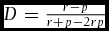 $D = \frac{{r - p}}{{r + p - 2rp}}$
(Jacobs Reference JACOBS1974). r represents the relative abundance of species in the tapir's diet and p the relative abundance of species available in the environment (Jacobs Reference JACOBS1974). Values < 0 indicate negative selection (avoidance) and values > 0 indicate positive selection (preference). For the fruit component, the selection index could not be estimated for all species because of the low correspondence between fruiting species available in the habitat and those identified in the faeces. This type of index that uses availability in its denominator can present biased results as food items can frequently be present in the faeces but not in the sampled area (Tanentzap et al.
Reference TANENTZAP, BEE, LEE, LAVERS, MILLS, MARK and COOMES2009). Therefore, the selection index was calculated exclusively for species found both in the transects and in the faeces. To calculate the selection index for fruiting species, the relative frequency of each species in dung samples was used instead of the relative abundance. For browsed species that were found in the two sampling periods, the selection index was obtained by taking the average value from the two periods.
The relationship between food availability and plants’ use by the lowland tapir was evaluated by means of a linear regression model (Salas & Fuller Reference SALAS and FULLER1996). Analyses were conducted for each sampling period, using the data from the habitats where browsing signs were found (Maurtia flexuosa swamp and floodplain). The availability of each plant species was obtained with the Importance Value Index (IVI) expressing values of abundance, frequency and dominance (Phillips Reference PHILLIPS1959, Villarreal et al. Reference VILLARREAL, ÁLVAREZ, CÓRDOBA, ESCOBAR, FAGUA, GAST, MENDOZA, OSPINA and UMAÑA2004) and the use of browsing species was estimated by referring to a combined index of use (CIb), which was calculated by adding the relative abundance and relative frequency of each browsed species (Downer Reference DOWNER2001, Phillips Reference PHILLIPS1959). Model residuals were obtained to identify the plant species that were the most or least consumed in relation to their availability. A combined index of use of fruits (CIf) was also calculated by adding the relative frequency and the relative dominance of each plant species whose fruits were eaten by the lowland tapir. The relative frequency of a species with fruits consumed, was represented as the frequency of the species (number of faecal samples where the species was registered, divided by the total number of samples), divided by the sum of all species frequency. The relative dominance of a species with fruits consumed, was represented as the sum of the dry mass (g) of seeds or fruit residues of a species found in faecal samples, divided by the sum of all species dominances. The relationship between the CIf and fruit productivity of each plant species was evaluated by a regression analysis to determine whether fruit consumption depends on fruit availability. An average value of fruit productivity was calculated from the estimates obtained in March and April (hereafter, March) and those obtained in August and September (hereafter August), to establish two sampling periods that could later be compared. The mean values obtained were logarithmically transformed to better interpret patterns in the data.
To evaluate dietary shifts and understand how browsing and fruit consumption by the lowland tapir varies over time, an analysis of variance (ANOVA) was used to ascertain the differences in the dung´s fibre and fruit percentages during the two sampling periods (March and August). This was done after checking the normality distribution of the data set.
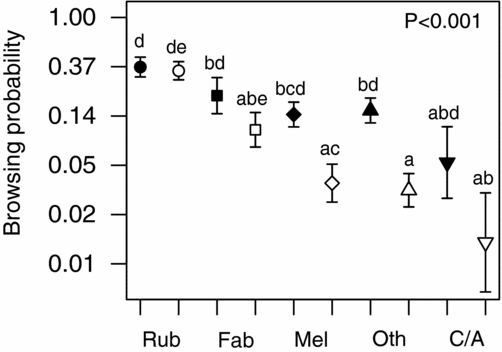
To analyse variation in plant consumption by T. terrestris in different time periods and determine which factors influence the presence of tapir browsing for a particular plant, a generalized linear mixed model (GLZ) was developed. This analysis was based on a saturated binomial model comprising the following fixed variables: family and sampling period (March and August), for each individual plant found along transects. Transect identity was delineated as a random variable to remove spatial autocorrelation. In the model, the three most abundant plant families were included (Rubiaceae, Melastomataceae and Fabaceae), while a fourth category included plants of the Arecaceae and Clusiaceae (A/C) families, and a fifth category comprised the rest of the families that are less abundant in the area (other). This grouping was necessary to acquire the three minimum data points required by the model when evaluating the variables of transect, family and sampling period in conjunction. The model with the lowest AIC value was selected. Because the model showed a significant interaction between the variables of family and sampling period, a Tukey–HSD test was performed to determine differences between various combinations of the levels of the two variables.
Finally, to assess the differences in the abundance of plant species available for the tapir in the different habitats used (M. flexuosa swamp – floodplain and terra firme) (González et al. in press), a contrast of homogeneity from a chi-squared test was performed using data of plant individuals found along transects.
RESULTS
Use and selection of plant species in the lowland tapir's diet
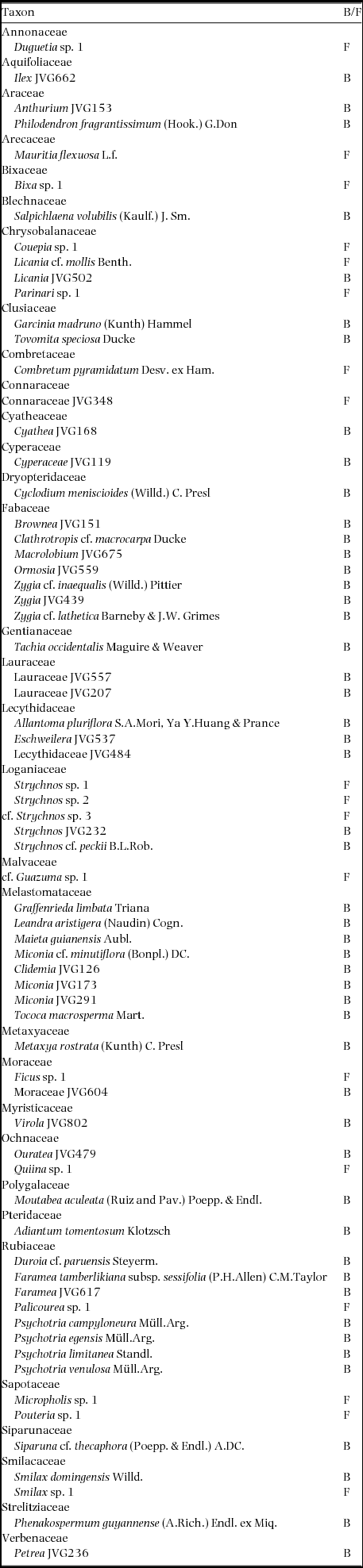
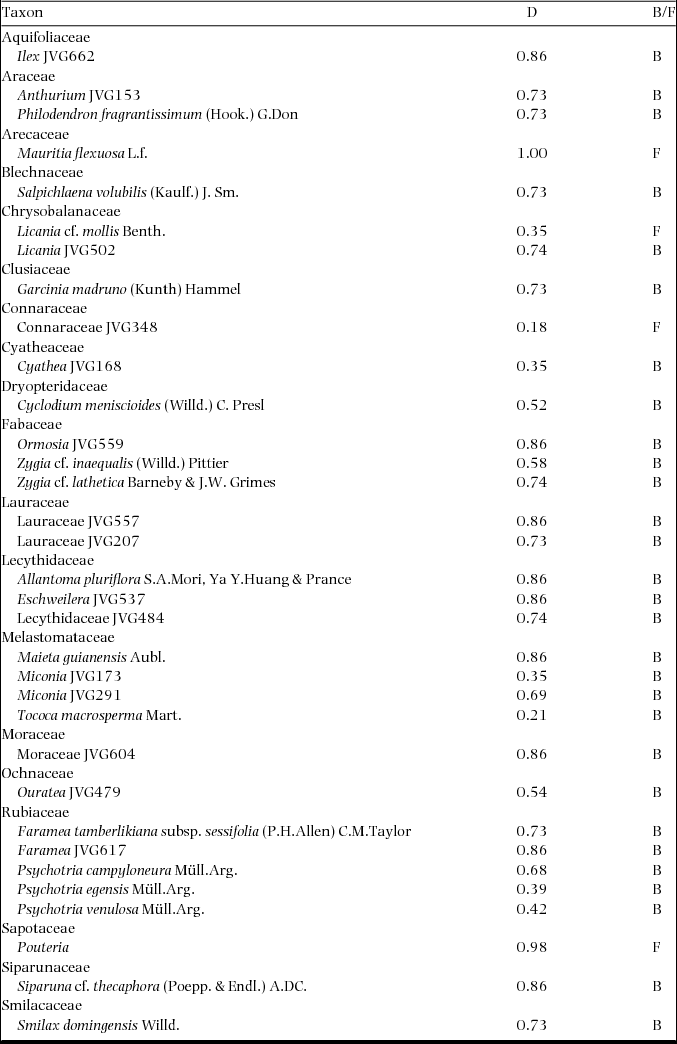
From 1966 plant individuals recorded in the different habitat types present in the area, we found a total of 147 browsing signs. Browsing signs were only found in the two habitats highly visited by the tapir in the study area, according to telemetry data: i.e. M. flexuosa swamp and floodplain. A total of 50 out of 307 species recorded in these habitats were browsed, distributed among 35 genera and 25 families (Appendix 1). The Fabaceae, Melastomataceae and Rubiaceae had the largest number of positively selected species (Appendix 2). The three most abundant species in the tapir's diet, Psychotria egensis, Psychotria campyloneura and Tococa macrosperma, are relatively abundant in the habitat. However, these were consumed in greater proportion than expected by their availability, which was indicated by their positive selection index (D) (Appendix 2). Other abundant species in the habitat, such as Graffenrieda cf. limbata, were moderately consumed, and others completely avoided, for example, Rubiaceae sp. 11, Ischnosiphon arouma and Oenocarpus bataua.
Fruits from 24 species were consumed by T. terrestris, of which 18 could be identified to the family level, 17 to genus and three to species (Appendix 1). The most used taxa were M. flexuosa and Pouteria sp., which presented positive selection index values (D) (Appendix 2). Only three species were consumed in a lower proportion than that expected by availability (Micropholis sp., Parinari sp. and Palicourea sp.). A total of 81 fruiting species were not detected in the faecal analysis and 18 species consumed by the tapir were not recorded as fruiting in the study area.
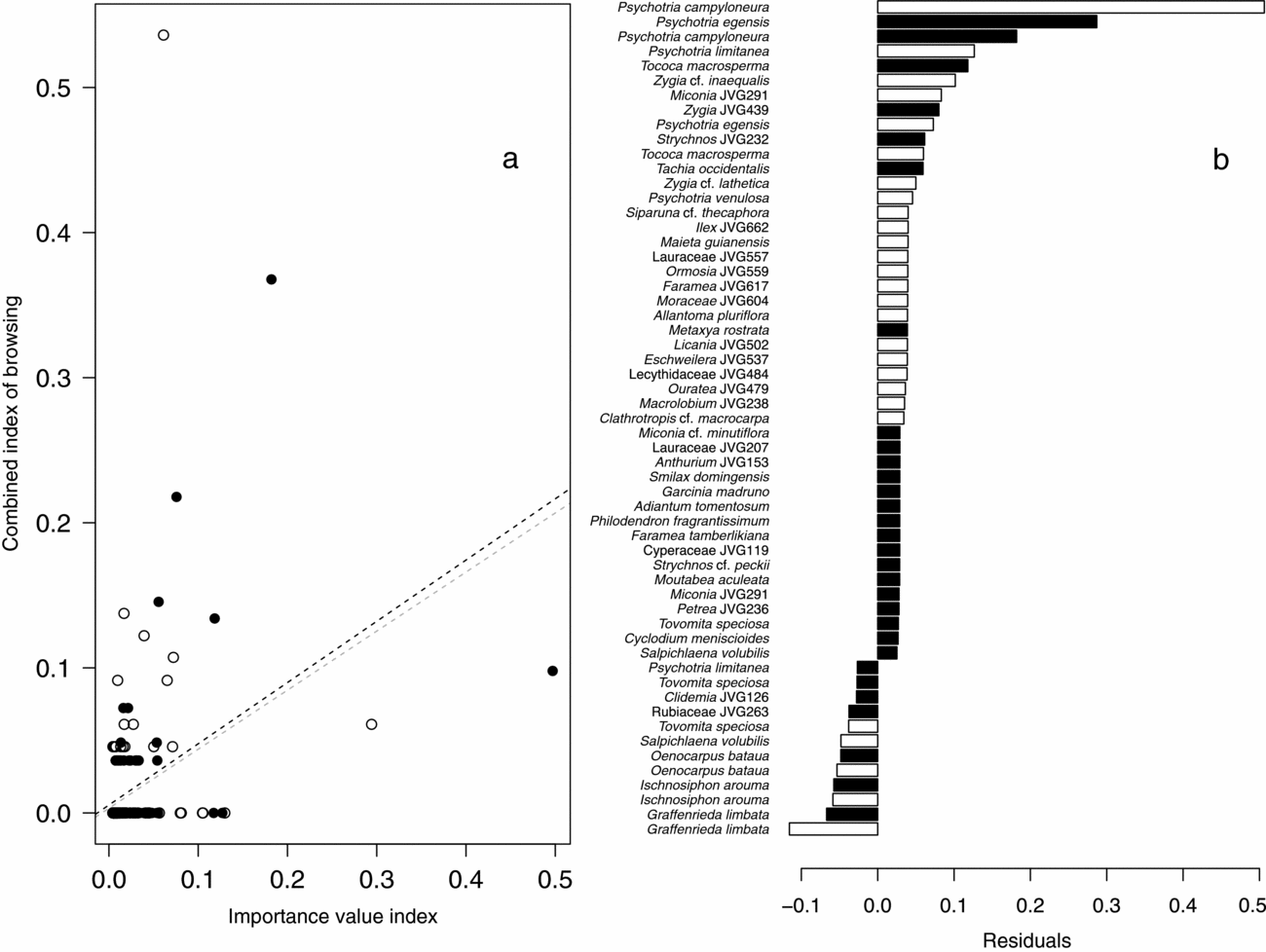
A positive and significant association was found between browsing species availability (IVI) and the combined index of use of browsed species (CIb) in March (R 2 = 0.22, P < 0.001, N = 134) and August (R 2 = 0.06, P < 0.001, N = 240) (Figure 2a). These results were strongly influenced by the presence of some preferred species (Psychotria campyloneura, Psychotria egensis, Psychotria limitanea, Tococa macrosperma and Zygia cf. inaequalis) which presented intermediate abundances and positive residuals due to a high consumption by the lowland tapir (Figure 2b).
Analysis of Tapirus terrestris browsing in relation to food availability, in the Indigenous Reserve Nonuya Villazul (Department of Amazonas, Colombia), during March and August 2015. Relationship between the Combined Index of species browsed (CIb = Relative Abundance + Relative Frequency), with the Importance Value Index of species available in the habitat (IVI = Relative Abundance + Relative Frequency + Relative Dominance) in March (black) and August (white), 2015 (a). Residuals (< −0.025 and > 0.025) of the relationship between CIb and IVI are shown for each plant species (b).

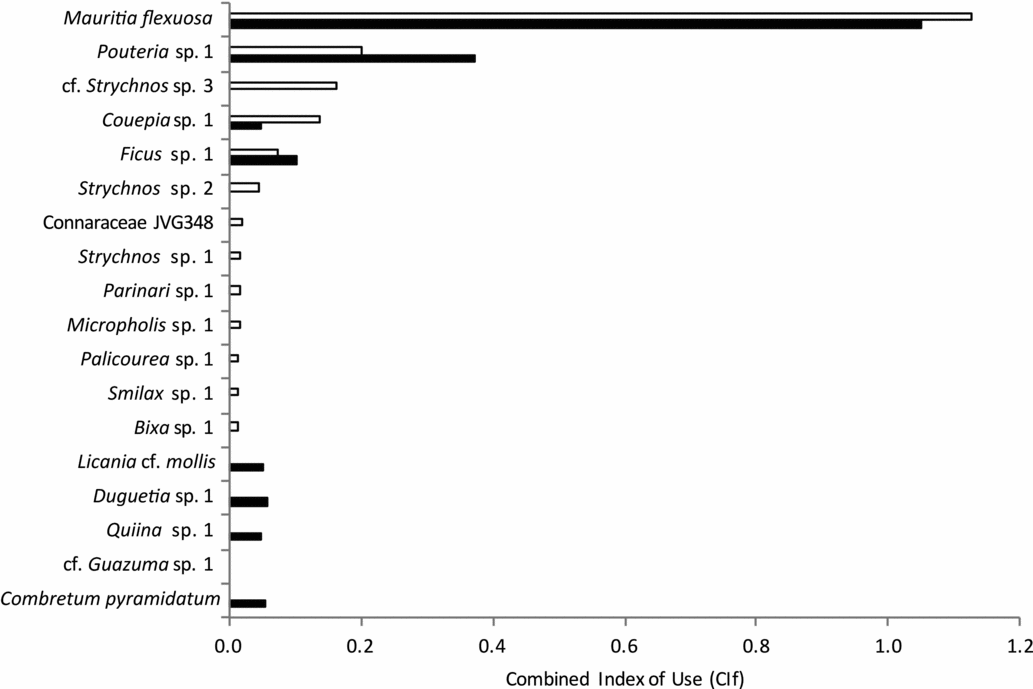
The consumption of fruits by T. terrestris showed a positive association with fruit production in March (R2 = 0.84, P < 0.05, N = 11) and August (R 2 = 0.69, P < 0.05, N = 19). However, this was due mainly to the high consumption of fruits from Mauritia flexuosa (Figure 3), which is very abundant in the area.
Combined index of fruit consumption found in the macroscopic analysis of Tapirus terrestris faeces retrieved from the Caquetá River Middle Basin. Black bars represent species consumed in March and white bars denote species consumed in August 2015.

Seasonal variation in the tapir's diet
The diet of T. terrestris was mainly composed of vegetative (fibre) parts (70–90%) and to a lesser extent fruit (10–30%). Yet the percentage of fibre and fruit found in the faeces was significantly different in the two sampling periods (ANOVA, F 1,16 = 11.6, P < 0.001), meaning fibre intake by the tapir was higher in March than in August, while the converse was true for fruit intake.
No differences were found in the browsing probability across families in March (P > 0.05) (Figure 4), but in August the browsing probability of the Rubiaceae was significantly higher than that of the other families (except Fabaceae) (P < 0.001) (Figure 4). Comparing the browsing probability of each family in the two sampling periods, there were no significant differences for any family except for the category other, which reflected a higher browsing proportion in March than in August (P < 0.001) (Figure 4).
Browsing probability of different plant families found in the habitat of Mauritia flexuosa swamp and the floodplain forest ecotone in the month of March (black symbols) and August (white symbols), 2015. Different letters indicate significant differences in browsing probability between plant categories, according to the Tukey–HSD test. Acronyms for plant categories are Rub (Rubiaceae), Fab (Fabaceae), Mel (Melastomataceae), Oth (all other families) and C/A (Clusiaceae and Arecaceae).

Food availability in the vegetation types used by tapir
From the two sampling periods (March and August), 438 plant species available for browsing by T. terrestris were identified, these being distributed in 103 genera and 61 families. The relative abundance of plant families was significantly different in the various habitat types (χ 2 = 820, df = 112, P < 0.001). In the terra firme forest, the relative abundance of Arecaceae, Marantaceae, Myristicaceae and Marattiaceae was notably higher. In the Mauritia flexuosa swamp, Euphorbiaceae, Gentianaceae, Melastomataceae and Myrtaceae were significantly more abundant, while in the floodplain forest ecotone, Fabaceae, Malvaceae, Ochnaceae, Rubiaceae and Vochysiaceae were found in greater proportions.
Concerning fruit production, a total of 206 individual plants were fruiting during the sampling periods. Ninety species were identified, distributed among 57 genera and 33 families. Forty-two species were fruiting in March, 46 in April, 21 in August and 26 in September. Significant differences in the relative abundance of fruiting species corresponded with different types of habitat (χ 2 = 322, df = 174, P < 0.001). In the M. flexuosa swamp, the abundance of the species Clusia cf. amazonica Planch. & Triana, Macrolobium cf. bifolium (Aubl.) Pers. and Mauritia flexuosa L.f. was significantly higher. In the terra firme forest, the palms Lepidocaryum tenue Mart. and Wettinia augusta Poepp. & Endl. had a detectably larger abundance.
DISCUSSION
The results suggest that resource abundance and distribution are major forces driving tapir feeding and habitat use. The foraging of T. terrestris is influenced by the interaction between plant species availability in different habitats and seasonality, with the fruiting period of M. flexuosa largely affecting the diet of the tapir (Bodmer Reference BODMER1990).
The number of browsed species listed in this study (n = 50) is the highest ever reported for Colombia (Arias Reference ARIAS2008, Solano et al. Reference SOLANO, VARGAS and PEÑA1996), although lower than records in other countries such as French Guiana (Hibert et al. Reference HIBERT, SABATIER, ANDRIVOT, SCOTTI-SAINTAGNE, GONZALEZ, PRÉVOST, GRENAND, CHAVE, CARON and RICHARD-HANSEN2011). We also found a higher richness of plants with fruits consumed by the tapir than other studies in Peru (Bodmer Reference BODMER1990, Montenegro Reference MONTENEGRO2004), but lower than findings in Brazil (Barcelos et al. Reference BARCELOS, BOBROWIEC, SANAIOTTI and GRIBEL2013).
In support of our first hypothesis, the results show a selective use of plant species by the lowland tapir, which is consistent with expectations from foraging theory (Pyke et al. Reference PYKE, PULLIAM and CHARNOV1977) and with reports of selective browsing by the tapir in Venezuela (Salas & Fuller Reference SALAS and FULLER1996). The positive association between CIb and IVI had low R2 coefficients in both time periods (especially for August), and indicates that factors different from availability (e.g. secondary components) may influence plant use by the tapir (Salas & Fuller Reference SALAS and FULLER1996). We found that the plants selected in this study (e.g. Psychotria egensis and P. campyloneura) differ from the species selected in other regions (Amphirrhox longifolia, Mabea cf. piriri and Heteropsis flexuosa in Salas & Fuller Reference SALAS and FULLER1996), and we suggest that an evaluation of the nutritional composition in plants selected in different areas will help to identify key components that drive tapir browsing.
Regarding the frugivory diet of the tapir, the positive association between fruit productivity and fruit consumption indicate that T. terrestris may eat the species whose fruits are most abundant. However, we recognize that this relationship is primarily affected by the selective use of M. flexuosa (Bodmer Reference BODMER1990, Fragoso & Huffman Reference FRAGOSO and HUFFMAN2000), which has a high fruit productivity in Amazonian forests (Castaño et al. Reference CASTAÑO, CÁRDENAS, OTAVO, Castaño, Cárdenas and Otavo2007). In addition, this relationship may also be affected by the limited number of faeces found (n = 19), and a larger sample size will be useful to better evaluate the correlation between CIf and fruit productivity.
Although our sampled area is far from representing the home-range area occupied by the lowland tapir, we highlight the contribution of this study to the knowledge about its food preferences and the seasonal dietary shifts, especially concerning the consumption of fruits vs. browsing. We identified that the diet of T. terrestris reflects periodic changes that are associated with seasonal variation in fruit productivity and browsing availability, which is consistent with our second hypothesis. In the two study periods, tapir fruit consumption was influenced by fruit productivity of M. flexuosa, similar to the reports by Bodmer (Reference BODMER1990) in the Peruvian Amazon. Fragoso & Huffman (Reference FRAGOSO and HUFFMAN2000) found that the fruit ripening pattern of M. flexuosa was reflected in its occurrence in T. terrestris faeces year-round, with the lower occurrence corresponding to the months of lowest availability of M. flexuosa fruits. In addition to the importance of M. flexuosa in fruit consumption, the availability of these fruits is also a factor that influence tapir browsing. For example, browsing selection appeared more pronounced in August, when fruit consumption increased because of the availability of M. flexuosa. Also in August, browsing was reduced and restricted to preferred species, particularly of the Rubiaceae, and the consumption of other plant families was significantly lower, than that recorded in March.
We found that tapir foraging activities are concentrated in the M. flexuosa swamp and floodplain, which may be explained by the significantly higher proportion of the most selected families for browsing (Rubiaceae, Fabaceae and Melastomataceae), in addition to the high fruit productivity of M. flexuosa (Bodmer Reference BODMER1990). These habitat types had the higher intensity of use by the tapir, even in periods when M. flexuosa fruits were not available (González et al. in press) and the tapir's diet was mainly fibre. These findings are in line with our third hypothesis, which proposes that habitats with higher intensity of use by animals, may contain higher abundance of plants selected in the diet, based on optimal foraging assumptions (Pianka Reference PIANKA, Jorgensen and Fath2008). Although these results should be cautiously interpreted due to the limited sampling period and number of transects in our study, it must be stressed that no browsing signs were found in areas of the terra firme forest with GPS-based locations of the lowland tapir (González et al. in press). This selective browsing in the M. flexuosa swamp and floodplain, where both vegetation types have open canopies, is similar to previous findings that claim that the lowland tapir usually avoid species under closed canopies and select secondary forests or gaps for foraging (Salas Reference SALAS1996). This foraging preference in open canopies may also be shared with Tapirus bairdii, which focuses its feeding in the earliest successional stage habitats of floodplains and logged forests (Fragoso Reference FRAGOSO, Mares and Schmidly1991). It has been suggested that this is due to the presence of pioneer species in forest gaps that invest more energy in growth than in mechanical and chemical defences, compared with primary-forest species that contribute more energy to defences against herbivores (Foerster & Vaughan Reference FOERSTER and VAUGHAN2002, Salas Reference SALAS1996, Tobler et al. Reference TOBLER, NARANJO, LIRA-TORRES and Kappelle2006). In this way, by having an open canopy that favours a pioneer plant community established in the understorey, the M. flexuosa swamp and floodplain could play an essential role in the tapir's browsing. This particular habitat use, where browsing prevails in the M. flexuosa swamp and floodplain, suggest that T. terrestris has a strong impact on the dynamics of plant recruitment in these types of vegetation and further studies are needed to better understand this effect.
These results highlight the importance of understanding plant species selection in order to identify relevant details of habitat use and home range distribution in Neotropical landscapes. The changes between browsing and fruit consumption, especially during different seasons, is a key finding for understanding how large herbivores respond to environmental heterogeneity and phenological changes of food availability (Chapman et al. Reference CHAPMAN, CHAPMAN, STRUHSAKER, ZANNE, CLARK and POULSEN2005). The understanding of the interaction between the lowland tapir and its preferred plant species (e.g. Psychotria campyloneura, Psychotria egensis) is crucial to explain habitat-use patterns. Resource selection identification can be used to characterize habitat quality, estimate parameters through models of diet prediction (Manly et al. Reference MANLY, MCDONALD, THOMAS, MCDONALD and ERICKSON2002) and identify factors that determine animal use of space.
ACKNOWLEDGEMENTS
We would like to thank Tania González and the Community of Villazul for their assistance during the fieldwork. We are grateful to Pablo Stevenson for his advice on sampling design and to Sebastián González and Marcos Fernández-Martínez for their statistical advice. We would like to thank Mateo Fernández, Zaleth Cordero, José Murillo, Pablo Stevenson, Francisco Castro, Douglas C. Daly, Charlotte M. Taylor and Scott A. Mori for their help in plant identification. We appreciate the funding support provided by Colciencias through the project Efecto de la presencia de salados naturales en la distribución y uso de hábitat de la Danta de tierras bajas (Tapirus terrestris) en el Amazonas Colombiano (Code. 1101-569-33286, Contract: 0385–2013, Colciencias). Funding was also received through the Research Department of the Universidad Nacional de Colombia (DIB) and the program Socios para la Conservación de la Amazonia Colombiana founded by the Iniciativa para la Conservación en la Amazonia Andina (ICAA) and Higher Education for Development (HED). Thanks should also be given to the Universidad Nacional de Colombia and Colciencias for sponsoring the scholarship of young researchers and the IBERO Red REDD+ for supporting an internship at CREAF (Barcelona, Spain). Finally, we would like to thank Emily Wheeler for her help in English editing and to anonymous reviewers whose comments improved the manuscript.
Plants species consumed by Tapirus terrestris in the Indigenous Reserve Nonuya Villazul (Department of Amazonas, Colombia). Browsed plants (B) were identified by browsing sign sampling and fruits (F) were determined by faecal analysis, from data collected during March, April, August and September of 2015.

Jacobs’ selection index (D) for species positively selected by Tapirus terrestris in the Indigenous Reserve Nonuya Villazul (Department of Amazonas, Colombia). Browsed plants (B) were identified by browsing sign sampling and fruits (F) were determined by faecal analysis, from data collected during March, April, August and September of 2015.