The construction industry is vital for the global economy because of the goods and services it produces (Assuncao et al., Reference Assunção, Correia, Vasconcelos, Cabral, Angélica and da Costa2021; Da Costa et al., Reference Da Costa, Fernandes, de Melo, Rodrigues, Menezes and Neves2021). Tiles are used to construct roof structures because they are natural, insulating and lightweight; thus, they offer essential protection to buildings. However, a sustainable resource for the clay used in tile production needs to be developed.
Clay, the basic material used to produce roof tiles, plays an important role in meeting the requirements of a growing consumer market (Lee & Yeh, Reference Lee and Yeh2008). Site-specific materials are very important in the construction industry. To encourage the development and importing of such materials, the support of the construction industry is needed. Although the value of these topics has been emphasized, progress in the construction industry regarding such matters in developing countries remains limited (Ofori, Reference Ofori2019).
Insufficient reserves and low-quality clay are challenges that affect tile production. Knowledge of the chemical properties and sieve analysis results of clays is important for tile production. Clays undergo various reactions in the crusher during tile production depending on their structure before a final product can be obtained (Turkish Republic Prime Ministry State Planning Organization, 2008).
The suitability of a clay for use in tile production depends on its mineralogy and the amount and types of impurities it contains. The physical properties of the materials obtained from clays, such as their drying shrinkage, firing shrinkage, water absorption and flexural strength, must be measured before tile production. Selecting a proper raw material is crucial for obtaining the desired product. Clay analysis reduces product losses by minimizing and simplifying the necessary interventions during production (Vieira et al., Reference Vieira, Sanchez and Monteiro2008).
Due to the lack of productive clay deposits in many countries, only a few studies on the use of clays as raw materials for tile production have been reported (Piskin & Figen, Reference Piskin and Figen2013; Sultana et al., Reference Sultana, Ahmed, Zaman, Rahman, Biswas and Nandy2015; De Silva & Mallwattha, Reference De Silva and Mallwattha2017, Reference De Silva and Mallwattha2018; Assuncao et al., Reference Assunção, Correia, Vasconcelos, Cabral, Angélica and da Costa2021; Simao et al., Reference Simao, Chambart, Vandemeulebroeke and Cappuyns2021). In this study, Muttalip green clay with flexural strength adhering to the TS EN 1304:2016 quality standard was prepared and characterized. Firing was performed at various temperatures to improve the flexural strength of the tiles. The water absorption of the tiles obtained was measured and their absorptive and reflective properties in the ultraviolet (UV) and infrared (IR) regions were investigated. Roof-tile production analyses were performed at the research and development laboratory of Hatipoglu Günes Tile & Brick Industry, Inc. (Turkey). This study contributes to the literature by detailing the industrial production and optical analysis of this clay.
Materials and methods
Study area
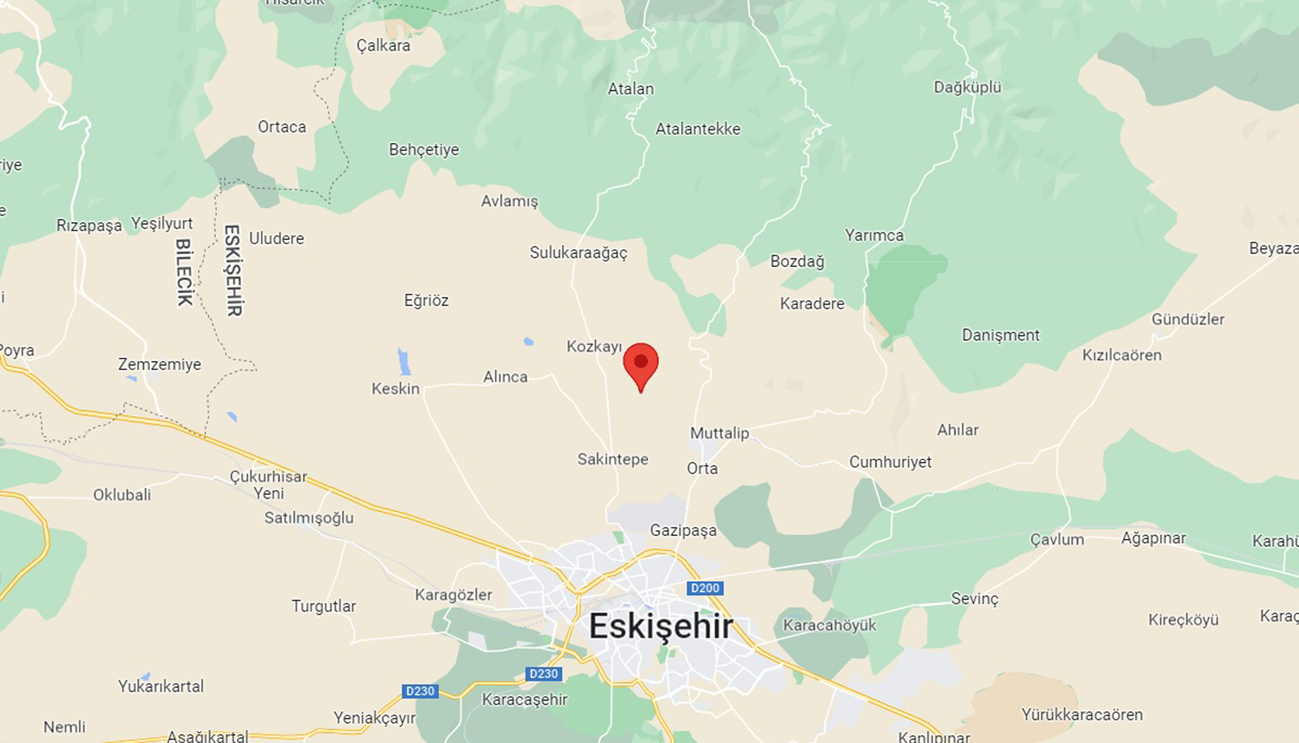
The green clay used in this study was obtained from Muttalip, Eskişehir Province, Turkey. The study area was located using a GPS map (60CSx) at 39°51′35.3′′N, 30°30′56.5′′E.
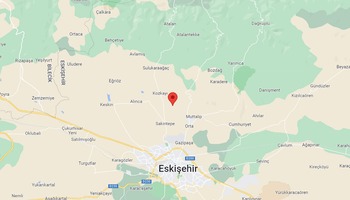
The green clay field is located in Muttalip (Fig. 1), where open quarries and a thin cover layer of brick tile clay are present. Quaternary-aged alluvial, terrestrial and sedimentary rock formations are present in the area. Triassic schist and metamorphic rock formations are present at the edges of the area. Mineralization, with an average width and length of 290 and 360 m, respectively, and ore thickness of ~5 m can be observed in the visible reserve area of the field.
Topographical map of green clay reserves in Muttalip, Eskisehir Province, Turkey. The study area was located using a GPS map (60CSx) at 39°51′35.3′′N, 30°30′56.5′′E, as highlighted in the figure.
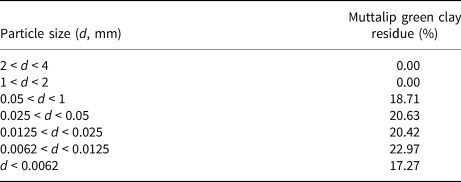
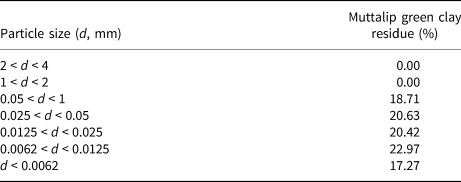
The green clay was ground using jaw and roller crushers, dried in the shade in an open area and passed through various sieves (i.e. 4, 2 and 1 mm and 500, 250, 125 and 63 μm) to determine its particle-size distribution (Table 1), as specified in ASTM C136 (2019). Knowledge of the particle-size distribution of a sample is necessary to assess its properties, such as flexural strength and chemical reactivity, during drying and firing (Milošević et al., Reference Milošević, Dabić, Kovač, Kaluđerović and Logar2019, Reference Milošević, Logar and Djordjević2020). Clays with dimensions of <1 mm were used as raw materials for tile preparation. Compared with the findings of Akçin et al. (Reference Akçin, Bulut, Ekinci Şans and Esenli2022), the percentage of particles with an average size <25 μm, comprising 60.66% of the green clay material, was lower in this study.
Particle-size distributions of Muttalip green clay.
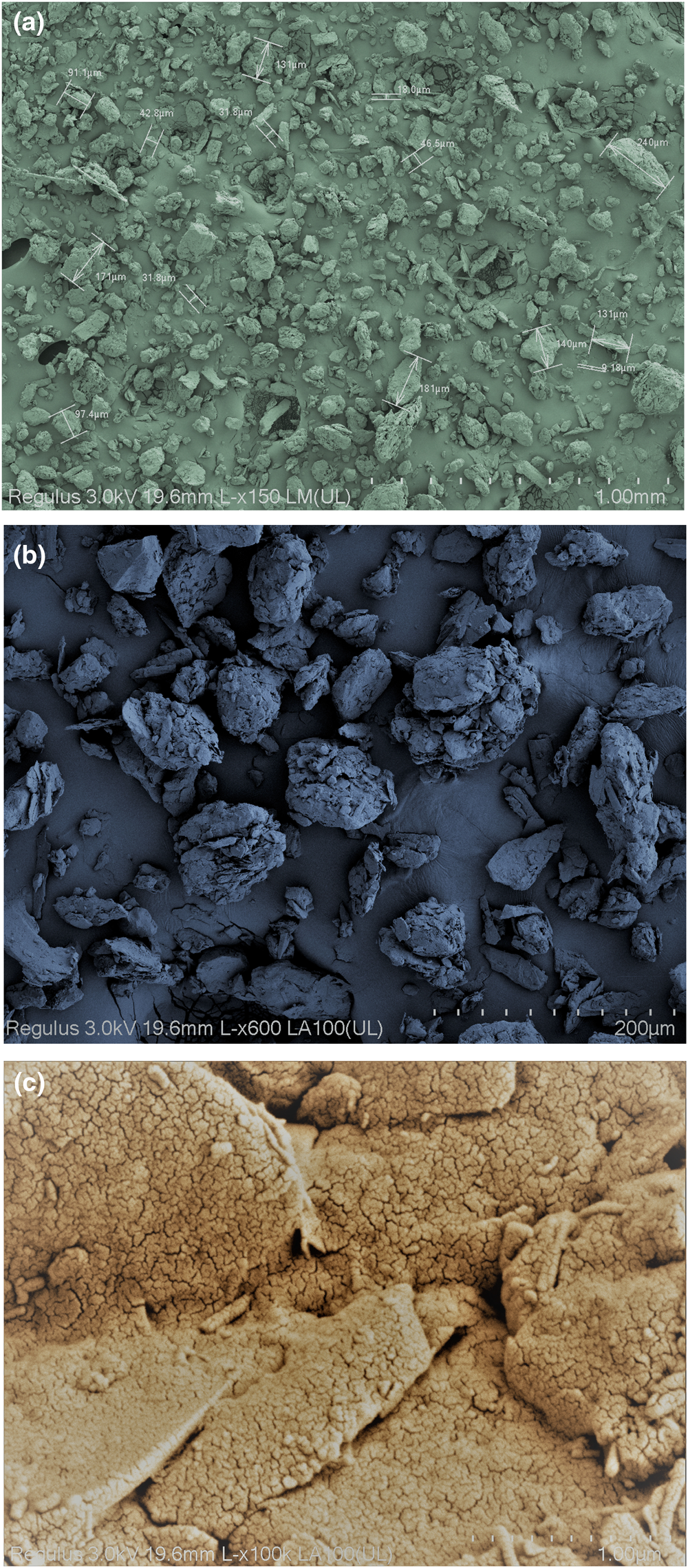
The particle-size distribution of the Muttalip green clay was confirmed using field-emission scanning electron microscopy (FE-SEM; Regulus 8230, Hitachi, Japan). The measurements were obtained at an accelerating voltage of 3 kV, a working distance of 19.6 mm, a low scanning rate and various magnifications (150×, 600×, 100,000×).
Measurements
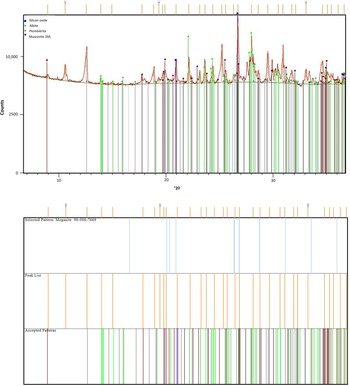
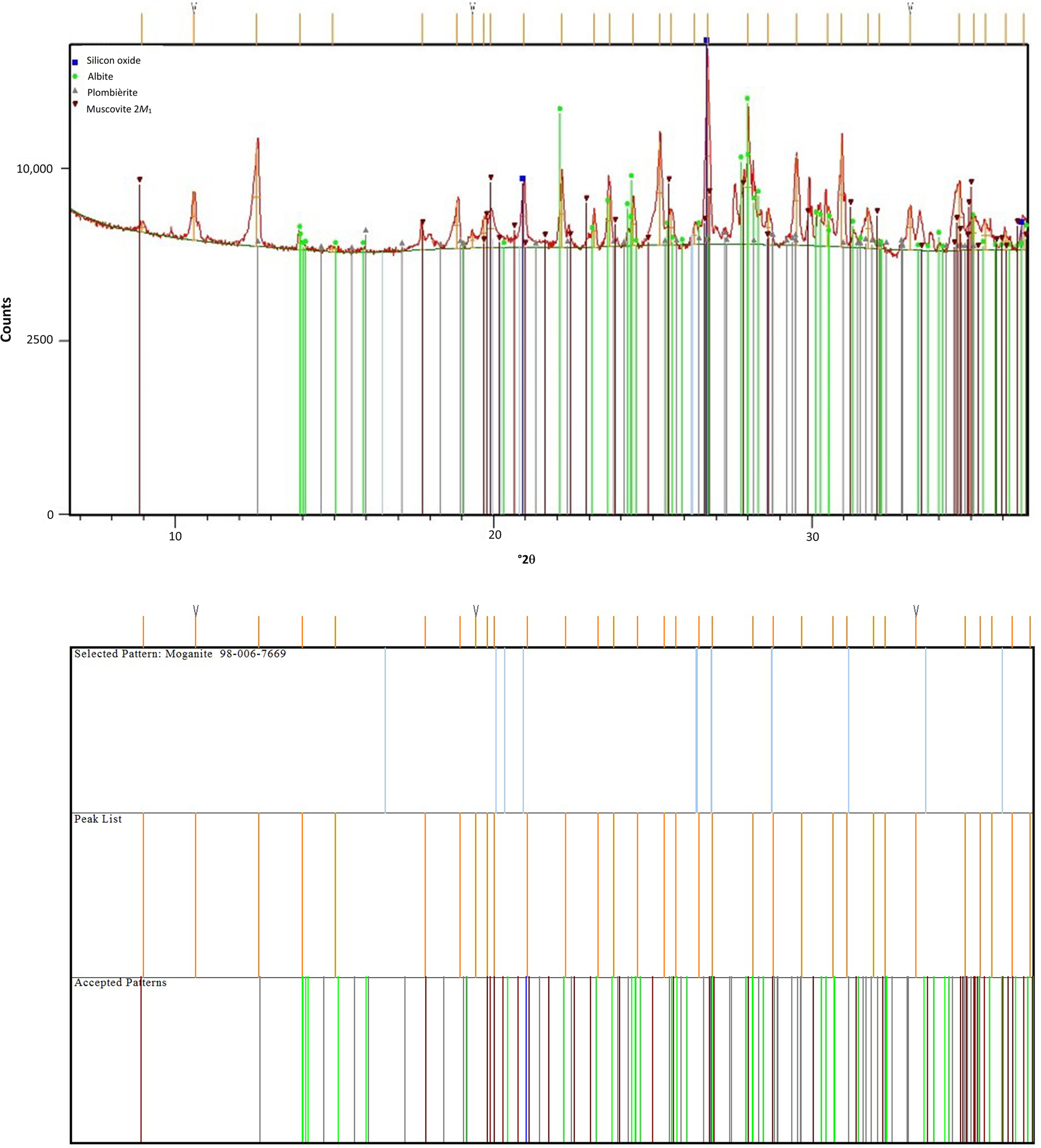
Mineralogical analysis of the clay was performed using X-ray diffraction (XRD; Empyrean, Malvern Panalytical, UK). The measurements were performed in the 5–90°2θ range, and the spectral peaks obtained were characterized on the basis of the XRD trace (Fig. 2).
XRD traces of minerals detected in Muttalip green clay.
The clay components and oxides were measured using X-ray fluorescence (XRF) spectroscopy (Axios Max, Malvern Panalytical). XRF analysis was performed under vacuum, and the results were confirmed using three different measurements with a Rh target tube and 8.0 mm collimator. The parameters of the three measurements were as follows: (1) tube voltage of 15 kV with a 500 μA tube current without a filter; (2) tube voltage of 30 kV with a 1000 μA tube current and a Pb filter; and (3) tube voltage of 15 kV with a 1000 μA tube current and a Cr filter. Loss on ignition (LOI) was determined by heating the sample from 0 to 1050°C for 3.5 h and maintaining it at 1050°C for 30 min. The temperature was then decreased to 24°C by air-cooling for ~12 h.
The sieved green clay was mixed with water to determine its moisture level, which was measured using a moisture analyser (HB43, Mettler Toledo, OH, USA) after 1 day. The clay was then pressed using a vacuum press device (Sermak Makina, Turkey) to obtain galette tiles. The air-vented galette tiles were dried in an oven (Ref-San, Ceramic Kilns Industry, Turkey) at 80°C, and those exhibiting cracking, breaking and/or discolouration after drying were examined. The dry tiles were fired at various temperatures (900, 950 and 1000°C) in an electric furnace (Ref-San), and the effects of these temperatures on tile flexural strength were investigated. Cracked, broken and discoloured fired tiles were also analysed. The water-holding capacity of the fired tiles was measured to determine their water absorption rate (W a). A flexural strength test (Kalite Material Testing Equipment Co. Ltd, Turkey) was performed to determine whether the fired tiles exhibited flexural strengths conforming to the TS EN 1304:2016 standard.
The tiles were characterized using Fourier-transform infrared (FTIR) spectroscopy (Bruker Vertex 80v, Nanoboyut Research Laboratory, Turkey). A Globar–SiC 1100°C lamp, a KBr/DLaTGS D301 detector operated at 24°C and a KBr beam splitter were employed for optical measurements in the mid-wave IR (MWIR), long-wave IR (LWIR) and far-IR (FIR) regions. For optical measurements in the near-IR (NIR; 1.00–2.85 μm) region, background and sample measurements were obtained using a tungsten lamp, an indium gallium arsenide (InGaAs) detector and a Ge–CaF2 beam splitter. The measurements were obtained under vacuum to ensure accuracy between 2.5 and 25.0 μm.
Results and discussion
XRD analysis
The XRD results indicate that Muttalip green clay is composed of SiO2, albite (Ab), plombièrite (Plm) and muscovite (Ms) 2M 1 (Fig. 2). SiO2 is present in ~95% of the materials used in the construction industry. Nayak & Singh (Reference Nayak and Singh2007) characterized the clay in their study and determined that quartz (Qz) was the main dense component.
Pure Ab (NaAlSi3O8) can be white, greenish or reddish, and it is often combined with minerals such as Ms, biotite (Bt), hornblende (Hbl) and Qz. As a precious stone, Ab is used in industries such as glass and ceramic production. Ms is a hydrated phyllosilicate Al- and K-based mineral with the formula KF2(Al2O3)3(SiO2)6H2O or KAl2AlSi3O10(F,OH)2. It can be colourless, greenish, yellowish or reddish. Ms possesses significant Al contents and is employed as a lubricant in the manufacture of non-combustible and insulating materials. In addition to being lightweight, Ms exhibits good flexibility, reflectivity, inertness, dielectric properties, elasticity, hydrophilicity and refractivity (Yuan et al., Reference Yuan, Yang, Ma, Su, Chang and Komarneni2018). It is stable when exposed to electricity, light, humidity and extreme temperatures. Because of all of these features, Ms has been applied widely in various industries. There are also studies in which Ms has been synthesized from an ash produced from biotite-rich coal wastes (e.g. Khoshdast et al., Reference Khoshdast, Shojaei, Hassanzadeh, Niedoba and Surowiak2021), increasing the availability of this important industrial material. Plm has the formula (Ca4Si6O16(OH)2⋅2H2O)⋅(Ca⋅5H2O).
XRF measurements
XRF spectroscopy was performed on the Muttalip green clay (Table 2) and it was shown to contain SiO2, Al2O3, Fe2O3, TiO2, CaO, MgO, Na2O, K2O and SO3. SiO2 and Al2O3 as the main components. The large SiO2 content of the sample confirmed the presence of Qz, as indicated by the XRD results (Fig. 2).
Chemical composition (wt.%) of Muttalip green clay.

1LOI at 1050°C.
The CaO in the clay indicates the presence of calcite (Cal), as reported by Coletti et al. (Reference Coletti, Maritan, Cultrone and Mazzoli2016). Cal (CaCO3) often contains small amounts of Fe, small levels of contamination by clay particles and Qz (Milošević et al., Reference Milošević, Logar and Djordjević2020). Residual Cal is converted to waste during roof-tile firing, which produces more open pores in these tiles (Montero et al., Reference Montero, Jordán, Hernández-Crespo and Sanfeliu2009), leading to increased water absorption (Jordán et al., Reference Jordán, Almendro-Candel, Romero and Rincón2005). The organic matter in the clay may be eliminated using thermal treatment, which also increases the open porosity of the tile (Jordán et al., Reference Jordán, Almendro-Candel, Romero and Rincón2005; De Silva & Mallwattha, Reference De Silva and Mallwattha2018). During firing, CaO expands in the ceramic material, leading to the formation of cracks in the tiles. Depending on the reactions that occur at the firing temperature, these cracks can reduce the flexural strength of the material (Assunção et al., Reference Assunção, Correia, Vasconcelos, Cabral, Angélica and da Costa2021).
XRF analysis of the Muttalip green clay revealed a significant amount of CaO in the clay structure. CaO expanded in the tile during firing and decreased its flexural strength; however, when the firing temperature was increased from 900 to 950°C, CaO reacted with amorphous SiO2 and increased the flexural strength of the tile. When the firing temperature was further increased, CaO decreased the flexural strength of the tile by promoting stress concentration.
LOI enables volatiles to escape from the tiles at high temperatures until their mass stabilizes. The high value of LOI obtained in this study may be attributed to the loss of volatiles, including water (hydrates and unstable hydroxy compounds), organic materials and carbonates (Milheiro et al., Reference Milheiro, Freire, Silva and Holanda2005; Abdelmalek et al., Reference Abdelmalek, Rekia, Youcef, Lakhdar and Nathalie2017; Milošević et al., Reference Milošević, Logar and Djordjević2020).
The chemical analysis results of the Muttalip green clay were compared with those of other clays used in tile production (Bilgin et al., Reference Bilgin, Bilgin and Yeprem2008; Rivera et al., Reference Rivera, Cuarán-Cuarán, Vanegas-Bonilla and de Gutiérrez2018; Moreno-Maroto et al., Reference Moreno-Maroto, Uceda-Rodríguez, Cobo-Ceacero, Cotes-Palomino, Martínez-García and Alonso-Azcarate2020; Akçin et al., Reference Akçin, Bulut, Ekinci Şans and Esenli2022). Among the clays investigated, the Muttalip green clay exhibited the smallest SiO2 and largest LOI values.
FE-SEM measurements
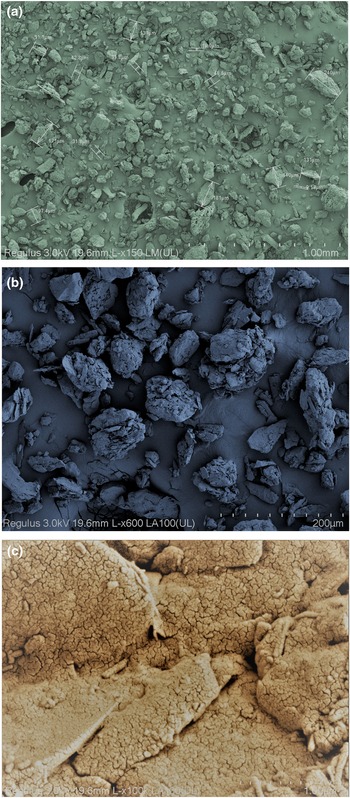
FE-SEM images of the Muttalip green clay were obtained at various magnifications to analyse its composition and surface morphology. The FE-SEM image obtained at 150× magnification (Fig. 3a) shows particles ranging in size from 30 to 240 μm with an irregular morphology. In a study of tile production using all of the waste from glass bottles, fluorescent lamps and soda-lime window glass, Rivera et al. (Reference Rivera, Cuarán-Cuarán, Vanegas-Bonilla and de Gutiérrez2018) found smooth, flat-faced and elongated particles; the authors did not observe spherical particles. At 600× magnification (Fig. 3b), smaller clay particles were observed. Small structural cracks were clearly visible at 100,000× magnification (Fig. 3c). Pitarch et al. (Reference Pitarch, Reig, Tomás, Forcada, Soriano and Borrachero2021) found that the FE-SEM morphologies of various ground ceramic particles depended on their water absorption. These small variations in morphology are important because tile ceramic particles exhibit low porosity and a smooth surface. A small number of small pores could increase the flexural strength of the resulting tile. The FE-SEM images of ceramic materials obtained after sintering at high temperatures (Ahmed et al., Reference Ahmed, Sultana, Zaman and Rahman2021) indicated that glassy phase formation and pores could decrease the flexural strength of tile samples.
FE-SEM images of Muttalip green clay at various magnifications.
Moisture rate
Clays present as powders in the absence of water. Thus, a suitable amount of water should be added to a clay to achieve the desired plasticity because water facilitates the weak electrostatic forces necessary for clay–particle attraction (Barnes, Reference Barnes2013). The moisture rate of the Muttalip green clay was 18.25%.
Drying shrinkage
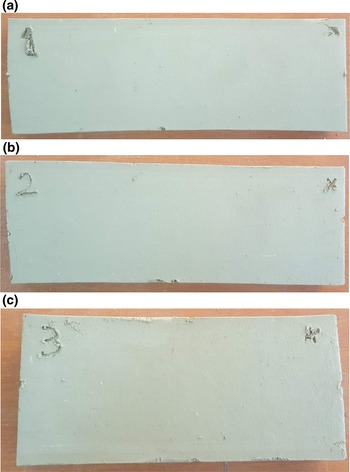
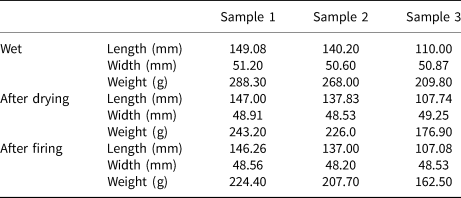
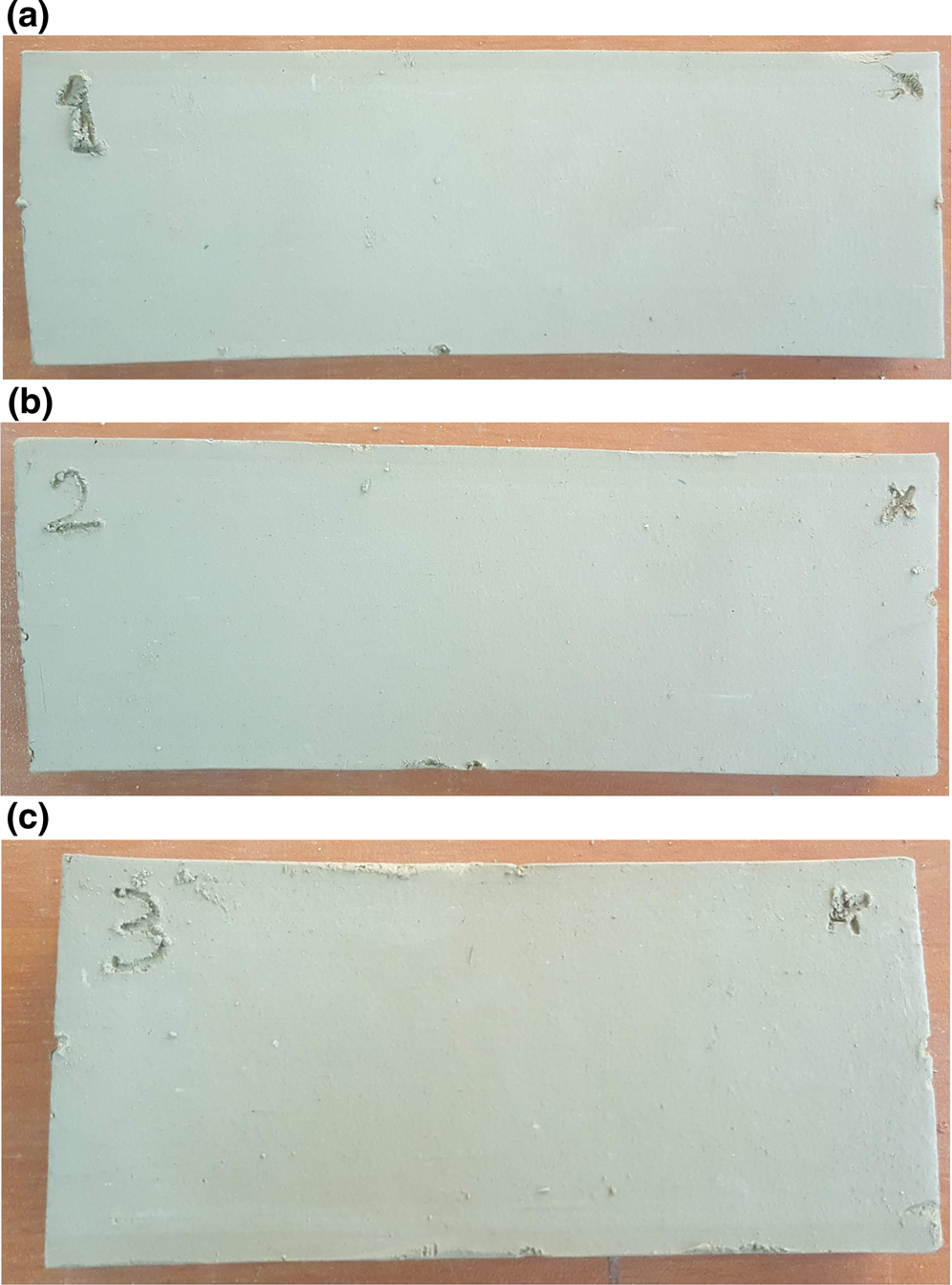
The Muttalip green clay and water were mixed at a humidity level of 15–20% and then poured into a vacuum press to prepare 0.05 × 0.10 m2 galette tiles containing no air bubbles. The galette tiles were removed from the vacuum press and dried in an oven at 80°C for ~6 h. When the drying temperature was >80°C, the tiles developed cracks, leading to product loss. When the temperature was <80°C, the drying process lasted significantly longer. The width, length and weight of wet (W) and dry (W d) galette tiles were measured (Table 3) and surface images of the tiles after drying were obtained (Fig. 4). No cracks or breaks were observed in the galette tiles. The surfaces of tiles must be defect-free to achieve a product with good flexural strength. Cracks were observed on the surfaces of galette tiles obtained from Muttalip red clays (Kuru Mutlu, Reference Kuru Mutlu2022), which exhibited a high SiO2 content and were dried at 80°C. However, cracks were absent in galette tiles obtained from schist materials (Kuru Mutlu & Mutlu, Reference Kuru Mutlu and Mutlu2022), which also exhibited a high SiO2 content and were dried at 80°C. Thus, cracking is not related strongly to the SiO2 content of the sample.
Images of the galette tiles after drying and heating at 80°C: (a) galette sample 1, (b) galette sample 2 and (c) galette sample 3.
Physical measurements of the galette tiles after drying and firing.
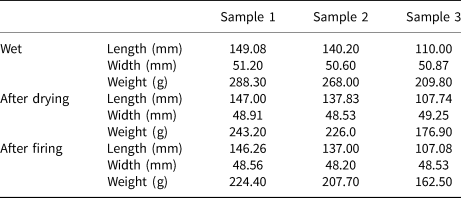
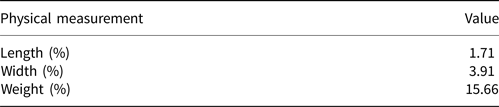
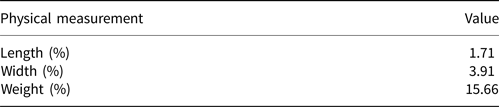
The masses of the galette tiles before and after drying were compared, and their drying shrinkage values were calculated according to Equation 1 (Table 4; Huggett, Reference Huggett2015). In this study, the drying and weight shrinkage values of the tiles were obtained and referred to collectively as the ‘drying shrinkage’. The tiles exhibited a drying shrinkage value that was only 0.45% greater than that of similar tile materials (Kuru Mutlu & Mutlu, Reference Kuru Mutlu and Mutlu2022); this difference is not significant.

Average drying shrinkage of the galette tiles.
Firing shrinkage
The surfaces of the galettes were defect-free after drying at 80°C. Heat treatment was performed at 900°C (Sample 1), 950°C (Sample 2) and 1000°C (Sample 3) to examine the effects of various firing temperatures on the flexural strength of the tiles. The galette tiles were not removed immediately after firing; instead, the following process was used: the galettes were first heated to 80°C and then rested. Next, they were heated to 473°C and then rested for 1 h. Each sample was then heated to 900, 950 or 1000°C and maintained at this temperature for 2 h. Finally, the galettes were left to air-cool to room temperature.
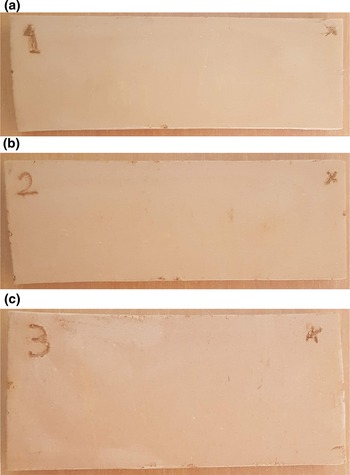
The width, length and weight (W f; Table 3) and surface images (Fig. 5) of the fired galette tiles were obtained. None of the tiles showed cracks or fractures because they all contained a small amount of Qz, which serves as a stress concentrator and forms microcracks due to its allotropic transformation (Barnes, Reference Barnes2013). Furthermore, CaO reacts with amorphous SiO2 to form CaSiO3 during firing and so prevents crack formation as a stress intensifier (Assunção et al., Reference Assunção, Correia, Vasconcelos, Cabral, Angélica and da Costa2021).
Images of the galette tiles fired at (a) 900°C, (b) 950°C and (c) 1000°C.
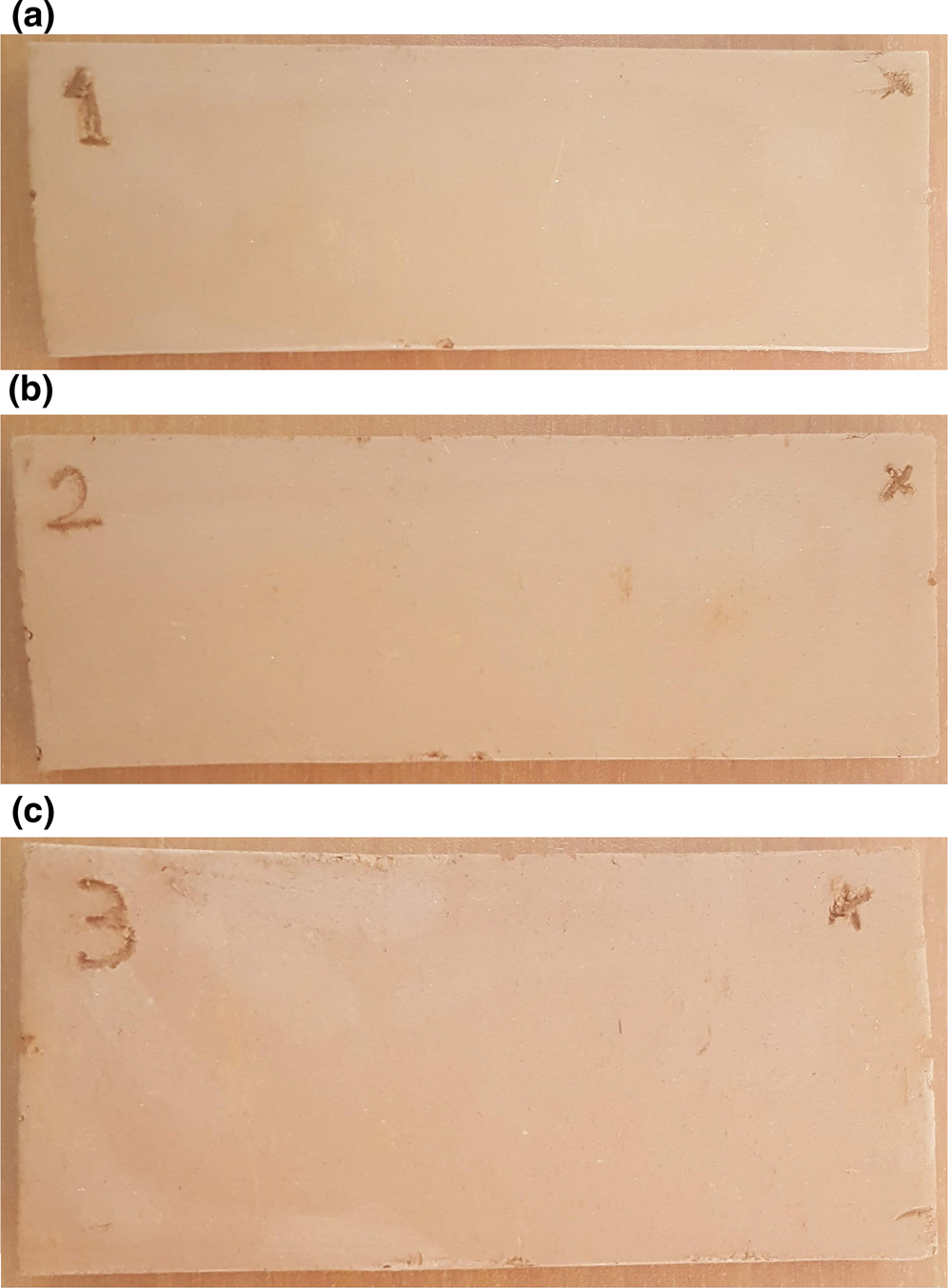
All of the ceramics exhibited the reddish colour (Babisk et al., Reference Babisk, Amaral, da Silva Ribeiro, Vieira, do Prado and Gadioli2020) typical of traditional ceramic products (Fig. 5) due to the oxidation of Fe compounds present in the green clay. Knowledge of the drying and firing shrinkage values of tiles (Equation 2) is important. If desired, the drying and firing shrinkage values can be calculated for each galette using the values from Table 3. Unfortunately, because the firing temperatures of the galettes were different, their average firing shrinkage could not be calculated.

Water absorption
A dry galette was weighed (W d) and immersed in water for 24 h. The weight of the tile was then measured after immersion (W w). Finally, the water absorption (W a; Equation 3) of the tile was determined (Bureau of Indian Standards, 2002; ASTM C1492, 2003; ASTM C830-00, 2016; De Silva & Mallwattha, Reference De Silva and Mallwattha2017). The average W a of the Muttalip green clay was calculated to be 16.35%.
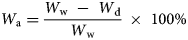
When tiles exhibit significant water impermeability, small plants and algae may grow on them, thereby decreasing their durability and aesthetic values. The water-holding capacity of clay mixtures should not exceed 18% (De Silva & Mallwattha, Reference De Silva and Mallwattha2017). The water impermeability of the Muttalip green clay complied with the water-holding capacity limit (18%) of clay roof tiles (Bureau of Indian Standards, 2002; De Silva & Mallwattha, Reference De Silva and Mallwattha2017).
Flexural strength
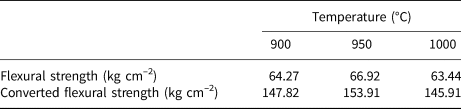
The most important parameter of a tile is its flexural strength. The breaking flexural strength of the tiles was determined by the maximum load they could withstand using a three-point bending test. Here, the tile was fixed at both ends and various forces were applied at the midpoints of these ends. Then, the breaking flexural strength of each tile was measured using a sensor (Table 5). The effects of various firing temperatures on the flexural strength of the samples were also investigated. The strengths of the galette tiles fired at 900 and 1000°C were similar. Compared with these tiles, the galette fired at 950°C demonstrated increased flexural strength. Specifically, the strength of the galette tile fired at 950°C was 4.12% greater than that of the galette tile fired at 900°C.
Flexural strength and converted flexural strength values of galette tiles at various firing temperatures.
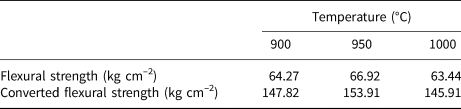
In this study, the applicability of de-aerated rectangular galette tiles as roof tiles was investigated. Galette tiles are usually flat. Because Marseille-style tiles, which are frequently used on house roofs, vary in size and shape, a conversion coefficient is required to obtain accurate strength values. A factory production setting is obtained by multiplying the strength value of the Marseille-style tile produced in the laboratory by the factory conversion factor. Tile manufacturers use unique conversion coefficients for laboratory samples (rectangular galettes) and tile production. Thus, the flexural strength of the Muttalip green clay was determined according to the conversion coefficient of Hatipoglu Günes Tile & Brick Industry, Inc. (Table 5). According to the TS EN 1304:2016 and EN ISO 10545-4:2014 standards in Turkey, the breaking load of fired tiles should be >120 kg cm–2. The Muttalip green clay tiles prepared in this study met this standard.
Guimarães et al. (Reference Guimarães, Santos, Thedoldi and Lima2022) reported red clays with flexural strengths of 10.19–91.00 kg cm–2, while Babisk et al. (Reference Babisk, Amaral, da Silva Ribeiro, Vieira, do Prado and Gadioli2020) obtained clays with flexural strengths of 10–130 kg cm–2. The converted flexural strength of the galette tiles obtained from the Muttalip green clay was greater than these values. Moreover, the flexural strength of the tiles prepared in this work was significantly greater than those obtained from schist materials (156.15 kg cm–2; Kuru Mutlu & Mutlu, Reference Kuru Mutlu and Mutlu2022). Thus, the material alternatives available to the tile industry can be expanded by developing such clay mixtures, which will reduce the energy costs of industrial processes (Comin et al., Reference Comin, Zaccaron, de Souza Nandi, Inocente, Muller and Dal Bó2021).
Absorption and reflection measurements
Absorption and reflection measurements were performed on the galette tiles obtained from Muttalip green clay in three different regions of the electromagnetic spectrum (UV, NIR and MWIR) using various detectors, light sources and beam splitters. A vacuum was not required for the absorption–permeability measurements of the tiles in the visible and NIR regions because no atmospheric absorption occurs in these regions. By contrast, because atmospheric absorption occurs in the 2.5–25.0 μm region, optical measurements were performed under vacuum in this region to yield accurate results.
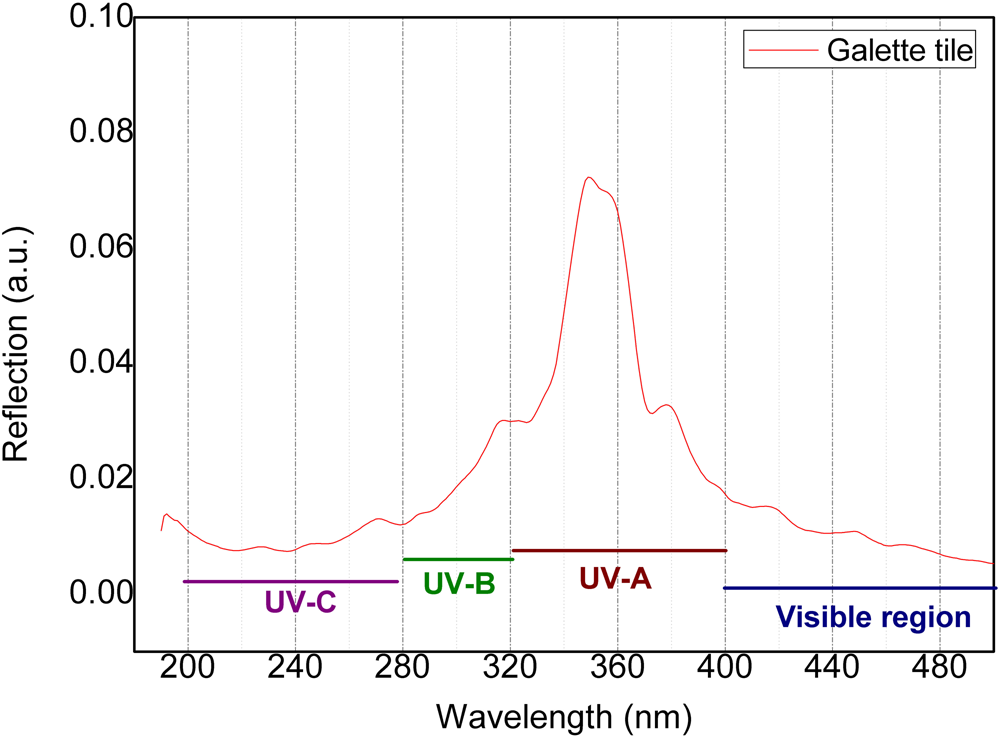
The reflection spectra of the galette tiles (Fig. 6) revealed that their reflection in the UV-B (280–320 nm) region was greater than that in the UV-C (200–280 nm) region. Most UV-B and UV-C rays are absorbed by Earth's atmosphere, and very few of these rays reach Earth's surface. In addition, the amount of light reflected by the tiles in the UV-A region (320–400 nm) was greater than that in the UV-B and UV-C regions (Fig. 6).
Reflection spectra of the galette tiles in the UV and visible regions.
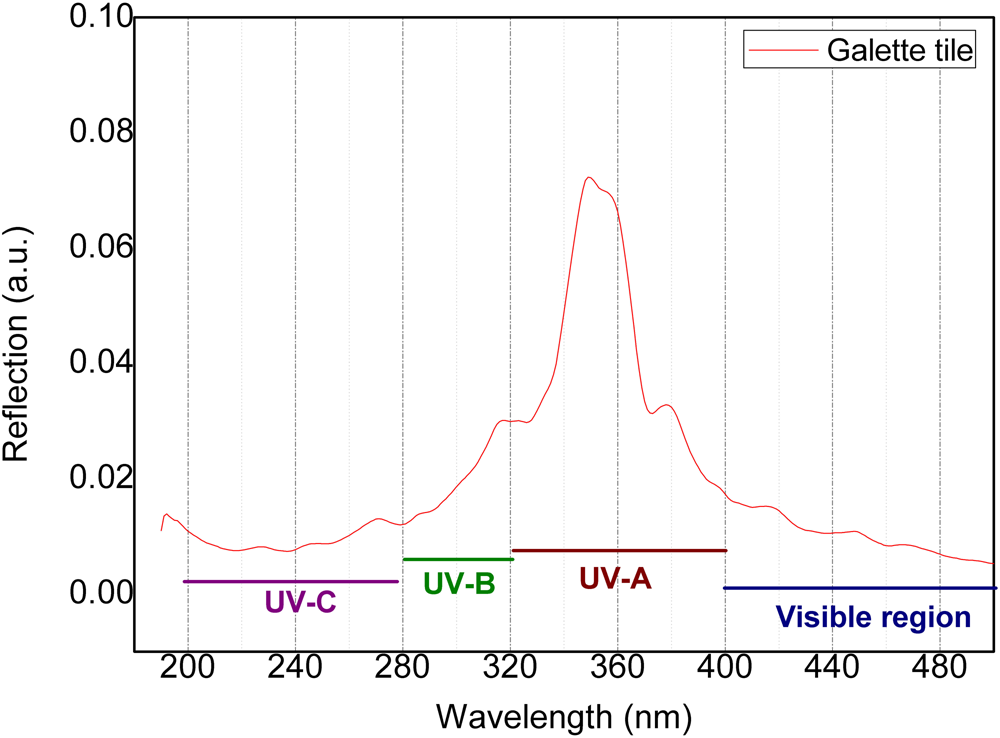
Most UV-A radiation from the sun reaches Earth's surface. UV-A exposure causes cell damage in plants (Cavusoglu et al., Reference Cavusoglu, Kalefetoglu Macar, Macar, Cavusoglu and Yalcın2022) and the skin (Radrezza et al., Reference Radrezza, Carini, Baron, Aldini, Negre-Salvayre and D'Amato2021); it also has negative impacts on the eyes (Sherin et al., Reference Sherin, Vyšniauskas, López-Duarte, Ogilby and Kuimova2021) and can cause melanoma (Wood et al., Reference Wood, Berwick, Ley, Walter, Setlow and Timmins2006; Barnes et al., Reference Barnes, Williamson, Lucas, Robinson, Madronich and Paul2019). However, when UV-A radiation from the sun reached the Muttalip green clay tiles, these tiles reflected the UV-A rays due to their surface properties.
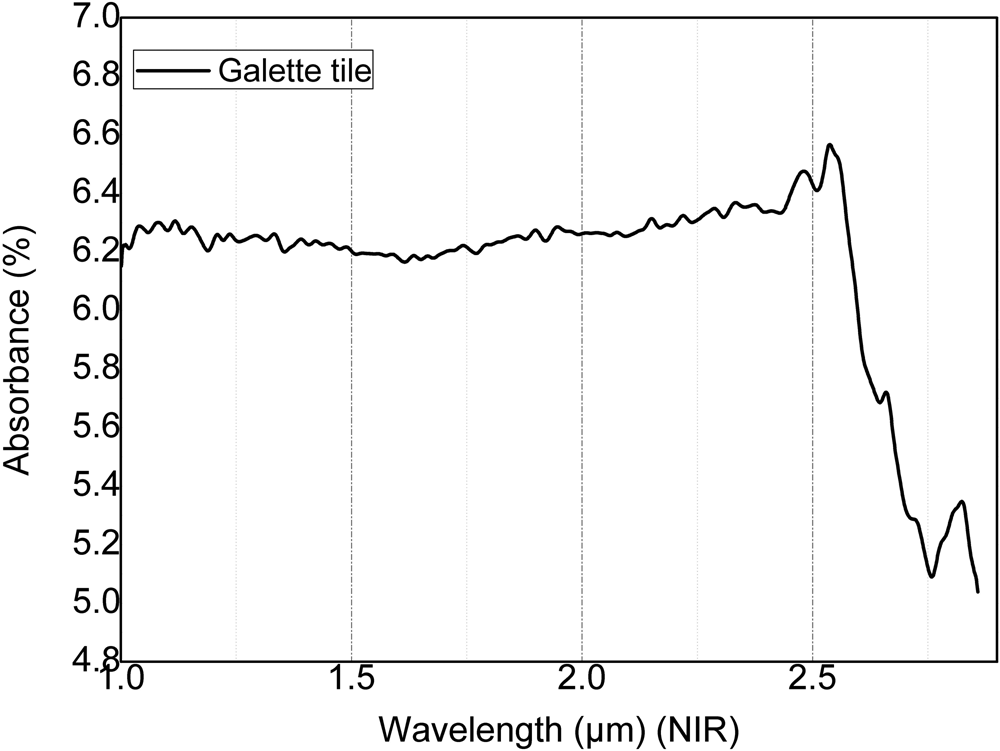
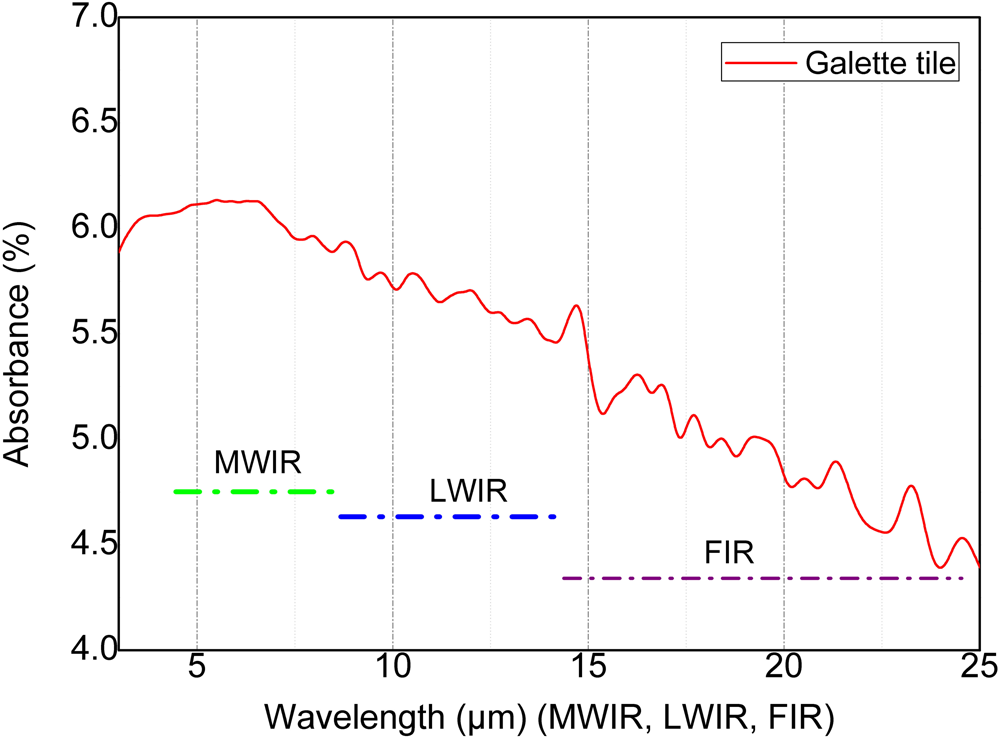
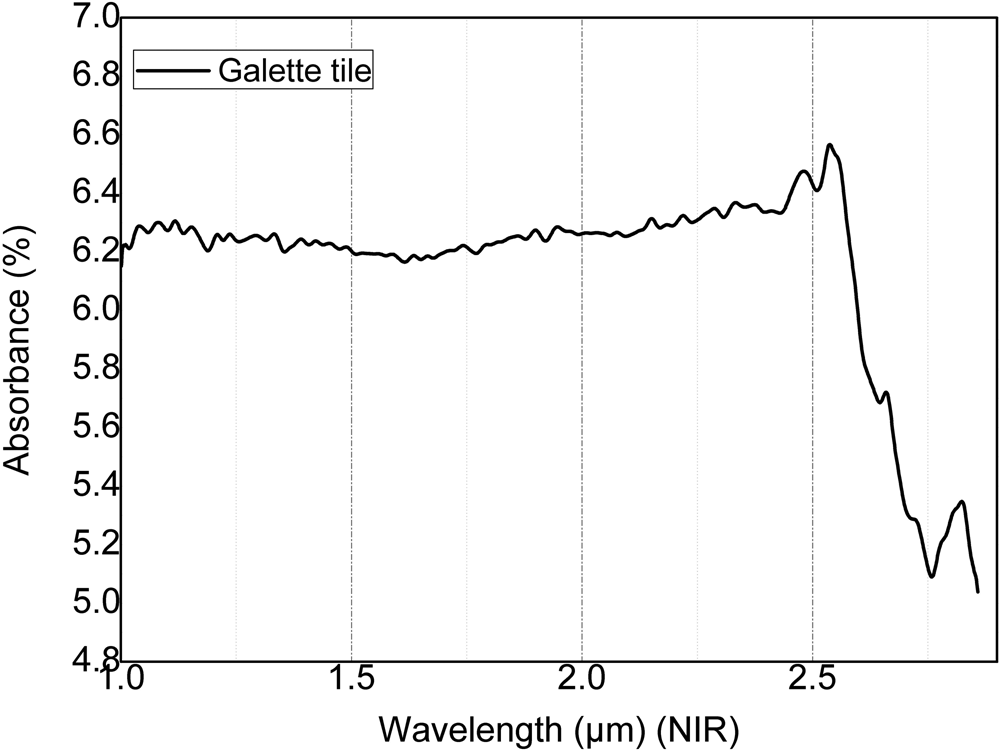
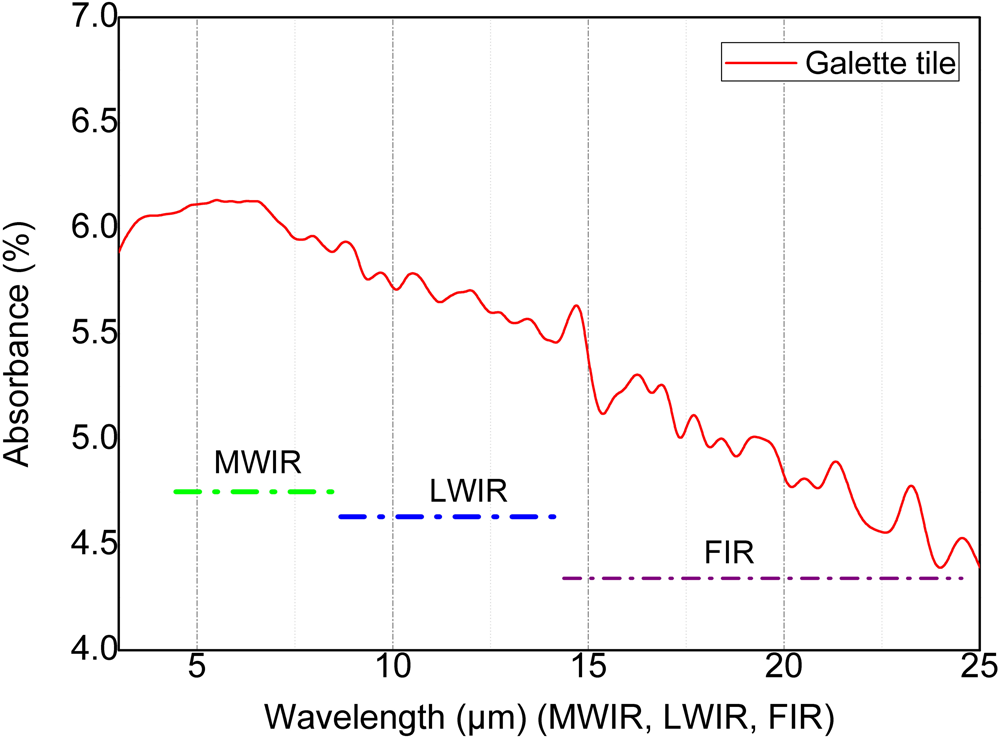
The galette tiles showed consistent absorption in the NIR (1.0–2.5 μm) region (Fig. 7). By contrast, the absorption of the galette tiles in the MWIR region (Fig. 8) decreased as the wavelength increased. Previous studies (Prager et al., Reference Prager, Köhl, Heck and Herkel2006; Aboud et al., Reference Aboud, Altemimi, Al-HiIphy, Yi-Chen and Cacciola2019) have indicated that the ability of tiles to absorb radiation in the IR region is useful for the heating of buildings.
Absorbance spectra of the galette tiles in the NIR region.
Absorbance spectra of the galette tiles in the MWIR, LWIR and FIR regions.
Conclusions
In this study, Muttalip green clay was analysed using XRD, XRF spectroscopy and FE-SEM. The clay was then used to produce tiles with flexural strengths adhering to the TS EN 1304:2016 quality standard. The effect of various firing temperatures (900, 950 and 1000°C) on the flexural strength of the tiles was also investigated. The absorption of the tiles in the MWIR, LWIR and FIR regions of the electromagnetic spectrum was measured under a vacuum to obtain accurate measurement results. Studies on the measurement of such tile absorption under vacuum conditions are limited. Therefore, this study makes an important contribution to the literature.
The flexural strength of tiles prepared from the Muttalip green clay complied with the values listed in the TS EN 1304:2016 standard. The maximum flexural strength of the clay tiles was obtained at a firing temperature of 950°C. In addition, the colour of the tiles darkened with increasing firing temperature.
Muttalip green clay galette tiles reflected significant irradiation in the UV-A region; thus, they offer protection from the harmful effects of UV-A rays. Moreover, the ability of the galette tiles to absorb radiation in the IR region causes heat build-up. The results of the optical characterization experiments conducted in this study detail the advantages of Muttalip green clay and represent another significant contribution to the literature. The Muttalip green clay described in this work can be used as a raw material in the ceramic industry, as tiles made from this clay feature flexural strength that complies with the TS EN 1304:2016 quality standard.
Acknowledgements
The author is grateful to the anonymous reviewers for their constructive comments on this article. The author also thanks the Editor-in-Chief, George Christidis, for his editorial comments and contributions; Hatipoglu Günes Tile & Brick Industry, Inc. in Kutahya, Turkey, for allowing the use of their research and development tile production laboratory; and Prof. Dr Ugur Serincan at the Eskişehir Nanoboyut Research Laboratory, Eskisehir, Turkey, for enabling the FTIR measurements of the samples.
Financial support
This study did not receive funding from any individual or organization.
Conflicts of interest
The author declares no conflict of interest.
Availability of data and materials
All of the data from this study can be provided upon reasonable request. The analytical equipment, which is regularly checked by the Turkish Standards Institute, was calibrated appropriately. If necessary, samples of the galette tiles can be sent out and shared.
Code availability
No software application or special code was used in this study.
Author contributions
All of the work in this study was conducted by the author.