


INTRODUCTION
Female genital mutilation/cutting (“FGM/C") is recognized globally for being associated with risks to the physical and psychological health of girls and women. As it is a human rights violation, many work towards its abandonment. Reference MackieMackie's (1996) social convention theory predicts that FGM/C abandonment will flow from coordination among intermarrying groups to preserve a marriage market for uncircumcised girls. Meanwhile, Reference Winterbottom, Koomen and BurfordWinterbottom et al. (2009) find that FGM/C abandonment interventions must be highly sensitive to local context. Despite this, a common FGM/C policy response has been uniform national-level policy, usually in the form of laws and criminal prohibitions. Reference Boyle and PrevesBoyle and Preves (2000) find that reform of this variety “is often a top-down process in which national laws are developed to change rather than reflect local attitudes.” The success of policy responses of this variety are thought to be dependent upon the coercive capacities of the states adopting them. This paper examines the relationship between different legal implementation strategies and abandonment. Specifically, we compare the implementation of Burkina Faso's anti-FGM/C law to that of Kenya, assessing the complex relationships between context, implementation and outcomes and whether states with limited coercive capacity can still use law to change difficult-to-observe social practices.
There are substantial state capacity disparities between Burkina Faso and Kenya, with Burkina Faso thought to have less state capacity than Kenya. Ability to use force to achieve state goals is what academics and policymakers alike often look to when evaluating state capacity (Reference Akbar and OstermannAkbar & Ostermann, 2015; Reference HendrixHendrix, 2010; Reference WeberWeber, 2009). Burkina Faso has experienced 30+ years of political volatility and is currently fighting insurgents on multiple fronts. Its coercive capabilities are limited at best and currently stretched by more pressing concerns. With respect to implementation of FGM/C law, Burkina Faso has taken a multi-faceted approach that includes some conventional “law & courts” methods, but focuses on facilitating behavior change. If a state's ability to monopolize violence throughout its territory is a good measure of its capacity to achieve state goals, we would not expect Burkina Faso to see substantial compliance with its anti-FGM/C law, a law that counters social norms and prohibits difficult-to-observe behavior.
Kenya, in contrast, has substantial state capacity. In theory, this is important because target populations are generally motivated by fear or duty to comply with laws that run counter to self-interest and social norms, and a state's ability to inspire fear by threatening to use force is directly tied to state capacity. Similarly, a state's ability to produce a felt sense of duty to comply with law is associated with allegiance to the state or rule of law, both of which are heavily influenced by state capacity. In practice, Kenya has taken a traditional “law & courts” approach, one which relies on the state's coercive capacity, though it has done some facilitation as well. Thus, in line with Shell-Reference Shell-Duncan, Wander, Hernlund and MoreauDuncan et al. (2013), we would expect Kenya to achieve comparatively more compliance with its FGM/C law than Burkina Faso.
Yet, data collected in Burkina Faso, where the state is coercively weak, are empirically puzzling. We found relatively high rates of compliance with anti-FGM/C law near the Burkina Faso-Mali border. National-level statistics also indicate that Burkina Faso has achieved substantial compliance with anti-FGM/C law. After adopting its law in 1996, national statistics in Burkina Faso suggest that there has been a decline in the practice among women aged 15–49 years (76% in 2010 to 67% in 2015) and girls aged 0–14 years (13% in 2010 to 11% in 2015). This parallels national-level data from Kenya, where the 2001 Children's Act and a 2011 anti-FGM/C law prohibited the practice. In Kenya, data suggest that prevalence has declined from 27% in 2009 to 21% in 2014 for women aged 15–49.Footnote 1
What might explain why both Burkina Faso and Kenya have achieved comparatively similar compliance with their respective anti-FGM/C laws despite substantial differences in coercive state capacity?
We took a multi-method approach to answering this question. To determine FGM/C prevalence, we use a list experiment and large-N survey data to measure compliance in so-called “hard cases,” where we expect the state's reach to be limited. We also collected extensive qualitative data: semi-structured interviews of key informants and 10 focus-group discussions.
We find comparatively similar compliance among respondents in Burkina Faso and Kenya, where anti-FGM/C laws are in place. Meanwhile, respondents from a shadow case, across the Burkina Faso border in Mali, where there is no specific anti-FGM/C law, FGM/C continues at high rates. These findings suggest that law can be used to foster FGM/C abandonment.
We also find that the pathways to compliance in Burkina Faso and Kenya are distinct. In Kenya, where the state has adopted a coercion-dependent implementation strategy that relies on “law & courts” to foster compliance, target populations do generally fear enforcement and have a felt sense of duty to comply with the law. Kenya's strategy, therefore, seems appropriate to state capacity and context. In Burkina Faso, respondents display less fear and respect for the law, but are more likely to say that they comply out of the pleasure of following their own consciences. Given this, Burkina Faso's implementation strategy, which relies more on facilitation and less on coercion to foster compliance, seems well-tailored to Burkina Faso's lack of coercive capacity and to context. It also suggests a path forward—facilitation—for states that lack coercive capacity, but nevertheless want to undertake particular legal projects.
Below we review the literature on compliance, before providing background on Kenya and Burkina Faso, and their respective anti-FGM/C laws. We then turn to methods, including study design and analysis of both quantitative and qualitative data before discussing our findings and their implications.
STATE CAPACITY AND COMPLIANCE
Max Weber defines the state as “a human community that (successfully) claims the monopoly on the legitimate use of physical force within a given territory.” The political science and law literatures often use this definition and assume that states with significant capacity are those that bring about compliance with law using force. It is then generally assumed that states with more limited capacity cannot secure compliance, as they simply cannot produce the necessary force. But force, and the resulting fear of legal sanction, is not the only factor motivating compliance.
The socio-legal compliance literature suggests that, in addition to fear (Reference FriedmanFriedman, 1975; Reference GibbsGibbs, 1968; Reference JensenJensen, 1969; Reference TittleTittle, 1977), a felt sense of duty (Braithwaite & Reference Braithwaite and MakkaiMakkai 1994; Reference MayMay, 2005; Reference Scholz and PinneyScholz & Pinney 1995), and social license pressures (Reference Kagan, Thornton and GunninghamKagan et al., 2003) motivate compliance with law. There are then a whole host of different conditions under which fear, duty, and social license pressures are likely to impact compliance. We provide a list in the Appendix S1. But more important than the list itself is the fact that the evidence for these factors comes largely from situations in which law has not been brought into conflict with widespread social practice.
Can law be used as an instrument to change behavior when the individuals or entities targeted by a law are not particularly receptive to the change required by it? Early figures like sociologist Reference SumnerWilliam Graham Sumner (1907) stated that law must always reflect social practice. For example, nearly everyone agrees that burglary is wrong and should be illegal, and nearly everyone complies. However, there is evidence that law is less powerful when the behavior prohibited by it is not widely considered to be wrong. For instance, in the case of the topic at hand, FGM/C is considered to be acceptable behavior among large swaths of the populations where it is practiced. As a result, few are surprised that law has met with resistance in this realm. Yet, some laws seemingly have changed entrenched folk-ways.
Reference Prothro and MatthewsProthro and Matthews (1963) found that, in the US, laws that removed poll taxes and literacy tests had a positive influence on black voter registration in districts in which whites had taken action to limit same. Similarly, Reference Orfield, Monfort and GeorgeOrfield et al. (1987) found that the exclusionary rule, which bans improperly collected evidence from a trial record, effectively deterred narcotics officers in Chicago from this particular type of misconduct. Reference Kagan, Skolnick, Rabin and SugarmanKagan and Skolnick (1993), examining no-smoking ordinances in restaurants and workplaces in some US cities in the late 1980s and early ‘90s, found that compliance, even without enforcement, was common. Later, Reference Kagan, Thornton and GunninghamKagan et al. (2003) examined corporate performance vis-à-vis costly-to-comply-with environmental regulations in Australia, New Zealand, Canada, and the United States, and found that polluting pulp and paper mills did ameliorate their behavior, particularly when civil society actors also applied compliance pressure.
There are limits, however, to law's reach. Reference Pager, Western and BonikowskiPager et al. (2009), examined patterns of discrimination in the low-wage labor market in New York City and found that compliance with civil rights and antidiscrimination laws is poor when infractions are not readily detectable and enforcement is difficult and limited. In such situations, Reference Winter and MayWinter and May's (2001) work on the compliance of Danish farmers with agricultural/environmental regulations suggests that peer pressure against a legal backdrop may also foster compliance. Complicating matters further is Reference EllicksonEllickson's (1991) finding that social norms may supplement or even preempt legal rules imposed by the state. Thus, the socio-legal compliance literature suggests that law can generate compliance, even when compliant behavior deviates from social practice, but its powers are somewhat proscribed.
In light of this, what should we expect to find in the developing world where, for many types of regulations, effective and predictable enforcement, so prized by those who ascribe to a Weberian vision of the state, is not a realistic option and social norms are often strong?
Limited research has examined compliance in developing world contexts. Reference Gezelius and HauckGezelius and Hauck (2011), looking at fishery regulations in Norway, Canada, and South Africa, explain that the source of a compliance motivation can vary from context to context and a state's strategy for ensuring compliance must change accordingly. Reference BoittinBoittin (2013), in her study of sex workers in China, reveals that many individuals who break laws prohibiting prostitution often do so out of necessity, but poverty-driven noncompliance in one area does not inhibit compliance in others. Meanwhile, Reference ScottScott (1987) and Reference VillegasVillegas (2012) find that attitudes towards the law and state are often different in the developing world and that responses to same reflect this fact. Reference ShivjiShivji (1995) suggests this may be because rule of law and the rights struggle require careful transplantation in many African contexts. Relatedly, Reference An-Na'imAn-Na'im (2002) suggests that human rights laws and norms will not generate widespread compliance until they are internalized by African communities and this internalization process leads to a cultural transformation. Indeed, there is now a growing literature on the plurality of law, with some, like Reference Ghai, Heckman, Nelson and LeeYash Ghai (2010), explaining why ethnic and cultural diversity, and the variety of associated norms, may be at odds with constitutionalism; an idea also present in Reference Musembi, Hellum and AasenCelestine Musembi's (2013) work on human rights.
It should not be surprising, then, that some literature suggests that developing world actors evaluate compliance differently than their counterparts in the often more strongly institutionalized developed countries. In the former, actors still conduct cost–benefit analyses when considering compliance, but their analyses may have more/different factors than those of their developed world counterparts. Reference Yan, van Rooij and van der HeijdenYan et al. (2015) find that farmers in China are more likely to respond to operational costs and benefits than deterrence when considering noncompliant use of pesticides. Reference Schmidt and McDermottSchmidt and McDermott (2015) add that noncompliance with deforestation laws in the Amazon basin is associated with stress and the perception that legal processes are contradictory, often because of inconsistent local law enforcement. Reference Tacconi and TacconiTacconi (2007) finds that subjective interpretation of which practices are harmful can lead to noncompliance. Meanwhile, Reference Pendleton and TacconiPendleton (2007) shows that noncompliance was only subjectively considered illegal when it met certain community-level, extralegal criteria. This suggests that developing world states face a more daunting challenge than their developed counterparts.
In addition, state capacity is often more limited in the developing world, suggesting that states with limited capacity will struggle to bring about compliance, particularly when it is at odds with customary/social norms. Yet, Reference Kagan, Thornton and GunninghamKagan et al. (2003), Reference Kagan, Parker and NielsenKagan (2011), and Reference Kagan, Thornton and GunninghamKagan et al. (2005) tell us that enforcement, even if only used against a small percentage of the regulated, is important for getting a target population to comply. This suggests that state capacity need not be great in order for deterrence-based enforcement to work. We would then expect states with limited state capacity to be able to use enforcement in a targeted manner to increase compliance in the broader population. High profile and/or highly publicized prosecutions, for instance, might have a wide deterrent effect, even in the absence of a strong and capable state. A range of more nontraditional policy options may work as well. Reference OstermannOstermann (2019) demonstrates that states that recognize compliance barriers and pragmatically work around them can secure relatively high rates of compliance even if they lack the coercive capacity to motivate widespread behavior change.
This article explores whether law can be used to change social practices that are difficult to observe. It also considers whether significant state coercive capacity is required to achieve widespread compliance with this type of law.
ANTI-FGM/C LAW AND ITS IMPLEMENTATION
Laws that prohibit FGM/C and related practices have been common policy responses to what is largely seen as a human rights challenge. Very few of the countries where FGM/C is common, however, are thought to have significant state capacity or strongly institutionalized regulatory environments. Thus, it is an open question whether law foster FGM/C abandonment. This is particularly true, as we discuss below, because it is challenging for even those states with significant capacity to determine who actually continues FGM/C practice.
To explore whether it is the law itself or its implementation that influences FGM/C abandonment, we consider two cases where FGM/C is illegal, Kenya and Burkina Faso, and one shadow case where FGM/C is not explicitly prohibited, Mali. In this section, we outline Kenya's and Burkina Faso's anti-FGM/C legal frameworks.
Kenya's anti-FGM/C legal framework and measures complementary to the law
Kenya's robust anti-FGM/C legal framework is informed by international and regional human rights law; it relies extensively on criminalization and the use of penal sanctions for deterrence.
The Kenyan Constitution prohibits gender discrimination and also permits the direct application of international and regional human rights law (Constitution of Kenya, Articles 2(5) and (6)). As a result, human rights instruments that have implications for FGM/C form a part of Kenyan law. For example, Article 5 of the Additional Protocol to the African Charter on Human and Peoples' Rights on the Rights of Women in Africa (Maputo Protocol), requires state parties to take measures to eliminate harmful cultural practices. Article 5(b) of the Maputo Protocol requires states to enact legislative measures prohibiting and sanctioning all forms of FGM/C. Thus, the Kenyan Constitution and the Maputo Protocol paved the way for the 2011 Prohibition of FGM Act discussed below.
In addition to the direct application of international and regional law in Kenya, nonbinding international law contains relevant FGM/C provisions. For instance, the International Conference on Population and Development Programme of Action and Recommendation 14 of the CEDAW Committee are relevant. These soft law provisions have had an impact on Kenya's anti-FGM/C policy by, for instance, requiring CEDAW progress reports. These periodic reports act as enforcement mechanisms. For instance, in its 8th country report Kenya was required to indicate domestic measures taken to ensure the enforcement and implementation of anti-FGM law. Thus, soft law also anchors Kenya's anti-FGM/C legal framework.
Pursuant to the human rights law provisions just discussed, Kenya has adopted several domestic anti-FGM/C statutory provisions. Before the 2010 Constitution, the Children Act, which domesticated the Convention on the Rights of the Child in 2001, prohibited and criminalized FGM/C when performed on under-18 girls. Section 14 of the Children Act prohibits the exposure of children to harmful cultural practices, including FGM/C, while Section 20 criminalizes actions that breach the rights of children provided for under sections 5–19 of the Act, with the penalty being a jail term of up to 1 year or a fine of 50,000 Kenyan Shillings (500 USD). Though the Children Act was Kenya's main anti-FGM/C statute from 2001 to 2010, there are no clear statistics as to FGM/C related prosecutions and convictions under it.
While the Children Act was still in force, in 2011, the Prohibition of FGM Act (“Anti-FGM Act”) was passed. In principle, where an FGM/C victim is younger than 18 years, there is discretion to bring charges under either act. Although this has not been done in practice, it still creates a legal gap, because the Children Act provides for lower sentences than the Anti-FGM Act. Further, Children Act sentences allow the judicial officer to exercise some discretion, either to impose stiffer or lighter sentences than those stipulated by law, while the Anti-FGM Act provides for mandatory minimum sentences.
While FGM/C criminal cases have not been prosecuted under the Children Act since the Anti-FGM Act came into force, the Children Act, read together with the Constitution, has been relied upon to enforce the human rights of girls who are at risk of FGM/C, without necessarily going through the criminal prosecution process. For example, in Agnes Wanjiru Kiraithe & another v Attorney General & 2 others [2014] eKLR, 49 girls were expelled from a school that also acted as a rescue center for girls at FGM/C risk after they were found to have been cut while on school holidays. The school authorities examined the girls when they reported back to school and, found to have undergone FGM/C, they were expelled. The rescue center only supported girls who had not undergone FGM/C. In response, the Children's Department went to court, pursuant to the Children Act seeking to prevent the school from expelling them on the grounds that, after undergoing FGM/C, they were then at risk of early and/or forced marriage. The court compelled the school to allow the girls back. Further, the Director of Public Prosecutions sought to charge the school's director with offenses under the Children Act for having subjected the girls to illegal physical examination. The school, in turn, brought a constitutional petition before the court seeking to quash the order compelling the school to have the girls back and also to block the criminal prosecution of the school director on the grounds that the court order was contrary to the schools objectives as an institution and in violation of the constitutional. The court ordered the parties to settle the matter out of court, and it was agreed that the girls would be allowed to stay in school until the end of the term, after which they would leave the school, except for those who were to do their final exams that year. The criminal case against the school director would also be dropped. This suggests the continued importance of the Children Act in promoting FGM/C abandonment outside of the criminal process. This aspect of Kenya's law is facilitative, whereas the Anti-FGM Act takes a purely criminal approach. The latter, since its enactment, has become more prominent in abandonment initiatives in Kenya.
The Anti-FGM Act, for its part, imposes a total prohibition on FGM/C, and criminalizes the practice when performed on any woman, regardless of her age. This means that all FGM/C-related offenses can be tried under this Act, despite the provisions under the Children Act relating to under-18 girls. Importantly, the Anti-FGM Act establishes an Anti-FGM Board (Section 3), its composition (Section 4), and functions (Section 5). For further information on Kenya's Anti-FGM Board composition and functions, see the Appendix S1. While Kenya's anti-FGM Board is legally mandated to address a wide range of FGM/C issues, its design is imperfect. For instance, a number of key actors who could play a crucial role in supporting Board functions—religious leaders, cultural leaders and community health workers—are not included. The failure to formally include these key actors may be impeding Anti-FGM Act effectiveness. In practice, however, these key actors, as well as teachers and other government officials, are relied upon to support FGM/C abandonment initiatives.
The Anti-FGM Act includes a series of FGM-related criminal offenses. Section 19 imposes a total ban on FGM, regardless of the age of the woman/girl. Sections 20–25 detail other associated offenses, such as aiding and abetting FGM/C procurement; the use of one's premises for FGM/C; possession of tools used for FGM/C purposes; leaving Kenya to procure FGM/C; failing to report instances of FGM/C to authorities; and the use of abusive or derogatory language to refer to a woman who has not undergone FGM/C or a man who marries same. Finally, Section 29 creates mandatory minimum sentences of 3 years imprisonment or a fine of 200,000 Kenyan Shillings for FGM/C procurement and all associated offenses, so long as the victim does not die. Under Section 19(2), if the victim dies, the offender is liable to life imprisonment. Because these are mandatory minimum sentences, it means the judicial officer has no discretion to impose lighter sentences, but can impose a stiffer one.
The Anti-FGM Act further establishes the Anti-FGM board, whose mandate is to: (a) design, supervise and co-ordinate public awareness programmes against the practice of female genital mutilation; (b) generally advise the Government on matters relating to female genital mutilation and the implementation of this Act; (c) design and formulate a policy on the planning, financing and co-ordinating of all activities relating to female genital mutilation; (d) provide technical and other support to institutions, agencies and other bodies engaged in the programs aimed at eradication of female genital mutilation; (e) design programmes aimed at eradication of female genital mutilation; (f) facilitate resource mobilization for the programs and activities aimed at eradicating female genital mutilation.
Though the Anti-FGM Act is a landmark piece of legislation, it has faced challenges on the ground. 28 Too ManyFootnote 2 reports that, from 2011 to 2014, there were 71 cases prosecuted in court, with only 16 ending in convictions, 18 in acquittals, four withdrawn, and 33 still pending. The UNFPA-UNICEF Joint Programme on FGM/C reports that, from 2011 to 2016, 75 cases were prosecuted, and only 10 resulted in convictions.Footnote 3 In addition, the constitutionality of the Anti-FGM Act has faced legal challenges regarding constitutionality. The Anti-FGM law's perceived harshness in dealing with a culturally accepted practice has been associated with opposition from practicing communities. In some places the practice has been driven underground, as people find ways to circumvent rather than comply with the law. There is little cooperation from some communities with enforcement, for instance by failing to support FGM/C related prosecutions with witness testimony. Law enforcement officials, including local chiefs, sometimes fail to enforce the Anti-FGM law because they feel it is too harsh and its strict enforcement may result in unnecessarily severe consequences, for example the imprisonment of parents who allow their girls to undergo the practice for a minimum of 3 years, hence leaving the children without parental support for that duration. Ironically, then, rather than act as a deterrent, Kenya's strong penal law against FGM/C has had the effect of creating an environment in which FGM/C continues to exist.
Kenyan lawmakers have added companion legislation to the Anti-FGM Act: the Protection against Domestic Violence Act (“PADVA”) and the Victim Protection Act (“VPA”). PADVA, passed in 2016, recognizes FGM/C or the threat of same as a form of domestic violence and provides for issuance of protection orders for FGM/C victims or those threatened with it. For additional discussion of PADVA, see the Appendix S1.
In 2019, through the Ministry of Public Service, Youth and Gender, Kenya adopted a National Policy for the Eradication of Female Genital Mutilation. The policy recognizes that FGM/C practice continues in Kenya, in spite of a robust legal framework outlawing it. In addition to highlighting the factors that continue to fuel the practice, it documents opportunities to foster abandonment. Thus, although the practice continues in spite of the law, the existence of the law creates an abandonment conducive environment. Moreover, while Kenya's legal framework heavily focuses on the protection of women's/girls' rights through criminal sanctions, other measures have been adopted to complement the law. These measures include:
1 Education and awareness-raising: this includes awareness-raising among school-going children through their curricula. The Kenyan state directs other education efforts at community leaders, teachers, religious leaders, health workers, and law enforcement officers. This is done through the Anti-FGM Board, working together with local and international organizations.
2 Media engagement: media are used to support education and awareness-raising. The Kenyan state has used mainstream and other media to provide information about FGM/C's harmful consequences and existing interventions aimed at abandonment.
3 Stakeholder engagement: this entails working with key actors in the community towards abandonment. Stakeholders include: community health workers, teachers, religious leaders, community leaders, and law enforcement officials, including local chiefs. These actors play an important role in informing community attitudes concerning FGM/C. It is for this reason that the Kenyan state attempts to influence abandonment through them.
4 Community engagement: this involves the engagement of members of the community in supporting government abandonment initiatives. Community resistance has been an anti-FGM challenge. Hence, community engagement is specifically aimed at generating community support for abandonment.
5 Continuous research and data collection: this is done to monitor trends in FGM/C and to identify the specific ways in which the practice is changing. Currently, changes in cutting age and medicalization have been reported and research is used to inform interventions.
While these facilitative policy measures are intended to encourage abandonment, the state still emphasizes criminal sanctions established under the law. This is in contrast to Burkina Faso, where the state emphasizes facilitative strategies, many of which are similar to those in Kenya, and uses criminal sanctions only as a last resort.
In short, Kenya's anti-FGM/C legal framework relies on a comprehensive law, complemented by a “law & courts” implementation approach in which the bulk of state efforts involve the legal apparatus and the threat of legal sanction and relatively few steps are taken by other aspects of the state. This approach is heavily reliant upon the Kenyan state's coercive capacity.
The legal framework for the prohibition of FGM/C in Burkina Faso
As with Kenya, Burkina Faso's anti-FGM/C legal framework is informed by international and regional human rights provisions. Burkina Faso's constitution requires that all signed and ratified international human rights treaties be automatically incorporated into the domestic legal system (28 Too Many, 2018).
Prior to adoption of a specific anti-FGM/C law, existing national laws related to equal rights, child protection, health and physical integrity were used to combat FGM/C. Burkina Faso's 1991 ConstitutionFootnote 4 provides for “equal rights of all citizens” (Article 1), the “protection of physical integrity” (Article 2), the promotion of “the rights of the child” (Article 24), and “the right to health” (Article 26). The Family Code (1989)Footnote 5 states the purpose of parental authority as being “to ensure the child's safety, health, full development, and morality” (Article 510).
On November 13, 1996, Burkina Faso passed anti-FGM/C Law No. 043/96/ADP as an amendment to the Penal Code (Assemblée Nationale, 1996). Section 2, which includes Articles 380–382, is specifically entitled “des mutilations génitales féminines” (“female genital mutilations”). This amendment, now the principal legislation governing FGM/C, made the practice illegal among children, adolescents and women throughout the country. Section 2 provides a clear definition of FGM/C, prohibits all varieties of the practice, and criminalizes anyone who “harms or attempts to harm the integrity of the female genital organ by performing FGM/C.” The law also states that anyone who know about such activity and fails to report it may also be punished.
Article 380 “Every person who violates or attempts to violate the physical integrity of the female genital organ by total ablation, excision, infibulation, desensitization, or any other means shall be punished by imprisonment for a term of six months to three years or a fine ranging from 150,000 to 900,000 francs CFA, or both. Should the offence result in death, the punishment shall be imprisonment for a term of five to ten years.” Article 381 “The maximum punishment shall be imposed if the guilty person is a member of the medical or paramedical profession. The competent authority may also prohibit the guilty person from practising his profession for a period of not more than five years.” Article 382 “Every person who has knowledge of the acts described in Article 380 and who fails to notify the competent authorities shall be punished by a fine of not less than 50,000 francs CFA and not more than 100,000 francs CFA.” |
The 1996 law stood until 2018, when Burkina Faso revised it and embedded it in the new penal Code (Assemblée Nationale, 2018). Articles 513-7 to 513-9 of Section 2 address FGM/C and provide prison sentences ranging from one to 10 years and fines range from 500,000 to 3,000,000 Francs CFA [845-5060 USD]. If a girl dies after cutting, the penal code provides for prison terms ranging from 11 to 21 years and for fines of 1,000,000 to 5,000,000 francs CFA [1687-8432 USD]. Art. 513-9 was added to discourage public support for FGM/C: “the penalty shall be imprisonment for a term of one to five years and a fine of two hundred fifty thousand (250,000) to one million (1,000,000) CFA francs [422-1687 USD], anyone through his public speech, comment or writing, encourages female genital mutilation” (Ministry of Justice, Human Rights and Civil Promotion, 2018).
Since the 1996 law and its 2018 revision, the state in Burkina Faso has made FGM/C elimination a national priority (Ministry of Women, Family and National Solidarity, PAN 2016-2020). Unlike Kenya, however, the implementation strategy used by the state and its partners is not “law & courts”-focused. A Comite National de Lutte Contre la Pratique de l'Excision (“CNLPE”) report evaluating the impact of Burkina Faso's anti-FGM/C law explained that, despite some challenges due to underground FGM/C, the successful implementation of the law has been sustained by a strong political will combined with many other strategies, including the engagement of various stakeholders at the national and community levels (CNLPE 2016, 12–13).
Burkina Faso's multi-pronged, facilitative implementation strategy involves: (1) awareness-raising; (2) training; (3) research; (4) repair of after-effects; (5) gendarmerie/police patrols; (6) repression though imprisonment and fines for cutters and accomplices; (7) the involvement of multiple-actors; and (8) close partnership with the media. We go into detail about these programmatic efforts below.
Anti-FGM board
Before its 1996 law, Burkina Faso established a National Committee to Fight against the Practice of Excision (CNLPE) in May 1990. The CNLPE prepares, implements, and evaluates all FGM/C abandonment strategies aimed at the regional, provincial and communal levels. The board includes 37 members from 15 ministerial departments, as well as representatives of various civil society organizations, religious leaders and traditional leaders. In 1997, the CNLPE was assigned a Permanent Secretariat and a budget, and the abolition of FGM/C was made a national priority (SP/CNLPE, 2016).
Actively supported by former First Lady, Chantal Compaoré, who was its honorary chair, as well as by the current first lad, the CNLPE orchestrates a wide variety of activities and programs.
Enforcement and prosecution
Though no systematic record of cases exists from the early implementation years, the CNLPE and Ministry of Justice have, since 2008, been keeping enforcement records. A report by the UNFPA-UNICEF Joint Programme to Eliminate Female Genital Mutilation (UNJP) describes these cases as follows: “From 2005 through 2009, the number of people sentenced for FGM increased to 686 (40 cutters and 646 parents). In 2009 alone, the authorities responded to 230 individual cases and halted three planned excisions. Eight cutters and 54 accomplices were arrested in 2009.” Meanwhile, a recent UNFPA report (2018) indicates that “between 2009 and 2015, 384 persons (including 31 cutters) have been sentenced.”
Enforcement of Burkina Faso's anti-FGM/C law combines punishment with awareness-raising. Convictions have resulted in the imprisonment or fining of cutters and accomplices, but, perhaps more importantly, enforcement is done in conjunction with the other strategies detailed below.
Enforcement through mobile community courts
Burkina Faso also conducts FGM/C legal proceedings through mobile community courts (“audiences foraines” in French). These courts require judges to go into practicing communities to publicly punish cutters and accomplices. Their goal is to: (1) raise awareness of the consequences of FGM/C; (2) explain why the practice is banned; and (3) sanction those who contravene the law. There is media coverage of all public hearings to raise awareness of the process, even in remote areas.
Capacity-building for judges, security forces, and health workers
Judges and police are, despite their formal roles, members of the community. As such, their perceptions of FGM/C harmfulness, which were not obvious when the law was adopted, affect implementation. In addition, some judges face pressure from local leaders and political officials to limit prosecution (CNLPE, 2016). To remedy this situation, the CNLPE has invested in training front-line law enforcement personnel: judges, lawyers, police, gendarmes and others security officers. In total, 374 police officers and gendarmes were trained between 2009 and 2015, including 110 in 2009, 94 in 2011 and 100 in 2015. In the health sector, 600 health workers were trained during the same period (SP/CNLPE, December 2015). The CNLPE has also distributed a documentary in which these actors express support for FGM/C abandonment in a variety of local languages.
Community patrols
Community patrols have been used to raise awareness about Burkina Faso's FGM/C ban and related sanctions. These often start with an awareness-raising visit to a village by province-level police/gendarmerie. A secondary goal is to create closeness/proximity and trust between security forces and communities so that anti-FGM/C efforts are accepted. Since 2009, 1276 patrols have been carried out by the security forces, including 238 in 2009, 352 in 2010 and 110 in 2015 (SP/CNLPE data, December 2015). The current security situation in the country is hindering community patrols because security forces have been forced to prioritize anti-terror activities.
Awareness-raising
In addition to awareness-raising through other programmatic efforts, Burkina Faso has employed a method called Information Education Communication/Behavior Change Communication (IEC/BCC). Early on, the SP/CNLPE focused messaging on the health consequences of FGM/C (cf. National action plan 1997–1999; 1999–2003; and Impact Evaluation 2016). Since 2009, however, communication has shifted towards human rights issues: “the practice is a violation of human rights with enormous health consequences for girls and women” (CNLPE, 2016). In addition, Burkina Faso's anti-FGM/C law was translated into the four main local languages and distributed in relevant communities by local organizations. The CNLPE has also made extensive use of national and local media (radio, television, and newspaper) to distribute information about the law and its penalties. To compensate for remoteness and widespread illiteracy, theater and information sessions have been used to raise awareness. This strategy seems to be working to date and to our knowledge there are no data suggesting protests have occurred in response to Burkina Faso's awareness-raising efforts. This is likely due to the strong involvement of diverse community leaders and stakeholders since the adoption of the law.
Free telephone reporting hotline
In 1990, the CNLPE set up a free, anonymous telephone hotline, “SOS Excision” (80 00 11 12), that allows individuals to report FGM/C, or intended practice, 24 h a day. This hotline is managed by security forces who can activate relevant actors (Police, Gendarmerie, Social Action, etc.) at the village/city level to intervene or, when the cutting is already performed, to arrest cutters and accomplices (CNLPE, 2016). Though the aim of the hotline is to prevent cutting, reports often take place after girls have been cut (cf. many cases in 2018 and 2019 in the media). The two-fold strategy, “facilitation before sanction,” applies once the cutters and accomplices have been identified. Importantly, crowd-sourcing of enforcement intelligence relies on willingness to report cases and denounce community members, often in the face of conflicting social norms. Thus far, no study has attempted to understand why people use the hotline. We can hypothesize, however, that anonymity facilitates involvement.
Involvement of community leaders
Another innovative strategy used in Burkina Faso is the involvement of community leaders, women, leaders of associations/groups, customary and religious leaders, administrative officials, and former cutters in anti-FGM/C programming. These leader then transmit anti-FGM/C messaging to their followers in churches and mosques, as well as via community radio in a variety of local languages. The Network of Customary and Religious Leaders for the Promotion of the Elimination of FGM (RELECORE/FGM) and the Burkina Faso Network of Islamic Organizations in Population and Development (RBOIPD) have both worked closely with the CNLPE to increase the efficacy of anti-FGM/C messaging. The Moro Naaba in Ouagadougou, who is the supreme king of the Mossi people in Burkina Faso, is an FGM/C abandonment champion. Community leaders, in turn, benefit from capacity-building activities funded by the CNLPE and its financial partners. In an interview (December 2020), the head of the CNLPE stated that are many reasons why it has worked well with religious and traditional leaders:
1 Representatives of religious leaders have been involved as CNLPE members since its establishment in 1990 and participate in decision-making at high levels. These representatives provide community-level credibility to the CNLPE.
2 Burkina Faso has adopted an approach, in French called “l'approche par les processus”, which consists of taking time to learn context and identify the best ways to approach leaders in each context. The CNLPE's team will travel to the field, work with local facilitators who know local customs and approach religious/traditional leaders to explain their reasons for seeking engagement. Building the respect and trust necessary to convince religious/traditional leaders to join the anti-FGM campaign takes time, but it works.
3 The Ministry of Family and Women, unlike other ministries, has local offices in remote parts of the country. This local presence helps to continuously build connections with religious/traditional leaders. Civil servants act as representatives of the CNLPE in remote areas.
The CNLPE evaluation report (2015) states that there are still some religious/traditional leaders who support FGM/C due to religious motives, but influential religious leaders are engaged and reject this argument as irrelevant.
Involvement of civil society organizations
The CNLPE works in close collaboration with a variety of different civil society organizations (NGOs, networks of journalists, etc.). In turn, these organizations support the CNLPE in social mobilization, in the design and dissemination of behavioral change messaging and in referring patients to medical centers for after-effects treatment.
Repair of after-effects/sequelae
This strategy is focused on repairing the after-effects of FGM/C, which is different from clitoral restoration. Sequelae repair (e.g., fistulas) aims to restore a woman's image by making her “the way she should be.” It also provides psychological and social support for FGM/C “victims.” Health workers receive training on repair and counsel women seeking these services.
In summary, Burkina Faso's anti-FGM/C legal framework involves a comprehensive law, implemented in a multi-pronged, facilitative manner. “Law & courts” are less prominent and information-sharing and influence are more prominent in its approach. Importantly, while Burkina Faso's strategy relies on some coercive capacity, it could be called “facilitation before sanction.” Sanctions are used only when cutting continues despite facilitative strategies to explain that FGM/C is harmful. Mobile Community Courts, despite being courts, are an illustrative example of this “facilitation before sanction” approach. Their purpose is to explain, sensitize, convince and then to punish in order to deter future cutting. Instead of taking cutters and their accomplices straight to the courts in an urban area, before putting them in jail, the court is active within a community to send a two-fold message. If judgment took place publically in a courtroom in the city, it would not have the same deterrent effect on practicing communities. Still, the strength of Burkina Faso's strategy lies in having a variety of key stakeholders who represent diverse aspects of the country's population spread anti-FGM/C messages (Figures 1 and 2).
Prevalence of FGM/C across age cohorts by ethnicity, KDHS 2014. Adapted from Reference Shell-Duncan, Gathara and MooreShell-Duncan et al. (2017)

Map of Kenya's counties showing study sites

METHODS
Study design
We proceeded with a hard-case design, specifically collecting data among traditionally FGM/C practicing populations and in locations where state capacity is relatively limited: border regions, those far from capitals and other places with significant state presence. For more information on each of our study sites, please see the Appendix S1. Within this hard-case design, we: (1) carried out three large-N surveys (one in each country) to investigate the moral, social, punitive and religious motivations people have for obeying the lawFootnote 6; (2) conducted key informant interviews with community gatekeepers, government workers such as health officials, social workers and teachers, and law enforcement officials, such as magistrates and prefects; and (3) ran focus group discussions with adult men and women from selected communities to assess their reasons for continuing or abandoning FGM/C.
Though the primary comparison is between Burkina Faso and Kenya, we include Mali as a shadow case to test whether a change in FGM/C practice is associated with its legal prohibition. If we only examined Kenya and Burkina Faso, both of which have anti-FGM/C laws, we would not be able to tell whether a shift away from the practice was legally-induced or related to some other factor. Mali has no specific anti-FGM/C law and both Burkina Faso and Mali are part of the same West African macro-culture, sharing some of the same ethnic groups. Thus, data collected from respondents just across the border in Mali allows us to determine whether compliance in Burkina Faso has been impacted by law or is part of a broader “cultural” trend.
Our study sites along the Burkina Faso-Mali border include three matched communities on each side. The criteria for selection were: (1) presence of the same dominant ethnic group; (2) high FGM/C prevalence among that group according to Burkina Faso and Mali DHS data; and (3) location near the border (with no more than 50 km between pairs). Paired communities included Bobo-dominant, Senoufo-dominant, and Bwaba-dominant areas (Figure 3).
Paired data collection sites along the Burkina Faso-Mali border. Village A1 (82.3%)/Village A2 (90.9%); Village B1 (82.3%)/ Village B2 (90.9%); Village C1 (70.3%)/Village C2 (90.9%). Burkina Faso source: DHS 2010 Data. Mali source: DHS 2018 Data

Respondents
In Kenya, qualitative respondents included men and women from the Kisii, Maasai, Kipsigis, Somali, Samburu, and Turkana communities. The Turkana are nonpracticing, but neighbor practicing communities. Their inclusion was important for purposes of understanding cross-ethnic influences. In contrast, the quantitative study focused on men and women from practicing communities. Here the Turkana were replaced by the Borana and a total of 1200 participants (50–50 male–female) were surveyed. In Burkina Faso and Mali, data were collected in six pair villages, as described above, where the Bobo, Senoufo and Bwaba are dominant. For the Burkina/Faso quantitative survey, a total of 1209 participants were interviewed, 603 in Burkina Faso (50–50 male–female) and 606 in Mali (50–50 male–female). The socio-demographic characteristics of all survey respondents are summarized in the Appendix S1.
In both countries, key informants for the qualitative study were purposively selected based on their knowledge of and experience with compliance and with moral, social, and legal rules in the community. These interviews included: community gatekeepers; religious leaders; law enforcement officials; health workers; teachers; local NGOs leaders and women and youth movement leaders. In total, 60 interviews were conducted in each country. All key informants were over 18. In addition, four FGDs were held in each community (in Kenya) and in each of the six villages along the Burkina Faso-Mali border, giving us a total of 24 FGDs in each country. In each community or village, we held separate discussions with younger men (aged 18–34 years), older men (35 years and older), younger women (aged 18–34 years), and older women (35 years and older). Each FGD included 6–8 participants.
Instruments
We used nearly identical instruments in Kenya and Burkina Faso, as well as in the Mali shadow study. There was some adaptation to reflect the cultural and context-specific realities of each country. In Kenya, all research assistants were recruited from the local communities where they worked and were familiar with local customs and language. In Burkina Faso, as well as in Mali, all enumerators were fluent in both Dioula and French and interviews were conducted in a language of the respondent's choosing.
Key informant interview (KII) and focus group discussion guides
We used a semi-structured guide for all KIIs and FGDs to allow participants to provide as much information as they felt relevant. Given the sensitivity of the subject, we used hypothetical scenarios and vignettes. For each study site, we worked with research assistants from the targeted community to tailor vignettes for local relevance; we then further tailored them after pre-testing. For female FGDs, the names used in the stories were traditionally feminine; male names were used for male FGDs. In all substantive respects, the FGD guide remained standard across all study sites. In the Burkina Faso/Mali guide, we asked participants' opinion regarding a prospective FGM/C law in Mali in order to assess their approval/disapproval of same.
Quantitative survey
The quantitative survey questionnaire was developed to assess the motivations people have for obeying the law. General questions about law were included, and these were followed by questions that were specific to FGM/C law. The questionnaire also contained other activities that could be used to draw comparisons between FGM/C and other criminalized activities. The questionnaire thus included country-specific, legally-banned behaviors, such on riding a motorcycle without a helmet, cutting wood in the forest and paying the police a bribe. We included vignettes in the quantitative survey as well. All questions were pre-tested and, in some cases, modified, prior to full-scale survey implementation.
To estimate the proportion of people who planned to continue practicing FGM/C, we embedded a list experiment (unmatched count technique) in the quantitative survey. This technique (Reference Dalton, Wimbush and DailyDalton et al., 1994) makes it is clear to the respondent that no one can detect whether s/he committed the sensitive act being investigated. Unmatched count list experiments consistently yield more reports of sensitive activities than self-reports (Reference Gibson, Gurmu, Cobo, Rueda and ScottGibson et al., 2018). Respondents in the control sample heard five benign or neutral activities and asked whether they planned to do any of them and to report the total number. Respondents in the treatment sample were presented with the first five, as well as the following activity: Circumcise my daughter or grand-daughter. They were, as with the control group, asked to count the number of activities they planned to do and report the total. In this study the sample was randomly divided such that 50% of respondents received the five items (no sensitive item) and the rest received six items (including the sensitive item). Randomization into control and experiment groups was done prior to data collection to reduce selection bias. We estimate the proportion of people intending to practice FGM/C by computing the difference in the total counts between the treatment group and the control group, expressed as a fraction of the total number of individuals in the treatment group.
Sampling procedures
In Kenya, entry into the community was facilitated by County Commissioners and local area chiefs. The latter worked with the research team to identify potential KII and FGD participants. In Burkina Faso, as well as in Mali, the County Commissioners and local area chiefs in each study area identified a local facilitator, who then assisted the qualitative team in identifying KII and FGD participants. All interviews and discussions were conducted between 8 am and 6 pm, avoiding both market and religious holidays, to maximize attendance. All interviews and discussions were audio recorded with written permission from the participants.
In all locations, we selected large-N survey participants using systematic random sampling, purposively selecting villages, but randomly selecting individuals. In each village, enumerators chose homesteads (a group of houses clustered together and inhabited mainly by members of the same extended family) using a combined right-hand rule and Kish method randomization technique. They then used programmed tablets to randomly select one male participant and one female participant, both older than 18, from all homestead residents, for interview.
It is important to note that none of our samples is representative of the country in which it was collected and, as such, the data included below are not generalizable to the country level. Each is, however, a random sample of a “hard case” in terms of both location and population. In other words, our data reveal the limits of the states reach, given its chosen implementation strategy.
Hypotheses
We use the above framework to test the following hypotheses which flow from the literature:
1 Law has a significant impact upon FGM/C abandonment; and
2 Coercive state capacity is determinative of compliance with anti-FGM/C law.
We note how each of these are tested in the analysis section below.
Analysis
As previously mentioned, the anti-FGM/C implementation strategies in Kenya and Burkina Faso have different emphases. While Kenya's approach is classical, focusing on “law and courts” as instruments of behavior change, Burkina Faso has implemented its law through a variety of facilitative programs that often do not rely on the formal legal system for their efficacy. From a purely theoretical perspective, as noted in the hypotheses above, we would expect law to impact FGM/C abandonment and the Kenyan state, with its coercive capacity, to have achieved statistically significant evidence of compliance with anti-FGM/C law; given the very limited coercive capacity of the state in Burkina Faso, we would not expect to find statistically significant evidence of compliance with anti-FGM/C law.
Before testing these hypotheses, we first look to see whether there is any significant variation in compliance prerequisites between Burkina Faso and Kenya that might impact compliance. Descriptive statistics of proportions for categorical variables and means and standard deviation for continuous are used to estimate high-level proportions for the different variables studied. Chi-square tests are conducted to compare proportions between study sites. For continuous variables, means and standard deviations were used and an independent sample t-test used to check for significant differences between sites. Factors with a p-value of less than 0.05 were deemed significant.
Compliance prerequisites
An important prerequisite of compliance when the state is attempting to shift behavior from social norms to legal ones is knowledge of the law. If the state does not inform target populations about legal requirements, they cannot make conscious decisions to comply.
In the cases at hand, knowledge of the legality of FGM/C was high among the respondents, with 87% in Burkina Faso and 94% in Kenya correctly responding that FGM/C is illegal in their country.
Respondents in both countries largely acquire this knowledge through the media (television, radio, magazines and newspapers), with three-fifths of respondents in Burkina Faso (61%) and close to three-quarters in Kenya (70%) indicating that the media is where they acquire their legal knowledge, as shown in Figure 4. Family and friends were mentioned by 21% of respondents in Burkina Faso and 5% of those in Kenya to also be sources of information on the formal law, suggesting that social networks have a greater impact on legal knowledge transmission in the former than in the latter.
Sources of information about the formal law

Knowledge is merely a pre-requisite for compliance, however. Once members of target populations are aware of legal requirements, compliance motivation becomes important. We asked respondents about their motivations for complying with law (generally). The proportion of respondents indicating a particular reason for compliance is shown in Figure 5. Respect for the law was mentioned by 54% of respondents in Burkina Faso and 61% in Kenya, a significant difference (p = 0.012). The satisfaction one draws from following one's conscience was mentioned by 16% of respondents in Burkina Faso and 6% in Kenya (p < 0.001). Notably, a key reason for compliance was fear of legal punishment, which was mentioned by 14% of respondents in Burkina Faso and 22% in Kenya (p < 0.001). Other reasons with proportions of respondents ranging from 1% to 5% in both countries included social esteem, fear of guilty conscience and fear of social punishment.
Motivations to comply with formal law

The data suggest that respondents in Kenya were somewhat more motivated by respect for the law and fear of legal punishment than their counterparts in Burkina Faso, while the latter were somewhat more likely to draw motivation from following their own consciences.Footnote 7 Importantly, this distribution of responses did not differ from what respondents believe motivates others to obey the law.
We also asked respondents about when it would be acceptable to break the law (generally). The results are presented in Table 1. They include a variety of different situations. Yet, for each reason to disobey the law, more respondents in Burkina Faso found it acceptable than in Kenya, suggesting that compliance motivation is generally lower in Burkina Faso than in Kenya. Respondents also indicated a variety of more abstract reasons for disobeying the law.Footnote 8 These are summarized in Table 1 as well.
Situational and abstract reasons for non-compliance with formal law

Finally, type of enforcement authority may impact respondent motivation to comply with formal law. Respondents from Burkina Faso and Kenya, 72% and 45%, respectively, reported that local authorities are most responsible for enforcing formal law (p < 0.001). The police (BF: 18%, KE: 24%, p = 0.002) and the courts (BF: 4%, KE: 15%, p < 0.001) were also mentioned, but by fewer respondents. Less than 6% of respondents in Burkina Faso and about 10% in Kenya mentioned community elders and religious authorities as also having responsibility for enforcing the law. Interestingly, 2% and 4% of respondents in Burkina Faso and Kenya, respectively, did not know who enforced the law.
When we look for differences between Kenya and Burkina Faso in terms of enforcement, we find that respondents' perceptions correspond to each country's implementation strategy. Kenya has focused on a national-level “law & courts” strategy and the data reflects this. Burkina Faso has a national-level strategy, but much of this is carried out at the local level, and the data reflect this too (Table 1). In both countries, traditional authorities and community elders continue to be important, suggesting that these individuals remain powerful actors when it comes to compliance.Footnote 9
Compliance
The above data seem to suggest that, if anything, the Kenyan state has faced fewer obstacles to achieving statistically significant compliance with its anti-FGM/C law than Burkina Faso. Its greater coercive capacity and chosen “law & courts” strategy is met with relatively widespread legal knowledge, respect for the law and fear of enforcement. Still, Burkina Faso's multi-pronged facilitative approach seems to acknowledge the state's weaknesses and be fairly well-tailored to context. Below, we evaluate compliance in two different manners: by way of a direct question on the topic and, then, using data from a list experiment designed to measure planned continuation of FGM/C practice. This allows us to test our first hypothesis, that law can impact abandonment.
Figure 6 shows that slightly more than an eighth of respondents in both countries believe that FGM/C should continue, while 14% in Burkina Faso and 8% in Kenya would continue the practice even if everyone else in their communities were to stop it.
FGM/C persistence based on the responses from 1200 respondents in Kenya and 1209 respondents in Burkina Faso in mid-2019

Because self-reporting on sensitive topics can prove problematical due to respondents' desire to hide behavior they perceive to be socially or otherwise unacceptable, we also measure compliance with anti-FGM/C law using a list experiment (discussed in the Methods section above). The results, which are summarized in Table 2, indicate that ~14% and ~22% of the respondents in Burkina Faso and Kenya, respectively, intended future FGM/C practice. The difference between the mean number of activities reported by groups randomized into the treatment arms of the list experiment in Burkina Faso and Kenya was not significant at 0.05 significance level.
Estimated proportion of respondents intending to practice FGM/C using the list experiment

Note: (1) § Estimated proportion of those intending to practice FGM/C in future was estimated as the difference between the total number of activities by the treatment group and the control group expressed as a fraction of the total number of respondents in the treatment group. (2) N t = total number of respondents in the treatment group. (3) Kisii and Maasai were excluded from these calculations because the list experiment appeared to fail among these groups, with control group values being higher than treatment group values. (4) Control group received only 5 items and treatment group received the 5 items plus an extra sensitive item as explained under the sub section “Quantitative Survey” in the Methods Section.
The list experiment data suggest, as with the self-reported data, that Burkina Faso has achieved compliance with anti-FGM/C law that, on the basis of statistical significance, is comparatively similar to and perhaps ever more widespread than that present in Kenya. Data from Mali helps to confirm this pattern. Compliance in surveyed villages in Burkina Faso is more widespread than in Mali, suggesting that compliance is not driven by “culture” and that the law and its implementation, rather than something else, are driving behavior changes.
It is important to remember, however, that list experiment data does not allow us to control for potentially confounding variables. This is because list experiment data is not individually-specific and not subject to multivariate analysis. To gain further insight, we created a multivariate model of FGM/C behavior. It explores a related, but not identical question to that posed in the list experiment: Do you believe FGM/C should continue? Though subject to social desirability bias, which is likely strong in this case, the analysis may be useful for scholars interested in conducting additional research on this topic. It is included in the Online Appendix S1.
Finally, it is important to note that none of the above analysis is sufficient to definitively indicate causality. Below we present one possible explanation—facilitative state capacity—and explore it using qualitative data. Before doing so, however, it is also important to note that facilitative state capacity may prove to be an intervening variable and cultural factors may ultimately explain both variation in implementation approach and effectiveness of societal response to same. This is an area that is ripe or future research.
Explaining compliance: facilitative state capacity
Burkina Faso and Kenya, despite their distinctly different state capacities, are both associated with FGM/C abandonment, especially as compared to Mali. As mentioned earlier, this constitutes a rejection of our second hypothesis and raises two questions: What can explain this surprising outcome? How has Burkina Faso managed to “punch above its weight” in this regard?
One possible explanation for Burkina Faso's success relates to its multi-pronged, facilitative implementation strategy. One aspect of same involved focusing on the health consequences of FGM/C and using trained, state-sponsored health workers as conduits for information in remote areas. Our qualitative data (interviews with health workers and FGDs with men and women) demonstrate the positive influence health workers have had on citizens. Respondents view them as conveyors of knowledge (that the practice is illegal), as well as informants on the health consequences of FGM/C. Health workers are also seen as important decision makers in the community regarding FGM/C and health issues.
Information
Health workers are well informed about the local practice of FGM/C in their communities. They understand community dynamics and observe factors that help and hinder FGM/C abandonment. Health workers take advantage of vaccination services and medical visits to educate parents about the consequences of FGM/C. As one community health worker from village B1 (BF) explained:
[…] we take advantage of the vaccination sessions that we do every Thursday and where many women come with their husbands to make them aware of the benefits of not cutting. During the talks, they are receptive but this does not prevent the persistence of the practice in some communities, which is done clandestinely, especially since we are in a border area with Mali.
FGD participants also suggested that community health workers are important information conduits. Women and men of all ages talked about health workers providing information about FGM/C law while also telling them not to cut their daughters anymore because of health consequences. When asked about the source of their FGM/C legal knowledge, female FGD participants from village B1 (BF) and village A1 (BF), respectively, explained:
I have heard about it at the health centre. The health workers often talk about it to us. They tell us that girls should no longer be cut and that the law bans it. They say that for a person who practises excision, the law condemns that person. Often times the police also come into the town, they investigate and they even give a telephone number so that you can call them in case you are aware of someone performing the cutting (or planning to).
I learned with the health workers who told us not to do it anymore because the law bans cutting the girls.
Male FGD participants from village C1 and village B1 (BF), respectively, echoed these sentiments:
Nowadays if you want to get information about this law, you will have to go to the hospital. Very often there are posters on the wall and if you can read, you will know the law. For those who can't read if they go to the hospital, there are health workers who can tell them about the law because it is the health officers who say that it is not good and if the law supports them, they raise awareness.
We always take advice from the social welfare services and health workers to learn about this law.
Meanwhile, a female FGD participant from village C1 (BF) gave some insight into why information from community health workers is trusted:
The health workers sensitize us to abandon the practice, it's because they know the consequences and also, they see and understand things that we can't see or understand.
These data suggest one path by which Burkina Faso has achieved relatively widespread FGM/C legal knowledge, an important compliance pre-requisite, despite fairly limited state capacity. Health workers are well placed at the local level to distribute information about FGM/C-related law and, because they are generally trusted, the information they provide seems to be taken seriously.
Influence
Given the trust that seems to exist between health workers and the communities they serve, it should not be surprising that health workers appear to influence abandonment decisions. For some they provide inspiration, for others they convey the fear that those continuing the practice should feel about potential health and legal consequences if a cut girl is harmed enough to have to be taken to a far-away hospital, where the state's coercive apparatus is more active.Footnote 10 Statements made by FGD participants from villages C1, B1, and A1 (BF), respectively, bear this out:
It is the fear of getting in trouble with the authorities. Because if you do it [the cutting] and it goes wrong, you are obliged to take the girl to the hospital. The health workers will question you in order to understand and, in turn, they will go and denounce you.
If there are complications, they'll take her to the hospital and there the doctors will ask them what happened and denounce them.
We do not do it anymore because the doctors told us not to.
Even those involved in the practice seem to be reachable by community health workers. As a female key informant from village A1 (BF) explained:
We followed what the health workers told us. I learned with the health workers who told us not to cut the girls anymore.
Taken collectively, the qualitative evidence on influence over abandonment decisions suggests that community health workers may explain, at least partially, why Burkina Faso has made FGM/C abandonment progress despite being at a disadvantage with respect to Kenya in terms of coercive capacity. Burkina Faso's experience with community health workers as information providers and influencers suggests, more broadly, that we should take seriously the role that a wide variety of state representatives—not just the police, the courts, the bureaucracy, and so on—play when it comes to thinking about state capacity.
A CASE FOR FACILITATIVE AUTHORITY?
The anti-FGMC legal implementation strategies used in Kenya and Burkina Faso are quite different. While Kenya took a “law & courts” approach, largely relying on those aspects of the state we associate with coercion to achieve state prerogatives, Burkina Faso took a multi-pronged, facilitative approach that made use of state actors not customarily associated with compliance, like community health workers. The fact that Burkina Faso's approach is associated with abandonment at all, especially when compared to Kenya, is striking. Lessons learned in Burkina Faso have important implications for states trying to achieve legal and/or regulatory objectives with limited coercive capacity.
The first of these implications is that policy makers should remember that the state is more than its coercive abilities. They should think hard about what existing aspects of the state can do. For instance, in Burkina Faso, more can be done. Community health workers are in a position to know whether a woman or girl is cut and could, potentially, relay this observational data to key stakeholders. Indeed, health workers in all three villages in Burkina Faso report that younger women and girls remain, for the most part, uncut. When asked whether they believe that people have stopped practicing FGM/C, health workers from village C1 and B1, respectively, stated as follows:
Yes! When I say yes, it is because I receive many women in my health centre, and I can say that people have stopped the practice of FGM a lot. Because most of the cases we see are really women who may already have more than six children, and if we take their ages and go back in time, we will find that the practice has already been done a long time ago. But with the younger girls, we meet today, we really feel that there are many who have not been cut. So, I can say that with this comparison already, the practice has really decreased.
Yes, yes, well, as I was telling you, there are some women we receive for childbirth where everything [le clitoris] is intact. If everything is intact and they are married, it means that they are accepted within the community and that being an uncut woman is not a problem.
In addition, health workers reported that some families/communities continue the practice clandestinely, particularly through cross-border FGM/C. As health workers in villages B1 and C1, respectively, reported:
People know that we are fiercely against excision so they avoid us. We know some can go to Mali, do it and come back just as Malians can also come and do it in Burkina Faso and leave. All I know is that the physical examination of many of these women shows that excision is still practiced. However, we don't know when they do it, where they do it or who does it; we only know that it is a practice that is still going on.
The secrecy is the problem now. Some can go to Mali and come back, just as Malians can also come to Burkina Faso and leave. All I know is that the physical examination of many women shows that excision is still practiced. However, we don't know when they do it, where they do it or who does it; we only know that it is a practice that is still going on in some families.
Many studies have already pointed out that FGM/C practice has gone underground, mainly through cross-border practice, cutting girls when they are still babies or cutting them during the rainy season (CNPLE, 2015; GRIGED, 2008; UNFPA, 2016). Elena Jirovsky's ethnographic studies (Reference JirovskyJirovsky, 2010, Reference Jirovsky2014) in Bobo-Dioulasso confirm that anti-FGM/C campaigns have had positive effects on abandonment. However, proponents' most important argument for continuing the practice “was the need to control female sexuality – regarded as very active.” This can lead to underground practice. This important information can be used to match policy with on-the-ground realities and the state in Burkina Faso can make better use of it. Policy makers in similar contexts throughout the world stand to benefit from greater and perhaps more creative or pragmatic use of existing state capacity.
A second implication of our findings is that there are many paths to regulatory compliance and contextual “fit” may help determine success. Kenya's “law & courts” approach has been relatively successful. It's more educated population generally has accurate understandings of FGM/C law and often complies with same out of respect for the law and fear of enforcement. Burkina Faso's less educated population has less respect for the law and fear of enforcement and many seem to comply when it agrees with their own consciences. A strictly “law & courts” approach in Burkina Faso may have struggled, absent a significant increase in state capacity. But Burkina Faso took a more facilitative approach and, considering its limited coercive capacity, has meaningfully furthered FGM/C abandonment. Policymakers should remember that simple imitation of an effective policy used in a different context may not work; when this happens, adaption to on-the-ground realities can yield better results.
A third implication of our findings is that the success of particular implementation strategies is not entirely state-dependent. Some strategies will be more or less effective depending upon the population. If a state is unsure of which strategy to use, a multi-pronged, facilitative approach, like Burkina Faso's, may allow for the discovery of effective strategies. States that have greater capacity, like Kenya, and are trying to change behavior among a more educated population, may still achieve their goals with a single strategy so long as the population receives information (legal knowledge) about it and has a meaningful opportunity to choose compliance.
In addition, it should be noted that in both Burkina Faso and Kenya the law has been successfully used to promote gender equality, but some noncompliance persists, from cross-border FGM/C to persistently high rates of continued practice among some communities in Kenya. This suggests, given how prominent women are in perpetuating the practice, that not all women see anti-FGM/C law as promoting gender equality. In Kenya, for instance, there are groups of women who see anti-FGM/C law as having an adverse effect on their constitutional right to culture. In addition, anti-FGM/C law has been especially punitive to women, to the extent that it treats adult women who voluntarily undergo FGM/C as criminals rather than victims (Section 20 of the Prohibition of FGM Act makes it a criminal offense for a woman to voluntarily give her consent to a cutter to procure FGM).
The problem is that anti-FGM/C laws in Burkina Faso and Kenya tend to treat all women the same way. This is considered to be legally ideal, but it neglects women's agency and diversity, as well as the fact that laws must sometimes be overtly discriminatory to achieve gender equality. While it would not be ideal to allow adult women to legally consent to FGM/C, given the cultural pressures women face, treats such women as criminals further disenfranchises and re-victimizes them. A balance between these two extremes is possible and may be beneficial. Indeed, Reference MbotePatricia Mbote's (2013) work on the fallacy of equality in law suggests that achieving gender equality with respect to FGM/C may require law-making that leaves formal equality behind. Meanwhile, Reference TamaleSylvia Tamale's (2006) work on African feminisms reminds us that women, as a group, are not monolithic. With these two women's work in mind, it is worth mentioning that anti-FGM/C law, as currently written in both Burkina Faso and Kenya, takes away women's agency by treating adult women who willingly undergo the practice as criminals. Substantive equality in this context requires law to promote cultural transformation and change the gender norms that undergird FGM/C.
Our data also speak to the use of formal law to regulate a cultural practice. In Kenya, the implementation challenge remains how to resolve the conflict between formal law and culture. Learning from Burkina Faso, the use of formal law to regulate a cultural practice is likely to be more effective if the formal law is complemented by facilitative approaches. Taken together, these results, suggest that Reference Winterbottom, Koomen and BurfordWinterbottom et al.'s, 2009 finding, that FGM/C abandonment interventions must be highly sensitive to local context, remains true and that the top-down process that Reference Boyle and PrevesBoyle and Preves (2000) find is often used to try to change local attitudes may be more effective when context is actively considered by policy-makers and implementers.
Finally, it is important to recognize how much we can learn from what are considered to be nontraditional sources. The success of both Burkina Faso and Kenya in making considerable progress with respect to a challenging goal is surprising to some, but should not be. There is much to learn from the developing world about the various capacities of the state and how these might best be marshaled for the public good.
SUPPORTING INFORMATION
Additional supporting information may be found in the online version of the article at the publisher's website.
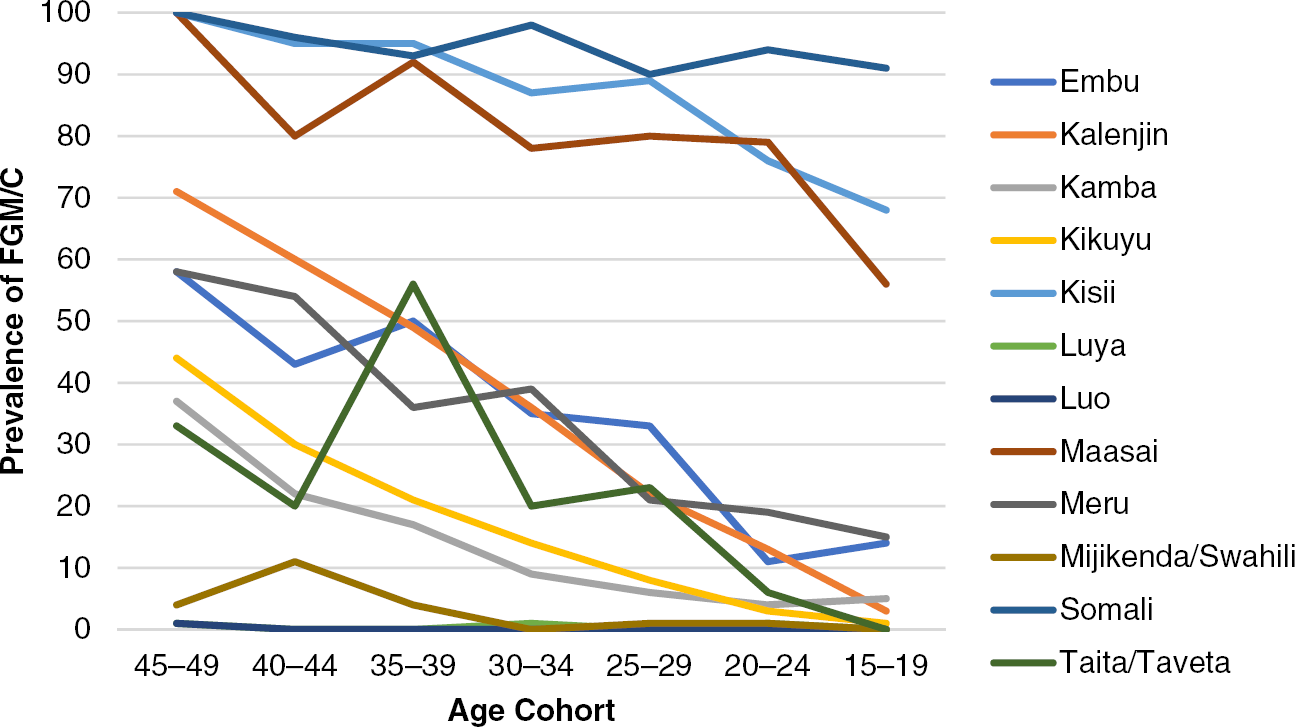
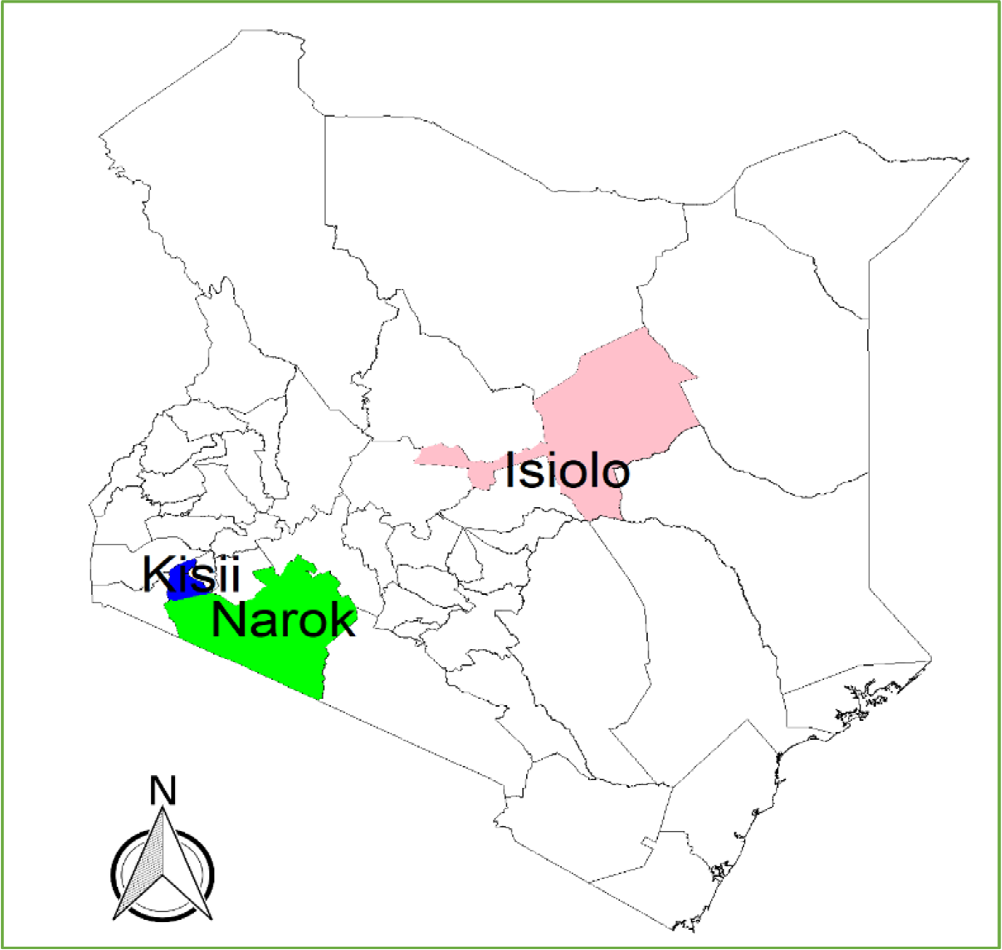
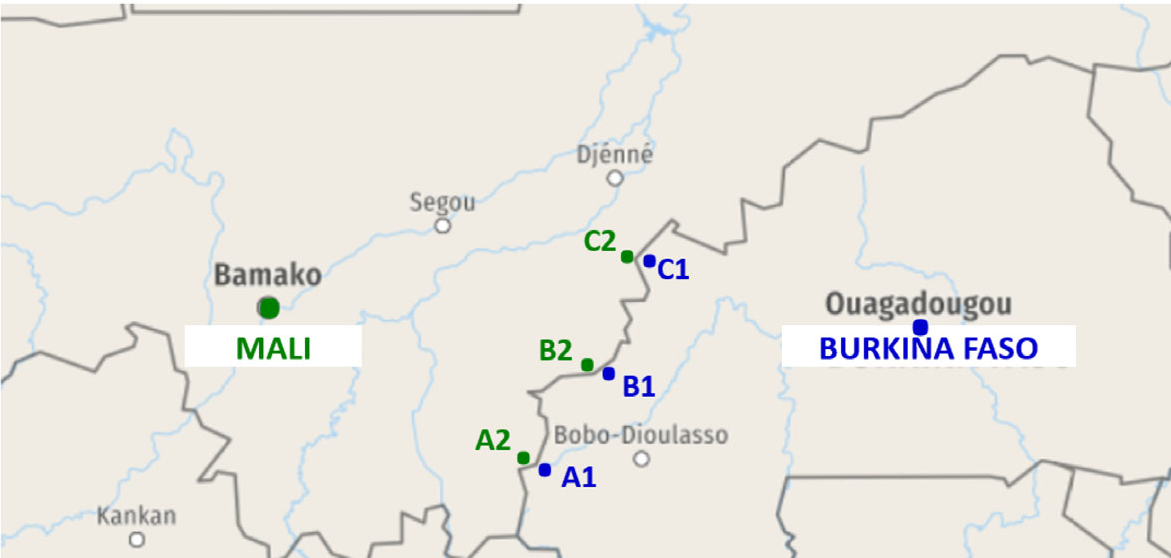
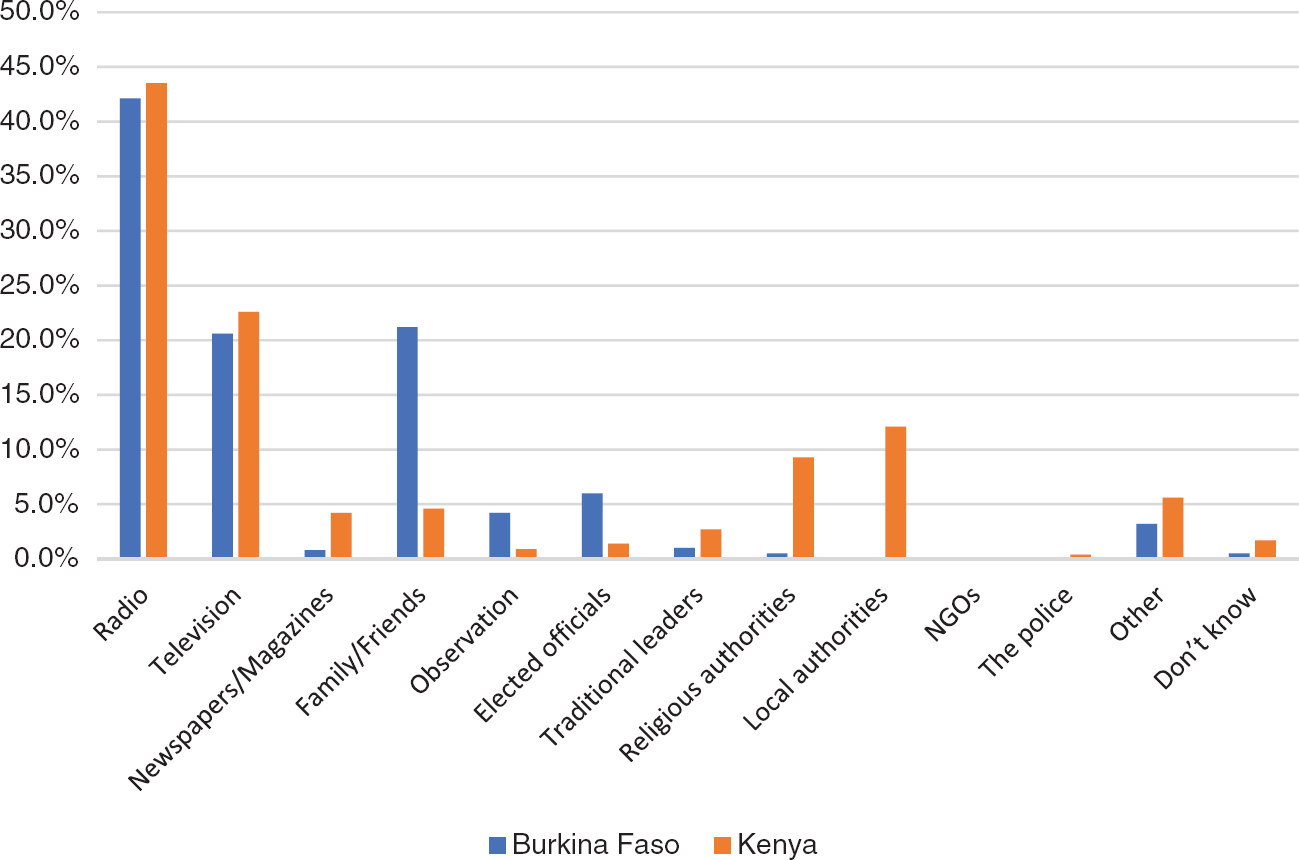
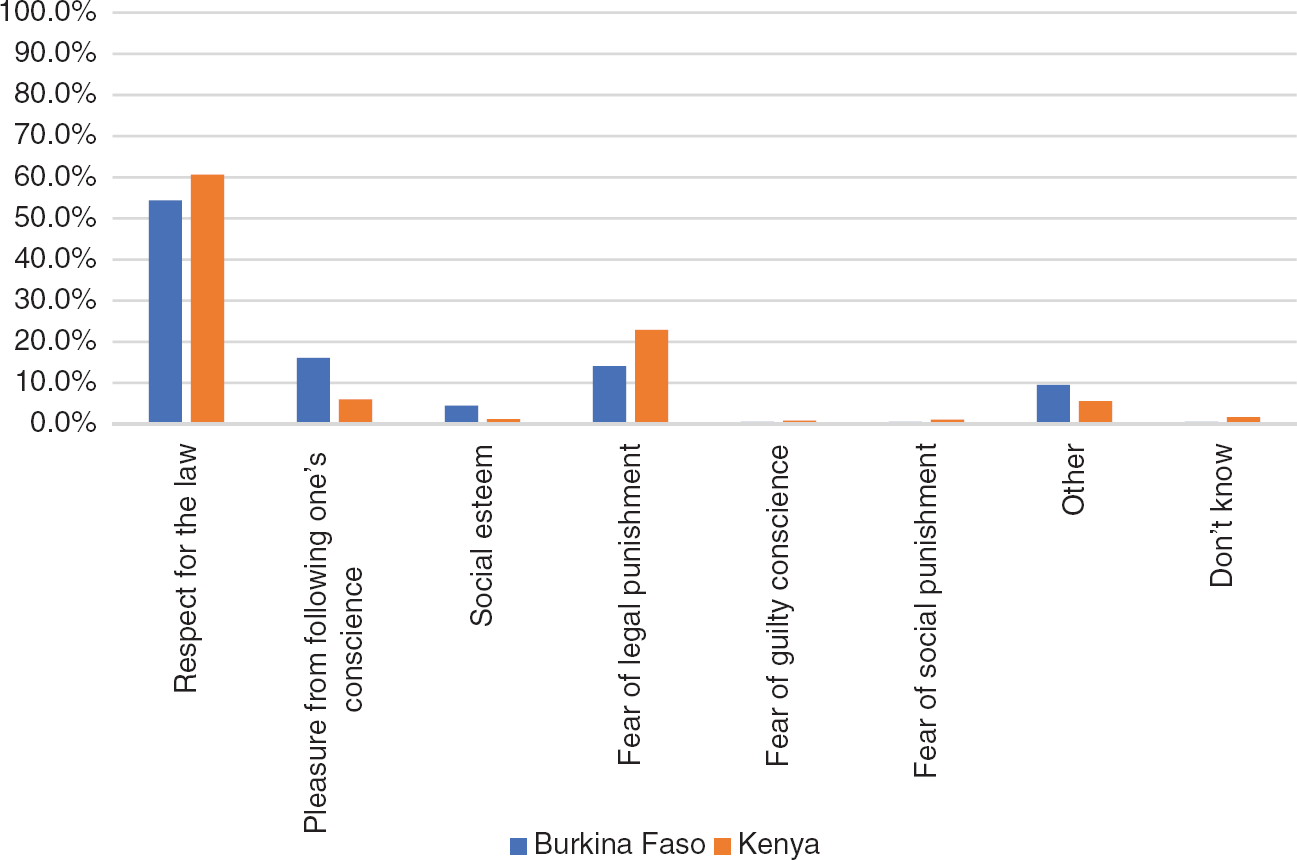
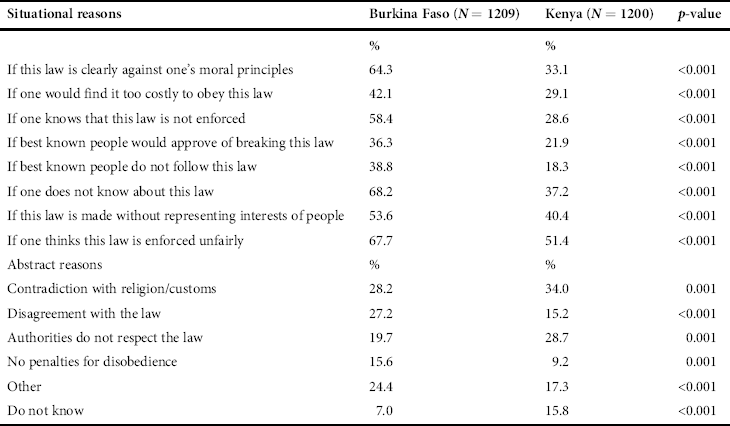
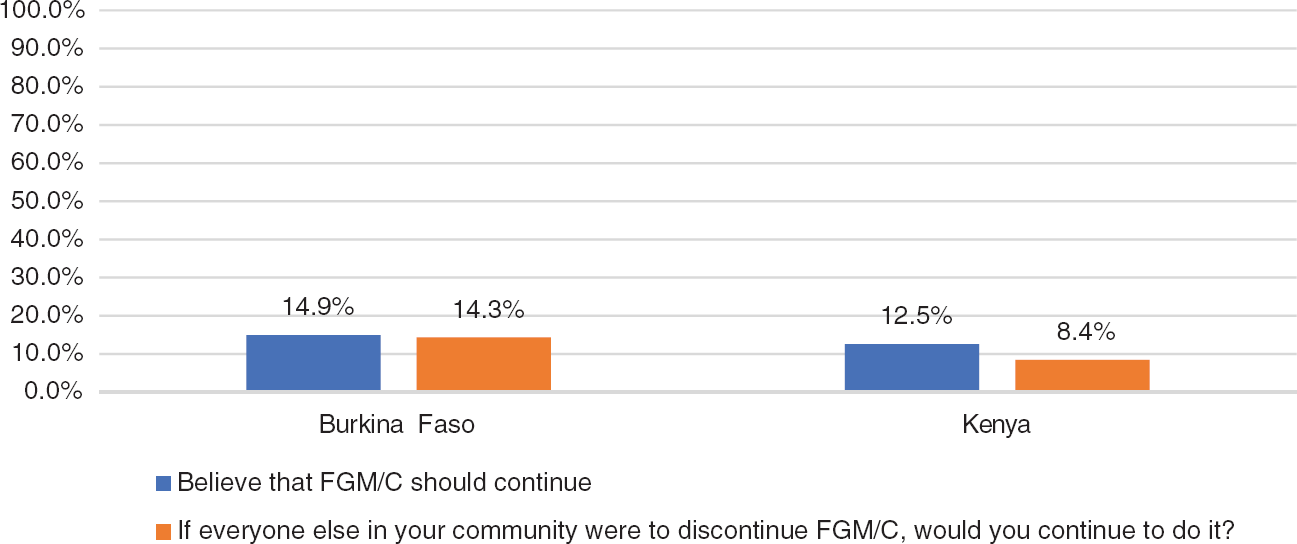
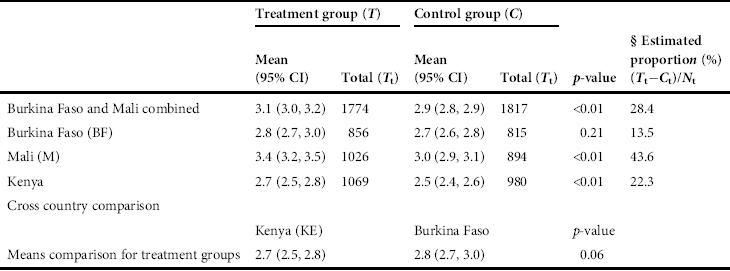


 Open access

