





1. Introduction
Creative thinking is increasingly recognized as a core educational goal, essential for preparing children to navigate complex, uncertain and fast-changing environments (Sawyer, Reference Sawyer2017; Thornhill-Miller et al. Reference Thornhill-Miller, Camarda, Mercier, Burkhardt, Morisseau, Bourgeois-Bougrine, Vinchon, El Hayek, Augereau-Landais, Mourey, Feybesse, Sundquist and Lubart2023). Creativity is commonly defined as the ability to generate an idea, solution or product that is both original and appropriate to the context (Sternberg & Lubart Reference Sternberg, Lubart and Sternberg1999), and is typically assessed through measures of fluency (the number of ideas generated), flexibility (the diversity of categories represented) and originality (the uniqueness of the ideas). Yet despite decades of research underscoring its importance, educators around the world continue to face persistent challenges in fostering creativity in everyday classroom practice. Teachers often report that, while they value creativity, they lack concrete, evidence-based strategies for stimulating it, and the existing pedagogical tools are rarely tested in authentic school contexts (Zhan et al. Reference Zhan, He and Zhong2024). This issue transcends national boundaries: recent international assessments, such as the OECD PISA 2022 survey of creative thinking (OECD 2024), highlight both the uneven development of creative skills across countries and the social disparities that affect creative achievement.
Against this backdrop, there is a pressing need for pedagogical approaches that can translate insights from research into practical classroom interventions. Design research and cognitive psychology both offer promising resources in this respect, as they provide conceptual tools for understanding creative processes as well as experimentally validated techniques for stimulating idea generation (Cassotti et al. Reference Cassotti, Agogué, Camarda, Houde and Borst2016; Hatchuel & Weill Reference Hatchuel and Weill2009, Hatchuel et al. Reference Hatchuel, Le Masson and Weil2011). Building on these perspectives, the present study seeks to evaluate creativity-enhancing tools in real classroom settings, with the aim of advancing both theoretical understanding and pedagogical practice.
2. Fixation effects in design and creativity
Alongside cognitive psychology research highlighting the existence of biases in reasoning and decision-making (Osmont & Cassotti Reference Osmont and Cassotti2023; Kahneman Reference Kahneman2003), the cognitive approach to creativity has revealed the presence of cognitive blockages in idea generation (Ward et al. Reference Ward, Patterson and Sifonis2004). Indeed, generating creative solutions to problems such as those presented in the PISA assessment is far from straightforward: individuals tend to follow the “path of least resistance,” relying on solutions constructed from knowledge that is easily accessible in memory. This tendency to focus on a narrow set of possible alternatives is known in cognitive psychology as the fixation effect (Agogué et al. Reference Agogué, Poirel, Pineau, Houdé and Cassotti2014; Agyemang et al. Reference Agyemang, Andreae and McComb2023; Camarda et al. Reference Camarda, De Neys, Ozkalp-Poincloux, Hooge, Le Masson, Weil and Cassotti2024; Chrysikou & Weisberg Reference Chrysikou and Weisberg2005; Smith et al. Reference Smith, Ward and Finke1995). A classic illustration from psychology is Duncker’s candle problem (1945), which highlights “functional fixedness,” or the difficulty of assigning alternative functions to familiar objects to solve a problem. Beyond problem solving, fixation has also been observed in classic divergent thinking tasks such as the Alternative Uses Task, where it can affect fluency (the number of ideas generated), flexibility (the range of categories covered) and originality (the rarity or expert-judged novelty of ideas) (e.g., Camarda et al. Reference Camarda, Borst, Agogué, Habib, Weil, Houdé and Cassotti2018; Chrysikou & Weisberg Reference Chrysikou and Weisberg2005). Translated into design research, Jansson & Smith (Reference Jansson and Smith1991) demonstrated that exposure to examples constrained idea generation, even when participants – including experienced designers – were explicitly instructed to diverge, defining design fixation as a “blind, and sometimes counterproductive, adherence to a limited set of ideas.” Purcell & Gero (Reference Purcell and Gero1996) emphasized the risk of premature commitment to specific solutions, while further studies have identified multiple contributing factors such as prior solutions, inspirational material, expertise or lack thereof and even the will to be different (Agyemang et al. Reference Agyemang, Andreae and McComb2023; de Chantal et al. Reference de Chantal, Zielińska, Lebuda and Karwowski2023). Research has primarily focused on fixation during the early stages of ideation (Vasconcelos & Crilly Reference Vasconcelos and Crilly2016) and has consistently confirmed its fundamental role in design contexts (Alipour et al. Reference Alipour, Faizi, Moradi and Akrami2018; Crilly Reference Crilly2015; Crilly Reference Crilly2019). Design fixation is not restricted to adults but is also evident in children and adolescents, where it constrains creative thinking. Studies show that even young children (5–6 years; Hanus et al. Reference Hanus, Mendes, Tennie and Call2011), primary school children (10–12 years; Schut et al. Reference Schut, Klapwijk, Gielen, van Doorn and de Vries2020) and adolescents (11–16 years; Camarda et al. Reference Camarda, Bouhours, Osmont, Le Masson, Weil, Borst and Cassotti2021; McLellan et al. Reference McLellan and Nicholl2011; Nicholl & McLellan Reference Nicholl and McLellan2007) tend to fixate on their first ideas, which reduces originality and flexibility. Since such fixation is a cognitive bias, educational strategies are needed to counter it (McLellan & Nicholl Reference McLellan and Nicholl2011). Research suggests several effective approaches (Kelley & Sung Reference Kelley and Sung2017): encouraging rapid idea generation immediately after task presentation, before exposure to external sources and training facilitators to recognize fixation, promote divergent thinking and maintain task ambiguity to stimulate higher-level reasoning. Moreover, helping children learn to critically evaluate and even abandon their own ideas, supported by constructive feedback, appears essential to overcoming fixation and fostering more innovative outcomes (see also Ezzat et al. Reference Ezzat, Camarda, Cassotti, Agogué, Houdé, Weil and Le Masson2017). However, these studies remain limited (Sawyer Reference Sawyer2017), as they are based on relatively small sets of experimental data and do not provide concrete tools for visualizing fixation in ways that might better support broader exploratory thinking.
3. Can creativity be enhanced through the use of examples?
While examples are a valuable tool for helping students grasp and solve problems, their impact becomes far more ambiguous – and even counterproductive – when the objective shifts from finding a solution to generating many. A large body of research has shown that fixation can be reinforced when individuals are exposed to examples of solutions prior to generating their own ideas (Agogué et al. Reference Agogué, Kazakçi, Hatchuel, Le Masson, Weil, Poirel and Cassotti2014; de Chantal et al. Reference de Chantal, Zielińska, Lebuda and Karwowski2023; Ezzat et al. Reference Ezzat, Agogué, Le Masson, Weil and Cassotti2020). Smith et al. (Reference Smith, Ward and Schumacher1993) illustrated this phenomenon by asking participants to imagine and draw a new toy for a company specializing in children’s products. Participants were explicitly instructed to design a toy that differed significantly from those already on the market. However, before beginning the task, they were exposed to example solutions that shared certain features (e.g., containing a ball). The authors observed that participants involuntarily incorporated these shared features into their own creations – a finding echoed in other studies (Jansson & Smith Reference Jansson and Smith1991; Landau et al. Reference Landau, Thomas, Thelen and Chang2002; Landau & Leynes Reference Landau and Leynes2004).
Nevertheless, exposure to examples does not systematically lead to increased fixation. This conclusion stems from studies in the field of brainstorming, which have shown that others’ ideas can stimulate the generation of new ones. For instance, Dugosh & Paulus (Reference Dugosh and Paulus2005) demonstrated that participants produced more unique solutions when presented with a list of eight ideas prior to a brainstorming session.
Further research has revealed that the effect of examples on creativity depends not only on the nature of the example – whether it falls within or outside of a fixation category – but also on the level of fixation of the individuals themselves. In a series of studies with both children and adults (Agogué et al. Reference Agogué, Le Masson, Dalmasso, Houdé and Cassotti2015; Cassotti et al. Reference Cassotti, Camarda, Poirel, Houdé and Agogué2016; Ezzat et al. Reference Ezzat, Agogué, Le Masson, Weil and Cassotti2020), we found that providing a conventional example drawn from a frequently explored solution category constrained idea generation, reducing both the number and the originality of ideas produced. By contrast, presenting a more original example belonging to a rarely explored solution category stimulated idea generation and encouraged broader exploration in adults, without inducing fixation on that category. In children, however, the beneficial effect of original examples was more constrained: while they produced more original and diverse ideas compared to a control group, their responses remained largely within the category of the given example (Cassotti et al. Reference Cassotti, Camarda, Poirel, Houdé and Agogué2016). One possible explanation is that, in children, such examples primarily activate knowledge already available but not spontaneously retrieved, whereas in adults, they may promote a more general exploratory process across categories. Taken together, these findings help explain why the use of examples in educational settings may sometimes have the opposite effect from what teachers intend. For example, instructional approaches that involve presenting students with examples to inspire creativity (e.g., writing a story “in the manner of a famous author”) may inadvertently reinforce fixation by encouraging students to anchor their thinking around a specific model, thus hindering their exploratory capabilities. For example, instructional approaches that involve presenting students with examples to inspire creativity (e.g., writing a story “in the manner of a famous author”) may inadvertently reinforce fixation by encouraging students to anchor their thinking around a specific model, thus hindering their exploratory capabilities. In contrast, brainstorming techniques are explicitly designed to stimulate idea generation by counteracting not only cognitive biases such as fixation but also social barriers such as conformity and evaluation apprehension, thereby fostering a more open and collaborative exploration of possibilities.
4. Fostering group creativity: The case of brainstorming
Originally developed to enhance group problem-solving capacities and boost creative output, brainstorming was introduced by Osborn (Reference Osborn1953) as a method to help groups break free from habitual thinking patterns (Amabile & Pillemer Reference Amabile and Pillemer2012). The technique is based on a set of specific rules designed to create a psychologically safe and cognitively open environment – minimizing both social biases and cognitive fixation. These rules include: No criticism or judgment of ideas; encourage originality; aim for a high quantity of ideas; combine and build upon others’ ideas; stay focused on the task; maintain active thinking throughout the session.
During brainstorming sessions, participants are encouraged to build upon each other’s ideas without fear of evaluation. One of the key benefits of this technique is that it offers an enjoyable, stimulating experience that encourages idea sharing within the group, while minimizing hierarchical dominance. A facilitator typically supports the process by encouraging equal participation and keeping the group engaged (Pennington Reference Pennington and Hinton2002).
Some researchers have reported that brainstorming leads to the generation of a greater number of ideas, which are also judged to be of higher quality compared to those generated without brainstorming (e.g., Johnson et al. Reference Johnson, Parrott and Stratton1968; Parnes & Meadow Reference Parnes and Meadow1959). Generally, participants report feeling more creative following a brainstorming session than after individual idea generation, both in terms of fluency (number of ideas) and originality (Pennington Reference Pennington and Hinton2002). Indeed, one study found that 65% of participants believed they came up with better ideas in a group setting than when working alone (Paulus et al. Reference Paulus, Dzindolet, Poletes and Camacho1993; Rowatt et al. Reference Rowatt, Nesselroade, Beggan and Allison1997).
However, the actual impact of brainstorming on creative performance remains controversial. When comparing brainstorming groups to nominal groups of the same size, meta-analytic evidence has shown that nominal groups consistently outperform brainstorming groups in both the quantity and quality of generated ideas. This productivity gap is even more pronounced in larger groups and in the presence of an experimenter (Mullen et al. Reference Mullen, Johnson and Salas1991). This discrepancy is attributed to social biases and collaborative fixation effects, which limit group creativity (Kohn & Smith Reference Kohn and Smith2011). Interestingly, this negative group effect appears to be mitigated when participants first complete an individual ideation phase prior to engaging in group brainstorming (Buchanan & Lindgren Reference Buchanan and Lindgren1973; Lindgren & Lindgren Reference Lindgren and Lindgren1965).
Despite the widespread use of brainstorming, relatively few studies have explored its effectiveness in children. To better understand how brainstorming influences creative idea generation during childhood, Buchanan & Lindgren (Reference Buchanan and Lindgren1973) studied 9- to 10-year-old children in a classroom setting. The students completed a divergent thinking task in two phases. In the experimental group, the first phase involved a verbal brainstorming session in which students shared their ideas aloud, followed by a second phase completed individually in writing. In contrast, the control group completed both phases individually. The comparison of responses in the second phase revealed that the experimental group produced a greater number of ideas, which were also judged to be more creative (see also George & Basavarajappa Reference George and Basavarajappa2016). These findings suggest that the way group ideation processes like brainstorming are structured and facilitated plays a key role in their effects on creative performance and cognitive fixation, even in children.
5. Characterizing fixation using design theory
To characterize fixation effects both qualitatively and quantitatively in problem-solving situations, several studies have proposed using design theory as a tool to map the accessible solution space and provide a reference model for exploratory behavior. (Hatchuel et al. Reference Hatchuel, Le Masson and Weil2006; Hatchuel et al. Reference Hatchuel, Le Masson and Weil2011; Hatchuel & Weill Reference Hatchuel and Weill2009) developed a theory of design that models creative reasoning as a process of dual expansion. The C-K theory (Concept-Knowledge theory) formally distinguishes between two cognitive spaces: the Concept space (C) and the Knowledge space (K). The K-space represents a structured map of knowledge bases that can be mobilized to understand and validate different design pathways. A concept within the C-space is defined as a proposition that is undecidable in the current state of knowledge – that is, it cannot be judged as true or false. The C-space can be represented as a tree of undecidable propositions, where each node corresponds to a partition – either restrictive or expansive – into sub-concepts through the addition of attributes. The K-space, in turn, consists of a network of memorized or activated knowledge, which is used to generate new conceptual propositions in the C-space. According to this model, creativity emerges from the intertwined expansion of both spaces. C-K theory enables researchers to visualize the solution categories generated from readily accessible knowledge – often associated with dominant design heuristics – while also mapping out alternative, less intuitive avenues for exploration. This framework allows for the assessment of whether idea generation is constrained by fixation or whether individuals are able to explore a broader spectrum of possibilities (Agogué et al. Reference Agogué, Kazakçi, Hatchuel, Le Masson, Weil, Poirel and Cassotti2014, Reference Agogué, Le Masson, Dalmasso, Houdé and Cassotti2015).
In a series of studies, we identified systematic deviations between the solutions actually generated by participants and the theoretically reachable exploratory pathways derived from a C-K modeling of a creativity task: the egg-drop task (Agogué et al. Reference Agogué, Kazakçi, Hatchuel, Le Masson, Weil, Poirel and Cassotti2014; Cassotti et al. Reference Cassotti, Camarda, Poirel, Houdé and Agogué2016; Camarda et al. Reference Camarda, Borst, Agogué, Habib, Weil, Houdé and Cassotti2018; Camarda et al. Reference Camarda, Bouhours, Osmont, Le Masson, Weil, Borst and Cassotti2021; Camarda et al. Reference Camarda, De Neys, Ozkalp-Poincloux, Hooge, Le Masson, Weil and Cassotti2024). In this task, participants are asked to generate as many original solutions as possible to the following problem: “Ensure that a chicken egg dropped from a height of 10 meters does not break.” Using C-K theory, we constructed a map of the main categories of possible solutions for this problem. Once this map was established, we observed that participants’ responses were not evenly distributed across the different categories. Whether among psychology students (Agogué et al. Reference Agogué, Kazakçi, Hatchuel, Le Masson, Weil, Poirel and Cassotti2014), engineers, designers, entrepreneurs (Agogué et al. Reference Agogué, Le Masson, Dalmasso, Houdé and Cassotti2015), or top-level managers (Camarda et al. Reference Camarda, De Neys, Ozkalp-Poincloux, Hooge, Le Masson, Weil and Cassotti2024), we consistently observed fixation effects in the egg-drop task. Participants’ solutions systematically deviated from the full exploratory model predicted by C-K theory (Agogué et al. Reference Agogué, Kazakçi, Hatchuel, Le Masson, Weil, Poirel and Cassotti2014; Camarda et al. Reference Camarda, De Neys, Ozkalp-Poincloux, Hooge, Le Masson, Weil and Cassotti2024). Most solutions focused on three intuitively accessible categories: absorbing the impact, slowing the fall and protecting the egg. These pathways were significantly overrepresented compared to less obvious alternatives, such as modifying the intrinsic properties of the egg or using a living system – categories that were rarely mentioned.
While these three dominant categories accounted for over 80% of the responses, we identified notable variations based on participants’ age and educational background (Agogué et al. Reference Agogué, Le Masson, Dalmasso, Houdé and Cassotti2015; Camarda et al. Reference Camarda, Bouhours, Osmont, Le Masson, Weil, Borst and Cassotti2021; Cassotti et al. Reference Cassotti, Camarda, Poirel, Houdé and Agogué2016). For instance, children showed strong fixation on protecting or cushioning the egg but rarely mentioned solutions involving the slowing of the fall – unlike engineers, who prioritized this approach. These differences did not appear to stem from a lack of knowledge per se, as evidenced by qualitative interviews conducted with children, but rather suggest a developmental progression in design heuristics, shaped by age and specific learning experiences, particularly through formal education.
Finally, the strength of fixation effects in adults can be mitigated through training programs explicitly oriented toward conceptual exploration and creativity (Agogué et al. Reference Agogué, Le Masson, Dalmasso, Houdé and Cassotti2015). This highlights the importance of teaching design methods to broaden the range of ideas individuals are capable of generating.
6. Fostering creativity in schools
While discussions about the role of education in fostering creativity date back to the seminal work of Guilford (Reference Guilford1950), several scholars have since highlighted that the development of creative thinking has been largely neglected in schools. Some have even popularized the notion that school “kill creativity.” Contrary to this widespread stereotype, research in the psychology of creativity has provided strong empirical evidence that creativity can develop with age, challenging the assumption that children are inherently more creative before entering formal education (see Karwowski, Reference Karwowski2022 for a synthesis). In this context, it is crucial to explore pedagogical tools that can enhance children’s ability to generate original ideas and “think outside the box” when solving problems creatively. Some studies have indicated that teachers may play a key role in fostering creativity (De Kruif et al. Reference De Kruif, McWilliam, Ridley and Wakely2000; Lee & Kemple Reference Lee and Kemple2014).
Although findings suggest that the most creative teachers tend to enhance students’ verbal creativity, other approaches argue that teachers do not necessarily need to be creative themselves to effectively stimulate creativity in the classroom (Lee & Kemple Reference Lee and Kemple2014). In line with this, a study in the field of management found that when leaders are able to explicitly identify conventional solution paths and warn against relying on them, they enable their teams to overcome fixation effects and generate a broader range of original responses. This “defixating” role of the leader results in more expansive idea generation (Ezzat et al. Reference Ezzat, Camarda, Cassotti, Agogué, Houdé, Weil and Le Masson2017). Feedback is essential in this process: in its absence, or when it is misaligned with the ideas proposed, the number of expansive responses drops significantly.
These findings suggest that a teacher, much like a leader, can act as a defixator – guiding students away from fixated patterns and toward more original, exploratory thinking. Their ability to foster creativity in students may thus depend less on their own creative abilities and more on their capacity to detect and disrupt students’ cognitive blockages. This perspective aligns with the cognitive approach to fixation, which shows that the ability to recognize unoriginal ideas as such is a necessary condition for successfully inhibiting them.
Consistent with the hypothesis that cognitive control plays a key role in creativity, other research has focused on the effects of executive learning strategies. For example, Stevenson et al. (Reference Stevenson, Kleibeuker, de Dreu and Crone2014) trained adolescents (aged 13–15) and adults either in creative ideation (using the Alternate Uses Task) or in cognitive flexibility (through tasks involving frequent shifts in instructions). These short daily training sessions, repeated over several weeks, led to measurable improvements in both fluency and cognitive flexibility in the alternate uses task across both age groups. Interestingly, when it came to originality scores, adolescents benefited more from training than adults, and the greatest gains were observed in the cognitive flexibility condition. However, the transfer of these improvements to other creative tasks was not consistently observed.
Given that fixation effects also emerge in group contexts (Kohn & Smith Reference Kohn and Smith2011), it becomes essential to investigate the types of tools and facilitation strategies that can help collectives overcome these cognitive constraints. Developing and integrating such tools into classroom practice could represent a promising avenue for making creativity a more central and achievable goal in education.
7. The present study
Given the need for effective tools to foster creativity in educational settings, the aim of our study was to test different pedagogical methods with children at school. These methods were grounded either in research on the impact of examples, in studies on brainstorming techniques, or in approaches derived from design theory and the identification of cognitive fixation.
In this context, we co-designed a series of pedagogical workshops in collaboration with teachers. These workshops included an introductory session (Workshop 0, focused on presenting the tools), followed by four application sessions. During these sessions, 8- to 11-year-old children were invited to generate creative ideas intended to serve as a basis for a writing task on a topic chosen by the teachers themselves. This approach ensured alignment with the curriculum they had previously defined and avoided the use of less ecologically valid laboratory tasks.
The intervention was conducted over 5 weeks and was preceded by a pre-test and followed by a post-test. These tests were based on a creativity task different from those used during the workshops, enabling an assessment of the potential transfer effect of the intervention. Each week, a different topic was addressed. The intervention varied across four groups: In the first group, students received the “Use of example in fixation” group intervention, which involved a group discussion of a text presenting a fixed example. In the second group, the “Use of example in expansion” group intervention was implemented, where students discussed a text featuring an expansive example. The third group participated in a classic brainstorming intervention, involving collective idea generation and categorization. The fourth group was exposed to a “Defixation” intervention based on the C-K theory. This aimed to help children become aware of fixation effects and guide them toward expansive strategies based on their own knowledge. Based on previous literature, we formulated the following hypotheses:
H1: Since exposure to fixed examples tends to reinforce fixation, whereas expansive examples promote exploration, we expect the “Use of example in expansion” group to demonstrate better creative performance during the workshops compared to the “Use of example in fixation” group. However, as no examples were provided during the pre- and post-tests, these interventions should not lead to a change in creative performance between the pre- and post-tests.
H2: The brainstorming group is expected to produce a greater number of solutions than the “Use of example” groups. However, given previous findings highlighting the persistence of collective fixation effects, we anticipate these responses to be relatively low in originality. Moreover, since both the pre- and post-tests were conducted individually, no significant change in performance is expected between the two sessions.
H3: The C-K driven group is expected to develop an ability to detect fixation effects and explore alternative pathways. Creative performance should improve not only during the workshops but also between the pre- and post-test, as the method becomes internalized. We hypothesize that this tool will facilitate better transfer of learning.
8. Method
8.1. Participants
One hundred and twenty-three participants were recruited for this study. They were organized in five different classroom from fourth and fifth grade, each randomly assign to one of the four experimental conditions: The “Use of example in fixation” group (UEF, N = 25, 12 males, M = 10 years-old, SD = 0.41), the “Use of example in expansion” group (UEE, N = 26, 14 males, M = 8.81 years, SD = 0.40), the brainstorming group (N = 20, 10 males, M = 9.25 years, SD = 0.64), the C-K driven group (N = 49, 26 males, M = 9.27 years, SD = 0.70). The comparison of the gender distribution within the groups was not significant (χ2 = 0.25, p = 0.97).
The students were all recruited from the same public school and were tested in accordance with national and international standards for human research. Parental consent was required for each child.
9. General procedure
The workshop sessions’ duration was 5 weeks, with one workshop of 90 minutes per week. During these sessions, only one creativity method was proposed for each classroom and then each child: UEF, UEE, brainstorming or C-K driven.
The first workshop (Workshop 0) was proposed to discover the creative method they will use during their training. The following four workshops (Workshops 1–4) were dedicated to the actual use of the method and to evaluating its effect on the immediate learning of generating ideas.
Within each workshop, children followed a standardized procedure structured in successive steps, designed to ensure maximum consistency across experimental conditions, with the sole exception of the methodological feature specific to each group (see Figure 1). Each participant was provided with an individual booklet in which they recorded their work throughout the 90-minute session. Regardless of the experimental method implemented, each session began with an introductory phase aiming to clarify the method children would use and presenting the topic under investigation. Then, children were invited to spontaneously generate a first idea to solve the proposed problem (Step 1). Thereafter, they engaged with the assigned experimental method to generate a set of creative ideas (Step 2) and then a subsequent idea generation phase (Step 3). Step 3 was introduced as an additional generation phase with a dual purpose: first, to allow participants both to produce new ideas and to select promising ones for the subsequent story-design activity, in line with design practice; and second, to ensure comparability across conditions, since in the example condition no ideas were generated during Step 2. This structure thus enabled us to capture individual idea generation after the method had been applied in all conditions. Both the total duration and the sequential organization of the sessions were rigorously held constant across conditions (see Figure 1).
Standardized organization of each workshop, and specificities of the procedure used when using each creativity method (Use of example in fixation, UEF; Use of example in expansion, UEE; brainstorming; C-K driven).

Figure 1. Long description
The top section, titled Workshop's Organization, is a horizontal timeline divided into five phases.
* Introduction: 10 minutes.
* Generation of the 1st idea: 2 minutes.
* Use of the method: 40 minutes.
* Writing activity: 28 minutes.
* Conclusion: 10 minutes.
Dashed lines expand the Use of the method phase into a detailed lower panel titled Details of the organization using the method. This panel is organized into three vertical steps.
Step 1 involves individual work for 5 minutes. It lists four initial activities corresponding to the methods on the left.
* U E F: Reading of the text in fixation.
* U E E: Reading of the text in expansion.
* Brainstorming: Idea generation.
* C dash K driven: Idea generation.
Arrows point from Step 1 to Step 2, which involves collective work for 30 minutes.
* For U E F and U E E: Question and idea generation in group.
* For Brainstorming: Idea generation using brainstorming method and ad-hoc categorization.
* For C dash K driven: Idea generation using C dash K method while categorizing.
Arrows point from Step 2 to Step 3, which involves individual work for 5 minutes. All four methods converge into a single large block labeled Pre-writing Idea generation.
The topics addressed were selected in collaboration with the classroom teachers to ensure that the sessions were aligned with the learning cycles outlined in the national curriculum. As the 5-week intervention coincided with a period dedicated to creative writing, the workshops were specifically designed to fit within this pedagogical framework and to reinforce its objectives. Details of each topic are provided in the supplementary material (https://osf.io/c6vkr/?view_only=7547be0e601740c8b6f28de2d9fa65fd). The topics were changed weekly but were strictly identical across all experimental groups during each weekly cycle.
Throughout the workshop, regardless of the method employed, individual work phases were systematically interspersed with collective, whole-class activities. To minimize potential experimental biases arising from variations in group dynamics, standard rules typically used in brainstorming settings to mitigate negative social influences were introduced at the beginning of each session. These included: (1) no judgments – positive or negative – are allowed regarding either a child or the ideas they generate; (2) feel free to diverge and propose as many ideas as possible; (3) each idea should inspire the next; and (4) aim to produce your maximum output (Osborn Reference Osborn1953). In addition, visual cues inspired by Diamond et al. (Reference Diamond, Barnett, Thomas and Munro2007) were implemented and displayed on the board to indicate whether the current phase involved individual or collective work. These cues included, for example, a single figure to signal individual work and a group of figures to indicate collaborative tasks. Individual signaling tools were also introduced, allowing children to indicate their intention to speak (via a mouth symbol) or their preference to listen (via an ear symbol), the latter denoting a time for attentive listening to others’ ideas (cf supplementary material).
10. Training methods
10.1. Use of example methods (UEF and UEE)
The intervention proposed in the group using examples (UEF and UEE) was comparable to those typically observed in classroom settings and aligns with methods commonly used in the standard school curriculum. It involved the presentation of a literary text related to the topic of the workshop, followed by a writing task in which children were asked to compose an essay “in the manner of the author.”
In the two experimental groups that used literary reading as a core component of the method (UEF and UEE), the implementation procedure was strictly identical. Children read a text together as a class, followed by a collective discussion. The texts were inspired by those commonly used by teachers on the selected topic, but were entirely written by the experimenters to ensure they were perfectly identical in all respects across the two groups – except for the nature of the central idea developed. This idea was either a fixation idea or an expansive idea.
After the reading phase, children were asked to respond to 10 questions posed by the experimenters (identical across both conditions), ranging from basic comprehension items to more reflective prompts assessing how creative the ideas in the text could be considered. No explicit judgments of creativity were provided by the experimenters; rather, the rationale was constructed collectively through the children’s own sharing of ideas and reflections.
Finally, before beginning the written production task, children were invited to individually reflect on the creative ideas they could generate by themselves (e.g., an “unexpected encounter”).
10.2. Brainstorming method
The experimental procedure implemented in the brainstorming groups was directly based on classical recommendations from the literature (Osborn Reference Osborn1953; Heslin Reference Heslin2009; Ritter & Mostert Reference Ritter and Mostert2018). This is a collaborative method, governed by a set of specific rules designed to stimulate idea generation while minimizing both social and cognitive biases that could hinder creative expression. Numerous studies have shown that including an initial phase of individual idea generation can enhance the effectiveness of collective brainstorming, increasing both the diversity and originality of the ideas produced (Buchanan & Lindgren Reference Buchanan and Lindgren1973; Ritter & Mostert Reference Ritter and Mostert2018). In line with this, a 5-minute individual idea generation phase was systematically proposed to children prior to the group activity.
During the group session, children were invited to share aloud the ideas they had generated, following Osborn’s (Reference Osborn1953) four fundamental brainstorming rules. The experimenters adopted a strictly facilitative role: they recorded all the ideas expressed orally by the children, writing one idea per post-it note, without influencing the content in any way.
At the end of the collective idea generation phase, the children proceeded to categorize the ideas themselves. The post-its were first spread out on the tables and then reorganized collectively by the children on large A0 sheets, according to categories that they defined and named through mutual agreement. Again, the experimenters did not intervene in the categorization or labeling process. No assessment or evaluation of creativity was provided; the adults’ role was strictly limited to logistical facilitation.
The only form of guidance permitted on the part of the experimenters occurred in rare cases where the children remained focused for more than 5 minutes on a single category of ideas (e.g., “meeting dogs” during the workshop on unexpected encounters). In such instances, the experimenters could ask the following question: “Do you think there might be other kinds of ideas you’d like to share?” It is important to note that this intervention was used only three times and had no observable effect on the direction taken by the children, who responded that they were already generating plenty of ideas and spontaneously continued along the same path.
As in the previous condition, the last phase children had to explore before engaging in the written production task was a pre-writing idea generation, in which they were invited to individually generate creative ideas to solve the same given problem during 5 minutes (e.g., an “unexpected encounter”).
10.3. C-K driven method
This method is an adaptation of the innovative design methodology taught in engineering schools using C-K theory (Hatchuel & Weill Reference Hatchuel and Weill2009; Hatchuel et al. Reference Hatchuel, Le Masson and Weil2011). In this context, children were invited to work simultaneously on the ideas they generate, the knowledge that underpins those ideas and the cognitive mechanisms that allow them to overcome fixation effects, in line with the triadic model of creativity (Cassotti et al. Reference Cassotti, Camarda, Poirel, Houdé and Agogué2016). Children worked in parallel within these two spaces. In the knowledge space, they began from a thematic brief provided at the start of the session and selected the terms they considered key in order to articulate their existing knowledge about them. For example, for the brief “Imagine what an unexpected encounter would be like,” the key terms identified could be “encounter” and “unexpected.” By listing their knowledge about each of these notions, children were then encouraged to reason by analogy in order to access associated knowledge.
In the concept space, each idea generated by the children was written on a post-it and placed on a poster representing an inverted tree, displayed on the board. This visual representation symbolized the ideas as the visible part of cognitive effort, much like the leaves of a tree. By identifying similarities and differences between the ideas, children progressively formed categories. As illustrated in Figure 2, the inverted tree allowed the ideas to be positioned at the level of the leaves (at the bottom of the poster), with the process of categorization gradually moving upward toward the branches and the trunk. Each level of conceptual organization was distinguished using different-colored post-its.
C-K tree organized along the x-axis according to the temporal sequence of idea generation, and along the y-axis to reflect increasing levels of categorization. Colored post-it notes represent different levels of conceptual grouping. The two illustrated characters – a running figure and a thoughtful figure – serve as metacognitive indicators.

Figure 2. Long description
The diagram is set against a faint background of a tree with leaves. The x-axis is labeled Ideas, ranging from Early ideas on the left to Late ideas on the right. The y-axis is labeled High level of categorization, with values increasing upward.
At the top level, two orange post-it notes represent the highest conceptual grouping.
Below the first orange note, arrows branch down to two purple post-it notes. Each purple note further branches down into two blue post-it notes.
Below the second orange note on the far right, a single vertical line of arrows connects one purple note and then one blue note, indicating a later, more direct categorization path.
At the bottom level, clusters of yellow post-it notes represent individual ideas. These are grouped under the blue notes. The clusters on the left are denser, while the cluster on the far right contains only a single yellow note.
Two character illustrations are placed at the bottom corners. On the bottom-left, near Early ideas, is a cartoon of a running boy. On the bottom-right, near Late ideas, is a cartoon of a seated, thoughtful figure with a lightbulb above its head.
Metacognitive information, based on the three-system model of creativity (Cassotti et al. Reference Cassotti, Camarda, Poirel, Houdé and Agogué2016), was introduced using two illustrated characters placed on either side of the idea tree (see Figure 2). A hurried character, shown in the bottom left corner, represented the speed of early ideas – typically intuitive and automatically produced. In the bottom right corner, a reflective character illustrated System 2, associated with slower, more cognitively demanding, but potentially more original idea production. Ideas were thus placed from left to right according to the time of their appearance, allowing children to visualize both the temporal sequence and the implied cognitive effort involved in their generation.
This temporal mapping made it possible to identify the “dominant design” – that is, the most obvious, stereotypical responses, which often reflect cognitive fixation. By recognizing these zones, children could use previously explored categories to activate analogical reasoning and reach more expansive ideas.
Experimenters were responsible for writing all the children’s ideas and categories on post-its and placing them according to the children’s instructions (from left to right and from bottom to top of the poster). Only the children generated and organized the ideas. The experimenters made no evaluative judgments about creativity and did not participate in the creation or labeling of categories. However, they could intervene to support categorization processes or help reinvigorate idea generation when it began to stall, either by referring back to words identified in the knowledge space or by encouraging new explorations in the concept space.
Thus, whenever four uncategorized ideas had been generated, the experimenters invited the children to begin categorizing by asking: “There are some ideas that haven’t been organized yet. Do you think we could organize them now? How are they similar or different?” If the children chose to continue generating without immediate categorization, the experimenter would repeat this prompt after four additional ideas. Similarly, when several categories had been formed, the experimenter invited the children to organize them by considering their similarities or differences. Once the categories were clearly defined, the children were asked whether they wished to continue exploring those categories or try generating ideas in new directions.
When idea generation stalled – particularly during attempts to explore new categories – two strategies could be used. The first involved rephrasing the brief by integrating a term previously identified in the knowledge space (e.g., linking “unexpected” with “improbable” or “unusual”), followed by a prompt such as: “What comes to mind when you think of an improbable encounter?” The second strategy consisted of taking an existing category and proposing its opposite or an alternative: “If it’s not […that category…], what else could it be?” This questioning encouraged the children to explore divergent or contrasting possibilities and to revisit the concept level. For example, if the children had formed the category “encountering living beings,” the experimenter might ask, “If it’s not a living being, what else could it be?” – thus opening the way to alternative categories such as “non-living entities,” conducive to the generation of novel ideas.
The collective session ended after 40 minutes, once the children had collectively created a C-K structure specific to their class. It was then followed by an individual creative idea generation phase on the topic, which preceded the written production task completed by each child.
11. Measuring the immediate learning effect
C-K trees were created by experimenters who were experts in the method, prior to the implementation of the classroom workshops, in order to map out the full range of possible solutions to each of the topics that would be proposed to the children. These mappings served three main purposes: (1) to formulate hypotheses regarding the zones of fixation and expansion, which informed the construction of texts based on the nature of the ideas developed; (2) to prepare experimenters for the types of ideas and knowledge they might need to address during the workshops, regardless of the creative method used; and (3) to provide a reference framework for analyzing the data generated by the children.
To measure the immediate learning effect of the method used, we evaluated the creativity of the ideas generated by the children during the workshops using standard quantitative and qualitative measures. More specifically, we analyzed the pre-writing idea generation phase, as it was carried out individually, immediately following the group activity based on the creative method, and just prior to the writing task (i.e., pre-writing idea generation).
For each participant, a fluency score (number of ideas generated) and a flexibility score (number of different categories explored) were calculated. Additionally, to account for the quality of the ideas, we computed a fixation score (number of ideas falling into fixation pathways) and an expansion score (number of ideas falling outside of those fixation pathways). To measure those last, an expert experimenter assigned each participant’s response to one of the meta-categories in the corresponding C-K tree, as well as to one of the subcategories within it. Each idea assigned to a fixation pathway was considered a “fixation idea,” while any idea falling outside of these pathways was considered an “expansion idea.”
All C-K trees, along with the subcategories used for each workshop, are available in the supplementary material.
11.1. Pre-post testing
A classic paradigm using pre-test/intervention/post-test procedure was used to investigate the impact of each creativity method on immediate learning and transfer on children’s ability to generate creative ideas. The pre-test session took place the week before Workshop 0, and the post-test session took place the week after Workshop 4.
Participants were asked to complete the Egg Task, a well-known task in the literature that assesses an individual’s ability to generate creative ideas and explore expansive solutions. In this task, participants were instructed to “generate as many creative ideas as possible to prevent a chicken egg from breaking when dropped from a height of 10 meters,” within a 5-minute time limit.
Two experts independently assigned each participant’s response to one of 60 specific subcategories, each of which was associated with one of 10 overarching meta-categories. Based on prior work by Cassotti et al. (Reference Cassotti, Camarda, Poirel, Houdé and Agogué2016) with 10-year-old children, we considered the fixation meta-categories to be “shock absorption” (e.g., using a mattress or a pool of water) and “egg protection” (e.g., building a protective box or coating the egg with an unbreakable varnish).
For each participant and each session, a fixation score (number of ideas generated within fixation pathways) and an expansion score (number of ideas generated outside fixation pathways) were calculated. In addition to these qualitative indicators of the nature of the responses, fluency scores (total number of ideas generated) and flexibility scores (number of different subcategories explored) were computed for each participant, providing more quantitative insights into creative performance. The subcategories and meta-categories used in this task are available online (https://osf.io/j984z/).
12. Results
12.1. Measure of the immediate learning effect
To evaluate the immediate learning effect of the use of the method on children’s creative idea generation, repeated measure ANOVA’s were run on the different dependent variables computed regarding the pre-writing idea generation phase. Participants’ performances were compared between the first (1) and the last (4) workshop. Accordingly, only participants who attended at least three out of the four workshops – including Workshops 1 and 4 – were included in the analyses (NUEF = 23; NUEE = 23; NBrainstorming = 19; NC-K = 42).
13. Fluency
The first analysis investigated the difference in fluency between Workshops 1 and 4, according to the different creativity methods. Results revealed significant effects of the time (F(1, 103) = 36.42, p < .001, ηp2 = 0.26), the condition (F(3, 103) = 6.57, p < .001, ηp2 = 0.16) and a significant interaction effect between those two variables (F(3, 103) = 3.13, p = 0.03, ηp2 = 0.08; Cf Figure 1A).
Planned comparisons revealed that participants in the groups using examples significantly increased their number of responses in a striking manner: by Workshop 4, they produced more than twice the number of ideas they had generated in Workshop 1, regardless of whether the examples promoted fixation (t(3, 103) = 4.8; p < .001) or expansion (t(3, 103) = 5.34; p < .001). Participants in the C-K driven group also showed an average increase in the number of responses generated, although this increase was smaller compared to the Use of Example groups (t (3, 103) = 2.13; p = .04). Conversely, the number of ideas generated by children using the brainstorming method did not change significantly between Workshops 1 and 4 (t (3, 103) = −3.40e−15; p = 1).
Indeed, children in the brainstorming group already had a significantly higher number of responses than the other groups in the first workshop (compared to UEF: t(3, 103) = 5.96; p < .001; compared to UEE: t(3, 103) = 4.85; p < .001; compared to C-K driven: t(3, 103) = 4.13; p < .001). Children in the C-K driven group were initially at an intermediate level, with significantly more responses than those in the UEF group (t(3, 103) = 2.71; p = .008), but not significantly different from those in the UEE group (t(3, 103) = 1.38; p = .17).
By the end of the training period (Workshop 4), all groups reached a comparable average number of generated ideas. In pairwise planned comparisons, only one significant difference emerged: children in the UEE group generated significantly more ideas than those in the C-K driven group (t(3, 103) = 2.28; p = .03). All other comparisons were non-significant (p-values > .27). Descriptive statistics are presented in Table 1.
Descriptive statistics of the variable used in the pre-writing idea generation, according to the experimental condition and the time (pre- and post-test)

Table 1. Long description
The table presents descriptive statistics for four variables across four experimental conditions. The conditions are U E F (n equals 23), U E E (n equals 23), Brainstorming (n equals 19), and C dash K (n equals 32). For each variable, the table lists Mean, S D, S E Mean, Skewness, S E skewness, Kurtosis, and S E Kurtosis for both Pre and Post tests.
* Fluency: Post-test means increased for U E F (11.0), U E E (13.1), and C dash K (9.12), while Brainstorming remained at 11.2.
* Flexibility: Post-test means decreased for U E F (2.48) and U E E (2.35), remained stable for Brainstorming (4.89), and increased for C dash K (4.76).
* Fixation: Post-test means increased significantly for U E F (10.3) and U E E (11.8), but decreased for Brainstorming (9.58) and C dash K (5.76).
* Expansion: Post-test means increased across all groups, with the largest increase in the C dash K group (from 0.73 to 3.36) and Brainstorming (from 0.16 to 1.63).
Standard errors and distribution metrics (skewness and kurtosis) are provided for all data points, with notable high kurtosis in the C dash K post-test for Fluency (6.6), Fixation (11.7), and Expansion (6.51).
14. Flexibility
A repeated-measures ANOVA on flexibility scores obtained during the pre-writing phase of Workshops 1 and 4 revealed a non-significant main effect of time (F(3, 103) = 6.05, p < .001, ηp2 = 0.16), but a significant main effect of condition (F(3, 103) = 1.98, p = .16, ηp2 = 0.02). This last indicates that the number of categories explored was comparable between the UEF and UEE groups (t(3, 96) = 0.8; p = .94), as well as between the brainstorming and C-K driven groups (t(3, 96) = 1.12; p = .26). However, brainstorming and C-K driven participants explored significantly more categories than those in the UEF (vs brainstorming: t(3, 96) = 3.23; p = .002; vs C-K driven: t(3, 96) = 2.63; p = .001) and UEE (vs brainstorming: t(3, 96) = 3.35; p = .001; vs C-K driven: t(3, 96) = 2.76; p = .007) groups.
Moreover, the double interaction time (Workshop 1 vs 4) * condition (UEF, UEE, brainstorming, C-K driven) was significant (F(3, 103) = 4.31, p = .007, ηp2 = 0.12; Cf Figure 3B). Planned comparisons showed that the number of categories explored decreased over time in the groups using examples (UEF: t(3, 96) = 2.17; p = .03; UEE: t(3, 96) = 1.94; p = .049), remained stable for children using the brainstorming method (t(3, 96) = 3.94−15; p = 1), and increased for those applying the C-K approach (t(3, 96) = 2.13; p = .04). As observed for fluency, the brainstorming group displayed significantly higher flexibility scores than the UEE group (t(3, 96) = 2.08; p = .04), and showed a marginally significant advantage over both the UEF group (t(3, 96) = 1.84; p = .07) and C-K driven group: t(3, 96) = 1.81; p = .07). However, by Workshop 4, children in the C-K group had caught up with those in the brainstorming group in terms of flexibility, performing at an equivalent level (t(3, 96) = 0.17; p = .87). This pattern – decline in the example-based groups, stagnation in the brainstorming group, and improvement in the C-K group – resulted in children using collective methods being significantly more flexible than those exposed to example-based instruction by the end of the fourth workshop (UEF vs brainstorming: t(3, 96) = 3.26; p = .002; UEF vs C-K: t(3, 96) = 3.58; p < .001; UEE vs brainstorming: t(3, 96) = 3.20; p = .002; UEE vs C-K: t(3, 96) = 3.61; p < .001). Descriptive statistics are presented in Table 1.
A. Mean fluency score in the pre-writing idea generation phase, according to the workshop (1 or 4) and the condition. B. Mean flexibility score in the pre-writing idea generation phase, according to the workshop (1 or 4) and the condition. The p-values of the significant differences are indicated as follows: * < 0.05, ** < 0.01, *** < 0.001.

Figure 3. Long description
Two side-by-side bar charts labeled A and B. A legend at the bottom indicates light blue bars for Workshop 1 and purple bars for Workshop 4.
Panel A: Mean fluency score in the pre-writing idea generation. The y-axis ranges from 0 to 16. The x-axis lists four conditions: U E F, U E E, Brainstorming, and C-K Driven.
* U E F: Workshop 1 is approximately 4. Workshop 4 is significantly higher at 11 (p less than 0.001).
* U E E: Workshop 1 is approximately 5.5. Workshop 4 is significantly higher at 13 (p less than 0.001).
* Brainstorming: Both workshops are equal at approximately 11. Workshop 4 is significantly higher than U E F (p less than 0.001) and C-K Driven (p less than 0.05).
* C-K Driven: Workshop 1 is approximately 7. Workshop 4 is approximately 9.
Panel B: Mean flexibility score in the pre-writing idea generation. The y-axis ranges from 0 to 6. The x-axis lists the same four conditions.
* U E F: Workshop 1 is approximately 3.6. Workshop 4 is significantly lower at 2.5 (p less than 0.05).
* U E E: Workshop 1 is approximately 3.5. Workshop 4 is significantly lower at 2.4 (p less than 0.05).
* Brainstorming: Both workshops are equal at approximately 4.9. Workshop 1 is significantly higher than U E E (p less than 0.05).
* C-K Driven: Workshop 1 is approximately 3.9. Workshop 4 is significantly higher at 4.8 (p less than 0.05).
15. Idea breadth
The final repeated-measures ANOVA conducted on the pre-writing phase compared fixation and expansion scores obtained in Workshops 1 and 4, across the different experimental conditions. It revealed a significant three-way interaction between time (Workshop 1 vs 4), response type (fixation vs expansion) and condition (UEF, UEE, brainstorming, C-K driven) (F(3, 96) = 9.43, p < .001, ηp2 = 0.23; Figure 4).
Mean number of ideas generated in fixation and in expansion during the pre-writing idea generation phase, according to the workshop (1 or 4) and the condition. The p-values of the significant differences are indicated as follows: * < 0.05, ** < 0.01, *** < 0.001.

Figure 4. Long description
The y-axis represents the Number of ideas from 0 to 14. The x-axis is divided into four categories, each showing data for W 1 and W 4. A legend at the bottom identifies solid teal lines with circles as Ideas in fixation and dashed blue lines with triangles as Ideas in expansion. Error bars are present for all data points.
* U E F condition: Ideas in fixation show a sharp increase from approximately 5 at W 1 to 10.5 at W 4, marked with three asterisks for significance. Ideas in expansion remain flat near 1.
* U E E condition: Ideas in fixation increase from approximately 4.5 at W 1 to 11.5 at W 4, marked with three asterisks. Ideas in expansion show a slight rise from 0.5 to 1.2.
* Brainstorming condition: Ideas in fixation decrease from 11 at W 1 to 9.5 at W 4. Ideas in expansion increase from 0 to 1.5, marked with one asterisk for significance.
* C-K Driven condition: Ideas in fixation decrease slightly from 6.2 at W 1 to 5.5 at W 4. Ideas in expansion show a significant increase from 0.5 at W 1 to 3 at W 4, marked with three asterisks.
Planned comparisons revealed dynamic changes in different forms of generativity across the groups. Specifically, in both groups that used examples, the number of fixation-based responses increased significantly (UEF: t(3, 96) = 3.86; p < .001; UEE: t(3, 96) = 4.63; p < .001) while the number of expansion-based responses remained stable between Workshops 1 and 4 (UEF: t(3, 96) = 0.15; p = .88; UEE: t(3, 96) = 1.15; p = .25). Children in both the brainstorming and C-K driven groups showed no significant change in the number of fixation-based responses (brainstorming: t(3, 96) = 0.88; p = .38; C-K driven: t(3, 96) = 0.56; p = .58) but exhibited a significant increase in expansion-based responses (brainstorming: t(3, 96) = 2.08; p = .04; C-K driven: t(3, 96) = 5.38; p < .001). Notably, the increase in expansion-based responses was greater in the C-K driven group (on average, +2.63 responses) than in the brainstorming group (on average, +1.47 responses). Descriptive statistics are presented in Table 1.
15.1. Measure of transfer effect
To evaluate the transfer effect of idea generation training on students’ ability to produce creative ideas in a divergent problem-solving task unrelated to any classroom topic, we analyzed both the quantitative and qualitative aspects of the ideas generated in response to the Egg Task during the pre-test and post-test sessions. Only participants included in the previous analyses and those who completed both the pre-test and post-test sessions were retained for the present analysis. Furthermore, as the two groups that used examples behaved in a similar manner during the workshops, they were merged into a single group for this analysis. The final sample, therefore, included: Use of Example (UE) group, N = 35; brainstorming group, N = 17; and C-K driven group, N = 32. Descriptive statistics related to the transfer effect analysis are presented in Table 1.
16. Fluency
A repeated-measures ANOVA conducted on fluency scores, comparing children’s performance from pre-test to post-test as a function of the learning condition, revealed significant main effects but no significant interaction between Time and Experimental Condition, F(2, 81) = 1.44, p = .24, ηp2 = .03. The main effect of Time was significant, F(1, 81) = 8.79, p = .004, ηp2 = .10, indicating that participants generated significantly fewer ideas on average in the pre-test (M = 6.85, SD = 0.39) than in the post-test (M = 8.51, SD = 0.56), regardless of the learning condition, t(1, 82) = 8.79, p = .004. Additionally, the main effect of Experimental Condition was also significant, F(2, 81) = 3.57, p = .03, ηp2 = .08, indicating that, overall, children in the Use of Example (UE) group (M = 9.01, SD = 0.58) produced more ideas than those in the brainstorming group (M = 6.41, SD = 0.83), t(1, 82) = 2.58, p = .01, and the C-K driven group (M = 7.62, SD = 0.60), t(1, 82) = 1.66, p = .10. The latter two groups did not significantly differ from each other, t(1, 82) = 1.18, p = .24.
17. Flexibility
The analysis of the flexibility score using a repeated-measures ANOVA, which considered Time (pre- vs post-test) and Experimental Condition (UE, brainstorming, C-K driven group), revealed no significant main effect of Time (F(2, 80) = 2.82, p = .10, ηp2 = 0.03), no significant effect of Condition (F(2, 80) = 1.56, p = .22, ηp2 = 0.04) and no significant interaction between these two variables (F(2, 80) = 1.58, p = .21, ηp2 = 0.04).
18. Idea breadth
Finally, a repeated-measures ANOVA was conducted to examine the effect of the learning method on participants’ ability to generate ideas reflecting either fixation or expansion, beyond the topics addressed during the workshops. The analysis revealed a significant main effect of response type, F(1, 80) = 7.90, p = .006, ηp2 = .09, indicating that participants generated more fixation-based ideas (M = 4.46, SD = 0.31) than expansion-based ideas (M = 3.23, SD = 0.28), regardless of the experimental condition. A significant three-way interaction emerged between response type (fixation vs expansion), time (pre-test vs post-test) and learning method (UE, brainstorming, C-K driven), F(2, 80) = 3.67, p = .03, ηp2 = .08 (see Figure 5). Planned comparisons revealed that children in the UE group significantly increased the number of fixation-based ideas from pre- to post-test, t(2, 82) = 4.30, p < .001, but showed no change in the number of expansion-based ideas, t(2, 82) = 0.20, p = .84. In the brainstorming group, no significant differences were observed between pre- and post-test for either fixation-based ideas, t(2, 82) = 1.28, p = .20, or expansion-based ideas, t(2, 82) = 0.10, p = .92. Finally, the C-K driven group displayed a similar pattern to that observed in the immediate learning phase: no significant change in fixation-based ideas, t(2, 82) = 0.91, p = .37, but a trend toward an increase in expansion-based ideas, t(2, 82) = 1.88, p = .06.
Mean number of ideas generated in fixation and in expansion during pre- and post-test, in the egg task, according to the experimental condition. The p-values of the significant differences are indicated as follows: * < 0.05, ** < 0.01, *** < 0.001.

Figure 5. Long description
The Y axis is labeled Number of ideas and ranges from 0 to 8. The X axis is divided into three sections representing experimental conditions. A legend at the bottom indicates that solid teal lines with circles represent Ideas in fixation and dashed blue lines with triangles represent Ideas in expansion. All data points include vertical error bars.
* U E condition. Ideas in fixation show a sharp increase from approximately 4 at pre-test to 7 at post-test. This increase is marked with three asterisks indicating p less than 0.001. Ideas in expansion show a slight increase from approximately 2.8 to 3.8.
* Brainstorming condition. Ideas in fixation increase from approximately 3.5 to 4.5. Ideas in expansion increase from approximately 2.7 to 3.6.
* C dash K driven condition. Ideas in fixation increase from approximately 3.8 to 4.5. Ideas in expansion increase from approximately 3 to 3.8. A dashed bracket below the pre-test data points indicates P equals 0.06.
19. Discussion
This study provides the first empirical evidence on the impact of widely used classroom methods for fostering creativity and new tools based on design theory, offering valuable insights into their strengths and limitations. More specifically, our study revealed three main findings: (1) The use of the pedagogical tools during the workshops led to changes in participants’ ideation (i.e., immediate effects of the workshops) across all experimental groups. Notably, both example-based groups (Fixation and Expansion) exhibited an increase in fluency, but this was accompanied by a decrease in flexibility over the course of the workshops. Participants in the brainstorming group displayed high levels of fluency and flexibility from the outset, with no evidence of learning effects across workshops. Finally, in the group by C-K theory, both fluency and flexibility increased across workshops. (2) Creativity stimulation methods do not have the same effect on fixation and expansion. While the example-based groups reinforced fixation without fostering expansion, in the brainstorming group, an increase in fixation effects emerged as early as the first session. In contrast, the C-K driven group maintained a stable number of fixation responses throughout the intervention while simultaneously encouraging the generation of more original, expansive ideas. (3) A very similar pattern of results was observed in the comparison between pre- and post-test scores on a creativity task that was not trained during the workshops. While both the “use of example” groups showed increased fixation from pre- to post-test, no significant change was observed in the brainstorming or C-K driven groups. However, only the C-K driven group tended to demonstrate an increase in expansive responses in the Egg task, suggesting a potential near transfer effect.
In line with our hypotheses, the workshops in the “use of example in fixation” group had a negative impact on the creativity of the ideas generated by the children (Agogué et al. Reference Agogué, Kazakçi, Hatchuel, Le Masson, Weil, Poirel and Cassotti2014; de Chantal et al. Reference de Chantal, Zielińska, Lebuda and Karwowski2023; Ezzat et al. Reference Ezzat, Agogué, Le Masson, Weil and Cassotti2020). This effect was observed not only during the workshops themselves, but – perhaps more surprisingly – also in the change from pre- to post-test in the egg task. These findings suggest that providing a fixed example does not support the generation of original ideas and may even have detrimental effects that transfer to other creativity tasks. This supports previous evidence indicating that the use of examples can hinder creative thinking (Agogué et al. Reference Agogué, Kazakçi, Hatchuel, Le Masson, Weil, Poirel and Cassotti2014; Ezzat et al. Reference Ezzat, Agogué, Le Masson, Weil and Cassotti2020). Contrary to our expectations, the “use of example in expansion” group did not prevent the increase in fixation over time. This result appears to contradict earlier findings suggesting that expansive examples can enhance creativity (Agogué et al. Reference Agogué, Kazakçi, Hatchuel, Le Masson, Weil, Poirel and Cassotti2014; Cassotti et al. Reference Cassotti, Camarda, Poirel, Houdé and Agogué2016). However, while the negative effects of examples have been consistently documented in the literature, the positive effects of expansive examples have been more variable (de Chantal et al. Reference de Chantal, Zielińska, Lebuda and Karwowski2023; Ezzat et al. Reference Ezzat, Agogué, Le Masson, Weil and Cassotti2020). One possible explanation is that example-based methods, by not explicitly identifying knowledge spaces, may fail to provide the necessary conditions for expansive thinking. In addition, differences in children’s category structures or cognitive associations may further modulate the impact of expansive examples, a possibility that future research could test by assessing children’s semantic network structure (Kenett et al. Kenett & Faust Reference Kenett and Faust2019). Although the conditions were assigned by class rather than by individual age, it is important to note that the group receiving the expansive example was slightly younger than the other groups. While this did not appear to affect the overall pattern of results, it may have contributed to the absence of a beneficial effect for this condition. Future research should therefore examine narrower and distinct age groups to better understand how developmental differences influence children’s responsiveness to creativity-enhancing interventions. Taken together, these results indicate that the “use of example” method is not an effective strategy for fostering creativity in children, even when original examples are used.
The use of brainstorming stimulated a higher number of ideas from children starting from the very first workshop. However, as expected, this increase was limited to ideas within fixation, with no observable effect on the generation of original responses. These findings highlight the limitations of brainstorming as a tool for enhancing creativity, even when all standard brainstorming rules are followed (Buchanan & Lindgren Reference Buchanan and Lindgren1973; Lindgren & Lindgren Reference Lindgren and Lindgren1965). This supports previous claims that brainstorming can amplify collective fixation (Kohn & Smith Reference Kohn and Smith2011). Further research is needed to determine whether these negative effects also occur with other forms of brainstorming – such as written formats – and whether they generalize to other age groups or are specific to children. Indeed, a recent study showed that the effects of social evaluation vary with age (Camarda et al. Reference Camarda, Bouhours, Osmont, Le Masson, Weil, Borst and Cassotti2021). While children’s creativity tends to decrease when they are evaluated by an adult rather than a peer, adolescents exhibit stimulation effects under similar evaluative conditions. One possible explanation for the rapid increase in fluency observed in the brainstorming condition is that all participants were required to contribute at least one idea at the outset, thereby ensuring full participation. In contrast, participation in the other conditions was encouraged but not systematically enforced, which may partly account for the differences observed across groups.
While previous studies in adults have consistently shown that training in design can have beneficial effects on individual creativity (Hatchuel et al. Reference Hatchuel, Le Masson and Weil2011), we provide the first evidence that a training program grounded in design theory and the cognitive approach of creativity can positively impact idea generation. Thus, the C-K driven group was the only one that did not show an increase in the number of fixation responses, whether during the workshops or in the egg task, between the pre- and post-test. One possible explanation for the lower number of ideas in C-K is that part of the time was devoted to mobilizing and structuring prior knowledge. However, this is unlikely to account for the absence of an increase in fixation, since fixation responses are usually the first to emerge, as suggested by the serial order effect (Beaty & Silvia Reference Beaty and Silvia2012). Critically, this group was also the only one to show an increase in the number of expansive responses between the first and the last workshop, despite the creativity tasks differing across sessions. Similarly, this stimulation effect tended to transfer from the pre- to the post-test in the egg task. Although this effect was modest, it is noteworthy that it emerged after only four 90-minute workshops with children aged 9–11. These findings, showing both a direct effect during the workshops and a limited transfer effect on the egg task, support the idea that providing children with cognitive tools to guide idea exploration can help them generate more original ideas collectively. These results also confirm that approaches based on the metacognitive reinforcement of creativity – through the explicit teaching of processes such as the detection of fixation effects (Camarda et al. Reference Camarda, De Neys, Ozkalp-Poincloux, Hooge, Le Masson, Weil and Cassotti2024), idea categorization, the search for diverse knowledge and the addition of expansive attributes within the conceptual space – can have a positive impact on children’s creativity. Given that prior research indicates that adults often require explicit training or facilitation to effectively appropriate C-K theory (e.g., Gillier et al. Reference Gillier, Piat, Roussel and Truchot2010), it is particularly noteworthy that children aged 9–11 were able to use it effectively to guide idea generation in our study.
Another factor that may have influenced the positive results of the C-K workshops is the role of facilitators. In C-K workshops, facilitators could act as “defixation leaders” by prompting children to negate categories or explore alternatives (see Ezzat et al. Reference Ezzat, Camarda, Cassotti, Agogué, Houdé, Weil and Le Masson2017). While the workshop was facilitated by an expert, future studies are needed to examine how simplified versions of the C-K method can be implemented by less experienced tutors, in order to assess its broader applicability in classroom settings.
Despite these promising results, our study presents several limitations that should be taken into account. First, although the overall sample size was sufficient to detect medium-sized effects, a power analysis indicated that detecting smaller effects (Cohen’s d ≈ 0.15) with a power of 0.80 would have required an estimated sample size of about 160 participants. In addition, only one class ultimately participated in the brainstorming condition, whereas two classes were included in the control with examples and in the C-K conditions. While this imbalance could be considered a limitation, we believe it is unlikely to have biased the results, given the large effect sizes observed in the brainstorming group. Nevertheless, replication on a larger sample will be necessary to confirm the robustness and generalizability of these findings. Moreover, although we assessed the impact of the workshops using a classical pre- and post-test design, it would be important to examine the extent to which the observed effects persist over time. To do so, we could replicate this study by adding a delayed post-test. Indeed, some studies emphasize that beyond transfer across tasks, a major challenge in learning paradigms lies in the durability of the observed effects (Clerc et al. Reference Clerc, Miller and Cosnefroy2014; Menu et al. Reference Menu, Rezende, Le Stanc, Borst and Cachia2022). It is also worth noting that these effects may be reinforced over time, and that more regular use of the tools by teachers could lead to even greater benefits, through a learning-by-doing effect. Future studies could also investigate whether extending the ideation phase modulates differences between methods, as C-K theory may resist idea exhaustion more effectively than brainstorming by promoting sustained conceptual expansion.
Another limitation concerns the use of the same task at both pre- and post-test, which could have introduced a familiarity effect. Although the inclusion of the examples group provides a partial control, the absence of a passive control group does not allow us to rule out repetition effects entirely. Future studies should replicate this design with a passive control group and by counterbalancing different creativity tasks between pre- and post-test to minimize familiarity effects.
One could also criticize our study for relying on the C-K framework to assess children’s creativity both during the workshops and in the egg task at pre- and post-test, whereas a more classical approach based on expert consensual judgment could have been used. However, it is important to note that previous studies have shown positive correlations between the number of expansive responses and expert ratings, suggesting that the C-K framework allows for a quantitative analysis of originality (Camarda et al. Reference Camarda, Bouhours, Osmont, Le Masson, Weil, Borst and Cassotti2021; Kruse et al. Reference Kruse, Martin, Hamlin, Slattery, Moriarty, Horne, Ozkalp-Poincloux, Camarda, White, Oleson, Cassotti and Doucet2023). Moreover, the use of this type of tool also enables a qualitative and transparent approach to creativity. Indeed, it provides access to the actual nature of the responses proposed by participants, rather than yielding only a global creativity score, as is common in many studies in the field (Kleibeuker et al. Reference Kleibeuker, De Dreu and Crone2016). In line with this, all C-K maps of possible responses – whether from the workshop tasks, the egg task, or other isomorphic tasks not used in the present study – are shared online, thereby ensuring full transparency regarding the metric employed.
20. Conclusion
The present study highlights the limited utility of traditional approaches like brainstorming and the use of examples while underscoring the potential of structured, design tools inspired by C-K theory and the cognitive approach to creativity. By demonstrating the immediate effect and a modest near transfer effect, this research paves the way for future studies to refine and adapt such approaches for broader educational contexts. From a theoretical perspective, the results contribute to our understanding of the development of creativity in children and how the explicit modeling of cognitive processes, such as fixation and expansion, using design theory, can be leveraged in educational contexts. Practically, the findings emphasize the need for close collaboration between researchers and educators to design creativity-enhancing methods that are both scientifically validated and responsive to teachers’ needs. Such interdisciplinary partnerships are essential to bridging the gap between research and practice, ultimately equipping educators with effective tools to nurture the next generation’s creative potential.
Financial support
The preparation of this article was supported by two grants from the French National Research Agency (ANR-18-CE26–0013-01 AppLeaC and ANR-22-CE41–0002 AD-ECO).
Competeing interests
The authors have no conflicts of interest to disclose.

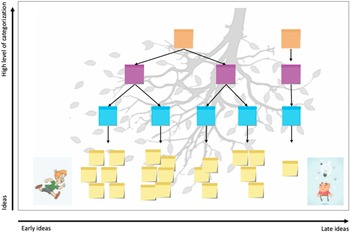


 Open access

