Introduction
Over the years, ethicists approaching issues around Alzheimer's disease (AD) research have focused on the difficulties of managing the informed consent process in those patients that may have limited or lack of decision capacity, issues relating to the use of placebo in this population, and concerns about privacy and public image. A new wave of ethical concerns have emerged as the field has developed capabilities to unveil the risks of developing the disease, the presence of imaging findings showing the basic lesions of AD in people's brains, and the impact of the diagnosis of pre-clinical AD in people's lives.
This paper, however, will focus on none of those issues. Rather, it will focus on the need to consider, when evaluating the results of a successful study, not only safety and efficacy but also the means necessary for making these new AD treatments clinically available for participants and their peers. In my perception, the basic contract is as follows. While the volunteer will take the risk to invest his or her time in participating in a study (and even take additional risk while adopting a treatment with unknown outcomes and safety), the research team commits to making these innovative, safer, and more effective treatments available to those burdened with AD.
Alzheimer's disease is taking the proportions of a major epidemic, and the available financial resources providing for medical care are shrinking around the world.Reference Dharmarajan and Gunturu1 I believe it is time for researchers to focus more attention on the potential barriers for new treatments as they become available to the general public, especially those treatments that show adequate efficacy and safety.
Defining the Problem
In the 21st century, the aging of the population in the U.S. and around the world has taken a brand new profile.Reference Ortman, Velkoff and Hogan2 As in previous years, the population over the age of 65, the age at which all individuals in the U.S. become eligible to receive state-provided healthcare benefits (regardless of their economic situation), continues to grow.3 The life expectancy of those over 65 has dramatically increased in the last decade. Unlike in the past, most of these people tend to live independently and far from their natural family support system.Reference Vincent and Velkoff4 These individuals also want to stay active and tend to deny the possibility of becoming disabled and dependent.5 Despite the denial, the possibility of dependency is real.6 Around the world, the percentage of patients that will depend on others, as defined by the dependency ratio (a ratio that measures the percentage of dependent people over the number of people of working-age), is going to dramatically increase by the year 2050.7 Thus, our societies will find themselves with an aging population expecting to be independent, politically active, and receiving state supported healthcare. This population currently demands access to treatments that are non- or marginally effective. Therefore, it will be impossible to deny a treatment demonstrated to be safe and effective. Not providing this treatment through the usual healthcare channels will be politically impossible, and these demands will come at a very high financial cost.
At the same time, the financial reality of all countries, but especially the developed countries, is becoming more and more challenging.Reference Banerjee8 Societies that have been built upon the idea of endless growth possibilities and the potential for an infinite increase in productivity are starting to feel the limits of these expectations.Reference Harford9 For example, several European countries have seen shrinking health budgets as their governments commit to shrinking their deficits.Reference Eichengreen, Feldman and Liebman10 The need to balance their budget, coupled with limited growth and an increase in demand for expensive healthcare services by a growing and politically savvy elderly population will create a perfect storm.
The New Science of Alzheimer's Disease Therapeutics
In his 2004 publication, Dr. William Klunk and his colleagues told the world what we believed before to be impossible was now possible and achievable.Reference Klunk11 For many years, the “definite” diagnosis of AD, defined as the observation of the presence of amyloid plaques in the brain, was only possible either after the patient's death or in those rare cases that patients agreed to a brain biopsy. However, starting with Dr. Klunk's publication, we were finally able to see the amyloid plaque in the brain of a living person using non-invasive techniques. Furthermore, we discovered that, using these techniques, we could observe the presence of the amyloid plaque in many subjects whose cognitive performance was totally normal. That observation resulted in the scientific community speculating that we can not only confirm the presence of amyloid in the brain of patients with Alzheimer's disease, but we could also identify individuals that were cognitively normal but supposed to be suffering from “asymptomatic Alzheimer's disease”.
This new discovery charted a brand new approach to Alzheimer's disease therapeutics. Researchers started to believe that these subjects, with lesions in the brain consistent with Alzheimer's disease but showing no symptoms, will provide a unique opportunity for researchers to intervene, potentially creating a population of asymptomatic Alzheimer's patients-subjects that, although suffering from the disease at a biological level, will never express its symptoms.
This possibility became more concrete when a number of pharmaceutical companies started to conduct research with specific types of monoclonal antibodies. These antibodies, when infused in patients on a regular basis (in many cases monthly), will be expected to remove amyloid from the brain. By continually providing this therapy, researchers believe that they will be able to decrease the probability that enough amyloid will accumulate in the patient's brain for the patient to become symptomatic.12
The issue today is that, even if all these medications prove to be effective, safe, and approved by the FDA, their efficacy will be demonstrated in a population sample rather than in an individual. Specifically, let's assume that we identify 50,000 people who present with amyloid in their brain. As per the design of the current available studies, all 50,000 of these subjects will be eligible to receive treatment and could potentially benefit from the therapy unless a better way to identify those who will actually, rather than potentially, benefit can be established. In reality, even without an intervention, a small percentage of these subjects will actually develop the disease. The issue is that we do not know which ones. Furthermore, although more subjects receiving the treatment will remain asymptomatic after a given period than those receiving placebo, not all subjects receiving the treatment will remain symptom free, and not all subjects receiving placebo will develop the disease. In other words, we will be able to predict efficacy in a population sample but not in an individual. This creates a major problem, both from the individual point of view as well as from an economic community standpoint.
The Individual and the New Treatments for Alzheimer's Disease
Let's use a case study to attempt to understand the individual's approach to potential new treatments for Alzheimer's disease. Imagine a 66-year-old woman, Mrs. Smith, who has an active lifestyle. She is involved in her community, engages in physical activity regularly, and is working in a senior management position in a large corporation. She is at the peak of her career. After watching a documentary on television, she decided to go through genetic testing for Alzheimer's disease since her mother died in a nursing home from what was defined at the time as “severe dementia.” Her genetic testing revealed an increased risk due to the fact that she had one of the genes (e3e4) that we believe increases the risk for developing Alzheimer's disease. Additionally, she did an imaging test that showed that she had amyloid in her brain. Although she knows that she has a higher risk of developing Alzheimer's disease, this by no means indicates she will become symptomatic. Furthermore, if she chooses to be treated, she will have to receive monthly infusions, go through regular MRI scans to evaluate the presence of adverse events due to treatment, resulting in a cost to her or her insurance company of approximately $50,000 per year simply for treatment. In addition, if she does not develop the disease, she will never know if it was due to or despite the treatment. The same will be true if she does become symptomatic. In other words, she will have to make a major expenditure and change her lifestyle for a treatment, and regardless of the outcome, she will never know if it was or was not effective.
From the Community Point of View
South Carolina spends almost $29 billion per year on healthcare.13 Today, we have approximately 50,000 people suffering from Alzheimer's disease in the state of South Carolina. If we assume we will have at least 3 times as many individuals with positive amyloid in the brain, we then can expect to find 150,000 that will be eligible to receive anti-amyloid treatment. With the treatment estimated to cost $50,000 annually per person, the cost of the treatment itself (without accounting for the cost of medical and imaging follow-ups), the approximate cost will be $7.5 billion per year, or a little less than 1/3 of the healthcare budget for the whole state. Clearly, this is a non-affordable approach. Moving forward, how can we find a way to fulfill the basic contract that we established with study volunteers when we perform these studies? Specifically, how can we be assured that the subjects are going to benefit from the treatment and have realistic access to the very treatments they took a risk to bring to market?
Analyzing a Clinical Trial
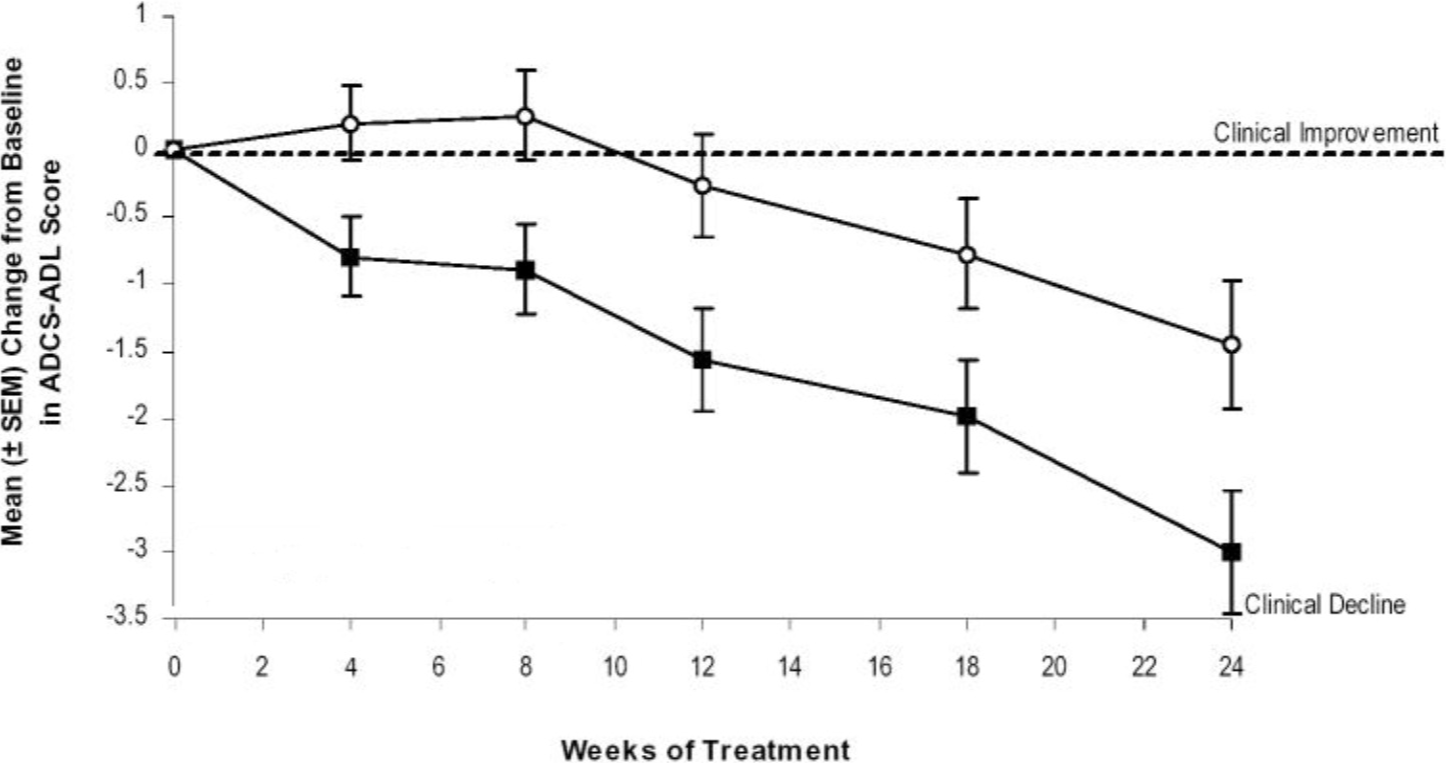
Figure 1 shows the neat results of a clinical trial. Let's assume that the top line represents the group that received the active treatment and the bottom line represents those subjects receiving placebo. The casual observer can therefore assume that, since the lines do not overlap, all subjects treated with the drug will do better than those treated with placebo. The reality, however, is quite different.

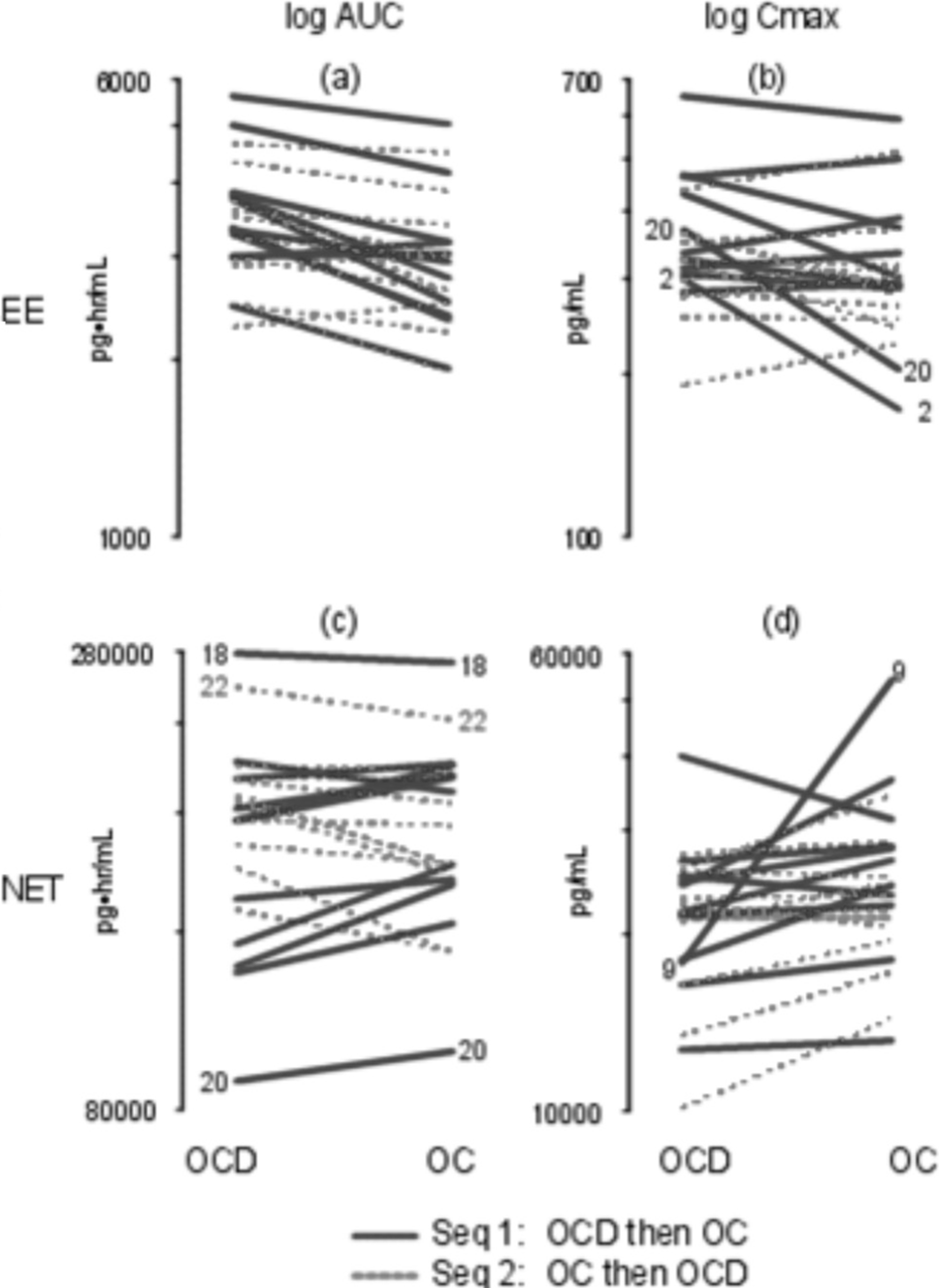
Figure 2 illustrates what is likely the reality of the study results. Each line represents one of the subjects in 4 different sites performing the study. As you can see, the neat line shown in Figure 1 represents the average of what appears, but when viewed at a granular level, provides a very convoluted and unclear picture. The challenge is now identifying from these rather random appearing responses to treatment who are the individuals that are likely to show a clinical response rather than those that will receive the medication and possibly suffer from the adverse events of the treatment without receiving any benefit, either because the medication was ineffective or because they were not destined to develop symptomatic Alzheimer's disease from the beginning. I would like to hypothesize that the valued proposition for our society to develop expensive new treatments without identifying a more precise way to find the subjects that will benefit from the medication is probably ethically unacceptable. In other words, it is ethically difficult to justify investing in valuable resources that could be used to improve health (by improving education, nutrition, or providing, at low cost, available treatments such as antibiotics or immunizations for common disorders) to develop a treatment that will need to be provided to a large population at a high cost so it can benefit only a few individuals. I cannot imagine an individual buying a telephone that might work for approximately 1/3 of those buying it knowing that, regardless of whether the telephone works, he will have to pay for it for the rest of his life. In the case of medications, taking a drug that costs money and does not work presents an additional problem: drugs have side effects that can be harmful to people. Not only is it a waste of financial resources, but it exposes people to risks of harm that an inoperable phone does not. It is clear that the cost of paying for a telephone is much lower than the cost to receive a treatment that may be either unnecessary or ineffective.

A Concrete Proposal
This paper attempts to bring to the attention of the readers the broadening of the concept of ethical research. We propose to augment the ethical paradigm that focuses on avoidance of coercion for participation in studies as well as privacy and safety to include in the paradigm the means to identify the subjects who are likely to benefit from the treatment with the minimum potential for adverse events. This will be a more ethically acceptable proposition for research participants and society. This model will require not only testing the safety and efficacy of the compound but, in parallel, developing specific biomarkers that will provide the prescriber and the patient a high chance to experience the benefits of the treatment that they receive with minimal safety concerns. Although we can argue that this model will slow the development of new treatments until specific biomarkers are identified, we will argue that unless these biomarkers are identified, society will not be able to afford to provide those treatments. Specifically, we propose moving from a model that focuses on the benefits to a group to a model that focuses on the benefits to the individual.
We propose to augment the ethical paradigm that focuses on avoidance of coercion for participation in studies as well as privacy and safety to include in the paradigm the means to identify the subjects who are likely to benefit from the treatment with the minimum potential for adverse events. This will be a more ethically acceptable proposition for research participants and society. This model will require not only testing the safety and efficacy of the compound but, in parallel, developing specific biomarkers that will provide the prescriber and the patient a high chance to experience the benefits of the treatment that they receive with minimal safety concerns.
We understand that this process may or may not be able to be conducted in the same study. Some will argue that we first need to identify if a compound will be helpful for a given group of patients and then identify those specific patients that will benefit. Others will argue, as we do, that the existence of treatments that will not benefit patients has questionable value. We believe the identifying biomarkers and the treatments themselves should be developed simultaneously. As technology allows us to massively meet individualized needs (my cellular phone keeps programs, information, and data that are only relevant to me and most likely to no one else), our approach to developing treatments should not be different.