




No CrossRef data available.
Article contents
Molecular evolution and intragenic recombination of the merozoite surface protein MSP-3α from the malaria parasite Plasmodium vivax in Thailand
Published online by Cambridge University Press: 24 March 2005
Abstract
The merozoite surface antigens of malaria parasites are prime anti-morbidity/mortality vaccine candidates. However, their highly polymorphic nature requires extensive surveys of parasite populations to validate vaccine designs. Previous studies have found 3 molecular types (A, B and C) of the Plasmodium vivax merozoite surface protein 3α (PvMSP-3α) among parasite field populations. Here we analysed complete PvMSP-3α sequences from 17 clinical P. vivax isolates from Thailand and found that the nucleotide diversity was as high as that from samples widely separated by time and space. The polymorphic sites were not randomly distributed but concentrated in the N-terminal Ala-rich domain (block 2A), which is partially deleted in type B and C sequences. The size variations among type A sequences were due to small indels occurring in block 2A, whereas type B and C sequences were uniform in length with each type having a different large deletion. Analysis of synonymous and non-synonymous substitutions suggested that different selection forces were operating on different regions of the molecule. The numerous recombination sites detected within the Ala-rich domain suggested that intragenic recombination was at least partially responsible for the observed genetic diversity of the PvMSP-3α gene. Phylogenetic analysis failed to link any alleles to a specific geographical origin, even when different domains of PvMSP-3α were used for analysis. The highly polymorphic nature and lack of geographical clustering of isolates suggest that more systematic investigations of the PvMSP-3α gene are needed to explore its evolution and vaccine potential.
Information
- Type
- Research Article
- Information
- Copyright
- © 2005 Cambridge University Press
INTRODUCTION
Despite tremendous international efforts to control malaria, it remains an important public health problem in many countries of the world. Among the four human malaria parasites (Plasmodium falciparum, P. vivax, P. malariae, and P. ovale), P. falciparum causes the most severe forms of malaria and is responsible for most malaria deaths. In recent years, the worldwide distribution of P. vivax has expanded significantly and the number of cases reported has been on the rise (Mendis et al. 2001). In many regions of the world, P. vivax has become the most prevalent of the four human malaria species (Sattabongkot et al. 2004; Zhou et al. 2005). Consequently, to alleviate the burden imposed by malaria, integrated approaches targeting the two most prevalent malaria species need to be developed and implemented. Among these approaches, vaccine development is an important component (Richie & Saul, 2002).
Current strategies in malaria vaccine development ideally target multiple parasite stages. The anti-morbidity/mortality vaccines directed against asexual blood stages aim to reduce the clinical severity of the disease. Merozoites are the prime blood stage of vaccine targets, and antibodies against merozoite surface molecules block parasite invasion into erythrocytes in vitro (Berzins, 2002). A number of the merozoite surface proteins have been identified, among which P. falciparum merozoite surface protein-1 (PfMSP-1), PfMSP-2, PfMSP-3, P. vivax MSP-1, and P. vivax Duffy binding protein are current vaccine candidates (Richie & Saul, 2002). Having been exposed to the selection pressure of the host immunity, these antigens have undergone dramatic evolution to produce extensive allelic diversity, which serves as a mechanism for the parasite to evade host immune responses (Escalante, Lal & Ayala, 1998; Cui et al. 2003b). For example, both PfMSP-1 and 2 have extensive sequence polymorphisms and are used frequently as molecular markers to distinguish P. falciparum field isolates (Felger et al. 1997; Sakihama et al. 2001; Takala et al. 2002; Ferreira et al. 2003). In comparison, the antigenic diversity of PfMSP-3 is less pronounced (McColl et al. 1994; Huber et al. 1997; McColl & Anders, 1997; Okenu, Thomas & Conway, 2000). Recently, analysis of 40 P. vivax isolates also has revealed extensive allelic variation in the variable blocks of PvMSP-1, possibly as the result of repeated genetic recombination events (Putaporntip et al. 2002). Consequently, overcoming genetic diversity is a great challenge in designing MSP-based vaccines, because immune responses targeting one form of an antigen may not be effective against parasite strains expressing other forms of the antigen. Therefore, the extent of genetic diversity of candidate antigens must be thoroughly evaluated before an effective vaccine is developed.
The P. vivax genome encodes a family of 3 proteins (PvMSP-3α, β, and γ) that share structural similarity to PfMSP-3 (Galinski et al. 1999, 2001). Although these 3 proteins only share ~30% sequence identity, they are structurally related. They all have a large central domain containing approximately 20–30% alanine residues in the form of heptad repeats that are analogous to, but more extensive than, those of PfMSP-3 (McColl & Anders, 1997; Galinski et al. 1999, 2001). These heptad repeat units are predicted to form coiled α-helical structures that may facilitate anchoring the proteins to the merozoite surface (Galinski et al. 1999). As a vaccine candidate, PfMSP-3 has been found to mediate antibody-dependent cellular inhibition of parasite growth in vitro (Oeuvray et al. 1994) and induce protective immunity against P. falciparum infection in a primate model (Hisaeda et al. 2002). Likewise, recent preliminary observations on immunogenicity of recombinant PvMSP-3α both in vitro and in a New World primate model highlight its potential for vaccine development against P. vivax (Rayner et al. 2002). However, recent studies also suggest that precautions need to be taken because of the high level polymorphism in both PvMSP-3α and -3β, especially in the central domain (Rayner et al. 2002, 2004; Cui et al. 2003a). For PvMSP-3α, aside from the numerous localized polymorphic sites within the protein, 2 major deletions (type B and C) have been found in many global isolates of P. vivax (Bruce et al. 1999; Rayner et al. 2002). Within a single geographical area, western Thailand, parasites belonging to these two types could account for >25% of the population (Cui et al. 2003a). The studies by Rayner et al. (2002, 2004) revealed great genetic diversity of PvMSP-3α and PvMSP-3β from parasite isolates collected over radically different times (>40 years) and geographical locations. Yet, the consequences of such diversity need to be assessed. Indeed, it is unknown whether the extensive pattern of genetic diversity is a problem of temporal and spatial scale. It is possible that the local genetic diversity could be low enough to be considered in vaccine formulations. To address this question, we have sequenced the coding region of PvMSP-3α gene from 17 P. vivax isolates sampled in 1999–2001 from Mae Sod, Aranyaprathet, and Kanchanaburi in Thailand. Consistent with previous findings, analysis of PvMSP-3α sequences of the Thai isolates also uncovered high levels of genetic diversity. Molecular evolution analysis suggested that different selective forces were acting on different portions of the gene with sequences inside the N-terminal Ala-rich domain possibly under positive selection. Although many sequences analysed were from the same geographical locations, phylogenetic analysis did not reveal geographically distinct allelic families or apparent genetic structure within a given area.
MATERIALS AND METHODS
Sample collection
Nine P. vivax isolates were from a sample set collected in 2000-2001 from Mae Sod district, Tak Providence, northwestern Thailand (Cui et al. 2003a). Three were obtained from a sample set collected a year earlier from Kanchanaburi (southwest Thailand) and five from Aranyaprathet (east Thailand bordering Cambodia) (Fig. 1) (Zhou et al. 2005). The latter two sites (>150 km apart) are >300 km from Mae Sod. Sample collection was approved by the Ethical Review Committee of the Armed Forces Research Institute of Medical Sciences under the auspices of the Ministry of Public Health in Thailand. Blood filter processing and parasite DNA isolation were as previously described (Cui et al. 2003a).

Fig. 1. Map of Thailand to indicate the sites of sample collection and the distribution of Plasmodium vivax malaria in 2002.
Cloning and sequencing of PvMSP-3α gene
Based on the prevalence of type A, B and C of PvMSP-3α gene in western Thailand (74·8, 6·5 and 18·7%), we have selected 17 parasite strains (11 type A, 2 type B, and 4 type C) for complete sequencing of the PvMSP-3α gene (Cui et al. 2003a). The 9 PvMSP-3α sequences used for phylogenetic analysis in our earlier study (Cui et al. 2003a) correspond to the central region of nucleotide 205-2100 of the Belem strain (Galinski et al. 1999). To obtain the complete PvMSP-3α coding sequence of these isolates, primers (MSP-3aF2: 5′-GCTCGCTCCAAACGCTCC-3′ and MSP-3aR1: 5′-CTGTGCTTGCACGCTTGC-3′) were used to amplify the 5′ end of MSP-3α gene, while primers (MSP-3aF3: 5′-AGGCAAAGAAGGCGAGAG-3′ and MSP-3aR3: 5′-CCATTTCTTTTGAGACGG-3′) were used to amplify the 3′ end. For the 8 additional samples, nested polymerase chain reactions (PCR) were performed using outer primers (MSP-3aF1: 5′-GCTGCCACCAGTTCAACG-3′ and MSP-3aR2: 5′-CTTAGAAGGTCCTTTCTG-3′) and inner primers (MSP-3aF2 and MSP-3aR3). PCR was performed with an initial denaturation of 1 min at 94 °C, followed by 35 cycles of 20 sec at 94 °C, 50 °C for 20 sec and 65 °C for 2·5 min. The PCR products were cloned in pZero vector (Invitrogen) and sequenced using the BigDye terminator kit (Applied Biosystems). Each PCR product was sequenced in both directions for accuracy. The sequences have been submitted to GenBank with the Accession numbers AY833010–833026.
Sequence alignment
The complete sequence of PvMSP-3α coding region from each isolate was assembled using the DNASTAR program (Lasergene). Both DNA and predicted protein sequences were aligned using Clustal X version 1.83 with manual editing (Thompson et al. 1997). The PvMSP-3α sequence of the Belem (AF093584) strain served as a reference (Galinski et al. 1999). Eighteen additional PvMSP-3α sequences were retrieved from the GenBank (Accession numbers AF491945–AF491962) for analysis (Rayner et al. 2002). These sequences represent P. vivax parasites collected from large geographical areas over an extended period (1944–1993). Two sequences (AF491953 and AF491954) were excluded from analysis due to their short lengths. After alignment, the sequences were divided into 3 blocks (block 1, 2, and 3), representing the 5′, the central alanine-rich, and the 3′ regions, which correspond to nucleotide 1–312, 313–2070 and 2071–2538 of the Belem strain, respectively. Sequences missing 5′ or 3′ regions were eliminated from analysis. For the central alanine-rich region, all 35 sequences were examined, whereas 25 sequences were used for blocks 1 and 3. The central region was further divided into 2 domains, 2A (313–1224) and 2B (1225–2070), corresponding to the extremely polymorphic N-terminal (Block I) and the more conserved C-terminal domain (Block II), respectively (Rayner et al. 2002).
Statistical analysis
The genetic diversity of PvMSP-3α gene was estimated using the parameter π, which computes the average number of substitutions per site between two sequences. The distribution of nucleotide diversity along the PvMSP-3α gene (only 19 full-length type A sequences) was further analysed using a sliding window method, which calculates π on a moving window of 100 nucleotides with a step size of 25 nucleotides. Further, π and its standard deviation were calculated for each block with the pairwise exclusion of the alignment gaps. All calculations were performed using the DnaSP program version 4.0 (Rozas et al. 2003). Only full-length sequences in each block were used to analyse the nucleotide diversity. The Tajima's D test (Tajima, 1989) and the D* and F* statistics of Fu and Li (Fu & Li, 1993) were applied to test the null hypothesis of neutrality for the observed polymorphisms as implemented in DnaSP 4.0 (Rozas et al. 2003). The average amino acid difference for predicted MSP3α proteins (number of sites at which the two compared sequences differ) was calculated by using MEGA 2.1 with pairwise exclusion of alignment gaps (Kumar et al. 2001). Standard deviation (S.D.) was calculated using the bootstrap method with 500 pseudo-replications. The Mae Sod samples were compared with samples from other regions of Thailand using the Fst statistics to detect whether population structure exists, and the results were subjected to χ2 test as implemented in DnaSP 4.0.
In order to test whether different selection forces act on different regions of PvMSP-3α, the rates of synonymous (dS) and non-synonymous (dN) substitutions were estimated for different blocks by using the method of Nei and Gojobori with the Jukes and Cantor correction using the MEGA 2.1 program (Kumar et al. 2001). This method has been widely used to assess the effect of natural selection on malaria antigens (Escalante et al. 2004). The standard error was calculated using the bootstrap method with 1000 pseudo-replications. A Z-test was performed to test for positive selection by comparing the non-synonymous and synonymous substitutions using the MEGA 2.1 program.
The evolutionary relationships of the P. vivax isolates were inferred from phylogenetic analysis of the PvMSP-3α gene using MEGA 2.1. Phylogenetic trees were constructed using the Neighbor Joining (NJ) method (Saitou & Nei, 1987) with the Kimura two-parameter model. Distances were calculated using all aligned nucleotides with pairwise elimination of gaps. The reliability of the tree was assessed by the bootstrap method with 1000 pseudo-replications.
RESULTS
Genetic diversity of the PvMSP-3α gene
The PvMSP-3α gene displays significant fragment size and sequence polymorphisms among P. vivax field isolates. The PvMSP-3α coding regions for type A, B and C are ~2·5, 2·0 and 1·7 kb, respectively. Eleven type A, 2 type B and 4 type C PvMSP-3α clones were sequenced from Thailand. The 18 PvMSP-3α sequences retrieved from GenBank include 16 type A's and two type C's. A total of 35 PvMSP-3α sequences, including 25 complete coding regions, were used for analysis (Table 1). Sequence alignments revealed that type A coding region ranged from 2516 to 2577 bp and the difference is largely due to indels occurring at the end of block 1 and within block 2A. Regardless of the fragment sizes, none of the indels changed the reading frame of the PvMSP-3α gene. Moreover, most of the small indels are highly homologous or identical to immediately adjacent sequences, suggesting that they may have been generated by DNA polymerase slippage. The two type B PvMSP-3α sequences are of the same size with a 458 bp deletion in block 2A occurring at the same sites, corresponding to nucleotides 399-856 of the Belem strain. Similarly, the 747 bp deletion of all type C PvMSP-3α sequences corresponds to nucleotides 475-1221 of the Belem strain. The 3 types of sequences and the sites of deletions are schematically shown in Fig. 2. The alignment of the PvMSP-3α amino acid sequences produced similar results. The notion by Rayner et al. (2002) about the conserved substitution by similar residues and the dimorphic nature of certain motifs could be further extended to the Thai sequences. Based on the analysis of all 35 sequences, the average number of amino acid differences between two sequences was 59·40 (S.D.=3·75).

Fig. 2. Sliding window analysis of the nucleotide diversity (π) across the PvMSP-3α gene using 19 complete type A sequences. The 3 types of sequences are schematically drawn to indicate sites of type B (458 bp) and C (747 bp) deletions. The central Ala-rich domain is shown as the shaded box and the rest of the protein as open boxes.
Table 1. Summary of 35 PvMSP-3α sequences used for analysis (The 3 molecular types A, B, and C are indicated in parenthesis. Asterisks indicate incomplete coding region of the gene. The 3 sites in Thailand (Aranyaprathet, Kanchanaburi, and Mae Sod) are abbreviated as TA, TK, and TMS, respectively.)

The overall haplotype diversity of the 35 PvMSP-3α sequences was 1·000 (S.D.=0·007), which indicates that no identical PvMSP-3α sequences were found among these isolates. The overall nucleotide diversity (π) is 0·04962, similar to the estimate for PvMSP-1 gene (Putaporntip et al. 2002) (Table 2). We further examined the nucleotide diversity in different blocks and across the whole MSP-3α gene using a sliding window analysis (Fig. 2 and Table 2). Nucleotide polymorphism was not uniformly distributed throughout the gene, with higher levels of genetic diversity being observed at the 3′ end of the block 1 extending into the alanine-rich central domain (Fig. 2). Consistent with previous findings (Rayner et al. 2002; Cui et al. 2003a), block 2A, the N-terminal region of the Ala-rich central domain, had the highest nucleotide diversity of 0·09772, whereas the C-terminal region (block 2B) is relatively conserved (0·02379). The rest of the gene (blocks 1 and 3) was less variable. When sequences were examined according to geographical regions, the nucleotide diversities of each block were not significantly different from each other (Table 2).
Table 2. Nucleotide diversity, π (S.D.), of the PvMSP3α gene (The nucleotide diversity was calculated using complete sequences of each block with Jukes and Cantor correction. Only 19 full-length type A sequences were used to calculate the global diversity.)

Intragenic recombination and forces of selection
The number Rm, which estimates the minimum number of recombination events, was estimated using the DnaSP program (Rozas et al. 2003). When all 35 PvMSP-3α sequences were used with the exclusion of gaps and missing sequences, a minimum of 20 recombination events was revealed. The distribution of recombination sites across PvMSP-3α was not uniform; 7 and 11 recombination sites were located in block 2A and 2B, respectively. When type B and C sequences and other incomplete sequences were excluded, the Rm value was 58 from 19 complete type A sequences. This suggests that intragenic recombination is at least partially responsible for generating the haplotype diversity of PvMSP-3α gene.
The numbers of synonymous and non-synonymous substitutions were compared to detect whether different selection forces were acting on different regions of the PvMSP-3α gene (Table 3). By comparing the 19 complete type A PvMSP-3α sequences, the number of synonymous substitutions per synonymous site is greater than the number of non-synonymous substitutions per non-synonymous site. Further analysis of different blocks showed that only in block 2A did the number of nonsynonymous substitutions per non-synonymous site (0·09726) exceed the number of synonymous substitutions per synonymous site (0·09247), suggesting of positive selection in this region. However, Z-test only revealed significant difference between the dS and dN in block 2B (P=0·01), suggesting that this block might be subject to purifying selection. We calculated Fst between Mae Sod and the rest of Thai MSP3α sequences and found no significant population subdivision in the Thai P. vivax population (Fst=0·012, χ2 test, P=0·3856, D.F.=16). Further evaluation of the complete PvMSP-3α sequences using both the Tajima's D test and Fu and Li's statistics detected no evidence of significant departures from the neutral theory (Tajima's D=0·32133, P>0·10; Fu and Li's D*=−0·29549, P>0·10; F*=−0·12884, P>0·10). To assess the possibility that positive selection forces may be acting on different regions of the PvMSP-3a gene, which might be masked by purifying selection, we performed Tajima's and Fu and Li's statistics using a sliding window analysis (not shown). With a window size of 45 nucleotides and step size of 35 nucleotides, significant positive selection was detected at nucleotides 666-710 in block 2A by all the statistical methods (Tajima's D test, D=−2·162, P<0·01; Fu and Li's D* and F*, D*=−3·109, F*=−3·283, P<0·02).
Table 3. Synonymous and non-synonymous substitutions of MSP-3α gene (Synonymous and non-synonymous substitutions were estimated using the Nei and Gojobori method with Jukes and Cantor correction. Indels were treated by pairwise deletion. The variance (S.D.) was calculated by the bootstrap method with 1000 pseudo-replications. Note that 19 complete type A sequences were used to calculate the overall synonymous and non-synonymous substitutions. Differences between the dS and dN values were indicated by the P value from the Z-test with asterisk indicating significant deviation from the null hypothesis of dN=dS at P=0·01 level.)

Phylogeny of the PvMSP-3α gene
We used the coding region of PvMSP-3α gene to study the phylogenetic relationships among the parasite isolates. The cladograms showed that only a few isolates (e.g., TA10 and Br56, NK and SL, TA11 and TA13) shared extensive sequence similarities and their groupings were well supported by bootstrap analysis. Most other branches were supported by low bootstrap values and there was no obvious geographical grouping of the isolates (Fig. 3A). Only a few isolates from similar geographical origins (e.g. Br1A and Sal1, TA11 and TA13) were grouped together. Instead, many of the closely related sequences were isolates from different geographical locations (e.g. clustering of certain South American and Thai isolates, TA10 and Br56). In addition, the deletion types B and C were not clustered together but distributed in different branches, suggesting that these deletions might have arisen from various parasite lineages. When the phylogenetic relationships among isolates were further evaluated using different blocks, widely divergent trees were obtained, where no isolates were consistently clustered together (data not shown). It is noteworthy that block 2A, where 2 large deletions are located, is quite informative for the relationship of type A isolates, since trees generated using block 2A and all available 35 sequences shared similar branch topologies (Fig. 3B). To test whether the incomplete sequences had obscured the phylogenetic analysis, we performed a phylogenetic analysis using 25 full-length PvMSP-3α sequences. The result again suggested the lack of significant geographical structuring of the parasite populations (Fig. 3C). To examine whether temporal and spatial separations of the isolates affect the branching of the phylogenetic trees, we further analysed the relationship among Thai isolates (Fig. 3D). With the exception of 2 isolates from Aranyaprathet (TA11 and TA13), all groupings with high bootstrap values were isolates from different geographical locations. Taken together, although most parasite isolates analysed were from Thailand, the results still did not reveal any obvious structures of P. vivax field populations.

Fig. 3. Phylogenetic trees of PvMSP-3α alleles constructed using the Neighbor-Joining method. Trees were constructed using (A) 35 available sequences, (B) the N-terminal Ala-rich domain (block 2A) (Type B and C deletions were removed from analysis), (C) 25 full-length sequences, and (D) only Thai isolates. Numbers on the branch nodes are percentage bootstrap values with 1000 replications. Sequences used in this study are summarized in Table 1. Thai isolates are indicated with the letter T. The 3 types of MSP-3α are differentiated by the suffix A, B, and C, respectively.
DISCUSSION
Proteins on the Plasmodium merozoite surface, which interact with the red blood cells, are prime vaccine candidates. The polymorphic nature of these antigens appears to be the result of positive selection by the host immunity (Escalante et al. 1998, 2004). As important guidance to vaccine designs, previous studies addressing antigenic diversity of merozoite stage vaccine candidates in P. falciparum have demonstrated the existence of significant levels of genetic polymorphisms in parasite populations, which are maintained by natural selection (Conway et al. 2000). Recent studies assessing the genetic diversity of P. vivax merozoite antigens (e.g., PvMSP-1, PvAMA1, and PvMSP-3α) revealed similar findings (Figtree et al. 2000; Putaporntip et al. 2002; Rayner et al. 2002). In this study, we have obtained complete PvMSP-3α sequences from 17 Thai P. vivax strains and further examined the genetic diversity of PvMSP-3α in Thailand. Analysis of PvMSP-3α from the Thai isolates and those from large geographical areas of the world demonstrated extensive fragment length and sequence polymorphisms. Frequent intragenic recombination events are likely one of the factors for the generation and maintenance of this diversity. We have identified at least 20 recombination sites across the PvMSP-3α gene. This is most likely an underestimate, because the large deletions observed in type B and C were excluded from analysis in pairwise comparisons. Analysis of nucleotide substitutions indicates that different selection forces may have acted on the molecule and shaped the organization of different domains of the gene. Despite that most sequences were originated from Thailand, there were no apparent allelic families of PvMSP-3α sequences and no clustering of isolates from the same geographical origins.
The nucleotide diversity of the PvMSP-3α gene (0·04662) is remarkably high, at a similar magnitude to those of PvMSP-1 (0·0451) and PvMSP-3β (0·0431–0·1056) (Putaporntip et al. 2002; Rayner et al. 2004), but higher than those of PvAMA1 (0·0174) and Duffy binding protein (PvDBP) (0·0092–0·0184) (Figtree et al. 2000; Xainli et al. 2000; Cole-Tobian & King, 2003). Like other malaria parasite antigens, the polymorphic sites of PvMSP-3α are not evenly distributed. The nucleotide diversity in the N-terminal Ala-rich domain of PvMSP-3α (π=0·09772) is much higher than in other regions of the molecule, which is comparable to those observed in the variable blocks of PvMSP-1 gene and in the central polymorphic domain of PvMSP-3β (Putaporntip et al. 2002; Rayner et al. 2004). By contrast, the C-terminal Ala-rich domain and block 3 (C-terminus) are very conserved, perhaps due to their functional constraints. The distribution of polymorphic sites in PvMSP-3α resembles that in PfMSP-3 and PvMSP-3β (Huber et al. 1997; McColl & Anders, 1997; Rayner et al. 2004), indicating that both proteins may assume a similar structural configuration on the merozoite surface. A major mechanism of generating allelic diversity in Plasmodium antigens is believed to be meiotic recombination. The Ala-rich domain appears to be a hot spot of recombination, within which 17 of 20 recombination sites have been detected. Genetic recombination is certainly favoured by the multiplicity of P. vivax infections, a common phenomenon in malaria hyperendemic areas such as Papua New Guinea (Bruce et al. 2000; Mueller et al. 2002). Even in malaria hypoendemic areas such as Thailand and Brazil, the multiplicity of P. vivax infections often exceeded 1·4 (Bruce et al. 2000; Putaporntip et al. 2001; Cui et al. 2003a, b). It has been speculated that certain biological properties of P. vivax malaria such as relapse and early gametocytaemia may be partially responsible for the multiplicity of infections in hypoendemic areas. Although there were no direct estimates of recombination frequency in P. vivax, the analysis of PvMSP-1 sequences from Thailand showing that little linkage disequilibrium existed at a distance of >3 kb supports the assumption of frequent recombination events (Putaporntip et al. 2002). Such high recombination rates have important implications in understanding the structure of P. vivax populations. Unlike P. falciparum, which has strong linkage disequilibrium and low genetic diversity in hypoendemic regions (Anderson et al. 2000), P. vivax may maintain a panmictic population structure and high genetic diversity even in areas of low endemicity such as Thailand (Cui et al. 2003b). Indeed, analyses of both PvMSP-1 (Putaporntip et al. 2002) and PvMSP-3α sequences from Thai P. vivax isolates did not detect apparent population subdivisions.
The N-terminal Ala-rich domain with the highest nucleotide diversity is mostly deleted in type B and C isolates, which indicates that this part is partially dispensable for the functions of the molecule. In western Thailand, the two deletion types accounted for ~25%, in close agreement with ~29% found in Papua New Guinea (Bruce et al. 2000; Cui et al. 2003a). However, these two deletion types were in a much higher proportion (~42%) in another sample set collected from many regions of the world (Rayner et al. 2002). This discrepancy could be due to regional differences, since Asian samples (~45%) contained higher proportions of deletion types than samples from the Americas (~33%) (Rayner et al. 2002). Intriguingly, the high proportion of type B allele (32·8%) in the earlier samples is in sharp contrast to the ~6% of type B allele detected in 2 recent Asian sample sets (Bruce et al. 2000; Cui et al. 2003a). This significant decrease in type B allele frequency over time led us to hypothesize that the type B deletion might have reduced the overall fitness of the parasite and has been gradually removed from the parasite populations. Alternatively, the samples used by Rayner et al. (2002) that were radically separated by time and space may not represent the true proportions of the allele types in global P. vivax populations. In this regard, a more systematic evaluation of the geographical distributions of the three type alleles is necessary to determine whether the observed dramatic temporal change in allele frequency is true.
Comparison of synonymous and non-synonymous substitutions across the PvMSP-3α gene only revealed dN>dS in block 2A (albeit not statistically significant), suggesting that this polymorphic domain might be under positive selection. Only from further sliding window analysis was significant positive selection on a small region of this domain detected. The numerous polymorphic sites observed in this block are likely maintained by balancing selection. In other regions of the gene, especially in block 2B, dS is greater than dN, suggesting that these regions are under purifying selection and the conservation of amino acid sequence likely reflects functional constraints. The positive selection detected earlier in block 2B from a small sample set was not detected in our analysis using larger sequence samples (Rayner et al. 2002). It is apparent from sequence alignment that in addition to the two large deletion types, small indels frequently occurred in block 2A. As noted by Rayner et al. (2002), these small indels did not alter the coiled α-helical structure of this domain. However, they may result in unequal crossover during recombination, which may be partially responsible for the observed sequence diversity. Strikingly different from block 2A, block 2B amino acid sequence is highly conserved and rarely contains small indels. This suggests that the maintenance of the coiled-coil structure in this region might be essential for the function of the gene. Regardless of this general observation for block 2B, positive selection may still operate in smaller regions, which might be responsible for generating a small dimorphic region between amino acid 601–608 (Rayner et al. 2002; Cui et al. 2003a). In the case of the extreme 3′ end of the PvMSP-3α (block3), the sequences are highly conserved and single nucleotide polymophisms are scarce. Moreover, no recombination sites were predicted in this domain. This situation is reminiscent of PfMSP-1, where the conserved 42-kDa C-terminal domain serves as an excellent vaccine candidate (Putaporntip et al. 2002). Preliminary in vitro studies with PvMSP-3α block 2B and 3 showed promising vaccine potential (Rayner et al. 2002); however, future surveys remain to be carried out to validate this.
Even though 17 PvMSP-3α sequences were collected in recent years from Thailand, all sequences analysed in this study are unique, a further indication of highly diverse P. vivax populations. Attempts to identify phylogenetic relationships among the global P. vivax isolates failed to reveal any geographical structure of the parasite populations. In another word, sequences that cluster together in the phylogenetic tress are often from widely separated geographical areas, and there is no indication of clear allelic families that are present only in certain geographical samples. Consistent with our estimates of genetic diversity, extensively divergent trees have been generated using different domains of the gene. The incongruence of phylogenies for different regions of the molecule could be the result of extensive recombination, or different regions of PvMSP-3α could be evolving at different paces. Moreover, Fst analysis of Thai populations did not detect significant population subdivision, suggesting that low-endemic areas in the central region may not constitute a significant gene flow barrier. However, specific studies need to be performed to address this issue. The lack of grouping of type B and type C suggests that individual isolates with these deletions may have arisen separately or that there is recombination between the types. It is important to note that the deletion sites of all type B and type C sequences analysed are consistent. However, the data are still limited and inconclusive since there are only 2 type B and 6 type C sequences currently available. No type B PvMSP-3α was sequenced before this study albeit it had 33% prevalence in an earlier sample set (Rayner et al. 2002). For comparison, phylogenetic analyses using other molecular markers such as PvMSP1, PvAMA1, PvTRAP, and PvDBP have produced trees with obvious groupings of isolates by their geographical origins (Figtree et al. 2000; Putaporntip et al. 2001, 2002; Cole-Tobian & King, 2003). Regarding the observations with PvMSP3α gene, Rayner et al. (2002) proposed two opposing hypotheses: phylogenetic relationship between isolates is masked by the recent extensive polymorphism as a result of similar selective pressures operating on geographically different lineages to produce similar outcomes; or the ancestral PvMSP-3α is polymorphic and extensive recombination events have obscured the phylogenetic relationships of the ancestral lineages. Without any tangible evidence favoring either hypothesis, the interpretation of the PvMSP-3α gene phylogeny is still a matter of conjecture. Taken together, PvMSP-3α gene is remarkably diverse even within a limited geographical region. This extensive allelic diversity proves the PvMSP-3α gene to be a very useful molecular marker for distinguishing field isolates, although it is less informative to test phylogenetic relationships of the extant parasite isolates. Its vaccine potential warrants further investigation into the diversity and expression of the C-terminal conserved region in field isolates.
This study was partially supported by a grant R01 AI46472-02S1 from the RSUM program of NIAID, NIH to L. Cui. We want to thank two anonymous reviewers for the helpful comments.
References
REFERENCES
ANDERSON, T. J.,
HAUBOLD, B.,
WILLIAMS, J. T.,
ESTRADA-FRANCO, J. G.,
RICHARDSON, L.,
MOLLINEDO, R.,
BOCKARIE, M.,
MOKILI, J.,
MHARAKURWA, S.,
FRENCH, N.,
WHITWORTH, J.,
VELEZ, I. D.,
BROCKMAN, A. H.,
NOSTEN, F.,
FERREIRA, M. U. &
DAY, K. P. (
2000).
Microsatellite markers reveal a spectrum of population structures in the malaria parasite Plasmodium falciparum.
Molecular Biology and Evolution
17,
1467–1482.CrossRefGoogle Scholar
BERZINS, K. (
2002).
Merozoite antigens involved in invasion. In
Malaria Immunology
(ed. Perlmann, P. & Troye-Blomberg, M.), pp.
125–143.
Karger,
Basel,
Switzerland.CrossRef
BRUCE, M. C.,
GALINSKI, M. R.,
BARNWELL, J. W.,
DONNELLY, C. A.,
WALMSLEY, M.,
ALPERS, M. P.,
WALLIKER, D. &
DAY, K. P. (
2000).
Genetic diversity and dynamics of Plasmodium falciparum and P. vivax populations in multiply infected children with asymptomatic malaria infections in Papua New Guinea.
Parasitology
121,
257–272.Google Scholar
BRUCE, M. C.,
GALINSKI, M. R.,
BARNWELL, J. W.,
SNOUNOU, G. &
DAY, K. (
1999).
Polymorphism at the merozoite surface protein-3α locus of Plasmodium vivax: global diversity.
American Journal of Tropical Medicine and Hygiene
61,
518–525.CrossRefGoogle Scholar
COLE-TOBIAN, J. &
KING, C. L. (
2003).
Diversity and natural selection in Plasmodium vivax Duffy binding protein gene.
Molecular and Biochemical Parasitology
127,
121–132.CrossRefGoogle Scholar
CONWAY, D. J.,
CAVANAGH, D. R.,
TANABE, K.,
ROPER, C.,
MIKES, Z. S.,
SAKIHAMA, N.,
BOJANG, K. A.,
ODUOLA, A. M.,
KREMSNER, P. G.,
ARNOT, D. E.,
GREENWOOD, B. M. &
MCBRIDE, J. S. (
2000).
A principal target of human immunity to malaria identified by molecular population genetic and immunological analyses.
Nature Medicine
6,
689–692.CrossRefGoogle Scholar
CUI, L.,
MASCORRO, C. N.,
RZOMP, K. A.,
FAN, Q.,
KHUNTIRAT, B.,
ZHOU, G.,
CHEN, H.,
YAN, G. &
SATTABONGKOT, J. (
2003 a).
Genetic diversity and multiple infections of Plasmodium vivax malaria in western Thailand.
American Journal of Tropical Medicine and Hygiene
68,
613–619.Google Scholar
CUI, L.,
ESCALANTE, A. A.,
IMWONG, M. &
SNOUNOU, G. (
2003 b).
The genetic diversity of Plasmodium vivax populations.
Trends in Parasitology
19,
220–226.Google Scholar
ESCALANTE, A. A.,
LAL, A. A. &
AYALA, F. J. (
1998).
Genetic polymorphism and natural selection in the malaria parasite Plasmodium falciparum.
Genetics
149,
189–202.Google Scholar
ESCALANTE, A. A.,
CORNEJO, O. E.,
ROJAS, A.,
UDHAYAKUMAR, V. &
LAL, A. A. (
2004).
Assessing the effect of natural selection in malaria parasites.
Trends in Parasitology
20,
388–395.CrossRefGoogle Scholar
FELGER, I.,
MARSHAL, V. M.,
REEDER, J. C.,
HUNT, J. A.,
MGONE, C. S. &
BECK, H. P. (
1997).
Sequence diversity and molecular evolution of the merozoite surface antigen 2 of Plasmodium falciparum.
Journal of Molecular Evolution
45,
154–160.CrossRefGoogle Scholar
FERREIRA, M. U.,
RIBEIRO, W. L.,
TONON, A. P.,
KAWAMOTO, F. &
RICH, S. (
2003).
Sequence diversity and evolution of the malaria vaccine candidate merozoite surface protein-1 (MSP-1) of Plasmodium falciparum.
Gene
304,
65–74.CrossRefGoogle Scholar
FIGTREE, M.,
PASAY, C. J.,
SLADE, R.,
CHENG, Q.,
CLOONAN, N.,
WALKER, J. &
SAUL, A. (
2000).
Plasmodium vivax synonymous substitution frequencies, evolution and population structure deduced from diversity in AMA 1 and MSP 1 genes.
Molecular and Biochemical Parasitology
108,
53–66.CrossRefGoogle Scholar
FU, Y. X. &
LI, W. H. (
1993).
Statistical tests of neutrality of mutations.
Genetics
133,
693–709.Google Scholar
GALINSKI, M. R.,
CORREDOR-MEDINA, C.,
POVOA, M.,
CROSBY, J.,
INGRAVALLO, P. &
BARNWELL, J. W. (
1999).
Plasmodium vivax merozoite surface protein-3 contains coiled-coil motifs in an alanine-rich central domain.
Molecular and Biochemical Parasitology
101,
131–147.CrossRefGoogle Scholar
GALINSKI, M. R.,
INGRAVALLO, P.,
CORREDOR-MEDINA, C.,
AL-KHEDERY, B.,
POVOA, M. &
BARNWELL, J. W. (
2001).
Plasmodium vivax merozoite surface proteins-3β and -3γ share structural similarities with P. vivax merozoite surface protein-3α and define a new gene family.
Molecular and Biochemical Parasitology
115,
41–53.Google Scholar
HISAEDA, H.,
SAUL, A.,
REECE, J. J.,
KENNEDY, M. C.,
LONG, C. A.,
MILLER, L. H. &
STOWERS, A. W. (
2002).
Merozoite surface protein 3 and protection against malaria in Aotus nancymai monkeys.
Journal of Infectious Diseases
185,
657–664.CrossRefGoogle Scholar
HUBER, W.,
FELGER, I.,
MATILE, H.,
LIPPS, H. J.,
STEIGER, S. &
BECK, H.-P. (
1997).
Limited sequence polymorphism in the Plasmodium falciparum merozoite surface protein 3.
Molecular and Biochemical Parasitology
87,
231–234.CrossRefGoogle Scholar
KUMAR, S.,
TAMURA, K.,
JAKOBSEN, I. B. &
NEI, M. (
2001).
MEGA2: Molecular Evolutionary Genetics Analysis software.
Bioinformatics
17,
1244–1245.CrossRefGoogle Scholar
MENDIS, K. N.,
SINA, B. J.,
MARCHESINI, P. &
CARTER, R. (
2001).
The neglected burden of Plasmodium vivax malaria.
American Journal of Tropical Medicine and Hygiene
64,
97–106.CrossRefGoogle Scholar
MCCOLL, D. J. &
ANDERS, R. F. (
1997).
Conservation of structural motifs and antigenic diversity in the Plasmodium falciparum merozoite surface protein-3 (MSP-3).
Molecular and Biochemical Parasitology
90,
21–31.CrossRefGoogle Scholar
MCCOLL, D. J.,
SILVA, A.,
FOLEY, M.,
KUN, J. F. J.,
FAVALORO, J. M.,
THOMPSON, J. K.,
MARSHALL, V. M.,
COPPEL, R. L.,
KEMP, D. J. &
ANDERS, R. F. (
1994).
Molecular variation in a novel polymorphic antigen associated with Plasmodium falciparum merozoites.
Molecular and Biochemical Parasitology
68,
53–67.CrossRefGoogle Scholar
MUELLER, I.,
KAIOK, J.,
REEDER, J. C. &
CORTES, A. (
2002).
The population structure of Plasmodium falciparum and Plasmodium vivax during an epidemic of malaria in the eastern highlands of Papua New Guinea.
American Journal of Tropical Medicine and Hygiene
67,
459–464.CrossRefGoogle Scholar
OEUVRAY, C.,
BOUHARON-TAYOUN, H.,
GRAS-MASSE, H.,
BOTTIUS, E.,
KAIDOH, T.,
AIKAWA, M.,
FILGUEIRA, M. C.,
TARTAR, A. &
DRUILHE, P. (
1994).
Merozoite surface protein-3: a malaria protein inducing antibodies that promote Plasmodium falciparum killing by cooperation with blood monocytes.
Blood
84,
1594–1602.Google Scholar
OKENU, D. M. N.,
THOMAS, A. W. &
CONWAY, D. J. (
2000).
Allelic lineages of the merozoite surface protein 3 gene in Plasmodium reichenowi and Plasmodium falciparum.
Molecular and Biochemical Parasitology
109,
185–188.CrossRefGoogle Scholar
PUTAPORNTIP, C.,
JONGWUTIWES, S.,
SAKIHAMA, N.,
FERREIRA, M. U.,
KHO, W. G.,
KANEKO, A.,
KANBARA, H.,
HATTORI, T. &
TANABE, K. (
2002).
Mosaic organization and heterogeneity in frequency of allelic recombination of the Plasmodium vivax merozoite surface protein-1 locus.
Proceedings of the National Academy of Sciences, USA
99,
16348–16353.CrossRefGoogle Scholar
PUTAPORNTIP, C.,
JONGWUTIWES, S.,
TIA, T.,
FERREIRA, M. U.,
KANBARA, H. &
TANABE, K. (
2001).
Diversity in the thrombospondin-related adhesive protein gene (TRAP) of Plasmodium vivax.
Gene
268,
97–104.Google Scholar
RAYNER, J. C.,
CORREDOR, V.,
FELDMAN, D.,
INGRAVALLO, P.,
IDERABDULLAH, F.,
GALINSKI, M. R. &
BARNWELL, J. W. (
2002).
Extensive polymorphism in the Plasmodium vivax merozoite surface coat protein MSP-3α is limited to specific domains.
Parasitology
125,
393–405.CrossRefGoogle Scholar
RAYNER, J. C.,
HUBER, C. S.,
FELDMAN, D.,
INGRAVALLO, P.,
GALINSKI, M. R. &
BARNWELL, J. W. (
2004).
Plasmodium vivax merozoite surface protein PvMSP-3b is radically polymorphic through mutation and large insertions and deletions.
Infection, Genetics and Evolution
4,
309–319.CrossRefGoogle Scholar
RICHIE, T. L. &
SAUL, A. (
2002).
Progress and challenges for malaria vaccines.
Nature, London
415,
694–701.CrossRefGoogle Scholar
ROZAS, J.,
SANCHEZ-DELBARRIO, J. C.,
MESSEGUER, X. &
ROZAS, R. (
2003).
DnaSP, DNA polymorphism analyses by the coalescent and other methods.
Bioinformatics
19,
2496–2497.CrossRefGoogle Scholar
SAITOU, N. &
NEI, M. (
1987).
The neighbor-joining method: a new method for reconstructing phylogenetic tree.
Molecular Biology and Evolution
4,
406–425.Google Scholar
SAKIHAMA, N.,
KANEKO, A.,
HATTORI, T. &
TANABE, K. (
2001).
Limited recombination events in merozoite surface protein-1 alleles of Plasmodium falciparum on islands.
Gene
279,
41–48.CrossRefGoogle Scholar
SATTABONGKOT, J.,
TSUBOI, T.,
ZOLLNER, G. E.,
SIRICHAISINTHOP, J. &
CUI, L. (
2004).
Plasmodium vivax transmission: chances for control?
Trends in Parasitology
20,
192–198.Google Scholar
TAJIMA, F. (
1989).
Statistical method for testing the neutral mutation hypothesis by DNA polymorphism.
Genetics
123,
585–595.Google Scholar
TAKALA, S.,
BRANCH, O.,
ESCALANTE, A. A.,
KARIUKI, S.,
WOOTTON, J. &
LAL, A. A. (
2002).
Evidence for intragenic recombination in Plasmodium falciparum: identification of a novel allele family in block 2 of merozoite surface protein-1: Asembo Bay Area Cohort Project XIV.
Molecular and Biochemical Parasitology
125,
163–171.CrossRefGoogle Scholar
THOMPSON, J. D.,
GIBSON, T. J.,
PLEWNIAK, F.,
JEANMOUGIN, F. &
HIGGINS, D. G. (
1997).
The ClustalX windows interface: flexible strategies for multiple sequence alignment aided by quality analysis tools.
Nucleic Acids Research
25,
4876–4882.CrossRefGoogle Scholar
XAINLI, J.,
ADAMS, J. H. &
KING, C. L. (
2000).
The erythrocytic binding motif of Plasmodium vivax Duffy binding protein is highly polymorphic and functionally conserved in isolates from Papua New Guinea.
Molecular and Biochemical Parasitology
111,
253–260.CrossRefGoogle Scholar
ZHOU, G.,
SIRICHAISINTHOP, J.,
SATTABONGKOT, J.,
JONES, J.,
BJØRNSTAD, O. N.,
YAN, G. &
CUI, L. (
2005).
Spatio-temporal distribution of falciparum and vivax malaria in Thailand.
American Journal of Tropical Medicine and Hygiene
(in the Press)Google Scholar
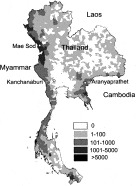
Fig. 1. Map of Thailand to indicate the sites of sample collection and the distribution of Plasmodium vivax malaria in 2002.
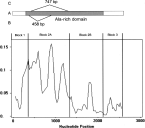
Fig. 2. Sliding window analysis of the nucleotide diversity (π) across the PvMSP-3α gene using 19 complete type A sequences. The 3 types of sequences are schematically drawn to indicate sites of type B (458 bp) and C (747 bp) deletions. The central Ala-rich domain is shown as the shaded box and the rest of the protein as open boxes.
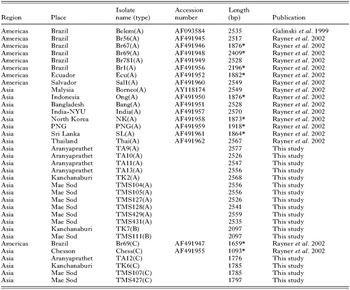
Table 1. Summary of 35 PvMSP-3α sequences used for analysis

Table 2. Nucleotide diversity, π (S.D.), of the PvMSP3α gene
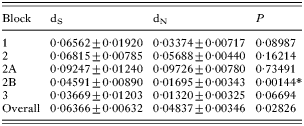
Table 3. Synonymous and non-synonymous substitutions of MSP-3α gene
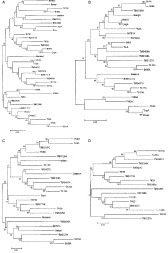
Fig. 3. Phylogenetic trees of PvMSP-3α alleles constructed using the Neighbor-Joining method. Trees were constructed using (A) 35 available sequences, (B) the N-terminal Ala-rich domain (block 2A) (Type B and C deletions were removed from analysis), (C) 25 full-length sequences, and (D) only Thai isolates. Numbers on the branch nodes are percentage bootstrap values with 1000 replications. Sequences used in this study are summarized in Table 1. Thai isolates are indicated with the letter T. The 3 types of MSP-3α are differentiated by the suffix A, B, and C, respectively.
 You have
Access
- 41
- Cited by